

Multimodal assessment of the skin biomechanical properties during wound healing and hyaluronic acid response
Open accessThe DOI matches its DataCite record; 76 of the 76 references it cites were found in a registry or an index; none of the 81 sources its claims cite is checked for support yet.
Abstract
Various methods such as elastography or mechanical testing have been developed to quantify the mechanical properties of soft tissues, which are related to the tissue local pathophysiological conditions. This study is the first one to investigate the in vivo performances of the Impact-Based Analysis Method (IBAM) to characterize the biomechanical behavior of skin during physiological mechanisms. A murine model (12 Sprague-Dawley rats) was considered and various measurements of skin mechanical properties were conducted on different regions of interest over a 3-week period. The effects of wound healing after full-thickness excisional wound and an intradermal hyaluronic acid (HA) injection were monitored using IBAM, as well as two commercially available devices: Cutometer__ and MyotonPro__. The indicators $Δ$t (from IBAM), R0 and R5 (from Cutometer__) vary significantly as a function of wound healing time, which corresponds to a stiffening of healing tissue compared to healthy tissue. The indicator $Δ$t and S (from MyotonPro__) are significantly different when HA was injected compared to healthy tissue, which also corresponds to less stiff tissue. Additionally, both IBAM and Cutometer__ detect significant biomechanical variations in superficial soft tissue related to tissue growth in all measurement regions. This first in vivo use of IBAM shows that IBAM could assess significant variations related to wound healing or regeneration mechanisms following HA injection. This study paves the way for the development of a simple, low-cost and objective device. Future clinical studies or other animal models should be carried out to confirm these results.
Overview
CoChat Summary
TL;DR
This first in vivo study of the Impact-Based Analysis Method (IBAM) compared it with Cutometer and MyotonPro in 12 Sprague-Dawley rats over 3 weeks to track skin biomechanics during full-thickness wound healing and intradermal hyaluronic acid (HA) injection. IBAM detected significant changes in both wound healing and HA response, while Cutometer detected wound-healing changes and MyotonPro detected HA-related changes.
Key findings
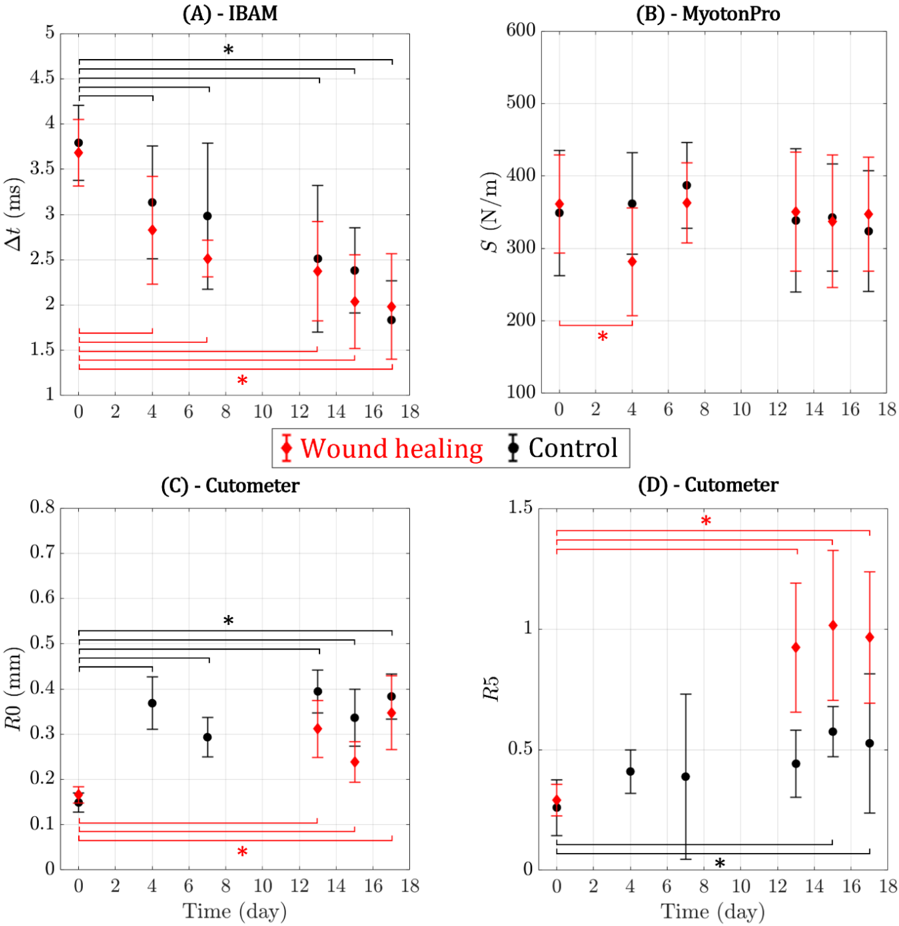
- During wound healing, Δt (IBAM), R0 and R5 (Cutometer) varied significantly with healing time, corresponding to stiffening of healing tissue versus healthy tissue. After D4, Δt was lower and R0 higher than at D0; R5 was higher for the wound-healing group after D4 and for the control group after D15. R5 for wound healing was significantly higher than control from D13 to D17, and Δt was lower in wound healing versus control at D4, D7 and D15 by the confidence-interval approach (and at D7 and D15 by hypothesis testing). No consistent S behavior was found; one-way tests showed no significant time effect for S, with small and moderate effect sizes (η² = 0.041 for wound healing, η² = 0.061 for control).
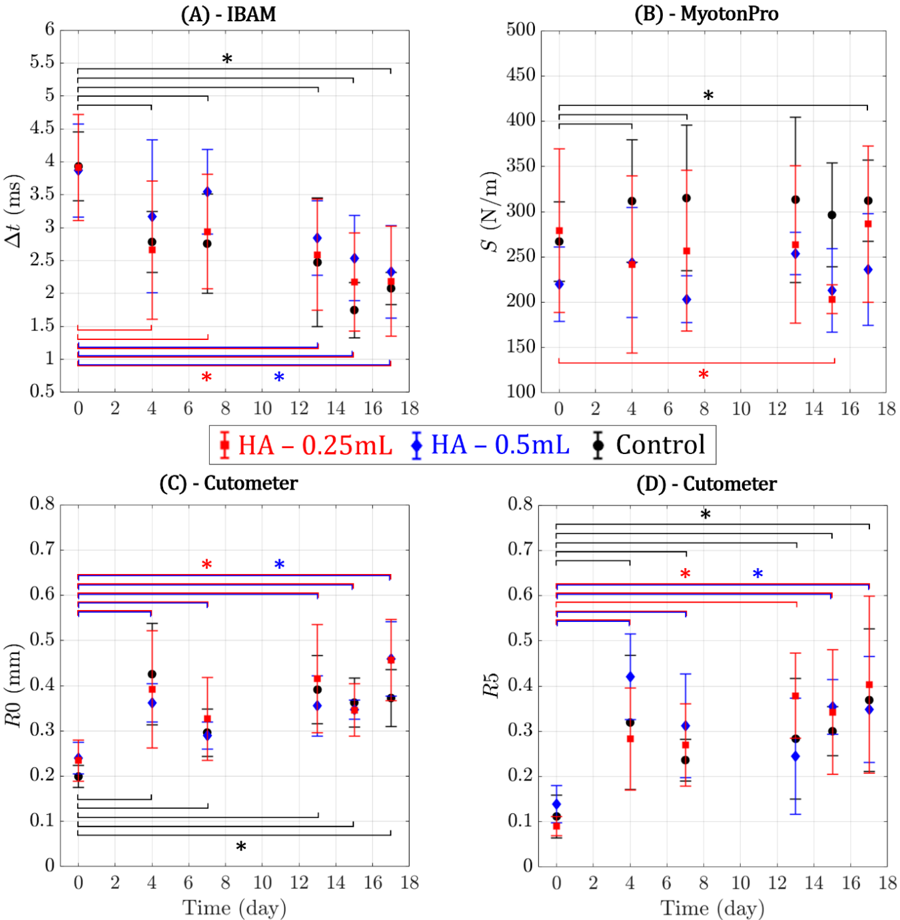
- After HA injection, Δt and S were significantly different when HA was injected compared with healthy tissue, corresponding to less stiff tissue. S was lower in the HA-0.5 mL group than control after D4 by both hypothesis testing and confidence intervals; S was lower in HA-0.25 mL than control by confidence intervals after D4 and by hypothesis testing at D15. Δt was higher in HA-0.5 mL than control between D4 and D15 by confidence intervals, confirmed by hypothesis testing at D7 and D15. Cutometer R0 and R5 showed no clear global tendencies between HA and control groups.
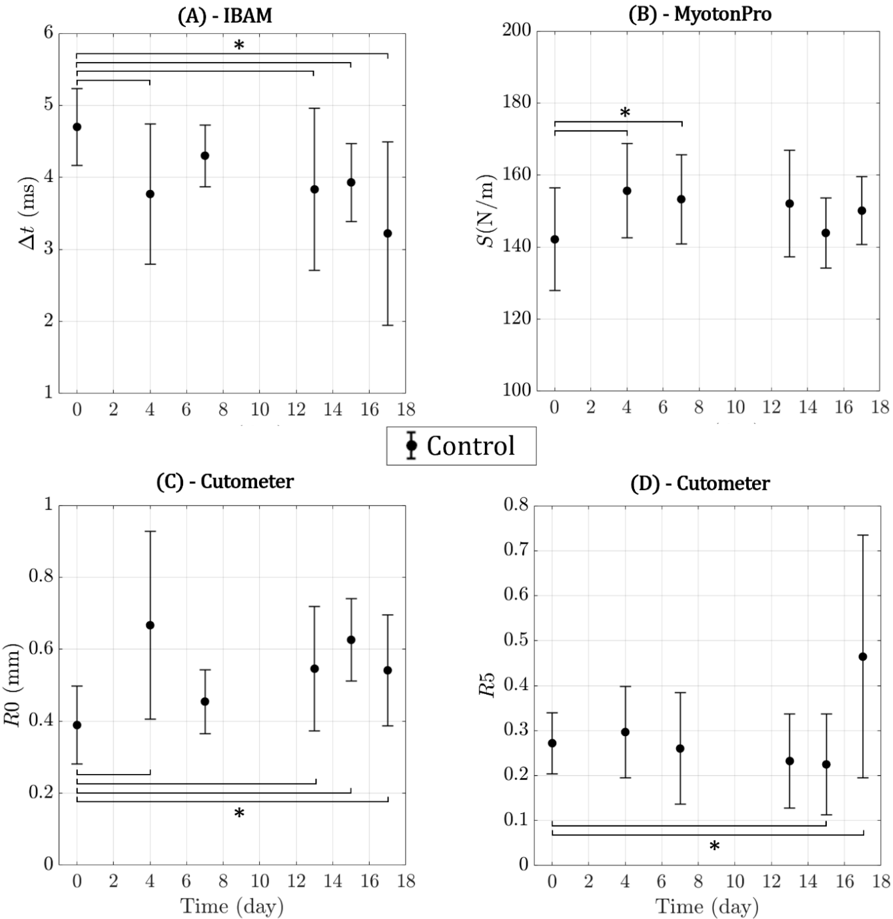
- IBAM and Cutometer detected significant biomechanical variations related to tissue growth in all measurement regions, whereas MyotonPro did not show a significant time effect for S despite moderate and large effect sizes in some groups.
- Repeatability was lowest for S (3.2%) and Δt (3.5%); S had the best reproducibility (6.2%). IBAM Δt reproducibility was 12.6%; Cutometer R0 was 8.4% repeatability and 11.8% reproducibility; Cutometer R5 was 13.2% repeatability and 28.0% reproducibility.
Methods
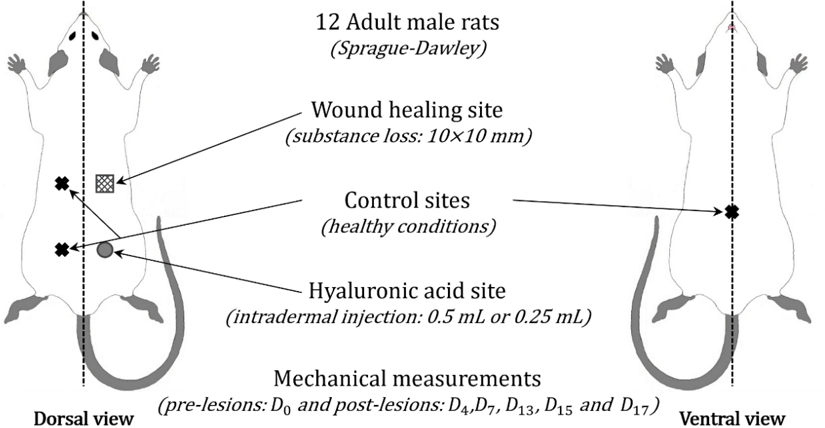
- In vivo murine study with 12 adult male Sprague-Dawley rats, 6 weeks old at the beginning of experiments, over a 3-week protocol. Five regions of interest were measured: right upper back full-thickness excisional wound (10×10 mm) versus left upper back control; right lower back intradermal HA injection (0.50 mL for 6 rats, 0.25 mL for the other 6) versus left lower back control; and median ventral control. Measurements were performed at D0, D4, D7, D13, D15 and D17.
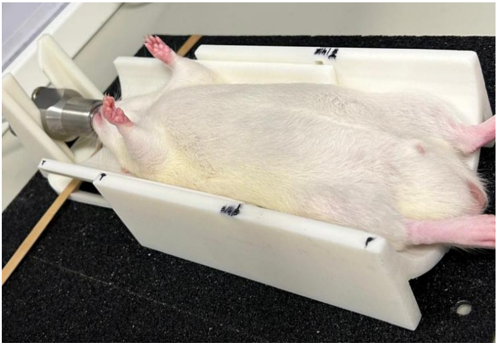
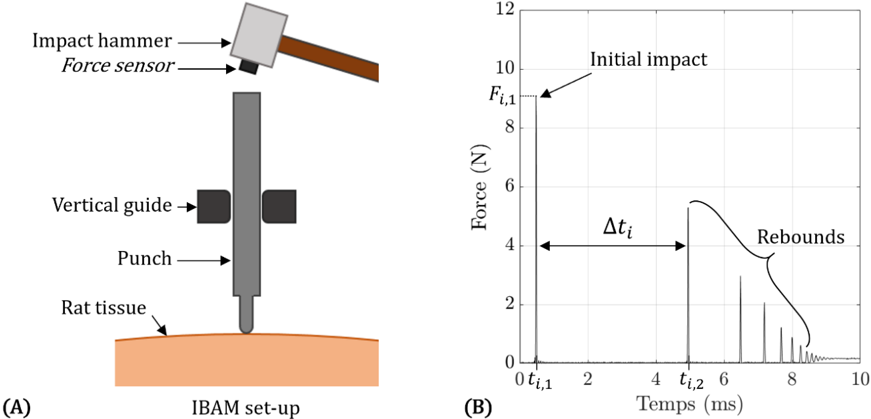
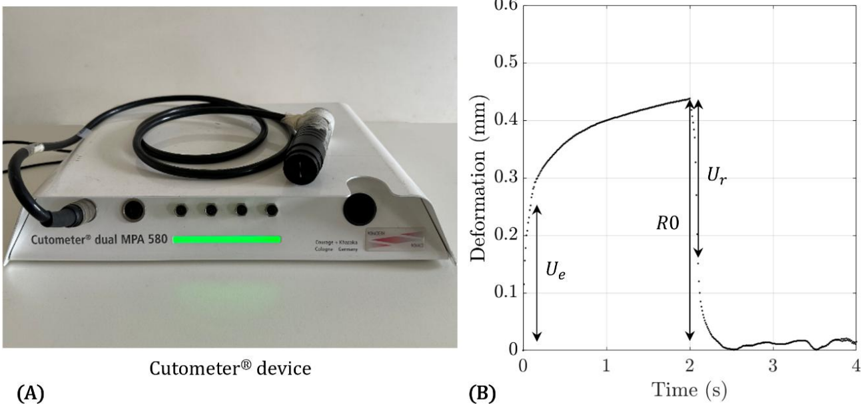
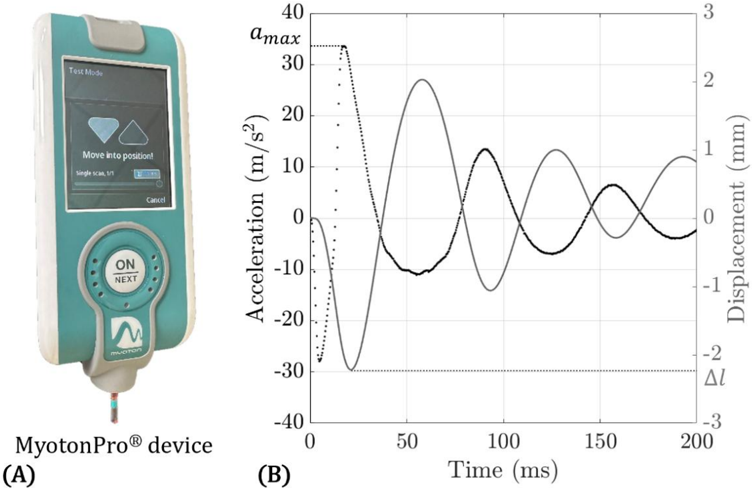
- Three non-invasive techniques were used: IBAM (3-gram hammer with force sensor impacting a 4 mm aluminum punch with a 2 mm hemisphere; Δt computed from the first two peaks and averaged over five impacts with first-peak force between 8 and 10 N), Cutometer (R0 and R5; 450 mbar, 3 cycles of 2 s aspiration and 2 s relaxation), and MyotonPro (S; 5 repetitions).
- Data analysis included z-score outlier detection with a 1.96 threshold, Shapiro-Wilk normality testing, Welch’s t-test or Wilcoxon rank sum tests, one-way ANOVA or Kruskal-Wallis tests, and comparisons between groups using both hypothesis tests and 95% confidence intervals of the mean difference; significance was set at 5%, with effect sizes calculated when results were non-significant.
Limitations
- Stated: the murine model differs from human skin (murine skin thickness less than 25 µm versus human skin greater than 1 mm; presence of the panniculus carnosus; porcine models may be more satisfactory). Protocol limitations include faster wound healing in rats than humans, possible increases in measurement frequency and study duration, blood and incomplete scar closure preventing Cutometer measurements at D4 and D7, possible use of less invasive partial-thickness wounds, and alternative probes for MyotonPro or Cutometer. IBAM is still under development, and its punch geometry was changed compared with previous versions (diameter reduced from 4 to 2 mm and a half-sphere end).
- Evident from the text: the sample was small (12 rats, with one rat lost after D7), only male rats were included, follow-up was limited to 3 weeks, and no human validation was performed.
Model-written summary. Check it against the paper before relying on it.
Integrity signals
Registry
Cites
Statistics
Figures
Verification
Claims the paper makes
0 Valid · 0 Not valid · 54 Not checked · 86 Own results and interpretations
A result the paper reports from its own data — it cites no other source for it, so there is none to check. The quote shows it is in the paper.
In the paper
“In the same way, the one-way statistical hypothesis tests confirm a significant influence of time on 𝛥𝑡 , 𝑅0 and 𝑅5 for the 'wound healing' and 'control' groups.”
plainstates a cause- Asserted: passes — The authors put it forward as true.
- Checkable: passes — It can be checked against evidence.
- Load-bearing: passes — The paper’s conclusions depend on it.
- Based: passes — The paper gives a reason why it holds.
- Rests on 2 assumptions not shown here.
A result the paper reports from its own data — it cites no other source for it, so there is none to check. The quote shows it is in the paper.
In the paper
“The indicators 𝛥𝑡 (from IBAM), 𝑅0 and 𝑅5 (from Cutometer ® ) vary significantly as a function of wound healing time”
plainstates an associationn = 12- Asserted: passes — The authors put it forward as true.
- Checkable: passes — It can be checked against evidence.
- Load-bearing: passes — The paper’s conclusions depend on it.
- Based: passes — The paper gives a reason why it holds.
- Rests on 2 assumptions not shown here.
A result the paper reports from its own data — it cites no other source for it, so there is none to check. The quote shows it is in the paper.
In the paper
“For both 'wound healing' and 'control' groups and after 𝐷4 , 𝛥𝑡 (respectively, 𝑅0 ) values are lower (respectively, higher) than the reference values at 𝐷0 .”
plain- Asserted: passes — The authors put it forward as true.
- Checkable: passes — It can be checked against evidence.
- Load-bearing: unclear — It is unclear whether the paper’s conclusions depend on it.
- Based: passes — The paper gives a reason why it holds.
- Rests on 2 assumptions not shown here.
A result the paper reports from its own data — it cites no other source for it, so there is none to check. The quote shows it is in the paper.
In the paper
“For the 'wound healing' group and after 𝐷4 , 𝑅5 values are higher than the reference values at 𝐷0 , while for the 'control' group and after 𝐷15 , 𝑅5 values are higher than the reference values at 𝐷0 .”
plainstates an association- Asserted: passes — The authors put it forward as true.
- Checkable: passes — It can be checked against evidence.
- Load-bearing: unclear — It is unclear whether the paper’s conclusions depend on it.
- Based: passes — The paper gives a reason why it holds.
- Rests on 2 assumptions not shown here.
70 more claims
Create a free account to see all 140 claims and to verify the 61 references still open.
- It may state two separate claims as one. 30
- Probably not a substantial claim. 44
- The quote only partly states this claim. 2
Self-check
Percentages, sums and reported differences re-computed from the paper’s own numbers.
Each contradiction between two passages listed here was confirmed by an independent check.
Rated minor: it would not touch a result — a value no result rests on, a p-value that stays on the same side of the significance level, or a conflict that is clerical, resolved elsewhere in the paper, or outside its own findings.
In the paper
§ 2.4 Data analysis
“a dataset of 12 values (one value per rat) was obtained for each experimental day and for each region of interest.”
§ 3. Results
“Nevertheless, one rat was lost during the study period because it did not wake up after the measurements of 𝐷7 .”
Rated minor: it would not touch a result — a value no result rests on, a p-value that stays on the same side of the significance level, or a conflict that is clerical, resolved elsewhere in the paper, or outside its own findings.
In the paper
§ 4.2 Biomechanical characterization
“In contrast, no significant variation was observed between the two groups when considering the indicator 𝑆 .”
§ 3.1 Wound healing process
“However, this is not the case for 𝐷4 , where the values of the 'wound healing' group are lower than those of the 'control' group according to both data analysis approaches.”
Rated minor: it would not touch a result — a value no result rests on, a p-value that stays on the same side of the significance level, or a conflict that is clerical, resolved elsewhere in the paper, or outside its own findings.
In the paper
“Moreover, the thickness of their back skin is multiplied by 2 (from 0.5 mm to 1.6 mm between 1 st and 4 th month)”
Reported 2 · recomputed 3.2
Rated minor: it would not touch a result — a value no result rests on, a p-value that stays on the same side of the significance level, or a conflict that is clerical, resolved elsewhere in the paper, or outside its own findings.
In the paper
§ 4.3 Limitations and perspectives
“The skin thickness is significantly lower for murine models (less than 25 µm) compared to that of humans (higher than 1 mm)”
§ 4.2 Biomechanical characterization
“the thickness of their back skin is multiplied by 2 (from 0.5 mm to 1.6 mm between 1 st and 4 th month)”
Citations
Cites
An analysis of variance test for normality (complete samples)
SHAPIRO, S. S., & WILK, M. B. (1965) · Biometrika · doi:10.1093/biomet/52.3-4.591 · Cited by 23,480
Normality Tests for Statistical Analysis: A Guide for Non-Statisticians
Ghasemi, A., & Zahediasl, S. (2012) · International Journal of Endocrinology and Metabolism · doi:10.5812/ijem.3505 · Cited by 4,368
Anatomy, histology and immunohistochemistry of normal human skin.
Kanitakis, J. (2002) · PubMed · Cited by 1,059
Hyaluronic acid: A key molecule in skin aging
Papakonstantinou, E., Roth, M., & Karakiulakis, G. (2012) · Dermato-Endocrinology · doi:10.4161/derm.21923 · Cited by 1,031
Intrinsic and extrinsic factors in skin ageing: a review
Farage, M. A., Miller, K. W., Elsner, P., & Maibach, H. I. (2008) · International Journal of Cosmetic Science · doi:10.1111/j.1468-2494.2007.00415.x · Cited by 950
Robust statistics for outlier detection
Rousseeuw, P. J., & Hubert, M. (2011) · WIREs Data Mining and Knowledge Discovery · doi:10.1002/widm.2 · Cited by 792
Indentation Versus Tensile Measurements of Young's Modulus for Soft Biological Tissues
McKee, C. T., Last, J. A., Russell, P., & Murphy, C. J. (2011) · Tissue Engineering Part B: Reviews · doi:10.1089/ten.teb.2010.0520 · Cited by 708
Skin wound healing in humans and mice: Challenges in translational research
Zomer, H. D., & Trentin, A. G. (2018) · Journal of Dermatological Science · doi:10.1016/j.jdermsci.2017.12.009 · Cited by 534
Handbook of Non-Invasive Methods and the Skin
(2006) · CRC Press eBooks · doi:10.3109/9781420003307 · Cited by 460
Elastic properties of human skin: relation to age, sex, and anatomical region
Cua, A. B., Wilhelm, K. P., & Maibach, H. I. (1990) · Archives of Dermatological Research · doi:10.1007/bf00375720 · Cited by 382
Mechanical properties of whole-body soft human tissues: a review
Singh, G., & Chanda, A. (2021) · Biomedical Materials · doi:10.1088/1748-605x/ac2b7a · Cited by 364
Aging Skin: Histology, Physiology, and Pathology
Khavkin, J., & Ellis, D. A. F. (2011) · Facial Plastic Surgery Clinics of North America · doi:10.1016/j.fsc.2011.04.003 · Cited by 354
Influence of age and regional differences on skin elasticity as measured by the Cutometer®
Ryu, H. S., Joo, Y. H., Kim, S. O., Park, K. C., & Youn, S. W. (2008) · Skin Research and Technology · doi:10.1111/j.1600-0846.2008.00302.x · Cited by 295
Schober, P., Mascha, E. J., & Vetter, T. R. (2021) · Anesthesia & Analgesia · doi:10.1213/ane.0000000000005773 · Cited by 271
Feng, Y. N., Li, Y. P., Liu, C. L., & Zhang, Z. J. (2018) · Scientific Reports · doi:10.1038/s41598-018-34719-7 · Cited by 231
Reliability of a new, hand-held device for assessing skeletal muscle stiffness
Bizzini, M., & Mannion, A. F. (2003) · Clinical Biomechanics · doi:10.1016/s0268-0033(03)00042-1 · Cited by 209
Imokawa, G., & Ishida, K. (2015) · International Journal of Molecular Sciences · doi:10.3390/ijms16047753 · Cited by 206
Azzi, L., El-Alfy, M., Martel, C., & Labrie, F. (2005) · Journal of Investigative Dermatology · doi:10.1111/j.0022-202x.2004.23545.x · Cited by 178
Kelly, J. P., Koppenhaver, S. L., Michener, L. A., Proulx, L., Bisagni, F., & Cleland, J. A. (2017) · Journal of Electromyography and Kinesiology · doi:10.1016/j.jelekin.2017.11.001 · Cited by 177
Skin elasticity meter or subjective evaluation in scars: a reliability assessment
Draaijers, L. J., Botman, Y. A. M., Tempelman, F. R. H., Kreis, R. W., Middelkoop, E., & van Zuijlen, P. P. M. (2004) · Burns · doi:10.1016/j.burns.2003.09.003 · Cited by 172
HYALURONIC ACID AND SKIN: WOUND HEALING AND AGING
MANUSKIATTI, W., & MAIBACH, H. I. (1996) · International Journal of Dermatology · doi:10.1111/j.1365-4362.1996.tb03650.x · Cited by 161
In vivo bio-integration of three hyaluronic acid fillers in human skin: a histological study
Tran, C., Carraux, P., Micheels, P., Kaya, G., & Salomon, D. (2014) · Dermatology · doi:10.1159/000354384 · Cited by 119
Considerations for selecting the correct animal model for dermal wound-healing studies
Lindblad, W. J. (2008) · Journal of Biomaterials Science, Polymer Edition · doi:10.1163/156856208784909390 · Cited by 118
Nedelec, B., Forget, N., Hurtubise, T., Cimino, S., de Muszka, F., Legault, A., Liu, W. L., de Oliveira, A., Calva, V., & Correa, J. A. (2015) · Skin Research and Technology · doi:10.1111/srt.12256 · Cited by 117
Vogel, H. G. (1978) · Connective Tissue Research · doi:10.3109/03008207809152626 · Cited by 112
Edwards, C., Pearse, A. D., Marks, R., Nishimori, Y., Matsumoto, K., & Kawai, M. (2001) · Journal of Investigative Dermatology · doi:10.1038/jid.2001.2 · Cited by 111
Ahn, S., Kim, S., Lee, H., Moon, S., & Chang, I. (2007) · Skin Research and Technology · doi:10.1111/j.1600-0846.2007.00224.x · Cited by 110
Moloney, S. J., Edmonds, S. H., Giddens, L. D., & Learn, D. B. (1992) · Photochemistry and Photobiology · doi:10.1111/j.1751-1097.1992.tb02194.x · Cited by 106
Nam, G. W., Baek, J. H., Koh, J. S., & Hwang, J. ‐. (2015) · Skin Research and Technology · doi:10.1111/srt.12145 · Cited by 88
Bartsch, K., Brandl, A., Weber, P., Wilke, J., Bensamoun, S. F., Bauermeister, W., Klingler, W., & Schleip, R. (2023) · Scientific Reports · doi:10.1038/s41598-023-27742-w · Cited by 83
Murray, B. C., & Wickett, R. R. (1997) · Skin Research and Technology · doi:10.1111/j.1600-0846.1997.tb00170.x · Cited by 77
Application of Cutometer area parameters for the study of human skin fatigue
Dobrev, H. (2005) · Skin Research and Technology · doi:10.1111/j.1600-0846.2005.00090.x · Cited by 73
Comparison of skin elasticity test results from the Ballistometer® and Cutometer®
Woo, M. S., Moon, K., Jung, H., Park, S. R., Moon, T. K., Kim, N. S., & Lee, B. C. (2014) · Skin Research and Technology · doi:10.1111/srt.12134 · Cited by 73
Assessing the Acetabular Cup Implant Primary Stability by Impact Analyses: A Cadaveric Study
Michel, A., Bosc, R., Meningaud, J., Hernigou, P., & Haïat, G. (2016) · PLoS ONE · doi:10.1371/journal.pone.0166778 · Cited by 68
Self-citationDellalana, L. E., Chen, F., Vain, A., Gandelman, J. S., Põldemaa, M., Chen, H., & Tkaczyk, E. R. (2018) · Skin Research and Technology · doi:10.1111/srt.12646 · Cited by 59
Kim, M. A., Kim, E. J., & Lee, H. (2018) · Skin Research and Technology · doi:10.1111/srt.12455 · Cited by 56
Arnold, N., Scott, J., & Bush, T. R. (2023) · Journal of Tissue Viability · doi:10.1016/j.jtv.2023.02.003 · Cited by 52
Histological Study of the First Seven Days of Skin Wound Healing in Rats
Vidinský, B., Gál, P., Toporcer, T., Longauer, F., Lenhardt, Ľ., Bobrov, N., & Sabo, J. (2006) · Acta Veterinaria Brno · doi:10.2754/avb200675020197 · Cited by 50
Standardizing Dimensionless Cutometer Parameters to Determine In Vivo Elasticity of Human Skin
Abbas, D. B., Lavin, C. V., Fahy, E. J., Griffin, M., Guardino, N., King, M., Chen, K., Lorenz, P. H., Gurtner, G. C., Longaker, M. T., et al. (2022) · Advances in Wound Care · doi:10.1089/wound.2021.0082 · Cited by 47
The effect of probe to skin contact force on Cutometer MPA 580 measurements
Bonaparte, J. P., Ellis, D., & Chung, J. (2013) · Journal of Medical Engineering & Technology · doi:10.3109/03091902.2013.779325 · Cited by 44
In Vitro Evaluation of the Acetabular Cup Primary Stability by Impact Analysis
Michel, A., Bosc, R., Vayron, R., & Haïat, G. (2015) · Journal of Biomechanical Engineering · doi:10.1115/1.4029505 · Cited by 42
Self-citationAnalyses of changes on skin by aging
Kazanci, A., Kurus, M., & Atasever, A. (2017) · Skin Research and Technology · doi:10.1111/srt.12300 · Cited by 41
A cadaveric validation of a method based on impact analysis to monitor the femoral stem insertion
Dubory, A., Rosi, G., Tijou, A., Lomami, H. A., Flouzat–Lachaniette, C.-H., & Haïat, G. (2019) · Journal of the mechanical behavior of biomedical materials/Journal of mechanical behavior of biomedical materials · doi:10.1016/j.jmbbm.2019.103535 · Cited by 39
Self-citationEx vivo estimation of cementless femoral stem stability using an instrumented hammer
Lomami, H. A., Damour, C., Rosi, G., Poudrel, A.-S., Dubory, A., Flouzat–Lachaniette, C.-H., & Haïat, G. (2020) · Clinical Biomechanics · doi:10.1016/j.clinbiomech.2020.105006 · Cited by 37
Self-citationSeok, J., Hong, J. Y., Choi, S. Y., Park, K. Y., & Kim, B. J. (2016) · Journal of Cosmetic Dermatology · doi:10.1111/jocd.12244 · Cited by 36
An evaluation of mechanical and biophysical skin parameters at different body locations
John, A. J. U. K., Galdo, F. D., Gush, R., & Worsley, P. R. (2023) · Skin Research and Technology · doi:10.1111/srt.13292 · Cited by 34
About the in vivo quantitation of skin anisotropy
Rosado, C., Antunes, F., Barbosa, R., Fernando, R., Estudante, M., Silva, H., & Rodrigues, L. M. (2016) · Skin Research and Technology · doi:10.1111/srt.12353 · Cited by 34
The clinician's guide to p values, confidence intervals, and magnitude of effects
Phillips, M. R., Wykoff, C. C., Thabane, L., Bhandari, M., Chaudhary, V., for the Retina Evidence Trials InterNational Alliance (R.E.T.I.N.A.) Study Group, Sivaprasad, S., Kaiser, P., Sarraf, D., Bakri, S. J., et al. (2022) · Eye · doi:10.1038/s41433-021-01863-w · Cited by 27
Gilbert, I., Gaudreault, N., & Gaboury, I. (2020) · Skin Research and Technology · doi:10.1111/srt.12956 · Cited by 27
Hong, J. Y., Kim, J. H., Kwon, T., Hong, J. K., Li, K., & Kim, B. J. (2021) · Dermatologic Therapy · doi:10.1111/dth.14770 · Cited by 23
Using an Impact Hammer to Estimate Elastic Modulus and Thickness of a Sample During an Osteotomy
Hubert, A., Rosi, G., Bosc, R., & Haïat, G. (2020) · Journal of Biomechanical Engineering · doi:10.1115/1.4046200 · Cited by 23
Self-citationLamassoure, L., Giunta, J., Rosi, G., Poudrel, A.-S., Meningaud, J., Bosc, R., & Haïat, G. (2021) · Medical Engineering & Physics · doi:10.1016/j.medengphy.2021.08.004 · Cited by 23
Self-citationComparison of different MyotonPRO probes for skin stiffness evaluation in young women
Rosicka, K., Mierzejewska‐Krzyżowska, B., & Mrówczyński, W. (2020) · Skin Research and Technology · doi:10.1111/srt.12946 · Cited by 20
Alev, K., Vain, A., Aru, M., Pehme, A., Purge, P., Kaasik, P., & Seene, T. (2018) · Journal of Manipulative and Physiological Therapeutics · doi:10.1016/j.jmpt.2017.06.009 · Cited by 19
Lamassoure, L., Giunta, J., Rosi, G., Poudrel, A.-S., Bosc, R., & Haïat, G. (2021) · Proceedings of the Institution of Mechanical Engineers Part H Journal of Engineering in Medicine · doi:10.1177/09544119211011824 · Cited by 18
Self-citationGhasemi, E., Nilforoushzadeh, M. A., Khani, M. R., Amirkhani, M. A., Nouri, M., Charipoor, P., Eftekhari, M., Izadpanah, S., & Shokri, B. (2023) · Scientific Reports · doi:10.1038/s41598-023-34425-z · Cited by 17
Alteration of biomechanical properties of burned skin
Held, M., Rahmanian‐Schwarz, A., Rothenberger, J. M., Schiefer, J. L., Esfahani, B. J., Schaller, H.-E., & Jaminet, P. (2014) · Burns · doi:10.1016/j.burns.2014.09.021 · Cited by 15
Cléry‐Barraud, C., Nguon, N., Vallet, V., Sentenac, C., Four, E., Arlaud, C., Coulon, D., & Boudry, I. (2013) · Skin Research and Technology · doi:10.1111/j.1600-0846.2012.00621.x · Cited by 15
Using an Instrumented Hammer to Predict the Rupture of Bone Samples Subject to an Osteotomy
Nugues, M. B. D., Rosi, G., Hériveaux, Y., & Haïat, G. (2023) · Sensors · doi:10.3390/s23042304 · Cited by 14
A quantitative comparison of devices for in vivo biomechanical characterization of human skin
Junker, H. J., Thumm, B., Halvachizadeh, S., & Mazza, E. (2023) · Mechanics of Soft Materials · doi:10.1007/s42558-023-00053-w · Cited by 13
Alev, K., Aru, M., Vain, A., Pehme, A., Kaasik, P., & Seene, T. (2022) · Clinical Biomechanics · doi:10.1016/j.clinbiomech.2022.105808 · Cited by 13
Kurashina, W., Takahashi, T., Sasanuma, H., Saitsu, A., & Takeshita, K. (2023) · Cureus · doi:10.7759/cureus.49359 · Cited by 13
Heo, H., Madhavan, J., Eun, S., Jung, H., & Lee, H. (2021) · Preventive Nutrition and Food Science · doi:10.3746/pnf.2021.26.4.425 · Cited by 9
An Instrumented Hammer to Detect the Rupture of the Pterygoid Plates
Nugues, M. B. D., Lamassoure, L., Rosi, G., Flouzat–Lachaniette, C.-H., Khonsari, R. H., & Haïat, G. (2024) · Annals of Biomedical Engineering · doi:10.1007/s10439-024-03596-9 · Cited by 9
Self-citationStroumza, N., Bosc, R., Hersant, B., Hermeziu, O., & Meningaud, J.-P. (2015) · Revue de Stomatologie, de Chirurgie Maxillo-faciale et de Chirurgie Orale · doi:10.1016/j.revsto.2015.02.002 · Cited by 9
Self-citationPoudrel, A.-S., Bouffandeau, A., Demeet, O. L., Rosi, G., Nguyen, V.-H., & Haiat, G. (2024) · Journal of the Mechanical Behavior of Biomedical Materials · doi:10.1016/j.jmbbm.2024.106465 · Cited by 9
Self-citationCharipoor, P., Nilforoushzadeh, M. A., Khani, M. R., Nouri, M., Ghasemi, E., Amirkhani, M. A., Eftekhari, M., & Shokri, B. (2023) · Heliyon · doi:10.1016/j.heliyon.2023.e23386 · Cited by 8
Lintel, H., Abbas, D. B., Mackay, D. J., Griffin, M., Lavin, C. V., Berry, C. E., Guardino, N. J., Guo, J. L., Momeni, A., Mackay, D. R., et al. (2023) · Wound Repair and Regeneration · doi:10.1111/wrr.13062 · Cited by 8
Assessment of the Mechanical Properties of Soft Tissue Phantoms Using Impact Analysis
Bouffandeau, A., Poudrel, A.-S., Brossier, C., Rosi, G., Nguyen, V.-H., Flouzat-Lachaniette, C.-H., Meningaud, J.-P., & Haïat, G. (2025) · Sensors · doi:10.3390/s25051344 · Cited by 8
Self-citationA New, Rapid, Standardized Method for Harvesting Split Skin Grafts in Rodents
Rahmanian‐Schwarz, A., Knoeller, T., Held, M., Amr, A., & Schaller, H. (2011) · Plastic & Reconstructive Surgery · doi:10.1097/prs.0b013e318208d2f5 · Cited by 7
Anggoro, D., Purba, M. S., Nishida, N., Itoh, H., ITAMOTO, K., Nemoto, Y., NAKAICHI, M., Sunahara, H., & Tani, K. (2024) · PLoS ONE · doi:10.1371/journal.pone.0292453 · Cited by 4
Mechanical properties of rat skin at high and low loads. Influence of age and desmotropic drugs
Vogel, H. G. (1981) · Bioengineering and the Skin · doi:10.1007/978-94-009-7310-7_12 · Cited by 3
Bouffandeau, A., Bensamoun, S., Schleip, R., Rosi, G., Flouzat-Lachaniette, C.-H., Meningaud, J.-P., & Haiat, G. (2026) · IRBM · doi:10.1016/j.irbm.2026.100932 · Cited by 2
Self-citation(2012) · PubMed
(2016) · PubMed
(2015) · PubMed
Research works printed but not linked: 1
- Wallace HA, Basehore BM, Zito PM. Wound Healing Phases. 2023 Jun 12. In: StatPearls [Internet]. Treasure Island (FL): StatPearls Publishing; 2026 Jan -. PMID: 29262065.
Cited by
Still being checked.
Metadata
- Authors
- Bouffandeau, A., Poisbleau, D., Ouidja, M. O. I., Karasinski, P., Papy, D., Flouzat-Lachaniette, C.-H., Bosc, R., Hersant, B., Meningaud, J.-P., & Haiat, G.
- Affiliations
- Centre National de la Recherche Scientifique (FR)
- UPEC UP12
- MSME
- Inserm (FR)
- Venue
- arXiv
- Publisher
- arXiv
- Published
- 2026
- Volume
- 180
- Pages
- 107451-107451
- ISSN
- 1878-0180 (ISSN-L)
- arXiv
- 2611.20949
- OpenAlex
- W7155879648
- Cited by
- 2
- References
- 76
- Citations by year
- 2026: 2
- FWCI
- 4.51
- Type
- journal article
- Language
- en
- Open access
- hybrid
- doi.org
- Licence
- Locations
- Journal of the mechanical behavior of biomedical materials/Journal of mechanical behavior of biomedical materials (publishedVersion, cc-by)
- PubMed (publishedVersion)
- arXiv (submittedVersion)
- HAL (submittedVersion, cc-by)
- Funders
- Agence Nationale de la Recherche (ANR-24-LCV2-0009, ANR-21-CE17-0004, ANR-21-CE19-0035, ANR-25-CE45-3188)
- Centre National de la Recherche Scientifique
- Horizon 2020 Framework Programme
- European Research Council
- H2020 European Research Council
- HORIZON EUROPE European Research Council (101147066)
- Topics
- Health Sciences › Medicine › Radiology, Nuclear Medicine and Imaging › Ultrasound Imaging and Elastography
- Health Sciences › Medicine › Surgery › Wound Healing and Treatments
- Physical Sciences › Engineering › Biomedical Engineering › Elasticity and Material Modeling
- Keywords
- skin biomechanics, wound healing, hyaluronic acid injection, skin stiffness, Cutometer, MyotonPRO, full-thickness excisional wounds, tissue regeneration, multimodal assessment
- MeSH terms
- Animals, Biomechanical Phenomena, Hyaluronic Acid, Male, Materials Testing, Skin, Wound Healing, Rats, Sprague-Dawley, Rats, Mechanical Phenomena
About these checks
Registry, retraction, Cites and statistics results are computed, not judged, with one exception: a printed reference that no index lists is read once by a model before it counts as a citation error. Claims are extracted by a model and kept only when their quote appears verbatim in the text; each cited source is then checked, with a model’s help, for whether it says what the claim relies on. Those verdicts can be wrong — read the claim’s quote and the cited source before relying on one.
A language model drew the claims from the paper on 2026-11-26, under version 3 of the claim definition (model deepseek-v4.1-flash, prompt extract-v3).
A second model labelled each claim on 2026-11-26 (model jev-1.13-20260917, definition revision gold-guideline-v0.2).
Statistics and arithmetic are recomputed, not judged.
Confidence bands are shown only for fields calibrated on our annotated test set. None is calibrated yet, so no band is shown.
What counts as a claim ›How we measure confidence ›How we check this ›
Are you an author, or do you see a problem with this page? Request a review
Data sources
Bibliographic data: Semantic Scholar, OpenAlex, Crossref.
Contains information from the Semantic Scholar Academic Graph Datasets, made available under the ODC Attribution License (ODC-BY 1.0).
Semantic Scholar’s data is described in: Kinney, R., et al. (2023). The Semantic Scholar Open Data Platform. arXiv:2301.10140.
