

The DOI matches its Crossref record; 108 of the 110 references it cites were found in a registry or an index.
IL-6 Trans-Signaling via the Soluble IL-6 Receptor: Importance for the Pro-Inflammatory Activities of IL-6
Open accessAbstract
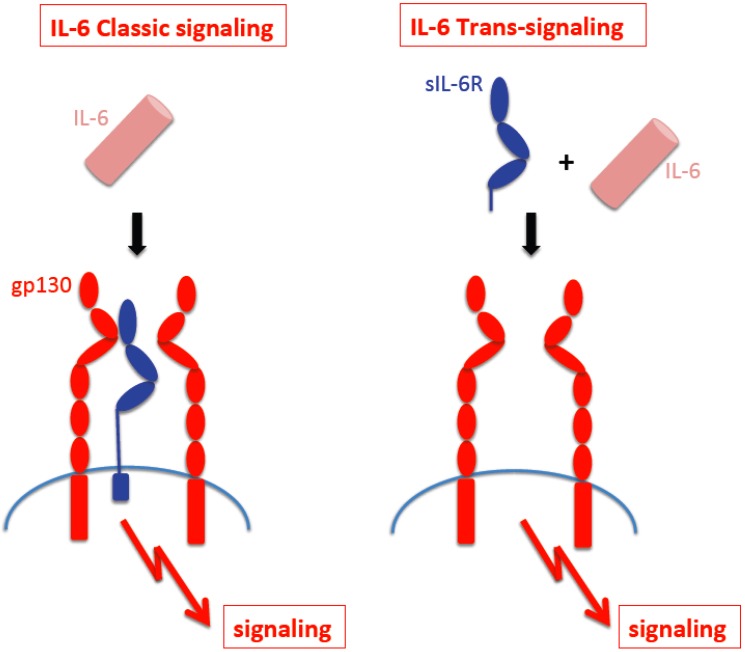
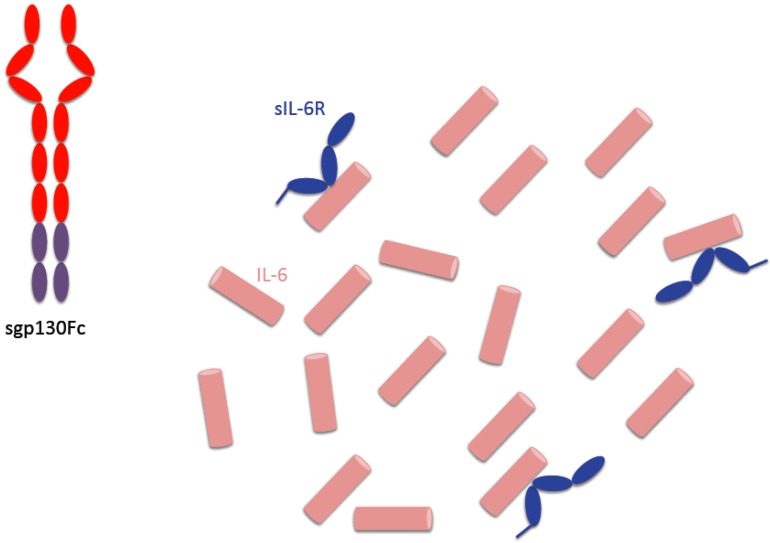
Interleukin-6 (IL-6) is a cytokine with many activities. It has functions in the regulation of the immune system and the nervous system. Furthermore, IL-6 is involved in liver regeneration and in the metabolic control of the body. On target cells, IL-6 binds to an 80 kDa IL-6 receptor (IL-6R). The complex of IL-6 and IL-6R associates with a second protein, gp130, which thereupon dimerizes and initiates intracellular signaling. Whereas gp130 is expressed on all cells, IL-6R is only present on few cells in the body including hepatocytes and some leukocytes. Cells, which do not express IL-6R cannot respond to the cytokine, since gp130 alone has no measurable affinity for IL-6. Interestingly, a soluble form of IL-6R (sIL-6R) comprising the extracellular portion of the receptor can bind IL-6 with a similar affinity as the membrane bound IL-6R. The complex of IL-6 and sIL-6R can bind to gp130 on cells, which do not express the IL-6R, and which are unresponsive to IL-6. This process has been called trans-signaling. Here I will review published evidence that IL-6 trans-signaling is pro-inflammatory whereas classic IL-6 signaling via the membrane bound IL-6R is needed for regenerative or anti-inflammatory activities of the cytokine. Furthermore, the detailed knowledge of IL-6 biology has important consequences for therapeutic strategies aimed at the blockade of the cytokine IL-6.
Overview
The claims and statistics of this paper haven’t been checked yet.
Run the check — free, no account needed. It reads the open-access text and checks the sources it cites.
Integrity signals
Registry
Cites
Statistics
Figures
Verification
Claims the paper makes
The claims and statistics of this paper haven’t been checked yet.
Run the check — free, no account needed. It reads the open-access text and checks the sources it cites.
Claims other papers make about this one
Each is checked against this paper’s own text: does it say what the citing paper says it does?
The source backs part of the claim, not all of it — or backs it for a different population, condition or comparison.
In the citing paper
“Therefore, the balance between mbIL-6R and sIL-6R availability, along with signal duration and tissue context, determines whether IL-6 acts in a protective or pathogenic manner [40].”
From Exercise-Induced Muscle–Fat Crosstalk: Molecular Mediators and Their Pharmacological Modulation for the Maintenance of Metabolic Flexibility in Aging (2025) · cites this paper as [40]
Experimental — accuracy not yet measuredThe source backs part of the claim, not all of it — or backs it for a different population, condition or comparison.
In the citing paper
“HyIL-6 triggers signaling in all cells expressing gp130, producing a more robust and homogenous signaling output”
From CDK8 fine-tunes IL-6 transcriptional activities by limiting STAT3 resident time at the gene loci (2020) · cites this paper as Rose-John, 2012
Experimental — accuracy not yet measuredThe cited source says what the claim attributes to it.
In the citing paper
“This is in line with the view that classic and trans-signaling promote anti- and pro-inflammatory responses, respectively (85)”
From T H 17 cells require ongoing classic IL-6 receptor signaling to retain transcriptional and functional identity (2020) · cites this paper as [85]
Self-check
Percentages, sums and reported differences re-computed from the paper’s own numbers.
The self-check needs the paper’s full text.
Citations
Cites
Bettelli, E., Carrier, Y., Gao, W., Korn, T., Strom, T. B., Oukka, M., Weiner, H. L., & Kuchroo, V. K. (2006) · Nature · doi:10.1038/nature04753 · Cited by 6,992 · cited 3×
“The induction of TH17-cells by IL-6 was strongly increased by the presence of sIL-6R indicating a role for trans-signaling in this process [29].”
BackgroundPrinciples of interleukin (IL)-6-type cytokine signalling and its regulation
HEINRICH, P. C., BEHRMANN, I., HAAN, S., HERMANNS, H. M., MÜLLER-NEWEN, G., & SCHAPER, F. (2003) · Biochemical Journal · doi:10.1042/bj20030407 · Cited by 3,272 · cited 1×
“In addition to the activation of the canonical JAK/STAT pathway, the phosphatase SHP-2 is recruited to tyrosine phosphorylated gp130, becomes phosphorylated by JAK1 and thereupon mediates the activation of the Ras-Raf-MAPK signaling pathway [5, 6].”
BackgroundThe pro- and anti-inflammatory properties of the cytokine interleukin-6
Scheller, J., Chalaris, A., Schmidt-Arras, D., & Rose-John, S. (2011) · Biochimica et Biophysica Acta (BBA) - Molecular Cell Research · doi:10.1016/j.bbamcr.2011.01.034 · Cited by 3,212 · cited 2×
“Under physiologic conditions IL-6 is thought to act in a paracrine fashion [69].”
BackgroundSelf-citationKaposi's sarcoma-associated herpesvirus-like DNA sequences in multicentric Castleman's disease.
Soulier, J., Grollet, L., Oksenhendler, E., Cacoub, P., Cazals-Hatem, D., Babinet, P., d'Agay, M., Clauvel, J., Raphael, M., Degos, L., et al. (1995) · Blood · doi:10.1182/blood.v86.4.1276.bloodjournal8641276 · Cited by 2,296 · cited 1×
“This might be very relevant for the situation in patients because HHV8 has been associated with multicentric Castleman disease and 100% of HIV positive patients and 50% of HIV negative patients harbor the virus [94].”
BackgroundGrivennikov, S., Karin, E., Terzic, J., Mucida, D., Yu, G.-Y., Vallabhapurapu, S., Scheller, J., Rose-John, S., Cheroutre, H., Eckmann, L., et al. (2009) · Cancer Cell · doi:10.1016/j.ccr.2009.01.001 · Cited by 2,155
Self-citationHirano, T., Yasukawa, K., Harada, H., Taga, T., Watanabe, Y., Matsuda, T., Kashiwamura, S.-I., Nakajima, K., Koyama, K., Iwamatsu, A., et al. (1986) · Nature · doi:10.1038/324073a0 · Cited by 2,139 · cited 1×
“The cDNA of IL-6 was cloned in 1986 [1] and it was recognized that IL-6 belonged to a large family of cytokines, which all shared the four-helical protein topology [2].”
BackgroundInterleukin-6 triggers the association of its receptor with a possible signal transducer, gp130
Taga, T., Hibi, M., Hirata, Y., Yamasaki, K., Yasukawa, K., Matsuda, T., Hirano, T., & Kishimoto, T. (1989) · Cell · doi:10.1016/0092-8674(89)90438-8 · Cited by 1,396
Atreya, R., Mudter, J., Finotto, S., Müllberg, J., Jostock, T., Wirtz, S., Schütz, M., Bartsch, B., Holtmann, M., Becker, C., et al. (2000) · Nature Medicine · doi:10.1038/75068 · Cited by 1,293
Self-citationWaage, A., Brandtzaeg, P., Halstensen, A. I., Kierulf, P., & Espevik, T. (1989) · The Journal of Experimental Medicine · doi:10.1084/jem.169.1.333 · Cited by 1,175
(2012) · The Lancet · doi:10.1016/s0140-6736(12)60110-x · Cited by 1,146 · cited 1×
“In two recent publications, it was shown that a single nucleotide polymorphism in the IL-6R gene changing glutamine 258 into alanine resulted in higher serum concentrations of sIL-6R was connected to a lower risk of coronary heart disease [71, 72].”
BackgroundCloning and Expression of the Human Interleukin-6 (BSF-2/IFNβ 2) Receptor
Yamasaki, K., Taga, T., Hirata, Y., Yawata, H., Kawanishi, Y., Seed, B., Taniguchi, T., Hirano, T., & Kishimoto, T. (1988) · Science · doi:10.1126/science.3136546 · Cited by 1,059 · cited 1×
“The IL-6 receptor (IL-6R), a protein with an Ig-fold, binds IL-6 with nanomolar affinity [3].”
BackgroundINTERLEUKIN-6: From Basic Science to Medicine—40 Years in Immunology
Kishimoto, T. (2004) · Annual Review of Immunology · doi:10.1146/annurev.immunol.23.021704.115806 · Cited by 1,040 · cited 2×
“Since all cells in the body express gp130 [9, 10], theoretically, all cells can be activated by the IL-6/sIL-6R complex.”
BackgroundMolecular cloning and expression of an IL-6 signal transducer, gp130
Hibi, M., Murakami, M., Saito, M., Hirano, T., Taga, T., & Kishimoto, T. (1990) · Cell · doi:10.1016/0092-8674(90)90411-7 · Cited by 1,039
Bollrath, J., Phesse, T. J., von Burstin, V. A., Putoczki, T., Bennecke, M., Bateman, T., Nebelsiek, T., Lundgren-May, T., Canli, Ö., Schwitalla, S., et al. (2009) · Cancer Cell · doi:10.1016/j.ccr.2009.01.002 · Cited by 946 · cited 1×
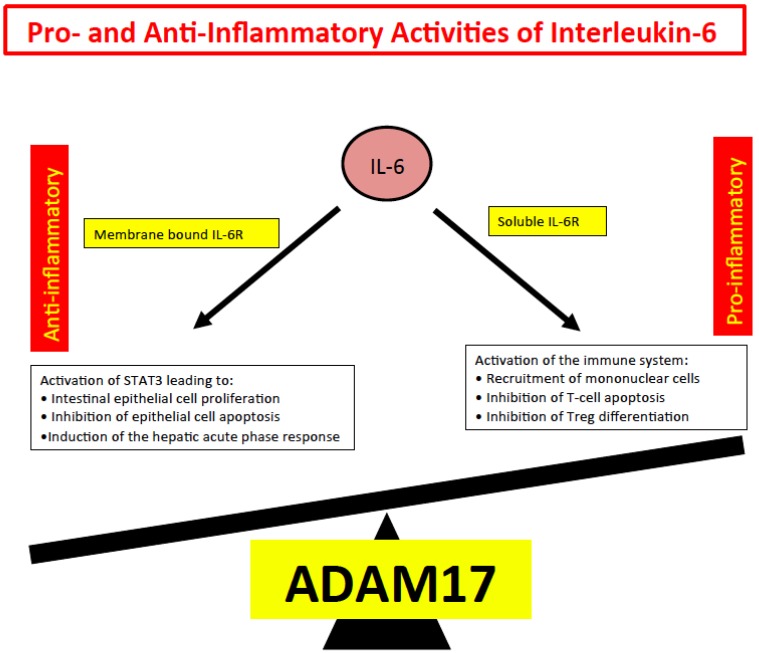
“Activities of IL-6 can be regenerative and protective during infection and inflammation [76, 77, 96].”
BackgroundLesina, M., Kurkowski, M. U., Ludes, K., Rose-John, S., Treiber, M., Klöppel, G., Yoshimura, A., Reindl, W., Sipos, B., Akira, S., et al. (2011) · Cancer Cell · doi:10.1016/j.ccr.2011.03.009 · Cited by 862 · cited 1×
“Pancreatic Cancer Pancreatic cancer caused by expression of oncogenic G12D K-ras [105]”
BackgroundSelf-citation(2012) · The Lancet · doi:10.1016/s0140-6736(11)61931-4 · Cited by 823
Soluble receptors for cytokines and growth factors: generation and biological function
Rose‐John, S., & Heinrich, P. C. (1994) · Biochemical Journal · doi:10.1042/bj3000281 · Cited by 777 · cited 2×
“The sIL-6R binds IL-6 with comparable affinity as the membrane bound IL-6R [18].”
BackgroundSelf-citationHumanized anti–interleukin-6 receptor antibody treatment of multicentric Castleman disease
Nishimoto, N., Kanakura, Y., Aozasa, K., Johkoh, T., Nakamura, M., Nakano, S., Nakano, N., Ikeda, Y., Sasaki, T., Nishioka, K., et al. (2005) · Blood · doi:10.1182/blood-2004-12-4602 · Cited by 754
TGF-β Suppresses Tumor Progression in Colon Cancer by Inhibition of IL-6 trans-Signaling
Becker, C., Fantini, M. C., Schramm, C., Lehr, H. A., Wirtz, S., Nikolaev, A., Burg, J., Strand, S., Kiesslich, R., Huber, S., et al. (2004) · Immunity · doi:10.1016/j.immuni.2004.07.020 · Cited by 726
Self-citationTherapeutic strategies for the clinical blockade of IL-6/gp130 signaling
Jones, S. A., Scheller, J., & Rose‐John, S. (2011) · Journal of Clinical Investigation · doi:10.1172/jci57158 · Cited by 689 · cited 3×
“Since all cells in the body express gp130 [9, 10], theoretically, all cells can be activated by the IL-6/sIL-6R complex.”
BackgroundSelf-citationSoluble gp130 is the natural inhibitor of soluble interleukin-6 receptor transsignaling responses.
Jostock, T., Müllberg, J., Özbek, S., Atreya, R., Blinn, G., Voltz, N., Fischer, M., Neurath, M., & Rose-John, S. (2001) · European Journal of Biochemistry · doi:10.1046/j.1432-1327.2001.01867.x · Cited by 665
Self-citationRose‐John, S., Scheller, J., Elson, G., & Jones, S. A. (2006) · Journal of Leukocyte Biology · doi:10.1189/jlb.1105674 · Cited by 656 · cited 1×
“These results indicated that the IL-6 trans-signaling pathway was used in many cell types and tissues [53].”
BackgroundSelf-citationHaemopoietic receptors and helical cytokines
Bazán, J. F. (1990) · Immunology Today · doi:10.1016/0167-5699(90)90139-z · Cited by 633 · cited 1×
“The cDNA of IL-6 was cloned in 1986 [1] and it was recognized that IL-6 belonged to a large family of cytokines, which all shared the four-helical protein topology [2].”
BackgroundA bioactive designer cytokine for human hematopoietic progenitor cell expansion
Fischer, M., Goldschmitt, J., Peschel, C., Brakenhoff, J., Kallen, K., Wollmer, A., Grötzinger, J., & Rose-John, S. (1997) · Nature Biotechnology · doi:10.1038/nbt0297-142 · Cited by 551
Self-citationADAM17: a molecular switch to control inflammation and tissue regeneration
Scheller, J., Chalaris, A., Garbers, C., & Rose‐John, S. (2011) · Trends in Immunology · doi:10.1016/j.it.2011.05.005 · Cited by 541
Self-citationThe soluble interleukin‐6 receptor is generated by shedding
Müllberg, J., Schooltink, H., Stoyan, T., Günther, M., Graeve, L., Buse, G., Mackiewicz, A. A., Heinrich, P. C., & Rose‐John, S. (1993) · European Journal of Immunology · doi:10.1002/eji.1830230226 · Cited by 515 · cited 4×
“Interestingly, a soluble form of the IL-6R (sIL-6R) has been found in body fluids such as urine and blood [13] and it was shown that in humans, the sIL-6R could be generated by two different mechanisms, limited proteolysis of the membrane bound receptor by the metalloprotease ADAM17 [14] and by translation of a differ…”
BackgroundInfluentialSelf-citationSoluble cytokine receptors are present in normal human urine.
Novick, D., Engelmann, H., Wallach, D., & Rubinstein, M. (1989) · The Journal of Experimental Medicine · doi:10.1084/jem.170.4.1409 · Cited by 434 · cited 1×
“Interestingly, a soluble form of the IL-6R (sIL-6R) has been found in body fluids such as urine and blood [13] and it was shown that in humans, the sIL-6R could be generated by two different mechanisms, limited proteolysis of the membrane bound receptor by the metalloprotease ADAM17 [14] and by translation of a differ…”
BackgroundNarazaki, M., Yasukawa, K., Saito, T., Ohsugi, Y., Fukui, H., Koishihara, Y., Yancopoulos, G. D., Taga, T., & Kishimoto, T. (1993) · Blood · doi:10.1182/blood.v82.4.1120.bloodjournal8241120 · Cited by 431 · cited 2×
“A natural soluble form of gp130 (sgp130) is found in the circulation [32] at levels around 400 ng/ml.”
BackgroundMatthews, V., Schuster, B., Schütze, S., Bussmeyer, I., Ludwig, A., Hundhausen, C., Sadowski, T., Saftig, P., Hartmann, D., Kallen, K.-J., et al. (2003) · Journal of Biological Chemistry · doi:10.1074/jbc.m210584200 · Cited by 390
Self-citationThe IL-6/sIL-6R complex as a novel target for therapeutic approaches
Rose‐John, S., Waetzig, G. H., Scheller, J., Grötzinger, J., & Seegert, D. (2007) · Expert Opinion on Therapeutic Targets · doi:10.1517/14728222.11.5.613 · Cited by 364 · cited 2×
“These experiments allowed to decide whether the gp130 driven disease model was based on IL-6 classic signaling or IL-6 trans-signaling [54, 55].”
BackgroundMethodSelf-citationDoganci, A., Eigenbrod, T., Krug, N., Sanctis, G. T. D., Hausding, M., Erpenbeck, V. J., Haddad, E., Schmitt, E., Bopp, T., Kallen, K.-J., et al. (2005) · Journal of Clinical Investigation · doi:10.1172/jci22433 · Cited by 364
Self-citationSympathetic neurons can produce and respond to interleukin 6.
März, P., Cheng, J. G., Gadient, R., Patterson, P. H., Stoyan, T., Otten, U., & Rose-John, S. (1998) · Proceedings of the National Academy of Sciences of the United States of America · doi:10.1073/pnas.95.6.3251 · Cited by 346 · cited 1×
“Cells, which would only respond to IL-6 in the presence of the sIL-6R include hematopoietic stem cells [47], many if not all neural cells [48, 49], smooth muscle cells [50] and embryonic stem cells [51, 52].”
BackgroundSelf-citationHuman soluble IL-6 receptor: its detection and enhanced release by HIV infection
Honda, M., Yamamoto, S., Cheng, M., Yasukawa, K., Suzuki, H., Saito, T. R., Osugi, Y., Tokunaga, T., & Kishimoto, T. (1992) · The Journal of Immunology · doi:10.4049/jimmunol.148.7.2175 · Cited by 331 · cited 1×
“In contrast, levels of sIL-6R are in the range of 75 ng/ml [65] and sgp130 levels have been found at around 250-400 ng/ml [32, 66].”
BackgroundChalaris, A., Rabe, B., Paliga, K., Lange, H., Laskay, T., Fielding, C. A., Jones, S. A., Rose‐John, S., & Scheller, J. (2007) · Blood · doi:10.1182/blood-2007-01-067918 · Cited by 330 · cited 2×
“Indeed, it turned out that early induction of apoptosis led to strong ADAM17 mediated shedding of the IL-6R [26].”
BackgroundSelf-citationMaintenance of Pluripotency in Human Embryonic Stem Cells Is STAT3 Independent
Humphrey, R. K., Beattie, G. M., Lopez, A. D., Bucay, N., King, C. C., Firpo, M. T., Rose‐John, S., & Hayek, A. (2004) · Stem Cells · doi:10.1634/stemcells.22-4-522 · Cited by 319
Self-citationIsolation of an mRNA encoding a soluble form of the human interleukin-6 receptor
Lust, J. A., Donovan, K. A., Kline, M. P., Greipp, P. R., Kyle, R. A., & Maihle, N. J. (1992) · Cytokine · doi:10.1016/1043-4666(92)90043-q · Cited by 316 · cited 1×
“Interestingly, a soluble form of the IL-6R (sIL-6R) has been found in body fluids such as urine and blood [13] and it was shown that in humans, the sIL-6R could be generated by two different mechanisms, limited proteolysis of the membrane bound receptor by the metalloprotease ADAM17 [14] and by translation of a differ…”
BackgroundAcquiring signalling specificity from the cytokine receptor gp130
Ernst, M. (2003) · Trends in Genetics · doi:10.1016/j.tig.2003.11.003 · Cited by 300 · cited 1×
“The contribution of the JAK/STAT pathway and the SHP-2 driven Ras-Raf-MAPK signaling pathway to pathophysiology has been addressed by using mice in which the portions of gp130, which trigger these respective pathways have been genetically modified [7].”
BackgroundHuman herpesvirus 8 encodes a homolog of interleukin-6
Neipel, F., Albrecht, J. C., Ensser, A., Huang, Y. Q., Li, J. J., Friedman‐Kien, A. E., & Fleckenstein, B. (1997) · Journal of Virology · doi:10.1128/jvi.71.1.839-842.1997 · Cited by 291 · cited 1×
“The genome of Human Herpesvirus 8 (HHV8) also called Kaposi's sarcoma-associated herpesvirus codes for a viral form of IL-6, designated vIL-6 [81].”
BackgroundMolden, J., Chang, Y., You, Y., Moore, P. S., & Goldsmith, M. A. (1997) · Journal of Biological Chemistry · doi:10.1074/jbc.272.31.19625 · Cited by 281
Interleukin-6 and Soluble Interleukin-6 Receptor: Direct Stimulation of gp130 and Hematopoiesis
Peters, M., Müller, A. M., & Rose‐John, S. (1998) · Blood · doi:10.1182/blood.v92.10.3495.422k47_3495_3504 · Cited by 276 · cited 2×
“Since the cellular responses to the IL-6/sIL-6R complex can be dramatic, ranging from induction of hepatocyte proliferation to massive increase in hematopoiesis [40, 43] there must be a control mechanism to prevent IL-6 trans-signaling under steady-state conditions.”
BackgroundSelf-citationPeters, M. J., Jacobs, S., Ehlers, M., Vollmer, P., Müllberg, J., Wolf, E., Brem, G., Büschenfelde, K. H. M. Z., & Rose‐John, S. (1996) · The Journal of Experimental Medicine · doi:10.1084/jem.183.4.1399 · Cited by 276 · cited 2×
“However, when mice were injected with human IL-6 it turned out that the transgenically expressed sIL-6R protein led to sensitization towards IL-6 and to stabilization of IL-6 in the blood of the animals [37].”
BackgroundSelf-citationTherapeutic targeting of the interleukin-6 receptor.
Tanaka, T., Narazaki, M., & Kishimoto, T. (2012) · Annual Review of Pharmacology and Toxicology · doi:10.1146/annurev-pharmtox-010611-134715 · Cited by 275 · cited 1×
“Indeed it has been shown that neutralization of IL-6 by an anti-IL-6R antibody has beneficial effects in several autoimmune diseases such as Rheumatoid Arthritis, Castleman's disease and juvenile idiopathic arthritis and has been approved for treatment of these diseases [97].”
BackgroundThe soluble human IL-6 receptor. Mutational characterization of the proteolytic cleavage site.
Müllberg, J., OBERTHÜR, W., Lottspeich, F., Mehl, E., Dittrich, E., Graeve, L., Heinrich, P. C., & Rose‐John, S. (1994) · The Journal of Immunology · doi:10.4049/jimmunol.152.10.4958 · Cited by 269 · cited 2×
“Interestingly, this amino acid is positioned exactly at the cleavage site of the human IL-6R [21].”
BackgroundSelf-citationNowell, M. A., Richards, P. J., Horiuchi, S., Yamamoto, N., Rose‐John, S., Topley, N., Williams, A. S., & Jones, S. A. (2003) · The Journal of Immunology · doi:10.4049/jimmunol.171.6.3202 · Cited by 269 · cited 2×
“Rheumatoid Arthritis Antigen induced arthritis, collagen induced arthritis [8, 34, 64]”
BackgroundSelf-citationStructure of an Extracellular gp130 Cytokine Receptor Signaling Complex
Chow, D., He, X. L., Snow, A. L., Rose‐John, S., & García, K. C. (2001) · Science · doi:10.1126/science.1058308 · Cited by 266
Self-citationIL-6 Trans-Signaling Modulates TLR4-Dependent Inflammatory Responses via STAT3
Greenhill, C. J., Rose-John, S., Lissilaa, R., Ferlin, W., Ernst, M., Hertzog, P. J., Mansell, A., & Jenkins, B. J. (2011) · The Journal of Immunology · doi:10.4049/jimmunol.1002971 · Cited by 264 · cited 1×
“Sepsis Cecal ligation and puncture sepsis, LPS-mediated septic shock [79, 101]”
Self-citationTransgenic blockade of interleukin 6 transsignaling abrogates inflammation.
Rabe, B., Chalaris, A., May, U., Waetzig, G. H., Seegert, D., Williams, A., Jones, S. A., Rose-John, S., & Scheller, J. (2008) · Blood · doi:10.1182/blood-2007-07-102137 · Cited by 254 · cited 1×
“Acute Inflammation Air pouch model [26, 100]”
Self-citationTranssignaling of Interleukin-6 Crucially Contributes to Atherosclerosis in Mice
Schuett, H., Oestreich, R., Waetzig, G. H., Annema, W., Luchtefeld, M., Hillmer, A., Bavendiek, U., von Felden, J., Divchev, D., Kempf, T., et al. (2011) · Arteriosclerosis Thrombosis and Vascular Biology · doi:10.1161/atvbaha.111.229435 · Cited by 243 · cited 3×
“Recently, it was shown that by specifically blocking IL-6 trans-signaling with the sgp130Fc protein, we could significantly reduce the extent of atherosclerosis in hypercholesterolemic LDL receptor negative mice [68].”
BackgroundSelf-citationDominitzki, S., Fantini, M. C., Neufert, C. F., Nikolaev, A., Galle, P. R., Scheller, J., Monteleone, G., Rose‐John, S., Neurath, M. F., & Becker, C. (2007) · The Journal of Immunology · doi:10.4049/jimmunol.179.4.2041 · Cited by 228 · cited 1×
“The induction of TH17-cells by IL-6 was strongly increased by the presence of sIL-6R indicating a role for trans-signaling in this process [29].”
BackgroundSelf-citationNowell, M. A., Williams, A. S., Carty, S. A., Scheller, J., Hayes, A. J., Jones, G. W., Richards, P. J., Slinn, S., Ernst, M., Jenkins, B. J., et al. (2009) · The Journal of Immunology · doi:10.4049/jimmunol.182.1.613 · Cited by 215
Self-citationMatsumoto, S., Hara, T., Mitsuyama, K., Yamamoto, M., Tsuruta, O., Sata, M., Scheller, J., Rose‐John, S., Kado, S., & Takada, T. (2009) · The Journal of Immunology · doi:10.4049/jimmunol.0801217 · Cited by 211 · cited 1×
“Colon Cancer AOM/DSS model, DSS only model [78, 103]”
MethodSelf-citationC-reactive Protein: A Physiological Activator of Interleukin 6 Receptor Shedding
Jones, S. A., Novick, D., Horiuchi, S., Yamamoto, N., Szalai, A. J., & Fuller, G. M. (1999) · The Journal of Experimental Medicine · doi:10.1084/jem.189.3.599 · Cited by 200
Garbers, C., Thaiss, W. M., Jones, G. W., Waetzig, G. H., Lorenzen, I., Guilhot, F., Lissilaa, R., Ferlin, W. G., Grötzinger, J., Jones, S. A., et al. (2011) · Journal of Biological Chemistry · doi:10.1074/jbc.m111.295758 · Cited by 196 · cited 1×
“As recently reported, the sgp130Fc protein under conditions, when sIL-6R levels largely exceed levels of IL-6, can also block IL-6 classic signaling because then free IL-6 will bind to the excess of sIL-6R and this complex will bind to and will be neutralized by sgp130Fc [70].”
BackgroundSelf-citationIL-6 Trans-Signaling in Formation and Progression of Malignant Ascites in Ovarian Cancer
Lo, C.-W., Chen, M., Hsiao, M., Wang, S., Chen, C., Hsiao, S., Chang, J., Lai, T., Rose‐John, S., Kuo, M., et al. (2010) · Cancer Research · doi:10.1158/0008-5472.can-10-1496 · Cited by 193 · cited 1×
“Ovarian Cancer Xenograft model of human ovarian cancer cells in NOD/SCID mice [104]”
BackgroundSelf-citationJones, G. W., McLoughlin, R. M., Hammond, V. J., Parker, C. R., Williams, J. D., Malhotra, R., Scheller, J., Williams, A. S., Rose-John, S., Topley, N., et al. (2010) · The Journal of Immunology · doi:10.4049/jimmunol.0901528 · Cited by 189 · cited 1×
“It was shown that this local regulation of sIL-6R activity and IL-6 trans-signaling contributes to the status of the T-cell response [31].”
BackgroundSelf-citationKlouche, M., Bhakdi, S., Hemmes, M., & Rose‐John, S. (1999) · The Journal of Immunology · doi:10.4049/jimmunol.163.8.4583 · Cited by 178
Self-citationMärz, P., Heese, K., Dimitriades‐Schmutz, B., Rose‐John, S., & Otten, U. (1999) · Glia · doi:10.1002/(sici)1098-1136(199905)26:3 · Cited by 177
Self-citationDann, S. M., Spehlmann, M. E., Hammond, D., Iimura, M., Hase, K., Choi, L. J., Hanson, E. M., & Eckmann, L. (2008) · The Journal of Immunology · doi:10.4049/jimmunol.180.10.6816 · Cited by 176 · cited 2×
“Activities of IL-6 can be regenerative and protective during infection and inflammation [76, 77, 96].”
BackgroundPeters, M., Schirmacher, P., Goldschmitt, J., Odenthal, M., Peschel, C., Fattori, E., Ciliberto, G., Dienes, H., Buschenfelde, K. Z. Z., & Rose-John, S. (1997) · Journal of Experimental Medicine · doi:10.1084/jem.185.4.755 · Cited by 176
Self-citationBarkhausen, T., Tschernig, T., Rosenstiel, P., van Griensven, M., Vonberg, R.-P., Dorsch, M., Mueller-Heine, A., Chalaris, A., Scheller, J., Rose-John, S., et al. (2011) · Critical Care Medicine · doi:10.1097/ccm.0b013e318211ff56 · Cited by 169
Self-citationCutting Edge: Soluble IL-6R Is Produced by IL-6R Ectodomain Shedding in Activated CD4 T Cells
Briso, E. M., Dienz, O., & Rincón, M. (2008) · The Journal of Immunology · doi:10.4049/jimmunol.180.11.7102 · Cited by 165 · cited 1×
“Interestingly, sIL-6R is produced by naïve and memory CD4-T-cells when the T-cell receptor is activated [30].”
BackgroundAudet, J., Miller, C., Rose‐John, S., Piret, J. M., & Eaves, C. J. (2001) · Proceedings of the National Academy of Sciences · doi:10.1073/pnas.98.4.1757 · Cited by 137
Self-citationSuthaus, J., Stuhlmann-Laeisz, C., Tompkins, V., Rosean, T. R., Klapper, W., Tosato, G., Janz, S., Scheller, J., & Rose-John, S. (2012) · Blood · doi:10.1182/blood-2011-09-377705 · Cited by 131 · cited 2×
“Furthermore, in mice transgenic for vIL-6 we observed development of a phenotype, which closely resembled multicentric Castleman disease [93].”
BackgroundSelf-citationMaione, D., Carlo, E. D., Li, W., Musiani, P., Modesti, A., Peters, M., Rose‐John, S., Rocca, C. D., Tripodi, M., Lazzaro, D., et al. (1998) · The EMBO Journal · doi:10.1093/emboj/17.19.5588 · Cited by 128 · cited 1×
“It turned out that only double transgenic IL-6/sIL-6R mice showed massive extramedullary hematopoiesis [40] together with hepatocellular proliferation [41, 42].”
BackgroundSelf-citationDevelopment of progressive kidney damage and myeloma kidney in interleukin-6 transgenic mice
Fattori, E., Rocca, C. D., Costa, P., Giorgio, M., Dente, B., Pozzi, L., & Ciliberto, G. (1994) · Blood · doi:10.1182/blood.v83.9.2570.2570 · Cited by 124
STAT3 activation via interleukin 6 trans-signalling contributes to ileitis in SAMP1/Yit mice
Mitsuyama, K., Matsumoto, S., Rose‐John, S., Suzuki, A., Hara, T., Tomiyasu, N., Handa, K., Tsuruta, O., Funabashi, H., Scheller, J., et al. (2006) · Gut · doi:10.1136/gut.2005.079343 · Cited by 120 · cited 1×
“Intestinal Inflammation DSS-colitis, SAMP/YIT mouse model [98, 99]”
Self-citationDifferential shedding of the two subunits of the interleukin‐6 receptor
Müllberg, J., Dittrich, E., Graeve, L., Gerhartz, C., Yasukawa, K., Taga, T., Kishimoto, T., Heinrich, P. C., & Rose‐John, S. (1993) · FEBS Letters · doi:10.1016/0014-5793(93)80507-q · Cited by 116 · cited 1×
“The soluble forms of sgp130 were found not to be generated by proteolytic cleavage [35] but rather by translation from alternatively spliced mRNA [36].”
BackgroundSelf-citationProtein kinase C activity is rate limiting for shedding of the interleukin-6 receptor
Müllberg, J., Schooltink, H., Stoyan, T., Heinrich, P. C., & Rose‐John, S. (1992) · Biochemical and Biophysical Research Communications · doi:10.1016/0006-291x(92)92272-y · Cited by 116 · cited 1×
“Stimulation of the cells with the phorbol ester PMA induced complete loss of the IL-6R from the cell surface within 1 h [14, 20].”
BackgroundSelf-citationSleep enhances IL‐6 trans‐signaling in humans
Dimitrov, S., Lange, T., Benedict, C., Nowell, M. A., Jones, S. A., Scheller, J., Rose‐John, S., Born, J., Dimitrov, S., Lange, T., et al. (2006) · The FASEB Journal · doi:10.1096/fj.06-5754fje · Cited by 115 · cited 1×
“It is thought that regulated generation of the sIL-6R occurs through shedding rather than through differential splicing [16].”
BackgroundSelf-citationvan Dam, M., Müllberg, J., Schooltink, H., Stoyan, T., Brakenhoff, J. P. J., Graeve, L., Heinrich, P. C., & Rose‐John, S. (1993) · Journal of Biological Chemistry · doi:10.1016/s0021-9258(18)82467-x · Cited by 113
Self-citationIL-6 Receptor Independent Stimulation of Human gp130 by Viral IL-6
Müllberg, J., Geib, T., Jostock, T., Hoischen, S. H., Vollmer, P., Voltz, N., Heinz, D. W., Galle, P. R., Klouche, M., & Rose‐John, S. (2000) · The Journal of Immunology · doi:10.4049/jimmunol.164.9.4672 · Cited by 110
Self-citationStudies on the structure and regulation of the human hepatic interleukin‐6 receptor
Rose‐John, S., Schooltink, H., Lenz, D., Erich, H. I. P. P., Dufhues, G., SCHMITZ, H., Schiel, X., Hirano, T., Kishimoto, T., & Heinrich, P. C. (1990) · European Journal of Biochemistry · doi:10.1111/j.1432-1033.1990.tb15548.x · Cited by 108 · cited 1×
“This could be explained by the fact that the affinity of IL-6 to IL-6R is in the range of 1 nM whereas the complex of IL-6/IL-6R binds with 100 times higher affinity to gp130 [46].”
BackgroundSelf-citationIn Vivo and In Vitro Activities of the gp130-Stimulating Designer Cytokine Hyper-IL-6
Peters, M., Blinn, G., Solem, F. K., Fischer, M., Büschenfelde, K. M. Z., & Rose‐John, S. (1998) · The Journal of Immunology · doi:10.4049/jimmunol.161.7.3575 · Cited by 104
Self-citationPore-forming toxins trigger shedding of receptors for interleukin 6 and lipopolysaccharide.
Walev, I., Vollmer, P., Palmer, M., Bhakdi, S., & Rose‐John, S. (1996) · Proceedings of the National Academy of Sciences · doi:10.1073/pnas.93.15.7882 · Cited by 102 · cited 1×
“Subsequent studies established that treatment of cells with C-reactive protein (CRP) [22], bacterial toxins [23] and cholesterol depleting agents [24] as well as treatment of cells with bacterial metalloproteinases [25] induced shedding of the IL-6R.”
BackgroundSelf-citationRichards, P. J., Nowell, M. A., Horiuchi, S., McLoughlin, R. M., Fielding, C. A., Grau, S., Yamamoto, N., Ehrmann, M., Rose‐John, S., Williams, A. S., et al. (2006) · Arthritis & Rheumatism · doi:10.1002/art.21818 · Cited by 99 · cited 2×
“It was shown that like the soluble, entire extracellular form of sgp130, the shorter form gp130-RAPS could bind the IL-6/sIL-6R complex [34].”
BackgroundSelf-citationVollmer, P., Walev, I., Rose‐John, S., & Bhakdi, S. (1996) · Infection and Immunity · doi:10.1128/iai.64.9.3646-3651.1996 · Cited by 98 · cited 1×
“Subsequent studies established that treatment of cells with C-reactive protein (CRP) [22], bacterial toxins [23] and cholesterol depleting agents [24] as well as treatment of cells with bacterial metalloproteinases [25] induced shedding of the IL-6R.”
BackgroundSelf-citationInterleukin‐6 serum levels in patients with gynecological tumors
Scambia, G., Testa, U., Panici, P. B., Martucci, R., Foti, E., Petrini, M., Amoroso, M., Masciullo, V., Peschle, C., & Mancuso, S. (1994) · International Journal of Cancer · doi:10.1002/ijc.2910570305 · Cited by 93 · cited 1×
“In healthy subjects, IL-6 plasma levels are barely detectable and range between 2-6 pg/ml [62].”
BackgroundViswanathan, S., Benatar, T., Rose‐John, S., Lauffenburger, D. A., & Zandstra, P. W. (2002) · Stem Cells · doi:10.1634/stemcells.20-2-119 · Cited by 92 · cited 1×
“Cells, which would only respond to IL-6 in the presence of the sIL-6R include hematopoietic stem cells [47], many if not all neural cells [48, 49], smooth muscle cells [50] and embryonic stem cells [51, 52].”
BackgroundSelf-citationDittrich, E., Rose‐John, S., Gerhartz, C., Müllberg, J., Stoyan, T., Yasukawa, K., Heinrich, P. C., & Graeve, L. (1994) · Journal of Biological Chemistry · doi:10.1016/s0021-9258(17)32267-6 · Cited by 91
Self-citationVirokines in the Pathogenesis of Cancer: Focus on Human Herpesvirus 8
Klouche, M., Carruba, G., CASTAGNETTA, L. A. M., & Rose‐John, S. (2004) · Annals of the New York Academy of Sciences · doi:10.1196/annals.1322.038 · Cited by 91 · cited 1×
“Since vIL-6 is the only known cytokine, which can stimulate gp130 without the help of an additional receptor protein, we speculated that vIL-6 was a natural model for IL-6 trans-signaling [89-91].”
BackgroundSelf-citationPadberg, F., Feneberg, W. W., Schmidt, S., Schwarz, M., Körschenhausen, D. A., Greenberg, B. D., Nolde, T., Müller, N., Trapmann, H., König, N., et al. (1999) · Journal of Neuroimmunology · doi:10.1016/s0165-5728(99)00120-4 · Cited by 88
Schirmacher, P., Peters, M., Ciliberto, G., Blessing, M., Lotz, J., Büschenfelde, K. M. Z., & Rose‐John, S. (1998) · American Journal Of Pathology · doi:10.1016/s0002-9440(10)65605-2 · Cited by 87
Self-citationHitting a complex target: an update on interleukin-6 trans-signalling
Waetzig, G. H., & Rose‐John, S. (2012) · Expert Opinion on Therapeutic Targets · doi:10.1517/14728222.2012.660307 · Cited by 83 · cited 2×
“These experiments allowed to decide whether the gp130 driven disease model was based on IL-6 classic signaling or IL-6 trans-signaling [54, 55].”
BackgroundMethodSelf-citationDimerization of the cytokine receptors gp130 and LIFR analysed in single cells
Giese, B., Roderburg, C., Sommerauer, M., Wortmann, S. B., Metz, S., Heinrich, P. C., & Müller‐Newen, G. (2005) · Journal of Cell Science · doi:10.1242/jcs.02628 · Cited by 81 · cited 2×
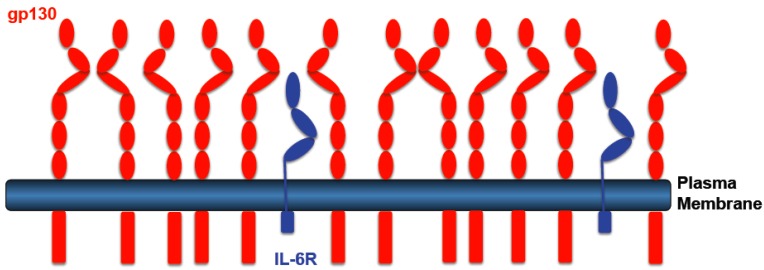
“The dimerization of gp130 found in the absence of receptor stimulation [57, 58] apparently does not position the transmembrane domains and cytoplasmic domains of gp130 in a way that is sufficient to induce gp130 signaling.”
BackgroundADAM17-mediated shedding of the IL6R induces cleavage of the membrane stub by γ-secretase
Chalaris, A., Gewiese, J., Paliga, K., Fleig, L., Schneede, A., Krieger, K., Rose‐John, S., & Scheller, J. (2009) · Biochimica et Biophysica Acta (BBA) - Molecular Cell Research · doi:10.1016/j.bbamcr.2009.12.001 · Cited by 75 · cited 1×
“Since shedding of the IL-6R is mainly governed by the protease ADAM17 [14, 80], we speculate that ADAM17 has a decisive role in inflammation and cancer [17] (Fig.”
BackgroundSelf-citationStuhlmann-Laeisz, C. M., Lang, S., Chalaris, A., Paliga, K., Sudarman, E., Eichler, J., Klingmüller, U., Samuel, M. S., Ernst, M., Rose‐John, S., et al. (2006) · Molecular Biology of the Cell · doi:10.1091/mbc.e05-12-1129 · Cited by 72 · cited 3×
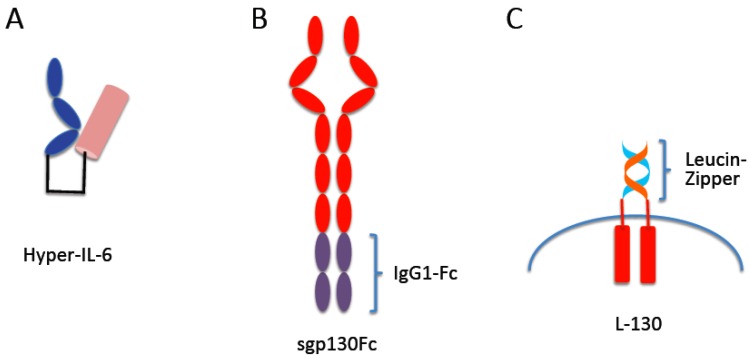
“To address this question a gp130 cDNA was constructed, in which the entire region coding for the extracellular portion was replaced by DNA sequences coding for the leucine-zipper from the Jun protein [59, 60].”
BackgroundMethodSelf-citationThe interleukin 6 pathway and atherosclerosis
Scheller, J., & Rose‐John, S. (2012) · The Lancet · doi:10.1016/s0140-6736(12)61246-x · Cited by 68
Self-citationTGF-beta suppresses tumor progression in colon cancer by inhibition of IL–6 trans-signaling
Becker, C., Fantini, M. C., Schramm, C., Lehr, H., Wirtz, S. J., Becker, A., Burg, J., Strand, S., Kießlich, R., Huber, S., et al. (2004) · Zeitschrift für Gastroenterologie · doi:10.1055/s-2004-831593 · Cited by 67
Self-citationNo inhibition of IL-27 signaling by soluble gp130
Scheller, J., Schuster, B., Hölscher, C., Yoshimoto, T., & Rose‐John, S. (2004) · Biochemical and Biophysical Research Communications · doi:10.1016/j.bbrc.2004.11.098 · Cited by 66 · cited 3×
“Interestingly, gp130 is also a receptor subunit of the receptor complexes for IL-11, ciliary neurotrophic factor (CNTF), leukemia inhibitory factor (LIF), oncostatin M (OSM), cardiotrophin-1 (CT-1), cardiotrophin like cytokine (CLC) and IL-27.”
BackgroundInfluentialSelf-citationSodenkamp, J., Waetzig, G. H., Scheller, J., Seegert, D., Grötzinger, J., Rose‐John, S., Ehlers, S., & Hölscher, C. (2012) · Immunobiology · doi:10.1016/j.imbio.2012.01.015 · Cited by 66 · cited 1×
“whereas treatment with neutralizing TNFα-antibodies resulted in a 10-100 fold increase in mycobacterial colony forming units in the respective organs [75].”
BackgroundSelf-citationZhang, J., Zhang, Y., Owczarek, C. M., Ward, L. D., Moritz, R. L., Simpson, R. J., Yasukawa, K., & Nicola, N. A. (1998) · Journal of Biological Chemistry · doi:10.1074/jbc.273.17.10798 · Cited by 63 · cited 2×
“This form of sgp130 called gp130-RAPS only comprises the Ig-like N-terminal domain as well as the cytokine binding domain of gp130 and therefore has a molecular weight of only around 50 kDa [33].”
BackgroundMeads, M. B., & Medveczky, P. G. (2004) · Journal of Biological Chemistry · doi:10.1074/jbc.m407382200 · Cited by 62
Finotto, S., Eigenbrod, T., Karwot, R., Boross, I., Doganci, A., Ito, H., Nishimoto, N., Yoshizaki, K., Kishimoto, T., Rose‐John, S., et al. (2007) · International Immunology · doi:10.1093/intimm/dxm037 · Cited by 60 · cited 1×
“Asthma Late-phase murine asthma model after OVA sensitization [67, 102]”
BackgroundSelf-citationgp130 dimerization in the absence of ligand: Preformed cytokine receptor complexes
Tenhumberg, S., Schuster, B., Zhu, L., Kovaleva, M., Scheller, J., Kallen, K., & Rose‐John, S. (2006) · Biochemical and Biophysical Research Communications · doi:10.1016/j.bbrc.2006.05.173 · Cited by 58 · cited 2×
“The dimerization of gp130 found in the absence of receptor stimulation [57, 58] apparently does not position the transmembrane domains and cytoplasmic domains of gp130 in a way that is sufficient to induce gp130 signaling.”
BackgroundSelf-citationAdam, N., Rabe, B., Suthaus, J., Grötzinger, J., Rose‐John, S., & Scheller, J. (2009) · Journal of Virology · doi:10.1128/jvi.01601-08 · Cited by 57 · cited 1×
“This was confirmed by the structure of vIL-6 bound to the extracellular portion of gp130 [85] and by the definition of the amino acid sequences responsible for the ability of vIL-6 to directly bind to and activate gp130 [86].”
BackgroundSelf-citationHuman herpes virus 8 interleukin‐6 homologue triggers gp130 on neuronal and hematopoietic cells
Hoischen, S. H., Vollmer, P., März, P., Özbek, S., Götze, K. S. S., Peschel, C., Jostock, T., Geib, T., Müllberg, J., Mechtersheimer, S., et al. (2000) · European Journal of Biochemistry · doi:10.1046/j.1432-1327.2000.01389.x · Cited by 53 · cited 1×
“Interestingly, it could be shown that vIL-6 directly bound to gp130 without the need of soluble of membrane bound IL-6R and that association with gp130 was sufficient to induce STAT3-dependent proliferation of cells [83, 84].”
BackgroundSelf-citationThe interleukin-6 pathway and atherosclerosis
Boekholdt, S. M., & Stroes, E. S. G. (2012) · The Lancet · doi:10.1016/s0140-6736(12)60361-4 · Cited by 49 · cited 1×
“This effect of this single nucleotide polymorphism was explained with the loss of membrane bound IL-6R from hepatocytes, monocytes, and macrophages and a concomitant loss of IL-6 signaling in these cells [73].”
BackgroundSuthaus, J., Tillmann, A., Lorenzen, I., Bulanova, E., Rose‐John, S., & Scheller, J. (2010) · Molecular Biology of the Cell · doi:10.1091/mbc.e10-03-0240 · Cited by 44 · cited 2×
“To address this question a gp130 cDNA was constructed, in which the entire region coding for the extracellular portion was replaced by DNA sequences coding for the leucine-zipper from the Jun protein [59, 60].”
BackgroundMethodSelf-citationViral Interleukin-6: Structure, pathophysiology and strategies of neutralization
Suthaus, J., Adam, N., Grötzinger, J., Scheller, J., & Rose‐John, S. (2010) · European Journal of Cell Biology · doi:10.1016/j.ejcb.2010.10.016 · Cited by 41 · cited 1×
“Since vIL-6 is the only known cytokine, which can stimulate gp130 without the help of an additional receptor protein, we speculated that vIL-6 was a natural model for IL-6 trans-signaling [89-91].”
BackgroundSelf-citationThe human interleukin‐6 (IL‐6) receptor exists as a preformed dimer in the plasma membrane
Schuster, B., Meinert, W., Rose‐John, S., & Kallen, K. (2003) · FEBS Letters · doi:10.1016/s0014-5793(03)00154-6 · Cited by 41 · cited 1×
“Interestingly, in a different study it had been observed that also the membrane bound IL-6R on cells was dimeric although the function of this dimerization so far remains unclear [61].”
BackgroundSelf-citationKovaleva, M., Bußmeyer, I., Rabe, B., Grötzinger, J., Sudarman, E., Eichler, J., Conrad, U., Rose‐John, S., & Scheller, J. (2006) · Journal of Virology · doi:10.1128/jvi.00420-06 · Cited by 41
Self-citationViral IL-6 Blocks Neutrophil Infiltration during Acute Inflammation1
Fielding, C., McLoughlin, R., Colmont, C. S., Kovaleva, M., Harris, D., Rose-John, S., Topley, N., & Jones, S. A. (2005) · Journal of Immunology · doi:10.4049/jimmunol.175.6.4024 · Cited by 39 · cited 1×
“Indeed, it could be shown that vIL-6 affects neutrophil infiltration during acute inflammation in a similar way as the IL-6/sIL-6R complex [92].”
BackgroundSelf-citationHuman herpesvirus 8-derived viral IL-6 induces PTX3 expression in Kaposi's sarcoma cells
Klouche, M., Brockmeyer, N. H., Knabbe, C., & Rose‐John, S. (2002) · AIDS · doi:10.1097/00002030-200205240-00001 · Cited by 38 · cited 1×
“Since vIL-6 is the only known cytokine, which can stimulate gp130 without the help of an additional receptor protein, we speculated that vIL-6 was a natural model for IL-6 trans-signaling [89-91].”
BackgroundSelf-citationDiamant, M., Hansen, M., Rieneck, K., Svenson, M., Yasukawa, K., & Bendtzen, K. (1996) · Leukemia research : a Forum for Studies on Leukemia and Normal Hemopoiesis · doi:10.1016/0145-2126(95)00077-1 · Cited by 18 · cited 1×
“The soluble forms of sgp130 were found not to be generated by proteolytic cleavage [35] but rather by translation from alternatively spliced mRNA [36].”
BackgroundDeLeo, F. R. (2007) · Blood · doi:10.1182/blood-2007-06-096677 · Cited by 14
Development of progressive kidney damage and myeloma kidney in interleukin-6 transgenic mice
Fattori, E., Rocca, C. D., Costa, P., et al. (1994) · Blood · doi:10.1182/blood.v83.9.2570.bloodjournal8392570 · Cited by 13 · cited 1×
“The sIL-6R transgenic mice were crossed with mice, which were transgenic for human IL-6 [39].”
BackgroundAtreya, R. N., Finotto, S., Mudter, J., Mullberg, J., Jostock, T., Holtmann, M. H., Kishimoto, T., Galle, P. R., Rose‐John, S., & Neurath, M. F. (2000) · Gastroenterology · doi:10.1016/s0016-5085(00)85593-6 · Cited by 12
Self-citationSoluble cytokine-receptors are present in normal human urine
Novick, D., Engelmann, H., Wallach, D., & Rubinstein, M. (1989) · Cytokine · doi:10.1016/1043-4666(89)91511-1 · Cited by 7
Cited by
Sorted by citations
Targeting the IL-6/JAK/STAT3 signalling axis in cancer
Johnson, D. E., O'Keefe, R. A., & Grandis, J. R. (2018) · Nature Reviews Clinical Oncology · doi:10.1038/nrclinonc.2018.8 · Cited by 3,110
IL-6 as a keystone cytokine in health and disease
Hunter, C. A., & Jones, S. A. (2015) · Nature Immunology · doi:10.1038/ni.3153 · Cited by 2,511
Chimeric antigen receptor T-cell therapy—assessment and management of toxicities
Neelapu, S. S., Tummala, S., Kebriaei, P., Wierda, W., Gutierrez, C., Locke, F. L., Komanduri, K. V., Lin, Y., Jain, N., Daver, N., et al. (2018) · Nature Reviews Clinical Oncology · doi:10.1038/nrclinonc.2017.148 · Cited by 2,438
Shimabukuro‐Vornhagen, A., Gödel, P., Subklewe, M. S., Stemmler, H., Schlößer, H., Schlaak, M. S., Kochanek, M., Böll, B., & von Bergwelt‐Baildon, M. S. (2018) · Journal for ImmunoTherapy of Cancer · doi:10.1186/s40425-018-0343-9 · Cited by 1,712
“This soluble IL-6/IL-6 receptor complex binds to gp130 and therefore can also induce signaling in cell types that do not express membrane bound IL-6 receptors [59].”
BackgroundSARS-CoV-2 infection: The role of cytokines in COVID-19 disease
Costela-Ruiz, V. J., Montes, R. I., Puerta, J. M., Ruíz, C., & Melguizo‐Rodríguez, L. (2020) · Cytokine & Growth Factor Reviews · doi:10.1016/j.cytogfr.2020.06.001 · Cited by 1,132
“It has been reported that it has regenerative and anti-inflammatory effects mediated by the conventional signaling process, although it also exerts proinflammatory effects mediated by trans-signaling, as in the case of viral infections [76].”
Metadata
- Authors
- Rose-John, S.
- Venue
- International Journal of Biological Sciences
- Publisher
- Ivyspring International Publisher
- Published
- 2012
- Volume
- 8
- Issue
- 9
- Pages
- 1237-1247
- ISSN
- 1449-2288 (ISSN-L)
- PMC
- PMC3491447
- OpenAlex
- W2100478793
- Cited by
- 1,040
- References
- 110
- Citations by year
- 2026: 87 · 2025: 98 · 2024: 77 · 2023: 73 · 2022: 94 · 2021: 108 · 2020: 107 · 2019: 76 · 2018: 72 · 2017: 65 · 2016: 49 · 2015: 48 · 2014: 54 · 2013: 30 · 2012: 1
- FWCI
- 4.28
- Type
- journal article
- Language
- en
- Open access
- gold
- doi.org
- Licence
- cc-by-nc
- Locations
- International Journal of Biological Sciences (publishedVersion, cc-by-nc)
- Europe PMC (PubMed Central) (publishedVersion, cc-by-nc-nd)
- PubMed Central (publishedVersion, cc-by-nc-nd)
- PubMed (publishedVersion)
- DOAJ (DOAJ: Directory of Open Access Journals) (submittedVersion)
- Funders
- Deutsche Forschungsgemeinschaft (SFB654, SFB841, project C1; SFB877, project A1, SFB 877, SFB841 project C1, SFB877, project A1, SFB 841)
- Exzellenzclusters Entzündungsforschung
- Topics
- Life Sciences › Immunology and Microbiology › Immunology › Cytokine Signaling Pathways and Interactions
- Life Sciences › Immunology and Microbiology › Immunology › Psoriasis: Treatment and Pathogenesis
- Life Sciences › Biochemistry, Genetics and Molecular Biology › Molecular Biology › Receptor Mechanisms and Signaling
- Keywords
- interleukin-6, IL-6 trans-signaling, soluble IL-6 receptor, gp130, IL-6 receptor, pro-inflammatory activity, cytokine signaling, liver regeneration, anti-inflammatory activity, IL-6 inhibition, hepatocytes, leukocytes
- MeSH terms
- Animals, Humans, Mice, Transgenic, Models, Biological, Solubility, Signal Transduction, Interleukin-6, Receptors, Interleukin-6, Cytokine Receptor gp130, Mice
About these checks
Registry, retraction, Cites and statistics results are computed, not judged, with one exception: a printed reference that no index lists is read once by a model before it counts as a citation error. Claims are extracted by a model and kept only when their quote appears verbatim in the text; each cited source is then checked, with a model’s help, for whether it says what the claim relies on. Those verdicts can be wrong — read the claim’s quote and the cited source before relying on one.
Statistics and arithmetic are recomputed, not judged.
Confidence bands are shown only for fields calibrated on our annotated test set. None is calibrated yet, so no band is shown.
What counts as a claim ›How we measure confidence ›How we check this ›
Are you an author, or do you see a problem with this page? Request a review
