

The DOI matches its Crossref record; 137 of the 149 references it cites were found in a registry or an index.
Protein language model identifies disordered, conserved motifs implicated in phase separation
Open accessPublished version of a preprint
Abstract
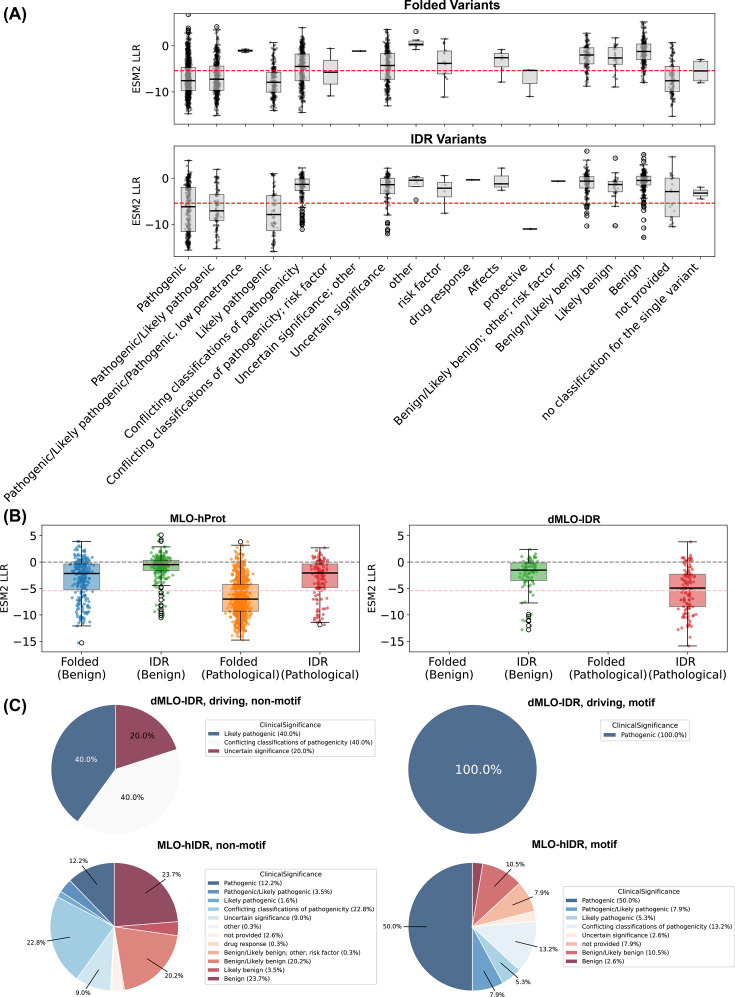
Intrinsically disordered regions (IDRs) play a critical role in phase separation and are essential for the formation of membraneless organelles (MLOs). Mutations within IDRs can disrupt their multivalent interaction networks, altering phase behavior and contributing to various diseases. Therefore, examining the evolutionary constraints of IDRs provides valuable insights into the relationship between protein sequences and phase separation. In this study, we utilized the ESM2 protein language model to map the residue-level mutational tolerance landscapes of IDRs. Our findings reveal that IDRs, particularly those actively participating in phase separation, contain conserved amino acids. This conservation is evident through mutational constraints predicted by ESM2 and supported by direct analyses of multiple sequence alignments. These conserved, disordered amino acids include residues traditionally identified as ‘stickers’ as well as ‘spacers’ and frequently form continuous sequence motifs. The strong conservation, combined with their potential role in phase separation, suggests that these motifs may act as functional units under evolutionary selection to support stable MLO formation. Our findings underscore the insights into phase separation’s molecular grammar made possible through evolutionary analysis enabled by protein language models.
Overview
The claims and statistics of this paper haven’t been checked yet.
Run the check — free, no account needed. It reads the open-access text and checks the sources it cites.
Integrity signals
Registry
Cites
Statistics
Figures
Verification
Claims the paper makes
The claims and statistics of this paper haven’t been checked yet.
Run the check — free, no account needed. It reads the open-access text and checks the sources it cites.
Self-check
Percentages, sums and reported differences re-computed from the paper’s own numbers.
The self-check needs the paper’s full text.
Citations
Cites
Vaswani, A., Shazeer, N., Parmar, N., Uszkoreit, J., Jones, L., Gomez, A. N., Kaiser, L., & Polosukhin, I. (2017) · arXiv · doi:10.48550/arxiv.1706.03762 · Cited by 120,404 · cited 1×
“Trained on large protein datasets, such as UniProt ( Boutet et al., 2016 ), these models leverage neural network architectures like the Trans-former ( Vaswani et al., 2017 ) to capture correlations among amino acids within a sequence.”
Highly accurate protein structure prediction with AlphaFold
Jumper, J., Evans, R., Pritzel, A., Green, T., Figurnov, M., Ronneberger, O., Tunyasuvunakool, K., Bates, R., Žídek, A., Potapenko, A., et al. (2021) · Nature · doi:10.1038/s41586-021-03819-2 · Cited by 43,764 · cited 1×
“The pLDDT scores have been shown to correlate well with protein flexibility and disorder ( Jumper et al., 2021 ), making them a reliable tool for distinguishing structured from unstructured regions.”
Biomolecular condensates: organizers of cellular biochemistry
Banani, S. F., Lee, H. O., Hyman, A. A., & Rosen, M. K. (2017) · Nature Reviews Molecular Cell Biology · doi:10.1038/nrm.2017.7 · Cited by 6,058 · cited 1×
“…environments and play a vital role in forming specialized biochemical compartments that drive essential cellular functions ( Hirose et al., 2023 ; Banani et al., 2017 ; Choi et al., 2020 ; Pappu et al., 2023 ; Ginell and Holehouse, 2023 ; Latham and Zhang, 2020 ; Latham and Zhang, 2022a ; Latham…”
Evolutionary-scale prediction of atomic level protein structure with a language model
Lin, Z., Akin, H., Rao, R., Hie, B., Zhu, Z., Lu, W., Smetanin, N., Verkuil, R., Kabeli, O., Shmueli, Y., et al. (2022) · doi:10.1101/2022.07.20.500902 · Cited by 5,990 · cited 2×
“ESM2 enables the quantification of the probability, or likelihood, of observing any of the 20 amino acids at site i .”
ClinVar: improving access to variant interpretations and supporting evidence
Landrum, M. J., Lee, J. M., Benson, M., Brown, G. R., Chao, C., Chitipiralla, S., Gu, B., Hart, J., Hoffman, D., Jang, W., et al. (2018) · Nucleic Acids Research · doi:10.1093/nar/gkx1153 · Cited by 4,196 · cited 1×
“To explore potential clinical implications, we analyzed pathogenicity data from ClinVar ( Landrum et al., 2014 ; Landrum et al., 2018 ; Cagiada et al., 2024 ; Luppino et al., 2025 ; Fawzy and Marsh, 2025 ).”
Thermodynamics of High Polymer Solutions
Flory, P., & Krigbaum, W. R. (1941) · The Journal of Chemical Physics · doi:10.1063/1.1723621 · Cited by 4,126 · cited 1×
“…( Brangwynne et al., 2015 ; Pappu et al., 2023 ; Zeng and Pappu, 2023 ; Schmit et al., 2020 ; Mittag and Pappu, 2022 ; Dzuricky et al., 2018 ; Flory, 1942 ; Huggins, 1942 ; Dignon et al., 2018 ; Dignon et al., 2019 ; Latham and Zhang, 2020 ; Joseph et al., 2021 ; Regy et al., 2021 ; Latham…”
ClinVar: public archive of relationships among sequence variation and human phenotype
Landrum, M. J., Lee, J. M., Riley, G. R., Jang, W., Rubinstein, W. S., Church, D. M., & Maglott, D. R. (2014) · Nucleic Acids Research · doi:10.1093/nar/gkt1113 · Cited by 3,516 · cited 1×
“To explore potential clinical implications, we analyzed pathogenicity data from ClinVar ( Landrum et al., 2014 ; Landrum et al., 2018 ; Cagiada et al., 2024 ; Luppino et al., 2025 ; Fawzy and Marsh, 2025 ).”
Rives, A., Meier, J., Sercu, T., Goyal, S., Lin, Z., Liu, J., Guo, D., Ott, M., Zitnick, C. L., Ma, J., et al. (2019) · doi:10.1101/622803 · Cited by 3,280 · cited 1×
“Recent advances in protein language models ( Ofer et al., 2021 ; Rives et al., 2021 ; Elnaggar et al., 2021 ; Strodthoff et al., 2020 ; Alley et al., 2019 ; Brandes et al., 2022 ) provide alternative approaches for sequence analysis and information decoding.”
Liquid-Liquid Phase Separation in Biology
Hyman, A. A., Weber, C. A., & Jülicher, F. (2014) · Annual Review of Cell and Developmental Biology · doi:10.1146/annurev-cellbio-100913-013325 · Cited by 3,155 · cited 1×
“…et al., 2023 ; Banani et al., 2017 ; Choi et al., 2020 ; Pappu et al., 2023 ; Ginell and Holehouse, 2023 ; Latham and Zhang, 2020 ; Latham and Zhang, 2022a ; Latham and Zhang, 2022c ; Latham and Zhang, 2022b ; Latham et al., 2024 ; Liu et al., 2025 ; Lao and Zhang, 2024 ; Jiang et al., 2015 ).”
HHblits: lightning-fast iterative protein sequence searching by HMM-HMM alignment
Remmert, M., Biegert, A., Hauser, A., & Söding, J. (2012) · Nature Methods · doi:10.1038/nmeth.1818 · Cited by 2,288 · cited 1×
“We performed MSA analysis using HHblits from the HH-suite3 software suite ( Suzek et al., 2007 ; Suzek et al., 2015 ; Remmert et al., 2012 ; Steinegger et al., 2019 ), a widely used open-source toolkit known for its sensitivity in detecting sequence similarities and identifying protein folds.”
Varadi, M., Bertoni, D., Magana, P., Paramval, U., Pidruchna, I., Radhakrishnan, M., Tsenkov, M., Nair, S., Mirdita, M., Yeo, J., et al. (2024) · Nucleic Acids Research · doi:10.1093/nar/gkad1011 · Cited by 2,052
Coexisting Liquid Phases Underlie Nucleolar Subcompartments
Feric, M., Vaidya, N., Harmon, T. S., Mitrea, D. M., Zhu, L., Richardson, T. M., Kriwacki, R. W., Pappu, R. V., & Brangwynne, C. P. (2016) · Cell · doi:10.1016/j.cell.2016.04.047 · Cited by 1,934 · cited 1×
“These biomolecular condensates typically assemble through phase separation, dynamically recruiting reactants and releasing products to improve the efficiency and specificity of cellular processes ( Hyman et al., 2014 ; Feric et al., 2016 ; Pappu et al., 2023 ).”
UniRef clusters: a comprehensive and scalable alternative for improving sequence similarity searches
Suzek, B. E., Wang, Y., Huang, H., McGarvey, P. B., Wu, C. H., & the UniProt Consortium (2015) · Bioinformatics · doi:10.1093/bioinformatics/btu739 · Cited by 1,928 · cited 1×
“We performed MSA analysis using HHblits from the HH-suite3 software suite ( Suzek et al., 2007 ; Suzek et al., 2015 ; Remmert et al., 2012 ; Steinegger et al., 2019 ), a widely used open-source toolkit known for its sensitivity in detecting sequence similarities and identifying protein folds.”
Wang, J., Choi, J.-M., Holehouse, A., Lee, H. O., Zhang, X., Jahnel, M., Maharana, S., Lemaitre, R., Pozniakovsky, A., Drechsel, D., et al. (2018) · Cell · doi:10.1016/j.cell.2018.06.006 · Cited by 1,876 · cited 3×
“These studies support the ‘stickers- and-spacers’ framework ( Choi et al., 2020 ; Pappu et al., 2023 ; Wang et al., 2018 ; Prusty et al., 2018 ; Choi et al., 2019 ; Zhang et al., 2021 ), in which specific residues, termed ‘stickers’, drive strong, specific interactions, while ‘spacer’ regions act…”
Liquid droplet formation by HP1α suggests a role for phase separation in heterochromatin
Larson, A. G., Elnatan, D., Keenen, M. M., Trnka, M. J., Johnston, J. B., Burlingame, A. L., Agard, D. A., Redding, S., & Narlikar, G. J. (2017) · Nature · doi:10.1038/nature22822 · Cited by 1,717
UniRef: comprehensive and non-redundant UniProt reference clusters
Suzek, B. E., Huang, H., McGarvey, P., Mazumder, R., & Wu, C. H. (2007) · Bioinformatics · doi:10.1093/bioinformatics/btm098 · Cited by 1,613
Polymer physics of intracellular phase transitions
Brangwynne, C., Tompa, P., & Pappu, R. (2015) · Nature Physics · doi:10.1038/nphys3532 · Cited by 1,415 · cited 1×
“Substantial research has focused on linking protein sequences to the phase behaviors of conden-sates ( Brangwynne et al., 2015 ; Pappu et al., 2023 ; Zeng and Pappu, 2023 ; Schmit et al., 2020 ; Mittag and Pappu, 2022 ; Dzuricky et al., 2018 ; Flory, 1942 ; Huggins, 1942 ; Dignon et al., 2018 ;…”
HH-suite3 for fast remote homology detection and deep protein annotation
Steinegger, M., Meier, M., Mirdita, M., Vöhringer, H., Haunsberger, S. J., & Söding, J. (2019) · BMC Bioinformatics · doi:10.1186/s12859-019-3019-7 · Cited by 1,145 · cited 1×
“We performed MSA analysis using HHblits from the HH-suite3 software suite ( Suzek et al., 2007 ; Suzek et al., 2015 ; Remmert et al., 2012 ; Steinegger et al., 2019 ), a widely used open-source toolkit known for its sensitivity in detecting sequence similarities and identifying protein folds.”
Unified rational protein engineering with sequence-based deep representation learning
Alley, E. C., Khimulya, G., Biswas, S., AlQuraishi, M., & Church, G. M. (2019) · Nature Methods · doi:10.1038/s41592-019-0598-1 · Cited by 1,131 · cited 1×
“Recent advances in protein language models ( Ofer et al., 2021 ; Rives et al., 2021 ; Elnaggar et al., 2021 ; Strodthoff et al., 2020 ; Alley et al., 2019 ; Brandes et al., 2022 ) provide alternative approaches for sequence analysis and information decoding.”
Intrinsically Disordered Proteins and Intrinsically Disordered Protein Regions
Oldfield, C. J., & Dunker, A. K. (2014) · Annual Review of Biochemistry · doi:10.1146/annurev-biochem-072711-164947 · Cited by 1,057 · cited 1×
“Evolutionary analysis of IDRs is challenging due to difficulties in sequence alignment ( Riley et al., 2023 ; Oldfield and Dunker, 2014 ; Brown et al., 2002 ; Huang and Sarai, 2012 ; Nunez-Castilla and Siltberg-Liberles, 2020 ; Thompson et al., 2011 ; Lange et al., 2016 ), though several studies…”
Some Properties of Solutions of Long-chain Compounds.
Huggins, M. (1942) · The Journal of Physical Chemistry · doi:10.1021/j150415a018 · Cited by 1,043 · cited 1×
“…et al., 2015 ; Pappu et al., 2023 ; Zeng and Pappu, 2023 ; Schmit et al., 2020 ; Mittag and Pappu, 2022 ; Dzuricky et al., 2018 ; Flory, 1942 ; Huggins, 1942 ; Dignon et al., 2018 ; Dignon et al., 2019 ; Latham and Zhang, 2020 ; Joseph et al., 2021 ; Regy et al., 2021 ; Latham and Zhang, 2021…”
ProteinBERT: a universal deep-learning model of protein sequence and function
Brandes, N., Ofer, D., Peleg, Y., Rappoport, N., & Linial, M. (2022) · Bioinformatics · doi:10.1093/bioinformatics/btac020 · Cited by 1,009 · cited 1×
“Substantial research has focused on linking protein sequences to the phase behaviors of conden-sates ( Brangwynne et al., 2015 ; Pappu et al., 2023 ; Zeng and Pappu, 2023 ; Schmit et al., 2020 ; Mittag and Pappu, 2022 ; Dzuricky et al., 2018 ; Flory, 1942 ; Huggins, 1942 ; Dignon et al., 2018 ;…”
Physical Principles Underlying the Complex Biology of Intracellular Phase Transitions
Choi, J., Holehouse, A. S., & Pappu, R. V. (2020) · Annual Review of Biophysics · doi:10.1146/annurev-biophys-121219-081629 · Cited by 908 · cited 2×
“These studies support the ‘stickers- and-spacers’ framework ( Choi et al., 2020 ; Pappu et al., 2023 ; Wang et al., 2018 ; Prusty et al., 2018 ; Choi et al., 2019 ; Zhang et al., 2021 ), in which specific residues, termed ‘stickers’, drive strong, specific interactions, while ‘spacer’ regions act…”
Liquid–Liquid Phase Separation in Disease
Alberti, S., & Dormann, D. (2019) · Annual Review of Genetics · doi:10.1146/annurev-genet-112618-043527 · Cited by 871
Boutet, E., Lieberherr, D., Tognolli, M., Schneider, M., Bansal, P., Bridge, A., Poux, S., Bougueleret, L., & Xenarios, I. (2016) · Methods in molecular biology · doi:10.1007/978-1-4939-3167-5_2 · Cited by 824 · cited 1×
“Trained on large protein datasets, such as UniProt ( Boutet et al., 2016 ), these models leverage neural network architectures like the Trans-former ( Vaswani et al., 2017 ) to capture correlations among amino acids within a sequence.”
Liquid–liquid phase separation in human health and diseases
Wang, B., Zhang, L., Dai, T., Qin, Z., Lu, H., Zhang, L., & Zhou, F. (2021) · Signal Transduction and Targeted Therapy · doi:10.1038/s41392-021-00678-1 · Cited by 784 · cited 3×
“…studies have sought to identify functionally relevant amino acid groups within IDRs ( Wang et al., 2018 ; Li et al., 2024 ; Latham and Zhang, 2021 ; Zhang et al., 2021 ; Saar et al., 2021 ; Liu et al., 2025 ; Schuster et al., 2020 ; Pak et al., 2016 ; Cohan et al., 2022 ; Dao et al., 2018 ).”
Pak, C. W., Kosno, M., Holehouse, A., Padrick, S., Mittal, A., Ali, R., Yunus, A., Liu, D. R., Pappu, R., & Rosen, M. (2016) · Molecules and Cells · doi:10.1016/j.molcel.2016.05.042 · Cited by 747 · cited 1×
“…studies have sought to identify functionally relevant amino acid groups within IDRs ( Wang et al., 2018 ; Li et al., 2024 ; Latham and Zhang, 2021 ; Zhang et al., 2021 ; Saar et al., 2021 ; Liu et al., 2025 ; Schuster et al., 2020 ; Pak et al., 2016 ; Cohan et al., 2022 ; Dao et al., 2018 ).”
Uniclust databases of clustered and deeply annotated protein sequences and alignments
Mirdita, M., von den Driesch, L., Galiez, C., Martin, M. J., Söding, J., & Steinegger, M. (2016) · Nucleic Acids Research · doi:10.1093/nar/gkw1081 · Cited by 726 · cited 1×
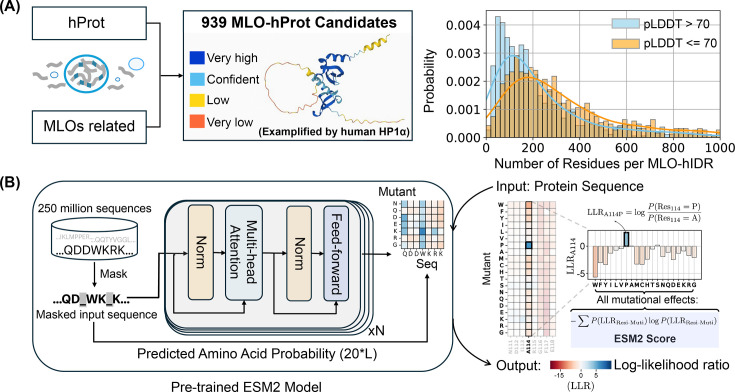
“Homologous sequences were identified through searches against the UniRef30 protein database (release 2023/02) ( Mirdita et al., 2017 ).”
Mittag, T., & Pappu, R. V. (2022) · Molecular Cell · doi:10.1016/j.molcel.2022.05.018 · Cited by 658
Biomolecular Phase Separation: From Molecular Driving Forces to Macroscopic Properties
Dignon, G. L., Best, R. B., & Mittal, J. (2020) · Annual Review of Physical Chemistry · doi:10.1146/annurev-physchem-071819-113553 · Cited by 657
AlphaFold and Implications for Intrinsically Disordered Proteins
Ruff, K. M., & Pappu, R. V. (2021) · Journal of Molecular Biology · doi:10.1016/j.jmb.2021.167208 · Cited by 635 · cited 2×
“Following previous studies ( Ruff and Pappu, 2021 ; Alderson et al., 2023 ), we used a threshold of pLDDT = 70 to differentiate ordered from disordered residues.”
Language models enable zero-shot prediction of the effects of mutations on protein function
Meier, J., Rao, R., Verkuil, R., Liu, J., Sercu, T., & Rives, A. (2021) · doi:10.1101/2021.07.09.450648 · Cited by 635 · cited 2×
“…; Joseph et al., 2021 ; Regy et al., 2021 ; Latham and Zhang, 2021 ; Tesei et al., 2021 ; Benayad et al., 2021 ; Latham and Zhang, 2022a ; Latham and Zhang, 2022b ; Farag et al., 2023 ; Lotthammer et al., 2024 ; Bülow et al., 2024 ; Zhang et al., 2024 ; Kapoor et al., 2024 ; Liu et al., 2023 ).”
Sequence determinants of protein phase behavior from a coarse-grained model
Dignon, G., Zheng, W.-W., Kim, Y. C., Best, R., & Mittal, J. (2017) · bioRxiv · doi:10.1371/journal.pcbi.1005941 · Cited by 621 · cited 1×
“…; Pappu et al., 2023 ; Zeng and Pappu, 2023 ; Schmit et al., 2020 ; Mittag and Pappu, 2022 ; Dzuricky et al., 2018 ; Flory, 1942 ; Huggins, 1942 ; Dignon et al., 2018 ; Dignon et al., 2019 ; Latham and Zhang, 2020 ; Joseph et al., 2021 ; Regy et al., 2021 ; Latham and Zhang, 2021 ; Tesei et al.,…”
Harmon, T., Holehouse, A., Rosen, M., & Pappu, R. V. (2017) · bioRxiv · doi:10.1101/164301 · Cited by 578
A guide to membraneless organelles and their various roles in gene regulation
Hirose, T., Ninomiya, K., Nakagawa, S., & Yamazaki, T. (2022) · Nature Reviews Molecular Cell Biology · doi:10.1038/s41580-022-00558-8 · Cited by 515 · cited 1×
“…diverse cellular environments and play a vital role in forming specialized biochemical compartments that drive essential cellular functions ( Hirose et al., 2023 ; Banani et al., 2017 ; Choi et al., 2020 ; Pappu et al., 2023 ; Ginell and Holehouse, 2023 ; Latham and Zhang, 2020 ; Latham…”
Phase separation and neurodegenerative diseases: a disturbance in the force
Zbinden, A., Pérez-Berlanga, M., De Rossi, P., & Polymenidou, M. (2020) · Developmental Cell · doi:10.1016/j.devcel.2020.09.014 · Cited by 500 · cited 1×
“Mutations in IDRs can disrupt phase behavior, potentially leading to MLO dysfunction and contributing to diseases such as neurodegenerative disorders and cancer ( Alberti and Dormann, 2019 ; Zbinden et al., 2020 ; Rai et al., 2021 ; Das et al., 2020 ).”
Bremer, A., Farag, M., Borcherds, W. M., Peran, I., Martin, E. W., Pappu, R. V., & Mittag, T. (2021) · Nature Chemistry · doi:10.1038/s41557-021-00840-w · Cited by 489
Genome-wide prediction of disease variant effects with a deep protein language model
Brandes, N., Goldman, G., Wang, C. H., Ye, C., & Ntranos, V. (2023) · Nature Genetics · doi:10.1038/s41588-023-01465-0 · Cited by 489 · cited 1×
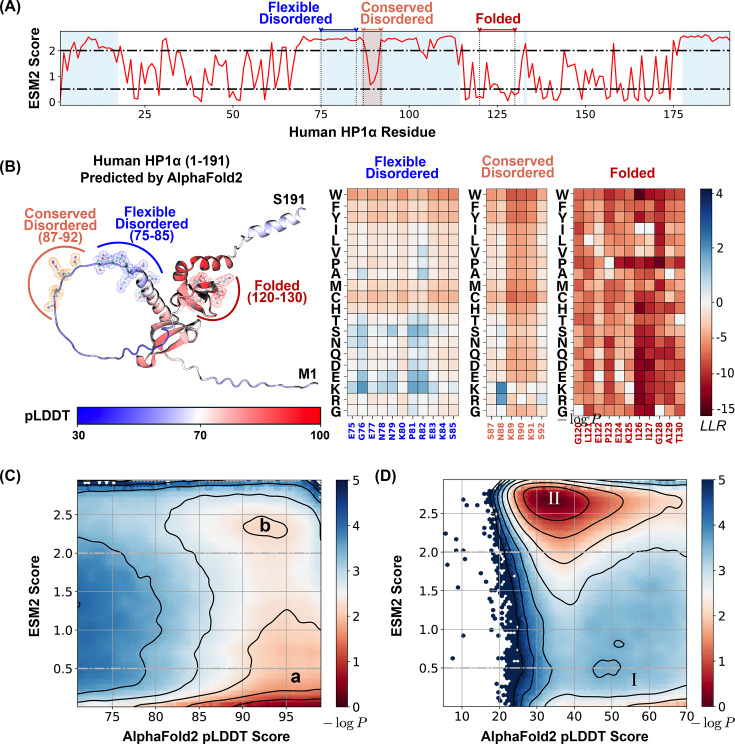
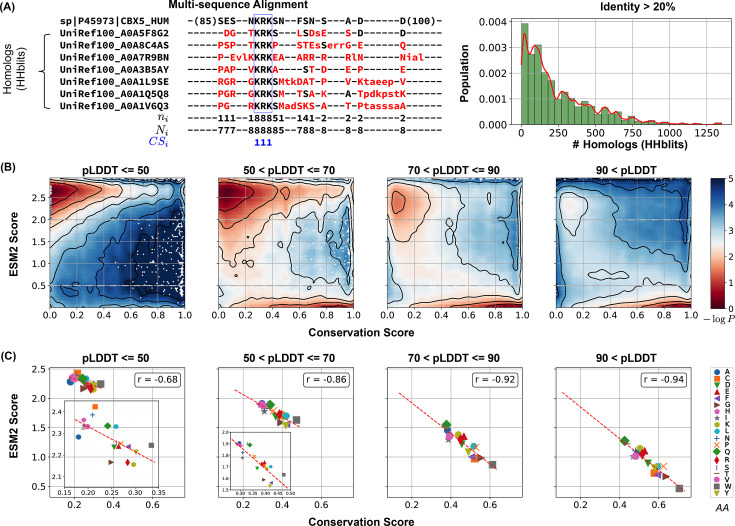
“These constraints are further evident in the local LLR predictions, as shown in Figure 2B , where we illustrate the folded region G120–T130.”
Mitrea, D. M., Cika, J., Guy, C., Ban, D., Banerjee, P. R., Stanley, C., Nourse, A., Deniz, A., & Kriwacki, R. (2016) · eLife · doi:10.7554/elife.13571 · Cited by 453 · cited 1×
“…evolutionarily conserved residues that contribute to phase separation ( Dasmeh et al., 2022 ; Ho and Huang, 2022 ; Jiang et al., 2015 ; Tatavosian et al., 2019 ; Schuster et al., 2020 ; Yang et al., 2019 ; Larson et al., 2017 ; DiRusso et al., 2023 ; Mitrea et al., 2016 ; Xiao et al., 2019 ).”
Evolutionary Rate Heterogeneity in Proteins with Long Disordered Regions
Brown, C. J., Takayama, S., Campen, A., Vise, P., Marshall, T. W., Oldfield, C., Williams, C. J., & Dunker, A. (2002) · Journal of Molecular Evolution · doi:10.1007/s00239-001-2309-6 · Cited by 441 · cited 1×
“Evolutionary analysis of IDRs is challenging due to difficulties in sequence alignment ( Riley et al., 2023 ; Oldfield and Dunker, 2014 ; Brown et al., 2002 ; Huang and Sarai, 2012 ; Nunez-Castilla and Siltberg-Liberles, 2020 ; Thompson et al., 2011 ; Lange et al., 2016 ), though several studies…”
HP1 reshapes the nucleosome core to promote phase separation of heterochromatin
Sanulli, S., Trnka, M., Dharmarajan, V., Tibble, R. W., Pascal, B. D., Burlingame, A., Griffin, P., Gross, J., & Narlikar, G. J. (2019) · Nature · doi:10.1038/s41586-019-1669-2 · Cited by 417 · cited 1×
“HP1 α is a crucial chromatin organizer that promotes phase separation and facilitates the compaction of chromatin into transcriptionally inactive regions ( Larson et al., 2017 ; Sanulli et al., 2019 ; Latham and Zhang, 2021 ; Tortora et al., 2023 ; Brennan et al., 2024 ).”
Self-interaction of NPM1 modulates multiple mechanisms of liquid–liquid phase separation
Mitrea, D. M., Cika, J., Stanley, C., Nourse, A., Onuchic, P. L., Banerjee, P. R., Phillips, A. H., Park, C., Deniz, A., & Kriwacki, R. (2018) · Nature Communications · doi:10.1038/s41467-018-03255-3 · Cited by 379 · cited 1×
“…both ‘sticker’ and ‘spacer’ classifications, as defined in recent literature ( Jiang et al., 2015 ; Schuster et al., 2020 ; Yang et al., 2019 ; Tatavosian et al., 2019 ; Larson et al., 2017 ; DiRusso et al., 2023 ; Mitrea et al., 2018 ; Xiao et al., 2019 ; Wang et al., 2021 ; Rekhi et al., 2024 ).”
Joseph, J. A., Reinhardt, A., Aguirre, A., Chew, P. Y., Russell, K. O., Espinosa, J. R., Garaizar, A., & Collepardo‐Guevara, R. (2021) · Nature Computational Science · doi:10.1038/s43588-021-00155-3 · Cited by 379 · cited 1×
“…Mittag and Pappu, 2022 ; Dzuricky et al., 2018 ; Flory, 1942 ; Huggins, 1942 ; Dignon et al., 2018 ; Dignon et al., 2019 ; Latham and Zhang, 2020 ; Joseph et al., 2021 ; Regy et al., 2021 ; Latham and Zhang, 2021 ; Tesei et al., 2021 ; Benayad et al., 2021 ; Latham and Zhang, 2022a ; Latham and…”
Phase Transitions of Associative Biomacromolecules
Pappu, R. V., Cohen, S. R., Dar, F., Farag, M., & Kar, M. (2023) · Chemical Reviews · doi:10.1021/acs.chemrev.2c00814 · Cited by 371 · cited 3×
“…research has focused on linking protein sequences to the phase behaviors of conden-sates ( Brangwynne et al., 2015 ; Pappu et al., 2023 ; Zeng and Pappu, 2023 ; Schmit et al., 2020 ; Mittag and Pappu, 2022 ; Dzuricky et al., 2018 ; Flory, 1942 ; Huggins, 1942 ; Dignon et al., 2018 ; Dignon et…”
The language of proteins: NLP, machine learning & protein sequences
Ofer, D., Brandes, N., & Linial, M. (2021) · Computational and Structural Biotechnology Journal · doi:10.1016/j.csbj.2021.03.022 · Cited by 365 · cited 1×
“Recent advances in protein language models ( Ofer et al., 2021 ; Rives et al., 2021 ; Elnaggar et al., 2021 ; Strodthoff et al., 2020 ; Alley et al., 2019 ; Brandes et al., 2022 ) provide alternative approaches for sequence analysis and information decoding.”
Tesei, G., Schulze, T. K., Crehuet, R., & Lindorff-Larsen, K. (2021) · Proceedings of the National Academy of Sciences of the United States of America · doi:10.1101/2021.06.23.449550 · Cited by 364 · cited 1×
“…1942 ; Dignon et al., 2018 ; Dignon et al., 2019 ; Latham and Zhang, 2020 ; Joseph et al., 2021 ; Regy et al., 2021 ; Latham and Zhang, 2021 ; Tesei et al., 2021 ; Benayad et al., 2021 ; Latham and Zhang, 2022a ; Latham and Zhang, 2022b ; Farag et al., 2023 ; Lotthammer et al., 2024 ; Bülow…”
Borcherds, W. M., Bremer, A., Borgia, M. B., & Mittag, T. (2020) · Current Opinion in Structural Biology · doi:10.1016/j.sbi.2020.09.004 · Cited by 358
Annotation of biologically relevant ligands in UniProtKB using ChEBI
Coudert, E., Gehant, S., de Castro, E., Pozzato, M., Baratin, D., Neto, T., Sigrist, C. J. A., Redaschi, N., Bridge, A., The UniProt Consortium, et al. (2023) · Bioinformatics · doi:10.1093/bioinformatics/btac793 · Cited by 350
Dao, T. P., Kolaitis, R., Kim, H. J., O’Donovan, K., Martyniak, B., Colicino, E. G., Hehnly, H., Taylor, J. P., & Castañeda, C. A. (2018) · Molecular Cell · doi:10.1016/j.molcel.2018.02.004 · Cited by 342 · cited 1×
“…studies have sought to identify functionally relevant amino acid groups within IDRs ( Wang et al., 2018 ; Li et al., 2024 ; Latham and Zhang, 2021 ; Zhang et al., 2021 ; Saar et al., 2021 ; Liu et al., 2025 ; Schuster et al., 2020 ; Pak et al., 2016 ; Cohan et al., 2022 ; Dao et al., 2018 ).”
Nuclear condensates of the Polycomb protein chromobox 2 (CBX2) assemble through phase separation
Tatavosian, R., Kent, S., Brown, K., Yao, T., Duc, H. N., Huynh, T. N., Zhen, C. Y., Ma, B., Wang, H., & Ren, X. (2018) · Journal of Biological Chemistry · doi:10.1074/jbc.ra118.006620 · Cited by 340
Das, S., Lin, Y., Vernon, R. M., Forman-Kay, J. D., & Chan, H. S. (2020) · Proceedings of the National Academy of Sciences · doi:10.1073/pnas.2008122117 · Cited by 340 · cited 1×
“Mutations in IDRs can disrupt phase behavior, potentially leading to MLO dysfunction and contributing to diseases such as neurodegenerative disorders and cancer ( Alberti and Dormann, 2019 ; Zbinden et al., 2020 ; Rai et al., 2021 ; Das et al., 2020 ).”
Conserved residues and the mechanism of protein folding
Shakhnovich, E. I., Abkevich, V., & Ptitsyn, O. B. (1996) · Nature · doi:10.1038/379096a0 · Cited by 339 · cited 1×
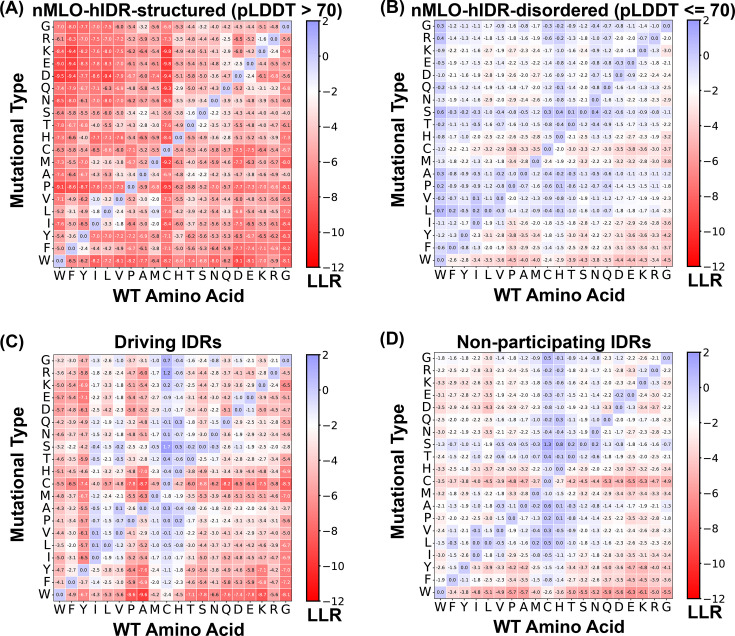
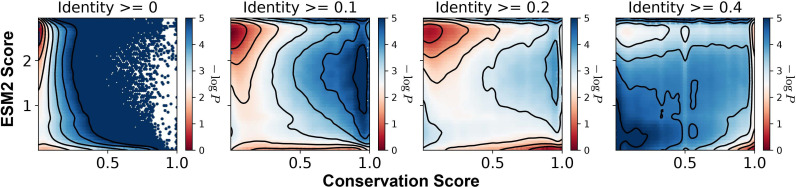
“…a dominant population with low ESM2 values (region a, ESM2 score ≤0.5), consistent with the established understanding that folded domains require structural and functional integrity and are thus more mutation sensitive ( Shakhnovich et al., 1996 ; Hamill et al., 2000 ; Ingles-Prieto et al., 2013 ).”
InfluentialLASSI: A lattice model for simulating phase transitions of multivalent proteins
Choi, J., Dar, F., & Pappu, R. V. (2019) · PLoS Computational Biology · doi:10.1371/journal.pcbi.1007028 · Cited by 332 · cited 1×
“These studies support the ‘stickers- and-spacers’ framework ( Choi et al., 2020 ; Pappu et al., 2023 ; Wang et al., 2018 ; Prusty et al., 2018 ; Choi et al., 2019 ; Zhang et al., 2021 ), in which specific residues, termed ‘stickers’, drive strong, specific interactions, while ‘spacer’ regions act…”
Phase Transitions of Spindle-Associated Protein Regulate Spindle Apparatus Assembly
Jiang, H., Wang, S., Huang, Y., He, X.-N., Cui, H., Zhu, X.-L., & Zheng, Y.-X. (2015) · Cell · doi:10.1016/j.cell.2015.08.010 · Cited by 291 · cited 3×
“…et al., 2023 ; Banani et al., 2017 ; Choi et al., 2020 ; Pappu et al., 2023 ; Ginell and Holehouse, 2023 ; Latham and Zhang, 2020 ; Latham and Zhang, 2022a ; Latham and Zhang, 2022c ; Latham and Zhang, 2022b ; Latham et al., 2024 ; Liu et al., 2025 ; Lao and Zhang, 2024 ; Jiang et al., 2015 ).”
Brown, C. J., Johnson, A. K., Dunker, A., & Daughdrill, G. (2011) · Current Opinion in Structural Biology · doi:10.1016/j.sbi.2011.02.005 · Cited by 288 · cited 1×
“In contrast, disordered residues (pLDDT ≤70) predominantly show high ESM2 scores (region II, ESM2 score ≥2.0), consistent with the rapid evolution and higher mutational tolerance typical of disordered proteins ( Brown et al., 2011 ; Liu and Huang, 2014 ; Forman-Kay and Mittag, 2013 ).”
InfluentialSchuster, B. S., Dignon, G., Tang, W.-S., Kelley, F., Ranganath, A. K., Jahnke, C., Simpkins, A. G., Regy, R. M., Hammer, D., Good, M., et al. (2020) · Proceedings of the National Academy of Sciences of the United States of America · doi:10.1101/2020.01.06.894576 · Cited by 276 · cited 4×
“…that these conserved amino acids encompass both ‘sticker’ and ‘spacer’ classifications, as defined in recent literature ( Jiang et al., 2015 ; Schuster et al., 2020 ; Yang et al., 2019 ; Tatavosian et al., 2019 ; Larson et al., 2017 ; DiRusso et al., 2023 ; Mitrea et al., 2018 ; Xiao et al.,…”
InfluentialFrom Sequence and Forces to Structure, Function, and Evolution of Intrinsically Disordered Proteins
Forman-Kay, J. D., & Mittag, T. (2013) · Structure · doi:10.1016/j.str.2013.08.001 · Cited by 259 · cited 1×
“This distinction allows us to classify disordered regions into two types: ‘flexible disordered’ regions, which show high ESM2 scores and greater mutational tolerance, and ‘conserved disordered’ regions, which display low ESM2 scores, indicating varying levels of mutational constraint despite a lack…”
Thompson, J. D., Linard, B., Lecompte, O., & Poch, O. (2011) · PLoS ONE · doi:10.1371/journal.pone.0018093 · Cited by 242 · cited 1×
“…( Riley et al., 2023 ; Oldfield and Dunker, 2014 ; Brown et al., 2002 ; Huang and Sarai, 2012 ; Nunez-Castilla and Siltberg-Liberles, 2020 ; Thompson et al., 2011 ; Lange et al., 2016 ), though several studies have attempted alignment of disordered proteins with promising results ( Dasmeh…”
Systematic identification of conditionally folded intrinsically disordered regions by AlphaFold2
Alderson, T. R., Pritišanac, I., Kolarić, Đ., Moses, A. M., & Forman-Kay, J. D. (2023) · Proceedings of the National Academy of Sciences · doi:10.1073/pnas.2304302120 · Cited by 240
Expanding the molecular language of protein liquid–liquid phase separation
Rekhi, S., Garcia, C. G., Barai, M., Rizuan, A., Schuster, B. S., Kiick, K. L., & Mittal, J. (2024) · Nature Chemistry · doi:10.1038/s41557-024-01489-x · Cited by 238 · cited 1×
“As a result, the absolute number of conserved residues may still be higher outside phase-separating regions.”
Direct prediction of intrinsically disordered protein conformational properties from sequence
Lotthammer, J. M., Ginell, G. M., Griffith, D., Emenecker, R. J., & Holehouse, A. S. (2024) · Nature Methods · doi:10.1038/s41592-023-02159-5 · Cited by 236
Regy, R. M., Thompson, J., Kim, Y. C., & Mittal, J. (2021) · Protein Science · doi:10.1002/pro.4094 · Cited by 233 · cited 1×
“…; Dzuricky et al., 2018 ; Flory, 1942 ; Huggins, 1942 ; Dignon et al., 2018 ; Dignon et al., 2019 ; Latham and Zhang, 2020 ; Joseph et al., 2021 ; Regy et al., 2021 ; Latham and Zhang, 2021 ; Tesei et al., 2021 ; Benayad et al., 2021 ; Latham and Zhang, 2022a ; Latham and Zhang, 2022b ; Farag et…”
Learning the molecular grammar of protein condensates from sequence determinants and embeddings
Saar, K. L., Morgunov, A. S., Qi, R., Arter, W. E., Krainer, G., Lee, A. A., & Knowles, T. P. J. (2021) · Proceedings of the National Academy of Sciences · doi:10.1073/pnas.2019053118 · Cited by 232 · cited 2×
“…studies have sought to identify functionally relevant amino acid groups within IDRs ( Wang et al., 2018 ; Li et al., 2024 ; Latham and Zhang, 2021 ; Zhang et al., 2021 ; Saar et al., 2021 ; Liu et al., 2025 ; Schuster et al., 2020 ; Pak et al., 2016 ; Cohan et al., 2022 ; Dao et al., 2018 ).”
Farag, M., Cohen, S. R., Borcherds, W. M., Bremer, A., Mittag, T., & Pappu, R. V. (2022) · Nature Communications · doi:10.1038/s41467-022-35370-7 · Cited by 227
PhaSepDB: a database of liquid–liquid phase separation related proteins
You, K., Huang, Q., Yu, C., Shen, B., Sevilla, C., Shi, M., Hermjakob, H., Chen, Y., & Li, T. (2019) · Nucleic Acids Research · doi:10.1093/nar/gkz847 · Cited by 219 · cited 1×
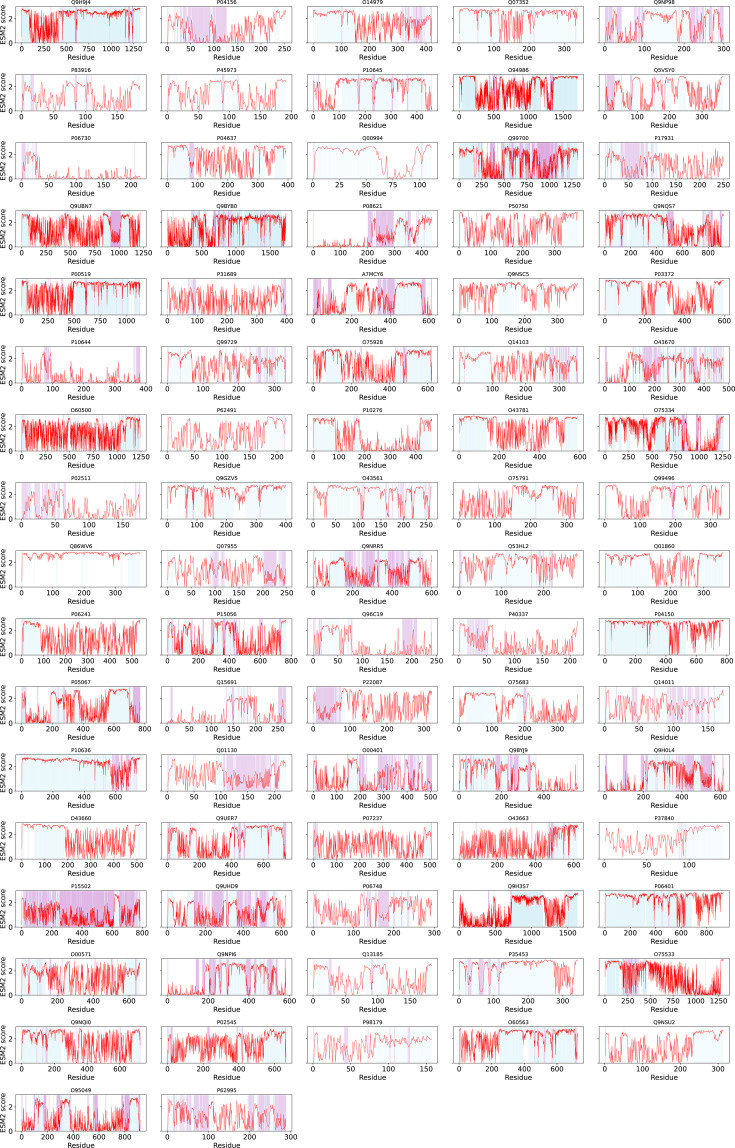
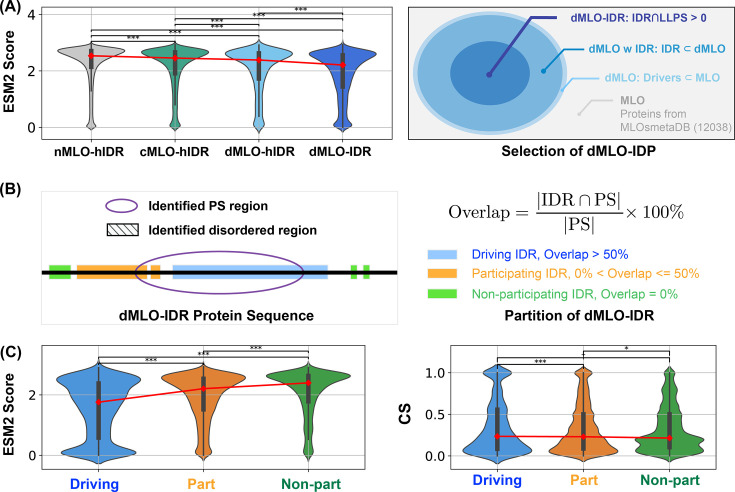
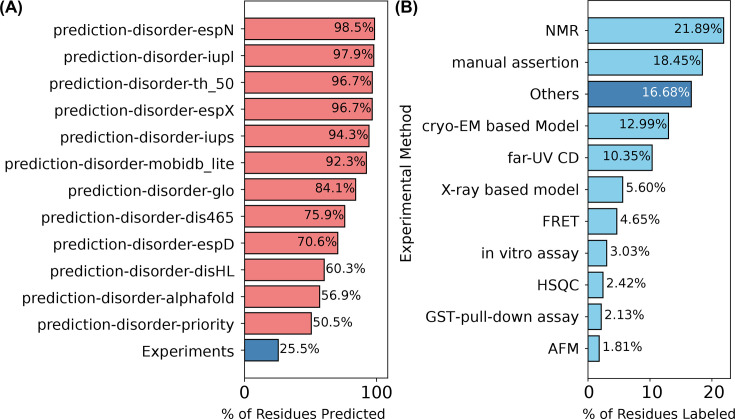
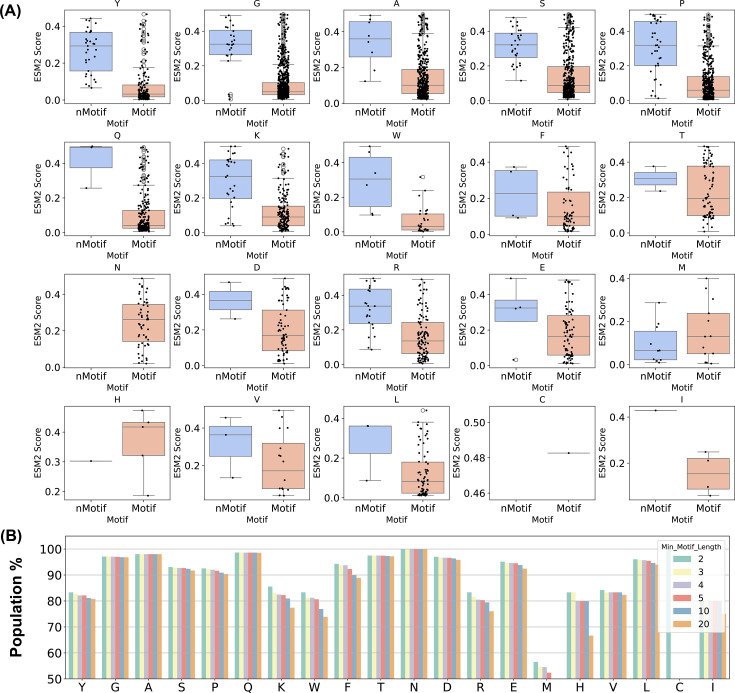
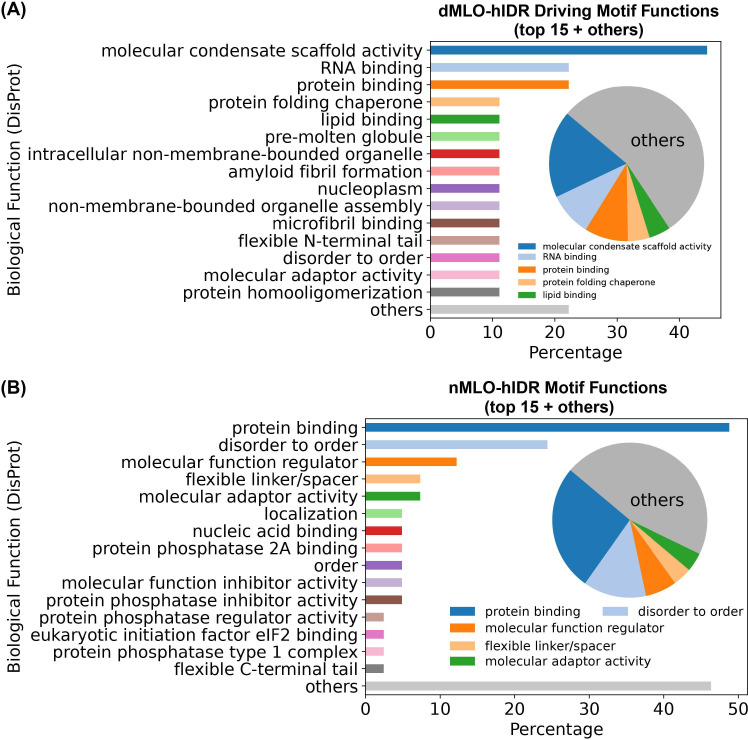
“For these proteins, experimentally verified segments have been identified, the deletion or mutation of which impairs phase separation ( Mészáros et al., 2020 ; You et al., 2020 ; Ning et al., 2020 ; Li et al., 2020 ; Orti et al., 2024 ; Figure 4B ).”
Simulation of FUS Protein Condensates with an Adapted Coarse-Grained Model
Benayad, Z., von Bülow, S., Stelzl, L. S., & Hummer, G. (2020) · Journal of Chemical Theory and Computation · doi:10.1021/acs.jctc.0c01064 · Cited by 219 · cited 1×
“…al., 2018 ; Dignon et al., 2019 ; Latham and Zhang, 2020 ; Joseph et al., 2021 ; Regy et al., 2021 ; Latham and Zhang, 2021 ; Tesei et al., 2021 ; Benayad et al., 2021 ; Latham and Zhang, 2022a ; Latham and Zhang, 2022b ; Farag et al., 2023 ; Lotthammer et al., 2024 ; Bülow et al., 2024 ; Zhang…”
DrLLPS: a data resource of liquid–liquid phase separation in eukaryotes
Ning, W., Guo, Y., Lin, S., Mei, B., Wu, Y. Z., Jiang, P., Tan, X., Zhang, W., Chen, G., Peng, D., et al. (2019) · Nucleic Acids Research · doi:10.1093/nar/gkz1027 · Cited by 202 · cited 1×
“For these proteins, experimentally verified segments have been identified, the deletion or mutation of which impairs phase separation ( Mészáros et al., 2020 ; You et al., 2020 ; Ning et al., 2020 ; Li et al., 2020 ; Orti et al., 2024 ; Figure 4B ).”
PhaSePro: the database of proteins driving liquid–liquid phase separation
Mészáros, B., Erdős, G., Szabó, B., Schád, É., Tantos, Á., Abukhairan, R., Horváth, T., Murvai, N., Kovacs, O. P., Kovács, M., et al. (2019) · Nucleic Acids Research · doi:10.1093/nar/gkz848 · Cited by 195 · cited 1×
“For these proteins, experimentally verified segments have been identified, the deletion or mutation of which impairs phase separation ( Mészáros et al., 2020 ; You et al., 2020 ; Ning et al., 2020 ; Li et al., 2020 ; Orti et al., 2024 ; Figure 4B ).”
Advantages of proteins being disordered
Liu, Z., & Huang, Y. (2014) · Protein Science · doi:10.1002/pro.2443 · Cited by 193 · cited 1×
“In contrast, disordered residues (pLDDT ≤70) predominantly show high ESM2 scores (region II, ESM2 score ≥2.0), consistent with the rapid evolution and higher mutational tolerance typical of disordered proteins ( Brown et al., 2011 ; Liu and Huang, 2014 ; Forman-Kay and Mittag, 2013 ).”
InfluentialUDSMProt: universal deep sequence models for protein classification
Strodthoff, N., Wagner, P., Wenzel, M. A., & Samek, W. (2020) · Bioinformatics · doi:10.1093/bioinformatics/btaa003 · Cited by 192 · cited 1×
“Recent advances in protein language models ( Ofer et al., 2021 ; Rives et al., 2021 ; Elnaggar et al., 2021 ; Strodthoff et al., 2020 ; Alley et al., 2019 ; Brandes et al., 2022 ) provide alternative approaches for sequence analysis and information decoding.”
LLPSDB: a database of proteins undergoing liquid–liquid phase separation in vitro
Li, Q., Peng, X., Li, Y., Tang, W., Zhu, J., Huang, J., Qi, Y., & Zhang, Z. (2019) · Nucleic Acids Research · doi:10.1093/nar/gkz778 · Cited by 192 · cited 1×
“For these proteins, experimentally verified segments have been identified, the deletion or mutation of which impairs phase separation ( Mészáros et al., 2020 ; You et al., 2020 ; Ning et al., 2020 ; Li et al., 2020 ; Orti et al., 2024 ; Figure 4B ).”
The Hinge and Chromo Shadow Domain Impart Distinct Targeting of HP1-Like Proteins
Smothers, J., & Henikoff, S. (2001) · Molecular and Cellular Biology · doi:10.1128/mcb.21.7.2555-2569.2001 · Cited by 185 · cited 1×
“Within the hinge domain, a conserved segment known as the KRK patch (highlighted in orange) ( Smothers and Henikoff, 2001 ; Badugu et al., 2005 ; Larson et al., 2017 ; Strom et al., 2021 ) shows low ESM2 scores, despite being disordered.”
Dynamic metastable long-living droplets formed by sticker-spacer proteins
Ranganathan, S., & Shakhnovich, E. I. (2020) · eLife · doi:10.7554/elife.56159 · Cited by 169 · cited 1×
“Intrinsically disordered regions (IDRs), which lack well-defined tertiary structures yet exhibit unique structural disorder, frequently act as scaffolds within MLOs ( Borcherds et al., 2021 ; Hyman et al., 2014 ; Mittag and Pappu, 2022 ; Dignon et al., 2020 ; Turoverov et al., 2019 ).”
Константинович, Т. К., Kuznetsova, I. М., Fonin, A. V., Darling, A. L., Zaslavsky, B. Y., & Uversky, V. N. (2019) · Trends in Biochemical Sciences · doi:10.1016/j.tibs.2019.03.005 · Cited by 154 · cited 1×
“Intrinsically disordered regions (IDRs), which lack well-defined tertiary structures yet exhibit unique structural disorder, frequently act as scaffolds within MLOs ( Borcherds et al., 2021 ; Hyman et al., 2014 ; Mittag and Pappu, 2022 ; Dignon et al., 2020 ; Turoverov et al., 2019 ).”
Farag, M., Borcherds, W. M., Bremer, A., Mittag, T., & Pappu, R. V. (2023) · Nature Communications · doi:10.1038/s41467-023-41274-x · Cited by 150 · cited 1×
“Intrinsically disordered regions (IDRs), which lack well-defined tertiary structures yet exhibit unique structural disorder, frequently act as scaffolds within MLOs ( Borcherds et al., 2021 ; Hyman et al., 2014 ; Mittag and Pappu, 2022 ; Dignon et al., 2020 ; Turoverov et al., 2019 ).”
Conservation of Protein Structure over Four Billion Years
Inglés‐Prieto, Á., Ibarra‐Molero, B., Delgado-Delgado, A., Pérez‐Jiménez, R., Fernández, J. M., Gaucher, E. A., Sánchez‐Ruiz, J. M., & Gavira, J. A. (2013) · Structure · doi:10.1016/j.str.2013.06.020 · Cited by 141
MobiDB: a comprehensive database of intrinsic protein disorder annotations
Domenico, T. D., Walsh, I., Martin, A. J. M., & Tosatto, S. (2012) · Bioinform. · doi:10.1093/bioinformatics/bts327 · Cited by 140
HP1α is a chromatin crosslinker that controls nuclear and mitotic chromosome mechanics
Strom, A. R., Biggs, R. J., Banigan, E., Wang, X.-T., Chiu, K., Herman, C., Collado, J., Yue, F., Politz, J. C. R., Tait, L. J., et al. (2020) · bioRxiv · doi:10.1101/2020.10.09.331900 · Cited by 133
Simulation methods for liquid–liquid phase separation of disordered proteins
Dignon, G. L., Zheng, W., & Mittal, J. (2019) · Current Opinion in Chemical Engineering · doi:10.1016/j.coche.2019.03.004 · Cited by 132 · cited 1×
“…; Zeng and Pappu, 2023 ; Schmit et al., 2020 ; Mittag and Pappu, 2022 ; Dzuricky et al., 2018 ; Flory, 1942 ; Huggins, 1942 ; Dignon et al., 2018 ; Dignon et al., 2019 ; Latham and Zhang, 2020 ; Joseph et al., 2021 ; Regy et al., 2021 ; Latham and Zhang, 2021 ; Tesei et al., 2021 ; Benayad et…”
Liquid–liquid phase separation of tau: From molecular biophysics to physiology and disease
Rai, S. K., Savastano, A., Singh, P., Mukhopadhyay, S., & Zweckstetter, M. (2021) · Protein Science · doi:10.1002/pro.4093 · Cited by 129 · cited 1×
“Mutations in IDRs can disrupt phase behavior, potentially leading to MLO dysfunction and contributing to diseases such as neurodegenerative disorders and cancer ( Alberti and Dormann, 2019 ; Zbinden et al., 2020 ; Rai et al., 2021 ; Das et al., 2020 ).”
Uncovering Non-random Binary Patterns Within Sequences of Intrinsically Disordered Proteins
Cohan, M. C., Shinn, M. K., Lalmansingh, J. M., & Pappu, R. V. (2021) · Journal of Molecular Biology · doi:10.1016/j.jmb.2021.167373 · Cited by 117
Maximum Entropy Optimized Force Field for Intrinsically Disordered Proteins
Latham, A. P., & Zhang, B. (2019) · Journal of Chemical Theory and Computation · doi:10.1021/acs.jctc.9b00932 · Cited by 112 · cited 2×
“…; Schmit et al., 2020 ; Mittag and Pappu, 2022 ; Dzuricky et al., 2018 ; Flory, 1942 ; Huggins, 1942 ; Dignon et al., 2018 ; Dignon et al., 2019 ; Latham and Zhang, 2020 ; Joseph et al., 2021 ; Regy et al., 2021 ; Latham and Zhang, 2021 ; Tesei et al., 2021 ; Benayad et al., 2021 ; Latham and…”
Self-citationHamill, S. J., Cota, E., Chothia, C., & Clarke, J. (2000) · Journal of Molecular Biology · doi:10.1006/jmbi.1999.3360 · Cited by 107 · cited 1×
“…a dominant population with low ESM2 values (region a, ESM2 score ≤0.5), consistent with the established understanding that folded domains require structural and functional integrity and are thus more mutation sensitive ( Shakhnovich et al., 1996 ; Hamill et al., 2000 ; Ingles-Prieto et al., 2013 ).”
InfluentialPrediction of phase-separation propensities of disordered proteins from sequence
von Bülow, S., Tesei, G., Zaidi, F. K., Mittag, T., & Lindorff‐Larsen, K. (2025) · Proceedings of the National Academy of Sciences · doi:10.1073/pnas.2417920122 · Cited by 107
Convergence of Artificial Protein Polymers and Intrinsically Disordered Proteins
Dzuricky, M. J., Roberts, S., & Chilkoti, A. (2018) · Biochemistry · doi:10.1021/acs.biochem.8b00056 · Cited by 82 · cited 1×
“…behaviors of conden-sates ( Brangwynne et al., 2015 ; Pappu et al., 2023 ; Zeng and Pappu, 2023 ; Schmit et al., 2020 ; Mittag and Pappu, 2022 ; Dzuricky et al., 2018 ; Flory, 1942 ; Huggins, 1942 ; Dignon et al., 2018 ; Dignon et al., 2019 ; Latham and Zhang, 2020 ; Joseph et al., 2021 ; Regy…”
Yang, Y., Jones, H. B., Dao, T. P., & Castañeda, C. A. (2019) · The Journal of Physical Chemistry B · doi:10.1021/acs.jpcb.9b01024 · Cited by 81 · cited 2×
“…evolutionarily conserved residues that contribute to phase separation ( Dasmeh et al., 2022 ; Ho and Huang, 2022 ; Jiang et al., 2015 ; Tatavosian et al., 2019 ; Schuster et al., 2020 ; Yang et al., 2019 ; Larson et al., 2017 ; DiRusso et al., 2023 ; Mitrea et al., 2016 ; Xiao et al., 2019 ).”
Consistent Force Field Captures Homolog Resolved HP1 Phase Separation
Latham, A. P., & Zhang, B. (2021) · bioRxiv · doi:10.1101/2021.01.06.425600 · Cited by 77 · cited 3×
“…2018 ; Flory, 1942 ; Huggins, 1942 ; Dignon et al., 2018 ; Dignon et al., 2019 ; Latham and Zhang, 2020 ; Joseph et al., 2021 ; Regy et al., 2021 ; Latham and Zhang, 2021 ; Tesei et al., 2021 ; Benayad et al., 2021 ; Latham and Zhang, 2022a ; Latham and Zhang, 2022b ; Farag et al., 2023 ;…”
Self-citationAn Introduction to the Stickers-and-Spacers Framework as Applied to Biomolecular Condensates
Ginell, G. M., & Holehouse, A. S. (2022) · Methods in molecular biology · doi:10.1007/978-1-0716-2663-4_4 · Cited by 75
Elnaggar, A., Ding, W., Jones, L., Gibbs, T., Fehér, T., Angerer, C. M., Severini, S., Matthes, F., & Rost, B. (2021) · arXiv (Cornell University) · doi:10.48550/arxiv.2104.02443 · Cited by 74 · cited 1×
“Recent advances in protein language models ( Ofer et al., 2021 ; Rives et al., 2021 ; Elnaggar et al., 2021 ; Strodthoff et al., 2020 ; Alley et al., 2019 ; Brandes et al., 2022 ) provide alternative approaches for sequence analysis and information decoding.”
CD-CODE: crowdsourcing condensate database and encyclopedia
Rostam, N., Ghosh, S., Chow, C. F. W., Hadarovich, A., Landerer, C., Ghosh, R., Moon, H., Hersemann, L., Mitrea, D. M., Klein, I. A., et al. (2023) · Nature Methods · doi:10.1038/s41592-023-01831-0 · Cited by 73
Amino acid homorepeats in proteins
Chavali, S., Singh, A. K., Santhanam, B., & Babu, M. M. (2020) · Nature Reviews Chemistry · doi:10.1038/s41570-020-0204-1 · Cited by 70 · cited 1×
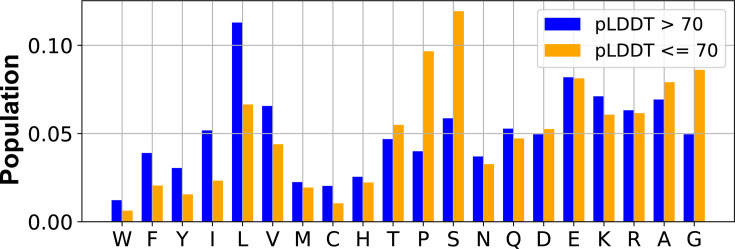
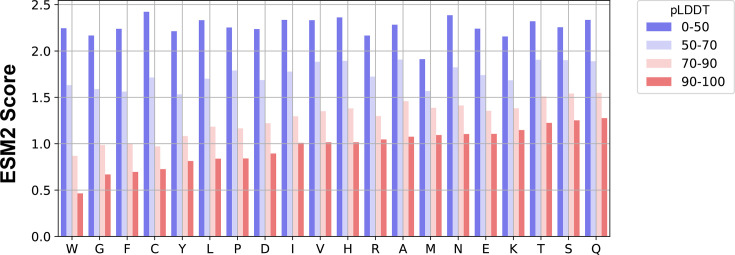
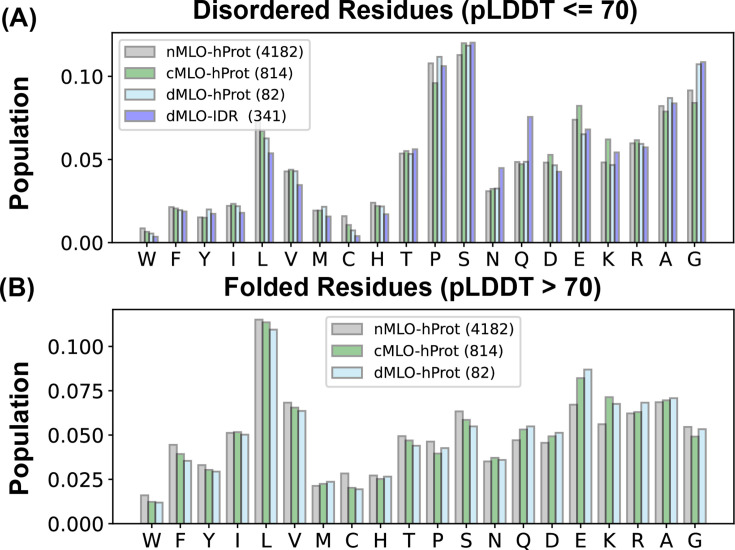
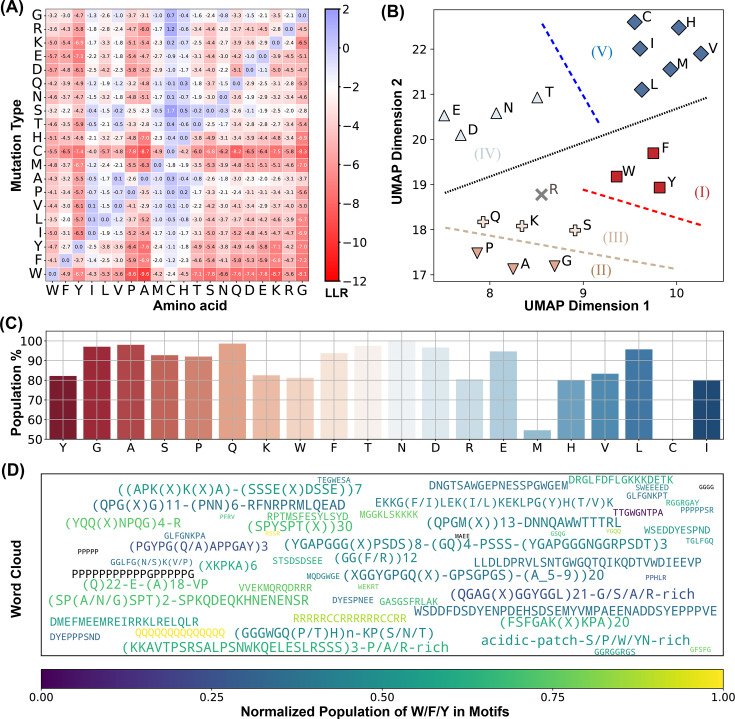
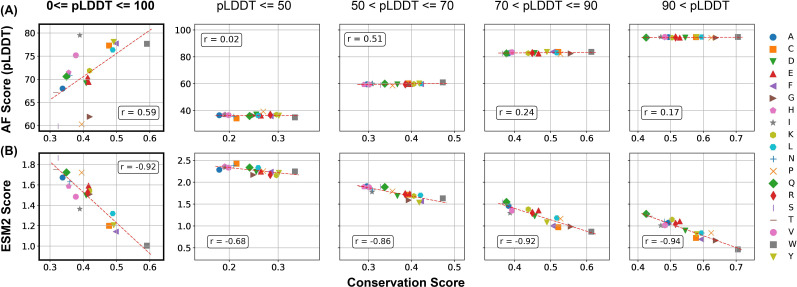
“In more folded domains, hydrophobic residues such as W and F are more conserved (see Figure 3— figure supplement 1 ), consistent with the characteristic conservation patterns of proteins across different disorder levels ( Yang et al., 2023 ; Chavali et al., 2020 ).”
Tortora, M. M. C., Brennan, L. D., Karpen, G. H., & Jost, D. (2023) · Proceedings of the National Academy of Sciences · doi:10.1073/pnas.2211855120 · Cited by 69
Badugu, R., Yoo, Y., Singh, P. B., & Kellum, R. (2005) · Chromosoma · doi:10.1007/s00412-004-0324-2 · Cited by 68 · cited 1×
“Within the hinge domain, a conserved segment known as the KRK patch (highlighted in orange) ( Smothers and Henikoff, 2001 ; Badugu et al., 2005 ; Larson et al., 2017 ; Strom et al., 2021 ) shows low ESM2 scores, despite being disordered.”
Toward Accurate Simulation of Coupling between Protein Secondary Structure and Phase Separation
Zhang, Y., Li, S., Gong, X., & Chen, J. (2023) · Journal of the American Chemical Society · doi:10.1021/jacs.3c09195 · Cited by 65 · cited 3×
“…et al., 2023 ; Banani et al., 2017 ; Choi et al., 2020 ; Pappu et al., 2023 ; Ginell and Holehouse, 2023 ; Latham and Zhang, 2020 ; Latham and Zhang, 2022a ; Latham and Zhang, 2022c ; Latham and Zhang, 2022b ; Latham et al., 2024 ; Liu et al., 2025 ; Lao and Zhang, 2024 ; Jiang et al., 2015 ).”
Self-citationProtein network structure enables switching between liquid and gel states
Schmit, J., Bouchard, J. J., Martin, E. W., & Mittag, T. (2019) · bioRxiv · doi:10.1101/754952 · Cited by 61 · cited 1×
“…focused on linking protein sequences to the phase behaviors of conden-sates ( Brangwynne et al., 2015 ; Pappu et al., 2023 ; Zeng and Pappu, 2023 ; Schmit et al., 2020 ; Mittag and Pappu, 2022 ; Dzuricky et al., 2018 ; Flory, 1942 ; Huggins, 1942 ; Dignon et al., 2018 ; Dignon et al., 2019 ;…”
Decoding the physical principles of two-component biomolecular phase separation
Zhang, Y.-J., Xu, B., Weiner, B. G., Meir, Y., & Wingreen, N. (2020) · bioRxiv · doi:10.1101/2020.08.24.264655 · Cited by 57 · cited 4×
“…1942 ; Huggins, 1942 ; Dignon et al., 2018 ; Dignon et al., 2019 ; Latham and Zhang, 2020 ; Joseph et al., 2021 ; Regy et al., 2021 ; Latham and Zhang, 2021 ; Tesei et al., 2021 ; Benayad et al., 2021 ; Latham and Zhang, 2022a ; Latham and Zhang, 2022b ; Farag et al., 2023 ; Lotthammer et al.,…”
InfluentialSelf-citationLu, A. X., Lu, A. X., Pritišanac, I., Zarin, T., Forman-Kay, J. D., & Moses, A. M. (2022) · PLoS Computational Biology · doi:10.1371/journal.pcbi.1010238 · Cited by 56
Zeng, W., Dou, Y., Pan, L., Xu, L., & Peng, S. (2024) · Nature Communications · doi:10.1038/s41467-024-52293-7 · Cited by 49 · cited 1×
“…Choi et al., 2020 ; Pappu et al., 2023 ; Wang et al., 2018 ; Prusty et al., 2018 ; Choi et al., 2019 ; Zhang et al., 2021 ), in which specific residues, termed ‘stickers’, drive strong, specific interactions, while ‘spacer’ regions act as flexible linkers with minimal nonspecific interactions (…”
Farahi, N., Lazar, T., Wodak, S. J., Tompa, P., & Pancsa, R. (2021) · International Journal of Molecular Sciences · doi:10.3390/ijms22063017 · Cited by 46 · cited 1×
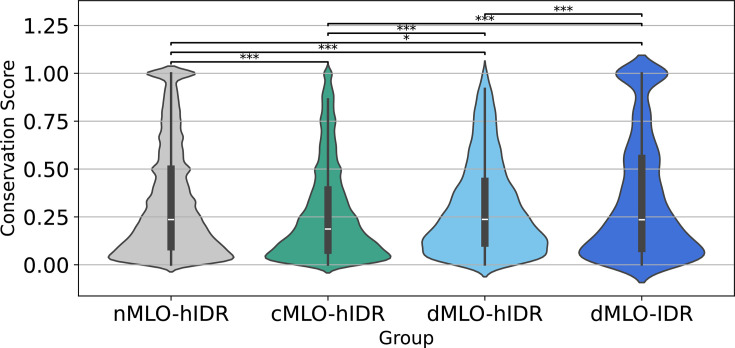
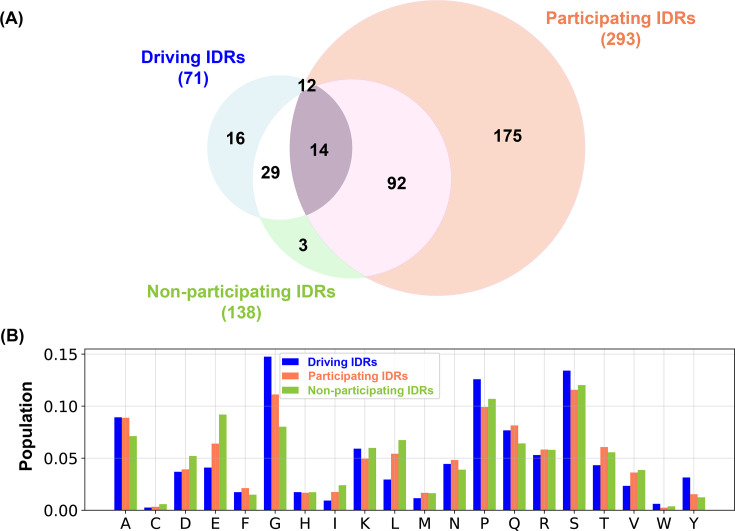
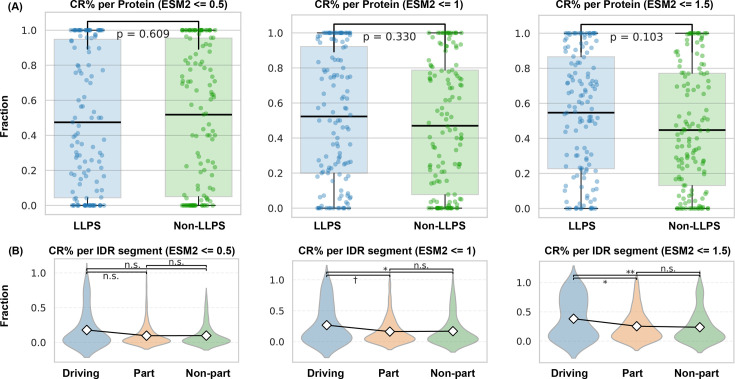
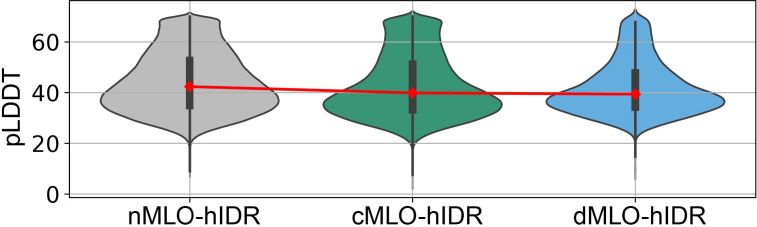
“…of MLO-hProt using a pLDDT score ≤70 and partitioned these regions into two categories: drivers (dMLO-hIDR), which actively drive phase separation, and clients (cMLO-hIDR), which are present in MLOs under certain conditions but do not promote phase separation themselves ( Farahi et al., 2021 ).”
Thermodynamics of Associative Polymer Blends
Prusty, D., Pryamitsyn, V., & de la Cruz, M. O. (2018) · Macromolecules · doi:10.1021/acs.macromol.8b00661 · Cited by 45 · cited 1×
“These studies support the ‘stickers- and-spacers’ framework ( Choi et al., 2020 ; Pappu et al., 2023 ; Wang et al., 2018 ; Prusty et al., 2018 ; Choi et al., 2019 ; Zhang et al., 2021 ), in which specific residues, termed ‘stickers’, drive strong, specific interactions, while ‘spacer’ regions act…”
Developments in describing equilibrium phase transitions of multivalent associative macromolecules
Zeng, X., & Pappu, R. V. (2023) · Current Opinion in Structural Biology · doi:10.1016/j.sbi.2023.102540 · Cited by 41
On the stability and layered organization of protein-DNA condensates
Latham, A. P., & Zhang, B. (2021) · bioRxiv · doi:10.1101/2021.08.22.457249 · Cited by 40
Self-citationProtein stability prediction by fine-tuning a protein language model on a mega-scale dataset
Chu, S. K. S., Narang, K., & Siegel, J. B. (2024) · PLoS Computational Biology · doi:10.1371/journal.pcbi.1012248 · Cited by 39 · cited 1×
“…( Choi et al., 2020 ; Pappu et al., 2023 ; Wang et al., 2018 ; Prusty et al., 2018 ; Choi et al., 2019 ; Zhang et al., 2021 ), in which specific residues, termed ‘stickers’, drive strong, specific interactions, while ‘spacer’ regions act as flexible linkers with minimal nonspecific…”
Molecular determinants for the layering and coarsening of biological condensates
Latham, A. P., & Zhang, B. (2022) · Aggregate · doi:10.1002/agt2.306 · Cited by 38
Self-citationGong, J., Jiang, L., Chen, Y., Zhang, Y., Li, X., Ma, Z., Fu, Z., He, F., Sun, P., Ren, Z., et al. (2023) · Bioinformatics · doi:10.1093/bioinformatics/btad646 · Cited by 37 · cited 2×
“…; Joseph et al., 2021 ; Regy et al., 2021 ; Latham and Zhang, 2021 ; Tesei et al., 2021 ; Benayad et al., 2021 ; Latham and Zhang, 2022a ; Latham and Zhang, 2022b ; Farag et al., 2023 ; Lotthammer et al., 2024 ; Bülow et al., 2024 ; Zhang et al., 2024 ; Kapoor et al., 2024 ; Liu et al., 2023 ).”
Self-citationPredicting MoRFs in protein sequences using HMM profiles
Sharma, R., Kumar, S., Tsunoda, T., Patil, A., & Sharma, A. (2016) · BMC Bioinformatics · doi:10.1186/s12859-016-1375-0 · Cited by 36 · cited 1×
“We employed HHblits for homolog detection, a method particularly suited to disordered proteins as it effectively captures distant sequence similarities in highly divergent sequences ( Sharma et al., 2016 ; Jarnot et al., 2022 ; Peng et al., 2023 ).”
Predicting a Protein's Stability under a Million Mutations
Ouyang-Zhang, J., Diaz, D. J., Klivans, A. R., & Krähenbühl, P. (2023) · Neural Information Processing Systems · doi:10.52202/075280-3332 · Cited by 35
KMAD: knowledge-based multiple sequence alignment for intrinsically disordered proteins
Lange, J., Wyrwicz, L., & Vriend, G. (2015) · Bioinform. · doi:10.1093/bioinformatics/btv663 · Cited by 35 · cited 1×
“…2023 ; Oldfield and Dunker, 2014 ; Brown et al., 2002 ; Huang and Sarai, 2012 ; Nunez-Castilla and Siltberg-Liberles, 2020 ; Thompson et al., 2011 ; Lange et al., 2016 ), though several studies have attempted alignment of disordered proteins with promising results ( Dasmeh et al., 2022 ; Lu et…”
Coarse-Grained Models to Study Protein–DNA Interactions and Liquid–Liquid Phase Separation
Kapoor, U., Kim, Y. C., & Mittal, J. (2023) · Journal of Chemical Theory and Computation · doi:10.1021/acs.jctc.3c00525 · Cited by 34
Decoding molecular mechanisms for loss-of-function variants in the human proteomePreprint
Cagiada, M., Jonsson, N., & Lindorff‐Larsen, K. (2024) · bioRxiv (Cold Spring Harbor Laboratory) · doi:10.1101/2024.05.21.595203 · Cited by 34
Enhancing missense variant pathogenicity prediction with protein language models using VariPred
Lin, W., Wells, J., Wang, Z., Orengo, C., & Martin, A. C. R. (2024) · Scientific Reports · doi:10.1038/s41598-024-51489-7 · Cited by 34 · cited 1×
“…framework ( Choi et al., 2020 ; Pappu et al., 2023 ; Wang et al., 2018 ; Prusty et al., 2018 ; Choi et al., 2019 ; Zhang et al., 2021 ), in which specific residues, termed ‘stickers’, drive strong, specific interactions, while ‘spacer’ regions act as flexible linkers with minimal nonspecific…”
Expert-guided protein language models enable accurate and blazingly fast fitness prediction
Marquet, C., Schlensok, J., Abakarova, M., Rost, B., & Laine, E. (2024) · Bioinformatics · doi:10.1093/bioinformatics/btae621 · Cited by 33
Liu, S., Wang, C., Latham, A. P., Ding, X., & Zhang, B. (2023) · PLoS Computational Biology · doi:10.1371/journal.pcbi.1011442 · Cited by 33 · cited 1×
“These biomolecular condensates typically assemble through phase separation, dynamically recruiting reactants and releasing products to improve the efficiency and specificity of cellular processes ( Hyman et al., 2014 ; Feric et al., 2016 ; Pappu et al., 2023 ).”
Self-citationPeng, Z., Li, Z., Meng, Q., Zhao, B., & Kurgan, L. (2022) · Briefings in Bioinformatics · doi:10.1093/bib/bbac502 · Cited by 32
Ho, W., & Huang, J. (2022) · Protein Science · doi:10.1002/pro.4317 · Cited by 30 · cited 1×
“Substantial research has focused on linking protein sequences to the phase behaviors of conden-sates ( Brangwynne et al., 2015 ; Pappu et al., 2023 ; Zeng and Pappu, 2023 ; Schmit et al., 2020 ; Mittag and Pappu, 2022 ; Dzuricky et al., 2018 ; Flory, 1942 ; Huggins, 1942 ; Dignon et al., 2018 ;…”
Huang, H., & Sarai, A. (2012) · Comput. Biol. Chem. · doi:10.1016/j.compbiolchem.2012.10.001 · Cited by 26 · cited 1×
“…analysis of IDRs is challenging due to difficulties in sequence alignment ( Riley et al., 2023 ; Oldfield and Dunker, 2014 ; Brown et al., 2002 ; Huang and Sarai, 2012 ; Nunez-Castilla and Siltberg-Liberles, 2020 ; Thompson et al., 2011 ; Lange et al., 2016 ), though several studies have…”
Protein Stability Prediction by Fine-tuning a Protein Language Model on a Mega-scale Dataset
Chu, S. K. S., & Siegel, J. B. (2023) · bioRxiv · doi:10.1101/2023.11.19.567747 · Cited by 25 · cited 3×
“…predicted by these models can be interpreted as proxies for evolutionary constraint or mutational tolerance ( Meier et al., 2024 ; Cagiada et al., 2024 ; Ouyang-Zhang et al., 2024 ; Lin et al., 2024 ; Saadat and Fellay, 2025 ; Chu et al., 2024 ; Marquet et al., 2024 ; Gong et al., 2023 ).”
Jarnot, P., Ziemska-Legięcka, J., Grynberg, M., & Gruca, A. (2022) · Briefings in Bioinformatics · doi:10.1093/bib/bbac299 · Cited by 24
Deep learning tools predict variants in disordered regions with lower sensitivity
Luppino, F., Lenz, S., Chow, C. F. W., & Tóth-Petróczy, Á. (2025) · BMC Genomics · doi:10.1186/s12864-025-11534-9 · Cited by 23
Toward Predictive Coarse-Grained Simulations of Biomolecular Condensates
Liu, S., Wang, C., & Zhang, B. (2025) · Biochemistry · doi:10.1021/acs.biochem.4c00737 · Cited by 23
Self-citationRiley, A., Ashlock, D., & Graether, S. (2023) · PLoS ONE · doi:10.1371/journal.pone.0288388 · Cited by 21
Assessing variant effect predictors and disease mechanisms in intrinsically disordered proteins
Fawzy, M., & Marsh, J. A. (2025) · PLOS Computational Biology · doi:10.1371/journal.pcbi.1013400 · Cited by 18
Regulation of zebrafish dorsoventral patterning by phase separation of RNA-binding protein Rbm14
Xiao, Y., Chen, J.-H., Wan, Y., Gao, Q., Jing, N.-H., Zheng, Y., & Zhu, X.-L. (2019) · Cell Discovery · doi:10.1038/s41421-019-0106-x · Cited by 17 · cited 2×
“…evolutionarily conserved residues that contribute to phase separation ( Dasmeh et al., 2022 ; Ho and Huang, 2022 ; Jiang et al., 2015 ; Tatavosian et al., 2019 ; Schuster et al., 2020 ; Yang et al., 2019 ; Larson et al., 2017 ; DiRusso et al., 2023 ; Mitrea et al., 2016 ; Xiao et al., 2019 ).”
Microphase separation produces interfacial environment within diblock biomolecular condensatesPreprint
Latham, A. P., Zhu, L., Sharon, D. A., Ye, S., Willard, A. P., Zhang, X., & Zhang, B. (2023) · eLife · doi:10.7554/elife.90750 · Cited by 16
Self-citationOrti, F., Fernández, M., & Marino-Buslje, C. (2023) · bioRxiv · doi:10.1002/pro.4858 · Cited by 16
Ozawa, Y., Anbo, H., Ota, M., & Fukuchi, S. (2022) · Journal of Biochemistry (Tokyo) · doi:10.1093/jb/mvac106 · Cited by 16
Fine-tuning protein language models to understand the functional impact of missense variants
Saadat, A., & Fellay, J. (2025) · Computational and Structural Biotechnology Journal · doi:10.1016/j.csbj.2025.05.022 · Cited by 16
DiRusso, C. J., DeMaria, A. M., Wong, J., Wang, W., Jordanides, J. J., Whitty, A., Allen, K. N., & Gilmore, T. D. (2023) · Journal of Biological Chemistry · doi:10.1016/j.jbc.2023.105396 · Cited by 15
Backbone interactions and secondary structures in phase separation of disordered proteins
Li, S., Zhang, Y., & Chen, J. (2024) · Biochemical Society Transactions · doi:10.1042/bst20230618 · Cited by 14
Self-citationDasmeh, P., Doronin, R., & Wagner, A. (2021) · bioRxiv · doi:10.1101/2021.05.04.442641 · Cited by 13
An Easy Protocol for Evolutionary Analysis of Intrinsically Disordered Proteins
Nunez-Castilla, J., & Siltberg-Liberles, J. (2020) · Methods in molecular biology · doi:10.1007/978-1-0716-0524-0_7 · Cited by 10
Prediction of Protein Half-lives from Amino Acid Sequences by Protein Language ModelsPreprint
Sagawa, T., Kanao, E., Ogata, K., Imami, K., & Ishihama, Y. (2024) · bioRxiv (Cold Spring Harbor Laboratory) · doi:10.1101/2024.09.10.612367 · Cited by 9
HP1a promotes chromatin liquidity and drives spontaneous heterochromatin compartmentalizationPreprint
Brennan, L. D., Kim, H.-K., Colmenares, S., Ego, T., Ryu, J.-K., & Karpen, G. H. (2025) · bioRxiv · doi:10.1101/2024.10.18.618981 · Cited by 7
OpenNucleome for high resolution nuclear structural and dynamical modelingPreprint
Lao, Z.-H., Kamat, K., Jiang, Z.-L., & Zhang, B. (2023) · bioRxiv · doi:10.1101/2023.10.16.562451 · Cited by 7
Self-citationPreserving condensate structure and composition by lowering sequence complexity
Sood, A., & Zhang, B. (2023) · bioRxiv · doi:10.1101/2023.11.29.569249 · Cited by 6 · cited 2×
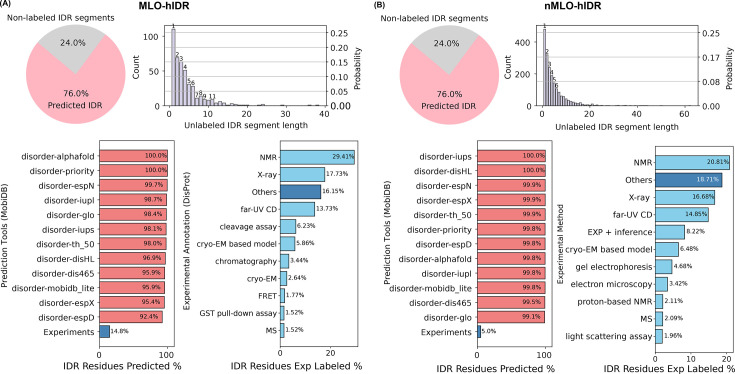
“Additional information on MLO-hIDR candidate proteins and their biological roles is available in ( MLO-hIDR. csv). dMLO-IDR dataset.”
Self-citationPrediction of folding patterns for intrinsic disordered protein
Yang, J., Cheng, W., Wu, G., Sheng, S., & Zhang, P. (2023) · Scientific Reports · doi:10.1038/s41598-023-45969-5 · Cited by 6 · cited 1×
“Conversely, hydrophobic residues like valine (V) and isoleucine (I) show higher ESM2 scores, suggesting they experience reduced evolutionary constraints.”
Unified protein force field for simulations of liquid-liquid phase separation
Latham, A. P., & Zhang, B. (2022) · Biophysical Journal · doi:10.1016/j.bpj.2021.11.969 · Cited by 4
Self-citation
Research works printed but not linked: 1
- Zhang Y. 2025. ESM2_IDR_LLPS. GitHub. swh:1:rev:318a81268901ea4e1349122f1ddb12ee8f5e15d0. https://archive.softwareheritage.org/swh:1:dir:f98ccbe03ad38d248f9d12d0b452c3fe2f054a54;origin=https://github.com/ZhangGroup-MITChemistry/ESM2_IDR_LLPS;visit=swh:1:snp:35bf3137f559f3a75ca839779dc10c553125d97b;anchor=swh:1:rev:318a81268901ea4e1349122f1ddb12ee8f5e15d0.
Cited by
Sorted by citations
MOFF2: A Transferable Coarse-Grained Protein Force Field for Predictive Condensate Simulations
Liu, S.-M., Zhang, Y.-M., Riveros, I., Wang, C.-Z., & Zhang, B. (2026) · bioRxiv · doi:10.64898/2026.06.10.731384 · Cited by 2
Self-citationZeng, X.-Y., Wang, T., Kulkarni, A., Lu, A., Ni, A., Xing, P., Zhao, J., Chen, S.-W., & Zhou, D. (2025) · doi:10.48550/arxiv.2507.02883 · Cited by 1
“This limitation is particularly consequential for applications that depend on dynamic and context-dependent interactions, including protein-protein interaction (PPI) prediction and phase separation [35].”
On the limits of marginal protein folding stability: methodological goals and drawbacks
Ferreiro, D., Zoni, V., & Arenas, M. (2026) · Journal of Molecular Modeling · doi:10.1007/s00894-026-07034-6
“Because PLMs are trained on millions of unannotated protein sequences using a masked-language-modeling objective, they inter-nalize statistical patterns of protein architecture, including residue-residue contacts and functional motifs [62].”
Zhang, Y.-M., Sood, A., Athreya, A., & Zhang, B. (2026) · Journal of Physical Chemistry B · doi:10.1021/acs.jpcb.6c05200
Self-citationMOFF2: A Transferable Coarse-Grained Protein Force Field for Predictive Condensate Simulations
Liu, S., Zhang, Y., Riveros, I., Wang, C., & Zhang, B. (2026) · Journal of Chemical Theory and Computation · doi:10.1021/acs.jctc.6c01336 · Cited by 4
Self-citation
Metadata
- Authors
- Zhang, Y., Zheng, J., & Zhang, B.
- Affiliations
- Massachusetts Institute of Technology (US)
- Corresponding author
- Zhang, Bin
- Venue
- eLife
- Publisher
- eLife Sciences Publications, Ltd
- Published
- 2025-10-20
- Volume
- 14
- ISSN
- 2050-084X (ISSN-L)
- PMC
- PMC12537011
- OpenAlex
- W4410139515
- Cited by
- 4
- References
- 149
- Citations by year
- 2026: 3 · 2025: 1
- Type
- posted content
- Language
- en
- Open access
- gold
- doi.org
- Licence
- Locations
- eLife (publishedVersion, cc-by)
- Europe PMC (PubMed Central) (publishedVersion, cc-by)
- PubMed (publishedVersion)
- DOAJ (DOAJ: Directory of Open Access Journals) (submittedVersion, cc-by-sa)
- Funders
- National Institute of General Medical Sciences (R35GM133580)
- Topics
- Life Sciences › Biochemistry, Genetics and Molecular Biology › Molecular Biology › Protein Structure and Dynamics
- Life Sciences › Biochemistry, Genetics and Molecular Biology › Molecular Biology › RNA Research and Splicing
- Life Sciences › Biochemistry, Genetics and Molecular Biology › Molecular Biology › RNA and protein synthesis mechanisms
- Keywords
- intrinsically disordered regions, phase separation, biomolecular condensates, protein language models, ESM-2, mutational tolerance, evolutionary conservation, conserved motifs, multivalent interactions, protein sequence evolution
- MeSH terms
- Phase Separation, Amino Acid Sequence, Organelles, Conserved Sequence, Evolution, Molecular, Amino Acid Motifs, Intrinsically Disordered Proteins
About these checks
Registry, retraction, Cites and statistics results are computed, not judged, with one exception: a printed reference that no index lists is read once by a model before it counts as a citation error. Claims are extracted by a model and kept only when their quote appears verbatim in the text; each cited source is then checked, with a model’s help, for whether it says what the claim relies on. Those verdicts can be wrong — read the claim’s quote and the cited source before relying on one.
Statistics and arithmetic are recomputed, not judged.
Confidence bands are shown only for fields calibrated on our annotated test set. None is calibrated yet, so no band is shown.
What counts as a claim ›How we measure confidence ›How we check this ›
Are you an author, or do you see a problem with this page? Request a review
