

The DOI matches its Crossref record; 73 of the 74 references it cites were found in a registry or an index, and 1 are not checked yet.
Neural evidence accumulation persists after choice to inform metacognitive judgments
Open accessAbstract
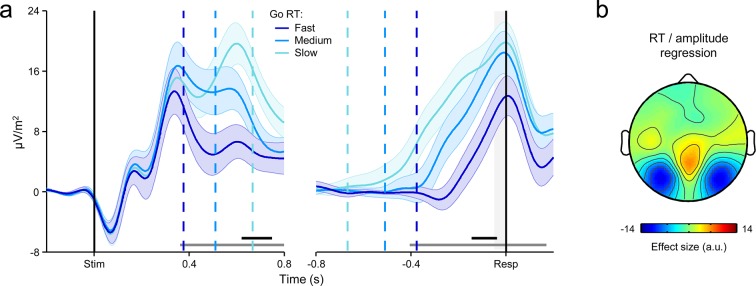
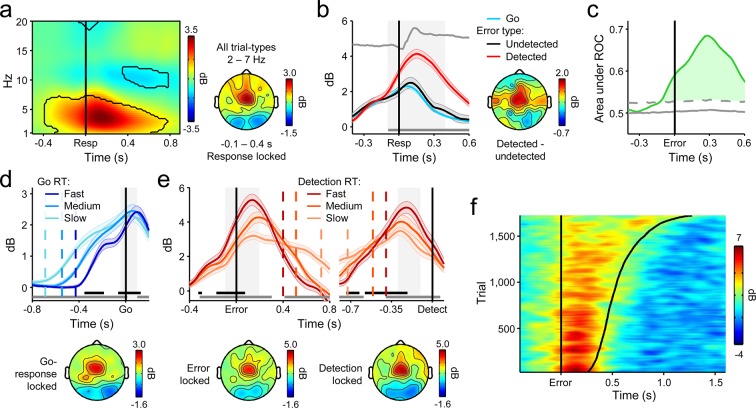
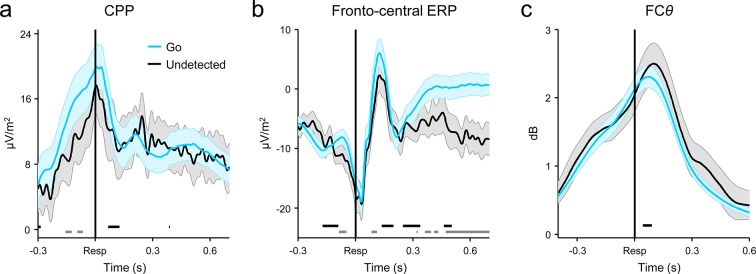
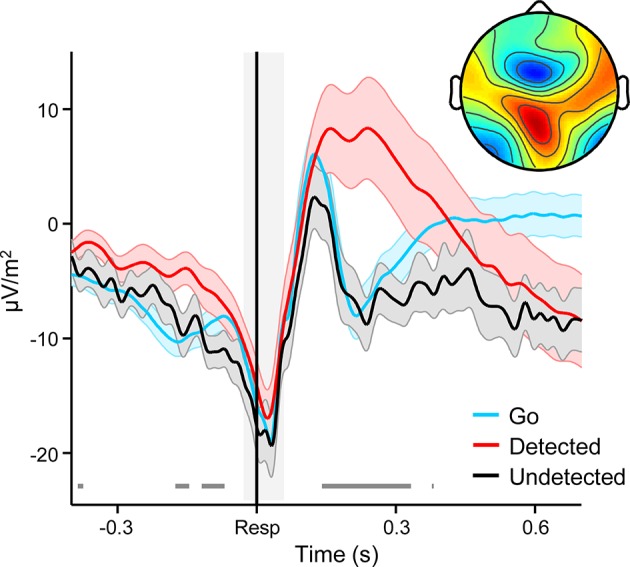
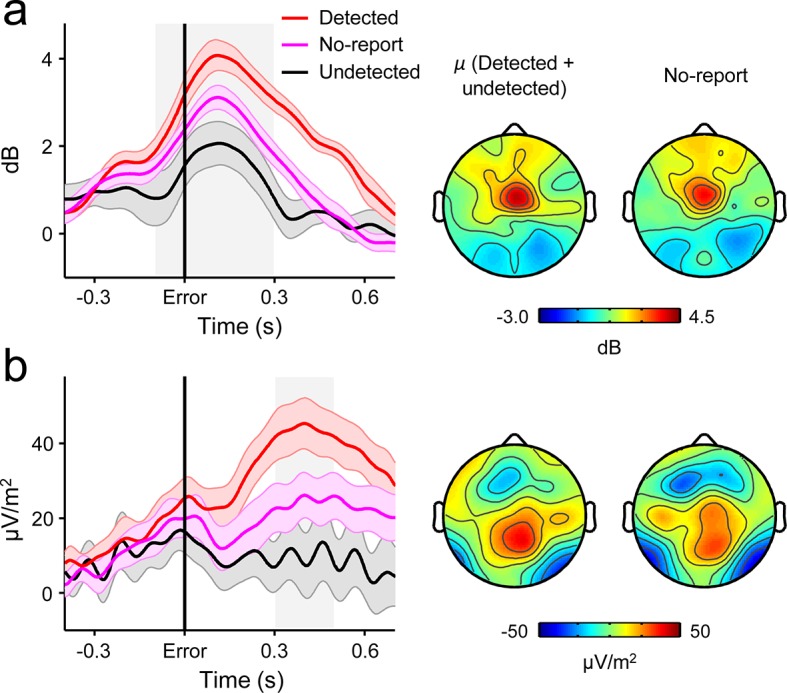
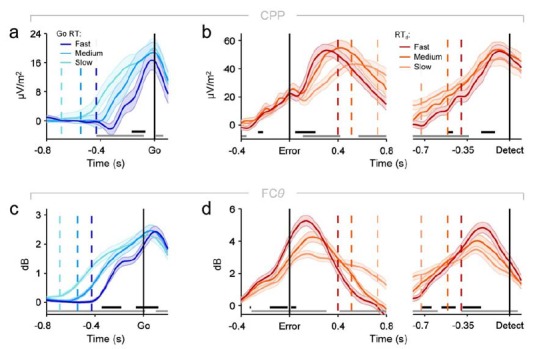
The ability to revise one’s certainty or confidence in a preceding choice is a critical feature of adaptive decision-making but the neural mechanisms underpinning this metacognitive process have yet to be characterized. In the present study, we demonstrate that the same build-to-threshold decision variable signal that triggers an initial choice continues to evolve after commitment, and determines the timing and accuracy of self-initiated error detection reports by selectively representing accumulated evidence that the preceding choice was incorrect. We also show that a peri-choice signal generated in medial frontal cortex provides a source of input to this post-decision accumulation process, indicating that metacognitive judgments are not solely based on the accumulation of feedforward sensory evidence. These findings impart novel insights into the generative mechanisms of metacognition.
Overview
The claims and statistics of this paper haven’t been checked yet.
Run the check — free, no account needed. It reads the open-access text and checks the sources it cites.
Integrity signals
Registry
Cites
Statistics
Figures
Verification
Claims the paper makes
The claims and statistics of this paper haven’t been checked yet.
Run the check — free, no account needed. It reads the open-access text and checks the sources it cites.
Claims other papers make about this one
Each is checked against this paper’s own text: does it say what the citing paper says it does?
The cited source says what the claim attributes to it.
In the citing paper
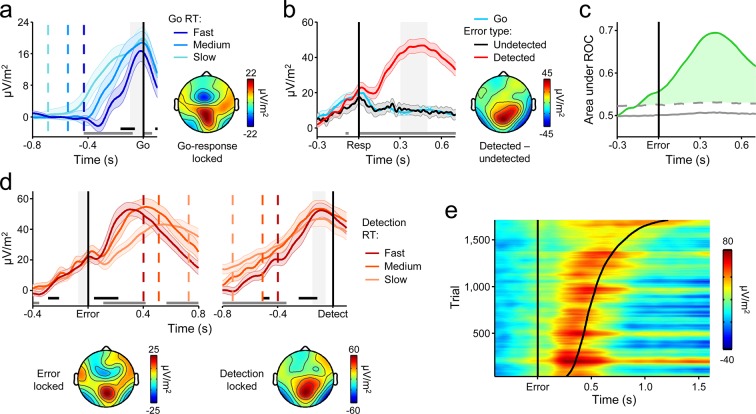
“Murphy et al. (2015) found that the ramping-like characteristics of a centroparietal electroencephalogram (EEG) signal, the Pe, was consistent with postdecisional evidence accumulation in a self-related reference frame.”
From Metacognition and Confidence: A Review and Synthesis (2024) · cites this paper as Murphy et al. 2015
The cited source says what the claim attributes to it.
In the citing paper
“The postdecisional build-up rate of this signal was proportional to the speed of subjective error detection, and it reached a constant amplitude at the point of detection that was independent of error-detection response time.”
From Metacognition and Confidence: A Review and Synthesis (2024) · cites this paper as Murphy et al. 2015
Self-check
Percentages, sums and reported differences re-computed from the paper’s own numbers.
The self-check needs the paper’s full text.
Citations
Cites
Delorme, A., & Makeig, S. (2004) · Journal of Neuroscience Methods · doi:10.1016/j.jneumeth.2003.10.009 · Cited by 24,371
Conflict monitoring and cognitive control
Botvinick, M. M., Braver, T. S., Barch, D. M., Carter, C. S., & Cohen, J. D. (2001) · Psychological Review · doi:10.1037/0033-295x.108.3.624 · Cited by 7,351
The Neural Basis of Decision Making
Gold, J. I., & Shadlen, M. N. (2007) · Annual Review of Neuroscience · doi:10.1146/annurev.neuro.29.051605.113038 · Cited by 3,764
Anterior Cingulate Cortex, Error Detection, and the Online Monitoring of Performance
Carter, C. S., Braver, T. S., Barch, D. M., Botvinick, M. M., Noll, D., & Cohen, J. D. (1998) · Science · doi:10.1126/science.280.5364.747 · Cited by 3,273
The role of the medial frontal cortex in cognitive control
Ridderinkhof, K. R., Ullsperger, M., Crone, E. A., & Nieuwenhuis, S. (2004) · Science · doi:10.1126/science.1100301 · Cited by 2,974
Anterior Cingulate Conflict Monitoring and Adjustments in Control
Kerns, J. G., Cohen, J. D., MacDonald, A. W., Cho, R. Y., Stenger, V. A., & Carter, C. S. (2004) · Science · doi:10.1126/science.1089910 · Cited by 2,891
A neural system for error detection and compensation
Gehring, W. J., Goss, B., Coles, M. G. H., Meyer, D. E., & Donchin, E. (1993) · Psychological Science · doi:10.1111/j.1467-9280.1993.tb00586.x · Cited by 2,862
Frontal theta as a mechanism for cognitive control
Cavanagh, J. F., & Frank, M. J. (2014) · Trends in Cognitive Sciences · doi:10.1016/j.tics.2014.04.012 · Cited by 2,726 · cited 4×
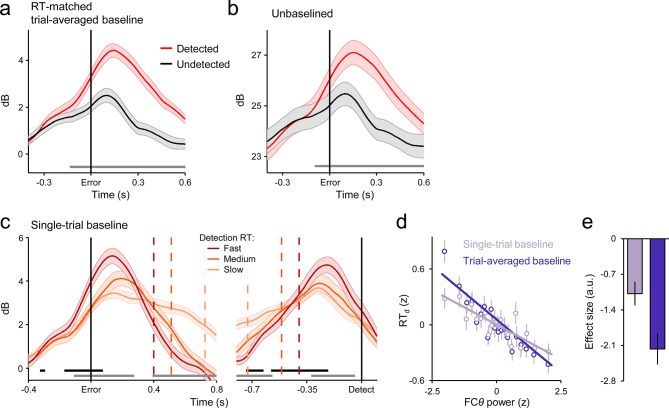
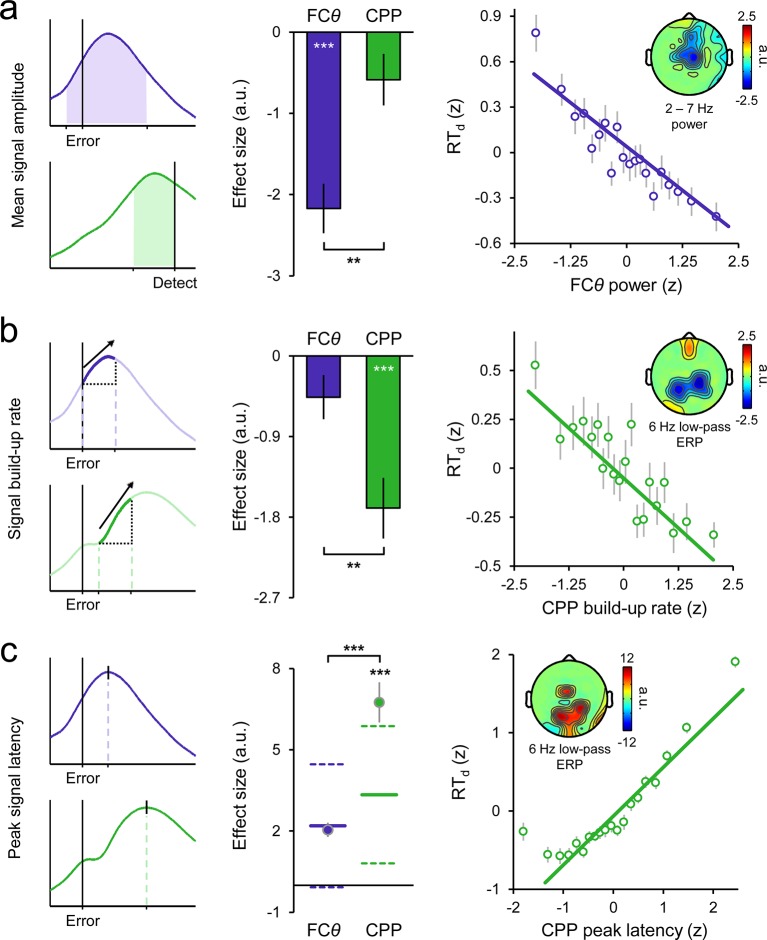
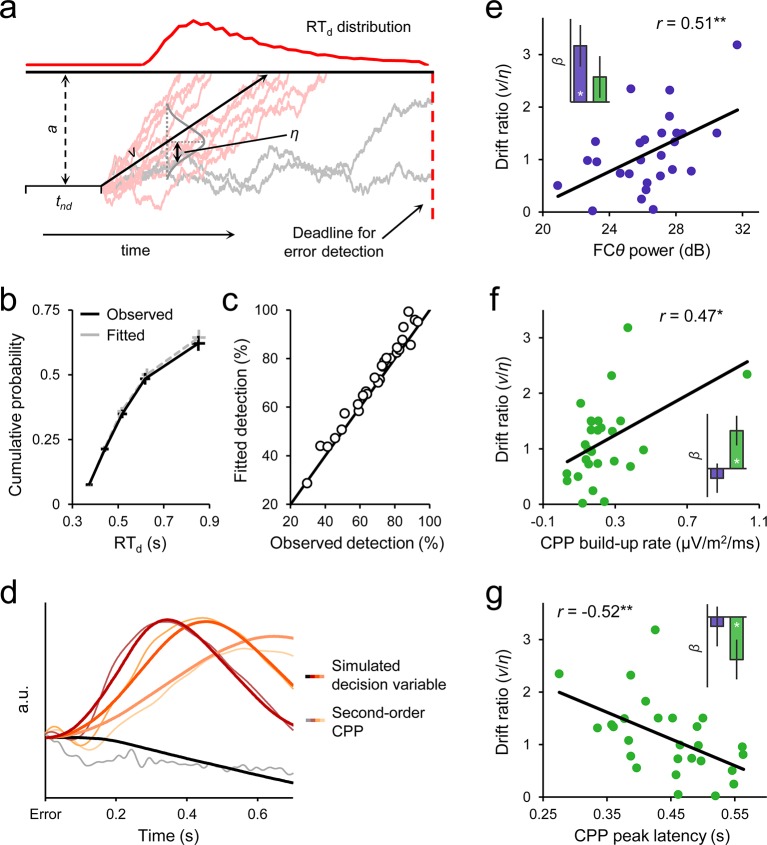
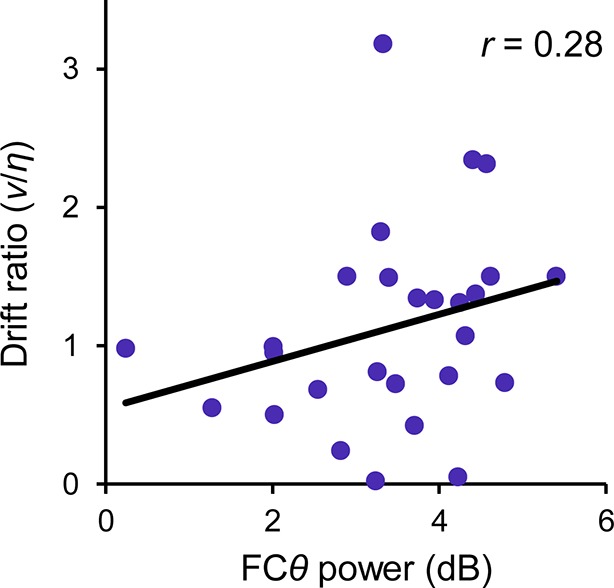
“…the influence of pMFC on error detection decisions by interrogating a prominent oscillatory signature that provides a proxy for pMFC activity, fronto-central theta power (FC ; 2–7 Hz; Cavanagh and Frank, 2014; Cavanagh et al., 2011; Cohen, 2014; Cohen and Donner, 2013; Narayanan, et al., 2013).”
BackgroundInfluentialOn the ability to inhibit thought and action: a theory of an act of control
Logan, G. D., & Cowan, W. B. (1984) · Psychological Review · doi:10.1037/0033-295x.91.3.295 · Cited by 2,590
The expected value of control: an integrative theory of anterior cingulate cortex function
Shenhav, A., Botvinick, M. M., & Cohen, J. D. (2013) · Neuron · doi:10.1016/j.neuron.2013.07.007 · Cited by 2,321
The neural basis of error detection: Conflict monitoring and the error-related negativity
Yeung, N., Botvinick, M. M., & Cohen, J. D. (2004) · Psychological Review · doi:10.1037/0033-295x.111.4.931 · Cited by 1,924
Prefrontal-Subcortical Pathways Mediating Successful Emotion Regulation
Wager, T. D., Davidson, M. L., Hughes, B. L., Lindquist, M. A., & Ochsner, K. N. (2008) · Neuron · doi:10.1016/j.neuron.2008.09.006 · Cited by 1,761 · cited 1×
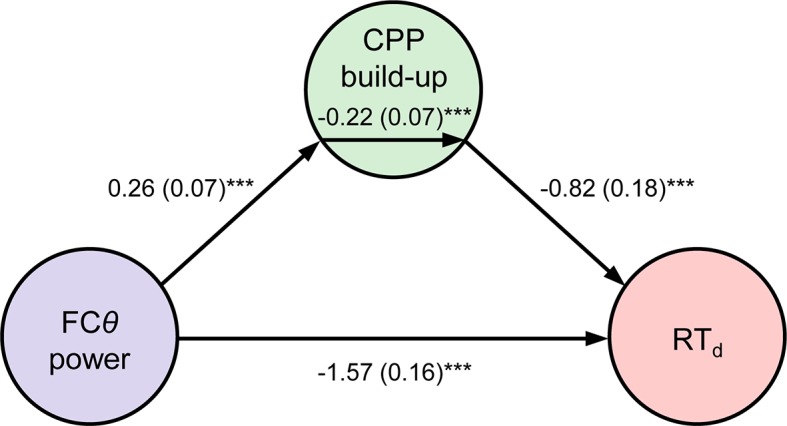
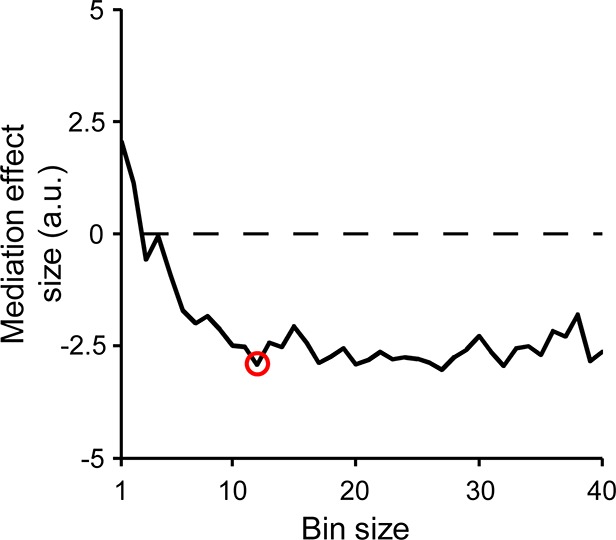
“Significance of the associated path coefficients was assessed via bias-corrected bootstrap tests with 10,000 samples (Wager et al., 2008).”
MethodA neuronal model of a global workspace in effortful cognitive tasks
Dehaene, S., Kerszberg, M., & Changeux, J.-P. (1998) · Proceedings of the National Academy of Sciences · doi:10.1073/pnas.95.24.14529 · Cited by 1,347
Nieuwenhuis, S., Ridderinkhof, K. R., Blom, J., Band, G. P. H., & Kok, A. (2001) · Psychophysiology · doi:10.1111/1469-8986.3850752 · Cited by 1,170
Anterior cingulate cortex and conflict detection: an update of theory and data
Carter, C. S., & van Veen, V. (2007) · Cognitive, Affective, & Behavioral Neuroscience · doi:10.3758/cabn.7.4.367 · Cited by 1,056
Psychology and neurobiology of simple decisions
Smith, P. L., & Ratcliff, R. (2004) · Trends in Neurosciences · doi:10.1016/j.tins.2004.01.006 · Cited by 1,051
Representation of Confidence Associated with a Decision by Neurons in the Parietal Cortex
Kiani, R., & Shadlen, M. N. (2009) · Science · doi:10.1126/science.1169405 · Cited by 1,027
On the ability to inhibit thought and action: General and special theories of an act of control.
Logan, G. D., Zandt, T. V., Verbruggen, F., & Wagenmakers, E. (2014) · Psychological Review · doi:10.1037/a0035230 · Cited by 911
A supramodal accumulation-to-bound signal that determines perceptual decisions in humans
O'Connell, R. G., Dockree, P. M., & Kelly, S. P. (2012) · Nature Neuroscience · doi:10.1038/nn.3248 · Cited by 755
Self-citationExecutive Attention and Metacognitive Regulation
Fernandez‐Duque, D., Baird, J. A., & Posner, M. I. (2000) · Consciousness and Cognition · doi:10.1006/ccog.2000.0447 · Cited by 739
Two-stage dynamic signal detection: A theory of choice, decision time, and confidence.
Pleskac, T. J., & Busemeyer, J. R. (2010) · Psychological Review · doi:10.1037/a0019737 · Cited by 722
Decision Making as a Window on Cognition
Shadlen, M. N., & Kiani, R. (2013) · Neuron · doi:10.1016/j.neuron.2013.10.047 · Cited by 694
Changes of mind in decision-making
Resulaj, A., Kiani, R., Wolpert, D. M., & Shadlen, M. N. (2009) · Nature · doi:10.1038/nature08275 · Cited by 678
Subthalamic nucleus stimulation reverses mediofrontal influence over decision threshold
Cavanagh, J. F., Wiecki, T. V., Cohen, M. X., Figueroa, C. M., Samanta, J., Sherman, S. J., & Frank, M. J. (2011) · Nature Neuroscience · doi:10.1038/nn.2925 · Cited by 676
Cavanagh, J. F., Cohen, M. X., & Allen, J. J. B. (2009) · The Journal of Neuroscience · doi:10.1523/jneurosci.4137-08.2009 · Cited by 669
Metacognition in human decision-making: confidence and error monitoring
Yeung, N., & Summerfield, C. (2012) · Philosophical Transactions of the Royal Society B: Biological Sciences · doi:10.1098/rstb.2011.0416 · Cited by 667
Jürgen Kayser, A., & Tenke, C. E. (2005) · Clinical Neurophysiology · doi:10.1016/j.clinph.2005.08.034 · Cited by 638
Psychophysiological brain research.
BRUNIA, C. H. M., Gaillard, A., & Kok, A. (1993) · UvA-DARE (University of Amsterdam) · Cited by 622
The Neural Basis of Error Detection: Conflict Monitoring and the Error-Related Negativity.
Yeung, N., Botvinick, M., & Cohen, J. D. (2004) · Psychological Review · doi:10.1037/0033-295x.111.4.939 · Cited by 616
Overbeek, T. J. M., Nieuwenhuis, S., & Ridderinkhof, K. R. (2005) · Journal of Psychophysiology · doi:10.1027/0269-8803.19.4.319 · Cited by 600
Performance monitoring by the anterior cingulate cortex during saccade countermanding
Ito, S., Stuphorn, V., Brown, J. W., & Schall, J. D. (2003) · Science · doi:10.1126/science.1087847 · Cited by 581
Buildup of Choice-Predictive Activity in Human Motor Cortex during Perceptual Decision Making
Donner, T. H., Siegel, M., Fries, P., & Engel, A. K. (2009) · Current Biology · doi:10.1016/j.cub.2009.07.066 · Cited by 551
Confidence in value-based choice
De Martino, B., Fleming, S. M., Garrett, N., & Dolan, R. J. (2013) · Nature Neuroscience · doi:10.1038/nn.3279 · Cited by 534
Midfrontal conflict-related theta-band power reflects neural oscillations that predict behavior
Cohen, M. X., & Donner, T. H. (2013) · Journal of Neurophysiology · doi:10.1152/jn.00479.2013 · Cited by 494
Choice Certainty Is Informed by Both Evidence and Decision Time
Kiani, R., Corthell, L., & Shadlen, M. N. (2014) · Neuron · doi:10.1016/j.neuron.2014.12.015 · Cited by 470
Conscious perception of errors and its relation to the anterior insula
Ullsperger, M., Harsay, H. A., Wessel, J. R., & Ridderinkhof, K. R. (2010) · Brain Structure and Function · doi:10.1007/s00429-010-0261-1 · Cited by 463
Gómez, P., Ratcliff, R., & Perea, M. (2007) · Journal of Experimental Psychology General · doi:10.1037/0096-3445.136.3.389 · Cited by 460
Neural mechanisms and temporal dynamics of performance monitoring
Ullsperger, M., Fischer, A. G., Nigbur, R., & Endraß, T. (2014) · Trends in Cognitive Sciences · doi:10.1016/j.tics.2014.02.009 · Cited by 456
Internal and External Influences on the Rate of Sensory Evidence Accumulation in the Human Brain
Kelly, S. P., & O'Connell, R. G. (2013) · The Journal of Neuroscience · doi:10.1523/jneurosci.3355-13.2013 · Cited by 455
Self-citationHuman dorsal anterior cingulate cortex neurons mediate ongoing behavioural adaptation
Sheth, S. A., Mian, M. K., Patel, S. R., Asaad, W. F., Williams, Z. M., Dougherty, D. D., Bush, G., & Eskandar, E. N. (2012) · Nature · doi:10.1038/nature11239 · Cited by 441
A neural microcircuit for cognitive conflict detection and signaling
Cohen, M. X. (2014) · Trends in Neurosciences · doi:10.1016/j.tins.2014.06.004 · Cited by 437
O'Connell, R. G., Dockree, P. M., Bellgrove, M. A., Kelly, S. P., Hester, R., Garavan, H., Robertson, I. H., & Foxe, J. J. (2007) · European Journal of Neuroscience · doi:10.1111/j.1460-9568.2007.05477.x · Cited by 379
Self-citationThe classic P300 encodes a build‐to‐threshold decision variable
Twomey, D. M., Murphy, P. R., Kelly, S. P., & O'Connell, R. G. (2015) · European Journal of Neuroscience · doi:10.1111/ejn.12936 · Cited by 376
Self-citationMetacognition: computation, biology and function
Fleming, S. M., Dolan, R. J., & Frith, C. D. (2012) · Philosophical Transactions of the Royal Society B: Biological Sciences · doi:10.1098/rstb.2012.0021 · Cited by 344
Hester, R., Foxe, J. J., Molholm, S., Shpaner, M., & Garavan, H. (2005) · NeuroImage · doi:10.1016/j.neuroimage.2005.04.035 · Cited by 306
An integrated theory of attention and decision making in visual signal detection.
Smith, P. L., & Ratcliff, R. (2009) · Psychological Review · doi:10.1037/a0015156 · Cited by 306
Danielmeier, C., Eichele, T., Forstmann, B. U., Tittgemeyer, M., & Ullsperger, M. (2011) · Journal of Neuroscience · doi:10.1523/jneurosci.4299-10.2011 · Cited by 294
Decision processes in human performance monitoring
Steinhauser, M., & Yeung, N. (2010) · The Journal of Neuroscience · doi:10.1523/jneurosci.1899-10.2010 · Cited by 284
Shared neural markers of decision confidence and error detection
Boldt, A., & Yeung, N. (2015) · The Journal of Neuroscience · doi:10.1523/jneurosci.0797-14.2015 · Cited by 274
Common medial frontal mechanisms of adaptive control in humans and rodents
Narayanan, N. S., Cavanagh, J. F., Frank, M. J., & Laubach, M. (2013) · Nature Neuroscience · doi:10.1038/nn.3549 · Cited by 267
PSOt - a particle swarm optimization toolbox for use with Matlab
Birge, B. (2004) · IEEE Swarm Intelligence Symposium · doi:10.1109/sis.2003.1202265 · Cited by 251
Diffusion model for one-choice reaction-time tasks and the cognitive effects of sleep deprivation
Ratcliff, R., & Dongen, H. P. A. V. (2011) · Proceedings of the National Academy of Sciences · doi:10.1073/pnas.1100483108 · Cited by 247
Wessel, J. R., Danielmeier, C., & Ullsperger, M. (2011) · Journal of Cognitive Neuroscience · doi:10.1162/jocn.2011.21635 · Cited by 236
Failures of metacognition and lack of insight in neuropsychiatric disorders.
David, A. S., Bedford, N., Wiffen, B., & Gilleen, J. (2012) · Philosophical Transactions of the Royal Society B Biological Sciences · doi:10.1098/rstb.2012.0002 · Cited by 227 · cited 3×
“Funding: See page 20 Received: 29 September 2015 Accepted: 17 December 2015 Published: 19 December 2015 Reviewing editor: Michael J Frank, Brown University, United States Copyright Murphy et al. This article is distributed under the terms of the Creative Commons Attribution License, which permits unrestricted use and…”
BackgroundTo P E or not to P E : A P3‐like ERP component reflecting the processing of response errors
Ridderinkhof, K. R., Ramautar, J. R., & Wijnen, J. G. (2009) · Psychophysiology · doi:10.1111/j.1469-8986.2009.00790.x · Cited by 218
Error Correction Time without External Error Signals
RABBITT, P. M. A. (1966) · Nature · doi:10.1038/212438a0 · Cited by 213
Moran, R., Teodorescu, A. R., & Usher, M. (2015) · Cognitive Psychology · doi:10.1016/j.cogpsych.2015.01.002 · Cited by 201
Ebitz, R. B., & Platt, M. L. (2015) · Neuron · doi:10.1016/j.neuron.2014.12.053 · Cited by 201
Ratcliff, R., & Starns, J. J. (2013) · Psychological Review · doi:10.1037/a0033152 · Cited by 173
Action-Specific Disruption of Perceptual Confidence
Fleming, S. M., Maniscalco, B., Ko, Y., Amendi, N., Ro, T., & Lau, H. C. (2014) · Psychological Science · doi:10.1177/0956797614557697 · Cited by 169
Robust Regression Computation Using Iteratively Reweighted Least Squares
O’Leary, D. P. (1990) · SIAM Journal on Matrix Analysis and Applications · doi:10.1137/0611032 · Cited by 163
Kelly, S. P., & O’Connell, R. G. (2014) · Journal of Physiology-Paris · doi:10.1016/j.jphysparis.2014.08.003 · Cited by 142
Self-citationSela, T., Kilim, A., & Michal Lavidor, B. (2012) · Frontiers in Neuroscience · doi:10.3389/fnins.2012.00022 · Cited by 137
Reinhart, R. M. G., & Woodman, G. F. (2014) · Journal of Neuroscience · doi:10.1523/jneurosci.5421-13.2014 · Cited by 134
Dynamics of postdecisional processing of confidence.
Yu, S., Pleskac, T. J., & Zeigenfuse, M. D. (2015) · Journal of Experimental Psychology General · doi:10.1037/xge0000062 · Cited by 103
Processing a Display Even after you Make a Response to it. How Perceptual Errors can be Corrected
Rabbitt, P., & Vyas, S. (1981) · The Quarterly Journal of Experimental Psychology Section A · doi:10.1080/14640748108400790 · Cited by 97
Error awareness as evidence accumulation: effects of speed-accuracy trade-off on error signaling
Steinhauser, M., & Yeung, N. (2012) · Frontiers in Human Neuroscience · doi:10.3389/fnhum.2012.00240 · Cited by 96
An electrophysiological signal that precisely tracks the emergence of error awareness
Murphy, P. R., Robertson, I. H., Allen, D., Hester, R., & O'Connell, R. G. (2012) · Frontiers in Human Neuroscience · doi:10.3389/fnhum.2012.00065 · Cited by 94 · cited 4×
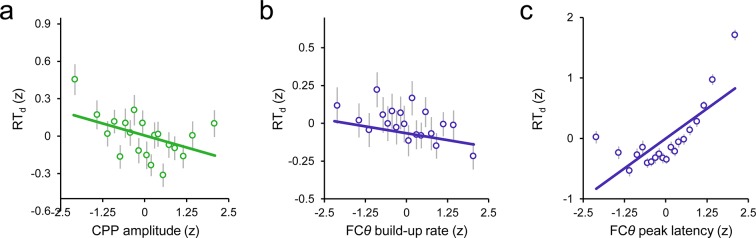
“A previous paper by our group investigated the relationship between the Pe component (referred to here as the second-order CPP) and error detection using the same data and reported a strong correlation between Pe peak latency and RTd (Murphy et al., 2012).”
BackgroundMethodInfluentialSelf-citationDecoding the Dynamics of Action, Intention, and Error Detection for Conscious and Subliminal Stimuli
Charles, L., King, J.-R., & Dehaene, S. (2014) · The Journal of Neuroscience · doi:10.1523/jneurosci.2465-13.2014 · Cited by 84 · cited 1×
“Computational models have shown that a post-commitment conflict signal alone would provide a reliable basis for error detection because its magnitude scales with error likelihood and can reliably classify trial-to-trial performance accuracy (Yeung et al., 2004; see also Charles et al., 2014).”
BackgroundThe role of the anterior cingulate cortex in the counting Stroop task
Hayward, G., Goodwin, G., & Harmer, C. (2004) · Experimental Brain Research · doi:10.1007/s00221-003-1665-4 · Cited by 74
Neural Correlates of Decisions and Their Outcomes in the Ventral Premotor Cortex
Pardo‐Vázquez, J. L., Leborán, V., & Acuña, C. (2008) · Journal of Neuroscience · doi:10.1523/jneurosci.3396-08.2008 · Cited by 55
Deco, G., Pérez‐Sanagustín, M., de Lafuente, V., & Romo, R. (2007) · Proceedings of the National Academy of Sciences · doi:10.1073/pnas.0709794104 · Cited by 39
Internal signal correlates neural populations and biases perceptual decision reports
Carnevale, F., de Lafuente, V., Romo, R., & Parga, N. (2012) · Proceedings of the National Academy of Sciences · doi:10.1073/pnas.1216799109 · Cited by 35
Random-Walk and Accumulator Models of Psychophysical Discrimination: A Critical Evaluation
Heath, R. A. (1984) · Perception · doi:10.1068/p130057 · Cited by 31
Research works printed but not linked: 1
- Link, 2003, Proceeding of the Nineteenth Annual Meeting of The International Society for Psychophysics
Cited by
Sorted by citations
Metacognition and Confidence: A Review and Synthesis
Fleming, S. M. (2024) · Annual Review of Psychology · doi:10.1146/annurev-psych-022423-032425 · Cited by 256
“Murphy et al. (2015) found that the ramping-like characteristics of a centroparietal EEG signal, the Pe, was consistent with post-decisional evidence accumulation in a self-related reference frame.”
Global gain modulation generates time-dependent urgency during perceptual choice in humans
Murphy, P. R., Boonstra, E., & Nieuwenhuis, S. (2016) · Nature Communications · doi:10.1038/ncomms13526 · Cited by 206
Self-citationNeural mediators of changes of mind about perceptual decisions
Fleming, S. M., van der Putten, E. J., & Daw, N. D. (2018) · Nature Neuroscience · doi:10.1038/s41593-018-0104-6 · Cited by 155
Decisions are expedited through multiple neural adjustments spanning the sensorimotor hierarchy
Steinemann, N. A., O’Connell, R. G., & Kelly, S. P. (2018) · Nature Communications · doi:10.1038/s41467-018-06117-0 · Cited by 166
Self-citationTagliabue, C. F., Veniero, D., Benwell, C., Cecere, R., Savazzi, S., & Thut, G. (2019) · Scientific Reports · doi:10.1038/s41598-019-41024-4 · Cited by 150
Metadata
- Authors
- Murphy, P. R., Robertson, I. H., Harty, S., & O'Connell, R. G.
- Affiliations
- Leiden University (NL)
- Trinity College Dublin (IE)
- Trinity College Institute of Neuroscience, School of Psychology, Trinity College Dublin, Dublin, Ireland
- Corresponding author
- Murphy, Peter R
- Venue
- eLife
- Publisher
- eLife Sciences Publications, Ltd
- Published
- 2015-12-19
- Volume
- 4
- ISSN
- 2050-084X (ISSN-L)
- PMC
- PMC4749550
- OpenAlex
- W2207026948
- Cited by
- 170
- References
- 73
- Citations by year
- 2026: 16 · 2025: 11 · 2024: 12 · 2023: 17 · 2022: 17 · 2021: 22 · 2020: 22 · 2019: 18 · 2018: 17 · 2017: 9 · 2016: 9
- FWCI
- 7.01
- Type
- journal article
- Language
- en
- Open access
- gold
- doi.org
- Licence
- Locations
- eLife (publishedVersion, cc-by)
- PubMed Central (publishedVersion, cc-by)
- PubMed (publishedVersion)
- Leiden Repository (Leiden University) (submittedVersion, other-oa)
- Leiden Repository (Leiden University) (submittedVersion)
- Arrow@dit (Dublin Institute of Technology) (submittedVersion, cc-by-nc-sa)
- DOAJ (DOAJ: Directory of Open Access Journals) (submittedVersion, cc-by-sa)
- Leiden Repository (Leiden University) (submittedVersion, cc-by)
- Trinity's Access to Research Output (TARA) (Trinity College Dublin) (submittedVersion)
- Data Archiving and Networked Services (DANS) (submittedVersion, other-oa)
- Funders
- Irish Research Council (Postgraduate Fellowship)
- European Research Council (Starting Grant 63829)
- Topics
- Life Sciences › Neuroscience › Cognitive Neuroscience › Neural and Behavioral Psychology Studies
- Life Sciences › Neuroscience › Cognitive Neuroscience › Neural dynamics and brain function
- Social Sciences › Decision Sciences › General Decision Sciences › Decision-Making and Behavioral Economics
- Keywords
- metacognition, evidence accumulation, confidence judgments, error detection, medial frontal cortex, decision-making
- MeSH terms
- Metacognition, Decision Making, Electroencephalography, Frontal Lobe, Humans, Judgment, Healthy Volunteers
About these checks
Registry, retraction, Cites and statistics results are computed, not judged, with one exception: a printed reference that no index lists is read once by a model before it counts as a citation error. Claims are extracted by a model and kept only when their quote appears verbatim in the text; each cited source is then checked, with a model’s help, for whether it says what the claim relies on. Those verdicts can be wrong — read the claim’s quote and the cited source before relying on one.
Statistics and arithmetic are recomputed, not judged.
Confidence bands are shown only for fields calibrated on our annotated test set. None is calibrated yet, so no band is shown.
What counts as a claim ›How we measure confidence ›How we check this ›
Are you an author, or do you see a problem with this page? Request a review
