

The DOI matches its Crossref record; 9 of the 9 references it cites were found in a registry or an index.
GluA4 facilitates cerebellar expansion coding and enables associative memory formation
Published version of a preprint
Abstract
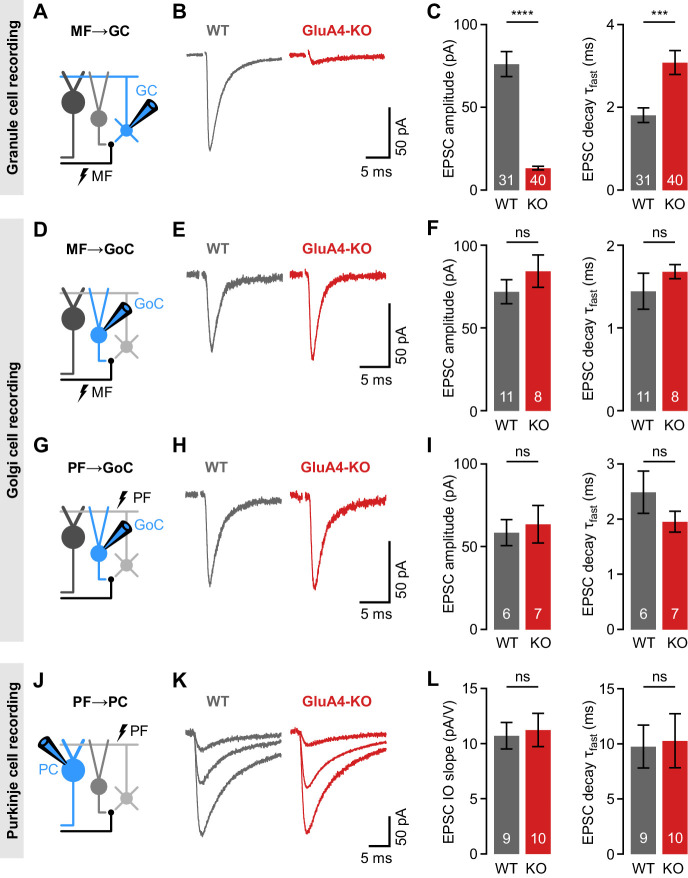
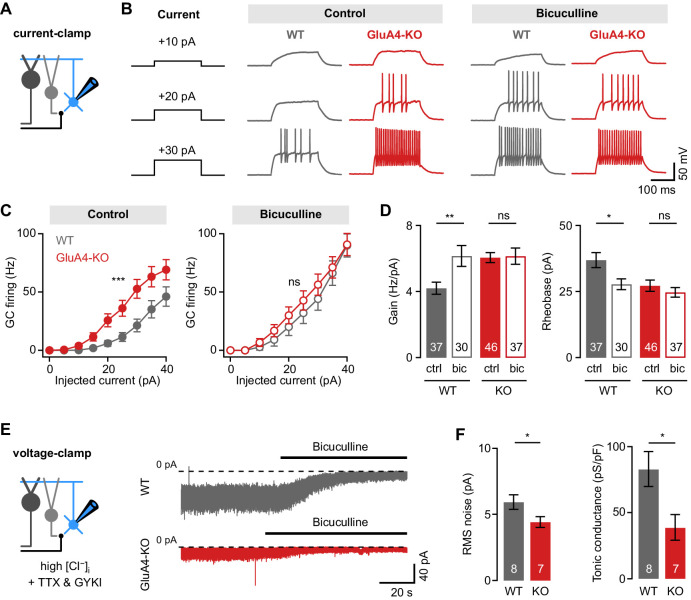
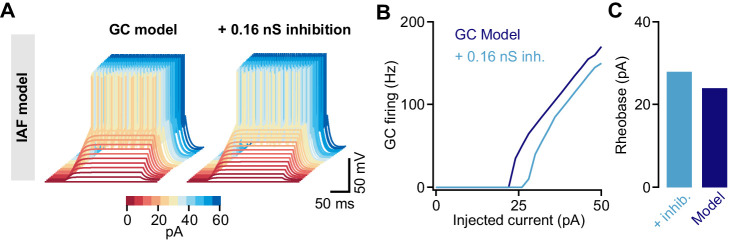
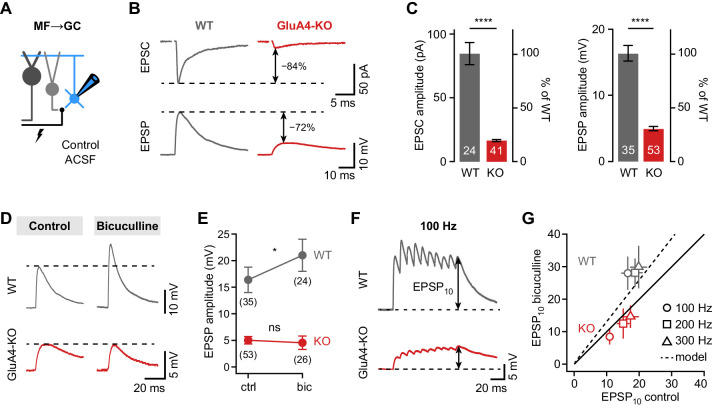
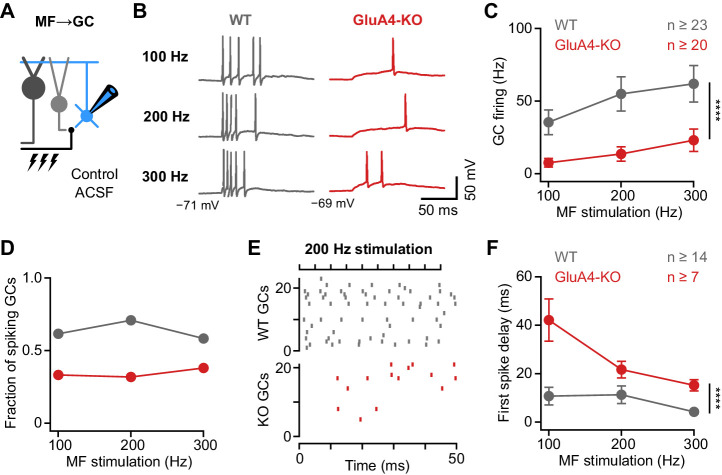
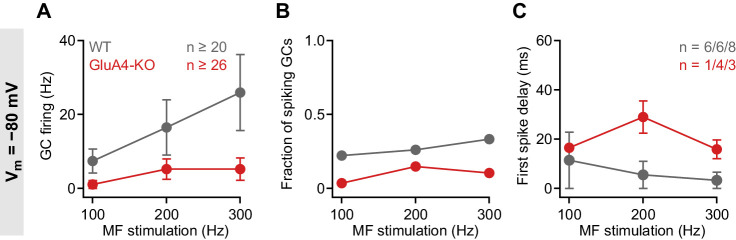
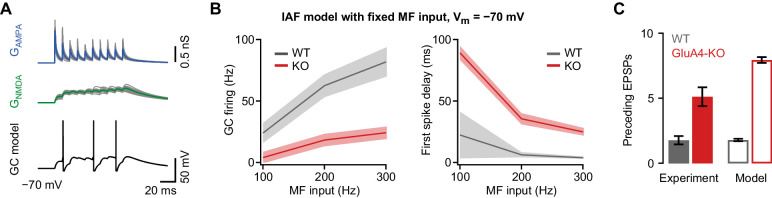
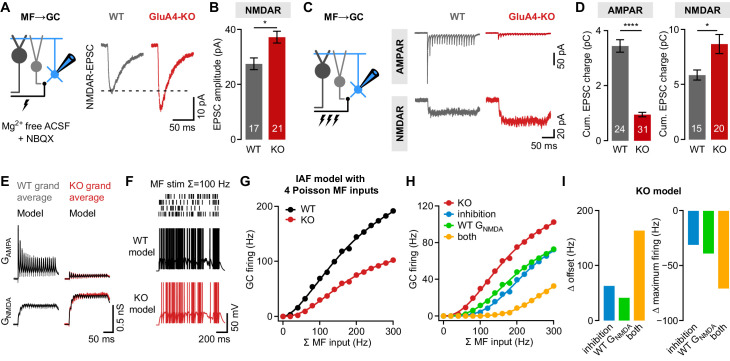
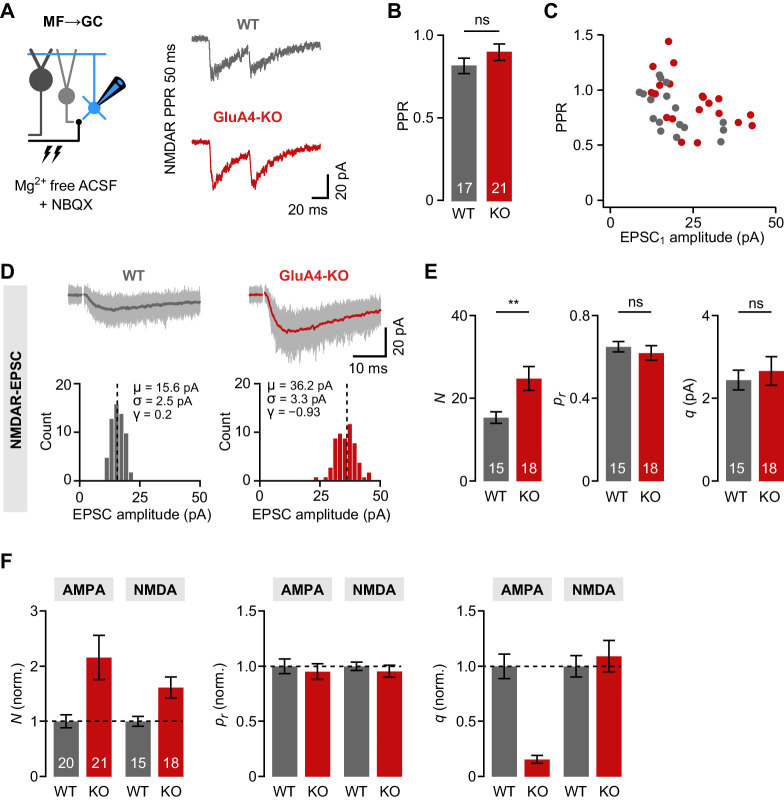
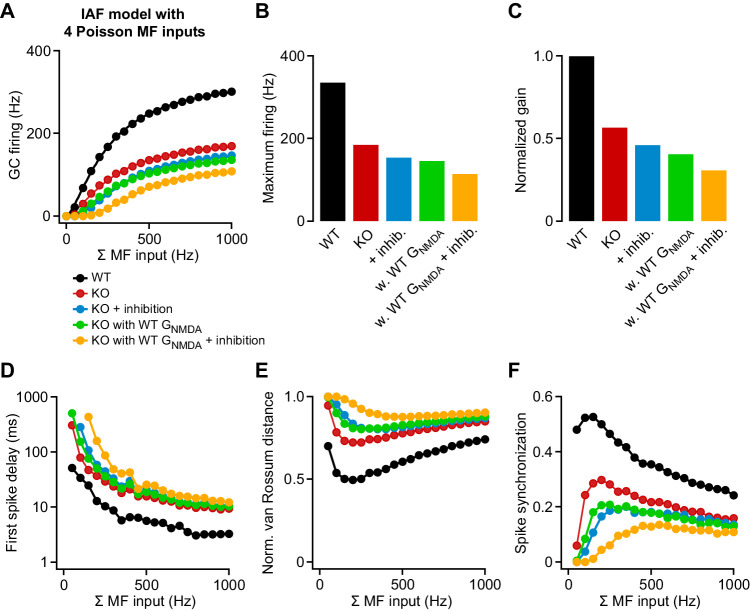
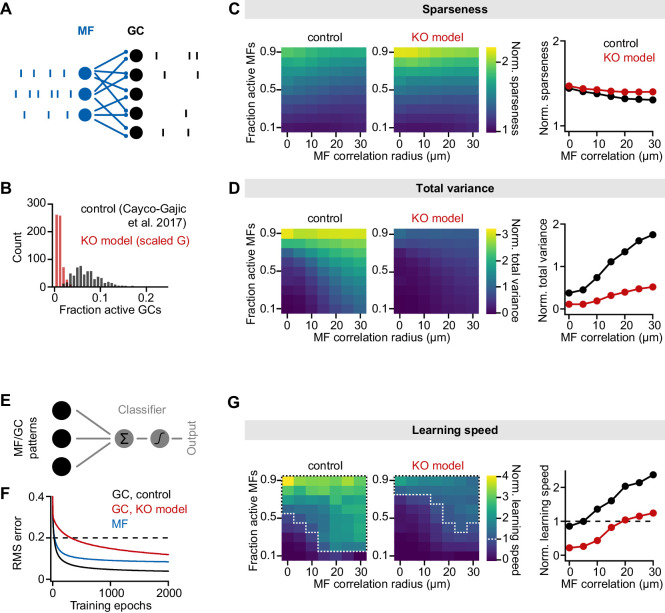
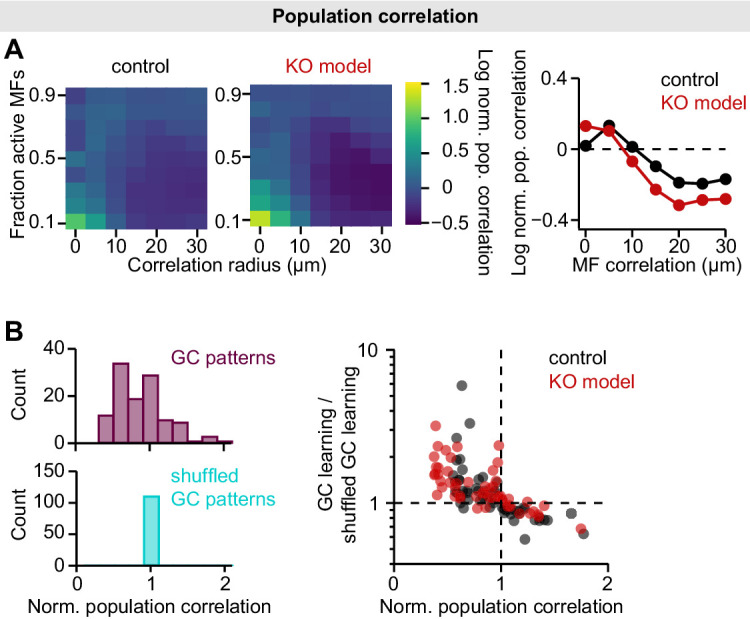
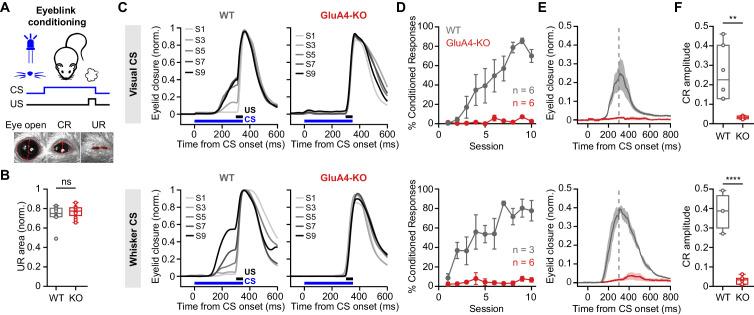
AMPA receptors (AMPARs) mediate excitatory neurotransmission in the central nervous system (CNS) and their subunit composition determines synaptic efficacy. Whereas AMPAR subunits GluA1–GluA3 have been linked to particular forms of synaptic plasticity and learning, the functional role of GluA4 remains elusive. Here, we demonstrate a crucial function of GluA4 for synaptic excitation and associative memory formation in the cerebellum. Notably, GluA4-knockout mice had ~80% reduced mossy fiber to granule cell synaptic transmission. The fidelity of granule cell spike output was markedly decreased despite attenuated tonic inhibition and increased NMDA receptor-mediated transmission. Computational network modeling incorporating these changes revealed that deletion of GluA4 impairs granule cell expansion coding, which is important for pattern separation and associative learning. On a behavioral level, while locomotor coordination was generally spared, GluA4-knockout mice failed to form associative memories during delay eyeblink conditioning. These results demonstrate an essential role for GluA4-containing AMPARs in cerebellar information processing and associative learning.
Overview
The claims and statistics of this paper haven’t been checked yet.
Run the check — free, no account needed. It reads the open-access text and checks the sources it cites.
Integrity signals
Registry
Cites
Statistics
Figures
Verification
Claims the paper makes
The claims and statistics of this paper haven’t been checked yet.
Run the check — free, no account needed. It reads the open-access text and checks the sources it cites.
Claims other papers make about this one
Each is checked against this paper’s own text: does it say what the citing paper says it does?
The cited source says what the claim attributes to it.
In the citing paper
“In the cerebellum, Erbb4 co‐precipitates with GluA4 (Pelkey et al., 2015), which is the predominant AMPAR subunit in GCs (Kita et al., 2021).”
From MicroRNA‐138‐5p suppresses excitatory synaptic strength at the cerebellar input layer (2025) · cites this paper as Kita et al., 2021
Self-check
Percentages, sums and reported differences re-computed from the paper’s own numbers.
The self-check needs the paper’s full text.
Citations
Cites
A theory of cerebellar function
Albus, J. S. (1971) · Mathematical Biosciences · doi:10.1016/0025-5564(71)90051-4 · Cited by 2,539
The human brain in numbers: a linearly scaled-up primate brain
Herculano-Houzel, S. (2009) · Frontiers in Human Neuroscience · doi:10.3389/neuro.09.031.2009 · Cited by 1,778 · cited 1×
“GCs receive sparse input from only on average four MFs, and vastly outnumber afferent MFs, with an expansion ratio of ~200:1 (Herculano-Houzel, 2009).”
BackgroundAn atlas of the protein-coding genes in the human, pig, and mouse brain
Sjöstedt, E., Zhong, W., Fagerberg, L., Karlsson, M., Mitsios, N., Adori, C., Oksvold, P., Edfors, F., Limiszewska, A., Hikmet, F., et al. (2020) · Science · doi:10.1126/science.aay5947 · Cited by 1,151
The AMPA Receptor Code of Synaptic Plasticity
Diering, G. H., & Huganir, R. L. (2018) · Neuron · doi:10.1016/j.neuron.2018.10.018 · Cited by 844
Steinberg, J. P., Takamiya, K., Shen, Y., Xia, J., Rubio, M. E., Yu, S., Jin, W., Thomas, G. M., Linden, D. J., & Huganir, R. L. (2006) · Neuron · doi:10.1016/j.neuron.2006.02.025 · Cited by 288 · cited 5×
“Future studies exploring the possible involvement of GluA4 in synaptic plasticity and other forms of learning will be an important component of our efforts to understand the rules governing cell-type-specific expression and function of AMPAR subunits in the CNS.”
BackgroundInfluentialDiedrichsen, J., King, M., Hernandez-Castillo, C., Sereno, M., & Ivry, R. B. (2019) · Neuron · doi:10.1016/j.neuron.2019.04.021 · Cited by 281
Structure and function of a neocortical synapse
Holler, S., Köstinger, G., Martin, K. A. C., Schuhknecht, G. F. P., & Stratford, K. J. (2021) · Nature · doi:10.1038/s41586-020-03134-2 · Cited by 249
Gutierrez-Castellanos, N., Da Silva-Matos, C. M., Zhou, K., Canto, C. B., Renner, M. C., Koene, L. M. C., Ozyildirim, O., Sprengel, R., Kessels, H. W., & De Zeeuw, C. I. (2017) · Neuron · doi:10.1016/j.neuron.2016.11.046 · Cited by 111
Synaptic plasticity through activation of GluA3-containing AMPA-receptors
Renner, M. C., Albers, E. H., Gutierrez-Castellanos, N., Reinders, N. R., van Huijstee, A. N., Xiong, H., Lodder, T. R., & Kessels, H. W. (2017) · eLife · doi:10.7554/elife.25462 · Cited by 75
Research works printed but not linked: 102
- Aizenman, 2000, Rapid, synaptically driven increases in the intrinsic excitability of cerebellar deep nuclear neurons, Nature Neuroscience, 3, 109, 10.1038/72049 · DOI
- Albergaria, 2018, Locomotor activity modulates associative learning in mouse cerebellum, Nature Neuroscience, 21, 725, 10.1038/s41593-018-0129-x · DOI
- Andreescu, 2011, NR2A subunit of the N-methyl d-aspartate receptors are required for potentiation at the mossy fiber to granule cell synapse and vestibulo-cerebellar motor learning, Neuroscience, 176, 274, 10.1016/j.neuroscience.2010.12.024 · DOI
- Arenz, 2008, The contribution of single synapses to sensory representation in vivo, Science, 321, 977, 10.1126/science.1158391 · DOI
- Bates, 2015, Fitting linear mixed-effects models using lme4, Journal of Statistical Software, 67, 1, 10.18637/jss.v067.i01 · DOI · Paper page
- Billings, 2014, Network structure within the cerebellar input layer enables lossless sparse encoding, Neuron, 83, 960, 10.1016/j.neuron.2014.07.020 · DOI
- Brette, 2005, Adaptive exponential integrate-and-fire model as an effective description of neuronal activity, Journal of Neurophysiology, 94, 3637, 10.1152/jn.00686.2005 · DOI
- Brickley, 2001, Adaptive regulation of neuronal excitability by a voltage-independent potassium conductance, Nature, 409, 88, 10.1038/35051086 · DOI
- Carey, 2011, Synaptic mechanisms of sensorimotor learning in the cerebellum, Current Opinion in Neurobiology, 21, 609, 10.1016/j.conb.2011.06.011 · DOI
- Cathala, 2005, Changes in synaptic structure underlie the developmental speeding of AMPA receptor-mediated EPSCs, Nature Neuroscience, 8, 1310, 10.1038/nn1534 · DOI
- Cayco-Gajic, 2017, Sparse synaptic connectivity is required for decorrelation and pattern separation in feedforward networks, Nature Communications, 8, 10.1038/s41467-017-01109-y · DOI
- Cayco-Gajic, 2019, Re-evaluating circuit mechanisms underlying pattern separation, Neuron, 101, 584, 10.1016/j.neuron.2019.01.044 · DOI
- Chadderton, 2004, Integration of quanta in cerebellar granule cells during sensory processing, Nature, 428, 856, 10.1038/nature02442 · DOI
- Chen, 1999, Impaired cerebellar synapse maturation in Waggler, a mutant mouse with a disrupted neuronal calcium channel gamma subunit, PNAS, 96, 12132, 10.1073/pnas.96.21.12132 · DOI
- Chourbaji, 2008, AMPA receptor subunit 1 (GluR-A) knockout mice model the glutamate hypothesis of depression, FASEB Journal, 22, 3129, 10.1096/fj.08-106450 · DOI · Paper page
- Citri, 2010, Calcium binding to PICK1 is essential for the intracellular retention of AMPA receptors underlying long-term depression, Journal of Neuroscience, 30, 16437, 10.1523/JNEUROSCI.4478-10.2010 · DOI
- D'Angelo, 1995, Synaptic excitation of individual rat cerebellar granule cells in situ: evidence for the role of NMDA receptors, The Journal of Physiology, 484, 397, 10.1113/jphysiol.1995.sp020673 · DOI
- D'Angelo, 2009, Timing and plasticity in the cerebellum: focus on the granular layer, Trends in Neurosciences, 32, 30, 10.1016/j.tins.2008.09.007 · DOI
- De Zeeuw, 2005, Time and tide in cerebellar memory formation, Current Opinion in Neurobiology, 15, 667, 10.1016/j.conb.2005.10.008 · DOI
- Delvendahl, 2015, Dendritic patch-clamp recordings from cerebellar granule cells demonstrate electrotonic compactness, Frontiers in Cellular Neuroscience, 9, 10.3389/fncel.2015.00093 · DOI
- Delvendahl, 2019, Rapid and sustained homeostatic control of presynaptic exocytosis at a central synapse, PNAS, 116, 23783, 10.1073/pnas.1909675116 · DOI
- Delvendahl I. 2021. GluA4_cerebellum_eLife. Software Heritage. swh:1:rev:1d1c19853e18f8fbb3307eeecc64096e53d74820. https://archive.softwareheritage.org/swh:1:dir:ed0f67ce39e290326cfdfaa541af7b1603e8b863;origin=https://github.com/delvendahl/GluA4_cerebellum_eLife;visit=swh:1:snp:e6beee2411b3fe4b998787a69ed26b8a6f1fb734;anchor=swh:1:rev:1d1c19853e18f8fbb3307eeecc64096e53d74820.
- Delvendahl, 2016, The cerebellar mossy fiber synapse as a model for high-frequency transmission in the mammalian CNS, Trends in Neurosciences, 39, 722, 10.1016/j.tins.2016.09.006 · DOI · Paper page
- Desai, 1999, Plasticity in the intrinsic excitability of cortical pyramidal neurons, Nature Neuroscience, 2, 515, 10.1038/9165 · DOI · Paper page
- Dieudonné, 1995, Glycinergic synaptic currents in Golgi cells of the rat cerebellum, PNAS, 92, 1441, 10.1073/pnas.92.5.1441 · DOI
- DiGregorio, 2002, Spillover of glutamate onto synaptic AMPA receptors enhances fast transmission at a cerebellar synapse, Neuron, 35, 521, 10.1016/S0896-6273(02)00787-0 · DOI
- Duguid, 2012, Tonic inhibition enhances fidelity of sensory information transmission in the cerebellar cortex, Journal of Neuroscience, 32, 11132, 10.1523/JNEUROSCI.0460-12.2012 · DOI
- Duguid, 2015, Control of cerebellar granule cell output by sensory-evoked Golgi cell inhibition, PNAS, 112, 13099, 10.1073/pnas.1510249112 · DOI
- Freeman, 2011, Neural circuitry and plasticity mechanisms underlying delay eyeblink conditioning, Learning & Memory, 18, 666, 10.1101/lm.2023011 · DOI · Paper page
- Fuchs, 2007, Recruitment of parvalbumin-positive interneurons determines hippocampal function and associated behavior, Neuron, 53, 591, 10.1016/j.neuron.2007.01.031 · DOI · Paper page
- Gall, 2003, Altered neuronal excitability in cerebellar granule cells of mice lacking calretinin, The Journal of Neuroscience, 23, 9320, 10.1523/JNEUROSCI.23-28-09320.2003 · DOI
- Galliano, 2013, Silencing the majority of cerebellar granule cells uncovers their essential role in motor learning and consolidation, Cell Reports, 3, 1239, 10.1016/j.celrep.2013.03.023 · DOI
- Geiger, 1995, Relative abundance of subunit mRNAs determines gating and Ca2+ permeability of AMPA receptors in principal neurons and interneurons in rat CNS, Neuron, 15, 193, 10.1016/0896-6273(95)90076-4 · DOI · Paper page
- Giovannucci, 2017, Cerebellar granule cells acquire a widespread predictive feedback signal during motor learning, Nature Neuroscience, 20, 727, 10.1038/nn.4531 · DOI
- Grasselli, 2020, SK2 channels in cerebellar Purkinje cells contribute to excitability modulation in motor-learning-specific memory traces, PLOS Biology, 18, 10.1371/journal.pbio.3000596 · DOI
- Gründer, 2000, Distribution and developmental regulation of AMPA receptor subunit proteins in rat retina, Investigative Ophthalmology & Visual Science, 41, 3600
- Hadzic, 2017, Ionotropic glutamate receptors: which ones, when, and where in the mammalian neocortex, Journal of Comparative Neurology, 525, 976, 10.1002/cne.24103 · DOI · Paper page
- Hamann, 2002, Tonic and spillover inhibition of granule cells control information flow through cerebellar cortex, Neuron, 33, 625, 10.1016/S0896-6273(02)00593-7 · DOI
- Hashimoto, 1999, Impairment of AMPA receptor function in cerebellar granule cells of ataxic mutant mouse stargazer, The Journal of Neuroscience, 19, 6027, 10.1523/JNEUROSCI.19-14-06027.1999 · DOI
- Heck, 2013, The neuronal code(s) of the cerebellum, Journal of Neuroscience, 33, 17603, 10.1523/JNEUROSCI.2759-13.2013 · DOI
- Heiney, 2014, Cerebellar-dependent expression of motor learning during eyeblink conditioning in head-fixed mice, Journal of Neuroscience, 34, 14845, 10.1523/JNEUROSCI.2820-14.2014 · DOI
- Hollmann, 1994, Cloned glutamate receptors, Annual Review of Neuroscience, 17, 31, 10.1146/annurev.ne.17.030194.000335 · DOI
- Huupponen, 2016, GluA4 subunit of AMPA receptors mediates the early synaptic response to altered network activity in the developing hippocampus, Journal of Neurophysiology, 115, 2989, 10.1152/jn.00435.2015 · DOI
- Ishikawa, 2015, Multimodal sensory integration in single cerebellar granule cells in vivo, eLife, 4, 10.7554/eLife.12916 · DOI
- Jackson, 2011, Stargazin (TARP γ-2) is required for compartment-specific AMPA receptor trafficking and synaptic plasticity in cerebellar stellate cells, Journal of Neuroscience, 31, 3939, 10.1523/JNEUROSCI.5134-10.2011 · DOI
- Kanichay, 2008, Synaptic and cellular properties of the feedforward inhibitory circuit within the input layer of the cerebellar cortex, Journal of Neuroscience, 28, 8955, 10.1523/JNEUROSCI.5469-07.2008 · DOI
- Karmarkar, 2006, Different forms of homeostatic plasticity are engaged with distinct temporal profiles: differential expression of homeostatic plasticity, European Journal of Neuroscience, 23, 1575, 10.1111/j.1460-9568.2006.04692.x · DOI
- Keinänen, 1990, A family of AMPA-selective glutamate receptors, Science, 249, 556, 10.1126/science.2166337 · DOI · Paper page
- Knogler, 2017, Sensorimotor representations in cerebellar granule cells in larval zebrafish are dense, spatially organized, and non-temporally patterned, Current Biology, 27, 1288, 10.1016/j.cub.2017.03.029 · DOI
- Lambolez, 1992, AMPA receptor subunits expressed by single Purkinje cells, Neuron, 9, 247, 10.1016/0896-6273(92)90164-9 · DOI
- Lanore, 2021, Cerebellar granule cell axons support high-dimensional representations, Nature Neuroscience, 10, 10.1038/s41593-021-00873-x · DOI
- Machado, 2015, A quantitative framework for whole-body coordination reveals specific deficits in freely walking ataxic mice, eLife, 4, 10.7554/eLife.07892 · DOI
- Machado, 2020, Shared and specific signatures of locomotor ataxia in mutant mice, eLife, 9, 10.7554/eLife.55356 · DOI
- Markwalter, 2019, Sensorimotor coding of vermal granule neurons in the developing mammalian cerebellum, The Journal of Neuroscience, 39, 6626, 10.1523/JNEUROSCI.0086-19.2019 · DOI
- Marr, 1969, A theory of cerebellar cortex, The Journal of Physiology, 202, 437, 10.1113/jphysiol.1969.sp008820 · DOI · Paper page
- Mauk, 1997, Roles of cerebellar cortex and nuclei in motor learning: contradictions or clues?, Neuron, 18, 343, 10.1016/S0896-6273(00)81235-0 · DOI
- McCormick, 1984, Cerebellum: essential involvement in the classically conditioned eyelid response, Science, 223, 296, 10.1126/science.6701513 · DOI
- Mitchell, 2003, Shunting inhibition modulates neuronal gain during synaptic excitation, Neuron, 38, 433, 10.1016/S0896-6273(03)00200-9 · DOI · Paper page
- Monyer, 1991, Glutamate-operated channels: developmentally early and mature forms arise by alternative splicing, Neuron, 6, 799, 10.1016/0896-6273(91)90176-Z · DOI · Paper page
- Morton, 2007, Mechanisms of cerebellar gait ataxia, The Cerebellum, 6, 79, 10.1080/14734220601187741 · DOI
- Mosbacher, 1994, A molecular determinant for submillisecond desensitization in glutamate receptors, Science, 266, 1059, 10.1126/science.7973663 · DOI
- Mulansky, 2016, PySpike—A Python library for analyzing spike train synchrony, SoftwareX, 5, 183, 10.1016/j.softx.2016.07.006 · DOI
- Muzzu, 2018, Encoding of locomotion kinematics in the mouse cerebellum, PLOS ONE, 13, 10.1371/journal.pone.0203900 · DOI
- Osborne, 2007, Time course of precision in smooth-pursuit eye movements of monkeys, Journal of Neuroscience, 27, 2987, 10.1523/JNEUROSCI.5072-06.2007 · DOI
- Payne, 2007, GABAA α6-containing receptors are selectively compromised in cerebellar granule cells of the ataxic mouse, stargazer, Journal of Biological Chemistry, 282, 29130, 10.1074/jbc.M700111200 · DOI
- Paz, 2011, A new mode of corticothalamic transmission revealed in the Gria4(-/-) model of absence epilepsy, Nature Neuroscience, 14, 1167, 10.1038/nn.2896 · DOI
- Peter, 2020, AMPAR auxiliary protein SHISA6 facilitates Purkinje cell synaptic excitability and procedural memory formation, Cell Reports, 31, 10.1016/j.celrep.2020.03.079 · DOI
- Powell, 2015, Synaptic representation of locomotion in single cerebellar granule cells, eLife, 4, 10.7554/eLife.07290 · DOI
- Qin, 1999, AMPA-selective glutamate receptor subunits GluR2 and GluR4 in the cat retina: an immunocytochemical study, Visual Neuroscience, 16, 1105, 10.1017/S0952523899166100 · DOI
- Rancz, 2007, High-fidelity transmission of sensory information by single cerebellar mossy fibre boutons, Nature, 450, 1245, 10.1038/nature05995 · DOI
- Raymond, 2018, Computational principles of supervised learning in the cerebellum, Annual Review of Neuroscience, 41, 233, 10.1146/annurev-neuro-080317-061948 · DOI
- Ritzau-Jost, 2014, Ultrafast action potentials mediate kilohertz signaling at a central synapse, Neuron, 84, 152, 10.1016/j.neuron.2014.08.036 · DOI
- Rizwan, 2016, Long-term potentiation at the mossy fiber-granule cell relay invokes postsynaptic second-messenger regulation of Kv4 channels, The Journal of Neuroscience, 36, 11196, 10.1523/JNEUROSCI.2051-16.2016 · DOI
- Roth, 2020, Cortical synaptic AMPA receptor plasticity during motor learning, Neuron, 105, 895, 10.1016/j.neuron.2019.12.005 · DOI
- Rothman, 2009, Synaptic depression enables neuronal gain control, Nature, 457, 1015, 10.1038/nature07604 · DOI
- Rothman, 2014, Data-driven modeling of synaptic transmission and integration, Prog Mol Biol Transl Sci., 123, 305, 10.1016/B978-0-12-397897-4.00004-8 · DOI
- Rothman, 2018, NeuroMatic: an integrated open-source software toolkit for acquisition, analysis and simulation of electrophysiological data, Frontiers in Neuroinformatics, 12, 10.3389/fninf.2018.00014 · DOI
- Rudolph, 2020, Cerebellum-specific deletion of the GABAA receptor δ subunit leads to sex-specific disruption of behavior, Cell Reports, 33, 10.1016/j.celrep.2020.108338 · DOI
- Saab, 2012, Bergmann glial AMPA receptors are required for fine motor coordination, Science, 337, 749, 10.1126/science.1221140 · DOI
- Schweighofer, 2001, Unsupervised learning of granule cell sparse codes enhances cerebellar adaptive control, Neuroscience, 103, 35, 10.1016/S0306-4522(00)00548-0 · DOI
- Schwenk, 2014, Regional diversity and developmental dynamics of the AMPA-receptor proteome in the mammalian brain, Neuron, 84, 41, 10.1016/j.neuron.2014.08.044 · DOI
- Seja, 2012, Raising cytosolic Cl − in cerebellar granule cells affects their excitability and vestibulo-ocular learning, The EMBO Journal, 31, 1217, 10.1038/emboj.2011.488 · DOI
- Seol, 2015, Ionotropic glutamate receptor GluA4 and T-type calcium channel Cav3.1 subunits control key aspects of synaptic transmission at the mouse L5B-POm giant synapse, European Journal of Neuroscience, 42, 3033, 10.1111/ejn.13084 · DOI
- Shi, 2001, Subunit-specific rules governing AMPA receptor trafficking to synapses in hippocampal pyramidal neurons, Cell, 105, 331, 10.1016/S0092-8674(01)00321-X · DOI · Paper page
- Shimuta, 2020, Multiple signals evoked by unisensory stimulation converge onto cerebellar granule and Purkinje cells in mice, Communications Biology, 3, 10.1038/s42003-020-1110-2 · DOI
- Silva, 2019, MicroRNA-186-5p controls GluA2 surface expression and synaptic scaling in hippocampal neurons, PNAS, 116, 5727, 10.1073/pnas.1900338116 · DOI
- Soda, 2019, Hyperexcitability and hyperplasticity disrupt cerebellar signal transfer in the IB2 KO mouse model of autism, The Journal of Neuroscience, 39, 2383, 10.1523/JNEUROSCI.1985-18.2019 · DOI
- Stell, 2003, Neuroactive steroids reduce neuronal excitability by selectively enhancing tonic inhibition mediated by δ subunit-containing GABAA receptors, PNAS, 100, 14439, 10.1073/pnas.2435457100 · DOI
- Straub, 2020, Gradients in the mammalian cerebellar cortex enable Fourier-like transformation and improve storing capacity, eLife, 9, 10.7554/eLife.51771 · DOI
- Suvrathan, 2018, Depressed by learning—heterogeneity of the plasticity rules at parallel fiber synapses onto Purkinje cells, The Cerebellum, 17, 747, 10.1007/s12311-018-0968-8 · DOI
- Swanson, 1997, Single-channel properties of recombinant AMPA receptors depend on RNA editing, splice variation, and subunit composition, The Journal of Neuroscience, 17, 58, 10.1523/JNEUROSCI.17-01-00058.1997 · DOI
- Traynelis, 2010, Glutamate receptor ion channels: structure, regulation, and function, Pharmacological Reviews, 62, 405, 10.1124/pr.109.002451 · DOI · Paper page
- van Kan, 1993, Movement-related inputs to intermediate cerebellum of the monkey, Journal of Neurophysiology, 69, 74, 10.1152/jn.1993.69.1.74 · DOI
- Wada, 2007, Conditioned eyeblink learning is formed and stored without cerebellar granule cell transmission, PNAS, 104, 16690, 10.1073/pnas.0708165104 · DOI
- Witter, 2015, Regional functionality of the cerebellum, Current Opinion in Neurobiology, 33, 150, 10.1016/j.conb.2015.03.017 · DOI
- Yamasaki, 2011, Glutamate receptor δ2 is essential for input pathway-dependent regulation of synaptic AMPAR contents in cerebellar Purkinje cells, Journal of Neuroscience, 31, 3362, 10.1523/JNEUROSCI.5601-10.2011 · DOI
- Yan, 2013, Homeostatic control of synaptic transmission by distinct glutamate receptors, Neuron, 78, 687, 10.1016/j.neuron.2013.02.031 · DOI
- Yang, 2011, GluA4 is indispensable for driving fast neurotransmission across a high-fidelity central synapse, The Journal of Physiology, 589, 4209, 10.1113/jphysiol.2011.208066 · DOI
- Zamanillo, 1999, Importance of AMPA receptors for hippocampal synaptic plasticity but not for spatial learning, Science, 284, 1805, 10.1126/science.284.5421.1805 · DOI · Paper page
- Zhang, 2020, NMDARs contribute to the facial stimuli-evoked mossy fiber-granule cell synaptic transmission in vivo in mice, Neuroscience Letters, 736, 10.1016/j.neulet.2020.135285 · DOI
- Zhao, 2019, Architecture and subunit arrangement of native AMPA receptors elucidated by cryo-EM, Science, 364, 355, 10.1126/science.aaw8250 · DOI
- Zhu, 2000, Postnatal synaptic potentiation: delivery of GluR4-containing AMPA receptors by spontaneous activity, Nature Neuroscience, 3, 1098, 10.1038/80614 · DOI · Paper page
Cited by
Sorted by citations
MicroRNA‐138‐5p suppresses excitatory synaptic strength at the cerebellar input layer
Delvendahl, I., Daswani, R., Winterer, J., Germain, P., Uhr, N. M., Schratt, G., & Müller, M. (2025) · The Journal of Physiology · doi:10.1113/jp288019 · Cited by 3
Self-citation
Metadata
- Authors
- Kita, K., Albergaria, C., Machado, A. S., Carey, M. R., Müller, M., & Delvendahl, I.
- Affiliations
- Department of Molecular Life Sciences, University of Zurich, Zurich, Switzerland
- Champalimaud Neuroscience Programme, Champalimaud Centre for the Unknown, Lisbon, Portugal
- Venue
- eLife
- Publisher
- eLife Sciences Publications, Ltd
- Published
- 2021-07-05
- Volume
- 10
- ISSN
- 2050-084X
- PMC
- PMC8291978
- Cited by
- 33
- References
- 9
- Language
- en
- Licence
- Funders
- European Research Council (640093, 679881)
- Fundação para a Ciência e a Tecnologia (PTDC/MED-NEU/30890/2017)
- Swiss National Science Foundation (PP00P3_144816, PZ00P3_174018)
About these checks
Registry, retraction, Cites and statistics results are computed, not judged, with one exception: a printed reference that no index lists is read once by a model before it counts as a citation error. Claims are extracted by a model and kept only when their quote appears verbatim in the text; each cited source is then checked, with a model’s help, for whether it says what the claim relies on. Those verdicts can be wrong — read the claim’s quote and the cited source before relying on one.
Statistics and arithmetic are recomputed, not judged.
Confidence bands are shown only for fields calibrated on our annotated test set. None is calibrated yet, so no band is shown.
What counts as a claim ›How we measure confidence ›How we check this ›
Are you an author, or do you see a problem with this page? Request a review
