

Years of life gained by multifactorial intervention in patients with type 2 diabetes mellitus and microalbuminuria: 21 years follow-up on the Steno-2 randomised trial
Open accessThe DOI matches its Crossref record; 31 of the 31 references it cites were found in a registry or an index.
Abstract
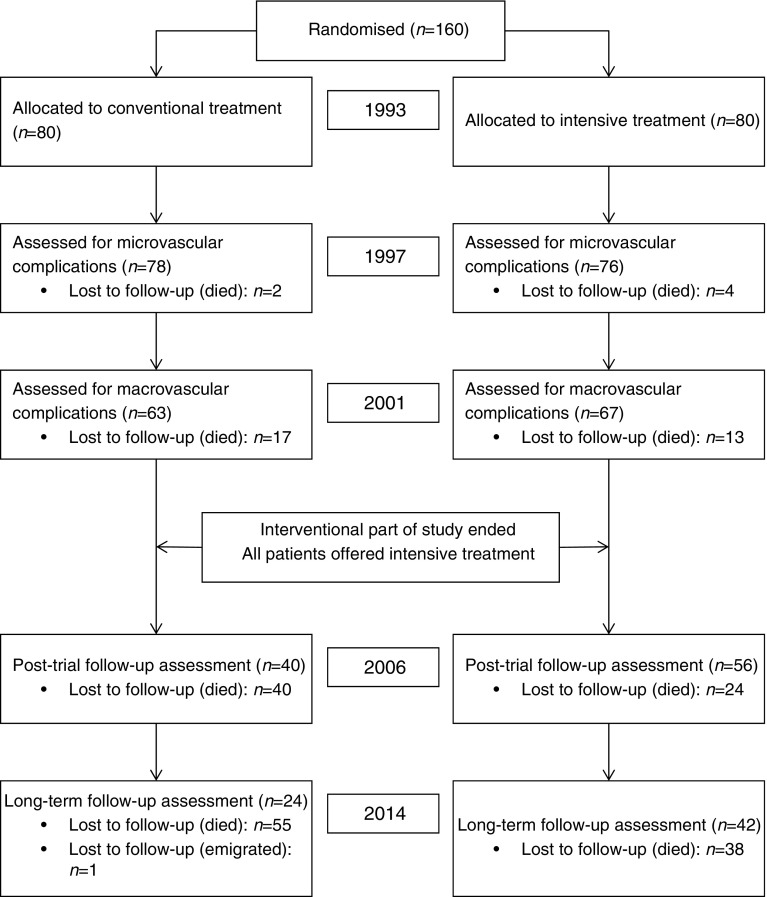
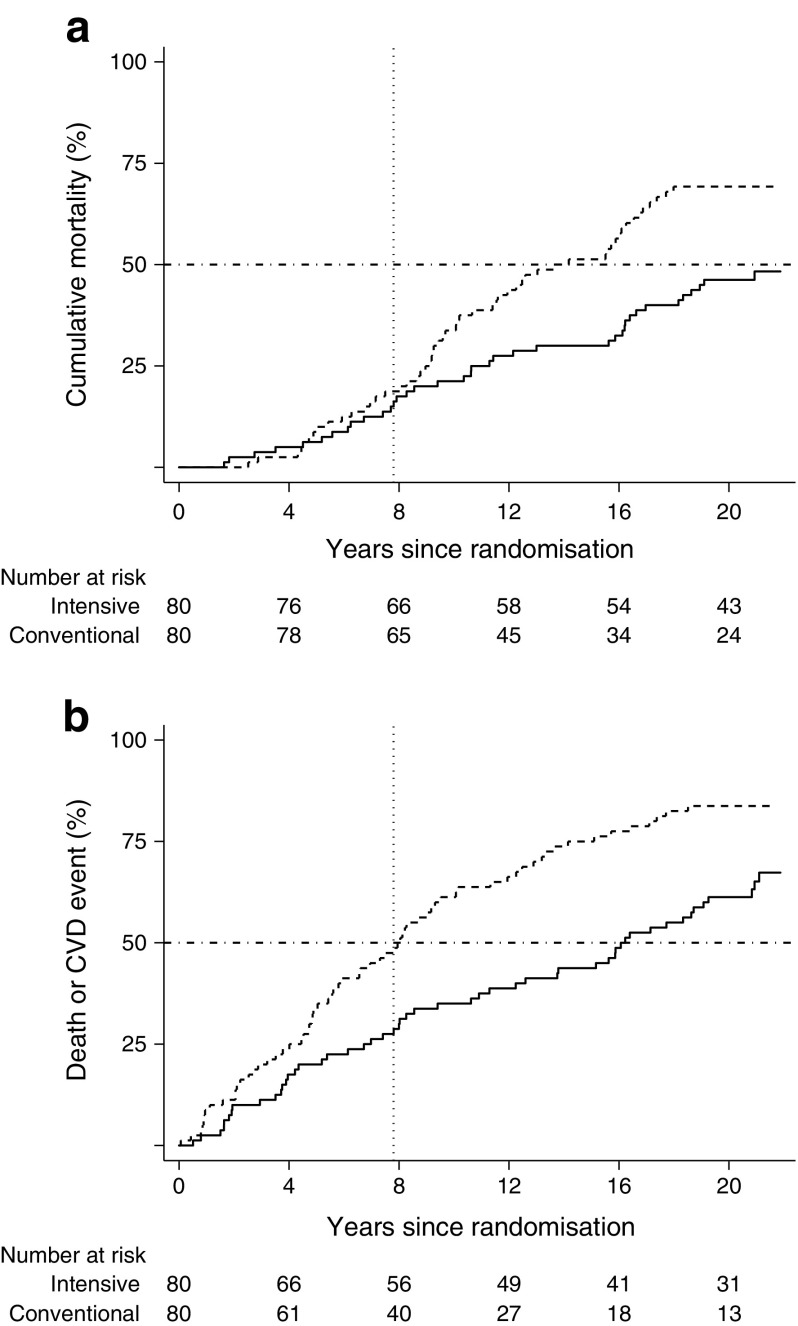
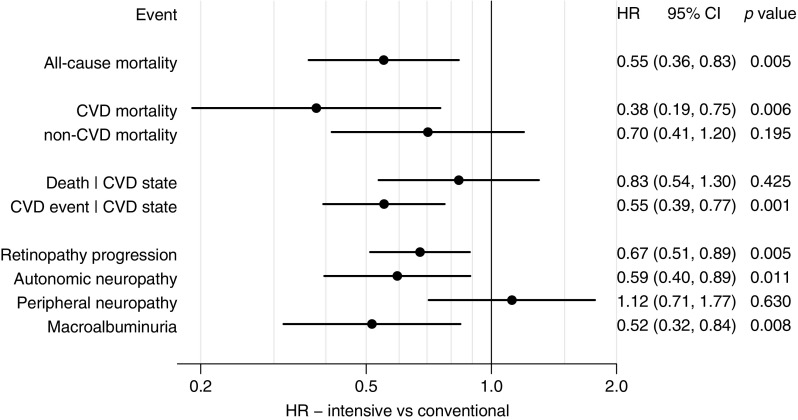
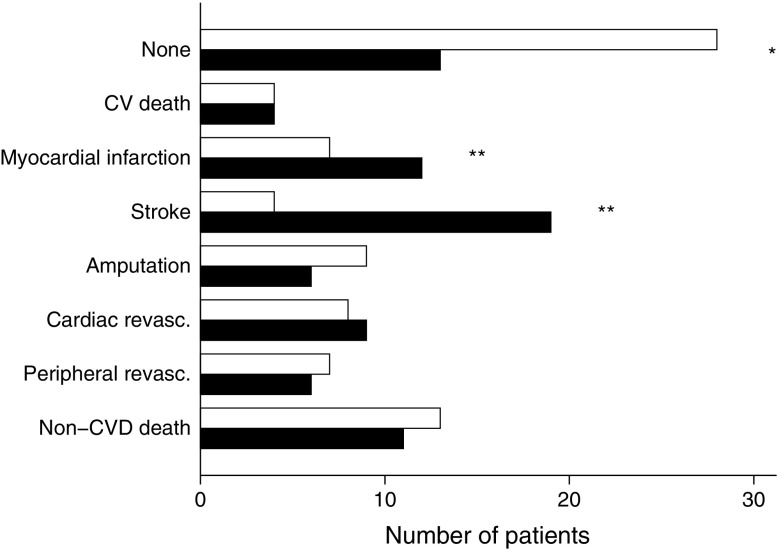
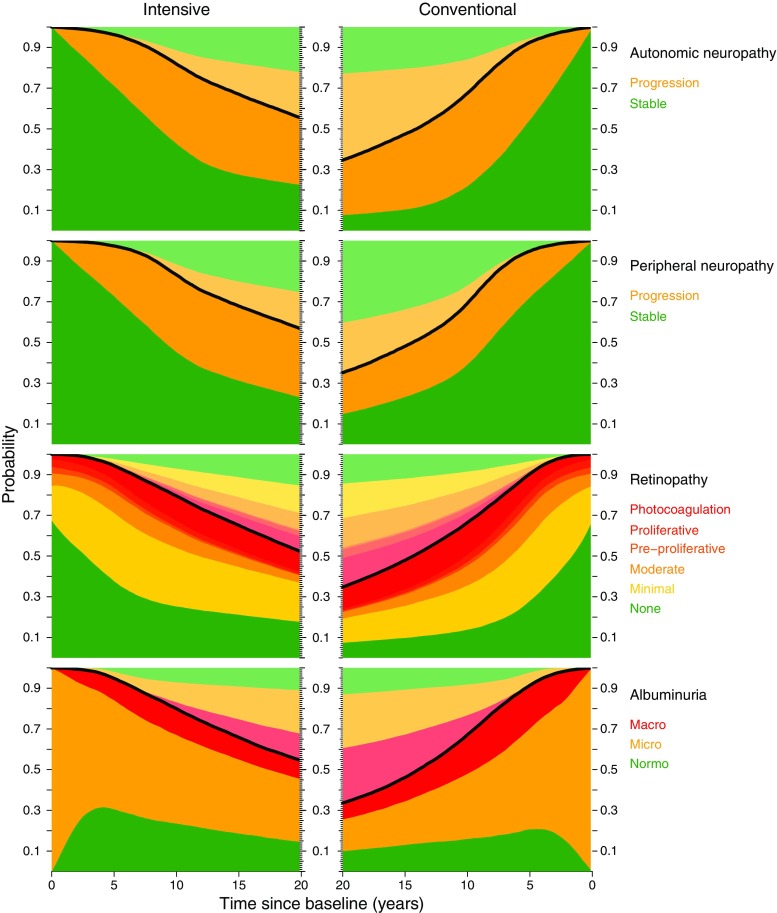
AIMS/HYPOTHESIS: The aim of this work was to study the potential long-term impact of a 7.8 years intensified, multifactorial intervention in patients with type 2 diabetes mellitus and microalbuminuria in terms of gained years of life and years free from incident cardiovascular disease. METHODS: The original intervention (mean treatment duration 7.8 years) involved 160 patients with type 2 diabetes and microalbuminuria who were randomly assigned (using sealed envelopes) to receive either conventional therapy or intensified, multifactorial treatment including both behavioural and pharmacological approaches. After 7.8 years the study continued as an observational follow-up with all patients receiving treatment as for the original intensive-therapy group. The primary endpoint of this follow-up 21.2 years after intervention start was difference in median survival time between the original treatment groups with and without incident cardiovascular disease. Non-fatal endpoints and causes of death were adjudicated by an external endpoint committee blinded for treatment allocation. RESULTS: Thirty-eight intensive-therapy patients vs 55 conventional-therapy patients died during follow-up (HR 0.55 [95% CI 0.36, 0.83], p = 0.005). The patients in the intensive-therapy group survived for a median of 7.9 years longer than the conventional-therapy group patients. Median time before first cardiovascular event after randomisation was 8.1 years longer in the intensive-therapy group (p = 0.001). The hazard for all microvascular complications was decreased in the intensive-therapy group in the range 0.52 to 0.67, except for peripheral neuropathy (HR 1.12). CONCLUSIONS/INTERPRETATION: At 21.2 years of follow-up of 7.8 years of intensified, multifactorial, target-driven treatment of type 2 diabetes with microalbuminuria, we demonstrate a median of 7.9 years of gain of life. The increase in lifespan is matched by time free from incident cardiovascular disease. TRIAL REGISTRATION: ClinicalTrials.gov registration no. NCT00320008. FUNDING: The study was funded by an unrestricted grant from Novo Nordisk A/S.
Overview
The claims and statistics of this paper haven’t been checked yet.
Free: it reads the open-access text and checks the first 5 claims that cite a source we can check. Create a free account to check every claim.
Integrity signals
Registry
Cites
Statistics
Figures
Verification
Claims the paper makes
The claims and statistics of this paper haven’t been checked yet.
Free: it reads the open-access text and checks the first 5 claims that cite a source we can check. Create a free account to check every claim.
Claims other papers make about this one
Each is checked against this paper’s own text: does it say what the citing paper says it does?
The source backs part of the claim, not all of it — or backs it for a different population, condition or comparison.
In the citing paper
“High levels, as well as variability, of both BG and BP are important risk factors for DKD. 89,184,400–403”
From American Association of Clinical Endocrinology Clinical Practice Guideline: Developing a Diabetes Mellitus Comprehensive Care Plan-2022 Update. (2022) · cites this paper as [400]
Experimental — accuracy not yet measuredThe source backs part of the claim, not all of it — or backs it for a different population, condition or comparison.
In the citing paper
“Evidence also supports the use of multifactorial risk-reduction strategies in addition to A1C control for CV prevention, including blood pressure (BP) and lipid targets; CV prevention medications; physical activity and other healthy behaviours; as well as smoking cessation (see Cardiovascular Protection in People with Diabetes chapter, p. S162).”
From Targets for Glycemic Control (2018) · cites this paper as [34]
Experimental — accuracy not yet measuredThe cited source says what the claim attributes to it.
In the citing paper
“Such multifactorial interventions have recently been suggested to lead to not only significant microvascular and CV benefits but also mortality reduction in the 21-year follow up of the Steno-2 study (34).”
From Targets for Glycemic Control (2018) · cites this paper as [34]
The cited source says what the claim attributes to it.
In the citing paper
“The salient results of this study include: increased survival for a median of 7.9 years; 8.1 years longer median time before first CV event; and reduction in all microvascular complications, except for peripheral neuropathy, for participants in the intensive-therapy group compared to the conventional therapy group.”
From Targets for Glycemic Control (2018) · cites this paper as [34]
The cited source says what the claim attributes to it.
In the citing paper
“In addition, studies in people with T2D and early CKD demonstrated the long-term bene fi t of multifactorial intervention on the development of microvascular and macrovascular complications and mortality.”
From KDIGO 2022 Clinical Practice Guideline for Diabetes Management in Chronic Kidney Disease (2022) · cites this paper as [8]
5 more claims about this paper
Create a free account to see every claim other papers make about this one.
Self-check
Percentages, sums and reported differences re-computed from the paper’s own numbers.
The self-check needs the paper’s full text.
Citations
Cites
10-year follow-up of intensive glucose control in type 2 diabetes
Holman, R. R., Paul, S. K., Bethel, M. A., Matthews, D. R., & Neil, H. A. W. (2008) · New England Journal of Medicine · doi:10.1056/nejmoa0806470 · Cited by 7,751 · cited 1×
“Long-term beneficial effects of glucose-lowering treatment in reducing microvascular complications have been demonstrated beyond the duration of a clinical trial in both type 1 and type 2 diabetes [20, 25, 26].”
BackgroundThe Danish Civil Registration System
Pedersen, C. B. (2011) · Scandinavian Journal of Public Health · doi:10.1177/1403494810387965 · Cited by 4,632 · cited 1×
“The registries have proven highly valid and complete [16, 17].”
BackgroundEzetimibe Added to Statin Therapy after Acute Coronary Syndromes
Cannon, C. P., Blazing, M. A., Giugliano, R. P., McCagg, A., White, J. A., Theroux, P., Darius, H., Lewis, B. S., Ophuis, T. O., Jukema, J. W., et al. (2015) · New England Journal of Medicine · doi:10.1056/nejmoa1410489 · Cited by 4,487
Multifactorial intervention and cardiovascular disease in patients with type 2 diabetes
Gæde, P., Vedel, P., Larsen, N., Jensen, G. V. H., Parving, H.-H., & Pedersen, O. (2003) · New England Journal of Medicine · doi:10.1056/nejmoa021778 · Cited by 4,378
Self-citationThe Danish National Patient Register
Lynge, E., Sandegaard, J. L., & Rebolj, M. (2011) · Scandinavian Journal of Public Health · doi:10.1177/1403494811401482 · Cited by 3,968 · cited 1×
“The registries have proven highly valid and complete [16, 17].”
BackgroundEffect of a multifactorial intervention on mortality in type 2 diabetes
Gæde, P., Lund-Andersen, H., Parving, H.-H., & Pedersen, O. (2008) · New England Journal of Medicine · doi:10.1056/nejmoa0706245 · Cited by 3,465 · cited 2×
“All measurement methods were in accordance with previous follow-up protocols [13].”
MethodResultSelf-citationInzucchi, S. E., Bergenstal, R. M., Buse, J. B., Diamant, M., Ferrannini, E., Nauck, M., Peters, A. L., Tsapas, A., Wender, R., & Matthews, D. R. (2015) · Diabetes Care · doi:10.2337/dc14-2441 · Cited by 3,066 · cited 1×
“Over the past two decades, a number of single-risk-factor intervention and post-trial studies have provided evidence for recommending multifactorial treatment of this common disorder (as reviewed in [1]).”
Background(2013) · European Heart Journal · doi:10.1093/eurheartj/eht108 · Cited by 1,955
Changes in diabetes-related complications in the United States, 1990-2010
Gregg, E. W., Li, Y., Wang, J., Rios Burrows, N., Ali, M. K., Rolka, D., Williams, D. E., & Geiss, L. (2014) · New England Journal of Medicine · doi:10.1056/nejmoa1310799 · Cited by 1,749 · cited 2×
“Similar findings have been reported from the ADVANCE (Action in Diabetes and Vascular Disease: Preterax and Diamicron MR Controlled Evaluation) trial examining a combined approach of intensified blood pressure lowering and intensive glucose control [23] as well as from registry-based studies [2, 10].”
BackgroundResultLong-term effects of intensive glucose lowering on cardiovascular outcomes
The ACCORD Study Group (2011) · New England Journal of Medicine · doi:10.1056/nejmoa1006524 · Cited by 1,035
Cited by
Items 201–300 of 526
Alliabi, F., Jaber, A. A. S., Jallo, M. K. I., & Baig, M. R. (2022) · BMC Family Practice · doi:10.1186/s12875-022-01672-4 · Cited by 12
“Previous studies have explored the benefits of managing modifiable ASCVD risk factors in patients with diabetes and reported a considerable reduction in deaths and ASCVD events and improvement in long-term benefits [5, 6].”
BackgroundLi, Z.-H., Sun, Z., Tang, S. C. W., Zhao, M., Chen, M., & Chang, D. (2025) · Cells · doi:10.3390/cells14050337 · Cited by 15
Persson, F., Charles, M., Povlsen, J. V., & Knudsen, S. T. (2021) · Primary care diabetes · doi:10.1016/j.pcd.2021.07.003 · Cited by 11
Kjær, L. K., Oellgaard, J., Henriksen, T., Gæde, P., Pedersen, O. B., & Poulsen, H. E. (2018) · Free Radical Biology and Medicine · doi:10.1016/j.freeradbiomed.2018.09.030 · Cited by 11
“The Steno-2 study has had considerable effect on type 2 diabetes treatment worldwide [5,6].”
BackgroundSelf-citationCorrales, P. J. P., Bellido, V., & Ampudia‐Blasco, F. J. (2018) · Revista Clínica Española (English Edition) · doi:10.1016/j.rceng.2018.12.002 · Cited by 18
Osonoi, T., Saito, M., Osonoi, Y., Douguchi, S., Ofuchi, K., & Katoh, M. (2020) · Diabetes Technology & Therapeutics · doi:10.1089/dia.2020.0070 · Cited by 13
Kjellberg, J., Tikkanen, C. K., Bagger, M., & Gæde, P. (2020) · Expert Review of Pharmacoeconomics & Outcomes Research · doi:10.1080/14737167.2020.1837626 · Cited by 11
Self-citationEpigenetic Contribution to the Development and Progression of Vascular Diabetic Complications
Rodriguez, H., & El‐Osta, A. (2018) · Antioxidants and Redox Signaling · doi:10.1089/ars.2017.7347 · Cited by 14
Woo, V. C., Bell, A., CLEMENT, M. A., Noronha, L., Tsoukas, M. A., Camacho, F., Traina, S., Georgijev, N., Culham, M. D., Rose, J. B., et al. (2018) · Diabetes Obesity and Metabolism · doi:10.1111/dom.13573 · Cited by 10
Medina-Ramírez, S. A., Soriano‐Moreno, D. R., Tuco, K. G., Castro-Díaz, S. D., Alvarado-Villacorta, R., Pacheco‐Mendoza, J., & Yovera-Aldana, M. (2024) · PLoS ONE · doi:10.1371/journal.pone.0296998 · Cited by 25
Metabolic memory and diabetic retinopathy: Legacy of glycemia and possible steps into future
Sheemar, A., Bellala, K., Sharma, S. V., Sharma, S., Kaur, I., Rani, P. K., Sivaprasad, S., Narayan, K. M. V., Das, T., & Takkar, B. (2024) · Indian Journal of Ophthalmology · doi:10.4103/ijo.ijo_2563_23 · Cited by 14
“[59] In summary, the lowering risk of diabetic complications was attributed directly to the early intensive treatment, thus validating the continuing effects of MM during the observation phase.”
BackgroundHansen, C. S., Christensen, M. M. B., Vistisen, D., Jepsen, R., Ellervik, C., Jørgensen, M. E., & Fleischer, J. (2024) · Clinical Autonomic Research · doi:10.1007/s10286-024-01069-6 · Cited by 13
Kuzhively, J., Tahsin, B., Hart, P., & Fogelfeld, L. A. (2018) · Journal of Diabetes and its Complications · doi:10.1016/j.jdiacomp.2018.02.001 · Cited by 11
Population-Based Strategy for Preventing Diabetes and its Complications
Watanabe, S. (2018) · Diabetes Research - Open Journal · doi:10.17140/droj-4-e011 · Cited by 10
Zhao, Z., Huo, L., Wang, L., Wang, L., Fu, Z., Li, Y., & Wu, X. (2019) · BMC Public Health · doi:10.1186/s12889-019-7859-x · Cited by 11
“Several studies have found that mortality due to CVD has declined over recent decades for people with or without diabetes, but it is still one of the leading causes of death in type 2 diabetes [22].”
BackgroundInfluentialUsman, M., Khunti, K., Davies, M. J., & Gillies, C. (2020) · Primary care diabetes · doi:10.1016/j.pcd.2020.08.008 · Cited by 11
Zobel, E. H., von Scholten, B. J., Hansen, T. W., Persson, F., Rasmussen, S., Wolthers, B. O., & Rossing, P. R. (2021) · Diabetes Obesity and Metabolism · doi:10.1111/dom.14578 · Cited by 9
“9 years after 21 years of follow-up and 50% reduced risk of cardiovascular disease as compared with standard of care.(6) Adding to the interest in multiple risk markers, a recent observational cohort study including all patients in the Swedish National Diabetes Register who had type 2 diabetes indicated that”
BackgroundResultSelf-citationGerber, F., Gupta, R., Lejone, T. I., Tahirsylaj, T., Lee, T. T., Kohler, M., Haldemann, M. I., Raeber, F., Chitja, M., Manthabiseng, M., et al. (2023) · Trials · doi:10.1186/s13063-023-07729-8 · Cited by 10
“Mul-tifactorial interventions tackling relevant risk factors have proven highly effective [61], and the feasibility of providing such interventions at the community level has been demonstrated in other settings [62] while such evidence is lacking for sub-Saharan Africa.”
BackgroundZhou, J. S., Wang, X., Tang, R., Kou, M., Ma, H., Li, X., Heianza, Y., Fonseca, V. A., & Qi, L. (2024) · BMC Medicine · doi:10.1186/s12916-024-03288-0 · Cited by 13
Unexplained Residual Risk In Type 2 Diabetes: How Big Is The Problem?
Neppala, S., Rajan, J., Yang, E., & DeFronzo, R. A. (2024) · Current Cardiology Reports · doi:10.1007/s11886-024-02055-0 · Cited by 13
Corrales, P. J. P., Bellido, V., & Ampudia‐Blasco, F. J. (2018) · Revista Clínica Española · doi:10.1016/j.rce.2018.06.015 · Cited by 18
Diabetes and Heart Failure: Is it Hyperglycemia or Hyperinsulinemia?
Didangelos, T., & Kantartzis, K. (2019) · Current Vascular Pharmacology · doi:10.2174/1570161117666190408164326 · Cited by 11
A narrative review of new treatment options for chronic kidney disease in type 2 diabetes
Persson, F., Borg, R., & Rossing, P. R. (2021) · Annals of Translational Medicine · doi:10.21037/atm-20-4841 · Cited by 13
“The Steno 2 s tudy showed that mult i factoria l intervention (pharmacological treatment of hyperglycemia, hypertension, dyslipidemia and microalbuminuria, as well as lifestyle intervention) significantly prevents progression to nephropathy, retinopathy and autonomic neuropathy, and reduces cardiovascular disease and…”
BackgroundSelf-citationBashir, M., Elhadd, T. A., Dabbous, Z., Gul, W., Salameh, O., Siddiqui, M., Almuhannadi, H., Petropoulos, I. N., Khan, A., Ponirakis, G., et al. (2021) · Diabetes & Metabolic Syndrome Clinical Research & Reviews · doi:10.1016/j.dsx.2021.102241 · Cited by 11
The Evolving Role of the Cardiologist in the Management of Type 2 Diabetes
CHILTON, R. J., Gallegos, K. M., Silva‐Cardoso, J., OLIVEROS, R. A., & Pham, S. V. (2018) · Current Diabetes Reports · doi:10.1007/s11892-018-1114-1 · Cited by 10
Wan, K. S., Moy, F. M., Mustapha, F. I., Ismail, M., & Hairi, N. N. (2021) · Journal of Diabetes · doi:10.1111/1753-0407.13206 · Cited by 9
Alsbirk, K. E., Seland, J. H., & Aßmus, J. (2021) · Acta Ophthalmologica · doi:10.1111/aos.14977 · Cited by 10
“…& Chew, 2005; Gustavsson et al. 2008; Zeydanli & Turan, 2009; Yee et al. 2010; Tikhonenko et al. 2013, (who convincingly documented the protective effect of diet rich in DHA in a controlled study of type II diabetic rat retinopathy); Wang et al. 2015; Datilo et al. 2018; Gorusupudi et al. 2019).”
BackgroundRecent Advances in Management of Diabetic Nephropathy
Din, U. A. S. E., Salem, M. M., & Abdulazim, D. O. (2017) · World Journal of Nephrology · doi:10.21767/2472-5056.100035 · Cited by 9
Recent diabetes-related mortality trends in Romania
Ioacără, S., Sava, E., Georgescu, O., Sîrbu, A. M., & Fica, S. V. (2018) · Acta Diabetologica · doi:10.1007/s00592-018-1156-5 · Cited by 9
Ruiz‐García, A., Arranz-Martínez, E., Merchante, I. M., Fuster, V. P., Tamarit, J. J., Trias, F., Pintó, X., & Ascaso, J. F. (2018) · Clínica e Investigación en Arteriosclerosis · doi:10.1016/j.arteri.2018.06.006 · Cited by 15
Diabetes destiny in our hands: Achieving metabolic karma
Kalra, S., Ved, J., & Baruah, M. (2017) · Indian Journal of Endocrinology and Metabolism · doi:10.4103/ijem.ijem_571_16 · Cited by 8
Willis, A., Crasto, W., Gray, L. J., Dallosso, H. M., Waheed, G., Davies, M. J., Seidu, S., & Khunti, K. (2020) · Diabetes Care · doi:10.2337/dc19-2243 · Cited by 8
“QOF targets),whichmaynotbe pursued by practicing clinicians in primary care as it can be argued that the nature of a high-risk state such as T2DM with MA deserves stricter cardiometabolic control to achieve greater CV mortality and morbidity benefits (4).”
BackgroundClinical and Biochemical Associations with Diabetic Retinopathy in Male Patients in the Gaza Strip
AbuMustafa, A. M. (2017) · Frontiers in Endocrinology · doi:10.3389/fendo.2017.00302 · Cited by 8
Crasto, W., Morrison, A., Gray, L. J., John, E., Jarvis, J., Brela, J., Khunti, K., Troughton, J., Lawrence, I. G., McNally, P. G., et al. (2019) · Diabetic Medicine · doi:10.1111/dme.14134 · Cited by 9
Strom, A., Straßburger, K., Ziegler, D., Sipola, G., Prystupa, K., Wagner, R., Roden, M., Bönhof, G. J., & for the GDS Group (2025) · Neurology · doi:10.1212/wnl.0000000000213780 · Cited by 7
Steno-2 — a small study with a big heart
BAJAJ, H. S., & Zinman, B. (2016) · Nature Reviews Endocrinology · doi:10.1038/nrendo.2016.172 · Cited by 8
Wan, K. S., Moy, F. M., Yusoff, M. F. M., Mustapha, F. I., Ismail, M., Rifin, H. M., Ratnam, K. K. Y., Ismail, H., Chong, K. K., Ahmad, N. A., et al. (2024) · Scientific Reports · doi:10.1038/s41598-024-63617-4 · Cited by 12
Wändell, P. E., Carlsson, A. C., Eriksson, J. A., Wachtler, C., & Ruge, T. (2024) · ESC Heart Failure · doi:10.1002/ehf2.15115 · Cited by 9
Sun, M., Lu, Z., Chen, W., Lv, S., Fu, N., Yang, Y., Wang, Y., Miao, M., Wu, S., & Zhang, J. (2025) · Atherosclerosis · doi:10.1016/j.atherosclerosis.2025.119117 · Cited by 9
Nakamura, N., Narita, I., Fujita, T., Murakami, R., Shimada, M., Nakamura, M., Osawa, H., Yamabe, H., Okumura, K., & THE DIABETIC NEPHROPATHY TREATMENT STUDY GROUP (2017) · In Vivo · doi:10.21873/invivo.11057 · Cited by 7
Recent Insights into Pharmacologic Cardiovascular Risk Reduction in Type 2 Diabetes Mellitus
Purga, S. L., Sidhu, M. S., Farkouh, M. E., & Schulman‐Marcus, J. (2017) · Cardiovascular Drugs and Therapy · doi:10.1007/s10557-017-6750-1 · Cited by 7
Comprehensive risk management of diabetic kidney disease in patients with type 2 diabetes mellitus
Araki, S. (2018) · Diabetology International · doi:10.1007/s13340-018-0351-5 · Cited by 9
Vaccaro, O., Vitale, M., Costanzo, S., Masulli, M., Riccardi, G., Curtis, A. D., Donati, M. B., Rivellese, A. A., de Gaetano, G., & Iacoviello, L. (2020) · Diabetes Research and Clinical Practice · doi:10.1016/j.diabres.2020.108370 · Cited by 7
Pagidipati, N. J., & DEEDWANIA, P. C. (2021) · The American Journal of Medicine · doi:10.1016/j.amjmed.2021.04.024 · Cited by 7
Tan, Y. C. R. S., Li, R., Zhou, P., Li, N., Xu, W., Zhou, X., Yan, Q., & Yu, J. (2023) · Frontiers in Endocrinology · doi:10.3389/fendo.2023.1166880 · Cited by 6
Where Art Thou O treatment for diabetic neuropathy: the sequel
Güldiken, Y. C., Malik, A., Petropoulos, I. N., Gad, H., Elgassim, E., Salivon, I., Ponirakis, G., Alam, U., & Malik, R. A. (2023) · Expert Review of Neurotherapeutics · doi:10.1080/14737175.2023.2247163 · Cited by 8
EMPA-REG OUTCOME: The Endocrinologist's Point of View
Perreault, L. (2017) · The American Journal of Medicine · doi:10.1016/j.amjmed.2017.04.005 · Cited by 10
Cardiovascular Disease in Diabetes
Piché, M., & Poirier, P. (2018) · Elsevier eBooks · doi:10.1016/b978-0-12-801238-3.95793-3 · Cited by 7
Sone, H. (2017) · Elsevier eBooks · doi:10.1016/b978-0-12-809657-4.99593-0 · Cited by 10
Forty-four Years of the UK Prospective Diabetes Study: Legacy Effect and Beyond
Bhattacharya, S., Kalra, S., Nagendra, L., & Dutta, D. (2025) · touchREVIEWS in Endocrinology · doi:10.17925/ee.2025.21.1.8 · Cited by 9
“14”
Striving for early effective glycaemic and weight management in type 2 diabetes: A narrative review
CHENG, A. Y. Y., Heine, R. J., Prato, S. D., Green, J. B., Thieu, V. T., & Zeytinoglu, M. (2025) · Diabetes Obesity and Metabolism · doi:10.1111/dom.16206 · Cited by 7
“31 Given the timing of the Steno-2 study, newer classes of T2D medications such as SGLT-2is, dipeptidyl peptidase-4 inhibitors (DPP-4is), GLP-1 RAs and combination glucose-dependent insulino-tropic polypeptide (GIP)/GLP-1 RAs were not yet available.”
Iqbal, S., Jayyab, A. A., Alrashdi, A. M., Shujauddin, S. M., Clua‐Espuny, J. L., & Reverté‐Villarroya, S. (2024) · Clinical Therapeutics · doi:10.1016/j.clinthera.2024.07.002 · Cited by 9
Pancreatogenic Diabetes Mellitus: Endocrinologist’s and Gastroenterologist’s Point of View
Tarasova, Z. S., Bordin, D. S., Kileynikov, D. V., & Kucheryavy, Y. A. (2020) · Effective Pharmacotherapy · doi:10.33978/2307-3586-2020-16-15-92-100 · Cited by 10
Kjeldgaard, A. H., Hørslev‐Petersen, K., Wehberg, S., Søendergaard, J., & Primdahl, J. (2020) · RMD Open · doi:10.1136/rmdopen-2019-000940 · Cited by 6
“If we had a larger population, it would have been interesting to explore differences between patients with or without known CVD.”
Glucose-lowering therapy in patients undergoing percutaneous coronary intervention
Johansson, I., Dicembrini, I., Mannucci, E., & Cosentino, F. (2021) · EuroIntervention · doi:10.4244/eij-d-20-01250 · Cited by 8
Díaz, E. G., Medina, D. R., Porras, Ó. M. M., & Mateos, J. L. C. (2018) · Endocrinología Diabetes y Nutrición · doi:10.1016/j.endinu.2018.08.014 · Cited by 11
Value of microalbuminuria in the diagnosis of heart failure with preserved ejection fraction
Chen, L., Jin, C., Chen, L., Li, M., Zhong, Y., & Xu, Y. (2020) · Herz · doi:10.1007/s00059-020-04985-1 · Cited by 6
“predicting, diagnosing, and treating heart failure with reduced ejection fraction (HFrEF) [3, 8].”
BackgroundPedrosa, H. C., Braver, J. D., Rolim, L. C., Schmid, H., Calsolari, M. R., & Odriozola, A. (2019) · Alad · doi:10.24875/alad.18000352 · Cited by 6
Menduni, M., D’Amato, C., Leoni, M., Izzo, V., Staltari, M., Greco, C., Abbatepassero, A., Seminara, G., D’Ippolito, I., Lauro, D., et al. (2022) · Journal of the Peripheral Nervous System · doi:10.1111/jns.12510 · Cited by 10
Jatoi, N.-A., Elamin, Y., Said, A. H., Al-Namer, B., Al-Muallim, F. A., Al-Nemer, F. F., & Al-Halal, F. M. (2022) · Cureus · doi:10.7759/cureus.29489 · Cited by 10
Clinical implications of cardiovascular outcome trials in type 2 diabetes
Mellbin, L., Wang, A., & Rydén, L. (2019) · Herz · doi:10.1007/s00059-019-4789-4 · Cited by 6
“9 years of life gained [31], while the risk for hospitalization for heart failure was reduced by 70% [32].”
BackgroundBiomarkers for capturing disease pathology as molecular process hyperstructurePreprint
Lukas, A., Heinzel, A., & Mayer, B. (2019) · bioRxiv (Cold Spring Harbor Laboratory) · doi:10.1101/573402 · Cited by 6
“events in a cohort of type 2 diabetes patients with microalbuminuria [30].”
BackgroundChan, J. C. N., Deerochanawong, C., Khunti, K., Hassanein, M. M., & Mohan, V. (2026) · Diabetes Research and Clinical Practice · doi:10.1016/j.diabres.2026.113173 · Cited by 10
Ashraf, H., Faraz, A., Ahmad, J., & Kohkan, G. (2021) · Diabetes & Metabolic Syndrome Clinical Research & Reviews · doi:10.1016/j.dsx.2021.02.003 · Cited by 5
Prevention of Peripheral Distal Polyneuropathy in Patients with Diabetes: A Systematic Review
Carvajal-Moreno, L., Coheña‐Jiménez, M., García-Ventura, I., Pabón‐Carrasco, M., & Belloso, A. J. P. (2022) · Journal of Clinical Medicine · doi:10.3390/jcm11061723 · Cited by 8
Okechukwu, U. C., Ugwu, T. E., Abonyi, M. C., Chukwubuzo, O. T., Nnaji, T. O., & Ume, N. M. (2023) · Annals of Clinical and Biomedical Research · doi:10.4081/acbr.2023.243 · Cited by 6
Menzaghi, C., Marucci, A., Mastroianno, M., Ciaccia, G. D., Armillotta, M. P., Prehn, C. P., Salvemini, L., Mangiacotti, D., Adamski, J., Fontana, A., et al. (2024) · The Journal of Clinical Endocrinology & Metabolism · doi:10.1210/clinem/dgae593 · Cited by 6
Hong, J. H., Kim, M., Min, K. W., Won, J. C., Kim, T. N., Lee, B., Kang, J. G., Kim, J. H., Park, J. H., Ku, B. J., et al. (2024) · Diabetes Obesity and Metabolism · doi:10.1111/dom.15985 · Cited by 11
Mancini, G. B. J., CHENG, A. Y. Y., Connelly, K. A., FITCHETT, D. H., Goldenberg, R., Goodman, S. G., Leiter, L. A., Lonn, E., Paty, B. W., Poirier, P., et al. (2018) · Canadian Journal of Cardiology · doi:10.1016/j.cjca.2018.07.010 · Cited by 5
Kar, D., El-Wazir, A., Nath, M., Breeze, P. R., Jetha, K. A., Strong, M., Chilcott, J. B., Davies, M. J., Lee, A. C., de Lusignan, S., et al. (2023) · BMJ Public Health · doi:10.1136/bmjph-2023-000172 · Cited by 5
EMPA-REG OUTCOME: The Endocrinologist's Point of View
Perreault, L. (2017) · The American Journal of Cardiology · doi:10.1016/j.amjcard.2017.05.010 · Cited by 8
Determinants of inertia with lipid-lowering treatment in patients with type 2 diabetes mellitus
Díaz, E. G., Medina, D. R., Porras, Ó. M. M., & Mateos, J. L. C. (2019) · Endocrinología Diabetes y Nutrición (English ed ) · doi:10.1016/j.endien.2018.08.008 · Cited by 8
Shi, C., Fang, X. L., Yu, Y., Bai, R., Yu, S., Sun, G., Song, G., & Du, J. (2019) · Journal of Diabetes and its Complications · doi:10.1016/j.jdiacomp.2019.107468 · Cited by 7
Chai, S., Wang, D., Yao, B., Xu, L., Ji, L., & Zhang, X. (2020) · Journal of Public Health · doi:10.1007/s10389-020-01210-5 · Cited by 9
“Comprehensive lifestyle interventions effectively decrease the incidence of diabetes in high-risk patients (Gaede et al. 2003, 2016; Bulut and Avci 2019).”
BackgroundEvaluation of a Community-Based Cardiovascular Prevention Program in Patients With Type 2 Diabetes
Finn, Y., Gorecka, M. M., Flaherty, G. T., Dunne, F., O’Brien, T., Crowley, J. J., Wood, D., Connolly, S. B., Jones, J. L., & Gibson, I. (2020) · American Journal of Health Promotion · doi:10.1177/0890117120931711 · Cited by 5
“By comparison, multifactorial CVD risk factor interventions report significantly greater proportions of participants achieving risk factor targets.(9,10) The recently published updated European Society of Cardiology (ESC) guidelines on diabetes, prediabetes, and CVD recommend multifactorial interventions for CVD preve…”
BackgroundGonzález-Touya, M., Carmona, R., & Sarría‐Santamera, A. (2021) · Healthcare · doi:10.3390/healthcare9070873 · Cited by 6
“high level of decentralized decision making in Spain, which is a defining characteristic of its national healthcare system, there may have been differences in the specific performance of the interventions proposed in the SDM-NHS in each of the 17 Spanish regions [33].”
BackgroundRossing, P. R. (2021) · Nephrology Dialysis Transplantation · doi:10.1093/ndt/gfab243 · Cited by 8
Self-citationThe long-term benefits of early intensive therapy in chronic diseases—the legacy effect
Zoccali, C., Mallamaci, F., Tripepi, G. L., Fu, E. L., Stel, V. S., Dekker, F. W., & Jager, K. J. (2023) · Clinical Kidney Journal · doi:10.1093/ckj/sfad186 · Cited by 6
“In line with the previously discussed studies in early diabetes, in STENO-2, progression to diabetic nephropathy ( macroalbuminuria ) was reduced by 48% in the intensive-therapy group during a follow-up extended to 21 years [ 26 ].”
ResultKanazawa, I., & Sugimoto, T. (2018) · PLoS ONE · doi:10.1371/journal.pone.0201055 · Cited by 6
Troncoso, I. A., Carollo-Limeres, C., Ríos-Prego, M., Guler, I., Cadarso-Suárez, C., & Mariño, A. F. (2018) · Endocrinología Diabetes y Nutrición · doi:10.1016/j.endinu.2018.09.005 · Cited by 6
Collins, S. É., Lethebe, B. C., Williamson, T. S., & McAlister, F. A. (2020) · Endocrinology Diabetes & Metabolism · doi:10.1002/edm2.114 · Cited by 4
Kawarasaki, S., Sawazaki, H., Iijima, H., Takahashi, H., Nomura, W., Inoue, K., Kawada, T., & Goto, T. (2023) · European Journal of Pharmacology · doi:10.1016/j.ejphar.2023.175682 · Cited by 4
Aroda, V. R., NIELSEN, N. F., Mangla, K. K., Multani, J. K., Divino, V. M., Namvar, T., & RAJPURA, J. R. (2024) · BMJ Open Diabetes Research & Care · doi:10.1136/bmjdrc-2023-003825 · Cited by 8
Bosworth, H. B., Patel, U. D., Lewinski, A. A., Davenport, C. A., Pendergast, J., Oakes, M., Crowley, M. J., Zullig, L. L., Patel, S., Moaddeb, J., et al. (2024) · Medical Care · doi:10.1097/mlr.0000000000002043 · Cited by 6
“5,6 .”
Chen, Y.-C., Wang, W.-M., Lin, B. J., Wang, J., & Ku, L. E. (2025) · Diabetes & Metabolism Journal · doi:10.4093/dmj.2024.0507 · Cited by 4
“Taiwan’s P4P program was target-driv-en multidisciplinary team care to empower patients for lifestyle modification [27], which corroborated the benefits of multi-factorial risk reduction and improved survival as demonstrated in the Steno-2 study [28] with a median gain of 7.9 years in life [29].”
InfluentialSarabhai, T., & Kostev, K. (2025) · Journal of Diabetes · doi:10.1111/1753-0407.70099 · Cited by 4
Zac‐Varghese, S. (2025) · Clinical Medicine · doi:10.1016/j.clinme.2025.100512 · Cited by 5
Glucose Lowering Strategies for Cardiac Benefits: Pathophysiological Mechanisms
BAJAJ, H. S., & Zinman, B. (2018) · Physiology · doi:10.1152/physiol.00004.2018 · Cited by 7
“) for the reduction of cardiovascular disease, consistent with the landmark Steno 2 study results (46, 47).”
ResultPace, R., Harris, S. B., Parry, M. J. E., & Zaran, H. (2020) · CJC Open · doi:10.1016/j.cjco.2020.07.004 · Cited by 5
Combining Metabolic Surgery with Medications for Type 2 Diabetes: Is There a Benefit?
Sudlow, A. C., Pournaras, D. J., & le Roux, C. W. (2022) · Journal of Bariatric Surgery · doi:10.4103/jbs.jbs_16_22 · Cited by 4
Kloecker, D. E., Davies, M. J., Pitocco, D., Khunti, K., & Zaccardi, F. (2023) · Diabetes/Metabolism Research and Reviews · doi:10.1002/dmrr.3634 · Cited by 4
Tan, Y., Zhang, Z., Zhou, P., Zhang, Q., Li, N., Yan, Q., Huang, L., & Yu, J. (2024) · Frontiers in Pharmacology · doi:10.3389/fphar.2023.1288159 · Cited by 6
HADDAD, J. A., Annabi, F. A., Abbasi, H., Al-Samen, M. A. A., Ammari, F. L., Haddad, F., Haddad, S. E., Jaradat, M., Khassawneh, A., Khatib, N., et al. (2025) · Diabetes Therapy · doi:10.1007/s13300-025-01718-7 · Cited by 4
Barley Carbohydrates as a Sustainable and Healthy Food Ingredient
di Vaio, M., Cahú, T. B., Marchesano, V., Vestri, A., Blennow, A., & Sagnelli, D. (2022) · Elsevier eBooks · doi:10.1016/b978-0-12-823960-5.00038-x · Cited by 4
Treatment of diabetes mellitus has borne much fruit in the prevention of cardiovascular disease
Yagyu, H., & Shimano, H. (2022) · Journal of Diabetes Investigation · doi:10.1111/jdi.13859 · Cited by 4
Shan, J., & Xu, Z. (2023) · Diabetes Obesity and Metabolism · doi:10.1111/dom.15093 · Cited by 6
“001), as compared with those treated with conventional therapy.(18) The findings of the Sten0-2 study were confirmed by the NID-2 trial in which 395 patients with DKD with albuminuria, diabetic retinopathy and negative history of CVD events were enrolled.”
BackgroundResultInfluentialSaudi Consensus for Oral Semaglutide, the Recent Innovation in GLP-1 RAs Era; Consensus Report
Alromaih, A., Alshamrani, A., Alharbi, B., Alharbi, I., Alharbi, T., Bokhari, S., Elbadawi, H., Almehthel, M. S., Alsaeed, A. H., Alyahia, K., et al. (2023) · Journal of Diabetes Mellitus · doi:10.4236/jdm.2023.132017 · Cited by 4
Tratamiento de la diabetes tipo 2
Rigalleau, V., Cherifi, B. G., Blanco, L., Alexandre, L., & Mohammedi, K. (2018) · EMC - Tratado de Medicina · doi:10.1016/s1636-5410(18)89306-0 · Cited by 4
Connected Insurance Reshaping the Health Insurance Industry
Silvello, A., & Procaccini, A. (2019) · IntechOpen eBooks · doi:10.5772/intechopen.85123 · Cited by 4
FUKUDA, Y., Yamamoto, S., TANIGUCHI, Y., Marukawa, S., KURIHARA, H., Nakajima, H., & Yamasaki, T. (2018) · Journal of Nutritional Science and Vitaminology · doi:10.3177/jnsv.64.425 · Cited by 4
Metadata
- Authors
- Gæde, P., Oellgaard, J., Carstensen, B., Rossing, P., Lund-Andersen, H., Parving, H.-H., & Pedersen, O.
- Affiliations
- University of Southern Denmark (DK)
- University of Copenhagen (DK)
- Corresponding author
- Pedersen, Oluf
- Venue
- Diabetologia
- Published
- 2016-08-16
- Volume
- 59
- Issue
- 11
- Pages
- 2298-2307
- ISSN
- 0012-186X (ISSN-L)
- 1432-0428
- PMC
- PMC5506099
- OpenAlex
- W2513040800
- Cited by
- 528
- References
- 31
- Citations by year
- 2026: 28 · 2025: 35 · 2024: 54 · 2023: 49 · 2022: 42 · 2021: 50 · 2020: 56 · 2019: 68 · 2018: 75 · 2017: 57 · 2016: 12
- FWCI
- 71.03
- Type
- journal article
- Language
- en
- Open access
- hybrid
- doi.org
- Locations
- Diabetologia (publishedVersion, cc-by)
- PubMed Central (publishedVersion, cc-by)
- PubMed (publishedVersion)
- Research at the University of Copenhagen (University of Copenhagen) (publishedVersion, cc-by)
- University of Southern Denmark Research Portal (University of Southern Denmark) (submittedVersion, other-oa)
- Funders
- Novo Nordisk
- Topics
- Health Sciences › Medicine › Endocrinology, Diabetes and Metabolism › Diabetes Treatment and Management
- Health Sciences › Medicine › Endocrinology, Diabetes and Metabolism › Diabetes, Cardiovascular Risks, and Lipoproteins
- Health Sciences › Medicine › Endocrinology, Diabetes and Metabolism › Diabetes Management and Research
- Keywords
- type 2 diabetes, microalbuminuria, multifactorial intervention, intensive treatment, Steno-2 trial, life-years gained, survival, cardiovascular disease, microvascular complications, peripheral neuropathy, long-term follow-up
- MeSH terms
- Adult, Aged, Aged, 80 and over, Albuminuria, Cardiovascular Diseases, Diabetes Mellitus, Type 2, Diabetic Nephropathies, Diabetic Neuropathies, Diabetic Retinopathy, Female, Follow-Up Studies, Humans, Hypoglycemic Agents, Male, Middle Aged, Time Factors, Diabetes Complications
About these checks
Registry, retraction, Cites and statistics results are computed, not judged, with one exception: a printed reference that no index lists is read once by a model before it counts as a citation error. Claims are extracted by a model and kept only when their quote appears verbatim in the text; each cited source is then checked, with a model’s help, for whether it says what the claim relies on. Those verdicts can be wrong — read the claim’s quote and the cited source before relying on one.
Statistics and arithmetic are recomputed, not judged.
Confidence bands are shown only for fields calibrated on our annotated test set. None is calibrated yet, so no band is shown.
What counts as a claim ›How we measure confidence ›How we check this ›
Are you an author, or do you see a problem with this page? Request a review
Data sources
Bibliographic data: Semantic Scholar, OpenAlex, Crossref.
Contains information from the Semantic Scholar Academic Graph Datasets, made available under the ODC Attribution License (ODC-BY 1.0).
Semantic Scholar’s data is described in: Kinney, R., et al. (2023). The Semantic Scholar Open Data Platform. arXiv:2301.10140.
