

Cellular senescence: at the nexus between ageing and diabetes
Open accessThe DOI matches its Crossref record; 54 of the 54 references it cites were found in a registry or an index; 13 of the 34 sources its claims cite were checked for support.
Abstract
Ageing and diabetes lead to similar organ dysfunction that is driven by parallel molecular mechanisms, one of which is cellular senescence. The abundance of senescent cells in various tissues increases with age, obesity and diabetes. Senescent cells have been directly implicated in the generation of insulin resistance. Recently, drugs that preferentially target senescent cells, known as senolytics, have been described and recently entered clinical trials. In this review, we explore the biological links between ageing and diabetes, specifically focusing on cellular senescence. We summarise the current data on cellular senescence in key target tissues associated with the development and clinical phenotypes of type 2 diabetes and discuss the therapeutic potential of targeting cellular senescence in diabetes.
Overview
CoChat Summary
TL;DR
Cellular senescence is a fundamental ageing mechanism that is increased with age, obesity and diabetes and is directly implicated in insulin resistance and diabetic complications. Senolytic drugs that selectively clear senescent cells improve metabolic and organ dysfunction in animal models and have entered early human trials, making senescence a promising therapeutic target in diabetes.
Key findings
- Senescent cell abundance increases with ageing, obesity and diabetes, and polymorphisms in senescence markers such as CDKN2A are associated with increased risk of type 2 diabetes and cardiovascular disease.
- In adipose tissue, senescent progenitor cells inhibit adipogenesis and secrete SASP factors such as activin A, IL-6 and TNF-α, directly contributing to insulin resistance; p53 activation in adipose tissue also blunts insulin-induced glucose transport and increases lipolysis.
- In mice, reducing senescent cell burden genetically or with senolytics (e.g. dasatinib plus quercetin, D+Q) improves glucose tolerance, insulin sensitivity, microalbuminuria and diastolic heart dysfunction; senolytic treatment also alleviated proteinuria in obese insulin-resistant mice and steatosis in fatty liver models.
- The first clinical trial of senolytics reported improved physical function in patients with idiopathic pulmonary fibrosis after 3 weeks of intermittent D+Q treatment, though larger randomised controlled trials are needed.
Methods
- Narrative review exploring biological links between ageing and diabetes, with a focus on cellular senescence.
- Synthesises evidence from human studies and genetically modified, diet-induced and ageing animal models across tissues including adipose tissue, beta cells, liver, cardiovascular system, kidney and brain.
- No systematic search strategy, inclusion criteria or meta-analysis is described; the paper is a conceptual and literature-based synthesis.
Limitations
- The paper states gaps in knowledge for clinical translation: need to determine trial length, identify reliable or universal senescence biomarkers, elucidate kinetics of senescent cell formation and reappearance under ongoing insults such as nutrient excess, and assess senolytic efficacy in early vs late disease.
- Evident from the text: many mechanistic findings come from animal models, and the authors note that the role of cellular senescence in diabetic microvascular complications involving eyes, nerves and kidneys is not well defined.
- Evident from the text: as a narrative review, it does not report a systematic evidence appraisal or quantitative synthesis.
Model-written summary. Check it against the paper before relying on it.
Integrity signals
Registry
Cites
Statistics
Figures
Verification
Claims the paper makes
10 Valid · 0 Not valid · 11 Not checked · 9 Own results and interpretations
The cited sources support only part of this claim — read each source’s verdict below.
In the paper
“In addition, senescent cells can directly cause insulin resistance through secretion of SASP factors such as activin A, IL-6 and TNF-α [35, 36].”
§ Cellular senescence: at the nexus between ageing and diabetes > Fundamental ageing mechanisms contribute to diabetes pathogenesis > Cellular senescence
What the sources say
- Partly supportedcites [35] Xu M Palmer AK Ding H Targeting senescent cells enhances adipogenesis and metabolic function in old age Elife 2015 4 e12997 26687007 PMC4758946 sourceExperimental — accuracy not yet measured
Our copy supports only part of what is attributed: senescent fat progenitors secrete SASP factors including activin A, IL-6 and TNF-alpha (Introduction; Results, 'Inhibition of activin A rescues impaired adipogenesis due to senescent CM'), and reducing SASP (JAK inhibition) or clearing senescent cells improved adipose function and insulin sensitivity in aged mice (Results, 'JAK inhibition enhances metabolic function in old mice'; Discussion summary). However, the paper does NOT state that senescent cells 'directly cause' insulin resistance: the Discussion ties insulin resistance to impaired adipogenesis and ectopic lipid/lipotoxicity ('consistent with the speculation'), and the Results say improved fat tissue function 'possibly contributed to enhanced insulin sensitivity'. The causal SASP factor the paper establishes is activin A acting on adipogenesis, not IL-6 or TNF-alpha acting on insulin action; the Introduction explicitly states 'causal links between these paracrine factors [IL6, TNFalpha, IFNgamma] and impaired adipogenesis related to cellular senescence have not been demonstrated', and the Discussion only says these 'may also contribute'. The supporting evidence is also in aged mice and human/rodent adipose progenitor cells in vitro, not the general population-level causal statement the citing sentence makes. (LLM, conf=0.80)
- Could not verifycites [36] Zaragosi LE Wdziekonski B Villageois P Activin a plays a critical role in proliferation and differentiation of human adipose progenitors Diabetes 2010 59 10 2513 2521 20530742 PMC3279533 sourceExperimental — accuracy not yet measured
Our copy of Zaragosi et al. (2010) contains no mention of cellular senescence or of a senescence-associated secretory phenotype; searched 'senescence/senescent/SASP', 'IL-6/insulin sensitivity/glucose uptake' and 'obesity-related insulin resistance'. The paper's activin A story is upstream of, and different from, the claim: the Discussion (p. n/a) states that human macrophage-secreted factors upregulate activin A in human adipose progenitors and that activin A promotes proliferation and inhibits adipocyte differentiation via C/EBPβ-LAP and Smad2 — no insulin-resistance measurement appears anywhere. The only insulin-related sentence (Discussion) reports other authors' proposal that INHBB may play a role in 'the insulin insensitivity associated with obesity', crediting references 25–27, not this paper's own finding. Thus nothing in our copy supports or contradicts the attributed SASP-driven, senescence-origin insulin-resistance mechanism. (LLM, conf=0.72)
plainstates a cause- Asserted: passes — The authors put it forward as true.
- Checkable: passes — It can be checked against evidence.
- Load-bearing: passes — The paper’s conclusions depend on it.
- Based: passes — The paper gives a reason why it holds.
- Partly supported
The cited sources support only part of this claim — read each source’s verdict below.
In the paper
“Senescent cells have been directly implicated in the generation of insulin resistance.”
- Also stated in: § Cellular senescence · plain
“senescent cells can directly cause insulin resistance through secretion of SASP factors such as activin A, IL-6 and TNF-α [35, 36].”
§ Cellular senescence: at the nexus between ageing and diabetes > Abstract
What the sources say
- Partly supportedcites [35] Xu M Palmer AK Ding H Targeting senescent cells enhances adipogenesis and metabolic function in old age Elife 2015 4 e12997 26687007 PMC4758946 sourceExperimental — accuracy not yet measured
The paper does implicate senescent cells in age-related insulin resistance, but with qualifiers the citing sentence drops: the Results section 'JAK inhibition enhances metabolic function in old mice' shows improved glucose homeostasis and insulin sensitivity in 22-month-old mice given the JAK1/2 inhibitor ruxolitinib (i.e., SASP inhibition in wild-type aged mice, not senescent-cell clearance), and the Discussion frames the route to insulin resistance as 'consistent with the speculation that impaired adipogenesis leads to ectopic lipid accumulation and insulin resistance', with the senescent-cell role stated as 'a likely causal role ... in age-related fat dysfunction'. The word 'directly' in the source attaches to senescent cells inhibiting adipogenesis of non-senescent progenitors (via activin A), not to the generation of insulin resistance, and the whole metabolic finding is bounded to naturally aged mice. So the source supports senescent cells being implicated in age-related insulin resistance but states it at lower confidence and in a narrower population than the unqualified citing sentence implies. (LLM, conf=0.75)
- Could not verifycites [36] Zaragosi LE Wdziekonski B Villageois P Activin a plays a critical role in proliferation and differentiation of human adipose progenitors Diabetes 2010 59 10 2513 2521 20530742 PMC3279533 sourceExperimental — accuracy not yet measured
Our copy of Zaragosi et al. (2010) contains no passage on cellular senescence: searches for 'senescent cells / senescence-associated secretory phenotype / replicative senescence' returned only passages on macrophage infiltration, chronic low-grade inflammation, and activin A control of human adipose progenitor proliferation and differentiation (Abstract/Introduction, p. 1; Discussion, p. 8-9). The only insulin-resistance content is background crediting others — the reference list entry for Xu et al. 2003 ('Chronic inflammation in fat plays a crucial role in the development of obesity-related insulin resistance', References, ref. 7) and a Discussion remark that INHBB 'may play an autocrine/paracrine role in energy balance or the insulin insensitivity associated with obesity' (refs 25-27). Nothing in our copy addresses senescent cells generating insulin resistance, so the attribution can be neither confirmed nor contradicted; our copy is not truncated, and no senescence work is named in it that would establish a different actual source. (LLM, conf=0.70)
plainstates a cause- Asserted: passes — The authors put it forward as true.
- Checkable: passes — It can be checked against evidence.
- Load-bearing: passes — The paper’s conclusions depend on it.
- Based: passes — The paper gives a reason why it holds.
- Also stated in: § Cellular senescence · plain
Every source the paper cites for this claim was checked and supports it.
In the paper
“a surprising finding was that, rather than being reduced, insulin secretion was actually increased in p16Ink4a-induced senescent cells [38].”
§ Cellular senescence: at the nexus between ageing and diabetes > Senescent cell burden is increased in diabetes > Beta cells
What the sources say
- Supportedcites [38] Helman A Klochendler A Azazmeh N p16(Ink4a)-induced senescence of pancreatic beta cells enhances insulin secretion Nat Med 2016 22 4 412 420 26950362 PMC5546206 source
The Results section, “p16 increases glucose-stimulated insulin secretion” (page unavailable), reports that p16-expressing mouse islets secreted about 2.5 times more insulin than controls after glucose stimulation. The Discussion also links p16-induced senescence in beta cells to enhanced insulin secretion rather than dysfunction. (LLM, conf=0.94)
plainstates a cause- Asserted: passes — The authors put it forward as true.
- Checkable: passes — It can be checked against evidence.
- Load-bearing: unclear — It is unclear whether the paper’s conclusions depend on it.
- Based: passes — The paper gives a reason why it holds.
- Supported
Every source the paper cites for this claim was checked and supports it.
In the paper
“In diet-induced and genetically-induced obese mice, treatment strategies that reduce senescent cell burden, either via genetic targeting or by administration of senolytic drugs, improve diabetic phenotypes, including glucose tolerance and insulin sensitivity [24].”
§ Cellular senescence: at the nexus between ageing and diabetes > Ageing and cellular senescence as therapeutic targets in diabetes
What the sources say
- Supportedcites [24] Palmer AK Xu M Zhu Y Targeting senescent cells alleviates obesity-induced metabolic dysfunction Aging Cell 2019 18 3 e12950 30907060 PMC6516193 source
Split into 2 atoms — 2 confirmed, 0 partially supported, 0 disputed, 0 misattributed, 0 unverifiable. Expand the claim to see per-atom verdicts.
plainstates a cause- Asserted: passes — The authors put it forward as true.
- Checkable: passes — It can be checked against evidence.
- Load-bearing: passes — The paper’s conclusions depend on it.
- Based: passes — The paper gives a reason why it holds.
- Supported
Every source the paper cites for this claim was checked and supports it.
In the paper
“the first clinical trial of senolytics was published recently and reported that physical function was improved in patients with idiopathic pulmonary fibrosis after 3 weeks of intermittent D+Q treatment [53].”
§ Cellular senescence: at the nexus between ageing and diabetes > Ageing and cellular senescence as therapeutic targets in diabetes
What the sources say
- Supportedcites [53] Justice JN Nambiar AM Tchkonia T Senolytics in idiopathic pulmonary fibrosis: results from a first-in-human, open-label, pilot study EBioMedicine 2019 40 554 563 30616998 PMC6412088 source
The Discussion describes this as a first-in-human pilot study and reports clinically meaningful, statistically significant improvements in physical function after three weeks of intermittent DQ treatment in participants with IPF. It characterizes the improvements as associated with treatment, consistent with the citing sentence’s wording. (LLM, conf=0.94)
plainstates a cause- Asserted: passes — The authors put it forward as true.
- Checkable: passes — It can be checked against evidence.
- Load-bearing: passes — The paper’s conclusions depend on it.
- Based: passes — The paper gives a reason why it holds.
- Supported
8 more claims · 3 with their cited sources checked
Create a free account to see all 30 claims and to verify the 21 references still open.
- It may state two separate claims as one. 15
- Probably not a substantial claim. 3
Claims other papers make about this one
Each is checked against this paper’s own text: does it say what the citing paper says it does?
The cited source says what the claim attributes to it.
In the citing paper
“Sncs contribute to chemoattraction of immune cells to visceral adipose tissue in obesity, further contributing to insulin resistance and risk of diabetes (41).”
From Senolytic Drugs: Reducing Senescent Cell Viability to Extend Health Span (2021) · cites this paper as [41]
Citations
Cites
Wild, S., Roglic, G., Green, A., Sicree, R., & King, H. (2004) · Diabetes Care · doi:10.2337/diacare.27.5.1047 · Cited by 15,297
López-Otín, C., Blasco, M. A., Partridge, L., Serrano, M., & Kroemer, G. (2013) · Cell · doi:10.1016/j.cell.2013.05.039 · Cited by 14,982
Increased oxidative stress in obesity and its impact on metabolic syndrome
Furukawa, S., Fujita, T., Shimabukuro, M., Iwaki, M., Yamada, Y., Nakajima, Y., Nakayama, O., Makishima, M., Matsuda, M., & Shimomura, I. (2004) · Journal of Clinical Investigation · doi:10.1172/jci21625 · Cited by 5,508
Chronic Inflammation (Inflammaging) and Its Potential Contribution to Age-Associated Diseases
Franceschi, C., & Campisi, J. (2014) · The Journals of Gerontology Series A: Biological Sciences and Medical Sciences · doi:10.1093/gerona/glu057 · Cited by 3,891
Geroscience: Linking Aging to Chronic Disease
Kennedy, B. K., Berger, S. L., Brunet, A., Campisi, J., Cuervo, A. M., Epel, E. S., Franceschi, C., Lithgow, G. J., Morimoto, R. I., Pessin, J. E., et al. (2014) · Cell · doi:10.1016/j.cell.2014.10.039 · Cited by 2,764
The Achilles' heel of senescent cells: from transcriptome to senolytic drugs
Zhu, Y., Tchkonia, T., Pirtskhalava, T., Gower, A. C., Ding, H., Giorgadze, N., Palmer, A. K., Ikeno, Y., Hubbard, G. B., Lenburg, M., et al. (2015) · Aging Cell · doi:10.1111/acel.12344 · Cited by 2,584
Self-citationPathophysiology of human visceral obesity: an update
Tchernof, A., & Després, J.-P. (2013) · Physiological Reviews · doi:10.1152/physrev.00033.2011 · Cited by 2,583
Senolytics improve physical function and increase lifespan in old age
Xu, M., Pirtskhalava, T., Farr, J. N., Weigand, B. M., Palmer, A. K., Weivoda, M. M., Inman, C. L., Ogrodnik, M. B., Hachfeld, C. M., Fraser, D. G., et al. (2018) · Nature Medicine · doi:10.1038/s41591-018-0092-9 · Cited by 2,287
Self-citationCellular senescence and the senescent secretory phenotype: therapeutic opportunities
Tchkonia, T., Zhu, Y., van Deursen, J., Campisi, J., & Kirkland, J. L. (2013) · Journal of Clinical Investigation · doi:10.1172/jci64098 · Cited by 1,774
Self-citationObesity, cigarette smoking, and telomere length in women
Valdes, A., Andrew, T., Gardner, J., Kimura, M., Oelsner, E., Cherkas, L., Aviv, A., & Spector, T. (2005) · The Lancet · doi:10.1016/s0140-6736(05)66630-5 · Cited by 1,363
Cited by
Items 201–300 of 339
Simon, T., Savale, L., Skaarup, K. G., Breillat, P., Pham, L., Nouraie, M. S., Johansen, N. D., Inamo, J., Lionnet, F., Loko, G., et al. (2025) · American Journal of Hematology · doi:10.1002/ajh.27768 · Cited by 7
Yin, X., Wei, Y., Liu, Y., Chen, G. V., Chen, J., Cheng, J., Liu, Y., & Wei, H. (2026) · APOPTOSIS · doi:10.1007/s10495-025-02224-8 · Cited by 6
“During aging, myocardial structure and function undergo progressive decline, with reduced adaptability to environmental and stress-related challenges [5].”
Xiang, S., Li, Y., Li, Y., Xie, S., Wang, C., Che, X., & Du, Y. (2026) · The journal of nutrition health & aging · doi:10.1016/j.jnha.2026.100775 · Cited by 6
“[57,58].”
Li, C., Liu, Z., & Shi, R. (2023) · Frontiers in Medicine · doi:10.3389/fmed.2023.1072359 · Cited by 8
“Researches showed that cellular senescence is one of the fundamental mechanisms in both age-related and diabetic phenotypes (33).”
BackgroundNew Concepts in the Manipulation of the Aging Process
Hollands, P., & Ovokaitys, T. (2023) · Current Stem Cell Research & Therapy · doi:10.2174/1574888x18666230208102635 · Cited by 6
Zheng, W., Chu, J., Bambrick, H., Wang, N., Mengersen, K. L., Guo, X., & Hu, W. (2024) · International Journal of Hygiene and Environmental Health · doi:10.1016/j.ijheh.2024.114442 · Cited by 10
Changes in senescence markers after a weight loss intervention in older adults with obesity
Lynch, D. H., Petersen, C. L., Stewart, D. A., Justice, J. N., Batchek, D. J., Sumner, S., McRitchie, S., & Batsis, J. A. (2024) · Archives of Gerontology and Geriatrics · doi:10.1016/j.archger.2024.105685 · Cited by 6
Sawada, D., Kato, H., Kaneko, H., Kinoshita, D., Funayama, S., Minamizuka, T., Takasaki, A., Igarashi, K., Koshizaka, M., Takada‐Watanabe, A., et al. (2023) · Aging · doi:10.18632/aging.205078 · Cited by 7
Application potential of senolytics in clinical treatment
Li, T., Li, S., Ma, K., & Kong, J. (2023) · Biogerontology · doi:10.1007/s10522-023-10084-5 · Cited by 9
“The incidence and prevalence of T2DM go up with age, especially with increasing obesity and a rapidly ageing population, thus posing a massive threat to human health.”
InfluentialPotential Role of Cellular Senescence on Coronavirus InfectionsPreprint
Chapagain, P. P. (2020) · Preprints.org · doi:10.20944/preprints202004.0532.v1 · Cited by 6
Shah, M. U., Cliff, C. L., Squires, P. E., Lee, K., & Hills, C. E. (2025) · Diabetic Medicine · doi:10.1111/dme.70059 · Cited by 7
“19,20 In vivo studies have reported a role for SGLT2i's in suppression of NLRP3 21–23 and senescence, 24 potential mechanisms mediating their protective cardiovascular effects.”
Examining the interplay between sdLDL, resistin, and BMI
Ashfaq, F., Khan, M. I., Alsayegh, A. A., Bajahzer, M., Jeraiby, M., Alhodieb, F. S., Khatoon, F., Al-Shammari, S. M. H., & Beg, M. M. A. (2025) · Scientific Reports · doi:10.1038/s41598-025-26772-w · Cited by 5
“This results in an inflammatory condition called inflammaging, which directly damages the lining of blood vessels and the pancreatic β-cells 50 .”
Reduced fertility induced by MASLD in female mice is improved by senolytic treatment
Hense, J. D., Isola, J. V. V., Garcia, D. N., Zanini, B. M., Prosczek, J. B., Osorio, C. A. P., de Brito, C., Mondal, S. A., Rice, H. C., VAUCHER, R. A., et al. (2026) · Biology of Reproduction · doi:10.1093/biolre/ioag060 · Cited by 5
New anti-aging strategies: a narrative review
Stojić, V., Štrbac, T., & Stanimirović, A. (2023) · Acta Dermatovenerologica Alpina Pannonica et Adriatica · doi:10.15570/actaapa.2023.29 · Cited by 9
Huang, Y.-M., Liu, Z., Fu, J., Shan, P., Wang, J. Z., & Xu, W. (2025) · Diabetes Research and Clinical Practice · doi:10.1016/j.diabres.2025.112031 · Cited by 6
Chu, M., Jiang, S., Xue, J., Li, W., Jing, G.-H., Li, H., Zhang, J., & Xu, W. (2025) · Frontiers in Immunology · doi:10.3389/fimmu.2025.1658989 · Cited by 9
“…the incidence of nephrolithiasis increases with increasing age (62, 63), and the abundance of senescent cells in various tissues increases with age (64, 65), few studies have investigated the exact relationship, particularly the mechanism involved in cellular senescence-related nephrolithiasis.”
Tan, X., Zhang, H., Liu, L., Yu, Z., Liu, X., Cui, L., Chen, Y., Zhang, H., Gao, Z., & Zhao, Z. (2023) · International Journal of Environmental Health Research · doi:10.1080/09603123.2023.2196396 · Cited by 7
“In addition, plenty of studies have reported that the decrease in insulin secretion caused by dysfunction and apoptosis of β cells is the core pathological cause of diabetes (Palmer et al. 2019; Veelen et al. 2020).”
BackgroundThe potential for senotherapy as a novel approach to extend life quality in veterinary medicine
Williams, Z. J., Chow, L., Dow, S., & Pezzanite, L. M. (2024) · Frontiers in Veterinary Science · doi:10.3389/fvets.2024.1369153 · Cited by 6
Xu, X., Wang, D., Jaffar, S. S., Alam, U., Qiu, S., Xie, B., Zhou, X., Sun, Z., & Garrib, A. V. (2024) · Diabetes Research and Clinical Practice · doi:10.1016/j.diabres.2024.111761 · Cited by 6
Vilahur, G., Nguyen, P. H., & Badimón, L. (2021) · Cardiovascular Drugs and Therapy · doi:10.1007/s10557-021-07208-9 · Cited by 7
Investigating the bidirectional interactions between senotherapeutic agents and human gut microbiota
Sangfuang, N., Xie, Y., McCoubrey, L. E., Taub, M., Favaron, A., Mai, Y., Gaisford, S., & Basit, A. W. (2025) · European Journal of Pharmaceutical Sciences · doi:10.1016/j.ejps.2025.107098 · Cited by 5
“However, persistence and accumulation of senescent cells can increase inflammation, impair tissue regeneration, and increase susceptibility to infection, among other detrimental impacts (Naylor et al., 2013; Palmer et al., 2019; Soto-Gamez et al., 2019).”
Shan, Y., Liu, Q., & Gao, T. (2025) · BMC Endocrine Disorders · doi:10.1186/s12902-025-02003-1 · Cited by 5
Aging and anti-aging strategies: A review of past and future therapeutics
Wei, Y., Xiong, B., Song, Z., Zhong, S., Zheng, N., Zhang, A., Chen, Y., & Sun, H. (2025) · Bioorganic & Medicinal Chemistry · doi:10.1016/j.bmc.2025.118340 · Cited by 4
Zhao, W.-Q., Gao, R., Fan, J.-Y., & Bu, X.-L. (2025) · European journal of medical research · doi:10.1186/s40001-025-03176-0 · Cited by 5
“These conditions promote cellular senescence by activating the mammalian target of rapamycin pathway and inhibiting the AMP-activated protein kinase pathway [31].”
Polyphenols, aging, and health: What can we expect from the food industry in the technology era?
Numa, I. A. N., Sancho, R. A. S., Wolf, K. E., Miranda, C. T. C. D. S., Soares, S. D., Lima, A. D. S., & Pastore, G. M. (2025) · Frontiers in Medicine · doi:10.3389/fmed.2025.1671886 · Cited by 6
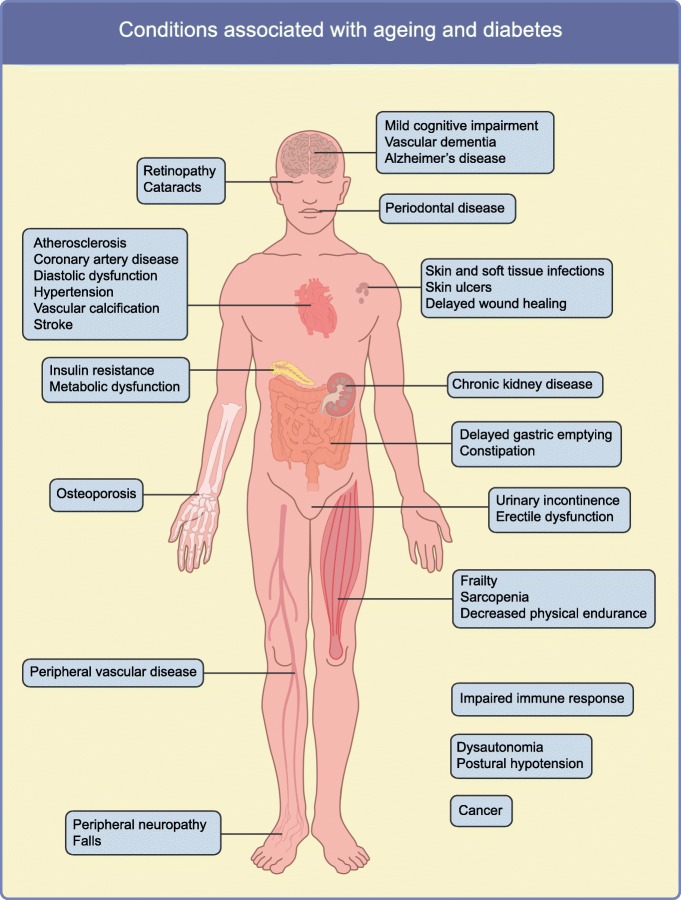
“It may represent a pro-aging state since age-related comorbidities, such as frailty, mild cognitive impairment, Alzheimer’s disease, cardiovascular disease, visual impairment, and renal dysfunction, are more common in diabetic individuals than in non-diabetics (23).”
Tang, H., Li, M., Zheng, H., Zhou, Y., & Liu, X. (2025) · Journal of Global Health · doi:10.7189/jogh.15.04353 · Cited by 5
“These factors contributed to an increase in the diabetic population from 98.4 million in 2013 to 140.9 million in 2021 [ 3 , 32 – 34 ].”
InfluentialAdult Zucker Obese fa/fa Rats Present Impaired Immunity and Oxidative-Inflammatory Responses
Castro, N. M. D., la Fuente, M. D., Giménez‐Llort, L., Ruíz-Tóvar, J., Vida, C., & Baeza‐Monedero, M. I. (2026) · Biomolecules · doi:10.3390/biom16040547 · Cited by 4
“Obesity is positively linked to aging, inflammation, reactive oxygen species (ROS), and oxidative stress, all of which promote immunosenescence [9,11,14].”
Tariq, J. A., Mandokhail, K., Sajjad, N., Hussain, A., JAVAID, H., Rasool, A., Sadaf, H., Javaid, S., & Durrani, A. S. (2024) · Medicina · doi:10.3390/medicina60050698 · Cited by 8
“The abundance of senescent cells in various tissues increases with age, obesity, and diabetes [37].”
BackgroundXia, B., Zeng, P., Xue, Y., Li, Q., Xie, J., Xu, J., Wu, W., & Yang, X. (2024) · Frontiers in Medicine · doi:10.3389/fmed.2024.1382004 · Cited by 4
Combating Cellular Aging: Frontiers in Biomaterials and Therapies
Liu, S., Mou, J., Zhao, C., Du, C., Liu, J., Bao, W., Xiao, H., Huang, W., Liao, J., & Lei, Y. (2024) · ACS Materials Letters · doi:10.1021/acsmaterialslett.4c02108 · Cited by 6
Mesenchymal stem/stromal cells: dedicator to maintain tumor homeostasis
Yao, J., Sun, L., Gao, F., & Zhu, W. (2024) · Human Cell · doi:10.1007/s13577-024-01154-y · Cited by 6
“Studies conducted in the context of diabetes have demonstrated that an excess of energy accelerates cellular senescence [129].”
da Costa, S. D., Bichança, E., Amorim-Cruz, F., Guimarães, A. R., Piñeiro, C., Sousa, H. S., Serrão, R., & Freitas, P. (2025) · Scientific Reports · doi:10.1038/s41598-025-02688-3 · Cited by 4
Aging, Cellular Senescence and Diabetes Mellitus: Clinicopathological Correlates, Trends and Targets
(2019) · International Journal of Pharmacy and Infections Therapy · doi:10.31829/2765-852x/ijpit2019-2(1)-105 · Cited by 5
Taurine, Sirtuin-1 and TNF- α levels in different aged adults with periodontitis: a pilot study
Sayedyousef, H., Yilmaz, O., Ozturk, C., Demir, B., Toygar, H. U., & Balcı, N. (2025) · BMC Oral Health · doi:10.1186/s12903-025-06690-z · Cited by 3
Lee, M., & Rilling, J. K. (2025) · Neuroscience & Biobehavioral Reviews · doi:10.1016/j.neubiorev.2025.106457 · Cited by 4
Grotta, R. L., Pellegrini, V., Carreras, F., Berra, C., Mužina, K., Bizjan, B. J., Dovč, K., Prattichizzo, F., Battelino, T., & Ceriello, A. (2025) · Cardiovascular Diabetology · doi:10.1186/s12933-025-02983-3 · Cited by 3
Wang, M., Zhang, M., Chen, J., Wang, Y., Zhang, J., Dai, Y., Zhao, C., Gan, Y., Liu, L., & Li, Z. (2026) · Cellular Signalling · doi:10.1016/j.cellsig.2025.112351 · Cited by 3
Liu, S., Chen, W., Xu, G., Liu, X., Shi, Y., Wang, G., Ning, Y., Cao, Y., Li, M., & Zhao, Y. (2026) · Chinese Medicine · doi:10.1186/s13020-025-01319-3 · Cited by 3
“The accumulation of senescent cells has been implicated in various age-related conditions, including cardiovascular diseases, neurodegeneration, and metabolic disorders [5–7].”
Yuan, S., Lin, Z., Song, Y., Shi, K., Guan, J., Zhao, Z., & Dou, K. (2026) · Cardiovascular Diabetology · doi:10.1186/s12933-026-03111-5 · Cited by 3
“Type 2 diabetes manifests as an age-related disorder wherein insulin resistance accelerates β-cell senescence, driving functional decline and metabolic deterioration [24–26].”
Liang, R., Shaker, E., Zhao, M., King, G. E., & Moalli, P. (2024) · American Journal of Obstetrics and Gynecology · doi:10.1016/j.ajog.2024.02.282 · Cited by 4
Zhao, M., Wang, T., Cai, X., Li, G., Li, N., & Zhou, H. (2024) · BMC Genomics · doi:10.1186/s12864-024-10235-z · Cited by 3
“In cellular senescence, recent study suggests that aging contributes to the progression of diabetes and its complications [46].”
BackgroundTakizawa, C., Qin, Q., Haba, D., Sasaki, S., Kawasaki, A., Miyake, T., Oba, J., Kitamura, A., Abe, M., Tomida, S., et al. (2024) · Journal of Tissue Viability · doi:10.1016/j.jtv.2024.07.014 · Cited by 3
Reguero, M., Reglero, G., Quintela, J. C., Ramos, R., de Molina, A. R., & de Cedrón, M. G. (2024) · Nutrients · doi:10.3390/nu16234166 · Cited by 4
Imamura, Y., Suzuki, K., Saijo, H., & Tanaka, K. (2022) · Journal of Wound Care · doi:10.12968/jowc.2022.31.sup8.s29 · Cited by 3
Tappy, E. E., Shi, H., Pruszynski, J. E., & Rodriguez, M. E. F. (2024) · Aging · doi:10.18632/aging.206120 · Cited by 3
“during aging and have been linked to a variety of age-related diseases such as atherosclerosis, heart failure, pulmonary hypertension, diabetes mellitus and osteoarthritis [12–15].”
BackgroundUnger, A. L., Jetton, T. L., & Kraft, J. (2021) · British Journal Of Nutrition · doi:10.1017/s0007114521004001 · Cited by 3
Xue, L., Sun, J., Sun, Y., Wang, Y., Zhang, K., Fan, M., Qian, H., Li, Y., & Wang, L. (2024) · Molecular Nutrition & Food Research · doi:10.1002/mnfr.202300861 · Cited by 3
Application of Flavonoids in Anti-Aging and Neuroprotection
Lu, P. (2023) · Highlights in Science Engineering and Technology · doi:10.54097/reykbe53 · Cited by 2
Gerstein, H. C., Paré, G., Zhou, K., Yang, S., Chong, M., Steinberg, G. R., & Lee, S. F. (2025) · Canadian Journal of Diabetes · doi:10.1016/j.jcjd.2025.07.006 · Cited by 2
Wang, Z., Lin, H., Li, Y., Li, Y., Xu, C., & Gan, Y. (2026) · Journal of Nanobiotechnology · doi:10.1186/s12951-026-04588-8 · Cited by 2
“The interplay between diabetes and aging exacerbates systemic metabolic dysregulation and markedly increases the susceptibility to a wide range of complications [2, 3].”
Dudek, A., Zapała, B., Gorostowicz, A., Kawa, I., Ciszek, K., Tylec, P., CYRANKA, K. M., Sierocki, W., Wysocki, M., & Major, P. (2025) · Medicina · doi:10.3390/medicina61020293 · Cited by 4
“An increasing number of studies are attempting to understand aging in individuals with obesity and highlight that obesity and diabetes contribute to accelerated aging, leading to the premature onset of the senescent state and contributing to the emergence of age-related diseases [26,27].”
Characteristics of circulating small noncoding RNAs in plasma and serum during human aging
Xiao, P., Shi, Z., Liu, C., & Hagen, D. E. (2023) · Aging Medicine · doi:10.1002/agm2.12241 · Cited by 4
A novel predictive model for optimizing diabetes screening in older adults
Lin, Y., Shen, Y., He, R., Wang, Q., Deng, H., Cheng, S., Liu, Y., Li, Y., Lu, X., & Shen, Z. (2024) · Journal of Diabetes Investigation · doi:10.1111/jdi.14262 · Cited by 2
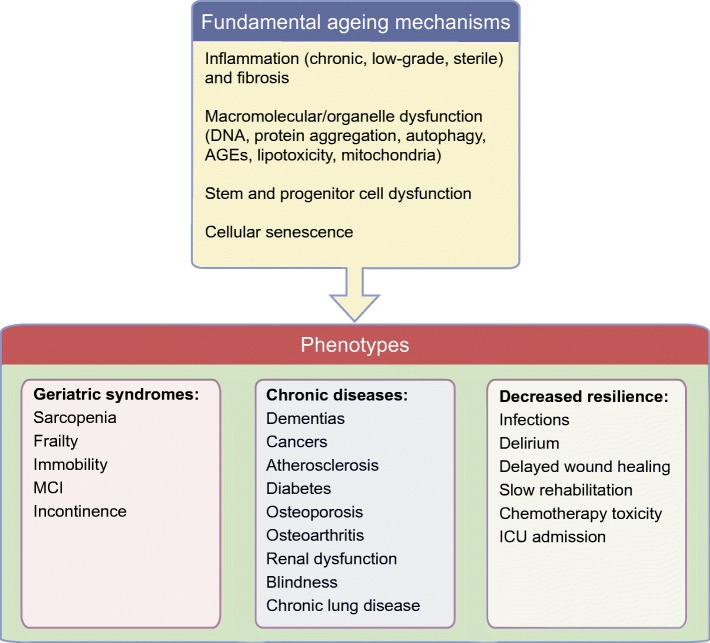
“The core mechanisms of aging – such as macromolecular dysfunction, sterile in fl ammation, fi brosis, stem cell function impairment, and cellular senescence 27 – are intricately linked to the development and progression of diabetes.”
BackgroundYan, Q., Zhang, H., Ma, Y., Sun, L., Chen, Z., Zhang, Y., & Guo, W. (2024) · Free Radical Biology and Medicine · doi:10.1016/j.freeradbiomed.2024.11.029 · Cited by 2
Khosla, S., Monroe, D. G., & Farr, J. N. (2021) · Elsevier eBooks · doi:10.1016/b978-0-12-822514-1.00011-0 · Cited by 2
Aging, Cellular Senescence and Diabetes Mellitus: Clinicopathological Correlates, Trends and Targets
(2020) · Archives of Health Science · doi:10.31829/2641-7456/ahs2020-4(1)-131 · Cited by 5
“associated co-morbidities, for instance, debility, frailty, Alzheimer's disease, transient cognitive impairment [8], cardiovascular disorder, ocular derangement, and renal impairment, as diabetes replicates a pro-aging condition [9].”
BackgroundDevelopment of an in vitro senescent hepatic cell model for metabolic studies in agingPreprint
Singh, B. K., Tripathi, M., Sandireddy, R., Tikno, K., Zhou, J., & Yen, P. M. (2020) · bioRxiv (Cold Spring Harbor Laboratory) · doi:10.1101/2020.03.31.014035 · Cited by 2
Suárez, L. J., Hastürk, H., Alves, V. T. E., Díaz‐Báez, D., Dyke, T. E. V., & Kantarcı, A. (2024) · Journal of Periodontology · doi:10.1002/jper.24-0060 · Cited by 1
Tsutsumi, T., & Tsuchiya, K. (2026) · Frontiers in Bioscience-Landmark · doi:10.31083/fbl47713 · Cited by 1
Yang, Y., Li, X., Cui, C., Zhang, H., Wang, L., Zhang, Y., Feng, H., Ang, K., Li, J., Jin, E., et al. (2026) · Journal of Controlled Release · doi:10.1016/j.jconrel.2026.115175 · Cited by 1
Chen, S., Liu, T., Sun, Z., Jia, J., Hang, D., & Zhang, W. (2026) · JMIR Medical Informatics · doi:10.2196/88206 · Cited by 1
“In China, a combination of population growth [2], aging [3], rising obesity rates [4], and an increasingly sedentary lifestyle [5] has led to a substantial increase in the number of people with diabetes.”
Progress in human embryonic stem cell research and aging
Patni, A. P., Joseph, J. P., Macrin, D., & Devi, A. (2021) · Elsevier eBooks · doi:10.1016/b978-0-12-820071-1.00003-7 · Cited by 1
Olson, N. C., Doyle, M. F., Bůžková, P., Huber, S. A., de Boer, I. H., Sitlani, C. M., Tracy, R. P., Psaty, B. M., Mukamal, K. J., & Delaney, J. A. (2022) · Endocrinology Diabetes & Metabolism · doi:10.1002/edm2.384 · Cited by 1
FATORES DE RISCO ASSOCIADOS AO DIABETES E HIPERTENSÃO EM IDOSOS: REVISÃO INTEGRATIVA
Guimarães, T. M. R., Silva, R. D. A., Tomaz, D. D. C., Henrique, J. D. S., Almeida, É. R. D. M., & Carneiro, M. R. (2025) · Aracê. · doi:10.56238/arev7n9-276 · Cited by 1
Vujović, S., Perović, S., Vlaović, M., SCEPANOVIC, S., & Filipović, A. (2025) · Journal of Medical Biochemistry · doi:10.5937/jomb0-60849 · Cited by 2
“Additionally, the biological age (BA) appears to correlate with cellular changes, which are more pronounced in diabetic (type 1) and T2DM patients, increasing their estimated BA by 16 and 12 years, respectively, compared to non-diabetic controls (12).”
González-Gutiérrez, J., Gómez, J. J. L., Pérez-López, P., Cebriá, Á., Izaola-Jáuregui, O., Asensio, L. E., Primo, D., Godoy, E. J., & de Luis, D. A. (2025) · Endocrinología Diabetes y Nutrición (English ed ) · doi:10.1016/j.endien.2026.501720 · Cited by 1
Meng, S., Ma, Z., Xuan, W., Wang, X., Wu, Z., Ji, M., & Ni, J. (2026) · International Journal of Obesity · doi:10.1038/s41366-026-02022-5 · Cited by 1
Migliozzi, L., Marassi, M., Albiero, M., & Fadini, G. P. (2026) · Diabetes/Metabolism Research and Reviews · doi:10.1002/dmrr.70137 · Cited by 1
“T2D is also considered a pro‐ageing condition, as it accelerates ageing‐associated detrimental processes, ultimately leading to multi‐organ dysfunction that shortens life expectancy [26].”
Santillan, C. M., Abbas, M., Macip, S., & Hanzu, F. A. (2026) · Endocrine Connections · doi:10.1530/ec-26-0197 · Cited by 1
Guo, Y., Qiu, S., Zhang, Z. G., Guo, J., Liang, H., You, H., Lu, F., Xu, Y., & Hu, Y. (2026) · Aging Cell · doi:10.1111/acel.70572 · Cited by 1
Ganguly, P. (2026) · Biomedicines · doi:10.3390/biomedicines14071486 · Cited by 1
Jeon, S., & Kim, M. (2022) · Russian Journal of Genetics · doi:10.1134/s1022795422070079 · Cited by 1
Diabetes Mellitus and Microbiota: Knowledge and Perspectives
Rizzo, G. E., Rizzi, A., Tartaglione, L., Leo, M. L., Viti, L., Leo, M. A. S. D., & Pitocco, D. (2023) · Healthy ageing and longevity · doi:10.1007/978-3-031-14023-5_7 · Cited by 1
Xu, X., Mingyang, X., Yang, J., Zheng, H., & Che, Z. (2023) · BMJ Open · doi:10.1136/bmjopen-2023-072991 · Cited by 1
Palmer, A. K., & Kirkland, J. L. (2024) · Elsevier eBooks · doi:10.1016/b978-0-443-15500-0.00012-8 · Cited by 3
Self-citationAdvances in anti-aging research of urine-derived stem cells
Zhong, X., Suo, H., Lu, Z.-K., Liu, Z.-K., Liu, Z., Wang, C., Li, C., Zhang, J., Liu, J., & Sun, J. (2024) · New cell · doi:10.61958/ncyq8589 · Cited by 1
Park, S., Ock, S. A., Park, Y. J., Han, S. N., & Shin, S. (2024) · Journal of Nutrition and Health · doi:10.4163/jnh.2024.57.4.376 · Cited by 1
Taştemur, M., Özdemir, Ç., Ölçücüoğlu, E., Beşler, M. S., Tekdemir, H., Arık, G., & Sılay, K. (2025) · Medicina · doi:10.3390/medicina61040711 · Cited by 1
Chukwuma, C. (2024) · International Journal of Epidemiology And Public Health Research · doi:10.61148/2836-2810/ijephr/111 · Cited by 1
Qiu, R., Wang, S., Lin, D., He, Y., Huang, S., Wu, B., Li, H., Wang, M., & Zheng, F. (2022) · The FASEB Journal · doi:10.1096/fj.202201252rr · Cited by 2
Boulet, N., Briot, A., Jargaud, V., Estève, D., Rémaury, A., Belles, C., Viana, P., Fontaine, J., Murphy, L., Déon, C., et al. (2023) · Aging Cell · doi:10.1111/acel.13776 · Cited by 4
Cellular senescence as a pathogenic factor and potential therapeutic target in osteoporosis
Larrea, L. P., Rodríguez, M. D. B., Naves‐Díaz, M., & Alonso, C. G. (2023) · Revista de Osteoporosis y Metabolismo Mineral · doi:10.20960/revosteoporosmetabminer.00013 · Cited by 1
Qiao, L., Xu, Z., Chen, Y., Chen, W., Liang, Y., Wei, Y., Wang, K., Yu, Y., & Yan, W. (2024) · Frontiers in Cell and Developmental Biology · doi:10.3389/fcell.2024.1407428 · Cited by 3
Discovery of Senolytics and the Pathway to Early Phase Clinical Trials
Gerdes, E. O. W., Zhu, Y. Z., Tchkonia, T., & Kirkland, J. L. (2020) · Healthy ageing and longevity · doi:10.1007/978-3-030-44903-2_2
Self-citationTranslation of recent discoveries in cardiovascular disease research to novel therapeutic strategies
Hedin, U. (2020) · Journal of Internal Medicine · doi:10.1111/joim.13133
Clinical Research Progress of NRF2 Activators in the Treatment of Age-related Diseases
Xu, M. (2021) · Frontiers in Medical Science Research · doi:10.25236/fmsr.2021.030204
Senolytics as drugs or fashionable dietary supplements
Starek, M., Dąbrowska, M., & Gumułka, P. (2021) · Farmacja Polska · doi:10.32383/farmpol/136334 · Cited by 1
“Ponadto, upośledzona funkcja progenitorów adipocytów w tkance tłuszczowej może przyczyniać się do zwiększonej insulinooporności [2].”
Lalau, J. (2021) · Elsevier eBooks · doi:10.1016/b978-2-294-76753-1.00047-3 · Cited by 1
Cellular senescence and other aging mechanisms in bone and muscle
Kaur, J., & Farr, J. N. (2022) · Elsevier eBooks · doi:10.1016/b978-0-12-820088-9.00008-1
Improving flexibility in substrate metabolism: a pharmacological and lifestyle approach
Veelen, A. (2022) · Research Publications (Maastricht University) · doi:10.26481/dis.20230125av
Chen, L., Zhao, Y., Chen, H., Tan, T., Yao, P., & Tang, Y. (2021) · Research Square · doi:10.21203/rs.3.rs-961620/v1
Deprogramming senescence by genomic stabilizing molecules in vivo
Yasom, S. (2021) · Chula Digiverse · doi:10.58837/chula.the.2021.21
Steroid hormone receptors in aging and neurodegenerative diseases
Kumar, R., & McEwan, I. J. (2024) · Elsevier eBooks · doi:10.1016/b978-0-323-91141-2.00001-5
Wang, L., Lü, Y., & Huang, X. (2024) · International Journal of Pharmacology · doi:10.3923/ijp.2024.174.185
REGIONAL MONITORING OF RISK FACTORS FOR CHRONIC NON-COMMUNICABLE DISEASES AFTER COVID-19
CHERESHNEVA, N. D., & Chernykh, T. G. (2024) · Медико-фармацевтический журнал «Пульс» · doi:10.26787/nydha-2686-6838-2024-26-10-158-165
Mo, Q., Zhan, A., Bai, R., Lin, S., Feng, J., Li, T., Lao, Z., Yang, X. Q., Wang, K., Rong, X., et al. (2025) · PeerJ · doi:10.7717/peerj.19040
“Previous studies have shown that patients with diabetes are more prone to developing age-related complications, such as Alzheimer’s disease and cardiovascular disease ( Biessels & Despa, 2018 ; Palmer et al., 2019 ).”
Kong, B. S., L’Yi, S., Ramirez-Hernandez, E. G., Hong, S., Weidenspointner, R., Song, S., Caserta, C., Cho, Y. M., & Kory, N. (2025) · bioRxiv (Cold Spring Harbor Laboratory) · doi:10.1101/2025.04.09.647991 · Cited by 2
Lee, E., Na, W., & Sohn, C. (2025) · Applied Sciences · doi:10.3390/app15084392
Zong, Y., Han, Z., Xu, L., Zhang, Y., Chen, W., & Liu, T. (2025) · Biochemical Genetics · doi:10.1007/s10528-025-11134-y · Cited by 1
AI-Powered Novel BioAgeSense Device for Age Profiling Using Saliva
Madamanchi, S. R. (2025) · International Journal of Science and Research (IJSR) · doi:10.21275/sr25623193507
Metadata
- Authors
- Palmer, A. K., Gustafson, B., Kirkland, J. L., & Smith, U.
- Affiliations
- Mayo Clinic (US)
- Sahlgrenska University Hospital (SE)
- Corresponding author
- Kirkland, James L.
- Smith, Ulf
- Venue
- Diabetologia
- Published
- 2019-08-27
- Volume
- 62
- Issue
- 10
- Pages
- 1835-1841
- ISSN
- 0012-186X (ISSN-L)
- 1432-0428
- PMC
- PMC6731336
- OpenAlex
- W2971121994
- Cited by
- 337
- References
- 54
- Citations by year
- 2026: 43 · 2025: 59 · 2024: 66 · 2023: 49 · 2022: 49 · 2021: 37 · 2020: 32 · 2019: 2
- FWCI
- 3.52
- Type
- journal article
- Language
- en
- Open access
- hybrid
- doi.org
- Licence
- cc-by
- creativecommons.org/licenses/by/4.0 (tdm)
- creativecommons.org/licenses/by/4.0 (vor)
- Locations
- Diabetologia (publishedVersion, cc-by)
- Europe PMC (PubMed Central) (publishedVersion, cc-by)
- PubMed Central (publishedVersion, cc-by)
- PubMed (publishedVersion)
- Funders
- University of Gothenburg
- Topics
- Life Sciences › Biochemistry, Genetics and Molecular Biology › Cell Biology › Telomeres, Telomerase, and Senescence
- Life Sciences › Biochemistry, Genetics and Molecular Biology › Aging › Genetics, Aging, and Longevity in Model Organisms
- Health Sciences › Medicine › Geriatrics and Gerontology › Sirtuins and Resveratrol in Medicine
- Keywords
- cellular senescence, aging, type 2 diabetes, insulin resistance, senolytics, obesity, senescent cells, organ dysfunction
- MeSH terms
- Aging, Animals, Diabetes Mellitus, Type 2, Humans, Cellular Senescence
About these checks
Registry, retraction, Cites and statistics results are computed, not judged, with one exception: a printed reference that no index lists is read once by a model before it counts as a citation error. Claims are extracted by a model and kept only when their quote appears verbatim in the text; each cited source is then checked, with a model’s help, for whether it says what the claim relies on. Those verdicts can be wrong — read the claim’s quote and the cited source before relying on one.
The claim verdicts this report counts are experimental: their accuracy is not yet measured.
A language model drew the claims from the paper on 2026-10-04, under version 3 of the claim definition (model deepseek-v4.1-flash, prompt extract-v3).
A second model labelled each claim on 2026-10-04 (model jev-1.13-20260917, definition revision gold-guideline-v0.2).
Cited sources are checked with a language model’s help (qwen3.8-omni-flash and gpt-6-sol).
Statistics and arithmetic are recomputed, not judged.
Confidence bands are shown only for fields calibrated on our annotated test set. None is calibrated yet, so no band is shown.
What counts as a claim ›How we measure confidence ›How we check this ›
Are you an author, or do you see a problem with this page? Request a review
Data sources
Bibliographic data: Semantic Scholar, OpenAlex, Crossref.
Contains information from the Semantic Scholar Academic Graph Datasets, made available under the ODC Attribution License (ODC-BY 1.0).
Semantic Scholar’s data is described in: Kinney, R., et al. (2023). The Semantic Scholar Open Data Platform. arXiv:2301.10140.
