

Chronic psychosocial stress and citalopram modulate the expression of the glial proteins GFAP and NDRG2 in the hippocampus
Open accessThe DOI matches its Crossref record; 89 of the 89 references it cites were found in a registry or an index.
Abstract
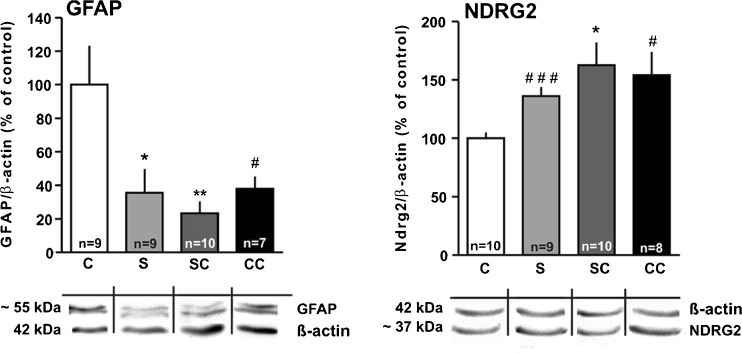
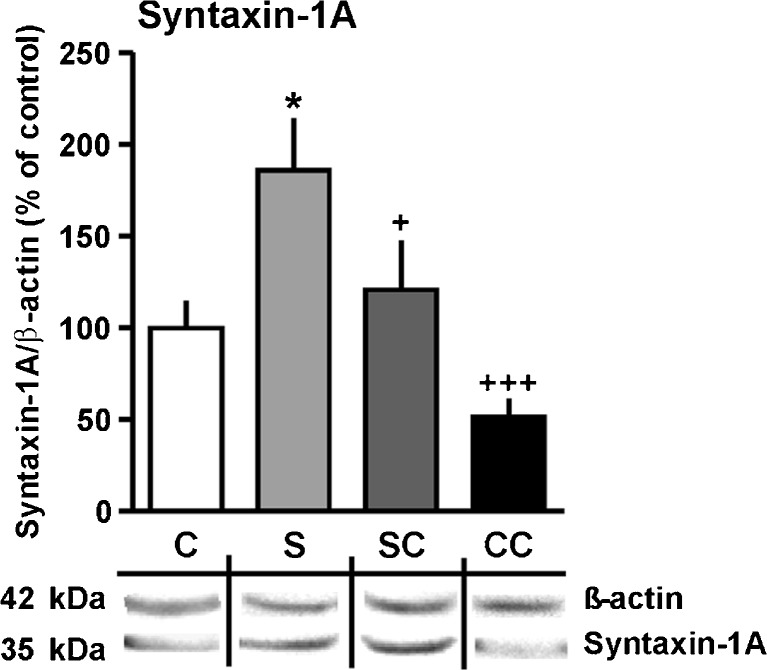
RATIONALE: It has been suggested that there are causal relationships between alterations in brain glia and major depression. OBJECTIVES: To investigate whether a depressive-like state induces changes in brain astrocytes, we used chronic social stress in male rats, an established preclinical model of depression. Expression of two astrocytic proteins, the intermediate filament component glial fibrillary acidic protein (GFAP) and the cytoplasmic protein N-myc downregulated gene 2 (NDRG2), was analyzed in the hippocampus. For comparison, expression of the neuronal protein syntaxin-1A was also determined. METHODS: Adult male rats were subjected to daily social defeat for 5 weeks and were concomitantly treated with citalopram (30 mg/kg/day, via the drinking water) for 4 weeks. RESULTS: Western blot analysis showed that the chronic stress downregulated GFAP but upregulated NDRG2 protein. Citalopram did not prevent these stress effects, but the antidepressant per se downregulated GFAP and upregulated NDRG2 in nonstressed rats. In contrast, citalopram prevented the stress-induced upregulation of the neuronal protein syntaxin-1A. CONCLUSIONS: These data suggest that chronic stress and citalopram differentially affect expression of astrocytic genes while the antidepressant drug does not prevent the stress effects. The inverse regulation of the cytoskeletal protein GFAP and the cytoplasmic protein NDRG2 indicates that the cells undergo profound metabolic changes during stress and citalopram treatment. Furthermore, the present findings indicate that a 4-week treatment with citalopram does not restore normal glial function in the hippocampus, although the behavior of the animals was normalized within this treatment period, as reported previously.
Overview
The claims and statistics of this paper haven’t been checked yet.
Free: it reads the open-access text and checks the first 5 claims that cite a source we can check. Create a free account to check every claim.
Integrity signals
Registry
Cites
Statistics
Figures
Verification
Claims the paper makes
The claims and statistics of this paper haven’t been checked yet.
Free: it reads the open-access text and checks the first 5 claims that cite a source we can check. Create a free account to check every claim.
Claims other papers make about this one
Each is checked against this paper’s own text: does it say what the citing paper says it does?
The source backs part of the claim, not all of it — or backs it for a different population, condition or comparison.
In the citing paper
“Mice exposed to chronic daily social defeat expressed reduced GFAP in stress-related brain regions associated with depressive-like behaviors (95).”
From Chronic stress, neuroinflammation, and depression: an overview of pathophysiological mechanisms and emerging anti-inflammatories (2023) · cites this paper as [95]
Experimental — accuracy not yet measured
Self-check
Percentages, sums and reported differences re-computed from the paper’s own numbers.
The self-check needs the paper’s full text.
Citations
Cites
The Rat Brain in Stereotaxic Coordinates
(1982) · Elsevier eBooks · doi:10.1016/c2009-0-63235-9 · Cited by 51,963
The rat brain in stereotaxic coordinates
Palkovits, M. (1983) · Neuropeptides · doi:10.1016/0143-4179(83)90049-5 · Cited by 28,831
Molecular Mechanisms of Depression: Perspectives on New Treatment Strategies
Lang, U. E., & Borgwardt, S. (2013) · Cellular Physiology and Biochemistry · doi:10.1159/000350094 · Cited by 8,475
AChE-stained horizontal sections of the rat brain in stereotaxic coordinates
Paxinos, G., Watson, C. R. R., & Emson, P. C. (1980) · Journal of Neuroscience Methods · doi:10.1016/0165-0270(80)90021-7 · Cited by 4,497
Tripartite synapses: glia, the unacknowledged partner
Araque, A., Parpura, V., Sanzgiri, R. P., & Haydon, P. G. (1999) · Trends in Neurosciences · doi:10.1016/s0166-2236(98)01349-6 · Cited by 2,529 · cited 2×
“As astrocytes are dynamic regulators of synaptogenesis and synaptic strength, and control neurogenesis in the adult dentate gyrus, the stress effects observed here may negatively influence neuronal functioning, possibly because of alterations in the capacity of supplying neurotrophic factors to the neuropil (Araque et…”
A molecular and cellular theory of depression
Duman, R. S. (1997) · Archives of General Psychiatry · doi:10.1001/archpsyc.1997.01830190015002 · Cited by 2,129 · cited 4×
“Some studies have analyzed SSRI effects on the expression of neuronal genes that are directly involved either in serotonergic transmission or in cell survival and neuroplasticity (Duman et al. 1997; Manji et al. 2003; Alfonso et al. 2004; Abumaria et al. 2007; Sairanen et al. 2007; Boer et al. 2010; Bethea et al. 2011…”
InfluentialThe rat brain in stereotaxic coordinates (2nd edn)
Herman, J. P., & Watson, S. J. (1987) · Trends in Neurosciences · doi:10.1016/0166-2236(87)90017-8 · Cited by 1,753
Stress revisited: a critical evaluation of the stress concept
Koolhaas, J. M., Bartolomucci, A., Buwalda, B., de Boer, S. F., Flügge, G., Korte, S. M., Meerlo, P., Murison, R., Olivier, B., Palanza, P., et al. (2011) · Neuroscience & Biobehavioral Reviews · doi:10.1016/j.neubiorev.2011.02.003 · Cited by 1,626
Protoplasmic Astrocytes in CA1 Stratum Radiatum Occupy Separate Anatomical Domains
Bushong, E. A., Martone, M. E., Jones, Y. Z., & Ellisman, M. H. (2002) · The Journal of Neuroscience · doi:10.1523/jneurosci.22-01-00183.2002 · Cited by 1,578 · cited 1×
“In addition, since GFAP-immunoreactive structures constitute only ~15 % of the total astrocytic volume, the reduction in the protein should not be taken as a measure of cell numbers (Bushong et al. 2002; Lavialle et al. 2011).”
Glial reduction in the subgenual prefrontal cortex in mood disorders
Öngür, D., Drevets, W. C., & Price, J. L. (1998) · Proceedings of the National Academy of Sciences · doi:10.1073/pnas.95.22.13290 · Cited by 1,525 · cited 2×
“was reduced in the orbitofrontal cortex of patients with major depression (Ongur et al. 1998; Miguel-Hidalgo et al. 2010).”
The stressed synapse: the impact of stress and glucocorticoids on glutamate transmission
Popoli, M., Yan, Z., McEwen, B. S., & Sanacora, G. (2012) · Nature Reviews Neuroscience · doi:10.1038/nrn3138 · Cited by 1,393 · cited 1×
“Astrocytic uptake of glutamate that has been released from neurons plays an especially important role in the hippocampus of stressed subjects where glutamatergic transmission is enhanced (Piet et al. 2004; Popoli et al. 2011).”
New roles for astrocytes: redefining the functional architecture of the brain.
Nedergaard, M., Ransom, B., & Goldman, S. A. (2003) · Trends in Neurosciences · doi:10.1016/j.tins.2003.08.008 · Cited by 1,334 · cited 1×
“This cytoskeletal protein is involved in processes related to cell movement and structure and has been proposed to play a role in cell communication such as astrocyte–neuron interactions (Nedergaard et al. 2003).”
Astrocyte Control of Synaptic Transmission and Neurovascular Coupling
Haydon, P. G., & Carmignoto, G. (2006) · Physiological Reviews · doi:10.1152/physrev.00049.2005 · Cited by 1,323 · cited 2×
“In astrocytes, Na/KATPase is activated after synaptic activity to restore the ion gradient necessary to drive glutamate transport (Haydon and Carmignoto 2006; Pellerin and Magistretti 1997).”
Czéh, B., Michaelis, T., Watanabe, T., Frahm, J., de Biurrun, G., van Kampen, M., Bartolomucci, A., & Fuchs, E. (2001) · Proceedings of the National Academy of Sciences · doi:10.1073/pnas.211427898 · Cited by 1,091 · cited 2×
“…of the dendrites of pyramidal cells in the hippocampus (Magarinos et al. 1996), reduced neurogenesis in the subgranular zone of the dentate gyrus (Czeh et al. 2001), and lowered expression of glycoprotein M6 in the axonal membrane of glutamatergic neurons (Alfonso et al. 2004; Cooper et al.…”
Middeldorp, J., & Hol, E. M. (2011) · Progress in Neurobiology · doi:10.1016/j.pneurobio.2011.01.005 · Cited by 1,080 · cited 3×
“Immunocytochemistry with anti-GFAP antibodies is a widely used tool to visualize presumptive pathological changes in brain glia, in particular changes in reactive astrocytes (Middeldorp and Hol 2011).”
InfluentialPharmacokinetics of selective serotonin reuptake inhibitors
Hiemke, C., & Härtter, S. (2000) · Pharmacology & Therapeutics · doi:10.1016/s0163-7258(99)00048-0 · Cited by 883 · cited 1×
“Among the various SSRIs available, citalopram exhibits one of the highest levels of specificity for 5-HT reuptake inhibition, with only minimal effects on norepinephrine and dopamine uptake (Hiemke and Hartter 2000; Hyttel 1977).”
Self-citationMagariños, A. M., McEwen, B. S., Flügge, G., & Fuchs, E. (1996) · The Journal of Neuroscience · doi:10.1523/jneurosci.16-10-03534.1996 · Cited by 864 · cited 2×
“The effects of chronic social stress on neurons include retraction of the dendrites of pyramidal cells in the hippocampus (Magarinos et al. 1996), reduced neurogenesis in the subgranular zone of the dentate gyrus (Czeh et al.”
Self-citationKendler, K. S., Kuhn, J., & Prescott, C. A. (2004) · American Journal of Psychiatry · doi:10.1176/appi.ajp.161.4.631 · Cited by 799
Cotter, D., Mackay, D., Landau, S., Kerwin, R., & Everall, I. (2001) · Archives of General Psychiatry · doi:10.1001/archpsyc.58.6.545 · Cited by 766 · cited 1×
“Furthermore, lowered immunoreactivity for the glial fibrillary acidic protein (GFAP) was observed in the prefrontal cortex of young depressed subjects (Rajkowska and Miguel-Hidalgo 2007), as well as in the anterior cingulate cortex of depressed patients of different ages (Cotter et al. 2001).”
Cellular changes in the postmortem hippocampus in major depression
Stockmeier, C. A., Mahajan, G. J., Konick, L. C., Overholser, J. C., Jurjus, G. J., Meltzer, H. Y., Uylings, H. B. M., Friedman, L., & Rajkowska, G. (2004) · Biological Psychiatry · doi:10.1016/j.biopsych.2004.08.022 · Cited by 732 · cited 1×
“Moreover, there is evidence that neurons and glia cells in the hippocampus of MD patients are more densely packed than in healthy controls (Stockmeier et al. 2004).”
Astrocyte–neuron metabolic relationships: for better and for worse
Allaman, I., Bélanger, M., & Magistretti, P. J. (2011) · Trends in Neurosciences · doi:10.1016/j.tins.2010.12.001 · Cited by 639 · cited 2×
“…of evidence of the role of glial cells in brain homeostasis, modulation of neuronal functioning (including synaptic activity), and adult neurogenesis (Allaman et al. 2011a, b; Seth and Koul 2008), one might assume that glial dysfunction contributes to pathological processes that lead to depression.”
Gliogenesis and Glial Pathology in Depression
Rajkowska, G., & Miguel-Hidalgo, J. (2007) · CNS & Neurological Disorders - Drug Targets · doi:10.2174/187152707780619326 · Cited by 610 · cited 2×
“Furthermore, lowered immunoreactivity for the glial fibrillary acidic protein (GFAP) was observed in the prefrontal cortex of young depressed subjects (Rajkowska and Miguel-Hidalgo 2007), as well as in the anterior cingulate cortex of depressed patients of different ages (Cotter et al. 2001).”
Animal models of social stress: Effects on behavior and brain neurochemical systems
Blanchard, R. J., McKittrick, C. R., & Blanchard, D. C. (2001) · Physiology & Behavior · doi:10.1016/s0031-9384(01)00449-8 · Cited by 595 · cited 2×
“Social defeat is a strong stressor in males that leads to longlasting brain and behavioral changes, as determined in several species, including the rat (Blanchard et al. 2001; Buwalda et al. 2005; Koolhaas et al. 2011), mouse (Bartolomucci 2007), and tree shrew (Fuchs and Flugge 2002).”
Anhedonia and motivational deficits in rats: Impact of chronic social stress
Rygula, R., Abumaria, N., Flügge, G., Fuchs, E., Rüther, E., & Havemann-Reinecke, U. (2005) · Behavioural Brain Research · doi:10.1016/j.bbr.2005.03.009 · Cited by 554 · cited 3×
“After a habituation period of 10 days, daily psychosocial stress was induced using the above resident–intruder paradigm (Rygula et al. 2005).”
Self-citationManji, H. K., Quiroz, J. A., Sporn, J., Payne, J. L., Denicoff, K., A. Gray, N., Zarate, C. A., & Charney, D. S. (2003) · Biological Psychiatry · doi:10.1016/s0006-3223(03)00117-3 · Cited by 505 · cited 4×
“Some studies have analyzed SSRI effects on the expression of neuronal genes that are directly involved either in serotonergic transmission or in cell survival and neuroplasticity (Duman et al. 1997; Manji et al. 2003; Alfonso et al. 2004; Abumaria et al. 2007; Sairanen et al. 2007; Boer et al. 2010; Bethea et al. 2011…”
InfluentialBanasr, M., Chowdhury, G. M. I., Terwilliger, R., Newton, S. S., Duman, R. S., Behar, K. L., & Sanacora, G. (2010) · Molecular Psychiatry · doi:10.1038/mp.2008.106 · Cited by 458 · cited 1×
“Furthermore, chronic mild stress in rats lowered GFAP mRNA in the rat neocortex (Banasr et al. 2010).”
Czéh, B., Simon, M., Schmelting, B., Hiemke, C., & Fuchs, E. (2006) · Neuropsychopharmacology · doi:10.1038/sj.npp.1300982 · Cited by 434 · cited 9×
“A previous study had shown that also the SSRI fluoxetine did not fully restore the normal features of GFAP-immunoreactive cells in the hippocampus of chronically stressed tree shrews (Czeh et al. 2006).”
Self-citationThe validity of animal models of predisposition to depression
Willner, P., & Mitchell, P. J. (2002) · Behavioural Pharmacology · doi:10.1097/00008877-200205000-00001 · Cited by 428 · cited 1×
“Among these, social stress in male animals that are defeated daily by a dominant counterpart has been widely used as a paradigm to induce chronic psychological stress (Willner and Mitchell 2002).”
Czéh, B., Müller-Keuker, J. I. H., Rygula, R., Abumaria, N., Hiemke, C., Domenici, E., & Fuchs, E. (2007) · Neuropsychopharmacology · doi:10.1038/sj.npp.1301275 · Cited by 362 · cited 1×
“Furthermore, a reduction in gliogenesis in the prefrontal cortex (PFC) of rats after chronic unpredictable stress has been reported (Banasr et al. 2007), and Czeh et al. (2007) showed similar effects in the medial PFC after chronic social defeat stress.”
Self-citationChronic Unpredictable Stress Decreases Cell Proliferation in the Cerebral Cortex of the Adult Rat
Banasr, M., Valentine, G. W., Li, X.-Y., Gourley, S. L., Taylor, J. R., & Duman, R. S. (2007) · Biological Psychiatry · doi:10.1016/j.biopsych.2007.02.006 · Cited by 342 · cited 4×
“Furthermore, a reduction in gliogenesis in the prefrontal cortex (PFC) of rats after chronic unpredictable stress has been reported (Banasr et al. 2007), and Czeh et al.”
InfluentialMURRAY, J. T., CAMPBELL, D. G., MORRICE, N., AULD, G. C., SHPIRO, N., MARQUEZ, R., PEGGIE, M., BAIN, J., BLOOMBERG, G. B., GRAHAMMER, F., et al. (2004) · Biochemical Journal · doi:10.1042/bj20041057 · Cited by 341 · cited 1×
“A further link between glucocorticoid action and NDRG2 is provided via serum- and glucocorticoid-induced kinase 1 which phosphorylates this protein (Murray et al. 2004; Takahashi et al. 2012).”
Long-term effects of social stress on brain and behavior: a focus on hippocampal functioning
Buwalda, B., Kole, M. H. P., Veenema, A. H., Huininga, M., de Boer, S. F., Korte, S. M., & Koolhaas, J. M. (2005) · Neuroscience & Biobehavioral Reviews · doi:10.1016/j.neubiorev.2004.05.005 · Cited by 303 · cited 1×
“Social defeat is a strong stressor in males that leads to longlasting brain and behavioral changes, as determined in several species, including the rat (Blanchard et al. 2001; Buwalda et al. 2005; Koolhaas et al. 2011), mouse (Bartolomucci 2007), and tree shrew (Fuchs and Flugge 2002).”
Neuroglia: the 150 years after
Kettenmann, H., & Verkhratsky, A. (2008) · Trends in Neurosciences · doi:10.1016/j.tins.2008.09.003 · Cited by 300 · cited 1×
“…the regional difference in the effects of citalopram in the brain may also be related to differences in cellular properties of astrocytes which do not represent a homogeneous cell population (Himeda et al. 2006; Jinno 2011; Kettenmann and Verkhratsky 2008; Wallraff et al. 2004; Walz and Lang 1998).”
Lucassen, P. J., Müller, M. B., Holsboer, F., Bauer, J., Holtrop, A., Wouda, J., Hoogendijk, W. J. G., De Kloet, E. R., & Swaab, D. F. (2001) · The American Journal of Pathology · doi:10.1016/s0002-9440(10)63988-0 · Cited by 286 · cited 1×
“Apoptosis in the hippocampus is a rather rare event, and chronic social stress increased apoptosis only in the hilus, but even reduced the number of apoptotic cells in other hippocampal subfields (Lucassen et al. 2001).”
Lavialle, M., Aumann, G., Anlauf, E., Pröls, F., Arpin, M., & Derouiche, A. (2011) · Proceedings of the National Academy of Sciences · doi:10.1073/pnas.1100957108 · Cited by 266 · cited 1×
“In addition, since GFAP-immunoreactive structures constitute only ~15 % of the total astrocytic volume, the reduction in the protein should not be taken as a measure of cell numbers (Bushong et al. 2002; Lavialle et al. 2011).”
Qu, X., Zhai, Y., Wei, H., Zhang, C., Xing, G., Yu, Y., & He, F. (2002) · Molecular and Cellular Biochemistry · doi:10.1023/a:1017934810825 · Cited by 251 · cited 1×
“NDRG2 is encoded by a member of the family of N-myc downregulated genes and has been suggested to be involved in cell proliferation and differentiation and may function as a tumor suppressor (Qu et al. 2002; Deng et al. 2003; Takahashi et al. 2005a; Hu et al. 2006).”
Müller, M. B., Lucassen, P. J., Yassouridis, A., Hoogendijk, W. J. G., Holsboer, F., & Swaab, D. F. (2001) · European Journal of Neuroscience · doi:10.1046/j.0953-816x.2001.01784.x · Cited by 249 · cited 2×
“However, it is still unknown which presumptive glial changes are causal for depression, although some post mortem data from patients indicated alterations in astrocytes: GFAP immunoreactivity in cell bodies and fibers was significantly reduced in hippocampal regions CA1 and CA2 of patients with major depression (MD),…”
Physiological contribution of the astrocytic environment of neurons to intersynaptic crosstalk
Piet, R., Vargová, L., Syková, E., Poulain, D. A., & Oliet, S. H. R. (2004) · Proceedings of the National Academy of Sciences · doi:10.1073/pnas.0308408100 · Cited by 248 · cited 1×
“Astrocytic uptake of glutamate that has been released from neurons plays an especially important role in the hippocampus of stressed subjects where glutamatergic transmission is enhanced (Piet et al. 2004; Popoli et al. 2011).”
Reagan, L. P., Rosell, D. R., Wood, G. E., Spedding, M., Muñoz, C., Rothstein, J., & McEwen, B. S. (2004) · Proceedings of the National Academy of Sciences · doi:10.1073/pnas.0307294101 · Cited by 221 · cited 2×
“Using another stress paradigm, it was shown that daily immobilization of rats for 3 weeks upregulates the expression of the glial glutamate transporter 1 (Reagan et al. 2004).”
Glial and glutamatergic markers in depression, alcoholism, and their comorbidity
Miguel-Hidalgo, J. J., Waltzer, R., Whittom, A. A., Austin, M. C., Rajkowska, G., & Stockmeier, C. A. (2010) · Journal of Affective Disorders · doi:10.1016/j.jad.2010.06.003 · Cited by 218 · cited 3×
“was reduced in the orbitofrontal cortex of patients with major depression (Ongur et al. 1998; Miguel-Hidalgo et al. 2010).”
N‐Myc downstream‐regulated gene 2 (NDRG2) inhibits glioblastoma cell proliferation
Deng, Y., Yao, L., Chau, L., Ng, S. S., Peng, Y., Liu, X., Au, W., Wang, J., Li, F., Ji, S., et al. (2003) · International Journal of Cancer · doi:10.1002/ijc.11228 · Cited by 217 · cited 1×
“NDRG2 is encoded by a member of the family of N-myc downregulated genes and has been suggested to be involved in cell proliferation and differentiation and may function as a tumor suppressor (Qu et al. 2002; Deng et al. 2003; Takahashi et al. 2005a; Hu et al. 2006).”
Social stress, immune functions and disease in rodents
Bartolomucci, A. (2007) · Frontiers in Neuroendocrinology · doi:10.1016/j.yfrne.2007.02.001 · Cited by 209 · cited 1×
“Social defeat is a strong stressor in males that leads to longlasting brain and behavioral changes, as determined in several species, including the rat (Blanchard et al. 2001; Buwalda et al. 2005; Koolhaas et al. 2011), mouse (Bartolomucci 2007), and tree shrew (Fuchs and Flugge 2002).”
Pellerin, L., & Magistretti, P. J. (1997) · Journal of Neurochemistry · doi:10.1046/j.1471-4159.1997.69052132.x · Cited by 209 · cited 2×
“In astrocytes, Na/KATPase is activated after synaptic activity to restore the ion gradient necessary to drive glutamate transport (Haydon and Carmignoto 2006; Pellerin and Magistretti 1997).”
Allaman, I., Fiumelli, H., Magistretti, P. J., & Martin, J.-L. (2011) · Psychopharmacology · doi:10.1007/s00213-011-2190-y · Cited by 209 · cited 2×
“…of evidence of the role of glial cells in brain homeostasis, modulation of neuronal functioning (including synaptic activity), and adult neurogenesis (Allaman et al. 2011a, b; Seth and Koul 2008), one might assume that glial dysfunction contributes to pathological processes that lead to depression.”
Sairanen, M., O’Leary, O. F., Knuuttila, J. E., & Castrén, E. (2007) · Neuroscience · doi:10.1016/j.neuroscience.2006.08.069 · Cited by 206 · cited 5×
“Some studies have analyzed SSRI effects on the expression of neuronal genes that are directly involved either in serotonergic transmission or in cell survival and neuroplasticity (Duman et al. 1997; Manji et al. 2003; Alfonso et al. 2004; Abumaria et al. 2007; Sairanen et al. 2007; Boer et al. 2010; Bethea et al. 2011…”
InfluentialDistinct types of astroglial cells in the hippocampus differ in gap junction coupling
Wallraff, A., Odermatt, B., Willecke, K., & Steinhäuser, C. (2004) · Glia · doi:10.1002/glia.20040 · Cited by 191 · cited 2×
“Furthermore, the regional difference in the effects of citalopram in the brain may also be related to differences in cellular properties of astrocytes which do not represent a homogeneous cell population (Himeda et al. 2006; Jinno 2011; Kettenmann and Verkhratsky 2008; Wallraff et al. 2004; Walz and Lang 1998).”
Fuchs, E., & Flügge, G. (2002) · Pharmacology Biochemistry and Behavior · doi:10.1016/s0091-3057(02)00795-5 · Cited by 188 · cited 2×
“Social defeat is a strong stressor in males that leads to longlasting brain and behavioral changes, as determined in several species, including the rat (Blanchard et al. 2001; Buwalda et al. 2005; Koolhaas et al. 2011), mouse (Bartolomucci 2007), and tree shrew (Fuchs and Flugge 2002).”
Self-citationGlia as neural progenitor cells
Goldman, S. (2003) · Trends in Neurosciences · doi:10.1016/j.tins.2003.09.011 · Cited by 182 · cited 2×
“As astrocytes are dynamic regulators of synaptogenesis and synaptic strength, and control neurogenesis in the adult dentate gyrus, the stress effects observed here may negatively influence neuronal functioning, possibly because of alterations in the capacity of supplying neurotrophic factors to the neuropil (Araque et…”
Neurochemical characterization of a new potent and selective serotonin uptake inhibitor: Lu 10-171
Hyttel, J. (1977) · Psychopharmacology · doi:10.1007/bf00431629 · Cited by 173 · cited 1×
“Among the various SSRIs available, citalopram exhibits one of the highest levels of specificity for 5-HT reuptake inhibition, with only minimal effects on norepinephrine and dopamine uptake (Hiemke and Hartter 2000; Hyttel 1977).”
Walz, W., & Lang, M. K. (1998) · Neuroscience Letters · doi:10.1016/s0304-3940(98)00813-1 · Cited by 149 · cited 2×
“Furthermore, the regional difference in the effects of citalopram in the brain may also be related to differences in cellular properties of astrocytes which do not represent a homogeneous cell population (Himeda et al. 2006; Jinno 2011; Kettenmann and Verkhratsky 2008; Wallraff et al. 2004; Walz and Lang 1998).”
Nichols, N. R., Osterburg, H. H., Masters, J. N., Millar, S. L., & Finch, C. E. (1990) · Molecular Brain Research · doi:10.1016/0169-328x(90)90066-m · Cited by 145 · cited 1×
“Stress-induced elevations of glucocorticoids may have contributed to this effect as corticosterone lowered GFAP levels in the rat brain (Nichols et al. 1990; O'Callaghan et al. 1991).”
Studies of hormone action in the hippocampal formation
McEwen, B. S., Magariños, A. M., & Reagan, L. P. (2002) · Journal of Psychosomatic Research · doi:10.1016/s0022-3999(02)00307-0 · Cited by 140 · cited 2×
“Chronic stress and GFAP We used chronic social stress in rats to provoke central nervous changes that resemble symptoms of depression, because stressful life events can lead to depressive disorders (Kendler et al. 2004; McEwen et al. 2002).”
O'Callaghan, J. P., Brinton, R. E., & McEwen, B. S. (1991) · Journal of Neurochemistry · doi:10.1111/j.1471-4159.1991.tb08230.x · Cited by 131 · cited 1×
“Stress-induced elevations of glucocorticoids may have contributed to this effect as corticosterone lowered GFAP levels in the rat brain (Nichols et al. 1990; O'Callaghan et al. 1991).”
Alfonso, J., Pollevick, G. D., Van Der Hart, M. G., Flügge, G., Fuchs, E., & Frasch, A. C. C. (2004) · European Journal of Neuroscience · doi:10.1111/j.1460-9568.2004.03178.x · Cited by 117 · cited 2×
“…SSRI effects on the expression of neuronal genes that are directly involved either in serotonergic transmission or in cell survival and neuroplasticity (Duman et al. 1997; Manji et al. 2003; Alfonso et al. 2004; Abumaria et al. 2007; Sairanen et al. 2007; Boer et al. 2010; Bethea et al. 2011).”
Astrocyte, the star avatar: redefined
Seth, P., & Koul, N. (2008) · Journal of Biosciences · doi:10.1007/s12038-008-0060-5 · Cited by 116 · cited 2×
“Taking into consideration the large body of evidence of the role of glial cells in brain homeostasis, modulation of neuronal functioning (including synaptic activity), and adult neurogenesis (Allaman et al. 2011a, b; Seth and Koul 2008), one might assume that glial dysfunction contributes to pathological processes tha…”
Citalopram counteracts depressive-like symptoms evoked by chronic social stress in rats
Rygula, R., Abumaria, N., Flügge, G., Hiemke, C., Fuchs, E., Rüther, E., & Havemann-Reinecke, U. (2006) · Behavioural Pharmacology · doi:10.1097/01.fbp.0000186631.53851.71 · Cited by 104 · cited 4×
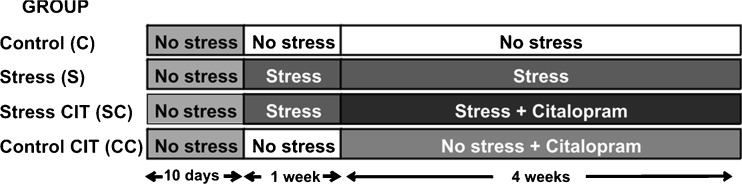
“As in previous experiments, animals were treated chronically with CIT (30 mg/kg) for 4 weeks, starting 1 week after the beginning of the social stress, whereas untreated animals received tap water (Fig. 1; Rygula et al. 2006; Abumaria et al. 2007).”
Self-citationDifferential Expression Patterns of NDRG Family Proteins in the Central Nervous System
Okuda, T., Kokame, K., & Miyata, T. (2008) · Journal of Histochemistry & Cytochemistry · doi:10.1369/jhc.7a7323.2007 · Cited by 102 · cited 4×
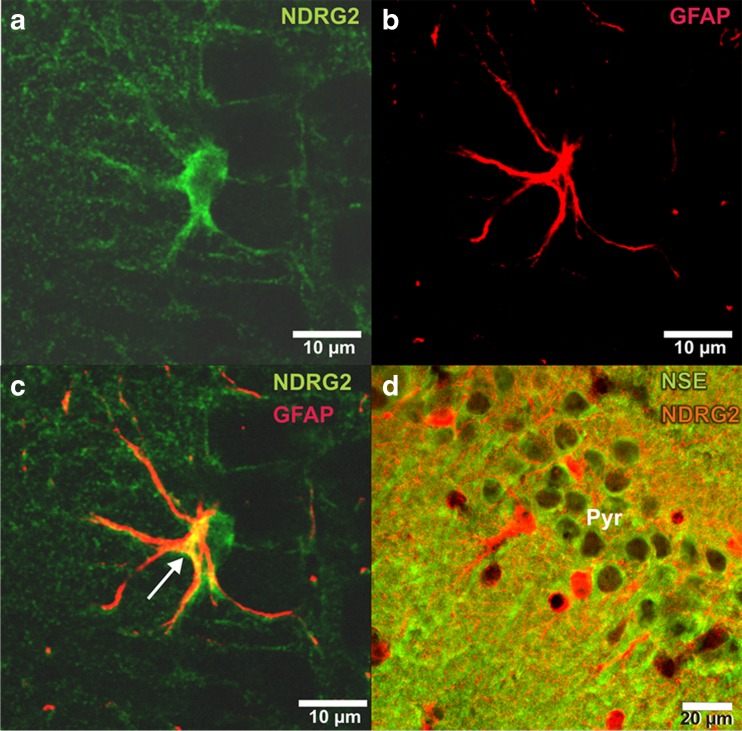
“Chronic psychosocial stress increases NDRG2 protein in the hippocampus It has been reported previously that NDRG2 is expressed in astrocytes (Okuda et al. 2008).”
InfluentialSharma, H. S., Zimmer, C., Westman, J., & Cervós‐Navarro, J. (1992) · Neuroscience · doi:10.1016/0306-4522(92)90277-9 · Cited by 100 · cited 2×
“…is regulated by stress: acute systemic heat stress (38 °C for 4 h) and running-wheel activity increased GFAP immunoreactivity in several brain regions and in the hippocampus, respectively, possibly indicating the stimulation of reactive astrocytes (Lambert et al. 2000; Sharma et al. 1992).”
Schipke, C. G., Heuser, I., & Peters, O. (2011) · Journal of Psychiatric Research · doi:10.1016/j.jpsychires.2010.06.005 · Cited by 98 · cited 1×
“In vitro, citalopram even directly evoked calcium signals in astrocytes (Schipke et al. 2011).”
Straccia, M., Gresa-Arribas, N., Dentesano, G., Ejarque-Ortiz, A., Tusell, J. M., Serratosa, J., Solà, C., & Saura, J. (2011) · Journal of Neuroinflammation · doi:10.1186/1742-2094-8-156 · Cited by 94 · cited 2×
“The Western blot displayed two GFAP bands, one at ~55 kDa (representing the intact molecule) and one at 48 kDa (representing a proteolytic cleavage product) (Straccia et al. 2011).”
Abumaria, N., Ryguła, R., Hiemke, C., Fuchs, E., Havemann‐Reinecke, U., Rüther, E., & Flügge, G. (2006) · European Neuropsychopharmacology · doi:10.1016/j.euroneuro.2006.08.009 · Cited by 87 · cited 13×
“As in previous experiments, animals were treated chronically with CIT (30 mg/kg) for 4 weeks, starting 1 week after the beginning of the social stress, whereas untreated animals received tap water (Fig. 1; Rygula et al. 2006; Abumaria et al. 2007).”
Self-citationLiu, Q., Li, B., Zhu, H., Wang, Y., Yu, J. M., & Wu, G.-C. (2009) · European Neuropsychopharmacology · doi:10.1016/j.euroneuro.2009.06.010 · Cited by 87 · cited 1×
“In a chronic mild-stress model, the tricyclic antidepressant clomipramine prevented the downregulation of hippocampal GFAP (Liu et al. 2009).”
Li, Y., Yang, J., Li, S., Zhang, J., Zheng, J., Hou, W., Zhao, H., Guo, Y., Liu, X., Dou, K., et al. (2011) · Journal of Biological Chemistry · doi:10.1074/jbc.m111.247825 · Cited by 81 · cited 2×
“Furthermore, it is interesting to note that NDRG2 may interact with a subunit of Na+/K+-ATPase as shown in epithelial cells (Li et al. 2011).”
Tramontina, A. C., Tramontina, F. F., Bobermin, L. D., Zanotto, C., Souza, D. F., Leite, M. C., Nardin, P., Gottfried, C., & Gonçalves, C. (2008) · Progress in Neuro-Psychopharmacology and Biological Psychiatry · doi:10.1016/j.pnpbp.2008.06.001 · Cited by 80 · cited 1×
“It has been proposed that SSRIs regulate the expression of astrocytic genes via mechanisms that do not necessarily involve serotonin, as discussed for the effects of fluoxetine on S100ß (Tramontina et al. 2008).”
Braun, K., Antemano, R., Helmeke, C., Büchner, M., & Poeggel, G. (2009) · Neuroscience · doi:10.1016/j.neuroscience.2009.02.074 · Cited by 71 · cited 2×
“In contrast, juvenile separation stress diminished GFAP-immunoreactive astrocytes in the medial prefrontal cortex of degus (Braun et al. 2009), and another strong psychological stress, chronic social defeat, reduced the number of GFAP-immunoreactive cells in the hippocampus of male tree shrews…”
Nichols, N. R. (2003) · Annals of the New York Academy of Sciences · doi:10.1196/annals.1286.034 · Cited by 71 · cited 3×
“mRNA in the adult rat heart and cerebral cortex, as well as in cultured astrocytes (Nichols 2003).”
InfluentialLiu, Q., Li, B., Zhu, H., Wang, Y.-Q., Yu, J. M., & Wu, G.-C. (2010) · Journal of Affective Disorders · doi:10.1016/j.jad.2010.07.007 · Cited by 71 · cited 1×
“Some authors interpreted stress-induced reductions in GFAP immunoreactivity as glial atrophy (Liu et al. 2011).”
Ndrg2 promotes neurite outgrowth of NGF-differentiated PC12 cells
Takahashi, K., Yamada, M., Ohata, H., Honda, K., & Yamada, M. (2005) · Neuroscience Letters · doi:10.1016/j.neulet.2005.06.055 · Cited by 68 · cited 3×
“In vitro, NDRG2 mRNA increased in the course of nerve growth factor-evoked differentiation in neuronal PC12 cells (Takahashi et al. 2005a).”
Liu, J., & Ma, J. (2011) · Nature Cell Biology · doi:10.1038/ncb2141 · Cited by 68
Activity-Stress Increases Density of GFAP-Immunoreactive Astrocytes in the Rat Hippocampus
Lambert, K. G., Gerecke, K. M., Quadros, P. S., Doudera, E., Jasnow, A. M., & Kinsley, C. H. (2000) · Stress · doi:10.3109/10253890009001133 · Cited by 56 · cited 2×
“…is regulated by stress: acute systemic heat stress (38 °C for 4 h) and running-wheel activity increased GFAP immunoreactivity in several brain regions and in the hippocampus, respectively, possibly indicating the stimulation of reactive astrocytes (Lambert et al. 2000; Sharma et al. 1992).”
NDRG2, a novel regulator of myoblast proliferation, is regulated by anabolic and catabolic factors
Foletta, V. C., Prior, M. J., Stupka, N., Carey, K., Segal, D. H., Jones, S., Swinton, C., Martin, S., Cameron‐Smith, D., & Walder, K. R. (2009) · The Journal of Physiology · doi:10.1113/jphysiol.2008.167882 · Cited by 55 · cited 2×
“However, the exact role of NDRG2 in differentiation vs. proliferation of cells is so far unclear: A lack of NDRG2 slowed myoblast proliferation in skeletal muscle tissue (Foletta et al. 2009), but Ndrg2 gene silencing stimulated proliferation of cultured astrocytes (Takeichi et al. 2011).”
Identification of Genes Regulated by Chronic Social Stress in the Rat Dorsal Raphe Nucleus
Abumaria, N., Ryguła, R., Havemann‐Reinecke, U., Rüther, E., Bodemer, W., Roos, C., & Flügge, G. (2006) · Cellular and Molecular Neurobiology · doi:10.1007/s10571-006-9024-1 · Cited by 53 · cited 1×
“However, glucocorticoid receptors are present in almost all brain regions, and NDRG2 transcripts were also upregulated in the dorsal raphe nucleus of male rats after chronic social stress (Abumaria et al. 2006).”
Self-citationDrug screening to identify suppressors of GFAP expression
Cho, W., Brenner, M., Peters, N., & Messing, A. (2010) · Human Molecular Genetics · doi:10.1093/hmg/ddq227 · Cited by 51
Schulte‐Herbrüggen, O., Fuchs, E., Abumaria, N., Ziegler, A., Danker‐Hopfe, H., Hiemke, C., & Hellweg, R. (2009) · Journal of Neuroscience Research · doi:10.1002/jnr.22080 · Cited by 51 · cited 4×
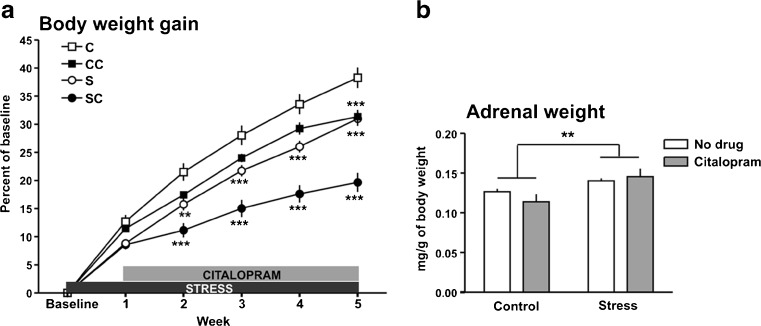
“The drug induced no changes in adrenal weight, as described also for other SSRIs (Czeh et al. 2006; Schulte-Herbruggen et al. 2009).”
Self-citationJinno, S. (2011) · Neuroscience · doi:10.1016/j.neuroscience.2011.02.013 · Cited by 48 · cited 2×
“Furthermore, the regional difference in the effects of citalopram in the brain may also be related to differences in cellular properties of astrocytes which do not represent a homogeneous cell population (Himeda et al. 2006; Jinno 2011; Kettenmann and Verkhratsky 2008; Wallraff et al. 2004; Walz and Lang 1998).”
The effect of Ndrg2 expression on astroglial activation
Takeichi, T., Takarada‐Iemata, M., Hashida, K., Sudo, H., Okuda, T., Kokame, K., Hatano, T., Takanashi, M., Funabe, S., Hattori, N., et al. (2011) · Neurochemistry International · doi:10.1016/j.neuint.2011.03.019 · Cited by 48 · cited 2×
“However, the exact role of NDRG2 in differentiation vs. proliferation of cells is so far unclear: A lack of NDRG2 slowed myoblast proliferation in skeletal muscle tissue (Foletta et al. 2009), but Ndrg2 gene silencing stimulated proliferation of cultured astrocytes (Takeichi et al. 2011).”
Expression of Ndrg2 in the rat frontal cortex after antidepressant and electroconvulsive treatment
Takahashi, K., Yamada, M., Ohata, H., Momose, K., Higuchi, T., Honda, K., & Yamada, M. (2005) · The International Journal of Neuropsychopharmacology · doi:10.1017/s1461145705005134 · Cited by 45 · cited 3×
“In vitro, NDRG2 mRNA increased in the course of nerve growth factor-evoked differentiation in neuronal PC12 cells (Takahashi et al. 2005a).”
Time dependent alterations of co-localization of S100β and GFAP in the MPTP-treated mice
Himeda, T., Watanabe, Y., Tounai, H., Hayakawa, N., Kato, H., & Araki, T. (2006) · Journal of Neural Transmission · doi:10.1007/s00702-006-0482-x · Cited by 42 · cited 2×
“Furthermore, the regional difference in the effects of citalopram in the brain may also be related to differences in cellular properties of astrocytes which do not represent a homogeneous cell population (Himeda et al. 2006; Jinno 2011; Kettenmann and Verkhratsky 2008; Wallraff et al. 2004; Walz and Lang 1998).”
Bethea, C. L., Lima, F. B., Centeno, M. L., Weissheimer, K. V., Senashova, O., Reddy, A. P., & Cameron, J. L. (2011) · Journal of Chemical Neuroanatomy · doi:10.1016/j.jchemneu.2011.05.010 · Cited by 34 · cited 2×
“Some studies have analyzed SSRI effects on the expression of neuronal genes that are directly involved either in serotonergic transmission or in cell survival and neuroplasticity (Duman et al. 1997; Manji et al. 2003; Alfonso et al. 2004; Abumaria et al. 2007; Sairanen et al. 2007; Boer et al. 2010; Bethea et al. 2011…”
Expression of the Axonal Membrane Glycoprotein M6a Is Regulated by Chronic Stress
Cooper, B., Fuchs, E., & Flügge, G. (2009) · PLoS ONE · doi:10.1371/journal.pone.0003659 · Cited by 32 · cited 2×
“2001), and lowered expression of glycoprotein M6 in the axonal membrane of glutamatergic neurons (Alfonso et al. 2004; Cooper et al. 2009).”
Dexamethasone indirectly induces Ndrg2 expression in rat astrocytes
Takahashi, K., Saitoh, A., Yamada, M., Iwai, T., Inagaki, M., & Yamada, M. (2011) · Journal of Neuroscience Research · doi:10.1002/jnr.22727 · Cited by 31 · cited 2×
“NDRG2 is among the genes that are regulated by steroid hormones (Nichols and Finch 1994; Takahashi et al. 2012).”
Böer, U., Noll, C., Cierny, I., Krause, D., Hiemke, C., & Knepel, W. (2010) · European Journal of Pharmacology · doi:10.1016/j.ejphar.2010.01.016 · Cited by 29 · cited 2×
“Some studies have analyzed SSRI effects on the expression of neuronal genes that are directly involved either in serotonergic transmission or in cell survival and neuroplasticity (Duman et al. 1997; Manji et al. 2003; Alfonso et al. 2004; Abumaria et al. 2007; Sairanen et al. 2007; Boer et al. 2010; Bethea et al. 2011…”
Self-citationGene Products of Corticosteroid Action in Hippocampusa
NICHOLS, N. R., & FINCH, C. E. (1994) · Annals of the New York Academy of Sciences · doi:10.1111/j.1749-6632.1994.tb39225.x · Cited by 27 · cited 1×
“NDRG2 is among the genes that are regulated by steroid hormones (Nichols and Finch 1994; Takahashi et al. 2012).”
D’Souza, D. N., Zhang, Y., García, F., Battaglia, G., & de Kar, L. D. V. (2004) · American Journal of Physiology-Regulatory, Integrative and Comparative Physiology · doi:10.1152/ajpregu.00335.2003 · Cited by 24 · cited 1×
“Moreover, citalopram reduced body weight gain, which is in accordance with previous observations (D'Souza et al. 2004; Landry et al. 2005).”
Danielson, A. M., Matheson, K., & Anisman, H. (2010) · Psychoneuroendocrinology · doi:10.1016/j.psyneuen.2010.06.003 · Cited by 23 · cited 1×
“Increased levels of the anti-inflammatory cytokine IL-10 in the blood of women have been associated with states of anger and sadness, although not with stress (Danielson et al. 2011).”
NDRG2 is one of novel intrinsic factors for regulation of IL-10 production in human myeloid cell
Choi, S., Kim, K. D., Kim, J., Oh, S., Yoon, S. Y., Song, E. Y., Lee, H. G., Choe, Y., Choi, I., Lim, J., et al. (2010) · Biochemical and Biophysical Research Communications · doi:10.1016/j.bbrc.2010.04.162 · Cited by 22 · cited 1×
“Interestingly, a recent study indicated that NDRG2 might play a role in immune function: High NDRG2 expression in dendritic cells correlated with suppression of interleukin 10 (IL-10) secretion (Choi et al. 2010).”
Landry, M., Frasier, M. A., Chen, Z., de Kar, L. D. V., Zhang, Y., García, F., & Battaglia, G. (2005) · Synapse · doi:10.1002/syn.20187 · Cited by 22 · cited 1×
“Moreover, citalopram reduced body weight gain, which is in accordance with previous observations (D'Souza et al. 2004; Landry et al. 2005).”
[Distribution characteristic of NDRG2 expression in human fetal tissues.].
Hu, X., Yao, L., Zhang, Y., Yan-Chun, D., & Liu, X. (2006) · PubMed · Cited by 13
Growth Factors for Neurons Provided by Macroglial Cells
Reuß, B., & Unsicker, K. (2004) · Oxford University Press eBooks · doi:10.1093/acprof:oso/9780195152227.003.0030 · Cited by 6 · cited 2×
“As astrocytes are dynamic regulators of synaptogenesis and synaptic strength, and control neurogenesis in the adult dentate gyrus, the stress effects observed here may negatively influence neuronal functioning, possibly because of alterations in the capacity of supplying neurotrophic factors to the neuropil (Araque et…”
Cited by
Astrocyte Pathology in Major Depressive Disorder: Insights from Human Postmortem Brain Tissue
Rajkowska, G., & Stockmeier, C. (2013) · Current Drug Targets · doi:10.2174/13894501113149990156 · Cited by 603
“The stress of chronic social defeat reduced the number and soma volume of GFAP-IR astrocytes in the hippocampus of tree shrews [55] and decreased the level of GFAP protein in rat hippocampus [56].”
BackgroundPathogenesis of depression: Insights from human and rodent studies
Ménard, C., Hodes, G. E., & Russo, S. J. (2016) · Neuroscience · doi:10.1016/j.neuroscience.2015.05.053 · Cited by 593
“…M anuscript A uthor M anuscript A uthor M anuscript A uthor M anuscript deprivation (Leventopoulos et al., 2007) or a 5-week social defeat paradigm (Araya-Callis et al., 2012), while S100β mRNA, a marker of astrocytes and oligodendrocytes, is decreased in a genetic model of depression (Strenn et…”
BackgroundHassamal, S. (2023) · Frontiers in Psychiatry · doi:10.3389/fpsyt.2023.1130989 · Cited by 578
Lucassen, P. J., Pruessner, J., Sousa, N., Almeida, O. F. X., Van Dam, A. M., Rajkowska, G., Swaab, D. F., & Czéh, B. (2014) · Acta Neuropathologica · doi:10.1007/s00401-013-1223-5 · Cited by 441
“Typically, astrocytes are identified by their GFAP (glial fibrillary acidic protein) expression and stress modulates GFAP expression in rodents: while acute physical stress increase GFAP immunoreactivity in several brain regions [106], chronic stress reduced GFAP mRNA and protein expression levels in the prefrontal co…”
Stress, social behavior, and resilience: Insights from rodents
Beery, A. K., & Kaufer, D. (2015) · Neurobiology of Stress · doi:10.1016/j.ynstr.2014.10.004 · Cited by 367
“astrocytes, oligodendrocytes and microglial cells, it has become clear that glial cells are likely to play a role in this process, and deserve more attention in future studies (Braun et al., 2009; Wohleb et al., 2011; Araya-Callís et al., 2012; Chetty et al., 2014).”
Background
Metadata
- Authors
- Araya-Callís, C., Hiemke, C., Abumaria, N., & Flugge, G.
- Affiliations
- German Primate Center (DE)
- University Medical Center of the Johannes Gutenberg University Mainz (DE)
- Center for Life Sciences (CN)
- Venue
- Psychopharmacology
- Published
- 2012-05-18
- Volume
- 224
- Issue
- 1
- Pages
- 209-222
- ISSN
- 0033-3158 (ISSN-L)
- 1432-2072
- PMC
- PMC3465647
- OpenAlex
- W1981874044
- Cited by
- 109
- References
- 89
- Citations by year
- 2026: 6 · 2025: 5 · 2024: 6 · 2023: 9 · 2022: 6 · 2021: 5 · 2020: 10 · 2019: 11 · 2018: 8 · 2017: 7 · 2016: 4 · 2015: 10 · 2014: 13 · 2013: 8 · 2012: 1
- FWCI
- 7.51
- Type
- journal article
- Language
- en
- Open access
- hybrid
- doi.org
- Licence
- cc-by
- Locations
- Psychopharmacology (publishedVersion, cc-by)
- Europe PMC (PubMed Central) (publishedVersion, cc-by)
- PubMed Central (publishedVersion, cc-by)
- PubMed (publishedVersion)
- Funders
- Deutsche Forschungsgemeinschaft
- H. Lundbeck A/S
- Topics
- Health Sciences › Medicine › Pharmacology (medical) › Treatment of Major Depression
- Life Sciences › Neuroscience › Behavioral Neuroscience › Stress Responses and Cortisol
- Life Sciences › Neuroscience › Biological Psychiatry › Tryptophan and brain disorders
- Keywords
- chronic psychosocial stress, social defeat, citalopram, glial fibrillary acidic protein, NDRG2, astrocytes, hippocampus, syntaxin 1A, major depressive disorder, antidepressant effects, glial function
- MeSH terms
- Animals, Astrocytes, Behavior, Animal, Chronic Disease, Depression, Disease Models, Animal, Dominance-Subordination, Glial Fibrillary Acidic Protein, Hippocampus, Male, Nerve Tissue Proteins, Stress, Psychological, Citalopram, Down-Regulation, Up-Regulation, Rats, Wistar, Antidepressive Agents, Second-Generation, Syntaxin 1, Rats
About these checks
Registry, retraction, Cites and statistics results are computed, not judged, with one exception: a printed reference that no index lists is read once by a model before it counts as a citation error. Claims are extracted by a model and kept only when their quote appears verbatim in the text; each cited source is then checked, with a model’s help, for whether it says what the claim relies on. Those verdicts can be wrong — read the claim’s quote and the cited source before relying on one.
Statistics and arithmetic are recomputed, not judged.
Confidence bands are shown only for fields calibrated on our annotated test set. None is calibrated yet, so no band is shown.
What counts as a claim ›How we measure confidence ›How we check this ›
Are you an author, or do you see a problem with this page? Request a review
Data sources
Bibliographic data: Semantic Scholar, OpenAlex, Crossref.
Contains information from the Semantic Scholar Academic Graph Datasets, made available under the ODC Attribution License (ODC-BY 1.0).
Semantic Scholar’s data is described in: Kinney, R., et al. (2023). The Semantic Scholar Open Data Platform. arXiv:2301.10140.
