

The DOI matches its Crossref record; 93 of the 93 references it cites were found in a registry or an index.
Complement in the pathogenesis of Alzheimer’s disease
Open accessAbstract
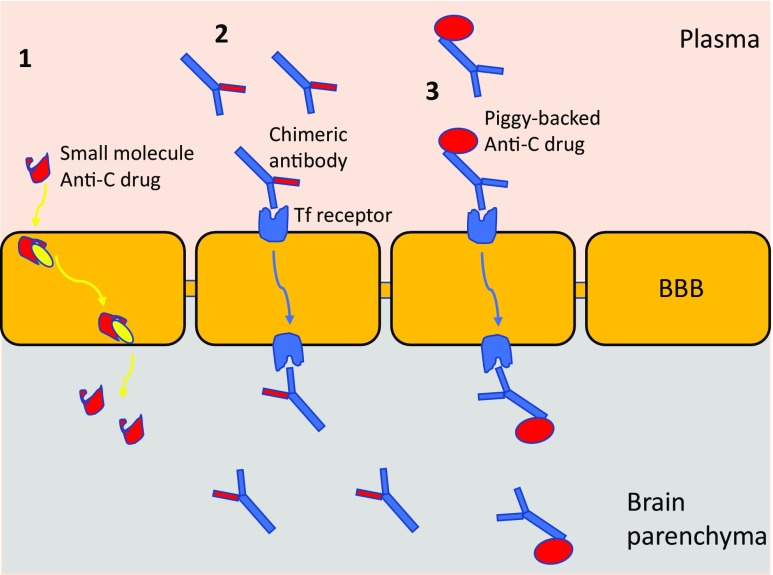
The emergence of complement as an important player in normal brain development and pathological remodelling has come as a major surprise to most scientists working in neuroscience and almost all those working in complement. That a system, evolved to protect the host against infection, should have these unanticipated roles has forced a rethink about what complement might be doing in the brain in health and disease, where it is coming from, and whether we can, or indeed should, manipulate complement in the brain to improve function or restore homeostasis. Complement has been implicated in diverse neurological and neuropsychiatric diseases well reviewed elsewhere, from depression through epilepsy to demyelination and dementia, in most complement drives inflammation to exacerbate the disease. Here, I will focus on just one disease, the most common cause of dementia, Alzheimer's disease. I will briefly review the current understanding of what complement does in the normal brain, noting, in particular, the many gaps in understanding, then describe how complement may influence the genesis and progression of pathology in Alzheimer's disease. Finally, I will discuss the problems and pitfalls of therapeutic inhibition of complement in the Alzheimer brain.
Overview
The claims and statistics of this paper haven’t been checked yet.
Run the check — free, no account needed. It reads the open-access text and checks the sources it cites.
Integrity signals
Registry
Cites
Statistics
Figures
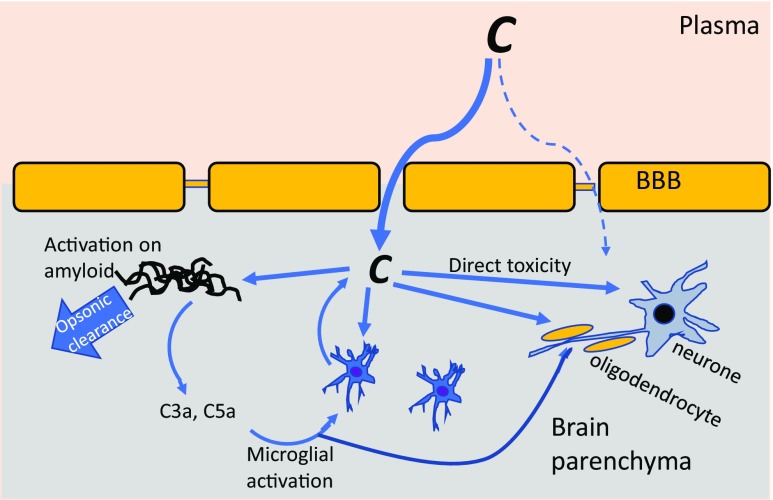
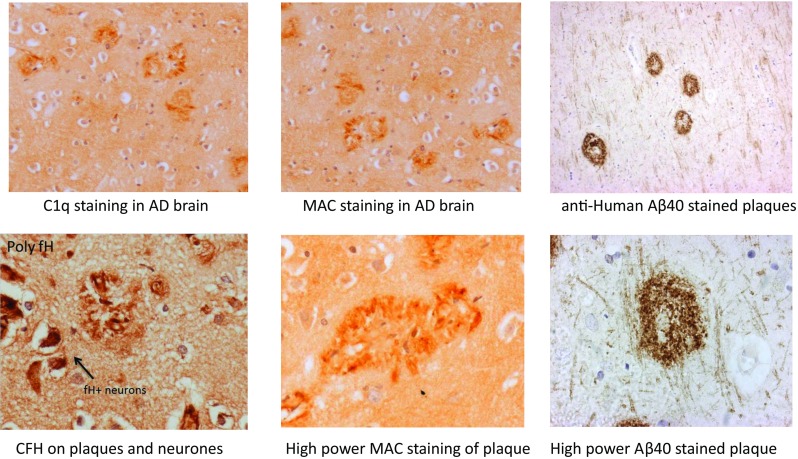
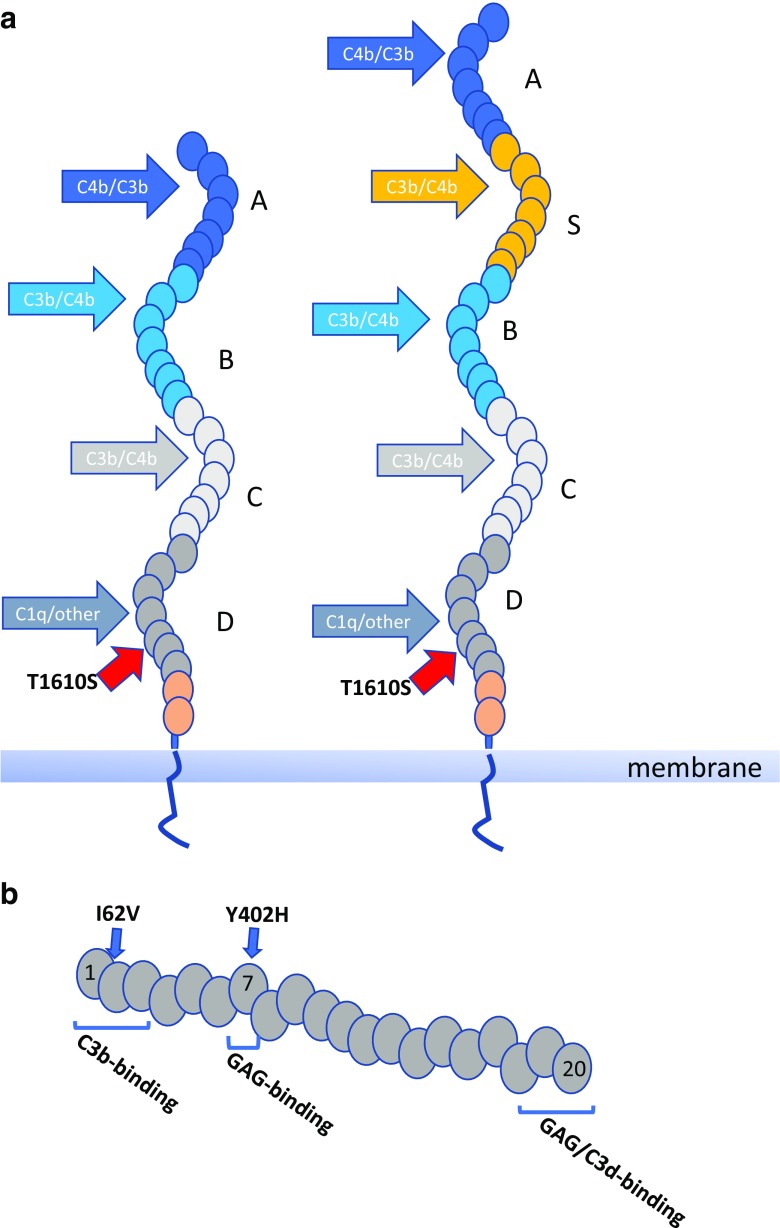
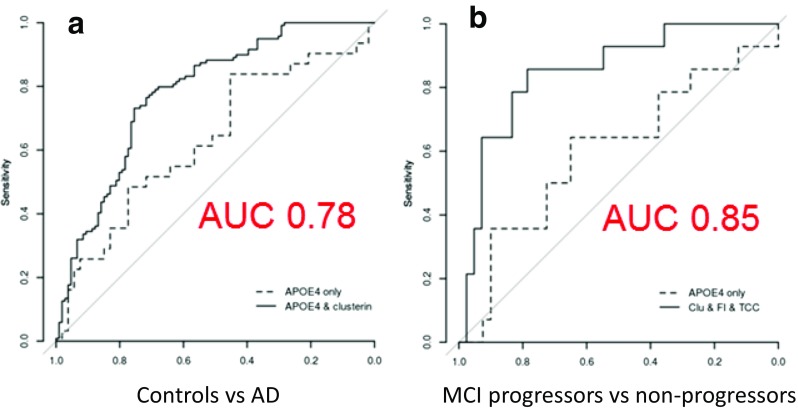
Verification
Claims the paper makes
The claims and statistics of this paper haven’t been checked yet.
Run the check — free, no account needed. It reads the open-access text and checks the sources it cites.
Claims other papers make about this one
Each is checked against this paper’s own text: does it say what the citing paper says it does?
The source backs part of the claim, not all of it — or backs it for a different population, condition or comparison.
In the citing paper
“Recently, a number of novel agents targeting the complement system are being developed and tested in clinical trials for potential effective therapy for AD [97].”
From Sex-specific DNA methylation differences in Alzheimer’s disease pathology (2021) · cites this paper as [97]
Experimental — accuracy not yet measuredThe cited source says what the claim attributes to it.
In the citing paper
“Strong evidence has implicated the complement system in the pathogenesis of Alzheimer’s disease [72–76]”
In the citing paper
“Inappropriate control of the classical complement cascade causes unresolvable inflammation and disease (Hong et al. , 2016; Hansen, Hanson and Sheng, 2018; Morgan, 2018).”
From Spatial Transcriptomics and In Situ Sequencing to Study Alzheimer’s Disease (2020) · cites this paper as Morgan, 2018
Self-check
Percentages, sums and reported differences re-computed from the paper’s own numbers.
The self-check needs the paper’s full text.
Citations
Cites
Neurotoxic reactive astrocytes are induced by activated microglia
Liddelow, S. A., Guttenplan, K. A., Clarke, L. E., Bennett, F. C., Bohlen, C. J., Schirmer, L., Bennett, M. L., Münch, A. E., Chung, W.-S., Peterson, T. C., et al. (2017) · Nature · doi:10.1038/nature21029 · Cited by 7,971
Meta-Analysis of 74,046 Individuals Identifies 11 New Susceptibility Loci for Alzheimer’s Disease
(EADI), E. A. D. I., Lambert, J.-C., (GERAD), G. A. E. R. I. A. D., Alzheimer's Disease Genetic Consortium (ADGC), (CHARGE), C. F. H. A. A. R. I. G. E., Ibrahim-Verbaas, C. A., Harold, D., Naj, A. C., Sims, R., Bellenguez, C., et al. (2013) · Nature Genetics · doi:10.1038/ng.2802 · Cited by 4,336
Complement and microglia mediate early synapse loss in Alzheimer mouse models
Hong, S., Beja-Glasser, V. F., Nfonoyim, B. M., Frouin, A., Li, S., Ramakrishnan, S., Merry, K. M., Shi, Q., Rosenthal, A., Barres, B. A., et al. (2016) · Science · doi:10.1126/science.aad8373 · Cited by 3,343 · cited 1×
“In the hAPP model, C1q labelling of synapses was seen early and in much higher amounts than in normal mice; inhibition of C1q using a blocking antibody or deficiency of either C1q or C3 reduced synaptic elimination and improved hippocampal function [59].”
BackgroundHarold, D., Abraham, R., Hollingworth, P., Sims, R., Gerrish, A., Hamshere, M. L., Pahwa, J. S., Moskvina, V., Dowzell, K., Williams, A., et al. (2009) · Nature Genetics · doi:10.1038/ng.440 · Cited by 3,326
The Classical Complement Cascade Mediates CNS Synapse Elimination
Stevens, B., Allen, N. J., Vazquez, L. E., Howell, G. R., Christopherson, K. S., Nouri, N., Micheva, K. D., Mehalow, A. K., Huberman, A. D., Stafford, B., et al. (2007) · Cell · doi:10.1016/j.cell.2007.10.036 · Cited by 3,313
Complement factor H variant increases the risk of age-related macular degeneration
Haines, J. L., Hauser, M. A., Schmidt, S., Scott, W. K., Olson, L. M., Gallins, P., Spencer, K. L., Kwan, S. Y., Noureddine, M., Gilbert, J. R., et al. (2005) · Science · doi:10.1126/science.1110359 · Cited by 2,424
Genome-wide association study identifies variants at CLU and CR1 associated with Alzheimer's disease
the European Alzheimer's Disease Initiative Investigators, Lambert, J.-C., Heath, S., Even, G., Campion, D., Sleegers, K., Hiltunen, M., Combarros, O., Zelenika, D., Bullido, M. J., et al. (2009) · Nature Genetics · doi:10.1038/ng.439 · Cited by 2,234
Blood-brain barrier breakdown in the aging human hippocampus
Montagne, A., Barnes, S. R., Sweeney, M. D., Halliday, M. R., Sagare, A. P., Zhao, Z., Toga, A. W., Jacobs, R. E., Liu, C. Y., Amezcua, L., et al. (2015) · Neuron · doi:10.1016/j.neuron.2014.12.032 · Cited by 2,102
Hageman, G. S., Anderson, D. H., Johnson, L. V., Hancox, L. S., Taiber, A. J., Hardisty, L. I., Hageman, J. L., Stockman, H. A., Borchardt, J. D., Gehrs, K. M., et al. (2005) · Proceedings of the National Academy of Sciences · doi:10.1073/pnas.0501536102 · Cited by 1,961
MCGEER, P., & MCGEER, E. (1995) · Brain Research Reviews · doi:10.1016/0165-0173(95)00011-9 · Cited by 1,287
The blood-brain barrier in systemic inflammation
Varatharaj, A., & Galea, I. (2017) · Brain, Behavior, and Immunity · doi:10.1016/j.bbi.2016.03.010 · Cited by 1,172
Ibuprofen Suppresses Plaque Pathology and Inflammation in a Mouse Model for Alzheimer's Disease
Lim, G. P., Yang, F., Chu, T., Chen, P., Beech, W. K., Teter, B., Tran, T., Ubeda, O. J., Ashe, K. H., Frautschy, S. A., et al. (2000) · Journal of Neuroscience · doi:10.1523/jneurosci.20-15-05709.2000 · Cited by 876
Microglial dysfunction in brain aging and Alzheimer's disease
Mosher, K. I., & Wyss-Coray, T. (2014) · Biochemical Pharmacology · doi:10.1016/j.bcp.2014.01.008 · Cited by 618
Jones, L., Holmans, P. A., Hamshere, M. L., Harold, D., Moskvina, V., Ivanov, D., Pocklington, A., Abraham, R., Hollingworth, P., Sims, R., et al. (2010) · PLoS ONE · doi:10.1371/journal.pone.0013950 · Cited by 606
Complement C3 deficiency protects against neurodegeneration in aged plaque-rich APP/PS1 mice
Shi, Q., Chowdhury, S., Ma, R., Le, K. X., Hong, S., Caldarone, B. J., Stevens, B., & Lemere, C. A. (2017) · Science Translational Medicine · doi:10.1126/scitranslmed.aaf6295 · Cited by 593 · cited 1×
“A recent study testing effects of C3 deficiency in the APPPS1 model emphasised the dual-edged nature of complement; C3deficient mice showed an increase in amyloid plaque load, in agreement with other studies, but were nevertheless protected against cognitive decline [58].”
ResultImmunoglobulins and complement factors in senile plaques: An immunoperoxidase study
Eikelenboom, P., & Stam, F. C. (1982) · Acta Neuropathologica · doi:10.1007/bf00685397 · Cited by 454
Prominent neurodegeneration and increased plaque formation in complement-inhibited Alzheimer's mice
Wyss-Coray, T., Yan, F., Lin, A. H.-T., Lambris, J. D., Alexander, J. J., Quigg, R. J., & Masliah, E. (2002) · Proceedings of the National Academy of Sciences · doi:10.1073/pnas.162350199 · Cited by 446
Complement, a target for therapy in inflammatory and degenerative diseases
Morgan, B. P., & Harris, C. L. (2015) · Nature Reviews Drug Discovery · doi:10.1038/nrd4657 · Cited by 443
Self-citationA Dramatic Increase of C1q Protein in the CNS during Normal Aging
Stephan, A. H., Madison, D. V., Mateos, J. M., Fraser, D. A., Lovelett, E. A., Coutellier, L., Kim, L., Tsai, H.-H., Huang, E. J., Rowitch, D. H., et al. (2013) · The Journal of Neuroscience · doi:10.1523/jneurosci.1333-13.2013 · Cited by 423
Animal Models of Alzheimer Disease
LaFerla, F. M., & Green, K. N. (2012) · Cold Spring Harbor Perspectives in Medicine · doi:10.1101/cshperspect.a006320 · Cited by 419
Anti‐inflammatory agents as a therapeutic approach to Alzheimer's disease
McGeer, P. L., & Rogers, J. (1992) · Neurology · doi:10.1212/wnl.42.2.447 · Cited by 407
Pittock, S. J., Lennon, V. A., McKeon, A. B., Mandrekar, J. N., Weinshenker, B. G., Lucchinetti, C. F., O’Toole, O., & Wingerchuk, D. M. (2013) · The Lancet Neurology · doi:10.1016/s1474-4422(13)70076-0 · Cited by 401
Blood-Brain Barrier Permeation: Molecular Parameters Governing Passive Diffusion
Fischer, H., Gottschlich, R., & Seelig, A. (1998) · The Journal of Membrane Biology · doi:10.1007/s002329900434 · Cited by 371
Complement C3-Deficient Mice Fail to Display Age-Related Hippocampal Decline
Shi, Q., Colodner, K. J., Matousek, S. B., Merry, K., Hong, S., Kenison, J. E., Frost, J. L., Le, K. X., Li, S., Dodart, J.-C., et al. (2015) · The Journal of Neuroscience · doi:10.1523/jneurosci.1698-15.2015 · Cited by 368
Enhanced synaptic connectivity and epilepsy in C1q knockout mice
Chu, Y., Jin, X., Parada, I., Pesic, A., Stevens, B., Barres, B., & Prince, D. A. (2010) · Proceedings of the National Academy of Sciences · doi:10.1073/pnas.0913449107 · Cited by 364
Extrahepatic complement biosynthesis: where, when and why?
Morgan, B. P., & Gasque, P. (1997) · Clinical & Experimental Immunology · doi:10.1046/j.1365-2249.1997.d01-890.x · Cited by 351
Self-citationAbsence of C1q Leads to Less Neuropathology in Transgenic Mouse Models of Alzheimer's Disease
Fonseca, M. I., Zhou, J., Botto, M., & Tenner, A. J. (2004) · The Journal of Neuroscience · doi:10.1523/jneurosci.0901-04.2004 · Cited by 345
Harris, J. O., Frank, J., Patronas, N., Mcfarlin, D. E., & McFarland, H. (1991) · Annals of Neurology · doi:10.1002/ana.410290515 · Cited by 334
Inflammatory mechanisms in Alzheimer's disease: implications for therapy
Aisen, P. S. S., & Davis, K. L. (1994) · American Journal of Psychiatry · doi:10.1176/ajp.151.8.1105 · Cited by 326
Maier, M., Peng, Y., Jiang, L., Seabrook, T. J., Carroll, M. C., & Lemere, C. A. (2008) · Journal of Neuroscience · doi:10.1523/jneurosci.0829-08.2008 · Cited by 323
Singhrao, S. K., Neal, J., Morgan, B. P., & Gasque, P. (1999) · Experimental Neurology · doi:10.1006/exnr.1999.7170 · Cited by 313
Self-citationBroadwell, R. D., & Sofroniew, M. V. (1993) · Experimental Neurology · doi:10.1006/exnr.1993.1059 · Cited by 310
Inflammatory responses to amyloidosis in a transgenic mouse model of Alzheimer’s disease
Matsuoka, Y., Picciano, M., Malester, B., LaFrancois, J., Zehr, C., Daeschner, J. M., Olschowka, J. A., Fonseca, M. I., O’Banion, M. K., Tenner, A. J., et al. (2001) · The American Journal of Pathology · doi:10.1016/s0002-9440(10)64085-0 · Cited by 303
Complement System in Neural Synapse Elimination in Development and Disease
Présumey, J., Bialas, A. R., & Carroll, M. C. (2017) · Advances in immunology · doi:10.1016/bs.ai.2017.06.004 · Cited by 288
Jaeger, L. B., Dohgu, S., Sultana, R., Lynch, J. L., Owen, J. B., Erickson, M. A., Shah, G. N., Price, T. O., Fleegal-Demotta, M. A., Butterfiled, D. A., et al. (2009) · Brain, Behavior, and Immunity · doi:10.1016/j.bbi.2009.01.017 · Cited by 281
Genetic mouse models of brain ageing and Alzheimer's disease
Bilkei‐Gorzó, A. (2013) · Pharmacology & Therapeutics · doi:10.1016/j.pharmthera.2013.12.009 · Cited by 253
Takeda, S., Sato, N., & Morishita, R. (2014) · Frontiers in Aging Neuroscience · doi:10.3389/fnagi.2014.00171 · Cited by 236
Najjar, S., Pahlajani, S. S., Sanctis, V. D., Stern, J. N. H., Najjar, A., & Chong, D. J. (2017) · Frontiers in Psychiatry · doi:10.3389/fpsyt.2017.00083 · Cited by 228
Plasma clusterin and the risk of Alzheimer disease
Schrijvers, E. M. C. (2011) · JAMA · doi:10.1001/jama.2011.381 · Cited by 220
Alzheimer's disease drug development and the problem of the blood‐brain barrier
Pardridge, W. M. (2009) · Alzheimer s & Dementia · doi:10.1016/j.jalz.2009.06.003 · Cited by 203
Convergent genetic and expression data implicate immunity in Alzheimer's disease
International Genomics of Alzheimer's Disease Consortium (IGAP), Jones, L., Lambert, J., Wang, L., Choi, S., Harold, D., Vedernikov, A., Escott‐Price, V., Stone, T., Richards, A., et al. (2015) · Alzheimer's & Dementia · doi:10.1016/j.jalz.2014.05.1757 · Cited by 199
Developing novel blood‐based biomarkers for Alzheimer's disease
Snyder, H. M., Carrillo, M. C., Grodstein, F., Henriksen, K., Jeromin, A., Lovestone, S., Mielke, M. M., O'Bryant, S., Sarasa, M., Sj⊘gren, M., et al. (2014) · Alzheimer's & Dementia · doi:10.1016/j.jalz.2013.10.007 · Cited by 177
Complement activation in multiple sclerosis plaques: an immunohistochemical analysis
Ingram, G., Loveless, S., Howell, O. W., Hakobyan, S., Dancey, B., Harris, C. L., Robertson, N. P., Neal, J., & Morgan, B. P. (2014) · Acta Neuropathologica Communications · doi:10.1186/2051-5960-2-53 · Cited by 177
Self-citationJohnson, S. A., Lampert-Etchells, M., Pasinetti, G. M., Rozovsky, I., & Finch, C. E. (1992) · Neurobiology of Aging · doi:10.1016/0197-4580(92)90086-d · Cited by 176
Immuno-electron-microscopic localization of complements in amyloid fibrils of senile plaques
Ishii, T., & Haga, S. (1984) · Acta Neuropathologica · doi:10.1007/bf00687336 · Cited by 172
Complement gene expression in human brain: comparison between normal and Alzheimer disease cases
Walker, D. G., & McGeer, P. L. (1992) · Molecular Brain Research · doi:10.1016/0169-328x(92)90017-6 · Cited by 167
Thambisetty, M., An, Y., Kinsey, A. M., Koka, D., Saleem, M., Güntert, A., Kraut, M. A., Ferrucci, L., Davatzikos, C. A., Lovestone, S., et al. (2011) · NeuroImage · doi:10.1016/j.neuroimage.2011.07.056 · Cited by 149
Intrarenal synthesis of complement
Zhou, W., Marsh, J. E., & Sacks, S. H. (2001) · Kidney International · doi:10.1046/j.1523-1755.2001.0590041227.x · Cited by 144
Complement is activated in progressive multiple sclerosis cortical grey matter lesions
Watkins, L. M., Neal, J., Loveless, S., Michailidou, I., Ramaglia, V., Rees, M. I., Reynolds, R., Robertson, N. P., Morgan, B. P., & Howell, O. W. (2016) · Journal of Neuroinflammation · doi:10.1186/s12974-016-0611-x · Cited by 144
Self-citationTortajada, A., Montes, T., Martínez‐Barricarte, R., Morgan, B. P., Harris, C. L., & de Córdoba, S. R. (2009) · Human Molecular Genetics · doi:10.1093/hmg/ddp289 · Cited by 139
Self-citationTakeda, S., Sato, N., Ikimura, K., Nishino, H., Rakugi, H., & Morishita, R. (2013) · Neurobiology of Aging · doi:10.1016/j.neurobiolaging.2013.02.010 · Cited by 135
Boado, R. J., Zhang, Y., Zhang, Y., Xia, C., & Pardridge, W. M. (2007) · Bioconjugate Chemistry · doi:10.1021/bc060349x · Cited by 135
Singhrao, S. K., Neal, J., Rushmere, N. K., Morgan, B. P., & Gasque, P. (2000) · American Journal Of Pathology · doi:10.1016/s0002-9440(10)64604-4 · Cited by 134
Self-citationContribution of Renal Secreted Complement C3 to the Circulating Pool in Humans
Tang, S. C. W., Zhou, W., Sheerin, N., Vaughan, R. W., & Sacks, S. H. (1999) · The Journal of Immunology · doi:10.4049/jimmunol.162.7.4336 · Cited by 133
Plasma Biomarkers of Brain Atrophy in Alzheimer's Disease
Thambisetty, M., Simmons, A., Hye, A., Campbell, J., Westman, E., Zhang, Y., Wahlund, L., Kinsey, A. M., Čaušević, M., Killick, R., et al. (2011) · PLoS ONE · doi:10.1371/journal.pone.0028527 · Cited by 125
Role of Immunity and Inflammation in the Pathophysiology of Neurodegenerative Diseases
Fakhoury, M. (2015) · Neurodegenerative Diseases · doi:10.1159/000369933 · Cited by 124
Blood–Brain Barrier Penetrating Biologic TNF-α Inhibitor for Alzheimer’s Disease
Chang, R., Knox, J., Chang, J. H., Derbedrossian, A., Vasilevko, V., Cribbs, D. H., Boado, R. J., Pardridge, W. M., & Sumbria, R. K. (2017) · Molecular Pharmaceutics · doi:10.1021/acs.molpharmaceut.7b00200 · Cited by 116
Blood–brain barrier and blood–cerebrospinal fluid barrier in normal and pathological conditions
Ueno, M., Chiba, Y., Murakami, R., Matsumoto, K., Kawauchi, M., & Fujihara, R. (2016) · Brain Tumor Pathology · doi:10.1007/s10014-016-0255-7 · Cited by 106
Yuan, X., Gavriilaki, E., Thanassi, J. A., Yang, G., Baines, A. C., Podos, S. D., Huang, Y., Huang, M., & Brodsky, R. A. (2016) · Haematologica · doi:10.3324/haematol.2016.153312 · Cited by 103
Differential expression of individual complement regulators in the brain and choroid plexus.
Singhrao, S. K., Neal, J. W., Rushmere, N. K., Morgan, B. P., & Gasque, P. (1999) · PubMed · Cited by 95
Self-citationRozovsky, I., Morgan, T. E., Willoughby, D. A., Dugich‐Djordjevic, M. M., Pasinetti, G. M., Johnson, S. A., & Finch, C. E. (1994) · Neuroscience · doi:10.1016/0306-4522(94)90473-1 · Cited by 93
Alawieh, A. M., Elvington, A., Zhu, H., Yu, J., Kindy, M. S., Atkinson, C., & Tomlinson, S. (2015) · Journal of Neuroinflammation · doi:10.1186/s12974-015-0464-8 · Cited by 89
Fonseca, M. I., Chu, S., Pierce, A. L., Brubaker, W. D., Hauhart, R. E., Mastroeni, D., Clarke, E. V., Rogers, J., Atkinson, J. P., & Tenner, A. J. (2016) · PLOS ONE · doi:10.1371/journal.pone.0149792 · Cited by 87
Drug evaluation: the C5a receptor antagonist PMX-53.
Köhl, J. (2006) · PubMed · Cited by 80
The possible role of complement activation in Alzheimer disease
McGeer, P. L., & McGeer, E. G. (2002) · Trends in Molecular Medicine · doi:10.1016/s1471-4914(02)02422-x · Cited by 80
Altered cognitive performance and synaptic function in the hippocampus of mice lacking C3
Pérez-Alcázar, M., Daborg, J., Stokowska, A., Wasling, P., Björefeldt, A., Kalm, M., Zetterberg, H., Carlström, K. E., Blomgren, K., Ekdahl, C. T., et al. (2014) · Experimental Neurology · doi:10.1016/j.expneurol.2013.12.013 · Cited by 80
Histological and Direct Evidence for the Role of Complement in the Neuroinflammation of AD
Veerhuis, R. (2011) · Current Alzheimer Research · doi:10.2174/156720511794604589 · Cited by 80
Early complement components in Alzheimer's disease brains
Veerhuis, R., Janssen, I., Hack, C. E., & Eikelenboom, P. (1995) · Acta Neuropathologica · doi:10.1007/s004019570001 · Cited by 77
Roles of the Complement System in Human Neurodegenerative Disorders
Gasque, P., Neal, J. W., Singhrao, S. K., McGreal, E. P., Dean, Y. D., van Beek, J., & Morgan, B. P. (2002) · Molecular Neurobiology · doi:10.1385/mn:25:1:001 · Cited by 77
Self-citationRole of complement and perspectives for intervention in ischemia-reperfusion damage
Banz, Y., & Rieben, R. (2011) · Annals of Medicine · doi:10.3109/07853890.2010.535556 · Cited by 75
Veerhuis, R., van der Valk, P., Janssen, I., Zhan, S., Eikelenboom, P., & Nostrand, W. E. V. (1995) · Archiv für Pathologische Anatomie und Physiologie und für Klinische Medicin · doi:10.1007/bf00192116 · Cited by 74
Clusterin Levels in Plasma Predict Cognitive Decline and Progression to Alzheimer’s Disease
Jongbloed, W., van Dijk, K. D., Mulder, S. D., van de Berg, W. D. J., Blankenstein, M. A., van der Flier, W. M., & Veerhuis, R. (2015) · Journal of Alzheimer s Disease · doi:10.3233/jad-150036 · Cited by 74
McGonigal, R., Cunningham, M. E., Yao, D., Barrie, J. A., Sankaranarayanan, S., Fewou, S. N., Furukawa, K., Yednock, T. A., & Willison, H. J. (2016) · Acta Neuropathologica Communications · doi:10.1186/s40478-016-0291-x · Cited by 74
CFH Variants Affect Structural and Functional Brain Changes and Genetic Risk of Alzheimer’s Disease
Initiative, A. D. N., Zhang, D., Li, J., Wu, H., Cui, Y. J., Bi, R., Zhou, H., Wang, H.-Z., Zhang, C., Wang, D., et al. (2015) · Neuropsychopharmacology · doi:10.1038/npp.2015.232 · Cited by 73
Zhou, Y., Hayashi, I., Wong, J., Tugusheva, K., Renger, J. J., & Zerbinatti, C. (2014) · PLoS ONE · doi:10.1371/journal.pone.0103187 · Cited by 72
Microglia in Alzheimer’s Disease
Li, Y., Tan, M., Jiang, T., & Tan, L. (2014) · BioMed Research International · doi:10.1155/2014/437483 · Cited by 69
Remodeling of dendrites and spines in the C1q knockout model of genetic epilepsy
Ma, Y., Ramachandran, A. K., Ford, N., Parada, I., & Prince, D. A. (2013) · Epilepsia · doi:10.1111/epi.12195 · Cited by 68
Tan, L., Wang, H.-F., Tan, M., Tan, C., Zhu, X., Miao, D., Yu, W.-J., Jiang, T., Tan, L., Yu, J., et al. (2016) · Scientific Reports · doi:10.1038/srep26027 · Cited by 66
Complement Biomarkers as Predictors of Disease Progression in Alzheimer’s Disease
Hakobyan, S., Harding, K. E., Aiyaz, M., Hye, A., Dobson, R., Baird, A. L., Liu, B., Harris, C. L., Lovestone, S., & Morgan, B. P. (2016) · Journal of Alzheimer s Disease · doi:10.3233/jad-160420 · Cited by 64
Self-citationComplement C1-inhibitor expression in Alzheimer's disease
Veerhuis, R., Janssen, I., Hoozemans, J. J. M., Groot, C. J. A. D., Hack, C. E., & Eikelenboom, P. (1998) · Acta Neuropathologica · doi:10.1007/s004010050896 · Cited by 63
Berg, A., Zelano, J., Stephan, A. H., Thams, S., Barres, B. A., Pekny, M., Pekna, M., & Cullheim, S. (2012) · Experimental Neurology · doi:10.1016/j.expneurol.2012.06.008 · Cited by 63
The Correlation between Inflammatory Biomarkers and Polygenic Risk Score in Alzheimer’s Disease
Morgan, A. R., Touchard, S., O’Hagan, C., Sims, R., Majounie, E., Escott‐Price, V., Jones, L., Williams, J. H., & Morgan, B. P. (2016) · Journal of Alzheimer s Disease · doi:10.3233/jad-160889 · Cited by 60
Self-citationPeripheral complement interactions with amyloid β peptide: Erythrocyte clearance mechanisms
Brubaker, W. D., Crane, A., Johansson, J. U., Yen, K., Garfinkel, K., Mastroeni, D., Asok, P., Bradt, B. M., Sabbagh, M. N., Wallace, T. L., et al. (2017) · Alzheimer s & Dementia · doi:10.1016/j.jalz.2017.03.010 · Cited by 57
Zajicek, J., Wing, M. G., Skepper, J. N., & Compston, A. (1995) · PubMed · Cited by 50
Loveless, S., Neal, J., Howell, O. W., Harding, K. E., Sarkies, P., Evans, R., Bevan, R. J., Hakobyan, S., Harris, C. L., Robertson, N. P., et al. (2017) · Brain Pathology · doi:10.1111/bpa.12546 · Cited by 48
Self-citationAltered blood–brain barrier transport in neuro-inflammatory disorders
Schenk, G. J., & de Vries, H. E. (2016) · Drug Discovery Today Technologies · doi:10.1016/j.ddtec.2016.07.002 · Cited by 44
Alzheimer's disease is associated with low density of the long CR1 isoform
Mahmoudi, R., Kisserli, A., Novella, J., Donvito, B., Dramé, M., Réveil, B., Duret, V., Jolly, D., Pham, B., & Cohen, J. H. M. (2015) · Neurobiology of Aging · doi:10.1016/j.neurobiolaging.2015.01.006 · Cited by 42
Assessing Candidate Serum Biomarkers for Alzheimer's Disease: A Longitudinal Study
Zabel, M. K., Schrag, M., Mueller, C., Zhou, W., Crofton, A. R., Petersen, F. F., Dickson, A., & Kirsch, W. M. (2012) · Journal of Alzheimer s Disease · doi:10.3233/jad-2012-112012 · Cited by 41
Rishton, G. M., LaBonte, K., Williams, A. J., Kassam, K., & Kolovanov, E. A. (2006) · PubMed · Cited by 40
Alzheimer's Disease Modeling: Ups, Downs, and Perspectives for Human Induced Pluripotent Stem Cells
Wojda, U., & Kuźnicki, J. (2013) · Journal of Alzheimer s Disease · doi:10.3233/jad-121984 · Cited by 40
Walker, D. G., Dalsing-Hernandez, J. E., & Lue, L. (2007) · Microvascular Research · doi:10.1016/j.mvr.2007.10.004 · Cited by 39
Ng, Y. C., Schifferli, J. A., & Walport, M. J. (1988) · PubMed · Cited by 38
Iqbal, K., Bolognin, S., Wang, X., Basurto‐Islas, G., Blanchard, J., & Tung, Y. C. (2013) · Journal of Alzheimer s Disease · doi:10.3233/jad-130827 · Cited by 24
Cited by
Sorted by citations
Spatial Transcriptomics and In Situ Sequencing to Study Alzheimer’s Disease
Chen, W.-T., Lu, A., Craessaerts, K., Pavie, B., Sala Frigerio, C., Corthout, N., Qian, X., Laláková, J., Kühnemund, M., Voytyuk, I., et al. (2020) · Cell · doi:10.1016/j.cell.2020.06.038 · Cited by 949
NAD+ in Brain Aging and Neurodegenerative Disorders
Lautrup, S., Sinclair, D. A., Mattson, M. P., & Fang, E. F. (2019) · Cell Metabolism · doi:10.1016/j.cmet.2019.09.001 · Cited by 790
Type I interferon response drives neuroinflammation and synapse loss in Alzheimer disease
Roy, E. R., Wang, B., Wan, Y.-W., Chiu, G., Cole, A., Yin, Z., Propson, N. E., Xu, Y., Jankowsky, J. L., Liu, Z., et al. (2020) · Journal of Clinical Investigation · doi:10.1172/jci133737 · Cited by 563
Complement in neurological disorders and emerging complement-targeted therapeutics
Dalakas, M. C., Alexopoulos, H., & Spaeth, P. J. (2020) · Nature Reviews Neurology · doi:10.1038/s41582-020-0400-0 · Cited by 365
Phagocytosis in the Brain: Homeostasis and Disease
Galloway, D. A., Phillips, A. E. M., Owen, D. R., & Moore, C. S. (2019) · Frontiers in Immunology · doi:10.3389/fimmu.2019.00790 · Cited by 319
Metadata
- Authors
- Morgan, B. P.
- Affiliations
- Cardiff University (GB)
- Corresponding author
- Morgan, B. Paul
- ORCID
- Morgan, B. Paul
- Venue
- Seminars in Immunopathology
- Published
- 2017-11-13
- Volume
- 40
- Issue
- 1
- Pages
- 113-124
- ISSN
- 1863-2297 (ISSN-L)
- 1863-2300
- PMC
- PMC5794825
- OpenAlex
- W2769984699
- Cited by
- 194
- References
- 93
- Citations by year
- 2026: 14 · 2025: 16 · 2024: 35 · 2023: 16 · 2022: 18 · 2021: 32 · 2020: 31 · 2019: 22 · 2018: 10
- FWCI
- 1.77
- Type
- journal article
- Language
- en
- Update notices
- correction (2018-09-21)
- Open access
- hybrid
- doi.org
- Locations
- Seminars in Immunopathology (publishedVersion, cc-by)
- PubMed Central (publishedVersion, cc-by)
- PubMed (publishedVersion)
- ORCA Online Research @Cardiff (Cardiff University) (acceptedVersion)
- Funders
- Cardiff University
- Topics
- Life Sciences › Immunology and Microbiology › Immunology › Complement system in diseases
- Life Sciences › Neuroscience › Cellular and Molecular Neuroscience › Alzheimer's disease research and treatments
- Life Sciences › Neuroscience › Neurology › Neuroinflammation and Neurodegeneration Mechanisms
- Keywords
- complement system, Alzheimer's disease, complement inhibition therapy, neuroinflammation, brain homeostasis, dementia pathogenesis
About these checks
Registry, retraction, Cites and statistics results are computed, not judged, with one exception: a printed reference that no index lists is read once by a model before it counts as a citation error. Claims are extracted by a model and kept only when their quote appears verbatim in the text; each cited source is then checked, with a model’s help, for whether it says what the claim relies on. Those verdicts can be wrong — read the claim’s quote and the cited source before relying on one.
Statistics and arithmetic are recomputed, not judged.
Confidence bands are shown only for fields calibrated on our annotated test set. None is calibrated yet, so no band is shown.
What counts as a claim ›How we measure confidence ›How we check this ›
Are you an author, or do you see a problem with this page? Request a review
