

Physiological mechanisms determining eccrine sweat composition
Open accessThe DOI matches its Crossref record; 363 of the 365 references it cites were found in a registry or an index; 92 of the 523 sources its claims cite were checked for support.
Abstract
Purpose: The purpose of this paper is to review the physiological mechanisms determining eccrine sweat composition to assess the utility of sweat as a proxy for blood or as a potential biomarker of human health or nutritional/physiological status. Methods: This narrative review includes the major sweat electrolytes (sodium, chloride, and potassium), other micronutrients (e.g., calcium, magnesium, iron, copper, zinc, vitamins), metabolites (e.g., glucose, lactate, ammonia, urea, bicarbonate, amino acids, ethanol), and other compounds (e.g., cytokines and cortisol). Results: Ion membrane transport mechanisms for sodium and chloride are well established, but the mechanisms of secretion and/or reabsorption for most other sweat solutes are still equivocal. Correlations between sweat and blood have not been established for most constituents, with perhaps the exception of ethanol. With respect to sweat diagnostics, it is well accepted that elevated sweat sodium and chloride is a useful screening tool for cystic fibrosis. However, sweat electrolyte concentrations are not predictive of hydration status or sweating rate. Sweat metabolite concentrations are not a reliable biomarker for exercise intensity or other physiological stressors. To date, glucose, cytokine, and cortisol research is too limited to suggest that sweat is a useful surrogate for blood. Conclusion: Final sweat composition is not only influenced by extracellular solute concentrations, but also mechanisms of secretion and/or reabsorption, sweat flow rate, byproducts of sweat gland metabolism, skin surface contamination, and sebum secretions, among other factors related to methodology. Future research that accounts for these confounding factors is needed to address the existing gaps in the literature.
Overview
CoChat Summary
TL;DR
This narrative review concludes that final eccrine sweat composition is shaped not only by extracellular solute concentrations but also by glandular secretion/reabsorption, sweat flow rate, gland metabolism, skin contamination, and sebum, so sweat is not generally a reliable proxy for blood. Elevated sweat sodium and chloride remain useful for cystic fibrosis screening, but most other sweat constituents lack established blood correlations or diagnostic utility.
Key findings
- Na+ and Cl− are the most concentrated sweat electrolytes, ranging from ~10 to ~90 mmol/L; their secretion/reabsorption mechanisms are well established, but mechanisms for most other sweat solutes remain equivocal.
- Sweat-blood correlations have not been established for most constituents, with perhaps the exception of ethanol; sweat glucose is ~100× lower than blood glucose, and glucose, cytokine, and cortisol research is too limited to support sweat as a blood surrogate.
- Sweat electrolyte concentrations are not predictive of hydration status or sweating rate, and sweat metabolite concentrations are not reliable biomarkers of exercise intensity or other physiological stressors.
- Heat acclimation can decrease sweat [Na+] and [Cl−] by up to 30–60% after 7–10 days; within a bout, as forearm sweating rate increased from ~0.25 to 0.82 mg/cm2/min, sweat [Na+] rose from 19 ± 5 to 59 ± 10 mmol/L, with Na+ reabsorption falling from 86 ± 3% to 65 ± 6%.
Methods
- Narrative review of physiological mechanisms determining eccrine sweat composition during passive and active heat stress.
- Covers major electrolytes (Na+, Cl−, K+), other micronutrients (Ca2+, Mg2+, Fe2+, Cu2+, Zn2+, vitamins), metabolites (glucose, lactate, ammonia, urea, bicarbonate, amino acids, ethanol), cytokines, and cortisol.
- Synthesizes literature on secretion/reabsorption, collection and analytical confounders, heat acclimation/diet/training effects, and sweat-versus-blood correlations, including Table 1 ranges and supplemental tables.
Limitations
- Stated: mechanisms of secretion/reabsorption for most non-Na/Cl solutes are still equivocal; few well-designed, adequately powered sweat-blood correlation studies exist; methodological confounds include skin surface contamination, collection method, storage, and analytical technique; normative data are insufficient for most constituents; no longitudinal training studies and no sweat-blood cortisol comparisons are available.
- Evident from the text: as a narrative review, it does not use a systematic search or meta-analysis, and many cited studies are old, small, or report mixed/equivocal results, with the authors repeatedly calling for more controlled research.
Model-written summary. Check it against the paper before relying on it.
Integrity signals
Registry
Cites
Statistics
Figures
Verification
Claims the paper makes
76 Valid · 13 Not valid · 213 Not checked · 79 Own results and interpretations
At least one cited source doesn’t support this claim or points to a different paper, and none confirmed it — see the verdicts below.
In the paper
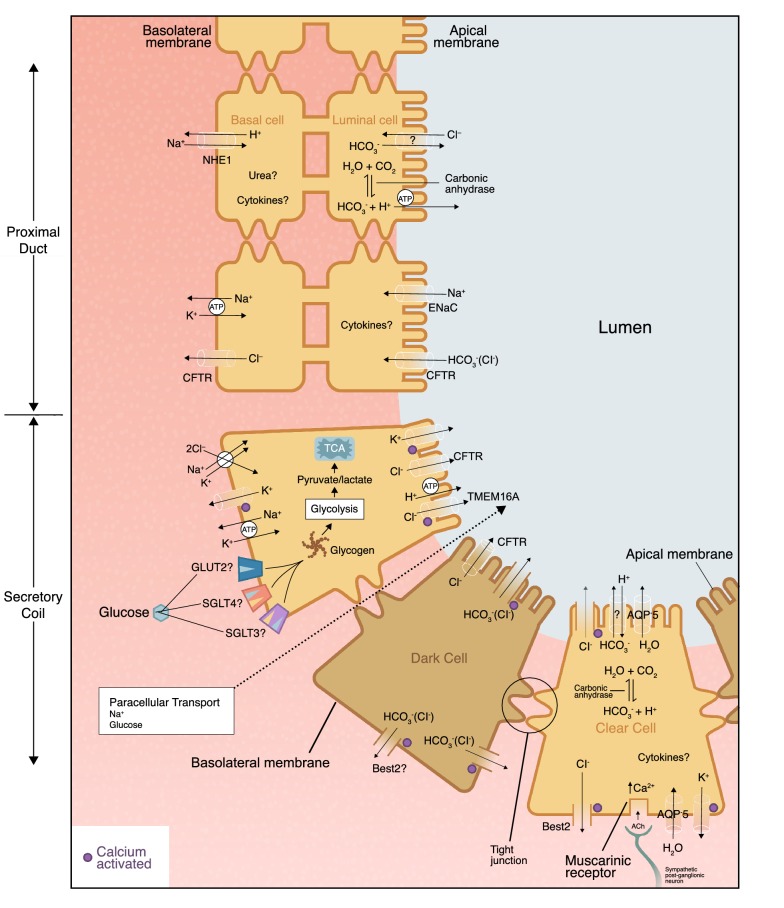
“some in vitro experiments suggest that ion channel (ENaC) activity is temperature dependent, such that higher temperature increases excitability and open probability”
§ Physiological mechanisms determining eccrine sweat composition > Mechanisms determining sweat composition > Electrolytes (sodium, chloride, and potassium)
What the sources say
- Disputedcites Chraibi and Horisberger 2002 matched to “Na Self Inhibition of Human Epithelial Na Channel” (2002) sourceExperimental — accuracy not yet measured
The Results section (‘Effect of Temperature on the Steady-State Amiloride-sensitive Current’) reports that, under control conditions, ENaC current decreased as temperature rose; it increased only after protease treatment. The Discussion (‘Effect of Temperature and Kinetics of Self Inhibition’) says high temperature favors the low-open-probability state, contrary to the claimed increase in open probability. (LLM, conf=0.90)
Checked by a reasoning model — may be wrong.
- Disputedcites Chraibi and Horisberger 2003 matched to “Dual effect of temperature on the human epithelial Na + channel” (2003) sourceExperimental — accuracy not yet measured
The Discussion (p. 5) reports that ENaC open probability increased 2.3-fold on cooling, contrary to the claim that higher temperature increases it. The paper does report greater unitary current at higher temperature, but that is distinct from open probability; it does not establish increased excitability. (LLM, conf=0.89)
Checked by a reasoning model — may be wrong.
- Not checked — no full text of the sourcecites Ruff 1999 matched to “Effects of temperature on slow and fast inactivation of rat skeletal muscle Na+channels” (1999) source
hedgedstates a cause- Asserted: passes — The authors put it forward as true.
- Checkable: passes — It can be checked against evidence.
- Load-bearing: unclear — It is unclear whether the paper’s conclusions depend on it.
- Based: passes — The paper gives a reason why it holds.
- Disputed
At least one cited source doesn’t support this claim or points to a different paper, and none confirmed it — see the verdicts below.
In the paper
“There is no experimental evidence that alcohol ingestion leads to an increase in sweating rate (Baker 2019).”
§ Physiological mechanisms determining eccrine sweat composition > Mechanisms determining sweat composition > Metabolites
What the sources say
- Disputedcites Baker 2019 matched to “Physiology of sweat gland function: The roles of sweating and sweat composition in human health” (2019) sourceExperimental — accuracy not yet measured
In “Excretion of ethanol,” Baker reports that one laboratory study found a higher chest sweating rate 10–30 minutes after alcohol ingestion than after water. The increase was small and transient, and other studies found no difference, but the reported experiment contradicts the claim that there is no experimental evidence of an increase. (LLM, conf=0.88)
Checked by a reasoning model — may be wrong.
plain- Asserted: passes — The authors put it forward as true.
- Checkable: passes — It can be checked against evidence.
- Load-bearing: unclear — It is unclear whether the paper’s conclusions depend on it.
- Based: passes — The paper gives a reason why it holds.
- Disputed
The sources with a verdict support this claim; the rest weren’t checked yet, have no full text we could read, or their verdicts aren’t rated yet.
In the paper
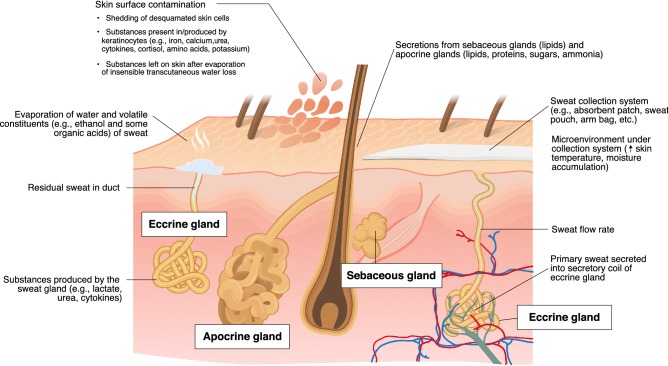
“Since extracellular fluid is the precursor to primary sweat in the secretory coil of eccrine sweat glands (Cage and Dobson 1965; Sato 1977)”
§ Physiological mechanisms determining eccrine sweat composition > Introduction
What the sources say
- Supportedcites Cage and Dobson 1965 matched to “Sodium Secretion and Reabsorption in the Human Eccrine Sweat Gland*” (1965) source
The Discussion states that the precursor of the secretory fluid must be interstitial fluid or blood plasma, both extracellular fluids. The paper also describes the secretory fluid as being produced in the secretory coil. (LLM, conf=0.93)
- Not checked — no full text of the sourcecites Sato 1977 matched to “The physiology, pharmacology, and biochemistry of the eccrine sweat gland” (1977) source
plainstates a cause- Asserted: passes — The authors put it forward as true.
- Checkable: passes — It can be checked against evidence.
- Load-bearing: passes — The paper’s conclusions depend on it.
- Based: passes — The paper gives a reason why it holds.
- Supported
The sources with a verdict support this claim; the rest weren’t checked yet, have no full text we could read, or their verdicts aren’t rated yet.
In the paper
“its application has been limited to date (Brothers et al. 2019; Gao et al. 2018; Heikenfeld et al. 2018).”
§ Physiological mechanisms determining eccrine sweat composition > Introduction
What the sources say
- Not checked — no full text of the sourcecites Brothers et al. 2019 matched to “Achievements and Challenges for Real-Time Sensing of Analytes in Sweat within Wearable Platforms” (2019) source
- Supportedcites Gao et al. 2018 matched to “Wearable physiological systems and technologies for metabolic monitoring” (2018) source
The ‘Effects of environment on measuring sweat’ section says wearable sweat-monitoring devices existed as research prototypes but were not yet commercially available. It also describes practical barriers to their use, supporting the claim that application had been limited to date. No page number is provided in our copy. (LLM, conf=0.90)
- Supportedcites Heikenfeld et al. 2018 matched to “Wearable sensors: modalities, challenges, and prospects” (2018) source
The Wearable Chemical Sensors section reports demonstrations of non-invasive, real-time sweat monitoring but says that no commercial wearable products for sweat-based chemical detection yet exist. Its discussion of unresolved sampling and validation challenges supports the claim that practical application remained limited; the passage has no page number in our copy. (LLM, conf=0.87)
plain- Asserted: passes — The authors put it forward as true.
- Checkable: passes — It can be checked against evidence.
- Load-bearing: unclear — It is unclear whether the paper’s conclusions depend on it.
- Based: passes — The paper gives a reason why it holds.
The cited sources support only part of this claim — read each source’s verdict below.
In the paper
“Whole body sweating rate can be > 3.0 L/h (Armstrong et al. 1986; Barnes et al. 2019; Bergeron 2003; Godek et al. 2005, 2010; Palmer and Spriet 2008).”
§ Physiological mechanisms determining eccrine sweat composition > Eccrine sweat glands and thermoregulatory sweating
What the sources say
- Not checked — no full text of the sourcecites Armstrong et al. 1986 matched to “Preparing Alberto Salazar for the Heat of the 1984 Olympic Marathon” (1986) source
- Partly supportedcites Barnes et al. 2019 matched to “Normative data for sweating rate, sweat sodium concentration, and sweat sodium loss in athletes: An update and analysis by sport” (2019) sourceExperimental — accuracy not yet measured
Our copy of Barnes et al. (2019) repeatedly documents whole-body sweating rate (WBSR) in athletes and 'considerable overall inter-individual variation in sweating' (Conclusion; Discussion, p. n/a), with the highest sport means in American football (1.51 ± 0.70 L/h) and endurance (1.28 ± 0.57 L/h) (ABSTRACT; Table 3). However, no passage states that WBSR can exceed 3.0 L/h; the only explicit high-rate threshold given is that 'three of the 24 endurance athletes tested outdoors had sweating rates over 2.0 L/h' (Results, descriptive statistics), and the '>3–4' figure in the Introduction refers to grams of Na+ loss, not sweating rate. The range/maximum values that could carry the >3.0 L/h magnitude sit in Tables 2–3, which are not rendered in our copy (placeholder rows only). So the source supports high and highly variable WBSR in athletes but not the specific >3.0 L/h magnitude attributed to it. (LLM, conf=0.68)
- Not checked — no full text of the sourcecites Bergeron 2003 matched to “Heat cramps: fluid and electrolyte challenges during tennis in the heat” (2003) source
plain- Asserted: passes — The authors put it forward as true.
- Checkable: passes — It can be checked against evidence.
- Load-bearing: unclear — It is unclear whether the paper’s conclusions depend on it.
- Based: passes — The paper gives a reason why it holds.
257 more claims · 59 with their cited sources checked
Create a free account to see all 381 claims and to verify the 11 references still open.
- Probably not a substantial claim. 40
- It may state two separate claims as one. 90
Self-check
Percentages, sums and reported differences re-computed from the paper’s own numbers.
Each contradiction between two passages listed here was confirmed by an independent check.
Rated minor: it would not touch a result — a value no result rests on, a p-value that stays on the same side of the significance level, or a conflict that is clerical, resolved elsewhere in the paper, or outside its own findings.
In the paper
§ Physiological mechanisms determining eccrine sweat composition > Overview of sweat composition
“| Amino Acids | R–CH(NH2) –COOH | ≤ 13 × 10–3 each | ≤ 6.5 × 10⁻³ each | 75–204 each | Polar and nonpolar | Leaching of natural moisturizing factors from the skin | NA |”
§ Physiological mechanisms determining eccrine sweat composition > Effects of heat acclimation, diet, and physical training on sweat composition > Metabolites
“total amino acid concentrations in sweat were significantly lower in trained (physically active for an average of 9 h per week) than untrained (average of 1 h of sports per week) men during 15 min of cycling at 150 W while covered with a plastic blanket (12,797 vs. 24,855 µmol/L, respectively).”
Citations
Cites
Fully integrated wearable sensor arrays for multiplexed in situ perspiration analysis
Gao, W., Emaminejad, S., Nyein, H. Y. Y., Challa, S., Chen, K., Peck, A., Fahad, H. M., Ota, H., Shiraki, H., Kiriya, D., et al. (2016) · Nature · doi:10.1038/nature16521 · Cited by 5,087
American College of Sports Medicine position stand
Otis, C. L. (1997) · Medical Entomology and Zoology · Cited by 4,407
Webb, A. K. (2006) · Cited by 4,369
Cytokines, Inflammation, and Pain
Zhang, J.-M., & An, J. (2007) · International Anesthesiology Clinics · doi:10.1097/aia.0b013e318034194e · Cited by 2,945
USSING, H. H., & ZERAHN, K. (1951) · Acta Physiologica Scandinavica · doi:10.1111/j.1748-1716.1951.tb00800.x · Cited by 2,406
Adaptations of skeletal muscle to endurance exercise and their metabolic consequences
Holloszy, J. O., & Coyle, E. F. (1984) · Journal of Applied Physiology · doi:10.1152/jappl.1984.56.4.831 · Cited by 1,985
ACSM Position Stand: Exercise and Fluid Replacement
Convertino, V. A., Armstrong, L. E., Coyle, E. F., Mack, G. W., Sawka, M. N., Senay, L. C., & Sherman, W. M. (1996) · Medicine & Science in Sports & Exercise · doi:10.1097/00005768-199610000-00045 · Cited by 1,965
Salivary Cortisol in Psychobiological Research: An Overview
Kirschbaum, C., & Hellhammer, D. H. (2008) · Neuropsychobiology · doi:10.1159/000118611 · Cited by 1,532
Exercise and Fluid Replacement
(2007) · Medicine & Science in Sports & Exercise · doi:10.1249/mss.0b013e31802ca597 · Cited by 1,497
Gibson, L. E., & Cooke, R. E. (1959) · Pediatrics · doi:10.1542/peds.23.3.545 · Cited by 1,434 · cited 2×
“, pilocarpine or methacholine) transdermally to stimulate the muscarinic receptors on the sweat glands (Gibson and Cooke 1959; Webster 1983).”
Background
Research works printed but not linked: 9
- Brunner H Über Glykogen in der gesunden und kranken Haut Verh Dtsch derm Gesellschaft 1906 9 521 535
- Embden R Tachau H Uber das Vorkommen von Serin im menschlichen Schweisse Biochem Ztschr 1910 28 230
- Kirschbaum C Hellhammer DH Fink G Salivary cortisol Encyclopedia of stress 2000 2 New York Academic 405 409
- Kuno Y Human perspiration 1956 Springfield Charles C. Thomas Publisher
- Kutchai HC Berne RM Levy MN Cellular membranes and transmembrane transport of solute and water Physiology 1998 St. Louis Mosby Press 3 20
- Ladell WSS Shephard RJ Aldosterone inhibition and acclimatization to heat Proc Physiol Soc 1961 3–4 19P 20P
- Sato K Gisolfi CV Nadel ER The mechanism of eccrine sweat secretion Exercise, heat, and thermoregulation Perspectives in exercise science and sports medicine 1993 Dubuque Brown & Benchmark 85 117
- Wescor Sweat Chek™ sweat conductivity analyzer model 3120 instruction/service manual 2005 USA Wescor Inc
- Yuyama H On the histological examination of distribution of glycogen in the skin of leprosy with special reference to the relationship between the function of sweat glands and the changes of glycogen content J Derm Urol 1935 37 811 832
Cited by
Items 201–300 of 348
MXene-based sweat sensor integrated with Janus fabric for glucose and lactate detection
Yao, H., Li, S., Yang, C., Liao, C., Li, Y., Guo, Z., Wang, G., & Liu, Y. (2026) · Colloids and Surfaces A Physicochemical and Engineering Aspects · doi:10.1016/j.colsurfa.2026.139638 · Cited by 5
Lim, J.-C., Gopinath, S. C. B., Tan, S.-M., Chow, E. M. Y., & Chen, Y. (2024) · Journal of the Taiwan Institute of Chemical Engineers · doi:10.1016/j.jtice.2024.105919 · Cited by 6
Biomarkers in wearables, ingestible, and implantable sensors for health monitoring
Ghosh, G., & Sharma, R. (2025) · Progress in molecular biology and translational science · doi:10.1016/bs.pmbts.2025.05.015 · Cited by 5
Wenceslau, R., Cabral, J., Souza, G. D. S., Silva, F. L. R., Senesi, N., Pereira‐Filho, E. R., Cena, C., Ribeiro, M. C., & Marangoni, B. S. (2025) · Talanta · doi:10.1016/j.talanta.2025.128483 · Cited by 5
Yin, X., Adelaars, S., Peri, E., Pelssers, E., den Toonder, J. M. J., Bouwman, R. A., van de Kerkhof, D., & Mischi, M. (2025) · Sensors · doi:10.3390/s25154551 · Cited by 6
“Sweat, as a non-invasive body fluid, holds potential as an alternative to traditional invasive blood sampling for prolonged cortisol measurement [12].”
Forensic and Security Applications of Substance Detection Canines
Prada‐Tiedemann, P. A., DeGreeff, L. E., & Schultz, C. (2023) · Springer eBooks · doi:10.1007/978-3-031-39370-9_11 · Cited by 5
Evaluation of Scalp Hydration and pH Values in Hijab-Wearing and Non-Hijab-Wearing Women
Hidayah, R., Widjaya, M. R. H., Gunawan, H., Sutedja, E., Dwiyana, R. F., & Sutedja, E. K. (2023) · International Journal of Women s Health · doi:10.2147/ijwh.s431755 · Cited by 7
Friction Dynamics of Human Skin Treated using Polymer Aqueous Solutions
Kikuchi, R., Sakata, Y., & Nonomura, Y. (2024) · Journal of Oleo Science · doi:10.5650/jos.ess24036 · Cited by 4
Purely electrical detection of electrolyte concentration through microfluidic impedance spectroscopy
Wade, T., Malik, S., Ives, L., Ćatić, N., & Kar‐Narayan, S. (2024) · Cell Reports Physical Science · doi:10.1016/j.xcrp.2024.102133 · Cited by 7
Shinde, S., Patil, O. A., Park, S. Y., Choi, S., Pawar, O. Y., Joe, D. J., Lim, S., & Lee, H. E. (2025) · Microchemical Journal · doi:10.1016/j.microc.2025.114309 · Cited by 6
Rasmussen, V. F., Schmeichel, A. M., Thrysøe, M., Nyengaard, J. R., Christensen, A.-M. R., Vestergaard, E. T., Kristensen, K., Terkelsen, A. J., Karlsson, P., & Singer, W. (2023) · Clinical Autonomic Research · doi:10.1007/s10286-023-00973-7 · Cited by 6
Viola, F. A., Hatami, D., Mariani, F., Gualandi, I., Terranova, F., Scavetta, E., Bonfiglio, A., & Spanu, A. (2025) · Sensors and Actuators Reports · doi:10.1016/j.snr.2025.100340 · Cited by 4
Nederhoff, R., Steijlen, A. S. M., Parrilla, M., Bastemeijer, J., Bossche, A., & Wael, K. D. (2026) · Talanta · doi:10.1016/j.talanta.2026.129401 · Cited by 3
From lab to field: progress and prospect of sweat sensing technology in sports monitoring
Gao, N., Deng, X., Lei, Y., Jiang, P., & Wu, Y. (2026) · Microchimica Acta · doi:10.1007/s00604-026-07835-9 · Cited by 3
Wearable Sensors for Detecting Biomarkers in Sweat: A Systematic Review
Du, Z., Li, J., Ding, Y., Su, Z., Li, J., Feng, Y., Ren, H., Yang, H., Fang, X., Zheng, J., et al. (2026) · ChemistryEurope · doi:10.1002/ceur.202500393 · Cited by 4
Wearable paper-based potentiometric sensor for real-time detection of chloride ions in sweat
Fiore, L., Leotta, G., di Carmine, M., Antinucci, A., Lista, F. R., & Arduini, F. (2026) · Electrochimica Acta · doi:10.1016/j.electacta.2026.148692 · Cited by 6
Real-time on-body sweat sensing: Electrochemical insights, progress, and prospects
Saikrithika, S., Zahra, L., Theyagarajan, K., & Kim, Y.-J. (2026) · TrAC Trends in Analytical Chemistry · doi:10.1016/j.trac.2026.118882 · Cited by 8
Bakar, N. H. A., Chiu, H., & Urban, P. L. (2023) · Analytical Chemistry · doi:10.1021/acs.analchem.3c04483 · Cited by 4
Merritt, J. R., Ozga, M., Chavez, P. J. D. D., Boolani, A., & Baker, L. B. (2024) · Scientific Reports · doi:10.1038/s41598-024-63057-0 · Cited by 3
Self-citationvan Marwick, B., Kümmel, T., Wühler, F., Lauer, F., Hoffmann, J., & Rädle, M. (2024) · The Analyst · doi:10.1039/d4an00367e · Cited by 5
Temperature-dependent microfluidic impedance spectroscopy for non-invasive biofluid characterization
Wade, T., & Kar‐Narayan, S. (2025) · Biomicrofluidics · doi:10.1063/5.0255847 · Cited by 5
Marasco, E., Ricanek, K., & Le, H. (2023) · Digital · doi:10.3390/digital3020010 · Cited by 4
“Less attention has been given to the substances (e.g., sebum, sweat) left behind with the impression of a fingerprint [19].”
BackgroundMicroneedle-based electrochemical sensors for health monitoring
Parrilla, M. (2024) · Elsevier eBooks · doi:10.1016/b978-0-443-13881-2.00020-5 · Cited by 3
Ruiz-Guerrero, C. D., Estrada-Osorio, D. V., Gutiérrez, A., et al. (2025) · Chemosensors · doi:10.3390/chemosensors13030114 · Cited by 3
Yan, H., Zhang, T., Pan, D., Cao, Y., & Bai, K. (2025) · Alexandria Engineering Journal · doi:10.1016/j.aej.2025.05.081 · Cited by 4
Polydatin ameliorates hyperhidrosis by targeting Aqp5 in a mouse model
Chen, J.-F., Feng, Z., Yu, F.-Q., et al. (2025) · Frontiers in Pharmacology · doi:10.3389/fphar.2025.1589143 · Cited by 2
Liu, Y., Jin, Y., Yuan, D., Shen, H., Lu, Y., Chen, G., Xue, L., Zhang, T., Shi, Z., Zhang, J., et al. (2025) · Chemical Engineering Journal · doi:10.1016/j.cej.2025.167915 · Cited by 5
Yang, M., Wang, C., Lai, X., Cai, J. H., & Zhou, W. (2025) · Measurement Science and Technology · doi:10.1088/1361-6501/ae0e89 · Cited by 2
“While this approach provided a basic means of quantification, it was limited to determining the average sweating rate over a predefined period and could not offer real-time monitoring capabilities [17].”
Baharlouei, Z., Karimzadeh, F., Sanati, A., & Salahandish, R. (2025) · Talanta · doi:10.1016/j.talanta.2025.129269 · Cited by 2
Mo, Q., Huang, Z., Luo, Z., Lin, F., Li, B., Xu, H., Sun, Y., Song, J., Weng, X., Liu, L., et al. (2026) · Sensors and Actuators B Chemical · doi:10.1016/j.snb.2026.139446 · Cited by 3
Jalali, P., & Sanati‐Nezhad, A. (2026) · Lab on a Chip · doi:10.1039/d5lc01172h · Cited by 5
Li, P., Piercey, E. K., Ganguly, S., Harris, K. D., Jemere, A. B., & Tang, X. S. (2026) · Talanta · doi:10.1016/j.talanta.2026.129911 · Cited by 4
Sun, M., Wang, A., Bo, X., Ma, C.-B., Wang, J., Bai, J., & Zhou, M. (2026) · Biosensors and Bioelectronics · doi:10.1016/j.bios.2026.118740 · Cited by 3
Development of wrist‐watch type biosensing system for real‐time sweat lactate monitoring
Konno, S., & Kudo, H. (2023) · Electronics and Communications in Japan · doi:10.1002/ecj.12408 · Cited by 3
Weight loss treatment for COVID-19 in patients with NCDs: a pilot prospective clinical trial
Oshakbayev, K., Durmanova, A., Zhankalova, Z. M., Idrisov, A., Bedelbayeva, G., Gazaliyeva, M., Nabiyev, A., Tordai, A., & Dukenbayeva, B. A. (2024) · Scientific Reports · doi:10.1038/s41598-024-61703-1 · Cited by 3
“Sodium and chloride are the main transporters of many substrates (nutrients, catabolites) in the body 90,91 .”
BackgroundMolecular Dynamics Model for Developing Wearable Biosensors
Deshpande, P., Kumar, D., Badhe, Y. P., & Rai, B. (2024) · Annual International Conference of the IEEE Engineering in Medicine and Biology Society (EMBC) · doi:10.1109/embc53108.2024.10782196 · Cited by 2
“Further, the candidate bioreceptor was placed on minimized Au (100) surface and subsequently placed in a cubic box of size 5 nm and filled the vacant spaces of cubic box with 50 mM NaCl mimicking sweat solution [2], [9] using PACKMOL software [10].”
Kumar, L., Rana, R., Aggarwal, V., Kukreti, G., Bhardwaj, V., Jyothiraditya, V., & Vij, M. (2025) · Journal of Macromolecular Science Part A · doi:10.1080/10601325.2025.2473556 · Cited by 2
“[35] Temperature-regulating variables including exercise and high external temperature, as well as emotional stress via the sympathetic nervous system, cause this gland to secrete a dilute salt solution (pH 5.0).”
InfluentialChlíbková, D., Filipenská, M., Knechtle, B., Rauter, S., Trnka, M., Weiss, K., & Rosemann, T. J. (2025) · Scientific Reports · doi:10.1038/s41598-025-90987-0 · Cited by 3
“Baker et al. 59 , in their recent review on the physiological mechanisms influencing sweat composition, stated that there are no correlations between blood and sweat variables, and that sweat electrolyte concentrations do not reliably predict hydration status, sweat rate, or other physiological…”
Okawara, H., Sawada, T., Nakashima, D., Maeda, Y., Minoji, S., Morisue, T., Katsumata, Y., Matsumoto, M., Nakamura, M., & Nagura, T. (2022) · Sensors · doi:10.3390/s22155473 · Cited by 4
“Sweat lactate is a byproduct of sweat gland metabolism associated with secretory sweat [7,8], and increased SR leads to the dilution of ammonia in sweat [12].”
BackgroundEckl, D. B., Landgraf, N., Hoffmann, A. K., Eichner, A., Huber, H., & Bäumler, W. (2022) · Photochemistry and Photobiology · doi:10.1111/php.13701 · Cited by 3
“also other substances like sodium and chloride ions (115).”
BackgroundMultimodal Sweat Ion and Sweat Rate Sensing with Inkjet-printed Flexible Bracelet and Paperfluidics
Tonello, S., Golparvar, A. J., Meimandi, A., & Carrara, S. (2023) · IEEE International Symposium on Medical Measurements and Applications (MeMeA) · doi:10.1109/memea57477.2023.10171913 · Cited by 3
“sweat concentration typically reported varying between 2 to 8 mM [18].”
BackgroundMolecular and Functional Basis of High-Salt Avoidance in a Blood-Sucking InsectPreprint
Pontes, G. B., Latorre-Estivalis, J. M., Gutiérrez, M. L., et al. (2022) · SSRN Electronic Journal · doi:10.2139/ssrn.4017901 · Cited by 2
Lowering blood pressure by exercise: investigating the effect of sweating
Hoseini, R., & Hamid, R. R. (2024) · Blood Pressure Monitoring · doi:10.1097/mbp.0000000000000691 · Cited by 3
“The exact cellular and molecular mechanisms underlying these effects are not well understood, but there is some evidence to suggest that sweat production may play a role [64].”
BackgroundApplications for biofuel cells
Rao, X., Zhao, P., Yu, Y., & Dong, S. (2024) · Elsevier eBooks · doi:10.1016/b978-0-443-13835-5.00004-8 · Cited by 1
Measurement of Sweat Gland Activity by Sweat Sensing and Deep Learning
Haakma, J. R., Esselaar, E., Peri, E., Turco, S., & Mischi, M. (2024) · IEEE International Symposium on Medical Measurements and Applications (MeMeA) · doi:10.1109/memea60663.2024.10596840 · Cited by 1
Sweat volume quantification in paediatric population
Hadj-Rabia, S., Nguyen‐Khoa, T., & Mashiah, J. (2024) · Journal of the European Academy of Dermatology and Venereology · doi:10.1111/jdv.20255 · Cited by 1
Adequacy of usual intake of Japanese college athletes in various sports clubs
Kakutani, Y., Ono, M., Sasahara, I., & Omi, N. (2024) · Nutrition and Health · doi:10.1177/02601060241273553 · Cited by 3
“Calcium and iron requirements, for example, may increase as a result of increased loss caused by heavy sweating and increased sweat concentration associated with physical activity (Baker and Wolfe, 2020).”
Ma, Z. (2024) · Journal of Analytical Science & Technology · doi:10.1186/s40543-024-00471-z · Cited by 1
“Similarly, potassium monitoring is essential as it is critical for muscle contraction, heart function, and cellular homeostasis (Baker and Wolfe 2020; Murphy et al. 2019).”
Jikah, A. N., Edo, G. I., Makia, R. S., Yousif, E. A., Akpoghelie, P. O., Gaaz, T. S., Opiti, R. A., Owheruo, J. O., Ahmed, D. S., Isoje, E. F., et al. (2025) · The Microbe · doi:10.1016/j.microb.2025.100393 · Cited by 2
Wang, X., Ma, Y., Zeng, M., & Niu, P. (2025) · IEEE Transactions on Biomedical Engineering · doi:10.1109/tbme.2025.3600238 · Cited by 3
“Eccrineglands,whicharewidelydistributedacross thehumanbody[15],aretheprimarytargetforsweat-based sensing [16], [17].”
Huang, K., & Liu, K. (2025) · Journal of Computing in Civil Engineering · doi:10.1061/jccee5.cpeng-6781 · Cited by 1
Dielectric-response enabled continuous multi-analyte monitoring in sweat with high specificity
Wang, J., Liu, C., Sun, A., Ju, F., Du, X., Ding, Y., Wang, J., & Wang, L. (2025) · Microchemical Journal · doi:10.1016/j.microc.2025.115478 · Cited by 1
A General Synthesis Strategy for Alkali Metal Halide Nanosalts.
Du, P., Lei, P.-P., Zheng, J., Liu, S., Dong, J., An, R., & Zhang, H.-J. (2025) · Journal of the American Chemical Society · doi:10.1021/jacs.5c11103 · Cited by 1
A Liquid Crystal Integrated Skin pH Sensing Patch Enabled by Optical Coherence Tomography
Xu, Z., Fang, G., Nie, N., Chen, X., Lin, K., & Chen, Y. (2025) · Advanced Materials Technologies · doi:10.1002/admt.202501574 · Cited by 1
Hosen, M. S., Uddin, M. E., Mim, S., Noyon, M. A. R., Ahmed, H., Yeasmin, M. F., Paul, S., & Layek, R. K. (2025) · Bioresource Technology Reports · doi:10.1016/j.biteb.2025.102422 · Cited by 1
Stras, A., Mannaert, S., Canfyn, M., Weytjens, T., Deconinck, E., Desmedt, B., & Vanhaecke, T. (2025) · Contact Dermatitis · doi:10.1111/cod.70061 · Cited by 2
“The salt concentrations reflect those typically found in eccrine sweat [25, 26].”
Innovations in Non-Invasive Biomarker Discovery: Unraveling the Molecular Landscapes of Human Skin
Addissouky, T. A. (2025) · Biomedical Materials & Devices · doi:10.1007/s44174-025-00596-8 · Cited by 2
Wen, H., Dong, K., Huang, F., Gao, Z., An, Z., Sun, R., Li, X., Ye, Q., & Liu, Q. (2026) · Lab on a Chip · doi:10.1039/d5lc00755k · Cited by 2
Huang, T., Li, L., Liang, J., Zhu, Z., Yang, Z., & Xi, Y. (2026) · Analytical Methods · doi:10.1039/d5ay01980j · Cited by 1
A Method for Assessing Week-Long Cortisol Output Using a Continuously Worn Sweat Patch
Meyer, J. S., Blain, J. P., & Kalmakis, K. A. (2026) · Methods and Protocols · doi:10.3390/mps9010013 · Cited by 5
“Other sweat metabolites such as lactate or urea could be considered as alternatives to Na + , but the available evidence suggests that these compounds are no better choices as proxies for sweating rate [44].”
Zhang, Y., Zhong, B., Yuan, Y., Xu, K., Yu, Y., Lou, Z., & Wang, L. (2026) · Advanced Materials Technologies · doi:10.1002/admt.202502662 · Cited by 3
Sweat components as a promising monitoring tool for systemic diseases
Shi, C., Chen, Z., Zhang, L., Zhang, X., Liang, X., Yan, L., Hao, X., Dong, G., Lu, C., & Huang, L. (2026) · The Journal of Physiological Sciences · doi:10.1016/j.jphyss.2026.100068 · Cited by 2
“The secretions of apocrine glands are rich in lipids, whereas eccrine glands contain a wide variety of trace nutrients [15,16,20].”
La, M., Le, J., Yin, C., et al. (2026) · Chemical Engineering Journal · doi:10.1016/j.cej.2026.175640 · Cited by 1
Chen, M., Wei, J., Hu, Q., Zhao, J., Wang, S., Yao, S., Tang, C., Yan, M., Wang, Z., Zheng, L., et al. (2026) · Nano Energy · doi:10.1016/j.nanoen.2026.111993 · Cited by 2
Ferrari, A., Ratel, S., Berthoin, S., Garnier, J.-P., & Baquet, G. (2026) · Frontiers in Physiology · doi:10.3389/fphys.2026.1809119 · Cited by 1
Umapathi, K. (2026) · Analytical Methods · doi:10.1039/d6ay00459h · Cited by 2
Retzinger, A. C. (2026) · Frontiers in Microbiology · doi:10.3389/fmicb.2026.1714798 · Cited by 1
Advances in Wearable Biosensors for Non-Invasive Biofluid Monitoring
Mondal, R., & Saikia, M. J. (2026) · Biosensors · doi:10.3390/bios16060336 · Cited by 4
“Similarly, Souza et al. compared pilocarpine-induced, exercise-induced, and passively collected sweat using metabolomic analysis and showed that collection method can affect sweat metabolite profiles and repeatability [87].”
Tonello, S., Hosseinzadeh, B., Lopomo, N. F., & Sardini, E. (2026) · IEEE Transactions on Instrumentation and Measurement · doi:10.1109/tim.2026.3709497 · Cited by 1
“While sweating is essential for thermal balance, high sweat rates over long periods can cause critical losses of electrolytes [12].”
Ким, В. Н., Prosekin, G. A., Федосов, Ю. Н., Владимировна, Л. Е., & Парастаев, С. А. (2020) · Sports medicine research and practice · doi:10.47529/2223-2524.2020.3.5 · Cited by 2
A knittable and flexible fiber-based hydrovoltaic nanogenerator
Feng, S., Li, L.-H., Liu, M., et al. (2021) · Scientia Sinica Technologica · doi:10.1360/sst-2021-0156 · Cited by 1
La sueur comme indicateur de la santé
Saubade, M., Norrenberg, S., Besson, C., Demuru, S., Briand, D., Paul, B., Grémeaux, V., & Lafaye, C. (2021) · JMIG · doi:10.53738/revmed.2021.17.745.1289 · Cited by 4
3D printing-based microfluidic devices in fabric
Switalla, A., Wentland, L., & Fu, E. S. (2023) · Journal of Micromechanics and Microengineering · doi:10.1088/1361-6439/acaff1 · Cited by 1
Hess, H. W., Baker, T. B., Keeler, J. M., Freemas, J. A., Worley, M. L., Johnson, B. D., & Schlader, Z. J. (2023) · Journal of Applied Physiology · doi:10.1152/japplphysiol.00702.2022 · Cited by 1
Wearable Transdermal Biosensors
Rao, G., Srinivasan, V., Sheffield, Z., Ahuja, P., Kumar, S., Ge, X., Dighe, K., & Sundberg, C. A. (2024) · Springer eBooks · doi:10.1007/978-981-99-8122-9_5 · Cited by 3
Ju, J., Yi, F., Wu, L., Wang, J., Pei, L., Xiong, J., Li, D., Qiao, Y., Zhang, T., & Lu, Z. (2024) · Chinese Science Bulletin (Chinese Version) · doi:10.1360/tb-2024-0577 · Cited by 1
Grimaldi, C., Gilardeau, S., Verzeaux, L., Guedj, O., Richer, S., Laspoussas, A., Guillou, M. L., Muchico, H., Aymard, E., & Closs, B. (2024) · International Journal of Cosmetic Science · doi:10.1111/ics.13024 · Cited by 2
“Eccrine glands are found over the entire body at birth and produce sweat composed primarily of water and ions [2].”
Asadi, M., Arab, N., Hosseini, M., Berdimurodov, E. T., & Ganjali, M. R. (2025) · Journal of Industrial and Engineering Chemistry · doi:10.1016/j.jiec.2025.09.007 · Cited by 1
Acquired cystic fibrosis transmembrane conductance regulator dysfunction
Eisenhut, M., & Wallace, H. L. (2025) · Pflügers Archiv - European Journal of Physiology · doi:10.1007/s00424-025-03127-y · Cited by 3
“The final sweat sodium concentration is then regulated by transport through the ductal epithelial sodium channel and Na–K-ATPase [2].”
Omran, F. S., Kaminsky, V. V., Emelyanenko, K. A., Emelyanenko, A. M., & Boinovich, L. B. (2023) · Коллоидный журнал · doi:10.31857/s0023291223600499 · Cited by 1
Wei, L., Lv, Z., He, Y., et al. (2022) · SSRN Electronic Journal · doi:10.2139/ssrn.4173992 · Cited by 1
Exercise-induced Sweat Promotes Wound Healing in Diabetic Foot UlcersPreprint
Zhao, M., Tong, Y., Yao, H., Cao, J., Liang, T., Fei, Q., Liang, M., Yang, B., Sun, M., Wang, C., et al. (2026) · bioRxiv (Cold Spring Harbor Laboratory) · doi:10.64898/2026.04.11.717882 · Cited by 1
“Given that sweat composition is known to be influenced by sex, age, physical activity level, and physiological status 17,30,31 , the generalizability of our findings may be limited.”
Zhaldak, A., Ivanko, O., & Deputat, Y. N. (2021) · Ukrainian Scientific Medical Youth Journal · doi:10.32345/usmyj.2(124).2021.53-63 · Cited by 1
Cáparra, parada y fonda en la Vía de la Plata
Uceta, A. D. (2003) · La Aventura de la historia
Preparation of the artificial “skin” uniform sweating simulation device
Zheng, H., Liu, M., Yang, X., Cao, Y. F., Nie, W., Wang, S., & Zhang, T. (2022) · Scientia Sinica Technologica · doi:10.1360/sst-2022-0114
Ким, В. Н., Prosekin, G. A., Fedosov, Y. N., et al. (2020) · Sports medicine research and practice · doi:10.47529/22232524.2020.3.5
Hashimoto, S., Yamashita, N., Taniguchi, K., & Sugita, M. (2022) · 体力科學 · doi:10.7600/jspfsm.71.333
Development of an insilico model of eccrine sweat using molecular modelling techniquesPreprint
Deshpande, P., Ravikumar, B., Tallur, S. G., et al. (2022) · Research Square · doi:10.21203/rs.3.rs-1688692/v1
Development of Wrist-watch Type Biosensing System for Real-time Sweat Lactate Monitoring
Konno, S., & Kudo, H. (2023) · IEEJ Transactions on Sensors and Micromachines · doi:10.1541/ieejsmas.143.42 · Cited by 1
Weiss, K., Valero, D., Villiger, E., et al. (2023) · doi:10.2196/preprints.49059
Recent Progress on Non-invasive Wearable Epidermal Biosensors
Li, B. (2023) · Theoretical and Natural Science · doi:10.54254/2753-8818/4/20220536
Sweat Collection Method with the Principle and Application of Wearable Sweat Biosensors
Wu, Z. (2023) · Highlights in Science Engineering and Technology · doi:10.54097/hset.v73i.12999
Merritt, J., Ozga, M., Chavez, P. J. D. D., et al. (2024) · Research Square · doi:10.21203/rs.3.rs-3914240/v1
Self-citationDigital Twin Definition for Detecting Abnormal Perspiration Patterns in High-Stress Professions
Vizitiu, C., Turcin, I., Dominey, K. A., Softic, S., Dinculescu, A. C., Bocăneț, V., Dugan, C., & Moraru, S.-A. (2024) · RoEduNet Conference: Networking in Education and Research (RoEduNet) · doi:10.1109/roedunet64292.2024.10722390 · Cited by 2
“This way it can detect abnormal perspiration patterns, and even suggest interventions to mitigate stress [10].”
BackgroundMethodDe-Luna-Gallardo, D., Mena-Garza, A. A., & Ettinger, R. E. (2024) · Springer eBooks · doi:10.1007/978-3-031-61894-9_1
Wearable Sweat Sensors: A Review
Chowdhury, I., Ali, M. Y., & Howlader, M. M. R. (2024) · Elsevier eBooks · doi:10.1016/b978-0-323-95478-5.00015-7 · Cited by 2
Effect of Zinc Addition in Copper to Structure, Hardness, Corrosion, and Antibacterial Activity
Samura, L., Maulani, M., Rosyidan, C., et al. (2024) · Journal of Applied Engineering and Technological Science (JAETS) · doi:10.37385/jaets.v6i1.6098
(2000) · Time to knit · doi:10.1016/s0246-0319(24)44096-x
Secreciones sudorípara y sebácea
Aubert‐Pouëssel, A. (2025) · EMC - Dermatología · doi:10.1016/s1761-2896(24)50023-1
Nelson, R. S., Grossman, M. G., Klug, Z. M., Calamari, M., Donayre, A., Cybulski, T. R., Schooley, J., Griffith, G., Corcos, D. M., Wright, D. E., et al. (2025) · medRxiv · doi:10.1101/2025.03.05.25323327
“20 Nevertheless, these data suggest that a single in clinic sweat [Cl - ] measurement may not be an adequate surrogate for assessing chronic CFTR modulator pharmacodynamics in PwCF. 21-23 It is possible that serial remote sweat [Cl - ] measurements may offer a more accurate assessment of individual…”
Metadata
- Authors
- Baker, L. B., & Wolfe, A. S.
- Affiliations
- Gatorade Sports Science Institute (US)
- Corresponding author
- Baker, Lindsay B.
- ORCID
- Baker, Lindsay B.
- Venue
- European Journal of Applied Physiology
- Published
- 2020-03-02
- Volume
- 120
- Issue
- 4
- Pages
- 719-752
- ISSN
- 0020-9376 (ISSN-L)
- 1439-6319
- 1439-6327
- PMC
- PMC7125257
- OpenAlex
- W3010240226
- Semantic Scholar
- 3a7f3eeeee43ce9bbcb7b652fe248abe7d8d2ac5
- Cited by
- 367
- References
- 365
- Citations by year
- 2026: 85 · 2025: 76 · 2024: 66 · 2023: 53 · 2022: 40 · 2021: 34 · 2020: 10
- FWCI
- 4.07
- Type
- journal article
- Language
- en
- Open access
- hybrid
- doi.org
- Licence
- cc-by
- creativecommons.org/licenses/by/4.0 (tdm)
- creativecommons.org/licenses/by/4.0 (vor)
- Locations
- European Journal of Applied Physiology (publishedVersion, cc-by)
- Europe PMC (PubMed Central) (publishedVersion, cc-by)
- PubMed Central (publishedVersion, cc-by)
- PubMed (publishedVersion)
- Funders
- Gatorade Sports Science Institute (NA)
- Topics
- Health Sciences › Medicine › Physiology (medical) › Thermoregulation and physiological responses
- Health Sciences › Medicine › Physiology (medical) › Cardiovascular and exercise physiology
- Health Sciences › Medicine › Physiology (medical) › Exercise and Physiological Responses
- Keywords
- eccrine sweat, sweat composition, sweat electrolytes, sodium, chloride, potassium, sweat biomarkers, cystic fibrosis screening, cortisol, exercise intensity
- MeSH terms
- Acclimatization, Eccrine Glands, Electrolytes, Humans, Specimen Handling, Sweat, Sweating, Sodium Chloride, Dietary, Micronutrients, Physical Conditioning, Human
About these checks
Registry, retraction, Cites and statistics results are computed, not judged, with one exception: a printed reference that no index lists is read once by a model before it counts as a citation error. Claims are extracted by a model and kept only when their quote appears verbatim in the text; each cited source is then checked, with a model’s help, for whether it says what the claim relies on. Those verdicts can be wrong — read the claim’s quote and the cited source before relying on one.
The claim verdicts this report counts are experimental: their accuracy is not yet measured.
A language model drew the claims from the paper on 2026-10-07, under version 3 of the claim definition (model deepseek-v4.1-flash, prompt extract-v3).
A second model labelled each claim on 2026-10-07 (model jev-1.13-20260917, definition revision gold-guideline-v0.2).
Cited sources are checked with a language model’s help (gpt-6-sol and qwen3.8-omni-flash).
Statistics and arithmetic are recomputed, not judged.
Confidence bands are shown only for fields calibrated on our annotated test set. None is calibrated yet, so no band is shown.
What counts as a claim ›How we measure confidence ›How we check this ›
Are you an author, or do you see a problem with this page? Request a review
Data sources
Bibliographic data: Semantic Scholar, OpenAlex, Crossref.
Contains information from the Semantic Scholar Academic Graph Datasets, made available under the ODC Attribution License (ODC-BY 1.0).
Semantic Scholar’s data is described in: Kinney, R., et al. (2023). The Semantic Scholar Open Data Platform. arXiv:2301.10140.
