

The impact of COVID-19 on the lives and mental health of Australian adolescents
Open accessPublished version of a preprint
The DOI matches its Crossref record; 57 of the 57 references it cites were found in a registry or an index.
Abstract
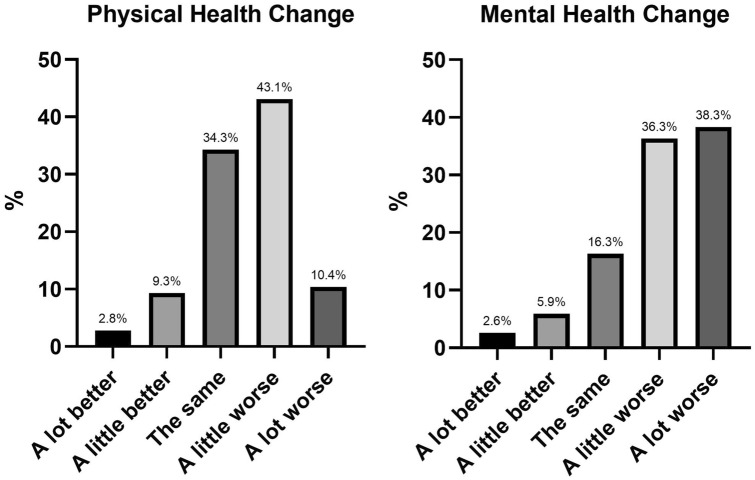
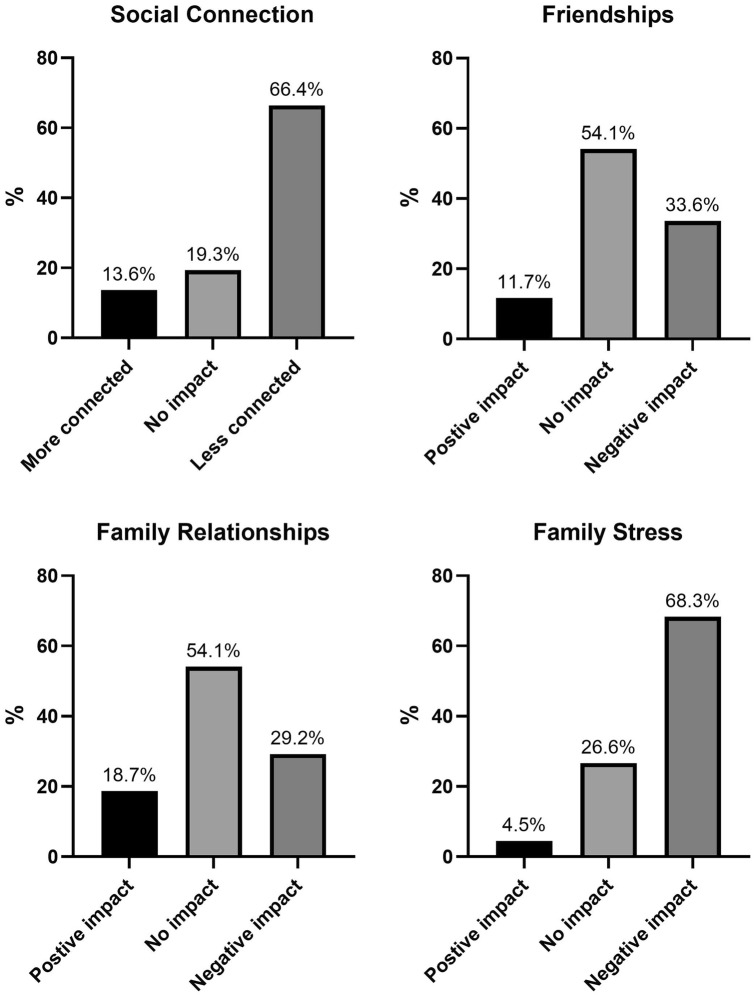
There has been significant disruption to the lives and mental health of adolescents during the COVID-19 pandemic. The purpose of this study was to assess the psychological and lifestyle impact of the pandemic on Australian adolescents, using an online survey, administered during the outbreak. Self-report surveys were administered online to a sample of 760 Australian adolescents aged 12–18 years assessing impact on a range of domains including behaviour, education, relationships, lifestyle factors (exercise, technology use, and sleep), and mental health outcomes (psychological distress, loneliness, health anxiety and well-being). Results showed that three quarters of the sample experienced a worsening in mental health, since the pandemic began, with negative impacts reported on learning, friendships and family relationships. There were also high higher levels of sleep disturbance, psychological distress and health anxiety, relative to normative samples. Effects on mental health were worse among those who reported a previous diagnosis of depression and/or anxiety relative to those without no such history. Adolescents are already vulnerable to the onset of mental illness at this developmental stage, and the current research underscores the need to find rapid and accessible ways to support adolescent mental health during times of crisis.
Overview
The claims and statistics of this paper haven’t been checked yet.
Free: it reads the open-access text and checks the first 5 claims that cite a source we can check. Create a free account to check every claim.
Integrity signals
Registry
Cites
Statistics
Figures
Verification
Claims the paper makes
The claims and statistics of this paper haven’t been checked yet.
Free: it reads the open-access text and checks the first 5 claims that cite a source we can check. Create a free account to check every claim.
Claims other papers make about this one
Each is checked against this paper’s own text: does it say what the citing paper says it does?
The cited source doesn’t support the claim as written.
In the citing paper
“In the meta-analysis, including two studies (40, 41), a non-significant relationship between lifestyle behaviors and social media use during the pandemic was found.”
From Digital Media Use and Adolescents' Mental Health During the Covid-19 Pandemic: A Systematic Review and Meta-Analysis (2022) · cites this paper as [41]
Checked by a reasoning model — may be wrong.
Experimental — accuracy not yet measuredThe cited source doesn’t support the claim as written.
In the citing paper
“Higher increases in loneliness from the first time point assessed between 2018 and 2019 to the second time point assessed between May and July 2020 significantly predicted an increase in negative mood (β = 0.44, p < 0.001, 95% CI [0.39, 0.54]) and anhedonia (β = 0.38, p < 0.001, 95% CI [0.37, 0.54]) across those same two time points.”
From Loneliness and Well-Being in Children and Adolescents during the COVID-19 Pandemic: A Systematic Review (2023) · cites this paper as [60]
Checked by a reasoning model — may be wrong.
Experimental — accuracy not yet measuredThe source backs part of the claim, not all of it — or backs it for a different population, condition or comparison.
In the citing paper
“Two studies reported comparable effect sizes for screen time and well-being, the latter measured as general well-being and happiness (41, 54).”
From Digital Media Use and Adolescents' Mental Health During the Covid-19 Pandemic: A Systematic Review and Meta-Analysis (2022) · cites this paper as [41]
Experimental — accuracy not yet measuredThe source backs part of the claim, not all of it — or backs it for a different population, condition or comparison.
In the citing paper
“In two studies, mean levels of loneliness significantly increased from pre-pandemic (2018/2019) to during the pandemic (April to July 2020) [60,65].”
From Loneliness and Well-Being in Children and Adolescents during the COVID-19 Pandemic: A Systematic Review (2023) · cites this paper as [60]
Experimental — accuracy not yet measuredThe cited source says what the claim attributes to it.
In the citing paper
“Participants with previous mental health problems were also at higher risk of an unhealthy lifestyle, including lower levels of physical activity, higher levels of screen time, and poorer sleep quality (41).”
From Digital Media Use and Adolescents' Mental Health During the Covid-19 Pandemic: A Systematic Review and Meta-Analysis (2022) · cites this paper as [41]
1 more claim about this paper
Create a free account to see every claim other papers make about this one.
Self-check
Percentages, sums and reported differences re-computed from the paper’s own numbers.
The self-check needs the paper’s full text.
Citations
Cites
KESSLER, R. C., ANDREWS, G., COLPE, L. J., HIRIPI, E., MROCZEK, D. K., NORMAND, S.-L. T., WALTERS, E. E., & ZASLAVSKY, A. M. (2002) · Psychological Medicine · doi:10.1017/s0033291702006074 · Cited by 10,327 · cited 1×
“The Kessler-6 (K6) assessed general psychological distress over the past 30 days [32, 33].”
BackgroundSelf-rated health and mortality: a review of twenty-seven community studies.
Idler, E. L., & Benyamini, Y. (1997) · Journal of Health and Social Behavior · doi:10.2307/2955359 · Cited by 8,598 · cited 1×
“Participants rated their self-rated health [27], and were asked whether they had a chronic illness, had ever been diagnosed with depression or anxiety by a professional, and current mental health treatments.”
BackgroundValidation of the Insomnia Severity Index as an outcome measure for insomnia research
Bastien, C. (2001) · Sleep Medicine · doi:10.1016/s1389-9457(00)00065-4 · Cited by 8,067 · cited 2×
“• Sleep: sleep was measured using the Insomnia Severity Index (ISI), which is a seven-item self-report measure of insomnia symptoms over the previous 2 weeks [29].”
BackgroundMethodMerikangas, K. R., He, J.-P., Burstein, M., Swanson, S. A., Avenevoli, S., Cui, L., Benjet, C., Georgiades, K., & Swendsen, J. (2010) · Journal of the American Academy of Child & Adolescent Psychiatry · doi:10.1016/j.jaac.2010.05.017 · Cited by 6,278
UCLA loneliness scale (version 3): reliability, validity, and factor structure
Russell, D. W. (1996) · Journal of Personality Assessment · doi:10.1207/s15327752jpa6601_2 · Cited by 5,800 · cited 1×
“• Loneliness: a single item was selected to assess loneliness and was taken from the UCLA Loneliness Scale [31].”
MethodHolmes, E. A., O'Connor, R. C., Perry, V. H., Tracey, I., Wessely, S., Arseneault, L., Ballard, C., Christensen, H., Cohen Silver, R., Everall, I., et al. (2020) · The Lancet Psychiatry · doi:10.1016/s2215-0366(20)30168-1 · Cited by 5,715 · cited 1×
“The overall objective of the current study is to address this gap and answer calls from the scientific community to assess how young people’s lives and mental health has been impacted by the pandemic [23, 24].”
BackgroundSelf-citationScreening for serious mental illness in the general population
Kessler, R. C., Barker, P. R., Colpe, L. J., Epstein, J. F., Gfroerer, J. C., Hiripi, E., Howes, M. J., Normand, S.-L. T., Manderscheid, R. W., Walters, E. E., et al. (2003) · Archives of General Psychiatry · doi:10.1001/archpsyc.60.2.184 · Cited by 5,692 · cited 2×
“92, and has comparable psychometric properties to clinical tools, such as the Compositive International Diagnostic Inventory in assessing the presence of probable mental illness [33].”
BackgroundMethodThe Warwick-Edinburgh Mental Well-being Scale (WEMWBS): development and UK validation
Tennant, R., Hiller, L., Fishwick, R., Platt, S., Joseph, S., Weich, S., Parkinson, J., Secker, J., & Stewart-Brown, S. (2007) · Health and Quality of Life Outcomes · doi:10.1186/1477-7525-5-63 · Cited by 5,031 · cited 1×
“The seven-item Warwick Edinburgh Mental Well-Being Scale—short form (SWEMWS; [36]) assessed mental wellbeing over the past 2 weeks and has validated for use in young people [37].”
MethodWHO Coronavirus Disease (COVID-19) Dashboard
(2020) · Bangladesh Physiotherapy Journal · doi:10.46945/bpj.10.1.03.01 · Cited by 3,806
Loades, M. E., Chatburn, E., Higson-Sweeney, N., Reynolds, S., Shafran, R., Brigden, A., Linney, C., McManus, M. N., Borwick, C., & Crawley, E. (2020) · Journal of the American Academy of Child & Adolescent Psychiatry · doi:10.1016/j.jaac.2020.05.009 · Cited by 2,906 · cited 2×
“Given a lack of social connection has negative consequences on social and cognitive development [9], and loneliness increases the risk of the development of depression and other disorders [12], mental health prevention and intervention efforts need to focus on improving social connection, particularly in areas that ha…”
Background
Research works printed but not linked: 1
- Spriggs M Understanding consent in research involving children: a handbook for Human Research Ethics Committees and researchers 2010 Melbourne University of Melbourne
Cited by
Items 101–200 of 241
Quyen, B. T. T., Pham, C. T. L., Le, A. H., & Pham, D. Q. (2022) · Frontiers in Public Health · doi:10.3389/fpubh.2022.983153 · Cited by 9
Hamshari, S., Yaseen, S., Zayed, M., Dalasha, A., Qawasmeh, A., Nazzal, Z. A. S., & Maraqa, B. N. (2024) · BMC Psychiatry · doi:10.1186/s12888-023-05482-5 · Cited by 11
“Adding to this, the pandemic itself was a source of anxiety for many, with concerns about becoming infected, family, and future uncertainties [10, 12].”
BackgroundChan, S., Chung, G. K.-K., Chan, Y.-H., Lee, T. S.-K., Chen, J., Wong, H., Chung, R. Y., Chen, Y., & Ho, E. S. C. (2024) · European Journal of Psychology of Education · doi:10.1007/s10212-024-00882-x · Cited by 11
“Studies showed that the mental health of children and adolescents worsened during the pandemic, at least partially due to school closure and class suspension (Bahn, 2020; El-Osta et al., 2021; S. H. Li et al., 2021a, 2021b; Rojas-Andrade et al., 2021; Sicouri et al., 2022).”
Symptoms of distress among young Danes during the national lockdown in May 2020
Hoffmann, S. H., Pisinger, V. S. C., Rosing, J. A., & Tolstrup, J. S. (2021) · European Child & Adolescent Psychiatry · doi:10.1007/s00787-021-01888-2 · Cited by 8
Marks, R. A., Norton, R. T., Mesite, L. M., Fox, A. B., & Christodoulou, J. A. (2022) · Reading and Writing · doi:10.1007/s11145-022-10361-8 · Cited by 11
“This dramatic contextual change was linked to poor mental health outcomes (Bosch et al., 2022; Li et al., 2021).”
BackgroundAdolescent academic stress and exam anxiety in schools in the wake of the COVID-19 pandemic.
Reshu, Kumar, S., & Rathi, A. (2025) · Acta Psychologica · doi:10.1016/j.actpsy.2025.105820 · Cited by 12
Potts, M., Hunte, B. L., & Ross, K. E. (2023) · Journal of Transformative Education · doi:10.1177/15413446231177632 · Cited by 6
“Increasing levels of anxiety and depression for young people in Australia have been contributed to by climate related disasters of bush fi res and fl oods, along with extended COVID-19 lockdowns in many cities (Brennan et al., 2021; Headspace, 2020; Li et al., 2021; Ross, 2020; Tiller et al., 2021).”
BackgroundGambin, M., Wnuk, A., Oleksy, T., Sekowski, M. M., Kubicka, K., Woźniak‐Prus, M., Sharp, C., & Bonanno, G. A. (2023) · Development and Psychopathology · doi:10.1017/s095457942300130x · Cited by 20
Fujimoto, H., Heywood, A. E., Maston, K., Brown, L., Bartholomew, A., Werner‐Seidler, A., Christensen, H. M., & Batterham, P. J. (2024) · Child and Adolescent Psychiatry and Mental Health · doi:10.1186/s13034-024-00759-3 · Cited by 7
“The survey items were adapted from an existing questionnaire that assesses perceptions of the pandemic [14, 38] and were developed specifically for the Future Proofing Study.”
BackgroundMethodResultInfluentialSelf-citationSchütz, R., & Bilz, L. (2024) · Journal of Public Health · doi:10.1007/s10389-024-02356-2 · Cited by 8
School-based yoga intervention for internet resilience and holistic well-being of adolescents
Reshu, Kumar, S., & Rathi, A. (2024) · Brain Behavior and Immunity Integrative · doi:10.1016/j.bbii.2024.100102 · Cited by 11
Peng, B., Reeves, K. K. L., Lee, S. W. Y., Chung, T. H. Y., Hui, H. W. L., Leung, A. H. L., & Pang, J. C. Y. (2023) · Frontiers in Pediatrics · doi:10.3389/fped.2023.1181186 · Cited by 7
Kohake, K., Henning, L., Dahl, S. H., Neuber, N., & Dreiskämper, D. (2025) · Journal of Sports Sciences · doi:10.1080/02640414.2025.2508041 · Cited by 6
“Six studies did not find a significant relationship between PA and anxiety during the corona restrictions (Giannini et al., 2022; Jolliff et al., 2021; S. H. Li et al., 2022; Lu et al., 2020; McArthur et al., 2021; Wright et al., 2021).”
InfluentialAlhazmi, A. A. (2022) · Psychology in the Schools · doi:10.1002/pits.22763 · Cited by 7
“This drawback has been previously reported as an important concern for students, (Ben‐Amram & Davidovitch, 2021; Kovács Cerović et al., 2021; Li et al., 2021; Pelikan et al., 2021; Yates et al., 2021), as well as parents (Abuhammad, 2020), negatively affecting students' education.”
BackgroundInfluentialOkuyama, J., Izumi, S., Funakoshi, S., Seto, S., Sasaki, H., Ito, K., Imamura, F., Willgerodt, M. A., & Fukuda, Y. (2022) · Humanities and Social Sciences Communications · doi:10.1057/s41599-022-01330-1 · Cited by 5
“…are the previous studies by Waters et al. (2021), Aldhmadi et al. (2021), Zhang et al. (2021), Cheng et al. (2021), Wieckiewicz et al. (2021), Biermann et al. (2021), Segre et al. (2021), Cooper et al. (2021), Zhu et al. (2021), Kimber et al. (2021), Mousoulidou et al. (2021) and Li et al. (2021).”
(Un)timely care: findings from the Waiting Times project
Baraitser, L., Anucha, K., Catty, J., Davies, S., Osserman, J., Salisbury, L., Flexer, M. J., & Moore, M. D. (2024) · Wellcome Open Research · doi:10.12688/wellcomeopenres.22556.1 · Cited by 10
Payne, L., Goijen, H. J., Cobham, V. E., Bor, W., Stathis, S. S., Coghill, D., & Middeldorp, C. M. (2023) · Early Intervention in Psychiatry · doi:10.1111/eip.13421 · Cited by 4
“…with pre-existing mental health problems may be particularly vulnerable to the impact of the pandemic (Hawes et al., 2021; Holmes et al., 2020; Li et al., 2022; Nearchou et al., 2020; Zijlmans et al., 2021) (Queensland Government, 2020, 2021). completion by parents was embedded in clinical…”
BackgroundBaiden, P., Azasu, E., LaBrenz, C. A., Baiden, J. F., Gobodzo, E. C., Mets, V. E., & Broni, M. N. (2023) · Children and Youth Services Review · doi:10.1016/j.childyouth.2023.107351 · Cited by 8
Yamashita, T., Quy, P. N., Yamada, C., Nogami, E., Seto-Suh, E., Iwamoto, S., & Kato, K. (2024) · Frontiers in Psychology · doi:10.3389/fpsyg.2023.1241837 · Cited by 6
Gorrell, L., Shen, X. S., MacDonald, M., Logan, S. W., Hatfield, B. E., Parkinson, C., D’Antonio, A., & Massey, W. V. (2024) · Leisure Sciences · doi:10.1080/01490400.2024.2335930 · Cited by 6
“…number of studies conducted during or immediately after the lockdown period documented no negative mental health outcomes associated with specific types of screen use by school-aged and adolescent children (e.g. using screens for socializing or learning, Gilbert et al., 2021; Li et al., 2021).”
InfluentialGray, M., McCarthy, J., Mawren, D., Cooper, S., Simms, C., & Pathé, M. (2025) · Psychiatry, Psychology and Law · doi:10.1080/13218719.2024.2377578 · Cited by 5
Schiera, M., Faraci, F., Mannino, G., & Vantaggiato, L. (2024) · Frontiers in Psychology · doi:10.3389/fpsyg.2024.1384388 · Cited by 12
Ludlow, C., Wardle, B., & Nedeljkovic, M. (2024) · Australian Psychologist · doi:10.1080/00050067.2023.2257864 · Cited by 4
“Emerging cognitive behavioural models have identified a number of risk factors that explain the onset and maintenance of pandemic-related psycho-pathology (Q. Li et al., 2021; Shafran et al., 2021; Taylor, 2019).”
BackgroundInfluentialBeyond the debate: toward pragmatic evaluation of Australia's social media age restrictions
Stevens, M. W. R., Radünz, M., Király, O., Griffiths, M. D., Delfabbro, P., Demetrovics, Z., Czakó, A., & King, D. L. (2026) · The Lancet Regional Health - Western Pacific · doi:10.1016/j.lanwpc.2026.101818 · Cited by 5
“15 Rates of depression and anxiety have risen significantly, 16 particularly among adolescent females.”
Hu, L., & Stamoulis, C. (2024) · Cerebral Cortex · doi:10.1093/cercor/bhae164 · Cited by 10
Language skills and interpersonal trust in adolescents with and without mental illness
Clarke, A., Rose, T., & Meredith, P. J. (2022) · International Journal of Speech-Language Pathology · doi:10.1080/17549507.2022.2075466 · Cited by 7
“For instance, an online survey of 760 Australians (12 18 years), conducted in mid-2020, found that three quarters of respondents had experienced a worsening in their mental health since the onset of the pandemic (Li et al., 2021).”
BackgroundHaider, K., Humer, E. C., Pieh, C., Plener, P. L., & Jesser, A. (2022) · Healthcare · doi:10.3390/healthcare10112206 · Cited by 5
Uekusa, S., Wynyard, M., & Matthewman, S. (2024) · Kōtuitui New Zealand Journal of Social Sciences Online · doi:10.1080/1177083x.2024.2305639 · Cited by 14
“…rates of depression, anxiety and stress during the pandemic among younger age groups (Gasteiger et al. 2021), and the surge in mental health issues among them, especially due to the strict lockdown measures and consequent social isolation (Duan et al. 2020; Oosterhoff et al. 2020; Li et al. 2021).”
Loneliness and Subjective Wellbeing During the Covid-19 Pandemic: A Systematic Review
Castelletti, C., Dolz-del-Castellar, B., Miret, M., Mercier, H. W., & Lara, E. (2024) · The Journal of Psychology · doi:10.1080/00223980.2024.2319172 · Cited by 6
“One study started just after the lockdown measures were lifted (Birditt et al., 2021), whereas five referred to a partial lockdown or to an initial suspension of lockdown restrictions (Clair et al., 2021; Landmann & Rohmann, 2021; Li et al., 2021; Macdonald & Hülür, 2021; Yıldırım et al., 2021).”
BackgroundResultThe Return to In-Person School: Teacher Reports of Student Behavior and Social–Emotional Learning
Brockmeier, L., Brass, N. R., Bergin, C. C., & Imler, M. H. (2024) · Children & Schools · doi:10.1093/cs/cdae019 · Cited by 7
Effects of varying pandemic restrictions on the health‐related behaviours of Australian children
Robinson, L., Measey, M., Efron, D., Mundy, L. K., Hoq, M., & Rhodes, A. (2022) · Journal of Paediatrics and Child Health · doi:10.1111/jpc.16230 · Cited by 4
Elgersma, I. H., Hart, R. K., Straiton, M., Hauge, L. J., & Reneflot, A. (2023) · BMC Health Services Research · doi:10.1186/s12913-023-09666-3 · Cited by 3
Improving Social Responsibility of Intelligent Engineering under COVID-19
Zhao, W., Jiang, Z., Liu, X., Zhang, J., Ji, X., & Gan, N. (2022) · American journal of biochemistry & biotechnology/American journal of biochemistry and biotechnology · doi:10.3844/ajbbsp.2022.213.223 · Cited by 3
Mental and social wellbeing trajectory during the pandemic for vulnerable populations
Joyce, A., Tran, T. D., Stocker, R., & Fisher, J. (2024) · Frontiers in Public Health · doi:10.3389/fpubh.2024.1337401 · Cited by 4
Mental health dynamics of adolescents: A one-year longitudinal study in Harari, eastern Ethiopia
Hunduma, G., Dessie, Y., Geda, B., Yadeta, T. A., & Deyessa, N. (2024) · PLoS ONE · doi:10.1371/journal.pone.0300752 · Cited by 4
Predictors of loneliness among middle childhood and adolescence during the COVID-19 pandemic
Benhayoun, A., Olsavsky, A. L., Akard, T. F., Gerhardt, C. A., & Skeens, M. A. (2024) · PLoS ONE · doi:10.1371/journal.pone.0308091 · Cited by 4
Orozco, A. L., Thomas, A. J., Raggatt, M. H., Scott, N., Eddy, S., Douglass, C. H., Wright, C. C. J., Spelman, T. D., & Lim, M. S. C. (2024) · Archives of Public Health · doi:10.1186/s13690-024-01397-z · Cited by 3
“An online survey in June 2020 with a sample of 760 Australian adolescents (aged 12–18 years) showed that 48% presented psychological distress scores above the threshold indicative of mental illness [46].”
BackgroundResultBrookman, R., Bird, F., Harris, C. B., & Grant, K. (2022) · Child Psychiatry & Human Development · doi:10.1007/s10578-022-01336-5 · Cited by 6
Anunciação, L., Portugal, A. C. D. A., de Andrade, L. B., Marques, L. D. N., & Landeira-Fernández, J. (2022) · Health & Social Care in the Community · doi:10.1111/hsc.13878 · Cited by 3
“The pandemic increased psychological distress and worsened mental health, especially amongst those with a history of mental illness (Li et al., 2021).”
BackgroundHaque, M. A., Anjum, A., Mousum, S., Salwa, M., Ratan, Z. A., Khan, M. M. H., Islam, M. T., Ahmed, H. U., Amin, M. R., & Mamun, M. A. A. (2023) · F1000Research · doi:10.12688/f1000research.132304.1 · Cited by 4
Gillespie, A. N., Smith, L., Shepherd, D. A., Xu, J., Khanal, R., & Sung, V. (2023) · Children · doi:10.3390/children10071147 · Cited by 3
“The pandemic resulted in financial hardships, social isolation, and increased psychological distress [16], as well as impacting adolescent mental health, with three-quarters of participants from a study of 760 Australian adolescents aged 12–18 years reporting poorer mental health during the pandemic [17].”
Backgroundnazari, V., Dousti, M., Alizadeh, S., & Nazari, S. (2023) · Sport Sciences for Health · doi:10.1007/s11332-023-01095-3 · Cited by 5
“Besides the total score, the classified scores of 0–4, 5–9, 10–14, and 15–21 are associated with without, mild, moderate, and severe anxiety symptoms, respectively [5].”
BackgroundInfluentialThe Role of Family Climate in Adolescents’ Well-Being during the COVID-19 Pandemic
Reim, J., Alt, P., Gniewosz, G., & Walper, S. (2024) · Journal of Child and Family Studies · doi:10.1007/s10826-024-02868-1 · Cited by 5
“There is evidence for heightened family stress during the pandemic, which is why we expected a group with negative changes in family climate (Donker et al., 2021; Li et al., 2021).”
Gao, C. X., Clarke, E., Nicholas, J., Teo, S. M., Koppe, C., Peter, G., Lum, A., Barth, T., Farish, S., Rudd, M., et al. (2024) · Early Intervention in Psychiatry · doi:10.1111/eip.13603 · Cited by 3
La motivation scolaire d’élèves québécois du deuxième cycle du secondaire en temps de pandémie
Falardeau, É., Guay, F., Bradet, R., & Boulet, J. (2022) · Canadian Journal of Education / Revue canadienne de l éducation · doi:10.53967/cje-rce.v45i3.5219 · Cited by 6
Banwell, C. L., Williamson, R., Batterham, P. J., Leach, L., LaBond, C., Calear, A. L., Olsen, A., Philips, C., Zhao, Y., Doan, T. T., et al. (2023) · SSM - Qualitative Research in Health · doi:10.1016/j.ssmqr.2023.100260 · Cited by 7
Hazell, P. (2023) · The Medical Journal of Australia · doi:10.5694/mja2.51977 · Cited by 3
Dyke, N. V., Keo, S. O., & de Courten, M. (2024) · Frontiers in Public Health · doi:10.3389/fpubh.2024.1360441 · Cited by 2
Pasha, A., Inusah, A. S., Nayem, J., Li, X., & Qiao, S. (2026) · Current Psychology · doi:10.1007/s12144-025-08926-1 · Cited by 17
Lazaridis, A., Syrmpas, I., Tsatalas, T., Κrommidas, C., & Digelidis, N. M. (2023) · Journal of Functional Morphology and Kinesiology · doi:10.3390/jfmk8020055 · Cited by 2
Early-career school psychologists’ risk assessment self-efficacy: An Australian perspective
Quigley, E., & Hyde, C. (2023) · Journal of Psychologists and Counsellors in Schools · doi:10.1177/20556365231206230 · Cited by 2
“…educational and social disruptions linked to the COVID-19 pandemic have also led to a statistically significant increase in Australian 12 to 18-year-olds’ self-reported psychological distress (Li et al., 2021) putting additional pressure on youth mental health services (Raballo et al., 2020).”
BackgroundPedrini, L., Meloni, S., Dawson, J., Geviti, A., Bonfiglio, N. S., Cattaneo, A., & Rossi, R. (2024) · Children · doi:10.3390/children11030282 · Cited by 3
“Of note, a study conducted during the pandemic showed that screen time dedicated to fostering connections was associated with reduced feelings of loneliness and heightened levels of overall well-being [9].”
BackgroundDavy, L., Cuffe, H., & Lipton, B. (2024) · Journal of Youth Studies · doi:10.1080/13676261.2024.2391931 · Cited by 2
Maston, K., Gillies, M. B., Zoëga, H., Batterham, P. J., Christensen, H. M., & Werner‐Seidler, A. (2025) · SLEEP Advances · doi:10.1093/sleepadvances/zpaf058 · Cited by 2
“Some studies reported increases in subjective sleep disturbance [68] whereas others reported improvements in overall sleep duration [69, 70].”
Self-citationRedde, S., Salamuddin, N., & Othman, N. (2022) · Jurnal Dunia Pendidikan · doi:10.55057/jdpd.2022.4.3.10 · Cited by 2
How Our Technology Use Changed in 2020: Perspectives From Three Youths
Fadiran, B., Lee, J., Lemminger, J., & Jolliff, A. F. (2021) · JMIR Mental Health · doi:10.2196/26154 · Cited by 2
“Consistent with recent research on adolescent technology use during COVID-19, Jared, Jessica, and Babayosimi all experienced changes in their technology use in 2020 [4].”
ResultImpact of the Covid-19 Pandemic on Adolescent Mental Health and Well-being
Paunova-Markova, E., Alexandrova‐Karamanova, A., Yordanova, T., & Mineva, K. (2023) · The Central European Journal of Paediatrics · doi:10.5457/p2005-114.338 · Cited by 3
“A decrease was observed in positive adjustment characteristics (e.g. positive peer relationships, plans for the future) in the U.S. (50), happiness and positive emotions in Australia (51), life satisfaction and experience of positive emotions in Israel (18).”
InfluentialOnalu, C. E., & Ekoh, P. C. (2024) · Social Work Education · doi:10.1080/02615479.2024.2304236 · Cited by 2
Next Level Flourishing in Education: A Case Study of ‘Wholebeing’
Jarden, A., Downie, A., Finter, K., & Jarden, R. (2024) · Advances in mental health and addiction · doi:10.1007/978-3-031-54295-4_9 · Cited by 3
Te Rito Toi in New Zealand: A Caring Response to the Pandemic
O’Connor, P., & Estellés, M. (2021) · Frontiers in Education · doi:10.3389/feduc.2021.750905 · Cited by 5
Yu, Y., Zheng, Y., Chua, J. J. E., & Yang, Y. (2021) · doi:10.31234/osf.io/js9c6 · Cited by 2
Mapping young people’s social justice concerns: An exploration of voice and action
Baker, A. M., & Ali, L. (2022) · doi:10.56311/hbnb8239 · Cited by 2
Marshall, S. K., McGill, B., Young, C., Clare, P. J., Neill, S., Thomas, M. M., & Bauman, A. E. (2024) · Preventive Medicine Reports · doi:10.1016/j.pmedr.2024.102861 · Cited by 5
“…age differences, with more young people rating health as poor/ very poor or experiencing high/very high psychological distress, which is consistent with other research findings among young adults during the pandemic (Varma et al., 2021; Upton et al., 2021; Li et al., 2022; Zhao et al., 2022).”
Chen, C. H., Hsiao, C., Liao, P., Hu, H., Wei, S.-J., & Chen, S. W. (2024) · Digital Health · doi:10.1177/20552076241292675 · Cited by 1
“37 Similarly, an online survey in a high-deprivation region of New Zealand among 500 respondents aged 15 to 24 found that 22.2% reported sexual health needs during lock-down, but less than half received assistance due to perceived delays, service access barriers, and lack of information.”
BackgroundInfluentialRowe, N., & Whelan, M. (2025) · The Educational and Developmental Psychologist · doi:10.1080/20590776.2024.2445298 · Cited by 1
“…previous research in an adolescent population following the COVID-19 pandemic which reported increased severity of social anxiety traits after controlling for age (Hawes et al., 2022), and research in Australian adolescents which reported anxiety levels above the clinical cut-off (Li et al., 2022).”
The Longitudinal Impact of a Peer Support Program on Adolescents Experiencing Chronic Illness
Anderson, E., Powers, R., Pang, K. C., Lengelsen‐Brown, H., & Rayner, C. (2025) · Journal of Paediatrics and Child Health · doi:10.1111/jpc.70139 · Cited by 2
“…stability of these scores despite the study period encompassing the COVID-19 pandemic, which negatively affected adolescents' relationships with friends and family [23], suggests that participation in the ChIPS program may have been a protective factor for perceived social support during this time.”
Xu, Z., Qin, H., Shi, L., Ni, Y., Qu, Q., Kong, X., & Wang, F. (2025) · Frontiers in Psychology · doi:10.3389/fpsyg.2025.1683823 · Cited by 1
Rune, K. T., Davis, T. N., & Keech, J. J. (2025) · Behavioral Sciences · doi:10.3390/bs16010042 · Cited by 1
“…health measures, including lockdowns, travel restrictions, and vaccination campaigns, reduced transmission in the short term but also generated widespread psychological stress and behavioral responses, including panic buying (Butterworth et al., 2022; Keane & Neal, 2021; S. H. Li et al., 2022).”
Schütz, R., Dadaczynski, K., Rathmann, K., Bilz, L., HBSC Study Group Germany, Anghel, J., Bargholz, K., Böhm, M., Braun, N., Dernbach, M., et al. (2026) · Journal of Technology in Behavioral Science · doi:10.1007/s41347-026-00605-7 · Cited by 1
Emotional Distress, Attitudes and Beliefs of Youth in Pandemic Context. The Case of Constanta County
Sălceanu, C., & Călin, M. F. (2022) · Technium Social Sciences Journal · doi:10.47577/tssj.v28i1.5699 · Cited by 1
Freire, T., Santana, G., Vieira, A., & Barbosa, B. (2022) · International Journal of Environmental Research and Public Health · doi:10.3390/ijerph19052536 · Cited by 3
Estilos de vida en personas jovenes de una población marginada ubicada en Lima Este
Rodriguez, R. E. C. (2023) · Revista Cuidado y Salud Pública · doi:10.53684/csp.v3i1.70 · Cited by 1
Aragona, M., Ventura, M., Napoli, A. D., Petrelli, A., Calvi, C., Cavani, A., Carbone, D., Finelli, M., Favretto, A. R., & Mirisola, C. (2023) · Minerva Pediatrics · doi:10.23736/s2724-5276.23.07115-x · Cited by 1
Morsi, A., Atef, M., & Mesallam, D. I. A. (2023) · Egyptian Society of Clinical Toxicology Journal · doi:10.21608/esctj.2023.237231.1039 · Cited by 4
Friendships in the Time of COVID-19
Hojjat, M., Moyer, A. E., Brake, S., Nelson, B. D., Richmond, L. L., Schleider, J. L., & London, B. E. (2024) · Oxford University Press eBooks · doi:10.1093/oso/9780197655504.003.0014 · Cited by 1
"COVID-19 Pandemic Impact on Children and Adolescent’s Mental Health: A Review of Current Research"
Mikhail, M. (2024) · Biomedical Journal of Scientific & Technical Research · doi:10.26717/bjstr.2024.55.008742
Healthy Markets or Health Equity?: Neoliberalism and the Rationing of Health Care in Australia
O’Keeffe, P. (2024) · Springer eBooks · doi:10.1007/978-981-97-1144-4_9 · Cited by 1
Li, H., Gao, J., Sun, H., Wang, P., Keyi, Z., Liang, W., & Liu, F. (2025) · The Journal of Psychology · doi:10.1080/00223980.2025.2542565 · Cited by 2
“For, example, Li et al. (2022) suggested that individuals with greater social distance feel a greater sense of loneliness, and reported lower level of life satisfaction.”
Brazilian adolescents’ lifestyle in the COVID-19 pandemic: a mixed-methods study
Fonseca, C. L., Peterle, C. F., de Freitas, B. H. B. M., Gaíva, M. A. M., Diogo, P., & Bortolini, J. (2022) · World Journal of Pediatrics · doi:10.1007/s12519-022-00561-1 · Cited by 1
“Therefore, LS can be observed from the habits, behaviors and activities performed by people in their daily lives [4].”
BackgroundΧατζηχρήστου, Χ., Lianos, P., Lampropoulou, A., Γεωργάκου-Κουτσονίκου, Ν., Yfanti, T., & Georgouleas, G. (2022) · Psychology the Journal of the Hellenic Psychological Society · doi:10.12681/psy_hps.28855 · Cited by 3
Ciudad-Fernández, V., Schoeps, K., & Montoya‐Castilla, I. (2022) · Scandinavian Journal of Child and Adolescent Psychiatry and Psychology · doi:10.2478/sjcapp-2022-0015 · Cited by 2
“Finally, a decrease in life satisfaction was also observed in adolescents, especially with in girls (17).”
BackgroundSoto, A. C. Z. (2022) · Revista Cuidado y Salud Pública · doi:10.53684/csp.v2i2.47 · Cited by 1
Ashry, S., Azab, G. B., Abdellatif, A., & Khater, A. (2023) · Ain Shams Journal of Forensic Medicine and Clinical Toxicology · doi:10.21608/ajfm.2023.310233 · Cited by 3
Huang, Y., & Baxter, J. (2021) · SSRN Electronic Journal · doi:10.2139/ssrn.3963492 · Cited by 3
Impact of COVID-19 on healthcare access for Australian adolescents and young adultsPreprint
Islam, M. I., Freeman, J., Chadwick, V. L., & Martiniuk, A. L. C. (2021) · medRxiv · doi:10.1101/2021.12.01.21267121 · Cited by 2
SINTOMAS DE ANSIEDADE E DEPRESSÃO EM ADOLESCENTES NO CONTEXTO DA PANDEMIA DO COVID-19
RODRIGUES, J. M. S. (2022) · doi:10.17771/pucrio.acad.58909 · Cited by 8
Bhatia, R. (2022) · Current Opinion in Psychiatry · doi:10.1097/yco.0000000000000822 · Cited by 2
Koele, I. J., Blankenstein, N. E., Schreuders, E., van Duijvenvoorde, A. C. K., & Güroğlu, B. (2023) · Research Square · doi:10.21203/rs.3.rs-2653418/v1 · Cited by 5
Life in Health 2021: Research and Practice
Vlček, P., Reissmannová, J. S., Štveráková, T., Jačiško, J., Busch, A. M., Šafářová, M., Kolář, P., Kobesová, A., Kachlík, P., Hřivnová, M., et al. (2021) · doi:10.5817/cz.muni.p280-0076-2021
Psychological Effects of Covid-19: A Brief Review and Recommendations for Children and Adolescents
Pigaiani, Y. (2020) · Biomedical Journal of Scientific & Technical Research · doi:10.26717/bjstr.2020.32.005263
UM OLHAR SOBRE A ANSIEDADE EM CRIANÇAS E ADOLESCENTES DURANTE A PANDEMIA COVID-19
Freitas, A. S., de Almeida, C. T., Carvalho, C. D. P., Souto, D. G., Vasconcelos, I. G., Brito, L. M., Araújo, L. D. A., Rocha, M. G. D., Fernandes, M. D. S., Godoi, N. T., et al. (2021) · Editora Pasteur eBooks · doi:10.29327/544304.2-30
The Impact of COVID-19 on the Mental Wellbeing of Youth Around the World: A Statistical AnalysisPreprint
McDermott, V. M., Mattapalli, S., Rodriguez-Solis, A., Anariba, A., Chang, C., Santoshi, A., Penttila, S., Salaices, S. A., & Kim, M. (2021) · SocArXiv (OSF Preprints) · doi:10.31235/osf.io/rbu2x
The impact of COVID-19 on Physical Activity of Czech children
Štveráková, T., Jačiško, J., Busch, A. M., Šafářová, M., Kolář, P., & Kobesová, A. (2021) · Life in Health: Research and Practice · doi:10.5817/cz.muni.p280-0076-2021-1
Krczal, E., & Hyll, W. (2022) · Frontiers in Public Health · doi:10.3389/fpubh.2022.947250 · Cited by 1
Grøsland, M., Larsen, V. B., Reneflot, A., & Hart, R. K. (2022) · Research Square · doi:10.21203/rs.3.rs-1838986/v1
Cannon, P. (2022) · Educational Psychology in Scotland · doi:10.53841/bpsepis.2022.22.1.12
Metadata
- Authors
- Li, S. H., Beames, J. R., Newby, J. M., Maston, K., Christensen, H., & Werner-Seidler, A.
- Affiliations
- Black Dog Institute (AU)
- ORCID
- Venue
- European Child & Adolescent Psychiatry
- Published
- 2021-04-28
- Volume
- 31
- Issue
- 9
- Pages
- 1465-1477
- ISSN
- 1018-8827 (ISSN-L)
- 1435-165X
- PMC
- PMC8080862
- OpenAlex
- W3158069654
- Cited by
- 242
- References
- 57
- Citations by year
- 2026: 9 · 2025: 19 · 2024: 52 · 2023: 56 · 2022: 75 · 2021: 30
- FWCI
- 36.32
- Type
- journal article
- Language
- en
- Open access
- hybrid
- doi.org
- Licence
- cc-by
- creativecommons.org/licenses/by/4.0 (tdm)
- creativecommons.org/licenses/by/4.0 (vor)
- Locations
- European Child & Adolescent Psychiatry (publishedVersion, cc-by)
- medRxiv (acceptedVersion)
- PubMed Central (publishedVersion, cc-by)
- PubMed (publishedVersion)
- Lirias (KU Leuven) (submittedVersion, cc-by)
- Funders
- NSW Ministry of Health (Fellowship)
- Medical Research Future Fund (Career Development Fellowship)
- Topics
- Social Sciences › Psychology › Clinical Psychology › COVID-19 and Mental Health
- Social Sciences › Psychology › Clinical Psychology › Child and Adolescent Psychosocial and Emotional Development
- Social Sciences › Sociology and Political Science › Impact of Technology on Adolescents
- Keywords
- COVID-19 pandemic, adolescent mental health, psychological distress, loneliness, health anxiety, sleep disorders, lifestyle factors, physical activity, technology use, school disruption, Australian adolescents
- MeSH terms
- COVID-19, SARS-CoV-2, Adolescent, Anxiety, Australia, Depression, Humans, Mental Health, Pandemics
About these checks
Registry, retraction, Cites and statistics results are computed, not judged, with one exception: a printed reference that no index lists is read once by a model before it counts as a citation error. Claims are extracted by a model and kept only when their quote appears verbatim in the text; each cited source is then checked, with a model’s help, for whether it says what the claim relies on. Those verdicts can be wrong — read the claim’s quote and the cited source before relying on one.
Statistics and arithmetic are recomputed, not judged.
Confidence bands are shown only for fields calibrated on our annotated test set. None is calibrated yet, so no band is shown.
What counts as a claim ›How we measure confidence ›How we check this ›
Are you an author, or do you see a problem with this page? Request a review
Data sources
Bibliographic data: Semantic Scholar, OpenAlex, Crossref.
Contains information from the Semantic Scholar Academic Graph Datasets, made available under the ODC Attribution License (ODC-BY 1.0).
Semantic Scholar’s data is described in: Kinney, R., et al. (2023). The Semantic Scholar Open Data Platform. arXiv:2301.10140.
