

The impact of COVID-19 on the lives and mental health of Australian adolescents
Open accessPublished version of a preprint
The DOI matches its Crossref record; 57 of the 57 references it cites were found in a registry or an index.
Abstract
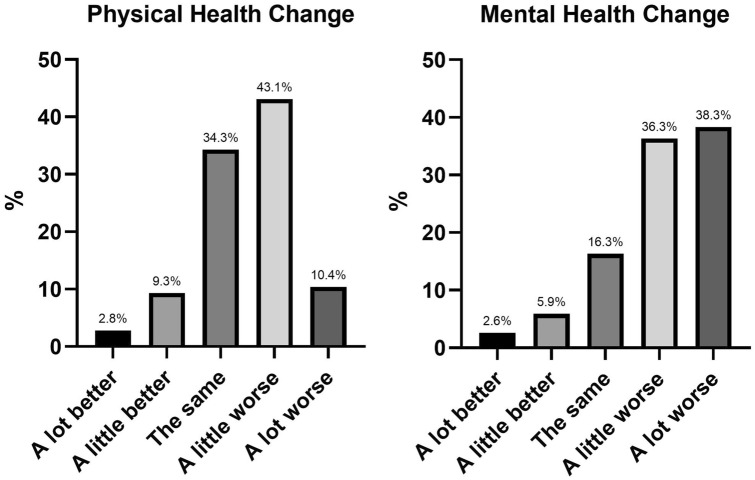
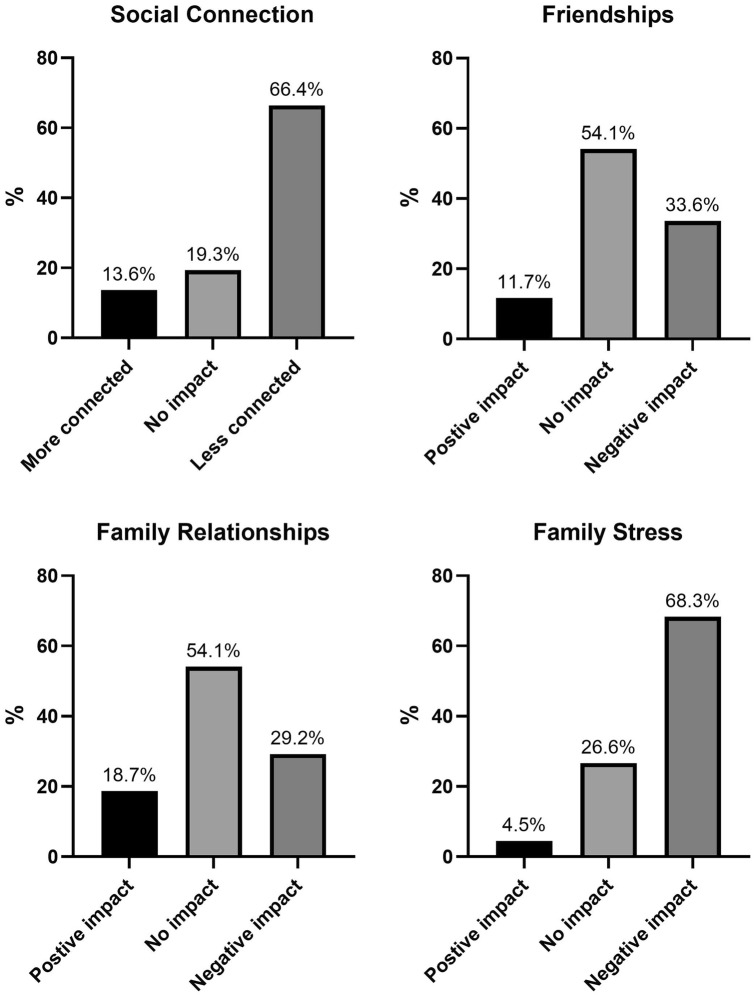
There has been significant disruption to the lives and mental health of adolescents during the COVID-19 pandemic. The purpose of this study was to assess the psychological and lifestyle impact of the pandemic on Australian adolescents, using an online survey, administered during the outbreak. Self-report surveys were administered online to a sample of 760 Australian adolescents aged 12–18 years assessing impact on a range of domains including behaviour, education, relationships, lifestyle factors (exercise, technology use, and sleep), and mental health outcomes (psychological distress, loneliness, health anxiety and well-being). Results showed that three quarters of the sample experienced a worsening in mental health, since the pandemic began, with negative impacts reported on learning, friendships and family relationships. There were also high higher levels of sleep disturbance, psychological distress and health anxiety, relative to normative samples. Effects on mental health were worse among those who reported a previous diagnosis of depression and/or anxiety relative to those without no such history. Adolescents are already vulnerable to the onset of mental illness at this developmental stage, and the current research underscores the need to find rapid and accessible ways to support adolescent mental health during times of crisis.
Overview
The claims and statistics of this paper haven’t been checked yet.
Free: it reads the open-access text and checks the first 5 claims that cite a source we can check. Create a free account to check every claim.
Integrity signals
Registry
Cites
Statistics
Figures
Verification
Claims the paper makes
The claims and statistics of this paper haven’t been checked yet.
Free: it reads the open-access text and checks the first 5 claims that cite a source we can check. Create a free account to check every claim.
Claims other papers make about this one
Each is checked against this paper’s own text: does it say what the citing paper says it does?
The cited source doesn’t support the claim as written.
In the citing paper
“In the meta-analysis, including two studies (40, 41), a non-significant relationship between lifestyle behaviors and social media use during the pandemic was found.”
From Digital Media Use and Adolescents' Mental Health During the Covid-19 Pandemic: A Systematic Review and Meta-Analysis (2022) · cites this paper as [41]
Checked by a reasoning model — may be wrong.
Experimental — accuracy not yet measuredThe cited source doesn’t support the claim as written.
In the citing paper
“Higher increases in loneliness from the first time point assessed between 2018 and 2019 to the second time point assessed between May and July 2020 significantly predicted an increase in negative mood (β = 0.44, p < 0.001, 95% CI [0.39, 0.54]) and anhedonia (β = 0.38, p < 0.001, 95% CI [0.37, 0.54]) across those same two time points.”
From Loneliness and Well-Being in Children and Adolescents during the COVID-19 Pandemic: A Systematic Review (2023) · cites this paper as [60]
Checked by a reasoning model — may be wrong.
Experimental — accuracy not yet measuredThe source backs part of the claim, not all of it — or backs it for a different population, condition or comparison.
In the citing paper
“Two studies reported comparable effect sizes for screen time and well-being, the latter measured as general well-being and happiness (41, 54).”
From Digital Media Use and Adolescents' Mental Health During the Covid-19 Pandemic: A Systematic Review and Meta-Analysis (2022) · cites this paper as [41]
Experimental — accuracy not yet measuredThe source backs part of the claim, not all of it — or backs it for a different population, condition or comparison.
In the citing paper
“In two studies, mean levels of loneliness significantly increased from pre-pandemic (2018/2019) to during the pandemic (April to July 2020) [60,65].”
From Loneliness and Well-Being in Children and Adolescents during the COVID-19 Pandemic: A Systematic Review (2023) · cites this paper as [60]
Experimental — accuracy not yet measuredThe cited source says what the claim attributes to it.
In the citing paper
“Participants with previous mental health problems were also at higher risk of an unhealthy lifestyle, including lower levels of physical activity, higher levels of screen time, and poorer sleep quality (41).”
From Digital Media Use and Adolescents' Mental Health During the Covid-19 Pandemic: A Systematic Review and Meta-Analysis (2022) · cites this paper as [41]
1 more claim about this paper
Create a free account to see every claim other papers make about this one.
Self-check
Percentages, sums and reported differences re-computed from the paper’s own numbers.
The self-check needs the paper’s full text.
Citations
Cites
KESSLER, R. C., ANDREWS, G., COLPE, L. J., HIRIPI, E., MROCZEK, D. K., NORMAND, S.-L. T., WALTERS, E. E., & ZASLAVSKY, A. M. (2002) · Psychological Medicine · doi:10.1017/s0033291702006074 · Cited by 10,327 · cited 1×
“The Kessler-6 (K6) assessed general psychological distress over the past 30 days [32, 33].”
BackgroundSelf-rated health and mortality: a review of twenty-seven community studies.
Idler, E. L., & Benyamini, Y. (1997) · Journal of Health and Social Behavior · doi:10.2307/2955359 · Cited by 8,598 · cited 1×
“Participants rated their self-rated health [27], and were asked whether they had a chronic illness, had ever been diagnosed with depression or anxiety by a professional, and current mental health treatments.”
BackgroundValidation of the Insomnia Severity Index as an outcome measure for insomnia research
Bastien, C. (2001) · Sleep Medicine · doi:10.1016/s1389-9457(00)00065-4 · Cited by 8,067 · cited 2×
“• Sleep: sleep was measured using the Insomnia Severity Index (ISI), which is a seven-item self-report measure of insomnia symptoms over the previous 2 weeks [29].”
BackgroundMethodMerikangas, K. R., He, J.-P., Burstein, M., Swanson, S. A., Avenevoli, S., Cui, L., Benjet, C., Georgiades, K., & Swendsen, J. (2010) · Journal of the American Academy of Child & Adolescent Psychiatry · doi:10.1016/j.jaac.2010.05.017 · Cited by 6,278
UCLA loneliness scale (version 3): reliability, validity, and factor structure
Russell, D. W. (1996) · Journal of Personality Assessment · doi:10.1207/s15327752jpa6601_2 · Cited by 5,800 · cited 1×
“• Loneliness: a single item was selected to assess loneliness and was taken from the UCLA Loneliness Scale [31].”
MethodHolmes, E. A., O'Connor, R. C., Perry, V. H., Tracey, I., Wessely, S., Arseneault, L., Ballard, C., Christensen, H., Cohen Silver, R., Everall, I., et al. (2020) · The Lancet Psychiatry · doi:10.1016/s2215-0366(20)30168-1 · Cited by 5,715 · cited 1×
“The overall objective of the current study is to address this gap and answer calls from the scientific community to assess how young people’s lives and mental health has been impacted by the pandemic [23, 24].”
BackgroundSelf-citationScreening for serious mental illness in the general population
Kessler, R. C., Barker, P. R., Colpe, L. J., Epstein, J. F., Gfroerer, J. C., Hiripi, E., Howes, M. J., Normand, S.-L. T., Manderscheid, R. W., Walters, E. E., et al. (2003) · Archives of General Psychiatry · doi:10.1001/archpsyc.60.2.184 · Cited by 5,692 · cited 2×
“92, and has comparable psychometric properties to clinical tools, such as the Compositive International Diagnostic Inventory in assessing the presence of probable mental illness [33].”
BackgroundMethodThe Warwick-Edinburgh Mental Well-being Scale (WEMWBS): development and UK validation
Tennant, R., Hiller, L., Fishwick, R., Platt, S., Joseph, S., Weich, S., Parkinson, J., Secker, J., & Stewart-Brown, S. (2007) · Health and Quality of Life Outcomes · doi:10.1186/1477-7525-5-63 · Cited by 5,031 · cited 1×
“The seven-item Warwick Edinburgh Mental Well-Being Scale—short form (SWEMWS; [36]) assessed mental wellbeing over the past 2 weeks and has validated for use in young people [37].”
MethodWHO Coronavirus Disease (COVID-19) Dashboard
(2020) · Bangladesh Physiotherapy Journal · doi:10.46945/bpj.10.1.03.01 · Cited by 3,806
Loades, M. E., Chatburn, E., Higson-Sweeney, N., Reynolds, S., Shafran, R., Brigden, A., Linney, C., McManus, M. N., Borwick, C., & Crawley, E. (2020) · Journal of the American Academy of Child & Adolescent Psychiatry · doi:10.1016/j.jaac.2020.05.009 · Cited by 2,906 · cited 2×
“Given a lack of social connection has negative consequences on social and cognitive development [9], and loneliness increases the risk of the development of depression and other disorders [12], mental health prevention and intervention efforts need to focus on improving social connection, particularly in areas that ha…”
Background
Research works printed but not linked: 1
- Spriggs M Understanding consent in research involving children: a handbook for Human Research Ethics Committees and researchers 2010 Melbourne University of Melbourne
Cited by
Marciano, L., Ostroumova, M., Schulz, P. J., & Camerini, A.-L. (2022) · Frontiers in Public Health · doi:10.3389/fpubh.2021.793868 · Cited by 420
“In themeta-analysis, including two studies (40, 41), a non-significant relationship between lifestyle behaviors and social media use during the pandemic was found.”
BackgroundMethodInfluentialOECD (2021) · OECD Health Policy Studies · doi:10.1787/4ed890f6-en · Cited by 407
Jahrami, H. A., Alhaj, O. A., Humood, A. M., Alenezi, A. F., Fekih-Romdhane, F., AlRasheed, M. M., Saif, Z. Q., Bragazzi, N. L., Pandi-Perumal, S. R., BaHammam, A. S., et al. (2022) · Sleep Medicine Reviews · doi:10.1016/j.smrv.2022.101591 · Cited by 335
Deng, J., Zhou, F., Hou, W., Heybati, K., Lohit, S., Abbas, U., Silver, Z., Wong, C. Y., Chang, O., Huang, E., et al. (2023) · Annals of the New York Academy of Sciences · doi:10.1111/nyas.14947 · Cited by 283
Morres, I. D., Galanis, E., Hatzigeorgiadis, A., Androutsos, O., & Theodorakis, Y. (2021) · Nutrients · doi:10.3390/nu13051449 · Cited by 201
“3% of Australian adolescents in a COVID-19 lockdown showed mental distress corresponding to a probable mental illness [37].”
BackgroundHoughton, S., Kyron, M., Hunter, S. C., Lawrence, D., Hattie, J., Carroll, A., & Zadow, C. (2022) · Journal of Adolescence · doi:10.1002/jad.12017 · Cited by 185
“For example, utilizing a single loneliness item Li et al. (2021) found over 60% of Australian adolescents “frequently” felt lonely during the COVID‐19 period.”
BackgroundMethodInfluentialZolopa, C., Burack, J. A., O’Connor, R. M., Corran, C., Lai, J., Bomfim, E. D. O., DeGrace, S., Dumont, J., Larney, S., & Wendt, D. C. (2022) · Adolescent Research Review · doi:10.1007/s40894-022-00185-6 · Cited by 182
Farrell, A. H., Vitoroulis, I., Eriksson, M., & Vaillancourt, T. (2023) · Children · doi:10.3390/children10020279 · Cited by 130
“Most researchers examined the associations through correlation coefficients which ranged in size such as from r = 0.20, p 0.001 [44] to r = 0.52, p 0.01 [29,53].”
BackgroundResultInfluentialThe Mental Health Impacts of COVID-19 on PK–12 Students: A Systematic Review of Emerging Literature
Naff, D., Williams, S. E., Furman, J., & Yeung, M. (2022) · AERA Open · doi:10.1177/23328584221084722 · Cited by 106
Loneliness During the School Years: How It Affects Learning and How Schools Can Help*
Jefferson, R., Barreto, M., Verity, L., & Qualter, P. (2023) · Journal of School Health · doi:10.1111/josh.13306 · Cited by 107
Mental health symptoms in children and adolescents during COVID-19 in Australia
Sicouri, G., March, S., Pellicano, E., De Young, A. C., Donovan, C. L., Cobham, V. E., Rowe, A., Brett, S., Russell, J. K., Uhlmann, L., et al. (2023) · Australian & New Zealand Journal of Psychiatry · doi:10.1177/00048674221090174 · Cited by 66
“While our pattern of findings is consistent with other studies that have examined adolescent self-reported symptoms (Li et al., 2021; Magson et al., 2021), we also consider the possibility that parents may not be fully aware of the extent of their child’s symptoms, particularly emotional, anxiety…”
BackgroundResultInfluentialThe impact of COVID-19 on Physical Activity of Czech children
Štveráková, T., Jačiško, J., Busch, A. M., Šafářová, M., Kolář, P., & Kobesová, A. (2021) · PLoS ONE · doi:10.1371/journal.pone.0254244 · Cited by 77
Hu, N., Nassar, N., Shrapnel, J., Perkes, I. E., Hodgins, M., O’Leary, F., Trudgett, C., Eapen, V., Woolfenden, S. R., Knight, K., et al. (2021) · The Lancet Regional Health - Western Pacific · doi:10.1016/j.lanwpc.2021.100311 · Cited by 61
“Online surveys of community samples of children and adolescents have shown three-quarters of the sample experienced worsening mental health difficulties in Australian (72% were girls), 32 higher than other countries (one-third to two-thirds) during the early months of the pandemic 33-35 .”
Under pressure and overlooked: the impact of COVID-19 on teachers in NSW public schools
Fray, L., Jaremus, F., Gore, J. M., Miller, A. A., & Harris, J. (2022) · The Australian Educational Researcher · doi:10.1007/s13384-022-00518-3 · Cited by 79
“Specific studies of the impact of COVID tend to concentrate on the experiences of students rather than teachers (Burkart et al., 2022; Drane et al., 2021; Grubic et al., 2020; Li et al., 2021).”
BackgroundHoughton, S., Kyron, M., Lawrence, D., Hunter, S. C., Hattie, J., Carroll, A., Zadow, C., & Chen, W. (2022) · Journal of Child Psychology and Psychiatry · doi:10.1111/jcpp.13579 · Cited by 51
Adolescents amid the COVID-19 pandemic: a prospective study of psychological functioning
Daniunaite, I., Truskauskaitė‐Kunevičienė, I., Thoresen, S., Želvienė, P., & Kazlauskas, E. (2021) · Child and Adolescent Psychiatry and Mental Health · doi:10.1186/s13034-021-00397-z · Cited by 67
“Additionally, adolescents reported the negative impact of the COVID-19 pandemic on mental health, learning, friendships, and family relations [6].”
BackgroundResultBeames, J. R., Li, S., Newby, J. M., Maston, K., Christensen, H. M., & Werner‐Seidler, A. (2021) · Child and Adolescent Psychiatry and Mental Health · doi:10.1186/s13034-021-00432-z · Cited by 63
“Data reported here were collected as part of a larger survey examining the impact of COVID-19 on the lives and mental health of Australian adolescents, which is documented elsewhere [27].”
BackgroundResultSelf-citationDunn, C., & Sicouri, G. (2022) · Behaviour Change · doi:10.1017/bec.2022.13 · Cited by 48
“For example, during the pandemic, higher levels of loneliness shown to be associated with increased psychological distress — including items related to depression — in adolescents (Cooper et al., 2021; Li et al., 2021).”
BackgroundEvensen, M., Hart, R. K., Godøy, A. A., Hauge, L. J., Lund, I. O., Knudsen, A. K., Grøtting, M. W., Surén, P., & Reneflot, A. (2022) · European Child & Adolescent Psychiatry · doi:10.1007/s00787-022-02046-y · Cited by 53
“Existing evidence from larger studies comparing measures of mental health collected before the pandemic with data collected during the pandemic is mixed [10, 21, 22].”
ResultRogers, S., & Cruickshank, T. M. (2021) · PeerJ · doi:10.7717/peerj.11767 · Cited by 54
“Some Australian surveys have been conducted showing that the lockdown experience, similar to other parts of the world, had a broadly negative impact on mental health (Biddle et al., 2020a; Brand, Timme & Nosrat, 2020; Fisher et al., 2020; Li et al., 2020; Newby et al., 2020; Phillipou et al., 2020; Rossell et al., 202…”
BackgroundGardner, L. A., Debenham, J., Newton, N. C., Chapman, C., Wylie, F., Osman, B., Teesson, M., & Champion, K. E. (2022) · BMJ Open · doi:10.1136/bmjopen-2021-060309 · Cited by 56
Campione‐Barr, N., Skinner, A. T., Moeller, K. N., Cui, L., Kealy, C., & Cookston, J. T. (2024) · Journal of Research on Adolescence · doi:10.1111/jora.12969 · Cited by 63
Armstrong, S. J., Porter, J. E., Larkins, J., & Mesagno, C. (2022) · BMC Health Services Research · doi:10.1186/s12913-022-08409-0 · Cited by 60
Carison, A., Babl, F. E., & O'Donnell, S. M. (2022) · Emergency Medicine Australasia · doi:10.1111/1742-6723.13901 · Cited by 39
“3%) were experiencing distress consistent with MH illness.(29) We know that early in the pandemic, children and adolescents with MH issues were presenting more frequently to the RCH ED(9) at a time where outpatient(24) and community MH services(30) were significantly limiting face-to-face appointments.”
BackgroundLi, S. H., Achilles, M. R., Spanos, S., Habak, S., Werner-Seidler, A., & O’Dea, B. (2022) · The Cognitive Behaviour Therapist · doi:10.1017/s1754470x22000095 · Cited by 39
“Adolescent preferences also appear to change over time given the rapid evolution of technology (Munsch, 2021; Turner, 2015) and the diverse mental health needs of young people (Li et al., 2021).”
BackgroundSelf-citationIslam, M. I., Yunus, F., Isha, S., Kabir, E., Khanam, R., & Martiniuk, A. (2022) · Scientific Reports · doi:10.1038/s41598-022-09352-0 · Cited by 35
Scott, S., Gray, T. L., Charlton, J., & Millard, S. K. (2022) · International Journal of Environmental Research and Public Health · doi:10.3390/ijerph191912038 · Cited by 38
Lehmann, S., Skogen, J. C., Sandal, G. M., Haug, E., & Bjørknes, R. (2022) · BMC Psychiatry · doi:10.1186/s12888-021-03650-z · Cited by 37
Stress levels in high-school students after a semester of home-schooling
Pieh, C., Dale, R., Plener, P. L., Humer, E. C., & Probst, T. (2021) · European Child & Adolescent Psychiatry · doi:10.1007/s00787-021-01826-2 · Cited by 41
COVID-19 and Pediatric Mental Health Hospitalizations
Khan, J. R., Hu, N., Lin, P., Eapen, V., Nassar, N., John, J. R., Curtis, J., Rimmer, M., O’Leary, F., Vernon, B., et al. (2023) · PEDIATRICS · doi:10.1542/peds.2022-058948 · Cited by 46
COVID-19 and mental health in Australia – a scoping review
Zhao, Y., Leach, L., Walsh, E., Batterham, P. J., Calear, A. L., Phillips, C. B., Olsen, A., Doan, T. T., LaBond, C., & Banwell, C. L. (2022) · BMC Public Health · doi:10.1186/s12889-022-13527-9 · Cited by 44
“However, online methodologies are considered feasible and efficient for broadly summarising population experiences and for correlational research, as they provide timely access to a significant number of individuals [40].”
BackgroundInfluentialMoksnes, U. K., Bjørnsen, H. N., Ringdal, R., Eilertsen, M. B., & Espnes, G. A. (2022) · Scandinavian Journal of Public Health · doi:10.1177/14034948221081287 · Cited by 48
Myhr, A., Naper, L. R., Samarawickrema, I., & Vesterbekkmo, R. K. (2021) · Frontiers in Public Health · doi:10.3389/fpubh.2021.717747 · Cited by 45
“Other studies showed similar findings (2, 28, 55, 56).”
ResultBennett, H., Allitt, B., & Hanna, F. S. (2023) · Frontiers in Public Health · doi:10.3389/fpubh.2023.1065784 · Cited by 42
“(39) found that adolescents with pre-existing mental illness experienced heightened levels of psychological distress and greater levels of loneliness and sleep disturbances due to the COVID-19 pandemic compared to adolescents without a pre-existing mental illness.”
BackgroundRask, C. U., Duholm, C. S., Poulsen, C. M., Rimvall, M. K., & Wright, K. D. (2023) · Journal of Child Psychology and Psychiatry · doi:10.1111/jcpp.13912 · Cited by 49
Gruber, R., Gauthier-Gagné, G., Voutou, D., Somerville, G., Saha, S., & Boursier, J. (2021) · Child and Adolescent Psychiatry and Mental Health · doi:10.1186/s13034-021-00399-x · Cited by 42
Commodari, E., & Rosa, V. L. L. (2021) · European Journal of Investigation in Health Psychology and Education · doi:10.3390/ejihpe11030052 · Cited by 30
“However, as already highlighted in previous studies on this topic [21,22], distance learning has resulted in a significant increase in student workload and a consequent psychological distress related to homework.”
BackgroundResultDale, R., O’Rourke, T., Humer, E. C., Jesser, A., Plener, P. L., & Pieh, C. (2021) · International Journal of Environmental Research and Public Health · doi:10.3390/ijerph18178933 · Cited by 35
Butow, P. N., Havard, P. E., Butt, Z., Juraskova, Sharpe, L., Dhillon, H. M., Beatty, L., Beale, P. J., Cigolini, M., Kelly, B. J., et al. (2022) · Patient Education and Counseling · doi:10.1016/j.pec.2022.01.020 · Cited by 34
The Acceptance of Digital Health: What about Telepsychology and Telepsychiatry?
Alhur, A., & Alhur, A. A. (2022) · Jurnal Sistem Informasi · doi:10.21609/jsi.v18i2.1143 · Cited by 41
“The pandemic affected the work of half of those surveyed, and the remaining majority indicated that societal fear was not a significant obstacle (Li et al. 2021).”
BackgroundMagis‐Weinberg, L., Vargas, M. A., Carrizales, A., Trinh, C. T., Lopez, D. E. M., Hussong, A. M., & Lansford, J. E. (2024) · Journal of Research on Adolescence · doi:10.1111/jora.12931 · Cited by 42
Inequalities in access to mental health treatment by Australian youths during the COVID-19 pandemic
Gao, C. X., McDonald, L. P., Hamilton, M. P., Simons, K., Menssink, J. M., Filia, K., Rickwood, D., Rice, S., Hickie, I., McGorry, P. D., et al. (2023) · Psychiatric Services · doi:10.1176/appi.ps.20220345 · Cited by 25
Raccanello, D., Rocca, E., Vicentini, G., & Brondino, M. (2022) · Child & Youth Care Forum · doi:10.1007/s10566-022-09706-9 · Cited by 37
van Agteren, J. E., Ali, K., Fassnacht, D. B., Iasiello, M. P., Furber, G., Howard, A., Woodyatt, L., Musker, M., & Kyrios, M. (2021) · JMIR Mental Health · doi:10.2196/28044 · Cited by 24
“Similarly, Li et al [50] found that young people, who due to their age are already at higher risk of mental health problems, showed elevated mental health problems.”
MethodHumer, E. C., Probst, T., Wagner‐Skacel, J., & Pieh, C. (2022) · International Journal of Environmental Research and Public Health · doi:10.3390/ijerph19159072 · Cited by 29
Raeside, R., Spielman, K., Maguire, S., Mihrshahi, S., Steinbeck, K. S., Kang, M. S., Laranjo, L., Hyun, K. K., Redfern, J., Partridge, S. R., et al. (2022) · BMC Public Health · doi:10.1186/s12889-022-14183-9 · Cited by 24
“The COVID-19 pandemic has also significantly disrupted the lives of Australian adolescents, with research showing a worsening in mental health [24], with the potential for long-term impacts [25].”
BackgroundUlloa, R. E., Apiquián, R., de la Peña, F. R., Sánchez, R. D., Mayer, P., Palacio, J. D., Palacios‐Cruz, L., Hernández, A., García, P., & Rosetti, M. (2022) · Journal of Psychiatric Research · doi:10.1016/j.jpsychires.2022.10.005 · Cited by 34
Western Australian adolescent emotional wellbeing during the COVID-19 pandemic in 2020
Thomas, H. M. M., Runions, K., Lester, L., Lombardi, K., Epstein, M., Mandzufas, J., Barrow, T., Ang, S., Leahy, A., Mullane, M. J., et al. (2022) · Child and Adolescent Psychiatry and Mental Health · doi:10.1186/s13034-021-00433-y · Cited by 26
“A study of Australian adolescents using a convenience sample provided descriptive data on the perceived impact of COVID-19 on their mental health [11], but it is unclear if these findings reflect a deterioration of wellbeing against established pre-pandemic benchmarks.”
BackgroundFogarty, A., Brown, S., Gartland, D., Mensah, F. K., Seymour, M., Savopoulos, P., FitzPatrick, K. M., Papadopoullos, S., & Giallo, R. (2022) · International Journal of Behavioral Development · doi:10.1177/01650254221084100 · Cited by 24
“In one recent study of 760 Australian adolescents (aged 12–18 years), over 75% reported that their mental health had worsened since the pandemic and 48% reported clinically significant symptoms of psychological distress (Li et al., 2021).”
BackgroundIslam, M. I., Freeman, J., Chadwick, V. L., & Martiniuk, A. L. C. (2022) · Healthcare · doi:10.3390/healthcare10071261 · Cited by 27
Prabakaran, R., Jemimah, S., Rawat, P., Sharma, D., & Gromiha, M. M. (2021) · Scientific Reports · doi:10.1038/s41598-021-03436-z · Cited by 24
Adolescent mental health during covid-19 pandemics: a systematic review
Alamolhoda, S. H., Zare, E., Hakimzadeh, A., Zalpour, A., Vakili, F., Chermahini, R. M., Ebadifard, R., Masoumi, M., Khaleghi, N., & Nasiri, M. (2022) · International Journal of Adolescent Medicine and Health · doi:10.1515/ijamh-2022-0058 · Cited by 27
Suicidal behaviour and ideation among adolescents during the COVID-19 pandemic
Grace, R. D.-D., Carvalho, D., Courtney, D., & Aitken, M. (2023) · Current Opinion in Psychology · doi:10.1016/j.copsyc.2023.101650 · Cited by 20
Results from the Thailand 2022 report card on physical activity for children and youth
Widyastari, D. A., Saonuam, P., Pongpradit, K., Wongsingha, N., Choolers, P., Kesaro, S., Thangchan, W., Pongpaopattanakul, P., Phankasem, K., Musor, M.-E., et al. (2022) · Journal of Exercise Science & Fitness · doi:10.1016/j.jesf.2022.06.002 · Cited by 26
Schooling upheaval during COVID-19: troubling consequences for students’ return to school
Fray, L., Jaremus, F., Gore, J. M., & Harris, J. (2022) · The Australian Educational Researcher · doi:10.1007/s13384-022-00572-x · Cited by 25
Beames, J. R., Huckvale, K., Fujimoto, H., Maston, K., Batterham, P. J., Calear, A. L., Mackinnon, A. J., Werner‐Seidler, A., & Christensen, H. M. (2023) · Child and Adolescent Psychiatry and Mental Health · doi:10.1186/s13034-023-00583-1 · Cited by 17
“COVID‐19 diagnosis and/or quarantine Participants were asked to complete a set of 26 questions generated from previous COVID-19 surveys with adults and adolescents [19, 39].”
BackgroundMethodSelf-citationThe impact of the COVID-19 pandemic on adolescent sleep behavior
Rocha, S., & Fuligni, A. J. (2023) · Current Opinion in Psychology · doi:10.1016/j.copsyc.2023.101648 · Cited by 24
“The same finding was evidenced in work during the pandemic; survey studies across the pandemic suggested that adolescents with mental health issues were more likely to experience sleep disturbance [6,7,18,25,26,57] though conclusions on the directionality”
Wallman, E. J., & Melvin, G. (2022) · Journal of Affective Disorders · doi:10.1016/j.jad.2022.07.057 · Cited by 14
Wyn, J. (2022) · Journal of Applied Youth Studies · doi:10.1007/s43151-022-00079-3 · Cited by 22
Bergen, P. V., & Daniel, E. (2022) · The Australian Educational Researcher · doi:10.1007/s13384-022-00565-w · Cited by 20
Sarmiento, Á. S., Sanz, R., Cabanillas-García, J. L., & Luján, E. L. (2023) · Children · doi:10.3390/children10020231 · Cited by 27
Dickson, T. J., & Gray, T. L. (2022) · Journal of Adventure Education & Outdoor Learning · doi:10.1080/14729679.2022.2064887 · Cited by 17
“The growing international consensus amongst paediatricians, mental health experts, educators, and parents alike is that children and adolescents are the invisible casualties of the pandemic (e.g. Li et al., 2021; Ravens-Sieberer et al., 2021; Yeasmin et al., 2020).”
BackgroundHas Smartphone Use Influenced Loneliness during the COVID-19 Pandemic in Japan?
Nguyen, T. X. T., Lal, S., Sulemana, A.-S., Yuktadatta, P., McKinnon, L., Khan, M. S. R., & Kadoya, Y. (2022) · International Journal of Environmental Research and Public Health · doi:10.3390/ijerph191710540 · Cited by 17
“On the other hand, social media can be adopted as a constructive method to cope with negative feelings experienced during COVID-19 quarantines [16], suggesting that the use of smartphones may be linked to lower levels of loneliness in young adults [17].”
BackgroundResultSheikhan, N. Y., Hawke, L. D., Ma, C., Courtney, D., Szatmári, P., Cleverley, K., Voineskos, A. N., Cheung, A., & Henderson, J. L. (2022) · The Canadian Journal of Psychiatry · doi:10.1177/07067437221097906 · Cited by 18
Klanšček, H. J., & Furman, L. (2023) · International Journal of Environmental Research and Public Health · doi:10.3390/ijerph20136233 · Cited by 26
“Consistent with previous findings, we confirmed the inequalities of educational opportunities and inequalities in support and loneliness [34,51].”
ResultJohn, J. R., Khan, J. R., Lin, P., Jonnagaddala, J., Hu, N., Belcher, J. M., Liaw, S., Lingam, R., & Eapen, V. (2023) · Psychiatry Research · doi:10.1016/j.psychres.2023.115332 · Cited by 16
Loneliness and mental health related impacts of COVID-19: a narrative review
Jamil, A., Syed, J., Kanwal, S., Ain, Q. U., Namroz, N., Gul, A., & Jamil, A. (2022) · International Journal of Adolescent Medicine and Health · doi:10.1515/ijamh-2022-0032 · Cited by 19
Value of Self‐Disclosure to Parents and Peers During Adolescence
Nowell, C., Pfeifer, J. H., Enticott, P. G., Silk, T. J., & Vijayakumar, N. (2022) · Journal of Research on Adolescence · doi:10.1111/jora.12803 · Cited by 33
A grounded theory exploration of programme theory within Waves of Wellness surf therapy intervention
Marshall, J., Ferrier, B. K., Martindale, R. J. J., & Ward, P. B. (2023) · Psychology and Health · doi:10.1080/08870446.2023.2214590 · Cited by 18
“These challenges to mental health have been further exacerbated during the COVID-19 pandemic where young Australians with existing mental health diagnoses were worst affected (Li et al., 2022).”
Scully, M. L., Greenhalgh, E., Bain, E., Wakefield, M. A., Durkin, S. J., & WHITE, V. M. (2023) · Australian and New Zealand Journal of Public Health · doi:10.1016/j.anzjph.2023.100076 · Cited by 13
Shoshani, A., Kor, A., & Bar, S. (2024) · European Child & Adolescent Psychiatry · doi:10.1007/s00787-024-02454-2 · Cited by 25
“For instance, greater social media use disrupted sleep patterns, leading to more screen time at night, which has been related to anxiety and irritability [54].”
Cena, L., Trainini, A., Zecca, S., Zappa, S. B., Cunegatti, F., & Buizza, C. (2023) · Journal of Child and Adolescent Psychiatric Nursing · doi:10.1111/jcap.12412 · Cited by 22
Daily experiences and adolescent affective wellbeing during the COVID-19 pandemic: The CHESS model
McMahon, T. P., Villaume, S. C., & Adam, E. K. (2023) · Current Opinion in Psychology · doi:10.1016/j.copsyc.2023.101654 · Cited by 13
O’Keeffe, P. (2022) · Journal of Applied Youth Studies · doi:10.1007/s43151-022-00075-7 · Cited by 12
Australian Youth Resilience and Help-Seeking during COVID-19: A Cross-Sectional Study
Grové, C., Marinucci, A., & Montagni, I. (2023) · Behavioral Sciences · doi:10.3390/bs13020121 · Cited by 14
“Mental illness affects young people [1], and the rate of poor mental health is constantly increasing worldwide [2,3].”
BackgroundMacDonald, F., Lanyon, C., Munnery, L., Ryan, D., Ellis, K., & Champion, S. (2022) · International Journal of Disaster Risk Reduction · doi:10.1016/j.ijdrr.2023.103551 · Cited by 12
Asiamah-Asare, B. K. Y., Thomas, E., Affandi, J. S., Schammer, M., Brown, P. A., Pilbeam, M., Harris, C., Ellison, C., Kwaśnicka, D., Powell, D., et al. (2021) · International Journal of Environmental Research and Public Health · doi:10.3390/ijerph182212264 · Cited by 16
“Among the factors identified are individuals with chronic sickness and poor self-rating of health status [17], and pre-existing or previous diagnosis of depression and anxiety [23,28] and lived experiences of mental illness [15].”
BackgroundYoo, N., & Jang, S. H. (2023) · Preventive Medicine Reports · doi:10.1016/j.pmedr.2023.102119 · Cited by 14
“Studies conducted in multiple countries have reported worsened physical and mental health compared with the pre-pandemic period (Li et al., 2021; Thorisdottir et al., 2021).”
Analysis of Mental Health of a Young Adult: Post Covid Using Fuzzy TOPSIS & Fuzzy AHP
Uttarkar, C., Arun, C. B., Anusha, M. P., Khushi, N., Kodipalli, A., & Rao, T. (2023) · IEEE Global Conference for Advancement in Technology (GCAT) · doi:10.1109/gcat59970.2023.10353307 · Cited by 12
“Since the COVID-19 epidemic is affecting young adult's lives, it is essential to produce reliable study findings to support policy decisions [19].”
BackgroundBravo-Sanzana, M., Miranda, R., & Oriol, X. (2023) · International Journal of Environmental Research and Public Health · doi:10.3390/ijerph20031958 · Cited by 11
“For example, research has revealed that in Australia, adolescents experienced a decay in their mental health from the start of the pandemic, with negative effects on learning, friendship, and family relationships [28].”
Goodwin, J., Savage, E., O’Brien, N., & O’Donovan, Á. (2023) · International Journal of Qualitative Studies on Health and Well-Being · doi:10.1080/17482631.2023.2249287 · Cited by 19
Leach, L., Butterworth, P., Hokke, S., Love, J., Bennetts, S. K., Crawford, S. B., & Cooklin, A. (2023) · Journal of Affective Disorders · doi:10.1016/j.jad.2023.01.014 · Cited by 14
The Experiences of Australian School Mental Health Professionals during COVID-19 Lockdowns
Berger, E., Mackie, G., Reupert, A., Greenfeld, D., Allen, K., May, F., Wurf, G., Summers, D., & Morris, Z. (2023) · Children · doi:10.3390/children10071157 · Cited by 17
“, anxiety and depression) since the beginning of the pandemic, with concurrent negative impacts on peer relationships, learning outcomes, and family relationships [9].”
BackgroundO’Malley, M. D., Greene, J. D., Chima, G., Martinez, C. A., Arciga, M. V., & Yates, H. (2023) · Contemporary School Psychology · doi:10.1007/s40688-023-00477-1 · Cited by 12
“Among youth, such increases in screen time during the pandemic have been found to be positively associated with symptoms of depression, anxiety, and behavior problems Li et al., 2021a.”
Rivera, E., Arundell, L., Parker, K. E., Veitch, J., Salmon, J., Ridgers, N. D., Timperio, A. F., Sahlqvist, S., & Loh, V. H. Y. (2024) · Health Promotion International · doi:10.1093/heapro/daae137 · Cited by 10
“…included self-isolation and social distancing policies (i.e. lockdowns), which were associated with decreases in PA (Karageorghis et al ., 2021; Stockwell et al ., 2021), well-being (Krendl and Perry, 2021; Thorisdottir et al ., 2021) and social connectedness (Li et al ., 2021) during the pandemic.”
BackgroundPascoe, A., Paul, E. M., Willis, K. F., & Smallwood, N. (2022) · Contemporary Nurse · doi:10.1080/10376178.2022.2080089 · Cited by 13
“The COVID-19 pandemic has presented unprecedented levels of prolonged strain on healthcare systems and healthcare workers (HCWs), globally (Y. Li et al., 2021; Pappa et al., 2020; Salari et al., 2020).”
BackgroundGrøsland, M., Larsen, V. B., Reneflot, A., & Hart, R. K. (2022) · BMC Health Services Research · doi:10.1186/s12913-022-08816-3 · Cited by 12
Burke, P. F., Schuck, S., & Kearney, M. (2023) · Australian Journal of Education · doi:10.1177/00049441231159666 · Cited by 14
Montalti, M., Salussolia, A., Masini, A., Manieri, E., Rallo, F., Marini, S., Agosta, M., Paternò, M., Stillo, M., Resi, D., et al. (2022) · International Journal of Environmental Research and Public Health · doi:10.3390/ijerph19095147 · Cited by 13
“Most of the respondents reported having felt less connected to their friends and a worsening of their romantic relationships, despite the use of digital systems to stay connected [37].”
BackgroundChallenges and Implications of the COVID-19 Pandemic on Mental Health: A Systematic Review
Abubakar, A. R., Tor, M. A., Ogidigo, J. O., Sani, I. H., Rowaiye, A. B., Ramalan, M. A., Najib, Y. S., Danbala, A. A., Adamu, F., Abdullah, A., et al. (2022) · Psych · doi:10.3390/psych4030035 · Cited by 11
Kelly, B. F., & Diskin‐Holdaway, C. (2022) · Children & Society · doi:10.1111/chso.12667 · Cited by 10
The psychosocial consequences of covid-19 in adolescents with nonsuicidal self-injury
Zetterqvist, M., Landberg, Å., Jonsson, L. S., & Svedin, C. G. (2023) · Child and Adolescent Psychiatry and Mental Health · doi:10.1186/s13034-023-00566-2 · Cited by 15
“That individuals with NSSI reported more adverse effects of covid-19 than their non-self-injuring peers confirms our hypothesis and also earlier studies that have shown that covid-19 stress has a more adverse effect on already vulnerable populations [7, 11].”
BackgroundResultInfluentialBig Picture Mental Health of Generation Z in The World
Akbar, B. M. B., Prawesti, D. R. D., & Perbani, W. S. A. (2024) · Jurnal Kesehatan Komunitas Indonesia · doi:10.58545/jkki.v4i1.223 · Cited by 32
Kalgal Burnbona: An Integrated Model of Care Between the Health and Education Sector
Rungan, S., Liu, H. M., Smith‐Merry, J., & Eastwood, J. G. (2024) · International Journal of Integrated Care · doi:10.5334/ijic.7745 · Cited by 8
Accelerating youth mental health services research
Cotton, S., Filia, K., Hamilton, M. P., Gao, C. X., Menssink, J. M., Telford, N. R., McGorry, P. D., & Rickwood, D. (2023) · Australasian Psychiatry · doi:10.1177/10398562231167691 · Cited by 8
“Consequently, service demands are rising, and care and funding models need to evolve and upscale in response.(7,8) Early intervention services are a key part of this approach to improving youth mental health and social outcomes.”
BackgroundTaner, H. A., Sarı, B. A., & Kaba, D. (2022) · Clinical Child Psychology and Psychiatry · doi:10.1177/13591045221095657 · Cited by 10
“” Studies have shown that the mental health of many children and adolescents with and without previous psychiatric diagnoses during the COVID-19 pandemic has been adversely affected, and it has been noted that the frequency of various mental health problems, especially anxiety and depression, has increased (Cost et al…”
BackgroundJiang, J., Akhlaghi, H., Haywood, D., Morrissey, B., & Parnis, S. (2022) · Journal of International Medical Research · doi:10.1177/03000605221134466 · Cited by 11
“Additionally, an Australian cross-sectional survey showed worse mental health deterioration in adolescents with a history of depression or anxiety during the pandemic.(49) Two systematic reviews confirmed the findings of studies conducted in Victoria and reported that children are more vulnerable to the negative effec…”
Subotic-Kerry, M., Braund, T. A., Gallen, D., Li, S., Parker, B. L., Achilles, M. R., Chakouch, C., Baker, S. T. E., Werner‐Seidler, A., & O’Dea, B. (2023) · Child and Adolescent Psychiatry and Mental Health · doi:10.1186/s13034-023-00623-w · Cited by 11
“This item has been used in another large youth survey of COVID-19 impacts on mental health [10].”
BackgroundMethodResultInfluentialSelf-citationBonar, G., Slaughter, Y., Keary, A., & Davies, T. (2024) · The Australian Educational Researcher · doi:10.1007/s13384-024-00753-w · Cited by 7
“Higher levels of psychological distress, anxiety and health anxiety, resulting in decreased engagement and learning for many students have been reported across a number of studies (e.g., Drane et al., 2021; Fray et al., 2022a; Li et al., 2022; Rasmussen et al., 2023).”
InfluentialLoades, M. E., Willis, L., Wilson, E. E., Perry, G., Luximon, M., Chiu, C. T. C., & Higson‐Sweeney, N. (2025) · BMJ Open · doi:10.1136/bmjopen-2024-090747 · Cited by 7
“22 This was used in a recent study that examined the impact of COVID-19 on the lives and mental health of Australian adolescents (aged 12–18) via online surveys, 23 where all potential participants were required to pass a GC assessment task before consenting to participate.”
Metadata
- Authors
- Li, S. H., Beames, J. R., Newby, J. M., Maston, K., Christensen, H., & Werner-Seidler, A.
- Affiliations
- Black Dog Institute (AU)
- ORCID
- Venue
- European Child & Adolescent Psychiatry
- Published
- 2021-04-28
- Volume
- 31
- Issue
- 9
- Pages
- 1465-1477
- ISSN
- 1018-8827 (ISSN-L)
- 1435-165X
- PMC
- PMC8080862
- OpenAlex
- W3158069654
- Cited by
- 242
- References
- 57
- Citations by year
- 2026: 9 · 2025: 19 · 2024: 52 · 2023: 56 · 2022: 75 · 2021: 30
- FWCI
- 36.32
- Type
- journal article
- Language
- en
- Open access
- hybrid
- doi.org
- Licence
- cc-by
- creativecommons.org/licenses/by/4.0 (tdm)
- creativecommons.org/licenses/by/4.0 (vor)
- Locations
- European Child & Adolescent Psychiatry (publishedVersion, cc-by)
- medRxiv (acceptedVersion)
- PubMed Central (publishedVersion, cc-by)
- PubMed (publishedVersion)
- Lirias (KU Leuven) (submittedVersion, cc-by)
- Funders
- NSW Ministry of Health (Fellowship)
- Medical Research Future Fund (Career Development Fellowship)
- Topics
- Social Sciences › Psychology › Clinical Psychology › COVID-19 and Mental Health
- Social Sciences › Psychology › Clinical Psychology › Child and Adolescent Psychosocial and Emotional Development
- Social Sciences › Sociology and Political Science › Impact of Technology on Adolescents
- Keywords
- COVID-19 pandemic, adolescent mental health, psychological distress, loneliness, health anxiety, sleep disorders, lifestyle factors, physical activity, technology use, school disruption, Australian adolescents
- MeSH terms
- COVID-19, SARS-CoV-2, Adolescent, Anxiety, Australia, Depression, Humans, Mental Health, Pandemics
About these checks
Registry, retraction, Cites and statistics results are computed, not judged, with one exception: a printed reference that no index lists is read once by a model before it counts as a citation error. Claims are extracted by a model and kept only when their quote appears verbatim in the text; each cited source is then checked, with a model’s help, for whether it says what the claim relies on. Those verdicts can be wrong — read the claim’s quote and the cited source before relying on one.
Statistics and arithmetic are recomputed, not judged.
Confidence bands are shown only for fields calibrated on our annotated test set. None is calibrated yet, so no band is shown.
What counts as a claim ›How we measure confidence ›How we check this ›
Are you an author, or do you see a problem with this page? Request a review
Data sources
Bibliographic data: Semantic Scholar, OpenAlex, Crossref.
Contains information from the Semantic Scholar Academic Graph Datasets, made available under the ODC Attribution License (ODC-BY 1.0).
Semantic Scholar’s data is described in: Kinney, R., et al. (2023). The Semantic Scholar Open Data Platform. arXiv:2301.10140.
