

Extending the Theory of Planned Behavior in the Social Commerce Context: A Meta-Analytic SEM (MASEM) Approach
Open accessThe DOI matches its Crossref record; 168 of the 168 references it cites were found in a registry or an index; 5 of the 35 sources its claims cite were checked for support.
Abstract
The theory of planned behavior (TPB) is popular in social commerce research, but existing studies have yielded inconclusive and inconsistent findings. As TPB was developed before the introduction of the Internet, Web 2.0 technologies, and social media, it is time to evaluate whether its relevance, effectiveness, novelty, and parsimony may have deteriorated due to temporal factors and the emergence of new Information Systems (IS) artifacts. In this work, an extended TPB2 is proposed by integrating social support, and MASEM analysis was conducted using a pooled correlation matrix. The findings revealed that TPB2 can better capture the nature of social commerce, as it can explain 28.4% of the variance in attitude, 59.0% of the variance in behavioral intention, and 9% of the variance in use behavior. In addition, it indicates that masculinity and uncertainty avoidance are the most significant Hofstedian cultural dimensions. The theoretical and managerial implications are also discussed along with the research agenda.
Overview
CoChat Summary
TL;DR
This paper meta-analytically tests an extended theory of planned behavior (TPB2) for social commerce by adding social support and new paths, using MASEM/TSSEM on 22 studies. TPB2 outperformed TPB and TPB1 in variance explained and showed cultural and temporal moderation patterns.
Key findings
- TPB2 explained 28.4% of variance in attitude (abstract; results section reports 28.3%), 59.0% of variance in behavioral intention, and 9% of variance in use behavior. Behavioral intention variance was higher than TPB (47.0%) and TPB1 (42.6%); use behavior variance was higher than TPB (5.7%) and TPB1 (8.4%).
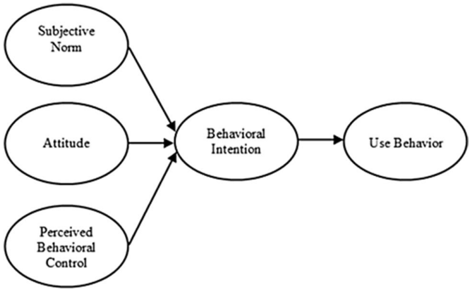
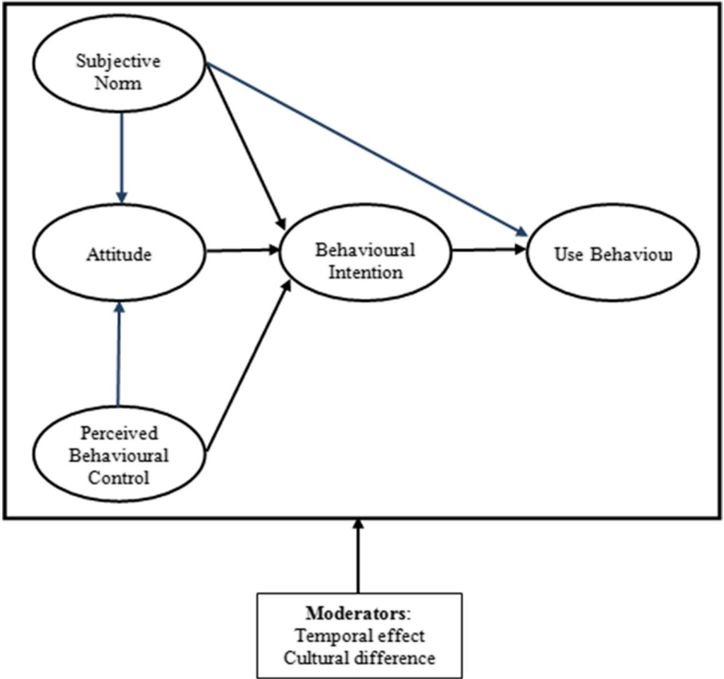
- In the original TPB, all paths were significant (p < 0.001): subjective norms were the strongest predictor of behavioral intention (β = 0.267), followed by perceived behavioral control (β = 0.147) and attitude (β = 0.137). In TPB2, all paths were significant: subjective norms remained the strongest predictor of behavioral intention (β = 0.195), followed by perceived behavioral control (β = 0.184) and attitude (β = 0.062); subjective norms were also the strongest predictor of use behavior (β = 0.241), followed by behavioral intention (β = 0.166); subjective norms (β = 0.753) outperformed perceived behavioral control (β = 0.290) in predicting attitude.
- Meta-analytic correlations: attitude–intention was strongest (r = 0.55), followed by perceived behavioral control–intention and subjective norms–intention (both r = 0.50), and intention–use behavior (r = 0.46). Weight analysis showed intention–use behavior was significant in 100% of studies, perceived behavioral control–intention in 91.67%, subjective norms–intention in 88.24%, and attitude–intention in 86.67%.
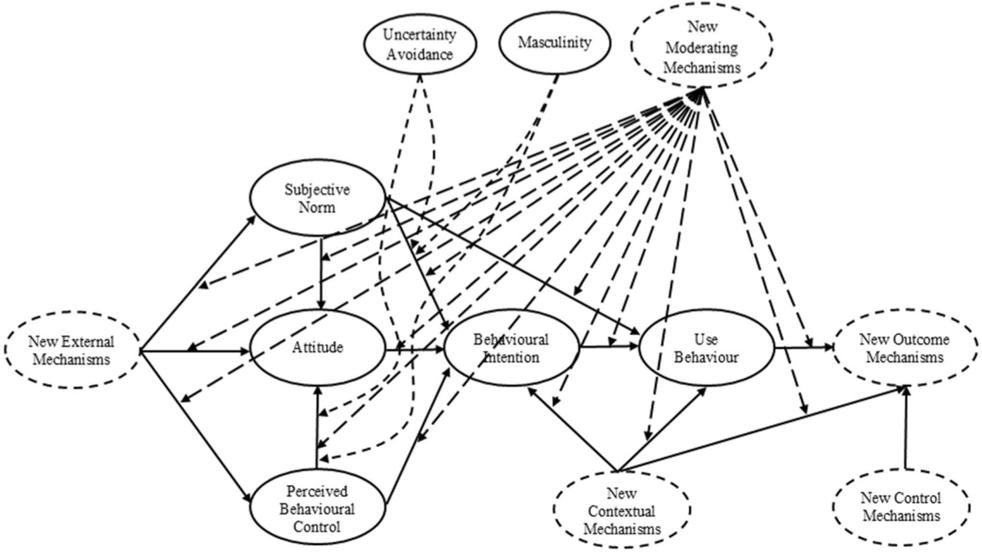
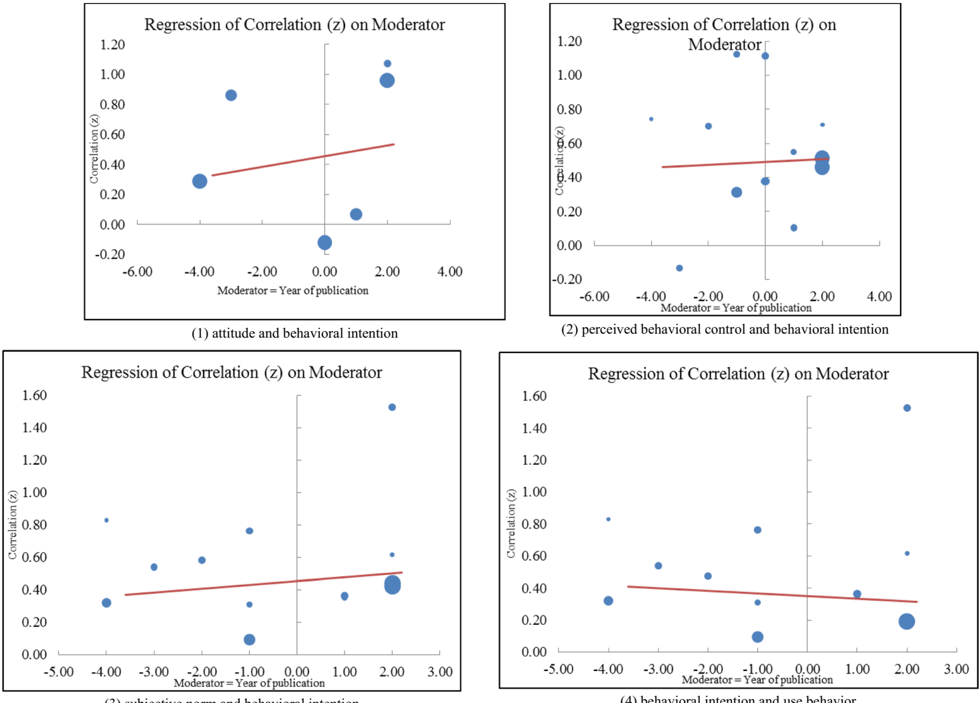
- No significant East–West cultural difference was found (Q-between not significant at p < 0.05; low pseudo R²). For Hofstede dimensions, masculinity and uncertainty avoidance were most significant: subjective norms–behavioral intention was weaker in high-masculinity cultures (β = −0.500, p = 0.028) and in high uncertainty avoidance cultures (β = −0.270, p = 0.032). Temporally, all correlations except perceived behavioral control–intention were moderated by publication year; intention–use behavior trended downward (β = −0.11, p = 0.025), while attitude–intention and subjective norms–intention trended upward (β = 0.19, p = 0.001; β = 0.17, p = 0.002).
Methods
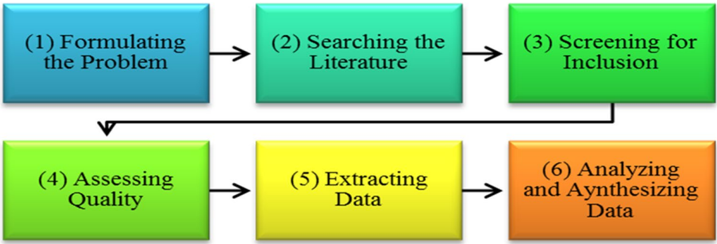
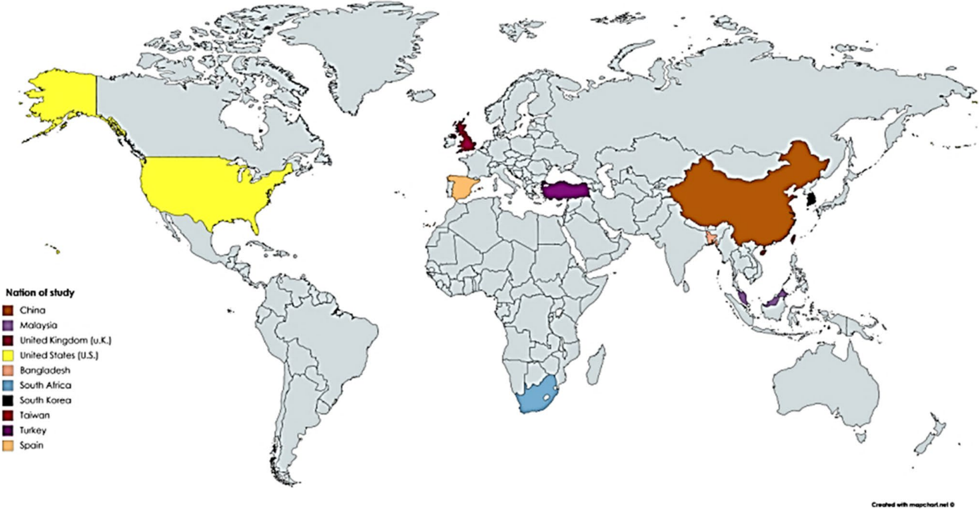
- Two-stage random-effects correlation-based MASEM/TSSEM. The search yielded 2,864 articles; after screening, 22 studies were retained (10 countries, 7,950 observations, 7 relationships; published 2013–2019). Random-effect meta-analysis in Meta Essentials produced a pooled correlation matrix; the harmonic mean sample size of 386 was used for SEM.
- SEM path analysis was conducted in Amos 23.0 with maximum likelihood estimation and bootstrapping, comparing TPB, TPB1, and TPB2. Moderator analyses included East–West subgroup analysis, publication year, and Hofstede cultural dimensions via meta-regression with weighted least squares.
Limitations
- Stated in the paper: only articles reporting Pearson’s correlation coefficients were examined; studies missing required statistics such as sample size, mean, standard deviation, and reliability were discarded; only English-language articles were considered; only cultural differences and year of publication were assessed as moderators; only basic TPB constructs were examined; the study focused on individual planned behavior rather than group planned behavior; and generalizations are limited to the s-commerce context.
- Evident from the text: the meta-analytic sample is 22 studies, and some relationships have few studies (e.g., use behavior k = 4), which may limit robustness; heterogeneity was high (I² approximately 96–97%), and although publication bias was addressed via Fail-safe N, reliance on available correlation matrices constrains construct coverage.
Model-written summary. Check it against the paper before relying on it.
Integrity signals
Registry
Cites
Statistics
Figures

Verification
Claims the paper makes
5 Valid · 5 Not valid · 22 Not checked · 113 Own results and interpretations
Every source the paper cites for this claim was checked and supports it.
In the paper
“Suh and Hsieh (2016) found that behavioral intention reduces by 15 - 20% when the planned behavior is expected to be executed after a few weeks compared to a temporal lag of only a few days.”
What the sources say
- Supportedcites Suh & Hsieh, 2016 matched to “Designing for Future Behaviors: Understanding the Effect of Temporal Distance on Planned Behaviors” (2016) source
The Discussion section 'Designing for Temporal Changes of Planned Behavior' (p. ~8) states verbatim-equivalent content: 'We found a 15-20% decrease in intention when the target is a few weeks away compared to a few days away,' tied to the general finding that intention declines as the enactment date approaches. This is backed by the reported magnitudes in our copy: Study 1's yoga-class willingness dropped from M=.80 a month before to M=.60 a few days before (Change in Intention Over Time, p. ~6), and Study 2's intention rates fell from 37% (far future) to 23.2% (near future) with F(1,421)=8.30, p<.01. (LLM, conf=0.92)
plainstates a cause- Asserted: passes — The authors put it forward as true.
- Checkable: passes — It can be checked against evidence.
- Load-bearing: passes — The paper’s conclusions depend on it.
- Based: passes — The paper gives a reason why it holds.
- Supported
Every source the paper cites for this claim was checked and supports it.
In the paper
“As proposed in TPB, attitude is the antecedent of behavioral intention, which is defined as the degree to which a consumer judges the behavior as negative or positive (Ajzen, 1991).”
What the sources say
- Supportedcites Ajzen, 1991 matched to “The theory of planned behavior” (1991) source
In “Predicting Intentions: Attitudes, Subjective Norms, and Perceived Behavioral Control,” Ajzen identifies attitude toward a behavior as a determinant of intention and defines it as a favorable or unfavorable evaluation of that behavior. The cited sentence’s negative-or-positive judgment paraphrases that definition; the paper does not limit it to consumers. (LLM, conf=0.94)
plainstates a cause- Asserted: passes — The authors put it forward as true.
- Checkable: passes — It can be checked against evidence.
- Load-bearing: passes — The paper’s conclusions depend on it.
- Based: passes — The paper gives a reason why it holds.
- Supported
The cited sources support only part of this claim — read each source’s verdict below.
In the paper
“As TPB was developed before the introduction of the Internet, Web 2.0 technologies, and social media, it is time to evaluate whether its relevance, effectiveness, novelty, and parsimony may have deteriorated due to temporal factors and the emergence of new Information Systems (IS) artifacts.”
- Also stated in: § 1 Introduction · plain
“First, the original TPB (Ajzen, 1991) was first introduced in 1991, and was thus 30years old by the time the Internet and social media became popular.”
What the sources say
- Partly supportedcites Ajzen, 1991 matched to “The theory of planned behavior” (1991) sourceExperimental — accuracy not yet measured
The Abstract (page unavailable) cites work on the theory of planned behavior from 1985 and 1987, supporting that the theory existed by then. Our copy does not discuss when the Internet, Web 2.0, or social media were introduced, so it cannot establish the claimed sequence. (LLM, conf=0.75)
plain- Asserted: passes — The authors put it forward as true.
- Checkable: passes — It can be checked against evidence.
- Load-bearing: passes — The paper’s conclusions depend on it.
- Based: passes — The paper gives a reason why it holds.
- Also stated in: § 1 Introduction · plain
A result the paper reports from its own data — it cites no other source for it, so there is none to check. The quote shows it is in the paper.
In the paper
“The findings revealed that TPB2 can better capture the nature of social commerce, as it can explain 28.4% of the variance in attitude, 59.0% of the variance in behavioral intention, and 9% of the variance in use behavior.”
plainstates an association- Asserted: passes — The authors put it forward as true.
- Checkable: passes — It can be checked against evidence.
- Load-bearing: passes — The paper’s conclusions depend on it.
- Based: passes — The paper gives a reason why it holds.
A result the paper reports from its own data — it cites no other source for it, so there is none to check. The quote shows it is in the paper.
In the paper
“Furthermore, there are marked differences in the strengths of the relationships, which can be seen from the minimum and maximum values of the correlation coefficients in Appendix Table11.”
plainstates an association- Asserted: passes — The authors put it forward as true.
- Checkable: passes — It can be checked against evidence.
- Load-bearing: passes — The paper’s conclusions depend on it.
- Based: passes — The paper gives a reason why it holds.
72 more claims
Create a free account to see all 145 claims and every source verdict.
- Probably not a substantial claim. 27
- It may state two separate claims as one. 49
- The quote only partly states this claim. 1
Self-check
Percentages, sums and reported differences re-computed from the paper’s own numbers.
Each contradiction between two passages listed here was confirmed by an independent check.
Rated minor: it would not touch a result — a value no result rests on, a p-value that stays on the same side of the significance level, or a conflict that is clerical, resolved elsewhere in the paper, or outside its own findings.
In the paper
§ 5.1 Measurement Model
“TPB2 explains 28.3% of the variance in attitude while TPB1 explains 24.4%”
§ Abstract
“it can explain 28.4% of the variance in attitude, 59.0% of the variance in behavioral intention, and 9% of the variance in use behavior.”
Rated minor: it would not touch a result — a value no result rests on, a p-value that stays on the same side of the significance level, or a conflict that is clerical, resolved elsewhere in the paper, or outside its own findings.
In the paper
§ 4.9 Further Moderation Analysis ofHofstede's Cultural Dimensions
“a moderating effect of masculinity on the relationship between PBC and AT (β = 0.007, p = 0.020)”
§ 4.10 Advantages ofMASEM
“| PBC → AT | 0.003 | 0.582 | -0.005 | 0.241 | 0.049 | 0.007** | 0.020 | 0.024* |”
Rated minor: it would not touch a result — a value no result rests on, a p-value that stays on the same side of the significance level, or a conflict that is clerical, resolved elsewhere in the paper, or outside its own findings.
In the paper
“| Subjective Norm → Intention | 17 | 0.015 | 0.972 | 15 | 2 | 88.24% | 75 | 1003 | 5691 | 356 |”
Reported 356 · recomputed 334.764706
Citations
Cites
The theory of planned behavior
Ajzen, I. (1991) · Organizational Behavior and Human Decision Processes · doi:10.1016/0749-5978(91)90020-t · Cited by 134,657
A Theoretical Extension of the Technology Acceptance Model: Four Longitudinal Field Studies
Venkatesh, V., & Davis, F. D. (2000) · Management Science · doi:10.1287/mnsc.46.2.186.11926 · Cited by 23,066 · cited 2×
“Venkatesh and Davis (2000) asserted that “subjective norm has a significant influence on attitude towards an intended behavior when an individual internalizes the social influence imposed on him/ her” (p. 187).”
BackgroundCulture and the self: Implications for cognition, emotion, and motivation.
Markus, H. R., & Kitayama, S. (1991) · Psychological Review · doi:10.1037/0033-295x.98.2.224 · Cited by 21,995 · cited 1×
“For instance, Asian people have greater propensity for collectivism while European people place greater value on individualism (Markus & Kitayama, 1991).”
BackgroundStatistical Methods for Meta-Analysis
Wasserman, S., Hedges, L. V., & Olkin, I. (1988) · Journal of Educational Statistics · doi:10.2307/1164953 · Cited by 10,326
The file drawer problem and tolerance for null results.
Rosenthal, R. (1979) · Psychological Bulletin · doi:10.1037/0033-2909.86.3.638 · Cited by 9,068 · cited 1×
“Moreover, Rosenthal (1979) opined that a Fail-safe N exceeding the number of studies by fivefold would provide strong support for the robustness of the significant effects.”
BackgroundPerceived Behavioral Control, Self‐Efficacy, Locus of Control, and the Theory of Planned Behavior 1
Ajzen, I. (2002) · Journal of Applied Social Psychology · doi:10.1111/j.1559-1816.2002.tb00236.x · Cited by 7,629 · cited 1×
“Prior research has indicated that subjective norms exert a significant impact on attitude (Ajzen, 2002; Hong et al., 2019; Lin & Wu, 2015; Venkatesh & Davis, 2000; Yeo et al., 2017).”
BackgroundPLS-SEM or CB-SEM: updated guidelines on which method to use
Jr., J. F. H., Matthews, L. M., Matthews, R. L., & Sarstedt, M. (2017) · International Journal of Multivariate Data Analysis · doi:10.1504/ijmda.2017.087624 · Cited by 5,441
Bock, G.-W., Zmud, R. W., Kim, Y.-G., & Lee, J.-N. (2005) · MIS Quarterly · doi:10.2307/25148669 · Cited by 4,333 · cited 1×
“Similarly, Bock et al. (2005) opined that an individual will not exhibit a behavior if he or she believes that the behavior would not be condoned by the community.”
BackgroundDwivedi, Y. K., Hughes, L., Baabdullah, A. M., Ribeiro-Navarrete, S., Giannakis, M., Al-Debei, M. M., Dennehy, D., Metri, B., Buhalis, D., Cheung, C. M. K., et al. (2022) · International Journal of Information Management · doi:10.1016/j.ijinfomgt.2022.102542 · Cited by 2,753 · cited 1×
“Also, the TPB2 model can also be used to examine the emerging phenomenon of the ‘Metaverse’ (Dwivedi et al., 2022a) and adoption of digital technologies for climate change (Dwivedi et al., 2022b).”
MethodSelf-citationUnified Theory of Acceptance and Use of Technology: A Synthesis and the Road Ahead
University of Arkansas, Venkatesh, V., Thong, J., Hong Kong University of Science and Technology, Xu, X., & The Hong Kong Polytechnic University (2016) · Journal of the Association for Information Systems · doi:10.17705/1jais.00428 · Cited by 2,513 · cited 6×
“For example, familiarity with AI-driven conversational commerce can be included as a moderating variable (Tamilmani et al., 2021b; Venkatesh et al., 2016).”
BackgroundMethodInfluential
Research works printed but not linked: 11
- Akman, I. (2015). Exploring adoption of social media commerce using extended theory of planned behaviour. In International conference on economic, education and humanities (ICEEH14) (pp. 10–11). Bali
- Blut, M., Yee, A., Chong, L., Tsigna, Z., Venkatesh, V., & Thatcher, J. B. (2022). Meta-analysis of the Unified Theory of Acceptance and Use of Technology (UTAUT): Challenging its validity and charting a research agenda in the red ocean. Journal of the Association for Information Systems , 23 (1), 13-95. https:// aisel. aisnet. org/ jais/ vol23/ iss1/ 10. Accessed 31 August 2021. · DOI · Paper page
- Bojei, J., & Abu, M. L. (2016). Intention to use social media tools among business-to- consumer (B2C) practitioners in Klang Valley, Malaysia: Insight from TPB. Malaysian Institute of Management, 51 (2), 57-70.
- Hajli, N., Shanmugam, M., & Yah Jusoh, Y. (2014). Social Commerce: Theory of Planned Behaviour Perspective. In BAM 2014 Conference Proceedings (pp. 1-19). U.K.
- Hedges, L. V., & Ingram, O. (2014). Statistical Methods for MetaAnalysis (1st ed.). Academic Press Inc.
- Hofstede, G. H. G. J., & Minkov, M. (2010). Cultures and organizations: software of the mind: International cooperation and its importance for survival. (Geert Hofstede, Gert Van Hofstede, & Michael Minkov, Eds.) The McGraw-Hill Companies, Inc. (3rd editio, vol. 1). McGraw-Hill.
- Liang, T. P., Cheng, J. C., Saini, V., & Hsu, J. S. C. (2021). Is being helpful good enough for online reviews? Exploring the role of information credibility and data source through meta-analysis. Journal of Electronic Commerce Research, 22(4), 336–362.
- McLaughlin, C., & Stephens, S. (2019). The theory of planned behavior: the social media intentions of SMEs. In Irish Academy of Management (pp. 1-30).
- Ratnawati, T., Riyadi, S., & Panjaitan, H. (2017). Subjective norm, moral obligation, and perceived behavioral control, as antecedents variable is service quality, attitude and intention to compliance with taxpayers: ( Study on Motor Vehicle Tax in Riau Islands Province ). Journal of Research in Business and Management, 5 (4), 32-40.
- Shim, D., & Altmann, J. (2016). How Marginally Does Impulse Buying Intention Change in Social Commerce? Nonparametric Regression Approach Abstract Background and Relevant Research. Research Article Global Media Journal , 14 (27), 1-13. http:// www. globa lmedi ajour nal. com.
- Smith, S. M., Zhao, J., & Alexander, M. (2014). Social Commerce from a Theory of Planned Behavior Paradigm: An Analysis of Purchase Intention. International Journal of E-Adoption, 5 (3), 76-88. https:// doi. org/ 10. 4018/ ijea. 20130 70104 · DOI
Cited by
The Effect of Digital Marketing Adoption on SMEs Sustainable Growth: Empirical Evidence from Ghana
Bruce, E., Shurong, Z., Du, Y., Yaqi, M., Amoah, J. O., & Egala, S. B. (2023) · Sustainability · doi:10.3390/su15064760 · Cited by 269
Revisiting the social commerce paradigm: the social commerce (SC) framework and a research agenda
Leong, L.-Y., Hew, T.-S., Ooi, K., Hajli, N., & Tan, G. W. (2023) · Internet Research · doi:10.1108/intr-08-2022-0657 · Cited by 86
Self-citationAgag, G., Eid, R., Lababdi, H. C., Abdelwahab, M., Aboul-Dahab, S. A.-E. M. M., & Abdo, S. S. (2024) · Journal of Retailing and Consumer Services · doi:10.1016/j.jretconser.2024.103827 · Cited by 66
Leong, L.-Y., Hew, T.-S., Ooi, K., & Chau, P. Y. K. (2024) · Decision Support Systems · doi:10.1016/j.dss.2024.114185 · Cited by 63
Self-citationHaq, M. D., Tseng, T., Cheng, H., & Chiu, C. (2024) · Journal of Retailing and Consumer Services · doi:10.1016/j.jretconser.2024.104026 · Cited by 75
Li, Y., Gan, Z., & Zheng, B. (2025) · Information Systems Frontiers · doi:10.1007/s10796-023-10438-x · Cited by 47
“The findings are in line with the literature on the theory of planned behavior, which is a typical behavioral theory in information systems research, and argue that behavioral intention is the most proximal determinant of actual behavior (Leong et al., 2022).”
Nguyen, T. T., Truong, H. T. T., & Le–Anh, T. (2023) · SAGE Open · doi:10.1177/21582440231218814 · Cited by 142
“To study online purchase intention, several theoretical models were frequently used including the theory of planned behavior (TPB) and its extensions (Leong et al., 2023), the technology acceptance model (TAM) (Chen & Teng, 2013), or the stimulus-organism-response (SOR) model (Liu et al., 2016).”
MethodTang, L., & Jiang, J. (2024) · Journal of Cleaner Production · doi:10.1016/j.jclepro.2024.141168 · Cited by 63
Hwang, J., Kim, J. S., Joo, K., & Choe, J. Y. (2024) · Journal of Hospitality Marketing & Management · doi:10.1080/19368623.2024.2379269 · Cited by 65
“However, previous research has addressed the limitations of the TPB by extending the TPB in various research contexts, which has improved the variance of the model (Ajzen, 2015; Leong et al., 2023).”
Sadiq, S., Jia, K., Aman, I., & Mansab, M. (2025) · European Research on Management and Business Economics · doi:10.1016/j.iedeen.2024.100268 · Cited by 50
Developing a Performance Evaluation Framework Structural Model for Educational Metaverse
Tsappi, E., Deliyannis, I., & Papageorgiou, G. (2024) · Technologies · doi:10.3390/technologies12040053 · Cited by 33
“Grounded in the literature review above, a robust performance appraisal model is proposed, integrating the Theory of Planned Behavior (TPB) [44,45], the Unified Theory of Acceptance and Use of Technology (UTAUT) [26,46], and the Community of Inquiry Framework (CoI) [47,48].”
Consumers’ sustainable investing: A systematic literature review and research agenda
Aulia, M., Afiff, A. Z., Hati, S. R. H., & Gayatri, G. (2024) · Cleaner and Responsible Consumption · doi:10.1016/j.clrc.2024.100215 · Cited by 57
Examining students' attitudes and intentions towards using ChatGPT in higher education
Haq, M. Z. U., Cao, G., & Abukhait, R. M. Y. (2025) · British Journal of Educational Technology · doi:10.1111/bjet.13582 · Cited by 26
Hai, D. N., Minh, C. C., & Huynh, N. N. (2023) · International Journal of Transportation Science and Technology · doi:10.1016/j.ijtst.2023.05.002 · Cited by 26
Past, present, and future of social commerce: a bibliometric analysis
Herzallah, D., Liébana-Cabanillas, F. J., Muñoz‐Leiva, F., & Zarco, C. (2025) · Quality & Quantity · doi:10.1007/s11135-025-02103-z · Cited by 48
“…online shopping (Lim and Kim 2022), Trust (Cai 2022), Green (Gupta and Syed 2022), machine learning (Kumar et al. 2022), theory of planned behavior (Leong et al. 2022), motivations (Hu et al. 2022), flow theory (Hyun et al. 2022), mobile commerce (Kao, and L’Huillier 2022), virtual reality (Leung…”
Zhang, D., Zhang, Y., & Lou, S. (2023) · Environment Development and Sustainability · doi:10.1007/s10668-023-04210-z · Cited by 29
“This research result is consistent with previous studies (Chang et al., 2016; Dodoo & Youn, 2021; Jadil et al., 2022, Lee, 2009b; Leong et al., 2022; Ruiz-Mafe et al., 2013; Vijayasarathy, 2004 Wu, 2006; Yang et al., 2015; Zerbini et al., 2022).”
Becan, C., & Çeber, B. (2026) · Digital Transformation and Society · doi:10.1108/dts-04-2025-0082 · Cited by 15
Yang, H., Xu, N., Lin, X., & Zhang, W. (2025) · Computers in Human Behavior Reports · doi:10.1016/j.chbr.2025.100833 · Cited by 27
Alhumud, A. A., & Elshaer, I. A. (2024) · Sustainability · doi:10.3390/su16104237 · Cited by 24
Nasr, I. B., Abaidi, I., & Thomas, L. (2024) · Information Systems Frontiers · doi:10.1007/s10796-024-10563-1 · Cited by 16
“Similarly, TPB, developed before the wide-spread adoption of the internet, may be considered outdated in modern technological advancements, raising questions about its relevance in explaining current technology acceptance behaviors (Leong et al., 2023).”
Investigating students’ adoption of virtual reality for L2-learning in India
Alvi, I. (2023) · Education and Information Technologies · doi:10.1007/s10639-023-12140-6 · Cited by 16
“…the Theory of Planned Behavior, which measures the intent to carry out a behavior/ use technology; the intention is the primary factor influencing the behavior as it represents the amount of motivation an individual is willing to employ in carrying it out (Sharma & Alvi, 2021; Leong et al., 2022).”
Amrutha, S., & Venkatakrishnan, S. (2024) · KSII Transactions on Internet and Information Systems · doi:10.3837/tiis.2024.04.013 · Cited by 10
An Integrated Model for Information Adoption&Trust in Mobile Social Commerce
Açikgöz, F., Busalim, A. H., Gaskin, J. E., & Asadi, S. (2023) · Journal of Computer Information Systems · doi:10.1080/08874417.2023.2251449 · Cited by 25
“Moreover, from Leong et al., 84 we can see that the role of social support (emotional or informational) in relationship enhancement is well established, especially in the social commerce context.”
Duong, C. D. (2024) · Oeconomia Copernicana · doi:10.24136/oc.3306 · Cited by 15
“TPB asserts that when individuals feel confident in their capacity to carry out a behavior influenced by factors such as access, affordability, and knowledge, they are more likely to engage in that behavior (Leong et al ., 2023; Sultan et al ., 2020).”
Herzallah, D., Liébana-Cabanillas, F. J., & Muñoz‐Leiva, F. (2024) · International Journal of Fashion Design Technology and Education · doi:10.1080/17543266.2024.2308557 · Cited by 13
“This in fl uence comes about through a series of interconnected psychological and behavioural factors (Leong, Hew, Ooi, Chong, & Lee, 2021; Leong, Hew, Ooi, Metri, & Dwivedi, 2023).”
Shen, X., Paluzzi, H., Qiu, C., Kohnke, E. J., & Chen, H.-Z. (2025) · International Journal of Physical Distribution & Logistics Management · doi:10.1108/ijpdlm-04-2024-0170 · Cited by 10
Dao, T. T., Phan, T. T. H., Ngo, T. V. N., Duong, C. D., & Vu, T. N. (2025) · Human Behavior and Emerging Technologies · doi:10.1155/hbe2/1787273 · Cited by 7
Dangaiso, P., Jaravaza, D. C., & Mukucha, P. (2024) · Cogent Social Sciences · doi:10.1080/23311886.2023.2299141 · Cited by 8
“…than individualistic cultures as well. how one copes with complex behaviors (perceived behavioral control) may be subject to cultural orientation (leong et al., 2022), for example individualistic cultures emphasise individual self-efficacy in complex situations while collectivism encourages…”
South African Township Consumers’ Recycling Engagement and Their Actual Recycling Behavior
Makhitha, K. M. (2025) · Sustainability · doi:10.3390/su17104570 · Cited by 6
Camacho, L. J., Ramírez-Correa, P., Salazar-Concha, C., López-Martínez, J., Müller, J., & Lovegrove, M. C. (2026) · Journal of risk and financial management · doi:10.3390/jrfm19030163 · Cited by 7
Mateus, M. A., Rincón, A. G., & Almonacid, F. D. O. (2025) · Digital Business · doi:10.1016/j.digbus.2025.100146 · Cited by 11
Haq, I. U., Mazhar, B., Maqsood, F., Pokharel, M., Tareen, H. K., & Hassan, M. M. U. (2025) · Telematics and Informatics Reports · doi:10.1016/j.teler.2025.100287 · Cited by 12
Sartono, Y., Astuti, E. S., Wilopo, W., & Noerman, T. (2024) · Sustainability · doi:10.3390/su16198353 · Cited by 6
“7 of 21 In the TPB, UA has been shown to in fl uence the intention to adopt new technologies by moderating the impact of perceived behavioral control, which includes SE [71].”
Or, C. C. P. (2023) · Journal of Applied Learning & Teaching · doi:10.37074/jalt.2023.6.2.7 · Cited by 14
A Roadmap to Building Mental Health–Friendly Churches
Kwan, C. K., & Chan, S. K. (2023) · Pastoral Psychology · doi:10.1007/s11089-023-01087-7 · Cited by 3
“Prior research has shown the inter-connectedness between the three components (Ajzen, 2002; Leong et al., 2022; Ng et al., 2022).”
Toward sustainable food consumption in India: Exploring organic buying behavior
Ghosh, A., Tarekegn, K., & Ghosh, B. (2026) · Journal of International Food & Agribusiness Marketing · doi:10.1080/08974438.2026.2617426 · Cited by 3
Zhang, J., van Herk, H., & Goldman, S. (2025) · Transportation Research Part A Policy and Practice · doi:10.1016/j.tra.2025.104781 · Cited by 6
LA INTELIGENCIA ARTIFICIAL Y SU INFLUENCIA EN EL COMPORTAMIENTO DE LOS ESTUDIANTES
Calle, G. P. R., Tivillin-Gutama, D. M., & Bonisoli, L. (2025) · KAIRÓS REVISTA DE CIENCIAS ECONÓMICAS JURÍDICAS Y ADMINISTRATIVAS · doi:10.37135/kai.03.14.04 · Cited by 5
Li, J., Yue, R., Lin, W., Zhang, J., Yang, Y., Li-li, Q., & Gu, Q. (2024) · Journal of Computational Methods in Sciences and Engineering · doi:10.3233/jcm-247477 · Cited by 3
“Mousa [21] found that social influence significantly affects consumers’ behavior intention when mobile shopping and the effect of social influence on the adoption of social e-commerce is also supported by other scholars [22].”
Selvan, A. M., Susainathan, S., George, H. J., Parayitam, S., Fazalbhoy, S., & Shaik, S. A. (2026) · International Journal of Information Management Data Insights · doi:10.1016/j.jjimei.2026.100389 · Cited by 6
Su, J., Chen, Y., Liu, H., Wang, M., & Jiang, L. (2025) · Kybernetes · doi:10.1108/k-12-2024-3252 · Cited by 2
Simba-Herrera, M. S., Robalino-López, A., & Aniscenko, Z. (2025) · Management Research The Journal of the Iberoamerican Academy of Management · doi:10.1108/mrjiam-03-2025-1708 · Cited by 1
Khaliq, U., Yan, J., & Khaliq, N. (2026) · Journal of theoretical and applied electronic commerce research · doi:10.3390/jtaer21040101 · Cited by 3
“Based on the Social Exchange Theory and the Theory of Planned Behavior, MC serves as a contextual moderator, influencing customer trust, value, and retention within the environmental market context [30].”
Haq, I. U., Mazhar, B., & Maqsood, F. (2026) · ReMark - Revista Brasileira de Marketing · doi:10.5585/2026.28646 · Cited by 1
Bishnoi, P., & Savita, U. (2025) · IIMT Journal of Management · doi:10.1108/iimtjm-04-2024-0050 · Cited by 1
Climate-Related Regulations and Financial Markets: A Meta-Analytic Literature Review
Ho, L. T., Gan, C. E. C., & Zhao, Z. (2024) · Journal of risk and financial management · doi:10.3390/jrfm17090398 · Cited by 3
Comprehensive classification and analysis of s-commerce design research
Baghdadi, Y., & Pulparambil, S. (2025) · Telematics and Informatics Reports · doi:10.1016/j.teler.2025.100229 · Cited by 6
Prabhala, M., & Bose, I. (2024) · Information Systems Frontiers · doi:10.1007/s10796-024-10552-4 · Cited by 2
“The emergence of internet and Web 2.0 has enabled user generated content in the form of online consumer reviews (OCRs) (Leong et al., 2023).”
InfluentialGuan, C., Jangbahadur, U., Ojha, V., & Khanchandani, A. (2026) · International Journal of Quality and Service Sciences · doi:10.1108/ijqss-12-2025-0338 · Cited by 1
Firoz, I., Patil, S., Hegde, H., Dobriyal, M. J., Sharma, A., Jha, A., Baskar, V. D. C., Sharma, P. R., & Singh, A. K. (2026) · Agroforestry Systems · doi:10.1007/s10457-026-01530-7
Morkūnas, M., Wang, Y., & Wei, J. (2026) · International Marketing Review · doi:10.1108/imr-03-2025-0111
Analisis Minat Penggunaan QRIS pada Generasi Milenial Menggunakan Pendekatan TAM di Jawa Timur
Putro, D. R., Siswanto, E., Pradigta, M. D. I., & Rahmahima, B. A. (2023) · REVITALISASI · doi:10.32503/revitalisasi.v12i1.3682 · Cited by 6
Raihani, S. L., Fauzi, R., & Fa’rifah, R. Y. (2026) · International Conference on Enterprise and Industrial System (ICOEINS) · doi:10.1109/icoeins69996.2026.11605820
“These findings indicate that perceptions of self-ability, usability, and accessibility of technology are the main factors driving mHealth adoption [28].”
How Artificial Intelligence Shapes Consumer Behaviour in Social Commerce
Soares, R. A., de Luna, I. R., & Ammetller, G. (2026) · Contributions to management science · doi:10.1007/978-3-032-22360-9_18
Nazmul, M. D. S. B., Azad, M. S., & Mahdy, M. R. C. (2026) · Computers in Human Behavior Reports · doi:10.1016/j.chbr.2026.101237
Consumer willingness to purchase Electric Vehicles: A meta-analysis and MASEM study
Zhang, Y., Zhang, L., Wu, Y., Zhou, L., Xi, T., Zeng, Z., & Zhang, H. (2026) · Research in Transportation Business & Management · doi:10.1016/j.rtbm.2026.101855 · Cited by 1
Cassar, V., Tracz‐Krupa, K., Zielińska, A., & Bezzina, F. H. (2025) · SSRN Electronic Journal · doi:10.2139/ssrn.5430249
Brand Anthropomorphism in Generative AI-Augmented Social Commerce: A Systematic Literature Review
Ruslan, W. N. S. W., & Aziz, K. A. (2026) · Studies in big data · doi:10.1007/978-3-032-14698-4_25
Yiğitoğlu, V., & Şahin, E. (2026) · Journal of Hospitality Leisure Sport & Tourism Education · doi:10.1016/j.jhlste.2026.100623
Zhang, T., Seet, P., Redmond, J., & Sharafizad, J. (2026) · Asia-Pacific Journal of Business Administration · doi:10.1108/apjba-04-2025-0280 · Cited by 1
Triple sustainability image for AI-enabled sustainable products
Choi, D. D., Im, T., & Sheng, J. Q. (2026) · Journal of Cleaner Production · doi:10.1016/j.jclepro.2026.148815
Attieh, L., Sánchez, J. D. A., Puelles-Gallo, M., & Arias-Oliva, M. (2026) · Foods · doi:10.3390/foods15162918
“Although TPB has proven effective in predicting behavior across various fields, some researchers suggest that including additional constructs could enhance the model’s predictive power [19,31,32].”
The Role of Digital and Green Marketing in Promoting Sustainable Consumer Attitudes
Abdulkhalek, R. (2026) · Proceedings in Technology Transfer · doi:10.1007/978-981-95-7607-4_14
Dutta, B. (2026) · Journal of Baltic Science Education · doi:10.33225/jbse/26.25.258
Saad, Z. A., Fauzi, M. A., & Osman, A. A. (2025) · Human Systems Management · doi:10.1177/01672533251322393 · Cited by 2
“54 Drawing from the insights provided by previous research, this study hypothesizes the following: H5 : Job seekers ’ attitude positively in fl uences job application intention.”
Malakar, R., & Rahman, M. S. (2026) · Journal of Technology in Behavioral Science · doi:10.1007/s41347-026-00681-9
Melliana, Supit, D., Apriyanto, & Wibisono, O. N. (2026) · Jurnal Penelitian dan Pengembangan Pendidikan · doi:10.23887/jppp.v10i1.102959
Cao, T. X. M., Chu, M. C., & Huynh, N. (2026) · International Journal of Urban Sciences · doi:10.1080/12265934.2026.2715987
Sukri, S., Evanita, S., & Dwita, V. (2026) · Ilomata International Journal of Management · doi:10.61194/ijjm.v7i1.2006 · Cited by 2
Kiatsangsilp, D., & Pankham, S. (2025) · Decision Making Applications in Management and Engineering · doi:10.31181/dmame8120251434 · Cited by 3
“Within digitally oriented SMEs, these norms can encourage both owners and employees to embrace new technologies [ 18 ; 19 ].”
Xiaomei, L., & Aman, I. (2026) · Journal of the Knowledge Economy · doi:10.1007/s13132-026-03229-7
“First, customers’ perceptions of social commerce encompassing ease, value, and sustainability potential influence their desire to embrace it (Leong, et al. 2023).”
Hsiao, W., Wu, I., & Chen, T. (2025) · Behaviour and Information Technology · doi:10.1080/0144929x.2025.2590089
“The TPB, as discussed above, is applied to define a comprehensive belief structure that captures the interactive experience of consumers through social media (Leong et al. 2023).”
Creating a Structural Model for Performance Evaluation in the Educational Metaverse
Dua, G. K. (2025) · Advances in human resources management and organizational development book series · doi:10.4018/979-8-3373-0149-5.ch004
Herlina, H., Haryanto, B., Wahyudi, L., & Sugiarto, C. (2025) · The International Review of Retail Distribution and Consumer Research · doi:10.1080/09593969.2025.2582008 · Cited by 3
Li, M., Irfan, M., Naveed, R. T., Sıngh, A., Muneer, S., & Salameh, A. A. M. (2025) · Acta Psychologica · doi:10.1016/j.actpsy.2025.105964 · Cited by 2
Intentions to consume dietary supplements among Gen Y: extended planned behaviour model
Chaichana, C., Kot, S., Khalid, B., & Chaveesuk, S. (2025) · Verslas teorija ir praktika · doi:10.3846/btp.2025.23387 · Cited by 1
“The Theory of Planned Behavior considers the construct of perceived behavioral control consists of the individual’s beliefs regarding the ease and difficulty with which a spe - cific behavior may be performed (Rossi et al., 2022; Leong et al., 2023; Li et al., 2024).”
Metadata
- Authors
- Leong, L.-Y., Hew, T.-S., Ooi, K.-B., Metri, B., & Dwivedi, Y. K.
- Affiliations
- Universiti Tunku Abdul Rahman (MY)
- University of Malaya (MY)
- UCSI University (MY)
- Symbiosis International University (IN)
- Corresponding author
- Dwivedi, Yogesh K.
- Venue
- Information Systems Frontiers
- Published
- 2022-09-14
- Volume
- 25
- Issue
- 5
- Pages
- 1847-1879
- ISSN
- 1387-3326 (ISSN-L)
- 1572-9419
- OpenAlex
- W4295812009
- Cited by
- 80
- References
- 164
- Citations by year
- 2026: 26 · 2025: 24 · 2024: 19 · 2023: 11
- FWCI
- 11.29
- Type
- journal article
- Language
- en
- Open access
- hybrid
- doi.org
- Licence
- cc-by
- creativecommons.org/licenses/by/4.0 (tdm)
- creativecommons.org/licenses/by/4.0 (vor)
- Locations
- Information Systems Frontiers (publishedVersion, cc-by)
- Cronfa (Swansea University) (submittedVersion, cc-by)
- RePEc: Research Papers in Economics (submittedVersion)
- Greater South Information System
- Topics
- Social Sciences › Decision Sciences › Information Systems and Management › Technology Adoption and User Behaviour
- Social Sciences › Psychology › Applied Psychology › Behavioral Health and Interventions
- Social Sciences › Business, Management and Accounting › Marketing › Digital Marketing and Social Media
- Keywords
- theory of planned behavior, social commerce, social support, behavioral intention, attitudes, use behavior, masculinity, uncertainty avoidance, Hofstede cultural dimensions, Web 2.0, social media
About these checks
Registry, retraction, Cites and statistics results are computed, not judged, with one exception: a printed reference that no index lists is read once by a model before it counts as a citation error. Claims are extracted by a model and kept only when their quote appears verbatim in the text; each cited source is then checked, with a model’s help, for whether it says what the claim relies on. Those verdicts can be wrong — read the claim’s quote and the cited source before relying on one.
The claim verdicts this report counts are experimental: their accuracy is not yet measured.
A language model drew the claims from the paper on 2026-10-10, under version 3 of the claim definition (model deepseek-v4.1-flash, prompt extract-v3).
A second model labelled each claim on 2026-10-10 (model jev-1.13-20260917, definition revision gold-guideline-v0.2).
Cited sources are checked with a language model’s help (qwen3.8-omni-flash and gpt-6-sol).
Statistics and arithmetic are recomputed, not judged.
Confidence bands are shown only for fields calibrated on our annotated test set. None is calibrated yet, so no band is shown.
What counts as a claim ›How we measure confidence ›How we check this ›
Are you an author, or do you see a problem with this page? Request a review
Data sources
Bibliographic data: Semantic Scholar, OpenAlex, Crossref.
Contains information from the Semantic Scholar Academic Graph Datasets, made available under the ODC Attribution License (ODC-BY 1.0).
Semantic Scholar’s data is described in: Kinney, R., et al. (2023). The Semantic Scholar Open Data Platform. arXiv:2301.10140.
