

Response Inhibition and ADHD Traits: Correlates and Heritability in a Community Sample
Open accessThe DOI matches its Crossref record; 47 of the 48 references it cites were found in a registry or an index.
Abstract
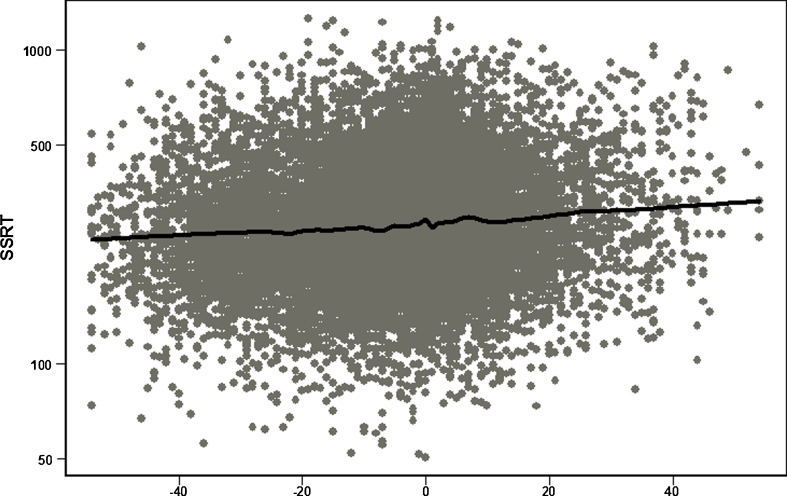
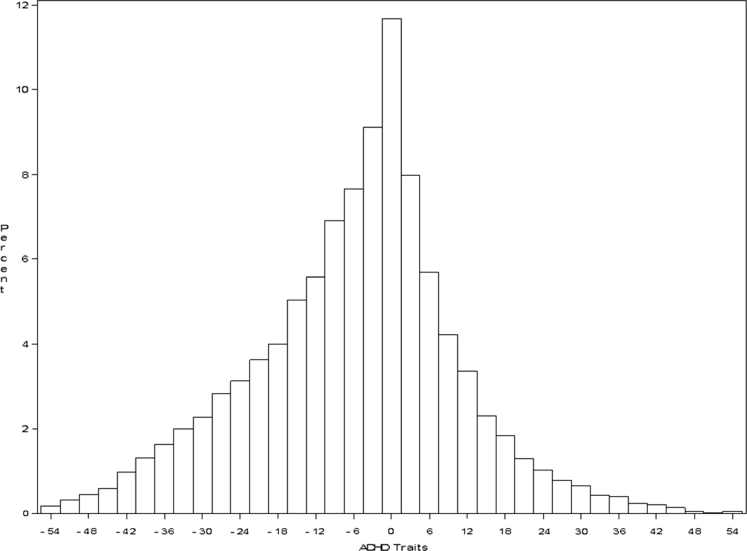
Endophenotypes or intermediate phenotypes are of great interest in neuropsychiatric genetics because of their potential for facilitating gene discovery. We evaluated response inhibition, latency and variability measures derived from the stop task as endophenotypes of ADHD by testing whether they were related to ADHD traits in the general population, heritable and shared genetic risk with ADHD traits. Participants were 16,099 children and adolescents, ages 6 to 18 years who visited a local science center. We measured ADHD traits using the Strengths and Weaknesses of ADHD-symptoms and Normal-Behavior (SWAN) rating scale and performance on the stop signal task (SST)-response inhibition (SSRT), response latency (GoRT), and response variability (GoRTSD). Regression analysis was used to assess the relationship of cognitive measures and ADHD traits while controlling for family, age, sex, ethnicity, socioeconomic status and treatment status. Heritability of ADHD and cognitive traits was estimated using SOLAR in 7,483 siblings from 3,507 families that included multiple siblings. Bivariate relationships between pairs of variables were examined. Individuals with greater ADHD trait scores had worse response inhibition, slower response latency, and greater variability. Younger participants and girls had inferior performance although the gender effects were minimal and evident in youngest participants. Inhibition, latency, variability, total ADHD traits, inattention and hyperactivity-impulsivity scores were significantly heritable. ADHD traits and inhibition, but not latency or variability were coheritable. In the largest study in the general population, we found support for the validity of response inhibition as an endophenotype of ADHD.
Overview
The claims and statistics of this paper haven’t been checked yet.
Free: it reads the open-access text and checks the first 5 claims that cite a source we can check. Create a free account to check every claim.
Integrity signals
Registry
Cites
Statistics
Figures
Verification
Claims the paper makes
The claims and statistics of this paper haven’t been checked yet.
Free: it reads the open-access text and checks the first 5 claims that cite a source we can check. Create a free account to check every claim.
Claims other papers make about this one
Each is checked against this paper’s own text: does it say what the citing paper says it does?
The source backs part of the claim, not all of it — or backs it for a different population, condition or comparison.
In the citing paper
“Research has shown that greater ADHD traits are associated with longer SSRT and gender affects at younger ages (e.g., Crosbie et al., 2013)”
From Response Inhibition in Youth Undergoing Intensive Treatment for Obsessive Compulsive Disorder (2023) · cites this paper as Crosbie et al., 2013
Experimental — accuracy not yet measuredThe cited source says what the claim attributes to it.
In the citing paper
“Evidence indeed suggests that impairments in EF are related to deficits in attention, hyperactivity and impulsivity [6], [7], [8], [9], [10], [11]”
In the citing paper
“The serious game is based on ADHD theories which argue that deficits in executive functioning are related to impulsivity, hyperactivity, and attention (69–77).”
From Serious Games for Mental Health: Are They Accessible, Feasible, and Effective? A Systematic Review and Meta-analysis (2017) · cites this paper as [73]
Self-check
Percentages, sums and reported differences re-computed from the paper’s own numbers.
The self-check needs the paper’s full text.
Citations
Cites
The Endophenotype Concept in Psychiatry: Etymology and Strategic Intentions
Gottesman, I. I., & Gould, T. D. (2003) · American Journal of Psychiatry · doi:10.1176/appi.ajp.160.4.636 · Cited by 5,615 · cited 3×
“Potentially useful endophenotypes are those that are associated with the disorder, evident in relatives because of their increased genetic risk, heritable and share genetic risk with the disease phenotype (Crosbie et al. 2008; Gottesman and Gould 2003; Kendler and Neale 2010).”
BackgroundMultipoint Quantitative-Trait Linkage Analysis in General Pedigrees
Almasy, L., & Blangero, J. (1998) · The American Journal of Human Genetics · doi:10.1086/301844 · Cited by 3,028 · cited 6×
“SOLAR decomposes the total variance of the phenotype into components that are the result of genetic effects (i.e. polygenic, additive genetic variance), measured covariates and random environmental effects (i.e. measured environmental factors and random unmeasured factors).”
BackgroundMethodInfluentialIndividual differences in executive functions are almost entirely genetic in origin.
Friedman, N. P., Miyake, A., Young, S. E., DeFries, J. C., Corley, R. P., & Hewitt, J. K. (2008) · Journal of Experimental Psychology: General · doi:10.1037/0096-3445.137.2.201 · Cited by 1,547 · cited 9×
“Friedman et al. (2008) has argued that combining multiple cognitive measures into a latent factor can increase the heritability of clusters of executive control measures by minimizing the effect of variance not attributable to the particular executive control construct.”
BackgroundResultInfluentialImpulsivity and Inhibitory Control
Logan, G. D., Schachar, R. J., & Tannock, R. (1997) · Psychological Science · doi:10.1111/j.1467-9280.1997.tb00545.x · Cited by 1,394 · cited 5×
“Regression analysis was conducted to identify the best combination of variables making a unique contribution to SSRT, GoRT and GoRTSD while considering family as a random effect (Singer 1998).”
BackgroundMethodInfluentialSelf-citationUsing SAS PROC MIXED to Fit Multilevel Models, Hierarchical Models, and Individual Growth Models
Singer, J. D. (1998) · Journal of Educational and Behavioral Statistics · doi:10.2307/1165280 · Cited by 1,092 · cited 2×
“Regression analysis was conducted to identify the best combination of variables making a unique contribution to SSRT, GoRT and GoRTSD while considering family as a random effect (Singer 1998).”
BackgroundMethodDevelopment of inhibitory control across the life span.
Williams, B. R., Ponesse, J. S., Schachar, R. J., Logan, G. D., & Tannock, R. (1999) · Developmental Psychology · doi:10.1037/0012-1649.35.1.205 · Cited by 889 · cited 2×
“Older participants exhibited better response inhibition than did younger participants as has been found in most (Williams et al. 1999) but not all (Friedman et al. 2008; Young et al. 2009) studies of inhibition and other executive functions.”
ResultSelf-citationA common genetic variant is associated with adult and childhood obesity.
Herbert, A., Gerry, N. P., McQueen, M. B., Heid, I. M., Pfeufer, A., Illig, T., Wichmann, H.-E., Meitinger, T., Hunter, D., Hu, F. B., et al. (2006) · Science · doi:10.1126/science.1124779 · Cited by 732 · cited 1×
“The approach has been successful in studies of QT interval (Arking et al. 2006), obesity (Herbert et al. 2006), foetal haemoglobin level (Menzel and Thein 2009), and in one previous candidate gene study for ADHD traits (Cornish et al. 2005).”
ResultModels of response inhibition in the stop-signal and stop-change paradigms
Verbruggen, F., & Logan, G. D. (2009) · Neuroscience & Biobehavioral Reviews · doi:10.1016/j.neubiorev.2008.08.014 · Cited by 724 · cited 4×
“In this study, we use the stop signal task (SST) (Logan et al. 1997; Verbruggen and Logan 2009a) to investigate the relationship of response inhibition, latency and variability and ADHD traits in the general population.”
BackgroundMethodInfluentialTobin, M. D., Sheehan, N. A., Scurrah, K. J., & Burton, P. R. (2005) · Statistics in Medicine · doi:10.1002/sim.2165 · Cited by 691 · cited 3×
“We addressed this potential confound with what is thought to be the optimal strategy, namely by estimating the effect of stimulant treatment on inhibition from a prior study in order to introduce a correction among medicated individuals, thereby reducing the bias arising from treatment or from their exclusion (Rice et…”
BackgroundThe cognitive-energetic model: an empirical approach to attention-deficit hyperactivity disorder
Sergeant, J. (2000) · Neuroscience & Biobehavioral Reviews · doi:10.1016/s0149-7634(99)00060-3 · Cited by 645 · cited 2×
“71) (Lipszyc and Schachar 2010; Sergeant 2000) in distinguishing individuals with and without an ADHD diagnosis.”
BackgroundInfluential
Research works printed but not linked: 2
- American Psychiatric Association Diagnostic and statistical manual of mental disorders, 4th edition (DSM-IV) 1994 Washington, DC American Psychiatric Association
- Verbruggen F Logan GD Models of response inhibition in the stop-signal and stop-change paradigms Neuroscience and Biobehavioral Reviews 2009 33 647 661 10.1016/j.neubiorev.2008.08.014 18822313 PMC2696813 · DOI · Paper page
Cited by
Items 101–200 of 218
Yao, A., Shimada, K., Kasaba, R., & Tomoda, A. (2022) · Frontiers in Psychiatry · doi:10.3389/fpsyt.2022.859249 · Cited by 24
“The direction of RT changes for the task across treatment was consistent with that of developmental trajectories in inhibitory control (48), which indicated faster performance with age (6 to 18 years of age) despite high and low symptoms of ADHD.”
ResultSinopoli, V. M., Erdman, L., Burton, C. L., Park, L. S., Dupuis, A., Shan, J., Goodale, T., Shaheen, S. ‐., Crosbie, J., Schachar, R. J., et al. (2019) · Journal of Child Psychology and Psychiatry · doi:10.1111/jcpp.13079 · Cited by 16
Self-citationGreven, C. U., van der Meer, J. M. J., Hartman, C. A., Lappenschaar, M. G. A., Buitelaar, J. K., & Rommelse, N. N. J. (2015) · Journal of Attention Disorders · doi:10.1177/1087054715577136 · Cited by 16
“…community sample (ages 6-18 years) suggested that individuals with the highest possible ADHD trait scores performed worse on the stop signal task (assessing response inhibition, response latency, and response variability) than those with the lowest possible ADHD trait scores (Crosbie et al., 2013).”
BackgroundDisentangling sources of variability in decision-making
Duffy, J. S., Bellgrove, M. A., Murphy, P. R., & O’Connell, R. G. (2025) · Nature reviews. Neuroscience · doi:10.1038/s41583-025-00916-3 · Cited by 23
“Far from simply being a measurement error, IIV is itself a stable, heritable trait that is reliably increased in individuals with a wide range of brain disorders 2,7–10 .”
Chai, Y., Chimelis-Santiago, J. R., Bixler, K., Aalsma, M. C., Yu, M., & Hulvershorn, L. A. (2021) · NeuroImage Clinical · doi:10.1016/j.nicl.2021.102789 · Cited by 13
Attentional function and inhibitory control in different substance use disorders
Bjork, J. M., Keyser‐Marcus, L., Vassileva, J., Ramey, T., Houghton, D. C., & Moeller, F. G. (2022) · Psychiatry Research · doi:10.1016/j.psychres.2022.114591 · Cited by 17
Trans-ancestry meta-analysis of genome wide association studies of inhibitory control
Arnatkevičiūtė, A., Lemire, M., Morrison, C. L., Mooney, M. A., Ryabinin, P., Roslin, N. M., Nikolas, M. A., Coxon, J. P., Tiego, J., Hawi, Z., et al. (2023) · Molecular Psychiatry · doi:10.1038/s41380-023-02187-9 · Cited by 13
“Bivariate heritability analyses indicate shared genetic in fl uences between ADHD traits and the primary index of the ef fi ciency of response inhibition derived from the stop-signal task, SSRT, suggesting the potential for common genetic contributions to these two phenotypes [30].”
InfluentialSelf-citationPost-error adjustments and ADHD symptoms in adults: The effect of laterality and state regulation
Mohamed, S. M. H., Börger, N. A., Geuze, R. H., & van der Meere, J. J. (2016) · Brain and Cognition · doi:10.1016/j.bandc.2016.06.006 · Cited by 15
“…support for the approach comes from studies showing that selfreported ADHD symptoms are normally distributed and linked with neurocognitive (Crosbie et al., 2013; Mohamed, Börger, Geuze, & van der Meere, 2015b; Polner, Aichert, Macare, Costa, & Ettinger, 2015) and genetic factors (Larsson,…”
Schachar, R. J., Dupuis, A., Anagnostou, E. A., Georgiades, S., Soreni, N., Arnold, P. D., Burton, C. L., & Crosbie, J. (2021) · Journal of Child Psychology and Psychiatry · doi:10.1111/jcpp.13533 · Cited by 13
Self-citationSex-specific attenuation of impulsive action by progesterone in a go/no-go task for cocaine in rats
Swalve, N. L., Smethells, J. R., Younk, R., Mitchell, J., Dougen, B., & Carroll, M. E. (2017) · Psychopharmacology · doi:10.1007/s00213-017-4750-2 · Cited by 13
“Women had more inhibitory errors and longer reaction times in a SSRT task than men (Morgan et al. 2011; Crosbie et al. 2013), while men committed more inhibitory errors in continuous performance and go/no-go tasks than women (Saunders et al. 2008; Liu et al. 2013).”
InfluentialArnett, A. B., McGrath, L. M., Flaherty, B. P., Pennington, B. F., & Willcutt, E. G. (2022) · Journal of Attention Disorders · doi:10.1177/10870547221075842 · Cited by 12
“In contrast, response time variability in children does not appear to be heritable (Crosbie et al., 2013; Schachar et al., 2011), despite repeated findings of increased response time variability in youth with ADHD (Gooch et al.”
BackgroundMiyauchi, M., Matsuura, N., Mukai, K., Hashimoto, T., Ogino, S., Yamanishi, K., Yamada, H., Hayashida, K., & Matsunaga, H. (2023) · Comprehensive Psychiatry · doi:10.1016/j.comppsych.2023.152401 · Cited by 17
Ojuri, B., Deronda, A. C., Plotkin, M. R., Mostofsky, S. H., & Rosch, K. S. (2024) · Journal of Attention Disorders · doi:10.1177/10870547241237242 · Cited by 11
“…and ADHD-RS Home and School Versions, and (3) did not have an immediate family member with ADHD given the heritability of cognitive functioning (Crosbie et al., 2013) and evidence that unaffected individuals with a familial history of ADHD often show similar deficits in cognitive control…”
BackgroundAttention-mediated genetic influences on psychotic symptomatology in adolescence
Chang, S. E., Hughes, D., Zhu, J., Hyat, M., Salone, S. D., Goodman, Z. T., Roffman, J. L., Karcher, N. R., Hernandez, L. M., Forsyth, J. K., et al. (2024) · Nature Mental Health · doi:10.1038/s44220-024-00338-7 · Cited by 10
“Moreover, IIV shows genetic overlap with SCZ and ADHD 19,27,28 , and IIV impairments in SCZ are stable over time 29,30 .”
Rincón‐Pérez, I., Sánchez‐Carmona, A. J., Levy, D., López‐Martín, S., Hinojosa, J. A., & Albert, J. (2025) · Frontiers in Psychology · doi:10.3389/fpsyg.2025.1577486 · Cited by 12
“Thus, longer SSRTs are typically associated with less efficient response inhibition and higher impulsivity in large samples from the general population (Crosbie et al., 2013; Moses et al., 2022).”
Fu, G., Chen, W., Li, H., Wang, Y., Liu, L., & Qian, Q. (2021) · CNS Neuroscience & Therapeutics · doi:10.1111/cns.13629 · Cited by 11
van der Meer, D., Hartman, C. A., van Rooij, D., Franke, B., Heslenfeld, D. J., Oosterlaan, J., Faraone, S. V., Buitelaar, J. K., & Hoekstra, P. J. (2017) · Journal of Psychiatry and Neuroscience · doi:10.1503/jpn.150350 · Cited by 16
Rincón‐Pérez, I., Sánchez‐Carmona, A. J., Albert, J., & Hinojosa, J. A. (2017) · Neuroscience & Biobehavioral Reviews · doi:10.1016/j.neubiorev.2017.11.009 · Cited by 12
“…has been postulated to be an endophenotype for ADHD (Klein et al., 2017; van Rooij et al., 2015), several studies have tried to test its heritability among other factors, and measures of response inhibition have been found to be heritable to a moderate degree (see for example Crosbie et al., 2013).”
BackgroundAcademic red-shirting and academic achievement among students with ADHD
Barnard-Brak, L. M., Stevens, T., & Albright, E. (2015) · Contemporary Educational Psychology · doi:10.1016/j.cedpsych.2015.10.001 · Cited by 16
Jupp, B., Pitzoi, S., Petretto, E. G., Mar, A. C., Peña‐Oliver, Y., Jordan, E. R., Taylor, S., Atanur, S. S., Srivastava, P. K., Saar, K., et al. (2020) · Scientific Reports · doi:10.1038/s41598-020-63646-9 · Cited by 10
Are “cool” executive function impairments more salient in ADHD symptoms than in reading disability?
Koltermann, G., Becker, N., Lopes-Silva, J. B., Gomides, M. R. D. A., Paiva, G. M., Haase, V. G., & de Salles, J. F. (2020) · Dementia & Neuropsychologia · doi:10.1590/1980-57642020dn14-010008 · Cited by 11
“My Brain Can Stop”: An ERP Study of Longitudinal Prediction of Inhibitory Control in Adolescence
Einziger, T., Ben‐Shachar, M. S., Devor, T., Shmueli, M., Auerbach, J. G., & Berger, A. (2021) · Brain Sciences · doi:10.3390/brainsci11010100 · Cited by 9
“Although SSRT was found to be related to N2 amplitude and ADHD symptoms in childhood, in contrast with previous behavioral studies [26,27], we did not find significant associations between SSRT, concurrent ADHD symptoms, or the early precursors.”
BackgroundResultInfluentialState regulation in adults scoring high versus low on ADHD symptomatology: A pupillometry study.
Drescher, L. H., Boehler, C. N., & Wiersema, J. R. (2021) · Neuropsychology · doi:10.1037/neu0000738 · Cited by 12
“This strategy has been used successfully in the past, and it has replicated ADHD-related differences in brain functioning and behavior (e.g., Broyd, Helps, & Sonuga-Barke, 2011; Crosbie et al., 2013; Mohamed, Börger, Geuze, & van der Meere, 2016; Nilsen, Mewhort Buist, Gillis, & Fugelsang, 2013).”
MethodADHD and the avoidance of mental effort: the role of response inhibition and avoidance motivation
Orhan, I., Corr, P. J., & Krupıć, D. (2023) · Journal of Clinical and Experimental Neuropsychology · doi:10.1080/13803395.2023.2284974 · Cited by 12
“However, inhibition impairment has also been claimed to be a stable feature of ADHD, and it is proposed to be a phenotype marker for genetic analyses (Crosbie et al., 2013).”
Backgroundvan Rooij, D., Hoekstra, P. J., Bralten, J., Hakobjan, M., Oosterlaan, J., Franke, B., Rommelse, N. N. J., Buitelaar, J. K., & Hartman, C. A. (2015) · Psychological Medicine · doi:10.1017/s0033291715001130 · Cited by 17
“Both response inhibition and ADHD are highly heritable and share genetic loading, such that response inhibition is considered to be an endophenotype for ADHD (Faraone & Khan, 2005; Crosbie et al. 2013).”
BackgroundYoun, C., Meza, J. I., & Hinshaw, S. P. (2018) · Journal of Attention Disorders · doi:10.1177/1087054718778119 · Cited by 8
“Indeed, ADHD has been consistently linked with poor social functioning (Biederman, Petty, Clarke, Lomedico, & Faraone, 2011; Ros & Graziano, 2017) and with response inhibition deficits (Crosbie et al., 2013; Frazier-Wood et al., 2012).”
BackgroundResultHunt, E. E., Hogan, A. L., Will, E., & Roberts, J. E. (2022) · Child Neuropsychology · doi:10.1080/09297049.2022.2120605 · Cited by 11
A working memory task reveals different patterns of impulsivity in male and female college students
Mei, X., Tian, L., Xue, Z., & Li, X. (2017) · Behavioural Processes · doi:10.1016/j.beproc.2017.02.023 · Cited by 9
“Conversely, in similar SSRT tasks, there were results showed that females have longer stop signal reaction time or higher percentage of inhibition failures than males, which showed more impulsive action (Colzato et al., 2010; Crosbie et al., 2013; Morgan et al., 2011).”
BackgroundResultSelf-citationKim, E. J., Kim, Y., Seo, W. S., Lee, S. H., Park, E. J., Bae, S., & Shin, D. (2017) · Journal of korean Academy of Child and Adolescent Psychiatry · doi:10.5765/jkacap.2017.28.2.46 · Cited by 8
Cognitive Training in Children with Neurodevelopmental Conditions
de Vries, M., Kenworthy, L. E., Dovis, S., & Geurts, H. M. (2020) · Springer eBooks · doi:10.1007/978-3-030-39292-5_24 · Cited by 9
Do cognitive load and ADHD traits affect the tendency to prioritise social information in scenes?
Martinez-Cedillo, A. P., Dent, K., & Foulsham, T. (2022) · Quarterly Journal of Experimental Psychology · doi:10.1177/17470218211066475 · Cited by 10
“…to select scene objects depends on top-down control processes linked to WM and these processes are impaired in those displaying ADHD behaviours (Crosbie et al., 2013; Forster et al., 2014; Gau & Shang, 2010; Kasper et al., 2012; van Ewijk et al., 2014), increased ADHD traits may serve to…”
BackgroundGalloway-Long, H., Huang‐Pollock, C. L., & Neely, K. A. (2021) · Journal of the International Neuropsychological Society · doi:10.1017/s1355617721000990 · Cited by 8
“Connor’s CPT), the SSRT is not often used, despite being one of the most commonly employed tasks to evaluate cognitive performance in ADHD within research settings (Crosbie et al., 2013; Lipszyc & Schachar, 2010; Nigg et al., 2018).”
MethodSoltanifar, M., Knight, K., Dupuis, A., Schachar, R. J., & Escobar, M. D. (2020) · Brain Sciences · doi:10.3390/brainsci10090598 · Cited by 9
“The sample includes 16,099 participants, aged 6 to 17 years old [28].”
BackgroundSelf-citationAlbert, J., Rincón‐Pérez, I., Sánchez‐Carmona, A. J., Arroyo‐Lozano, S., Olmos, R., Hinojosa, J. A., Fernández‐Jaén, A., & López‐Martín, S. (2021) · Developmental Science · doi:10.1111/desc.13210 · Cited by 9
Dürtüsellik ve Aşırı Yeme Arasındaki İlişki: Psikolojik ve Nörobiyolojik Yaklaşımlar
Atalayer, D. (2018) · Psikiyatride Guncel Yaklasimlar - Current Approaches in Psychiatry · doi:10.18863/pgy.358090 · Cited by 12
“…aspects) (Kuntsi et al. 2006, Wood et al. 2010, Schachar et al. 2011, Kamijo et al. 2012, Nederkoorn et al. 2012, Bevilacqua and Goldman 2013, Crosbie et al. 2013, Frazier-Wood et al. 2014, Anokhin et al. 2015, Filbey and Yezhuvath 2017) suggesting impulsivity to be a heritable and an…”
BackgroundAnimal models for studying obsessive-compulsive and related disorders
Hoffman, K. L. (2015) · Elsevier eBooks · doi:10.1016/b978-0-08-100099-1.00004-2 · Cited by 11
Impulsiveness and Inhibitory Mechanisms
Bari, A., Kellermann, T. S., & Studer, B. (2016) · Elsevier eBooks · doi:10.1016/b978-0-12-800935-2.00006-3 · Cited by 13
Richards, J. S., Vásquez, A. A., van Rooij, D., van der Meer, D., Franke, B., Hoekstra, P. J., Heslenfeld, D. J., Oosterlaan, J., Faraone, S. V., Hartman, C. A., et al. (2016) · The World Journal of Biological Psychiatry · doi:10.3109/15622975.2016.1173724 · Cited by 8
“…studies show that the aetiology of response inhibition is best explained by a combination of genetic and non-shared environmental factors (Friedman et al. 2008; Schachar et al. 2011), with moderate heritability estimates (0.31–0.50) (Friedman et al. 2008; Schachar et al. 2011; Crosbie et al. 2013).”
InfluentialThe influence of dopaminergic polymorphisms on selective stopping
Rincón‐Pérez, I., Echeverry‐Alzate, V., Sánchez‐Carmona, A. J., Bühler, K., Hinojosa, J. A., López‐Moreno, J. A., & Albert, J. (2019) · Behavioural Brain Research · doi:10.1016/j.bbr.2019.112441 · Cited by 8
Vestberg, T., Tedeholm, P. G., Ingvar, M., Larsson, A. C., & Petrović, P. (2021) · Frontiers in Psychology · doi:10.3389/fpsyg.2021.580463 · Cited by 10
Guo, X., Liu, L., Li, T., Zhao, Q., Li, H., Huang, F., Wang, Y., Qian, Q., Cao, Q., Wang, Y., et al. (2021) · CNS Neuroscience & Therapeutics · doi:10.1111/cns.13625 · Cited by 7
“All participants met the following criteria: (1) righthanded; (2) no history of head trauma with a loss of consciousness; (3) no history of neurological disorders or other severe disease; (4) no current diagnosis of major depressive disorder, schizophrenia, clinically significant panic disorder, bipolar disorder, perv…”
BackgroundLau, H., Smit, J. H., Fleming, T. M., & Riper, H. M. (2020) · doi:10.26686/wgtn.12331268 · Cited by 6
Burek, B., & Martinussen, R. (2020) · Mind Brain and Education · doi:10.1111/mbe.12270 · Cited by 11
Ewen, J. B., Puts, N. A. J., Mostofsky, S. H., Horn, P. S., & Gilbert, D. L. (2021) · Cerebral Cortex · doi:10.1093/cercor/bhab176 · Cited by 6
Devor, T., Einziger, T., Ben‐Shachar, M. S., Klein, C., Auerbach, J. G., & Berger, A. (2025) · Psychophysiology · doi:10.1111/psyp.14764 · Cited by 6
Relação entre atenção e desempenho em leitura, escrita e aritmética em crianças
de Abreu, E. S., Viapiana, V. F., Hess, A. R. B., Gonçalves, H. A., Sartori, M. S., Giacomoni, C. H., Stein, L. M., & Fonseca, R. P. (2017) · Revista Avaliação Psicológica · doi:10.15689/ap.2017.1604.12989 · Cited by 11
“Dificuldades atencionais podem estar relacionadas com déficits de funcionamento da memória e também de FE (Crosbie et al., 2013; Fassbender et al., 2011; Logue & Gould, 2014).”
BackgroundSoltanifar, M., Escobar, M. D., Dupuis, A., & Schachar, R. J. (2021) · Brain Sciences · doi:10.3390/brainsci11081102 · Cited by 7
“This study’s data and design are previously described at the [32].”
MethodSelf-citationSaracaydin, G., Ruisch, I. H., van Rooij, D., Sprooten, E., Franke, B., Buitelaar, J. K., Dietrich, A., & Hoekstra, P. J. (2023) · European Archives of Psychiatry and Clinical Neuroscience · doi:10.1007/s00406-023-01632-8 · Cited by 8
“By focusing on action cancellation assessed by the stop-signal task [16], previous research has also reported that impairments in behavioral performance [14–17] and aberrant neural activity associated with response inhibition [14] are not only present in children and adolescents with ADHD but also…”
MethodWootton, O., Shadrin, A. A., Mohn, C., Susser, E., Ramesar, R., Gur, R. C., Andreassen, O. A., Stein, D. J., & Dalvie, S. (2023) · Molecular Psychiatry · doi:10.1038/s41380-023-02292-9 · Cited by 5
“The heritability of RTV has been established in twin and family studies ( h 2 = 0.28 – 0.5) [10, 11] and consequently, RTV has been proposed as an endophenotype for some of these disorders.”
BackgroundInfluentialA frequentist mixture modeling of stop signal reaction times
Soltanifar, M., Dupuis, A., Schachar, R. J., & Escobar, M. D. (2019) · Biostatistics & Epidemiology · doi:10.1080/24709360.2019.1660110 · Cited by 6
“Data were collected between June 2009 and September 2010 [11].”
BackgroundSelf-citationUtility of the SWAN Scale for ADHD Trait-Based Genetic Research: A Validity and Polygenic Risk StudyPreprint
Burton, C. L., Wright, L., Shan, J., Xiao, B., Dupuis, A., Goodale, T., Shaheen, S., Corfield, E. C., Arnold, P. D., Schachar, R. J., et al. (2018) · bioRxiv (Cold Spring Harbor Laboratory) · doi:10.1101/248484 · Cited by 4
“If ADHD represents the extreme of a trait, then a genetically-informed trait measures should show high, but not complete, convergence between trait extremes and ADHD diagnosis (12, 14).”
BackgroundInfluentialSelf-citationResponse Inhibition in Youth Undergoing Intensive Treatment for Obsessive Compulsive Disorder
Conelea, C. A., Morris, S., McLaughlin, N., Mamaril, E., Benito, K., Case, B., & Garcia, A. (2023) · Journal of Obsessive-Compulsive and Related Disorders · doi:10.1016/j.jocrd.2022.100764 · Cited by 4
Tamm, L., Dudley, J. A., Karalunas, S. L., Simon, J. O., Maloney, T. C., Atluri, G., & Epstein, J. N. (2025) · NeuroImage: Reports · doi:10.1016/j.ynirp.2025.100263 · Cited by 4
“…were excluded if they performed the task in an invalid manner [i.e., accuracy on the SST was <66 % on non-Stop trials (n = 1199) or their mean stop probability was <25 % or >75 % (n = 260, 196 of which also had accuracy <66 % on non-Stop trials) (Crosbie et al., 2013; Lipszyc and Schachar, 2010)].”
Emotion moderates the association between HTR2A (rs6313) genotype and antisaccade latency
Mills, M., Wieda, O., Stoltenberg, S. F., & Dodd, M. D. (2016) · Experimental Brain Research · doi:10.1007/s00221-016-4669-6 · Cited by 4
Cognitive flexibility is associated with sickness resilience
Vestberg, T., Lebedev, A. V., Jacobsen, H. B., Lekander, M., Sparding, T., Landén, M., Maurex, L., Ingvar, M., & Petrović, P. (2024) · Frontiers in Psychology · doi:10.3389/fpsyg.2024.1253152 · Cited by 9
Genetics of Childhood‐Onset Systemic Lupus Erythematosus
Carlomagno, R., Gold, N., Liao, F., Cao, J., Arnold, P. D., Burton, C. L., Crosbie, J., Domínguez, D., Gladman, D. D., ISHIMORI, M. L., et al. (2025) · Arthritis & Rheumatology · doi:10.1002/art.43227 · Cited by 5
“27,28 Spit for Science participants without SLE were genotyped on the Illumina Human Core Exome (HCE) (HCE-v.1-0_12-bead-chip).”
Self-citationThis Is Your Brain on Irritability
Dickstein, D. P., Barthelemy, C. M., Jenkins, G. A., DeYoung, L. L. A., Gilbert, A. C., Radoeva, P. D., Kim, K. L., & MacPherson, H. A. (2021) · Child and Adolescent Psychiatric Clinics of North America · doi:10.1016/j.chc.2021.04.013 · Cited by 5
Attention Deficit Hyperactivity Disorder
Bakhtadze, S., Tkemeladze, T., & KUTUBIDZE, T. (2020) · IntechOpen eBooks · doi:10.5772/intechopen.92334 · Cited by 5
“Children and adolescents with ADHD show decreased activation in frontal, medial and parietal regions during inhibition compared with healthy teens [58].”
BackgroundAn Evaluation of the Structure of Attention in Adolescence
Cirino, P. T., Farrell, A. E., Barnes, M. A., & Roberts, G. J. (2023) · Developmental Neuropsychology · doi:10.1080/87565641.2023.2213789 · Cited by 5
“This measure is extensively used to assess “attention” in many predictive studies (e.g., Crosbie et al., 2013; Lui & Tannock, 2007; Roberts et al., 2015; Sims & Lonigan, 2013).”
MethodAttention Deficit Hyperactivity Disorder
Jones, H. A., Rabinovitch, A. E., Eddy, L. D., & Wilson, S. A. (2016) · Springer eBooks · doi:10.1007/978-3-319-25501-9_18 · Cited by 5
Attention-deficit hyperactivity disorder (ADHD): progress and controversy in diagnosis and treatment
Foreman, D. M., & Timimi, S. B. (2018) · Irish Journal of Psychological Medicine · doi:10.1017/ipm.2018.8 · Cited by 6
“The co-heritability of both ADHD traits and lower levels of measured executive function (Crosbie et al. 2013) provides convergent validity.”
BackgroundKulišek, J., & Dolejš, M. (2019) · doi:10.5507/ff.19.24456546 · Cited by 3
Soltanifar, M., Escobar, M. D., Dupuis, A., Chevrier, A., & Schachar, R. J. (2022) · Brain Sciences · doi:10.3390/brainsci12060730 · Cited by 3
“The study data have been previously described [8,9,13,25].”
MethodSelf-citationGenetic factors and the brain in ADHD
Bralten, J. (2015) · Radboud Repository (Radboud University) · Cited by 32
Panvino, F., Zaccaria, V., Pica, M., Amitrano, N., Pisani, F., & Di Brina, C. (2025) · Children · doi:10.3390/children12060798 · Cited by 2
Exploring Neuregulin3: From physiology to pathology, a novel target for rational drug design
Nadeem, A., Sharma, P. K., Gupta, P., Sandeep, P., Sharma, B., Sharma, N., Yadav, M., & Dhiman, N. (2025) · Biochemical Pharmacology · doi:10.1016/j.bcp.2025.116964 · Cited by 3
Jeon, S., Kang, J.-E., Hwang, J., Calhoun, V. D., & Lee, J. (2025) · Biological Psychiatry Cognitive Neuroscience and Neuroimaging · doi:10.1016/j.bpsc.2025.06.002 · Cited by 4
Rahmati, Y., & Jarrold, C. (2026) · PLoS ONE · doi:10.1371/journal.pone.0339846 · Cited by 3
“This association is further supported by Cros-bie et al. [43], who reported that higher ADHD trait scores were associated with more significant challenges in prepotent response inhibition.”
Sex, ADHD symptoms, and CHRNA5 genotype influence reaction time but not response inhibition
Schote, A. B., Sayk, C., Pabst, K., Meier, J. K., Frings, C., & Meyer, J. (2018) · Journal of Neuroscience Research · doi:10.1002/jnr.24342 · Cited by 4
Sabino, V., Blasio, A., Ferragud, A., Quadir, S. G., Iyer, M. R., Rice, K. C., & Cottone, P. (2021) · Neuropharmacology · doi:10.1016/j.neuropharm.2021.108786 · Cited by 3
The Effects of Quiet Eye Training on Attention in Children with ADHD
Psotta, R., Valtr, L., & Dostál, D. (2023) · Journal of Human Kinetics · doi:10.5114/jhk/168267 · Cited by 7
“Previous research has shown that inattention as a core feature of ADHD is associated with impairment in focused and sustained attention (Levy et al., 2018) and inhibition control (Crosbie et al., 2013).”
BackgroundThe interaction of ADHD traits and trait anxiety on inhibitory control
Hare, C., Panda, E., Collins, T. K., Segalowitz, S. J., & Tekok-Kılıç, A. (2024) · Psychophysiology · doi:10.1111/psyp.14734 · Cited by 2
“Individually, both anxiety and ADHD are associated with inhibitory control difficulties (Berggren & Derakshan, 2013; Conners et al., 1999; Crosbie et al., 2013; Epstein et al., 2003; Eysenck et al., 2007; Xia et al., 2020), although, as we review below, there are mixed results across studies.”
InfluentialThe Impact of Ethnicity on Executive Functioning in Youth
Gerken, H., & Silvia, M. N. (2015) · Digital Commons-DePaul (DePaul University) · Cited by 2
Hannah, T. C., Jumreornvong, O., Marayati, N. F., Spiera, Z., Ali, M. A., Li, A. Y., Durbin, J. R., Dreher, N., Gometz, A., Lovell, M. R., et al. (2021) · Pediatric Exercise Science · doi:10.1123/pes.2021-0010 · Cited by 3
Feigenbaum, R. (2017) · CUNY Academic Works (City University of New York) · Cited by 3
Bralten, J., Widomska, J., Witte, W. D., Yu, D., Mathews, C. A., Scharf, J. M., Buitelaar, J. K., Crosbie, J., Schachar, R. J., Arnold, P. D., et al. (2019) · bioRxiv (Cold Spring Harbor Laboratory) · doi:10.1101/608034 · Cited by 2
Self-citationHare, C. (2020) · Brock University Digital Repository (Brock University) · Cited by 3
The Influence of Functional Impairment in a Network of Child and Adolescent Psychopathology Domains
Rizeq, J., Burton, C. L., Arnold, P. D., & Crosbie, J. (2023) · Journal of Psychopathology and Behavioral Assessment · doi:10.1007/s10862-023-10100-5 · Cited by 1
“Data for this study were collected as part of Spit for Science, a population-based sample of children/adolescents recruited at an urban science museum (see Crosbie et al., 2013).”
Self-citationFornasier-Bélanger, M., Muckle, G., Ayotte, P., Jacobson, J. L., Jacobson, S. W., & Saint‐Amour, D. (2025) · Environmental Research · doi:10.1016/j.envres.2025.122224 · Cited by 2
“Based on criteria of the previous literature (Albrecht et al., 2005; Bedard et al., 2003; Crosbie et al., 2013; Rucklidge and Tannock, 2002; Schachar et al., 2000), participants with performance deemed invalid were excluded from the analyses: Accuracy on stop trials less than 20 % (n = 6), accuracy…”
ADHD-Like Traits Reshape the Balance Between Inhibitory Control and Predictive Processes
Horváth, K., Brezóczki, B., Holczer, A., Vékony, T., & Németh, D. (2026) · Journal of Attention Disorders · doi:10.1177/10870547261432424 · Cited by 2
“Prior research on isolated components of executive functioning has predominantly focused on response inhibition (Crosbie et al., 2013; Hadas et al., 2021; Hart et al., 2014; X. Li et al., 2025; Ma et al., 2012; Nigg, 2001; Nigg et al., 2002; Silverstein et al., 2020; Wodka et al., 2007).”
InfluentialApproaches to learning and medicated ADHD: The potential impact on learning and assessment
Barnard-Brak, L. M., Stevens, T., Xiao, F., & Chesnut, S. R. (2016) · Learning and Individual Differences · doi:10.1016/j.lindif.2015.12.029 · Cited by 3
Neurological and Mental Disorders
Bernstam, V. A. (2019) · CRC Press eBooks · doi:10.1201/9780429187421-25 · Cited by 1
Lau, H., Smit, J. H., Fleming, T. M., & Riper, H. M. (2020) · Open Access Victoria University of Wellington | Te Herenga Waka (Figshare) · doi:10.26686/wgtn.12331268.v2 · Cited by 2
Huyder, V. (2014) · UWSpace (University of Waterloo) · Cited by 2
Error Processing in Attention Deficit Hyperactivity Disorder
Payne, S. (2016) · TSpace (University of Toronto) · Cited by 1
Mackenzie, G. (2019) · TSpace (University of Toronto) · Cited by 3
Strom, N. I., Burton, C. L., Iyegbe, C. O., Silzer, T. K., Antonyan, L., Pool, R., Lemire, M., Crowley, J. J., Hottenga, J., Ivanov, V. Z., et al. (2022) · medRxiv · doi:10.1101/2022.11.30.22282898 · Cited by 1
Self-citationAttention-mediated genetic influences on psychotic symptomatology in adolescencePreprint
Chang, S. E., Hughes, D., Zhu, J., Hyat, M., Salone, S. D., Goodman, Z. T., Roffman, J. L., Karcher, N. R., Hernandez, L. M., Forsyth, J. K., et al. (2024) · medRxiv · doi:10.1101/2024.02.19.24303048 · Cited by 1
The Effectiveness Problem of SSRT to Assess Three Types Classification ADHD (Meta Analysis Study)
Arnaldi, M. (2015) · Procedia - Social and Behavioral Sciences · doi:10.1016/j.sbspro.2015.01.141
Meeuwsen, M. (2015) · ORCA Online Research @Cardiff (Cardiff University)
Barnett, A. M. (2016) · Digital Commons (Liberty University) · Cited by 1
Separating Within-Trial Activities in the Stop Signal Task Using fMRI
Chevrier, A. (2016) · TSpace (University of Toronto)
Burek, B. (2017) · TSpace (University of Toronto) · Cited by 1
Elisa, R. N. (2017) · Bournemouth University Research Online (Bournemouth University)
Neurological and mental disorders
Ramachandran, T. S. (2013) · Oxford University Press eBooks · doi:10.1093/acprof:oso/9780199655786.003.0036 · Cited by 1
Sinopoli, V. M. (2019) · TSpace (University of Toronto)
Neurological and Mental Disorders
Fatima-Shad, K., & Doğan, K. H. (2019) · IntechOpen eBooks · doi:10.5772/intechopen.87273 · Cited by 2
He, Q., & Li, J. J. (2021) · doi:10.31234/osf.io/8bz3g
A quinta directiva e a indemnizaçao dos danos corporais no espaço ibérico
Cardoso, T. D. (2008) · Revista española de seguros: Publicación doctrinal de Derecho y Economía de los Seguros privados · Cited by 1
Deppert, V. C. (2021) · Publication Server of Goethe University Frankfurt am Main (Goethe University Frankfurt) · doi:10.21248/gups.64500
Metadata
- Authors
- Crosbie, J., Arnold, P., Paterson, A., Swanson, J., Dupuis, A., Li, X., Shan, J., Goodale, T., Tam, C., Strug, L. J., & Schachar, R. J.
- Affiliations
- University of Toronto (CA)
- Florida International University (US)
- Corresponding author
- Schachar, R. J.
- Venue
- Journal of Abnormal Child Psychology
- Published
- 2013-01-13
- Volume
- 41
- Issue
- 3
- Pages
- 497-507
- ISSN
- 0091-0627 (ISSN-L)
- 1573-2835
- PMC
- PMC3600128
- OpenAlex
- W1992297809
- Cited by
- 218
- References
- 48
- Citations by year
- 2026: 7 · 2025: 14 · 2024: 8 · 2023: 12 · 2022: 16 · 2021: 29 · 2020: 22 · 2019: 15 · 2018: 15 · 2017: 20 · 2016: 21 · 2015: 23 · 2014: 11 · 2013: 4
- FWCI
- 13.98
- Type
- journal article
- Language
- en
- Open access
- hybrid
- doi.org
- Locations
- Research on Child and Adolescent Psychopathology (publishedVersion, cc-by)
- Europe PMC (PubMed Central) (publishedVersion)
- PubMed Central (publishedVersion, cc-by)
- PubMed (publishedVersion)
- Florida International University Digital Commons (Florida International University) (submittedVersion)
- eScholarship (California Digital Library) (submittedVersion)
- Funders
- Canadian Institutes of Health Research (44070, 64277, 74699)
- Topics
- Health Sciences › Medicine › Psychiatry and Mental health › Attention Deficit Hyperactivity Disorder
- Life Sciences › Neuroscience › Cognitive Neuroscience › Autism Spectrum Disorder Research
- Life Sciences › Neuroscience › Cellular and Molecular Neuroscience › Neurotransmitter Receptor Influence on Behavior
- Keywords
- response inhibition, ADHD traits, endophenotypes, heritability, stop-signal task, response latency, response variability, children and adolescents, inattention, hyperactivity/impulsivity, gender differences
- MeSH terms
- Adolescent, Attention Deficit Disorder with Hyperactivity, Child, Female, Humans, Inhibition, Psychological, Male, Psychomotor Performance, Reaction Time, Regression Analysis, Endophenotypes
About these checks
Registry, retraction, Cites and statistics results are computed, not judged, with one exception: a printed reference that no index lists is read once by a model before it counts as a citation error. Claims are extracted by a model and kept only when their quote appears verbatim in the text; each cited source is then checked, with a model’s help, for whether it says what the claim relies on. Those verdicts can be wrong — read the claim’s quote and the cited source before relying on one.
Statistics and arithmetic are recomputed, not judged.
Confidence bands are shown only for fields calibrated on our annotated test set. None is calibrated yet, so no band is shown.
What counts as a claim ›How we measure confidence ›How we check this ›
Are you an author, or do you see a problem with this page? Request a review
Data sources
Bibliographic data: Semantic Scholar, OpenAlex, Crossref.
Contains information from the Semantic Scholar Academic Graph Datasets, made available under the ODC Attribution License (ODC-BY 1.0).
Semantic Scholar’s data is described in: Kinney, R., et al. (2023). The Semantic Scholar Open Data Platform. arXiv:2301.10140.
