

Response Inhibition and ADHD Traits: Correlates and Heritability in a Community Sample
Open accessThe DOI matches its Crossref record; 47 of the 48 references it cites were found in a registry or an index.
Abstract
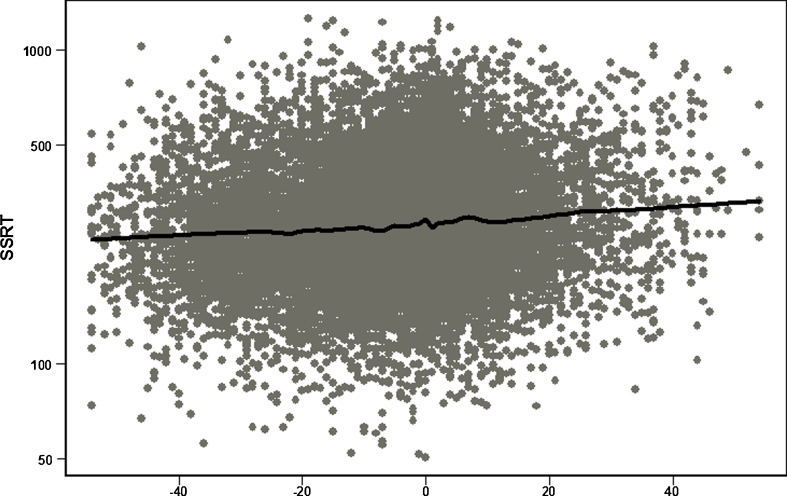
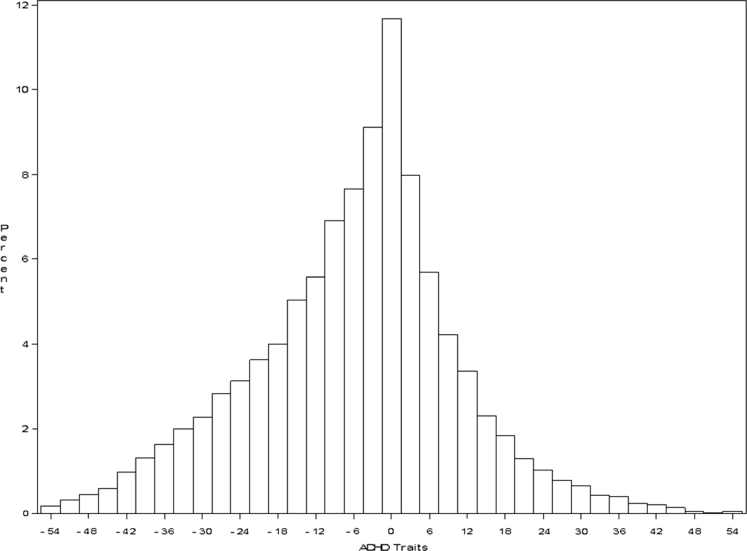
Endophenotypes or intermediate phenotypes are of great interest in neuropsychiatric genetics because of their potential for facilitating gene discovery. We evaluated response inhibition, latency and variability measures derived from the stop task as endophenotypes of ADHD by testing whether they were related to ADHD traits in the general population, heritable and shared genetic risk with ADHD traits. Participants were 16,099 children and adolescents, ages 6 to 18 years who visited a local science center. We measured ADHD traits using the Strengths and Weaknesses of ADHD-symptoms and Normal-Behavior (SWAN) rating scale and performance on the stop signal task (SST)-response inhibition (SSRT), response latency (GoRT), and response variability (GoRTSD). Regression analysis was used to assess the relationship of cognitive measures and ADHD traits while controlling for family, age, sex, ethnicity, socioeconomic status and treatment status. Heritability of ADHD and cognitive traits was estimated using SOLAR in 7,483 siblings from 3,507 families that included multiple siblings. Bivariate relationships between pairs of variables were examined. Individuals with greater ADHD trait scores had worse response inhibition, slower response latency, and greater variability. Younger participants and girls had inferior performance although the gender effects were minimal and evident in youngest participants. Inhibition, latency, variability, total ADHD traits, inattention and hyperactivity-impulsivity scores were significantly heritable. ADHD traits and inhibition, but not latency or variability were coheritable. In the largest study in the general population, we found support for the validity of response inhibition as an endophenotype of ADHD.
Overview
The claims and statistics of this paper haven’t been checked yet.
Free: it reads the open-access text and checks the first 5 claims that cite a source we can check. Create a free account to check every claim.
Integrity signals
Registry
Cites
Statistics
Figures
Verification
Claims the paper makes
The claims and statistics of this paper haven’t been checked yet.
Free: it reads the open-access text and checks the first 5 claims that cite a source we can check. Create a free account to check every claim.
Claims other papers make about this one
Each is checked against this paper’s own text: does it say what the citing paper says it does?
The source backs part of the claim, not all of it — or backs it for a different population, condition or comparison.
In the citing paper
“Research has shown that greater ADHD traits are associated with longer SSRT and gender affects at younger ages (e.g., Crosbie et al., 2013)”
From Response Inhibition in Youth Undergoing Intensive Treatment for Obsessive Compulsive Disorder (2023) · cites this paper as Crosbie et al., 2013
Experimental — accuracy not yet measuredThe cited source says what the claim attributes to it.
In the citing paper
“Evidence indeed suggests that impairments in EF are related to deficits in attention, hyperactivity and impulsivity [6], [7], [8], [9], [10], [11]”
In the citing paper
“The serious game is based on ADHD theories which argue that deficits in executive functioning are related to impulsivity, hyperactivity, and attention (69–77).”
From Serious Games for Mental Health: Are They Accessible, Feasible, and Effective? A Systematic Review and Meta-analysis (2017) · cites this paper as [73]
Self-check
Percentages, sums and reported differences re-computed from the paper’s own numbers.
The self-check needs the paper’s full text.
Citations
Cites
The Endophenotype Concept in Psychiatry: Etymology and Strategic Intentions
Gottesman, I. I., & Gould, T. D. (2003) · American Journal of Psychiatry · doi:10.1176/appi.ajp.160.4.636 · Cited by 5,615 · cited 3×
“Potentially useful endophenotypes are those that are associated with the disorder, evident in relatives because of their increased genetic risk, heritable and share genetic risk with the disease phenotype (Crosbie et al. 2008; Gottesman and Gould 2003; Kendler and Neale 2010).”
BackgroundMultipoint Quantitative-Trait Linkage Analysis in General Pedigrees
Almasy, L., & Blangero, J. (1998) · The American Journal of Human Genetics · doi:10.1086/301844 · Cited by 3,028 · cited 6×
“SOLAR decomposes the total variance of the phenotype into components that are the result of genetic effects (i.e. polygenic, additive genetic variance), measured covariates and random environmental effects (i.e. measured environmental factors and random unmeasured factors).”
BackgroundMethodInfluentialIndividual differences in executive functions are almost entirely genetic in origin.
Friedman, N. P., Miyake, A., Young, S. E., DeFries, J. C., Corley, R. P., & Hewitt, J. K. (2008) · Journal of Experimental Psychology: General · doi:10.1037/0096-3445.137.2.201 · Cited by 1,547 · cited 9×
“Friedman et al. (2008) has argued that combining multiple cognitive measures into a latent factor can increase the heritability of clusters of executive control measures by minimizing the effect of variance not attributable to the particular executive control construct.”
BackgroundResultInfluentialImpulsivity and Inhibitory Control
Logan, G. D., Schachar, R. J., & Tannock, R. (1997) · Psychological Science · doi:10.1111/j.1467-9280.1997.tb00545.x · Cited by 1,394 · cited 5×
“Regression analysis was conducted to identify the best combination of variables making a unique contribution to SSRT, GoRT and GoRTSD while considering family as a random effect (Singer 1998).”
BackgroundMethodInfluentialSelf-citationUsing SAS PROC MIXED to Fit Multilevel Models, Hierarchical Models, and Individual Growth Models
Singer, J. D. (1998) · Journal of Educational and Behavioral Statistics · doi:10.2307/1165280 · Cited by 1,092 · cited 2×
“Regression analysis was conducted to identify the best combination of variables making a unique contribution to SSRT, GoRT and GoRTSD while considering family as a random effect (Singer 1998).”
BackgroundMethodDevelopment of inhibitory control across the life span.
Williams, B. R., Ponesse, J. S., Schachar, R. J., Logan, G. D., & Tannock, R. (1999) · Developmental Psychology · doi:10.1037/0012-1649.35.1.205 · Cited by 889 · cited 2×
“Older participants exhibited better response inhibition than did younger participants as has been found in most (Williams et al. 1999) but not all (Friedman et al. 2008; Young et al. 2009) studies of inhibition and other executive functions.”
ResultSelf-citationA common genetic variant is associated with adult and childhood obesity.
Herbert, A., Gerry, N. P., McQueen, M. B., Heid, I. M., Pfeufer, A., Illig, T., Wichmann, H.-E., Meitinger, T., Hunter, D., Hu, F. B., et al. (2006) · Science · doi:10.1126/science.1124779 · Cited by 732 · cited 1×
“The approach has been successful in studies of QT interval (Arking et al. 2006), obesity (Herbert et al. 2006), foetal haemoglobin level (Menzel and Thein 2009), and in one previous candidate gene study for ADHD traits (Cornish et al. 2005).”
ResultModels of response inhibition in the stop-signal and stop-change paradigms
Verbruggen, F., & Logan, G. D. (2009) · Neuroscience & Biobehavioral Reviews · doi:10.1016/j.neubiorev.2008.08.014 · Cited by 724 · cited 4×
“In this study, we use the stop signal task (SST) (Logan et al. 1997; Verbruggen and Logan 2009a) to investigate the relationship of response inhibition, latency and variability and ADHD traits in the general population.”
BackgroundMethodInfluentialTobin, M. D., Sheehan, N. A., Scurrah, K. J., & Burton, P. R. (2005) · Statistics in Medicine · doi:10.1002/sim.2165 · Cited by 691 · cited 3×
“We addressed this potential confound with what is thought to be the optimal strategy, namely by estimating the effect of stimulant treatment on inhibition from a prior study in order to introduce a correction among medicated individuals, thereby reducing the bias arising from treatment or from their exclusion (Rice et…”
BackgroundThe cognitive-energetic model: an empirical approach to attention-deficit hyperactivity disorder
Sergeant, J. (2000) · Neuroscience & Biobehavioral Reviews · doi:10.1016/s0149-7634(99)00060-3 · Cited by 645 · cited 2×
“71) (Lipszyc and Schachar 2010; Sergeant 2000) in distinguishing individuals with and without an ADHD diagnosis.”
BackgroundInfluential
Research works printed but not linked: 2
- American Psychiatric Association Diagnostic and statistical manual of mental disorders, 4th edition (DSM-IV) 1994 Washington, DC American Psychiatric Association
- Verbruggen F Logan GD Models of response inhibition in the stop-signal and stop-change paradigms Neuroscience and Biobehavioral Reviews 2009 33 647 661 10.1016/j.neubiorev.2008.08.014 18822313 PMC2696813 · DOI · Paper page
Cited by
The reliability paradox: Why robust cognitive tasks do not produce reliable individual differences
Hedge, C., Powell, G., & Sumner, P. (2018) · Behavior Research Methods · doi:10.3758/s13428-017-0935-1 · Cited by 1,457
“…of the neural, genetic, and behavioral correlates of performance on tasks with their origins in experimental research (e.g., Chen et al., 2015; Crosbie et al., 2013; Forstmann et al., 2012; Marhe, Luijten, van de Wetering, Smits, & Franken, 2013; L. Sharma, Markon, & Clark, 2014; Sumner,…”
BackgroundMacKillop, J., Weafer, J., C. Gray, J., Oshri, A., Palmer, A., & de Wit, H. (2016) · Psychopharmacology · doi:10.1007/s00213-016-4372-0 · Cited by 408
“…action, and IPTs (Eisenberg et al. 2007; Benko et al. 2010; Filbey et al. 2012), and there is increasing evidence of substantial heritability for impulsive choice from twin studies and preclinical models (Anokhin et al. 2011; Crosbie et al. 2013; Richards et al. 2013; Anokhin et al. 2014).”
Lau, H. M., Smit, J. H., Fleming, T. M., & Riper, H. (2017) · Frontiers in Psychiatry · doi:10.3389/fpsyt.2016.00209 · Cited by 328
Dovis, S., Van der Oord, S., Wiers, R. W., & Prins, P. J. M. (2015) · PLOS ONE · doi:10.1371/journal.pone.0121651 · Cited by 272
“Evidence indeed suggests that impairments in EF are related to deficits in attention, hyperactivity and impulsivity [6], [7], [8], [9], [10], [11], and with associated problems such as deficient academic functioning [12], [13].”
BackgroundLinking RDoC and HiTOP: A new interface for advancing psychiatric nosology and neuroscience
Michelini, G., Palumbo, I. M., DeYoung, C. G., Latzman, R. D., & Kotov, R. (2021) · Clinical Psychology Review · doi:10.1016/j.cpr.2021.102025 · Cited by 273
Adolescent impatience decreases with increased frontostriatal connectivity
van den Bos, W., Rodriguez, C. A., Schweitzer, J. B., & McClure, S. M. (2015) · Proceedings of the National Academy of Sciences · doi:10.1073/pnas.1423095112 · Cited by 253
“This measure of impulse control is known to show developmental increases across adolescence (78), and with impulse control disorders, such as ADHD (79, 80), pathological gambling (81), and substance dependence (82).”
BackgroundInfluentialSex differences in impulsive action and impulsive choice
Weafer, J., & de Wit, H. (2014) · Addictive Behaviors · doi:10.1016/j.addbeh.2013.10.033 · Cited by 239
Trait Impulsivity and the Externalizing Spectrum
Beauchaine, T. P., Zisner, A. R., & Sauder, C. L. (2017) · Annual Review of Clinical Psychology · doi:10.1146/annurev-clinpsy-021815-093253 · Cited by 229
“…symptoms of ADHD and closely related constructs, such as self-control, are far more heritable (approximately .80) than tightly circumscribed neurocognitive measures of impulsivity, such as response inhibition (e.g., Beaver et al. 2013, Crosbie et al. 2013, Nikolas & Burt 2010).”
BackgroundThe molecular genetic architecture of attention deficit hyperactivity disorder
Hawi, Z., Cummins, T. D. R., Tong, J., Johnson, B., Lau, R., Samarrai, W., & Bellgrove, M. A. (2015) · Molecular Psychiatry · doi:10.1038/mp.2014.183 · Cited by 214
Top-Down Dysregulation—From ADHD to Emotional Instability
Petrovic, P., & Castellanos, F. X. (2016) · Frontiers in Behavioral Neuroscience · doi:10.3389/fnbeh.2016.00070 · Cited by 179
“In part resulting from Barkley’s (1997) suggestion of the primacy of inhibitory capacity in ADHD, many investigators have examined performance on the stop-signal test (Crosbie et al., 2013) and the Stroop test (Lansbergen et al., 2007), both of which involve inhibitory aspects.”
BackgroundAcute Physical Activity Enhances Executive Functions in Children with ADHD
Benzing, V., Chang, Y.-K., & Schmidt, M. (2018) · Scientific Reports · doi:10.1038/s41598-018-30067-8 · Cited by 153
Screen Use and Mental Health Symptoms in Canadian Children and Youth During the COVID-19 Pandemic
Li, X., Vanderloo, L. M., Keown-Stoneman, C. D. G., Cost, K. T., Charach, A., Maguire, J. L., Monga, S., Crosbie, J., Burton, C., Anagnostou, E., et al. (2021) · JAMA Network Open · doi:10.1001/jamanetworkopen.2021.40875 · Cited by 135
Self-citationCrisci, G., Caviola, S., Cardillo, R., & Mammarella, I. C. (2021) · Frontiers in Human Neuroscience · doi:10.3389/fnhum.2021.594234 · Cited by 103
Sex Differences in Behavioral Dyscontrol: Role in Drug Addiction and Novel Treatments
Carroll, M. E., & Smethells, J. R. (2016) · Frontiers in Psychiatry · doi:10.3389/fpsyt.2015.00175 · Cited by 98
van Rooij, D., Hartman, C. A., Mennes, M., Oosterlaan, J., Franke, B., Rommelse, N., Heslenfeld, D., Faraone, S. V., Buitelaar, J. K., & Hoekstra, P. J. (2015) · NeuroImage: Clinical · doi:10.1016/j.nicl.2015.01.004 · Cited by 89
Multidimensional measures of impulsivity in obsessive-compulsive disorder: Cannot wait and stop
Sohn, S. Y., Kang, J. I., Namkoong, K., & Kim, S. J. (2014) · PLoS ONE · doi:10.1371/journal.pone.0111739 · Cited by 81
“Considering that ADHD tends to be highly comorbid with OCD and impaired response inhibition [61,62], our results may have at least been partially influenced by unscreened participants with ADHD or other childhood onset psychiatric conditions.”
ResultKamradt, J. M., Ullsperger, J. M., & Nikolas, M. A. (2014) · Psychological Assessment · doi:10.1037/pas0000006 · Cited by 76
“In line with past work (Crosbie et al., 2013; Goos, Crosbie, Payne, & Schachar, 2009), this may reflect the role of response inhibition as an intermediate phenotype for ADHD, or a potential cognitive marker of continued genetic influence on the disorder.”
ResultPark, L. S., Burton, C. L., Dupuis, A., Shan, J., Storch, E. A., Crosbie, J., Schachar, R. J., & Arnold, P. D. (2016) · Journal of the American Academy of Child & Adolescent Psychiatry · doi:10.1016/j.jaac.2016.01.008 · Cited by 77
Self-citationBlanken, L. M. E., White, T. J. H., Mous, S. E., Basten, M., Muetzel, R. L., Jaddoe, V. W. V., Wals, M., van der Ende, J., Verhulst, F. C., & Tiemeier, H. W. (2016) · European Child & Adolescent Psychiatry · doi:10.1007/s00787-016-0903-9 · Cited by 88
“Knowledge about specific patterns of cognitive impairment per symptom type could point to specific genetic or neurobiological pathways [8] and help in targeted treatment decisions and predictions of the clinical course of specific symptoms.”
BackgroundDistinct brain structure and behavior related to ADHD and conduct disorder traits
Bayard, F., Nymberg Thunell, C., Abé, C., Almeida, R., Banaschewski, T., Barker, G., Bokde, A. L. W., Bromberg, U., Büchel, C., Quinlan, E. B., et al. (2020) · Molecular Psychiatry · doi:10.1038/s41380-018-0202-6 · Cited by 67
Baroni, A., & Castellanos, F. X. (2015) · Current Opinion in Neurobiology · doi:10.1016/j.conb.2014.08.005 · Cited by 67
Benzing, V., & Schmidt, M. (2017) · BMC Pediatrics · doi:10.1186/s12887-016-0757-9 · Cited by 85
Weigard, A. S., Heathcote, A., Matzke, D., & Huang‐Pollock, C. L. (2019) · Clinical Psychological Science · doi:10.1177/2167702619838466 · Cited by 68
“, 2000), are thought to be some of the most robust in group comparisons between children with ADHD and their typically developing peers (Crosbie et al., 2013; Nigg, 1999; Willcutt et al., 2005).”
BackgroundResultLevitan, R. D., Rivera, J. C. A., Silveira, P. P., Steiner, M. S., Gaudreau, H., Hamilton, J. K., Kennedy, J. L., Davis, C. A., Dubé, L., Fellows, L. K., et al. (2014) · International Journal of Obesity · doi:10.1038/ijo.2014.207 · Cited by 76
Panagiotidi, M., Overton, P. G., & Stafford, T. (2020) · Psychiatry Research · doi:10.1016/j.psychres.2020.113477 · Cited by 76
van Hulst, B. M., de Zeeuw, P., Vlaskamp, C., Rijks, Y., Zandbelt, B. B., & Durston, S. (2018) · Psychological Medicine · doi:10.1017/s0033291718000107 · Cited by 66
“Such a linear relationship has previously been reported in population-based studies (Tillman et al. 2007; Crosbie et al. 2013).”
ResultHyperfocus or flow? Attentional strengths in autism spectrum disorder
Dupuis, A., Mudiyanselage, P. K., Burton, C. L., Arnold, P. D., Crosbie, J., & Schachar, R. J. (2022) · Frontiers in Psychiatry · doi:10.3389/fpsyt.2022.886692 · Cited by 73
“However, we note that the prevalence of ADHD and ASD and their comorbidities are similar to what is reported in studies using more thorough diagnostic assessments and that community diagnosis predicts executive functions and genetic risk factors similarly to clinically diagnosed samples (21).”
BackgroundMethodResultInfluentialSelf-citationThapar, A., & Rutter, M. L. (2015) · Wiley eBooks · doi:10.1002/9781118381953.ch3 · Cited by 79
SWAN scale for ADHD trait‐based genetic research: a validity and polygenic risk study
Burton, C. L., Wright, L., Shan, J., Xiao, B., Dupuis, A., Goodale, T., Shaheen, S., Corfield, E. C., Arnold, P. D., Schachar, R. J., et al. (2019) · Journal of Child Psychology and Psychiatry · doi:10.1111/jcpp.13032 · Cited by 52
Self-citationGreven, C. U., Merwood, A., van der Meer, J. M. J., Haworth, C. M. A., Rommelse, N. N. J., & Buitelaar, J. K. (2015) · Journal of Child Psychology and Psychiatry · doi:10.1111/jcpp.12475 · Cited by 56
“Parents’ use of negative discipline strategies (e.g. shouting, smacking or slapping) was assessed using a child-rated 4-item web-based questionnaire (Viding, Fontaine, Oliver, & Plomin, 2009).”
BackgroundMethodBurton, C. L., Lemire, M., Xiao, B., Corfield, E. C., Erdman, L., Bralten, J., Poelmans, G., Yu, D., Shaheen, S. ‐., Goodale, T., et al. (2021) · Translational Psychiatry · doi:10.1038/s41398-020-01121-9 · Cited by 52
Self-citationObsessive compulsive disorder and response inhibition: Meta-analysis of the stop-signal task.
Mar, K., Townes, P., Pechlivanoglou, P., Arnold, P., & Schachar, R. (2022) · Journal of Psychopathology and Clinical Science · doi:10.1037/abn0000732 · Cited by 47
Self-citationGoodman, S. J., Burton, C. L., Butcher, D. T., Siu, M. T., Lemire, M., Chater‐Diehl, E., Turinsky, A. L., Brudno, M., Soreni, N., Rosenberg, D., et al. (2020) · Journal of Neurodevelopmental Disorders · doi:10.1186/s11689-020-09324-3 · Cited by 52
“Our previous work established that the incidence rates of self-reported diagnoses of NDDs in this community sample were comparable to population prevalence as are typically reported (see OMIM 20985; OMIM 143465; OMIM 164230) [50, 51].”
ResultSelf-citationBrites, C., Azoni, C. A. S., Ferreira, T. L., de Lima, R. F., & Ciasca, S. M. (2015) · Brazilian Journal of Medical and Biological Research · doi:10.1590/1414-431x20154528 · Cited by 60
“Three articles showed that the distribution of these abilities in the populations researched resembled a Gaussian curve (22), a distribution often found in GWAS evaluations of behavior and in studies of complex traits.”
Weigard, A., & Sripada, C. (2021) · Biological Psychiatry Global Open Science · doi:10.1016/j.bpsgos.2021.02.001 · Cited by 43
Maric, M., Bexkens, A., & Bögels, S. M. (2018) · Clinical Child and Family Psychology Review · doi:10.1007/s10567-018-0255-8 · Cited by 42
“Indeed, deficits in several EFs have been identified in individuals with ADHD, and, at this point in time, research continues to affirm cognitive deficits involved in the etiology of ADHD (Burgess et al. 2010; Crosbie et al. 2013; Kofler et al. 2010; Sarver et al. 2015; Tillman et al. 2011).”
Backgroundvan der Plas, E. A. A., Erdman, L., Nieman, B. J., Weksberg, R., Butcher, D. T., O’Connor, D. L., Aufreiter, S., Hitzler, J. K., Guger, S., Schachar, R. J., et al. (2017) · Child Neuropsychology · doi:10.1080/09297049.2017.1386170 · Cited by 50
“…performance: someone who had difficulty stopping would be presented with consecutively shorter delays (i.e., earlier stop signal), while someone with no difficulty stopping would be presented with consecutively longer delays (see (Crosbie et al., 2013; van der Plas et al., 2016) for more details).”
BackgroundSelf-citationGenetics of Attention Deficit Hyperactivity Disorder (ADHD): Recent Updates and Future Prospects
Schachar, R. J. (2014) · Current Developmental Disorders Reports · doi:10.1007/s40474-013-0004-0 · Cited by 49
Self-citationADHD symptoms in non-treatment seeking young adults: relationship with other forms of impulsivity
Chamberlain, S. R., Ioannidis, K., Leppink, E. W., Niaz, F., Redden, S. A., & Grant, J. E. (2017) · CNS Spectrums · doi:10.1017/s1092852915000875 · Cited by 41
“Impaired response inhibition appears to represent a trait marker for ADHD, which is significantly heritable.(68), rather than being particularly related to current symptom severity.”
Thissen, A. J. A. M., Rommelse, N. N. J., Hoekstra, P. J., Hartman, C., Heslenfeld, D., Luman, M., van Lieshout, M., Franke, B., Oosterlaan, J., & Buitelaar, J. K. (2014) · Psychological Medicine · doi:10.1017/s0033291713001153 · Cited by 39
“However, phenotypic correlations between ADHD symptoms and EF task scores are typically found to be small in childhood (population) samples as well (Willcutt et al. 2005; Crosbie et al. 2013), suggesting non-EF factors play a role in the aetiology of ADHD throughout the lifespan.”
BackgroundGently restless: association of ADHD-like traits with response inhibition and interference control
Polner, B., Aichert, D. S., Macare, C., Costa, A. C. L., & Ettinger, U. (2014) · European Archives of Psychiatry and Clinical Neuroscience · doi:10.1007/s00406-014-0531-7 · Cited by 49
“included healthy people who did not have a first-degree relative with ADHD, the variation we observed in ADHDlike traits is probably less affected by the shared heritable factors of ADHD risk and response inhibition [45, 46].”
BackgroundResultNeural Correlates of the Dual-Pathway Model for ADHD in Adolescents
Shen, C., Luo, Q., Jia, T., Zhao, Q., Desrivières, S., Quinlan, E. B., Banaschewski, T., Millenet, S., Bokde, A. L. W., Büchel, C., et al. (2020) · American Journal of Psychiatry · doi:10.1176/appi.ajp.2020.19020183 · Cited by 42
Floros, O., Axelsson, J., Almeida, R., Tigerström, L., Lekander, M., Sundelin, T., & Petrović, P. (2020) · Biological Psychiatry Cognitive Neuroscience and Neuroimaging · doi:10.1016/j.bpsc.2020.09.019 · Cited by 45
DNA Methylation of the Oxytocin Receptor Across Neurodevelopmental Disorders
Siu, M. T., Goodman, S. J., Yellan, I., Butcher, D. T., Jangjoo, M., Grafodatskaya, D., Rajendram, R., Lou, Y., Zhang, R., Zhao, C., et al. (2021) · Journal of Autism and Developmental Disorders · doi:10.1007/s10803-020-04792-x · Cited by 40
Harris, A. D., Gilbert, D. L., Horn, P. S., Crocetti, D., Cecil, K. M., Edden, R. A. E., Huddleston, D. A., Mostofsky, S. H., & Puts, N. A. J. (2021) · Clinical Neurophysiology · doi:10.1016/j.clinph.2021.01.023 · Cited by 44
Withholding and canceling a response in ADHD adolescents
Bhaijiwala, M., Chevrier, A., & Schachar, R. (2014) · Brain and Behavior · doi:10.1002/brb3.244 · Cited by 37
“2009) and heritable trait (Friedman and Miyake 2004; Schachar et al. 2005; Goos et al. 2007; Crosbie et al. 2013) that is highly associated with ADHD traits (Crosbie et al.”
InfluentialSelf-citationPotter, A., Dunbar, G. C., Mazzulla, E. C., Hosford, D. A., & NEWHOUSE, P. A. (2013) · Biological Psychiatry · doi:10.1016/j.biopsych.2013.06.002 · Cited by 40
Moderators of Neuropsychological Mechanism in Attention-Deficit Hyperactivity Disorder
Nikolas, M. A., & Nigg, J. T. (2015) · Journal of Abnormal Child Psychology · doi:10.1007/s10802-014-9904-7 · Cited by 35
“2004) and common genes appear to influence the covariation between measures of inhibition and ADHD symptom dimensions (Crosbie et al. 2013).”
BackgroundBralten, J., Widomska, J., Witte, W. D., Yu, D., Mathews, C. A., Scharf, J. M., Buitelaar, J. K., Crosbie, J., Schachar, R. J., Arnold, P. D., et al. (2020) · Translational Psychiatry · doi:10.1038/s41398-020-0793-y · Cited by 36
Self-citationInsights into attention-deficit/hyperactivity disorder from recent genetic studies
Brikell, I., Burton, C. L., Mota, N. R., & Martin, J. (2021) · Psychological Medicine · doi:10.1017/s0033291721000982 · Cited by 42
“ADHD or ADHD traits share genetic factors with various executive functions such as reaction time variability and response inhibition (Crosbie et al., 2013; Kuntsi et al., 2010, 2014; Michelini et al., 2021; Tye et al., 2011) as well as brain-based electroencephalographic (EEG) measures (McLoughlin…”
BackgroundStrom, N. I., Burton, C. L., Iyegbe, C. O., Silzer, T. K., Antonyan, L., Pool, R., Lemire, M., Crowley, J. J., Hottenga, J., Ivanov, V. Z., et al. (2024) · Molecular Psychiatry · doi:10.1038/s41380-024-02489-6 · Cited by 54
Self-citationGreven, C. U., Buitelaar, J. K., & Salum, G. A. (2017) · Journal of Child Psychology and Psychiatry · doi:10.1111/jcpp.12786 · Cited by 52
“, 2016), as well as reflecting better performance on neurocognitive tasks (Crosbie et al., 2013; Greven et al., 2015).”
BackgroundResultInfluentialBurton, C. L., Crosbie, J., Dupuis, A., Mathews, C. A., Soreni, N., Schachar, R. J., & Arnold, P. D. (2015) · Journal of the American Academy of Child & Adolescent Psychiatry · doi:10.1016/j.jaac.2015.11.014 · Cited by 37
Self-citationMoses, M., Tiego, J., Demontis, D., Bragi Walters, G., Stefansson, H., Stefansson, K., Børglum, A. D., Arnatkeviciute, A., & Bellgrove, M. A. (2022) · Molecular Psychiatry · doi:10.1038/s41380-022-01775-5 · Cited by 31
“Twin studies indicate that working memory [29, 30], response inhibition [31, 32], and reaction time variability [31, 33], are moderately heritable with estimates reaching up to h(2)= 0.”
BackgroundADHD and executive functioning deficits in OCD youths who hoard
Park, J. M., SAMUELS, J. F., Grados, M. A., Riddle, M. A., Bienvenu, O. J., Goes, F. S., Cullen, B., Wang, Y., Krasnow, J., Murphy, D. L., et al. (2016) · Journal of Psychiatric Research · doi:10.1016/j.jpsychires.2016.07.024 · Cited by 36
Schachar, R. J., Dupuis, A., Arnold, P. D., Anagnostou, E., Kelley, E., Georgiades, S., Nicolson, R., Townes, P., Burton, C. L., & Crosbie, J. (2023) · Research on Child and Adolescent Psychopathology · doi:10.1007/s10802-022-00958-6 · Cited by 30
“Differences among disorders in SSRT and RTV did not vary with age although age did affect performance as has been found previously (Crosbie et al., 2013).”
BackgroundResultSelf-citationThe Lateral Prefrontal Cortex and Selection/Inhibition in ADHD
Ronel, Z. (2018) · Frontiers in Human Neuroscience · doi:10.3389/fnhum.2018.00065 · Cited by 35
“Furthermore, in a very large study by Crosbie et al. (2013), ADHD symptoms were measured in over 16,000 general public children who performed the SST. Results showed that individuals with greater ADHD trait scores had worse response inhibition, slower response latency and greater variability, and…”
BackgroundWang, M., Yu, J., Kim, H.-D., & Cruz, A. B. (2025) · Psychiatry Research · doi:10.1016/j.psychres.2024.116338 · Cited by 36
Adamo, N., Hodsoll, J., Asherson, P., Buitelaar, J. K., & Kuntsi, J. (2019) · Journal of Abnormal Child Psychology · doi:10.1007/s10802-018-0457-z · Cited by 28
“In ADHD research, high RTV has emerged as one of the neurocognitive impairments showing the strongest phenotypic and genetic association with the diagnosis and with continuous ADHD symptom scores (Kofler et al. 2013; Kuntsi et al. 2010; Crosbie et al. 2013).”
BackgroundDonati, G., Dumontheil, I., & Meaburn, E. L. (2019) · Mind Brain and Education · doi:10.1111/mbe.12198 · Cited by 33
“Twin study estimates of the Stop Signal task report heritabilities ranging between 26% and 50% (Crosbie et al., 2013; Schachar, Forget-Dubois, Dionne, Boivin, & Robaey, 2011).”
A microRNA‐328 binding site inPAX6is associated with centrotemporal spikes of rolandic epilepsy
Panjwani, N., Wilson, M. D., Addis, L., Crosbie, J., Wirrell, E. C., Auvin, S., Caraballo, R. H., Kinali, M., McCormick, D., Oren, C., et al. (2016) · Annals of Clinical and Translational Neurology · doi:10.1002/acn3.320 · Cited by 30
Self-citationSensory-processing sensitivity versus the sensory-processing theory: Convergence and divergence
Turjeman‐Levi, Y., & Kluger, A. N. (2022) · Frontiers in Psychology · doi:10.3389/fpsyg.2022.1010836 · Cited by 40
“On the other hand, ADHD also presents elements diverging from SPS, such as deficits in response inhibition (Crosbie et al., 2013; Polner et al., 2015), hyperactivity, and impulsivity (Stormont, 1998, 2001; Uekermann et al.”
BackgroundTracking Inhibitory Control in Youth With ADHD: A Multi-Modal Neuroimaging Approach
Tremblay, L. K., Hammill, C. F., Ameis, S. H., Bhaijiwala, M., Mabbott, D., Anagnostou, E. A., Lerch, J. P., & Schachar, R. J. (2020) · Frontiers in Psychiatry · doi:10.3389/fpsyt.2020.00831 · Cited by 30
“It should be noted that although not directly compared to a control sample, the extent of the inhibitory control deficit as measured by the SSRT within our ADHD group was pronounced and comparable to a past large community sample study correlating SSRT with ADHD symptoms (29).”
BackgroundResultSelf-citationMouse movement measures enhance the stop-signal task in adult ADHD assessment
Leontyev, A., & Yamauchi, T. (2019) · PLoS ONE · doi:10.1371/journal.pone.0225437 · Cited by 24
“Although previous studies reported no difference between SSRTs calculated with fixed-SSD and staircase methods of setting SSDs [72], the difference can be attributed to the different response strategies employed by participants.”
BackgroundSchachar, R. J. (2023) · Neuroscience & Biobehavioral Reviews · doi:10.1016/j.neubiorev.2023.105461 · Cited by 34
Self-citationLaas, K., Eensoo, D., Paaver, M., Lesch, K., Reif, A., & Harro, J. (2015) · Journal of Psychopharmacology · doi:10.1177/0269881115573803 · Cited by 33
“Hyperactivity and impulsivity are heritable traits (Crosbie et al., 2013; Faraone et al., 2005) but given the remarkable genetic heterogeneity of ADHD the search for candidate genes has not pointed towards the NPSR1 gene or its locus 7p14.”
BackgroundStopping at the sight of food – How gender and obesity impact on response inhibition
Mühlberg, C., Mathar, D., Villringer, A., Horstmann, A., & Neumann, J. (2016) · Appetite · doi:10.1016/j.appet.2016.08.121 · Cited by 33
Response Time Adjustment in the Stop Signal Task: Development in Children and Adolescents
Dupuis, A., Indralingam, M., Chevrier, A., Crosbie, J., Arnold, P., Burton, C. L., & Schachar, R. (2019) · Child Development · doi:10.1111/cdev.13062 · Cited by 24
Self-citationCoutinho, T. V., Reis, S. P. S., da Silva, A. G., de Miranda, D. M., & Malloy‐Diniz, L. F. (2018) · Frontiers in Psychiatry · doi:10.3389/fpsyt.2017.00299 · Cited by 36
“Several studies have pointed to remarkable impairment in inhibitory control in patients with ADHD (31, 32).”
BackgroundMcCallum, E., & Shaw, R. C. (2023) · Royal Society Open Science · doi:10.1098/rsos.231476 · Cited by 23
“The heritability of inhibitory control is well-studied in humans [45], showing a moderate to strong genetic component [45 – 48], but has received less attention in non-human animals, with estimates ranging from low and non-significant [49,50] to moderate [51 – 53].”
BackgroundThissen, A. J. A. M., Bralten, J., Rommelse, N. N. J., Vásquez, A. A., Greven, C. U., Heslenfeld, D. J., Luman, M., Oosterlaan, J., Hoekstra, P. J., Hartman, C. A., et al. (2015) · American Journal of Medical Genetics Part B Neuropsychiatric Genetics · doi:10.1002/ajmg.b.32290 · Cited by 29
“…(dys) functions, since these ‘endophenotypes’ have been hypothesized to have a less complex genetic architecture than the disease phenotype, and they can provide further insight into the cognitive or neural mechanism that underlie ADHD [Gottesman and Gould, 2003; Crosbie et al., 2008, 2013].”
BackgroundDovis, S., Marić, M., Prins, P. J. M., & der Oord, S. V. (2019) · ADHD Attention Deficit and Hyperactivity Disorders · doi:10.1007/s12402-019-00308-5 · Cited by 29
Volitional eye movement control and ADHD traits: a twin study
Sanchez, M. S., Falck‐Ytter, T., Kennedy, D. P., Bölte, S., Lichtenstein, P., D'Onofrio, B. M., & Pettersson, E. (2020) · Journal of Child Psychology and Psychiatry · doi:10.1111/jcpp.13210 · Cited by 30
“Further, while previous studies have shown that other types of response inhibition are genetically associated with ADHD (Crosbie et al., 2013; Kuntsi et al., 2014), it is not clear how these findings relate to response inhibition at the level of eye movements.”
ResultInfluentialPietrzykowski, A. Z., & Spijker, S. (2014) · Frontiers in Neuroscience · doi:10.3389/fnins.2014.00389 · Cited by 26
Jiménez‐Figueroa, G., Ardila-Duarte, C., Pineda, D. A., Acosta-López, J. E., Cervantes-Henríquez, M. L., Pineda‐Alhucema, W., Cervantes-Gutiérrez, J., Quintero-Ibarra, M., Sánchez-Rojas, M., Velez, J. I., et al. (2017) · ADHD Attention Deficit and Hyperactivity Disorders · doi:10.1007/s12402-017-0223-z · Cited by 24
Sex Differences in Neural Correlates of Inhibitory Control
Weafer, J. J. (2020) · Current topics in behavioral neurosciences · doi:10.1007/7854_2020_146 · Cited by 24
Fosco, W. D., Sarver, D. E., Kofler, M. J., & Aduen, P. A. (2018) · ADHD Attention Deficit and Hyperactivity Disorders · doi:10.1007/s12402-018-0259-8 · Cited by 22
“2005) and ADHD-related cognitive functions (Crosbie et al. 2013), parent and child neurocognitive abilities are strong candidate moderators of treatment response.”
van der Plas, E. A. A., Dupuis, A., Arnold, P. D., Crosbie, J., & Schachar, R. J. (2016) · Journal of Autism and Developmental Disorders · doi:10.1007/s10803-016-2853-y · Cited by 26
“self-reported diagnoses of neurodevelopmental disorders in this community sample are comparable to population prevalence as are typically reported (see OMIM 20985; OMIM 143465; OMIM 164230) (Crosbie et al. 2013; Park et al. 2016).”
BackgroundMethodResultInfluentialSelf-citationIdentification of neurophysiological biotypes in attention deficit hyperactivity disorder
Barth, B., Mayer‐Carius, K., Strehl, U., Kelava, A., Häußinger, F. B., Fallgatter, A. J., & Ehlis, A. (2018) · Psychiatry and Clinical Neurosciences · doi:10.1111/pcn.12773 · Cited by 20
“The selection of paradigms was based on the rationale to focus on classical neurophysiological impairments that have already found support in the literature for being useful in ADHD, such as P300,(21,22) CNV,(21,22) EEG theta power at rest,(23,24) prefrontal activation during WM,(25) as well as response inhibition.(26…”
MethodA Gene-Environment Interaction Study of Polygenic Scores and Maltreatment on Childhood ADHD
He, Q., & Li, J. J. (2021) · Research on Child and Adolescent Psychopathology · doi:10.1007/s10802-021-00873-2 · Cited by 27
Air pollution and attention in Polish schoolchildren with and without ADHD
Compa, M. F., Baumbach, C., Kaczmarek‐Majer, K., Buczyłowska, D., Gradys, G., Skotak, K., Degórska, A., Bratkowski, J., Wierzba-Łukaszyk, M., Mysak, Y., et al. (2023) · The Science of The Total Environment · doi:10.1016/j.scitotenv.2023.164759 · Cited by 23
Truedsson, E., Bohlin, G., & Wåhlstedt, C. (2015) · Journal of Attention Disorders · doi:10.1177/1087054715587093 · Cited by 24
“, 2008) as well as with a recent study that gives strong support to the validity of inhibition as an endophenotype of ADHD (Crosbie et al., 2013).”
MethodResultInfluentialEndres, D. N., Byrne, K. A., Anaraky, R. G., Adesegun, N., Six, S., & Tibbett, T. P. (2020) · Journal of Cognitive Psychology · doi:10.1080/20445911.2020.1810692 · Cited by 21
van Rooij, D., Hartman, C. A., van Donkelaar, M. M. J., Bralten, J., von Rhein, D. T., Hakobjan, M., Franke, B., Heslenfeld, D. J., Oosterlaan, J., Rommelse, N. N. J., et al. (2015) · The World Journal of Biological Psychiatry · doi:10.3109/15622975.2015.1067371 · Cited by 25
Pang, T., Yang, L., Liu, Y., & Chang, S. (2025) · Journal of Child Psychology and Psychiatry · doi:10.1111/jcpp.14112 · Cited by 20
Gene copy number variation and pediatric mental health/neurodevelopment in a general population
Zarrei, M., Burton, C. L., Engchuan, W., Higginbotham, E. J., Wei, J., Shaikh, S., Roslin, N. M., MacDonald, J. R., Pellecchia, G., Nalpathamkalam, T., et al. (2023) · Human Molecular Genetics · doi:10.1093/hmg/ddad074 · Cited by 22
“Interestingly,response inhibition, which is a common cognitive deficit in ADHD and shares genetic risk with the disorder (35,36), showed overlap in burden findings and specific loci.”
Self-citationBiscaldi, M., Bednorz, N., Weissbrodt, K., Saville, C. W. N., Feige, B., Bender, S., & Klein, C. (2016) · Biological Psychology · doi:10.1016/j.biopsycho.2016.04.064 · Cited by 19
Schulz-Zhecheva, Y., Voelkle, M. C., Beauducel, A., Buch, N., Fleischhaker, C., Bender, S., Saville, C. W. N., Biscaldi, M., & Klein, C. (2017) · Journal of Attention Disorders · doi:10.1177/1087054716676365 · Cited by 17
“Thus, our results support the validity of SWAN-DE by revealing the associations between SWAN scores and ISV, and to a lesser degree PS, in the general population as described for the original SWAN (Crosbie et al., 2013).”
MethodResultLi, T., Franke, B., Vásquez, A. A., & Mota, N. R. (2020) · American Journal of Medical Genetics Part B Neuropsychiatric Genetics · doi:10.1002/ajmg.b.32828 · Cited by 24
“Population-based studies also showed that ADHD traits are heritable (Arias-Vasquez et al., 2019; Crosbie et al., 2013; Middeldorp et al., 2016), and several studies showed substantial sharing of genetic influences between the population ADHD symptoms and the clinical ADHD diagnosis, with genetic…”
BackgroundPaál, T., Carpenter, T., & Nettle, D. (2015) · PeerJ · doi:10.7717/peerj.964 · Cited by 17
“Our results differ from those of the most comparable previous study (Crosbie et al., 2013), who found no associations between socioeconomic deprivation and stop-signal performance in a large Canadian community sample.”
BackgroundResultSinopoli, V. M., Erdman, L., Burton, C. L., Park, L. S., Dupuis, A., Shan, J., Goodale, T., Shaheen, S., Crosbie, J., Schachar, R. J., et al. (2020) · Depression and Anxiety · doi:10.1002/da.22996 · Cited by 18
Self-citationAssociations Between Smoking Abstinence, Inhibitory Control, and Smoking Behavior: An fMRI Study
Bell, S., & Froeliger, B. (2021) · Frontiers in Psychiatry · doi:10.3389/fpsyt.2021.592443 · Cited by 19
“For instance, a study in a large cohort of siblings provided evidence that individual variability in IC, as measured by reaction time on a stop-signal task, is significantly heritable (48).”
BackgroundDelusion-proneness displays comorbidity with traits of autistic-spectrum disorders and ADHD
Louzolo, A., Gustavsson, P. J., Tigerström, L., Ingvar, M., Olsson, A., & Petrović, P. (2017) · PLoS ONE · doi:10.1371/journal.pone.0177820 · Cited by 16
Sarı, S. A., Özbek, D. Ü., Erşan, S., Bakır, D., Çiçek, A. U., & Ismailoglu, F. (2020) · Journal of Neural Transmission · doi:10.1007/s00702-020-02261-4 · Cited by 14
“Several studies evaluating EFs in children with ADHD indicated that these children showed higher impairment in EF tasks (Kofler et al. 2010; Raiker et al. 2012; Crosbie et al. 2013).”
BackgroundMeta-analysis of genome-wide association studies of hoarding symptoms in 27,651 individuals
Strom, N. I., Smit, D. J. A., Silzer, T. K., Iyegbe, C. O., Burton, C. L., Pool, R., Lemire, M., Crowley, J. J., Hottenga, J., Ivanov, V. Z., et al. (2022) · Translational Psychiatry · doi:10.1038/s41398-022-02248-7 · Cited by 21
“The other cohorts are from the Netherlands Twin Register (NTR, [40]), Spit for Science (SfS, [41, 42]), and TwinsUK (see Supplementary Material for detailed descriptions).”
Self-citationPathways to eating in children and adolescents with obesity
Clairman, H., Dettmer, E. L., Buchholz, A., Cordeiro, K., Ibrahim, Q. I., Maximova, K., Toulany, A., Taylor, V. H., Katzman, D. K., Morrison, K. M., et al. (2018) · International Journal of Obesity · doi:10.1038/s41366-018-0271-2 · Cited by 15
Swalve, N. L., Smethells, J. R., & Carroll, M. E. (2016) · Hormones and Behavior · doi:10.1016/j.yhbeh.2016.08.001 · Cited by 16
“…more inhibitory errors (e.g. are more impulsive) in Go/NoGo and CPT tasks than women (Liu et al., 2013; Saunders et al., 2008); whereas, women had more inhibitory errors and longer reaction times in a SSRT paradigm than men (Morgan et al., 2011; Crosbie et al., 2013; but see Fields et al., 2009).”
BackgroundHierarchical investigation of genetic influences on response inhibition in healthy young adults.
Weafer, J. J., Gray, J. C., Hernandez, K. M., Palmer, A. A., MacKillop, J., & de Wit, H. (2017) · Experimental and Clinical Psychopharmacology · doi:10.1037/pha0000156 · Cited by 16
“Twin studies indicate that inhibitory control is heritable (31–50%; Crosbie et al., 2013; Gagne & Saudino, 2010; Schachar, Forget-Dubois, Dionne, Boivin, & Robaey, 2011); however, the specific genetic influences on inhibitory control are not yet known.”
BackgroundMachine Learning Stop Signal Test (ML-SST): ML-based Mouse Tracking Enhances Adult ADHD Diagnosis
Leontyev, A., Yamauchi, T., & Razavi, M. (2019) · 2019 8th International Conference on Affective Computing and Intelligent Interaction Workshops and Demos (ACIIW) · doi:10.1109/aciiw.2019.8925073 · Cited by 12
Inhibitory control in teleost fish: a methodological and conceptual review
Lucon‐Xiccato, T. (2024) · Animal Cognition · doi:10.1007/s10071-024-01867-5 · Cited by 19
“In humans, a significant proportion of individual variance in IC is heritable (Crosbie et al. 2013) and recent evidence suggests the same for nonhuman animals (Langley et al., 2021).”
Background
Metadata
- Authors
- Crosbie, J., Arnold, P., Paterson, A., Swanson, J., Dupuis, A., Li, X., Shan, J., Goodale, T., Tam, C., Strug, L. J., & Schachar, R. J.
- Affiliations
- University of Toronto (CA)
- Florida International University (US)
- Corresponding author
- Schachar, R. J.
- Venue
- Journal of Abnormal Child Psychology
- Published
- 2013-01-13
- Volume
- 41
- Issue
- 3
- Pages
- 497-507
- ISSN
- 0091-0627 (ISSN-L)
- 1573-2835
- PMC
- PMC3600128
- OpenAlex
- W1992297809
- Cited by
- 218
- References
- 48
- Citations by year
- 2026: 7 · 2025: 14 · 2024: 8 · 2023: 12 · 2022: 16 · 2021: 29 · 2020: 22 · 2019: 15 · 2018: 15 · 2017: 20 · 2016: 21 · 2015: 23 · 2014: 11 · 2013: 4
- FWCI
- 13.98
- Type
- journal article
- Language
- en
- Open access
- hybrid
- doi.org
- Locations
- Research on Child and Adolescent Psychopathology (publishedVersion, cc-by)
- Europe PMC (PubMed Central) (publishedVersion)
- PubMed Central (publishedVersion, cc-by)
- PubMed (publishedVersion)
- Florida International University Digital Commons (Florida International University) (submittedVersion)
- eScholarship (California Digital Library) (submittedVersion)
- Funders
- Canadian Institutes of Health Research (44070, 64277, 74699)
- Topics
- Health Sciences › Medicine › Psychiatry and Mental health › Attention Deficit Hyperactivity Disorder
- Life Sciences › Neuroscience › Cognitive Neuroscience › Autism Spectrum Disorder Research
- Life Sciences › Neuroscience › Cellular and Molecular Neuroscience › Neurotransmitter Receptor Influence on Behavior
- Keywords
- response inhibition, ADHD traits, endophenotypes, heritability, stop-signal task, response latency, response variability, children and adolescents, inattention, hyperactivity/impulsivity, gender differences
- MeSH terms
- Adolescent, Attention Deficit Disorder with Hyperactivity, Child, Female, Humans, Inhibition, Psychological, Male, Psychomotor Performance, Reaction Time, Regression Analysis, Endophenotypes
About these checks
Registry, retraction, Cites and statistics results are computed, not judged, with one exception: a printed reference that no index lists is read once by a model before it counts as a citation error. Claims are extracted by a model and kept only when their quote appears verbatim in the text; each cited source is then checked, with a model’s help, for whether it says what the claim relies on. Those verdicts can be wrong — read the claim’s quote and the cited source before relying on one.
Statistics and arithmetic are recomputed, not judged.
Confidence bands are shown only for fields calibrated on our annotated test set. None is calibrated yet, so no band is shown.
What counts as a claim ›How we measure confidence ›How we check this ›
Are you an author, or do you see a problem with this page? Request a review
Data sources
Bibliographic data: Semantic Scholar, OpenAlex, Crossref.
Contains information from the Semantic Scholar Academic Graph Datasets, made available under the ODC Attribution License (ODC-BY 1.0).
Semantic Scholar’s data is described in: Kinney, R., et al. (2023). The Semantic Scholar Open Data Platform. arXiv:2301.10140.
