

Embodying Time in the Brain: A Multi-Dimensional Neuroimaging Meta-Analysis of 95 Duration Processing Studies
Open accessThe DOI matches its Crossref record; 181 of the 182 references it cites were found in a registry or an index.
Abstract
Time is an omnipresent aspect of almost everything we experience internally or in the external world. The experience of time occurs through such an extensive set of contextual factors that, after decades of research, a unified understanding of its neural substrates is still elusive. In this study, following the recent best-practice guidelines, we conducted a coordinate-based meta-analysis of 95 carefully-selected neuroimaging papers of duration processing. We categorized the included papers into 14 classes of temporal features according to six categorical dimensions. Then, using the activation likelihood estimation (ALE) technique we investigated the convergent activation patterns of each class with a cluster-level family-wise error correction at p < 0.05. The regions most consistently activated across the various timing contexts were the pre-SMA and bilateral insula, consistent with an embodied theory of timing in which abstract representations of duration are rooted in sensorimotor and interoceptive experience, respectively. Moreover, class-specific patterns of activation could be roughly divided according to whether participants were timing auditory sequential stimuli, which additionally activated the dorsal striatum and SMA-proper, or visual single interval stimuli, which additionally activated the right middle frontal and inferior parietal cortices. We conclude that temporal cognition is so entangled with our everyday experience that timing stereotypically common combinations of stimulus characteristics reactivates the sensorimotor systems with which they were first experienced.
Overview
The claims and statistics of this paper haven’t been checked yet.
Free: it reads the open-access text and checks the first 5 claims that cite a source we can check. Create a free account to check every claim.
Integrity signals
Registry
Cites
Statistics
Figures
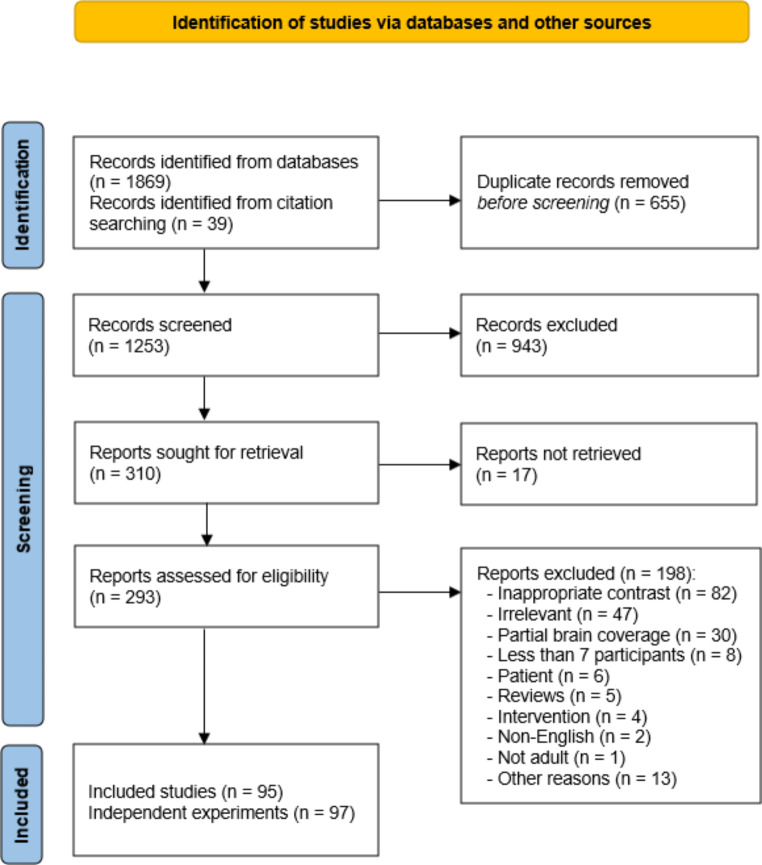
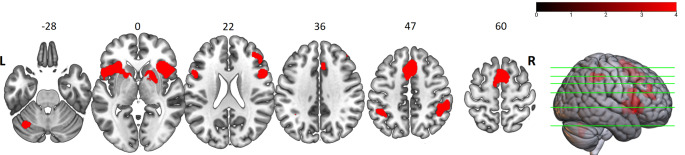
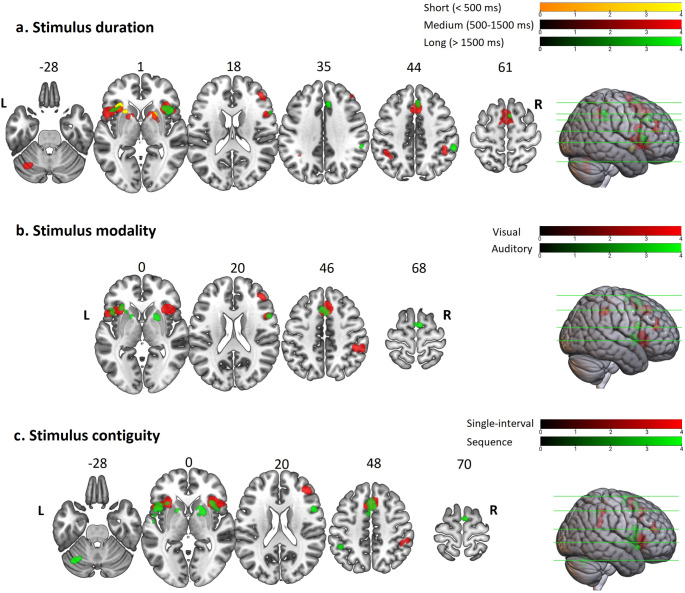
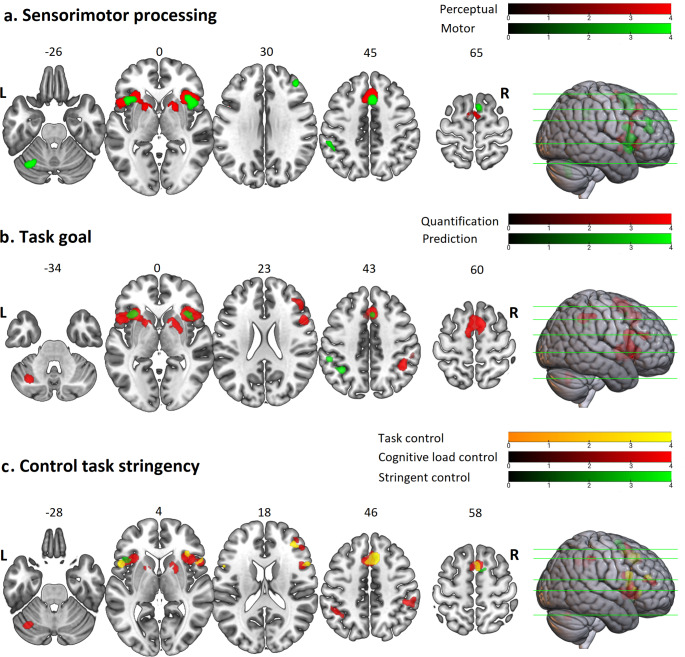
Verification
Claims the paper makes
The claims and statistics of this paper haven’t been checked yet.
Free: it reads the open-access text and checks the first 5 claims that cite a source we can check. Create a free account to check every claim.
Claims other papers make about this one
Each is checked against this paper’s own text: does it say what the citing paper says it does?
The cited source says what the claim attributes to it.
In the citing paper
“A recent meta-analysis of a wide range of neuroimaging experiments has identified the insula as one of the only two brain regions robustly involved in time perception [83,84].”
From The Insular Cortex: An Interface Between Sensation, Emotion and Cognition (2024) · cites this paper as [84]
Self-check
Percentages, sums and reported differences re-computed from the paper’s own numbers.
The self-check needs the paper’s full text.
Citations
Cites
The PRISMA 2020 statement: An updated guideline for reporting systematic reviews
Page, M. J., McKenzie, J. E., Bossuyt, P. M., Boutron, I., Hoffmann, T. C., Mulrow, C. D., Shamseer, L., Tetzlaff, J. M., Akl, E. A., Brennan, S. E., et al. (2021) · BMJ · doi:10.1136/bmj.n71 · Cited by 108,283
The magical number seven, plus or minus two: Some limits on our capacity for processing information.
Miller, G. A. (1956) · Psychological Review · doi:10.1037/h0043158 · Cited by 17,812
The magical number seven, plus or minus two: Some limits on our capacity for processing information.
Miller, G. A. (1994) · Psychological Review · doi:10.1037/0033-295x.101.2.343 · Cited by 17,161
Barsalou, L. W. (2008) · Annual Review of Psychology · doi:10.1146/annurev.psych.59.103006.093639 · Cited by 5,936 · cited 2×
“Activation of these two regions can therefore be interpreted in terms of embodied models of cognition that highlight the significance of both bodily states and simulation-like pro - cesses in the neural representation of cognitive processes (Barsalou, 2007).”
BackgroundTalairach, J., Tournoux, P., & Rayport, M. (1988) · Thieme eBooks · Cited by 5,058
A new SPM toolbox for combining probabilistic cytoarchitectonic maps and functional imaging data
Eickhoff, S. B., Stephan, K. E., Mohlberg, H., Grefkes, C., Fink, G. R., Amunts, K., & Zilles, K. (2005) · NeuroImage · doi:10.1016/j.neuroimage.2004.12.034 · Cited by 4,033
Self-citationWhat makes us tick? Functional and neural mechanisms of interval timing
Buhusi, C. V., & Meck, W. H. (2005) · Nature Reviews Neuroscience · doi:10.1038/nrn1764 · Cited by 2,062 · cited 2×
“There is abundant evidence for partial dissociation of timing mechanisms as a function of context (for a review, please see Buhusi & Meck, 2005; Paton & Buonomano, 2018).”
BackgroundWhen the brain plays music: auditory–motor interactions in music perception and production
Zatorre, R. J., Chen, J. L., & Penhune, V. B. (2007) · Nature Reviews Neuroscience · doi:10.1038/nrn2152 · Cited by 1,754 · cited 2×
“Therefore, it is conceivable that ventrolateral PMC, with its role in audio-vocal transformation, is involved in the motor representation of the temporal structure of events (Chen et al., 2009; Fiebach & Schubotz, 2006; Zatorre, Chen, & Penhune, 2007 ).”
BackgroundPredictive coding under the free-energy principle
Friston, K., & Kiebel, S. (2009) · Philosophical Transactions of the Royal Society B: Biological Sciences · doi:10.1098/rstb.2008.0300 · Cited by 1,579 · cited 1×
“…sensory-motor integration, a phenomenon under - lying the capacity for real-time internal representation of events’ structure (Bornkessel-Schlesewsky & Schlesewsky, 2013; Rauschecker, 2011, 2018) and predictive coding (Friston & Kiebel, 2009; Proksch et al., 2020; Zatorre et al., 2007).”
Background3D statistical neuroanatomical models from 305 MRI volumes
Evans, A. C., Collins, D. L., Mills, S. R., Brown, E. D., Kelly, R. L., & Peters, T. M. (2005) · 1993 IEEE Conference Record Nuclear Science Symposium and Medical Imaging Conference · doi:10.1109/nssmic.1993.373602 · Cited by 1,487 · cited 2×
“MNI (Evans et al., 1993), as well as categorical dimensions of stimulus duration, stimulus modality, stimulus contiguity, sensorimotor processing, task goal, and control task strin-gency.”
MethodEmbodiment in attitudes, social perception, and emotion
Niedenthal, P. M., Barsalou, L. W., Winkielman, P., Krauth-Gruber, S., & Ric, F. (2005) · Personality and Social Psychology Review · doi:10.1207/s15327957pspr0903_1 · Cited by 1,484
Bias between MNI and Talairach coordinates analyzed using the ICBM‐152 brain template
Lancaster, J. L., Tordesillas‐Gutiérrez, D., Martinez, M., Salinas, F., Evans, A., Zilles, K., Mazziotta, J. C., & Fox, P. T. (2007) · Human Brain Mapping · doi:10.1002/hbm.20345 · Cited by 1,464 · cited 1×
“The coordinates obtained in Talairach space were subsequently transformed into MNI space for analysis (Lancaster et al., 2007).”
MethodActivation likelihood estimation meta-analysis revisited
Eickhoff, S. B., Bzdok, D., Laird, A. R., Kurth, F., & Fox, P. T. (2012) · NeuroImage · doi:10.1016/j.neuroimage.2011.09.017 · Cited by 1,443 · cited 2×
“In order to test for significant convergence across studies, we used the revised version of ALE, implemented in MAT-LAB (Eickhoff et al., 2012).”
MethodInfluentialSelf-citationCoull, J. T., & Nobre, A. C. (1998) · The Journal of Neuroscience · doi:10.1523/jneurosci.18-18-07426.1998 · Cited by 1,269 · cited 2×
“…to the sensory system, possibly through the optimized allocation of attentional resources to the anticipated moment in time (Bolger et al., 2014; Coull & Nobre, 1998; Morillon & Baillet, 2017), results in ‘Active Sensing’ and facilitates the processing of upcoming stimulus (Morillon &…”
BackgroundSelf-citationA unifying computational framework for motor control and social interaction
Wolpert, D. M., Doya, K., & Kawato, M. (2003) · Philosophical Transactions of the Royal Society of London. Series B: Biological Sciences · doi:10.1098/rstb.2002.1238 · Cited by 1,228 · cited 1×
“…depends upon the hierarchical control of goal-directed action (Badre & Nee, 2018) and hierarchical internal models (Fie-bach & Schubotz, 2006; Wolpert, Doya, & Kawato, 2003) greater congruence between an individual’s internal model of action and visual kinematics leads to better timing…”
BackgroundA computational neuroanatomy for motor control
Shadmehr, R., & Krakauer, J. W. (2008) · Experimental Brain Research · doi:10.1007/s00221-008-1280-5 · Cited by 1,187 · cited 1×
“Indeed, the cerebellum is known for its involvement in the feedback-based formation and fine-tuning of the internal model of events (Dahms et al., 2020; Ishikawa, Tomatsu, Izawa, & Kakei, 2016; Penhune & Steele, 2012; Shadmehr & Krakauer, 2008).”
BackgroundChunking mechanisms in human learning
GOBET, F., LANE, P., CROKER, S., CHENG, P., JONES, G., OLIVER, I., & PINE, J. (2001) · Trends in Cognitive Sciences · doi:10.1016/s1364-6613(00)01662-4 · Cited by 1,157
Turkeltaub, P. E., Eickhoff, S. B., Laird, A. R., Fox, M., Wiener, M., & Fox, P. (2012) · Human Brain Mapping · doi:10.1002/hbm.21186 · Cited by 1,119 · cited 2×
“For studies with multiple experiments obtained from a single group of participants, we followed the pooling approach suggested by Turkeltaub et al. (2012).”
BackgroundMethodSelf-citationThe Basal Ganglia and Chunking of Action Repertoires
Graybiel, A. M. (1998) · Neurobiology of Learning and Memory · doi:10.1006/nlme.1998.3843 · Cited by 1,042 · cited 1×
“…in the processing of concatenated sequences in both beat-based timing (Grahn, 2009; Grahn & Rowe, 2009; H. Mer-chant, Grahn, Trainor, Rohrmeier, & Fitch, 2015; Teki, Grube, Kumar, & Griffiths, 2011) and chunking (Dahms et al., 2020; Graybiel, 1998; Wymbs, Bassett, Mucha, Porter, & Grafton, 2012).”
Hausdorff, J. M., Cudkowicz, M. E., Firtion, R., Wei, J. Y., & Goldberger, A. L. (1998) · Movement Disorders · doi:10.1002/mds.870130310 · Cited by 903 · cited 1×
“While auditory beat-based timing relies on sub-cortical structures that subserve automatic repetitive motor processes like walking (Hausdorff et al., 1998), visual inter-val-based timing engages the frontoparietal attention network (Lewis & Miall, 2003b) that is involved in gaze and manual control…”
BackgroundLewis, P. A., & Miall, R. C. (2003) · Current Opinion in Neurobiology · doi:10.1016/s0959-4388(03)00036-9 · Cited by 836 · cited 4×
“Our meta-analysis revealed that processing of short durations ( 500ms), commonly needed for motor coordination and speech generation, is primarily mediated by the DST, a key component of the motor system (Lewis & Miall, 2003a).”
BackgroundMethodInfluentialTen simple rules for neuroimaging meta-analysis
Müller, V. I., Cieslik, E. C., Laird, A. R., Fox, P. T., Radua, J., Mataix-Cols, D., Tench, C. R., Yarkoni, T., Nichols, T. E., Turkeltaub, P. E., et al. (2018) · Neuroscience & Biobehavioral Reviews · doi:10.1016/j.neubiorev.2017.11.012 · Cited by 805 · cited 4×
“Following the recent best-practice guidelines for neuroimaging meta-analyses (Müller et al., 2018; Tahmasian et al., 2019), we performed multiple ALE meta-analyses on neuroimaging findings of the duration processing literature.”
BackgroundMethodInfluentialSelf-citationRadua, J., Mataix-Cols, D., Phillips, M. L., El-Hage, W., Kronhaus, D. M., Cardoner, N., & Surguladze, S. (2012) · European Psychiatry · doi:10.1016/j.eurpsy.2011.04.001 · Cited by 765 · cited 1×
“…al., 2019), the question of whether the obtained results depend on the meta-analysis technique we used requires future studies to compare our results with that of other available CBMA tecniques, such as (ES)SDM (Radua et al., 2012), KDA (Wager et al., 2007), and GPR (Salimi-Khorshidi et al., 2009).”
ResultThree systems of insular functional connectivity identified with cluster analysis
Deen, B., Pitskel, N. B., & Pelphrey, K. A. (2011) · Cerebral Cortex · doi:10.1093/cercor/bhq186 · Cited by 716 · cited 2×
“…previous reviews and meta-analyses (Nani et al., 2019; Teghil et al., 2019; Wiener et al., 2010a) the neural structures most often activated SMA (Deen et al., 2011) and IFG (Cai et al., 2014; Cerliani et al., 2012; Deen et al., 2011), and receiving propriocep-tive-kinesthetic afferents from the…”
BackgroundNeural Basis of the Perception and Estimation of Time
Merchant, H., Harrington, D. L., & Meck, W. H. (2013) · Annual Review of Neuroscience · doi:10.1146/annurev-neuro-062012-170349 · Cited by 712 · cited 1×
“…be coded in the visual cortex, or auditory events in the auditory cortex, before this information is then transferred to higher-order processing regions as an abstract amodal representation (Coull & Droit-Volet, 2018; Konono-wicz & van Rijn, 2014; Merchant et al., 2013; Protopapa et al., 2019).”
BackgroundEickhoff, S. B., Nichols, T. E., Laird, A. R., Hoffstaedter, F., Amunts, K., Fox, P. T., Bzdok, D., & Eickhoff, C. R. (2016) · NeuroImage · doi:10.1016/j.neuroimage.2016.04.072 · Cited by 683 · cited 4×
“However, we could not investigate those methodological impacts because the number of studies in some subcategories (e.g. PET studies) fell below the minimum number required to control the excessive contribution of individual experiments (Eickhoff et al., 2016).”
BackgroundMethodInfluentialSelf-citationDynamics of Active Sensing and perceptual selection
Schroeder, C. E., Wilson, D. A., Radman, T., Scharfman, H., & Lakatos, P. (2010) · Current Opinion in Neurobiology · doi:10.1016/j.conb.2010.02.010 · Cited by 635
The representation of temporal information in perception and motor control
Ivry, R. B. (1996) · Current Opinion in Neurobiology · doi:10.1016/s0959-4388(96)80037-7 · Cited by 635 · cited 1×
“For instance, previous reviews and meta-analyses (Ivry, 1996; Nani et al., 2019; Schwartze et al., 2012; Wiener et al., 2010a) have consistently related the cerebellum to the processing of sub-second durations.”
ResultFrontal Cortex and the Hierarchical Control of Behavior
Badre, D., & Nee, D. E. (2018) · Trends in Cognitive Sciences · doi:10.1016/j.tics.2017.11.005 · Cited by 611 · cited 1×
“…by Asano (2021), the ability to build a domain-general hierarchical structure depends upon the hierarchical control of goal-directed action (Badre & Nee, 2018) and hierarchical internal models (Fie-bach & Schubotz, 2006; Wolpert, Doya, & Kawato, 2003) greater congruence between an…”
BackgroundDecision making, impulsivity and time perception
Wittmann, M., & Paulus, M. P. (2008) · Trends in Cognitive Sciences · doi:10.1016/j.tics.2007.10.004 · Cited by 602 · cited 1×
“…memory (Cumming et al., 2015; Matthews & Meck, 2016; Polti, Martin, & van Wassenhove, 2018), causal inference (Woods et al., 2014), decision-making (Wittmann & Paulus, 2008), and even self-awareness (Droit-Volet & Dambrun, 2019; Wittmann, Jokic, & Pfeifer, 2019), all have multimodal interactions…”
Buneo, C. A., & Andersen, R. A. (2006) · Neuropsychologia · doi:10.1016/j.neuropsychologia.2005.10.011 · Cited by 598 · cited 1×
“In contrast to the internal models of locomotive movements that, once established, remain relatively constant, internal models of visually guided movements, such as manual reach, depend on sustained attention to visual feedback (Buneo & Andersen, 2006; Zhao & Warren, 2015).”
Grahn, J. A., & Rowe, J. B. (2009) · Journal of Neuroscience · doi:10.1523/jneurosci.2018-08.2009 · Cited by 594 · cited 1×
“They have been implicated in the processing of concatenated sequences in both beat-based timing (Grahn, 2009; Grahn & Rowe, 2009; H. Mer-chant, Grahn, Trainor, Rohrmeier, & Fitch, 2015; Teki, Grube, Kumar, & Griffiths, 2011) and chunking (Dahms et al., 2020; Graybiel, 1998; Wymbs, Bassett, Mucha,…”
The image of time: A voxel-wise meta-analysis
Wiener, M., Turkeltaub, P., & Coslett, H. B. (2010) · NeuroImage · doi:10.1016/j.neuroimage.2009.09.064 · Cited by 594 · cited 5×
“For instance, previous reviews and meta-analyses (Ivry, 1996; Nani et al., 2019; Schwartze et al., 2012; Wiener et al., 2010a) have consistently related the cerebellum to the processing of sub-second durations.”
BackgroundMethodResultInfluentialDissociating explicit timing from temporal expectation with fMRI
Coull, J., & Nobre, A. (2008) · Current Opinion in Neurobiology · doi:10.1016/j.conb.2008.07.011 · Cited by 558 · cited 2×
“…measures have been qualitatively and quantitatively demonstrated to be beneficial in reducing the extensive variance observed across the literature (Coull & Nobre, 2008; Lewis & Miall, 2003b; Nani et al., 2019; Schwartze, Rothermich, & Kotz, 2012; Teghil et al., 2019; M. Wiener, P. Turkeltaub, &…”
BackgroundMethodSelf-citationPrediction of external events with our motor system: towards a new framework
Schubotz, R. I. (2007) · Trends in Cognitive Sciences · doi:10.1016/j.tics.2007.02.006 · Cited by 549
Patel, A. D., & Iversen, J. R. (2014) · Frontiers in Systems Neuroscience · doi:10.3389/fnsys.2014.00057 · Cited by 516 · cited 3×
“…processing of temporal information in different modalities would exploit modality-specific capacity for executing precisely timed coordinated motor programs (Balasubramaniam et al., 2021; Coull & Droit-Volet, 2018; Fernandes & Garcia-Marques, 2019; Merchant & Yarrow, 2016; Patel & Iversen, 2014).”
BackgroundEmotional moments across time: a possible neural basis for time perception in the anterior insula
Craig, A. D. (. (2009) · Philosophical Transactions of the Royal Society B: Biological Sciences · doi:10.1098/rstb.2009.0008 · Cited by 499 · cited 1×
“…representation of duration might be embodied either via the sensorimotor (Addyman et al., 2017; J. Coull, Vidal, & Burle, 2016; Fernandes & Garcia-Marques, 2019; Hugo Merchant & Yarrow, 2016; Schubotz, 2007) or intero-ceptive (Craig, 2009; Fernandes & Garcia-Marques, 2019; Wittmann, 2009) systems.”
Broca's Area and the Hierarchical Organization of Human Behavior
Koechlin, E., & Jubault, T. (2006) · Neuron · doi:10.1016/j.neuron.2006.05.017 · Cited by 492 · cited 1×
“Various sources of evidence (Clerget et al., 2012; Koechlin & Jubault, 2006; Stout, Toth, Schick, & Chaminade, 2008; Uddén, Ingvar, Hagoort, & Petersson, 2017; Wang et al., 2019) suggest the IFG is a crucial component of the shared substrates (Patel, 2011) for the processing of hierarchical…”
BackgroundRedefining the role of Broca’s area in speech
Flinker, A., Korzeniewska, A., Shestyuk, A. Y., Franaszczuk, P. J., Dronkers, N. F., Knight, R. T., & Crone, N. E. (2015) · Proceedings of the National Academy of Sciences · doi:10.1073/pnas.1414491112 · Cited by 487 · cited 1×
“The posterior IFG (Broca’s area) is associated with the construction of more complex linguistic and musical structures from their subordinate building blocks (Brown et al., 2006; Cheung et al., 2018; Flinker et al., 2015; Friederici, 2006).”
BackgroundChen, J. L., Penhune, V. B., & Zatorre, R. J. (2008) · Journal of Cognitive Neuroscience · doi:10.1162/jocn.2008.20.2.226 · Cited by 481 · cited 1×
“Of note, two of the studies (Chen et al., 2008; Coull & Nobre, 1998) reported independent experiments from two sets of distinct participants.”
ResultDisrupted Timing of Discontinuous But Not Continuous Movements by Cerebellar Lesions
Spencer, R. M. C., Zelaznik, H. N., Diedrichsen, J., & Ivry, R. B. (2003) · Science · doi:10.1126/science.1083661 · Cited by 480 · cited 1×
“…to undiscovered or weakly regular rhythmic structures (Lutz et al., 2000; Sakai et al., 1999; Teki et al., 2011), or in the early stages of learning when absolute intervals play a more principal role (Jouen et al., 2013; R. M. Spencer, Zelaznik, Diedrichsen, & Ivry, 2003; Teki et al., 2011).”
BackgroundBrain activation patterns during measurement of sub- and supra-second intervals
Lewis, P. A., & Miall, R. C. (2003) · Neuropsychologia · doi:10.1016/s0028-3932(03)00118-0 · Cited by 466 · cited 4×
“Our meta-analysis revealed that processing of short durations ( 500ms), commonly needed for motor coordination and speech generation, is primarily mediated by the DST, a key component of the motor system (Lewis & Miall, 2003a).”
BackgroundMethodInfluentialStout, D., Toth, N., Schick, K., & Chaminade, T. (2008) · Philosophical Transactions of the Royal Society B: Biological Sciences · doi:10.1098/rstb.2008.0001 · Cited by 466 · cited 1×
“Various sources of evidence (Clerget et al., 2012; Koechlin & Jubault, 2006; Stout, Toth, Schick, & Chaminade, 2008; Uddén, Ingvar, Hagoort, & Petersson, 2017; Wang et al., 2019) suggest the IFG is a crucial component of the shared substrates (Patel, 2011) for the processing of hierarchical…”
BackgroundThe Neural Basis of Timing: Distributed Mechanisms for Diverse Functions
Paton, J. J., & Buonomano, D. V. (2018) · Neuron · doi:10.1016/j.neuron.2018.03.045 · Cited by 442 · cited 3×
“There is abundant evidence for partial dissociation of timing mechanisms as a function of context (for a review, please see Buhusi & Meck, 2005; Paton & Buonomano, 2018).”
BackgroundMeta-analysis of functional neuroimaging data: current and future directions
Wager, T. D., Lindquist, M., & Kaplan, L. (2007) · Social Cognitive and Affective Neuroscience · doi:10.1093/scan/nsm015 · Cited by 434 · cited 2×
“…al., 2019), the question of whether the obtained results depend on the meta-analysis technique we used requires future studies to compare our results with that of other available CBMA tecniques, such as (ES)SDM (Radua et al., 2012), KDA (Wager et al., 2007), and GPR (Salimi-Khorshidi et al., 2009).”
ResultDistinct Neural Substrates of Duration-Based and Beat-Based Auditory Timing
Teki, S., Grube, M., Kumar, S., & Griffiths, T. D. (2011) · The Journal of Neuroscience · doi:10.1523/jneurosci.5561-10.2011 · Cited by 429 · cited 3×
“In addition, the internal coherence of locomo-tive behaviors, provided by either chunked (Li et al., 2013; Miller, 1956) or metrical (Essens & Povel, 1985; Geiser, Notter, & Gabrieli, 2012; Teki et al., 2011) structure, is found to benefit representational stability of dependent items.”
BackgroundCortical speech processing unplugged: a timely subcortico-cortical framework
Kotz, S. A., & Schwartze, M. (2010) · Trends in Cognitive Sciences · doi:10.1016/j.tics.2010.06.005 · Cited by 416 · cited 1×
“Time is a 2015; Goswami, 2019; Kotz & Schwartze, 2010; Schirmer, 2004), memory (Cumming et al., 2015; Matthews & Meck, 2016; Polti, Martin, & van Wassenhove, 2018), causal inference (Woods et al., 2014), decision-making (Wittmann & Paulus, 2008), and even self-awareness (Droit-Volet & Dambrun,…”
Finding the beat: a neural perspective across humans and non-human primates
Merchant, H., Grahn, J., Trainor, L., Rohrmeier, M., & Fitch, W. T. (2015) · Philosophical Transactions of the Royal Society B: Biological Sciences · doi:10.1098/rstb.2014.0093 · Cited by 392 · cited 1×
“They have been implicated in the processing of concatenated sequences in both beat-based timing (Grahn, 2009; Grahn & Rowe, 2009; H. Mer-chant, Grahn, Trainor, Rohrmeier, & Fitch, 2015; Teki, Grube, Kumar, & Griffiths, 2011) and chunking (Dahms et al., 2020; Graybiel, 1998; Wymbs, Bassett, Mucha,…”
Salimi-Khorshidi, G., Smith, S. M., Keltner, J. R., Wager, T. D., & Nichols, T. E. (2009) · NeuroImage · doi:10.1016/j.neuroimage.2008.12.039 · Cited by 388 · cited 2×
“…al., 2019), the question of whether the obtained results depend on the meta-analysis technique we used requires future studies to compare our results with that of other available CBMA tecniques, such as (ES)SDM (Radua et al., 2012), KDA (Wager et al., 2007), and GPR (Salimi-Khorshidi et al., 2009).”
ResultTemporal cognition: Connecting subjective time to perception, attention, and memory.
Matthews, W. J., & Meck, W. H. (2016) · Psychological Bulletin · doi:10.1037/bul0000045 · Cited by 384 · cited 1×
“Time is a 2015; Goswami, 2019; Kotz & Schwartze, 2010; Schirmer, 2004), memory (Cumming et al., 2015; Matthews & Meck, 2016; Polti, Martin, & van Wassenhove, 2018), causal inference (Woods et al., 2014), decision-making (Wittmann & Paulus, 2008), and even self-awareness (Droit-Volet & Dambrun,…”
Parallel contributions of cerebellar, striatal and M1 mechanisms to motor sequence learning
Penhune, V. B., & Steele, C. J. (2012) · Behavioural Brain Research · doi:10.1016/j.bbr.2011.09.044 · Cited by 371 · cited 3×
“…the beat-based processing of time, we come to the conclusion that the DST, as a key substrate for associative learning (Liljeholm & O’Doherty, 2012; Penhune & Steele, 2012), probably provides a subcortical bypass for more straightforward representation of chains and hierarchies of learned…”
BackgroundMethodBrown, S., Martinez, M. J., & Parsons, L. M. (2006) · European Journal of Neuroscience · doi:10.1111/j.1460-9568.2006.04785.x · Cited by 371 · cited 2×
“…of the PMCv stands at odds with the left-lateralization of audio-vocal transformations in the language literature, it is consistent with the frequently documented activation of this region in the music literature (Brown et al., 2006; Cheung, Meyer, Friederici, & Koelsch, 2018; Musso et al., 2015).”
BackgroundResultCai, W., Ryali, S., Chen, T., Li, C.-S. R., & Menon, V. (2014) · The Journal of Neuroscience · doi:10.1523/jneurosci.3048-14.2014 · Cited by 362 · cited 1×
“…(Nani et al., 2019; Teghil et al., 2019; Wiener et al., 2010a) the neural structures most often activated SMA (Deen et al., 2011) and IFG (Cai et al., 2014; Cerliani et al., 2012; Deen et al., 2011), and receiving propriocep-tive-kinesthetic afferents from the peripheral nervous sys -…”
BackgroundMotor origin of temporal predictions in auditory attention
Morillon, B., & Baillet, S. (2017) · Proceedings of the National Academy of Sciences · doi:10.1073/pnas.1705373114 · Cited by 350 · cited 1×
“…possibly through the optimized allocation of attentional resources to the anticipated moment in time (Bolger et al., 2014; Coull & Nobre, 1998; Morillon & Baillet, 2017), results in ‘Active Sensing’ and facilitates the processing of upcoming stimulus (Morillon & Schroeder, 2015; Schroeder,…”
BackgroundWittmann, M. (2009) · Philosophical Transactions of the Royal Society B: Biological Sciences · doi:10.1098/rstb.2009.0003 · Cited by 349 · cited 2×
“According to the interoceptive notion of temporal processing, our experience of time is intimately connected with the signaling of bodily states and related emotions (Wittmann, 2009).”
BackgroundModular organization of internal models of tools in the human cerebellum
Imamizu, H., Kuroda, T., Miyauchi, S., Yoshioka, T., & Kawato, M. (2003) · Proceedings of the National Academy of Sciences · doi:10.1073/pnas.0835746100 · Cited by 334 · cited 1×
“Considering the modular organization of internal models in the cerebellum (Imamizu & Kawato, 2012; Imamizu, Kuroda, Miyauchi, Yoshioka, & Kawato, 2003), the absence of this region could have resulted from task-dependent (rather than contiguity-related) spatial heterogeneity of the reported…”
Cortical activations during paced finger-tapping applying visual and auditory pacing stimuli
Jäncke, L., Loose, R., Lutz, K., Specht, K., & Shah, N. J. (2000) · Cognitive Brain Research · doi:10.1016/s0926-6410(00)00022-7 · Cited by 332 · cited 1×
“…modality is thought to originate from the privileged link between the auditory system and motor control regions, namely the (pre-)SMA, PMCv, posterior IFG, and DST (Comstock et al., 2018; Jancke, Loose, Lutz, Specht, & Shah, 2000; H. Merchant & Honing, 2013; Patel, Iversen, Chen, & Repp, 2005).”
BackgroundBroca's Area in Language, Action, and Music
Fadiga, L., Craighero, L., & D’Ausilio, A. (2009) · Annals of the New York Academy of Sciences · doi:10.1111/j.1749-6632.2009.04582.x · Cited by 332 · cited 1×
“The contribution of posterior IFG to the construction of higher-order temporal sequences is demonstrated to occur beyond the linguistic and musical domains (Asano & Boeckx, 2015; Fadiga, Craighero, & D’Ausilio, 2009; Fie-bach & Schubotz, 2006; Fitch & Martins, 2014; Jeon, 2014; Musso et al., 2015).”
BackgroundThe influence of metricality and modality on synchronization with a beat
Patel, A. D., Iversen, J. R., Chen, Y., & Repp, B. H. (2005) · Experimental Brain Research · doi:10.1007/s00221-004-2159-8 · Cited by 332
Metrical and nonmetrical representations of temporal patterns
Essens, P. J., & Povel, D.-J. (1985) · Perception & Psychophysics · doi:10.3758/bf03207132 · Cited by 330 · cited 1×
“In addition, the internal coherence of locomo-tive behaviors, provided by either chunked (Li et al., 2013; Miller, 1956) or metrical (Essens & Povel, 1985; Geiser, Notter, & Gabrieli, 2012; Teki et al., 2011) structure, is found to benefit representational stability of dependent items.”
Reconciling time, space and function: A new dorsal–ventral stream model of sentence comprehension
Bornkessel-Schlesewsky, I., & Schlesewsky, M. (2013) · Brain and Language · doi:10.1016/j.bandl.2013.01.010 · Cited by 329 · cited 1×
“…in time-efficient sensory-motor integration, a phenomenon under - lying the capacity for real-time internal representation of events’ structure (Bornkessel-Schlesewsky & Schlesewsky, 2013; Rauschecker, 2011, 2018) and predictive coding (Friston & Kiebel, 2009; Proksch et al., 2020; Zatorre et…”
BackgroundTime, change, and motion: The effects of stimulus movement on temporal perception
brown, S. W. (1995) · Perception & Psychophysics · doi:10.3758/bf03211853 · Cited by 327
Neuroimaging in bipolar disorder
Strakowski, S. M., DelBello, M. P., Adler, C., Cecil, K. M., & Sax, K. W. (2000) · Bipolar Disorders · doi:10.1034/j.1399-5618.2000.020302.x · Cited by 321 · cited 1×
“…(CBMA) of In order to assess the quality of the included studies, we used a modified version of the 10-point checklist incorpo - rated by previous neuroimaging meta-analyses (Z.-Q. Chen et al., 2015; Kamalian et al., 2022; Strakowski, DelBello, Adler, Cecil, & Sax, 2000; Su et al., 2021).”
MethodContributions of the striatum to learning, motivation, and performance: an associative account
Liljeholm, M., & O’Doherty, J. P. (2012) · Trends in Cognitive Sciences · doi:10.1016/j.tics.2012.07.007 · Cited by 317 · cited 1×
“…of this region to the beat-based processing of time, we come to the conclusion that the DST, as a key substrate for associative learning (Liljeholm & O’Doherty, 2012; Penhune & Steele, 2012), probably provides a subcortical bypass for more straightforward representation of chains and…”
Cerliani, L., Thomas, R. M., Jbabdi, S., Siero, J. C. W., Nanetti, L., Crippa, A., Gazzola, V., D'Arceuil, H., & Keysers, C. (2012) · Human Brain Mapping · doi:10.1002/hbm.21338 · Cited by 285 · cited 1×
“…al., 2019; Teghil et al., 2019; Wiener et al., 2010a) the neural structures most often activated SMA (Deen et al., 2011) and IFG (Cai et al., 2014; Cerliani et al., 2012; Deen et al., 2011), and receiving propriocep-tive-kinesthetic afferents from the peripheral nervous sys - tem, further…”
BackgroundPulse and Meter as Neural Resonance
Large, E. W., & Snyder, J. S. (2009) · Annals of the New York Academy of Sciences · doi:10.1111/j.1749-6632.2009.04550.x · Cited by 281 · cited 1×
“…neurons to the dynamics of sensory activation and, subsequently, more stable internal models of temporal information (Balasubramaniam et al., 2021; Large & Snyder, 2009; Morillon & Schroeder, 2015; Proksch, Comstock, Médé, Pabst, & Balasubramaniam, 2020; Ross, Iversen, & Bala-subramaniam, 2016).”
BackgroundSounds do-able: auditory–motor transformations and the posterior temporal plane
Warren, J. E., Wise, R. J. S., & Warren, J. D. (2005) · Trends in Neurosciences · doi:10.1016/j.tins.2005.09.010 · Cited by 280 · cited 1×
“The left IPL, as an interface receiving both feed-forward motor and feedback sensory signals, is known to be recruited for linking sensory and motor systems through the dorsal stream (Rauschecker, 2011, 2018; Warren, Wise, & Warren, 2005).”
BackgroundAn expanded role for the dorsal auditory pathway in sensorimotor control and integration
Rauschecker, J. P. (2011) · Hearing Research · doi:10.1016/j.heares.2010.09.001 · Cited by 276 · cited 2×
“…sensory-motor integration, a phenomenon under - lying the capacity for real-time internal representation of events’ structure (Bornkessel-Schlesewsky & Schlesewsky, 2013; Rauschecker, 2011, 2018) and predictive coding (Friston & Kiebel, 2009; Proksch et al., 2020; Zatorre et al., 2007).”
BackgroundMarching to the beat of the same drummer: the spontaneous tempo of human locomotion
MacDougall, H. G., & Moore, S. T. (2005) · Journal of Applied Physiology · doi:10.1152/japplphysiol.00138.2005 · Cited by 266
Merchant, H., & Honing, H. (2014) · Frontiers in Neuroscience · doi:10.3389/fnins.2013.00274 · Cited by 234
Hierarchical processing in music, language, and action: Lashley revisited
Fitch, W. T., & Martins, M. D. (2014) · Annals of the New York Academy of Sciences · doi:10.1111/nyas.12406 · Cited by 232
Wymbs, N. F., Bassett, D. S., Mucha, P. J., Porter, M. A., & Grafton, S. T. (2012) · Neuron · doi:10.1016/j.neuron.2012.03.038 · Cited by 231
Neural Representation of a Rhythm Depends on Its Interval Ratio
Sakai, K., Hikosaka, O., Miyauchi, S., Takino, R., Tamada, T., Iwata, N. K., & Nielsen, M. (1999) · The Journal of Neuroscience · doi:10.1523/jneurosci.19-22-10074.1999 · Cited by 230 · cited 1×
“…of learned intervals, the cerebellum is found to be more activated to undiscovered or weakly regular rhythmic structures (Lutz et al., 2000; Sakai et al., 1999; Teki et al., 2011), or in the early stages of learning when absolute intervals play a more principal role (Jouen et al., 2013; R.…”
BackgroundRauschecker, J. P. (2017) · Cortex · doi:10.1016/j.cortex.2017.10.020 · Cited by 218 · cited 2×
“…sensory-motor integration, a phenomenon under - lying the capacity for real-time internal representation of events’ structure (Bornkessel-Schlesewsky & Schlesewsky, 2013; Rauschecker, 2011, 2018) and predictive coding (Friston & Kiebel, 2009; Proksch et al., 2020; Zatorre et al., 2007).”
BackgroundHow Beat Perception Co-opts Motor Neurophysiology
Cannon, J. J., & Patel, A. D. (2021) · Trends in Cognitive Sciences · doi:10.1016/j.tics.2020.11.002 · Cited by 213
Sensory and Association Cortex in Time Perception
Bueti, D., Bahrami, B., & Walsh, V. (2008) · Journal of Cognitive Neuroscience · doi:10.1162/jocn.2008.20060 · Cited by 209 · cited 1×
“…left and right IPL clusters is particularly consistent with brain stimulation findings demonstrating the causal significance of left IPL in temporal prediction of rhythms (Ross et al., 2018) and of right IPL in the temporal quantification of duration in discrimination tasks (Bueti et al., 2008).”
ResultIs atypical rhythm a risk factor for developmental speech and language disorders?
Ladányi, E., Persici, V., Fiveash, A., Tillmann, B., & Gordon, R. L. (2020) · WIREs Cognitive Science · doi:10.1002/wcs.1528 · Cited by 207
Battaglia-Mayer, A. (2001) · Cerebral Cortex · doi:10.1093/cercor/11.6.528 · Cited by 199
Hove, M. J., Fairhurst, M. T., Kotz, S. A., & Keller, P. E. (2013) · NeuroImage · doi:10.1016/j.neuroimage.2012.11.032 · Cited by 193 · cited 2×
“…processing has been challenged by findings dem - onstrating that tapping to optimized moving visual stimuli, such as bouncing balls with realistic kinematics, is almost as good as tapping to auditory metronomes (Gan et al., 2015; Gu, Huang, & Wu, 2020; Hove et al., 2013; Silva & Castro, 2016).”
BackgroundThe Role of the Basal Ganglia in Beat Perception: Neuroimaging and Neuropsychological Investigations
Grahn, J. A. (2009) · Annals of the New York Academy of Sciences · doi:10.1111/j.1749-6632.2009.04553.x · Cited by 193 · cited 1×
“They have been implicated in the processing of concatenated sequences in both beat-based timing (Grahn, 2009; Grahn & Rowe, 2009; H. Mer-chant, Grahn, Trainor, Rohrmeier, & Fitch, 2015; Teki, Grube, Kumar, & Griffiths, 2011) and chunking (Dahms et al., 2020; Graybiel, 1998; Wymbs, Bassett, Mucha,…”
Pereira, A. P. S., Marinho, V., Gupta, D. S., Magalhães, F. E. X., Ayres, C., & Teixeira, S. S. (2018) · Journal of Geriatric Psychiatry and Neurology · doi:10.1177/0891988718819858 · Cited by 191 · cited 1×
“…support comes from the rehabilitation literature, where rhythmic auditory stimulation has proven to be an effective interven - tion program for behaviors of sequential nature, such as gait (for a review, see Pereira et al., 2019) and language (Fujii & Wan, 2014; Habib, 2021; Kotz & Gunter, 2015).”
BackgroundEmergence of rhythm during motor learning
Sakai, K., Hikosaka, O., & Nakamura, K. (2004) · Trends in Cognitive Sciences · doi:10.1016/j.tics.2004.10.005 · Cited by 189 · cited 1×
“…neural manifolds and enhance related sensorimotor representations, repetitive training on a sequence of recurring actions merges individual actions into a rhythmic pattern with greater dynamic stability (Bala-subramaniam et al., 2021; Sakai, Hikosaka, & Nakamura, 2004; Zhang & Sternad, 2019).”
BackgroundThe precision of temporal judgement: milliseconds, many minutes, and beyond
Lewis, P. A., & Miall, R. C. (2009) · Philosophical Transactions of the Royal Society B: Biological Sciences · doi:10.1098/rstb.2009.0020 · Cited by 185 · cited 1×
“…in spite of the substantial dissociation between the neural substrates of short and long durations, imaging (Murai & Yotsumoto, 2016) and psycho-physical (Lewis & Miall, 2009 ) findings support the idea of a continuum around the peri-second range, where both sets of structures would be recruited.”
The neural correlates of cognitive time management: a review
Rubia, K., & Smith, A. (2004) · Acta Neurobiologiae Experimentalis · doi:10.55782/ane-2004-1517 · Cited by 177
Functional dissociation of pre-SMA and SMA-proper in temporal processing
Schwartze, M., Rothermich, K., & Kotz, S. A. (2011) · NeuroImage · doi:10.1016/j.neuroimage.2011.11.089 · Cited by 172 · cited 3×
“For instance, previous reviews and meta-analyses (Ivry, 1996; Nani et al., 2019; Schwartze et al., 2012; Wiener et al., 2010a) have consistently related the cerebellum to the processing of sub-second durations.”
MethodResultA right hemispheric prefrontal system for cognitive time measurement
Lewis, P. A., & Miall, R. C. (2006) · Behavioural Processes · doi:10.1016/j.beproc.2005.12.009 · Cited by 168 · cited 1×
“Furthermore, the recruitment of the right MFG–IPL network in the relatively demanding processing of visual timing is consistent with previous work (Lewis & Miall, 2006; Joaquim Radua, Pozo, Gómez, Guillen-Grima, & Ortuño, 2014; Rubia & Smith, 2004), indicating shared neural structures between time…”
ResultFiebach, C. J., & Schubotz, R. I. (2006) · Cortex · doi:10.1016/s0010-9452(08)70386-1 · Cited by 167 · cited 2×
“The ventrolateral PMC (PMCv), along with its anterior neighbor, the opercular region of IFG, is a central component of the articulatory system, controlling the “highly overlearned, frequently used, and flexibly recombinable articulatory and manual sequences” (Fiebach & Schubotz, 2006).”
BackgroundMethodCortical Connections of the Macaque Caudal Ventrolateral Prefrontal Areas 45A and 45B
Gerbella, M., Belmalih, A., Borra, E., Rozzi, S., & Luppino, G. (2010) · Cerebral Cortex · doi:10.1093/cercor/bhp087 · Cited by 166 · cited 1×
“…in our study), this frontal network cooperates with the inferior parietal cortex to orient feature-based spatial attention and take part in oculomotor control (Borra & Lup-pino, 2019; Gerbella et al., 2010; Gerbella, Borra, Tonelli, Rozzi, & Luppino, 2013 ; Premereur, Janssen, & Vanduffel, 2015 ).”
BackgroundSpeech rhythm and language acquisition: an amplitude modulation phase hierarchy perspective
Goswami, U. (2019) · Annals of the New York Academy of Sciences · doi:10.1111/nyas.14137 · Cited by 156 · cited 1×
“Time is a 2015; Goswami, 2019; Kotz & Schwartze, 2010; Schirmer, 2004), memory (Cumming et al., 2015; Matthews & Meck, 2016; Polti, Martin, & van Wassenhove, 2018), causal inference (Woods et al., 2014), decision-making (Wittmann & Paulus, 2008), and even self-awareness (Droit-Volet & Dambrun,…”
The Role of Auditory and Premotor Cortex in Sensorimotor Transformations
Chen, J. L., Penhune, V. B., & Zatorre, R. J. (2009) · Annals of the New York Academy of Sciences · doi:10.1111/j.1749-6632.2009.04556.x · Cited by 155 · cited 1×
“Therefore, it is conceivable that ventrolateral PMC, with its role in audio-vocal transformation, is involved in the motor representation of the temporal structure of events (Chen et al., 2009; Fiebach & Schubotz, 2006; Zatorre, Chen, & Penhune, 2007 ).”
BackgroundRhythmic groups and subjective chunks in memory for melodies
Dowling, W. J. (1973) · Perception & Psychophysics · doi:10.3758/bf03198614 · Cited by 150 · cited 1×
“Importantly, there is evidence that temporal structure contributes to the definition of chunk boundaries (Dowling, 1973; Gilbert, Boucher, & Jemel, 2015; Sny-der, 2008).”
BackgroundTiming speech: a review of lesion and neuroimaging findings
Schirmer, A. (2004) · Cognitive Brain Research · doi:10.1016/j.cogbrainres.2004.04.003 · Cited by 144 · cited 1×
“Time is a 2015; Goswami, 2019; Kotz & Schwartze, 2010; Schirmer, 2004), memory (Cumming et al., 2015; Matthews & Meck, 2016; Polti, Martin, & van Wassenhove, 2018), causal inference (Woods et al., 2014), decision-making (Wittmann & Paulus, 2008), and even self-awareness (Droit-Volet & Dambrun,…”
The cerebro-cerebellum: Could it be loci of forward models?
Ishikawa, T., Tomatsu, S., Izawa, J., & Kakei, S. (2016) · Neuroscience Research · doi:10.1016/j.neures.2015.12.003 · Cited by 144
Kononowicz, T. W., & van Rijn, H. (2014) · Journal of Neuroscience · doi:10.1523/jneurosci.2523-13.2014 · Cited by 140
The Role of Rhythm in Speech and Language Rehabilitation: The SEP Hypothesis
Fujii, S., & Wan, C. Y. (2014) · Frontiers in Human Neuroscience · doi:10.3389/fnhum.2014.00777 · Cited by 139 · cited 1×
“…support comes from the rehabilitation literature, where rhythmic auditory stimulation has proven to be an effective interven - tion program for behaviors of sequential nature, such as gait (for a review, see Pereira et al., 2019) and language (Fujii & Wan, 2014; Habib, 2021; Kotz & Gunter, 2015).”
BackgroundPetter, E. A., Lusk, N. A., Hesslow, G., & Meck, W. H. (2016) · Neuroscience & Biobehavioral Reviews · doi:10.1016/j.neubiorev.2016.10.015 · Cited by 138 · cited 1×
“…evidence that the cerebellum is also involved in certain timing tasks in the supra-second range (Beudel et al., 2008; Kawashima et al., 2000; Ohmae, Kunimatsu, & Tanaka, 2017; Petter, Lusk, Hesslow, & Meck, 2016), which cannot be accounted for by categorizations based on only one or two dimensions.”
BackgroundOn-line and model-based approaches to the visual control of action
Zhao, H., & Warren, W. H. (2014) · Vision Research · doi:10.1016/j.visres.2014.10.008 · Cited by 135 · cited 1×
“In contrast to the internal models of locomotive movements that, once established, remain relatively constant, internal models of visually guided movements, such as manual reach, depend on sustained attention to visual feedback (Buneo & Andersen, 2006; Zhao & Warren, 2015).”
Bolger, D., Coull, J. T., & Schön, D. (2014) · Journal of Cognitive Neuroscience · doi:10.1162/jocn_a_00511 · Cited by 133 · cited 1×
“…predictive signals to the sensory system, possibly through the optimized allocation of attentional resources to the anticipated moment in time (Bolger et al., 2014; Coull & Nobre, 1998; Morillon & Baillet, 2017), results in ‘Active Sensing’ and facilitates the processing of upcoming stimulus…”
BackgroundSelf-citationChronotopic maps in human supplementary motor area
Protopapa, F., Hayashi, M. J., Kulashekhar, S., van der Zwaag, W., Battistella, G., Murray, M. M., Kanai, R., & Bueti, D. (2019) · PLoS Biology · doi:10.1371/journal.pbio.3000026 · Cited by 132 · cited 1×
“…be coded in the visual cortex, or auditory events in the auditory cortex, before this information is then transferred to higher-order processing regions as an abstract amodal representation (Coull & Droit-Volet, 2018; Konono-wicz & van Rijn, 2014; Merchant et al., 2013; Protopapa et al., 2019).”
BackgroundThe Neural Correlates of Time: A Meta-analysis of Neuroimaging Studies
Nani, A., Manuello, J., Liloia, D., Duca, S., Costa, T., & Cauda, F. (2019) · Journal of Cognitive Neuroscience · doi:10.1162/jocn_a_01459 · Cited by 129 · cited 5×
“For instance, previous reviews and meta-analyses (Ivry, 1996; Nani et al., 2019; Schwartze et al., 2012; Wiener et al., 2010a) have consistently related the cerebellum to the processing of sub-second durations.”
BackgroundMethodResultInfluentialConnectional Heterogeneity of the Ventral Part of the Macaque Area 46
Gerbella, M., Borra, E., Tonelli, S., Rozzi, S., & Luppino, G. (2013) · Cerebral Cortex · doi:10.1093/cercor/bhs096 · Cited by 127 · cited 1×
“…in our study), this frontal network cooperates with the inferior parietal cortex to orient feature-based spatial attention and take part in oculomotor control (Borra & Lup-pino, 2019; Gerbella et al., 2010; Gerbella, Borra, Tonelli, Rozzi, & Luppino, 2013 ; Premereur, Janssen, & Vanduffel, 2015 ).”
BackgroundPractical recommendations to conduct a neuroimaging meta-analysis for neuropsychiatric disorders
Tahmasian, M., Sepehry, A. A., Samea, F., Khodadadifar, T., Soltaninejad, Z., Javaheripour, N., Khazaie, H., Zarei, M., Eickhoff, S. B., & Eickhoff, C. R. (2019) · Human Brain Mapping · doi:10.1002/hbm.24746 · Cited by 126 · cited 4×
“Following the recent best-practice guidelines for neuroimaging meta-analyses (Müller et al., 2018; Tahmasian et al., 2019), we performed multiple ALE meta-analyses on neuroimaging findings of the duration processing literature.”
BackgroundMethodInfluentialSelf-citationHuman cerebellum plays an important role in memory-timed finger movement: an fMRI study
Kawashima, R., Okuda, J., Umetsu, A., Sugiura, M., Inoue, K., Suzuki, K., Tabuchi, M., Tsukiura, T., Narayan, S. L., Nagasaka, T., et al. (2000) · Journal of Neurophysiology · doi:10.1152/jn.2000.83.2.1079 · Cited by 123 · cited 1×
“However, there is evidence that the cerebellum is also involved in certain timing tasks in the supra-second range (Beudel et al., 2008; Kawashima et al., 2000; Ohmae, Kunimatsu, & Tanaka, 2017; Petter, Lusk, Hesslow, & Meck, 2016), which cannot be accounted for by categorizations based on only one…”
BackgroundSingle trial beta oscillations index time estimation
Kononowicz, T. W., & Rijn, H. V. (2015) · Neuropsychologia · doi:10.1016/j.neuropsychologia.2015.06.014 · Cited by 122 · cited 1×
“…involved in action inhibition, might have become co-opted to represent time because it is recruited whenever a voluntary action has to be delayed, which is essentially the inhibition of a response in the temporal dimension (Coull et al., 2016; Kononowicz & van Rijn, 2015; Merchant & Yarrow, 2016).”
BackgroundTapping movements according to regular and irregular visual timing signals investigated with fMRI
Lutz, K., Specht, K., Shah, N. J., & Jäncke, L. (2000) · NeuroReport · doi:10.1097/00001756-200004270-00031 · Cited by 122
Natural rhythms of periodic temporal attention
Zalta, A., Petkoski, S., & Morillon, B. (2020) · Nature Communications · doi:10.1038/s41467-020-14888-8 · Cited by 122 · cited 1×
“…of that is mutually shared by the most accurately perceived and synchronized beats, the syllable rate of speech, and the comfortable walking pace (Daikoku et al., 2020; MacDou-gall & Moore, 2005; Rajendran, Teki, & Schnupp, 2018; Todd, Cousins, & Lee, 2007; Zalta, Petkoski, & Morillon, 2020 ).”
BackgroundBuonomano, D. V., Bramen, J. E., & Khodadadifar, M. (2009) · Philosophical Transactions of the Royal Society B Biological Sciences · doi:10.1098/rstb.2009.0019 · Cited by 118 · cited 1×
“This choice of boundaries also parallels the proposed boundaries at which distinct timing mechanisms, namely automatic, cognitively controlled, and verbal counting strategies (Buonomano et al., 2009; Grondin, Ouellet, & Roussel, 2004; R. M. C. Spencer, Kar-markar, & Ivry, 2009), come into play.”
BackgroundAwareness of Rhythm Patterns in Speech and Music in Children with Specific Language Impairments
Cumming, R., Wilson, A. M., Leong, V., Colling, L. J., & Goswami, U. (2015) · Frontiers in Human Neuroscience · doi:10.3389/fnhum.2015.00672 · Cited by 117 · cited 2×
“Time is a 2015; Goswami, 2019; Kotz & Schwartze, 2010; Schirmer, 2004), memory (Cumming et al., 2015; Matthews & Meck, 2016; Polti, Martin, & van Wassenhove, 2018), causal inference (Woods et al., 2014), decision-making (Wittmann & Paulus, 2008), and even self-awareness (Droit-Volet & Dambrun,…”
BackgroundThe importance of different learning stages for motor sequence learning after stroke
Dahms, C., Brodoehl, S., Witte, O. W., & Klingner, C. M. (2019) · Human Brain Mapping · doi:10.1002/hbm.24793 · Cited by 116
Benefits and Limits of Explicit Counting for Discriminating Temporal Intervals.
Grondin, S., Ouellet, B., & Roussel, M.-È. (2004) · Canadian Journal of Experimental Psychology/Revue canadienne de psychologie expérimentale · doi:10.1037/h0087436 · Cited by 115 · cited 1×
“This choice of boundaries also parallels the proposed boundaries at which distinct timing mechanisms, namely automatic, cognitively controlled, and verbal counting strategies (Buonomano et al., 2009; Grondin, Ouellet, & Roussel, 2004; R. M. C. Spencer, Kar-markar, & Ivry, 2009), come into play.”
BackgroundRaduà, J., Ojeda, N., Gómez, J., Guillén‐Grima, F., & Ortuño, F. (2014) · Neuropsychologia · doi:10.1016/j.neuropsychologia.2014.03.016 · Cited by 114
Motion in Music: A Neurobiological Perspective
Todd, N. P. M. (1999) · Music Perception An Interdisciplinary Journal · doi:10.2307/40285814 · Cited by 114 · cited 1×
“In the current paper, one of our novel tenets is that depending on the sensory system within which the temporal task is embedded, the internalized model of the events’ temporal characteristics will be underpinned by circuits specialized for either locomotive or gestural motor control (Todd, 1999).”
BackgroundLanguage, music, and the brain: a resource-sharing framework
Patel, A. D. (2011) · Language and Music as Cognitive Systems · doi:10.1093/acprof:oso/9780199553426.003.0022 · Cited by 114 · cited 1×
“…of evidence (Clerget et al., 2012; Koechlin & Jubault, 2006; Stout, Toth, Schick, & Chaminade, 2008; Uddén, Ingvar, Hagoort, & Petersson, 2017; Wang et al., 2019) suggest the IFG is a crucial component of the shared substrates (Patel, 2011) for the processing of hierarchical structures in general.”
BackgroundHow the motor system both encodes and influences our sense of time
Merchant, H., & Yarrow, K. (2016) · Current Opinion in Behavioral Sciences · doi:10.1016/j.cobeha.2016.01.006 · Cited by 113 · cited 5×
“…processing of temporal information in different modalities would exploit modality-specific capacity for executing precisely timed coordinated motor programs (Balasubramaniam et al., 2021; Coull & Droit-Volet, 2018; Fernandes & Garcia-Marques, 2019; Merchant & Yarrow, 2016; Patel & Iversen, 2014).”
BackgroundInfluentialThe effect of attention and working memory on the estimation of elapsed time
Polti, I., Martin, B., & van Wassenhove, V. (2018) · Scientific Reports · doi:10.1038/s41598-018-25119-y · Cited by 110 · cited 1×
“Time is a 2015; Goswami, 2019; Kotz & Schwartze, 2010; Schirmer, 2004), memory (Cumming et al., 2015; Matthews & Meck, 2016; Polti, Martin, & van Wassenhove, 2018), causal inference (Woods et al., 2014), decision-making (Wittmann & Paulus, 2008), and even self-awareness (Droit-Volet & Dambrun,…”
A Corticostriatal Neural System Enhances Auditory Perception through Temporal Context Processing
Geiser, E., Notter, M., & Gabrieli, J. D. E. (2012) · The Journal of Neuroscience · doi:10.1523/jneurosci.5153-11.2012 · Cited by 108 · cited 1×
“In addition, the internal coherence of locomo-tive behaviors, provided by either chunked (Li et al., 2013; Miller, 1956) or metrical (Essens & Povel, 1985; Geiser, Notter, & Gabrieli, 2012; Teki et al., 2011) structure, is found to benefit representational stability of dependent items.”
When to act, or not to act: that's the SMA's question
Coull, J. T., Vidal, F., & Burle, B. (2016) · Current Opinion in Behavioral Sciences · doi:10.1016/j.cobeha.2016.01.003 · Cited by 105 · cited 16×
“Furthermore, the functional collaboration of the SMA-proper and DST is supported by significant convergence in SMA-proper vox - els in precisely the same analyses that yielded convergent DST activation.”
BackgroundInfluentialSelf-citationCerebellar Internal Models: Implications for the Dexterous Use of Tools
Imamizu, H., & Kawato, M. (2010) · The Cerebellum · doi:10.1007/s12311-010-0241-2 · Cited by 102 · cited 1×
“Considering the modular organization of internal models in the cerebellum (Imamizu & Kawato, 2012; Imamizu, Kuroda, Miyauchi, Yoshioka, & Kawato, 2003), the absence of this region could have resulted from task-dependent (rather than contiguity-related) spatial heterogeneity of the reported…”
Su, T., Gong, J., Tang, G., Qiu, S., Chen, P., Chen, G., Wang, J., Huang, L., & Wang, Y. (2021) · Human Brain Mapping · doi:10.1002/hbm.25602 · Cited by 101 · cited 1×
“…(CBMA) of In order to assess the quality of the included studies, we used a modified version of the 10-point checklist incorpo - rated by previous neuroimaging meta-analyses (Z.-Q. Chen et al., 2015; Kamalian et al., 2022; Strakowski, DelBello, Adler, Cecil, & Sax, 2000; Su et al., 2021).”
MethodCortico-cortical connections of areas 44 and 45B in the macaque monkey
Frey, S., Mackey, S., & Petrides, M. (2013) · Brain and Language · doi:10.1016/j.bandl.2013.05.005 · Cited by 98 · cited 1×
“Studies in non-human primates have demonstrated that area 45b receives projections from the visual association cortex (Frey et al., 2014).”
BackgroundCan rhythmic auditory cuing remediate language‐related deficits in Parkinson's disease?
Kotz, S. A., & Gunter, T. C. (2015) · Annals of the New York Academy of Sciences · doi:10.1111/nyas.12657 · Cited by 91 · cited 1×
“…support comes from the rehabilitation literature, where rhythmic auditory stimulation has proven to be an effective interven - tion program for behaviors of sequential nature, such as gait (for a review, see Pereira et al., 2019) and language (Fujii & Wan, 2014; Habib, 2021; Kotz & Gunter, 2015).”
BackgroundHabib, M. (2021) · Brain Sciences · doi:10.3390/brainsci11060708 · Cited by 91 · cited 2×
“…findings demonstrat - ing temporal deficits in language-related disorders (for a review, see Ladányi, Persici, Fiveash, Tillmann, & Gordon, 2020; Habib, 2021), such as dyslexia (e.g., Boll-Avetisyan, Bhatara, & Höhle, 2020 ), specific language impairment (e.g., Cumming et al., 2015), and…”
BackgroundGordon, R. L., Jacobs, M. S., Schuele, C. M., & McAuley, J. D. (2015) · Annals of the New York Academy of Sciences · doi:10.1111/nyas.12683 · Cited by 90
A single dual-stream framework for syntactic computations in music and language
Musso, M., Weiller, C., Horn, A., Glauche, V., Umarova, R. M., Hennig, J., Schneider, A., & Rijntjes, M. (2015) · NeuroImage · doi:10.1016/j.neuroimage.2015.05.020 · Cited by 89 · cited 2×
“…of the PMCv stands at odds with the left-lateralization of audio-vocal transformations in the language literature, it is consistent with the frequently documented activation of this region in the music literature (Brown et al., 2006; Cheung, Meyer, Friederici, & Koelsch, 2018; Musso et al., 2015).”
BackgroundResultImplicit timing activates the left inferior parietal cortex
Wiener, M., Turkeltaub, P. E., & Coslett, H. B. (2010) · Neuropsychologia · doi:10.1016/j.neuropsychologia.2010.09.014 · Cited by 88 · cited 5×
“For instance, previous reviews and meta-analyses (Ivry, 1996; Nani et al., 2019; Schwartze et al., 2012; Wiener et al., 2010a) have consistently related the cerebellum to the processing of sub-second durations.”
BackgroundMethodResultInfluentialSensorimotor Synchronization With Auditory and Visual Modalities: Behavioral and Neural Differences
Comstock, D. C., Hove, M. J., & Balasubramaniam, R. (2018) · Frontiers in Computational Neuroscience · doi:10.3389/fncom.2018.00053 · Cited by 85 · cited 2×
“…modality is thought to originate from the privileged link between the auditory system and motor control regions, namely the (pre-)SMA, PMCv, posterior IFG, and DST (Comstock et al., 2018; Jancke, Loose, Lutz, Specht, & Shah, 2000; H. Merchant & Honing, 2013; Patel, Iversen, Chen, & Repp, 2005).”
BackgroundAwareness of the passage of time and self‐consciousness: What do meditators report?
Droit‐Volet, S., & Dambrun, M. (2019) · PsyCh Journal · doi:10.1002/pchj.270 · Cited by 85
Syntax in language and music: what is the right level of comparison?
Asano, R., & Boeckx, C. A. (2015) · Frontiers in Psychology · doi:10.3389/fpsyg.2015.00942 · Cited by 84 · cited 1×
“The contribution of posterior IFG to the construction of higher-order temporal sequences is demonstrated to occur beyond the linguistic and musical domains (Asano & Boeckx, 2015; Fadiga, Craighero, & D’Ausilio, 2009; Fie-bach & Schubotz, 2006; Fitch & Martins, 2014; Jeon, 2014; Musso et al., 2015).”
BackgroundThe right inferior frontal gyrus processes nested non-local dependencies in music
Cheung, V. K. M., Meyer, L., Friederici, A. D., & Koelsch, S. (2018) · Scientific Reports · doi:10.1038/s41598-018-22144-9 · Cited by 84 · cited 2×
“…of the PMCv stands at odds with the left-lateralization of audio-vocal transformations in the language literature, it is consistent with the frequently documented activation of this region in the music literature (Brown et al., 2006; Cheung, Meyer, Friederici, & Koelsch, 2018; Musso et al., 2015).”
BackgroundResultHierarchical processing in the prefrontal cortex in a variety of cognitive domains
Jeon, H.-A. (2014) · Frontiers in Systems Neuroscience · doi:10.3389/fnsys.2014.00223 · Cited by 83 · cited 1×
“The contribution of posterior IFG to the construction of higher-order temporal sequences is demonstrated to occur beyond the linguistic and musical domains (Asano & Boeckx, 2015; Fadiga, Craighero, & D’Ausilio, 2009; Fie-bach & Schubotz, 2006; Fitch & Martins, 2014; Jeon, 2014; Musso et al., 2015).”
BackgroundRoss, J. M., Iversen, J. R., & Balasubramaniam, R. (2018) · Journal of Cognitive Neuroscience · doi:10.1162/jocn_a_01237 · Cited by 82 · cited 1×
“…left and right IPL clusters is particularly consistent with brain stimulation findings demonstrating the causal significance of left IPL in temporal prediction of rhythms (Ross et al., 2018) and of right IPL in the temporal quantification of duration in discrimination tasks (Bueti et al., 2008).”
ResultExplicit Understanding of Duration Develops Implicitly through Action
Coull, J. T., & Droit‐Volet, S. (2018) · Trends in Cognitive Sciences · doi:10.1016/j.tics.2018.07.011 · Cited by 82 · cited 2×
“…be coded in the visual cortex, or auditory events in the auditory cortex, before this information is then transferred to higher-order processing regions as an abstract amodal representation (Coull & Droit-Volet, 2018; Konono-wicz & van Rijn, 2014; Merchant et al., 2013; Protopapa et al., 2019).”
BackgroundSelf-citationCerebellar Roles in Self-Timing for Sub- and Supra-Second Intervals
Ohmae, S., Kunimatsu, J., & Tanaka, M. (2017) · The Journal of Neuroscience · doi:10.1523/jneurosci.2221-16.2017 · Cited by 81 · cited 1×
“…is evidence that the cerebellum is also involved in certain timing tasks in the supra-second range (Beudel et al., 2008; Kawashima et al., 2000; Ohmae, Kunimatsu, & Tanaka, 2017; Petter, Lusk, Hesslow, & Meck, 2016), which cannot be accounted for by categorizations based on only one or two…”
BackgroundTime perception of visual motion is tuned by the motor representation of human actions
Gavazzi, G., Bisio, A., & Pozzo, T. (2013) · Scientific Reports · doi:10.1038/srep01168 · Cited by 80 · cited 3×
“…control of goal-directed action (Badre & Nee, 2018) and hierarchical internal models (Fie-bach & Schubotz, 2006; Wolpert, Doya, & Kawato, 2003) greater congruence between an individual’s internal model of action and visual kinematics leads to better timing performance (Gavazzi et al., 2013).”
BackgroundNeuronal oscillations as a mechanistic substrate of auditory temporal prediction
Morillon, B., & Schroeder, C. E. (2015) · Annals of the New York Academy of Sciences · doi:10.1111/nyas.12629 · Cited by 79 · cited 2×
“…of attentional resources to the anticipated moment in time (Bolger et al., 2014; Coull & Nobre, 1998; Morillon & Baillet, 2017), results in ‘Active Sensing’ and facilitates the processing of upcoming stimulus (Morillon & Schroeder, 2015; Schroeder, Wilson, Radman, Scharfman, & Lakatos, 2010 ).”
BackgroundMotor and Predictive Processes in Auditory Beat and Rhythm Perception
Proksch, S., Comstock, D. C., Médé, B., Pabst, A., & Balasubramaniam, R. (2020) · Frontiers in Human Neuroscience · doi:10.3389/fnhum.2020.578546 · Cited by 79 · cited 1×
“…sensory-motor integration, a phenomenon under - lying the capacity for real-time internal representation of events’ structure (Bornkessel-Schlesewsky & Schlesewsky, 2013; Rauschecker, 2011, 2018) and predictive coding (Friston & Kiebel, 2009; Proksch et al., 2020; Zatorre et al., 2007).”
BackgroundGerbella, M., Belmalih, A., Borra, E., Rozzi, S., & Luppino, G. (2007) · Brain Structure and Function · doi:10.1007/s00429-007-0158-9 · Cited by 78 · cited 1×
“Area 45b is also connected to both the frontal eye field (FEF) and supplementary eye field (SEF), and is therefore affiliated with the frontal oculomotor system (Gerbella et al., 2007, 2010).”
BackgroundBroca's Area and the Ventral Premotor Cortex in Language: Functional Differentiation and Specificity
Friederici, A. D. (2006) · Cortex · doi:10.1016/s0010-9452(08)70380-0 · Cited by 77 · cited 1×
“The posterior IFG (Broca’s area) is associated with the construction of more complex linguistic and musical structures from their subordinate building blocks (Brown et al., 2006; Cheung et al., 2018; Flinker et al., 2015; Friederici, 2006).”
BackgroundEvaluating dedicated and intrinsic models of temporal encoding by varying context
Spencer, R. M. C., Karmarkar, U. R., & Ivry, R. B. (2009) · Philosophical Transactions of the Royal Society B Biological Sciences · doi:10.1098/rstb.2009.0024 · Cited by 76
Synchronization to a bouncing ball with a realistic motion trajectory
Gan, L., Huang, Y., Zhou, L. S., Qian, C. S., & Wu, X. (2015) · Scientific Reports · doi:10.1038/srep11974 · Cited by 75 · cited 1×
“…processing has been challenged by findings dem - onstrating that tapping to optimized moving visual stimuli, such as bouncing balls with realistic kinematics, is almost as good as tapping to auditory metronomes (Gan et al., 2015; Gu, Huang, & Wu, 2020; Hove et al., 2013; Silva & Castro, 2016).”
BackgroundRepresentation of spatial sequences using nested rules in human prefrontal cortex
Wang, L., Amalric, M., Fang, W., Jiang, X., Pallier, C., Figueira, S. D., Sigman, M., & Dehaene, S. (2018) · NeuroImage · doi:10.1016/j.neuroimage.2018.10.061 · Cited by 74 · cited 1×
“…of evidence (Clerget et al., 2012; Koechlin & Jubault, 2006; Stout, Toth, Schick, & Chaminade, 2008; Uddén, Ingvar, Hagoort, & Petersson, 2017; Wang et al., 2019) suggest the IFG is a crucial component of the shared substrates (Patel, 2011) for the processing of hierarchical structures in…”
BackgroundMotor simulation theories of musical beat perception
Ross, J. M., Iversen, J. R., & Balasubramaniam, R. (2016) · Neurocase · doi:10.1080/13554794.2016.1242756 · Cited by 74
Neural Encoding and Representation of Time for Sensorimotor Control and Learning
Balasubramaniam, R., Haegens, S., Jazayeri, M., Merchant, H., Sternad, D., & Song, J. (2020) · Journal of Neuroscience · doi:10.1523/jneurosci.1652-20.2020 · Cited by 73 · cited 3×
“…enhanced entrainment of motor neurons to the dynamics of sensory activation and, subsequently, more stable internal models of temporal information (Balasubramaniam et al., 2021; Large & Snyder, 2009; Morillon & Schroeder, 2015; Proksch, Comstock, Médé, Pabst, & Balasubramaniam, 2020; Ross,…”
BackgroundThe Contribution of Anthropometric Factors to Individual Differences in the Perception of Rhythm
Todd, N. P. M., Cousins, R., & Lee, C. S. (2007) · Empirical Musicology Review · doi:10.18061/1811/24478 · Cited by 69 · cited 1×
“…of that is mutually shared by the most accurately perceived and synchronized beats, the syllable rate of speech, and the comfortable walking pace (Daikoku et al., 2020; MacDou-gall & Moore, 2005; Rajendran, Teki, & Schnupp, 2018; Todd, Cousins, & Lee, 2007; Zalta, Petkoski, & Morillon, 2020 ).”
BackgroundTeghil, A., Boccia, M., D’Antonio, F., Di Vita, A., de Lena, C., & Guariglia, C. (2019) · Neuroscience & Biobehavioral Reviews · doi:10.1016/j.neubiorev.2018.10.003 · Cited by 68 · cited 3×
“…in reducing the extensive variance observed across the literature (Coull & Nobre, 2008; Lewis & Miall, 2003b; Nani et al., 2019; Schwartze, Rothermich, & Kotz, 2012; Teghil et al., 2019; M. Wiener, P. Turkeltaub, & H. B. Coslett, 2010a; M. Wiener, P. E. Turkel-taub, & H. B. Coslett, 2010b).”
BackgroundResultCerebral representations of space and time
Beudel, M., Renken, R. J., Leenders, K. L., & de Jong, B. M. (2008) · NeuroImage · doi:10.1016/j.neuroimage.2008.09.028 · Cited by 67 · cited 1×
“However, there is evidence that the cerebellum is also involved in certain timing tasks in the supra-second range (Beudel et al., 2008; Kawashima et al., 2000; Ohmae, Kunimatsu, & Tanaka, 2017; Petter, Lusk, Hesslow, & Meck, 2016), which cannot be accounted for by categorizations based on only one…”
BackgroundChen, Z.-Q., Du, M.-Y., Zhao, Y.-J., Huang, X.-Q., Li, J., Lui, S., Hu, J.-M., Sun, H.-Q., Liu, J., Kemp, G. J., et al. (2015) · Journal of Psychiatry & Neuroscience · doi:10.1503/jpn.140119 · Cited by 60 · cited 1×
“…(CBMA) of In order to assess the quality of the included studies, we used a modified version of the 10-point checklist incorpo - rated by previous neuroimaging meta-analyses (Z.-Q. Chen et al., 2015; Kamalian et al., 2022; Strakowski, DelBello, Adler, Cecil, & Sax, 2000; Su et al., 2021).”
MethodCommon neural mechanisms for explicit timing in the sub-second range
Shih, L. Y. L., Kuo, W.-J., Yeh, T.-C., Tzeng, O. J. L., & Hsieh, J.-C. (2009) · NeuroReport · doi:10.1097/wnr.0b013e3283270b6e · Cited by 55 · cited 1×
“Although some individual experiments (e.g., Araneda, Renier, Ebner-Karestinos, Dri-cot, & De Volder, 2017; Shih, Kuo, Yeh, Tzeng, & Hsieh, 2009 ) have examined the effect of stimulus modality on the neural correlates of duration processing, this categorical dimension is absent from integrational…”
BackgroundMixed Spatial and Movement Representations in the Primate Posterior Parietal Cortex
Hadjidimitrakis, K., Bakola, S., Wong, Y. T., & Hagan, M. A. (2019) · Frontiers in Neural Circuits · doi:10.3389/fncir.2019.00015 · Cited by 55
Apparent Time Interval of Visual Stimuli Is Compressed during Fast Hand Movement
Yokosaka, T., Kuroki, S., Nishida, S., & Watanabe, J. (2015) · PLoS ONE · doi:10.1371/journal.pone.0124901 · Cited by 54 · cited 1×
“Several lines of behavioral evidence (De Kock et al., 2021; Tomassini & Morrone, 2016; Wiener et al., 2019; Yokosaka, Kuroki, Nishida, & Watanabe, 2015) further support the essential contribution of motor processes to perceptual timing.”
BackgroundHearing, feeling or seeing a beat recruits a supramodal network in the auditory dorsal stream
Araneda, R., Renier, L. A., Ebner‐Karestinos, D., Dricot, L., & Volder, A. D. (2016) · European Journal of Neuroscience · doi:10.1111/ejn.13349 · Cited by 54
Temporal Processing in Audition: Insights from Music
Rajendran, V. G., Teki, S., & Schnupp, J. W. H. (2017) · Neuroscience · doi:10.1016/j.neuroscience.2017.10.041 · Cited by 54 · cited 1×
“…of that is mutually shared by the most accurately perceived and synchronized beats, the syllable rate of speech, and the comfortable walking pace (Daikoku et al., 2020; MacDou-gall & Moore, 2005; Rajendran, Teki, & Schnupp, 2018; Todd, Cousins, & Lee, 2007; Zalta, Petkoski, & Morillon, 2020 ).”
BackgroundProcessing of Rhythm in Speech and Music in Adult Dyslexia
Boll‐Avetisyan, N., Bhatara, A. K., & Höhle, B. (2020) · Brain Sciences · doi:10.3390/brainsci10050261 · Cited by 53
Borra, E., & Luppino, G. (2018) · Cortex · doi:10.1016/j.cortex.2018.09.024 · Cited by 51
Space, time, and causality in the human brain
Woods, A. J., Hamilton, R. H., Kranjec, A., Minhaus, P., Bikson, M., Yu, J., & Chatterjee, A. (2014) · NeuroImage · doi:10.1016/j.neuroimage.2014.02.015 · Cited by 51 · cited 1×
“…& Schwartze, 2010; Schirmer, 2004), memory (Cumming et al., 2015; Matthews & Meck, 2016; Polti, Martin, & van Wassenhove, 2018), causal inference (Woods et al., 2014), decision-making (Wittmann & Paulus, 2008), and even self-awareness (Droit-Volet & Dambrun, 2019; Wittmann, Jokic, & Pfeifer,…”
Clerget, E., Poncin, W., Fadiga, L., & Olivier, E. (2012) · Journal of Cognitive Neuroscience · doi:10.1162/jocn_a_00108 · Cited by 51 · cited 1×
“Various sources of evidence (Clerget et al., 2012; Koechlin & Jubault, 2006; Stout, Toth, Schick, & Chaminade, 2008; Uddén, Ingvar, Hagoort, & Petersson, 2017; Wang et al., 2019) suggest the IFG is a crucial component of the shared substrates (Patel, 2011) for the processing of hierarchical…”
BackgroundPerceived visual time depends on motor preparation and direction of hand movements
Tomassini, A., & Morrone, M. C. (2016) · Scientific Reports · doi:10.1038/srep27947 · Cited by 49 · cited 1×
“Several lines of behavioral evidence (De Kock et al., 2021; Tomassini & Morrone, 2016; Wiener et al., 2019; Yokosaka, Kuroki, Nishida, & Watanabe, 2015) further support the essential contribution of motor processes to perceptual timing.”
BackgroundSlowing the body slows down time perception
Kock, R. D., Zhou, W., Joiner, W. M., & Wiener, M. (2021) · eLife · doi:10.7554/elife.63607 · Cited by 48
Uddén, J., Ingvar, M., Hagoort, P., & Petersson, K. M. (2017) · Cognition · doi:10.1016/j.cognition.2017.03.010 · Cited by 43 · cited 1×
“Various sources of evidence (Clerget et al., 2012; Koechlin & Jubault, 2006; Stout, Toth, Schick, & Chaminade, 2008; Uddén, Ingvar, Hagoort, & Petersson, 2017; Wang et al., 2019) suggest the IFG is a crucial component of the shared substrates (Patel, 2011) for the processing of hierarchical…”
BackgroundMovement Improves the Quality of Temporal Perception and Decision-Making
Wiener, M., Zhou, W., Bader, F., & Joiner, W. M. (2019) · eNeuro · doi:10.1523/eneuro.0042-19.2019 · Cited by 40 · cited 1×
“Several lines of behavioral evidence (De Kock et al., 2021; Tomassini & Morrone, 2016; Wiener et al., 2019; Yokosaka, Kuroki, Nishida, & Watanabe, 2015) further support the essential contribution of motor processes to perceptual timing.”
BackgroundAsano, R. (2021) · Primates · doi:10.1007/s10329-021-00905-x · Cited by 35 · cited 1×
“According to a recent proposal by Asano (2021), the ability to build a domain-general hierarchical structure depends upon the hierarchical control of goal-directed action (Badre & Nee, 2018) and hierarchical internal models (Fie-bach & Schubotz, 2006; Wolpert, Doya, & Kawato, 2003) greater…”
BackgroundTime perception in human movement: Effects of speed and agency on duration estimation
Allingham, E., Hammerschmidt, D., & Wöllner, C. (2020) · Quarterly Journal of Experimental Psychology · doi:10.1177/1747021820979518 · Cited by 33 · cited 1×
“Temporal performance is facilitated not only by the visuospatial characteristics of the stimulus but also by its sensorimotor compatibility with the human motor repertoire (Allingham et al., 2021; Gavazzi et al., 2013).”
BackgroundEffector Specificity in Macaque Frontal and Parietal Cortex
Premereur, E., Janssen, P., & Vanduffel, W. (2015) · Journal of Neuroscience · doi:10.1523/jneurosci.3710-14.2015 · Cited by 33 · cited 1×
“…in our study), this frontal network cooperates with the inferior parietal cortex to orient feature-based spatial attention and take part in oculomotor control (Borra & Lup-pino, 2019; Gerbella et al., 2010; Gerbella, Borra, Tonelli, Rozzi, & Luppino, 2013 ; Premereur, Janssen, & Vanduffel, 2015 ).”
BackgroundKamalian, A., Khodadadifar, T., Saberi, A., Masoudi, M., Camilleri, J. A., Eickhoff, C. R., Zarei, M., Pasquini, L., Laird, A. R., Fox, P. T., et al. (2022) · Alzheimer's & Dementia: Diagnosis, Assessment & Disease Monitoring · doi:10.1002/dad2.12318 · Cited by 31 · cited 1×
“…(CBMA) of In order to assess the quality of the included studies, we used a modified version of the 10-point checklist incorpo - rated by previous neuroimaging meta-analyses (Z.-Q. Chen et al., 2015; Kamalian et al., 2022; Strakowski, DelBello, Adler, Cecil, & Sax, 2000; Su et al., 2021).”
MethodSelf-citationThe perceptual chunking of speech: A demonstration using ERPs
Gilbert, A. C., Boucher, V. J., & Jemel, B. (2015) · Brain Research · doi:10.1016/j.brainres.2015.01.032 · Cited by 30 · cited 1×
“Importantly, there is evidence that temporal structure contributes to the definition of chunk boundaries (Dowling, 1973; Gilbert, Boucher, & Jemel, 2015; Sny-der, 2008).”
BackgroundEditorial overview: Time in perception and action
Meck, W. H., & Ivry, R. B. (2016) · Current Opinion in Behavioral Sciences · doi:10.1016/j.cobeha.2016.03.001 · Cited by 29 · cited 2×
“…approach also provides an opportunity to compare how well each categorical dimension identifies neural structures that are specifically activated by its temporal characteristics and thus how effective it is as a taxonomic classification (Meck & Ivry, 2016; Paton & Buonomano, 2018).”
BackgroundJouen, A.-L., Verwey, W. B., van der Helden, J., Scheiber, C., Neveu, R., Dominey, P. F., & Ventre-Dominey, J. (2013) · Frontiers in Human Neuroscience · doi:10.3389/fnhum.2013.00492 · Cited by 25 · cited 1×
“…to undiscovered or weakly regular rhythmic structures (Lutz et al., 2000; Sakai et al., 1999; Teki et al., 2011), or in the early stages of learning when absolute intervals play a more principal role (Jouen et al., 2013; R. M. Spencer, Zelaznik, Diedrichsen, & Ivry, 2003; Teki et al., 2011).”
BackgroundBEHIND THE MAGICAL NUMBERS: HIERARCHICAL CHUNKING AND THE HUMAN WORKING MEMORY CAPACITY
Li, G., Ning, N., Ramanathan, K., He, W., PAN, L., & Shi, L. (2013) · International Journal of Neural Systems · doi:10.1142/s0129065713500196 · Cited by 25 · cited 1×
“In addition, the internal coherence of locomo-tive behaviors, provided by either chunked (Li et al., 2013; Miller, 1956) or metrical (Essens & Povel, 1985; Geiser, Notter, & Gabrieli, 2012; Teki et al., 2011) structure, is found to benefit representational stability of dependent items.”
Context-Dependent Neural Modulations in the Perception of Duration
Murai, Y., & Yotsumoto, Y. (2016) · Frontiers in Integrative Neuroscience · doi:10.3389/fnint.2016.00012 · Cited by 25 · cited 2×
“Also in accordance with the framework of embodied cognition, it has been suggested that temporal information in different timescales is processed by systems consistently implicated in behavioral functions operating within that time range (Buhusi & Meck, 2005; Murai & Yotsumoto, 2016).”
BackgroundResultKim, J. H., Han, J. K., & Han, D. H. (2018) · Human Movement Science · doi:10.1016/j.humov.2018.07.005 · Cited by 25
Orgs, G., Kirsch, L. P., & Haggard, P. (2013) · Experimental Brain Research · doi:10.1007/s00221-013-3502-8 · Cited by 23
Moving Stimuli Facilitate Synchronization But Not Temporal Perception
Silva, S., & Castro, S. L. (2016) · Frontiers in Psychology · doi:10.3389/fpsyg.2016.01798 · Cited by 21 · cited 2×
“…processing has been challenged by findings dem - onstrating that tapping to optimized moving visual stimuli, such as bouncing balls with realistic kinematics, is almost as good as tapping to auditory metronomes (Gan et al., 2015; Gu, Huang, & Wu, 2020; Hove et al., 2013; Silva & Castro, 2016).”
BackgroundEffect of motion coherence on time perception relates to perceived speed
Yamamoto, K., & Miura, K. (2016) · Vision Research · doi:10.1016/j.visres.2015.11.004 · Cited by 18
The primacy of rhythm: how discrete actions merge into a stable rhythmic pattern
Zhang, Z., & Sternad, D. (2018) · Journal of Neurophysiology · doi:10.1152/jn.00587.2018 · Cited by 18 · cited 1×
“…neural manifolds and enhance related sensorimotor representations, repetitive training on a sequence of recurring actions merges individual actions into a rhythmic pattern with greater dynamic stability (Bala-subramaniam et al., 2021; Sakai, Hikosaka, & Nakamura, 2004; Zhang & Sternad, 2019).”
BackgroundAdvantage of audition over vision in a perceptual timing task but not in a sensorimotor timing task
Gu, L., Huang, Y., & Wu, X. (2019) · Psychological Research · doi:10.1007/s00426-019-01204-3 · Cited by 16 · cited 1×
“…processing has been challenged by findings dem - onstrating that tapping to optimized moving visual stimuli, such as bouncing balls with realistic kinematics, is almost as good as tapping to auditory metronomes (Gan et al., 2015; Gu, Huang, & Wu, 2020; Hove et al., 2013; Silva & Castro, 2016).”
BackgroundThe perception of time is dynamically interlocked with the facial muscle activity
Fernandes, A., & Garcia‐Marques, T. (2019) · Scientific Reports · doi:10.1038/s41598-019-55029-6 · Cited by 16 · cited 4×
“…proposed that the representation of duration might be embodied either via the sensorimotor (Addyman et al., 2017; J. Coull, Vidal, & Burle, 2016; Fernandes & Garcia-Marques, 2019; Hugo Merchant & Yarrow, 2016; Schubotz, 2007) or intero-ceptive (Craig, 2009; Fernandes & Garcia-Marques, 2019;…”
BackgroundInfluentialAuditory beat perception is related to speech output fluency in post-stroke aphasia
Stefaniak, J. D., Ralph, M. A. L., Pérez, B. D. D., Griffiths, T. D., & Grube, M. (2021) · Scientific Reports · doi:10.1038/s41598-021-82809-w · Cited by 13
Action-induced changes in the perceived temporal features of visual events
Ayhan, İ., & Ozbagci, D. (2020) · Vision Research · doi:10.1016/j.visres.2020.05.008 · Cited by 10 · cited 1×
“Similarly, there is evidence that the temporal processing of continuous visual events is supported by the mechanisms governing visuomotor processing (Ayhan & Ozbagci, 2020; Gavazzi et al., 2013; Orgs, Kirsch, & Haggard, 2013).”
BackgroundEmbodiment and the origin of interval timing: kinematic and electromyographic data
Addyman, C., Rocha, S., Fautrelle, L., French, R. M., Thomas, E., & Mareschal, D. (2016) · Experimental Brain Research · doi:10.1007/s00221-016-4842-y · Cited by 7 · cited 2×
“Indeed, several lines of research have proposed that the representation of duration might be embodied either via the sensorimotor (Addyman et al., 2017; J. Coull, Vidal, & Burle, 2016; Fernandes & Garcia-Marques, 2019; Hugo Merchant & Yarrow, 2016; Schubotz, 2007) or intero-ceptive (Craig, 2009;…”
BackgroundResultThe Varying Coherences of Implied Motion Modulates the Subjective Time Perception
Li, F., Wang, L., Jia, L., Lu, J., Wu, Y., Wang, C., & Wang, J. (2021) · Frontiers in Psychology · doi:10.3389/fpsyg.2021.602872 · Cited by 5
Modulations in the Experience of Duration
Wittmann, M., Jokić, T., & Pfeifer, E. (2019) · Springer eBooks · doi:10.1007/978-3-030-22048-8_9 · Cited by 4 · cited 1×
“…2015; Matthews & Meck, 2016; Polti, Martin, & van Wassenhove, 2018), causal inference (Woods et al., 2014), decision-making (Wittmann & Paulus, 2008), and even self-awareness (Droit-Volet & Dambrun, 2019; Wittmann, Jokic, & Pfeifer, 2019), all have multimodal interactions with our sense of time.”
Research works printed but not linked: 2
- Daikoku, T., Daikoku, T., & Goswami, U. (2020). The Hierarchical Structure of Temporal Modulations in Music is Universal across Genres and matches Infant-Directed Speech. bioRxiv.
- Snyder, B. (2008). Memory for music. In The Oxford Handbook of Music Psychology.
Cited by
The Insular Cortex: An Interface Between Sensation, Emotion and Cognition
Zhang, R., Deng, H., & Xiao, X. (2024) · Neuroscience Bulletin · doi:10.1007/s12264-024-01211-4 · Cited by 158
“A recent meta-analysis of a wide range of neuroimaging experiments has identified the insula as one of the only two brain regions robustly involved in time perception [83, 84].”
Gkintoni, E., & Halkiopoulos, C. (2025) · Biomimetics · doi:10.3390/biomimetics10110730 · Cited by 57
Reimann, G. M., Küppers, V., Camilleri, J. A., Hoffstaedter, F., Langner, R., Laird, A. R., Fox, P. T., Spiegelhalder, K., Eickhoff, S. B., & Tahmasian, M. (2023) · Sleep Medicine Reviews · doi:10.1016/j.smrv.2023.101821 · Cited by 38
Self-citationTime processing in neurological and psychiatric conditions
Hinault, T., D’Argembeau, A., Bowler, D., Piolino, P., Desaunay, P., Provasi, J., Platel, H., The, J. T., Charretier, L., Giersch, A., et al. (2023) · Neuroscience & Biobehavioral Reviews · doi:10.1016/j.neubiorev.2023.105430 · Cited by 36
“Activation of the insula, the supplementary motor area (SMA), the superior/inferior frontal gyri, the superior temporal gyrus, and the striatum, are common across contexts and duration judgements (Nani et al., 2019; Naghibi et al., 2023; Mondok and Wiener, 2023).”
BackgroundTime, space, memory and brain–body rhythms
Buzsáki, G. (2025) · Nature reviews. Neuroscience · doi:10.1038/s41583-025-00987-2 · Cited by 43
Metadata
- Authors
- Naghibi, N., Jahangiri, N., Khosrowabadi, R., Eickhoff, C. R., Eickhoff, S. B., Coull, J. T., & Tahmasian, M.
- Affiliations
- Shahid Beheshti University (IR)
- Allameh Tabataba'i University (IR)
- Forschungszentrum Jülich (DE)
- Centre National de la Recherche Scientifique (FR)
- Corresponding author
- Tahmasian, Masoud
- Venue
- Neuropsychology Review
- Published
- 2023-03-01
- Volume
- 34
- Issue
- 1
- Pages
- 277-298
- ISSN
- 1040-7308 (ISSN-L)
- 1573-6660
- PMC
- PMC10920454
- OpenAlex
- W4322720037
- Cited by
- 69
- References
- 182
- Citations by year
- 2026: 11 · 2025: 32 · 2024: 16 · 2023: 10
- FWCI
- 2.59
- Type
- journal article
- Language
- en
- Open access
- hybrid
- doi.org
- Licence
- cc-by
- creativecommons.org/licenses/by/4.0 (tdm)
- creativecommons.org/licenses/by/4.0 (vor)
- Locations
- Neuropsychology Review (publishedVersion, cc-by)
- PubMed Central (publishedVersion, cc-by)
- PubMed (publishedVersion)
- HAL AMU (submittedVersion, other-oa)
- Informationszentrum Lebenswissenschaften (ZB MED) (submittedVersion, cc-by)
- Funders
- Forschungszentrum Jülich GmbH
- Topics
- Life Sciences › Neuroscience › Cognitive Neuroscience › Neuroscience and Music Perception
- Life Sciences › Neuroscience › Cognitive Neuroscience › Neural and Behavioral Psychology Studies
- Social Sciences › Psychology › Experimental and Cognitive Psychology › Multisensory perception and integration
- Keywords
- time perception, temporal cognition, pre-supplementary motor area, insula, interoception, sensorimotor experience, dorsal striatum, inferior parietal cortex, middle frontal cortex
- MeSH terms
- Brain, Brain Mapping, Humans, Magnetic Resonance Imaging, Neuroimaging, Gray Matter
About these checks
Registry, retraction, Cites and statistics results are computed, not judged, with one exception: a printed reference that no index lists is read once by a model before it counts as a citation error. Claims are extracted by a model and kept only when their quote appears verbatim in the text; each cited source is then checked, with a model’s help, for whether it says what the claim relies on. Those verdicts can be wrong — read the claim’s quote and the cited source before relying on one.
Statistics and arithmetic are recomputed, not judged.
Confidence bands are shown only for fields calibrated on our annotated test set. None is calibrated yet, so no band is shown.
What counts as a claim ›How we measure confidence ›How we check this ›
Are you an author, or do you see a problem with this page? Request a review
Data sources
Bibliographic data: Semantic Scholar, OpenAlex, Crossref.
Contains information from the Semantic Scholar Academic Graph Datasets, made available under the ODC Attribution License (ODC-BY 1.0).
Semantic Scholar’s data is described in: Kinney, R., et al. (2023). The Semantic Scholar Open Data Platform. arXiv:2301.10140.
