

Application of One-Step IADPSG Versus Two-Step Diagnostic Criteria for Gestational Diabetes in the Real World: Impact on Health Services, Clinical Care, and Outcomes
Open accessThe DOI matches its Crossref record; 85 of the 88 references it cites were found in a registry or an index.
Abstract
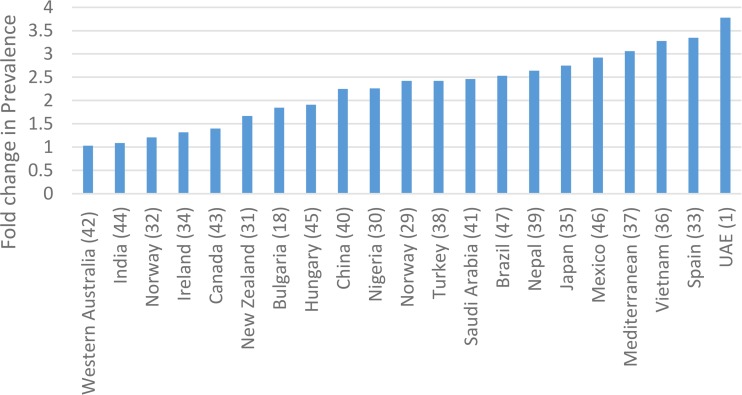
PURPOSE OF REVIEW: This paper seeks to summarize the impact of the one-step International Association of Diabetes and Pregnancy Study Groups (IADPSG) versus the two-step gestational diabetes mellitus (GDM) criteria with regard to prevalence, outcomes, healthcare delivery, and long-term maternal metabolic risk. RECENT FINDINGS: Studies demonstrate a 1.03-3.78-fold rise in the prevalence of GDM with IADPSG criteria versus baseline criteria. Women with GDM by IADPSG criteria have more adverse pregnancy outcomes than women with normal glucose tolerance (NGT). Treatment of GDM by IADPSG criteria may be cost effective. Use of the fasting glucose as a screen before the 75-g oral glucose tolerance test to rule out GDM with fasting plasma glucose (FPG) < 4.4 (80 mg/dl) and rule in GDM with FPG ≥ 5.1 mmol/l (92 mg/dl) reduces the need for OGTT by 50% and its cost and inconvenience. The prevalence of postpartum abnormal glucose metabolism is higher for women with GDM diagnosed by IADPSG criteria versus that for women with NGT. Data support the use of IADPSG criteria, if the cost of diagnosis and treatment can be controlled and if lifestyle can be optimized to reduce the risk of future diabetes.
Overview
The claims and statistics of this paper haven’t been checked yet.
Free: it reads the open-access text and checks the first 5 claims that cite a source we can check. Create a free account to check every claim.
Integrity signals
Registry
Cites
Statistics
Figures
Verification
Claims the paper makes
The claims and statistics of this paper haven’t been checked yet.
Free: it reads the open-access text and checks the first 5 claims that cite a source we can check. Create a free account to check every claim.
Claims other papers make about this one
Each is checked against this paper’s own text: does it say what the citing paper says it does?
The cited source doesn’t support the claim as written.
In the citing paper
“Researchers from Australia showed that after the adoption of the IADPSG standards the incidence of GDM increased from 20 to 75%, but it was also justified by improvements in the potential long-term benefits and perinatal morbidity [17,18,19].”
From Evolution of Gestational Diabetes Mellitus across Continents in 21st Century (2022) · cites this paper as [19]
Checked by a reasoning model — may be wrong.
Experimental — accuracy not yet measuredThe source backs part of the claim, not all of it — or backs it for a different population, condition or comparison.
In the citing paper
“A global consensus has not been reached about the diagnostic criteria for HDP and GDM, making it challenging to assess differences in their disease burden between countries and areas.”
From A global view of hypertensive disorders and diabetes mellitus during pregnancy (2022) · cites this paper as [32]
Experimental — accuracy not yet measuredThe source backs part of the claim, not all of it — or backs it for a different population, condition or comparison.
In the citing paper
“However, many researchers consider GDM treatment highly cost-effective when the benefits of future maternal T2DM and childhood obesity risk reduction are taken into account32,42–45.”
From A global view of hypertensive disorders and diabetes mellitus during pregnancy (2022) · cites this paper as [32]
Experimental — accuracy not yet measuredThe source backs part of the claim, not all of it — or backs it for a different population, condition or comparison.
In the citing paper
“Many regional studies have investigated the impact of adopting the IADPSG criteria on prevalence and have seen a roughly one- to threefold increase (209).”
From 2. Diagnosis and Classification of Diabetes: Standards of Care in Diabetes—2024 (2024) · cites this paper as [209]
Experimental — accuracy not yet measuredThe cited source says what the claim attributes to it.
In the citing paper
“The International Association for Diabetes and Pregnancy Study Groups criteria result in overall higher percentages of women diagnosed with GDM.”
From American Association of Clinical Endocrinology Clinical Practice Guideline: Developing a Diabetes Mellitus Comprehensive Care Plan-2022 Update. (2022) · cites this paper as [61]
1 more claim about this paper
Create a free account to see every claim other papers make about this one.
Self-check
Percentages, sums and reported differences re-computed from the paper’s own numbers.
The self-check needs the paper’s full text.
Citations
Cites
3 retracted
ACOG Practice Bulletin No. 30: Gestational Diabetes
(2001) · Obstetrics & Gynecology · doi:10.1097/00006250-200109000-00037 · Cited by 301
Retracted- Retracted
Committee Opinion No. 504: Screening and Diagnosis of Gestational Diabetes Mellitus
(2011) · Obstetrics & Gynecology · doi:10.1097/aog.0b013e3182310cc3 · Cited by 153 · cited 1×
“However, ACOG continued to recommend the two-step method in a 2011 Committee Opinion [69] and in their 2013 Practice Bulletin citing the concern that approximately 18% of women would be diagnosed with GDM based on IADPSG guidelines [70].”
MethodRetractedReport of the Expert Committee on the Diagnosis and Classification of Diabetes Mellitus
The Expert Committee on the Diagnosis and Classification of Diabetes Mellitus* (2002) · Diabetes Care · doi:10.2337/diacare.25.2007.s5 · Cited by 10,338
Report of the Expert Committee on the Diagnosis and Classification of Diabetes Mellitus
The Expert Committee on the Diagnosis and Classification of Diabetes Mellitus (1997) · Diabetes Care · doi:10.2337/diacare.20.7.1183 · Cited by 6,220
Hyperglycemia and adverse pregnancy outcomes
(2008) · New England Journal of Medicine · doi:10.1056/nejmoa0707943 · Cited by 5,563
International Association of Diabetes and Pregnancy Study Groups Consensus Panel (2010) · Diabetes Care · doi:10.2337/dc09-1848 · Cited by 5,390
Classification and diagnosis of diabetes mellitus and other categories of glucose intolerance.
National Diabetes Data Group (1979) · Diabetes · doi:10.2337/diab.28.12.1039 · Cited by 4,909
Type 2 diabetes mellitus after gestational diabetes: a systematic review and meta-analysis
Bellamy, L., Casas, J.-P., Hingorani, A. D., & Williams, D. (2009) · The Lancet · doi:10.1016/s0140-6736(09)60731-5 · Cited by 3,253 · cited 1×
“Women with a history of GDM had approximately a 50% risk of developing type 2 DM within 7 – 10 years [58] of their pregnancy and a 7 times increased risk compared to women with NGT [59].”
BackgroundEffect of Treatment of Gestational Diabetes Mellitus on Pregnancy Outcomes
Crowther, C. A., Hiller, J. E., Moss, J. R., McPhee, A. J., Jeffries, W. S., & Robinson, J. S. (2005) · New England Journal of Medicine · doi:10.1056/nejmoa042973 · Cited by 3,159
Standards of medical care in diabetes—2011
American Diabetes Association (2011) · Diabetes Care · doi:10.2337/dc11-s011 · Cited by 2,880
Gestational Diabetes and the Incidence of Type 2 Diabetes
Kim, C., Newton, K. M., & Knopp, R. H. (2002) · Diabetes Care · doi:10.2337/diacare.25.10.1862 · Cited by 2,276 · cited 1×
“Women with a history of GDM had approximately a 50% risk of developing type 2 DM within 7 – 10 years [58] of their pregnancy and a 7 times increased risk compared to women with NGT [59].”
BackgroundA Multicenter, Randomized Trial of Treatment for Mild Gestational Diabetes
Landon, M. B., Spong, C. Y., Thom, E., Carpenter, M. W., Ramin, S. M., Casey, B., Wapner, R. J., Varner, M. W., Rouse, D. J., Thorp, J. M., et al. (2009) · New England Journal of Medicine · doi:10.1056/nejmoa0902430 · Cited by 2,122 · cited 4×
“Treatment of GDM has been shown to reduce adverse outcomes [14, 48].”
BackgroundMethodResultInfluentialClinical Methods: The History, Physical, and Laboratory Examinations
Kruse, J. A. (1990) · JAMA: The Journal of the American Medical Association · doi:10.1001/jama.1990.03450210108045 · Cited by 2,029
Criteria for screening tests for gestational diabetes
Carpenter, M. W., & Coustan, D. R. (1982) · American Journal of Obstetrics and Gynecology · doi:10.1016/0002-9378(82)90349-0 · Cited by 1,924 · cited 1×
“In 1982, Carpenter and Coustan suggested a new set of diagnostic criteria based on an adjustment of O ’ Sullivan ’ s criteria taking into account the measurement of plasma glucose using the glucose oxidase method instead of the previously used Somogyi-Nelson method [12].”
Method(1964) · PubMed · Cited by 1,230
Diagnostic Criteria and Classification of Hyperglycaemia First Detected in Pregnancy
Agarwal, M., Boulvain, M., Coetzee, E. J., Colagiuri, S., Falavigna, M., Hod, M., Meltzer, S. J., Metzger, B. E., Omori, Y., Rasa, I., et al. (2013) · Cited by 769
Hod, M., Kapur, A., Sacks, D. A., Hadar, E., Agarwal, M., Di Renzo, G. C., Roura, L. C., McIntyre, H. D., Morris, J. L., & Divakar, H. (2015) · International Journal of Gynecology & Obstetrics · doi:10.1016/s0020-7292(15)30033-3 · Cited by 767
Hyperglycemia and Adverse Pregnancy Outcome (HAPO) Study
The HAPO Study Cooperative Research Group (2009) · Diabetes · doi:10.2337/db08-1112 · Cited by 702
Sacks, D. A., Hadden, D. R., Maresh, M., Deerochanawong, C., Dyer, A. R., Metzger, B. E., Lowe, L. P., Coustan, D. R., Hod, M., Oats, J. J. N., et al. (2012) · Diabetes Care · doi:10.2337/dc11-1641 · Cited by 687 · cited 2×
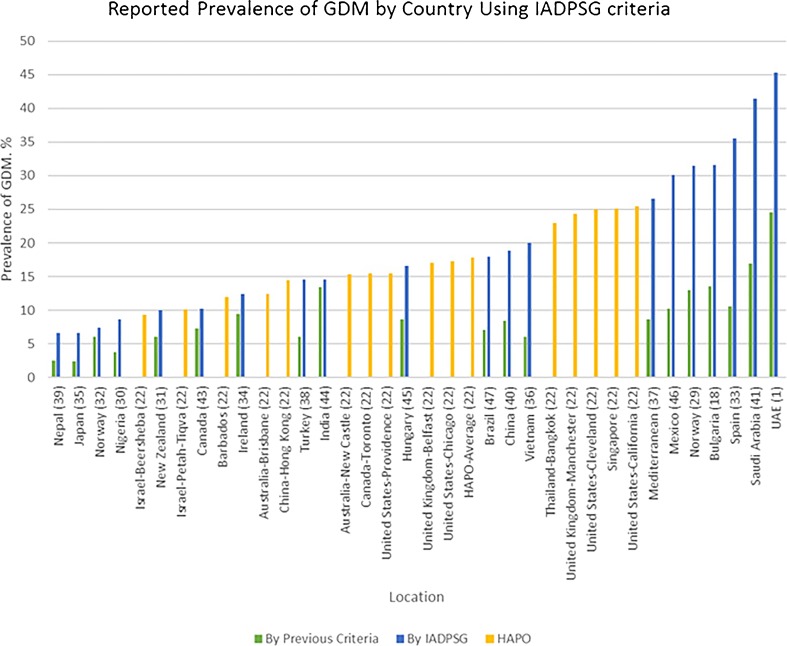
“Using these criteria, the prevalence of GDM in the collaborating HAPO centers ranged from 9.3 – 25.5%, with an average of 17.8% for the study overall [22].”
BackgroundMethodInfluentialPractice Bulletin No. 137: Gestational Diabetes Mellitus
(2013) · Obstetrics & Gynecology · doi:10.1097/01.aog.0000433006.09219.f1 · Cited by 581 · cited 4×
“ACOG includes previous history of GDM, previous history of macrosomia, maternal age, maternal obesity, ethnicity, family history of DM2, multiple gestation, and polycystic ovarian syndrome [70].”
BackgroundMethodInfluentialHoffman, L., Nolan, C., Wilson, J. D., Oats, J. J. N., & Simmons, D. (1998) · Medical Journal of Australia · doi:10.5694/j.1326-5377.1998.tb140192.x · Cited by 570 · cited 1×
“…on a one-step method using a 75-g OGTT, with published guidelines from the European Association for the Study of Diabetes (EASD) in 1996 [15], the Australasian Diabetes in Pregnancy Society (ADIPS) in 1998 [16], and the World Health Organization (WHO) in 1999 [17], among others [1 (cid:129) , 18].”
MethodDiabetes and Pregnancy: An Endocrine Society Clinical Practice Guideline
Blumer, I., Hadar, E., Hadden, D. R., Jovanovič, L., Mestman, J. H., Murad, M. H., & Yogev, Y. (2013) · The Journal of Clinical Endocrinology & Metabolism · doi:10.1210/jc.2013-2465 · Cited by 561 · cited 1×
“Both the Endocrine Society and the WHO adopted them in 2013 [67, 68].”
MethodSermer, M., Naylor, C. D., Gare, D. J., Kenshole, A. B., Ritchie, J. W. K., Farine, D., Cohen, H. R., McArthur, K., Holzapfel, S., Biringer, A., et al. (1995) · American Journal of Obstetrics and Gynecology · doi:10.1016/0002-9378(95)90183-3 · Cited by 510
Feig, D. S., Hwee, J., Shah, B. R., Booth, G. L., Bierman, A. S., & Lipscombe, L. L. (2014) · Diabetes Care · doi:10.2337/dc13-2717 · Cited by 346
Zhu, W.-W., Yang, H.-X., Wei, Y.-M., Yan, J., Wang, Z.-L., Li, X.-L., Wu, H.-R., Li, N., Zhang, M.-H., Liu, X.-H., et al. (2013) · Diabetes Care · doi:10.2337/dc12-1157 · Cited by 338
Duran, A., Sáenz, S., Torrejón, M. J., Bordiú, E., del Valle, L., Galindo, M., Perez, N., Herraiz, M. A., Izquierdo, N., Rubio, M. A., et al. (2014) · Diabetes Care · doi:10.2337/dc14-0179 · Cited by 335
Gestational diabetes mellitus: results from a survey of country prevalence and practices
Jiwani, A., Marseille, E., Lohse, N., Damm, P., Hod, M., & Kahn, J. G. (2012) · The Journal of Maternal-Fetal & Neonatal Medicine · doi:10.3109/14767058.2011.587921 · Cited by 316
collaborators, O. B. O. T. A. D., O’Sullivan, E. P., Avalos, G., O’Reilly, M., Dennedy, M. C., Gaffney, G., & Dunne, F. (2011) · Diabetologia · doi:10.1007/s00125-011-2150-4 · Cited by 307
Jenum, A. K., Mørkrid, K., Sletner, L., Vange, S., Torper, J. L., Nakstad, B., Voldner, N., Rognerud-Jensen, O. H., Berntsen, S., Mosdøl, A., et al. (2012) · European Journal of Endocrinology · doi:10.1530/eje-11-0866 · Cited by 290 · cited 5×
“Risk factors studied included South Asian high-risk ethnic group [29], prepregnancy overweight [29, 41], maternal age [32, 41], fasting insulin [32], no regular exercise [32], and one or more ACOG risk factors [56].”
BackgroundMethodInfluential(2013) · PubMed · Cited by 279
Lavery, J., Friedman, A., Keyes, K., Wright, J., & Ananth, C. (2017) · BJOG: An International Journal of Obstetrics & Gynaecology · doi:10.1111/1471-0528.14236 · Cited by 275
Hughes, R. C. E., Moore, M. P., Gullam, J. E., Mohamed, K., & Rowan, J. (2014) · Diabetes Care · doi:10.2337/dc14-1312 · Cited by 238
(2001) · Obstetrics & Gynecology · doi:10.1016/s0029-7844(01)01648-9 · Cited by 226
Toward universal criteria for gestational diabetes: the 75-gram glucose tolerance test in pregnancy
Sacks, D. A., Greenspoon, J. S., Abu-Fadil, S., Henry, H. M., Wolde-Tsadik, G., & Yao, J. F. F. (1995) · American Journal of Obstetrics and Gynecology · doi:10.1016/0002-9378(95)90580-4 · Cited by 210
Werner, E. F., Pettker, C. M., Zuckerwise, L., Reel, M., Funai, E. F., Henderson, J., & Thung, S. F. (2012) · Diabetes Care · doi:10.2337/dc11-1643 · Cited by 182 · cited 1×
“…efficacy and if at least 2% more patients are diagnosed with GDM. Similarly, Werner et al. found that the one-step method was also cost effective compared to the method at $20,336 per QALY if postdelivery counseling and behavior modification were provided to reduce future diabetes risks [64].”
MethodScreening and diagnosing gestational diabetes mellitus.
Hartling, L., Dryden, D. M., Guthrie, A., Muise, M., Vandermeer, B., Aktary, W. M., Pasichnyk, D., Seida, J. C., & Donovan, L. (2012) · PubMed Central · Cited by 179
Black, M. H., Sacks, D. A., Xiang, A. H., & Lawrence, J. M. (2010) · Diabetes Care · doi:10.2337/dc10-1445 · Cited by 160
Catalano, P. M., Vargo, K. M., Bernstein, I. M., & Amini, S. B. (1991) · American Journal of Obstetrics and Gynecology · doi:10.1016/0002-9378(91)90438-w · Cited by 145
Donovan, L., Hartling, L., Muise, M., Guthrie, A., Vandermeer, B., & Dryden, D. M. (2013) · Annals of Internal Medicine · doi:10.7326/0003-4819-159-2-201307160-00657 · Cited by 125
Mayo, K., Melamed, N., Vandenberghe, H., & Berger, H. (2015) · American Journal of Obstetrics and Gynecology · doi:10.1016/j.ajog.2014.08.027 · Cited by 122 · cited 1×
“Studies comparing women diagnosed with GDM using the IADPSG criteria but untreated (excluding other regional criteria) to women with NGTalso found higher risk of adverse outcome [35, 43, 52] with one exception [53].”
ResultGestational diabetes screening with the new IADPSG guidelines: a cost-effectiveness analysis
Mission, J. F., Ohno, M. S., Cheng, Y. W., & Caughey, A. B. (2012) · American Journal of Obstetrics and Gynecology · doi:10.1016/j.ajog.2012.06.048 · Cited by 111 · cited 1×
“In a cost-effectiveness analysis, Mission et al. compared the one-step IADPSG criteria versus the two-step CC criteria using a Monte Carlo simulation to assess cost, effectiveness, and cost-effectiveness based on probabilities, costs, and benefits derived from the literature [63].”
MethodWaters, T. P., Dyer, A. R., Scholtens, D. M., Dooley, S. L., Herer, E., Lowe, L. P., Oats, J. J. N., Persson, B., Sacks, D. A., Metzger, B. E., et al. (2016) · Diabetes Care · doi:10.2337/dc16-1194 · Cited by 111
Yumei, W., Huixia, Y., Weiwei, Z., Hongyun, Y., Haixia, L., Jie, Y., & Cuilin, Z. (2014) · Chinese Medical Journal · doi:10.3760/cma.j.issn.0366-6999.20140898 · Cited by 109
Fasting plasma glucose to avoid a full OGTT in the diagnosis of gestational diabetes
Trujillo, J., Vigo, Á., Reichelt, A. J., Duncan, B. B., & Schmidt, M. I. (2014) · Diabetes Research and Clinical Practice · doi:10.1016/j.diabres.2014.06.001 · Cited by 105 · cited 1×
“The strategy of Trujillo and others used the IADPSG criteria to rule in GDM with FPG ≥ 5.1 mmol/l (92 mg/dl) (15.2% or the population) and rule out GDM with FPG ≤ 4.4 mmol/l (80 mg/dl) (54.3% of the population) [81].”
MethodInfluentialMorikawa, M., Yamada, T., Yamada, T., Akaishi, R., Nishida, R., Cho, K., & Minakami, H. (2010) · Diabetes Research and Clinical Practice · doi:10.1016/j.diabres.2010.08.023 · Cited by 103 · cited 1×
“Studies comparing women diagnosed with GDM using the IADPSG criteria but untreated (excluding other regional criteria) to women with NGTalso found higher risk of adverse outcome [35, 43, 52] with one exception [53].”
ResultAvalos, G. E., Owens, L. A., Dunne, F., & Collaborators, F. T. A. D. (2013) · Diabetes Care · doi:10.2337/dc12-2669 · Cited by 97 · cited 1×
“…of risk factors in the general population varied depending on which risk factor criteria were being used with ADA having better sensitivity and specificity than NICE and Irish, but still only achieving sensitivity 80% and specificity 44% when BMI ≥ 25 kg/m 2 was included as a risk factor [73].”
BackgroundBodmer-Roy, S., Morin, L., Cousineau, J., & Rey, E. (2012) · Obstetrics & Gynecology · doi:10.1097/aog.0b013e31826994ec · Cited by 97
Ethridge, J. K., Catalano, P. M., & Waters, T. P. (2014) · Obstetrics & Gynecology · doi:10.1097/aog.0000000000000412 · Cited by 95
Agarwal, M., Dhatt, G. S., & Othman, Y. (2015) · Journal of Diabetes and its Complications · doi:10.1016/j.jdiacomp.2015.03.006 · Cited by 83 · cited 2×
“of a structured exercise program to prevent GDM, 852 Caucasian women were screened using a 75-g OGTT between 18 and 22 weeks and then again between 32 and 36 weeks [32]. The prevalence of GDM at 32–36 weeks was 6.1% for WHO criteria versus 7.4% for IADPSG criteria. IADPSG criteria resulted in only a 1.2-fold increase…”
MethodInfluentialNoctor, E., Crowe, C., Carmody, L. A., Kirwan, B., O’Dea, A., Glynn, L. G., McGuire, B. E., O’Shea, P. M., & Dunne, F. P. (2015) · Acta Diabetologica · doi:10.1007/s00592-014-0621-z · Cited by 79
Reyes-Muñoz, E., Parra, A., Castillo-Mora, A., & Ortega-González, C. (2011) · Endocrine Practice · doi:10.4158/ep11167.or · Cited by 77
Establishing Criteria for Gestational Diabetes
O'Sullivan, J. B. (1980) · Diabetes Care · doi:10.2337/diacare.3.3.437 · Cited by 71 · cited 2×
“Subsequently, a 16-year cumulative incidence of DM2 of 60% was demonstrated by life table analysis in the level 2 group [9].”
BackgroundMethodInfluentialOlagbuji, B. N., Atiba, A. S., Olofinbiyi, B. A., Akintayo, A. A., Awoleke, J. O., Ade-Ojo, I. P., & Fasubaa, O. B. (2015) · European Journal of Obstetrics & Gynecology and Reproductive Biology · doi:10.1016/j.ejogrb.2015.02.030 · Cited by 69
Report of the Pregnancy and Neonatal Care Group.
Brown, C.-A., Dawson, A. J., Dodds, R., Gamsu, H. R., Gillmer, M. D. G., Hall, M., Hounsome, B., Knopfler, A., Ostler, J., Peacock, I., et al. (1996) · PubMed · Cited by 67
Sacks, D. A., Black, M. H., Li, X., Montoro, M. N., & Lawrence, J. M. (2015) · Obstetrics & Gynecology · doi:10.1097/aog.0000000000000865 · Cited by 66 · cited 2×
“A retrospective cohort study investigated the impact of different glycemic thresholds on outcomes in women screened with a 75-g 2-h OGTT [54].”
BackgroundYeral, M. İ., Ozgu-Erdinc, A. S., Uygur, D., Seçkin, K. D., Karslı, M. F., & Danışman, A. N. (2013) · Endocrine · doi:10.1007/s12020-013-0111-z · Cited by 65 · cited 2×
“Studies using either HbA1c, FPG, or FPG followed by a 75-g 2-h OGTT (IADPSG criteria) support early pregnancy screening to diagnose women with PEDM, at high risk of GDM later in pregnancy, greater need for pharmacotherapy, and increased risk of poor outcomes [74 – 77].”
MethodInfluentialTrujillo, J., Vigo, A., Duncan, B. B., Falavigna, M., Wendland, E. M., Campos, M. A., & Schmidt, M. I. (2015) · Diabetes Research and Clinical Practice · doi:10.1016/j.diabres.2015.02.007 · Cited by 64 · cited 2×
“So, the introduction of IADPSG criteria led to a plethora of data looking at local prevalence of GDM [1 (cid:129) , 18, 29 – 32, 33 (cid:129)(cid:129) , 34 – 47].”
BackgroundInfluentialDiagnosis of gestational diabetes mellitus in the community.
Seshiah, V., Balaji, V., Shah, S. N., Joshi, S., Das, A. K., Sahay, B. K., Banerjee, S., Zargar, A. H., & Balaji, M. S. (2012) · PubMed · Cited by 61
Consequences of Gestational Diabetes in an Urban Hospital in Viet Nam: A Prospective Cohort Study
Hirst, J. E., Tran, T. S., Do, M. A. T., Morris, J. M., & Jeffery, H. E. (2012) · PLoS Medicine · doi:10.1371/journal.pmed.1001272 · Cited by 59 · cited 1×
“Prospective observational studies [36, 38, 49 (cid:129) ] and a retrospective observational study [50] comparing women diagnosed with GDM using the IADPSG criteria but untreated (excluding those who also met CC criteria) to women with NGT found an increased risk of polyhydramnios [38] A prospective…”
MethodEffect of selective screening for gestational diabetes.
Williams, C. B., Iqbal, S., Zawacki, C. M., Yu, D., Brown, M. B., & Herman, W. H. (1999) · Diabetes Care · doi:10.2337/diacare.22.3.418 · Cited by 57 · cited 1×
“While risk factor screening for GDM can be effective at identifying women at risk, the prevalence of these risk factors is unfortunately so high in the USA that using the ADA risk factor criteria [71] as endorsed by ACOG [70] would result in ≥ 90% of women requiring screening [72].”
MethodHarper, L. M., Mele, L., Landon, M. B., Carpenter, M. W., Ramin, S. M., Reddy, U. M., Casey, B., Wapner, R. J., Varner, M. W., Thorp, J. M., et al. (2016) · Obstetrics & Gynecology · doi:10.1097/aog.0000000000001383 · Cited by 56 · cited 3×
“The CC criteria diagnosed 30 – 50% more women with GDM than the NDDG criteria [13].”
BackgroundResultLindqvist, M., Persson, M., Lindkvist, M., & Mogren, I. (2014) · BMC Pregnancy and Childbirth · doi:10.1186/1471-2393-14-185 · Cited by 55 · cited 1×
“Studies comparing women diagnosed with GDM using the IADPSG criteria but untreated (excluding other regional criteria) to women with NGTalso found higher risk of adverse outcome [35, 43, 52] with one exception [53].”
Sevket, O., Ates, S., Uysal, O., Molla, T., Dansuk, R., & Kelekci, S. (2014) · The Journal of Maternal-Fetal & Neonatal Medicine · doi:10.3109/14767058.2013.799656 · Cited by 49
First trimester gestational diabetes screening – Change in incidence and pharmacotherapy need
Alunni, M., Roeder, H., Moore, T. R., & Ramos, G. A. (2015) · Diabetes Research and Clinical Practice · doi:10.1016/j.diabres.2015.04.027 · Cited by 48
Diagnosis of gestational diabetes mellitus: it is time for international consensus
Sacks, D. B. (2014) · Clinical Chemistry · doi:10.1373/clinchem.2013.206920 · Cited by 45
Ekeroma, A. J., Chandran, G. S., McCowan, L., Ansell, D., Eagleton, C., & Kenealy, T. (2015) · Australian and New Zealand Journal of Obstetrics and Gynaecology · doi:10.1111/ajo.12267 · Cited by 37
Reproducibility of S-insulin and B-glucose responses in two identical oral glucose tolerance tests
Schousboe, K., Henriksen, J. E., Kyvik, K. O., Sørensen, T. I. A., & Petersen, P. H. (2002) · Scandinavian Journal of Clinical and Laboratory Investigation · doi:10.1080/003655102764654358 · Cited by 37 · cited 1×
“The FPG is a screening test candidate because of its high reproducibility [78].”
BackgroundGlobal cost-effectiveness of GDM screening and management: Current knowledge and future needs
Weile, L. K. K., Kahn, J. G., Marseille, E. A., Jensen, D. M., Damm, P., & Lohse, N. (2014) · Best Practice & Research Clinical Obstetrics & Gynaecology · doi:10.1016/j.bpobgyn.2014.06.009 · Cited by 35 · cited 1×
“In a systemic review of these issues, Weile et al. found that 12 out of 100 studies between 2002 and 2013 had full economic evaluations [65].”
BackgroundOgunyemi, D. A., Fong, A., Rad, S., Fong, S., & Kjos, S. L. (2011) · Diabetic Medicine · doi:10.1111/j.1464-5491.2011.03326.x · Cited by 33
Atlantic DIP: the prevalence and consequences of gestational diabetes in Ireland.
O'Sullivan, E., Avalos, G., O'Reilly, M., Dennedy, M. C., Gaffney, G., & Fp, D. (2012) · PubMed · Cited by 31
The use of HbA1cas an aid in the diagnosis of gestational diabetes mellitus
Şevket, O., Sevket, A., Özel, A., Dansuk, R., & Kelekçi, S. (2014) · Journal of Obstetrics and Gynaecology · doi:10.3109/01443615.2014.925855 · Cited by 31 · cited 1×
“Sevket et al. looked at the utility of the A1c in the diagnosis of GDM at 24 – 28 weeks ’ gestation [82].”
BackgroundHelseth, R., Salvesen, Ø., Stafne, S. N., Mørkved, S., Salvesen, K. A., & Carlsen, S. M. (2014) · Scandinavian Journal of Clinical and Laboratory Investigation · doi:10.3109/00365513.2014.928942 · Cited by 30 · cited 5×
“Risk factors studied included South Asian high-risk ethnic group [29], prepregnancy overweight [29, 41], maternal age [32, 41], fasting insulin [32], no regular exercise [32], and one or more ACOG risk factors [56].”
BackgroundMethodInfluentialThe Prevalence and Predictors of Gestational Diabetes Mellitus in Hungary
Kun, A., Tornóczky, J., & Tabák, A. (2011) · Hormone and Metabolic Research · doi:10.1055/s-0031-1287795 · Cited by 28
Pan, L., Leng, J., Liu, G., Zhang, C., Liu, H., Li, M., Tan, L., Tian, H., Chan, J. C. N., Hu, G., et al. (2015) · Clinical Endocrinology · doi:10.1111/cen.12801 · Cited by 28 · cited 1×
“…for women diagnosed by IADPSG criteria versus prior/usual criteria including a modified 75-g CC [41], NDDG [56], or a modified two-step WHO 1999 [57] demonstrated similar pregnancy and neonatal outcomes as those diagnosed by CC and NDDG criteria, but greater risk of macrosomia and LGA compared…”
MethodGestational diabetes in a tertiary care hospital: implications of applying the IADPSG criteria
Agarwal, M., Dhatt, G. S., & Othman, Y. (2012) · Archives of Gynecology and Obstetrics · doi:10.1007/s00404-012-2324-4 · Cited by 27 · cited 2×
“In 2012, Agarwal et al. compared the costs and laboratory work load units (WLUs) of using the 50-g GCT screening test followed by the 100-g OGTTusing CC criteria with the one-step 75-g OGTT in a high-risk population in the UAE [62 (cid:129) ].”
BackgroundMethodInfluentialBartáková, V., Malúšková, D., Mužík, J., Bělobrádková, J., & Kaňková, K. (2015) · Biochemia Medica · doi:10.11613/bm.2015.047 · Cited by 21
Comparative analysis of current diagnostic criteria for gestational diabetes mellitus
Boyadzhieva, M. V., Atanasova, I., Zacharieva, S., Tankova, T., & Dimitrova, V. (2012) · Obstetric Medicine · doi:10.1258/om.2011.110073 · Cited by 19 · cited 5×
“…on a one-step method using a 75-g OGTT, with published guidelines from the European Association for the Study of Diabetes (EASD) in 1996 [15], the Australasian Diabetes in Pregnancy Society (ADIPS) in 1998 [16], and the World Health Organization (WHO) in 1999 [17], among others [1 (cid:129) , 18].”
BackgroundMethodInfluentialTHE PREDIABETIC STATE: A CONCEPT OF DYNAMIC RESISTANCE IN A GENETIC DIABETOGENIC INFLUENCE
Conn, J. W., & Fajans, S. S. (1963) · Obstetrical & Gynecological Survey · doi:10.1097/00006254-196302000-00010 · Cited by 18
Gestational Diabetes Mellitus - A Public Health Concern in Rural Communities of Nepal.
(2015) · Journal of Nepal Health Research Council · doi:10.33314/jnhrc.v0i0.668 · Cited by 17 · cited 1×
“The reported prevalence of GDM using IADPSG criteria varied from 3.5 to 45.3% [1 (cid:129) , 39].”
MethodInfluentialAlfadhli, E. M. (2015) · Annals of Saudi Medicine · doi:10.5144/0256-4947.2015.428 · Cited by 15
Sibartie, P., & Quinlivan, J. A. (2015) · Journal of Pregnancy · doi:10.1155/2015/754085 · Cited by 14
THE PREDIABETIC STATE: A CONCEPT OF DYNAMIC RESISTANCE IN A GENETIC DIABETOGENIC INFLUENCE
Conn, J. W., & Fajans, S. S. (1963) · Obstetrical & Gynecological Survey · doi:10.1097/00006254-196318010-00010 · Cited by 13
March, M. I., Modest, A. M., Ralston, S. J., Hacker, M. R., Gupta, M., & Brown, F. M. (2015) · The Journal of Maternal-Fetal & Neonatal Medicine · doi:10.3109/14767058.2015.1038513 · Cited by 12
Self-citationHyperglycaemia in pregnancy in Mediterranean women
MGSD:GDM Study Group, Savona‐Ventura, C., Vassallo, J., Marre, M., & Karamanos, B. G. (2012) · Acta Diabetologica · doi:10.1007/s00592-012-0427-9 · Cited by 12 · cited 1×
“In a study of more than 1300 women, a strategy used the FPG threshold > 5.0 mmol/l ( ≥ 92 mg/dl) (15.4% of the population) as the initial screening test to rule in GDM to reduce the need for OGTT and proceeding with full screen if FPG ≤ 5.0 mmol/l and BMI > 25 and age > 30 years [37].”
MethodInfluentialEffects of intervention to mild GDM on outcomes
Wei, Y.-M., Yang, H.-X., Zhu, W., Yang, H., Li, H., & Kapur, A. (2014) · The Journal of Maternal-Fetal & Neonatal Medicine · doi:10.3109/14767058.2014.937697 · Cited by 10
Wilkerson, H. L. C., KRALL, L. P., & BUTLER, F. K. (1962) · JAMA · doi:10.1001/jama.1962.03050080064017 · Cited by 4 · cited 1×
“The authors chose the level II criteria (2SD above the mean) as the best choice for predicting the development of DM2 as it reflected the results of the cortisone OGTT [7], a method shown at that time by Conn and Fajans to predict the development of DM2 and the prevalence of DM2 in a community [8].”
Method
Cited by
2. Classification and Diagnosis of Diabetes: Standards of Medical Care in Diabetes—2022
American Diabetes Association Professional Practice Committee (2022) · Diabetes Care · doi:10.2337/dc22-s002 · Cited by 4,792
2. Classification and Diagnosis of Diabetes: Standards of Medical Care in Diabetes—2020
American Diabetes Association (2020) · Diabetes Care · doi:10.2337/dc20-s002 · Cited by 3,187
2. Classification and Diagnosis of Diabetes: Standards of Medical Care in Diabetes—2021
American Diabetes Association (2021) · Diabetes Care · doi:10.2337/dc21-s002 · Cited by 3,116
2. Classification and Diagnosis of Diabetes:Standards of Care in Diabetes—2023
ElSayed, N. A., Aleppo, G., Aroda, V. R., Bannuru, R. R., Brown, F. M., Bruemmer, D., Collins, B. S., Gaglia, J. L., Hilliard, M. E., Isaacs, D., et al. (2023) · Diabetes Care · doi:10.2337/dc23-s002 · Cited by 2,433
Self-citation2. Diagnosis and Classification of Diabetes: Standards of Care in Diabetes—2024
American Diabetes Association Professional Practice Committee, ElSayed, N. A., Aleppo, G., Bannuru, R. R., Bruemmer, D., Collins, B. S., Ekhlaspour, L., Gaglia, J. L., Hilliard, M. E., Johnson, E. L., et al. (2024) · Diabetes Care · doi:10.2337/dc24-s002 · Cited by 2,086
Metadata
- Authors
- Brown, F. M., & Wyckoff, J.
- Affiliations
- Joslin Diabetes Center (US)
- University of Michigan (US)
- Corresponding author
- Brown, Florence M.
- Venue
- Current Diabetes Reports
- Published
- 2017-08-10
- Volume
- 17
- Issue
- 10
- Pages
- 85-85
- ISSN
- 1534-4827 (ISSN-L)
- 1539-0829
- PMC
- PMC5552830
- OpenAlex
- W2744746862
- Semantic Scholar
- b2de5ce3d3e13c60a5ebcfc749b93621327b7a30
- Cited by
- 122
- References
- 88
- Citations by year
- 2026: 6 · 2025: 10 · 2024: 9 · 2023: 14 · 2022: 12 · 2021: 30 · 2020: 20 · 2019: 9 · 2018: 12
- FWCI
- 1.92
- Type
- journal article
- Language
- en
- Open access
- hybrid
- doi.org
- Locations
- Current Diabetes Reports (publishedVersion, cc-by)
- PubMed Central (publishedVersion, cc-by)
- PubMed (publishedVersion)
- Digital Access to Scholarship at Harvard (DASH) (Harvard University) (submittedVersion, cc-by)
- Funders
- National Institute of Diabetes and Digestive and Kidney Diseases (P30DK092926)
- Topics
- Health Sciences › Medicine › Obstetrics and Gynecology › Gestational Diabetes Research and Management
- Health Sciences › Medicine › Endocrinology, Diabetes and Metabolism › Diabetes Management and Research
- Health Sciences › Medicine › Endocrinology, Diabetes and Metabolism › Diabetes, Cardiovascular Risks, and Lipoproteins
- Keywords
- gestational diabetes mellitus, IADPSG criteria, fasting blood glucose, oral glucose tolerance test, GDM prevalence, adverse pregnancy outcomes, cost-effectiveness
- MeSH terms
- Female, Glucose Tolerance Test, Health Services, Humans, Pregnancy, Pregnancy Outcome, Societies, Medical, Prevalence, Diabetes, Gestational
About these checks
Registry, retraction, Cites and statistics results are computed, not judged, with one exception: a printed reference that no index lists is read once by a model before it counts as a citation error. Claims are extracted by a model and kept only when their quote appears verbatim in the text; each cited source is then checked, with a model’s help, for whether it says what the claim relies on. Those verdicts can be wrong — read the claim’s quote and the cited source before relying on one.
Statistics and arithmetic are recomputed, not judged.
Confidence bands are shown only for fields calibrated on our annotated test set. None is calibrated yet, so no band is shown.
What counts as a claim ›How we measure confidence ›How we check this ›
Are you an author, or do you see a problem with this page? Request a review
Data sources
Bibliographic data: Semantic Scholar, OpenAlex, Crossref.
Contains information from the Semantic Scholar Academic Graph Datasets, made available under the ODC Attribution License (ODC-BY 1.0).
Semantic Scholar’s data is described in: Kinney, R., et al. (2023). The Semantic Scholar Open Data Platform. arXiv:2301.10140.
