

The Role of the Immune Cells in Fracture Healing
Open accessThe DOI matches its Crossref record; 85 of the 85 references it cites were found in a registry or an index.
Abstract
PURPOSE OF REVIEW: Bone fracture healing is a complex physiological process relying on numerous cell types and signals. Inflammatory factors secreted by immune cells help to control recruitment, proliferation, differentiation, and activation of hematopoietic and mesenchymal cells. Within this review we will discuss the functional role of immune cells as it pertains to bone fracture healing. In doing so, we will outline the cytokines secreted and their effects within the healing fracture callus. RECENT FINDINGS: Macrophages have been found to play an important role in fracture healing. These immune cells signal to other cells of the fracture callus, modulating bone healing. Cytokines and cellular signals within fracture healing continue to be studied. The findings from this work have helped to reinforce the importance of osteoimmunity in bone fracture healing. Owing to these efforts, immunomodulation is emerging as a potential therapeutic target to improve bone fracture healing.
Overview
The claims and statistics of this paper haven’t been checked yet.
Free: it reads the open-access text and checks the first 5 claims that cite a source we can check. Create a free account to check every claim.
Integrity signals
Registry
Cites
Statistics
Figures
Verification
Claims the paper makes
The claims and statistics of this paper haven’t been checked yet.
Free: it reads the open-access text and checks the first 5 claims that cite a source we can check. Create a free account to check every claim.
Claims other papers make about this one
Each is checked against this paper’s own text: does it say what the citing paper says it does?
The source backs part of the claim, not all of it — or backs it for a different population, condition or comparison.
In the citing paper
“These cells secrete growth factors and cytokines in response to bone injury leading to recruitment of immune and mesenchymal progenitor cells and revascularization [4, 37].”
From Osteoimmunology of Fracture Healing. (2024) · cites this paper as [4]
Experimental — accuracy not yet measuredThe cited source says what the claim attributes to it.
In the citing paper
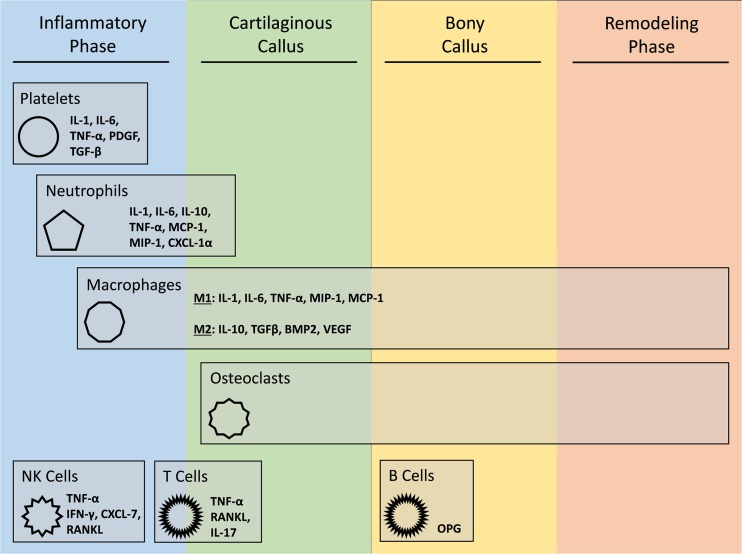
“Bone fracture healing progresses through four distinct yet overlapping phases: formation of the hematoma, development of the cartilaginous callus, development of the bony callus, and finally remodeling of the fracture callus.”
From Osteoimmunology of Fracture Healing. (2024) · cites this paper as [4]
Self-check
Percentages, sums and reported differences re-computed from the paper’s own numbers.
The self-check needs the paper’s full text.
Citations
Cites
Exploring the full spectrum of macrophage activation
Mosser, D. M., & Edwards, J. P. (2008) · Nature Reviews Immunology · doi:10.1038/nri2448 · Cited by 9,144
Osteoclast differentiation and activation
Boyle, W. J., Simonet, W. S., & Lacey, D. L. (2003) · Nature · doi:10.1038/nature01658 · Cited by 6,670
Németh, K., Leelahavanichkul, A., Yuen, P. S. T., Mayer, B., Parmelee, A., Doi, K., Robey, P. G., Leelahavanichkul, K., Koller, B. H., Brown, J. M., et al. (2009) · Nature Medicine · doi:10.1038/nm.1905 · Cited by 2,364
Overview of the immune response
Chaplin, D. D. (2010) · Journal of Allergy and Clinical Immunology · doi:10.1016/j.jaci.2009.12.980 · Cited by 2,235
Ren, G., Zhang, L., Zhao, X., Xu, G., Zhang, Y., Roberts, A. I., Zhao, R. C., & Shi, Y. (2008) · Cell Stem Cell · doi:10.1016/j.stem.2007.11.014 · Cited by 2,101
Osteoimmunology: shared mechanisms and crosstalk between the immune and bone systems
Takayanagi, H. (2007) · Nature Reviews Immunology · doi:10.1038/nri2062 · Cited by 1,878
Kong, Y.-Y., Feige, U., Sarosi, I., Bolon, B., Tafuri, A., Morony, S., Capparelli, C., Li, J., Elliott, R., McCabe, S., et al. (1999) · Nature · doi:10.1038/46303 · Cited by 1,856 · cited 1×
“The immunological function of NK cells is to recognize foreign or virally infected cells and induce apoptosis or cell lysis through cytotoxic granules [65]. Little is known about the function of natural killer cells in fracture healing. It is possible that NK cells play a role in removal of damaged cells located at th…”
BackgroundThe biology of fracture healing
Marsell, R., & Einhorn, T. A. (2011) · Injury · doi:10.1016/j.injury.2011.03.031 · Cited by 1,824
Segal, A. W. (2005) · Annual Review of Immunology · doi:10.1146/annurev.immunol.23.021704.115653 · Cited by 1,789
Franz, S., Rammelt, S., Scharnweber, D., & Simon, J. C. (2011) · Biomaterials · doi:10.1016/j.biomaterials.2011.05.078 · Cited by 1,391
Research works printed but not linked: 2
- Miranda MAMSM Treatment strategy for non unions and malunions 2007 New York Thieme
- Dimitriou R Tsiridis E Giannoudis PV Current concepts of molecular aspects of bone healing Injury. 2005 36 12 1392 1404 10.1016/j.injury.2005.07.019 16102764 · DOI · Paper page
Cited by
Bone physiology as inspiration for tissue regenerative therapies
Lopes, D., Martins-Cruz, C., Oliveira, M. B., & Mano, J. F. (2018) · Biomaterials · doi:10.1016/j.biomaterials.2018.09.028 · Cited by 421
Zhao, S.-J., Kong, F.-Q., Jie, J., Li, Q., Liu, H., Xu, A.-D., Yang, Y.-Q., Jiang, B., Wang, D.-D., Zhou, Z.-Q., et al. (2020) · Theranostics · doi:10.7150/thno.36930 · Cited by 332
“From 3 to 7 days post-surgery, M1-like macrophages were gradually replaced by M2-like macrophages for tissue repair [33, 34].”
BackgroundMesenchymal stem cells: Amazing remedies for bone and cartilage defects
Kangari, P., Talaei-Khozani, T., Razeghian-Jahromi, I., & Razmkhah, M. (2020) · Stem Cell Research & Therapy · doi:10.1186/s13287-020-02001-1 · Cited by 286
“Pro-inflammatory cytokines including TNF-α, IL-6, IL-1β, and IL-17 play important roles in the development of pathological conditions in cartilage diseases [295].”
BackgroundMoriarty, T. F., Metsemakers, W.-J., Morgenstern, M., Hofstee, M. I., Vallejo Diaz, A., Cassat, J. E., Wildemann, B., Depypere, M., Schwarz, E. M., & Richards, R. G. (2022) · Nature Reviews Disease Primers · doi:10.1038/s41572-022-00396-0 · Cited by 199
Review on magnesium and magnesium-based alloys as biomaterials for bone immobilization
He, M., Chen, L., Yin, M., Xu, S., & Liang, Z. (2023) · Journal of Materials Research and Technology · doi:10.1016/j.jmrt.2023.02.037 · Cited by 195
Osteoimmunology: A Current Update of the Interplay Between Bone and the Immune System
Guder, C., Gravius, S., Burger, C., Wirtz, D. C., & Schildberg, F. A. (2020) · Frontiers in Immunology · doi:10.3389/fimmu.2020.00058 · Cited by 190
“During the phase of cartilage formation, mesenchymal progenitor cells evolve into chondroblasts, rather than OBs, triggered by mechanical instability and chemical attractants (123).”
BackgroundInfluentialImmunomodulatory strategies for bone regeneration: A review from the perspective of disease types
Su, N., Villicana, C., & Yang, F. (2022) · Biomaterials · doi:10.1016/j.biomaterials.2022.121604 · Cited by 179
Wnt signaling modulates macrophage polarization and is regulated by biomaterial surface properties
Abaricia, J. O., Shah, A. H., Chaubal, M., Hotchkiss, K. M., & Olivares-Navarrete, R. (2020) · Biomaterials · doi:10.1016/j.biomaterials.2020.119920 · Cited by 165
Chung, L., Maestas, D. R., Lebid, A., Mageau, A., Rosson, G. D., Wu, X., Wolf, M. T., Tam, A. J., Vanderzee, I., Wang, X., et al. (2020) · Science Translational Medicine · doi:10.1126/scitranslmed.aax3799 · Cited by 172
The Effect of Platelet-Rich Plasma on the Intra-Articular Microenvironment in Knee Osteoarthritis
Szwedowski, D., Szczepanek, J., Paczesny, Ł., Zabrzyński, J., Gagat, M., Mobasheri, A., & Jeka, S. (2021) · International Journal of Molecular Sciences · doi:10.3390/ijms22115492 · Cited by 164
Chen, Y., Yang, S., Lovisa, S., Ambrose, C. G., McAndrews, K. M., Sugimoto, H., & Kalluri, R. (2021) · Nature Communications · doi:10.1038/s41467-021-27563-3 · Cited by 134
Age‐related changes to macrophages are detrimental to fracture healing in mice
Clark, D., Brazina, S., Yang, F., Hu, D., Hsieh, C. L., Niemi, E. C., Miclau, T., Nakamura, M. C., & Marcucio, R. (2020) · Aging Cell · doi:10.1111/acel.13112 · Cited by 128
“During fracture healing, B cells regulate osteoclast activity through the expression of osteoprotegerin (Baht et al., 2018), and interactions between B cells and macrophages have been demonstrated to regulate inflammation during infection (Harvey, Gee, Haberman, Shlomchik, & Mamula, 2007).”
BackgroundMetal-organic framework-based nanomaterials for bone tissue engineering and wound healing
Fardjahromi, M. A., Nazari, H., Tafti, S. M. A., Razmjou, A., Mukhopadhyay, S. C., & Warkiani, M. E. (2021) · Materials Today Chemistry · doi:10.1016/j.mtchem.2021.100670 · Cited by 127
“Delivery of anti-inflammatory cytokines using nano-MOF scaffolds is another effective method to improve angiogenesis and bone healing in fracture points [134,135].”
MethodBone Defect Treatment in Regenerative Medicine: Exploring Natural and Synthetic Bone Substitutes
Santoro, A., Voto, A., Fortino, L., Guida, R., Laudisio, C., Cillo, M., & D’Ursi, A. M. (2025) · International Journal of Molecular Sciences · doi:10.3390/ijms26073085 · Cited by 107
“At the same time, neutrophils and macrophages infiltrate the injury site to mediate tissue repair [1,2].”
Osteoimmunology of Fracture Healing.
Molitoris, K. H., Huang, M., & Baht, G. S. (2024) · Current Osteoporosis Reports · doi:10.1007/s11914-024-00869-z · Cited by 84
“Finally, remodeling of the callus occurs and laminar bone replaces the woven bone [4, 5].”
BackgroundSelf-citationOkuchi, Y., Reeves, J., Ng, S. S., Doro, D. H., Junyent, S., Liu, K. J., Haj, A. J. E., & Habib, S. J. (2020) · Nature Materials · doi:10.1038/s41563-020-0786-5 · Cited by 84
Di, D., Zhou, H., Cui, Z., Zhang, J., Liu, Q., Yuan, T., Zhou, T., Luo, X., Ling, D., & Wang, Q. (2024) · Journal of Cachexia Sarcopenia and Muscle · doi:10.1002/jcsm.13447 · Cited by 83
“35 36 – 38 This immune-in fl ammation imbalance ultimately results in osteopenia and weakened bone strength, contributing to the development of OP and fracture.”
BackgroundWei, F., Li, Z., Crawford, R., Xiao, Y., & Zhou, Y. (2019) · Journal of Tissue Engineering and Regenerative Medicine · doi:10.1002/term.2947 · Cited by 82
Duraipandy, N., Ye, Z., Wang, L., Ge, L., & Pathak, J. L. (2021) · Bioengineering & Translational Medicine · doi:10.1002/btm2.10262 · Cited by 83
Citric Acid: A Nexus Between Cellular Mechanisms and Biomaterial Innovations
Xu, H. F., Yan, S., Gerhard, E. M., Xie, D., Liu, X., Zhang, B., Shi, D., Ameer, G. A., & Yang, J. Y. (2024) · Advanced Materials · doi:10.1002/adma.202402871 · Cited by 84
Shin, R. L.-Y., Lee, C., Shen, O. Y.-J., Xu, H., & Lee, O. K. (2021) · Stem Cells International · doi:10.1155/2021/8835156 · Cited by 78
“Despite the proinflammatory effect of M1 macrophages, they are still necessary for the process of healing [5, 8].”
BackgroundIntersectionality and trauma analysis in bioarchaeology
Mant, M. L., de la Cova, C., & Brickley, M. B. (2021) · American Journal of Physical Anthropology · doi:10.1002/ajpa.24226 · Cited by 78
“Older individuals are more likely to suffer nonunion and fracture healing tends to be slower than in younger individuals (Baht et al., 2018).”
BackgroundCao, C., Huang, P., Prasopthum, A., Parsons, A. J., Ai, F., & Yang, J. (2022) · Biomaterials Science · doi:10.1039/d1bm01645h · Cited by 65
Modulating macrophage polarization for the enhancement of fracture healing, a systematic review
Chow, S. K., Wong, C. H.-W., Cui, C., Li, M. C. M., Wong, R. M. Y., & Cheung, W. (2022) · Journal of Orthopaedic Translation · doi:10.1016/j.jot.2022.05.004 · Cited by 70
“Anti-inflammatory M2 macrophages may have direct roles in fracture healing on wound repair and debris scavenging [13]; and subsequently secrete tissue repairing cytokines including IL-10, TGF-beta, BMP-2 and VEGF and MSCs recruitment and differentiation, endochondral ossification, and angiogenesis [14].”
BackgroundThe renaissance of one-dimensional carbon nanotubes in tissue engineering
Bao, L., Cui, X., Mortimer, M., Wang, X., Wu, J., & Chen, C. (2023) · Nano Today · doi:10.1016/j.nantod.2023.101784 · Cited by 63
Frade, B. B., Dias, R. B., Piperni, S. G., & Bonfim, D. C. (2023) · Stem Cell Investigation · doi:10.21037/sci-2022-038 · Cited by 64
“At this stage, many types of immune cells are found within the early fracture hematoma, including lymphocytes, which are cells of the adaptive response (20-25).”
Saul, D., Menger, M. M., Ehnert, S., Nussler, A. K., Histing, T., & Laschke, M. W. (2023) · Bioengineering · doi:10.3390/bioengineering10010085 · Cited by 69
“When the initial inflammatory phase and local immunosuppression are efficiently resolved, later stages require immune cells to guide MSC differentiation and activity [112].”
BackgroundWallimann, A., Magrath, W. J., Pugliese, B. R., Stocker, N., Westermann, P., Heider, A., Gehweiler, D., Zeiter, S., Claesson, M. J., Richards, R. G., et al. (2021) · Mediators of Inflammation · doi:10.1155/2021/8817421 · Cited by 59
“Secretion of proin fl ammatory IL-17 from Th17 cells is known to stimulate osteoclast formation, whereas increased Treg cell numbers were correlated with higher bone mass and decreased bone resorption in mice [26, 27].”
Can 3D-Printed Bioactive Glasses Be the Future of Bone Tissue Engineering?
Dukle, A., Murugan, D., Nathanael, A. J., Rangasamy, L., & Oh, T.-H. (2022) · Polymers · doi:10.3390/polym14081627 · Cited by 61
“In most cases, bone injuries heal independently owing to the immune response of the body [3].”
BackgroundStrategies for craniofacial tissue engineering: innovations for scalable bone regeneration
Vignolo, S. M., Roth, D. M., Wu, L., Cosgrove, J., & Bertassoni, L. E. (2025) · Plastic and Aesthetic Research · doi:10.20517/2347-9264.2025.09 · Cited by 76
“257–269] Surface modifications, bioactive coatings, and incorporation of cytokines (e.g., IL-4, TGF-β ) help shift the immune response from pro-inflammatory to pro-regenerative.”
Bifidobacterium adolescentis supplementation attenuates fracture-induced systemic sequelae
Roberts, J. L., Liu, G., Darby, T. M., Fernandes, L. M., Diaz-Hernandez, M. E., Jones, R. M., & Drissi, H. (2020) · Biomedicine & Pharmacotherapy · doi:10.1016/j.biopha.2020.110831 · Cited by 52
“The local inflammatory environment is critically important for the synthesis of matrix, recruitment of mesenchymal stem cells, and vascularization of the callus [1,5].”
BackgroundRole of TNF-α in early-stage fracture healing under normal and diabetic conditions
Zhang, E., Miramini, S., Patel, M. K., Richardson, M., Ebeling, P. R., & Zhang, L. (2021) · Computer Methods and Programs in Biomedicine · doi:10.1016/j.cmpb.2021.106536 · Cited by 57
Temporal dynamics of immune-stromal cell interactions in fracture healing
Capobianco, C. A., Hankenson, K. D., & Knights, A. J. (2024) · Frontiers in Immunology · doi:10.3389/fimmu.2024.1352819 · Cited by 54
“During the soft and hard callus phases, MSC, chondrocytes, osteoblasts, macrophages, osteoclasts, T cells, and B cells are the dominant cell populations (5, 9).”
BackgroundInfluentialChow, S.-H., Chim, Y.-N., Wang, J., Zhang, N., Wong, R.-Y., Tang, N., Leung, K., & Cheung, W.-H. (2019) · European Cells and Materials · doi:10.22203/ecm.v038a16 · Cited by 54
Chen, M., Huang, L. F., Shen, X., Li, M., Luo, Z. Y., Cai, K., & Hu, Y. (2020) · Acta Biomaterialia · doi:10.1016/j.actbio.2020.01.029 · Cited by 52
Fibronectin in Fracture Healing: Biological Mechanisms and Regenerative Avenues
Klavert, J., & van der Eerden, B. C. J. (2021) · Frontiers in Bioengineering and Biotechnology · doi:10.3389/fbioe.2021.663357 · Cited by 55
Callus γδ T cells and microbe-induced intestinal Th17 cells improve fracture healing in mice
Dar, H. Y., Perrien, D. S., Pal, S., Stoica, A., Uppuganti, S., Nyman, J. S., Jones, R. M., Weitzmann, M. N., & Pacifici, R. (2023) · Journal of Clinical Investigation · doi:10.1172/jci166577 · Cited by 48
Mechanically-regulated bone repair
Anani, T., & Castillo, A. B. (2021) · Bone · doi:10.1016/j.bone.2021.116223 · Cited by 49
Qian, G., Lu, T., Zhang, J., Liu, R., Wang, Z., Yu, B., Li, H., Shi, H., & Ye, J. (2020) · Applied Materials Today · doi:10.1016/j.apmt.2020.100615 · Cited by 51
Maresin 1 resolves aged‐associated macrophage inflammation to improve bone regeneration
Huang, R., Vi, L., Zong, X., & Baht, G. S. (2020) · The FASEB Journal · doi:10.1096/fj.202001145r · Cited by 47
“5–7 Our study investigates targeting this protracted inflammation as a way to improve bone regeneration.”
Self-citationYahara, Y., Ma, X., Gracia, L., & Alman, B. A. (2021) · Frontiers in Cell and Developmental Biology · doi:10.3389/fcell.2021.622035 · Cited by 51
“Macrophages also work to clear debris as revascularization tissue forms creating granulated tissue (Thomas and Puleo, 2011; Baht et al., 2018).”
BackgroundSelf-citationMoldovan, F., Ivănescu, A. D., Fodor, P., Moldovan, L., & Bățagă, T. (2023) · Journal of Clinical Medicine · doi:10.3390/jcm12155147 · Cited by 48
“Osteoclasts are differentiated in the course of callus formation from monocytes that are engaged to the fracture site [11].”
BackgroundPiatnitskaia, S., Альбертовна, Р. Г., Bilyalov, A. R., Chugunov, S. S., Akhatov, I., Павлов, В. Н., & Kzhyshkowska, J. G. (2024) · Frontiers in Immunology · doi:10.3389/fimmu.2024.1349461 · Cited by 47
Abedi, N., Sadeghian, A., Kouhi, M., Haugen, H. J., Savabi, O., & Nejatidanesh, F. (2025) · ACS Biomaterials Science & Engineering · doi:10.1021/acsbiomaterials.4c01613 · Cited by 48
CDllb+ targeted depletion of macrophages negatively affects bone fracture healing
Hozain, S., & Cottrell, J. A. (2020) · Bone · doi:10.1016/j.bone.2020.115479 · Cited by 45
Quek, J., Vizetto‐Duarte, C., Teoh, S. H., & Choo, Y. (2024) · Journal of Functional Biomaterials · doi:10.3390/jfb15060145 · Cited by 46
“If these factors are considered, they will undoubtedly facilitate the clinical translation of BTE, paving the way for standardised and reproducible solutions for critical-sized bone defects.”
BackgroundWang, C.-Y., Wu, Q., Zhuang, L., Chen, Y., Zhang, Q., Wu, Y., Jin, M., Miao, J., Wang, X., Xu, J., et al. (2025) · Journal of Advanced Research · doi:10.1016/j.jare.2025.07.046 · Cited by 60
“TNF-a facilitates the resorption of mineralized cartilage by inducing the apoptosis of hypertrophic chondrocytes and recruiting osteoprogenitor cells, thereby creating a permissive niche for the osteoblast-mediated dep osition of mineralized matrix [18,38].”
Extracellular Matrices to Modulate the Innate Immune Response and Enhance Bone Healing
García-García, A., & Martin, I. (2019) · Frontiers in Immunology · doi:10.3389/fimmu.2019.02256 · Cited by 43
“In contrast with later stages, the onset of the acute inflammatory response is mostly governed by the innate immune system, whose main players are polymorphonuclear leukocytes (PMNs, neutrophils), monocytes and tissue-resident macrophages (20).”
BackgroundZhang, R., Liang, Y., & Wei, S. (2018) · Journal of Orthopaedic Surgery and Research · doi:10.1186/s13018-018-0926-7 · Cited by 44
Wang, H., Li, Y., Li, H., Xu, Y. K., Jiang, Z., Lu, F., Hu, W., Fan, Y., Lin, S., & Li, G. (2025) · Journal of Orthopaedic Translation · doi:10.1016/j.jot.2024.12.004 · Cited by 46
“While most bone injuries are capable of healing normally, approximately 5 % – 10 % of bone fractures finally result in delayed unions or non-unions [2], due to multiple factors including osteoporosis, diabetes, advanced age, and infection et al. [3 – 5].”
Cutting Edge Endogenous Promoting and Exogenous Driven Strategies for Bone Regeneration
Macías, I., Alcorta-Sevillano, N., Infante, A., & Rodríguez, C. I. (2021) · International Journal of Molecular Sciences · doi:10.3390/ijms22147724 · Cited by 41
Single‐cell RNAseq provides insight into altered immune cell populations in human fracture nonunions
Avin, K. G., Dominguez, J. M., Chen, N. X., Hato, T., Myslinski, J. J., Gao, H., Liu, Y., McKinley, T. O., Brown, K. M., Moe, S. M., et al. (2023) · Journal of Orthopaedic Research · doi:10.1002/jor.25452 · Cited by 39
“confirms the role of the immune system in fracture healing seen in other studies.(11,12) The Reactome analyses did reveal patient‐to‐ patient variability which was expected given this is a clinical study.”
BackgroundResultApplication of Antioxidant Compounds in Bone Defect Repair
Wang, J., Zhang, Y., Tang, Q., Zhang, Y., Yin, Y., & Chen, L. (2024) · Antioxidants · doi:10.3390/antiox13070789 · Cited by 39
The Macrophage’s Role on Bone Remodeling and Osteogenesis: a Systematic Review
Orvalho, J. M., Fernandes, J. C. H., CASTILHO, R. M., & Fernandes, G. V. O. (2023) · Clinical Reviews in Bone and Mineral Metabolism · doi:10.1007/s12018-023-09286-9 · Cited by 40
“One of the first and most important pieces of evidence for the aforementioned impact was within the studies that found reduced and defective bone regeneration when macrophages were absent in bone tissue [24, 27, 34].”
BackgroundInfluentialInteraction between Mesenchymal Stem Cells and Immune Cells during Bone Injury Repair
Xu, W., Yang, Y., Li, N., & Hua, J. (2023) · International Journal of Molecular Sciences · doi:10.3390/ijms241914484 · Cited by 42
“The involvement of immune cells in this process is crucial, although their primary activity occurs during the initial stages of fracture healing (Figure 1) [1].”
BackgroundLymphatic platelet thrombosis limits bone repair by precluding lymphatic transporting DAMPs
Zheng, Y., Cong, L., Zhao, L., Wang, P., Xing, L., Liu, J., Xu, H., Li, N., Zhao, Y., Yuan, L., et al. (2025) · Nature Communications · doi:10.1038/s41467-025-56147-8 · Cited by 43
“Theseresultsdemonstratedraininglymphatic fl uidinhibitsOBsurvival and BMSC proliferation, and also suggest that bone fracture induces some bioactive substances at fracture sites, which are (1) detrimental to OBs and BMSCs and (2) mainlytransported by unblocked lymphatic capillaries rather than blood capillaries. d Repr…”
InfluentialInflammatory response in postmenopausal osteoporotic fracture healing
Chow, S. K., Chim, Y. N., Wang, J., Wong, R. M. Y., Choy, V. M.-H., & Cheung, W. (2020) · Bone and Joint Research · doi:10.1302/2046-3758.97.bjr-2019-0300.r2 · Cited by 41
Vantucci, C. E., Ahn, H. H., Fulton, T. M., Schenker, M. L., Pradhan, P., Wood, L. B., Guldberg, R. E., Roy, K., & Willett, N. J. (2020) · Biomaterials · doi:10.1016/j.biomaterials.2020.120405 · Cited by 41
Towards in silico Models of the Inflammatory Response in Bone Fracture Healing
Lafuente-Gracia, L., Borgiani, E., Nasello, G., & Geris, L. (2021) · Frontiers in Bioengineering and Biotechnology · doi:10.3389/fbioe.2021.703725 · Cited by 45
Li, B., Thébault, P., Labat, B., Ladam, G. D., Alt, V., Rupp, M., Brochausen, C., Jantsch, J., Ip, M., Zhang, N., et al. (2024) · Journal of Orthopaedic Translation · doi:10.1016/j.jot.2023.12.006 · Cited by 47
“The bone healing process is closely related to the immune response, and excessive inflammation caused by bacterial infection will dampen the bone healing [104].”
BackgroundInnate immune response to bone fracture healing
Burgan, J., Rahmati, M., Lee, M., & Saiz, A. M. (2024) · Bone · doi:10.1016/j.bone.2024.117327 · Cited by 39
Aranda‐Martínez, P., Fernández‐Martínez, J., Ramírez‐Casas, Y., Guerra‐Librero, A., Rodríguez-Santana, C., Escames, G., & Acuña-Castroviejo, D. (2022) · International Journal of Molecular Sciences · doi:10.3390/ijms23137438 · Cited by 39
“There is evidence showing immune activity in a bone fracture, releasing cytokines that stimulate bone repair by macrophages, neutrophils, and lymphocytes [129].”
BackgroundBucher, C. H., Berkmann, J. C., Burkhardt, L.-M., Paschke, C., Schlundt, C., Lang, A., Wolter, A., Damerau, A., Geißler, S., Volk, H., et al. (2022) · Experimental & Molecular Medicine · doi:10.1038/s12276-022-00834-9 · Cited by 41
Advanced biomaterials in immune modulation: The future of regenerative therapies
Biglari, N., Razzaghi, M., Afkham, Y., Azimi, G., Gross, J. D., & Samadi, A. (2025) · International Journal of Pharmaceutics · doi:10.1016/j.ijpharm.2025.125972 · Cited by 39
Applications of Carbon Nanotubes in Bone Regenerative Medicine
Tanaka, M., Aoki, K., Haniu, H., Kamanaka, T., Takizawa, T., Sobajima, A., Yoshida, K., Okamoto, M., Kato, H., & Saito, N. (2020) · Nanomaterials · doi:10.3390/nano10040659 · Cited by 41
“Aggregated platelets initiate the secretion of tumor necrosis factor (TNF)-α and interleukin (IL)-1,6 [2], and inflammatory cells such as neutrophils and macrophages begin to migrate [3].”
BackgroundThe crosstalk between macrophages and bone marrow mesenchymal stem cells in bone healing
Wang, Y., Zhao, C., Wang, R.-Y., Du, Q.-X., Liu, J., & Pan, J. (2022) · Stem Cell Research & Therapy · doi:10.1186/s13287-022-03199-y · Cited by 40
“Among the kinds of functional cells in bone healing, Mφs and BMSCs are unique and critical [9, 10].”
BackgroundZhang, J., Jiang, J., Qin, Y., Zhang, Y., Wu, Y., & Xu, H. (2023) · Endocrine Connections · doi:10.1530/ec-22-0461 · Cited by 37
Zhang, X., Baht, G. S., Huang, R., Chen, Y., Molitoris, K. H., Miller, S. E., & Kraus, V. B. (2022) · Aging Cell · doi:10.1111/acel.13651 · Cited by 36
“Soon after injury, neutrophils are recruited to the fracture site and secrete growth factors and cytokines leading to revascularization and recruitment of mesenchymal progenitor cells (Baht et al., 2018).”
BackgroundSelf-citationImmunoengineering Biomaterials for Musculoskeletal Tissue Repair across Lifespan
Han, J., Rindone, A. N., & Elisseeff, J. H. (2024) · Advanced Materials · doi:10.1002/adma.202311646 · Cited by 38
Zhang, R., Liang, Y., & Wei, S. (2018) · Therapeutics and Clinical Risk Management · doi:10.2147/tcrm.s182325 · Cited by 35
“During fracture healing process, immune cells are rapidly recruited to the injury sites for initiating inflammatory response.(5,6) Thus, mesenchymal and hematopoietic cells are recruited and activated to promote angiogenesis and bone formation.”
BackgroundNguyen, V. T., Canciani, B., Cirillo, F., Anastasia, L., Peretti, G. M., & Mangiavini, L. (2020) · Cells · doi:10.3390/cells9030757 · Cited by 35
“While minerals provide stiffness for bone, collagen fibers mostly collagen type I make bone tough and strong [19], thus we believe that evaluation of collagen type I expression is indispensable to analyze osteogenesis.”
BackgroundWu, T., Wang, L., Jian, C., Chen, G., Liu, Y., Fu, Z., & Shi, C. (2024) · Journal of Controlled Release · doi:10.1016/j.jconrel.2024.03.028 · Cited by 35
Complement proteins regulating macrophage polarisation on biomaterials
Araújo‐Gomes, N., Romero‐Gavilán, F., Zhang, Y., Martínez‐Ramos, C., Elortza, F., Azkargorta, M., de Llano, J. J. M., Gurruchaga, M., Goñi, I., van den Beucken, J. J. J. P., et al. (2019) · Colloids and Surfaces B Biointerfaces · doi:10.1016/j.colsurfb.2019.05.039 · Cited by 35
Chen, Y., Quan, S., Huang, S., Liu, W., Chen, Z., Liu, J., Li, C., & Yang, H. (2024) · Ceramics International · doi:10.1016/j.ceramint.2024.09.294 · Cited by 35
Wu, S., Ma, J., Liu, J., Liu, C., Ni, S., Dai, T., Wang, Y., Weng, Y., Zhao, H., Zhou, D., et al. (2022) · ACS Applied Materials & Interfaces · doi:10.1021/acsami.1c24748 · Cited by 33
Lopez, E. M., Leclerc, K., Ramsukh, M., Parente, P. E., Patel, K., Aranda, C. J., Josephson, A. M., Remark, L. H., Kirby, D. J., Buchalter, D. B., et al. (2022) · Bone · doi:10.1016/j.bone.2021.116324 · Cited by 31
Khajuria, D. K., Karuppagounder, V., Nowak, I., Sepúlveda, D. E., Lewis, G. S., Norbury, C. C., Raup‐Konsavage, W. M., Vrana, K. E., Kamal, F., & Elbarbary, R. A. (2023) · Journal of Bone and Mineral Research · doi:10.1002/jbmr.4902 · Cited by 30
“(46) Modulation of the immune response by CBD is well studied.”
BackgroundLuk, J., Stoker, A. M., Teixeiro, E., Kuroki, K., Schreiner, A. J., Stannard, J. P., Wissman, R. D., & Cook, J. L. (2021) · The Journal of Knee Surgery · doi:10.1055/s-0040-1721670 · Cited by 30
Słota, D., Florkiewicz, W., Piętak, K., Szwed, A., Włodarczyk, M., Siwińska, M., Rudnicka, K., & Sobczak‐Kupiec, A. (2021) · Materials · doi:10.3390/ma14206000 · Cited by 32
“They regulate immune-tissue homeostasis due to the secretion of cytokines and chemokines [62].”
BackgroundShim, D. W., Hong, H., Cho, K., Kim, S. H., Lee, J. W., & Sung, S.-Y. (2022) · BMC Musculoskeletal Disorders · doi:10.1186/s12891-022-06063-5 · Cited by 31
The Life of a Fracture: Biologic Progression, Healing Gone Awry, and Evaluation of Union
Hellwinkel, J. E., Miclau, T., Provencher, M. T., Bahney, C. S., & Working, Z. M. (2020) · JBJS Reviews · doi:10.2106/jbjs.rvw.19.00221 · Cited by 30
Composites Based on Hydroxyapatite and Whey Protein Isolate for Applications in Bone Regeneration
Słota, D., Głąb, M., Tyliszczak, B., Douglas, T., Rudnicka, K., Miernik, K., Urbaniak, M. M., Rusek‐Wala, P., & Sobczak‐Kupiec, A. (2021) · Materials · doi:10.3390/ma14092317 · Cited by 31
“They are involved in healing processes, tissue rearrangement, and—due to secretion of cytokines and chemokines—they regulate immune-tissue homeostasis [49].”
BackgroundLowering circulating apolipoprotein E levels improves aged bone fracture healing
Rong, H., Zong, X., Nadesan, P., Huebner, J. L., Kraus, V. B., White, J. P., White, P. J., & Baht, G. S. (2019) · JCI Insight · doi:10.1172/jci.insight.129144 · Cited by 29
“…in 4 stages: the inflammatory phase involving secretion of inflammatory markers, the formation of the cartilaginous or soft callus, the conversion of the fibrocartilaginous callus to the bony callus by osteoblasts, and finally the remodeling phase converting trabecular bone to compact bone (2, 3).”
BackgroundSelf-citationLondoño, R., Tighe, S., Milnes, B., DeMoya, C. D., Quijano, L. M., Hudnall, M. L., Nguyen, J. D. K., Tran, E., Badylak, S. F., & Lozito, T. P. (2020) · Journal of Immunology and Regenerative Medicine · doi:10.1016/j.regen.2020.100029 · Cited by 32
Zheng, X., & Wang, D. (2020) · BioMed Research International · doi:10.1155/2020/2603873 · Cited by 28
Salehi, M. M., Esmailzadeh, F., & Hassanzadeh‐Afruzi, F. (2023) · Engineering materials · doi:10.1007/978-3-031-18675-2_13 · Cited by 28
Bispo, D. S. C., Jesus, C. S. H., Correia, M., Ferreira, F., Bonifazio, G., Goodfellow, B. J., Oliveira, M. B., Mano, J. F., & Gil, A. M. (2022) · Journal of Proteome Research · doi:10.1021/acs.jproteome.1c00832 · Cited by 30
Polyphosphate Nanoparticles: Balancing Energy Requirements in Tissue Regeneration Processes
Müller, W. E. G., Neufurth, M., Wang, S., Schröder, H. C., & Wang, X. (2024) · Small · doi:10.1002/smll.202309528 · Cited by 26
Burska, A. N., Giannoudis, P. V., Tan, B. H., Ilas, D. C., Jones, E., & Ponchel, F. (2020) · Journal of Clinical Medicine · doi:10.3390/jcm9020492 · Cited by 29
“, adaptive immune cells and osteo-progenitors/mesenchymal stem cells (MSCs) [10,12,13].”
BackgroundNanomaterial Nitric Oxide Delivery in Traumatic Orthopedic Regenerative Medicine
Anastasio, A. T., Paniagua, A., Diamond, C., Ferlauto, H. R., & Fernandez-Moure, J. S. (2021) · Frontiers in Bioengineering and Biotechnology · doi:10.3389/fbioe.2020.592008 · Cited by 25
Advances and Promises of Nutritional Influences on Natural Bone Repair
Roberts, J. L., & Drissi, H. (2019) · Journal of Orthopaedic Research® · doi:10.1002/jor.24527 · Cited by 28
“Simultaneously, this initiates an acute inflammatory response that recruits immune cells to the fracture site.(16,17) These cells invade the hematoma where they facilitate the removal of debris as well as secrete cytokines and chemokines that recruit immunosuppressive mesenchymal progenitor cells from the periosteum,…”
BackgroundDnmt3b ablation impairs fracture repair through upregulation of Notch pathway
Ying, J., Xu, T., Wang, C., Jin, H., Tong, P., Guan, J., Abu‐Amer, Y., O’Keefe, R. J., & Shen, J. (2020) · JCI Insight · doi:10.1172/jci.insight.131816 · Cited by 25
“the differentiation of progenitor cells, which can be continuously recruited to injury site via reestablished blood vessels and from adjacent periosteum tissue during the cartilaginous and bony callus phase (47).”
BackgroundSex differences in systemic bone and muscle loss following femur fracture in mice
Osipov, B., Paralkar, M. P., Emami, A. J., Cunningham, H. C., Tjandra, P. M., Pathak, S. J., Langer, H. T., Baar, K., & Christiansen, B. (2021) · Journal of Orthopaedic Research® · doi:10.1002/jor.25116 · Cited by 28
“However, cytokine expression varies in complex ways during fracture healing and sex differences may manifest at other time points.(49) Despite”
BackgroundSuljevic, O., Fischerauer, S., Weinberg, A., & Sommer, N. G. (2022) · Materials Today Bio · doi:10.1016/j.mtbio.2022.100315 · Cited by 31
Wei, F., Mu, Y., Tan, R. P., Wise, S. G., Bilek, M., Zhou, Y., & Xiao, Y. (2023) · ACS Applied Materials & Interfaces · doi:10.1021/acsami.2c17005 · Cited by 23
Cross-talk between biometal ions and immune cells for bone repair
Liu, S., Lin, Z., Qiao, W., Chen, B., & Shen, J. (2024) · Engineered Regeneration · doi:10.1016/j.engreg.2024.01.003 · Cited by 30
A distinct “repair” role of regulatory T cells in fracture healing
Wu, T., Wang, L., Jian, C., Zhang, Z., Zeng, R., Mi, B., Liu, G., Zhang, Y., & Chen, S. (2024) · Frontiers of Medicine · doi:10.1007/s11684-023-1024-8 · Cited by 23
Decoene, I., Svitina, H. M., Hamed, M. B., Economou, A., Stegen, S., Luyten, F. P., & Papantoniou, I. (2025) · Bone Research · doi:10.1038/s41413-025-00418-z · Cited by 22
“However, postnatal fracture repair is more complex with varying patient-and situation-dependent systemic factors such as biological sex, age and disease, 11,12 environmental contaminations, immune system, 13 mechanical stimuli, and cellular communication.”
Hao, S., Zhou, D., Wang, F., Li, G., Deng, A., Ren, X., Wang, X., Jing, Y., Shi, Z., Bai, L., et al. (2024) · Chemical Engineering Journal · doi:10.1016/j.cej.2024.150990 · Cited by 21
Ellagic acid and hydroxyapatite promote angiogenesis marker in bone defect
Nirwana, I., Munadziroh, E., Yuliati, A., Fadhila, A. I., Nurliana, Wardhana, A. S., Shariff, K. A., & Surboyo, M. D. C. (2021) · Journal of Oral Biology and Craniofacial Research · doi:10.1016/j.jobcr.2021.11.008 · Cited by 24
Metadata
- Authors
- Baht, G. S., Vi, L., & Alman, B. A.
- Affiliations
- Duke University (US)
- University of Toronto (CA)
- Corresponding author
- Baht, Gurpreet S.
- Alman, Benjamin A.
- Venue
- Current Osteoporosis Reports
- Published
- 2018-03-05
- Volume
- 16
- Issue
- 2
- Pages
- 138-145
- ISSN
- 1544-1873 (ISSN-L)
- 1544-2241
- PMC
- PMC5866272
- OpenAlex
- W2793888838
- Cited by
- 275
- References
- 85
- Citations by year
- 2026: 30 · 2025: 42 · 2024: 49 · 2023: 34 · 2022: 29 · 2021: 37 · 2020: 36 · 2019: 14 · 2018: 4
- FWCI
- 3.25
- Type
- journal article
- Language
- en
- Open access
- hybrid
- doi.org
- Licence
- cc-by
- creativecommons.org/licenses/by/4.0 (tdm)
- Locations
- Current Osteoporosis Reports (publishedVersion, cc-by)
- Europe PMC (PubMed Central) (publishedVersion, cc-by)
- PubMed Central (publishedVersion, cc-by)
- PubMed (publishedVersion)
- Funders
- National Institute on Aging (R01AG049745)
- Topics
- Health Sciences › Medicine › Orthopedics and Sports Medicine › Bone fractures and treatments
- Life Sciences › Biochemistry, Genetics and Molecular Biology › Molecular Biology › Bone Metabolism and Diseases
- Physical Sciences › Engineering › Biomedical Engineering › Bone Tissue Engineering Materials
- Keywords
- fracture healing, immune cells, osteoimmunology, macrophages, cytokines, fracture callus, hematopoietic cells, mesenchymal cells, immunomodulation, inflammation
- MeSH terms
- Bony Callus, Cell Differentiation, Hematopoietic Stem Cells, Humans, Macrophages, Cytokines, Fracture Healing, Cell Proliferation, Mesenchymal Stem Cells
About these checks
Registry, retraction, Cites and statistics results are computed, not judged, with one exception: a printed reference that no index lists is read once by a model before it counts as a citation error. Claims are extracted by a model and kept only when their quote appears verbatim in the text; each cited source is then checked, with a model’s help, for whether it says what the claim relies on. Those verdicts can be wrong — read the claim’s quote and the cited source before relying on one.
Statistics and arithmetic are recomputed, not judged.
Confidence bands are shown only for fields calibrated on our annotated test set. None is calibrated yet, so no band is shown.
What counts as a claim ›How we measure confidence ›How we check this ›
Are you an author, or do you see a problem with this page? Request a review
Data sources
Bibliographic data: Semantic Scholar, OpenAlex, Crossref.
Contains information from the Semantic Scholar Academic Graph Datasets, made available under the ODC Attribution License (ODC-BY 1.0).
Semantic Scholar’s data is described in: Kinney, R., et al. (2023). The Semantic Scholar Open Data Platform. arXiv:2301.10140.
