

Genomic Instability of iPSCs: Challenges Towards Their Clinical Applications
Open accessThe DOI matches its Crossref record; 119 of the 119 references it cites were found in a registry or an index.
Abstract
Induced pluripotent stem cells (iPSCs) are a type of pluripotent stem cells generated directly from mature cells through the introduction of key transcription factors. iPSCs can be propagated and differentiated into many cell types in the human body, holding enormous potential in the field of regenerative medicine. However, genomic instability of iPSCs has been reported with the advent of high-throughput technologies such as next-generation sequencing. The presence of genetic variations in iPSCs has raised serious safety concerns, hampering the advancement of iPSC-based novel therapies. Here we summarize our current knowledge on genomic instability of iPSCs, with a particular focus on types of genetic variations and their origins. Importantly, it remains elusive whether genetic variations in iPSCs can be an actual risk factor for adverse effects including malignant outgrowth. Furthermore, we discuss novel approaches to generate iPSCs with fewer genetic variations. Lastly, we outline the safety issues and monitoring strategies of iPSCs in clinical settings.
Overview
The claims and statistics of this paper haven’t been checked yet.
Free: it reads the open-access text and checks the first 5 claims that cite a source we can check. Create a free account to check every claim.
Integrity signals
Registry
Cites
Statistics
Figures
Verification
Claims the paper makes
The claims and statistics of this paper haven’t been checked yet.
Free: it reads the open-access text and checks the first 5 claims that cite a source we can check. Create a free account to check every claim.
Claims other papers make about this one
Each is checked against this paper’s own text: does it say what the citing paper says it does?
The source backs part of the claim, not all of it — or backs it for a different population, condition or comparison.
In the citing paper
“However, these iPSC models encounter significant reproducibility challenges. When in a pluripotent state, they are highly sensitive to external environmental cues, modifying internal genomic architecture, becoming unsuitable for differentiations11.”
From Examining iPSC derived motor neuron variability and genome stability monitoring as a solution (2025) · cites this paper as [11]
Experimental — accuracy not yet measuredThe cited source says what the claim attributes to it.
In the citing paper
“Following previous studies in the literature, it is known that iPSC genomic architecture can change over time whilst these cells are in culture11 and this can have a noticeable impact on differentiation protocols21.”
From Examining iPSC derived motor neuron variability and genome stability monitoring as a solution (2025) · cites this paper as [11]
The check wasn’t confident either way, so it gives no verdict — never disputed.
In the citing paper
“However, variability in differentiation outcomes presents a major barrier to reproducibility and model reliability.”
From Examining iPSC derived motor neuron variability and genome stability monitoring as a solution (2025) · cites this paper as [11]
Experimental — accuracy not yet measured
Self-check
Percentages, sums and reported differences re-computed from the paper’s own numbers.
The self-check needs the paper’s full text.
Citations
Cites
Takahashi, K., & Yamanaka, S. (2006) · Cell · doi:10.1016/j.cell.2006.07.024 · Cited by 26,673
Induction of Pluripotent Stem Cells from Adult Human Fibroblasts by Defined Factors
Takahashi, K., Tanabe, K., Ohnuki, M., Narita, M., Ichisaka, T., Tomoda, K., & Yamanaka, S. (2007) · Cell · doi:10.1016/j.cell.2007.11.019 · Cited by 20,221
An integrated encyclopedia of DNA elements in the human genome
The ENCODE Project Consortium (2012) · Nature · doi:10.1038/nature11247 · Cited by 18,072
Induced Pluripotent Stem Cell Lines Derived from Human Somatic Cells
Yu, J., Vodyanik, M. A., Smuga-Otto, K., Antosiewicz-Bourget, J., Frane, J. L., Tian, S., Nie, J., Jonsdottir, G. A., Ruotti, V., Stewart, R., et al. (2007) · Science · doi:10.1126/science.1151526 · Cited by 10,310 · cited 2×
“Since the establishment of human iPSCs in 2007 [2, 3], many attempts have been made to produce iPSCs more efficiently and safely.”
BackgroundThe cancer genome atlas pan-cancer analysis project
The Cancer Genome Atlas Research Network, Weinstein, J. N., Collisson, E. A., Mills, G. B., Shaw, K. R. M., Ozenberger, B. A., Ellrott, K., Shmulevich, I., Sander, C., & Stuart, J. M. (2013) · Nature Genetics · doi:10.1038/ng.2764 · Cited by 9,092
Mutation and cancer: statistical study of retinoblastoma
Knudson, A. G. (1971) · Proceedings of the National Academy of Sciences · doi:10.1073/pnas.68.4.820 · Cited by 7,612 · cited 1×
“Moreover, combination of mutation might lead to tumorigenic potential, as illustrated by multiple-hit hypothesis [49, 50].”
BackgroundSequencing technologies – the next generation
Metzker, M. L. (2010) · Nature Reviews Genetics · doi:10.1038/nrg2626 · Cited by 7,066 · cited 1×
“netic variations across the entire genome at single nucleotide resolution [17] and (ii) low frequency variations which could not be identified by conventional methods [18], revolutionizing the field of genomic research including genomic studies of iPSCs.”
BackgroundAge-related clonal hematopoiesis associated with adverse outcomes
Jaiswal, S., Fontanillas, P., Flannick, J., Manning, A., Grauman, P. V., Mar, B. G., Lindsley, R. C., Mermel, C. H., Burtt, N., Chavez, A., et al. (2014) · New England Journal of Medicine · doi:10.1056/nejmoa1408617 · Cited by 4,841 · cited 1×
“Somatic mutations, including cancer driver mutations, have been shown to accumulate in blood cells with increasing age [70, 71].”
BackgroundThe pathogenesis of cancer metastasis: the ‘seed and soil’ hypothesis revisited
Fidler, I. J. (2003) · Nature Reviews Cancer · doi:10.1038/nrc1098 · Cited by 4,686 · cited 1×
“[47] for review) Tumorigenic potential might also differ depending on the environment [48] surrounding the transplanted cells.”
BackgroundComing of age: ten years of next-generation sequencing technologies
Goodwin, S., McPherson, J. D., & McCombie, W. R. (2016) · Nature Reviews Genetics · doi:10.1038/nrg.2016.49 · Cited by 4,352 · cited 1×
“However, even though NGS technologies have significantly reduced in cost [109], extensive genome-wide analysis on a routine basis is still financially inefficient.”
Background
Cited by
Ethical and Safety Issues of Stem Cell-Based Therapy
Volarevic, V., Markovic, B. S., Gazdic, M., Volarevic, A., Jovicic, N., Arsenijevic, N., Armstrong, L., Djonov, V., Lako, M., & Stojkovic, M. (2018) · International Journal of Medical Sciences · doi:10.7150/ijms.21666 · Cited by 876
“It is important to highlight here that due to the genomic instability of iPSCs [29], even improved protocols for their differentiation, does not guarantee safe clinical application and underlines several differences compared to hESCs [30-32].”
BackgroundAdvances in Pluripotent Stem Cells: History, Mechanisms, Technologies, and Applications
Liu, G., David, B. T., Trawczynski, M., & Fessler, R. G. (2020) · Stem Cell Reviews and Reports · doi:10.1007/s12015-019-09935-x · Cited by 519
Modeling Alzheimer’s disease with iPSC-derived brain cells
Penney, J., Ralvenius, W. T., & Tsai, L.-H. (2020) · Molecular Psychiatry · doi:10.1038/s41380-019-0468-3 · Cited by 471
Glis1 facilitates induction of pluripotency via an epigenome–metabolome–epigenome signalling cascade
Li, L., Chen, K., Wang, T., Wu, Y., Xing, G., Chen, M., Hao, Z., Zhang, C., Zhang, J., Ma, B., et al. (2020) · Nature Metabolism · doi:10.1038/s42255-020-0267-9 · Cited by 315
Human iPSC banking: barriers and opportunities
Huang, C.-Y., Liu, C.-L., Ting, C.-Y., Chiu, Y.-T., Cheng, Y.-C., Nicholson, M. W., & Hsieh, P. C. H. (2019) · Journal of Biomedical Science · doi:10.1186/s12929-019-0578-x · Cited by 216
Stem Cell Therapy in Heart Diseases – Cell Types, Mechanisms and Improvement Strategies
Müller, P., Lemcke, H., & David, R. (2018) · Cellular Physiology and Biochemistry · doi:10.1159/000492704 · Cited by 215
Exploring the promising potential of induced pluripotent stem cells in cancer research and therapy
Chehelgerdi, M., Behdarvand Dehkordi, F., Chehelgerdi, M., Kabiri, H., Salehian-Dehkordi, H., Abdolvand, M., Salmanizadeh, S., Rashidi, M., Niazmand, A., Ahmadi, S., et al. (2023) · Molecular Cancer · doi:10.1186/s12943-023-01873-0 · Cited by 175
Bioprinting functional tissues
Leberfinger, A. N., Dinda, S., Wu, Y., Koduru, S. V., Ozbolat, V., Ravnic, D. J., & Ozbolat, I. T. (2019) · Acta Biomaterialia · doi:10.1016/j.actbio.2019.01.009 · Cited by 180
Concise Review: Bioprinting of Stem Cells for Transplantable Tissue Fabrication
Leberfinger, A. N., Ravnic, D. J., Dhawan, A., & Ozbolat, I. T. (2017) · Stem Cells Translational Medicine · doi:10.1002/sctm.17-0148 · Cited by 175
The Immunogenicity and Immune Tolerance of Pluripotent Stem Cell Derivatives
Liu, X., Li, W., Fu, X., & Xu, Y. (2017) · Frontiers in Immunology · doi:10.3389/fimmu.2017.00645 · Cited by 164
Pluripotent stem cell-based therapy for Parkinson’s disease: Current status and future prospects
Sonntag, K.-C., Song, B., Lee, N., Jung, J. H., Cha, Y., Leblanc, P., Neff, C., Kong, S. W., Carter, B. S., Schweitzer, J., et al. (2018) · Progress in Neurobiology · doi:10.1016/j.pneurobio.2018.04.005 · Cited by 143
Very Small Embryonic-Like Stem Cells (VSELs)
Ratajczak, M. Z., Ratajczak, J., & Kucia, M. (2019) · Circulation Research · doi:10.1161/circresaha.118.314287 · Cited by 141
“However, these cells have also been found to be at risk of teratoma formation and immunologic rejection and demonstrate genomic instability.(1,2) Moreover, the current results of clinical applications of iPSCs have demonstrated only paracrine effects of therapy and no contribution of these cells to damaged organs.”
BackgroundStem cells as therapy for heart disease: iPSCs, ESCs, CSCs, and skeletal myoblasts
Rikhtegar, R., Pezeshkian, M., Dolati, S., Safaie, N., Rad, A. A., Mahdipour, M., Nouri, M., Jodati, A., & Yousefi, M. (2018) · Biomedicine & Pharmacotherapy · doi:10.1016/j.biopha.2018.10.065 · Cited by 135
Ratajczak, M. Z., Ratajczak, J., Suszyńska, M., Miller, D. M., Kucia, M., & Shin, D. (2017) · Circulation Research · doi:10.1161/circresaha.116.309362 · Cited by 132
“One of potential promising candidates are iPSCs; however, with advent of high-throughput technologies including next-generation sequencing evidence accumulated showing genomic instability of these cells.(144) In addition, the presence of genetic variations in iPSCs has raised serious safety concerns, hampering the adv…”
BackgroundHaridhasapavalan, K. K., Borgohain, M. P., Dey, C., Saha, B., Narayan, G., Kumar, S., & Thummer, R. P. (2019) · Gene · doi:10.1016/j.gene.2018.11.069 · Cited by 115
Potential Clinical Applications of Stem Cells in Regenerative Medicine
Suman, S., Domingues, A., Ratajczak, J., & Ratajczak, M. Z. (2019) · Advances in experimental medicine and biology · doi:10.1007/978-3-030-31206-0_1 · Cited by 115
Kidney Organoids and Tubuloids
Yengej, F. A. Y., Jansen, J., Rookmaaker, M. B., Verhaar, M. C., & Clevers, H. C. (2020) · Cells · doi:10.3390/cells9061326 · Cited by 123
“This might be inherited from the cell of origin or caused by reprogramming or in vitro culture [107,108].”
BackgroundStem/progenitor cell-based transplantation for retinal degeneration: a review of clinical trials
Wang, Y., Tang, Z., & Gu, P. (2020) · Cell Death and Disease · doi:10.1038/s41419-020-02955-3 · Cited by 111
Single-cell analysis of structural variations and complex rearrangements with tri-channel processing
Sanders, A. D., Meiers, S., Ghareghani, M., Porubsky, D., Jeong, H., van Vliet, M. A. C. C., Rausch, T., Richter-Pechańska, P., Kunz, J. B., Jenni, S., et al. (2020) · Nature Biotechnology · doi:10.1038/s41587-019-0366-x · Cited by 97
“Finally, scTRIP could be used to assess genome integrity in conjunction with cell therapy, gene therapy and therapeutic CRISPR-Cas9 editing, which can result in unanticipated SVs 64,65 . scTRIP is currently limited to Strand-seq, which requires the labeling of chromosomes during replication.”
MethodKozlov, A. M., Lone, A., Betts, D. H., & Cumming, R. C. (2020) · Scientific Reports · doi:10.1038/s41598-020-65193-9 · Cited by 94
Oikonomopoulos, A., Kitani, T., & Wu, J. C. (2018) · Molecular Therapy · doi:10.1016/j.ymthe.2018.02.026 · Cited by 95
“Prolonged expansion periods, pre-existing genetic variations in parental cell lines, and reprogramming-induced mutations can all lead to chromosomal abnormalities that affect gene expression, cell function, teratoma formation, tumorigenicity, and efficacy of transplanted cells.(78) Taapken et al.”
BackgroundChen, C. X. ‐., Abdian, N., Maussion, G., Thomas, R. A., Demirova, I., Cai, E., Tabatabaei, M., Beitel, L. K., Karamchandani, J., Fon, E. A., et al. (2021) · Methods and Protocols · doi:10.3390/mps4030050 · Cited by 96
“With recent advances significantly reducing the cost of WGS, this technique could help detect low-frequency genetic alterations which would not be identified by conventional methods and add an extra layer of quality-control profiling to future workflows.”
BackgroundKitano, Y., Nishimura, S., Kato, T., Ueda, A., Takigawa, K., Umekage, M., Nomura, M., Kawakami, A., Ogawa, H., Xu, H., et al. (2022) · Molecular Therapy — Methods & Clinical Development · doi:10.1016/j.omtm.2022.05.010 · Cited by 93
NK cells specifically TCR-dressed to kill cancer cells
Mensali, N., Dillard, P., Hebeisen, M., Lorenz, S., Theodossiou, T. A., Myhre, M. R., Fåne, A., Gaudernack, G., Kvalheim, G., Myklebust, J. H., et al. (2019) · EBioMedicine · doi:10.1016/j.ebiom.2019.01.031 · Cited by 89
“However, the genomic instability and high genetic variations observed in iPSCs have raised serious concerns about their safety for clinical applications [50].”
BackgroundPluripotent Stem Cells in Adult Tissues: Struggling To Be Acknowledged Over Two Decades
Bhartiya, D. (2017) · Stem Cell Reviews and Reports · doi:10.1007/s12015-017-9756-y · Cited by 79
Calcium signalling: A common target in neurological disorders and neurogenesis
Glaser, T., Arnaud-Sampaio, V. F., Lameu, C., & Ulrich, H. (2018) · Seminars in Cell and Developmental Biology · doi:10.1016/j.semcdb.2018.12.002 · Cited by 79
Shaikh, A., Anand, S., Kapoor, S., Ganguly, R., & Bhartiya, D. (2017) · Stem Cell Reviews and Reports · doi:10.1007/s12015-016-9714-0 · Cited by 70
The Challenge of Bringing iPSCs to the Patient
Ortuño‐Costela, M. D. C., Cerrada, V., García‐López, M., & Gallardo, M. E. (2019) · International Journal of Molecular Sciences · doi:10.3390/ijms20246305 · Cited by 76
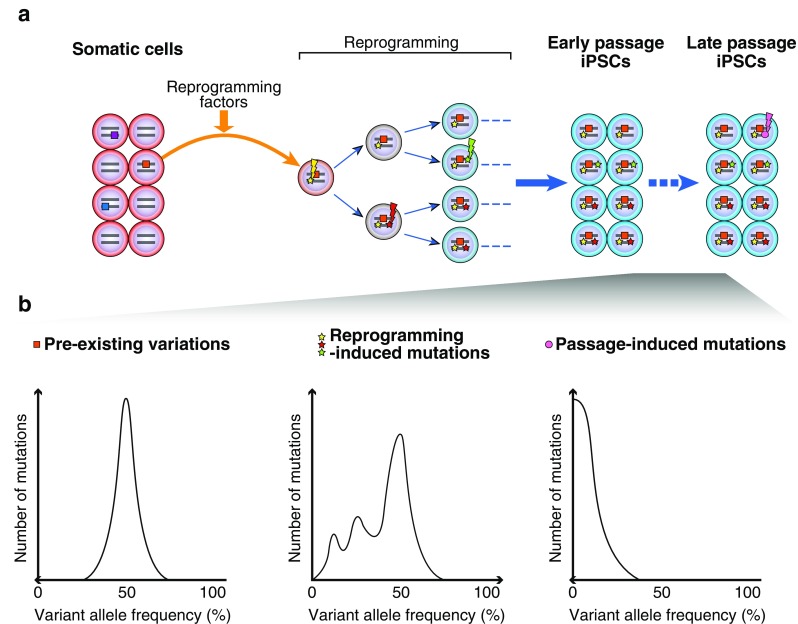
“Mutations present in iPSCs can arise from three different origins: they can be induced by the subsequent passages of these cells, induced by the reprogramming process itself, or they can be mutations already existing in the primary cells [79].”
BackgroundHuman Induced Pluripotent Stem-Cell-Derived Cardiomyocytes as Models for Genetic Cardiomyopathies
Brodehl, A., Ebbinghaus, H., Deutsch, M.-A., Gummert, J. F., Gärtner, A., Ratnavadivel, S., & Milting, H. (2019) · International Journal of Molecular Sciences · doi:10.3390/ijms20184381 · Cited by 78
An Insight into Reprogramming Barriers to iPSC Generation
Haridhasapavalan, K. K., Raina, K., Dey, C., Adhikari, P., & Thummer, R. P. (2019) · Stem Cell Reviews and Reports · doi:10.1007/s12015-019-09931-1 · Cited by 74
Turinetto, V., Orlando, L., & Giachino, C. (2017) · International Journal of Molecular Sciences · doi:10.3390/ijms18091952 · Cited by 64
“Methods for maintaining the genetic stability of iPSCs are crucial for potential clinical applications [39] and many attempts have been made so far to produce iPSCs not only more efficiently, but also more safely.”
BackgroundPluripotent Stem Cells for Retinal Tissue Engineering: Current Status and Future Prospects
Singh, R. K., Cuzzani, O., Binette, F., Sternberg, H., West, M. D., & Nasonkin, I. O. (2018) · Stem Cell Reviews and Reports · doi:10.1007/s12015-018-9802-4 · Cited by 70
Zhu, J., Reynolds, J. C., Garcia, T. Y., Cifuentes, H., Chew, S., Zeng, X., & Lamba, D. A. (2017) · Stem Cells Translational Medicine · doi:10.1002/sctm.17-0205 · Cited by 71
Tissue Engineering and Regenerative Medicine: Perspectives and Challenges
Hoang, V. T., Nguyen, Q. T., Phan, T. T. K., Pham, T. H., Dinh, N. T. H., Anh, L. P. H., Dao, L. T. M., Bui, V. D., Dao, H., Le, D. S., et al. (2025) · MedComm · doi:10.1002/mco2.70192 · Cited by 78
Prentice, D. A. (2019) · Circulation Research · doi:10.1161/circresaha.118.313664 · Cited by 63
Cell therapy in acute respiratory distress syndrome
Horie, S., Gonzalez, H. E., Laffey, J. G., & Masterson, C. H. (2018) · Journal of Thoracic Disease · doi:10.21037/jtd.2018.08.28 · Cited by 62
“However, iPSCs still present the risk of teratoma formation, for example c-Myc activity has been linked to tumorigenesis (25) while mutagenesis may occur due to the use of lentivirus and adenovirus during the reprogramming process (26).”
BackgroundGenomic Instability of iPSCs and Challenges in Their Clinical Applications
Yoshihara, M., Oguchi, A., & Murakawa, Y. (2019) · Advances in experimental medicine and biology · doi:10.1007/978-3-030-31206-0_2 · Cited by 61
Self-citationChemical compound-based direct reprogramming for future clinical applications.
Takeda, Y., Harada, Y., Yoshikawa, T., & Dai, P. (2018) · Bioscience Reports · doi:10.1042/bsr20171650 · Cited by 57
Fat-On-A-Chip Models for Research and Discovery in Obesity and Its Metabolic Comorbidities
McCarthy, M. E., Brown, T., Alarcon, A., Williams, C., Wu, X., Abbott, R. D., Gimble, J. M., & Frazier, T. P. (2020) · Tissue Engineering Part B Reviews · doi:10.1089/ten.teb.2019.0261 · Cited by 62
“However, the preexisting variations in the somatic cells themselves, the process of transduction, and the continuing passaging of the cells can introduce a risk of mutation.(62) While the efficiency is very low—about 0.”
BackgroundTumorigenic and Immunogenic Properties of Induced Pluripotent Stem Cells: a Promising Cancer Vaccine
Qiao, Y., Agboola, O. S., Hu, X., Wu, Y., & Lei, L. (2020) · Stem Cell Reviews and Reports · doi:10.1007/s12015-020-10042-5 · Cited by 64
Making gametes from alternate sources of stem cells: past, present and future
Bhartiya, D., Anand, S., Patel, H., & Parte, S. C. (2017) · Reproductive Biology and Endocrinology · doi:10.1186/s12958-017-0308-8 · Cited by 55
Human Brain Organoids to Decode Mechanisms of Microcephaly
Gabriel, E., Ramani, A., Altinisik, N., & Gopalakrishnan, J. (2020) · Frontiers in Cellular Neuroscience · doi:10.3389/fncel.2020.00115 · Cited by 57
“Frontiers in Cellular Neuroscience | www.frontiersin.org 4 May 2020 | Volume 14 | Article 115 When this sophisticated system fails, genomic instability occurs, which in turn could trigger NPCs differentiation or cell death (Yoshihara et al., 2017; Henry et al., 2018; Su et al., 2019).”
BackgroundSen, T., & Thummer, R. P. (2022) · Neurotoxicity Research · doi:10.1007/s12640-022-00564-w · Cited by 56
Yue, L., Pei, Y., Zhong, L., Yang, H. H., Wang, Y., Zhang, W., Chen, N., Zhu, Q., Gao, J., Zhi, M., et al. (2020) · Stem Cell Reports · doi:10.1016/j.stemcr.2020.06.018 · Cited by 54
“Genetic lesions of either endogenous or exogenous origin are major threats to the function of PSCs (Weissbein et al., 2014; Yoshihara et al., 2017).”
BackgroundOvarian stem cells—resolving controversies
Bhartiya, D., & Patel, H. (2017) · Journal of Assisted Reproduction and Genetics · doi:10.1007/s10815-017-1080-6 · Cited by 50
Amberger, M., & Ivics, Z. (2020) · BioEssays · doi:10.1002/bies.202000136 · Cited by 58
Dental Pulp-Derived Mesenchymal Stem Cells for Modeling Genetic Disorders
Masuda, K., Han, X., Kato, H., Sato, H., Zhang, Y., Sun, X., Hirofuji, Y., Yamaza, H., Yamada, A., & Fukumoto, S. (2021) · International Journal of Molecular Sciences · doi:10.3390/ijms22052269 · Cited by 56
Dental pulp stem cells for the study of neurogenetic disorders
Victor, A. K., & Reiter, L. T. (2017) · Human Molecular Genetics · doi:10.1093/hmg/ddx208 · Cited by 58
Advances in Therapeutic Applications of Extracellular Vesicles
Zhang, Y., Dou, Y., Liu, Y., Di, M.-Y., Bian, H., Sun, X., & Yang, Q. (2023) · International Journal of Nanomedicine · doi:10.2147/ijn.s409588 · Cited by 52
Hotspots of De Novo Point Mutations in Induced Pluripotent Stem Cells
Yoshihara, M., Araki, R., Kasama, Y., Sunayama, M., Abe, M., Nishida, K., Kawaji, H., Hayashizaki, Y., & Murakawa, Y. (2017) · Cell Reports · doi:10.1016/j.celrep.2017.09.060 · Cited by 48
Self-citationNovel therapies for epilepsy in the pipeline
Mesraoua, B., Deleu, D., Kullmann, D. M., Shetty, A. K., Boon, P., Perucca, E., Mikati, M. A., & Asadi‐Pooya, A. A. (2019) · Epilepsy & Behavior · doi:10.1016/j.yebeh.2019.04.042 · Cited by 55
“Some of these include propensity of induced pluripotent stem cells (iPSCs) for exhibiting epigenetic alterations and genomic instability [35] and the concern that the presence of even a few”
BackgroundGeneration of pure monocultures of human microglia-like cells from induced pluripotent stem cells
Banerjee, P., Paza, E., Perkins, E. M., James, O. G., Kenkhuis, B., Lloyd, A. F., Burr, K., Story, D., Yusuf, D., He, X., et al. (2020) · Stem Cell Research · doi:10.1016/j.scr.2020.102046 · Cited by 46
How Does Reprogramming to Pluripotency Affect Genomic Imprinting?
Perrera, V., & Martello, G. (2019) · Frontiers in Cell and Developmental Biology · doi:10.3389/fcell.2019.00076 · Cited by 48
Stem cell therapy: old challenges and new solutions
Balistreri, C. R., FALCO, E. D., Bordin, A., Maslova, O., Koliada, A. K., & Vaiserman, A. M. (2020) · Molecular Biology Reports · doi:10.1007/s11033-020-05353-2 · Cited by 53
Jusop, A. S., Thanaskody, K., Tye, G. J., Dass, S. A., Wan Kamarul Zaman, W. S., & Nordin, F. (2023) · Frontiers in Molecular Neuroscience · doi:10.3389/fnmol.2023.1173433 · Cited by 39
Human iPSCs and Genome Editing Technologies for Precision Cardiovascular Tissue Engineering
Gähwiler, E. K. N., Motta, S. E., Martin, M., Nugraha, B., Hoerstrup, S. P., & Emmert, M. Y. (2021) · Frontiers in Cell and Developmental Biology · doi:10.3389/fcell.2021.639699 · Cited by 45
“Studies showed that hiPSCs can be subject to chromosomal aberrations, which can either be inherited from the parental cells or arise from the cellular reprogramming or prolonged culture periods, finally impacting their differentiation potential and disease modeling (Mayshar et al., 2010; Yoshihara et al., 2017).”
BackgroundStem Cell Therapies in Alzheimer’s Disease: Applications for Disease Modeling
Si, Z., & Wang, X. (2021) · Journal of Pharmacology and Experimental Therapeutics · doi:10.1124/jpet.120.000324 · Cited by 46
“…jpet.aspetjournals.org nloaded from addition, the effects of these drugs vary from person to person; no more than 20% of patients have a moderate efficiency, whereas more than 60% of patients have tolerance, noncompliance, and side effects (Serretti et al., 2007;(Zetterberg and Bendlin, 2021) ).”
BackgroundDirect conversion of human fibroblasts to brown adipocytes by small chemical compounds
Takeda, Y., Harada, Y., Yoshikawa, T., & Dai, P. (2017) · Scientific Reports · doi:10.1038/s41598-017-04665-x · Cited by 44
Guérin, C. L., Rossi, E., Saubaméa, B., Cras, A., Mignon, V., Silvestre, J., & Smadja, D. M. (2017) · Stem Cell Reviews and Reports · doi:10.1007/s12015-017-9731-7 · Cited by 38
Induced pluripotent stem cell-based therapy for age-related macular degeneration
Bracha, P., Moore, N. A., & Ciulla, T. A. (2017) · Expert Opinion on Biological Therapy · doi:10.1080/14712598.2017.1346079 · Cited by 42
“The genomic instability of iPSCs has been documented by other investigators [131], and the potential tumorigenicity of these cells needs to be EXPERT OPINION ON BIOLOGICAL THERAPY 5”
BackgroundStem Cells in Dermatology and Anti-aging Care of the Skin
Taub, A. F., & Pham, K. (2018) · Facial Plastic Surgery Clinics of North America · doi:10.1016/j.fsc.2018.06.004 · Cited by 41
Jo, H.-Y., Han, H., Jung, I., Ju, J. H., Park, S., Moon, S., Geum, D., Kim, H., Park, H., Kim, S., et al. (2020) · Scientific Reports · doi:10.1038/s41598-020-60466-9 · Cited by 42
Sweat gland regeneration: Current strategies and future opportunities
Chen, R., Zhu, Z., Ji, S., Geng, Z., Hou, Q., Sun, X., & Fu, X. (2020) · Biomaterials · doi:10.1016/j.biomaterials.2020.120201 · Cited by 39
Oh, S., Jang, A. Y., Chae, S., Choi, S., Moon, J., Kim, M., Spiekerkoetter, E. F., Zamanian, R. T., Yang, P. C.-M., Hwang, D., et al. (2021) · Scientific Reports · doi:10.1038/s41598-021-81244-1 · Cited by 39
Pareja, E., Gómez-Lechón, M. J., & Tolosa, L. (2020) · Annals of Translational Medicine · doi:10.21037/atm.2020.02.164 · Cited by 42
“In fact, it has been recently reported that the genomic translocation detected in the iPSCs will create fusion proteins and new immunogenic determinants (49).”
Stem cells and heart disease - Brake or accelerator?
Steinhoff, G., Nesteruk, J., Wolfien, M., Große, J., Ruch, U., Vasudevan, P., & Müller, P. (2017) · Advanced Drug Delivery Reviews · doi:10.1016/j.addr.2017.10.007 · Cited by 39
Granéli, C., Hicks, R., Brolén, G., Synnergren, J., & Sartipy, P. (2018) · Stem Cell Reviews and Reports · doi:10.1007/s12015-018-9858-1 · Cited by 42
Regenerative medicine: the red planet for clinicians
Ciccocioppo, R., Cantore, A., Chaimov, D., & Orlando, G. (2019) · Internal and Emergency Medicine · doi:10.1007/s11739-019-02126-z · Cited by 39
Regenerative Engineering: Current Applications and Future Perspectives
Goldenberg, D., McLaughlin, C., Koduru, S. V., & Ravnic, D. J. (2021) · Frontiers in Surgery · doi:10.3389/fsurg.2021.731031 · Cited by 42
“The development of new Next Generation Sequencing technologies has further demonstrated the potential for genomic instability in iPSCs (41) raising fear of tumor progression following implantation.”
BackgroundHypes and Hopes of Stem Cell Therapies in Dentistry: a Review
y Baena, A. R., Casasco, A., & Monti, M. (2022) · Stem Cell Reviews and Reports · doi:10.1007/s12015-021-10326-4 · Cited by 38
Fields, M. A., Cai, H., Gong, J., & Priore, L. V. D. (2016) · Cells · doi:10.3390/cells5040044 · Cited by 43
“In 2014, a Japanese woman with exudative macular degeneration was implanted with an iPSC-derived RPE sheet generated from her own fibroblasts [93].”
BackgroundPark, T.-Y., Jeon, J., Cha, Y., & Kim, K. (2024) · Cell Research · doi:10.1038/s41422-024-00971-y · Cited by 38
“67,68 These mutations may have different origins, including pre-existing somatic mutations in original cells used for reprogramming, 69 – 73 the reprogramming process to generate hiPSCs, 71,74 – 76 passaging, 71,77 and in vitro differentiation process 78 to produce transplantable cell source.”
BackgroundScaffold-free 3D culture systems for stem cell-based tissue regeneration
Liu, K.-C., Chen, Y.-C., Hsieh, C.-F., Wang, M., Zhong, M.-X., & Cheng, N. (2024) · APL Bioengineering · doi:10.1063/5.0225807 · Cited by 41
Clinical potential of human-induced pluripotent stem cells
Kumar, D., Anand, T., & Kues, W. A. (2016) · Cell Biology and Toxicology · doi:10.1007/s10565-016-9370-9 · Cited by 39
Correia, C. D., Ferreira, A., Fernandes, M. T., Silva, B. M., Esteves, F., Leitão, H. S., Bragança, J., & Calado, S. M. (2023) · Cells · doi:10.3390/cells12131727 · Cited by 42
Jevans, B., James, N. D., Burnside, E. R., McCann, C. J., Thapar, N., Bradbury, E. J., & Burns, A. J. (2021) · Stem Cell Research & Therapy · doi:10.1186/s13287-020-02031-9 · Cited by 37
Alzheimer's disease and synapse Loss: What can we learn from induced pluripotent stem Cells?
Rodríguez-Jiménez, F. J., Ureña‐Peralta, J. R., Jendelová, P., & Erceg, S. (2023) · Journal of Advanced Research · doi:10.1016/j.jare.2023.01.006 · Cited by 34
“…Ab42/Ab40 peptide ratios and decreased synaptic protein levels [185] Genetic instability represents another challenge in hiPSC modeling since the prolonged in vitro culture of hiPSCs can prompt the accumulation of chromosomal abnormalities, genetic instability, and copy number variants [186].”
BackgroundRampler, E., Egger, D., Schoeny, H., Rusz, M., Pacheco, M. P., Marino, G., Kasper, C., Naegele, T., & Koellensperger, G. (2019) · Molecules · doi:10.3390/molecules24193615 · Cited by 35
“In contrast, induced pluripotent stem cells (iPSCs) are still not considered as safe since they are genetically not stable [6].”
BackgroundStem cell-based therapy for fibrotic diseases: mechanisms and pathways
Taherian, M., Bayati, P., & Mojtabavi, N. (2024) · Stem Cell Research & Therapy · doi:10.1186/s13287-024-03782-5 · Cited by 39
“Several variables of generation methods including the source of somatic cells, delivery method, reprogramming factors, and cell passage can affect genomic instability [142].”
BackgroundChromosomal aberration arises during somatic reprogramming to pluripotent stem cells
Liu, X., Li, C., Zheng, K., Zhao, X., Xu, X., Yang, A., Yi, M., Tao, H., Xie, B., Qiu, M. S., et al. (2020) · Cell Division · doi:10.1186/s13008-020-00068-z · Cited by 33
Induced Pluripotent Stem Cell Technology: Trends in Molecular Biology, from Genetics to Epigenetics
Maali, A., Maroufi, F., Sadeghi, F., Atashi, A., Kouchaki, R., Moghadami, M., & Azad, M. (2021) · Epigenomics · doi:10.2217/epi-2020-0409 · Cited by 34
Application of induced pluripotent stem cell transplants: Autologous or allogeneic?
Li, C., Chen, S., Zhou, Y., Zhao, Y., Liu, P., & Cai, J. (2018) · Life Sciences · doi:10.1016/j.lfs.2018.09.057 · Cited by 34
iPSCs chondrogenic differentiation for personalized regenerative medicine: a literature review
Ali, E., Smaida, R., Meyer, M., Ou, W., Li, Z., Han, Z., Benkirane-Jessel, N., Gottenberg, J., & Hua, G. (2024) · Stem Cell Research & Therapy · doi:10.1186/s13287-024-03794-1 · Cited by 37
“Therefore, several factors including starting cell source, method of delivery, reprogramming factor and cell passage, should be taken into consideration for the generation of iPSCs in order to reduce not only genomic instability [97], but also immunogenicity [98, 99].”
BackgroundAdvancing diabetes management: Exploring pancreatic beta-cell restoration’s potential and challenges
Abdalla, M. M. I. (2024) · World Journal of Gastroenterology · doi:10.3748/wjg.v30.i40.4339 · Cited by 33
“The use of iPSCs may bypass the ethical issues associated with hESCs, but it introduces new questions about the consequences of genetic alterations and the broader implications of manipulating human cells at a fundamental level[124,126,127].”
Carresi, C., Scicchitano, M., Scarano, F., Macrì, R., Bosco, F., Nucera, S., Ruga, S., Zito, M. C., Mollace, R., Guarnieri, L., et al. (2021) · Nutrients · doi:10.3390/nu13010275 · Cited by 36
“innovative methods, such as transitory expression of the reprogramming factors [106], have been defined to avoid the onset of teratoma, due to the pluripotent feature of iPSCs [20,21].”
In silico-labeled ghost cytometry
Ugawa, M., Kawamura, Y., Toda, K., Teranishi, K., Morita, H., Adachi, H., Tamoto, R., Nomaru, H., Nakagawa, K., Sugimoto, K., et al. (2021) · eLife · doi:10.7554/elife.67660 · Cited by 39
Induced Pluripotent Stem Cells: Progress toward Clinical Translation from Bench to Bedside
Fakoya, A. O. J., Omole, A. E., Satyadev, N., & Haider, K. H. (2022) · Springer eBooks · doi:10.1007/978-981-16-6016-0_40-1 · Cited by 29
iPSCs in Modeling and Therapy of Osteoarthritis
Csöbönyeiová, M., Polák, Š., Nicodemou, A., Zamborský, R., & Danišovič, Ľ. (2021) · Biomedicines · doi:10.3390/biomedicines9020186 · Cited by 31
“However, the viral methods (retroviruses, lentiviruses) were accompanied by serious risks of insertional mutagenesis and reactivation of transgenes caused by the integration of the viral genome, which may be responsible for tumor formation [10].”
BackgroundGene therapy for inherited retinal degenerations: initial successes and future challenges
Gupta, P. R., & Huckfeldt, R. M. (2017) · Journal of Neural Engineering · doi:10.1088/1741-2552/aa7a27 · Cited by 29
Stem Cells: The Game Changers of Human Cardiac Disease Modelling and Regenerative Medicine
Parrotta, E. I., Scalise, S., Scaramuzzino, L., & Cuda, G. (2019) · International Journal of Molecular Sciences · doi:10.3390/ijms20225760 · Cited by 34
“Yoshihara and collaborators, for instance, have described unusual methylation patterns and mutations either associated to variants in parental somatic cells or that take place through the reprogramming process or are due to culturing time in vitro [82].”
BackgroundInfluentialMending a broken heart: In vitro, in vivo and in silico models of congenital heart disease
Rufaihah, A. J., Chen, C. K., Yap, C. H., & Mattar, C. N. Z. (2021) · Disease Models & Mechanisms · doi:10.1242/dmm.047522 · Cited by 33
“Atypical methylation patterns and genetic mutations in iPSCs are both associated with variants in parental somatic cells, with reprogramming or with the duration of in vitro culture (Yoshihara et al., 2017).”
BackgroundYi, B., Ding, T., Jiang, S., Gong, T., Chopra, H., Sha, O., Dissanayaka, W. L., Ge, S., & Zhang, C. (2021) · Stem Cell Research & Therapy · doi:10.1186/s13287-021-02350-5 · Cited by 31
Stem cell therapy in ocular pathologies in the past 20 years
Miotti, G., Parodi, P. C., & Zeppieri, M. (2021) · World Journal of Stem Cells · doi:10.4252/wjsc.v13.i5.366 · Cited by 33
Bujko, K., Cymer, M., Adamiak, M., & Ratajczak, M. Z. (2019) · Stem Cell Reviews and Reports · doi:10.1007/s12015-019-09920-4 · Cited by 28
Zeng, J., Gu, C., Zhuang, Y., Lin, K., Xie, Y., & Chen, X. (2023) · Chemical Engineering Journal · doi:10.1016/j.cej.2023.144121 · Cited by 26
Álvarez-Palomo, B., Vives, J., Casaroli-Marano, R. P., Gomez, S. G., Gómez, L. R., Edel, M. J., & Querol, S. (2019) · Journal of Clinical Medicine · doi:10.3390/jcm8040476 · Cited by 30
“Many reports have raised the concerns over the genomic stability of iPSCs, especially when the cells are intended for clinical use, and in many cases for life-long engraftment into the patient [42].”
BackgroundPanferov, E., Dodina, M., Reshetnikov, V. V., Ryapolova, A., Ivanov, R. A., Karabelsky, A. V., & Minskaia, E. (2025) · International Journal of Molecular Sciences · doi:10.3390/ijms26125617 · Cited by 28
Fang, Y., Wang, S. P. H., Liao, I., Tsai, K., Huang, P.-H., Yang, P.-J., Yen, C., Liu, P., Shan, Y., & Liu, Y.-W. (2023) · Advanced Healthcare Materials · doi:10.1002/adhm.202301186 · Cited by 25
Jin, Y., Li, F., Li, Z., Ikezu, T. C., O’Leary, J., Selvaraj, M., Zhu, Y., Martens, Y. A., Koga, S., Santhakumar, H., et al. (2024) · Science Advances · doi:10.1126/sciadv.adk3700 · Cited by 30
Thetchinamoorthy, K., Jarczak, J., Kieszek, P., Wierzbicka, D., Ratajczak, J., Kucia, M., & Ratajczak, M. Z. (2025) · Frontiers in Bioengineering and Biotechnology · doi:10.3389/fbioe.2025.1564964 · Cited by 24
Metadata
- Authors
- Yoshihara, M., Hayashizaki, Y., & Murakawa, Y.
- Affiliations
- RIKEN (JP)
- Corresponding author
- Murakawa, Yasuhiro
- Venue
- Stem Cell Reviews and Reports
- Published
- 2016-09-05
- Volume
- 13
- Issue
- 1
- Pages
- 7-16
- ISSN
- 1550-8943 (ISSN-L)
- 1558-6804
- PMC
- PMC5346115
- OpenAlex
- W2510668402
- Cited by
- 283
- References
- 119
- Citations by year
- 2026: 13 · 2025: 26 · 2024: 26 · 2023: 19 · 2022: 28 · 2021: 47 · 2020: 34 · 2019: 32 · 2018: 27 · 2017: 28 · 2016: 3
- FWCI
- 2.71
- Type
- journal article
- Language
- en
- Open access
- hybrid
- doi.org
- Locations
- Stem Cell Reviews and Reports (publishedVersion, cc-by)
- Europe PMC (PubMed Central) (publishedVersion, cc-by)
- PubMed Central (publishedVersion, cc-by)
- PubMed (publishedVersion)
- Funders
- Ministry of Education, Culture, Sports, Science, and Technology
- Topics
- Life Sciences › Biochemistry, Genetics and Molecular Biology › Molecular Biology › Pluripotent Stem Cells Research
- Life Sciences › Biochemistry, Genetics and Molecular Biology › Molecular Biology › CRISPR and Genetic Engineering
- Life Sciences › Biochemistry, Genetics and Molecular Biology › Cell Biology › Telomeres, Telomerase, and Senescence
- Keywords
- induced pluripotent stem cells, genomic instability, genetic variation, somatic mutations, iPSC safety, iPSC-based therapy, clinical translation
- MeSH terms
- Cell Differentiation, Humans, Models, Genetic, Risk Factors, Transcription Factors, Genetic Variation, Stem Cell Transplantation, Genomic Instability, Induced Pluripotent Stem Cells, Cellular Reprogramming
About these checks
Registry, retraction, Cites and statistics results are computed, not judged, with one exception: a printed reference that no index lists is read once by a model before it counts as a citation error. Claims are extracted by a model and kept only when their quote appears verbatim in the text; each cited source is then checked, with a model’s help, for whether it says what the claim relies on. Those verdicts can be wrong — read the claim’s quote and the cited source before relying on one.
Statistics and arithmetic are recomputed, not judged.
Confidence bands are shown only for fields calibrated on our annotated test set. None is calibrated yet, so no band is shown.
What counts as a claim ›How we measure confidence ›How we check this ›
Are you an author, or do you see a problem with this page? Request a review
Data sources
Bibliographic data: Semantic Scholar, OpenAlex, Crossref.
Contains information from the Semantic Scholar Academic Graph Datasets, made available under the ODC Attribution License (ODC-BY 1.0).
Semantic Scholar’s data is described in: Kinney, R., et al. (2023). The Semantic Scholar Open Data Platform. arXiv:2301.10140.
