

Consensus Paper: The Role of the Cerebellum in Perceptual Processes
Open accessThe DOI matches its Crossref record; 259 of the 260 references it cites were found in a registry or an index, and 1 are not checked yet.
Abstract
Various lines of evidence accumulated over the past 30 years indicate that the cerebellum, long recognized as essential for motor control, also has considerable influence on perceptual processes. In this paper, we bring together experts from psychology and neuroscience, with the aim of providing a succinct but comprehensive overview of key findings related to the involvement of the cerebellum in sensory perception. The contributions cover such topics as anatomical and functional connectivity, evolutionary and comparative perspectives, visual and auditory processing, biological motion perception, nociception, self-motion, timing, predictive processing, and perceptual sequencing. While no single explanation has yet emerged concerning the role of the cerebellum in perceptual processes, this consensus paper summarizes the impressive empirical evidence on this problem and highlights diversities as well as commonalities between existing hypotheses. In addition to work with healthy individuals and patients with cerebellar disorders, it is also apparent that several neurological conditions in which perceptual disturbances occur, including autism and schizophrenia, are associated with cerebellar pathology. A better understanding of the involvement of the cerebellum in perceptual processes will thus likely be important for identifying and treating perceptual deficits that may at present go unnoticed and untreated. This paper provides a useful framework for further debate and empirical investigations into the influence of the cerebellum on sensory perception.
Overview
The claims and statistics of this paper haven’t been checked yet.
Free: it reads the open-access text and checks the first 5 claims that cite a source we can check. Create a free account to check every claim.
Integrity signals
Registry
Cites
Statistics
Figures
Verification
Claims the paper makes
The claims and statistics of this paper haven’t been checked yet.
Free: it reads the open-access text and checks the first 5 claims that cite a source we can check. Create a free account to check every claim.
Claims other papers make about this one
Each is checked against this paper’s own text: does it say what the citing paper says it does?
The cited source says what the claim attributes to it.
In the citing paper
“While traditionally considered as primarily involved in motor functions, emerging research suggests that the cerebellum may also contribute to higher-order functions, including perception (Baumann et al. 2015).”
From Neuroanatomical correlates of peripersonal space: bridging the gap between perception, action, emotion and social cognition (2024) · cites this paper as Baumann et al. 2015
The cited source says what the claim attributes to it.
In the citing paper
“The cerebellum also has an important role in timing, prediction, and learning (Ivry and Keele, 1989, Baumann et al., 2015).”
From The impact of atypical sensory processing on social impairments in autism spectrum disorder (2018) · cites this paper as Baumann et al., 2015
Self-check
Percentages, sums and reported differences re-computed from the paper’s own numbers.
The self-check needs the paper’s full text.
Citations
Cites
Functional connectivity in the motor cortex of resting human brain using echo‐planar mri
Biswal, B., Zerrin Yetkin, F., Haughton, V. M., & Hyde, J. S. (1995) · Magnetic Resonance in Medicine · doi:10.1002/mrm.1910340409 · Cited by 9,812
(1982) · Trends in Neurosciences · doi:10.1016/0166-2236(82)90076-5 · Cited by 9,089
The free-energy principle: a unified brain theory?
Friston, K. (2010) · Nature Reviews Neuroscience · doi:10.1038/nrn2787 · Cited by 8,120 · cited 1×
“employed to describe brain function more generally [157].”
MethodDissociable intrinsic connectivity networks for salience processing and executive control
Seeley, W. W., Menon, V., Schatzberg, A. F., Keller, J., Glover, G. H., Kenna, H., Reiss, A. L., & Greicius, M. D. (2007) · The Journal of Neuroscience · doi:10.1523/jneurosci.5587-06.2007 · Cited by 7,426 · cited 1×
“The cerebellum is also involved in the limbic ‘salience network,’ mainly encompassing insula, frontal operculum, medial prefrontal cortex, and hypothalamus [35], and in charge of interoceptive and autonomic processing [41].”
BackgroundSequential Monte Carlo Methods in Practice
(2001) · Springer eBooks · doi:10.1007/978-1-4757-3437-9 · Cited by 7,366
The organization of the human cerebellum estimated by intrinsic functional connectivity
Buckner, R. L., Krienen, F. M., Castellanos, A., Diaz, J. C., & Yeo, B. T. T. (2011) · Journal of Neurophysiology · doi:10.1152/jn.00339.2011 · Cited by 7,304 · cited 2×
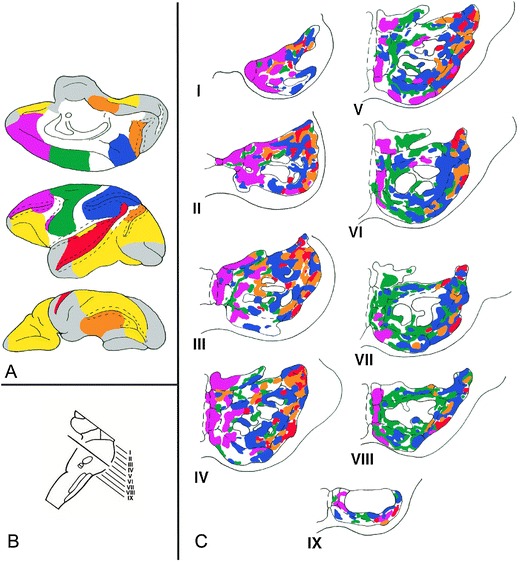
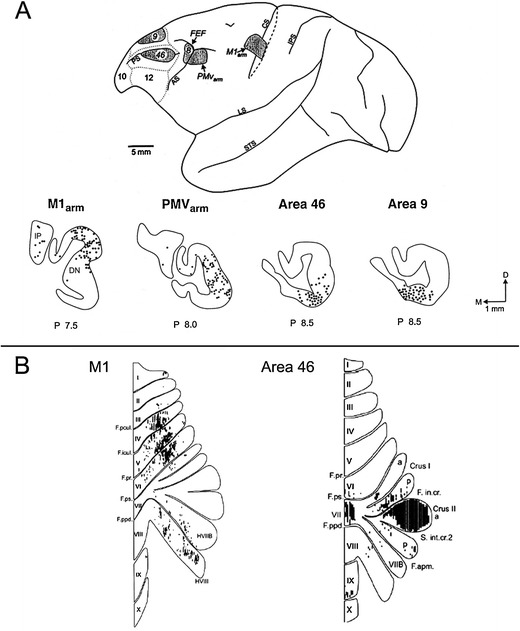
“These conclusions from tract tracing studies in the monkey are supported by resting state functional connectivity magnetic resonance imaging (MRI; [30]) and task-based functional MRI studies in humans [18], as well as by clinical investigations in patients with cerebellar damage [19].”
BackgroundWhatever next? Predictive brains, situated agents, and the future of cognitive science
Clark, A. (2013) · Behavioral and Brain Sciences · doi:10.1017/s0140525x12000477 · Cited by 5,924 · cited 1×
“Moreover, predictive processing represents a fundamental principle of neural computations in the brain [176].”
Visual perception of biological motion and a model for its analysis
Johansson, G. (1973) · Perception & Psychophysics · doi:10.3758/bf03212378 · Cited by 4,462 · cited 1×
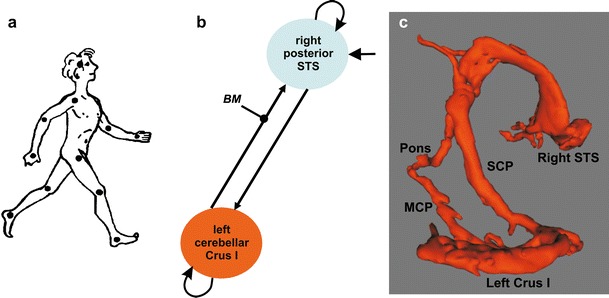
“Healthy adults and children easily recognize personality traits through actions of others, even if they are represented through a set of light dots placed on the main body joints, in “point-light biological motion displays” [100, 101] (see Fig.”
BackgroundPurcell, E. M. (1977) · American Journal of Physics · doi:10.1119/1.10903 · Cited by 4,360 · cited 1×
“This is not true of animals (or indeed objects of any kind) whose mass is small or drag is large relative to applied forces [68].”
BackgroundInvestigations into resting-state connectivity using independent component analysis
Beckmann, C. F., DeLuca, M., Devlin, J. T., & Smith, S. M. (2005) · Philosophical Transactions of the Royal Society B: Biological Sciences · doi:10.1098/rstb.2005.1634 · Cited by 3,398
Research works printed but not linked: 1
- Nieuwenhuys R, Pouwels E. A light and EM study of lobe C1 of the gigantocerebellum of the mormyrid fish Gnathonemus petersi. Anat Rec. 1973;175:399.
Cited by
Items 101–200 of 477
Pazen, M., Uhlmann, L., van Kemenade, B. M., Steinsträter, O., Straube, B., & Kircher, T. T. J. (2019) · NeuroImage · doi:10.1016/j.neuroimage.2019.116309 · Cited by 35
Luís, E. O., Arrondo, G., Vidorreta, M., Martínez, M., Loayza, F. R., Fernández‐Seara, M. A., & Pastor, M. A. (2015) · PLoS ONE · doi:10.1371/journal.pone.0131536 · Cited by 36
Cerebellar Excitability Regulates Physical Fatigue Perception
Casamento‐Moran, A., Mooney, R. A., Chib, V. S., & Celnik, P. A. (2023) · Journal of Neuroscience · doi:10.1523/jneurosci.1406-22.2023 · Cited by 34
“…motor control and learning (Bastian, 2006; Manto et al., 2012), is a key structure for nonmotor functions (Strick et al., 2009; Gill and Sillitoe, 2019; Schmahmann et al., 2019) and perceptual processes, such as nociception, selfmotion, timing, vision, and audition (Baumann et al., 2015).”
BackgroundStupacher, J., Witte, M., Hove, M. J., & Wood, G. M. D. O. (2016) · Journal of Cognitive Neuroscience · doi:10.1162/jocn_a_01013 · Cited by 32
Cerebellar cognitive affective syndrome after acute cerebellar stroke
Abderrakib, A., Ligot, N., & Naeije, G. (2022) · Frontiers in Neurology · doi:10.3389/fneur.2022.906293 · Cited by 32
Ancestral regulatory mechanisms specify conserved midbrain circuitry in arthropods and vertebrates
Bridi, J. C., Ludlow, Z. N., Kottler, B., Hartmann, B., Broeck, L. V., Dearlove, J., Göker, M., Strausfeld, N. J., Callaerts, P., & Hirth, F. (2020) · Proceedings of the National Academy of Sciences · doi:10.1073/pnas.1918797117 · Cited by 33
“The tectum and cerebellum receive auditory and vestibular, as well as motor, information and, among other functions, are important for balance, body posture, sensorimotor integration, and motor coordination (1, 4, 46).”
Memory as Prediction: From Looking Back to Looking Forward
Vecchi, T., & Gatti, D. (2020) · The MIT Press eBooks · doi:10.7551/mitpress/13543.001.0001 · Cited by 39
Effort drives saccade selection
Koevoet, D., Zantwijk, L. V., Naber, M., Mathôt, S., der Stigchel, S. V., & Strauch, C. (2025) · eLife · doi:10.7554/elife.97760.3 · Cited by 39
Ren, J., Hubbard, C. S., Ahveninen, J., Cui, W., Li, M., Peng, X., Luan, G., Han, Y., Li, Y., Shinn, A. K., et al. (2021) · Cerebral Cortex · doi:10.1093/cercor/bhaa398 · Cited by 32
“Our results may also provide evidence to support an alternative hypothesis that the cerebellum plays a role in integration of multisensory information (Baumann et al. 2015).”
ResultCerebellar Volume and Disease Staging in Parkinson's Disease: An ENIGMA‐PD Study
Kerestes, R., Laansma, M. A., Owens‐Walton, C., Perry, A., van Heese, E. M., Al–Bachari, S., Anderson, T., Assogna, F., Aventurato, Í. K., van Balkom, T. D., et al. (2023) · Movement Disorders · doi:10.1002/mds.29611 · Cited by 34
How Elasmobranchs Sense Their Environment
Collin, S. P., Kempster, R. M., & Yopak, K. E. (2015) · Fish physiology · doi:10.1016/b978-0-12-801289-5.00002-x · Cited by 37
Altered Global Synchronizations in Patients With Parkinson’s Disease: A Resting-State fMRI Study
Li, M., Liu, Y., Chen, H., Hu, G., Yu, S., Ruan, X., Luo, Z., Wei, X., & Xie, Y. (2019) · Frontiers in Aging Neuroscience · doi:10.3389/fnagi.2019.00139 · Cited by 33
“Cerebellum is both associated with sensorimotor processing (Baumann et al., 2015; Kansal et al., 2017) and cognitive/emotional processing (Schmahmann, 2010; Adamaszek et al., 2017).”
BackgroundGuder, S., Frey, B. M., Backhaus, W., Braaß, H., Timmermann, J. E., Gerloff, C. P., & Schulz, R. J. (2019) · Cerebral Cortex · doi:10.1093/cercor/bhz169 · Cited by 32
Network changes in patients with phobic postural vertigo
Huber, J., Flanagin, V. L., Popp, P., zu Eulenburg, P., & Dieterich, M. (2020) · Brain and Behavior · doi:10.1002/brb3.1622 · Cited by 28
Effects of age-related hearing loss and hearing aid experience on sentence processing
Vogelzang, M., Thiel, C. M., Rosemann, S., Rieger, J. W., & Ruigendijk, E. (2021) · Scientific Reports · doi:10.1038/s41598-021-85349-5 · Cited by 31
The Human Cerebellum as a Hub of the Predictive Brain
Gatti, D., Rinaldi, L., Ferreri, L., & Vecchi, T. (2021) · Brain Sciences · doi:10.3390/brainsci11111492 · Cited by 33
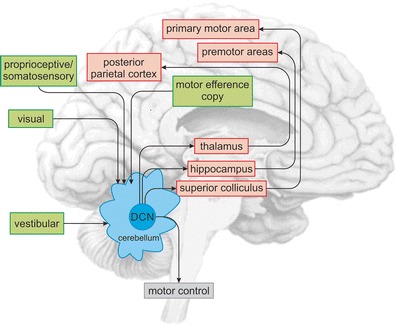
“Several studies have shown that the cerebellum is involved in the integration of proprioceptive, vestibular, visual and motor efference information in order to create a unified, multimodal representation of a target event [59].”
BackgroundKong, L., Li, H., Shu, Y., Liu, X., Li, P., Li, K., Xie, W., Zeng, Y., & Peng, D. (2022) · Frontiers in Neuroscience · doi:10.3389/fnins.2021.765775 · Cited by 30
“The cerebellum is regarded as having a considerable border role in sensory and perceptual processing (Baumann et al., 2015) that is not only germane to motor function (Goossens et al., 2018) but also related to cognitive processing and emotional control (Moreno-Rius, 2018).”
BackgroundThe cognitive profile of Friedreich ataxia: a systematic review and meta-analysis
Naeije, G., Schulz, J. B., & Corben, L. A. (2022) · BMC Neurology · doi:10.1186/s12883-022-02615-3 · Cited by 31
Tu, Y., Yu, T., Wei, Y., Sun, K., Zhao, W., & Yu, B. (2015) · Clinical Neurophysiology · doi:10.1016/j.clinph.2015.07.036 · Cited by 30
Does the cerebellum contribute to human navigation by processing sequential information?
Tedesco, A. M., Bianchini, F., Piccardi, L., Clausi, S., Berthoz, A., Molinari, M., Guariglia, C., & Leggio, M. G. (2017) · Neuropsychology · doi:10.1037/neu0000354 · Cited by 32
“Furthermore, it has been proposed that the cerebellum facilitates perception by monitoring and coordinating the acquisition of sensory information and by creating “internal models” of sensory events (Baumann et al., 2015).”
BackgroundSelf-citationChen, Y., Chang, C., Huang, S., & Yen, N. (2020) · Human Brain Mapping · doi:10.1002/hbm.25186 · Cited by 34
Distributed chromatic processing at the interface between retina and brain in the larval zebrafish
Guggiana-Nilo, D., Riegler, C., Hübener, M., & Engert, F. (2021) · Current Biology · doi:10.1016/j.cub.2021.01.088 · Cited by 31
Temporo-cerebellar connectivity underlies timing constraints in audition
Stockert, A., Schwartze, M., Poeppel, D., Anwander, A., & Kotz, S. A. (2021) · eLife · doi:10.7554/elife.67303 · Cited by 30
“(for a review, see (Baumann et al., 2015)), and the illustrated cortico-subcortical and cortico-cortical structural connectivity pattern is presumably not unique for auditory temporal processing but showcases one possible general role for perceptual processing.”
Lehnen, N., Schröder, L., Henningsen, P., Glasauer, S., & Ramaioli, C. (2019) · Progress in brain research · doi:10.1016/bs.pbr.2019.02.006 · Cited by 31
Butti, N., Biffi, E., Genova, C., Romaniello, R., Redaelli, D. F., Reni, G., Borgatti, R., & Urgesi, C. (2020) · Trials · doi:10.1186/s13063-019-4001-4 · Cited by 29
The effect of background liked music on acute pain perception and its neural correlates
Lu, X., Hou, X., Zhang, L., Li, H., Tu, Y., Shi, H., & Hu, L. (2023) · Human Brain Mapping · doi:10.1002/hbm.26293 · Cited by 29
Increased Resting-State Cerebellar-Cerebral Functional Connectivity Underlying Chronic Tinnitus
Feng, Y., Chen, Y., Lv, H., Xia, W., Mao, C., Bo, F., Chen, H., Xǔ, J., & Yin, X. (2018) · Frontiers in Aging Neuroscience · doi:10.3389/fnagi.2018.00059 · Cited by 28
“The cerebellum plays a crucial role in the auditory processing of tinnitus, in that it may impact the path of audition as a relay node (Petacchi et al., 2005) or may change the virtual noise with a feedback process (Baumann et al., 2015).”
BackgroundPatil, A. U., Madathil, D., & Huang, C. (2021) · Frontiers in Aging Neuroscience · doi:10.3389/fnagi.2021.607988 · Cited by 28
“Consequently, the cerebellum contributes to complex circuitous processes such as sensorimotor function, cognitive functions, and autonomic tasks (Baumann et al., 2015; Schmahmann et al., 2019).”
BackgroundA cerebro-cerebellar network for learning visuomotor associations
Sendhilnathan, N., Bostan, A. C., Strick, P. L., & Goldberg, M. E. (2024) · Nature Communications · doi:10.1038/s41467-024-46281-0 · Cited by 27
The Feel of Speech: Multisystem and Polymodal Somatosensation in Speech Production
Kent, R. D. (2024) · Journal of Speech Language and Hearing Research · doi:10.1044/2024_jslhr-23-00575 · Cited by 27
Predictive Motor Timing and the Cerebellar Vermis in Schizophrenia: An fMRI Study
Lošák, J., Hüttlová, J., Lipová, P., Mareček, R., Bareš, M., Filip, P., Žůbor, J., Ustohal, L., Vaníček, J., & Kašpárek, T. (2016) · Schizophrenia Bulletin · doi:10.1093/schbul/sbw065 · Cited by 26
Digging deeper in the proteome of different regions from schizophrenia brains
Reis‐de‐Oliveira, G., Zuccoli, G. S., Fioramonte, M., Schimitt, A. C. B., Falkai, P., de Almeida, V., & Martins‐de‐Souza, D. (2020) · Journal of Proteomics · doi:10.1016/j.jprot.2020.103814 · Cited by 26
Basile, G. A., Tatti, E., Bertino, S., Milardi, D., Genovese, G., Bruno, A., Muscatello, M. R. A., Ciurleo, R., Cerasa, A., Quartarone, A., et al. (2024) · Brain Structure and Function · doi:10.1007/s00429-024-02781-9 · Cited by 24
“Among its many possible functional roles, evidence links ACC activity to threat detection and anticipation including perception (Baumann et al. 2015).”
BackgroundLiu, N., Li, Y., Hong, Y., Huo, J., Chang, T., Wang, H., Huang, Y., Li, W.-X., & Zhang, Y. (2023) · Frontiers in Neuroscience · doi:10.3389/fnins.2023.1098573 · Cited by 28
Cakar, M. E., Okada, N. J., Cummings, K. K., Jung, J., Bookheimer, S. Y., Dapretto, M., & Green, S. A. (2024) · Frontiers in Psychiatry · doi:10.3389/fpsyt.2024.1337921 · Cited by 29
Embodied Decision-Making Style: Below and Beyond Cognition
Connors, B. L., & Rende, R. (2018) · Frontiers in Psychology · doi:10.3389/fpsyg.2018.01123 · Cited by 24
“Of particular note is that authoritative consensus statements have been made by leading neuroscientists recognizing that the cerebellum plays a much larger role than has been assumed in both perception (Baumann et al., 2015) and cognition (Koziol et al.”
BackgroundRoux, S., Lohof, A. M., Ben‐Ari, Y., Poulain, B., & Bossu, J. L. (2018) · Frontiers in Cellular Neuroscience · doi:10.3389/fncel.2018.00232 · Cited by 26
“It is now accepted that the cerebellum is involved in higher order functions (Schmahmann and Sherman, 1998) including perceptual processes (Baumann et al., 2015), in addition to its roles in balance, posture, and motor control.”
BackgroundThe Neural Basis of Individual Differences in Directional Sense
Burte, H., Turner, B. O., Miller, M. B., & Hegarty, M. (2018) · Frontiers in Human Neuroscience · doi:10.3389/fnhum.2018.00410 · Cited by 26
Role of the cerebellum in high stages of motor planning hierarchy
Casartelli, L., Federici, A., Cesareo, A., Biffi, E., Valtorta, G., Molteni, M., Ronconi, L., & Borgatti, R. (2017) · Journal of Neurophysiology · doi:10.1152/jn.00771.2016 · Cited by 25
“Nowadays, a growing body of data supports the critical role of the cerebellum in cognitive, affective, emotional, and sensory/perceptual domains (Levisohn et al. 2000; Tavano et al. 2007; Buckner, 2013; Koziol et al. 2014; Baumann et al. 2015).”
BackgroundNarayan, A., Rowe, M. A., Palacios, E. M., Wren-Jarvis, J., Bourla, I., Gerdes, M. R., Brandes-Aitken, A. N., Desai, S. S., Marco, E. J., & Mukherjee, P. (2021) · Frontiers in Psychology · doi:10.3389/fpsyg.2020.618436 · Cited by 24
“…of the cerebellum in multisensory integration (Cardon et al., 2017; Zhao et al., 2018; Sathyanesan et al., 2019) and in attention (Buckner, 2013; Baumann et al., 2015; Ailion et al., 2020), we hypothesize that the SCP and MCP will correlate Frontiers in Psychology | www.frontiersin.org 2…”
BackgroundInvolvement of the cerebellum in migraine
Wang, M., Tutt, J. O., Dorricott, N. O., Parker, K. L., Russo, A. F., & Sowers, L. P. (2022) · Frontiers in Systems Neuroscience · doi:10.3389/fnsys.2022.984406 · Cited by 29
Moreno, J. M. M. (2018) · Progress in Neuro-Psychopharmacology and Biological Psychiatry · doi:10.1016/j.pnpbp.2018.08.025 · Cited by 24
“…of the brain exclusively responsible for processes related to motor abilities, is increasingly recognized for its involvement in a variety of nonmotor domains and behaviours, such as emotional behaviours and cognitive functions (Baumann et al., 2015; Bellebaum and Daum, 2007; Moreno-Rius, 2018).”
Mirdamadi, J. L., & Block, H. J. (2020) · Cortex · doi:10.1016/j.cortex.2021.03.019 · Cited by 26
Joyce, M. R., Nadkarni, P. A., Kronemer, S. I., Margron, M. J., Slapik, M. B., Morgan, O. P., Rosenthal, L. S., Onyike, C. U., & Marvel, C. L. (2022) · The Cerebellum · doi:10.1007/s12311-022-01393-5 · Cited by 23
Zamorano, A. M., Zatorre, R. J., Vuust, P., Friberg, A., Birbaumer, N., & Kleber, B. (2023) · Brain Research · doi:10.1016/j.brainres.2023.148418 · Cited by 24
Chen, X., He, P., Xu, K., Jin, Y., Chen, Y., Wang, B., Xu, H., Qi, L., Wang, M., & Li, J. (2022) · Frontiers in Neuroscience · doi:10.3389/fnins.2022.941244 · Cited by 25
The complexity of the stream of consciousness
Coppola, P., Allanson, J., Naçi, L., Ram, A., Finoia, P., Williams, G. B., Pickard, J. D., Owen, A. M., Menon, D. K., & Stamatakis, E. A. (2022) · Communications Biology · doi:10.1038/s42003-022-04109-x · Cited by 24
The underpinnings of cerebellar ataxias
Manto, M. U. (2022) · Clinical Neurophysiology Practice · doi:10.1016/j.cnp.2022.11.002 · Cited by 25
Dahlem, K., Valko, Y., Schmahmann, J. D., & Lewis, R. F. (2016) · Journal of Neurophysiology · doi:10.1152/jn.00763.2015 · Cited by 23
“…perception; motion; agenesis THE FUNCTION OF THE CEREBELLUM has historically been considered to be confined to motor control (e.g., Roostaei et al. 2014), but it also can be activated by sensory tasks, particularly those requiring sensory discrimination (Baumann et al. 2015; Gao et al. 1996).”
BackgroundSelf-citationSpontaneous activity and functional connectivity in the developing cerebellorubral system
Rio‐Bermudez, C. D., Plumeau, A. M., Sattler, N. J., Sokoloff, G., & BLUMBERG, M. S. (2016) · Journal of Neurophysiology · doi:10.1152/jn.00461.2016 · Cited by 24
The Cerebellum of Nonmammalian Vertebrates
Yopak, K. E., Pakan, J. M. P., & WYLIE, D. R. W. (2016) · Elsevier eBooks · doi:10.1016/b978-0-12-804042-3.00015-4 · Cited by 22
Jan, R. K., Rihs, T. A., Kojovic, N., Sperdin, H. F., Franchini, M., Custo, A., Tomescu, M. I., Michel, C. M., & Schaer, M. (2019) · Frontiers in Psychiatry · doi:10.3389/fpsyt.2019.00582 · Cited by 22
Neuropsychiatric Symptoms as a Reliable Phenomenology of Cerebellar Ataxia
Kronemer, S. I., Slapik, M. B., Pietrowski, J. R., Margron, M. J., Morgan, O. P., Bakker, C. C., Rosenthal, L. S., Onyike, C. U., & Marvel, C. L. (2020) · The Cerebellum · doi:10.1007/s12311-020-01195-7 · Cited by 24
The genetic architecture of correlations between perceptual timing, motor timing, and intelligence
Mosing, M. A., Verweij, K. J. H., Madison, G., & Ullén, F. (2016) · Intelligence · doi:10.1016/j.intell.2016.04.002 · Cited by 23
Sound omission related brain responses in children
Dercksen, T., Widmann, A., Scharf, F., & Wetzel, N. (2021) · Developmental Cognitive Neuroscience · doi:10.1016/j.dcn.2021.101045 · Cited by 22
“, 2015; Schneider & Mooney, 2018) and the cerebellum (Baumann et al., 2015; Kilteni & Ehrsson; Knolle et al., 2013; Pazen et al., 2020).”
Cerebro-Cerebellar Networks in Migraine Symptoms and Headache
Noseda, R. (2022) · Frontiers in Pain Research · doi:10.3389/fpain.2022.940923 · Cited by 24
“Although the cerebellum has not been associated with the sensory perceptual creation itself, modulation of sensory acquisition and related processes are considered one of its integral functions (48, 301).”
BackgroundSchmahmann, J. D. (2022) · The Cerebellum · doi:10.1007/s12311-022-01456-7 · Cited by 63
Self-citationBelief of agency changes dynamics in sensorimotor networks
Buchholz, V. N., David, N., Sengelmann, M., & Engel, A. K. (2019) · Scientific Reports · doi:10.1038/s41598-018-37912-w · Cited by 25
Osborne, K. J., Damme, K. S. F., Gupta, T., Dean, D. J., Bernard, J. A., & Mittal, V. A. (2020) · Psychological Medicine · doi:10.1017/s0033291719004161 · Cited by 24
“Lobule X, which is primarily involved in vestibular functions (Baumann et al., 2015), was used as a control region in order to demonstrate specificity across the cerebellar lobular ROIs.”
MethodChronic tinnitus and unipolar brush cell alterations in the cerebellum and dorsal cochlear nucleus
Brozoski, T. J., Brozoski, D., Wisner, K. W., & Bauer, C. A. (2017) · Hearing Research · doi:10.1016/j.heares.2017.04.016 · Cited by 23
Wang, M., Duong, T. L., Rea, B. J., Waite, J. S., Huebner, M. W., Flinn, H. C., Russo, A. F., & Sowers, L. P. (2022) · Frontiers in Pain Research · doi:10.3389/fpain.2022.861598 · Cited by 23
The Cerebellum of Nonmammalian Vertebrates
Yopak, K. E., Pakan, J. M. P., & WYLIE, D. R. W. (2020) · Elsevier eBooks · doi:10.1016/b978-0-12-820584-6.00010-6 · Cited by 24
Grobe‐Einsler, M., Bork, F., Faikus, A., Hurlemann, R., & Kaut, O. (2024) · CNS Neuroscience & Therapeutics · doi:10.1111/cns.14797 · Cited by 21
de Paiva, J. P. Q., Magalhães, S. C., Moura, L. M., Sato, J. R., Amaro, E., Sterr, A., Schlaffke, L., Éckeli, Á. L., do Prado, G. F., & Conforto, A. B. (2020) · Sleep Medicine · doi:10.1016/j.sleep.2020.05.040 · Cited by 21
Hasan, M. M., Reza, E. H., Khan, M. R., Laila, S. Z., Rahman, F., & Mamun, M. M. H. (2013) · PubMed · Cited by 28
Alterations of Regional Homogeneity in the Mild and Moderate Stages of Parkinson’s Disease
Li, J., Liao, H., Wang, T., Zi, Y., Zhang, L., Wang, M., Mao, Z., Song, C., Zhou, F., Shen, Q., et al. (2021) · Frontiers in Aging Neuroscience · doi:10.3389/fnagi.2021.676899 · Cited by 24
“In addition, an fMRI study concluded that the Rolandic Operculum was involved in speech production and motor control (Behroozmand et al., 2015).”
BackgroundSchizophrenia genetics complements its mechanistic understanding
Ruzzo, E. K., & Geschwind, D. H. (2016) · Nature Neuroscience · doi:10.1038/nn.4277 · Cited by 20
The cerebellar topography of attention sub-components in spinocerebellar ataxia type 2
Lupo, M., Olivito, G., Iacobacci, C., Clausi, S., Romano, S., Masciullo, M., Molinari, M., Cercignani, M., Bozzali, M., & Leggio, M. G. (2018) · Cortex · doi:10.1016/j.cortex.2018.07.011 · Cited by 22
Self-citationWong, S. H., Pontillo, G., Kanber, B., Prados, F., Wingrove, J., Yiannakas, M. C., Davagnanam, I., Wheeler‐Kingshott, C. A. M. G., & Toosy, A. (2023) · Journal of Neuro-Ophthalmology · doi:10.1097/wno.0000000000002013 · Cited by 19
“…we found that MBCT-vision intervention was associated with functional reorganization of the VN within the visual extrastriate regions of the lateral occipital cortex, the posterior cerebellar areas implicated in visual processing and attentional mechanisms, 15 and the posterior hub of the DMN.”
A comparative approach to cerebellar function: insights from electrosensory systems
Warren, R., & Sawtell, N. B. (2016) · Current Opinion in Neurobiology · doi:10.1016/j.conb.2016.07.012 · Cited by 21
Gray Matter Volume Changes in Patients With Acute Eye Pain: A Voxel-Based Morphometry Study
Lan, D., Zhu, P., He, Y. Z., Xu, Q., Su, T., Li, B., Shi, W., Lin, Q., Yang, Y.-C., Yuan, Q., et al. (2019) · Translational Vision Science & Technology · doi:10.1167/tvst.8.1.1 · Cited by 21
Sensory acquisition functions of the cerebellum in verbal working memory
Peterburs, J., Liang, Y., Cheng, D. T., & Desmond, J. E. (2021) · Brain Structure and Function · doi:10.1007/s00429-020-02212-5 · Cited by 20
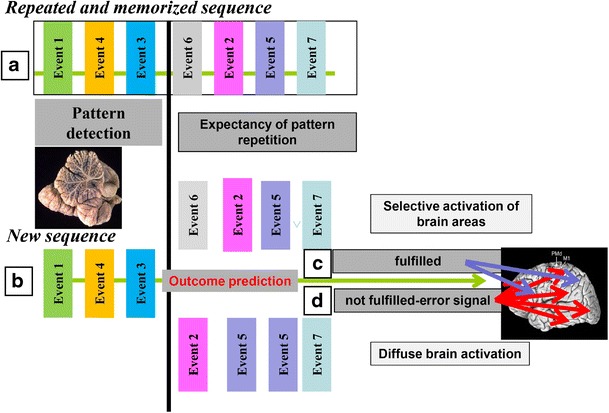
The Implementation of Predictions During Sequencing
Molinari, M., & Masciullo, M. (2019) · Frontiers in Cellular Neuroscience · doi:10.3389/fncel.2019.00439 · Cited by 21
“For example, several studies revealed that the cerebellum contributes to the decoding of errors and to the consequent behavioral adaptation in both cognitive and motor domains (Blakemore et al., 2001; Molinari et al., 2008, 2009).”
Self-citationDistributed sensory coding by cerebellar complex spikes in units of cortical segments
Michikawa, T., Yoshida, T., Kuroki, S., Ishikawa, T., Kakei, S., Kimizuka, R., Saito, A., Yokota, H., Shimizu, A., Itohara, S., et al. (2021) · Cell Reports · doi:10.1016/j.celrep.2021.109966 · Cited by 22
The Cerebellar GABAAR System as a Potential Target for Treating Alcohol Use Disorder
Rossi, D. J., & Richardson, B. D. (2018) · Handbook of experimental pharmacology · doi:10.1007/164_2018_109 · Cited by 20
“Attention deficit hyperactivity disorder (ADHD) and schizophrenia are two genetically influenced disorders that have a strong cerebellar component to their etiology (Bledsoe et al. 2009; Mulder et al. 2008; Epstein et al. 2007; Mothersill et al. 2015; Baumann et al. 2015), and both conditions are risk factors for deve…”
BackgroundCerebellar contributions to cognition in corticobasal syndrome and progressive supranuclear palsy
Tse, N. Y., Chen, Y., Irish, M., Cordato, N. J., Landín-Romero, R., Hodges, J. R., Piguet, O., & Ahmed, R. M. (2020) · Brain Communications · doi:10.1093/braincomms/fcaa194 · Cited by 20
“…as the Crus I is well positioned to support higher order cognitive functions given its anatomical (Kelly and Strick, 2003; Buckner, 2013; Baumann et al. , 2015) and functional connections (O’Reilly et al. , 2010; Stoodley, 2012; Buckner, 2013) with the prefrontal cortex that are…”
Cerebellar lesions disrupt spatial and temporal visual attention
Craig, B. T., Morrill, A., Anderson, B., Danckert, J. A., & Striemer, C. L. (2021) · Cortex · doi:10.1016/j.cortex.2021.02.019 · Cited by 19
Braga‐Neto, P., Pedroso, J. L., Gadelha, A., Laureano, M. R., Noto, C. D. S., Garrido, G. J., & Barsottini, O. G. P. (2015) · The Cerebellum · doi:10.1007/s12311-015-0716-2 · Cited by 19
“emotional control, autism spectrum disorders, and social skill test [5, 29].”
BackgroundDeterminant of the cerebellar cognitive affective syndrome in Friedreich’s ataxia
Destrebecq, V., Comet, C., Deveylder, F., Alaerts, N., & Naeije, G. (2023) · Journal of Neurology · doi:10.1007/s00415-023-11623-3 · Cited by 17
“In addition to motor control, the corticocerebellar loops play an important role in many perceptual and cognitive processes [4, 5].”
BackgroundThe Predictive Role of the Posterior Cerebellum in the Processing of Dynamic Emotions
Malatesta, G., D’Anselmo, A., Prete, G., Lucafò, C., Faieta, L., & Tommasi, L. (2023) · The Cerebellum · doi:10.1007/s12311-023-01574-w · Cited by 20
“…future events) of sequences, as well as the rapid adjustment of such predictions based on dynamic environmental information, would be one of the leading processes underlying the understanding of other individuals’ behaviors and mental states during social interactions [18, 22, 23, 25, 88, 92–94].”
BackgroundJimoh, Z., Marouf, A., Zenke, J. K., Leung, A. W. S., & Gomaa, N. A. (2023) · Otolaryngology · doi:10.1002/ohn.459 · Cited by 17
Altered brain function and structure pre- and post- COVID-19 infection: a longitudinal study
Jin, P., Cui, F., Xu, M., Ren, Y., & Zhang, L. (2023) · Neurological Sciences · doi:10.1007/s10072-023-07236-3 · Cited by 18
Selvadurai, L. P., Schmahmann, J. D., & Harding, I. H. (2024) · Current Opinion in Behavioral Sciences · doi:10.1016/j.cobeha.2023.101343 · Cited by 18
Self-citationNaeije, G., Wens, V., Bourguignon, M., Goldman, S., Pandolfo, M., & Tiège, X. D. (2019) · Clinical Neurophysiology · doi:10.1016/j.clinph.2019.05.003 · Cited by 18
“…the posterior lobe of the cerebellum and the ventral parts of the dentate nuclei contribute to sensory and perceptual processes (for reviews, see, e.g., Baumann et al., 2015; Leggio and Molinari, 2015), particularly in the selection of pertinent stimuli, attentional orientation and focusing.”
BackgroundVandervert, L. R., & American Nonlinear Systems, 1. W. C. A. S. (2020) · AIMS neuroscience · doi:10.3934/neuroscience.2020020 · Cited by 17
Casartelli, L., Riva, M., Villa, L. M., & Borgatti, R. (2018) · Neuroscience & Biobehavioral Reviews · doi:10.1016/j.neubiorev.2018.09.017 · Cited by 18
Kim, J., Patriat, R., Kaplan, J., Solomon, O., & Harel, N. (2020) · IEEE Access · doi:10.1109/access.2020.2998537 · Cited by 20
“INTRODUCTION The cerebellum is crucially not only involved in complex motor, cognitive and linguistic tasks [1] but also emotional and perceptual processing [2], [3].”
BackgroundSelf-supervised learning with application for infant cerebellum segmentation and analysis
Sun, Y., Wang, L., Gao, K., Ying, S., Lin, W., Humphreys, K. L., Li, G., Niu, S., Liu, M., & Wang, L. (2023) · Nature Communications · doi:10.1038/s41467-023-40446-z · Cited by 21
Somatosensory omissions reveal action‐related predictive processing
Dercksen, T., Widmann, A., Noesselt, T., & Wetzel, N. (2023) · Human Brain Mapping · doi:10.1002/hbm.26550 · Cited by 18
Sommer, M., Häger, C. K., Boraxbekk, C., & Rönnqvist, L. (2018) · Frontiers in Human Neuroscience · doi:10.3389/fnhum.2018.00311 · Cited by 16
Lin, C.-W., Lin, H., Lo, Y., Chen, Y.-J., Hsu, Y., Chen, Y., Tseng, W. I., & Gau, S. S. (2018) · Progress in Neuro-Psychopharmacology and Biological Psychiatry · doi:10.1016/j.pnpbp.2018.11.008 · Cited by 16
“, 1998a), thus contributing to altered motor performance, including modulation of force, speed, accuracy and trajectory (Baumann et al., 2015; Molinari et al., 2009).”
InfluentialGravity Perception: The Role of the Cerebellum
MacNeilage, P. R., & Glasauer, S. (2018) · Current Biology · doi:10.1016/j.cub.2018.09.053 · Cited by 16
Marotta, A., Re, A., Zampini, M., & Fiorio, M. (2021) · Cortex · doi:10.1016/j.cortex.2021.05.012 · Cited by 18
Day, L. B., Helmhout, W., Pano, G., Olsson, U., Hoeksema, J. D., & Lindsay, W. R. (2021) · Integrative and Comparative Biology · doi:10.1093/icb/icab139 · Cited by 17
Investigation on the Neural Mechanism of Hypnosis-Based Respiratory Control Using Functional MRI
Liu, Y., Qin, W., Li, R., Yu, S., He, Y., & Xie, Y. (2018) · Contrast Media & Molecular Imaging · doi:10.1155/2018/8182542 · Cited by 17
“,e cerebellum involves in the function of motor control, perceptual processes, and sensory perception [32, 33] and takes part in the charge of interoceptive processing [34] and emotional processing [35].”
BackgroundPain affect disrupted in children with posterior cerebellar tumor resection
Silva, K. E., Rosner, J., Ullrich, N. J., Chordas, C. A., Manley, P. E., & Moulton, E. A. (2019) · Annals of Clinical and Translational Neurology · doi:10.1002/acn3.709 · Cited by 15
Self-citationZhao, R., Song, Y., Guo, X., Yang, X., Sun, H., Chen, X., Liang, M., & Xue, Y. (2021) · Frontiers in Human Neuroscience · doi:10.3389/fnhum.2021.632829 · Cited by 16
Lengali, L., Hippe, J., Hatlestad‐Hall, C., Rygvold, T. W., Sneve, M. H., & Andersson, S. (2021) · Frontiers in Human Neuroscience · doi:10.3389/fnhum.2021.684573 · Cited by 15
Hwang, M., Roh, Y. S., Talero, J., Cohen, B. M., Baker, J. T., Brady, R. O., Öngür, D., & Shinn, A. K. (2021) · NeuroImage Clinical · doi:10.1016/j.nicl.2021.102893 · Cited by 15
Ciricugno, A., Ferrari, C., Rusconi, M. L., & Cattaneo, Z. (2020) · Neuropsychologia · doi:10.1016/j.neuropsychologia.2020.107497 · Cited by 16
Metadata
- Authors
- Baumann, O., Borra, R. J., Bower, J. M., Cullen, K. E., Habas, C., Ivry, R. B., Leggio, M., Mattingley, J. B., Molinari, M., Moulton, E. A., Paulin, M. G., Pavlova, M. A., Schmahmann, J. D., & Sokolov, A. A.
- Affiliations
- The University of Queensland (AU)
- Harvard University (US)
- McGill University (CA)
- Centre hospitalier national d'ophtalmologie des Quinze-Vingts (FR)
- University of California, Berkeley (US)
- Fondazione Santa Lucia (IT)
- Boston Children's Hospital (US)
- University of Otago (NZ)
- University of Tübingen (DE)
- Centre Hospitalier Universitaire Vaudois (CH)
- Corresponding author
- Baumann, Oliver
- ORCID
- Venue
- The Cerebellum
- Published
- 2014-12-06
- Volume
- 14
- Issue
- 2
- Pages
- 197-220
- ISSN
- 1473-4222 (ISSN-L)
- 1473-4230
- PMC
- PMC4346664
- OpenAlex
- W2145674835
- Cited by
- 462
- References
- 259
- Citations by year
- 2026: 30 · 2025: 41 · 2024: 44 · 2023: 42 · 2022: 41 · 2021: 58 · 2020: 53 · 2019: 48 · 2018: 42 · 2017: 24 · 2016: 25 · 2015: 12 · 2014: 1
- FWCI
- 11.52
- Type
- journal article
- Language
- en
- Open access
- hybrid
- doi.org
- Locations
- The Cerebellum (publishedVersion, cc-by)
- Europe PMC (PubMed Central) (publishedVersion, cc-by)
- PubMed Central (publishedVersion, cc-by)
- PubMed (publishedVersion)
- IRIS (submittedVersion)
- Digital Access to Scholarship at Harvard (DASH) (Harvard University) (submittedVersion, cc-by)
- IRIS Research product catalog (Sapienza University of Rome) (submittedVersion)
- SERVAL (Université de Lausanne) (submittedVersion, other-oa)
- University of Groningen research database (University of Groningen / Centre for Information Technology) (submittedVersion, other-oa)
- Funders
- Suomen Lääketieteen Säätiö
- Academy of Finland
- National Institutes of Health
- Australian Research Council (DE120100535)
- National Cancer Institute (R21CA185870)
- National Institute of Neurological Disorders and Stroke (R01NS074917, NS074917, R01NS084948, NS084948)
- Centre of Excellence for Integrative Brain Function, Australian Research Council (SR120300015, FL110100103, CE140100007)
- Topics
- Life Sciences › Neuroscience › Cognitive Neuroscience › Motor Control and Adaptation
- Life Sciences › Neuroscience › Neurology › Vestibular and auditory disorders
- Life Sciences › Neuroscience › Cognitive Neuroscience › Visual perception and processing mechanisms
- Keywords
- cerebellum, sensory perception, visual processing, auditory processing, biological motion perception, nociception, self-motion perception, timing, predictive processing, cerebellar connectivity, cerebellar disorders, autism spectrum disorder, schizophrenia, perceptual deficits
- MeSH terms
- Animals, Cerebellum, Biological Evolution, Humans, Models, Neurological, Neural Pathways, Pain, Perception
About these checks
Registry, retraction, Cites and statistics results are computed, not judged, with one exception: a printed reference that no index lists is read once by a model before it counts as a citation error. Claims are extracted by a model and kept only when their quote appears verbatim in the text; each cited source is then checked, with a model’s help, for whether it says what the claim relies on. Those verdicts can be wrong — read the claim’s quote and the cited source before relying on one.
Statistics and arithmetic are recomputed, not judged.
Confidence bands are shown only for fields calibrated on our annotated test set. None is calibrated yet, so no band is shown.
What counts as a claim ›How we measure confidence ›How we check this ›
Are you an author, or do you see a problem with this page? Request a review
Data sources
Bibliographic data: Semantic Scholar, OpenAlex, Crossref.
Contains information from the Semantic Scholar Academic Graph Datasets, made available under the ODC Attribution License (ODC-BY 1.0).
Semantic Scholar’s data is described in: Kinney, R., et al. (2023). The Semantic Scholar Open Data Platform. arXiv:2301.10140.
