

Consensus Paper: The Role of the Cerebellum in Perceptual Processes
Open accessThe DOI matches its Crossref record; 259 of the 260 references it cites were found in a registry or an index, and 1 are not checked yet.
Abstract
Various lines of evidence accumulated over the past 30 years indicate that the cerebellum, long recognized as essential for motor control, also has considerable influence on perceptual processes. In this paper, we bring together experts from psychology and neuroscience, with the aim of providing a succinct but comprehensive overview of key findings related to the involvement of the cerebellum in sensory perception. The contributions cover such topics as anatomical and functional connectivity, evolutionary and comparative perspectives, visual and auditory processing, biological motion perception, nociception, self-motion, timing, predictive processing, and perceptual sequencing. While no single explanation has yet emerged concerning the role of the cerebellum in perceptual processes, this consensus paper summarizes the impressive empirical evidence on this problem and highlights diversities as well as commonalities between existing hypotheses. In addition to work with healthy individuals and patients with cerebellar disorders, it is also apparent that several neurological conditions in which perceptual disturbances occur, including autism and schizophrenia, are associated with cerebellar pathology. A better understanding of the involvement of the cerebellum in perceptual processes will thus likely be important for identifying and treating perceptual deficits that may at present go unnoticed and untreated. This paper provides a useful framework for further debate and empirical investigations into the influence of the cerebellum on sensory perception.
Overview
The claims and statistics of this paper haven’t been checked yet.
Free: it reads the open-access text and checks the first 5 claims that cite a source we can check. Create a free account to check every claim.
Integrity signals
Registry
Cites
Statistics
Figures
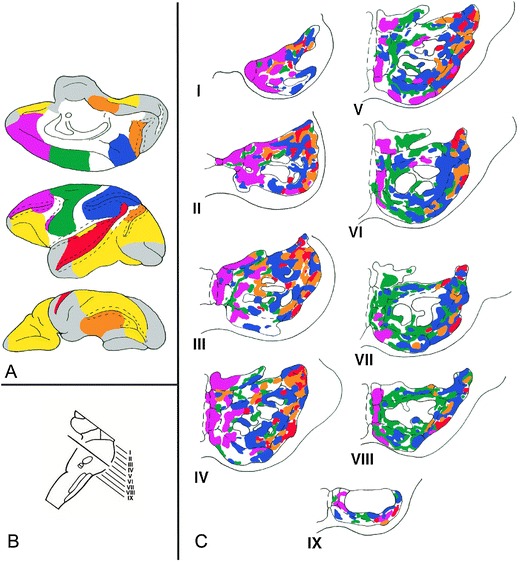
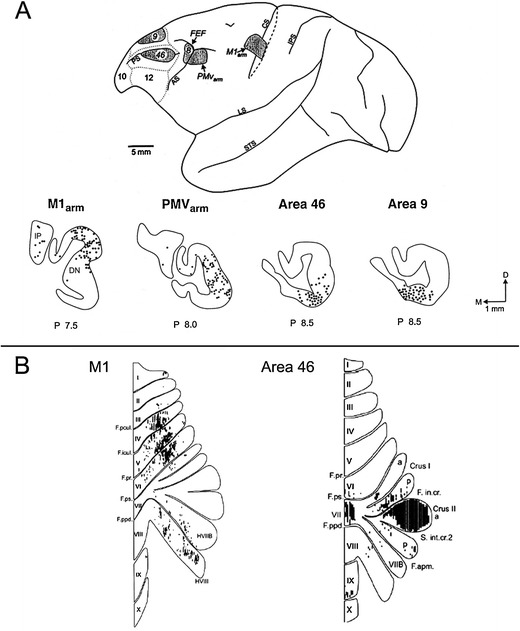
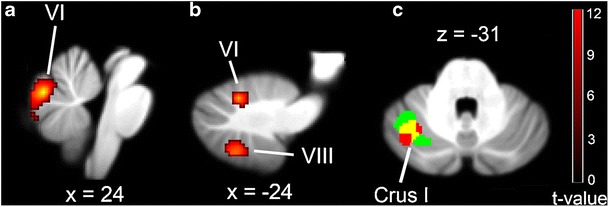
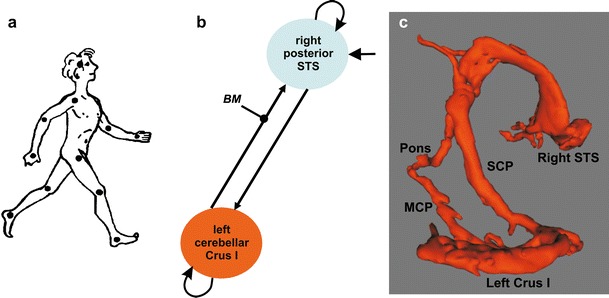
Verification
Claims the paper makes
The claims and statistics of this paper haven’t been checked yet.
Free: it reads the open-access text and checks the first 5 claims that cite a source we can check. Create a free account to check every claim.
Claims other papers make about this one
Each is checked against this paper’s own text: does it say what the citing paper says it does?
The cited source says what the claim attributes to it.
In the citing paper
“While traditionally considered as primarily involved in motor functions, emerging research suggests that the cerebellum may also contribute to higher-order functions, including perception (Baumann et al. 2015).”
From Neuroanatomical correlates of peripersonal space: bridging the gap between perception, action, emotion and social cognition (2024) · cites this paper as Baumann et al. 2015
The cited source says what the claim attributes to it.
In the citing paper
“The cerebellum also has an important role in timing, prediction, and learning (Ivry and Keele, 1989, Baumann et al., 2015).”
From The impact of atypical sensory processing on social impairments in autism spectrum disorder (2018) · cites this paper as Baumann et al., 2015
Self-check
Percentages, sums and reported differences re-computed from the paper’s own numbers.
The self-check needs the paper’s full text.
Citations
Cites
Functional connectivity in the motor cortex of resting human brain using echo‐planar mri
Biswal, B., Zerrin Yetkin, F., Haughton, V. M., & Hyde, J. S. (1995) · Magnetic Resonance in Medicine · doi:10.1002/mrm.1910340409 · Cited by 9,812
(1982) · Trends in Neurosciences · doi:10.1016/0166-2236(82)90076-5 · Cited by 9,089
The free-energy principle: a unified brain theory?
Friston, K. (2010) · Nature Reviews Neuroscience · doi:10.1038/nrn2787 · Cited by 8,120 · cited 1×
“employed to describe brain function more generally [157].”
MethodDissociable intrinsic connectivity networks for salience processing and executive control
Seeley, W. W., Menon, V., Schatzberg, A. F., Keller, J., Glover, G. H., Kenna, H., Reiss, A. L., & Greicius, M. D. (2007) · The Journal of Neuroscience · doi:10.1523/jneurosci.5587-06.2007 · Cited by 7,426 · cited 1×
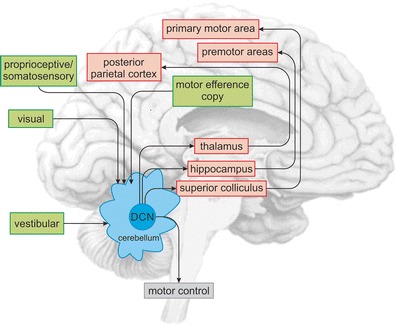
“The cerebellum is also involved in the limbic ‘salience network,’ mainly encompassing insula, frontal operculum, medial prefrontal cortex, and hypothalamus [35], and in charge of interoceptive and autonomic processing [41].”
BackgroundSequential Monte Carlo Methods in Practice
(2001) · Springer eBooks · doi:10.1007/978-1-4757-3437-9 · Cited by 7,366
The organization of the human cerebellum estimated by intrinsic functional connectivity
Buckner, R. L., Krienen, F. M., Castellanos, A., Diaz, J. C., & Yeo, B. T. T. (2011) · Journal of Neurophysiology · doi:10.1152/jn.00339.2011 · Cited by 7,304 · cited 2×
“These conclusions from tract tracing studies in the monkey are supported by resting state functional connectivity magnetic resonance imaging (MRI; [30]) and task-based functional MRI studies in humans [18], as well as by clinical investigations in patients with cerebellar damage [19].”
BackgroundWhatever next? Predictive brains, situated agents, and the future of cognitive science
Clark, A. (2013) · Behavioral and Brain Sciences · doi:10.1017/s0140525x12000477 · Cited by 5,924 · cited 1×
“Moreover, predictive processing represents a fundamental principle of neural computations in the brain [176].”
Visual perception of biological motion and a model for its analysis
Johansson, G. (1973) · Perception & Psychophysics · doi:10.3758/bf03212378 · Cited by 4,462 · cited 1×
“Healthy adults and children easily recognize personality traits through actions of others, even if they are represented through a set of light dots placed on the main body joints, in “point-light biological motion displays” [100, 101] (see Fig.”
BackgroundPurcell, E. M. (1977) · American Journal of Physics · doi:10.1119/1.10903 · Cited by 4,360 · cited 1×
“This is not true of animals (or indeed objects of any kind) whose mass is small or drag is large relative to applied forces [68].”
BackgroundInvestigations into resting-state connectivity using independent component analysis
Beckmann, C. F., DeLuca, M., Devlin, J. T., & Smith, S. M. (2005) · Philosophical Transactions of the Royal Society B: Biological Sciences · doi:10.1098/rstb.2005.1634 · Cited by 3,398
Research works printed but not linked: 1
- Nieuwenhuys R, Pouwels E. A light and EM study of lobe C1 of the gigantocerebellum of the mormyrid fish Gnathonemus petersi. Anat Rec. 1973;175:399.
Cited by
Items 201–300 of 477
Murris, S. R., Arsenault, J. T., Raman, R., Vogels, R., & Vanduffel, W. (2021) · Neuron · doi:10.1016/j.neuron.2021.02.013 · Cited by 17
Wang, Y., Chen, G., Zhong, S., Jia, Y., Liu, X., Lai, S., Zhao, L., Huang, L., & Liu, T. (2018) · Journal of Psychiatric Research · doi:10.1016/j.jpsychires.2018.08.025 · Cited by 16
Masoli, S., Rizza, M. F., Tognolina, M., Prestori, F., & D'Angelo, E. U. (2022) · Frontiers in Computational Neuroscience · doi:10.3389/fncom.2022.1006989 · Cited by 15
“The cerebellum plays a well-established role in motor coordination, and recent studies have established that it also contributes to higher-order cognitive, emotional, and perceptual processing (Schmahmann, 2010; Bastian and Haslam, 2011; D’Angelo and Casali, 2012; van Beugen et al., 2013; Koziol et al., 2014; Baumann…”
BackgroundDestrebecq, V., & Naeije, G. (2023) · Frontiers in Neurology · doi:10.3389/fneur.2023.1224478 · Cited by 15
Galvanic Vestibular Stimulation Improves Subnetwork Interactions in Parkinson’s Disease
Liu, A., Bi, H., Li, Y., Lee, S., Cai, J., Mi, T., Garg, S., Kim, J. L., Zhu, M., Chen, X., et al. (2021) · Journal of Healthcare Engineering · doi:10.1155/2021/6632394 · Cited by 16
“*e visual-cerebellar network identified in our study was mostly composed of visual-related cortices and cerebellum, which are connected with each other via the cortico-pontocerebellar (CPC) pathway [38].”
BackgroundCerebellum neuropathology and motor skill deficits in fragile X syndrome
Chen, Y., Liu, G., Han, M. Y., Zhang, S., Chen, Y., Zou, J., Bai, S.-Y., Cheng, G., & Zeng, Y. (2022) · International Journal of Developmental Neuroscience · doi:10.1002/jdn.10217 · Cited by 14
Role of leukemia inhibitory factor in the nervous system and its pathology
Ostašov, P., Houdek, Z., Cendelín, J., & Králíčková, M. (2015) · Reviews in the Neurosciences · doi:10.1515/revneuro-2014-0086 · Cited by 17
Early Trajectory Prediction in Elite Athletes
Owens, C. B., de Boer, C., Gennari, G., Broersen, R., Pel, J. J. M., Miller, B., Clapp, W. C., van der Werf, Y. D., & Zeeuw, C. I. D. (2018) · The Cerebellum · doi:10.1007/s12311-018-0975-9 · Cited by 15
GNG13 Is a Potential Marker of the State of Health of Alzheimer’s Disease Patients’ Cerebellum
Sanfilippo, C., Musumeci, G., Kazakova, M., Mazzone, V., Castrogiovanni, P., Imbesi, R., & Rosa, M. D. (2020) · Journal of Molecular Neuroscience · doi:10.1007/s12031-020-01726-1 · Cited by 17
Stojak, B., van Ginkel, R. A., Ivanco, T. L., Tomy, G. T., & Fry, M. (2019) · Chemosphere · doi:10.1016/j.chemosphere.2019.05.102 · Cited by 14
A review of the sufficient conditions for consciousnessPreprint
Coppola, P. (2023) · PsyArXiv (OSF Preprints) · doi:10.31234/osf.io/2xvc4 · Cited by 14
Neural Correlates of Audiovisual Speech Processing in Autistic and Non-Autistic Youth
Dunham, K., Zoltowski, A. R., Feldman, J. I., Davis, S., Rogers, B. P., Failla, M. D., Wallace, M. T., Cascio, C. J., & Woynaroski, T. G. (2023) · Multisensory Research · doi:10.1163/22134808-bja10093 · Cited by 14
Multi-target action of β-alanine protects cerebellar tissue from ischemic damage
Kopach, O., Rusakov, D. A., & Sylantyev, S. (2022) · Cell Death and Disease · doi:10.1038/s41419-022-05159-z · Cited by 14
Individual differences in first- and second-order temporal judgment
Corcoran, A. W., Groot, C., Bruno, A., Johnston, A., & Cropper, S. J. (2018) · PLoS ONE · doi:10.1371/journal.pone.0191422 · Cited by 14
“This explanation would suggest that individuals who show high degrees of UnEx might also be expected to manifest subtle perturbations in other domains associated with the same underlying (most notably, cerebellar [69]) networks, such as perceptual decision-making and motor co-ordination [76, 77] An alternative explana…”
Lindor, E., Rinehart, N., & Fielding, J. (2018) · Journal of Autism and Developmental Disorders · doi:10.1007/s10803-018-3601-2 · Cited by 14
“Significantly, there is a growing literature that proposes a link between motor deficits and cerebellar abnormalities in ASD, reflecting evidence that the cerebellum is not exclusively involved in motor control but also in many non-motor cognitive functions (Baumann et al. 2015; Buckner 2013; O’Halloran et al. 2012; R…”
BackgroundAbnormal cerebellar volume in somatic vs. non-somatic delusional disorders
Krämer, J., Huber, M. K., Mundinger, C., Schmitgen, M. M., Pycha, R., Kirchler, E., Macina, C., Kärner, M., Hirjak, D., Kubera, K. M., et al. (2020) · Cerebellum & Ataxias · doi:10.1186/s40673-020-0111-8 · Cited by 15
Spatiotemporal Alterations in Gait in Humanized Transgenic Sickle Mice
Kiven, S. B., Wang, Y., Aich, A., Argueta, D. A., Lei, J., Sagi, V., Tennakoon, M., Bedros, S. J., Lambrecht, N. W. G., & Gupta, K. (2020) · Frontiers in Immunology · doi:10.3389/fimmu.2020.561947 · Cited by 13
Olfactory–trigeminal integration in the primary olfactory cortex
Karunanayaka, P., Lu, J., Elyan, R., Yang, Q. X., & Sathian, K. (2024) · Human Brain Mapping · doi:10.1002/hbm.26772 · Cited by 13
“Non-human primate data also suggest that different sensory areas of the cerebral cortex converge upon common areas within the neocerebellum (Baumann et al., 2015; Brooks & Cullen, 2009; Schmahmann, 1996).”
BackgroundHua, J.-C., Xu, X., Xu, Z.-G., Xue, Y., Xǔ, J., Hu, J.-H., Wu, Y., & Chen, Y. (2022) · Frontiers in Aging Neuroscience · doi:10.3389/fnagi.2022.964349 · Cited by 12
Schmitter, C. V., & Straube, B. (2022) · Frontiers in Human Neuroscience · doi:10.3389/fnhum.2022.998843 · Cited by 12
“Indeed, multiple studies support the involvement of the cerebellum in a variety of processes beyond sensorimotor functions ranging from perceptual processing (Baumann et al., 2015) and performance monitoring across domains of action, perception, and cognition (Peterburs and Desmond, 2016) to higher-level cognitive fun…”
BackgroundInfluentialEllis, C. A., Miller, R. L., & Calhoun, V. D. (2023) · Neuroimage Reports · doi:10.1016/j.ynirp.2023.100186 · Cited by 14
Non-invasive cortical modulation of experimental pain in migraine
Uglem, M., Omland, P. M., Engstrøm, M., Gravdahl, G. B., Linde, M., Hagen, K., & Sand, T. (2016) · Clinical Neurophysiology · doi:10.1016/j.clinph.2016.03.016 · Cited by 17
“Cerebellum is also involved in pain perception (Moulton et al. , 2010, Baumann et al. , 2015), and may have altered functional connectivity in migraineurs (Chen et al. , 2015).”
Yopak, K. E., Galinsky, V. L., Berquist, R. M., & Frank, L. R. (2016) · Brain Behavior and Evolution · doi:10.1159/000446904 · Cited by 13
“However, as the functional role of this brain region is still an area of speculation [reviewed by Cordo et al., 1997; Highstein and Thach, 2002; Montgomery et al., 2012; Porrill et al., 2012; Baumann et al., 2014], the adaptive significance of this variation in size and shape across species is unclear [Northcutt, 1989…”
BackgroundAnalysis of Visuospatial Abilities in Chiari Malformation Type I
García, M., Lázaro, E., Amayra, I., Paz, J. F. L., Martínez, Ó., Pérez, M., Berrocoso, S., Al-Rashaida, M. A. H., & Infante, J. (2019) · The Cerebellum · doi:10.1007/s12311-019-01056-y · Cited by 14
Lorivel, T., Cendelín, J., & Hilber, P. (2020) · Behavioural Brain Research · doi:10.1016/j.bbr.2020.112972 · Cited by 12
Visuomotor control in mice and primates
Tehovnik, E. J., Froudarakis, E., Scala, F., Smirnakis, S. M., Patel, S. S., & Tolias, A. S. (2021) · Neuroscience & Biobehavioral Reviews · doi:10.1016/j.neubiorev.2021.08.009 · Cited by 13
Distribution and Functional Implication of Secretin in Multiple Brain Regions
Wang, R., Chow, B., & Zhang, L. (2018) · Journal of Molecular Neuroscience · doi:10.1007/s12031-018-1089-z · Cited by 12
Combined exposure to carbon disulfide and low-frequency noise reversibly affects vestibular function
Chalansonnet, M., Carreres-Pons, M., Venet, T., Thomas, A., Merlen, L., Seidel, C., Cosnier, F., Nunge, H., Pouyatos, B., Llorens, J., et al. (2018) · NeuroToxicology · doi:10.1016/j.neuro.2018.06.010 · Cited by 12
Liu, L., Fan, J., Zhan, H., Huang, J., Cao, R., Xiang, X., Tian, S., Ren, H., Tong, M., & Li, Q. (2022) · Frontiers in Psychiatry · doi:10.3389/fpsyt.2022.967391 · Cited by 11
Cerebellar Gray Matter and Olfactory Performance
Wabnegger, A., & Schienle, A. (2019) · Chemical Senses · doi:10.1093/chemse/bjz045 · Cited by 12
Bermo, M. S., Zacharias, C., Patterson, D. R., Wilson, A. E., Sharar, S. R., Minoshima, S., Hoffman, H. G., & Lewis, D. H. (2020) · Journal of Neuroimaging · doi:10.1111/jon.12759 · Cited by 13
Wards, Y., Ehrhardt, S. E., Filmer, H. L., Mattingley, J. B., Garner, K., & Dux, P. E. (2023) · Cerebral Cortex · doi:10.1093/cercor/bhad406 · Cited by 14
Self-citationWang, W., Qiu, D., Mei, Y., Bai, X., Yuan, Z., Zhang, X., Xiong, Z., Tang, H., Zhang, P., Zhang, Y., et al. (2024) · CNS Neuroscience & Therapeutics · doi:10.1111/cns.14686 · Cited by 11
“61,62 It receives pain input through descending cortico-cerebellar pathways and ascending spino-cerebellar pathways involving the pontine nuclei and inferior olives.”
BackgroundGe, S., Hu, Q., Guo, Y., Xu, K., Xia, G., & Sun, C. (2021) · Neural Plasticity · doi:10.1155/2021/6690414 · Cited by 13
“The cerebellum had anatomical connections to multiple regions of the frontal cortex and limbic region, critical for its involvement in visual and auditory processing, motion perception, cognition, and pain processing [36].”
BackgroundCerebellar contribution to absence epilepsy
Akyüz, E., Ozenen, C., Pinyazhko, O. R., Poshyvak, O. B., & Godlevsky, L. S. (2021) · Neuroscience Letters · doi:10.1016/j.neulet.2021.136110 · Cited by 11
Cerebellar Dysfunction in Adults with Prader Willi Syndrome
Blanco‐Hinojo, L., Casamitjana, L., Pujol, J., Martínez‐Vilavella, G., Esteba‐Castillo, S., Giménez‐Palop, O., Freijo, V., Deus, J., & Caixàs, A. (2021) · Journal of Clinical Medicine · doi:10.3390/jcm10153320 · Cited by 11
“The cerebellum is actively involved in the integration of sensory and motor events, receiving extensive sensory input and modifying the descending motor pathways to bring movements accurately to its desired endpoint [41,43,46], and is essential for the production of smooth, continuous movements [40] and the automation…”
BackgroundCerebellar tDCS as Therapy for Cerebellar Ataxias
Maiorana, N. V., Guidetti, M., Dini, M., Priori, A., & Ferrucci, R. (2022) · The Cerebellum · doi:10.1007/s12311-021-01357-1 · Cited by 14
Psychobehavioral and psychosocial aspects of neuropathic pain patients
Perissinotti, D. M. N., & Portnoi, A. G. (2016) · Revista Dor · doi:10.5935/1806-0013.20160055 · Cited by 16
Hierarchical control of procedural and declarative category-learning systems
Turner, B. O., Crossley, M. J., & Ashby, F. G. (2017) · NeuroImage · doi:10.1016/j.neuroimage.2017.02.039 · Cited by 13
Gutiérrez‐Ibáñez, C., Pilon, M. C., & WYLIE, D. R. W. (2021) · The Journal of Comparative Neurology · doi:10.1002/cne.25247 · Cited by 10
Odenkirk, M. T., Zheng, X., Kyle, J. E., Stratton, K. G., Nicora, C., Bloodsworth, K., McLean, C., Masters, C. L., Monroe, M. E., Doecke, J. D., et al. (2024) · Journal of Proteome Research · doi:10.1021/acs.jproteome.3c00604 · Cited by 11
Green, C. L., Mitchell, S. E., Derous, D., García-Flores, L. A., Wang, Y., Chen, L., Han, J. J., Promislow, D., Lusseau, D., Douglas, A., et al. (2020) · The Journals of Gerontology Series A · doi:10.1093/gerona/glaa261 · Cited by 12
“The cerebellum is most commonly associated with motor control (1); however, it is also involved in nutritional regulation and adiposity (2).”
BackgroundThe role of cerebellum in the child neuropsychological functioning
Dellatolas, G., & Câmara‐Costa, H. (2020) · Handbook of clinical neurology · doi:10.1016/b978-0-444-64150-2.00023-x · Cited by 11
Nikolenko, V. N., Sinelnikov, M. Y., Beeraka, N. M., Zakirov, F., Valikovna, O. M., Aliagayevna, R. N., Arturovna, Z. L., Alexandrovich, K. A., & Mikhaleva, L. M. (2022) · Current Neuropharmacology · doi:10.2174/1570159x20666220310121441 · Cited by 12
“Since the last few decades, a consensus has been forming to delineate the role of the cerebellum in nonmotor behavior; however, the significant role and nature in several motor and non-motor functions is yet to be completely unraveled [5-7].”
Chronic pain is associated with greater brain entropy in the prefrontal cortex
Mauro, G. D., Li, Y., Yu, J., Kochunov, P., Sevel, L. S., Boissoneault, J., Chen, S., & Wang, Z. (2025) · Journal of Pain · doi:10.1016/j.jpain.2025.105421 · Cited by 11
Early and widespread cerebellar engagement during hippocampal seizures and interictal discharges
Streng, M. L., Kottke, B. W., Wasserman, E. M., Zecker, L. S., Luong, L., Kodandaramaiah, S. B., Ebner, T. J., & Krook-Magnuson, E. I. (2025) · Neurobiology of Disease · doi:10.1016/j.nbd.2025.106991 · Cited by 10
“…motor learning, but it is increasingly appreciated for its role in a wide range of physiological processes (Chao et al., 2023; Fallahnezhad et al., 2023; Schmahmann, 2019; Sokolov et al., 2017; Strick et al., 2009; Zhang et al., 2023; Bau-mann et al., 2015; Buckner, 2013; Diedrichsen et al., 2019).”
Crossed Cerebellar Diaschisis Worsens the Clinical Presentation in Acute Large Vessel Occlusion
Abderrakib, A., Ligot, N., Torcida, N., Sadeghi-Meibodi, N., & Naeije, G. (2023) · Cerebrovascular Diseases · doi:10.1159/000528676 · Cited by 9
Mauro, G. D., Sevel, L. S., Boissoneault, J., & Wang, Z. (2024) · Journal of Neuroscience Research · doi:10.1002/jnr.25341 · Cited by 9
“Indeed, the presence of both ascending and descending pain-related pathways directed to the cerebellum suggests that it may play an important role in multimodal aspects, including sensory and motor, pain processing (Baumann et al., 2015; Coombes & Misra, 2016; Moulton et al., 2010).”
BackgroundEom, T.-Y., Schmitt, J. E., Li, Y., Davenport, C. M., Steinberg, J. D., Bonnan, A., Alam, S., Ryu, Y. S., Paul, L., Hansen, B. S., et al. (2024) · Nature Communications · doi:10.1038/s41467-024-54837-3 · Cited by 12
Cerebellum and Internal Models
Popa, L. S., & Ebner, T. J. (2019) · Springer eBooks · doi:10.1007/978-3-319-97911-3_56-2 · Cited by 11
Torrecillas-Martínez, L., Catena, A., O’Valle, F., Galvis, C. A. S., Padial‐Molina, M., & Galindo‐Moreno, P. (2020) · Frontiers in Human Neuroscience · doi:10.3389/fnhum.2020.558703 · Cited by 10
“…(Bocci et al., 2015), probably because nociceptive information is conveyed to the Purkinje cells either by the Frontiers in Human Neuroscience | www.frontiersin.org 6 November 2020 | Volume 14 | Article 558703 spino-olivocerebellar or by the spino-pontocerebellar pathways (Baumann et al., 2015).”
BackgroundNeural Evidence for Boundary Updating as the Source of the Repulsive Bias in Classification
Lee, H., Lee, H.-J., Choe, K. W., & Lee, S. (2023) · Journal of Neuroscience · doi:10.1523/jneurosci.0166-23.2023 · Cited by 9
Redefining the role of the cerebellum in restless legs syndrome
Park, K. M., Kim, K. T., Lee, D. A., & Cho, Y. W. (2023) · Sleep Medicine · doi:10.1016/j.sleep.2023.10.030 · Cited by 9
Supraspinal glycinergic neurotransmission in pain: A scoping review of current literature
Fenech, C. E., Winters, B. L., Otsu, Y., & Aubrey, K. R. (2024) · Journal of Neurochemistry · doi:10.1111/jnc.16191 · Cited by 11
“However, emerging roles in non-motor functions such as cognition and emotion are increasingly being reported (Baumann et al., 2015; Lawrenson et al., 2018 ; Rudolph et al., 2023; Saab & Willis, 2003 ).”
Andrew, D., Ibey, R. J., & Staines, R. W. (2019) · Behavioural Brain Research · doi:10.1016/j.bbr.2019.112273 · Cited by 9
Sato, S. D., & Choi, J. T. (2022) · Frontiers in Aging Neuroscience · doi:10.3389/fnagi.2022.920475 · Cited by 10
Ghiyamihoor, F., Peymani, P., Perron, J., Asemi‐Rad, A., Marzban, M., Mohite, A., Ardila, K., Aljada, B., Marzban, A., Toback, M., et al. (2025) · Human Brain Mapping · doi:10.1002/hbm.70214 · Cited by 10
“Consistent with its integrative role in the brain, age-dependent cerebellar volume decline correlates with both cognitive and motor functional impairments (Arleo et al. 2024; Baumann et al. 2015; Koziol et al. 2014).”
Rethinking early Alzheimer’s disease: An impaired internal model updating disorder?
Antonioni, A. (2026) · Neuroscience & Biobehavioral Reviews · doi:10.1016/j.neubiorev.2026.106790 · Cited by 9
Cerebellar Non-Invasive Brain Stimulation: A Frontier in Chronic Pain Therapy
Sveva, V., Cruciani, A., Mancuso, M., Santoro, F., Latorre, A., Monticone, M., & Rocchi, L. (2024) · Journal of Personalized Medicine · doi:10.3390/jpm14070675 · Cited by 10
“These deal with numerous functions, ranging from planning and foresight for the prefrontal cortex to memory and visuo-spatial attention for parieto-temporal regions [16,21].”
BackgroundInfluentialHuang, R., Wang, A., Ba, X., Zhang, G., Li, C., & Liu, Q. (2020) · Journal of Occupational and Environmental Medicine · doi:10.1097/jom.0000000000001869 · Cited by 8
“The latest idea is that the descending projection fibers of the cerebral cortexpons-cerebellum and the ascending projection fibers of the cerebellum -thalamus-cerebral cortex form feedforward and feedback loops, which form the anatomical basis for the cerebellum to participate in hearing and tinnitus.(21) There clearl…”
BackgroundMacrì, S., & Di‐Poï, N. (2020) · Frontiers in Cell and Developmental Biology · doi:10.3389/fcell.2020.593377 · Cited by 8
“…a massive signal processing capability that plays a crucial role in motor control and coordination but also in higher cognitive functions such as attention, memory, and language (Strick et al., 2009; Balsters et al., 2013; Buckner, 2013; Koziol et al., 2014; Baumann et al., 2015; Schmahmann, 2019).”
BackgroundDysfunctional cerebello-cerebral network associated with vocal emotion recognition impairments
Thomasson, M., Ceravolo, L., Corradi‐Dell’Acqua, C., Mantelli, A., Saj̈, A., Assal, F., Grandjean, D., & Péron, J. (2023) · Cerebral Cortex Communications · doi:10.1093/texcom/tgad002 · Cited by 9
Neural Correlates of Temporal Complexity and Synchrony during Audiovisual Correspondence Detection
Baumann, O., Vromen, J. M. G., Cheung, A., McFadyen, J., Ren, Y., & Guo, C. C. (2018) · eNeuro · doi:10.1523/eneuro.0294-17.2018 · Cited by 9
“Since then, a number of lesion and imaging studies have suggested that the cerebellum is responsible for representing temporal relationships in the sub-second range for sensorimotor as well as perceptual tasks (Baumann et al., 2015).”
BackgroundSelf-citationHabicht, J., Behler, O., Kollmeier, B., & Neher, T. (2019) · Frontiers in Neuroscience · doi:10.3389/fnins.2019.00420 · Cited by 8
Shi, M., Liu, X., Zhang, C., Zhang, H., Liu, Q., Wang, D., Liu, X., Li, J., & Wang, M. (2021) · European Journal Of Oral Sciences · doi:10.1111/eos.12788 · Cited by 9
“Since the cerebellum plays a major role in the control and coordination of movement [12], it is interesting to explore the impact of dental occlusion on the cerebellum.”
Wagner, L., Cakar, M. E., Banchik, M., Chiem, E., Glynn, S. S., Than, A., Green, S. A., & Dapretto, M. (2025) · Developmental Cognitive Neuroscience · doi:10.1016/j.dcn.2025.101514 · Cited by 8
“In addition to its role in auditory and language processing, there is also substantial evidence for cerebellar involvement in somatosensation, including touch processing, nociception, and their prediction (Baumann et al., 2015).”
Yang, C., Yu, H., Hong, T., Cheng, L., Li, W., Yeh, T., Chen, L., & Hsieh, J. (2024) · Frontiers in Human Neuroscience · doi:10.3389/fnhum.2024.1347386 · Cited by 8
“Alongside these two regions, the cerebellar crus I, in addition to participating in motor processing, plays a pivotal role in perception, emotion, and social cognition (Koziol et al., 2014; Baumann et al., 2015; Adamaszek et al., 2017; Van Overwalle et al., 2020).”
BackgroundImpaired cognitive flexibility and disrupted cognitive cerebellum in degenerative cerebellar ataxias
Shin, J. H., Kim, H., Lee, S. Y., Yoon, W. T., Park, S., Park, S. M., Yoo, D., & Lee, J. (2024) · Brain Communications · doi:10.1093/braincomms/fcae064 · Cited by 8
“38 The positive correlation observed between the FC of the left cognitive cerebellum (crus II and VIIb) and the bilateral dorsolateral prefrontal cortex with the perseverative error score suggests compensatory activation or recruitment of the feedback loop within the cerebello–thalamo–cortical…”
BackgroundDisruption of network for visual perception of natural motion in primary dystonia
Fujita, K., Sako, W., Vo, A., Bressman, S., & Eidelberg, D. (2017) · Human Brain Mapping · doi:10.1002/hbm.23907 · Cited by 7
“Crus I of the cerebellum contributes to this network, consistent with the activation of this region in conjunction with the superior temporal sulcus that has been described during biological motion perception (Baumann et al., 2015).”
BackgroundSerrato-Ávila, J. L., Archila, J. A. P., Monroy-Sosa, A., Alejandro, S. A., da Costa, M. D. S., Cavalheiro, S., Yağmurlu, K., Lawton, M. T., & Chaddad-Neto, F. (2023) · Journal of neurosurgery · doi:10.3171/2023.7.jns222838 · Cited by 7
Cognitive Neuroscience: Functional Specialization in Human Cerebellum
Silver, M. A. (2018) · Current Biology · doi:10.1016/j.cub.2018.09.017 · Cited by 8
Selective sensory deafferentation induces structural and functional brain plasticity
Casseb, R. F., de Campos, B. M., Martínez, A., Castellano, G., & França, M. C. (2018) · NeuroImage Clinical · doi:10.1016/j.nicl.2018.101633 · Cited by 10
Influences of Motor Systems on Electrosensory Processing
Perks, K. E., & Sawtell, N. B. (2019) · Springer handbook of auditory research · doi:10.1007/978-3-030-29105-1_11 · Cited by 7
Tesche, C. D., & Houck, J. M. (2020) · Brain Connectivity · doi:10.1089/brain.2019.0710 · Cited by 7
Determination of Neuromuscular Control of the Upper Limbs in Children - Case Study
Camenidis, C.-M., Băițel, I., Oatu, A., Amzulescu, O., & Bidiugan, R. (2020) · BRAIN BROAD RESEARCH IN ARTIFICIAL INTELLIGENCE AND NEUROSCIENCE · doi:10.18662/brain/11.4sup1/155 · Cited by 7
Anteraper, S. A., Gopinath, K., Hoch, M. J., Waldrop‐Valverde, D., Franklin, D. R., Letendre, S. L., Whitfield, S., & Anderson, A. M. L. (2021) · Journal of NeuroVirology · doi:10.1007/s13365-021-00943-7 · Cited by 7
Cheviet, A., Masselink, J., Koun, É., Salemme, R., Lappe, M., Tilikete, C., & Pélisson, D. (2021) · Cerebral Cortex · doi:10.1093/cercor/bhab455 · Cited by 7
Konczak, J. (2016) · Springer eBooks · doi:10.1007/978-3-642-53898-8_20 · Cited by 9
Disrupted intra- and inter-network connectivity in unilateral acute tinnitus with hearing loss
Zhou, G., Li, W.-W., Chen, Y., Wei, H., Yu, Y., Guo, X., Yin, X., Tao, Y.-J., & Zhang, H. (2022) · Frontiers in Aging Neuroscience · doi:10.3389/fnagi.2022.833437 · Cited by 7
Kraft, J. N., Ortega, A., Hoagey, D. A., Rodrigue, K. M., & Kennedy, K. M. (2026) · Scientific Reports · doi:10.1038/s41598-026-39822-8 · Cited by 8
“Given the cerebellum’s susceptibility to structural degradation in aging 43 , its pivotal role in executive function and reversal learning 54,61,62 and its extensive connections to prefrontal cortices 63 , structural maintenance of the CTC tract appears to be beneficial for executive function in…”
Cundari, M., Vestberg, S., HANSSON, A., Kennberg, J., Gustafsson, P., & Rasmussen, A. (2025) · Journal of the International Neuropsychological Society · doi:10.1017/s1355617725000189 · Cited by 9
“Moreover, through projections to hippocampal place cells, it offers updates on an individual location within the environment, based on the existing hippocampal encoding (Baumann et al., 2015; Chinellato & del Pobil, 2016; Moser et al., 2008; Ramnani et al., 2001; Rochefort et al., 2011, 2013).”
Pissarek, M. (2020) · Pharmaceutics · doi:10.3390/pharmaceutics12100925 · Cited by 6
“These reviews pay tribute to the multiple functions of the cerebellum in cognitive [1,7], emotional [6] and sensory networks [3]; neuro-immune mechanisms [5]; and linguistic, connectivity, developmental processes [2,4,7,8], and contribute to the internal clock of the body [9] moving the multifunctional cerebellum into…”
BackgroundInfluentialSiman, B., Janszky, J., Perlaki, G., Fazekas, A., Sandor, B., Katona, K., Marada, G., & Szántó, I. (2021) · Scientific Reports · doi:10.1038/s41598-021-84549-3 · Cited by 6
Left Cerebellar Lesions may be Associated with an Increase in Spatial Neglect-like Symptoms
Verbitsky, R., Anderson, B., Danckert, J. A., Dukelow, S. P., & Striemer, C. L. (2023) · The Cerebellum · doi:10.1007/s12311-023-01542-4 · Cited by 6
Role of the Cerebellum in the Construction of Functional and Geometrical Spaces
Torkhani, E., Bennequin, D., & de Marco, G. (2024) · The Cerebellum · doi:10.1007/s12311-024-01693-y · Cited by 10
“…on new sensory information and adjusting motor outputs accordingly, the cerebellum ensures that movements are executed smoothly and efficiently, high-lighting the essential role of motor efferent copies in the cerebellum’s ability to facilitate adaptive motor control and learning [ 142 , 151 ].”
Flem, S., Berns, G. S., Inglis, B. A., Niederhut, D., Montie, E. W., Deacon, T. W., Miller, K. L., Tyack, P. L., & Cook, P. F. (2025) · PLoS ONE · doi:10.1371/journal.pone.0323617 · Cited by 6
A review of the sufficient conditions for consciousness
Coppola, P. (2025) · Neuroscience & Biobehavioral Reviews · doi:10.1016/j.neubiorev.2025.106333 · Cited by 9
“Furthermore, in several large consensus papers, integrating findings across many neuroscientific disciplines, there are reports that alterations to the typically developed cerebellum may provoke changes in social cognition 77 , verbal working memory 79 and various forms of perception 78 .”
Xu, Y., Shi, Y.-H., Yao, J., Yang, H. M., Ding, Z., Chen, Q. Q., Ya, L., & Chen, W. (2019) · Neuroscience Letters · doi:10.1016/j.neulet.2019.04.046 · Cited by 6
Dyslexic children need more robust information to resolve conflicting sensory situations
Razuk, M., Lukášová, K., Bucci, M. P., & Barela, J. Â. (2019) · Dyslexia · doi:10.1002/dys.1641 · Cited by 9
Cerebellar tDCS Alters the Perception of Optic Flow
Nankoo, J., Madan, C. R., Medina, O., Makepeace, T., & Striemer, C. L. (2021) · The Cerebellum · doi:10.1007/s12311-021-01245-8 · Cited by 6
“Of particular interest to the current work, mounting evidence suggests that the integrity of the cerebellum is important for motion perception (see [1] for review).”
Zanin, J. P., Pandya, M. A., Espinoza, D., Friedman, W., & Shiflett, M. W. (2023) · Frontiers in Molecular Neuroscience · doi:10.3389/fnmol.2023.1147597 · Cited by 6
“Several studies have established the role of the cerebellum in the social domain, including emotion and intentions (Schmahmann and Sherman, 1998; Baumann et al., 2015; Guell et al., 2018).”
BackgroundAydos, Y. K., Dövencioğlu, D. N., Oğuz, K. K., Özdemir, P., Kızılkan, M. P., Kanbur, N., Ünal, D., Nalbant, K., Çuhadaroğlu, F. Ç., & Akdemir, D. (2023) · Journal of Neuropsychology · doi:10.1111/jnp.12340 · Cited by 7
Zhang, Z., Wu, Y., Luo, Q., Tu, J., Li, J., Xiong, J., Lv, H., & Ye, J. (2023) · Frontiers in Neuroscience · doi:10.3389/fnins.2023.1146259 · Cited by 8
Towards dynamic modeling of visual-vestibular conflict detection
Garzorz, I. T., & MacNeilage, P. R. (2019) · Progress in brain research · doi:10.1016/bs.pbr.2019.03.018 · Cited by 6
New Horizons in Early Dementia Diagnosis: Can Cerebellar Stimulation Untangle the Knot?
Naro, A., Marra, A., Billeri, L., Portaro, S., Luca, R. D., Maresca, G., Rosa, G. L., Lauria, P., Bramanti, P., & Calabrò, R. S. (2019) · Journal of Clinical Medicine · doi:10.3390/jcm8091470 · Cited by 7
A multizone cerebellar chip for bioinspired adaptive robot control and sensorimotor processing
Wilson, E. D., Assaf, T., Rossiter, J. M., Dean, P., Porrill, J., Anderson, S., & Pearson, M. J. (2021) · Journal of The Royal Society Interface · doi:10.1098/rsif.2020.0750 · Cited by 6
Heavy drinking from adolescence to young adulthood is associated with an altered cerebellum
Kekkonen, V., Kallioniemi, E., Kaarre, O., Könönen, M., Kivimäki, P., Gröhn, H. I., Tolmunen, T., & Vanninen, R. L. (2021) · Alcohol · doi:10.1016/j.alcohol.2021.02.002 · Cited by 7
Qian, W. P., Xu, X., Wu, Y., Yu, L., Wang, C., Yan, M., & Yu, R. (2025) · Frontiers in Neuroscience · doi:10.3389/fnins.2025.1552961 · Cited by 5
“As the entry point for cortical inputs to the cerebellum via the middle cerebellar peduncle (Baumann et al., 2015), PCT plays a crucial role in modulating pain perception (Bocci et al., 2015), and also implies the involvement of the cerebellum in processing nociceptive inputs.”
Tani, K., Tanaka, H., Hirata, A., Nagata, Y., Mori, N., Hosomi, K., & Matsugi, A. (2025) · eNeuro · doi:10.1523/eneuro.0111-25.2025 · Cited by 5
“Previous studies have shown that the cerebellar vermis is directly involved in processing visual motion signals (Nawrot and Rizzo, 1995, 1998; Bense et al., 2006; Ignashchenkova et al., 2009; Cattaneo et al., 2014; Baumann et al., 2015).”
Tan, X., Zhou, Z., Gao, J., Yu, Y., Wei, R., Luo, B., & Zhang, X. (2022) · Brain Imaging and Behavior · doi:10.1007/s11682-022-00668-z · Cited by 5
Metadata
- Authors
- Baumann, O., Borra, R. J., Bower, J. M., Cullen, K. E., Habas, C., Ivry, R. B., Leggio, M., Mattingley, J. B., Molinari, M., Moulton, E. A., Paulin, M. G., Pavlova, M. A., Schmahmann, J. D., & Sokolov, A. A.
- Affiliations
- The University of Queensland (AU)
- Harvard University (US)
- McGill University (CA)
- Centre hospitalier national d'ophtalmologie des Quinze-Vingts (FR)
- University of California, Berkeley (US)
- Fondazione Santa Lucia (IT)
- Boston Children's Hospital (US)
- University of Otago (NZ)
- University of Tübingen (DE)
- Centre Hospitalier Universitaire Vaudois (CH)
- Corresponding author
- Baumann, Oliver
- ORCID
- Venue
- The Cerebellum
- Published
- 2014-12-06
- Volume
- 14
- Issue
- 2
- Pages
- 197-220
- ISSN
- 1473-4222 (ISSN-L)
- 1473-4230
- PMC
- PMC4346664
- OpenAlex
- W2145674835
- Cited by
- 462
- References
- 259
- Citations by year
- 2026: 30 · 2025: 41 · 2024: 44 · 2023: 42 · 2022: 41 · 2021: 58 · 2020: 53 · 2019: 48 · 2018: 42 · 2017: 24 · 2016: 25 · 2015: 12 · 2014: 1
- FWCI
- 11.52
- Type
- journal article
- Language
- en
- Open access
- hybrid
- doi.org
- Locations
- The Cerebellum (publishedVersion, cc-by)
- Europe PMC (PubMed Central) (publishedVersion, cc-by)
- PubMed Central (publishedVersion, cc-by)
- PubMed (publishedVersion)
- IRIS (submittedVersion)
- Digital Access to Scholarship at Harvard (DASH) (Harvard University) (submittedVersion, cc-by)
- IRIS Research product catalog (Sapienza University of Rome) (submittedVersion)
- SERVAL (Université de Lausanne) (submittedVersion, other-oa)
- University of Groningen research database (University of Groningen / Centre for Information Technology) (submittedVersion, other-oa)
- Funders
- Suomen Lääketieteen Säätiö
- Academy of Finland
- National Institutes of Health
- Australian Research Council (DE120100535)
- National Cancer Institute (R21CA185870)
- National Institute of Neurological Disorders and Stroke (R01NS074917, NS074917, R01NS084948, NS084948)
- Centre of Excellence for Integrative Brain Function, Australian Research Council (SR120300015, FL110100103, CE140100007)
- Topics
- Life Sciences › Neuroscience › Cognitive Neuroscience › Motor Control and Adaptation
- Life Sciences › Neuroscience › Neurology › Vestibular and auditory disorders
- Life Sciences › Neuroscience › Cognitive Neuroscience › Visual perception and processing mechanisms
- Keywords
- cerebellum, sensory perception, visual processing, auditory processing, biological motion perception, nociception, self-motion perception, timing, predictive processing, cerebellar connectivity, cerebellar disorders, autism spectrum disorder, schizophrenia, perceptual deficits
- MeSH terms
- Animals, Cerebellum, Biological Evolution, Humans, Models, Neurological, Neural Pathways, Pain, Perception
About these checks
Registry, retraction, Cites and statistics results are computed, not judged, with one exception: a printed reference that no index lists is read once by a model before it counts as a citation error. Claims are extracted by a model and kept only when their quote appears verbatim in the text; each cited source is then checked, with a model’s help, for whether it says what the claim relies on. Those verdicts can be wrong — read the claim’s quote and the cited source before relying on one.
Statistics and arithmetic are recomputed, not judged.
Confidence bands are shown only for fields calibrated on our annotated test set. None is calibrated yet, so no band is shown.
What counts as a claim ›How we measure confidence ›How we check this ›
Are you an author, or do you see a problem with this page? Request a review
Data sources
Bibliographic data: Semantic Scholar, OpenAlex, Crossref.
Contains information from the Semantic Scholar Academic Graph Datasets, made available under the ODC Attribution License (ODC-BY 1.0).
Semantic Scholar’s data is described in: Kinney, R., et al. (2023). The Semantic Scholar Open Data Platform. arXiv:2301.10140.
