

Consensus Paper: The Role of the Cerebellum in Perceptual Processes
Open accessThe DOI matches its Crossref record; 259 of the 260 references it cites were found in a registry or an index, and 1 are not checked yet.
Abstract
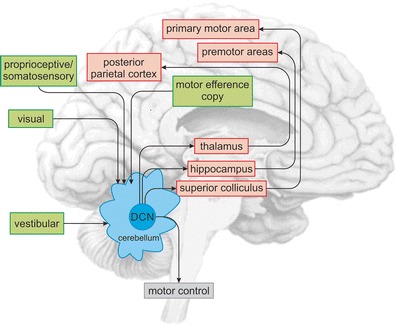
Various lines of evidence accumulated over the past 30 years indicate that the cerebellum, long recognized as essential for motor control, also has considerable influence on perceptual processes. In this paper, we bring together experts from psychology and neuroscience, with the aim of providing a succinct but comprehensive overview of key findings related to the involvement of the cerebellum in sensory perception. The contributions cover such topics as anatomical and functional connectivity, evolutionary and comparative perspectives, visual and auditory processing, biological motion perception, nociception, self-motion, timing, predictive processing, and perceptual sequencing. While no single explanation has yet emerged concerning the role of the cerebellum in perceptual processes, this consensus paper summarizes the impressive empirical evidence on this problem and highlights diversities as well as commonalities between existing hypotheses. In addition to work with healthy individuals and patients with cerebellar disorders, it is also apparent that several neurological conditions in which perceptual disturbances occur, including autism and schizophrenia, are associated with cerebellar pathology. A better understanding of the involvement of the cerebellum in perceptual processes will thus likely be important for identifying and treating perceptual deficits that may at present go unnoticed and untreated. This paper provides a useful framework for further debate and empirical investigations into the influence of the cerebellum on sensory perception.
Overview
The claims and statistics of this paper haven’t been checked yet.
Free: it reads the open-access text and checks the first 5 claims that cite a source we can check. Create a free account to check every claim.
Integrity signals
Registry
Cites
Statistics
Figures
Verification
Claims the paper makes
The claims and statistics of this paper haven’t been checked yet.
Free: it reads the open-access text and checks the first 5 claims that cite a source we can check. Create a free account to check every claim.
Claims other papers make about this one
Each is checked against this paper’s own text: does it say what the citing paper says it does?
The cited source says what the claim attributes to it.
In the citing paper
“While traditionally considered as primarily involved in motor functions, emerging research suggests that the cerebellum may also contribute to higher-order functions, including perception (Baumann et al. 2015).”
From Neuroanatomical correlates of peripersonal space: bridging the gap between perception, action, emotion and social cognition (2024) · cites this paper as Baumann et al. 2015
The cited source says what the claim attributes to it.
In the citing paper
“The cerebellum also has an important role in timing, prediction, and learning (Ivry and Keele, 1989, Baumann et al., 2015).”
From The impact of atypical sensory processing on social impairments in autism spectrum disorder (2018) · cites this paper as Baumann et al., 2015
Self-check
Percentages, sums and reported differences re-computed from the paper’s own numbers.
The self-check needs the paper’s full text.
Citations
Cites
Functional connectivity in the motor cortex of resting human brain using echo‐planar mri
Biswal, B., Zerrin Yetkin, F., Haughton, V. M., & Hyde, J. S. (1995) · Magnetic Resonance in Medicine · doi:10.1002/mrm.1910340409 · Cited by 9,812
(1982) · Trends in Neurosciences · doi:10.1016/0166-2236(82)90076-5 · Cited by 9,089
The free-energy principle: a unified brain theory?
Friston, K. (2010) · Nature Reviews Neuroscience · doi:10.1038/nrn2787 · Cited by 8,120 · cited 1×
“employed to describe brain function more generally [157].”
MethodDissociable intrinsic connectivity networks for salience processing and executive control
Seeley, W. W., Menon, V., Schatzberg, A. F., Keller, J., Glover, G. H., Kenna, H., Reiss, A. L., & Greicius, M. D. (2007) · The Journal of Neuroscience · doi:10.1523/jneurosci.5587-06.2007 · Cited by 7,426 · cited 1×
“The cerebellum is also involved in the limbic ‘salience network,’ mainly encompassing insula, frontal operculum, medial prefrontal cortex, and hypothalamus [35], and in charge of interoceptive and autonomic processing [41].”
BackgroundSequential Monte Carlo Methods in Practice
(2001) · Springer eBooks · doi:10.1007/978-1-4757-3437-9 · Cited by 7,366
The organization of the human cerebellum estimated by intrinsic functional connectivity
Buckner, R. L., Krienen, F. M., Castellanos, A., Diaz, J. C., & Yeo, B. T. T. (2011) · Journal of Neurophysiology · doi:10.1152/jn.00339.2011 · Cited by 7,304 · cited 2×
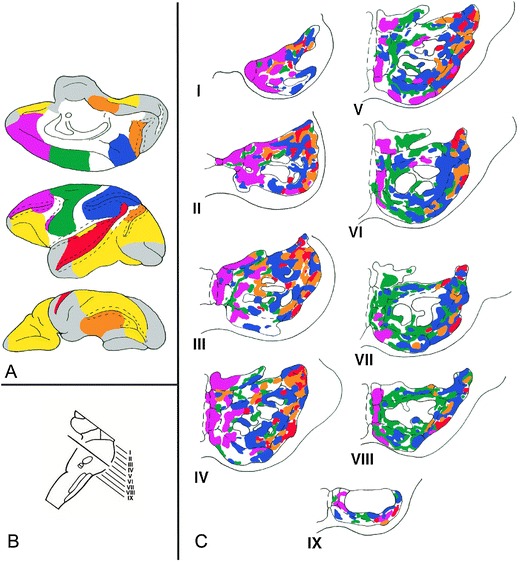
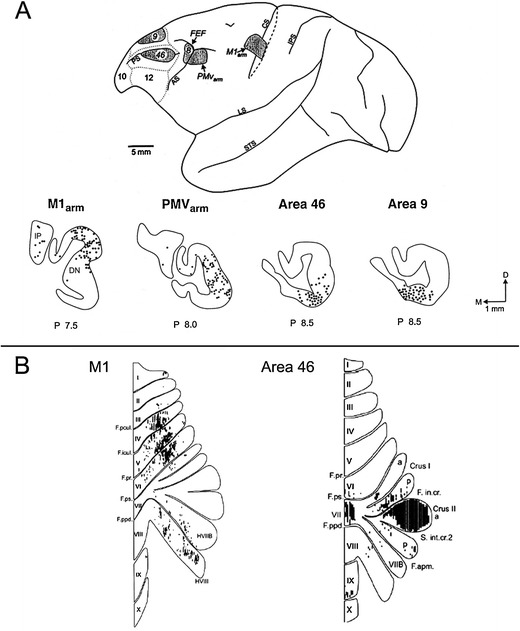
“These conclusions from tract tracing studies in the monkey are supported by resting state functional connectivity magnetic resonance imaging (MRI; [30]) and task-based functional MRI studies in humans [18], as well as by clinical investigations in patients with cerebellar damage [19].”
BackgroundWhatever next? Predictive brains, situated agents, and the future of cognitive science
Clark, A. (2013) · Behavioral and Brain Sciences · doi:10.1017/s0140525x12000477 · Cited by 5,924 · cited 1×
“Moreover, predictive processing represents a fundamental principle of neural computations in the brain [176].”
Visual perception of biological motion and a model for its analysis
Johansson, G. (1973) · Perception & Psychophysics · doi:10.3758/bf03212378 · Cited by 4,462 · cited 1×
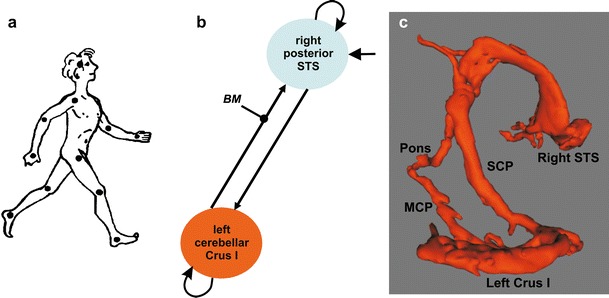
“Healthy adults and children easily recognize personality traits through actions of others, even if they are represented through a set of light dots placed on the main body joints, in “point-light biological motion displays” [100, 101] (see Fig.”
BackgroundPurcell, E. M. (1977) · American Journal of Physics · doi:10.1119/1.10903 · Cited by 4,360 · cited 1×
“This is not true of animals (or indeed objects of any kind) whose mass is small or drag is large relative to applied forces [68].”
BackgroundInvestigations into resting-state connectivity using independent component analysis
Beckmann, C. F., DeLuca, M., Devlin, J. T., & Smith, S. M. (2005) · Philosophical Transactions of the Royal Society B: Biological Sciences · doi:10.1098/rstb.2005.1634 · Cited by 3,398
Research works printed but not linked: 1
- Nieuwenhuys R, Pouwels E. A light and EM study of lobe C1 of the gigantocerebellum of the mormyrid fish Gnathonemus petersi. Anat Rec. 1973;175:399.
Cited by
Items 301–400 of 477
The significance of cerebellar contributions in early-life through aging
Verpeut, J. L., & Oostland, M. (2024) · Frontiers in Computational Neuroscience · doi:10.3389/fncom.2024.1449364 · Cited by 5
Cerebellar activity predicts vocalization in fruit bats
Hariharan, S., González‐Palomares, E., Babl, S. S., López‐Jury, L., & Hechavarría, J. C. (2024) · Current Biology · doi:10.1016/j.cub.2024.09.033 · Cited by 5
Cerebellum as a neural substrate for impoverishment in early psychosis
Toyota, E. B., Mackinley, M., Silva, A. M., Jiang, Y., Dalal, T. C., Nettekoven, C., & Palaniyappan, L. K. (2025) · Neuropsychologia · doi:10.1016/j.neuropsychologia.2025.109094 · Cited by 6
“…addition to its relevance to next-word prediction and syntactic recognition (Ohmae and Ohmae, 2024), the cerebellum has a unique role in perception (Baumann et al., 2015; Skipper and Lametti, 2021), with functional studies showing activation of the cerebellum in lower-level sensory perceptive…”
Demenego, G., Mancinelli, S., Borreca, A., Proce, R. O., Aragona, V., Miotto, M., Cremonesi, M., Zucchelli, L., Corradini, I., Kim, E., et al. (2025) · Neuron · doi:10.1016/j.neuron.2025.05.016 · Cited by 6
“WHIM cerebellar architecture impairment originates at early prenatal stages Cerebellar neuronal circuits, critical to the proper execution of complex functions, 87–89 emerge from a prolonged post-natal neurogenesis and highly coordinated migration processes.”
A bias-accounting meta-analytic approach refines and expands the cerebellar behavioral topography
Magielse, N., Manoli, A., Eickhoff, S. B., Fox, P. T., Saberi, A., & Valk, S. L. (2025) · Neuroscience & Biobehavioral Reviews · doi:10.1016/j.neubiorev.2025.106418 · Cited by 5
“Cerebellar structural and functional connections with cerebral perceptual cortices, cerebellar activations, and behavioral alterations in case of cerebellar damage, argue firmly for a cerebellar role in perceptual processes (Baumann et al., 2015).”
Cerebellar Sequencing for Cognitive Processing
Molinari, M., & Leggio, M. G. (2020) · Springer eBooks · doi:10.1007/978-3-319-97911-3_76-2 · Cited by 5
Self-citationCardon, G. J., Buckhannon, M., & Rojas, D. C. (2023) · Biological Psychology · doi:10.1016/j.biopsycho.2023.108712 · Cited by 6
The Three Cornerstones of Cerebellar Ataxia: Closing the Loop of 200 Years of Cerebellar Research
Cabaraux, P., Gandini, J., & Manto, M. U. (2021) · Contemporary clinical neuroscience · doi:10.1007/978-3-030-75817-2_23 · Cited by 7
The Cerebellum as a CNS Hub Modulating Autism-Relevant Behaviors
Rice, L. C., & Stoodley, C. J. (2021) · Contemporary clinical neuroscience · doi:10.1007/978-3-030-75817-2_20 · Cited by 5
Supraspinal Mechanisms Underlying Ocular Pain
Pondelis, N. J., & Moulton, E. A. (2022) · Frontiers in Medicine · doi:10.3389/fmed.2021.768649 · Cited by 9
Self-citationAdaptive changes in sensorimotor processing in patients with acute low back pain
Boendermaker, B., Buechler, R., Michels, L., Nijs, J., Coppieters, I., & Boendermaker, S. H. (2022) · Scientific Reports · doi:10.1038/s41598-022-26174-2 · Cited by 4
Zhang, P.-P., Li, M.-S., Zhou, J., Zhu, C.-H., Tang, R., He, Z.-C., Yao, X., Ping, Y., Xiang, D.-F., Tan, L.-Y., et al. (2026) · Signal Transduction and Targeted Therapy · doi:10.1038/s41392-025-02554-8 · Cited by 5
In silico gene expression and pathway analysis of DEK in the human brain across the lifespan
Greene, A. N., Nguyen, E. T., Paranjpe, A., Lane, A., Vinnedge, L. M. P., & Solomon, M. B. (2022) · European Journal of Neuroscience · doi:10.1111/ejn.15791 · Cited by 4
“There is increasing evidence to suggest that the cerebellum plays a role in perceptual processes, such as nociception, visual and auditory processing, and attentional adjustment of perceptual discrimination (Baumann et al., 2015; Breska & Ivry, 2021; Rondi-Reig et al., 2014).”
BackgroundChen, J., Wei, Y., Xue, K., Gao, X., Zhang, M., Han, S., Wen, B., Wu, G., & Cheng, J. (2024) · Frontiers in Neurology · doi:10.3389/fneur.2024.1445599 · Cited by 7
Psychophysiological indexes in the detection of deception: A systematic review
Convertino, G., Talbot, J., & Mazzoni, G. A. L. (2024) · Acta Psychologica · doi:10.1016/j.actpsy.2024.104618 · Cited by 6
Validation of the Spanish version of the cerebellar cognitive-affective syndrome scale
Serrano, C., Martínez-Regueiro, R., Fernández, E. M. M., Perna, B. A., Domínguez, D. L., Rojas-Bartolomé, L., Adarmes-Gómez, A. D., Pérez‐Torre, P., Abildúa, M. J. A., Axpe, I. R., et al. (2025) · The Clinical Neuropsychologist · doi:10.1080/13854046.2025.2488453 · Cited by 6
“…symptoms have been extensively documented in FRDA (Dogan et al., 2016; Selvadurai et al., 2018) and have been associated with early and severe involvement of the dentate nucleus in the cerebellum (Baumann et al., 2015; Koeppen et al., 2011) and the dentato-rubral tract (Akhlaghi et al., 2014).”
Self-citationTime knowledge difficulties following treatment for malignant cerebellar tumors
Labrell, F., Câmara‐Costa, H., Kieffer, V., & Dellatolas, G. (2017) · Child Neuropsychology · doi:10.1080/09297049.2017.1296122 · Cited by 4
“There is strong evidence of the role of the cerebellum in cognition (Schmahmann & Sherman, 1998) and continuing debate about the description and understanding of cerebellar functions (Baumann et al., 2015; Koziol et al., 2014).”
BackgroundThe relationship between reading skills and fine motor abilities in younger school-age children
Buha, N. S., Banković, S., & Gligorović, M. (2023) · Specijalna edukacija i rehabilitacija · doi:10.5937/specedreh22-41085 · Cited by 4
Schreurs, B. G., O’Dell, D. E., & Wang, D. (2024) · Biology · doi:10.3390/biology13030200 · Cited by 5
Sakakibara, N., Makita, K., Hiraoka, D., Kasaba, R., Kuboshita, R., Shimada, K., Fujisawa, T. X., & Tomoda, A. (2021) · Human Brain Mapping · doi:10.1002/hbm.25594 · Cited by 5
RetractedKang, D. W., Wang, S., Um, Y. H., Kim, N.-Y., Lee, C. U., & Lim, H. K. (2022) · Frontiers in Aging Neuroscience · doi:10.3389/fnagi.2022.871323 · Cited by 4
The Neurophysiology of the Cerebellum in Emotion
Adamaszek, M., & Kirkby, K. C. (2022) · Advances in experimental medicine and biology · doi:10.1007/978-3-030-99550-8_7 · Cited by 6
Principles of Brain and Emotion: Beyond the Cortico-Centric Bias
Thomasson, M., & Péron, J. (2022) · Advances in experimental medicine and biology · doi:10.1007/978-3-030-99550-8_2 · Cited by 7
Silkis, I. G. (2022) · Neuroscience and Behavioral Physiology · doi:10.1007/s11055-022-01330-3 · Cited by 4
Assessment and recovery of visually guided reaching deficits following cerebellar stroke.
Robles, C. M., Anderson, B., Dukelow, S. P., & Striemer, C. L. (2023) · Neuropsychologia · doi:10.1016/j.neuropsychologia.2023.108662 · Cited by 4
Machine Learning of Functional Connectivity to Biotype Alcohol and Nicotine Use Disorders
Zhu, T., Wang, W., Chen, Y. S., Kranzler, H. R., Li, C. R., & Bi, J. (2023) · Biological Psychiatry Cognitive Neuroscience and Neuroimaging · doi:10.1016/j.bpsc.2023.08.010 · Cited by 12
Cerebellar state estimation enables resilient coupling across behavioural domains
Palacios, E. R., Chadderton, P. T., Friston, K. J., & Houghton, C. J. (2024) · Scientific Reports · doi:10.1038/s41598-024-56811-x · Cited by 5
“(2020), behaviourally relevant perceptual processing Baumann et al. (2015), spatial localisationWatson et al. (2019); Rondi-Reig et al. (2022), and social interactions Kelly et al. (2020); Baumann and Mattingley (2022).”
BackgroundInfluentialReinforcement feedback impairs locomotor adaptation and retention
Hill, C. M., Sebastião, É., Barzi, L., Wilson, M., & Wood, T. A. (2024) · Frontiers in Behavioral Neuroscience · doi:10.3389/fnbeh.2024.1388495 · Cited by 4
HYPNOTIZABILITY AND PAIN MODULATION: A Body–Mind Perspective
Varanini, M., Balocchi, R., Carli, G., Paoletti, G., & Santarcangelo, E. L. (2018) · International Journal of Clinical and Experimental Hypnosis · doi:10.1080/00207144.2018.1460561 · Cited by 5
“Other limitations are the lack of a more sophisticated hypnotic assessment, considering not only the total hypnotizability score but also the quality of the items passed by each participant (Terhune, Cardeña, & Lindgren, 2011), and of the evaluation of other traits possibly interacting with the Behavioral Inhibition/A…”
BackgroundInfluentialImai, N., Moriya, A., & Kitamura, E. (2020) · Neurology and Clinical Neuroscience · doi:10.1111/ncn3.12440 · Cited by 4
Effort Drives Saccade SelectionPreprint
Koevoet, D., Zantwijk, L. V., Naber, M., Mathôt, S., der Stigchel, S. V., & Strauch, C. (2024) · eLife · doi:10.7554/elife.97760.1 · Cited by 4
Exploring the pathophysiology of restless leg syndrome: focus on white matter structure and function
Wang, Z., Li, Z., Wang, J., Gao, J., & Li, Y. (2024) · Postgraduate Medical Journal · doi:10.1093/postmj/qgae156 · Cited by 3
Bhagwandin, A., Sherwood, C. C., Hof, P. R., Bertlesen, M. F., Alagaili, A. N., Mohammed, O. B., Bennett, N. C., Kaswera‐Kyamakya, C., Gilissen, E., & Manger, P. R. (2024) · Frontiers in Mammal Science · doi:10.3389/fmamm.2024.1355791 · Cited by 4
Rufener, K. S., Husemann, A.-M., & Zaehle, T. (2020) · Cortex · doi:10.1016/j.cortex.2020.09.021 · Cited by 3
The Dendrite Arbor of Purkinje Cells Is Altered Following to Tail Regeneration in the Leopard Gecko
Bradley, S. S., Howe, E. E., Bailey, C. D. C., & Vickaryous, M. K. (2021) · Integrative and Comparative Biology · doi:10.1093/icb/icab098 · Cited by 3
Cerebellum and Internal Models
Popa, L. S., & Ebner, T. J. (2021) · Springer eBooks · doi:10.1007/978-3-030-23810-0_56 · Cited by 5
Musical abilities in children with developmental cerebellar anomalies
Guinamard, A., Clément, S., Goemaere, S., Mary, A., Riquet, A., & Dellacherie, D. (2022) · Frontiers in Systems Neuroscience · doi:10.3389/fnsys.2022.886427 · Cited by 3
Adaptive Filter Model of Cerebellum for Biological Muscle Control With Spike Train Inputs
Wilson, E. D. (2023) · Neural Computation · doi:10.1162/neco_a_01617 · Cited by 3
“However, there is accumulating evidence that the cerebellum is additionally involved in sensory and cognitive tasks, including emotion, language, and map calibration (Gao et al., 1996; Blakemore et al., 2001; Murdoch, 2010; Baumann et al., 2015; Wilson et al., 2019).”
BackgroundWang, H., Yan, X., Zhang, Q., Wu, Q., Qiu, L., Zhou, J. H., & Guo, P. (2023) · Clinical Neurology and Neurosurgery · doi:10.1016/j.clineuro.2023.108101 · Cited by 4
Chen, Y., & Huang, S. (2024) · Psychophysiology · doi:10.1111/psyp.14501 · Cited by 6
Dewey, D. P., Green, J. J., Nuckolls, J. B., Nygaard, A., & Swanson, T. D. (2024) · Language and Cognition · doi:10.1017/langcog.2023.55 · Cited by 7
“Also, there is functional connectivity between the cerebellum and the occipital cortex and other brain regions involved in processing the visual aspects of motion (Baumann et al., 2015).”
Tamilselvam, Y. K., Ganguly, J., Jog, M., & Patel, R. V. (2024) · IEEE Transactions on Cognitive and Developmental Systems · doi:10.1109/tcds.2024.3520976 · Cited by 5
“Baumann et al. [41] discussed that the vestibulo-cerebellum has a role to play in self-motion perception, which requires the integration of multiple senses.”
Motor Control: CRF Regulates Coordination and Gait
Manto, M. U. (2017) · Current Biology · doi:10.1016/j.cub.2017.07.017 · Cited by 3
Neural Mechanisms for Prediction: From Action to Higher-Order Cognition
D’Mello, A. M., & Rozenkrantz, L. (2020) · Journal of Neuroscience · doi:10.1523/jneurosci.0732-20.2020 · Cited by 3
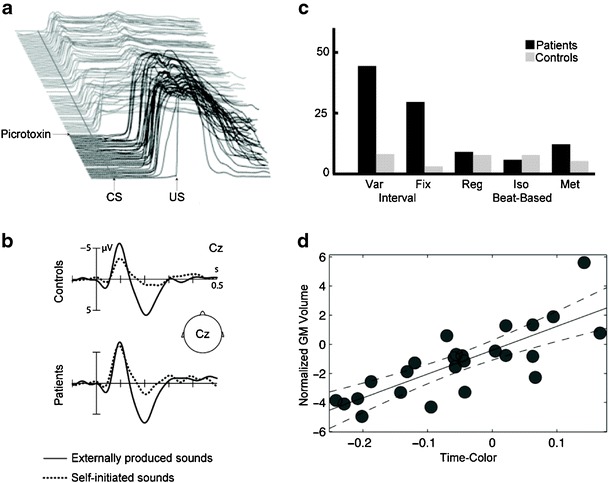
“For example, individuals with cerebellar damage show reduced attenuation to selfgenerated auditory sounds (Baumann et al., 2015).”
BackgroundElectroencephalographic Study on Sensory Integration in Visually Induced Postural Sway
Kagawa, T., Makeig, S., & Miyakoshi, M. (2020) · Journal of Cognitive Neuroscience · doi:10.1162/jocn_a_01659 · Cited by 3
“…Honeine, Sozzi, & Schieppati, 2017; Ouchi, Okada, Yoshikawa, Nobezawa, & Futatsubashi, 1999), which receives visual input from visual cortices and has projections to not only spinal descending pathways but also various cortical regions including motor-related areas (Baumann et al., 2015).”
BackgroundRoberto Canitano, Y. B., Canitano, R., Bozzi, Y., & Dhossche, D. (2020) · Frontiers research topics · doi:10.3389/978-2-88963-869-7 · Cited by 5
Signals driving the adaptation of saccades that require spatial updating
Soetedjo, R. (2018) · Journal of Neurophysiology · doi:10.1152/jn.00075.2018 · Cited by 2
Roth, M. J., Lindner, A., & Thier, P. (2016) · Springer eBooks · doi:10.1007/978-3-319-24551-5_10 · Cited by 2
Vandervert, L. R. (2022) · Springer eBooks · doi:10.1007/978-3-031-06093-9_2 · Cited by 2
Moumdjian, L., Moens, B., Manto, M., Cabaraux, P., Wijmeersch, B. V., Kos, D., Leman, M., & Feys, P. (2025) · Scientific Reports · doi:10.1038/s41598-025-12316-9 · Cited by 4
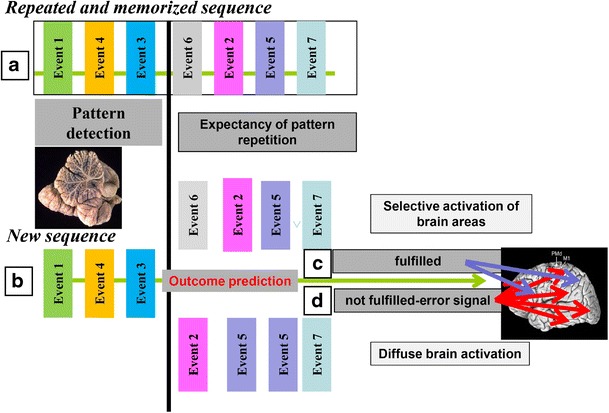
“…clinical evidence demonstrating the involvement of cerebro-cerebellar networks in predictive processing 8,9 to explain functions such as perception 10, sequential and temporal processing 11,12, temporal pattern generation 13,14, higher-order cognitive processes 15,16, sensorimotor interaction…”
Zolanvari, S. M. J., Taheri, A., Meghdari, A. F., & Alemi, M. (2025) · International Journal of Social Robotics · doi:10.1007/s12369-025-01296-5 · Cited by 2
“It has also been shown that behavioral pathologies such as autism, schizo - phrenia, and attention deficit hyperactivity disorder are associated with cerebellar damage [21, 22, 25 ].”
Towards an Informed Choice of Diffusion MRI Image Contrasts for Cerebellar Segmentation
Legarreta, J. H., Zhou, L., Chen, Y., Zhang, F., Yeterian, E. H., Makris, N., Rushmore, J., Rathi, Y., & O’Donnell, L. J. (2025) · Human Brain Mapping · doi:10.1002/hbm.70317 · Cited by 2
“First, due to its location in the ventral-caudal part of the cranial cavity and beneath the cerebrum, the cerebellum may be only partially acquired in the field of view of MRI acquisitions in the absence of an appropriate protocol.”
Wang, L., Zang, X., Yang, H., Li, Q., Zhao, Y., Hong, H., He, H., Li, L., Shi, A., Hu, N., et al. (2025) · Brain Connectivity · doi:10.1177/21580014251392466 · Cited by 2
The mystery of a single brain region
Pavlova, M. A. (2026) · Cerebral Cortex · doi:10.1093/cercor/bhag093 · Cited by 2
Self-citationMultiscale brain development across the human lifespan
Ahmad, S., & Yap, P. (2026) · Communications Biology · doi:10.1038/s42003-026-10565-6 · Cited by 2
Sajdel-Sulkowska, E. M. (2019) · Springer eBooks · doi:10.1007/978-3-319-97911-3_54-2 · Cited by 3
Complex neurodevelopmental disorder in a preterm child with unilateral cerebellar hemorrhage
Bonaventura, E., Purpura, G., Pasquariello, R., Prato, S. D., Lieto, M., Barsotti, J., Paolicelli, P. B., Cioni, G., & Tinelli, F. (2021) · Applied Neuropsychology Child · doi:10.1080/21622965.2021.1935256 · Cited by 2
“Baumann et al. (Baumann et al., 2015) suggested that the cerebellum is involved in processing dynamic visual information, detecting moving perceptual signals in the presence of noise and predicting perceptual events.”
BackgroundInfluentialCerebellar Sequencing for Cognitive Processing
Molinari, M., & Leggio, M. G. (2021) · Springer eBooks · doi:10.1007/978-3-030-23810-0_76 · Cited by 2
Self-citationSilbaugh, A. M., Koster, K. P., & Hansel, C. (2025) · eLife · doi:10.1101/2025.04.18.649578 · Cited by 2
“Such function provides an example for a “sensory role” of the olivo-cerebellum 69,70 , in this case by controlling adaptive plasticity in a primary sensory cortex, without immediate effects on the motor domain.”
Cundari, M., Kirchhoff, L., HANSSON, A., Gorcenco, S., Vestberg, S., & Rasmussen, A. (2025) · Neurology Open Access · doi:10.1212/wn9.0000000000000054 · Cited by 2
Self-adaptive Context Aware Audio Localization for Robots Using Parallel Cerebellar Models
Baxendale, M., Pearson, M. J., Nibouche, M., Secco, E. L., & Pipe, T. (2017) · Lecture notes in computer science · doi:10.1007/978-3-319-64107-2_6 · Cited by 2
Feed-Forward Selection of Cerebellar Models for Calibration of Robot Sound Source Localization
Baxendale, M., Nibouche, M., Secco, E. L., Pipe, T., & Pearson, M. J. (2019) · Lecture notes in computer science · doi:10.1007/978-3-030-24741-6_1 · Cited by 2
Chen, Y., & Li, W. (2023) · Neuroscience Letters · doi:10.1016/j.neulet.2023.137349 · Cited by 2
Integration of Movement/Posture: A Dynamic Adaptive Process Model
Akins, D. (2016) · doi:10.15760/honors.298 · Cited by 2
“It affects adaptation by coordinating elemental movements into more complex, synergistic movements (Thach, Goodkin, & Keating, 1992) through the mapping, analysis, and prediction of motion trajectory (Baumann et al., 2015).”
Ramos, T. C. (2017) · Digital Library of Theses and Dissertations (Universidade de São Paulo) · doi:10.11606/d.45.2017.tde-19052017-074720 · Cited by 5
Schwartze, M., & Kotz, S. A. (2021) · bioRxiv (Cold Spring Harbor Laboratory) · doi:10.1101/2021.02.06.430035 · Cited by 2
Effort Drives Saccade SelectionPreprint
Koevoet, D., Zantwijk, L. V., Naber, M., Mathôt, S., der Stigchel, S. V., & Strauch, C. (2025) · eLife · doi:10.7554/elife.97760.2 · Cited by 4
Silbaugh, A. M., Koster, K. P., & Hansel, C. (2025) · eLife · doi:10.7554/elife.109183 · Cited by 3
“Such a function provides an example for a ‘sensory role’ of the olivo-cerebellum ( Bower, 1997 ; Baumann et al., 2015 ), in this case by controlling adaptive plasticity in a primary sensory cortex, without immediate effects on the motor domain.”
Criando dicionários de línguas de sinais: modelos iconográfico, linguístico e contemporâneo
Capovilla, F. C., Martins, A. C., & Oliveira, W. G. S. (2018) · Cadernos de Pós-Graduação em Distúrbios do Desenvolvimento · doi:10.5935/cadernosdisturbios.v18n2p152-169 · Cited by 1
Swebodziński, B., Brzezina, Ł., Cybulski, K., & Meisner, A. (2023) · Kwartalnik Naukowy Fides et Ratio · doi:10.34766/fetr.v55i3.1171 · Cited by 1
Yang, G., Haley, R. W., Guo, Y., & Gopinath, K. (2024) · Neuroimage Reports · doi:10.1016/j.ynirp.2024.100209 · Cited by 1
“Relatedly, cerebellar lobule X (floccundular lobe), which is involved in movement control and gait (Baumann et al., 2015) as well as vestibular system (Cullen, 2023) exhibited decreased FC with paracentral lobule and adjacent sensorimotor portion of cingulate gyrus, and increased FC with pre-SMA…”
InfluentialUnderstanding pathophysiology in fragile X syndrome: a comprehensive review
Juárez, J. C. C., Gómez, A. A., Díaz, A. E. S., & Arévalo, G. S. (2024) · Neurogenetics · doi:10.1007/s10048-024-00794-4 · Cited by 2
Clinical and cognitive assessment in Friedreich ataxia clinical trials: a review
Darriba, Á., Münnich, A., Cardoso-Leite, P., Funalot, B., & Waszak, F. (2025) · Frontiers in Neurology · doi:10.3389/fneur.2025.1558493 · Cited by 1
“Growing recognition of the cerebellum’s integral role in cognitive and affective functions (18, 77, 119–122) has spurred interest in the cognitive aspects of FRDA.”
Hur, K., Pizzagalli, D. A., Stover, J., Cayetano, K. R., & Kohut, S. J. (2026) · Translational Psychiatry · doi:10.1038/s41398-026-04111-5 · Cited by 1
Varbanov, V., Overton, P. G., & Stafford, T. (2025) · Frontiers in Psychology · doi:10.3389/fpsyg.2025.1632880 · Cited by 1
Mousavi, S. A. S., Javadzadeh, S., Asadi, M., Ivry, R. B., & Sanger, T. D. (2025) · Dystonia · doi:10.3389/dyst.2025.15390 · Cited by 1
“Cerebellar dysfunction is associated with de fi cits in motor timing and sensorimotor integration, leading to movement disorders characterized by temporal instability and impaired predictive control [1, 2].”
Self-citationSchmitter, C. V., & Straube, B. (2026) · Schizophrenia · doi:10.1038/s41537-025-00721-y · Cited by 2
“41 ) and has also been identi fi ed as playing a role in multisensory integration 69,89,90 .”
Predictive processes linking sense of agency and fatigue: a novel allostatic framework
Pizzolla, E., Marotta, A., Longo, M. R., & Fiorio, M. (2026) · Frontiers in Psychology · doi:10.3389/fpsyg.2026.1792850 · Cited by 2
“…and control (Bastian, 2006; Manto et al., 2012), the cerebellum also plays an important role in non-motor domains such as self-motion perception (Baumann et al., 2015), action-feedback comparative process (Blakemore et al., 1998; Tanaka et al., 2020), homeostatic regulation (Casamento-Moran et…”
A neural framework for the origin of meaning: network dynamics, context and the hippocampus
Maurer, A. P., Burke, S. N., Peterson, M. A., & Nadel, L. (2026) · Philosophical Transactions of the Royal Society B Biological Sciences · doi:10.1098/rstb.2025.0249 · Cited by 2
Polarity-dependent modulation of sensory circuits by cerebellar tDCS: local and distant effects
Sánchez-León, C. A., Cordones, I., Jiménez-Díaz, A., Chéron, G., Medina, J. F., & Márquez‐Ruiz, J. (2026) · Scientific Reports · doi:10.1038/s41598-026-60559-x · Cited by 1
“Previous research has implicated the cerebellum in sensory integration and processing of a wide range of sensory modalities, including visual, auditory, and somatosensory inputs 12 .”
Motor Circuit Abnormalities During Cerebellar Development
Lackey, E. P., & Sillitoe, R. V. (2017) · Contemporary clinical neuroscience · doi:10.1007/978-3-319-59749-2_6 · Cited by 1
A Phenomenological and Physiological Approach to Embodied Rilkean Sport-Specific Perception
Leyva, A. (2018) · Sport Ethics and Philosophy · doi:10.1080/17511321.2018.1535522 · Cited by 1
“…but rather integrates sensory input, thus playing a key role in a number of perceptual processes such as anatomical and functional connectivity, visual and auditory processing, motion perception, self-motion, timing, predictive processing, and perceptual sequencing (Baumann et al. 2015, 197).”
BackgroundSequencing the landscape of cerebellar gene expression
Shen, Y. (2019) · Journal of Molecular Cell Biology · doi:10.1093/jmcb/mjz011 · Cited by 1
States Are A-Changing, Complex Spikes Proclaim
Popa, L. S., Aronson, J. D., & Ebner, T. J. (2021) · Contemporary clinical neuroscience · doi:10.1007/978-3-030-75817-2_12 · Cited by 2
Clinical Assessment of the Cerebellum
Gill, J. S., Deger, J., & Sillitoe, R. V. (2022) · Neuromethods · doi:10.1007/978-1-0716-2026-7_16 · Cited by 1
Sajdel-Sulkowska, E. M. (2021) · Springer eBooks · doi:10.1007/978-3-030-23810-0_54 · Cited by 2
Dynamic causal modeling of neural responses to an orofacial pneumotactile velocity array
Wang, Y., Custead, R., Oh, H., & Barlow, S. M. (2022) · Neuroimage Reports · doi:10.1016/j.ynirp.2022.100081 · Cited by 1
“…Boillat et al., 2020; Bushara et al., 2001; Grodd et al., 2001; Kipping et al., 2013; Mottolese et al., 2013) and plays a critical role in motor functions (i.e., motor control, motor learning, etc.) and sensorimotor integration (Baumann et al., 2015; Buckner et al., 2011; Wolpert et al., 2011).”
Disturbance Rejection in the Cerebellum
Broucke, M. E. (2024) · SN Computer Science · doi:10.1007/s42979-023-02472-y · Cited by 1
“It has been shown experimentally that the cerebellum is involved in self-motion perception [76, 85, 87, 88].”
Shuvalova, M. S., Shidakov, Y. K.-M., Жанузаков, Д. З., & Mv, B. (2024) · Ulyanovsk Medico-biological Journal · doi:10.34014/2227-1848-2024-1-172-183 · Cited by 1
Dissociated cerebellar contributions to feedforward gait adaptation
Bunday, K. L., Ellmers, T. J., Wimalaratna, M. R., Nadarajah, L., & Bronstein, A. M. (2024) · Experimental Brain Research · doi:10.1007/s00221-024-06840-9 · Cited by 1
“Both the former (Händel et al. 2009; Baumann et al. 2015) and the latter (Bronstein et al. 2008) have been shown to be impaired in patients with cerebellar lesions.”
BackgroundAssociative memory in alcohol-related contexts: An fMRI study with young binge drinkers
Rodrigues, R. P. S., Sousa, S. S., López‐Caneda, E., Almeida‐Antunes, N., González-Villar, A. J., Sampaio, A., & Crego, A. (2024) · Journal of Psychopharmacology · doi:10.1177/02698811241282624 · Cited by 1
“Likewise, the cerebellum, although traditionally described as being purely a motor control region, has also been described as a contributor to cognitive processing and emotional control (Baumann et al., 2015; Schmahmann and Caplan, 2006; Strata, 2015).”
BackgroundReality and Imagination Intertwined : A Sensorimotor Paradox Interpretation
DOUVILLE, C. O. (2024) · Biosystems · doi:10.1016/j.biosystems.2024.105350 · Cited by 4
Schilling, K. (2025) · The Cerebellum · doi:10.1007/s12311-025-01809-y · Cited by 1
“Traditionally seen as specific for motor control and learning, we now appreci - ate, and try to understand, the cerebellum’s role in perceptual processing, affect and social cognition, and in clinical conditions which comprise, beyond ataxias, also neuropsychiatric affections [ 3–7].”
Sharp, A. F., & Witney, A. G. (2025) · Brain Sciences · doi:10.3390/brainsci15040344 · Cited by 2
Misterka, J., Wong, A., Sabbah, L., Rising, S., Gottuso, A. Y., & Wertheimer, J. C. (2025) · Archives of Clinical Neuropsychology · doi:10.1093/arclin/acaf027 · Cited by 1
“…due to research pointing to its involvement in higher-order cognitive functions, notably perception, proprioception, visual divergent thinking, ocular motor control and scanning, and aspects of visual learning (Baumann et al., 2015; Deluca et al., 2014; Gao et al., 2020; Kheradmand & Zee, 2011).”
Il futuro nella memoria: ricordo, dimenticanza e previsione
Gatti, D., & Vecchi, T. (2021) · RICERCHE DI PSICOLOGIA · doi:10.3280/rip1-2021oa11586 · Cited by 1
“…sono state riportate evidenze circa un suo coinvolgimento anche nei domini cognitivi superiori (per una rassegna: Adamaszek et al., 2016; Baumann et al., 2015; D’Angelo & Casali, 2012; Koziol et al., 2014; Manto et al., 2012; Marien et al., 2014; e per una discussione generale:…”
BackgroundThe Origin of Inference: Ediacaran Ecology and the Evolution of Bayesian BrainsPreprint
Paulin, M. G. (2015) · arXiv (Cornell University) · doi:10.48550/arxiv.1504.02927 · Cited by 1
“They are generally found in association with sensory systems underlying perception and control of rapid movements (Baumann et al., 2014).”
BackgroundInfluentialSelf-citationInvestigating cerebellar contributions to sensory processing
Andrew, D. (2020) · UWSpace (University of Waterloo) · Cited by 1
Erroneous sensorimotor processing in functional disorders
Schröder, L. (2023) · doi:10.5282/edoc.31506 · Cited by 1
Wagner, L., Chiem, E., Liu, J., & Hernandez, L. M. (2026) · medRxiv · doi:10.64898/2026.04.17.26351076 · Cited by 1
Metadata
- Authors
- Baumann, O., Borra, R. J., Bower, J. M., Cullen, K. E., Habas, C., Ivry, R. B., Leggio, M., Mattingley, J. B., Molinari, M., Moulton, E. A., Paulin, M. G., Pavlova, M. A., Schmahmann, J. D., & Sokolov, A. A.
- Affiliations
- The University of Queensland (AU)
- Harvard University (US)
- McGill University (CA)
- Centre hospitalier national d'ophtalmologie des Quinze-Vingts (FR)
- University of California, Berkeley (US)
- Fondazione Santa Lucia (IT)
- Boston Children's Hospital (US)
- University of Otago (NZ)
- University of Tübingen (DE)
- Centre Hospitalier Universitaire Vaudois (CH)
- Corresponding author
- Baumann, Oliver
- ORCID
- Venue
- The Cerebellum
- Published
- 2014-12-06
- Volume
- 14
- Issue
- 2
- Pages
- 197-220
- ISSN
- 1473-4222 (ISSN-L)
- 1473-4230
- PMC
- PMC4346664
- OpenAlex
- W2145674835
- Cited by
- 462
- References
- 259
- Citations by year
- 2026: 30 · 2025: 41 · 2024: 44 · 2023: 42 · 2022: 41 · 2021: 58 · 2020: 53 · 2019: 48 · 2018: 42 · 2017: 24 · 2016: 25 · 2015: 12 · 2014: 1
- FWCI
- 11.52
- Type
- journal article
- Language
- en
- Open access
- hybrid
- doi.org
- Locations
- The Cerebellum (publishedVersion, cc-by)
- Europe PMC (PubMed Central) (publishedVersion, cc-by)
- PubMed Central (publishedVersion, cc-by)
- PubMed (publishedVersion)
- IRIS (submittedVersion)
- Digital Access to Scholarship at Harvard (DASH) (Harvard University) (submittedVersion, cc-by)
- IRIS Research product catalog (Sapienza University of Rome) (submittedVersion)
- SERVAL (Université de Lausanne) (submittedVersion, other-oa)
- University of Groningen research database (University of Groningen / Centre for Information Technology) (submittedVersion, other-oa)
- Funders
- Suomen Lääketieteen Säätiö
- Academy of Finland
- National Institutes of Health
- Australian Research Council (DE120100535)
- National Cancer Institute (R21CA185870)
- National Institute of Neurological Disorders and Stroke (R01NS074917, NS074917, R01NS084948, NS084948)
- Centre of Excellence for Integrative Brain Function, Australian Research Council (SR120300015, FL110100103, CE140100007)
- Topics
- Life Sciences › Neuroscience › Cognitive Neuroscience › Motor Control and Adaptation
- Life Sciences › Neuroscience › Neurology › Vestibular and auditory disorders
- Life Sciences › Neuroscience › Cognitive Neuroscience › Visual perception and processing mechanisms
- Keywords
- cerebellum, sensory perception, visual processing, auditory processing, biological motion perception, nociception, self-motion perception, timing, predictive processing, cerebellar connectivity, cerebellar disorders, autism spectrum disorder, schizophrenia, perceptual deficits
- MeSH terms
- Animals, Cerebellum, Biological Evolution, Humans, Models, Neurological, Neural Pathways, Pain, Perception
About these checks
Registry, retraction, Cites and statistics results are computed, not judged, with one exception: a printed reference that no index lists is read once by a model before it counts as a citation error. Claims are extracted by a model and kept only when their quote appears verbatim in the text; each cited source is then checked, with a model’s help, for whether it says what the claim relies on. Those verdicts can be wrong — read the claim’s quote and the cited source before relying on one.
Statistics and arithmetic are recomputed, not judged.
Confidence bands are shown only for fields calibrated on our annotated test set. None is calibrated yet, so no band is shown.
What counts as a claim ›How we measure confidence ›How we check this ›
Are you an author, or do you see a problem with this page? Request a review
Data sources
Bibliographic data: Semantic Scholar, OpenAlex, Crossref.
Contains information from the Semantic Scholar Academic Graph Datasets, made available under the ODC Attribution License (ODC-BY 1.0).
Semantic Scholar’s data is described in: Kinney, R., et al. (2023). The Semantic Scholar Open Data Platform. arXiv:2301.10140.
