

Plant terpenes: defense responses, phylogenetic analysis, regulation and clinical applications
Open accessThe DOI matches its Crossref record; 293 of the 295 references it cites were found in a registry or an index.
Abstract
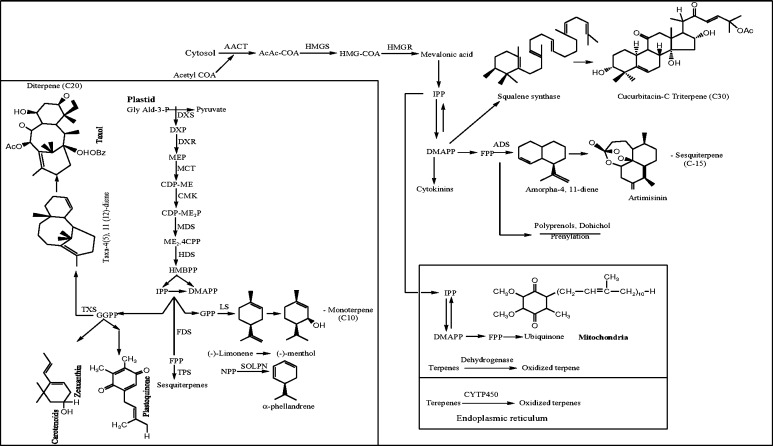
The terpenoids constitute the largest class of natural products and many interesting products are extensively applied in the industrial sector as flavors, fragrances, spices and are also used in perfumery and cosmetics. Many terpenoids have biological activities and also used for medical purposes. In higher plants, the conventional acetate-mevalonic acid pathway operates mainly in the cytosol and mitochondria and synthesizes sterols, sesquiterpenes and ubiquinones mainly. In the plastid, the non-mevalonic acid pathway takes place and synthesizes hemi-, mono-, sesqui-, and diterpenes along with carotenoids and phytol tail of chlorophyll. In this review paper, recent developments in the biosynthesis of terpenoids, indepth description of terpene synthases and their phylogenetic analysis, regulation of terpene biosynthesis as well as updates of terpenes which have entered in the clinical studies are reviewed thoroughly.
Overview
The claims and statistics of this paper haven’t been checked yet.
Free: it reads the open-access text and checks the first 5 claims that cite a source we can check. Create a free account to check every claim.
Integrity signals
Registry
Cites
Statistics
Figures
Verification
Claims the paper makes
The claims and statistics of this paper haven’t been checked yet.
Free: it reads the open-access text and checks the first 5 claims that cite a source we can check. Create a free account to check every claim.
Claims other papers make about this one
Each is checked against this paper’s own text: does it say what the citing paper says it does?
The cited source says what the claim attributes to it.
In the citing paper
“They present a wide-array of pharmacological properties, which have recently been described in several reviews (Russo, 2011; Singh and Sharma, 2015).”
From Cannabis sativa: The Plant of the Thousand and One Molecules (2016) · cites this paper as Singh and Sharma, 2015
The check wasn’t confident either way, so it gives no verdict — never disputed.
In the citing paper
“β-caryophyllene, a well-known active principle of black pepper and Copaiba balsam, possesses potent anti-inflammatory and gastric cytoprotector activities (Singh and Sharma, 2015).”
From Cannabis sativa: The Plant of the Thousand and One Molecules (2016) · cites this paper as Singh and Sharma, 2015
Experimental — accuracy not yet measuredThe check wasn’t confident either way, so it gives no verdict — never disputed.
In the citing paper
“The hydrolytic enzyme favors the release of active plant growth regulators from the conjugates stored in the plastids, thereby favoring trichome formation, as well as biomass production and leaf area (Singh et al., 2015).”
From Cannabis sativa: The Plant of the Thousand and One Molecules (2016) · cites this paper as Singh et al., 2015
Experimental — accuracy not yet measuredThe check wasn’t confident either way, so it gives no verdict — never disputed.
In the citing paper
“An additional study on A. annua has shown that the expression of a β-glucosidase from Trichoderma reesei increases glandular trichome density and artemisinin production (Singh et al., 2015).”
From Cannabis sativa: The Plant of the Thousand and One Molecules (2016) · cites this paper as Singh et al., 2015
Experimental — accuracy not yet measured
Self-check
Percentages, sums and reported differences re-computed from the paper’s own numbers.
The self-check needs the paper’s full text.
Citations
Cites
Ancestral polyploidy in seed plants and angiosperms
Jiao, Y., Wickett, N. J., Ayyampalayam, S., Chanderbali, A. S., Landherr, L., Ralph, P. E., Tomsho, L. P., Hu, Y., Liang, H., Soltis, P. S., et al. (2011) · Nature · doi:10.1038/nature09916 · Cited by 2,226 · cited 2×
“The D3 duplication event is highly likely to have been a tendem duplication that occurred during the ancient Poaceae genome before the q whole genome duplication, which was estimated to have occurred between 117 and 50 mya (Gaut 2002; Yu et al. 2005; Lescot et al. 2008; Jaio et al. 2011).”
BackgroundBIOSYNTHESIS AND ACTION OF JASMONATES IN PLANTS
Creelman, R. A., & Mullet, J. E. (1997) · Annual Review of Plant Physiology and Plant Molecular Biology · doi:10.1146/annurev.arplant.48.1.355 · Cited by 1,779 · cited 2×
“Methyl jasmonate is a cyclopentanone ring bearing lipophilic hormone synthesized in plants from octadecanoid pathway and they play role in development of responses to biotic stress (Creelman and Mullet 1997).”
BackgroundEngineering a mevalonate pathway in Escherichia coli for production of terpenoids
Martin, V. J. J., Pitera, D. J., Withers, S. T., Newman, J. D., & Keasling, J. D. (2003) · Nature Biotechnology · doi:10.1038/nbt833 · Cited by 1,725 · cited 1×
“On the basis of C5 units, we can classify the terpenoids as C5 (hemiterpenes), C10 (monoterpenes), C15 (sesquiterpenes), C20 (diterpenes), C25 (sesterpenes), C30 (triterpenes), C40 (tetraterpenes), [C40 (polyterpenes) (Ashour et al. 2010; Martin et al. 2003).”
Biological activities and distribution of plant saponins
Sparg, S. G., Light, M. E., & van Staden, J. (2004) · Journal of Ethnopharmacology · doi:10.1016/j.jep.2004.05.016 · Cited by 1,446 · cited 2×
“The class of triterpenes includes sterols and triterpe- noids, which can be synthesized as saponins and sapoge- nins sufficient amount in plants (Sparge et al. 2004).”
BackgroundChen, F., Tholl, D., Bohlmann, J., & Pichersky, E. (2011) · The Plant Journal · doi:10.1111/j.1365-313x.2011.04520.x · Cited by 1,446 · cited 5×
“In general, monoterpene synthases are localized on plastids, whereas sesquiterpene synthases are found in the cytosol (Chen et al. 2011; Aharoni et al. 2003).”
BackgroundInfluentialPlant Volatiles: Recent Advances and Future Perspectives
Dudareva, N., Negre, F., Nagegowda, D. A., & Orlova, I. (2006) · Critical Reviews in Plant Sciences · doi:10.1080/07352680600899973 · Cited by 1,395 · cited 4×
“Production of many trichome metabolites is also regulated tightly by transcriptional control, thereby allowing for tem- porally regulated emission of plant volatiles (Dudareva et al. 2006; Glas et al. 2012).”
BackgroundInfluentialPlant terpenoid synthases: Molecular biology and phylogenetic analysis
Bohlmann, J., Meyer-Gauen, G., & Croteau, R. (1998) · Proceedings of the National Academy of Sciences · doi:10.1073/pnas.95.8.4126 · Cited by 1,119 · cited 13×
“…of angiosperm terpene synthases (Bohlmann et al. 1998; Dudareva et al. 2003), the TPSb family contains angiosperm monoterpene synthases (Bohlmann et al. 1998; Dudareva et al. 2003), the TPSb includes angiosperm monoterpene synthases (Bohlmann et al. 1998; Dudareva et al. 2003), TPSd of…”
BackgroundInfluentialMonoterpene and sesquiterpene synthases and the origin of terpene skeletal diversity in plants
Degenhardt, J., Köllner, T. G., & Gershenzon, J. (2009) · Phytochemistry · doi:10.1016/j.phytochem.2009.07.030 · Cited by 1,093 · cited 5×
“Terpene synthases often catalyze the formation of multiple products from a prenyl diphosphate substrate, resulting from a catalytic mechanism that involves highly reactive carbocation intermediates (De- genhardt et al. 2009).”
BackgroundInfluentialThe Genomes of Oryza sativa: A History of Duplications
Yu, J., Wang, J., Lin, W., Li, S., Li, H., Zhou, J., Ni, P., Dong, W., Hu, S., Zeng, C., et al. (2005) · PLoS Biology · doi:10.1371/journal.pbio.0030038 · Cited by 983 · cited 2×
“The D3 duplication event is highly likely to have been a tendem duplication that occurred during the ancient Poaceae genome before the q whole genome duplication, which was estimated to have occurred between 117 and 50 mya (Gaut 2002; Yu et al. 2005; Lescot et al. 2008; Jaio et al. 2011).”
BackgroundORCA3, a Jasmonate-Responsive Transcriptional Regulator of Plant Primary and Secondary Metabolism
van der Fits, L., & Memelink, J. (2000) · Science · doi:10.1126/science.289.5477.295 · Cited by 917 · cited 1×
“Jasmonate was reported to be general inducer of bio- synthesis of plant secondary metabolite (Memelink et al. 2001; van der Fits and Memelink 2000).”
Background
Research works printed but not linked: 2
- Juergens UR Stober M Vetter H Steroid like inhibition of monocyte arachidonic acid metabolism and IL-1β production by 1,8-cineole Atemwegs Lungenkrankneitan 1998 24 3 11 9810029
- Pegel KH The importance of sitosterol and sitosterolin in human and animal nutrition S Afr J Sci 1997 93 263 268
Cited by
Items 201–300 of 658
Lv, F., Yang, Y., Sun, P., Zhang, Y., Liu, P., Fan, X., Xu, Y., & Wei, J. (2022) · BMC Plant Biology · doi:10.1186/s12870-022-03821-4 · Cited by 21
dos Santos, S. M., Cardoso, C. A. L., de Oliveira, P. C., da Silva, M. E., Pereira, Z. V., Mussury, R. M., & Formagio, A. S. N. (2023) · South African Journal of Botany · doi:10.1016/j.sajb.2022.12.013 · Cited by 21
Antifungal activity of terpenes isolated from the Brazilian Caatinga: a review
Barros, D. B., Nascimento, N. S., de Sousa, A. P., de Barros, A. V., Borges, Y. W. B., Silva, W. M. D. N., Motta, A. B. S., Pinto, J. E. L., Sampaio, M. G. V., Barbosa, M. F. D. S., et al. (2023) · Brazilian Journal of Biology · doi:10.1590/1519-6984.270966 · Cited by 21
Transcriptomic analysis of Chinese wild Vitis pseudoreticulata in response to Plasmopara viticola
Liu, R., Weng, K., Dou, M., Chen, T., Yin, X., Li, Z., Li, T., Zhang, C., Xiang, G., Liu, G., et al. (2019) · PROTOPLASMA · doi:10.1007/s00709-019-01387-x · Cited by 21
Mingaleva, T., Goryachev, A. A., Mingaleva, E., & Игоревич, М. А. (2020) · Transaction Kola Science Centre · doi:10.37614/2307-5252.2020.2.8.019 · Cited by 20
Ross, B. T., Zidack, N. K., McDonald, R., & Flenniken, M. L. (2022) · Viruses · doi:10.3390/v14030523 · Cited by 20
“Terpenes are volatile organic compounds produced and released by plants to combat herbivory and infection [66,67].”
BackgroundHua, Y., Chen, S., Tong, T., Li, X., Ji, R., Xu, Q., Zhang, Y., & Dai, X. (2024) · Advanced Science · doi:10.1002/advs.202404210 · Cited by 20
Thermodynamic Study of Molecular Interactions in Eutectic Mixtures Containing Camphene
Okuniewski, M., Paduszyński, K., & Domańska, U. (2016) · The Journal of Physical Chemistry B · doi:10.1021/acs.jpcb.6b10034 · Cited by 20
Teh, S. L., Rostandy, B., Awale, M., Luby, J. J., Fennell, A. Y., & Hegeman, A. D. (2019) · Horticulture Research · doi:10.1038/s41438-019-0203-x · Cited by 20
Becker, R., Dashbaldan, S., Pączkowski, C., Golis, T., & Szakiel, A. (2019) · Phytochemistry Letters · doi:10.1016/j.phytol.2019.01.009 · Cited by 19
Evaluating Cannabis sativa L.’s neuroprotection potential: From bench to bedside
Laws, J. S., & Smid, S. D. (2022) · Phytomedicine · doi:10.1016/j.phymed.2022.154485 · Cited by 19
Khamees, A. H., & Kadhim, E. J. (2021) · Plant Science Today · doi:10.14719/pst.1398 · Cited by 18
Jameel, S., & Bhat, K. A. (2024) · Pharmaceutical Chemistry Journal · doi:10.1007/s11094-024-03050-z · Cited by 18
Ramadani, M. R. N., & Jadid, N. (2024) · Arabian Journal of Chemistry · doi:10.1016/j.arabjc.2024.106018 · Cited by 18
Halogenated Metabolites from the Diet of Aplysia dactylomela Rang
Palaniveloo, K., Rizman‐Idid, M., Nagappan, T., & Razak, S. A. (2020) · Molecules · doi:10.3390/molecules25040815 · Cited by 18
“A four isoprene unit metabolite is classified as diterpene (C20H32), followed by sesterterpene (C25H40) and triterpene (30 carbons) [23,24].”
BackgroundAnti-Leishmania amazonensis activity of the terpenoid fraction from Eugenia pruniformis leaves
de Albuquerque, R. D. D. G., Oliveira, A. P., FERREIRA, C., Passos, C. L. A., Fialho, E., Soares, D. C., Amaral, V. F., Bezerra, G. S., Esteves, R., Santos, M. G., et al. (2020) · Anais da Academia Brasileira de Ciências · doi:10.1590/0001-3765202020201181 · Cited by 18
Tao, F., Wan, Z., & Wang, T. (2021) · Food Hydrocolloids · doi:10.1016/j.foodhyd.2021.106656 · Cited by 18
Wang, J., Wang, H., Fu, Y., Huang, T., Liu, Y., & Wang, X. (2021) · Industrial Crops and Products · doi:10.1016/j.indcrop.2021.113501 · Cited by 18
Genome-wide detection and classification of terpene synthase genes in Aquilaria agallochum
Das, A., Begum, K., Akhtar, S., Ahmed, R., Kulkarni, R. S., & Banu, S. (2021) · Physiology and Molecular Biology of Plants · doi:10.1007/s12298-021-01040-z · Cited by 18
Coffee Leaves: An Upcoming Novel Food?
Stévigny, C., Antwerpen, P. V., Montis, A., Souard, F., Delporte, C., & Stoffelen, P. (2021) · Planta Medica · doi:10.1055/a-1533-0021 · Cited by 18
Jang, Y., Park, J., Kim, E., & Kim, K. (2022) · Biology · doi:10.3390/biology11071000 · Cited by 18
“LOC_Os11g35710 is a terpene synthase family protein and can be involved in the synthesis of the phytol tail of chlorophyll [84].”
BackgroundRamos-Sotelo, H., & Figueroa-Pérez, M. G. (2023) · Italian Journal of Food Science · doi:10.15586/ijfs.v35i1.2332 · Cited by 18
Arslan, M. E., Türkez, H., Sevim, Y., Selvitopi, H., Kadı, A., Öner, S., & Mardinoğlu, A. (2023) · Cells · doi:10.3390/cells12070992 · Cited by 18
Profiling Volatile Terpenoids from Calabrian Pine Stands Infested by the Pine Processionary Moth
Aurora, F. V., Araniti, F., Manti, F., Alicandri, E., Giuffrè, A. M., Bonsignore, C. P., Castiglione, E., Sorgonà, A., Covino, S., Paolacci, A. R., et al. (2020) · Plants · doi:10.3390/plants9101362 · Cited by 18
Zhang, H., Wu, J., Guo, J., & Hu, J. (2023) · Journal of macromolecular science. Part C, Reviews in macromolecular chemistry and physics/Journal of macromolecular science. Reviews in macromolecular chemistry and physics · doi:10.1080/15583724.2023.2209165 · Cited by 17
Mehari, T. G., Fang, H., Feng, W., Zhang, Y., Umer, M. J., Han, J., Ditta, A., Khan, M. K. R., Liu, F., Wang, K., et al. (2023) · Functional & Integrative Genomics · doi:10.1007/s10142-023-01125-w · Cited by 17
Taylor Robinson, A. W. (2016) · Journal of Applied Biotechnology & Bioengineering · doi:10.15406/jabb.2016.01.00013 · Cited by 17
Medicinal and Pharmaceutical Applications of Seaweeds
El-Sheekh, M. M., Fathy, A. A., Saber, H., & Saber, A. A. (2022) · Egyptian Journal of Botany · doi:10.21608/ejbo.2022.145631.2022 · Cited by 17
Insight to biotechnological utility of phycochemicals from cyanobacterium Anabaena sp.: An overview
Mandhata, C. P., Bishoyi, A. K., Sahoo, C. R., Maharana, S., & Padhy, R. N. (2023) · Fitoterapia · doi:10.1016/j.fitote.2023.105594 · Cited by 17
Synthesis of nitrogen-containing monoterpenoids with antibacterial activity
Kozioł, A., Grela, E., Macegoniuk, K., Grabowiecka, A., & Lochyński, S. (2019) · Natural Product Research · doi:10.1080/14786419.2018.1548456 · Cited by 17
Transcriptome Landscape Variation in the Genus Thymus
Soorni, A., Borna, T., Alemardan, A., Chakrabarti, M., Hunt, A. G., & Bombarely, A. (2019) · Genes · doi:10.3390/genes10080620 · Cited by 17
“Based on sequence homology, TPSs are classified into seven families, from TPSa to TPSg [66,82].”
BackgroundInfluentialPhytochemical-Mediated Glioma Targeted Treatment: Drug Resistance and Novel Delivery Systems
Cao, H., Li, X., Wang, F., Zhang, Y., Xiong, Y., & Yang, Q. (2019) · Current Medicinal Chemistry · doi:10.2174/0929867326666190809221332 · Cited by 19
Secondary Metabolite Engineering for Plant Immunity Against Various Pathogens
Singh, D., Pandey, H., Dhiman, V. K., Bang, N. T. H., Dhiman, V. K., Singh, V. K., & Pandey, D. (2022) · Springer eBooks · doi:10.1007/978-981-16-7262-0_5 · Cited by 16
Chen, S., Li, X., Liu, Y., Chen, J., Ma, J., & Chen, L. (2023) · Frontiers in Plant Science · doi:10.3389/fpls.2023.1130582 · Cited by 16
“Apart from being a major contributor to the floral odors of plant products, terpenoids have been shown to have a variety of biological activities (Singh and Sharma, 2014).”
BackgroundPalermo, T. B., Cappellari, L. D. R., Palermo, J. S., Giordano, W. F., & Banchio, E. (2024) · Plants · doi:10.3390/plants13070932 · Cited by 16
“This increase is controlled by a complex signaling cascade in which the hormone jasmonate plays an important role [28].”
BackgroundPaul, S., Groß, D., Bechtel, A., & Dutta, S. (2019) · International Journal of Coal Geology · doi:10.1016/j.coal.2019.103326 · Cited by 16
Ji, X., Lin, S., Chen, Y., Liu, J., Yun, X., Wang, T., Qin, J., Luo, C., Wang, K., Zhao, Z., et al. (2020) · Frontiers in Plant Science · doi:10.3389/fpls.2020.00612 · Cited by 16
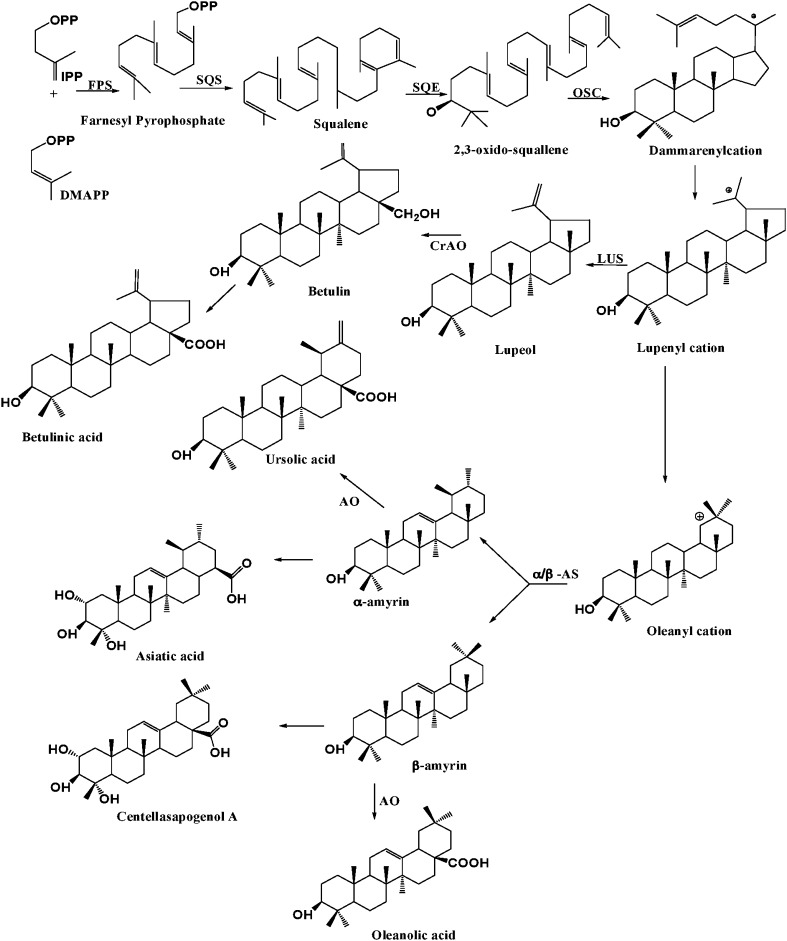
“Triterpenoids and triterpenoid glycosides constitute a major class of plant secondary metabolites, which are thought to be involved in defense against pathogens and pests (Singh and Sharma, 2015).”
BackgroundSeasonal variation in essential oil content and chemical profile of mint in southeast of Brazil
Alvarenga, J. P., Braga, A. F., Pacheco, F. V., de Carvalho, A. A., Pinto, J. E. B. P., & Bertolucci, S. K. V. (2021) · Ciência Rural · doi:10.1590/0103-8478cr20200979 · Cited by 16
López, W. R., García-Jaramillo, D. J., Ceballos-Aguirre, N., Castaño-Zapata, J., Acuña-Zornosa, R., & Jovel, J. (2021) · BMC Plant Biology · doi:10.1186/s12870-021-03187-z · Cited by 16
Hanson, S. J., Dawson, J. C., & Goldman, I. L. (2021) · G3 Genes Genomes Genetics · doi:10.1093/g3journal/jkab344 · Cited by 16
Reim, S., Winkelmann, T., Cestaro, A., Rohr, A.-D., & Flachowsky, H. (2022) · Frontiers in Microbiology · doi:10.3389/fmicb.2022.888908 · Cited by 16
Essential Oils and Melatonin as Functional Ingredients in Dogs
Ruiz‐Cano, D., Sánchez-Carrasco, G., Mihyaoui, A. E., & Arnao, M. B. (2022) · Animals · doi:10.3390/ani12162089 · Cited by 16
Zia, M., Ali, J. S., Hanif, S., Sajjad, A., & Abbasi, B. H. (2022) · Plant Cell Tissue and Organ Culture (PCTOC) · doi:10.1007/s11240-022-02405-2 · Cited by 16
“One such mechanism is the production of secondary metabolites, exploited by humans for their beneficial roles in daily life and for plants acting as major defense unit (Singh and Sharma 2015).”
BackgroundGonçalves, C. F., Lima, S., Tamagnini, P., & Oliveira, P. (2018) · Elsevier eBooks · doi:10.1016/b978-0-12-814667-5.00018-0 · Cited by 16
Contents of chemical elements in hair of preschool and school children of Murmansk Region
Tereshchenko, P. S. (2020) · Transaction Kola Science Centre · doi:10.37614/2307-5252.2020.2.8.010 · Cited by 16
Biofungicides: An Eco-Friendly Approach for Plant Disease Management
Gomes, A. C. D. S., da Silva, R. R., Moreira, S. I., Vicentini, S. N. C., & Ceresini, P. C. (2021) · Elsevier eBooks · doi:10.1016/b978-0-12-819990-9.00036-6 · Cited by 15
Ibarra, A. A. G., Wróbel, K., Barrientos, E. Y., Escobosa, A. R. C., Gutiérrez-Corona, J. F., Donis, I. E., & Wróbel, K. (2017) · Journal of Analytical Methods in Chemistry · doi:10.1155/2017/3568621 · Cited by 15
“On the other hand, as a prooxidative agent, Cr(VI) promotes generation of reactive oxygen species [9] triggering signaling cascade which involves jasmonate hormone, implicated in regulation of various secondary metabolites, including terpenes [49, 50].”
BackgroundHuff, M. L., Hulse‐Kemp, A. M., Scheffler, B. E., Youngblood, R. C., Simpson, S., Babiker, E. M., & Staton, M. E. (2023) · BMC Genomics · doi:10.1186/s12864-023-09514-y · Cited by 15
Understanding the role of active site residues in CotB2 catalysis using a cluster model
Raz, K., Driller, R., Brück, T., Loll, B., & Major, D. T. (2020) · Beilstein Journal of Organic Chemistry · doi:10.3762/bjoc.16.7 · Cited by 15
Impact of green and white roofs on air handler filters and indoor ventilation air
Ramasubramanian, P., Luhung, I., Lim, S. B. Y., Schuster, S. C., Starry, O., & Gall, E. T. (2021) · Building and Environment · doi:10.1016/j.buildenv.2021.107860 · Cited by 15
Dababat, A. A., Ulaş, F., Yüksel, E., Aasım, M., Sameeullah, M., & İmren, M. (2025) · Sustainability · doi:10.3390/su172210189 · Cited by 14
Research progress in terms of the biosynthesis and regulation of terpenoids from medicinal plants
Kai, G., Zhou, W. J., Wang, Y., Hua, Q., & Min, S. H. I. (2018) · Scientia Sinica Vitae · doi:10.1360/n052017-00194 · Cited by 14
Feng, K., Kan, X.-Y., Li, R., Yan, Y.-J., Zhao, S., Wu, P., & Li, L. (2022) · Frontiers in Genetics · doi:10.3389/fgene.2022.813216 · Cited by 14
Nematicidal Effects of Four Terpenes Differ among Entomopathogenic Nematode Species
Kotsinis, V., Dritsoulas, A., Ntinokas, D., & Giannakou, I. O. (2023) · Agriculture · doi:10.3390/agriculture13061143 · Cited by 14
Guan, S., Wang, R., Ruan, M., Liu, C., Yao, Z., Wan, H., Li, Z., Zhou, G., Diao, M., & Cheng, Y. (2025) · Microchemical Journal · doi:10.1016/j.microc.2025.113539 · Cited by 13
Interaction of limonene, terpineol, and 1,8 cineol with a model of biomembrane: A DSC study
Sarpietro, M. G., Torrisi, C., Sotto, A. D., & Castelli, F. (2021) · Thermochimica Acta · doi:10.1016/j.tca.2021.178938 · Cited by 13
Razura-Carmona, F. F., Herrera-Martínez, M., Zamora-Gasga, V. M., Sáyago‐Ayerdi, S. G., Larios, A. P., & Sánchez-Burgos, J. A. (2022) · Anti-Cancer Agents in Medicinal Chemistry · doi:10.2174/1871520622666220617101515 · Cited by 13
Camas-Reyes, A., Vuelvas-Nolasco, R., Cabrera‐Ponce, J. L., Pereyra-Alférez, B., Molina‐Torres, J., & Martínez‐Antonio, A. (2022) · International Journal of Plant Biology · doi:10.3390/ijpb13030025 · Cited by 14
“Other studies also have reported that limonene prevents the progression of mammary and liver cancers [7].”
Resultde Melo, J. P. R., da Câmara, C. A. G., & de Moraes, M. M. (2023) · Phytoparasitica · doi:10.1007/s12600-022-01043-w · Cited by 13
Ghoneim, K., & Hamadah, K. (2024) · Egyptian Academic Journal of Biological Sciences · doi:10.21608/eajbsa.2024.365899 · Cited by 14
Kakuszi, A., Solymosi, K., & Böddi, B. (2016) · Physiologia Plantarum · doi:10.1111/ppl.12519 · Cited by 13
Soil management type differentially modulates the metabolomic profile of olive xylem sap
Sofo, A., Fausto, C., Mininni, A. N., Dichio, B., & Lucini, L. (2019) · Plant Physiology and Biochemistry · doi:10.1016/j.plaphy.2019.04.036 · Cited by 13
Hairy Root Culture: Secondary Metabolite Production in a Biotechnological Perspective
Supriya, R., Kala, R. G., & Thulaseedharan, A. (2020) · Springer eBooks · doi:10.1007/978-981-15-5136-9_5 · Cited by 13
Hwang, H.-S., Han, J.-Y., & Choi, Y.-E. (2021) · Forests · doi:10.3390/f12050514 · Cited by 13
PHYTOCHEMICAL SCREENING AND PROXIMATE ANALYSIS OF THE LEAVES OF Launaea (Lactuca) taraxacifolia.
Anyanwu, B. C., Akoh, O. U., & Otuokere, I. E. (2022) · Journal of Chemical Society of Nigeria · doi:10.46602/jcsn.v47i2.737 · Cited by 12
Miano, R. N., Mohamed, S. A., Cheseto, X., Ndlela, S., Biasazin, T. D., Yusuf, A. A., Rohwer, E. R., & Dekker, T. (2022) · Frontiers in Ecology and Evolution · doi:10.3389/fevo.2022.1021795 · Cited by 12
“Monoterpenes are associated with the defense mechanisms of plants against herbivorous attack (Singh and Sharma, 2015; Olayemi, 2017), hence their decrease may explain the higher attraction of B.”
BackgroundSingh, P., Dhankhar, J., Kapoor, R. K., & Sharma, A. (2023) · Journal of Applied and Natural Science · doi:10.31018/jans.v15i2.4618 · Cited by 13
Cell Mutagenic Autopolyploidy Enhances Salinity Stress Tolerance in Leguminous Crops
Mangena, P. (2023) · Cells · doi:10.3390/cells12162082 · Cited by 12
“The production of limonene monoterpenes is completed by methyl group deprotonation in the α-terpinyl cation, and this occurs in a wide variety of species, including Conifers, Lamiales, and Pinales, of which some are tetraploids [44,45].”
BackgroundAttar, U. A., Ghane, S. G., Chavan, N. S., & Shiragave, P. D. (2022) · South African Journal of Botany · doi:10.1016/j.sajb.2022.03.019 · Cited by 12
There is Chemistry Here: Part IV. Terpenes in perfumery
Forezi, L. D. S. M., Ferreira, P. G., Hüther, C. M., da Silva, F. D. C., & Ferreira, V. F. (2022) · Revista Virtual de Química · doi:10.21577/1984-6835.20220055 · Cited by 12
Elsheikh, S., & Eltanahy, E. (2023) · Elsevier eBooks · doi:10.1016/b978-0-323-95251-4.00002-8 · Cited by 11
Shevchenko, A., Аkhelova, A. L., Nokerbek, S., Kaldybayeva, A. K., Sagyndykova, L., Тлеубергеновна, Р. К., Dossymbekova, R., Meldebekova, A., Amirkhanova, A., Ikhsanov, Y. S., et al. (2025) · Molecules · doi:10.3390/molecules30112460 · Cited by 13
“…wound-healing and anti-infective agent [49] Turkey above-ground part abdominal pain and flatulence [50] China root treating hypertension [51] Kazakhstan above-ground part treating urethritis, bronchitis, and psoriasis [52] The seminal text Shipagerlik Bayan (“Confessions of a Healer”),…”
Medicinal Cannabis: an overview for health-care providers
Wallach, J. V. (2020) · Elsevier eBooks · doi:10.1016/b978-0-12-820007-0.00005-2 · Cited by 12
Menicucci, F., Michelozzi, M., Raio, A., Tredici, M. R., Cencetti, G., Clemente, I., & Ristori, S. (2021) · Biocatalysis and Agricultural Biotechnology · doi:10.1016/j.bcab.2021.101962 · Cited by 11
Graindorge, S., Villette, C., Koechler, S., Groh, C., Comtet-Marre, S., Mercier, P., Magerand, R., Peyret, P., Heintz, D., Schaller, H., et al. (2022) · International Journal of Molecular Sciences · doi:10.3390/ijms232112952 · Cited by 11
“It is worth noting that phenylpropanoids as well as carotenoids and xanthophylls are components of the plant’s antioxidant defenses, by protecting against free radicals and oxidative stress [37,57,58].”
BackgroundRiahi, H., Shariatmadari, Z., Heidari, F., Nohooji, M. G., & Zarezadeh, S. (2023) · South African Journal of Botany · doi:10.1016/j.sajb.2023.09.039 · Cited by 11
Ketones in the Life Sciences – Biochemistry, Metabolism, and Medicinal Significances
Kuykendall, N. S., & Kuykendall, J. R. (2024) · Biochemistry · doi:10.5772/intechopen.114276 · Cited by 11
Effect of Abiotic Stress on Terpene Biosynthesis in Plants
Sinha, D., Abid, R., Chakraborty, W., Rashid, M., Gupta, L. K., Khan, B., Datta, P. N., Noor, S., Pomila, Ghazanfar, S., et al. (2024) · Wiley eBooks · doi:10.1002/9781394186457.ch16 · Cited by 12
Stark, S., & Martz, F. (2018) · Frontiers in Plant Science · doi:10.3389/fpls.2018.01910 · Cited by 11
“Condensed tannins and flavonoids, among many other phenolic compounds are derived from phenylalanine via the phenylpropanoid pathway (Vogt, 2011) and terpenoids are synthesized via acetyl-CoA, pyruvate and glyceraldehyde3-phosphate in parallel cytosolic of plastid metabolic pathways (Singh and Sharma, 2015).”
BackgroundNair, M. M., Krishna, T. S., & Manickavelu, A. (2019) · Plant Gene · doi:10.1016/j.plgene.2019.100219 · Cited by 11
Andrzejczak, O., Sørensen, C. K., Wang, W.-Q., Kovalchuk, S. I., Hagensen, C. E., Jensen, O. N., Carciofi, M., Hovmøller, M. S., Rogowska-Wrzesińska, A., Møller, I. M., et al. (2020) · Scientific Reports · doi:10.1038/s41598-020-65907-z · Cited by 11
Ray, P., Guo, Y., Chi, M., Krom, N., Boschiero, C., Watson, B. S., Huhman, D. V., Zhao, P. X., Singan, V. R., Lindquist, E., et al. (2021) · Molecular Plant-Microbe Interactions · doi:10.1094/mpmi-04-21-0084-r · Cited by 11
Papadaki, E., & Tsimidou, M. Z. (2022) · Food Chemistry · doi:10.1016/j.foodchem.2022.132286 · Cited by 11
Scanavacca, J., Faria, M. G. I., Silva, G. C. C., Inumaro, R. S., Gonçalves, J. E., Kupski, L., & Gazim, Z. C. (2022) · Food Additives & Contaminants Part A · doi:10.1080/19440049.2022.2080870 · Cited by 11
Zhang, Z., Liu, H., Li, H., Yang, X., Fu, Y., Kang, Q., Wang, C., Yuan, M., Chen, Y., & Yuan, S. (2022) · Foods · doi:10.3390/foods11152218 · Cited by 11
“NPP is catalyzed by lemon synthase to synthesize monocyclic monoterpene limonene [68].”
BackgroundInfluentialA Metabolome Analysis and the Immunity of Phlomis purpurea against Phytophthora cinnamomi
Neves, D., Figueiredo, A., Maia, M., Laczkó, E., Pais, M. S., & Cravador, A. (2023) · Plants · doi:10.3390/plants12101929 · Cited by 11
“Terpenoids represent the largest class of chemicals among those produced by plants [33].”
BackgroundNatural Anticancer Compounds and Their Derivatives in Clinical Trials
Veerabhadrappa, B., Sudharshan, S. J., & Dyavaiah, M. (2017) · Springer eBooks · doi:10.1007/978-981-10-8216-0_3 · Cited by 11
Quijano‐Medina, T., Interian‐Aguiñaga, J., Solís‐Rodríguez, U., Mamin, M., Clancy, M. V., Ye, W., Bustos‐Segura, C., Francisco, M., Ramos‐Zapata, J., Turlings, T. C. J., et al. (2023) · Planta · doi:10.1007/s00425-023-04266-1 · Cited by 10
“Terpenoid production is strongly dependent on JA (Singh and Sharma 2014; Rosenkranz et al. 2021), whereas phenolic compounds comprise different classes associated with seemingly different pathways and, in some cases, their induction patterns could reflect co-dependency on more than one pathway…”
BackgroundJamshidi-kia, F., Saeidi, K., Lorigooini, Z., & Samani, B. H. (2024) · Heliyon · doi:10.1016/j.heliyon.2024.e40531 · Cited by 10
Monoterpene Synthase Genes and Monoterpene Profiles in Pinus nigra subsp. laricio
Alicandri, E., Covino, S., Sebastiani, B., Paolacci, A. R., Badiani, M., Sorgonà, A., & Ciaffi, M. (2022) · Plants · doi:10.3390/plants11030449 · Cited by 10
Lafuente, M. T., Romero, P., & González-Candelas, L. (2021) · Foods · doi:10.3390/foods10092196 · Cited by 10
“digitatum infection [32], many terpenoids protect plants from pathogen attack [33].”
BackgroundOktaviani, D., Sukmawati, W., Farabi, K., Harneti, D., Nurlelasari, N., Darwati, D., Maharani, R., Mayanti, T., Safari, A., & Supratman, U. (2022) · Molekul · doi:10.20884/1.jm.2022.17.1.5594 · Cited by 10
“…been found to be useful for the treatment of various types of diseases and have biological activities such as antimicrobial, antifungal, antiparasitic, antiviral, antihyperglycemic, antihypoglycemic, anti-inflammatory, immunomodulatory (Singh & Sharma, 2014), and anticancer (Awang et al., 2012).”
BackgroundThe Role of ABA in the Interaction between Citrus Fruit and Penicillium digitatum
Lafuente, M. T., & González-Candelas, L. (2022) · International Journal of Molecular Sciences · doi:10.3390/ijms232415796 · Cited by 10
“digitatum infection [32], many terpenoids protect plants from pathogen attacks [33], and ABA can make terpenoid levels rise in plants [34].”
BackgroundBHATTACHARYA, S., Khan, M. A., More, S., Paruya, D. K., Chakraborty, T., Bera, S., & Dutta, S. (2018) · Palaios · doi:10.2110/palo.2017.085 · Cited by 10
“…these are largely, but not exclusively, produced by the MEP pathway from geranyl pyrophosphate catalyzed by monoterpene synthases operating in the plastids, whereas the sesquiterpenoids are mostly produced in the cytosol by mevalonic acid pathway (Singh and Sharma 2015 and references therein).”
BackgroundRNA-Seq analysis to investigate alternate bearing mechanism inPistacia veraL.
Martinelli, F., Marchese, A., Balan, B., Giovino, A., Caruso, T., Fretto, S., & Marra, F. P. (2018) · Acta Horticulturae · doi:10.17660/actahortic.2018.1229.12 · Cited by 10
Kaur, P., Pandey, D. K., Dey, A., Dwivedi, P., Malik, T., & Gupta, R. C. (2020) · Springer eBooks · doi:10.1007/978-981-15-1394-7_4 · Cited by 10
Dhandapani, S., Kim, M. J., Chin, H. J., Leong, S. H., & Jang, I. (2020) · International Journal of Molecular Sciences · doi:10.3390/ijms21228566 · Cited by 10
“In general, plant TPSs are induced by environmental stresses [21].”
BackgroundEbrahimi, M., & Mokhtari, A. (2017) · Springer eBooks · doi:10.1007/978-3-319-65079-1_7 · Cited by 11
Li, Y., He, P., Ahmed, A., Liu, Y., Ahmed, W., Wu, Y., He, Y., He, P., & Munir, S. (2023) · Research Square · doi:10.21203/rs.3.rs-2863977/v1 · Cited by 10
Wang, K., Ren, W., Liang, H., Wang, Q., Ghimire, R. P., Haapanen, M., Kivimäenpää, M., Wu, P., Ma, X., & Asiegbu, F. O. (2024) · Plant Cell & Environment · doi:10.1111/pce.15280 · Cited by 9
Metadata
- Authors
- Singh, B., & Sharma, R. A.
- Affiliations
- Amity University Jaipur (IN)
- University of Rajasthan (IN)
- Corresponding author
- Singh, Bharat
- Venue
- 3 Biotech
- Published
- 2014-04-29
- Volume
- 5
- Issue
- 2
- Pages
- 129-151
- ISSN
- 2190-572X (ISSN-L)
- 2190-5738
- PMC
- PMC4362742
- OpenAlex
- W2048175162
- Semantic Scholar
- 534ff96aa8cad327bf98a004d29dfba7de25c0c8
- Cited by
- 562
- References
- 295
- Citations by year
- 2026: 17 · 2025: 55 · 2024: 50 · 2023: 84 · 2022: 68 · 2021: 77 · 2020: 75 · 2019: 53 · 2018: 42 · 2017: 23 · 2016: 15 · 2015: 2 · 2014: 1
- FWCI
- 5.61
- Type
- journal article
- Language
- en
- Open access
- hybrid
- doi.org
- Locations
- 3 Biotech (publishedVersion, cc-by)
- Europe PMC (PubMed Central) (publishedVersion, cc-by)
- PubMed Central (publishedVersion, cc-by)
- PubMed (publishedVersion)
- Funders
- Amity University
- Topics
- Life Sciences › Biochemistry, Genetics and Molecular Biology › Molecular Biology › Plant biochemistry and biosynthesis
- Life Sciences › Agricultural and Biological Sciences › Plant Science › Plant tissue culture and regeneration
- Physical Sciences › Chemistry › Organic Chemistry › Sesquiterpenes and Asteraceae Studies
- Keywords
- terpenoid biosynthesis, terpene synthase, phylogenetic analysis, methylerythritol phosphate pathway, sesquiterpenes, diterpenoids, carotenoids, plant defense response, biosynthetic regulation, natural products
About these checks
Registry, retraction, Cites and statistics results are computed, not judged, with one exception: a printed reference that no index lists is read once by a model before it counts as a citation error. Claims are extracted by a model and kept only when their quote appears verbatim in the text; each cited source is then checked, with a model’s help, for whether it says what the claim relies on. Those verdicts can be wrong — read the claim’s quote and the cited source before relying on one.
Statistics and arithmetic are recomputed, not judged.
Confidence bands are shown only for fields calibrated on our annotated test set. None is calibrated yet, so no band is shown.
What counts as a claim ›How we measure confidence ›How we check this ›
Are you an author, or do you see a problem with this page? Request a review
Data sources
Bibliographic data: Semantic Scholar, OpenAlex, Crossref.
Contains information from the Semantic Scholar Academic Graph Datasets, made available under the ODC Attribution License (ODC-BY 1.0).
Semantic Scholar’s data is described in: Kinney, R., et al. (2023). The Semantic Scholar Open Data Platform. arXiv:2301.10140.
