

Plant terpenes: defense responses, phylogenetic analysis, regulation and clinical applications
Open accessThe DOI matches its Crossref record; 293 of the 295 references it cites were found in a registry or an index.
Abstract
The terpenoids constitute the largest class of natural products and many interesting products are extensively applied in the industrial sector as flavors, fragrances, spices and are also used in perfumery and cosmetics. Many terpenoids have biological activities and also used for medical purposes. In higher plants, the conventional acetate-mevalonic acid pathway operates mainly in the cytosol and mitochondria and synthesizes sterols, sesquiterpenes and ubiquinones mainly. In the plastid, the non-mevalonic acid pathway takes place and synthesizes hemi-, mono-, sesqui-, and diterpenes along with carotenoids and phytol tail of chlorophyll. In this review paper, recent developments in the biosynthesis of terpenoids, indepth description of terpene synthases and their phylogenetic analysis, regulation of terpene biosynthesis as well as updates of terpenes which have entered in the clinical studies are reviewed thoroughly.
Overview
The claims and statistics of this paper haven’t been checked yet.
Free: it reads the open-access text and checks the first 5 claims that cite a source we can check. Create a free account to check every claim.
Integrity signals
Registry
Cites
Statistics
Figures
Verification
Claims the paper makes
The claims and statistics of this paper haven’t been checked yet.
Free: it reads the open-access text and checks the first 5 claims that cite a source we can check. Create a free account to check every claim.
Claims other papers make about this one
Each is checked against this paper’s own text: does it say what the citing paper says it does?
The cited source says what the claim attributes to it.
In the citing paper
“They present a wide-array of pharmacological properties, which have recently been described in several reviews (Russo, 2011; Singh and Sharma, 2015).”
From Cannabis sativa: The Plant of the Thousand and One Molecules (2016) · cites this paper as Singh and Sharma, 2015
The check wasn’t confident either way, so it gives no verdict — never disputed.
In the citing paper
“β-caryophyllene, a well-known active principle of black pepper and Copaiba balsam, possesses potent anti-inflammatory and gastric cytoprotector activities (Singh and Sharma, 2015).”
From Cannabis sativa: The Plant of the Thousand and One Molecules (2016) · cites this paper as Singh and Sharma, 2015
Experimental — accuracy not yet measuredThe check wasn’t confident either way, so it gives no verdict — never disputed.
In the citing paper
“The hydrolytic enzyme favors the release of active plant growth regulators from the conjugates stored in the plastids, thereby favoring trichome formation, as well as biomass production and leaf area (Singh et al., 2015).”
From Cannabis sativa: The Plant of the Thousand and One Molecules (2016) · cites this paper as Singh et al., 2015
Experimental — accuracy not yet measuredThe check wasn’t confident either way, so it gives no verdict — never disputed.
In the citing paper
“An additional study on A. annua has shown that the expression of a β-glucosidase from Trichoderma reesei increases glandular trichome density and artemisinin production (Singh et al., 2015).”
From Cannabis sativa: The Plant of the Thousand and One Molecules (2016) · cites this paper as Singh et al., 2015
Experimental — accuracy not yet measured
Self-check
Percentages, sums and reported differences re-computed from the paper’s own numbers.
The self-check needs the paper’s full text.
Citations
Cites
Ancestral polyploidy in seed plants and angiosperms
Jiao, Y., Wickett, N. J., Ayyampalayam, S., Chanderbali, A. S., Landherr, L., Ralph, P. E., Tomsho, L. P., Hu, Y., Liang, H., Soltis, P. S., et al. (2011) · Nature · doi:10.1038/nature09916 · Cited by 2,226 · cited 2×
“The D3 duplication event is highly likely to have been a tendem duplication that occurred during the ancient Poaceae genome before the q whole genome duplication, which was estimated to have occurred between 117 and 50 mya (Gaut 2002; Yu et al. 2005; Lescot et al. 2008; Jaio et al. 2011).”
BackgroundBIOSYNTHESIS AND ACTION OF JASMONATES IN PLANTS
Creelman, R. A., & Mullet, J. E. (1997) · Annual Review of Plant Physiology and Plant Molecular Biology · doi:10.1146/annurev.arplant.48.1.355 · Cited by 1,779 · cited 2×
“Methyl jasmonate is a cyclopentanone ring bearing lipophilic hormone synthesized in plants from octadecanoid pathway and they play role in development of responses to biotic stress (Creelman and Mullet 1997).”
BackgroundEngineering a mevalonate pathway in Escherichia coli for production of terpenoids
Martin, V. J. J., Pitera, D. J., Withers, S. T., Newman, J. D., & Keasling, J. D. (2003) · Nature Biotechnology · doi:10.1038/nbt833 · Cited by 1,725 · cited 1×
“On the basis of C5 units, we can classify the terpenoids as C5 (hemiterpenes), C10 (monoterpenes), C15 (sesquiterpenes), C20 (diterpenes), C25 (sesterpenes), C30 (triterpenes), C40 (tetraterpenes), [C40 (polyterpenes) (Ashour et al. 2010; Martin et al. 2003).”
Biological activities and distribution of plant saponins
Sparg, S. G., Light, M. E., & van Staden, J. (2004) · Journal of Ethnopharmacology · doi:10.1016/j.jep.2004.05.016 · Cited by 1,446 · cited 2×
“The class of triterpenes includes sterols and triterpe- noids, which can be synthesized as saponins and sapoge- nins sufficient amount in plants (Sparge et al. 2004).”
BackgroundChen, F., Tholl, D., Bohlmann, J., & Pichersky, E. (2011) · The Plant Journal · doi:10.1111/j.1365-313x.2011.04520.x · Cited by 1,446 · cited 5×
“In general, monoterpene synthases are localized on plastids, whereas sesquiterpene synthases are found in the cytosol (Chen et al. 2011; Aharoni et al. 2003).”
BackgroundInfluentialPlant Volatiles: Recent Advances and Future Perspectives
Dudareva, N., Negre, F., Nagegowda, D. A., & Orlova, I. (2006) · Critical Reviews in Plant Sciences · doi:10.1080/07352680600899973 · Cited by 1,395 · cited 4×
“Production of many trichome metabolites is also regulated tightly by transcriptional control, thereby allowing for tem- porally regulated emission of plant volatiles (Dudareva et al. 2006; Glas et al. 2012).”
BackgroundInfluentialPlant terpenoid synthases: Molecular biology and phylogenetic analysis
Bohlmann, J., Meyer-Gauen, G., & Croteau, R. (1998) · Proceedings of the National Academy of Sciences · doi:10.1073/pnas.95.8.4126 · Cited by 1,119 · cited 13×
“…of angiosperm terpene synthases (Bohlmann et al. 1998; Dudareva et al. 2003), the TPSb family contains angiosperm monoterpene synthases (Bohlmann et al. 1998; Dudareva et al. 2003), the TPSb includes angiosperm monoterpene synthases (Bohlmann et al. 1998; Dudareva et al. 2003), TPSd of…”
BackgroundInfluentialMonoterpene and sesquiterpene synthases and the origin of terpene skeletal diversity in plants
Degenhardt, J., Köllner, T. G., & Gershenzon, J. (2009) · Phytochemistry · doi:10.1016/j.phytochem.2009.07.030 · Cited by 1,093 · cited 5×
“Terpene synthases often catalyze the formation of multiple products from a prenyl diphosphate substrate, resulting from a catalytic mechanism that involves highly reactive carbocation intermediates (De- genhardt et al. 2009).”
BackgroundInfluentialThe Genomes of Oryza sativa: A History of Duplications
Yu, J., Wang, J., Lin, W., Li, S., Li, H., Zhou, J., Ni, P., Dong, W., Hu, S., Zeng, C., et al. (2005) · PLoS Biology · doi:10.1371/journal.pbio.0030038 · Cited by 983 · cited 2×
“The D3 duplication event is highly likely to have been a tendem duplication that occurred during the ancient Poaceae genome before the q whole genome duplication, which was estimated to have occurred between 117 and 50 mya (Gaut 2002; Yu et al. 2005; Lescot et al. 2008; Jaio et al. 2011).”
BackgroundORCA3, a Jasmonate-Responsive Transcriptional Regulator of Plant Primary and Secondary Metabolism
van der Fits, L., & Memelink, J. (2000) · Science · doi:10.1126/science.289.5477.295 · Cited by 917 · cited 1×
“Jasmonate was reported to be general inducer of bio- synthesis of plant secondary metabolite (Memelink et al. 2001; van der Fits and Memelink 2000).”
BackgroundNatural Plant Chemicals: Sources of Industrial and Medicinal Materials
Balandrin, M. F., Klocke, J. A., Wurtele, E. S., & Bollinger, W. H. (1985) · Science · doi:10.1126/science.3890182 · Cited by 888 · cited 2×
“Plants produce various types of secondary metabolites, many of which have been subsequently exploited by humans for their beneficial roles in a diverse array of biological functions (Balandrin et al. 1985).”
BackgroundTerpene synthases and the regulation, diversity and biological roles of terpene metabolism
Tholl, D. (2006) · Current Opinion in Plant Biology · doi:10.1016/j.pbi.2006.03.014 · Cited by 865 · cited 3×
“The enhancement of concentration of terpenoids in response to various abiotic stresses is often is mediated by an increase in transcriptional activity of the specific terpenoid biosynthetic genes (Tholl 2006; Nagegowda et al. 2004, 2010; Xi et al. 2012).”
BackgroundMolecular activities, biosynthesis and evolution of triterpenoid saponins
Augustin, J. M., Kuzina, V., Andersen, S. B., & Bak, S. (2011) · Phytochemistry · doi:10.1016/j.phytochem.2011.01.015 · Cited by 799 · cited 1×
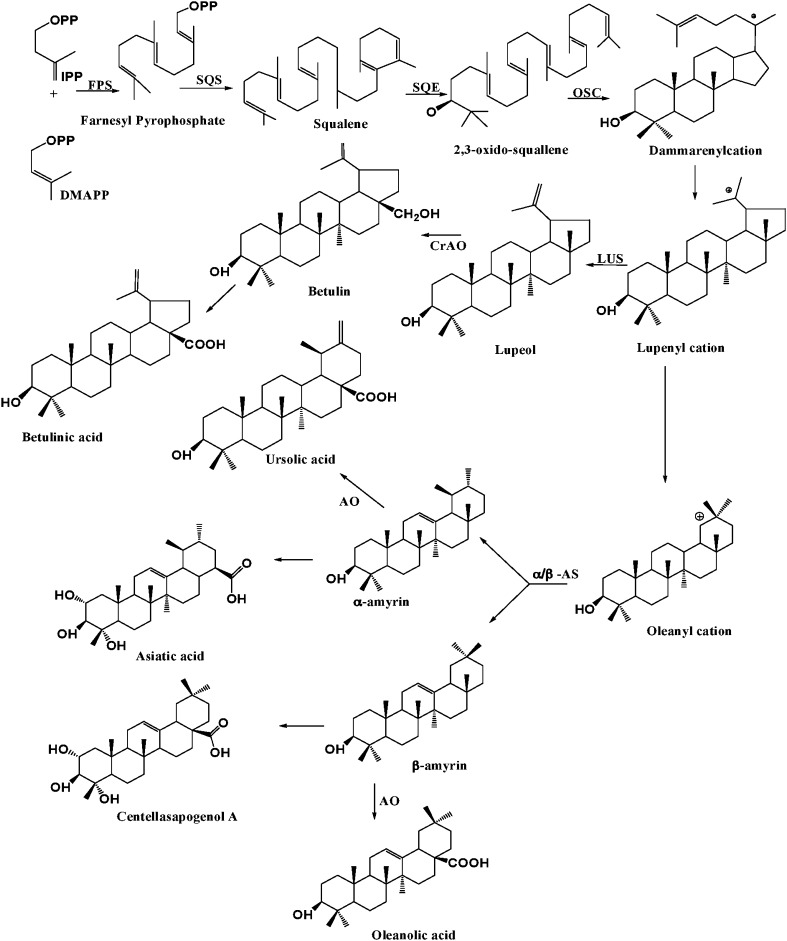
“The ursolic acid, oleanolic acid and betulinic acid are likely to be derived from a-amyrin, b-amyrin and lupeol, respectively, followed by successive oxidation (Augustin et al. 2011) at the C28 position.”
BackgroundA unified mechanism of action for volatile isoprenoids in plant abiotic stress
Vickers, C. E., Gershenzon, J., Lerdau, M. T., & Loreto, F. (2009) · Nature Chemical Biology · doi:10.1038/nchembio.158 · Cited by 760 · cited 2×
“Airborne terpenoids are also critical components of plant defense responses to abiotic and biotic stresses (Unsicker et al. 2009; Vickers et al. 2009).”
BackgroundThe JAZ Proteins: A Crucial Interface in the Jasmonate Signaling Cascade
Pauwels, L., & Goossens, A. (2011) · The Plant Cell · doi:10.1105/tpc.111.089300 · Cited by 710 · cited 2×
“Downstream of the conserved jasmonate hormone per- ception and initial signaling cascade, species-specific transcriptional machineries exist that regulate the tran- scriptional activity of specific biosynthetic genes (Pauwels et al. 2009; Pauwels and Goosens 2011).”
BackgroundLaule, O., Fürholz, A., Chang, H.-S., Zhu, T., Wang, X., Heifetz, P. B., Gruissem, W., & Lange, M. (2003) · Proceedings of the National Academy of Sciences · doi:10.1073/pnas.1031755100 · Cited by 695 · cited 3×
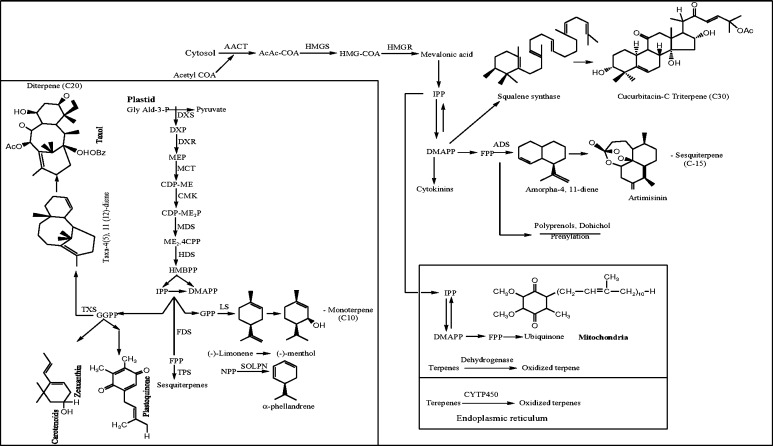
“…operates in cytosol, which is responsible for the formation of sesquiterpenes and sterols; 1-deoxy-D-xylu- lose 5-phosphate (DXP/MEP) pathway operates in the plastids, involved in the synthesis of monoterpenes, diter- penes and some sesquiterpenes as well as plastoquinones (Laule et al. 2003).”
BackgroundDecramer, M., Rutten-van Mölken, M., Dekhuijzen, P. R., Troosters, T., van Herwaarden, C., Pellegrino, R., van Schayck, C. O., Olivieri, D., Del Donno, M., De Backer, W., et al. (2005) · The Lancet · doi:10.1016/s0140-6736(05)66456-2 · Cited by 684 · cited 1×
“These finding correspond to the inter- pretation of the efficacy study with carbocysteine but not with acetylcysteine because this medication did not show a significant reduction of exacerbations (Zhang et al. 2008; Decramer et al. 2005; Worth et al. 2009).”
ResultPharmacological properties of the ubiquitous natural product betulin
Alakurtti, S., Mäkelä, T., Koskimies, S., & Yli-Kauhaluoma, J. (2006) · European Journal of Pharmaceutical Sciences · doi:10.1016/j.ejps.2006.04.006 · Cited by 650 · cited 2×
“Betulinic acid Betulinic acid is a naturally occurring pentacyclic triter- pene that exhibits a variety of biological activities includ- ing potent antiviral and anticancer effects (Alakurtti et al. 2006; Hsu et al. 2012).”
BackgroundEnzymatic cyclization of squalene and oxidosqualene to sterols and triterpenes
Abe, I., Rohmer, M., & Prestwich, G. D. (1993) · Chemical Reviews · doi:10.1021/cr00022a009 · Cited by 645 · cited 3×
“OSCs catalyze the cyclization of 2,3-oxidosqualene, a common intermediate of both triterpene and phytosterol biosynthesis (Abe et al. 1993; Haralampidis et al. 2002).”
BackgroundPlant Glandular Trichomes as Targets for Breeding or Engineering of Resistance to Herbivores
Glas, J., Schimmel, B., Alba, J., Escobar-Bravo, R., Schuurink, R., & Kant, M. (2012) · International Journal of Molecular Sciences · doi:10.3390/ijms131217077 · Cited by 597 · cited 2×
“Production of many trichome metabolites is also regulated tightly by transcriptional control, thereby allowing for tem- porally regulated emission of plant volatiles (Dudareva et al. 2006; Glas et al. 2012).”
BackgroundSchnee, C., Köllner, T. G., Held, M., Turlings, T. C. J., Gershenzon, J., & Degenhardt, J. (2006) · Proceedings of the National Academy of Sciences · doi:10.1073/pnas.0508027103 · Cited by 570 · cited 6×
“In an olfactometer assay, the transgenic Arabidopsis plants used as odor sources, females of the parasitoid Cotesia mar- giniventris learned to exploit the TPS10 sesquiterpenes to locate their lepidopteran host (Schnee et al. 2006).”
BackgroundInfluentialThe Arabidopsis GA1 locus encodes the cyclase ent-kaurene synthetase A of gibberellin biosynthesis.
Sun, T. P., & Kamiya, Y. (1994) · The Plant Cell · doi:10.1105/tpc.6.10.1509 · Cited by 560 · cited 2×
“The terpenoid synthases of primary metabolism, (-)- CDP synthase (Sun and Kamiya 1994; Ait-Ali et al. 1994; Bensen et al. 1995) and kaurene synthase B (Yamaguchi et al. 1996), are only distantly related to those of secondary metabolism, including members of sub-families TPSa, TPSb and TPSd.”
BackgroundA Review on Anti-Inflammatory Activity of Monoterpenes
De Cássia da Silveira e Sá, R., Andrade, L., & De Sousa, D. (2013) · Molecules · doi:10.3390/molecules18011227 · Cited by 556 · cited 1×
“A randomized controlled trial of 47 patients with pulmonary tuberculosis investigated adjuvant b-sitosterol therapy vs placebo (Silveira e Sá et al. 2013).”
BackgroundTerpenoid Metabolism in Wild-Type and Transgenic Arabidopsis Plants[W]
Aharoni, A., Giri, A. P., Deuerlein, S., Griepink, F., de Kogel, W.-J., Verstappen, F. W. A., Verhoeven, H. A., Jongsma, M. A., Schwab, W., & Bouwmeester, H. J. (2003) · The Plant Cell · doi:10.1105/tpc.016253 · Cited by 543 · cited 4×
“In general, monoterpene synthases are localized on plastids, whereas sesquiterpene synthases are found in the cytosol (Chen et al. 2011; Aharoni et al. 2003).”
BackgroundInfluentialDedryver, C.-A., Le Ralec, A., & Fabre, F. (2010) · Comptes Rendus. Biologies · doi:10.1016/j.crvi.2010.03.009 · Cited by 543 · cited 2×
“Insecticide applications are most common and effective strategy for control of insects, but some of the agrochemicals have undesirable side effects on useful insects and can pose long-term risks to the environment (Dedryver et al. 2010; Zulak and Bohlmann 2010).”
BackgroundMartin, D., Tholl, D., Gershenzon, J., & Bohlmann, J. (2002) · Plant Physiology · doi:10.1104/pp.011001 · Cited by 539 · cited 4×
“monoterpene and diterpene synthase activity peaking at the highest rate at 10–15 days after treatment of methyl jasmonate (Martin et al. 2002).”
BackgroundInfluentialBohlmann, J., & Keeling, C. I. (2008) · The Plant Journal · doi:10.1111/j.1365-313x.2008.03449.x · Cited by 530
Genetic Engineering of Terpenoid Metabolism Attracts Bodyguards to Arabidopsis
Kappers, I. F., Aharoni, A., van Herpen, T. W. J. M., Luckerhoff, L. L. P., Dicke, M., & Bouwmeester, H. J. (2005) · Science · doi:10.1126/science.1116232 · Cited by 527 · cited 2×
“When a strawberry nerolidol synthase gene was expressed in Arabidopsis transgenic plants emitted two new terpenoids (3,S)-(E)-neridol and its derivative (E)-4,8-dimethyl-1,3-7- nonatriene [(E)-DMNT] and attracted more carnivorous predatory mites (Kappers et al. 2005).”
BackgroundTranscriptional machineries in jasmonate-elicited plant secondary metabolism
De Geyter, N., Gholami, A., Goormachtig, S., & Goossens, A. (2012) · Trends in Plant Science · doi:10.1016/j.tplants.2012.03.001 · Cited by 518 · cited 2×
“A few transcrip- tional factors regulated by the jasmonate hormone signal- ing cascade that activate the transcription of sesquiterpenoid biosynthetic genes have already been reported (De-Geyter et al. 2012).”
BackgroundRewiring of the jasmonate signaling pathway in Arabidopsis during insect herbivory
Verhage, A. (2011) · Frontiers in Plant Science · doi:10.3389/fpls.2011.00047 · Cited by 513
(2007) · PubMed · Cited by 500
Protective perfumes: the role of vegetative volatiles in plant defense against herbivores
Unsicker, S. B., Kunert, G., & Gershenzon, J. (2009) · Current Opinion in Plant Biology · doi:10.1016/j.pbi.2009.04.001 · Cited by 483
Genomic Organization of Plant Terpene Synthases and Molecular Evolutionary Implications
Trapp, S. C., & Croteau, R. B. (2001) · Genetics · doi:10.1093/genetics/158.2.811 · Cited by 480
JUERGENS, U. R., DETHLEFSEN, U., STEINKAMP, G., GILLISSEN, A., REPGES, R., & VETTER, H. (2003) · Respiratory Medicine · doi:10.1053/rmed.2003.1432 · Cited by 477 · cited 1×
“1,8-cineole not only reduces exacer- bation rate but also provides clinical benefits as manifested by improved airflow obstruction, reduced severity of dyspnea and improvement of health status (Juergens et al. 1998, 2003).”
BackgroundTakahashi, S., Kuzuyama, T., Watanabe, H., & Seto, H. (1998) · Proceedings of the National Academy of Sciences · doi:10.1073/pnas.95.17.9879 · Cited by 469 · cited 2×
“The 1-deoxy-D-xylulose 5-phos- phate reduced to 2-C-methyl-D-erythritol 4-phosphate by 1-deoxy-D-xylulose 5-phosphate reductoisomerase (Ta- kahashi et al. 1998).”
BackgroundSprenger, G. A., Schörken, U., Wiegert, T., Grolle, S., de Graaf, A. A., Taylor, S. V., Begley, T. P., Bringer-Meyer, S., & Sahm, H. (1997) · Proceedings of the National Academy of Sciences · doi:10.1073/pnas.94.24.12857 · Cited by 467 · cited 1×
“The reaction is catalyzed by the enzyme as 1-deoxy-D-xylulose 5-phosphate synthase (Sprenger et al. 1997).”
MethodDudareva, N., Martin, D., Kish, C. M., Kolosova, N., Gorenstein, N., Fäldt, J., Miller, B., & Bohlmann, J. (2003) · The Plant Cell · doi:10.1105/tpc.011015 · Cited by 466 · cited 5×
“The TPSa family consists of angiosperm terpene synthases (Bohlmann et al. 1998; Dudareva et al. 2003), the TPSb family contains angiosperm monoterpene synthases (Bohlmann et al. 1998; Dudareva et al. 2003), the TPSb includes angiosperm monoterpene synthases (Bohlmann et al. 1998; Dudareva et al.…”
BackgroundInfluentialInduced Plant Resistance to Herbivory
(2008) · Springer eBooks · doi:10.1007/978-1-4020-8182-8 · Cited by 464
Martin, D. M., Aubourg, S., Schouwey, M. B., Daviet, L., Schalk, M., Toub, O., Lund, S. T., & Bohlmann, J. (2010) · BMC Plant Biology · doi:10.1186/1471-2229-10-226 · Cited by 460 · cited 1×
“Later on it was concluded that grapevine geraniol and linalool synthase matches with basil geraniol and linalool synthase and showed same proximity which indicates that these TPS functions already existed have evolved from same ancestor (Martin et al. 2010).”
BackgroundBiosynthesis and Emission of Terpenoid Volatiles from Arabidopsis Flowers
Chen, F., Tholl, D., D'Auria, J. C., Farooq, A., Pichersky, E., & Gershenzon, J. (2003) · The Plant Cell · doi:10.1105/tpc.007989 · Cited by 460 · cited 3×
“…angiosperm monoterpene synthases (Bohlmann et al. 1998; Dudareva et al. 2003), TPSd of gymnosperm monoterpene synthases (Bohlmann et al. 1998; Dudareva et al. 2003) and TPSg Antirrhinum majus monoterpene synthases (Bohlmann et al. 1998; Chen et al. 2003) also share common evolu- tionary origin.”
BackgroundTaxol Biosynthesis and Molecular Genetics
Croteau, R., Ketchum, R. E. B., Long, R. M., Kaspera, R., & Wildung, M. R. (2006) · Phytochemistry Reviews · doi:10.1007/s11101-005-3748-2 · Cited by 459 · cited 2×
“Among these terpe- noids, taxol (diterpene) of Taxus buccata and artemisinin (sesquiterpene lactone) from Artemisia annua are well known antineoplastic and antimalarial agents (Croteau et al. 2006; Pollier et al. 2011).”
BackgroundLesburg, C. A., Zhai, G., Cane, D. E., & Christianson, D. W. (1997) · Science · doi:10.1126/science.277.5333.1820 · Cited by 454 · cited 2×
“All the terpene synthases contain the aspartate-rich DDxxD motif involved in the coordination of divalent metal ions for substrate binding (Lesburg et al. 1997).”
BackgroundKimmatkar, N., Thawani, V., Hingorani, L., & Khiyani, R. (2003) · Phytomedicine · doi:10.1078/094471103321648593 · Cited by 448 · cited 2×
“Pilot clinical studies do indeed suggest that boswellic acid promotes pain control and dampens inflammation in osteoarthritis and colitis and helps to control the brain oedema associated with radiotherapy of cerebral tumours; anti-inflammatory effects of rodent models have also been demonstrated (Gupta et al. 2001; Ki…”
BackgroundCloning and characterization of the maize An1 gene.
Bensen, R. J., Johal, G. S., Crane, V. C., Tossberg, J. T., Schnable, P. S., Meeley, R. B., & Briggs, S. P. (1995) · The Plant Cell · doi:10.1105/tpc.7.1.75 · Cited by 448 · cited 1×
“The terpenoid synthases of primary metabolism, (-)- CDP synthase (Sun and Kamiya 1994; Ait-Ali et al. 1994; Bensen et al. 1995) and kaurene synthase B (Yamaguchi et al. 1996), are only distantly related to those of secondary metabolism, including members of sub-families TPSa, TPSb and TPSd.”
BackgroundGenomic analysis of the terpenoid synthase (AtTPS) gene family of Arabidopsis thaliana
Aubourg, S., Lecharny, A., & Bohlmann, J. (2002) · Molecular Genetics and Genomics · doi:10.1007/s00438-002-0709-y · Cited by 439 · cited 4×
“has been suggested that AtTPS04 is an orthologue of this linalool synthase in Arabidopsis thaliana (Cseke et al. 1998; Aubourg et al. 2002).”
BackgroundInfluentialHemmerlin, A., Hoeffler, J.-F., Meyer, O., Tritsch, D., Kagan, I. A., Grosdemange-Billiard, C., Rohmer, M., & Bach, T. J. (2003) · Journal of Biological Chemistry · doi:10.1074/jbc.m302526200 · Cited by 438
Mithöfer, A., Wanner, G., & Boland, W. (2005) · Plant Physiology · doi:10.1104/pp.104.054460 · Cited by 434 · cited 1×
“More attention has been paid in case of corn, lima bean, poplar and cotton that are well studied with genetics, biochemical, physiological and ecological approaches (Rodriguez-Saona et al. 2003; Arimura et al. 2004a; Mithofer et al. 2005; Schnee et al. 2006).”
BackgroundBiosynthesis of Triterpenoid Saponins in Plants
Haralampidis, K., Trojanowska, M., & Osbourn, A. E. (2002) · Advances in Biochemical Engineering/Biotechnology · doi:10.1007/3-540-44604-4_2 · Cited by 429 · cited 3×
“OSCs catalyze the cyclization of 2,3-oxidosqualene, a common intermediate of both triterpene and phytosterol biosynthesis (Abe et al. 1993; Haralampidis et al. 2002).”
BackgroundMetabolic Diversification—Independent Assembly of Operon-Like Gene Clusters in Different Plants
Field, B., & Osbourn, A. E. (2008) · Science · doi:10.1126/science.1154990 · Cited by 424 · cited 2×
“The biosynthesis of avenacin genes are co-regulated and exclusively expressed in the epidermis of roots in which the avenacins are accumulated (Qi et al. 2006; Field and Osbourn 2008).”
BackgroundBiochemistry of Plant Secondary Metabolism
(2010) · Wiley-Blackwell eBooks · doi:10.1002/9781444320503 · Cited by 423
Traw, M. B., & Bergelson, J. (2003) · Plant Physiology · doi:10.1104/pp.103.027086 · Cited by 417 · cited 2×
“chome density on newly formed leaves of Arabidopsis and tomato (Boughton et al. 2005; Traw and Bergelson 2003).”
BackgroundSchilmiller, A. L., Schauvinhold, I., Larson, M., Xu, R., Charbonneau, A. L., Schmidt, A., Wilkerson, C., Last, R. L., & Pichersky, E. (2009) · Proceedings of the National Academy of Sciences · doi:10.1073/pnas.0904113106 · Cited by 416 · cited 4×
“Recently, a cis-prenyl transferase, neryl phosphate synthase, was reported to provide precursor for monoterpene biosynthesis in several species of Solanum (Schilmiller et al. 2009; Lange and Ahkami 2013).”
BackgroundInfluentialMartin, D. M., Fäldt, J., & Bohlmann, J. (2004) · Plant Physiology · doi:10.1104/pp.104.042028 · Cited by 414 · cited 5×
“The MBO synthase clusters with gymnosperm monoter- pene synthase, isoprene clusters with angiosperm mono- terpene synthases and these gene families diverged between 250–290 million years ago (Martin et al. 2004).”
BackgroundMethodInfluentialRedirection of cytosolic or plastidic isoprenoid precursors elevates terpene production in plants
Wu, S., Schalk, M., Clark, A., Miles, R. B., Coates, R., & Chappell, J. (2006) · Nature Biotechnology · doi:10.1038/nbt1251 · Cited by 408 · cited 3×
“…coordinately with an additional copy of farnesyl diphosphate synthase, the patchoulol accumulation in transgenic tobacco also remained very low (Wu et al. 2006), while both gene products patchoulol synthase and farnesyl diphosphate synthase were targeted to plastids, a patchoulol accumulation…”
BackgroundNagegowda, D. A. (2010) · FEBS Letters · doi:10.1016/j.febslet.2010.05.045 · Cited by 404 · cited 4×
“Sometimes the regulation of terpenoid biosynthesis is induced by herbivore feeding, attack by pathogen or abiotic stresses (Nagegowda 2010; Vranova et al. 2012).”
BackgroundInfluentialEvolutionary dynamics of grass genomes
Gaut, B. S. (2002) · New Phytologist · doi:10.1046/j.1469-8137.2002.00352.x · Cited by 403 · cited 4×
“The 3-hydroxy-3- methylglutaryl CoA reductase and squalene synthase are localized in the endoplasmic reticulum (Leivar et al. 2005; Sapir-Mir et al. 2008; Busquets et al. 2008) while the acetoacetyl CoA is also important enzyme of mevalonic acid pathway, localized in peroxisomes (Reumann et al. 2007).”
BackgroundInfluentialSaw Palmetto for Benign Prostatic Hyperplasia
Bent, S., Kane, C., Shinohara, K., Neuhaus, J., Hudes, E. S., Goldberg, H., & Avins, A. L. (2006) · New England Journal of Medicine · doi:10.1056/nejmoa053085 · Cited by 401
Horizontal gene transfer in plants
Richardson, A. O., & Palmer, J. D. (2006) · Journal of Experimental Botany · doi:10.1093/jxb/erl148 · Cited by 397
Establishment of new crops for the production of natural rubber
van Beilen, J. B., & Poirier, Y. (2007) · Trends in Biotechnology · doi:10.1016/j.tibtech.2007.08.009 · Cited by 391 · cited 2×
“Laticifers are elongated epithelial cells that produce chemically complex latex, which can consist of a polyterpenoids such as natural rubber (Beilen and Poirier 2007).”
BackgroundBiosynthetic diversity in plant triterpene cyclization
Phillips, D. R., Rasbery, J. M., Bartel, B., & Matsuda, S. P. (2006) · Current Opinion in Plant Biology · doi:10.1016/j.pbi.2006.03.004 · Cited by 390 · cited 1×
“All triterpene synthases appear to have diverged from cyclo- artenol synthase gene (Zhang et al. 2003), but an independent origin for b-AS in dicots and monocots has also been reported (Phillips et al. 2003; Moses et al. 2013).”
BackgroundSeki, H., Ohyama, K., Sawai, S., Mizutani, M., Ohnishi, T., Sudo, H., Akashi, T., Aoki, T., Saito, K., & Muranaka, T. (2008) · Proceedings of the National Academy of Sciences · doi:10.1073/pnas.0803876105 · Cited by 388 · cited 2×
“stolons and roots of licorice plants (Seki et al. 2008).”
BackgroundBick, J. A., & Lange, B. M. (2003) · Archives of Biochemistry and Biophysics · doi:10.1016/s0003-9861(03)00233-9 · Cited by 386 · cited 1×
“The unidirectional proton symport system of export of terpenoid intermediates and their involvement between cytosol and plastid pathway have been proved by the Ca2? gated channel (Bick and Lange 2003).”
BackgroundTholl, D., Chen, F., Petri, J., Gershenzon, J., & Pichersky, E. (2005) · The Plant Journal · doi:10.1111/j.1365-313x.2005.02417.x · Cited by 367 · cited 2×
“In Arabidopsis flowers, monoterpene and sesquiterpene synthases are not expressed in flower petals; instead their expression is limited to the stigma, anthers and sepals (Tholl et al. 2005).”
BackgroundStructure and Dynamics of the Isoprenoid Pathway Network
Vranová, E., Coman, D., & Gruissem, W. (2012) · Molecular Plant · doi:10.1093/mp/sss015 · Cited by 365 · cited 6×
“In MdOSC1 and MdOSC3 cluster, lupeol synthases are more related to bamyrin synthases than to lupeol synthases (Basyuni et al. 2007; Guhling et al. 2006; Brendolise et al. 2011).”
BackgroundInfluentialDudareva, N., Cseke, L., Blanc, V. M., & Pichersky, E. (1996) · The Plant Cell · doi:10.1105/tpc.8.7.1137 · Cited by 363 · cited 2×
“Finally AtTPS04 has a TPSf type primary structure reminiscent of that of linalool synthase from Clarkia breweri (Dudareva et al. 1996).”
BackgroundThe Tomato Terpene Synthase Gene Family
Falara, V., Akhtar, T. A., Nguyen, T. T. H., Spyropoulou, E. A., Bleeker, P. M., Schauvinhold, I., Matsuba, Y., Bonini, M. E., Schilmiller, A. L., Last, R. L., et al. (2011) · Plant Physiology · doi:10.1104/pp.111.179648 · Cited by 361 · cited 3×
“The geraniol synthase had a peak of expression that started to increase and overcome the lin- alool concentration (Matarese et al. 2013; Chen et al. 2011; Falara et al. 2011).”
BackgroundZheng, J.-P., Kang, J., Huang, S.-G., Chen, P., Yao, W.-Z., Yang, L., Bai, C.-X., Wang, C.-Z., Wang, C., Chen, B.-Y., et al. (2008) · The Lancet · doi:10.1016/s0140-6736(08)60869-7 · Cited by 358 · cited 2×
“These finding correspond to the interpretation of the efficacy study with carbocysteine but not with acetylcysteine because this medication did not show a significant reduction of exacerbations (Zhang et al. 2008; Decramer et al. 2005; Worth et al. 2009).”
ResultVan Poecke, R. M. P., Posthumus, M. A., & Dicke, M. (2001) · Journal of Chemical Ecology · doi:10.1023/a:1012213116515 · Cited by 357 · cited 1×
“The defence mechanism- related synthesis of terpenoids has been studied by various authors (Van Poecke et al. 2001; Rodriguez-Saona et al. 2003).”
BackgroundTerpenoids as potential chemopreventive and therapeutic agents in liver cancer
Thoppil, R. J. (2011) · World Journal of Hepatology · doi:10.4254/wjh.v3.i9.228 · Cited by 353 · cited 2×
“…and peril alcohol), diter- penes (e.g. retinol and retinoic acid), triterpenes (e.g. bet- ulinic acid, lupeol, oleanolic acid and ursolic acid) and tetraterpenes (e.g. a-carotene, b-carotene, lutein, and lycopene) (Thoppil and Bishayee 2011; Rabi and Bishayee 2009a; Withers and Keasling 2007).”
BackgroundReumann, S., Babujee, L., Ma, C., Wienkoop, S., Siemsen, T., Antonicelli, G. E., Rasche, N., Lüder, F., Weckwerth, W., & Jahn, O. (2007) · The Plant Cell · doi:10.1105/tpc.107.050989 · Cited by 351 · cited 2×
“…3-hydroxy-3- methylglutaryl CoA reductase and squalene synthase are localized in the endoplasmic reticulum (Leivar et al. 2005; Sapir-Mir et al. 2008; Busquets et al. 2008) while the acetoacetyl CoA is also important enzyme of mevalonic acid pathway, localized in peroxisomes (Reumann et al. 2007).”
BackgroundVogg, G., Fischer, S., Leide, J., Emmanuel, E., Jetter, R., Levy, A. A., & Riederer, M. (2004) · Journal of Experimental Botany · doi:10.1093/jxb/erh149 · Cited by 348 · cited 2×
“cantly to the chemical composition and to the ecophysiological properties of the fruit cuticle (Vogg et al. 2004; Isaacson et al. 2009).”
BackgroundJasmonate-inducible gene: what does it mean?
Pauwels, L., Inzé, D., & Goossens, A. (2009) · Trends in Plant Science · doi:10.1016/j.tplants.2008.11.005 · Cited by 346 · cited 2×
“Downstream of the conserved jasmonate hormone per- ception and initial signaling cascade, species-specific transcriptional machineries exist that regulate the tran- scriptional activity of specific biosynthetic genes (Pauwels et al. 2009; Pauwels and Goosens 2011).”
BackgroundBetulinic Acid for Cancer Treatment and Prevention
Fulda, S. (2008) · International Journal of Molecular Sciences · doi:10.3390/ijms9061096 · Cited by 343 · cited 2×
“ated apoptosis were still responsive to treatment with betulinic acid (Fulda et al. 1998; Fulda 2008).”
BackgroundORCAnization of jasmonate-responsive gene expression in alkaloid metabolism
Memelink, J., Verpoorte, R., & Kijne, J. W. (2001) · Trends in Plant Science · doi:10.1016/s1360-1385(01)01924-0 · Cited by 337 · cited 2×
“Jasmonate was reported to be general inducer of biosynthesis of plant secondary metabolite (Memelink et al. 2001; van der Fits and Memelink 2000).”
BackgroundTHE DEVELOPMENT OF BENIGN PROSTATIC HYPERPLASIA AMONG VOLUNTEERS IN THE NORMATIVE AGING STUDY
(1985) · American Journal of Epidemiology · doi:10.1093/oxfordjournals.aje.a113986 · Cited by 323 · cited 2×
“Aging is the main cause of enlarged prostate glands (Glynn et al. 1985).”
BackgroundKetchum, R. E. B., Gibson, D. M., Croteau, R. B., & Shuler, M. L. (1999) · Biotechnology and Bioengineering · doi:10.1002/(sici)1097-0290(19990105)62:1<97::aid-bit11>3.0.co;2-c · Cited by 321 · cited 4×
“The accumulation of taxoid (diterpene taxadiene) was enhanced by supplementation of methyl jasmonate in cell cultures of Taxus (Ketchum et al. 1999; Phillips et al. 2006).”
InfluentialKushiro, T., Shibuya, M., & Ebizuka, Y. (1998) · European Journal of Biochemistry · doi:10.1046/j.1432-1327.1998.2560238.x · Cited by 320 · cited 4×
“2013), b-amyrin synthase (Kushiro et al. 1998; Kirby et al. 2008; Shibuya et al. 2009) and a-amyrin synthase (Muffler et al.”
BackgroundMethodInfluentialSallaud, C., Rontein, D., Onillon, S., Jabès, F., Duffé, P., Giacalone, C., Thoraval, S., Escoffier, C., Herbette, G., Leonhardt, N., et al. (2009) · The Plant Cell · doi:10.1105/tpc.107.057885 · Cited by 315 · cited 2×
“In tomato, a cis-prenyl transferase, farnesyl diphosphate synthase is localized to plastids of the glandular trichomes, where it is involved in the biosynthesis of sesquiterpene volatiles (Salland et al. 2009).”
BackgroundMethodIsaacson, T., Kosma, D. K., Matas, A. J., Buda, G. J., He, Y., Yu, B., Pravitasari, A., Batteas, J. D., Stark, R. E., Jenks, M. A., et al. (2009) · The Plant Journal · doi:10.1111/j.1365-313x.2009.03969.x · Cited by 313 · cited 2×
“Squalene epoxide oxidizes the squalene to 2,3-oxidosqualene.”
BackgroundQi, X., Bakht, S., Leggett, M., Maxwell, C., Melton, R., & Osbourn, A. (2004) · Proceedings of the National Academy of Sciences · doi:10.1073/pnas.0401301101 · Cited by 310 · cited 2×
“Furthermore, 20 out of 36 Poaceae OSC genes were also assigned either to the pentacyclic triterpene synthase-like group based on the characterized b-amyrin synthase from Avena species (Haralampidis et al. 2001; Qi et al. 2004) or to the rice isoarborinol synthase group (Xue et al. 2012).”
BackgroundMevalonate and Nonmevalonate Pathways for the Biosynthesis of Isoprene Units
KUZUYAMA, T. (2002) · Bioscience, Biotechnology, and Biochemistry · doi:10.1271/bbb.66.1619 · Cited by 306 · cited 1×
“The squalene is synthesized by a series of several reactions with geranyl diphosphate synthase, farnesyl pyrophosphate synthase and squalene synthase through mevalonate pathway (Kuzuyama 2002) and subsequent reactions with squalene epoxidase yielded 2,3-oxidosqualene (Fig.”
BackgroundEffects of Gum Resin of Boswellia serrata in Patients with Chronic Colitis
Gupta, I., Parihar, A., Malhotra, P., Gupta, S., Lüdtke, R., Safayhi, H., & Ammon, H. P. T. (2001) · Planta Medica · doi:10.1055/s-2001-15802 · Cited by 304 · cited 2×
“Pilot clinical studies do indeed suggest that boswellic acid promotes pain control and dampens inflammation in osteoarthritis and colitis and helps to control the brain oedema associated with radiotherapy of cerebral tumours; anti-inflammatory effects of rodent models have also been demonstrated (Gupta et al. 2001; Ki…”
BackgroundSome new aspects of isoprenoid biosynthesis in plants—A review
Bach, T. J. (1995) · Lipids · doi:10.1007/bf02537822 · Cited by 303 · cited 2×
“1995), cycloartenol synthase (Bach 1995; Kawano et al. 2002), lupeol synthase (Hayashi et al.”
BackgroundMethodBiosynthesis and engineering of isoprenoid small molecules
Withers, S. T., & Keasling, J. D. (2007) · Applied Microbiology and Biotechnology · doi:10.1007/s00253-006-0593-1 · Cited by 300 · cited 2×
“…and peril alcohol), diter- penes (e.g. retinol and retinoic acid), triterpenes (e.g. bet- ulinic acid, lupeol, oleanolic acid and ursolic acid) and tetraterpenes (e.g. a-carotene, b-carotene, lutein, and lycopene) (Thoppil and Bishayee 2011; Rabi and Bishayee 2009a; Withers and Keasling 2007).”
BackgroundBiological Relevance of Terpenoids
Wagner, K.-H., & Elmadfa, I. (2003) · Annals of Nutrition and Metabolism · doi:10.1159/000070030 · Cited by 297 · cited 1×
“…been found to be useful for the treatment of various types of diseases and disorders viz, antimicrobial, antifungal, anti- parasitic, antiviral, antihyperglycemic, antihypoglycemic, anti-inflammatory and immunomodulatory properties (Wagner and Elmadfa 2003; Shah et al. 2009; Sultana and Ata 2008).”
BackgroundTerpenoid Biosynthesis and Specialized Vascular Cells of Conifer Defense
Zulak, K. G., & Bohlmann, J. (2010) · Journal of Integrative Plant Biology · doi:10.1111/j.1744-7909.2010.00910.x · Cited by 295 · cited 2×
“Insecticide applications are most common and effective strategy for control of insects, but some of the agrochemicals have undesirable side effects on useful insects and can pose long-term risks to the environment (Dedryver et al. 2010; Zulak and Bohlmann 2010).”
BackgroundMiller, B., Madilao, L. L., Ralph, S., & Bohlmann, J. (2005) · Plant Physiology · doi:10.1104/pp.104.050187 · Cited by 294 · cited 2×
“The significant increase in the resin terpenoid quantity in bark and wood of Norway spruce followed by methyl jasmonate treatment has also been reported (Martin et al. 2004; Miller et al. 2005).”
BackgroundWildung, M. R., & Croteau, R. (1996) · Journal of Biological Chemistry · doi:10.1074/jbc.271.16.9201 · Cited by 290 · cited 2×
“2004), Taxus media (Wildung and Croteau 1996), Arabidopsis thaliana (Chen et al.”
BackgroundWilliams, D. C., McGarvey, D. J., Katahira, E. J., & Croteau, R. (1998) · Biochemistry · doi:10.1021/bi980854k · Cited by 278 · cited 1×
“(Williams et al. 1998; Turner et al. 1999).”
Triterpenoid biosynthesis and engineering in plants.
Sawai, S., & Saito, K. (2011) · Frontiers in Plant Science · doi:10.3389/fpls.2011.00025 · Cited by 272 · cited 2×
“The level at which the struc- tural diversity of triterpenes is generated, depends on the cyclization of 2,3-oxidosqualene by different oxidosqualene cyclases such as lupeol synthase (LS) and a/b-amyrin synthase (Mangus et al. 2006; Sawai and Saito 2011).”
BackgroundIijima, Y., Davidovich-Rikanati, R., Fridman, E., Gang, D. R., Bar, E., Lewinsohn, E., & Pichersky, E. (2004) · Plant Physiology · doi:10.1104/pp.104.051318 · Cited by 262 · cited 1×
“Similarly, only a loose correlation between terpenoid pathway gene expression and enzyme activity has been found in Ocimum basilicum terpenoid metabolism (Iijima et al. 2004; Besser et al. 2008).”
BackgroundMolecular ordering of apoptosis induced by anticancer drugs in neuroblastoma cells.
Fulda, S., Susín, S. A., Kroemer, G., & Debatin, K. (1998) · PubMed · Cited by 261
Okada, K., Saito, T., Nakagawa, T., Kawamukai, M., & Kamiya, Y. (2000) · Plant Physiology · doi:10.1104/pp.122.4.1045 · Cited by 258 · cited 1×
“Isoforms of this enzyme have been reported to occur in plastids, the endoplasmic reticulum and mitochondria (Thabet et al. 2012; Sitthithaworn et al. 2001; Okada et al. 2000; Cheniclet et al. 1992).”
BackgroundArimura, G., Huber, D. P. W., & Bohlmann, J. (2004) · The Plant Journal · doi:10.1111/j.1365-313x.2003.01987.x · Cited by 257 · cited 3×
“More attention has been paid in case of corn, lima bean, poplar and cotton that are well studied with genetics, biochemical, physiological and ecological approaches (Rodriguez-Saona et al. 2003; Arimura et al. 2004a; Mithofer et al. 2005; Schnee et al. 2006).”
BackgroundKampranis, S. C., Ioannidis, D., Purvis, A., Mahrez, W., Ninga, E., Katerelos, N. A., Anssour, S., Dunwell, J. M., Degenhardt, J., Makris, A. M., et al. (2007) · The Plant Cell · doi:10.1105/tpc.106.047779 · Cited by 254
Gene family for an elicitor-induced sesquiterpene cyclase in tobacco.
Facchini, P. J., & Chappell, J. (1992) · Proceedings of the National Academy of Sciences · doi:10.1073/pnas.89.22.11088 · Cited by 251 · cited 2×
“Out of the investigated terpenoids, many have pharmacological and biological activities and are, therefore, interesting for medicine and biotechnology.”
BackgroundHudgins, J. W., & Franceschi, V. R. (2004) · Plant Physiology · doi:10.1104/pp.103.037929 · Cited by 246 · cited 2×
“Similarly, the ethylene treatment itself induces the formation of traumatic ducts in Pseudotsuga menziesii and Sequoiadendron giganteum (Hudgins and Franceschi 2004) and stimulates the accumulation of b-thujaplicin in C.”
BackgroundStofer Vogel, B., Wildung, M. R., Vogel, G., & Croteau, R. (1996) · Journal of Biological Chemistry · doi:10.1074/jbc.271.38.23262 · Cited by 246
Moses, T., Pollier, J., Thevelein, J. M., & Goossens, A. (2013) · New Phytologist · doi:10.1111/nph.12325 · Cited by 245
Herz, S., Wungsintaweekul, J., Schuhr, C. A., Hecht, S., Lüttgen, H., Sagner, S., Fellermeier, M., Eisenreich, W., Zenk, M. H., Bacher, A., et al. (2000) · Proceedings of the National Academy of Sciences · doi:10.1073/pnas.040554697 · Cited by 245 · cited 1×
“The 4-cytidine 5-phospho-2C-methyl erythritol converted to 2-C-methyl erythritol 2,4-cyclodiphosphate by the enzyme 2-C-methyl erythritol 2,4-cyclodiphosphate synthase (Rohdich et al. 2000; Steinbacher et al. 2003; Herz et al. 2000; Calisto et al. 2007) (Fig.”
MethodKöllner, T. G., Schnee, C., Gershenzon, J., & Degenhardt, J. (2004) · The Plant Cell · doi:10.1105/tpc.019877 · Cited by 245 · cited 4×
“thases have also been cloned and characterized from maize (Kölner et al. 2004).”
BackgroundInfluentialTerpene Specialized Metabolism in Arabidopsis thaliana
Tholl, D., & Lee, S. (2011) · The Arabidopsis Book · doi:10.1199/tab.0143 · Cited by 244 · cited 2×
“The total numbers of terpene synthases reported from Thapsia laciniata are 8 monoterpene and 5 sesqui- terpene (Drew et al. 2013) which are slightly larger than the number reported in Arabidopsis thaliana and Artemisia annua (Tholl and Lee 2011).”
BackgroundTomato linalool synthase is induced in trichomes by jasmonic acid
van Schie, C. C. N., Haring, M. A., & Schuurink, R. C. (2007) · Plant Molecular Biology · doi:10.1007/s11103-007-9149-8 · Cited by 244 · cited 4×
“The role of jasmonic acid in the induction of trichome-specific terpene synthases has been well reported (van Schie et al. 2007).”
BackgroundInfluentialRodríguez-Concepción, M. (2006) · Phytochemistry Reviews · doi:10.1007/s11101-005-3130-4 · Cited by 241
The GA2 Locus of Arabidopsis thaliana Encodes ent-Kaurene Synthase of Gibberellin Biosynthesis
Yamaguchi, S., Sun, T.-P., Kawaide, H., & Kamiya, Y. (1998) · Plant Physiology · doi:10.1104/pp.116.4.1271 · Cited by 241 · cited 2×
“The AtTPS GA2 enzyme (Yamaguchi et al. 1998) is a diterpene synthase of the TPSe sub-”
BackgroundBoswellic Acids: Biological Actions and Molecular Targets
Poeckel, D., & Werz, O. (2006) · Current Medicinal Chemistry · doi:10.2174/092986706779010333 · Cited by 240 · cited 2×
“However, the clinical trials of gum-resin of Boswellia serrata have shown to improve symptoms in patients with osteoarthritis and rheu- matoid arthritis (Poeckel and Werz 2006; Poeckel et al. 2006).”
BackgroundPeanuts as a Source of β-Sitosterol, a Sterol With Anticancer Properties
Awad, A. B., Chan, K. C., Downie, A. C., & Fink, C. S. (2000) · Nutrition and Cancer · doi:10.1207/s15327914nc3602_14 · Cited by 237 · cited 2×
“Like saw palmetto, b-sitosterol does not affect prostate size (Awad et al. 2000). b-Sitosterol is also used to lower cholesterol.”
BackgroundTerpenoids and breast cancer chemoprevention
Rabi, T., & Bishayee, A. (2009) · Breast Cancer Research and Treatment · doi:10.1007/s10549-008-0118-y · Cited by 235
Boughton, A. J., Hoover, K., & Felton, G. W. (2005) · Journal of Chemical Ecology · doi:10.1007/s10886-005-6228-7 · Cited by 231 · cited 2×
“chome density on newly formed leaves of Arabidopsis and tomato (Boughton et al. 2005; Traw and Bergelson 2003).”
BackgroundDammarenediol‐II synthase, the first dedicated enzyme for ginsenoside biosynthesis, in Panax ginseng
Tansakul, P., Shibuya, M., Kushiro, T., & Ebizuka, Y. (2006) · FEBS Letters · doi:10.1016/j.febslet.2006.08.044 · Cited by 223 · cited 2×
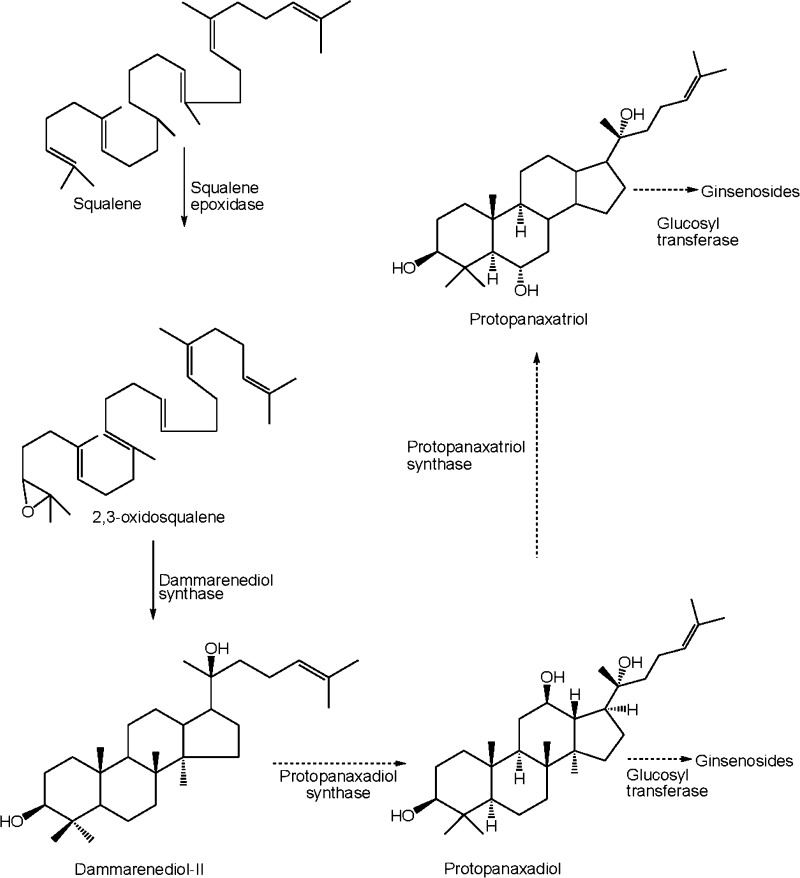
“The cyclization of 2,3- oxidosqualene into dammarenediol and b-amyrin is catalyzed by oxidosqualene cyclases including dammarenediolII synthase and b-amyrin synthase (Han et al. 2006, 2010; Tansakul et al. 2006; Kim et al. 2010).”
MethodLücker, J., Bouwmeester, H. J., Schwab, W., Blaas, J., Van Der Plas, L. H. W., & Verhoeven, H. A. (2001) · The Plant Journal · doi:10.1046/j.1365-313x.2001.01097.x · Cited by 221 · cited 2×
“An improved and updated knowledge on regulation of terpene metabolism and phylogeny of terpene synthases will facilitate the manipulation of terpene biosynthetic pathways for improvement of agronomic traits, biotransformation of medicinally important terpenes, floral scents (Lücker et al. 2001), plant defense against…”
BackgroundHayashi, K.-I., Kawaide, H., Notomi, M., Sakigi, Y., Matsuo, A., & Nozaki, H. (2006) · FEBS Letters · doi:10.1016/j.febslet.2006.10.018 · Cited by 220 · cited 1×
“These primary metabolism terpene synthase genes are basal to the specialized metabolism genes and are the descendants of an ancestral plant diter- pene synthase similar to the non-vascular plant as Physc- omitrella patens (Hayashi et al. 2006; Keeling et al. 2010, 2011).”
BackgroundHan, J.-Y., In, J.-G., Kwon, Y.-S., & Choi, Y.-E. (2010) · Phytochemistry · doi:10.1016/j.phytochem.2009.09.031 · Cited by 217 · cited 1×
“The cyclization of 2,3- oxidosqualene into dammarenediol and b-amyrin is catalyzed by oxidosqualene cyclases including dammarenediolII synthase and b-amyrin synthase (Han et al. 2006, 2010; Tansakul et al. 2006; Kim et al. 2010).”
MethodFäldt, J., Martin, D., Miller, B., Rawat, S., & Bohlmann, J. (2003) · Plant Molecular Biology · doi:10.1023/a:1020714403780 · Cited by 211 · cited 2×
“The changes in accumulation of terpene synthase transcripts were also observed in methyl jasmonate-treated Norway spruce; this supports the view that the transcription of terpene synthase genes also regulated by this hormone (Fäldt et al. 2003).”
BackgroundSharon‐Asa, L., Shalit, M., Frydman, A., Bar, E., Holland, D., Or, E., Lavi, U., Lewinsohn, E., & Eyal, Y. (2003) · The Plant Journal · doi:10.1046/j.1365-313x.2003.01910.x · Cited by 211 · cited 2×
“Valencene synthase (Sheron-Asa et al. 2003) and 5-epi aristolochene synthase (Back and Chappel 1996) are related to one another based on the biosynthesis of sesquiterpenes within the eremophilene class of compounds.”
BackgroundYoon, W.-J., Lee, N. H., & Hyun, C.-G. (2010) · Journal of Oleo Science · doi:10.5650/jos.59.415 · Cited by 211 · cited 13×
“Being a solvent of cholesterol D-limonene has been used to clinically to dissolve cholesterol containing gallstones (Igimi et al. 1991; Rabi and Bishayee 2009a, b).”
BackgroundInfluentialOleanolic acid and related derivatives as medicinally important compounds
Sultana, N., & Ata, A. (2008) · Journal of Enzyme Inhibition and Medicinal Chemistry · doi:10.1080/14756360701633187 · Cited by 211 · cited 1×
“diseases and disorders viz, antimicrobial, antifungal, antiparasitic, antiviral, antihyperglycemic, antihypoglycemic, anti-inflammatory and immunomodulatory properties (Wagner and Elmadfa 2003; Shah et al. 2009; Sultana and Ata 2008).”
BackgroundInhibition by Boswellic Acids of Human Leukocyte Elastase
Safayhi, H., Rall, B., Sailer, E.-R., & Ammon, H. P. T. (1997) · The Journal of Pharmacology and Experimental Therapeutics · doi:10.1016/s0022-3565(24)36628-5 · Cited by 211 · cited 2×
“Human leukotriene elastase also stimulates mucus secretion and thus may play a role in cystic fibrosis, chronic bronchitis and acute respiratory distress syndrome (Rall et al. 1996; Safayhi et al. 1997).”
BackgroundTurner, G., Gershenzon, J., Nielson, E. E., Froehlich, J. E., & Croteau, R. (1999) · Plant Physiology · doi:10.1104/pp.120.3.879 · Cited by 210 · cited 2×
“(Williams et al. 1998; Turner et al. 1999).”
BackgroundBoswellic acids: a group of medicinally important compounds
Shah, B. A., Qazi, G. N., & Taneja, S. C. (2009) · Nat. Prod. Rep. · doi:10.1039/b809437n · Cited by 209 · cited 2×
“…been found to be useful for the treatment of various types of diseases and disorders viz, antimicrobial, antifungal, anti- parasitic, antiviral, antihyperglycemic, antihypoglycemic, anti-inflammatory and immunomodulatory properties (Wagner and Elmadfa 2003; Shah et al. 2009; Sultana and Ata 2008).”
BackgroundLimonene-induced regression of mammary carcinomas.
Haag, J. D., Lindstrom, M. J., & Gould, M. N. (1992) · PubMed · Cited by 209
Sapir-Mir, M., Mett, A., Belausov, E., Tal-Meshulam, S., Frydman, A., Gidoni, D., & Eyal, Y. (2008) · Plant Physiology · doi:10.1104/pp.108.127951 · Cited by 206 · cited 3×
“The mevalonic acid pathway of terpenoid biosynthesis operates in cytosol, the endoplasmic reticulum and peroxisomes (Carrie et al. 2007; Hemmerlin et al. 2003; Dudareva et al. 2006; Leivar et al. 2005; Merret et al. 2007; Sapir-Mir et al. 2008; Simkin et al. 2011; Lange and Ahkami 2013) (Fig.”
BackgroundLange, B. M., & Ahkami, A. (2013) · Plant Biotechnology Journal · doi:10.1111/pbi.12022 · Cited by 206 · cited 6×
“The mevalonic acid pathway of terpenoid biosynthesis operates in cytosol, the endoplasmic reticulum and peroxisomes (Carrie et al. 2007; Hemmerlin et al. 2003; Dudareva et al. 2006; Leivar et al. 2005; Merret et al. 2007; Sapir-Mir et al. 2008; Simkin et al. 2011; Lange and Ahkami 2013) (Fig.”
BackgroundInfluentialPeters, R. J. (2006) · Phytochemistry · doi:10.1016/j.phytochem.2006.08.009 · Cited by 205 · cited 2×
“These phytoalexins can be grouped into four types—monilactones A and B (Hwang and Sung 1989), oryzalexins A–F (Peters 2006) and oryzalexin S (Tamongani and Mitani 1993).”
BackgroundFunctional plasticity of paralogous diterpene synthases involved in conifer defense
Keeling, C. I., Weisshaar, S., Lin, R. P. C., & Bohlmann, J. (2008) · Proceedings of the National Academy of Sciences · doi:10.1073/pnas.0709466105 · Cited by 199 · cited 2×
“The terpene synthases are responsible for the synthesis of terpenes; they can easily acquire new catalytic properties by minor changes in the structures (Keeling et al. 2008).”
BackgroundPhase I and pharmacokinetic study of d -limonene in patients with advanced cancer
Vigushin, D. M., Poon, G. K., Boddy, A., English, J., Halbert, G. W., Pagonis, C., Jarman, M., & Coombes, R. C. (1998) · Cancer Chemotherapy and Pharmacology · doi:10.1007/s002800050793 · Cited by 198 · cited 2×
“After reaching these peaks, the plasma concentration decreased according to first-order kinetics (Vigushin et al. 1998; Saldanha and Tollefsbol 2012).”
BackgroundLuskey, K. L., & Stevens, B. (1985) · Journal of Biological Chemistry · doi:10.1016/s0021-9258(17)39242-6 · Cited by 197 · cited 2×
“3-hydroxy-3-methylglutaryl CoA reductase catalyzes the reduction of 3-hydroxy-3-methylglutaryl CoA to mevalonic acid (Luskey and Stevens 1985; Basson et al. 1988; Igual et al. 1992; Rodwell et al. 2000).”
BackgroundLücker, J., Bowen, P., & Bohlmann, J. (2004) · Phytochemistry · doi:10.1016/j.phytochem.2004.08.017 · Cited by 197 · cited 2×
“Many monoterpene and sesquiterpene synthase genes have been reported from terpene accumulating cells and tissues such as leaf glandular trichomes of Citrus and grapes (Picaud et al. 2005; Lücker et al. 2004; Shimada et al. 2004; Kai et al. 2006).”
BackgroundTerpenoid biosynthesis in trichomes—current status and future opportunities
Markus Lange, B., & Turner, G. W. (2013) · Plant Biotechnology Journal · doi:10.1111/j.1467-7652.2012.00737.x · Cited by 195 · cited 2×
“Trichomes which are glandular in nat- ure, are generally the known as storage organs of terpe- noids and/ or phenolic compounds (Lange and Turner 2013).”
BackgroundSuzuki, H., Reddy, M. S. S., Naoumkina, M., Aziz, N., May, G. D., Huhman, D. V., Sumner, L. W., Blount, J. W., Mendes, P., & Dixon, R. A. (2005) · Planta · doi:10.1007/s00425-004-1387-2 · Cited by 194 · cited 2×
“The pathogen attack causes transcrip- tional and metabolic changes in plant cell cultures of Medi- cago sativa (Suzuki et al. 2005).”
BackgroundRice Contains Two Disparate ent-Copalyl Diphosphate Synthases with Distinct Metabolic Functions
Prisic, S., Xu, M., Wilderman, P. R., & Peters, R. J. (2004) · Plant Physiology · doi:10.1104/pp.104.050567 · Cited by 191 · cited 4×
“Most diterpene synthases are approximately 210 amino acids longer than monoter- pene synthases because of an additional internal element that is conserved in both sequence and position (Prisic et al. 2004).”
BackgroundInfluentialRichelle, M., Enslen, M., Hager, C., Groux, M., Tavazzi, I., Godin, J.-P., Berger, A., Métairon, S., Quaile, S., Piguet-Welsch, C., et al. (2004) · The American Journal of Clinical Nutrition · doi:10.1093/ajcn/80.1.171 · Cited by 186 · cited 1×
“…is used to prevent and relieve prostate symptoms and has been tested for thousands of years in Asia and Mediterra- nean where the incidence of prostate problems—including prostate cancer—is considerably lower than that in the United States and Canada (Wilt et al. 1999; Richelle et al. 2004).”
BackgroundQi, X., Bakht, S., Qin, B., Leggett, M., Hemmings, A., Mellon, F., Eagles, J., Werck-Reichhart, D., Schaller, H., Lesot, A., et al. (2006) · Proceedings of the National Academy of Sciences · doi:10.1073/pnas.0607849103 · Cited by 184 · cited 2×
“The biosynthesis of avenacin genes are co-regulated and exclusively expressed in the epidermis of roots in which the avenacins are accumulated (Qi et al. 2006; Field and Osbourn 2008).”
BackgroundHan, J. Y., Kwon, Y. S., Yang, D. C., Jung, Y. R., & Choi, Y. E. (2006) · Plant and Cell Physiology · doi:10.1093/pcp/pcl032 · Cited by 184 · cited 2×
“The repeat analysis showed low repeat content in A. indica genome compared with other sequenced angiosperms.”
BackgroundMethodBiotransformation of triterpenes
Muffler, K., Leipold, D., Scheller, M.-C., Haas, C., Steingroewer, J., Bley, T., Neuhaus, H. E., Mirata, M. A., Schrader, J., & Ulber, R. (2011) · Process Biochemistry · doi:10.1016/j.procbio.2010.07.015 · Cited by 182 · cited 2×
“…as lupeol synthase (Shibuya et al. 1999; Guhling et al. 2006; Moses et al. 2013), b-amyrin synthase (Kushiro et al. 1998; Kirby et al. 2008; Shibuya et al. 2009) and a-amyrin synthase (Muffler et al. 2011), cycloartenol synthase (Hayashi et al. 2000) and cucurbitadienol synthase (Shi- buya 2004).”
BackgroundMethodSteinbacher, S., Kaiser, J., Eisenreich, W., Huber, R., Bacher, A., & Rohdich, F. (2003) · Journal of Biological Chemistry · doi:10.1074/jbc.m300993200 · Cited by 182 · cited 2×
“The 4-cytidine 5-phospho-2C-methyl erythritol converted to 2-C-methyl erythritol 2,4-cyclodiphosphate by the enzyme 2-C-methyl erythritol 2,4-cyclodiphosphate synthase (Rohdich et al. 2000; Steinbacher et al. 2003; Herz et al. 2000; Calisto et al. 2007) (Fig.”
MethodHaralampidis, K., Bryan, G., Qi, X., Papadopoulou, K., Bakht, S., Melton, R., & Osbourn, A. (2001) · Proceedings of the National Academy of Sciences · doi:10.1073/pnas.231324698 · Cited by 180 · cited 4×
“Furthermore, 20 out of 36 Poaceae OSC genes were also assigned either to the pentacyclic triterpene synthase-like group based on the characterized b-amyrin synthase from Avena species (Haralampidis et al. 2001; Qi et al. 2004) or to the rice isoarborinol synthase group (Xue et al. 2012).”
BackgroundInfluentialβ‐sitosterol for the treatment of benign prostatic hyperplasia:
Wilt, Macdonald, & Ishani, A. (1999) · British Journal of Urology · doi:10.1046/j.1464-410x.1999.00026.x · Cited by 180 · cited 2×
“Furthermore, betulinic acid exerts context dependent effects on cell cycle, it also reduces the expression of p21 protein in glioblastoma cells (Rieber and Strasberg Rieber 1998). b-Sitosterol It is used to prevent and relieve prostate symptoms and has been tested for thousands of years in Asia and Mediterra- nean whe…”
BackgroundBiochemistry of Terpenoids: Monoterpenes, Sesquiterpenes and Diterpenes
Ashour, M., Wink, M., & Gershenzon, J. (2010) · Biochemistry of Plant Secondary Metabolism · doi:10.1002/9781444320503.ch5 · Cited by 176 · cited 1×
“On the basis of C5 units, we can classify the terpenoids as C5 (hemiterpenes), C10 (monoterpenes), C15 (sesquiterpenes), C20 (diterpenes), C25 (sesterpenes), C30 (triterpenes), C40 (tetraterpenes), [C40 (polyterpenes) (Ashour et al. 2010; Martin et al. 2003).”
Arimura, G.-I., Ozawa, R., Kugimiya, S., Takabayashi, J., & Bohlmann, J. (2004) · Plant Physiology · doi:10.1104/pp.104.042929 · Cited by 175 · cited 3×
“More attention has been paid in case of corn, lima bean, poplar and cotton that are well studied with genetics, biochemical, physiological and ecological approaches (Rodriguez-Saona et al. 2003; Arimura et al. 2004a; Mithofer et al. 2005; Schnee et al. 2006).”
BackgroundCunillera, N., Boronat, A., & Ferrer, A. (1997) · Journal of Biological Chemistry · doi:10.1074/jbc.272.24.15381 · Cited by 172 · cited 2×
“somes (Cunillera et al. 1997; Thabet et al. 2011).”
BackgroundGrowth regulators and essential oil production
Prins, C. L., Vieira, I. J. C., & Freitas, S. P. (2010) · Brazilian Journal of Plant Physiology · doi:10.1590/s1677-04202010000200003 · Cited by 171 · cited 2×
“The exogenous treatment of methyl jasmonate affected the production of terpenoids by regulating the terpene synthase genes (Li et al. 2007; Prins et al. 2010).”
BackgroundJuergens, U. R., Stöber, M., & Vetter, H. (1998) · PubMed · Cited by 168
Divergent evolution of oxidosqualene cyclases in plants
Xue, Z., Duan, L., Liu, D., Guo, J., Ge, S., Dicks, J., ÓMáille, P., Osbourn, A., & Qi, X. (2012) · New Phytologist · doi:10.1111/j.1469-8137.2011.03997.x · Cited by 165 · cited 2×
“2004) or to the rice isoarborinol synthase group (Xue et al. 2012).”
BackgroundElson, C. E., Maltzman, T. H., Boston, J. L., Tanner, M. A., & Gould, M. N. (1988) · Carcinogenesis · doi:10.1093/carcin/9.2.331 · Cited by 165 · cited 2×
“When mammary cancers were initiated in rats by either the direct acting carcinogen N-methyl-N-nitrosourea or indirectly acting carcinogen DMBA, they could be prevented from developing if the carcinogen-exposed rats were fed D-lim- onene (Elson et al. 1988; Yoon et al. 2010).”
BackgroundPeroxisomal localisation of the final steps of the mevalonic acid pathway in planta
Simkin, A. J., Guirimand, G. G. Y., Papon, N., Courdavault, V., Thabet, I., Ginis, O., Bouzid, S., Giglioli‐Guivarc’h, N., & Clastre, M. (2011) · Planta · doi:10.1007/s00425-011-1444-6 · Cited by 164 · cited 1×
“The mevalonic acid pathway of terpenoid biosynthesis operates in cytosol, the endoplasmic reticulum and peroxisomes (Carrie et al. 2007; Hemmerlin et al. 2003; Dudareva et al. 2006; Leivar et al. 2005; Merret et al. 2007; Sapir-Mir et al. 2008; Simkin et al. 2011; Lange and Ahkami 2013) (Fig.”
BackgroundEvidence of a Role for LytB in the Nonmevalonate Pathway of Isoprenoid Biosynthesis
Cunningham, F. X., Lafond, T. P., & Gantt, E. (2000) · Journal of Bacteriology · doi:10.1128/jb.182.20.5841-5848.2000 · Cited by 163 · cited 2×
“The hydroxymethylbutenyl 4-diphosphate directly converted into the isopentenyl diphosphate and dimethylallyl diphosphate mixture by the enzyme isopentenyl diphosphate and dimethylallyl diphosphate synthase (Baker et al. 1992; Cunningham et al. 2000).”
BackgroundAnti‐tumor and anti‐carcinogenic activities of triterpenoid, β‐boswellic acid
Huang, M., Badmaev, V., Ding, Y., Liu, Y., Xie, J., & Ho, C. (2000) · BioFactors · doi:10.1002/biof.5520130135 · Cited by 160 · cited 1×
“Boswellic acid from Boswellia serrata also have inhibitory and apoptotic effect against the cellular growth of leukemia HL-60 cells (Huang et al. 2000).”
BackgroundShao, Y., Ho, C.-T., Chin, C.-K., Badmaev, V., Ma, W., & Huang, M.-T. (1998) · Planta Medica · doi:10.1055/s-2006-957444 · Cited by 160 · cited 2×
“noic acid and leukotriene B4, which cause bronchoconstriction chemotaxis and increase vascular permeability (Shao et al. 1998).”
BackgroundHuang, M., Abel, C., Sohrabi, R., Petri, J., Haupt, I., Cosimano, J., Gershenzon, J., & Tholl, D. (2010) · PLANT PHYSIOLOGY · doi:10.1104/pp.110.154864 · Cited by 160 · cited 2×
“The synthesis of monoterpenes is initiated by dephospho- rylation and ionization of geranyl diphosphate to geranyl carbocation (Huang et al. 2010) and the synthesis of ses- quiterpene starts with the ionization of farnesyl diphos- phate to farnesyl cation, which can also be isomerized to nerolidyl…”
BackgroundMercke, P., Kappers, I. F., Verstappen, F. W. A., Vorst, O., Dicke, M., & Bouwmeester, H. J. (2004) · Plant Physiology · doi:10.1104/pp.104.048116 · Cited by 158 · cited 1×
“…from various plant species (gymnosperms and angiosperms), including Picea abies (Martin et al. 2004), Taxus media (Wildung and Croteau 1996), Arabidopsis thaliana (Chen et al. 2003; Degenhardt et al. 2009), Cucumis sativus (Mercke et al. 2004), and Nicotiana attenuata (Facchini and Chappel 1992).”
BackgroundBohlmann, J., Phillips, M. A., Ramachandiran, V., Katoh, S., & Croteau, R. (1999) · Archives of Biochemistry and Biophysics · doi:10.1006/abbi.1999.1332 · Cited by 156 · cited 2×
“Many terpene synthase genes (TPSd) of terpenoid metabolism, especially entcopalyl diphosphate synthase and ent-kaurene synthase gene appear to be expressed as single copy genes (Bohlmann et al. 1999).”
BackgroundBasson, M. E., Thorsness, M., Finer-Moore, J., Stroud, R. M., & Rine, J. (1988) · Molecular and Cellular Biology · doi:10.1128/mcb.8.9.3797 · Cited by 156 · cited 2×
“3-hydroxy-3-methylglutaryl CoA reductase catalyzes the reduction of 3-hydroxy-3-methylglutaryl CoA to mevalonic acid (Luskey and Stevens 1985; Basson et al. 1988; Igual et al. 1992; Rodwell et al. 2000).”
BackgroundWorth, H., Schacher, C., & Dethlefsen, U. (2009) · Respiratory Research · doi:10.1186/1465-9921-10-69 · Cited by 155 · cited 2×
“These finding correspond to the interpretation of the efficacy study with carbocysteine but not with acetylcysteine because this medication did not show a significant reduction of exacerbations (Zhang et al. 2008; Decramer et al. 2005; Worth et al. 2009).”
Result1,8-Cineole, a TRPM8 Agonist, is a Novel Natural Antagonist of Human TRPA1
Takaishi, M., Fujita, F., Uchida, K., Yamamoto, S., (Shimizu), M. S., Hatai, C., Shimizu, M., & Tominaga, M. (2012) · Molecular Pain · doi:10.1186/1744-8069-8-86 · Cited by 154 · cited 2×
“The production of acyl sugars on the leaf surface of Datura wrightii plants increased without affecting trichome density (Hare and Walling 2006).”
BackgroundHayashi, H., Huang, P., Kirakosyan, A., Inoue, K., Hiraoka, N., Ikeshiro, Y., Kushiro, T., Shibuya, M., & Ebizuka, Y. (2001) · Biological and Pharmaceutical Bulletin · doi:10.1248/bpb.24.912 · Cited by 153 · cited 2×
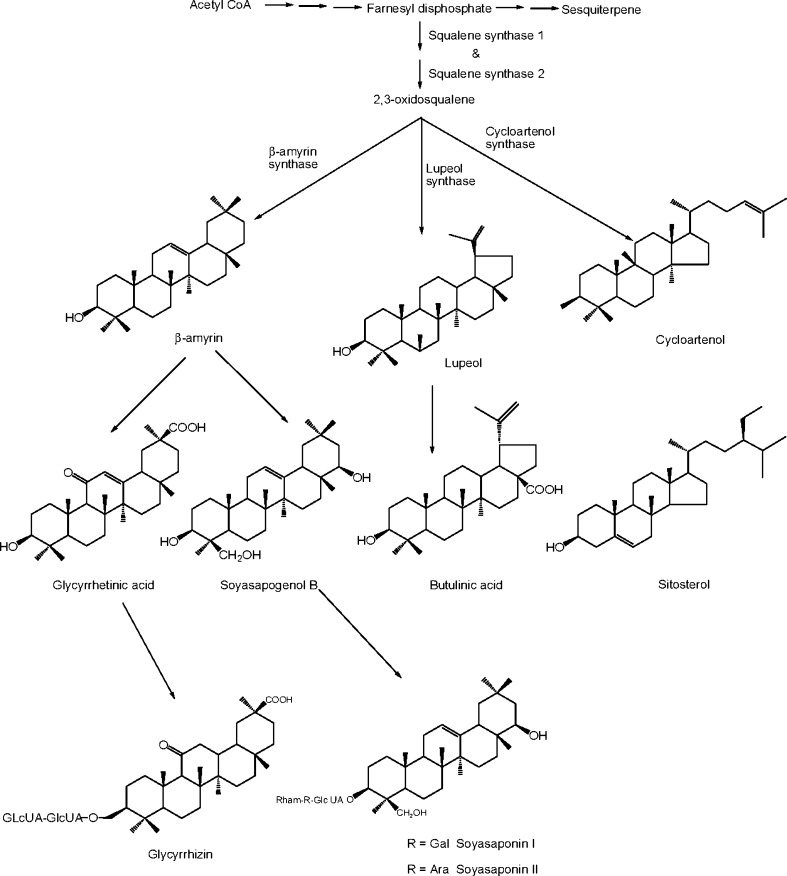
“4). cDNAs of b-amyrin synthase (Hayashi et al. 2001) and cycloartenol synthase (Hayashi et al. 2000) have already been isolated from cultured cells of licorice (Kölner et al. 2004; Hayashi et al. 2003).”
BackgroundKeeling, C. I., Weisshaar, S., Ralph, S. G., Jancsik, S., Hamberger, B., Dullat, H. K., & Bohlmann, J. (2011) · BMC Plant Biology · doi:10.1186/1471-2229-11-43 · Cited by 152 · cited 1×
“These primary metabolism terpene synthase genes are basal to the specialized metabolism genes and are the descendants of an ancestral plant diter- pene synthase similar to the non-vascular plant as Physc- omitrella patens (Hayashi et al. 2006; Keeling et al. 2010, 2011).”
BackgroundRodriguez‐Saona, C., Crafts‐Brandner, S. J., & Cañas, L. A. (2003) · Journal of Chemical Ecology · doi:10.1023/a:1026314102866 · Cited by 150 · cited 4×
“More attention has been paid in case of corn, lima bean, poplar and cotton that are well studied with genetics, biochemical, physiological and ecological approaches (Rodriguez-Saona et al. 2003; Arimura et al. 2004a; Mithofer et al. 2005; Schnee et al. 2006).”
BackgroundInfluentialHayashi, H., Huang, P., & Inoue, K. (2003) · Plant and Cell Physiology · doi:10.1093/pcp/pcg054 · Cited by 149 · cited 4×
“idosqualene cyclase, which are involved in the biosynthesis of phytosterols, were relatively constant (Hayashi et al. 2003).”
BackgroundInfluentialLodeiro, S., Xiong, Q., Wilson, W. K., Kolesnikova, M. D., Onak, C. S., & Matsuda, S. P. T. (2007) · Journal of the American Chemical Society · doi:10.1021/ja073133u · Cited by 145 · cited 2×
“Another tandem duplicate gene pair At4g15340 and At4g15370, encoding arabidiol syn- thase and baruol synthase, respectively (Xiang et al. 2006; Lodeiro et al. 2007), is located on A. thaliana chromosome 4.”
BackgroundBhushan, S., Kumar, A., Malik, F. A., Andotra, S. S., Sethi, V. K., Kaur, I. P., Taneja, S. C., Qazi, G. N., & Singh, J. (2007) · APOPTOSIS · doi:10.1007/s10495-007-0105-5 · Cited by 141 · cited 2×
“Initial attempts to clarify the molecular target of boswellic acid in inflammatory disorders determined that keto-boswellic acid can inhibit 5-lipoxyge- nase in low molecular concentrations (Bhushan et al. 2007).”
BackgroundAnthoni, C., Laukoetter, M. G., Rijcken, E. J. M., Vowinkel, T., Mennigen, R. B., Muller, S. H., Senninger, N. J., Russell, J., Jauch, J., Bergmann, J., et al. (2006) · American Journal of Physiology-Gastrointestinal and Liver Physiology · doi:10.1152/ajpgi.00562.2005 · Cited by 140 · cited 2×
“Boswellic acid More recently extracts of resin enriched in pentacyclic tri- terpenoid known as boswellic acid have been employed as anti-inflammatory drugs (Anthoni et al. 2006).”
MethodMau, C. J., & West, C. A. (1994) · Proceedings of the National Academy of Sciences · doi:10.1073/pnas.91.18.8497 · Cited by 139 · cited 2×
“The peptide is found in both monoterpene and diterpene synthases and supposedly facilitates the import of these nuclear encoded gene products into plas- tids, a process that involves cleavage of the preproteins to the mature active enzymes (Mau and West 1994; Vogel et al. 1996; Jia et al. 2005).”
BackgroundLeivar, P., Antolín‐Llovera, M., Ferrero, S., Closa, M., Arró, M., Ferrer, A., Boronat, A., & Campos, N. (2011) · The Plant Cell · doi:10.1105/tpc.110.074278 · Cited by 138 · cited 1×
“The HMGR activity, the specific enzyme that catalyzes crucial regula- tory steps of the mevalonic acid pathway, is controlled at the protein level through the activity of protein phosphatase A or by the E3 ubiquitin ligase SUD1 (Leivar et al. 2011; Doblas et al. 2013).”
BackgroundJoos, S., Rosemann, T., Szecsenyi, J., Hahn, E. G., Willich, S. N., & Brinkhaus, B. (2006) · BMC Complementary and Alternative Medicine · doi:10.1186/1472-6882-6-19 · Cited by 136 · cited 2×
“This suggested that boswellic acid preparation might dam- pen inflammation by blocking leukotriene synthesis (Joos et al. 2006).”
BackgroundBiosynthesis of the isoprene units of chamomile sesquiterpenes
Adam, K., & Zapp, J. (1998) · Phytochemistry · doi:10.1016/s0031-9422(97)00992-8 · Cited by 135 · cited 2×
“The taxol (sesquiterpenes) is synthesized by the both mevalonic and DXP pathways (Adam and Zapp 1998; Wang et al. 2003).”
BackgroundHsieh, M., Chang, C., Hsu, S.-J., & Chen, J.-J. (2008) · Plant Molecular Biology · doi:10.1007/s11103-008-9297-5 · Cited by 135
Yamaguchi, S., Saito, T., Abe, H., Yamane, H., Murofushi, N., & Kamiya, Y. (1996) · The Plant Journal · doi:10.1046/j.1365-313x.1996.10020203.x · Cited by 134 · cited 2×
“1995) and kaurene synthase B (Yamaguchi et al. 1996), are only distantly related to those of secondary metabolism, including members of sub-families TPSa,”
BackgroundDivergent Regulation of Terpenoid Metabolism in the Trichomes of Wild and Cultivated Tomato Species
Beßer, K., Harper, A. L., Welsby, N. A., Schauvinhold, I., Slocombe, S. P., Li, Y., Dixon, R. A., & Broun, P. (2008) · PLANT PHYSIOLOGY · doi:10.1104/pp.108.126276 · Cited by 133 · cited 2×
“been found in Ocimum basilicum terpenoid metabolism (Iijima et al. 2004; Besser et al. 2008).”
BackgroundShanmugam, M. K., Ong, T. H., Kumar, A. P., Lun, C. K., Ho, P. C., Wong, P. T. H., Hui, K. M., & Sethi, G. (2012) · PLoS ONE · doi:10.1371/journal.pone.0032476 · Cited by 133 · cited 2×
“With respect to the molecular mechanism, it was observed that ursolic acid down regulated the activation of various proinflammatory mediators including NF-jB, TNF-a and IL-6 (Shanmugum et al. 2012).”
BackgroundTwo Oxidosqualene Cyclases Responsible for Biosynthesis of Tomato Fruit Cuticular Triterpenoids
Wang, Z., Guhling, O., Yao, R., Li, F., Yeats, T. H., Rose, J. K. C., & Jetter, R. (2010) · PLANT PHYSIOLOGY · doi:10.1104/pp.110.162883 · Cited by 133 · cited 2×
“The intron patterns and exon lengths of the two S1TTS1 genes are very similar to those of the other oxidosqualene cyclases, while S1TTS2 gene organization most closely resembles OSC3 of Lotus japonicus (Sawai et al. 2006; Wang et al. 2011).”
BackgroundChowdhury, A. R., Mandal, S., Mittra, B., Sharma, S., Mukhopadhyay, S., & Majumder, H. K. (2002) · PubMed · Cited by 131
Gennadios, H. A., González, V., Costanzo, L. D., Li, A., Yu, F., Miller, D. J., Allemann, R. K., & Christianson, D. W. (2009) · Biochemistry · doi:10.1021/bi900483b · Cited by 131 · cited 2×
“determined three-dimensional structures of terpene synthases of plant origin (Gennadios et al. 2009; Kampranis et al. 2007).”
BackgroundStructure and Evolution of Linalool Synthase
Cseke, L., Dudareva, N., & Pichersky, E. (1998) · Molecular Biology and Evolution · doi:10.1093/oxfordjournals.molbev.a025876 · Cited by 131 · cited 2×
“has been suggested that AtTPS04 is an orthologue of this linalool synthase in Arabidopsis thaliana (Cseke et al. 1998; Aubourg et al. 2002).”
BackgroundBelowground Chemical Signaling in Maize: When Simplicity Rhymes with Efficiency
Hiltpold, I., & Turlings, T. C. J. (2008) · Journal of Chemical Ecology · doi:10.1007/s10886-008-9467-6 · Cited by 129 · cited 2×
“By the phylogenetic analysis, it can be predicted that a-copaene synthase gene is more homologous to germacrene B, germacrene D and valencene synthase gene (Hiltpold and Turlings 2008; Wen et al. 2012).”
BackgroundInsights into the Musa genome: Syntenic relationships to rice and between Musa species
Lescot, M., Piffanelli, P., Ciampi, A. Y., Ruíz, M., Blanc, G., Leebens‐Mack, J., da Silva, F. R., Santos, C. M. R., D’Hont, A., Garsmeur, O., et al. (2008) · BMC Genomics · doi:10.1186/1471-2164-9-58 · Cited by 129 · cited 2×
“The D3 duplication event is highly likely to have been a tendem duplication that occurred during the ancient Poaceae genome before the q whole genome duplication, which was estimated to have occurred between 117 and 50 mya (Gaut 2002; Yu et al. 2005; Lescot et al. 2008; Jaio et al. 2011).”
Keeling, C. I., Dullat, H. K., Yuen, M. M. S., Ralph, S. G., Jancsik, S., & Bohlmann, J. (2009) · PLANT PHYSIOLOGY · doi:10.1104/pp.109.151456 · Cited by 128 · cited 1×
“These primary metabolism terpene synthase genes are basal to the specialized metabolism genes and are the descendants of an ancestral plant diter- pene synthase similar to the non-vascular plant as Physc- omitrella patens (Hayashi et al. 2006; Keeling et al. 2010, 2011).”
BackgroundLanosterol Synthase in Dicotyledonous Plants
Suzuki, M., Xiang, T., Ohyama, K., Seki, H., Saito, K., Muranaka, T., Hayashi, H., Katsube, Y., Kushiro, T., Shibuya, M., et al. (2006) · Plant and Cell Physiology · doi:10.1093/pcp/pcj031 · Cited by 127 · cited 2×
“Cyclization of 2,3-oxidosqualene in the chair–boat–chair conformation leads to protosteryl cation intermediate, sterol precursor, via the synthesis of cycloartenol or lanosterol in plants (Kolesnikova et al. 2006; Suzuki et al. 2006), while in contrast to 2,3-oxidosqualene in the chair–chair–chair conformation is cycl…”
BackgroundEngineering triterpene production in Saccharomyces cerevisiae–β‐amyrin synthase from Artemisia annua
Kirby, J., Romanini, D. W., Paradise, E. M., & Keasling, J. D. (2008) · The FEBS Journal · doi:10.1111/j.1742-4658.2008.06343.x · Cited by 126 · cited 2×
“2013), b-amyrin synthase (Kushiro et al. 1998; Kirby et al. 2008; Shibuya et al. 2009) and a-amyrin synthase (Muffler et al.”
BackgroundMangas, S., Bonfill, M., Osuna, L., Moyano, E., Tortoriello, J., Cusido, R. M., Piñol, M. T., & Palazón, J. (2006) · Phytochemistry · doi:10.1016/j.phytochem.2006.06.025 · Cited by 125 · cited 2×
“The level at which the struc- tural diversity of triterpenes is generated, depends on the cyclization of 2,3-oxidosqualene by different oxidosqualene cyclases such as lupeol synthase (LS) and a/b-amyrin synthase (Mangus et al. 2006; Sawai and Saito 2011).”
BackgroundBouic, P. J., Clark, A., Lamprecht, J., Freestone, M., Pool, E. J., Liebenberg, R., Kotze, D., & van Jaarsveld, P. (1999) · International Journal of Sports Medicine · doi:10.1055/s-2007-971127 · Cited by 124 · cited 1×
“One study suggests that b-sitosterol can help prevent the temporary immune weakness that typically occurs during recovery from endurance exercise and can lead to post-race infec- tions (Bouic et al. 1999).”
BackgroundSubcellular Localization of Arabidopsis 3-Hydroxy-3-Methylglutaryl-Coenzyme A Reductase
Leivar, P., González, V. M., Castel, S., Trelease, R. N., López-Iglesias, C., Arró, M., Boronat, A., Campos, N., Ferrer, A., & Fernàndez-Busquets, X. (2005) · Plant Physiology · doi:10.1104/pp.104.050245 · Cited by 123 · cited 2×
“The 3-hydroxy-3- methylglutaryl CoA reductase and squalene synthase are localized in the endoplasmic reticulum (Leivar et al. 2005; Sapir-Mir et al. 2008; Busquets et al. 2008) while the acetoacetyl CoA is also important enzyme of mevalonic acid pathway, localized in peroxisomes (Reumann et…”
BackgroundRohdich, F., Wungsintaweekul, J., Eisenreich, W., Richter, G., Schuhr, C. A., Hecht, S., Zenk, M. H., & Bacher, A. (2000) · Proceedings of the National Academy of Sciences · doi:10.1073/pnas.97.12.6451 · Cited by 123 · cited 2×
“The 4-cytidine 5-phospho-2C-methyl erythritol converted to 2-C-methyl erythritol 2,4-cyclodiphosphate by the enzyme 2-C-methyl erythritol 2,4-cyclodiphosphate synthase (Rohdich et al. 2000; Steinbacher et al. 2003; Herz et al. 2000; Calisto et al. 2007) (Fig.”
MethodBishayee, A., & Rabi, T. (2009) · Journal of Carcinogenesis · doi:10.4103/1477-3163.51368 · Cited by 121
Horizontal transfer of expressed genes in a parasitic flowering plant
Xi, Z., Bradley, R. K., Wurdack, K. J., Wong, K., Sugumaran, M., Bomblies, K., Rest, J. S., & Davis, C. “. (2012) · BMC Genomics · doi:10.1186/1471-2164-13-227 · Cited by 118 · cited 2×
“The enhancement of concentration of terpenoids in response to various abiotic stresses is often is mediated by an increase in transcriptional activity of the specific terpenoid biosynthetic genes (Tholl 2006; Nagegowda et al. 2004, 2010; Xi et al. 2012).”
BackgroundPicaud, S., Olofsson, L., Brodelius, M., & Brodelius, P. E. (2005) · Archives of Biochemistry and Biophysics · doi:10.1016/j.abb.2005.02.012 · Cited by 117 · cited 2×
“Many monoterpene and sesquiterpene synthase genes have been reported from terpene accumulating cells and tissues such as leaf glandular trichomes of Citrus and grapes (Picaud et al. 2005; Lücker et al. 2004; Shimada et al. 2004; Kai et al. 2006).”
BackgroundTwo branches of the lupeol synthase gene in the molecular evolution of plant oxidosqualene cyclases
Shibuya, M., Zhang, H., Endo, A., Shishikura, K., Kushiro, T., & Ebizuka, Y. (1999) · European Journal of Biochemistry · doi:10.1046/j.1432-1327.1999.00875.x · Cited by 115 · cited 3×
“Oxido- squalene cyclases yielded one specific product, such as lupeol synthase (Shibuya et al. 1999; Guhling et al. 2006; Moses et al. 2013), b-amyrin synthase (Kushiro et al. 1998; Kirby et al. 2008; Shibuya et al. 2009) and a-amyrin synthase (Muffler et al. 2011), cycloartenol synthase (Hayashi…”
BackgroundIdentifying functional domains within terpene cyclases using a domain-swapping strategy.
Back, K., & Chappell, J. (1996) · Proceedings of the National Academy of Sciences · doi:10.1073/pnas.93.13.6841 · Cited by 112 · cited 2×
“Valencene synthase (Sheron-Asa et al. 2003) and 5-epi aristolochene synthase (Back and Chappel 1996) are related to one another based on the biosynthesis of sesquiterpenes within the eremophilene class of compounds.”
BackgroundKrishnan, N. M., Pattnaik, S., Jain, P., Gaur, P., Choudhary, R., Vaidyanathan, S., Deepak, S., Hariharan, A. K., Krishna, P. B., Nair, J., et al. (2012) · BMC Genomics · doi:10.1186/1471-2164-13-464 · Cited by 111 · cited 2×
“This could have been due to pre- sence of xenobiotic terpenoids specific to the plant, which might have been a major impediment for horizontal gene transfer (Richardson and Palmer 2007; Krishnan et al. 2012).”
BackgroundKawoosa, T., Singh, H., Kumar, A., Sharma, S. K., Devi, K., Dutt, S., Vats, S. K., Sharma, M., Ahuja, P. S., & Kumar, S. (2010) · Functional & Integrative Genomics · doi:10.1007/s10142-009-0152-9 · Cited by 111 · cited 2×
“Several sesquiterpene syn- thases have also been cloned and characterized from maize (Kölner et al. 2004).”
BackgroundCarrie, C., Murcha, M. W., Millar, A. H., Smith, S. M., & Whelan, J. (2006) · Plant Molecular Biology · doi:10.1007/s11103-006-9075-1 · Cited by 110 · cited 2×
“The mevalonic acid pathway of terpenoid biosynthesis operates in cytosol, the endoplasmic reticulum and peroxisomes (Carrie et al. 2007; Hemmerlin et al. 2003; Dudareva et al. 2006; Leivar et al. 2005; Merret et al. 2007; Sapir-Mir et al. 2008; Simkin et al. 2011; Lange and Ahkami 2013) (Fig.”
BackgroundThe LS locus of pea encodes the gibberellin biosynthesis enzyme ent‐kaurene synthase A
Aït-Ali, T., Swain, S. M., Reid, J. B., Sun, T., & Kamiya, Y. (1997) · The Plant Journal · doi:10.1046/j.1365-313x.1997.11030443.x · Cited by 109 · cited 2×
“The terpenoid synthases of primary metabolism, (-)- CDP synthase (Sun and Kamiya 1994; Ait-Ali et al. 1994; Bensen et al. 1995) and kaurene synthase B (Yamaguchi et al. 1996), are only distantly related to those of secondary metabolism, including members of sub-families TPSa, TPSb and TPSd.”
BackgroundMiller, J. A., Thompson, P. A., Hakim, I. A., Chow, H.-H. S., & Thomson, C. A. (2011) · Oncology Reviews · doi:10.1007/s12156-010-0066-8 · Cited by 108 · cited 1×
“It is predicted that D-limonene inhibits the isoprenylation of small G proteins (Hogg et al. 1992; Gould et al. 1994; Miller et al. 2011).”
BackgroundKodama, R., Yano, T., Furukawa, K., Noda, K., & Ide, H. (1976) · Xenobiotica · doi:10.3109/00498257609151649 · Cited by 108 · cited 1×
“Because of its gastric acid neutralizing effect and its support of normal peristalsis, it has been also used for relief of heartburn and gastroesophageal reflux (Kodama et al. 1976; Sun 2007).”
MethodLu, S., Xu, R., Jia, J.-W., Pang, J., Matsuda, S. P. T., & Chen, X.-Y. (2002) · PLANT PHYSIOLOGY · doi:10.1104/pp.006544 · Cited by 108 · cited 1×
“In Artemisia annua, the discharging of b-pinene fluctuates as per the rhythm of day as well as night and it is higher in the day light than night (Lu et al. 2002).”
BackgroundShibuya, M., Adachi, S., & Ebizuka, Y. (2004) · Tetrahedron · doi:10.1016/j.tet.2004.04.088 · Cited by 107 · cited 2×
“…as lupeol synthase (Shibuya et al. 1999; Guhling et al. 2006; Moses et al. 2013), b-amyrin synthase (Kushiro et al. 1998; Kirby et al. 2008; Shibuya et al. 2009) and a-amyrin synthase (Muffler et al. 2011), cycloartenol synthase (Hayashi et al. 2000) and cucurbitadienol synthase (Shi- buya 2004).”
BackgroundIturbe‐Ormaetxe, I., Haralampidis, K., Papadopoulou, K. Κ., & Osbourn, A. (2003) · Plant Molecular Biology · doi:10.1023/a:1022519709298 · Cited by 105 · cited 2×
“This review highlights the current approa- ches of the phylogenetic analysis of terpene synthases and regulation of terpenoids.”
BackgroundGantet, P., Imbault, N., Thiersault, M., & Doireau, P. (1998) · Plant and Cell Physiology · doi:10.1093/oxfordjournals.pcp.a029360 · Cited by 105 · cited 2×
“Jasmonate and its derivative methyl jasmonate were shown to induce the terpenoid indole biosynthesis in suspension cell cultured with auxin and to enhance the terpenoid indole alkaloid production when cells were cultured in an auxin-free medium (Gantet et al. 1998).”
BackgroundTsay, Y. H., & Robinson, G. W. (1991) · Molecular and Cellular Biology · doi:10.1128/mcb.11.2.620 · Cited by 105 · cited 2×
“Keywords Terpenes Terpene synthase Phylogenetic analysis Clinical trials”
BackgroundMethodProduction of Triterpene Acids by Cell Suspension Cultures of Olea europaea
Saimaru, H., Orihara, Y., Tansakul, P., Kang, Y., Shibuya, M., & Ebizuka, Y. (2007) · Chemical and Pharmaceutical Bulletin · doi:10.1248/cpb.55.784 · Cited by 102
Research works printed but not linked: 2
- Juergens UR Stober M Vetter H Steroid like inhibition of monocyte arachidonic acid metabolism and IL-1β production by 1,8-cineole Atemwegs Lungenkrankneitan 1998 24 3 11 9810029
- Pegel KH The importance of sitosterol and sitosterolin in human and animal nutrition S Afr J Sci 1997 93 263 268
Cited by
Cannabis sativa: The Plant of the Thousand and One Molecules
Andre, C. M., Hausman, J.-F., & Guerriero, G. (2016) · Frontiers in Plant Science · doi:10.3389/fpls.2016.00019 · Cited by 1,544
“They present a wide-array of pharmacological properties, which have recently been described in several reviews (Russo, 2011; Singh and Sharma, 2015).”
BackgroundYeshi, K., Crayn, D., Ritmejerytė, E., & Wangchuk, P. (2022) · Molecules · doi:10.3390/molecules27010313 · Cited by 488
“, releasing phytoalexins after pathogen attacks) or indirectly by producing mixtures of volatile organic compounds (VOCs) to attract carnivores of their herbivores [36].”
BackgroundSingh, R., Parihar, P., Singh, M., Bajguz, A., Kumar, J., Singh, S., Singh, V. P., & Prasad, S. M. (2017) · Frontiers in Microbiology · doi:10.3389/fmicb.2017.00515 · Cited by 398
“…upon their five-carbon isoprene unit, terpenoids have been classified into seven groups i.e., hemiterpenes (C5), monoterpenes (C10), sesquiterpenes (C15), diterpenes (C20), triterpenes (C30), tetraterpenes (C40), and polyterpenes (>C40; Keeling and Bohlmann, 2012; Singh and Sharma, 2015; Figure 3).”
BackgroundPlants as Sources of Anti-Inflammatory Agents
Nunes, C. D. R., Barreto Arantes, M., Menezes de Faria Pereira, S., Leandro da Cruz, L., de Souza Passos, M., Pereira de Moraes, L., Vieira, I. J. C., & Barros de Oliveira, D. (2020) · Molecules · doi:10.3390/molecules25163726 · Cited by 381
Abbas, F., Ke, Y., Yu, R., Yue, Y., Amanullah, S., Jahangir, M. M., & Fan, Y. (2017) · Planta · doi:10.1007/s00425-017-2749-x · Cited by 312
“2003; Singh and Sharma 2015).”
Background
Metadata
- Authors
- Singh, B., & Sharma, R. A.
- Affiliations
- Amity University Jaipur (IN)
- University of Rajasthan (IN)
- Corresponding author
- Singh, Bharat
- Venue
- 3 Biotech
- Published
- 2014-04-29
- Volume
- 5
- Issue
- 2
- Pages
- 129-151
- ISSN
- 2190-572X (ISSN-L)
- 2190-5738
- PMC
- PMC4362742
- OpenAlex
- W2048175162
- Semantic Scholar
- 534ff96aa8cad327bf98a004d29dfba7de25c0c8
- Cited by
- 562
- References
- 295
- Citations by year
- 2026: 17 · 2025: 55 · 2024: 50 · 2023: 84 · 2022: 68 · 2021: 77 · 2020: 75 · 2019: 53 · 2018: 42 · 2017: 23 · 2016: 15 · 2015: 2 · 2014: 1
- FWCI
- 5.61
- Type
- journal article
- Language
- en
- Open access
- hybrid
- doi.org
- Locations
- 3 Biotech (publishedVersion, cc-by)
- Europe PMC (PubMed Central) (publishedVersion, cc-by)
- PubMed Central (publishedVersion, cc-by)
- PubMed (publishedVersion)
- Funders
- Amity University
- Topics
- Life Sciences › Biochemistry, Genetics and Molecular Biology › Molecular Biology › Plant biochemistry and biosynthesis
- Life Sciences › Agricultural and Biological Sciences › Plant Science › Plant tissue culture and regeneration
- Physical Sciences › Chemistry › Organic Chemistry › Sesquiterpenes and Asteraceae Studies
- Keywords
- terpenoid biosynthesis, terpene synthase, phylogenetic analysis, methylerythritol phosphate pathway, sesquiterpenes, diterpenoids, carotenoids, plant defense response, biosynthetic regulation, natural products
About these checks
Registry, retraction, Cites and statistics results are computed, not judged, with one exception: a printed reference that no index lists is read once by a model before it counts as a citation error. Claims are extracted by a model and kept only when their quote appears verbatim in the text; each cited source is then checked, with a model’s help, for whether it says what the claim relies on. Those verdicts can be wrong — read the claim’s quote and the cited source before relying on one.
Statistics and arithmetic are recomputed, not judged.
Confidence bands are shown only for fields calibrated on our annotated test set. None is calibrated yet, so no band is shown.
What counts as a claim ›How we measure confidence ›How we check this ›
Are you an author, or do you see a problem with this page? Request a review
Data sources
Bibliographic data: Semantic Scholar, OpenAlex, Crossref.
Contains information from the Semantic Scholar Academic Graph Datasets, made available under the ODC Attribution License (ODC-BY 1.0).
Semantic Scholar’s data is described in: Kinney, R., et al. (2023). The Semantic Scholar Open Data Platform. arXiv:2301.10140.
