

Cellulose-based hydrogel materials: chemistry, properties and their prospective applications
Open accessThe DOI matches its Crossref record; 237 of the 237 references it cites were found in a registry or an index.
Abstract
Hydrogels based on cellulose comprising many organic biopolymers including cellulose, chitin, and chitosan are the hydrophilic material, which can absorb and retain a huge proportion of water in the interstitial sites of their structures. These polymers feature many amazing properties such as responsiveness to pH, time, temperature, chemical species and biological conditions besides a very high-water absorption capacity. Biopolymer hydrogels can be manipulated and crafted for numerous applications leading to a tremendous boom in research during recent times in scientific communities. With the growing environmental concerns and an emergent demand, researchers throughout the globe are concentrating particularly on naturally derived hydrogels due to their biocompatibility, biodegradability and abundance. Cellulose-based hydrogels are considered as useful biocompatible materials to be used in medical devices to treat, augment or replace any tissue, organ, or help function of the body. These hydrogels also hold a great promise for applications in agricultural activity, as smart materials and some other useful industrial purposes. This review offers an overview of the recent and contemporary research regarding physiochemical properties of cellulose-based hydrogels along with their applications in multidisciplinary areas including biomedical fields such as drug delivery, tissue engineering and wound healing, healthcare and hygienic products as well as in agriculture, textiles and industrial applications as smart materials.
Overview
The claims and statistics of this paper haven’t been checked yet.
Free: it reads the open-access text and checks the first 5 claims that cite a source we can check. Create a free account to check every claim.
Integrity signals
Registry
Cites
Statistics
Figures
Verification
Claims the paper makes
The claims and statistics of this paper haven’t been checked yet.
Free: it reads the open-access text and checks the first 5 claims that cite a source we can check. Create a free account to check every claim.
Self-check
Percentages, sums and reported differences re-computed from the paper’s own numbers.
The self-check needs the paper’s full text.
Citations
Cites
Scaling Concepts in Polymer Physics
de Gennes, P. G., & Witten, T. A. (1980) · Physics Today · doi:10.1063/1.2914118 · Cited by 9,348
Removal of heavy metal ions from wastewaters: A review
Fu, F., & Wang, Q. (2011) · Journal of Environmental Management · doi:10.1016/j.jenvman.2010.11.011 · Cited by 8,703 · cited 3×
“2005), crystallization of the metal ions with the complexed metals as nucleation sites (Fu and Wang 2011; Sklenář et al.”
BackgroundMethodInfluentialHydrogel: Preparation, characterization, and applications: A review
Ahmed, E. M. (2015) · Journal of Advanced Research · doi:10.1016/j.jare.2013.07.006 · Cited by 5,800 · cited 1×
“On the other hand, chemical crosslinking is a permanent junction formed by covalent bonds, along with a relatively stronger ionic communication between various functional groups of introduced crosslinking agents (Ahmed 2015).”
BackgroundHydrogels for Tissue Engineering
Lee, K. Y., & Mooney, D. J. (2001) · Chemical Reviews · doi:10.1021/cr000108x · Cited by 5,277 · cited 1×
“For example, scaffolds provide proper conditions (space and nutrients) for a desired new tissue generation and potentially regulate the structure and function of the engineered tissue in situ or in vitro (Lee and Mooney 2001; Shen et al.”
BackgroundHydrogels for biomedical applications
Hoffman, A. S. (2002) · Advanced Drug Delivery Reviews · doi:10.1016/s0169-409x(01)00239-3 · Cited by 4,864
Hydrogels in pharmaceutical formulations
Peppas, N. (2000) · European Journal of Pharmaceutics and Biopharmaceutics · doi:10.1016/s0939-6411(00)00090-4 · Cited by 4,011
Hydrogels for biomedical applications
Hoffman, A. S. (2012) · Advanced Drug Delivery Reviews · doi:10.1016/j.addr.2012.09.010 · Cited by 3,396
Biomedical applications of hydrogels: A review of patents and commercial products
Caló, E., & Khutoryanskiy, V. V. (2015) · European Polymer Journal · doi:10.1016/j.eurpolymj.2014.11.024 · Cited by 2,634 · cited 2×
“Hydrogels possess diverse properties with biocompatibility and resemblance to living tissue that allows ample opportunities for biomedical applications, particularly in drug delivery and release systems, wound dressings as well as tissue engineering (Caló and Khutoryanskiy 2015).”
BackgroundChitosan-based hydrogels for controlled, localized drug delivery
Bhattarai, N., Gunn, J., & Zhang, M. (2010) · Advanced Drug Delivery Reviews · doi:10.1016/j.addr.2009.07.019 · Cited by 2,451
Statistical Mechanics of Cross-Linked Polymer Networks I. Rubberlike Elasticity
Flory, P. J., & Rehner, J. (1943) · The Journal of Chemical Physics · doi:10.1063/1.1723791 · Cited by 2,421 · cited 1×
“…mechanical behaviors of hydrogels, rubber elastic theory is regarded as the most efficient approach, because it associates important bulk property of hydrogels: rubbery modulus scales, temperature, and crosslinking density (De Gennes 1979; Flory and Rehner 1943; James and Guth 1943; Wall 1942).”
Background
Research works printed but not linked: 5
- Jafarzadeh S, Eghbal M, Jalalian A (2005) Biological and mechanical stabilization of sand dunes using super-absorbent polymers and clay mulch in Ardestan area (Isfahan). In: Proceedings of international conference on human impacts on soil quality attributes, Isfahan, IR Iran
- Okoh Grace Polyscaccharides in drug delivery: applications of cellulose derivatives for oral drug delivery 2017 San Francisco American Chemical Society
- Roman M (2017) Cellulose nanocrystal conjugates for drug delivery and bioimaging applications. American Chemical Society, San Francisco. http://cell.sites.acs.org/meetings/2017_ACSspring/253_CELL_Draft_Final%20Program_3-2-2017.pdf
- Tosh B Esterification and etherification of cellulose synthesis and application of cellulose derivatives cellulose and cellulose derivatives synthesis, modification and applications 2015 New York Nova Science Publishers 259 298
- Yuan P (2013) Design, fabrication, and application of stimuli-responsive hydrogel actuators. University of Illinois at Urbana-Champaign. http://hdl.handle.net/2142/46812
Cited by
Kabir, S. M. F., Mathur, K., & Seyam, A.-F. M. (2020) · Composite Structures · doi:10.1016/j.compstruct.2019.111476 · Cited by 678
Self-citationChemically Modified Biopolymers for the Formation of Biomedical Hydrogels
Muir, V. G., & Burdick, J. A. (2021) · Chemical Reviews · doi:10.1021/acs.chemrev.0c00923 · Cited by 604
Acrylic acid/acrylamide based hydrogels and its properties - A review
Sennakesavan, G., Mostakhdemin, M., Dkhar, L. K., Seyfoddin, A., & Fatihhi, S. J. (2020) · Polymer Degradation and Stability · doi:10.1016/j.polymdegradstab.2020.109308 · Cited by 409
Electrospinning of natural polymers for the production of nanofibres for wound healing applications
Juncos Bombin, A. D., Dunne, N. J., & McCarthy, H. O. (2020) · Materials Science and Engineering: C · doi:10.1016/j.msec.2020.110994 · Cited by 356
Abdelhamid, H. N., & Mathew, A. P. (2022) · Coordination Chemistry Reviews · doi:10.1016/j.ccr.2021.214263 · Cited by 341
Recent advances in polysaccharide‐based hydrogels for synthesis and applications
Li, Z., & Lin, Z. (2021) · Aggregate · doi:10.1002/agt2.21 · Cited by 275
Pita-López, M. L., Fletes-Vargas, G., Espinosa-Andrews, H., & Rodríguez-Rodríguez, R. (2021) · European Polymer Journal · doi:10.1016/j.eurpolymj.2020.110176 · Cited by 256
Highly Stretchable and Compressible Cellulose Ionic Hydrogels for Flexible Strain Sensors
Tong, R., Chen, G., Pan, D., Qi, H., Li, R., Tian, J., Lu, F., & He, M. (2019) · Biomacromolecules · doi:10.1021/acs.biomac.9b00322 · Cited by 241
Atmospheric Water Harvesting by Large-Scale Radiative Cooling Cellulose-Based Fabric
Zhang, Y., Zhu, W., Zhang, C., Peoples, J., Li, X., Felicelli, A. L., Shan, X., Warsinger, D. M., Borca-Tasciuc, T., Ruan, X., et al. (2022) · Nano Letters · doi:10.1021/acs.nanolett.1c04143 · Cited by 228
Key advances of carboxymethyl cellulose in tissue engineering & 3D bioprinting applications
Zennifer, A., Senthilvelan, P., Sethuraman, S., & Sundaramurthi, D. (2021) · Carbohydrate Polymers · doi:10.1016/j.carbpol.2020.117561 · Cited by 227
Cellulose-Based Hydrogels for Wastewater Treatment: A Concise Review
Akter, M., Bhattacharjee, M., Dhar, A. K., Rahman, F. B. A., Haque, S., Rashid, T. U., & Kabir, S. M. F. (2021) · Gels · doi:10.3390/gels7010030 · Cited by 221
“), and/or its composites (such as polyelec‐ trolyte complex, interpenetrating polymer networks and blending with other polymers) [48,74].”
BackgroundSelf-citationRecent Progress in Biopolymer-Based Hydrogel Materials for Biomedical Applications
Mahmood, A., Patel, D., Hickson, B., DesRochers, J., & Hu, X. (2022) · International Journal of Molecular Sciences · doi:10.3390/ijms23031415 · Cited by 218
Recent Advances of Stimuli-Responsive Polysaccharide Hydrogels in Delivery Systems: A Review
Zhang, Y., Dong, L., Liu, L., Wu, Z., Pan, D., & Liu, L. (2022) · Journal of Agricultural and Food Chemistry · doi:10.1021/acs.jafc.2c01080 · Cited by 215
Yang, Q., Peng, J., Xiao, H., Xu, X., & Qian, Z. (2022) · Carbohydrate Polymers · doi:10.1016/j.carbpol.2021.118952 · Cited by 213
Recent Achievements in Polymer Bio-Based Flocculants for Water Treatment
Maćczak, P., Kaczmarek, H., & Ziegler-Borowska, M. (2020) · Materials · doi:10.3390/ma13183951 · Cited by 212
An Overview on Starch-Based Sustainable Hydrogels: Potential Applications and Aspects
Qamruzzaman, M., Ahmed, F., & Mondal, M. I. H. (2022) · Journal of Polymers and the Environment · doi:10.1007/s10924-021-02180-9 · Cited by 211
Radoor, S., Karayil, J., Jayakumar, A., Kandel, D. R., Kim, J. T., Siengchin, S., & Lee, J. (2024) · Carbohydrate Polymers · doi:10.1016/j.carbpol.2023.121339 · Cited by 202
Current and Future Prospective of Injectable Hydrogels—Design Challenges and Limitations
Almawash, S., Osman, S. K., Mustafa, G., & El Hamd, M. A. (2022) · Pharmaceuticals · doi:10.3390/ph15030371 · Cited by 201
“These co-sensitive hydrogels consist of a pH-responsive and temperature-sensitive hydrophilic polymeric meshwork [20,33].”
BackgroundNanocellulose: Resources, Physio-Chemical Properties, Current Uses and Future Applications
Kaur, P., Sharma, N., Munagala, M., Rajkhowa, R., Aallardyce, B., Shastri, Y., & Agrawal, R. (2021) · Frontiers in Nanotechnology · doi:10.3389/fnano.2021.747329 · Cited by 192
“Nanocelluloses was also used as a coating material (Bacakova et al., 2019), electrospun nano-fibers (Khalil et al., 2012), membranes and hydro-gels (Kabir et al., 2018; Yue et al., 2019).”
MethodAn Overview of Cellulose Derivatives-Based Dressings for Wound-Healing Management
Tudoroiu, E.-E., Dinu-Pîrvu, C.-E., Albu Kaya, M. G., Popa, L., Anuța, V., Prisada, R. M., & Ghica, M. V. (2021) · Pharmaceuticals · doi:10.3390/ph14121215 · Cited by 191
Development history and synthesis of super-absorbent polymers: a review
Ma, X., & Wen, G. (2020) · Journal of Polymer Research · doi:10.1007/s10965-020-02097-2 · Cited by 189
Iron(iii)-cross-linked alginate hydrogels: a critical review
Massana Roquero, D., Othman, A., Melman, A., & Katz, E. (2022) · Materials Advances · doi:10.1039/d1ma00959a · Cited by 186
Fiber‐Based Biopolymer Processing as a Route toward Sustainability
Li, C., Wu, J., Shi, H., Xia, Z., Sahoo, J. K., Yeo, J., & Kaplan, D. L. (2022) · Advanced Materials · doi:10.1002/adma.202105196 · Cited by 184
Darge, H. F., Andrgie, A. T., Tsai, H.-C., & Lai, J.-Y. (2019) · International Journal of Biological Macromolecules · doi:10.1016/j.ijbiomac.2019.04.131 · Cited by 172
Shah, A. I., Din Dar, M. U., Bhat, R. A., Singh, J. P., Singh, K., & Bhat, S. A. (2020) · Ecological Engineering · doi:10.1016/j.ecoleng.2020.105882 · Cited by 169
Chatterjee, S., & Hui, P. C.-L. (2021) · Polymers · doi:10.3390/polym13132086 · Cited by 168
“The physical mixing of thermoresponsive biopolymers with some natural polymers with pH-responsive properties such as alginate, chitosan, hyaluronic acid, and pectin can provide the bio-based formulations with the ability to swell or shrink in response to pH of the external media, and depending on the pH of external me…”
BackgroundTian, X., Wen, Y., Zhang, Z., Zhu, J., Song, X., Phan, T. T., & Li, J. (2025) · Biomaterials · doi:10.1016/j.biomaterials.2025.123134 · Cited by 168
Sustainable biomaterials based on cellulose, chitin and chitosan composites - A review
Kostag, M., & Seoud, O. A. E. (2021) · Carbohydrate Polymer Technologies and Applications · doi:10.1016/j.carpta.2021.100079 · Cited by 163
Nanocellulose-based products for sustainable applications-recent trends and possibilities
Reshmy, R., Philip, E., Paul, S. A., Madhavan, A., Sindhu, R., Binod, P., Pandey, A., & Sirohi, R. (2020) · Reviews in Environmental Science and Bio/Technology · doi:10.1007/s11157-020-09551-z · Cited by 161
Anae, J., Ahmad, N., Kumar, V., Thakur, V. K., Gutiérrez, T., Yang, X. J., Cai, C., Yang, Z., & Coulon, F. (2020) · The Science of The Total Environment · doi:10.1016/j.scitotenv.2020.144351 · Cited by 162
“Other researchers have argued that the use of synthetic chemical backbone polymers could lead to secondary pollution, and as such have recommended the use of biopolymers (biosorbents), such as cellulose and lignin, which are more eco-friendly and foster the circular bioeconomy concept (Coviello et al., 2007; Klein and…”
Background3D Bioprinted Nanocellulose-Based Hydrogels for Tissue Engineering Applications: A Brief Review
Athukoralalage, S. S. A., Balu, R., Dutta, N. K., & Choudhury, N. R. (2019) · Polymers · doi:10.3390/polym11050898 · Cited by 160
Polymeric Scaffolds for Dental, Oral, and Craniofacial Regenerative Medicine
Wu, D. T., Munguia-Lopez, J. G., Cho, Y. W., Ma, X., Song, V., Zhu, Z., & Tran, S. D. (2021) · Molecules · doi:10.3390/molecules26227043 · Cited by 159
“Cellulose is one of the most abundant polymers in nature, extracted from plants’ cell walls and produced by certain bacteria [12,13].”
BackgroundCellulose: a fascinating biopolymer for hydrogel synthesis
Bhaladhare, S., & Das, D. (2022) · Journal of Materials Chemistry B · doi:10.1039/d1tb02848k · Cited by 159
Cu(II) removal from wastewater using chitosan-based adsorbents: A review
Mallik, A. K., Kabir, S. M. F., Rahman, F. B. A., Sakib, M. N., Efty, S. S., & Rahman, M. M. (2022) · Journal of environmental chemical engineering · doi:10.1016/j.jece.2022.108048 · Cited by 159
Self-citationSivakumar, R., & Lee, N. Y. (2022) · Chemosphere · doi:10.1016/j.chemosphere.2021.131890 · Cited by 158
Das, D., Prakash, P., Rout, P. K., & Bhaladhare, S. (2020) · Starch - Stärke · doi:10.1002/star.201900284 · Cited by 152
Hammouda, S. B., Chen, Z., An, C., & Lee, K. (2021) · Journal of Cleaner Production · doi:10.1016/j.jclepro.2021.127630 · Cited by 150
Mishra, K., Siwal, S. S., Sithole, T., Singh, N., Hart, P., & Thakur, V. K. (2023) · Journal of Bioresources and Bioproducts · doi:10.1016/j.jobab.2023.12.002 · Cited by 152
Progress and Innovations in Hydrogels for Sustainable Agriculture
Ali, K., Asad, Z., Agbna, G. H. D., Saud, A., Khan, A., & Zaidi, S. M. J. (2024) · Agronomy · doi:10.3390/agronomy14122815 · Cited by 137
Riseh, R. S., Ebrahimi-Zarandi, M., Vazvani, M. G., & Skorik, Y. А. (2021) · International Journal of Molecular Sciences · doi:10.3390/ijms222312979 · Cited by 131
Riseh, R. S., Vazvani, M. G., Hassanisaadi, M., & Skorik, Y. А. (2023) · Polymers · doi:10.3390/polym15020440 · Cited by 126
“These polymers feature a number of useful properties, such as responsiveness to pH, time, temperature, chemical species, and biological conditions [24].”
BackgroundTechnologies and Formulation Design of Polysaccharide-Based Hydrogels for Drug Delivery
Auriemma, G., Russo, P., Gaudio, P. D., García‐González, C. A., Landín, M., & Aquino, R. P. (2020) · Molecules · doi:10.3390/molecules25143156 · Cited by 125
“…such as conventional, dielectric, freeze or supercritical drying, each one with a significant impact on the physicochemical and textural properties of the final dried beads [169]. polysaccharide-based hydrogel particles can be used in the hydrated form for different applications [119,162 – 166].”
BackgroundKumar, B., Priyadarshi, R., Sauraj, Deeba, F., Kulshreshtha, A., Gaikwad, K. K., Kim, J., Kumar, A., & Negi, Y. S. (2020) · Gels · doi:10.3390/gels6040049 · Cited by 123
“In recent years, several studies have been undertaken in hydrogel materials of acrylic acid (AA)-grafted polysaccharides, namely CMC-g-PAA [24], chitosan/PAA [25], PAA-hydroxyethyl cellulose [26], Amylose-g-PAA [27] and various AA-grafted polysaccharides [28,29] for superabsorbent, waste water treatment and biomedical…”
BackgroundCellulosic biomass-based sustainable hydrogels for wastewater remediation: Chemistry and prospective
Thakur, S., Verma, A., Kumar, V., Yang, X. J., Krishnamurthy, S., Coulon, F., & Thakur, V. K. (2021) · Fuel · doi:10.1016/j.fuel.2021.122114 · Cited by 123
Joshi, P., Sharma, O. P., Ganguly, S. K., Srivastava, M. K., & Khatri, O. P. (2021) · Journal of Colloid and Interface Science · doi:10.1016/j.jcis.2021.11.016 · Cited by 123
Zheng, A. L. T., Sabidi, S., Ohno, T., Maeda, T., & Andou, Y. (2021) · Chemosphere · doi:10.1016/j.chemosphere.2021.131731 · Cited by 121
Cellulose‐Based Biomaterials: Chemistry and Biomedical Applications
Hasanin, M. S. (2022) · Starch - Stärke · doi:10.1002/star.202200060 · Cited by 121
Aoudi, B., Boluk, Y., & El‐Din, M. G. (2022) · The Science of The Total Environment · doi:10.1016/j.scitotenv.2022.156903 · Cited by 122
Behrooznia, Z., & Nourmohammadi, J. (2024) · Giant · doi:10.1016/j.giant.2024.100301 · Cited by 119
Mishra, S., Kharkar, P. S., & Pethe, A. M. (2018) · Carbohydrate Polymers · doi:10.1016/j.carbpol.2018.12.004 · Cited by 117
Rumon, M. M. H. (2025) · RSC Advances · doi:10.1039/d5ra00521c · Cited by 121
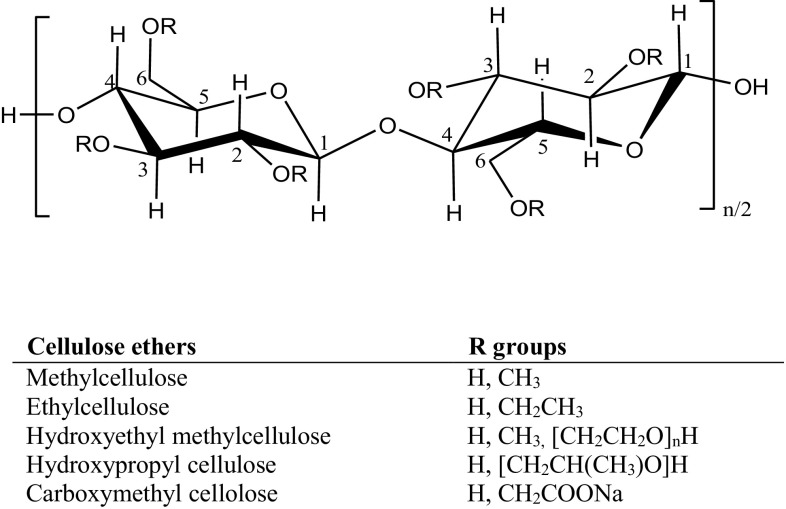
“…(MC), ethyl cellulose (EC), hydroxyethyl methyl cellulose (HEMC), and hydroxypropyl cellulose (HPC), are mainly ether-functionalized compounds, where OH functional groups present at C-2, C-3, and/or C-6 undergo dehydration to form ethers under various reaction conditions, 28,31 shown in Scheme 2.”
Challenges associated with cellulose composite material: Facet engineering and prospective
Aziz, T., Haq, F., Farid, A., Kiran, M., Faisal, S., Ullah, A., Ullah, N., Bokhari, A., Mubashir, M., Chuah, L. F., et al. (2023) · Environmental Research · doi:10.1016/j.envres.2023.115429 · Cited by 115
Designing cellulose hydrogels from non-woody biomass
Wong, L. C., Leh, C. P., & Goh, C. F. (2021) · Carbohydrate Polymers · doi:10.1016/j.carbpol.2021.118036 · Cited by 113
4D Printing: Technological and Manufacturing Renaissance
Khalid, M. Y., Arif, Z. U., & Ahmed, W. (2022) · Macromolecular Materials and Engineering · doi:10.1002/mame.202200003 · Cited by 113
Borrero‐López, A. M., Valencia, C., & Franco, J. M. (2022) · Polymers · doi:10.3390/polym14050881 · Cited by 112
Advanced biomaterials for sustainable applications in the food industry: Updates and challenges
Rajasekharan, R., Philip, E., Madhavan, A., Sindhu, R., Pugazhendhi, A., Binod, P., Sirohi, R., Awasthi, M. K., Tarafdar, A., & Pandey, A. (2021) · Environmental Pollution · doi:10.1016/j.envpol.2021.117071 · Cited by 110
Sun, W., Zhao, X., Webb, E., Xu, G., Zhang, W., & Wang, Y. (2023) · Journal of Materials Chemistry A · doi:10.1039/d2ta08841j · Cited by 111
Cai, C., Chen, Y., Cheng, F., Wei, Z., Zhou, W., & Fu, Y. (2024) · ACS Nano · doi:10.1021/acsnano.3c10313 · Cited by 109
Regenerated Cellulose Products for Agricultural and Their Potential: A Review
Armir, N. A. Z., Zulkifli, A., Gunaseelan, S., Palanivelu, S. D., Salleh, K. M., Othman, M. H. C., & Zakaria, S. (2021) · Polymers · doi:10.3390/polym13203586 · Cited by 109
Rana, A. K., Gupta, V. K., Hart, P., & Thakur, V. K. (2023) · Environmental Research · doi:10.1016/j.envres.2023.117889 · Cited by 111
Erfani, A., Diaz, A. E., & Doyle, P. S. (2023) · Materials Today · doi:10.1016/j.mattod.2023.03.006 · Cited by 108
Hydrogel Application in Urban Farming: Potentials and Limitations—A Review
Palanivelu, S. D., Armir, N. A. Z., Zulkifli, A., Hair, A. H. A., Salleh, K. M., Lindsey, K., Othman, M. H. C., & Zakaria, S. (2022) · Polymers · doi:10.3390/polym14132590 · Cited by 106
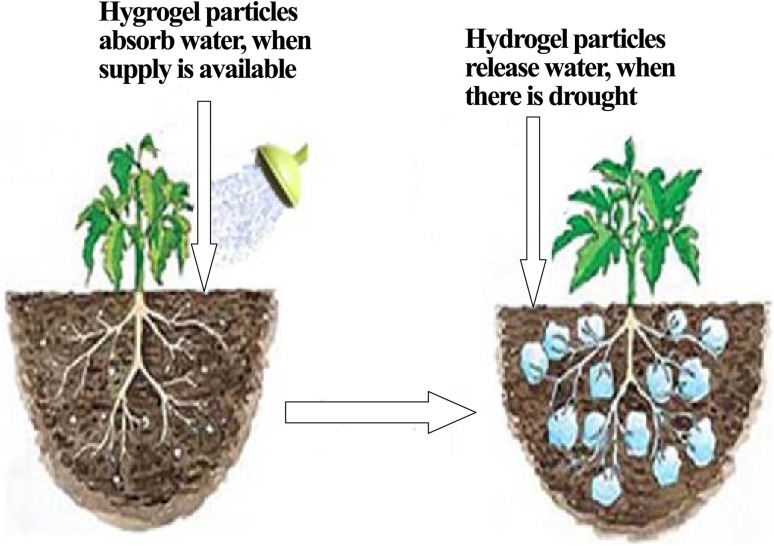
“Hydrogels constructed of superabsorbent polymers have been used widely in the agriculture industry due to their roles in soil enhancement, allowing plants to grow in arid areas, and facilitating seed germination [5].”
BackgroundPain-free oral delivery of biologic drugs using intestinal peristalsis–actuated microneedle robots
Gao, X., Li, J., Li, J., Zhang, M., & Xu, J. L. (2024) · Science Advances · doi:10.1126/sciadv.adj7067 · Cited by 104
“The materials have been also reported to exhibit biodegradability, facilitated either by endogenous enzymes ( 41 ) or gastrointestinal microorganisms ( 34 , 42 – 44 ).”
Bioplastic production from renewable lignocellulosic feedstocks: a review
Rajasekharan, R., Thomas, D., Philip, E., Paul, S. A., Madhavan, A., Sindhu, R., Sirohi, R., Varjani, S., Pugazhendhi, A., Pandey, A., et al. (2021) · Reviews in Environmental Science and Bio/Technology · doi:10.1007/s11157-021-09565-1 · Cited by 100
Superhydrophobic modification of nanocellulose based on an octadecylamine/dopamine system
Wang, L., Hui, L., & Su, W. (2021) · Carbohydrate Polymers · doi:10.1016/j.carbpol.2021.118710 · Cited by 97
Adsorption kinetics of methylene blue from wastewater using pH-sensitive starch-based hydrogels
Mohammadzadeh, F., Golshan, M., Haddadi‐Asl, V., & Salami‐Kalajahi, M. (2023) · Scientific Reports · doi:10.1038/s41598-023-39241-z · Cited by 97
Biopolymers and their derivatives: Key components of advanced biomedical technologies
Duceac, I. A., & Coseri, S. (2022) · Biotechnology Advances · doi:10.1016/j.biotechadv.2022.108056 · Cited by 98
Idrissi, A. E., Channab, B., Essamlali, Y., & Zahouily, M. (2023) · International Journal of Biological Macromolecules · doi:10.1016/j.ijbiomac.2023.128909 · Cited by 96
Rheological insights on Carboxymethyl cellulose hydrogels
Enoch, K., & Somasundaram, A. A. (2023) · International Journal of Biological Macromolecules · doi:10.1016/j.ijbiomac.2023.127481 · Cited by 97
Dynamic protein and polypeptide hydrogels based on Schiff base co-assembly for biomedicine
Sahajpal, K., Shekhar, S., Kumar, A., Sharma, B., Meena, M. K., Bhagi, A. K., & Sharma, S. (2022) · Journal of Materials Chemistry B · doi:10.1039/d2tb00077f · Cited by 94
Liu, Q., & Khor, S. M. (2023) · TrAC Trends in Analytical Chemistry · doi:10.1016/j.trac.2023.117465 · Cited by 91
Recent advances in cellulose supported photocatalysis for pollutant mitigation: A review
Sudhaik, A., Raizada, P., Ahamad, T., Alshehri, S. M., Nguyen, V., Le, Q. V., Thakur, S., Thakur, V. K., Selvasembian, R., & Singh, P. (2022) · International Journal of Biological Macromolecules · doi:10.1016/j.ijbiomac.2022.11.241 · Cited by 90
Nath, P. C., Sharma, R., Mahapatra, U., Mohanta, Y. K., Rustagi, S., Sharma, M., Mahajan, S., Nayak, P. K., & Sridhar, K. (2024) · International Journal of Biological Macromolecules · doi:10.1016/j.ijbiomac.2024.133090 · Cited by 90
Dynamic plant-derived polysaccharide-based hydrogels
Heidarian, P., Kouzani, A. Z., Kaynak, A., Paulino, M., Nasri‐Nasrabadi, B., Zolfagharian, A., & Varley, R. J. (2019) · Carbohydrate Polymers · doi:10.1016/j.carbpol.2019.115743 · Cited by 90
Polysaccharide hydrogels for skin wound healing
Liu, M., Jin, J., Zhong, X., Liu, L., Tang, C., & Cai, L. (2024) · Heliyon · doi:10.1016/j.heliyon.2024.e35014 · Cited by 90
“The presence of numerous hydroxyl groups along the cellulose main chain results in poor dispersibility in common solvents owing to intermolecular and intramolecular hydrogen bonding [77].”
BackgroundUse of low-cost biopolymers and biopolymeric composite systems for heavy metal removal from water
Zia, Z., Hartland, A., & Mucalo, M. R. (2020) · International Journal of Environmental Science and Technology · doi:10.1007/s13762-020-02764-3 · Cited by 87
Advances in Cellulose-Based Hydrogels for Biomedical Engineering: A Review Summary
Zou, P., Yao, J., Cui, Y., Zhao, T., Che, J., Yang, M., Li, Z., & Gao, C. (2022) · Gels · doi:10.3390/gels8060364 · Cited by 86
“A classic example is cellulose ether, a class of polymer compound with an ether structure—such as methyl cellulose (MC), hydroxypropyl methyl cellulose (HPMC), hydroxyethyl cellulose (HEC), and carboxymethyl cellulose (CMC), in which the hydrogen of the cellulose hydroxyl group is replaced by the hydrocarbon group [46…”
BackgroundForero‐Doria, O., Polo-Cuadrado, E., Maricán, A., Guzmán, L., Venegas, B., Vijayakumar, S., Wehinger, S., Guerrero, M., Gallego, J., & Durán‐Lara, E. F. (2020) · Carbohydrate Polymers · doi:10.1016/j.carbpol.2020.116383 · Cited by 85
“In this regard, cellulose-based hydrogels are considered useful biocompatible materials to be utilized in medical devices such as wound dressing hydrogels (Kabir et al., 2018; Mohamad, Loh, Fauzi, Ng, & Amin, 2019).”
BackgroundFunctionalization and Antibacterial Applications of Cellulose-Based Composite Hydrogels
Bao, Y., He, J. Y., Song, K., Guo, J., Zhou, X., & Liu, S. (2022) · Polymers · doi:10.3390/polym14040769 · Cited by 83
Review on Hydrogel-Based Flexible Supercapacitors for Wearable Applications
Tadesse, M. G., & Lübben, J. F. (2023) · Gels · doi:10.3390/gels9020106 · Cited by 83
“The basic properties of the hydrogel is capturing very huge amounts of water molecules in its 3D networks [33].”
BackgroundAzeem, M. K., Islam, A., Khan, R. U., Rasool, A., Qureshi, M. A. U. R., Rizwan, M., Sher, F., & Rasheed, T. (2023) · Polymers for Advanced Technologies · doi:10.1002/pat.6122 · Cited by 83
3D Printing of Cytocompatible Gelatin‐Cellulose‐Alginate Blend Hydrogels
Erkoc, P., Uvak, I., Nazeer, M. A., Batool, S. R., Odeh, Y. N., Akdoğan, O., & Kızılel, S. (2020) · Macromolecular Bioscience · doi:10.1002/mabi.202000106 · Cited by 82
Biodegradable cellulose-based superabsorbent as potent hemostatic agent
Mahmoodzadeh, A., Moghaddas, J., Jarolmasjed, S., Kalan, A. E., Edalati, M., & Salehi, R. (2021) · Chemical Engineering Journal · doi:10.1016/j.cej.2021.129252 · Cited by 82
Ionic Hydrogel Sensors toward Next‐Gen Personalized Healthcare
Sun, Y., Tian, G., Deng, W., & Yang, W. (2025) · Advanced Materials · doi:10.1002/adma.202509122 · Cited by 85
Esa, N. E. F., Ansari, M. N. M., Razak, S. I. A., Ismail, N. I., Jusoh, N., Zawawi, N. A., Jamaludin, M. I., Sagadevan, S., & Nayan, N. H. M. (2022) · Molecules · doi:10.3390/molecules27103080 · Cited by 81
“However, cellulose does not contain antimicrobial activity to prevent wound infection [125].”
BackgroundCapanema, N. S. V., Mansur, A. A. P., Carvalho, I. C., Carvalho, S. M., & Mansur, H. S. (2023) · Gels · doi:10.3390/gels9020166 · Cited by 83
Stimulus-responsive cellulose hydrogels in biomedical applications and challenges
Xue, H., Zhu, C., Wang, Y., Gu, Q., Shao, Y., Jin, A., Zhang, X., Lei, L., & Li, Y. (2025) · Materials Today Bio · doi:10.1016/j.mtbio.2025.101814 · Cited by 79
“Common cellulose derivatives include sodium carboxyme thyl cellulose (CMC) [64,65], hydroxypropyl cellulose [66], hydroxyethyl cellulose [67], cellulose acetate [68], methylcellulose [69], and hydroxypropyl methylcellulose [70].”
Piro, B., Tran, H. V., & Thu, V. T. (2020) · Sensors · doi:10.3390/s20205898 · Cited by 78
“, 2018 [73], which detail the physico-chemical aspects of these hydrogels based on cellulose, chitin, or chitosan.”
BackgroundMethodChitosan Superabsorbent Biopolymers in Sanitary and Hygiene Applications
Mistry, P. A., Konar, M. N., Latha, S., Chadha, U., Bhardwaj, P., & Eticha, T. K. (2023) · International Journal of Polymer Science · doi:10.1155/2023/4717905 · Cited by 67
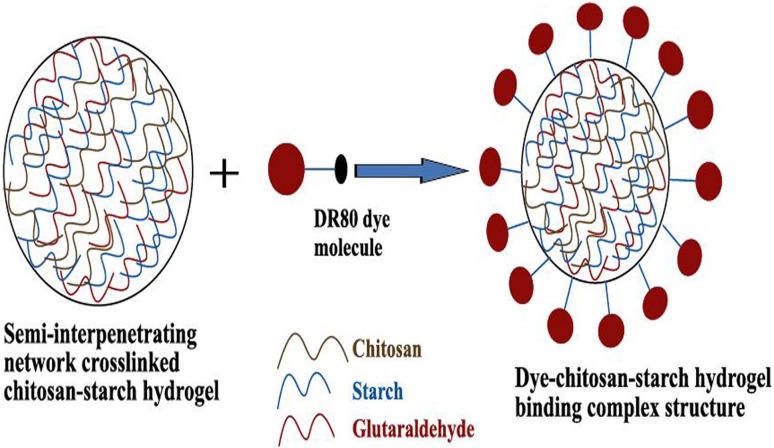
“This hydrogel displayed the best swelling capacity in water and dye solutions [25].”
BackgroundCellulose‐based hydrogels regulated by supramolecular chemistry
Hu, D., Zeng, M., Sun, Y., Yuan, J., & Wei, Y. (2021) · SusMat · doi:10.1002/sus2.17 · Cited by 75
Drug Delivery Systems for Localized Cancer Combination Therapy
Woodring, R. N., Graham-Gurysh, E. G., Bachelder, E. M., & Ainslie, K. M. (2023) · ACS Applied Bio Materials · doi:10.1021/acsabm.2c00973 · Cited by 75
Eco-friendly cellulose-based hydrogels derived from wastepapers as a controlled-release fertilizer
Ahmad, D. F. B. A., Wasli, M. E., Tan, C. S. Y., Musa, Z., & Chin, S. F. (2023) · Chemical and Biological Technologies in Agriculture · doi:10.1186/s40538-023-00407-6 · Cited by 75
“Introduction Cellulose hydrogels refer to three-dimensional (3D) network structures consisting of highly crosslinked linear or branched hydrophilic cellulosic polymer chains [1, 2].”
BackgroundTong, R., Chen, G., Tian, J., & He, M. (2019) · Carbohydrate Polymers · doi:10.1016/j.carbpol.2019.115366 · Cited by 75
Wang, F., Zhang, Q. Y., Huang, K., Li, J., Wang, K., Zhang, K., & Tang, X. (2019) · International Journal of Biological Macromolecules · doi:10.1016/j.ijbiomac.2019.11.019 · Cited by 75
Aggregated structures and their functionalities in hydrogels
Cui, K., & Gong, J. P. (2021) · Aggregate · doi:10.1002/agt2.33 · Cited by 73
Crosslinking Strategies for the Microfluidic Production of Microgels
Chen, M., Bolognesi, G., & Vladisavljević, G. T. (2021) · Molecules · doi:10.3390/molecules26123752 · Cited by 75
“Hydrogels are widely used as excipients for drug delivery systems [1,2]; scaffolds in tissue engineering [3,4]; wound dressings [5]; absorbents for hygiene products (diapers, napkins, hospital bed sheets, and sanitary towels) [6]; gelling agents, thickeners, and packaging materials in food products [7]; and irritation…”
BackgroundChen, I.-C., Su, C., Chen, P., Hoang, T. C., Tsou, Y., & Fang, H. (2022) · Polymers · doi:10.3390/polym14245353 · Cited by 74
“Cellulose is the most abundant natural polymer and its derivatives are usually water soluble [58].”
BackgroundRecent Advances in Living Algae Seeding Wound Dressing: Focusing on Diabetic Chronic Wound Healing
Ma, J., Fang, Y., Yu, H., Yi, J., Ma, Y., Lei, P., Yang, Q., Jin, L., Wu, W., Li, H., et al. (2023) · Advanced Functional Materials · doi:10.1002/adfm.202308387 · Cited by 71
Ahmad, S., Manzoor, K., Purwar, R., & Ikram, S. (2020) · ACS Omega · doi:10.1021/acsomega.0c01023 · Cited by 71
A Review on Gelatin Based Hydrogels for Medical Textile Applications
Petros, S., Tesfaye, T., & Ayele, M. (2020) · Journal of Engineering · doi:10.1155/2020/8866582 · Cited by 70
“Cellulose is a common biodegradable polymer found in plants [6].”
BackgroundMethod
Metadata
- Authors
- Kabir, S. M. F., Sikdar, P. P., Haque, B., Bhuiyan, M. A. R., Ali, A., & Islam, M. N.
- Affiliations
- Louisiana State University (US)
- University of Georgia (US)
- University of Chittagong (BD)
- Dhaka University of Engineering & Technology (BD)
- Corresponding author
- Kabir, S M Fijul
- Venue
- Progress in Biomaterials
- Published
- 2018-09
- Volume
- 7
- Issue
- 3
- Pages
- 153-174
- ISSN
- 2194-0509 (ISSN-L)
- 2194-0517
- PMC
- PMC6173681
- OpenAlex
- W2890014534
- Cited by
- 565
- References
- 237
- Citations by year
- 2026: 38 · 2025: 87 · 2024: 93 · 2023: 96 · 2022: 76 · 2021: 101 · 2020: 51 · 2019: 21 · 2018: 2
- FWCI
- 3.65
- Type
- journal article
- Language
- en
- Open access
- hybrid
- doi.org
- Licence
- cc-by
- creativecommons.org/licenses/by/4.0 (tdm)
- Locations
- Progress in Biomaterials (publishedVersion, cc-by)
- Europe PMC (PubMed Central) (publishedVersion, cc-by)
- PubMed Central (publishedVersion, cc-by)
- PubMed (publishedVersion)
- DOAJ (DOAJ: Directory of Open Access Journals) (submittedVersion)
- Greater South Information System
- Topics
- Physical Sciences › Materials Science › Biomaterials › Hydrogels: synthesis, properties, applications
- Physical Sciences › Materials Science › Biomaterials › Advanced Cellulose Research Studies
- Life Sciences › Agricultural and Biological Sciences › Food Science › Polysaccharides Composition and Applications
- Keywords
- cellulose hydrogels, biopolymer hydrogels, chitin, chitosan, water absorption, stimuli-responsive materials, biocompatibility, biodegradability, drug delivery, tissue engineering, wound healing, smart materials, agricultural applications, textiles, hygienic products
About these checks
Registry, retraction, Cites and statistics results are computed, not judged, with one exception: a printed reference that no index lists is read once by a model before it counts as a citation error. Claims are extracted by a model and kept only when their quote appears verbatim in the text; each cited source is then checked, with a model’s help, for whether it says what the claim relies on. Those verdicts can be wrong — read the claim’s quote and the cited source before relying on one.
Statistics and arithmetic are recomputed, not judged.
Confidence bands are shown only for fields calibrated on our annotated test set. None is calibrated yet, so no band is shown.
What counts as a claim ›How we measure confidence ›How we check this ›
Are you an author, or do you see a problem with this page? Request a review
Data sources
Bibliographic data: Semantic Scholar, OpenAlex, Crossref.
Contains information from the Semantic Scholar Academic Graph Datasets, made available under the ODC Attribution License (ODC-BY 1.0).
Semantic Scholar’s data is described in: Kinney, R., et al. (2023). The Semantic Scholar Open Data Platform. arXiv:2301.10140.
