

Cellulose-based hydrogel materials: chemistry, properties and their prospective applications
Open accessThe DOI matches its Crossref record; 237 of the 237 references it cites were found in a registry or an index.
Abstract
Hydrogels based on cellulose comprising many organic biopolymers including cellulose, chitin, and chitosan are the hydrophilic material, which can absorb and retain a huge proportion of water in the interstitial sites of their structures. These polymers feature many amazing properties such as responsiveness to pH, time, temperature, chemical species and biological conditions besides a very high-water absorption capacity. Biopolymer hydrogels can be manipulated and crafted for numerous applications leading to a tremendous boom in research during recent times in scientific communities. With the growing environmental concerns and an emergent demand, researchers throughout the globe are concentrating particularly on naturally derived hydrogels due to their biocompatibility, biodegradability and abundance. Cellulose-based hydrogels are considered as useful biocompatible materials to be used in medical devices to treat, augment or replace any tissue, organ, or help function of the body. These hydrogels also hold a great promise for applications in agricultural activity, as smart materials and some other useful industrial purposes. This review offers an overview of the recent and contemporary research regarding physiochemical properties of cellulose-based hydrogels along with their applications in multidisciplinary areas including biomedical fields such as drug delivery, tissue engineering and wound healing, healthcare and hygienic products as well as in agriculture, textiles and industrial applications as smart materials.
Overview
The claims and statistics of this paper haven’t been checked yet.
Free: it reads the open-access text and checks the first 5 claims that cite a source we can check. Create a free account to check every claim.
Integrity signals
Registry
Cites
Statistics
Figures
Verification
Claims the paper makes
The claims and statistics of this paper haven’t been checked yet.
Free: it reads the open-access text and checks the first 5 claims that cite a source we can check. Create a free account to check every claim.
Self-check
Percentages, sums and reported differences re-computed from the paper’s own numbers.
The self-check needs the paper’s full text.
Citations
Cites
Scaling Concepts in Polymer Physics
de Gennes, P. G., & Witten, T. A. (1980) · Physics Today · doi:10.1063/1.2914118 · Cited by 9,348
Removal of heavy metal ions from wastewaters: A review
Fu, F., & Wang, Q. (2011) · Journal of Environmental Management · doi:10.1016/j.jenvman.2010.11.011 · Cited by 8,703 · cited 3×
“2005), crystallization of the metal ions with the complexed metals as nucleation sites (Fu and Wang 2011; Sklenář et al.”
BackgroundMethodInfluentialHydrogel: Preparation, characterization, and applications: A review
Ahmed, E. M. (2015) · Journal of Advanced Research · doi:10.1016/j.jare.2013.07.006 · Cited by 5,800 · cited 1×
“On the other hand, chemical crosslinking is a permanent junction formed by covalent bonds, along with a relatively stronger ionic communication between various functional groups of introduced crosslinking agents (Ahmed 2015).”
BackgroundHydrogels for Tissue Engineering
Lee, K. Y., & Mooney, D. J. (2001) · Chemical Reviews · doi:10.1021/cr000108x · Cited by 5,277 · cited 1×
“For example, scaffolds provide proper conditions (space and nutrients) for a desired new tissue generation and potentially regulate the structure and function of the engineered tissue in situ or in vitro (Lee and Mooney 2001; Shen et al.”
BackgroundHydrogels for biomedical applications
Hoffman, A. S. (2002) · Advanced Drug Delivery Reviews · doi:10.1016/s0169-409x(01)00239-3 · Cited by 4,864
Hydrogels in pharmaceutical formulations
Peppas, N. (2000) · European Journal of Pharmaceutics and Biopharmaceutics · doi:10.1016/s0939-6411(00)00090-4 · Cited by 4,011
Hydrogels for biomedical applications
Hoffman, A. S. (2012) · Advanced Drug Delivery Reviews · doi:10.1016/j.addr.2012.09.010 · Cited by 3,396
Biomedical applications of hydrogels: A review of patents and commercial products
Caló, E., & Khutoryanskiy, V. V. (2015) · European Polymer Journal · doi:10.1016/j.eurpolymj.2014.11.024 · Cited by 2,634 · cited 2×
“Hydrogels possess diverse properties with biocompatibility and resemblance to living tissue that allows ample opportunities for biomedical applications, particularly in drug delivery and release systems, wound dressings as well as tissue engineering (Caló and Khutoryanskiy 2015).”
BackgroundChitosan-based hydrogels for controlled, localized drug delivery
Bhattarai, N., Gunn, J., & Zhang, M. (2010) · Advanced Drug Delivery Reviews · doi:10.1016/j.addr.2009.07.019 · Cited by 2,451
Statistical Mechanics of Cross-Linked Polymer Networks I. Rubberlike Elasticity
Flory, P. J., & Rehner, J. (1943) · The Journal of Chemical Physics · doi:10.1063/1.1723791 · Cited by 2,421 · cited 1×
“…mechanical behaviors of hydrogels, rubber elastic theory is regarded as the most efficient approach, because it associates important bulk property of hydrogels: rubbery modulus scales, temperature, and crosslinking density (De Gennes 1979; Flory and Rehner 1943; James and Guth 1943; Wall 1942).”
Background
Research works printed but not linked: 5
- Jafarzadeh S, Eghbal M, Jalalian A (2005) Biological and mechanical stabilization of sand dunes using super-absorbent polymers and clay mulch in Ardestan area (Isfahan). In: Proceedings of international conference on human impacts on soil quality attributes, Isfahan, IR Iran
- Okoh Grace Polyscaccharides in drug delivery: applications of cellulose derivatives for oral drug delivery 2017 San Francisco American Chemical Society
- Roman M (2017) Cellulose nanocrystal conjugates for drug delivery and bioimaging applications. American Chemical Society, San Francisco. http://cell.sites.acs.org/meetings/2017_ACSspring/253_CELL_Draft_Final%20Program_3-2-2017.pdf
- Tosh B Esterification and etherification of cellulose synthesis and application of cellulose derivatives cellulose and cellulose derivatives synthesis, modification and applications 2015 New York Nova Science Publishers 259 298
- Yuan P (2013) Design, fabrication, and application of stimuli-responsive hydrogel actuators. University of Illinois at Urbana-Champaign. http://hdl.handle.net/2142/46812
Cited by
Items 101–200 of 618
Cellulose-Based Hydrogels for Wastewater Treatment: A Focus on Metal Ions Removal
Persano, F., Malitesta, C., & Mazzotta, E. (2024) · Polymers · doi:10.3390/polym16091292 · Cited by 70
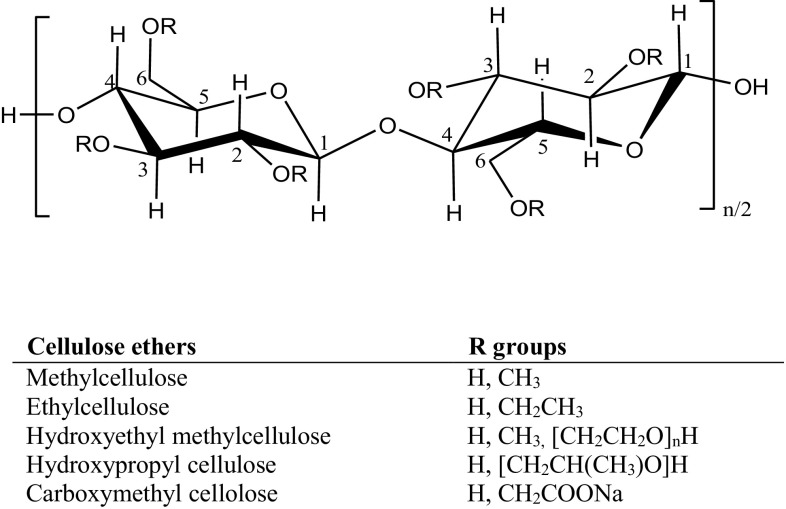
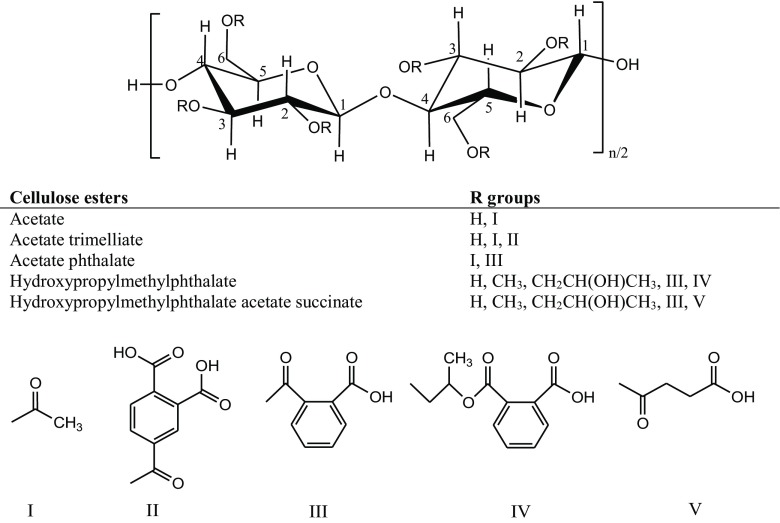
“Individual ethers include alkyl ethers such as methyl cellulose (MC) and hydroxyalkyl ethers such as hydroxypropyl cellulose, while mixed ethers are mainly represented by carboxymethylcellulose (CMC), hydroxyethyl cellulose (HEC), and hydroxypropyl methyl cellulose [41,42] (Figure 1).”
BackgroundA Comprehensive Review on Hydrogels
Singh, I., Rahman, M. H., Chopra, H., Kumar, S., Bhattacharya, T., Akter, R., & Kabir, M. T. (2021) · Current Drug Delivery · doi:10.2174/1567201818666210601155558 · Cited by 68
Biosensors: Electrochemical Devices—General Concepts and Performance
Smutok, O. V., & Katz, E. (2022) · Biosensors · doi:10.3390/bios13010044 · Cited by 67
Nawaz, S., Tabassum, A., Muslim, S., Nasreen, T., Baradokė, A., Kim, T. H., Boczkaj, G., Jesionowski, T., & Bilal, M. (2023) · Chemosphere · doi:10.1016/j.chemosphere.2023.138552 · Cited by 68
Recent advances on sustainable cellulosic materials for pharmaceutical carrier applications
Yan, G., Chen, B., Zeng, X., Sun, Y. Q., Tang, X., & Lin, L. (2020) · Carbohydrate Polymers · doi:10.1016/j.carbpol.2020.116492 · Cited by 67
Bio-based composite hydrogels for biomedical applications
Buwalda, S. J. (2020) · Multifunctional Materials · doi:10.1088/2399-7532/ab80d6 · Cited by 64
Singh, A. K., Itkor, P., & Lee, Y. S. (2023) · Gels · doi:10.3390/gels9060433 · Cited by 62
“Such a structure is formed by t e crosslinking of polymer chains of natural or synthetic polymers with the ability to absorb and retain a substantial amo nt of water in their interstitial frameworks [43,48].”
BackgroundMethodInfluentialStretchable and sensitive sodium alginate ionic hydrogel fibers for flexible strain sensors
Tong, R., Ma, Z., Gu, P. D., Yao, R., Li, T., Zeng, M., Guo, F., Liu, L., & Xu, J. (2023) · International Journal of Biological Macromolecules · doi:10.1016/j.ijbiomac.2023.125683 · Cited by 62
Ahmed, A. K. R., Adak, B., Faruk, O., & Mukhopadhyay, S. (2021) · Industrial & Engineering Chemistry Research · doi:10.1021/acs.iecr.1c01830 · Cited by 61
Kim, S., Kim, B. S., Bai, J., & Chang, Y. (2023) · LWT · doi:10.1016/j.lwt.2023.114707 · Cited by 59
Crosslinking Methods in Polysaccharide-Based Hydrogels for Drug Delivery Systems
Paiva, M. T. P., Kishima, J. O. F., da Silva, J. B. M. D., Mantovan, J., Colodi, F. G., & Mali, S. (2023) · Biomedical Materials & Devices · doi:10.1007/s44174-023-00118-4 · Cited by 59
“…use of cellulose and its modified derivatives, such as cellulose acetate [61, 62] and carboxymethyl cellulose [63, 64], in hydrogels favor the porous structure due to the repulsive forces of intramolecular carboxyl groups, promoting positive effect in the swelling capacity of the hydrogels [8, 65].”
Nguyen, B. C., Truong, T. M., Nguyen, N. T., Dinh, D. N., Hollmann, D., & Nguyen, M. N. (2024) · Scientific Reports · doi:10.1038/s41598-024-61724-w · Cited by 58
“The cross-linked polymers in the hydrogel do not allow solvents or water to dissolve the hydrogel and thus the hydrogel’s swelling capacity is limited to a certain extent 34 .”
BackgroundZhao, G., Zhang, A., Chen, X., Xiang, G., Jiang, T., & Zhao, X. (2024) · Bioactive Materials · doi:10.1016/j.bioactmat.2024.07.011 · Cited by 57
“This may be because Tris-HCl interacts with the charged groups of hydrogels, thus weakening the electrostatic interactions in the network [48,57].”
BackgroundA Review of Sustained Drug Release Studies from Nanofiber Hydrogels
Bayer, I. S. (2021) · Biomedicines · doi:10.3390/biomedicines9111612 · Cited by 57
Physicochemical Properties of Cellulose-Based Hydrogel for Biomedical Applications
Aswathy, S. H., NarendraKumar, U., & Manjubala, I. (2022) · Polymers · doi:10.3390/polym14214669 · Cited by 55
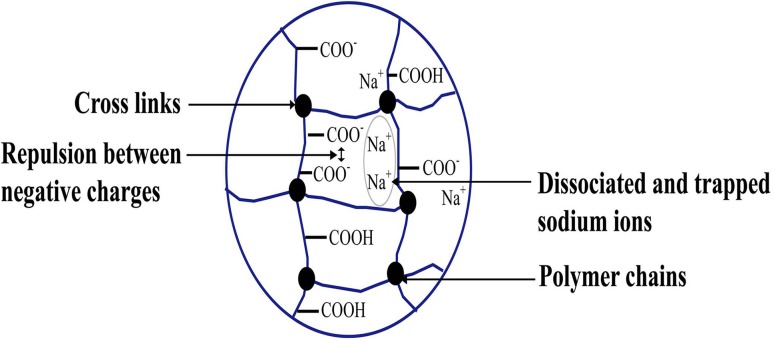
“It was also shown that the negative charge repulsion influenced the swelling of the hydrogels [27].”
BackgroundRecent Advancements of MXene/Nanocellulose‐Based Hydrogel and Aerogel: A Review
Ahmed, B., Hossain, M. J., Parvez, A. A., Talukder, A., Al-Amin, M., Mahmud, M. A. A., & Islam, T. (2023) · Advanced Energy and Sustainability Research · doi:10.1002/aesr.202300231 · Cited by 55
An overview of gel-based cleaning approaches for art conservation
Khaksar-Baghan, N., Koochakzaei, A., & Hamzavi, Y. (2024) · Heritage Science · doi:10.1186/s40494-024-01369-0 · Cited by 56
“Cellulose [57].”
Preparation and application of cellulose gel in flexible supercapacitors
Bai, Y., Zhao, W., Bi, S., Liu, S., Huang, W., & Zhao, Q. (2021) · Journal of Energy Storage · doi:10.1016/j.est.2021.103058 · Cited by 55
Majamo, S. L., Amibo, T. A., & Mekonnen, D. T. (2024) · Scientific Reports · doi:10.1038/s41598-024-54511-0 · Cited by 53
Shirvan, A. R., & Nouri, A. (2020) · Elsevier eBooks · doi:10.1016/b978-0-12-820257-9.00013-8 · Cited by 54
Hydrogels produced from natural polymers: a review on its use and employment in water treatment
Resende, J. F., Reck, I. M., Bergamasco, R., Vieira, M. F., & Vieira, A. M. S. (2022) · Brazilian Journal of Chemical Engineering · doi:10.1007/s43153-022-00224-8 · Cited by 52
A Composite Hydrogel Based on Pectin/Cellulose via Chemical Cross-Linking for Hemorrhage
Chen, W., Yuan, S., Shen, J., Chen, Y., & Xiao, Y. (2021) · Frontiers in Bioengineering and Biotechnology · doi:10.3389/fbioe.2020.627351 · Cited by 52
“To the best of our knowledge, cellulose- and pectinhydrogels have been extensively investigated (Kabir et al., 2018; Kowalski et al., 2019).”
BackgroundMiao, Z., Song, Y., Dong, Y., Ge, D., Shui, J., He, X., & Yu, H. (2022) · Nano Research · doi:10.1007/s12274-022-4944-8 · Cited by 52
Villa, C., & Russo, E. (2021) · Materials · doi:10.3390/ma14071577 · Cited by 51
“The mobility and relaxation of the polymeric chains are prevented by an increase of the crosslinking degree, which prevent water mobility and consequently decrease the Rs values [90].”
BackgroundInsights on Some Polysaccharide Gel Type Materials and Their Structural Peculiarities
Duceac, I. A., Stanciu, M.-C., Nechifor, M., Tanasă, F., & Teacă, C. (2022) · Gels · doi:10.3390/gels8120771 · Cited by 50
Sustainable cellulose-based hydrogels for water treatment and purification
Le, V. T., Joo, S., Berkani, M., Mashifana, T., Kamyab, H., Wang, C., & Vasseghian, Y. (2023) · Industrial Crops and Products · doi:10.1016/j.indcrop.2023.117525 · Cited by 50
Current Biomedical Applications of 3D-Printed Hydrogels
Barcena, A. J. R., Dhal, K., Patel, P., Ravi, P., Kundu, S., & Tappa, K. K. (2023) · Gels · doi:10.3390/gels10010008 · Cited by 50
“However, bacterial and plant cellulose differ in macromolecular structures and physical properties [30].”
BackgroundAmanzholkyzy, A., Zhumagaliyeva, S., Sultanova, N. A., Abilov, Z. A., Ongalbek, D., Donbayeva, E., Niyazbekova, A., & Mukazhanova, Z. (2025) · Molecules · doi:10.3390/molecules30061354 · Cited by 50
A Review of Patents and Innovative Biopolymer-Based Hydrogels
Ilić-Stojanović, S. S., Nikolic, L. B., & Cakić, S. M. (2023) · Gels · doi:10.3390/gels9070556 · Cited by 50
Elsayed, I., Schueneman, G. T., El‐Giar, E. M., & Hassan, E. B. (2023) · Gels · doi:10.3390/gels9020154 · Cited by 49
“Moreover, it is the most unfailing source of raw material for the increasing demand of environmentally friendly and biocompatible products [24].”
BackgroundEnawgaw, H., Tesfaye, T., Yilma, K. T., & Limeneh, D. Y. (2023) · Materials Circular Economy · doi:10.1007/s42824-023-00078-6 · Cited by 49
“This method avoids the use of chemical cross-linkers that can reduce hydrogel toxicity (Ali and Ahmed 2018; Chen et al. 2018; Fu et al. 2019; Kabir et al. 2018; Fig.”
Pandit, S., Sharma, P. R., Prakash, A., Lal, B., Bhuyan, R., Ahmad, I., & Kuila, A. (2024) · Industrial Crops and Products · doi:10.1016/j.indcrop.2024.118262 · Cited by 49
Polyurethane–superabsorbent polymer-coated cotton fabric for thermophysiological wear comfort
Bhuiyan, M. A. R., Wang, L., Shanks, R. A., & Ding, J. (2019) · Journal of Materials Science · doi:10.1007/s10853-019-03495-8 · Cited by 49
Self-citationEco-friendly Transformation of Waste Biomass to Biofuels
Parakh, P. D., Nanda, S., & Koziński, J. A. (2020) · Current Biochemical Engineering · doi:10.2174/2212711906999200425235946 · Cited by 49
Engineering nanocellulose superabsorbent structure by controlling the drying rate
Barajas‐Ledesma, R. M., Patti, A. F., Wong, V. N. L., Raghuwanshi, V. S., & Garnier, G. (2020) · Colloids and Surfaces A Physicochemical and Engineering Aspects · doi:10.1016/j.colsurfa.2020.124943 · Cited by 49
pH-responsive chitosan nanofilms crosslinked with genipin
Miras, J., Liu, C., Blomberg, E., Thormann, E., Vílchez, S., & Esquena, J. (2021) · Colloids and Surfaces A Physicochemical and Engineering Aspects · doi:10.1016/j.colsurfa.2021.126229 · Cited by 50
Polymeric Hydrogels for In Vitro 3D Ovarian Cancer Modeling
Braccini, S., Tacchini, C., Chiellini, E., & Puppi, D. (2022) · International Journal of Molecular Sciences · doi:10.3390/ijms23063265 · Cited by 49
“Its primary source is the lignocellulosic material existing in plants; in particular, wood and cotton represent the main sources [214].”
BackgroundPlant Polysaccharides in Engineered Pharmaceutical Gels
Bahú, J. O., de Andrade, L. R. M., Barbosa, R. D. M., Crivellin, S., da Silva, A. P., de Souza, S. D. A., Concha, V. O. C., Severino, P. B., & Souto, E. B. (2022) · Bioengineering · doi:10.3390/bioengineering9080376 · Cited by 49
A Zero‐Energy, Zero‐Emission Air Conditioning Fabric
Zhang, K., Lei, X., Mo, C., Huang, J., Wang, M., Kang, E. T., & Xu, L. (2023) · Advanced Science · doi:10.1002/advs.202206925 · Cited by 49
Lefroy, K. S., Murray, B. S., & Ries, M. E. (2020) · Cellulose · doi:10.1007/s10570-020-03595-8 · Cited by 48
Mehrabi, A., Jalise, S. Z., Hivechi, A., Habibi, S., Kebria, M. M., Haramshahi, M. A., Latifi, N., Karimi, A., & Milan, P. B. (2023) · Polymers for Advanced Technologies · doi:10.1002/pat.6258 · Cited by 46
Sanyal, A., Roy, S., Ghosh, A., Chakraborty, M., Ghosh, A., & Mandal, D. (2024) · Chemical Engineering Journal · doi:10.1016/j.cej.2024.155033 · Cited by 46
Biopolymeric Fibrous Aerogels: The Sustainable Alternative for Water Remediation
Romero‐Montero, A., Valencia-Bermúdez, J. L., Rosas-Meléndez, S. A., Núñez‐Tapia, I., Piña-Barba, M. C., Leyva‐Gómez, G., & Prado-Audelo, M. L. D. (2023) · Polymers · doi:10.3390/polym15020262 · Cited by 46
“Moreover, the intramolecular and intermolecular hydrogen bonds allow for physical crosslinking, which generates stable three-dimensional structures [31,32].”
BackgroundA new glioblastoma cell trap for implantation after surgical resection
Autier, L., Clavreul, A., Cacicedo, M. L., Franconi, F., Sindji, L., Rousseau, A., Perrot, R., Montero‐Menei, C. N., Castro, G. R., & Meneï, P. (2018) · Acta Biomaterialia · doi:10.1016/j.actbio.2018.11.027 · Cited by 46
Simple One Pot Preparation of Chemical Hydrogels from Cellulose Dissolved in Cold LiOH/Urea
Yang, J., Medronho, B., Lindman, B., & Norgren, M. (2020) · Polymers · doi:10.3390/polym12020373 · Cited by 45
“It is thus not surprising that for cellulose-based hydrogels the majority of studies have mainly focused on systems involving cellulose derivatives that can be easily dissolved in aqueous media [3,5,25,26].”
BackgroundCarboxylated nanocellulose superabsorbent: Biodegradation and soil water retention properties
Barajas‐Ledesma, R. M., Wong, V. N. L., Little, K., Patti, A. F., & Garnier, G. (2021) · Journal of Applied Polymer Science · doi:10.1002/app.51495 · Cited by 45
Promising cellulose–based functional gels for advanced biomedical applications: A review
Li, X., Jiang, G., Wang, G., Zhou, J., Zhang, Y., & Zhao, D. (2024) · International Journal of Biological Macromolecules · doi:10.1016/j.ijbiomac.2024.129600 · Cited by 44
Bishnoi, P., Siwal, S. S., Kumar, V., & Thakur, V. K. (2024) · Electron · doi:10.1002/elt2.42 · Cited by 45
Biopolymer based hydrogels: crosslinking strategies and their applications
Munyiri, C. N., Madivoli, E. S., Kisato, J., Gichuki, J., & Kareru, P. G. (2024) · International Journal of Polymeric Materials · doi:10.1080/00914037.2024.2356603 · Cited by 44
“Upon contact with water, they continue to absorb and swell thereby forming a 3D structure due in the presence of hydrophilic groups [3,7 ].”
Ghobashy, M. M., Amin, M. A., Mustafa, A. E., El-diehy, M. A., El‐Damhougy, B. K., & Nady, N. (2024) · Scientific Reports · doi:10.1038/s41598-024-76255-7 · Cited by 44
“In such a context several agricultural systems have been developed to promote technologies that could optimize the exploitation of water resources including precise irrigation 3 , applying modern irrigation methods 4,5 , mulching 6 , deficit irrigation 7,8 , and water harvesting 9 , etc.”
Mahmoodzadeh, A., Valizadeh, N., Edalati, M., Khordadmehr, M., Zakeri, Z., Salehi, R., & Jarolmasjed, S. (2023) · Carbohydrate Polymers · doi:10.1016/j.carbpol.2023.121614 · Cited by 43
Advances in Cellulose-Based Hydrogels: Current Trends and Challenges
Tofanica, B.-M., Mikhailidi, A. M., Samuil, C., Ungureanu, O. C., Fortună, M. E., & Ungureanu, E. L. (2024) · Gels · doi:10.3390/gels10120842 · Cited by 43
Valoppi, F., Lahtinen, M. H., Bhattarai, M., Kirjoranta, S. J., Juntti, V., Peltonen, L. J., Kilpeläinen, P. O., & Mikkonen, K. S. (2019) · Green Chemistry · doi:10.1039/c9gc02007a · Cited by 43
3D 4D printing of chitosan-based scaffolds for wound dressing applications
Naghib, S. M., Hosseini, S. N., & Beigi, A. (2024) · Carbohydrate Polymer Technologies and Applications · doi:10.1016/j.carpta.2024.100594 · Cited by 43
Wang, G., Jiang, G., Zhu, Y., Cheng, W., Cao, K., Zhou, J., Lei, H., Xu, G., & Zhao, D. (2022) · Carbohydrate Polymers · doi:10.1016/j.carbpol.2022.119160 · Cited by 42
Barhoum, A., Rastogi, V. K., Mahur, B. K., Rastogi, A., Abdel-Haleem, F. M., & Samyn, P. (2022) · Materials Today Chemistry · doi:10.1016/j.mtchem.2022.101247 · Cited by 41
Architecturally designed sequential-release hydrogels
Zhang, D., Li, Z., Yang, L., Ma, H., Chen, H., & Zeng, X. (2023) · Biomaterials · doi:10.1016/j.biomaterials.2023.122388 · Cited by 41
Polysaccharide and protein-based functional wound dressing materials and applications
Debele, T. A., & Su, W. (2020) · International Journal of Polymeric Materials · doi:10.1080/00914037.2020.1809403 · Cited by 42
“Furthermore, several polymers and biopolymers have been conjugated or incorporated as BC-based materials and broadly used in the field of wound dressing([151,152]).”
BackgroundMettu, S., Hathi, Z. J., Athukoralalage, S. S. A., Priya, A., Lam, T. N., Ong, K. L., Choudhury, N. R., Dutta, N. K., Curvello, R., Garnier, G., et al. (2021) · Journal of Agricultural and Food Chemistry · doi:10.1021/acs.jafc.1c00468 · Cited by 42
Ghobashy, M. M., Amin, M. A., Nady, N., Meganid, A. S., Alkhursani, S. A., Alshangiti, D. M., Madani, M., Al-Gahtany, S. A., & Zaher, A. A. (2021) · Journal of Polymers and the Environment · doi:10.1007/s10924-021-02322-z · Cited by 41
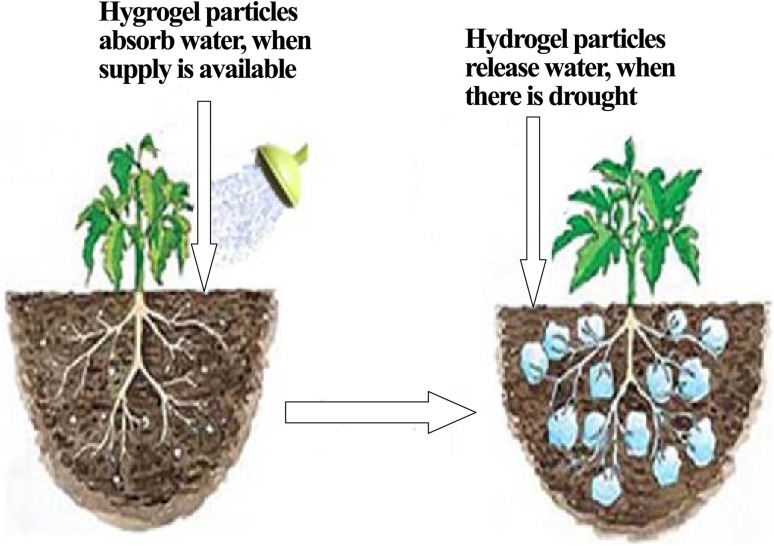
“SAH has been successfully used in agricultural applications to improve the physical properties of soil by enhancing soil permeability [20], reducing irrigation water consumption, increasing plantation, the uptake of nutrient elements, and soil aeration, and delaying the dissolution of fertilizers.”
MethodInnovative exploration of additive incorporated biopolymer-based composites
Amenorfe, L. P., Agorku, E. S., Sarpong, F., & Voegborlo, R. B. (2022) · Scientific African · doi:10.1016/j.sciaf.2022.e01359 · Cited by 41
López-Pacheco, I. Y., Rodas-Zuluaga, L. I., Cuéllar‐Bermúdez, S. P., Hidalgo-Vázquez, E., Molina-Vázquez, A., Araújo, R. G., Martínez-Ruiz, M., Varjani, S., Barceló, ., Iqbal, H. M. N., et al. (2022) · Marine Drugs · doi:10.3390/md20100601 · Cited by 43
“Hydrogels can also be formed from cellulose [106].”
BackgroundEnawgaw, H., Tesfaye, T., Yilma, K. T., & Limeneh, D. Y. (2021) · Gels · doi:10.3390/gels7040236 · Cited by 40
“, have benefits in aspects such as biodegradability, non-toxicity, biocompatibility and availability [3,14,15,19,20].”
BackgroundAn Edible Supercapacitor Based on Zwitterionic Soy Sauce‐Based Gel Electrolyte
Durukan, M. B., Keskin, D., Tufan, Y., Dinçer, O., Çiçek, M. Ö., Yıldız, B., Çınar, S., Ercan, B., & Ünalan, H. E. (2023) · Advanced Functional Materials · doi:10.1002/adfm.202307051 · Cited by 40
Additive manufacturing of bio-based hydrogel composites: recent advances
Siwal, S. S., Mishra, K., Saini, A. K., Alsanie, W. F., Kovalcik, A., & Thakur, V. K. (2022) · Journal of Polymers and the Environment · doi:10.1007/s10924-022-02516-z · Cited by 39
A review of cellulose-based catechol-containing functional materials for advanced applications
Tang, Z., Lin, X., Yu, M., Yang, J., Li, S., Mondal, A. K., & Wu, H. (2024) · International Journal of Biological Macromolecules · doi:10.1016/j.ijbiomac.2024.131243 · Cited by 39
Multiscale mechanical properties and enhancement mechanism of cellulose-composited hydrogels
Li, N., Qi, S., Buccoli, L., Lorenzale, P. D. P., Cruz, R. G. D. L., Harris, A., & Zhang, Z. J. (2025) · Carbohydrate Polymers · doi:10.1016/j.carbpol.2025.123421 · Cited by 39
Recent Advances of Macromolecular Hydrogels for Enzyme Immobilization in the Food Products
Maroufi, L. Y., Rashidi, M., Tabibiazar, M., Mohammadi, M., Pezeshki, A., & Ghorbani, M. (2021) · Advanced Pharmaceutical Bulletin · doi:10.34172/apb.2022.043 · Cited by 39
Three-Dimensional Printed MoS2/Graphene Aerogel Electrodes for Hydrogen Evolution Reactions
Chandrasekaran, S., Feaster, J., Ynzunza, J., Li, F., Wang, X., Nelson, A. J., & Worsley, M. A. (2022) · ACS Materials Au · doi:10.1021/acsmaterialsau.2c00014 · Cited by 38
Tuning the rheological properties of chitosan/alginate hydrogels for tissue engineering application
Enoch, K., S, R. C., & Somasundaram, A. A. (2024) · Colloids and Surfaces A Physicochemical and Engineering Aspects · doi:10.1016/j.colsurfa.2024.134434 · Cited by 38
Next-generation biopolymer gels: innovations in drug delivery and theranostics
Shergujri, D. A., Khanday, M. A., Noor, A., Adnan, M., Arif, I., Raza, S. N., Mir, R. H., & Khan, N. A. (2025) · Journal of Materials Chemistry B · doi:10.1039/d4tb02068e · Cited by 39
Chaouf, S., Barkany, S. E., Jilal, I., Ouardi, Y. E., Abou-Salama, M., Loutou, M., Ablouh, E., Ouarghi, H. E., Idrissi, A. E., & Amhamdi, H. (2019) · Journal of Water Process Engineering · doi:10.1016/j.jwpe.2019.100807 · Cited by 38
Prusty, K., & Swain, S. K. (2020) · Journal of Applied Polymer Science · doi:10.1002/app.49921 · Cited by 38
Bundjaja, V., Santoso, S. P., Angkawijaya, A. E., Yuliana, M., Soetaredjo, F. E., Ismadji, S., Ayucitra, A., Gunarto, C., Ju, Y., & Ho, M. (2020) · Materials Science and Engineering C · doi:10.1016/j.msec.2020.111542 · Cited by 38
Uyanga, K. A., Iamphaojeen, Y., & Daoud, W. A. (2021) · Polymer · doi:10.1016/j.polymer.2021.123788 · Cited by 38
Pongchaiphol, S., Preechakun, T., Raita, M., Champreda, V., & Laosiripojana, N. (2021) · ACS Omega · doi:10.1021/acsomega.1c03141 · Cited by 38
Banana inflorescence as a new source of bioactive and pharmacological ingredients for food industry
Senevirathna, N., & Karim, A. (2024) · Food Chemistry Advances · doi:10.1016/j.focha.2024.100814 · Cited by 38
Innovations in cellulose-based hydrogels for enhanced wastewater treatment through adsorption
Verma, A., Aljohani, K., Aljohani, B. S. E., Lal, B., Jadeja, Y., Ballal, S., Chahar, M., & Suman (2025) · International Journal of Biological Macromolecules · doi:10.1016/j.ijbiomac.2025.140660 · Cited by 37
Abuhay, A., Mengie, W., Tesfaye, T., Gebino, G., Ayele, M., Haile, A., & Limeneh, D. Y. (2021) · Journal of Bioresources and Bioproducts · doi:10.1016/j.jobab.2021.04.001 · Cited by 37
“19 Scheme showing chemicals that can be produced from lactic acid (Kabir et al., 2018)”
BackgroundInfluentialVasil’kov, A. Y., Rubina, M. S., Naumkin, A. V., Buzin, M. I., Дороватовский, П. В., Peters, G. S., & Zubavichus, Y. V. (2021) · Gels · doi:10.3390/gels7030082 · Cited by 37
Cellulosic-Based Conductive Hydrogels for Electro-Active Tissues: A Review Summary
Gebeyehu, E. K., Sui, X., Adamu, B. F., Beyene, K. A., & Tadesse, M. G. (2022) · Gels · doi:10.3390/gels8030140 · Cited by 37
“Physical or chemical crosslinking causes the ability of hydrogels to maintain an unaltered 3D structure during swelling, and this also helps to prevent hydrogels from dissolving in the solvent [18].”
BackgroundInfluentialCellulosic material-based colorimetric films and hydrogels as food freshness indicators
Pirayesh, H., Park, B., Khanjanzadeh, H., Park, H., & Cho, Y. (2023) · Cellulose · doi:10.1007/s10570-023-05057-3 · Cited by 37
Cellulose Reinforced Eutectogel Electrolyte for Flexible Zinc-Ion Hybrid Supercapacitors
Zeng, J., Wang, Y., Wu, Y. J., Zheng, Z., Gan, J., Wang, Q., Dong, L., Zhong, L., Xia, R., Iwuoha, E. I., et al. (2024) · ACS Applied Energy Materials · doi:10.1021/acsaem.4c01463 · Cited by 36
Intelligent pH Indicative Film from Plant‐Based Extract for Active Biodegradable Smart Food Packing
Subramanian, K., Logaraj, H., Ramesh, V., Mani, M., Balakrishnan, K., Selvaraj, H., Pugazhvendan, S. R., Velmurugan, S., & Aruni, W. (2022) · Journal of Nanomaterials · doi:10.1155/2022/4482114 · Cited by 37
“This review summarizes recent and ongoing research on the physiochemical properties of cellulose-based hydrogels, as well as their uses in biomedical fields like drug delivery, tissue engineering, and wound healing, healthcare and hygienic products, agriculture, textiles, and industrial applications as smart materials…”
BackgroundKazempour, M., Edjlali, L., Akbarzadeh, A., Davaran, S., & Farid, S. S. (2019) · Journal of Drug Delivery Science and Technology · doi:10.1016/j.jddst.2019.101158 · Cited by 36
Methylcellulose–Cellulose Nanocrystal Composites for Optomechanically Tunable Hydrogels and Fibers
Hynninen, V., Patrakka, J., & Nonappa, N. (2021) · Materials · doi:10.3390/ma14185137 · Cited by 35
pH-responsive ampholytic regenerated cellulose hydrogel integrated with carrageenan and chitosan
Armir, N. A. Z., Salleh, K. M., Zulkifli, A., & Zakaria, S. (2022) · Industrial Crops and Products · doi:10.1016/j.indcrop.2022.114588 · Cited by 35
Kalaiselvi, K., Mohandoss, S., Ahmad, N., Khan, M. R., & Manoharan, R. K. (2023) · Sustainability · doi:10.3390/su15129534 · Cited by 35
Application of Hydrogels and Hydrocarbon-Based Gels in Oil Production Processes and Well Drilling
Telin, A., Ленченкова, Л. Е., Якубов, Р. Н., Poteshkina, K., Krisanova, P. K., Filatov, A., & Stefantsev, A. (2023) · Gels · doi:10.3390/gels9080609 · Cited by 35
Recent progress on the remediation of dyes in wastewater using cellulose-based adsorbents
Samuel, M. S., John. J, A., Ravikumar, M., Raizada, P., Wan Azelee, N. I., Selvarajan, E., & Selvasembian, R. (2023) · Industrial Crops and Products · doi:10.1016/j.indcrop.2023.117590 · Cited by 34
Dielectrics for Non-Contact ECG Bioelectrodes: A Review
Umar, A. H., Othman, M. A., Harun, F. K. C., & Yusof, Y. (2021) · IEEE Sensors Journal · doi:10.1109/jsen.2021.3092233 · Cited by 34
Sulaeman, A. P., Gao, Y., Dugmore, T. I. J., Remón, J., & Matharu, A. S. (2021) · Cellulose · doi:10.1007/s10570-021-03986-5 · Cited by 34
“Cellulose alone is not soluble in water, and most cellulose-based hydrogels are generated within a hybrid system by surface modification, e.g., methylcellulose, carboxymethyl cellulose, hydroxyethyl cellulose (Koschella et al. 2011; De France et al. 2017; Kabir et al. 2018; Shanks and Pardo 2018).”
BackgroundModulating nanocellulose hydrogels and cryogels strength by crosslinking and blending
Hossain, L., Raghuwanshi, V. S., Tanner, J., & Garnier, G. (2021) · Colloids and Surfaces A Physicochemical and Engineering Aspects · doi:10.1016/j.colsurfa.2021.127608 · Cited by 33
Yu, W., Deschaume, O., Dedroog, L., Abrego, C. J. G., Zhang, P., Wellens, J., de Coene, Y., Jooken, S., Clays, K., Thielemans, W., et al. (2021) · Advanced Functional Materials · doi:10.1002/adfm.202108234 · Cited by 33
Cellulose-based functional hydrogels derived from bamboo for product design
Cao, X., Li, F., Zheng, T., Li, G., Wang, W., Li, Y., Chen, S., Li, X., & Lu, Y. (2022) · Frontiers in Plant Science · doi:10.3389/fpls.2022.958066 · Cited by 33
“The bleach treatment-alkali treatment method is currently a relatively common method for extracting pure cellulose from moso bamboo (Laurén et al., 2014; Li et al., 2014a; Xie J. et al., 2016; Kabir et al., 2018; Zainal et al., 2021; Bhaladhare and Das, 2022).”
MethodFilip, D., Macocinschi, D., Zaltariov, M., Ciubotaru, B.-I., Bargan, A., Varganici, C., Vasiliu, A., Peptanariu, D., Bălan, M., & Timofte-Zorila, M.-M. (2022) · Gels · doi:10.3390/gels8080519 · Cited by 33
Yuan, J., Ye, C., Luo, L., Pei, X., Yang, Q., Chen, J., & Liao, B. (2020) · Bulletin of Engineering Geology and the Environment · doi:10.1007/s10064-020-01807-w · Cited by 32
“Protection and sustainable use of sandy soil resources have been a worldwide issue in terms of ecological and environmental soil resources problems (Fischer-Kowalski and Swilling 2011; Luca and Ronald 2012; Michael et al. 2017).”
BackgroundPhan, T. T. M., Pham, L. N., Nguyen, L. H., & To, L. P. (2021) · Journal of Analytical Methods in Chemistry · doi:10.1155/2021/6639964 · Cited by 32
“Cellulose extracted from pineapple leaves appears to have relatively low molecular weight and crystal content as compared to those fromwood [7, 13], cotton [14], straw [16], and others [17, 18].”
BackgroundCellulose and its Derivatives: Properties and Applications
Delucis, R. D. Á., de Cademartori, P. H. G., Fajardo, A. R., & Amico, S. C. (2021) · Wiley eBooks · doi:10.1002/9781119711414.ch11 · Cited by 32
Kashaudhan, K., Pande, P. P., Sharma, J., Chaurasiya, A., Shankar, R., & Nath, A. (2025) · Journal of Porous Materials · doi:10.1007/s10934-025-01749-2 · Cited by 31
Metadata
- Authors
- Kabir, S. M. F., Sikdar, P. P., Haque, B., Bhuiyan, M. A. R., Ali, A., & Islam, M. N.
- Affiliations
- Louisiana State University (US)
- University of Georgia (US)
- University of Chittagong (BD)
- Dhaka University of Engineering & Technology (BD)
- Corresponding author
- Kabir, S M Fijul
- Venue
- Progress in Biomaterials
- Published
- 2018-09
- Volume
- 7
- Issue
- 3
- Pages
- 153-174
- ISSN
- 2194-0509 (ISSN-L)
- 2194-0517
- PMC
- PMC6173681
- OpenAlex
- W2890014534
- Cited by
- 565
- References
- 237
- Citations by year
- 2026: 38 · 2025: 87 · 2024: 93 · 2023: 96 · 2022: 76 · 2021: 101 · 2020: 51 · 2019: 21 · 2018: 2
- FWCI
- 3.65
- Type
- journal article
- Language
- en
- Open access
- hybrid
- doi.org
- Licence
- cc-by
- creativecommons.org/licenses/by/4.0 (tdm)
- Locations
- Progress in Biomaterials (publishedVersion, cc-by)
- Europe PMC (PubMed Central) (publishedVersion, cc-by)
- PubMed Central (publishedVersion, cc-by)
- PubMed (publishedVersion)
- DOAJ (DOAJ: Directory of Open Access Journals) (submittedVersion)
- Greater South Information System
- Topics
- Physical Sciences › Materials Science › Biomaterials › Hydrogels: synthesis, properties, applications
- Physical Sciences › Materials Science › Biomaterials › Advanced Cellulose Research Studies
- Life Sciences › Agricultural and Biological Sciences › Food Science › Polysaccharides Composition and Applications
- Keywords
- cellulose hydrogels, biopolymer hydrogels, chitin, chitosan, water absorption, stimuli-responsive materials, biocompatibility, biodegradability, drug delivery, tissue engineering, wound healing, smart materials, agricultural applications, textiles, hygienic products
About these checks
Registry, retraction, Cites and statistics results are computed, not judged, with one exception: a printed reference that no index lists is read once by a model before it counts as a citation error. Claims are extracted by a model and kept only when their quote appears verbatim in the text; each cited source is then checked, with a model’s help, for whether it says what the claim relies on. Those verdicts can be wrong — read the claim’s quote and the cited source before relying on one.
Statistics and arithmetic are recomputed, not judged.
Confidence bands are shown only for fields calibrated on our annotated test set. None is calibrated yet, so no band is shown.
What counts as a claim ›How we measure confidence ›How we check this ›
Are you an author, or do you see a problem with this page? Request a review
Data sources
Bibliographic data: Semantic Scholar, OpenAlex, Crossref.
Contains information from the Semantic Scholar Academic Graph Datasets, made available under the ODC Attribution License (ODC-BY 1.0).
Semantic Scholar’s data is described in: Kinney, R., et al. (2023). The Semantic Scholar Open Data Platform. arXiv:2301.10140.
