

Cellulose-based hydrogel materials: chemistry, properties and their prospective applications
Open accessThe DOI matches its Crossref record; 237 of the 237 references it cites were found in a registry or an index.
Abstract
Hydrogels based on cellulose comprising many organic biopolymers including cellulose, chitin, and chitosan are the hydrophilic material, which can absorb and retain a huge proportion of water in the interstitial sites of their structures. These polymers feature many amazing properties such as responsiveness to pH, time, temperature, chemical species and biological conditions besides a very high-water absorption capacity. Biopolymer hydrogels can be manipulated and crafted for numerous applications leading to a tremendous boom in research during recent times in scientific communities. With the growing environmental concerns and an emergent demand, researchers throughout the globe are concentrating particularly on naturally derived hydrogels due to their biocompatibility, biodegradability and abundance. Cellulose-based hydrogels are considered as useful biocompatible materials to be used in medical devices to treat, augment or replace any tissue, organ, or help function of the body. These hydrogels also hold a great promise for applications in agricultural activity, as smart materials and some other useful industrial purposes. This review offers an overview of the recent and contemporary research regarding physiochemical properties of cellulose-based hydrogels along with their applications in multidisciplinary areas including biomedical fields such as drug delivery, tissue engineering and wound healing, healthcare and hygienic products as well as in agriculture, textiles and industrial applications as smart materials.
Overview
The claims and statistics of this paper haven’t been checked yet.
Free: it reads the open-access text and checks the first 5 claims that cite a source we can check. Create a free account to check every claim.
Integrity signals
Registry
Cites
Statistics
Figures
Verification
Claims the paper makes
The claims and statistics of this paper haven’t been checked yet.
Free: it reads the open-access text and checks the first 5 claims that cite a source we can check. Create a free account to check every claim.
Self-check
Percentages, sums and reported differences re-computed from the paper’s own numbers.
The self-check needs the paper’s full text.
Citations
Cites
Scaling Concepts in Polymer Physics
de Gennes, P. G., & Witten, T. A. (1980) · Physics Today · doi:10.1063/1.2914118 · Cited by 9,348
Removal of heavy metal ions from wastewaters: A review
Fu, F., & Wang, Q. (2011) · Journal of Environmental Management · doi:10.1016/j.jenvman.2010.11.011 · Cited by 8,703 · cited 3×
“2005), crystallization of the metal ions with the complexed metals as nucleation sites (Fu and Wang 2011; Sklenář et al.”
BackgroundMethodInfluentialHydrogel: Preparation, characterization, and applications: A review
Ahmed, E. M. (2015) · Journal of Advanced Research · doi:10.1016/j.jare.2013.07.006 · Cited by 5,800 · cited 1×
“On the other hand, chemical crosslinking is a permanent junction formed by covalent bonds, along with a relatively stronger ionic communication between various functional groups of introduced crosslinking agents (Ahmed 2015).”
BackgroundHydrogels for Tissue Engineering
Lee, K. Y., & Mooney, D. J. (2001) · Chemical Reviews · doi:10.1021/cr000108x · Cited by 5,277 · cited 1×
“For example, scaffolds provide proper conditions (space and nutrients) for a desired new tissue generation and potentially regulate the structure and function of the engineered tissue in situ or in vitro (Lee and Mooney 2001; Shen et al.”
BackgroundHydrogels for biomedical applications
Hoffman, A. S. (2002) · Advanced Drug Delivery Reviews · doi:10.1016/s0169-409x(01)00239-3 · Cited by 4,864
Hydrogels in pharmaceutical formulations
Peppas, N. (2000) · European Journal of Pharmaceutics and Biopharmaceutics · doi:10.1016/s0939-6411(00)00090-4 · Cited by 4,011
Hydrogels for biomedical applications
Hoffman, A. S. (2012) · Advanced Drug Delivery Reviews · doi:10.1016/j.addr.2012.09.010 · Cited by 3,396
Biomedical applications of hydrogels: A review of patents and commercial products
Caló, E., & Khutoryanskiy, V. V. (2015) · European Polymer Journal · doi:10.1016/j.eurpolymj.2014.11.024 · Cited by 2,634 · cited 2×
“Hydrogels possess diverse properties with biocompatibility and resemblance to living tissue that allows ample opportunities for biomedical applications, particularly in drug delivery and release systems, wound dressings as well as tissue engineering (Caló and Khutoryanskiy 2015).”
BackgroundChitosan-based hydrogels for controlled, localized drug delivery
Bhattarai, N., Gunn, J., & Zhang, M. (2010) · Advanced Drug Delivery Reviews · doi:10.1016/j.addr.2009.07.019 · Cited by 2,451
Statistical Mechanics of Cross-Linked Polymer Networks I. Rubberlike Elasticity
Flory, P. J., & Rehner, J. (1943) · The Journal of Chemical Physics · doi:10.1063/1.1723791 · Cited by 2,421 · cited 1×
“…mechanical behaviors of hydrogels, rubber elastic theory is regarded as the most efficient approach, because it associates important bulk property of hydrogels: rubbery modulus scales, temperature, and crosslinking density (De Gennes 1979; Flory and Rehner 1943; James and Guth 1943; Wall 1942).”
Background
Research works printed but not linked: 5
- Jafarzadeh S, Eghbal M, Jalalian A (2005) Biological and mechanical stabilization of sand dunes using super-absorbent polymers and clay mulch in Ardestan area (Isfahan). In: Proceedings of international conference on human impacts on soil quality attributes, Isfahan, IR Iran
- Okoh Grace Polyscaccharides in drug delivery: applications of cellulose derivatives for oral drug delivery 2017 San Francisco American Chemical Society
- Roman M (2017) Cellulose nanocrystal conjugates for drug delivery and bioimaging applications. American Chemical Society, San Francisco. http://cell.sites.acs.org/meetings/2017_ACSspring/253_CELL_Draft_Final%20Program_3-2-2017.pdf
- Tosh B Esterification and etherification of cellulose synthesis and application of cellulose derivatives cellulose and cellulose derivatives synthesis, modification and applications 2015 New York Nova Science Publishers 259 298
- Yuan P (2013) Design, fabrication, and application of stimuli-responsive hydrogel actuators. University of Illinois at Urbana-Champaign. http://hdl.handle.net/2142/46812
Cited by
Items 201–300 of 618
Room-Temperature Self-Standing Cellulose-Based Hydrogel Electrolytes for Electrochemical Devices
Gómez, I., Alesanco, Y., Blázquez, J. A., Viñuales, A. I., & Colmenares, L. C. (2020) · Polymers · doi:10.3390/polym12112686 · Cited by 31
“These features, summed to their inherent biodegradability, and their high abundance makes biopolymers a suitable choice for sustainable hydrogel electrolytes [8–10].”
Hamed, A. A., Saad, G. R., Abdelhamid, I. A., Elwahy, A. H. M., Abdel‐Aziz, M. M., & Elsabee, M. Z. (2022) · International Journal of Biological Macromolecules · doi:10.1016/j.ijbiomac.2022.03.199 · Cited by 31
Polysaccharides for Medical Technology: Properties and Applications
Sukhavattanakul, P., Pisitsak, P., Ummartyotin, S., & Narain, R. (2022) · Macromolecular Bioscience · doi:10.1002/mabi.202200372 · Cited by 32
Barcena, A. J. R., Mishra, A., Bolinas, D. K. M., Martin, B. M., & Melancon, M. P. (2024) · Frontiers in Bioscience-Landmark · doi:10.31083/j.fbl2906228 · Cited by 30
“The hydroxyl groups can be used to facilitate the formation of hydrogels through physical crosslinking, but these groups can also be used to modify the polymer through a variety of reactions, such as esterification and etherification [59].”
BackgroundRecent advances in lignin from forest residue for hydrogel application
Bakshi, M. I., Nazir, S., Restu, W. K., Rajamanickam, R., Selvasembian, R., Hua, L. S., Antov, P., Yadav, K. K., Abbas, M. A. E., Farobie, O., et al. (2024) · Biomass Conversion and Biorefinery · doi:10.1007/s13399-024-05973-9 · Cited by 30
“In addition, its capacity for regulated release is crucial for various biomedical applications, including drug administration [108], body water retention [109], and wound healing [110] Stimuli-responsive capability towards pH, thermal, and mechanical (Biomedical, soft robotic actuators and sensors)…”
Chaurasiya, A., Pande, P. P., Shankar, R., Kushwaha, N., Kumar, P., Dey, K. K., & Chaurasiya, A. (2024) · Journal of Applied Polymer Science · doi:10.1002/app.55534 · Cited by 29
CELLULOSE-BASED HYDROGELS IN TISSUE ENGINEERING APPLICATIONS
Rusu, D., Ciolacu, D. E., & Simionescu, B. C. (2019) · Cellulose Chemistry and Technology · doi:10.35812/cellulosechemtechnol.2019.53.88 · Cited by 30
Chemical strategies towards controlled release in agriculture
Vermoesen, E., Bodé, S., Brosens, G., Boeckx, P., & Vlierberghe, S. V. (2023) · Reviews in Chemical Engineering · doi:10.1515/revce-2022-0057 · Cited by 29
Smart materials for electrochemical flexible nanosensors: Advances and applications
Materón, E. M., Gómez, F. R., Joshi, N., Dalmaschio, C. J., Carrilho, E., & Oliveira, O. N. (2021) · Elsevier eBooks · doi:10.1016/b978-0-12-823358-0.00018-6 · Cited by 27
Polymer-Based Carriers in Dental Local Healing—Review and Future Challenges
Kida, D., Zakrzewska, A., Zborowski, J., Szulc, M., & Karolewicz, B. (2021) · Materials · doi:10.3390/ma14143948 · Cited by 27
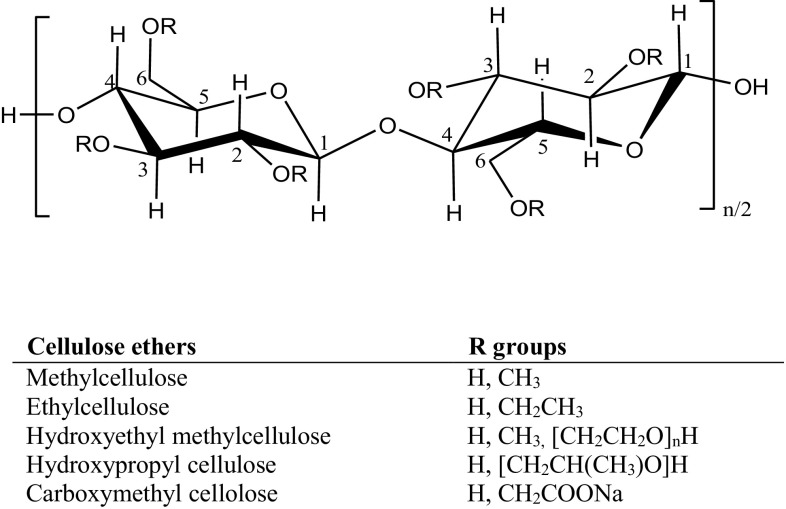
“Molecular structure of cellulose ether [133].”
Pattanayak, R., Jena, T., Pradhan, S., & Mohanty, S. (2023) · Polymer-Plastics Technology and Materials · doi:10.1080/25740881.2023.2204982 · Cited by 27
“Apart from these, a lot of research works using cellulose and its derivatives,([41]) alginate, starch,([183]) chitosan([184]) etc.”
BackgroundUyanga, K. A., Li, W., & Daoud, W. A. (2024) · European Polymer Journal · doi:10.1016/j.eurpolymj.2024.113041 · Cited by 27
Naghib, S. M., Matini, A., Amiri, S., Ahmadi, B., & Mozafari, M. (2024) · International Journal of Biological Macromolecules · doi:10.1016/j.ijbiomac.2024.137209 · Cited by 27
Tong, R., Chen, G., Tian, J., & He, M. (2019) · Polymers · doi:10.3390/polym11122067 · Cited by 27
“Cellulose-based hydrogels in which cellulose is the main scaffold and a synthetic polymer is blended in the system have become a notably attractive option in recent years, because they have many advantages, such as adjustable mechanical properties [19,26,27].”
BackgroundNatural polymer-based hydrogels for adsorption applications
Ambika, & Singh, P. P. (2021) · Elsevier eBooks · doi:10.1016/b978-0-12-820541-9.00008-9 · Cited by 27
Employing sustainable agriculture practices using eco-friendly and advanced hydrogels
Rodrigo, L., & Munaweera, I. (2025) · RSC Advances · doi:10.1039/d5ra03035h · Cited by 26
Iyer, A., Jyothi, V. G. S. S., Agrawal, A., Khatri, D. K., Srivastava, S., Singh, S. B., & Madan, J. (2021) · Journal of Advanced Pharmaceutical Technology amp Research · doi:10.4103/japtr.japtr_82_21 · Cited by 26
“),[62] and semi-synthetic origin (thiolated chitosan, methyl cellulose, and hydroxypropyl methylcellulose)[63] are being used for customizing TDDDS for modulating release kinetic of therapeutic entities.”
MethodNanocellulose from Nata de Coco as a Bioscaffold for Cell-Based Meat
Rybchyn, M. S., Biazik, J. M., Charlesworth, J. C., & le Coutre, J. (2021) · ACS Omega · doi:10.1021/acsomega.1c05235 · Cited by 26
Zhang, Z., Lin, S., Yan, Y., You, X., & Ye, H. (2021) · Journal of Biomaterials Science Polymer Edition · doi:10.1080/09205063.2021.1971823 · Cited by 26
“Cellulose hydrogels made from methylcellulose (MC), hydroxypropyl cellulose (HPC), and carboxymethyl cellulose (CMC) are biocompatible and environmentally friendly [20].”
BackgroundSantoso, S. P., Angkawijaya, A. E., Bundjaja, V., Kurniawan, A., Yuliana, M., Hsieh, C., Go, A. W., Cheng, K., Soetaredjo, F. E., & Ismadji, S. (2021) · Journal of environmental chemical engineering · doi:10.1016/j.jece.2021.106971 · Cited by 26
Gonçalves, I. S., Lima, L. R., Berretta, A. A., Amorim, N. A., Pratavieira, S., Corrêa, T. Q., Nogueira, F. A. R., & Barud, H. S. (2023) · Polymers · doi:10.3390/polym15040987 · Cited by 25
“BNC combines the diverse properties of hydrogels with biocompatibility and resemblance to living tissue, allowing for broad opportunities for biomedical applications, particularly in drug delivery and release systems, wound dressings, and tissue engineering [21].”
BackgroundSchaschkow, A., Sigrist, S., Mura, C., Barthès, J., Vrana, N. E., Czuba, E., Lemaire, F., Neidl, R., Dissaux, C., Lejay, A., et al. (2019) · Acta Biomaterialia · doi:10.1016/j.actbio.2019.11.047 · Cited by 25
“The hydrogel acts as a sponge with body fluids until the viscous properties decrease and the molecules of HPMC enter into the circulation for subsequent elimination [38 , 53 , 54] .”
Zmejkoski, D. Z., Marković, Z. M., Zdravković, N. M., Trišić, D. D., Budimir, M. D., Kuzman, S. B., Kozyrovska, N., Orlovska, I. V., Bugárová, N., Petrović, Đ. Ž., et al. (2021) · RSC Advances · doi:10.1039/d0ra10782d · Cited by 25
Oh, G., Choi, I., Park, W. S., Oh, C. H., Heo, S., Kang, D., & Jung, W. (2021) · Journal of Applied Polymer Science · doi:10.1002/app.51696 · Cited by 25
Machineni, L., & Anupoju, G. R. (2022) · Sustainable Energy Technologies and Assessments · doi:10.1016/j.seta.2022.102698 · Cited by 25
Naini, M. A., Mehrvarzi, S., Zargari-Samadnejad, A., Tanideh, N., Ghorbani, M., Dehghanian, A., Hasanzarrini, M., Banaee, F., Koohi‐Hosseinabadi, O., Irajie, C., et al. (2021) · Evidence-based Complementary and Alternative Medicine · doi:10.1155/2021/3075973 · Cited by 24
“Finally, the prepared gel was homogenized for 30 minutes and the prepared gel was collected in an aluminum tube in the refrigerator [36].”
BackgroundMethodRobust supramolecular composite hydrogels for sustainable and “visible” agriculture irrigation
Ding, C., Zhang, S., Fu, X., Liu, T., Shao, L., Fei, M., Hao, C., Liu, Y., & Zhong, W. (2021) · Journal of Materials Chemistry A · doi:10.1039/d1ta05442b · Cited by 24
Sahmat, S. S., Rafii, M. Y., Oladosu, Y. A., Jusoh, M., Hakiman, M., & Mohidin, H. (2022) · Horticulturae · doi:10.3390/horticulturae8111026 · Cited by 24
“Systematic reviews of identifying and developing potential hydrogel applications as a sustainable agricultural substrate remain limited, although a vast body of literature on the relevance of hydrogel in agriculture is available [15,42–45].”
BackgroundProspects on arsenic remediation using organic cellulose-based adsorbents
Sinha, S., Nigam, S., Solanki, S., Batra, L., Chug, P., & Singh, R. (2023) · Industrial Crops and Products · doi:10.1016/j.indcrop.2023.116928 · Cited by 25
Interpolymer Complexes Based on Cellulose Ethers: Application
Keldibekova, R., Suleimenova, S., Nurgozhina, G., & Копишев, Э. Е. (2023) · Polymers · doi:10.3390/polym15153326 · Cited by 24
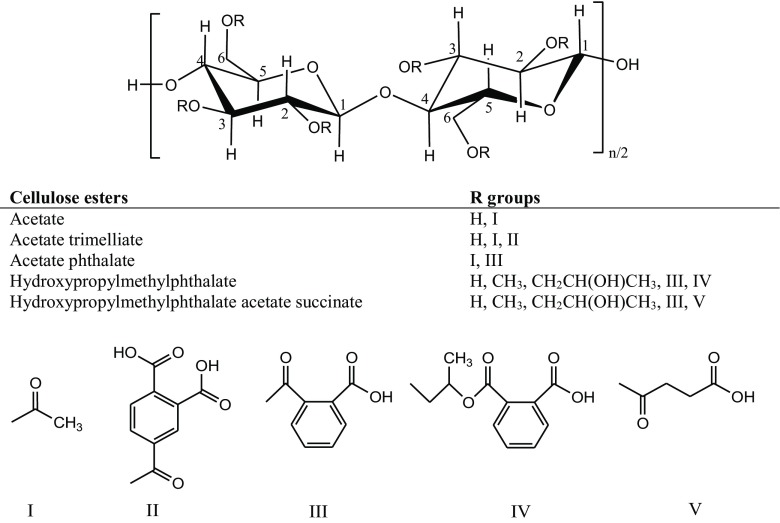
“Chemical structure of cellulose esters/ether derivatives [55].”
Wu, C., McClements, D. J., Ma, B., Lai, Z., Wu, F., Liu, X., & Wang, P. (2023) · International Journal of Biological Macromolecules · doi:10.1016/j.ijbiomac.2023.129079 · Cited by 23
El-diehy, M. A., Farghal, I. I., Amin, M. A., Ghobashy, M. M., Nowwar, A. I., & Gayed, H. M. (2025) · Scientific Reports · doi:10.1038/s41598-024-83832-3 · Cited by 23
Grădinaru, L. M., Barbălată-Mândru, M., Drobotă, M., Aflori, M., Spiridon, M., Pîrcălăbioru, G. G., Bleoţu, C., Butnaru, M., & Vlad, S. (2020) · Nanomaterials · doi:10.3390/nano10040754 · Cited by 23
Aguado, R. J., Tarrés, Q., Pèlach, M. À., Mutjé, P., Fuente, E., Sanchez-Salvador, J. L., Negro, C., & Delgado‐Aguilar, M. (2022) · Nanomaterials · doi:10.3390/nano12091612 · Cited by 23
“This is not denying that true nanoscale cellulose is irreplaceable with microfibrillated cellulose when it comes to certain applications, such as optoelectronics or wound healing [21,22].”
BackgroundCurrent Status of Microneedle Array Technology for Therapeutic Delivery: From Bench to Clinic
Chakraborty, C., Bhattacharya, M., & Lee, S. (2023) · Molecular Biotechnology · doi:10.1007/s12033-023-00961-2 · Cited by 22
“Natural hydrogels are cheaper material [53, 54].”
Nitrate and phosphate removal from water using a novel cellulose-based anion exchange hydrogel
Ansari, S., Bello‐Mendoza, R., O’Sullivan, A. D., Basharat, S., & Barker, D. (2025) · Environmental Technology & Innovation · doi:10.1016/j.eti.2025.104289 · Cited by 23
Cellulose based hydrogel as soil conditioner and seed germination medium
Jong, S., Chin, S. F., & Wasli, M. E. (2025) · Scientific Reports · doi:10.1038/s41598-025-05920-2 · Cited by 22
“The presence of hydrogel in the soil can increase the soil pH effectively 39 .”
Zhang, S., Vanessa, C., Khan, A., Ali, N., Malik, S., Shah, S., Bilal, M., Yang, Y. B., Akhter, M. S., & Iqbal, H. M. N. (2022) · Chemosphere · doi:10.1016/j.chemosphere.2022.135291 · Cited by 22
Delgado, J. F., Salvay, A. G., Arroyo, S., Bernal, C., & Foresti, M. L. (2023) · Polysaccharides · doi:10.3390/polysaccharides4010005 · Cited by 22
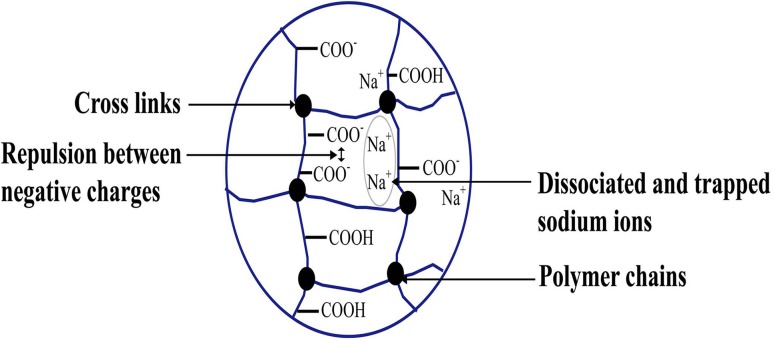
“Massive regeneration has been claimed to lead to an expulsion of the water trapped between chains and the reduction of total size [31], due to the removal of the Na+ and the decrease in the osmotic pressure inside the hydrogel [32].”
BackgroundWaheed, Z., Ahmad, F., Mushtaq, B., Ahmad, S., Habib, S. R., Rasheed, A., Zafar, M. S., Sefat, F., Saeinasab, M., & Azam, F. (2024) · International Journal of Biological Macromolecules · doi:10.1016/j.ijbiomac.2024.136412 · Cited by 22
Melendez‐Ortiz, H. I., Betancourt‐Galindo, R., Puente-Urbina, B. A., Sánchez-Orozco, J. L., & Ledezma-Pérez, A. S. (2021) · International Journal of Biological Macromolecules · doi:10.1016/j.ijbiomac.2021.12.083 · Cited by 21
Kyhoiesh, H. A. K., Al-Hussainawy, M. K., & Saud, H. R. (2022) · AIP conference proceedings · doi:10.1063/5.0093386 · Cited by 21
Ahmad, S., Siddiqi, W. A., & Ahmad, S. (2023) · Journal of environmental chemical engineering · doi:10.1016/j.jece.2023.109367 · Cited by 21
Khan, A., Rehman, W. U., Alanazi, M. M., Khan, Y., Rasheed, L., Saboor, A., & Iqbal, S. (2023) · ACS Omega · doi:10.1021/acsomega.3c04135 · Cited by 21
Optimization of swelling and mechanical behavior of Acer platanoides cellulose combo hydrogel
Rizwan, M., Naseem, S., Gilani, S. R., & Durrani, A. I. (2024) · Kuwait Journal of Science · doi:10.1016/j.kjs.2024.100177 · Cited by 21
Advances in synthetic strategies and applications of polymeric hydrogels
Gajurel, B., Tamang, K. B., Das, D., & Adhikari, R. (2025) · Polymer Engineering and Science · doi:10.1002/pen.27200 · Cited by 21
“189,190 Another common approach is to use freeze – thaw cycles, where an aqueous solution of cellulose or its derivatives (e.g., carboxymethyl cellulose) is subjected to repeated freezing and thawing.”
Synthetic chemistry of cellulose hydrogels-A review
Thakur, A., & Kaur, H. (2021) · Materials Today Proceedings · doi:10.1016/j.matpr.2021.09.201 · Cited by 21
Gayen, T. K., Ali, M. A., & Warkar, S. G. (2025) · International Journal of Biological Macromolecules · doi:10.1016/j.ijbiomac.2025.145414 · Cited by 20
Polysaccharide-based polymeric gels as drug delivery vehicles
Qureshi, D., Nayak, A. K., Kim, D., Maji, S., Anis, A., Mohanty, B., & Pal, K. (2021) · Elsevier eBooks · doi:10.1016/b978-0-12-820043-8.00013-x · Cited by 21
Polyphenol‐Mediated Multifunctional Human–Machine Interface Hydrogel Electrodes in Bioelectronics
Jiang, L., Gan, D., Xu, C., Zhang, T., Gao, M., Xie, C., Zhang, D., & Lu, X. (2024) · Small Science · doi:10.1002/smsc.202400362 · Cited by 20
Gelation of Textile Dye Solution Treated with Fish Scales
Kabir, S. M. F., Rashid, T. U., & Negulescu, I. I. (2019) · Gels · doi:10.3390/gels5030037 · Cited by 20
“studi s can be conducted to find out any possible way to proce s the gel t recycle the acid and salts to use as a nutrient carrier for plants in the ag icultural fi ld o to apply the drie gel as a dye or heavy metal abs rbent from industrial effluents [23].”
BackgroundInfluentialSelf-citationPark, S., Oh, Y., Jung, D., & Lee, S. H. (2020) · Polymers · doi:10.3390/polym12091869 · Cited by 20
“Cellulose hydrogels are considered as useful biocompatible and biodegradable materials for application in the medical, environmental, agricultural, and textile fields because of their excellent mechanical, chemical, and thermal resistance [1].”
BackgroundSaracogullari, N., Gundogdu, D., Özdemir, F. N., Soyer, Y., & Erel‐Göktepe, I. (2021) · Colloids and Surfaces A Physicochemical and Engineering Aspects · doi:10.1016/j.colsurfa.2021.126313 · Cited by 20
Ponrasu, T., Cheng, T.-H., Wang, L., Cheng, Y., & Wang, H. (2019) · Materials Letters · doi:10.1016/j.matlet.2019.126911 · Cited by 20
Palanivelu, S. D., Gan, S., Salleh, K. M., Lindsey, K., Sairi, F., Othman, M. H. C., & Zakaria, S. (2023) · Cellulose · doi:10.1007/s10570-023-05334-1 · Cited by 19
Chitosan Supports Boosting NiCo2O4 for Catalyzed Urea Electrochemical Removal Application
Alamro, F. S., Hefnawy, M. A., Nafee, S. S., Al‐Kadhi, N. S., Pashameah, R. A., Ahmed, H. A., & Medany, S. S. (2023) · Polymers · doi:10.3390/polym15143058 · Cited by 20
Sharma, P., Saurav, S., Tabassum, Z., Sood, B., Kumar, A., Malik, T., Mohan, A., & Girdhar, M. (2024) · RSC Advances · doi:10.1039/d4ra06092j · Cited by 19
Prasad, C., Madkhali, N., Jeong, S., Malkappa, K., Choi, H. Y., & Govinda, V. (2023) · International Journal of Biological Macromolecules · doi:10.1016/j.ijbiomac.2023.123551 · Cited by 19
Cellulose-Based Metallogels—Part 1: Raw Materials and Preparation
Mikhailidi, A. M., Volf, I., Belosinschi, D., Tofanica, B.-M., & Ungureanu, E. L. (2023) · Gels · doi:10.3390/gels9050390 · Cited by 18
Cellulose-Based Metallogels—Part 3: Multifunctional Materials
Mikhailidi, A. M., Ungureanu, E. L., Belosinschi, D., Tofanica, B.-M., & Volf, I. (2023) · Gels · doi:10.3390/gels9110878 · Cited by 18
Lem, O., Gangurde, P., Koivuniemi, A., Keskinen, A., Efimov, A., Durandin, N. A., & Laaksonen, T. (2024) · Carbohydrate Polymers · doi:10.1016/j.carbpol.2024.122134 · Cited by 18
Self-healing injectable multifunctional hydrogels for intervertebral disc disease
Gu, Z., He, Y., Xiang, H., Qin, Q., Cao, X., Jiang, K., Zhang, H., & Li, Y. (2025) · Materials Today Bio · doi:10.1016/j.mtbio.2025.101655 · Cited by 19
“Recent research has explored developing injectable hydrogels from chitosan, sodium alginate, cellulose, and hyaluronic acid for treating degenerative disc diseases [70 – 75] (Fig.”
Corder, R. D., Adhikari, P., Burroughs, M. C., Rojas, O. J., & Khan, S. A. (2020) · Soft Matter · doi:10.1039/d0sm01376e · Cited by 18
Nguyen, M. N., Tran, T. T., Nguyen, Q. T., Thuy, T. T., Nguyen, B. C., & Hollmann, D. (2022) · Polymers for Advanced Technologies · doi:10.1002/pat.5788 · Cited by 18
Measurement of Interfacial Adhesion Force with a 3D-Printed Fiber-Tip Microforce Sensor
Zou, M., Liao, C., Chen, Y., Gan, Z., Liu, S., Liu, D., Liu, L., & Wang, Y. (2022) · Biosensors · doi:10.3390/bios12080629 · Cited by 18
“Due to the existence of cross-linking network, hydrogels can swell and retain a large amount of water [37].”
BackgroundNanocellulose for gel electrophoresis
Mendoza, L., Gunawardhana, T., Batchelor, W. J., & Garnier, G. (2019) · Journal of Colloid and Interface Science · doi:10.1016/j.jcis.2019.01.017 · Cited by 18
Polysaccharide-Based Polymers for Designing Thermoresponsive Hydrogels for Treating Wound Healing
Sahu, A., Raza, M. A., Khatoon, N., Sharma, M. K., & Ajazuddin, M. (2025) · ACS Applied Bio Materials · doi:10.1021/acsabm.5c01398 · Cited by 18
Preparation and Applications of Polysaccharide‐Based Composites
Ahmad, S., Palvasha, B. A., Abbasi, B. B. K., Nazir, M. S., Akhtar, M. N., Tahir, Z., & Abdullah, M. A. (2021) · Wiley eBooks · doi:10.1002/9781119711414.ch26 · Cited by 17
Cellulose‐Based Hydrogel as a Natural Medium for Paddy Seed Germination
Jong, S., KarunaKaran, K., Wasli, M. E., Musa, Z., & Chin, S. F. (2023) · Starch - Stärke · doi:10.1002/star.202200234 · Cited by 17
Commercial Bioinoculant Development: Techniques and Challenges
Chaudhary, T., & Shukla, P. (2020) · Springer eBooks · doi:10.1007/978-981-15-6895-4_4 · Cited by 17
Alcaraz, L., Saquinga, D. N., López, F., Lima, L. D., Alguacil, F. J., Escudero, E., & López, F. A. (2020) · Metals · doi:10.3390/met10121641 · Cited by 17
Menceloğlu, Y., Menceloǵlu, Y. Z., & Seven, S. A. (2022) · ACS Omega · doi:10.1021/acsomega.1c06961 · Cited by 17
Guo, S., Li, Q., Huang, J., Chen, Z., Ma, D., & Wang, J. (2023) · Electrochimica Acta · doi:10.1016/j.electacta.2023.143721 · Cited by 17
Nanocomposite hydrogels for tissue engineering applications
Mostafavi, A., Quint, J. P., Russell, C. S., & Tamayol, A. (2020) · Elsevier eBooks · doi:10.1016/b978-0-08-102906-0.00023-4 · Cited by 17
Cellulose-Based Hydrogels as Smart, Green and Controllable Nitrogenous Fertilizers Releasing Agents
Sultan, M. Z., Abd‐El‐Hakim, A. A., & Nassar, M. (2019) · Journal of Testing and Evaluation · doi:10.1520/jte20190505 · Cited by 17
Synergistic influence of tetraethyl orthosilicate crosslinker on mixed matrix hydrogels
Sagar, S., Alturki, A. A., Farhan, M., Bahadar, A., & Hossain, N. (2022) · Applied Nanoscience · doi:10.1007/s13204-022-02606-3 · Cited by 16
Advances in Functional Cellulose Hydrogels as Electrolytes for Flexible Zinc-Ion Batteries
Luo, X., Li, Y., Fu, J., Shi, L., Li, C., & Ma, R. (2024) · Nanomaterials · doi:10.3390/nano14201645 · Cited by 16
“The resultant gel A total radiation dose of 200 kGy yielded the highest grafting rate. showcased an impressive absorption capacity for water, up to 12 The resultant gel showcased an impressive absorption capacity for water, up to 12 times its own weight, when used to adsorb uranium-containing…”
BackgroundMethodDual cross-linked cellulose based hydrogel films
Thomas, N., Moussaoui, S., Reyes-Suárez, B., Lafon, O., & Reddy, G. N. M. (2024) · Materials Advances · doi:10.1039/d4ma00815d · Cited by 16
Qamar, Z., Aslam, A. A., Fatima, F., Hassan, S. U., Nazir, M. S., Ali, Z., Awad, S. A., & Khan, A. A. (2024) · Environmental Science and Pollution Research · doi:10.1007/s11356-024-35449-2 · Cited by 16
“Cellulose exhibited high biocompatibility (Kabir et al. 2018) and can be modified (Zhou et al. 2021) with other materials.”
Nie, B., Thummavichai, K., Zhu, Y., & Wang, N. (2025) · Journal of environmental chemical engineering · doi:10.1016/j.jece.2024.115185 · Cited by 16
Alonso-Cuevas, C. F., Ramírez‐Guzmán, N., Serna‐Cock, L., Guancha-Chalapud, M. A., Aguirre-Joya, J. A., Aguillón-Gutiérrez, D. R., Claudio‐Rizo, J. A., & Torres‐León, C. (2025) · Gels · doi:10.3390/gels11080616 · Cited by 16
“Cellulose-based hydrogels can be used in various settings due to their excellent swelling capacity, water retention, and biodegradability [9].”
Effect in Growth of Corn Plant from Cellulose-Based Hydrogel Derived from Wheat Straw
Sasmal, P. K., & Patra, S. (2020) · Journal of The Institution of Engineers (India) Series E · doi:10.1007/s40034-020-00180-3 · Cited by 16
Goh, M., & Tae, G. (2021) · Carbohydrate Polymers · doi:10.1016/j.carbpol.2021.119026 · Cited by 16
Sommano, S. R., Jantrawut, P., Sangta, J., Chanabodeechalermrung, B., Sunanta, P., Bakshani, C. R., & Willats, W. G. T. (2023) · Food Structure · doi:10.1016/j.foostr.2023.100347 · Cited by 16
Li, P., Jia, X., Sun, Z., Tang, J., Ji, Q., & Ma, X. (2024) · International Journal of Biological Macromolecules · doi:10.1016/j.ijbiomac.2024.130215 · Cited by 16
Sikdar, P. P., Bhat, G. S., Hinchliffe, D. J., Islam, S., & Condon, B. (2021) · Journal of Industrial Textiles · doi:10.1177/15280837211004287 · Cited by 16
“, thermoplastic elastomers, have been used to impart elasticity to meltblown nonwovens [15,16].”
BackgroundSelf-citationVega‐Hernández, M. Á., Munguía-Quintero, M. F., Rosas‐Aburto, A., Alcaraz‐Cienfuegos, J., Valdivia-López, M. D. L. Á., Hernández-Luna, M. G., & Vivaldo‐Lima, E. (2024) · International Journal of Biological Macromolecules · doi:10.1016/j.ijbiomac.2024.133482 · Cited by 15
Wu, T., Chai, N., Chen, C., Zhang, Z., Wei, S., Yang, L., Li, X., Carvalho, R. M., Häfeli, U. O., Peng, X., et al. (2024) · Cell Reports Physical Science · doi:10.1016/j.xcrp.2024.102093 · Cited by 15
Triantafyllou, E., Karydis‐Messinis, A., Moschovas, D., Kyriakaki, C., Vasilopoulos, K. C., Giannakas, A. E., Karakassides, M. A., Avgeropoulos, A., Zafeiropoulos, N. E., & Salmas, C. E. (2024) · Molecules · doi:10.3390/molecules29246012 · Cited by 15
Tang, S., Basem, A., Graish, M. S., Singh, N. S. S., Al‐Bahrani, M., Peng, T., Salahshour, S., & Baghaei, S. (2025) · International Communications in Heat and Mass Transfer · doi:10.1016/j.icheatmasstransfer.2025.108739 · Cited by 15
Eco-friendly kappa-carrageenan-nano zerovalent iron hydrogel water and wastewater purification
Kardani, R., Yadav, S., Altaee, A., Alsaka, L., & Zhou, J. (2025) · Journal of Hazardous Materials · doi:10.1016/j.jhazmat.2025.138123 · Cited by 15
Ciolacu, D. E., Rusu, D., Darie-Niță, R. N., Timpu, D. I., & Ciolacu, F. (2022) · Gels · doi:10.3390/gels8070410 · Cited by 15
Functional Hydrogels for Agricultural Application
Kratochvílová, R., Kráčalík, M., Smilková, M., Sedláček, P., Pekař, M., Bradt, E., Smilek, J., Závodská, P., & Klučáková, M. (2023) · Gels · doi:10.3390/gels9070590 · Cited by 15
An optical fiber chlorogenic acid sensor using a Chitosan membrane coated bent optical fiber probe
McDonald, S. R., & Tao, S. (2023) · Analytica Chimica Acta · doi:10.1016/j.aca.2023.342142 · Cited by 14
Recent Advances of Cellulose-Based Hydrogels Combined with Natural Colorants in Smart Food Packaging
Yang, L., Yuan, Q.-Y., Lou, C., Lin, J., & Li, T. (2024) · Gels · doi:10.3390/gels10120755 · Cited by 14
“In addition, certain ester derivatives, such as triacetate, phthalate, methyl hydroxypropyl phthalate, and hydroxypropyl phthalate methacrylate, can also be used in the production of CBHs [81,82].”
Zhao, Y., Peng, C., Yang, Z., Liu, Z., Khong, H. Y., Benjakul, S., Zhang, B., & Yang, R. (2025) · Gels · doi:10.3390/gels11060408 · Cited by 14
“Cellulose-based aerogel materials exhibit low thermal conductivity, robust mechanical strength, and natural origin, making them valuable in the environmentally friendly green building industry [8].”
Multifunctional Fibers for Wound Dressings: A Review
Fard, G. C., Gashti, M. P., Gupta, R. K., Dehdast, S. A., Shabani, M., & Martins, A. F. (2025) · Fibers · doi:10.3390/fib13080100 · Cited by 14
Chamidah, N. L. F., & Rohmawati, L. (2022) · Inovasi Fisika Indonesia · doi:10.26740/ifi.v11n1.p48-55 · Cited by 14
Scale‐Spanning Strong Adhesion Using Cellulose‐Based Microgels
He, B. H., Chen, L., Biehl, P., Meng, X., Chen, W., Xu, D., Ren, J., & Zhang, K. (2023) · Small · doi:10.1002/smll.202300865 · Cited by 14
Lighvan, Z. M., Khonakdar, H. A., Khodadadi, B., Ramezanpour, A., Rafie, M., Heydari, A., Abdulhameed, Y. W., Pirani, S., & Akbari, A. (2023) · Results in Chemistry · doi:10.1016/j.rechem.2023.101021 · Cited by 14
Metadata
- Authors
- Kabir, S. M. F., Sikdar, P. P., Haque, B., Bhuiyan, M. A. R., Ali, A., & Islam, M. N.
- Affiliations
- Louisiana State University (US)
- University of Georgia (US)
- University of Chittagong (BD)
- Dhaka University of Engineering & Technology (BD)
- Corresponding author
- Kabir, S M Fijul
- Venue
- Progress in Biomaterials
- Published
- 2018-09
- Volume
- 7
- Issue
- 3
- Pages
- 153-174
- ISSN
- 2194-0509 (ISSN-L)
- 2194-0517
- PMC
- PMC6173681
- OpenAlex
- W2890014534
- Cited by
- 565
- References
- 237
- Citations by year
- 2026: 38 · 2025: 87 · 2024: 93 · 2023: 96 · 2022: 76 · 2021: 101 · 2020: 51 · 2019: 21 · 2018: 2
- FWCI
- 3.65
- Type
- journal article
- Language
- en
- Open access
- hybrid
- doi.org
- Licence
- cc-by
- creativecommons.org/licenses/by/4.0 (tdm)
- Locations
- Progress in Biomaterials (publishedVersion, cc-by)
- Europe PMC (PubMed Central) (publishedVersion, cc-by)
- PubMed Central (publishedVersion, cc-by)
- PubMed (publishedVersion)
- DOAJ (DOAJ: Directory of Open Access Journals) (submittedVersion)
- Greater South Information System
- Topics
- Physical Sciences › Materials Science › Biomaterials › Hydrogels: synthesis, properties, applications
- Physical Sciences › Materials Science › Biomaterials › Advanced Cellulose Research Studies
- Life Sciences › Agricultural and Biological Sciences › Food Science › Polysaccharides Composition and Applications
- Keywords
- cellulose hydrogels, biopolymer hydrogels, chitin, chitosan, water absorption, stimuli-responsive materials, biocompatibility, biodegradability, drug delivery, tissue engineering, wound healing, smart materials, agricultural applications, textiles, hygienic products
About these checks
Registry, retraction, Cites and statistics results are computed, not judged, with one exception: a printed reference that no index lists is read once by a model before it counts as a citation error. Claims are extracted by a model and kept only when their quote appears verbatim in the text; each cited source is then checked, with a model’s help, for whether it says what the claim relies on. Those verdicts can be wrong — read the claim’s quote and the cited source before relying on one.
Statistics and arithmetic are recomputed, not judged.
Confidence bands are shown only for fields calibrated on our annotated test set. None is calibrated yet, so no band is shown.
What counts as a claim ›How we measure confidence ›How we check this ›
Are you an author, or do you see a problem with this page? Request a review
Data sources
Bibliographic data: Semantic Scholar, OpenAlex, Crossref.
Contains information from the Semantic Scholar Academic Graph Datasets, made available under the ODC Attribution License (ODC-BY 1.0).
Semantic Scholar’s data is described in: Kinney, R., et al. (2023). The Semantic Scholar Open Data Platform. arXiv:2301.10140.
