

Cellulose-based hydrogel materials: chemistry, properties and their prospective applications
Open accessThe DOI matches its Crossref record; 237 of the 237 references it cites were found in a registry or an index.
Abstract
Hydrogels based on cellulose comprising many organic biopolymers including cellulose, chitin, and chitosan are the hydrophilic material, which can absorb and retain a huge proportion of water in the interstitial sites of their structures. These polymers feature many amazing properties such as responsiveness to pH, time, temperature, chemical species and biological conditions besides a very high-water absorption capacity. Biopolymer hydrogels can be manipulated and crafted for numerous applications leading to a tremendous boom in research during recent times in scientific communities. With the growing environmental concerns and an emergent demand, researchers throughout the globe are concentrating particularly on naturally derived hydrogels due to their biocompatibility, biodegradability and abundance. Cellulose-based hydrogels are considered as useful biocompatible materials to be used in medical devices to treat, augment or replace any tissue, organ, or help function of the body. These hydrogels also hold a great promise for applications in agricultural activity, as smart materials and some other useful industrial purposes. This review offers an overview of the recent and contemporary research regarding physiochemical properties of cellulose-based hydrogels along with their applications in multidisciplinary areas including biomedical fields such as drug delivery, tissue engineering and wound healing, healthcare and hygienic products as well as in agriculture, textiles and industrial applications as smart materials.
Overview
The claims and statistics of this paper haven’t been checked yet.
Free: it reads the open-access text and checks the first 5 claims that cite a source we can check. Create a free account to check every claim.
Integrity signals
Registry
Cites
Statistics
Figures
Verification
Claims the paper makes
The claims and statistics of this paper haven’t been checked yet.
Free: it reads the open-access text and checks the first 5 claims that cite a source we can check. Create a free account to check every claim.
Self-check
Percentages, sums and reported differences re-computed from the paper’s own numbers.
The self-check needs the paper’s full text.
Citations
Cites
Scaling Concepts in Polymer Physics
de Gennes, P. G., & Witten, T. A. (1980) · Physics Today · doi:10.1063/1.2914118 · Cited by 9,348
Removal of heavy metal ions from wastewaters: A review
Fu, F., & Wang, Q. (2011) · Journal of Environmental Management · doi:10.1016/j.jenvman.2010.11.011 · Cited by 8,703 · cited 3×
“2005), crystallization of the metal ions with the complexed metals as nucleation sites (Fu and Wang 2011; Sklenář et al.”
BackgroundMethodInfluentialHydrogel: Preparation, characterization, and applications: A review
Ahmed, E. M. (2015) · Journal of Advanced Research · doi:10.1016/j.jare.2013.07.006 · Cited by 5,800 · cited 1×
“On the other hand, chemical crosslinking is a permanent junction formed by covalent bonds, along with a relatively stronger ionic communication between various functional groups of introduced crosslinking agents (Ahmed 2015).”
BackgroundHydrogels for Tissue Engineering
Lee, K. Y., & Mooney, D. J. (2001) · Chemical Reviews · doi:10.1021/cr000108x · Cited by 5,277 · cited 1×
“For example, scaffolds provide proper conditions (space and nutrients) for a desired new tissue generation and potentially regulate the structure and function of the engineered tissue in situ or in vitro (Lee and Mooney 2001; Shen et al.”
BackgroundHydrogels for biomedical applications
Hoffman, A. S. (2002) · Advanced Drug Delivery Reviews · doi:10.1016/s0169-409x(01)00239-3 · Cited by 4,864
Hydrogels in pharmaceutical formulations
Peppas, N. (2000) · European Journal of Pharmaceutics and Biopharmaceutics · doi:10.1016/s0939-6411(00)00090-4 · Cited by 4,011
Hydrogels for biomedical applications
Hoffman, A. S. (2012) · Advanced Drug Delivery Reviews · doi:10.1016/j.addr.2012.09.010 · Cited by 3,396
Biomedical applications of hydrogels: A review of patents and commercial products
Caló, E., & Khutoryanskiy, V. V. (2015) · European Polymer Journal · doi:10.1016/j.eurpolymj.2014.11.024 · Cited by 2,634 · cited 2×
“Hydrogels possess diverse properties with biocompatibility and resemblance to living tissue that allows ample opportunities for biomedical applications, particularly in drug delivery and release systems, wound dressings as well as tissue engineering (Caló and Khutoryanskiy 2015).”
BackgroundChitosan-based hydrogels for controlled, localized drug delivery
Bhattarai, N., Gunn, J., & Zhang, M. (2010) · Advanced Drug Delivery Reviews · doi:10.1016/j.addr.2009.07.019 · Cited by 2,451
Statistical Mechanics of Cross-Linked Polymer Networks I. Rubberlike Elasticity
Flory, P. J., & Rehner, J. (1943) · The Journal of Chemical Physics · doi:10.1063/1.1723791 · Cited by 2,421 · cited 1×
“…mechanical behaviors of hydrogels, rubber elastic theory is regarded as the most efficient approach, because it associates important bulk property of hydrogels: rubbery modulus scales, temperature, and crosslinking density (De Gennes 1979; Flory and Rehner 1943; James and Guth 1943; Wall 1942).”
Background
Research works printed but not linked: 5
- Jafarzadeh S, Eghbal M, Jalalian A (2005) Biological and mechanical stabilization of sand dunes using super-absorbent polymers and clay mulch in Ardestan area (Isfahan). In: Proceedings of international conference on human impacts on soil quality attributes, Isfahan, IR Iran
- Okoh Grace Polyscaccharides in drug delivery: applications of cellulose derivatives for oral drug delivery 2017 San Francisco American Chemical Society
- Roman M (2017) Cellulose nanocrystal conjugates for drug delivery and bioimaging applications. American Chemical Society, San Francisco. http://cell.sites.acs.org/meetings/2017_ACSspring/253_CELL_Draft_Final%20Program_3-2-2017.pdf
- Tosh B Esterification and etherification of cellulose synthesis and application of cellulose derivatives cellulose and cellulose derivatives synthesis, modification and applications 2015 New York Nova Science Publishers 259 298
- Yuan P (2013) Design, fabrication, and application of stimuli-responsive hydrogel actuators. University of Illinois at Urbana-Champaign. http://hdl.handle.net/2142/46812
Cited by
Items 301–400 of 618
Synthesis and Characterization of Controlled-Release Urea Fertilizer from Superabsorbent Hydrogels
Muharam, S., Fitri, A., Yuningsih, L. M., Putri, Y. M. T. A., & Rahmawati, I. (2020) · Indonesian Journal of Chemistry · doi:10.22146/ijc.44230 · Cited by 14
“The appealing functions of cellulose-based hydrogels have inspired researchers throughout the globe to develop new materials for myriad applications in various fields, such as biomedical engineering (tissue engineering, wound dressing, drug delivery system), development of smart materials (sensors, actuators), advance…”
BackgroundYoo-iam, M., Satapanajaru, T., Chokejaroenrat, C., Sakulthaew, C., Comfort, S. D., & Kambhu, A. (2021) · Environmental Technology & Innovation · doi:10.1016/j.eti.2021.101396 · Cited by 14
Jiang, Y., Wu, A., Yang, L., Wu, J. F., Liang, Y., Hu, Z., & Wang, Y. (2024) · RSC Advances · doi:10.1039/d4ra04397a · Cited by 13
Mansur, A. A. P., Carvalho, S. M., Brito, R. M. D. M., Capanema, N. S. V., Duval, I. D. B., Cardozo, M. E., Rihs, J. B. D. R., Lemos, G. G. M., Lima, L. C. D., dos Reys, M. P., et al. (2024) · Gels · doi:10.3390/gels10110679 · Cited by 13
Tan, G., Xu, N., Gao, D., & Zhu, X. (2022) · Energy · doi:10.1016/j.energy.2022.124843 · Cited by 13
Park, S., Yoo, S., Cho, S.-M., Kelley, S. S., & Park, S. (2023) · International Journal of Biological Macromolecules · doi:10.1016/j.ijbiomac.2023.125085 · Cited by 13
Synthesis and characterization of hydrogels based on maltodextrins with antimicrobial properties
Melendez‐Ortiz, H. I., Betancourt‐Galindo, R., Puente-Urbina, B. A., Ledezma-Pérez, A. S., & Rodríguez‐Fernández, O. (2021) · International Journal of Polymeric Materials · doi:10.1080/00914037.2021.1931209 · Cited by 13
“Recently, hydrogels based on natural polysaccharides such as chitosan([9,10]), cellulose([11,12]), alginate([13]), carrageenan([14]), xanthan([15]) and acacia([16]) gums, etc.”
BackgroundTemperature-regulated Hybrid Protein Hydrogel for Recyclable Extraction of Uranium from Seawater
Hu, Q., Huang, S., Wei, T., Wang, J., Huo, Z., Zhu, T., Wu, C., & Chen, H. (2022) · ACS Applied Polymer Materials · doi:10.1021/acsapm.2c00194 · Cited by 13
Liang, Y., Ries, M. E., & Hine, P. J. (2022) · Carbohydrate Polymers · doi:10.1016/j.carbpol.2022.119541 · Cited by 13
Esmat, B., Bibi, S., Soliman, M. M., Thabet, H. K., Wattoo, M. A., Nazir, M. A., El-Bahy, Z. M., & Rehman, A. U. (2025) · Journal of Stored Products Research · doi:10.1016/j.jspr.2025.102864 · Cited by 13
Saurov, S. K., Mikhailidi, A. M., Svedström, K., & Kotelnikova, N. E. (2019) · Cellulose Chemistry and Technology · doi:10.35812/cellulosechemtechnol.2019.53.86 · Cited by 12
A systematic review on cellulose based hydrogels for anti-microbial applications
Sharma, G., Verma, Y., Kumar, A., Dhiman, P., & Stadler, F. J. (2025) · Cellulose · doi:10.1007/s10570-025-06435-9 · Cited by 11
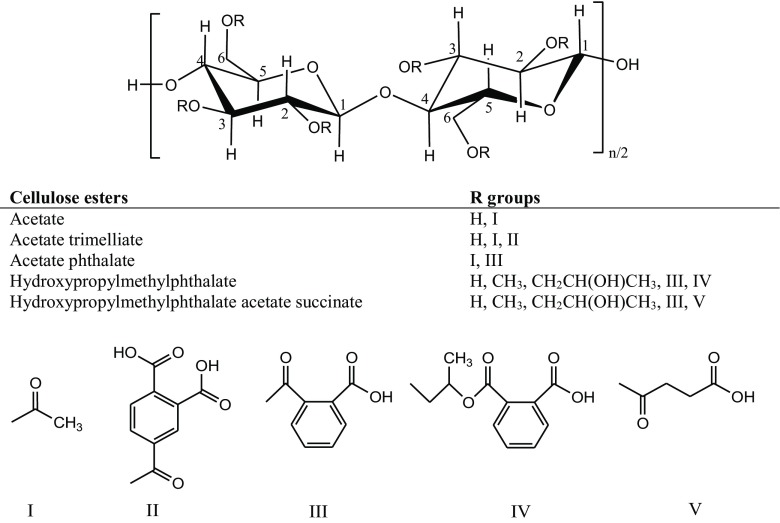
“Cellulose ester derivatives, which can be hydroxypropyl methyl phthalate acetate succinate, acetate trimellitate, hydroxypropyl methyl phthalate, cellulose-acetate, and acetate phthalate, are also used in the pharmaceutical industry (Kabir et al. 2018).”
Polysaccharide-based injectable hydrogels for targeted drug delivery: advances and challenges
Liao, X., Lu, J., Yao, J., Li, J., Chen, J., Liu, J., & Chen, Y. (2025) · International Journal of Pharmaceutics · doi:10.1016/j.ijpharm.2025.126536 · Cited by 11
Humphries, J., Warne, N. M., Feeney, O. M., Thurecht, K. J., & Kempe, K. (2026) · Journal of Controlled Release · doi:10.1016/j.jconrel.2026.114838 · Cited by 11
Synthetic and biopolymers-based antimicrobial hybrid hydrogels: a focused review
Singh, A., Sharma, J. J., Mohanta, B., Sood, A., Han, S. S., & Sharma, A. (2023) · Journal of Biomaterials Science Polymer Edition · doi:10.1080/09205063.2023.2278814 · Cited by 11
“Cellulose-based antimicrobial hydrogels have various applications in the biomedical field due to their non-toxic, biodegradable, and biocompatible nature [23].”
BackgroundMasry, B. A., Gayed, H. M., & Daoud, J. A. (2024) · Cellulose · doi:10.1007/s10570-024-05869-x · Cited by 11
“These materials, including cellulose and its derivatives, are being studied for their potential applications, due to their biodegradability and other desirable properties (Foroughi et al. 2021; Kabir et al. 2018; San-nino et al. 2009).”
Urrea‐Quintero, J., Marino, M., Wick, T., & Nackenhorst, U. (2024) · Archives of Computational Methods in Engineering · doi:10.1007/s11831-024-10101-x · Cited by 11
“Their diverse uses include serving as drug carriers in biomedical applications [27, 43], absorbents of pollutants in agriculture [27], and smart sensors or actuators in engineering [10, 32].”
Khan, A., Zaman, M., Waqar, M. A., Mahmood, A., Shaheer, T., Sarfraz, R. M., Shahzadi, K., Khan, A. A., Alanazi, A. M., Kundu, M. K., et al. (2024) · BMC Pharmacology and Toxicology · doi:10.1186/s40360-024-00752-8 · Cited by 11
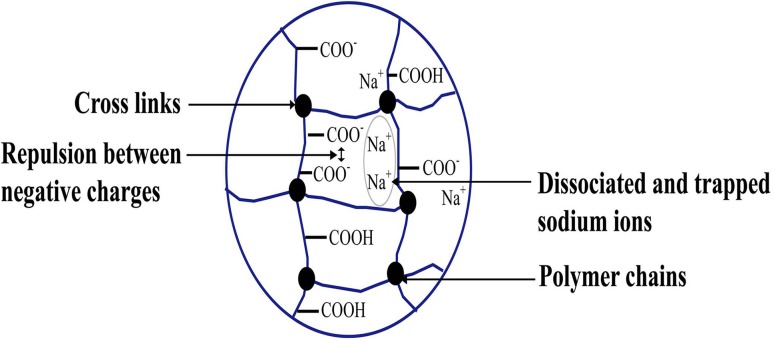
“SO 3 H, –COOH and –NH 2 etc [2].”
Self-citationLuo, H., Li, S., Zi-rong, X., Rong, H., & Long, Q. (2024) · Colloids and Surfaces A Physicochemical and Engineering Aspects · doi:10.1016/j.colsurfa.2024.135393 · Cited by 11
Stimuli-responsive hydrogels derived from agricultural residues: an overview
El‐Sayed, N. S., Fahmy, T. Y. A., & Kamel, S. M. (2025) · Chemical Papers · doi:10.1007/s11696-025-03994-w · Cited by 11
“…monomers and crosslinking agents is not just pivotal, but it's a responsibility in determining the sensitivity and responsiveness of the hydrogel to specific stimuli such as temperature, pH, or ionic strength (Kabir et al. 2018; Kayra and Aytekin 2019; Mikhailidi et al. 2023; Sikdar et al. 2021).”
Nanomaterials for Self-Healing Hydrogels
Rumon, M. M. H. (2023) · Materials research foundations · doi:10.21741/9781644902288-11 · Cited by 11
Biomedical Applications of Interpenetrating Polymer Network Gels
Khan, J. A., Alexander, A., Ajazuddin, M., Saraf, S., & Saraf, S. (2020) · Springer eBooks · doi:10.1007/978-981-15-0283-5_11 · Cited by 11
Aghali, A., & Arman, H. E. (2020) · Regenerative Medicine · doi:10.2217/rme-2020-0062 · Cited by 11
Haggag, E.-S. A. (2021) · International Journal of Environmental & Analytical Chemistry · doi:10.1080/03067319.2021.2005791 · Cited by 11
Sustainable Gels from Polysaccharides in Agriculture
Ungureanu, E. L., Mikhailidi, A. M., Tofanica, B.-M., Fortună, M. E., Rotaru, R., Ungureanu, O. C., Samuil, C., & Popa, V. (2025) · Polysaccharides · doi:10.3390/polysaccharides6020037 · Cited by 10
Role of Nanocellulose in Light Harvesting and Artificial Photosynthesis
Samyn, P., Rastogi, V. K., Baba, N. S. S., & Erps, J. V. (2023) · Catalysts · doi:10.3390/catal13060986 · Cited by 10
GASTRORENTENTIVE HYDROGELS RESPONSIVE TO EXTERNAL STIMULI FOR NOVEL DRUG DELIVERY
MORIYA, G., Mazumder, R., PADHI, S., & Mishra, R. (2024) · International Journal of Applied Pharmaceutics · doi:10.22159/ijap.2024v16i4.51051 · Cited by 10
“Electron-donating compounds-charge-transfer complexes formation-swelling-drug release [33] 6.”
3D culture of ovarian follicles in granular and nanofibrillar hydrogels
Mihajlovic, M., Pásztor-Jánoska, D. K., Cadenas, J., Adrados, C. S., Andersen, C. Y., Kristensen, S. G., & Lind, J. U. (2024) · Biomaterials Advances · doi:10.1016/j.bioadv.2024.213987 · Cited by 10
Brião, G. D. V., Rosa, D. S., & Frollini, E. (2024) · Cellulose · doi:10.1007/s10570-024-06321-w · Cited by 10
“Lignocellulosic hydrogels, whether crosslinked or not, comprise a three-dimensional network of hydrophilic polymers able to swell and retain considerable water within their structure (Kabir et al. 2018).”
Toudeshkchouei, M. G., Abdoos, H., Ai, J., & Nourbakhsh, M. S. (2025) · Journal of Microencapsulation · doi:10.1080/02652048.2025.2480598 · Cited by 10
“…tissue engineering scaffolds, as well as wound and burn dressing materials. cellulose’s inherent functionality, flexibility, and high specific strength based on its hierarchical structure make it a good option for developing hydrogels (Ansari et al. 2015, Kabir et al. 2018, Seddiqi et al. 2021).”
A Review of Recent Developments in Nanocellulose-Based Conductive Hydrogels
Yousefi, I., & Zhong, W. (2020) · Current Nanoscience · doi:10.2174/1573413716999201127111627 · Cited by 10
Advanced applications of green materials in catalysis applications
Kumari, P., Lal, S., & Singhal, A. (2021) · Elsevier eBooks · doi:10.1016/b978-0-12-820484-9.00022-2 · Cited by 10
Coelho, N., Filipe, A., Medronho, B., Magalhães, S., Vitorino, C., Alves, L., Gonçalves, S., & Romano, A. (2021) · Polysaccharides · doi:10.3390/polysaccharides2020032 · Cited by 10
“CMC is a water-soluble cellulose derivative obtained by etherification of cellulose [15].”
BackgroundYin, X., Zhu, H., Ke, T., Gu, Y., Wang, H., & Xu, P. (2022) · Water · doi:10.3390/w14233811 · Cited by 10
SYNTHESIS OF CELLULOSE-BASED HYDROGEL FOR REGULATING THE RELEASE OF NITROGEN FERTILIZER
", ZYADEH, M. T., Hamadneh, I., KASRAWI, M. A.-R., Saadeh, H. A., & Shahein, M. (2023) · Cellulose Chemistry and Technology · doi:10.35812/cellulosechemtechnol.2023.57.07 · Cited by 10
Srivastava, Y., Awasthi, A., Sahu, J. K., & Kesharwani, T. (2024) · Food and Bioprocess Technology · doi:10.1007/s11947-024-03602-x · Cited by 9
“These are utilized in numerous physical formulations, such as powdered, solid, or liquid, and coating materials (Kabir et al., 2018).”
InfluentialAllyl sorbitol crosslinker-based novel hydrogel for the removal of toxic metal ions from water
Chaurasiya, A., Pande, P. P., Shankar, R., Dey, K. K., Singh, D., Kashaudhan, K., & Kumar, P. (2025) · International Journal of Environmental & Analytical Chemistry · doi:10.1080/03067319.2025.2459757 · Cited by 9
Rudravarapu, K., Yarramuthi, V., Munagapati, V. S., Yuvaraja, G., Wen, J., Prasad, C., Pilla, V. A. R., Gumma, L., Won, J. S., & Choi, H. Y. (2025) · Inorganic Chemistry Communications · doi:10.1016/j.inoche.2025.115588 · Cited by 9
Lighvan, Z. M., Khonakdar, H. A., Heydari, A., Šlouf, M., & Akbari, A. (2021) · Environmental Science and Pollution Research · doi:10.1007/s11356-021-14814-5 · Cited by 9
Ghanta, P., Winschel, T., Hessel, E., Oyewumi, O., Czech, T., & Oyewumi, M. O. (2023) · Drug Delivery and Translational Research · doi:10.1007/s13346-023-01336-5 · Cited by 9
Gosukonda, J. S., Degala, V. N. R., & Singh, H. P. (2024) · Heliyon · doi:10.1016/j.heliyon.2024.e28972 · Cited by 9
“…stems from both the increased percentage of chitosan and its unique properties, including abundant amine groups that attract and bind water [9,35], a more porous network for enhanced absorption, additional ionic interactions with cellulose (cationic chitosan with anionic cellulose) for…”
BackgroundSzopa, D., Wróbel, P., Anwajler, B., & Witek‐Krowiak, A. (2024) · Sustainability · doi:10.3390/su16156321 · Cited by 9
Single-Component Cellulose Acetate Sulfate Hydrogels for Direct Ink Writing 3D Printing
Park, S., Sharmin, T., Cho, S.-M., Kelley, S. S., Shirwaiker, R. A., & Park, S. (2024) · Biomacromolecules · doi:10.1021/acs.biomac.4c00578 · Cited by 9
Smart nanocomposite hydrogel for controlled bioactive delivery in environmental remediation
Martin, S. S., Zhang, L., Cen, X., Liu, P., Zhou, J., Tan, Z., Shi, H. S., & Li, X. (2025) · Journal of environmental chemical engineering · doi:10.1016/j.jece.2025.117367 · Cited by 9
Yadav, S., Pande, P. P., Chaurasiya, A., Chaudhary, A., Kashaudhan, K., Kushwaha, N., & Singh, D. (2025) · Chemistry Africa · doi:10.1007/s42250-025-01325-w · Cited by 9
“Significant amounts of metal ions from wastewater can be absorbed by these hydrogels, which are three-dimensional grids of absorbent polymers [ 26 , 27].”
Lee, I. H., Shin, Y. S., Han, J., Nam, J., Song, J. W., Lee, D., Lee, J., Seo, J., Son, J. G., Sung, M. J., et al. (2025) · Advanced Energy Materials · doi:10.1002/aenm.202501911 · Cited by 9
Drying Method Effect on Structural and Surface Properties of Brown Algae Cellulose
Bogolitsin, K. G., Parshina, A., Shkaeva, N. V., Aleshina, L. A., Prusskii, A. I., Sidorova, O. V., Богданович, Н. И., & Arkhilin, M. (2021) · Russian Journal of Physical Chemistry B · doi:10.1134/s1990793121080194 · Cited by 9
Polymer Matrixes Used in Wound Healing Applications
Islam, M. S., Rahman, M. A., Hossain, S., Haque, P., Shahruzzaman, M., & Rahman, M. M. (2022) · Springer eBooks · doi:10.1007/978-981-16-3667-7_11 · Cited by 9
Self-citationDutra, F., de Almeida, L., Dona, D., Piotrowski, I., da Silva, J., Sabonaro, D. Z., dos Santos, V., Chaud, M., da Silva, A., & Piña-Rodrigues, F. C. M. (2023) · JOURNAL OF TROPICAL FOREST SCIENCE · doi:10.26525/jtfs2023.35.1.37 · Cited by 9
Tataru-Fărmuş, R.-E., Cimpoeșu, R., Nica, I., & Șuteu, D. (2023) · Polymers · doi:10.3390/polym15030715 · Cited by 9
Halagali, P., Raj, G. K., Pokale, R., Osmani, R. A. M., Bhosale, R. R., Kazi, H., Wani, S. U. D., & Gowda, D. V. (2024) · Elsevier eBooks · doi:10.1016/b978-0-323-99341-8.00008-9 · Cited by 9
Das, S. P., Dalei, G., Sahoo, S., & Das, S. (2019) · SN Applied Sciences · doi:10.1007/s42452-019-1372-9 · Cited by 9
Alfindee, M. N., Sweah, Z. J., & Saki, T. A. (2021) · Egyptian Journal of Chemistry · doi:10.21608/ejchem.2021.57276.3234 · Cited by 9
Raza, M. A. (2025) · Gels · doi:10.3390/gels11080604 · Cited by 8
“Among these, cellulose and its derivatives have been increasingly utilized in various applications due to their biodegradability and physicochemical properties [11,12].”
Akram, S., Malik, N. S., Zeeshan, M., Tulain, U. R., Anwar, M., Mahmood, A., Javaid, A., Hussain, S., Jabeen, A., & Rahman, A. U. (2025) · Journal of Drug Delivery Science and Technology · doi:10.1016/j.jddst.2025.107359 · Cited by 8
Advances in the Application of Nanocomposite Hydrogels in Crops
Hernández-Echave, D. G., Casillas-Moreno, G., Romo-Galindo, A. I., Gutiérrez-Gómez, T. A., Velázquez‐Juárez, G., Rodríguez-Ortega, M. A., Muñoz-García, R. O., & Lomelí-Rosales, D. A. (2025) · Gels · doi:10.3390/gels11120957 · Cited by 8
“Cellulose-based gels, in particular, have found significant application in modern agriculture due to their versatile properties, which make them valuable components in the development of advanced and eco-friendly technologies [34].”
Cross-Linking Biopolymers for Biomedical Applications
Joseph, A. M., & George, B. (2023) · Springer eBooks · doi:10.1007/978-981-19-0710-4_42 · Cited by 8
Bio-inspired bacterial cellulose-based hydrogel films for controlled ciprofloxacin release
Zorilă, F. L., Toader, G., Alexandru, M., Rusen, E., Mocanu, A., Isopencu, G. O., Brîncoveanu, O., Bacalum, M., Stoica, I., Podaru, A. I., et al. (2025) · Carbohydrate Polymer Technologies and Applications · doi:10.1016/j.carpta.2025.100796 · Cited by 8
Development of Polyampholyte Cellulose-Based Hydrogels for Diapers with Improved Biocompatibility
Simões, B. T., Rebelo, R. C., Ledesma, S., Pereira, P., Moreira, R. J., Ferreira, B. C., Coelho, J. F. J., & Serra, A. C. (2025) · Gels · doi:10.3390/gels11040282 · Cited by 8
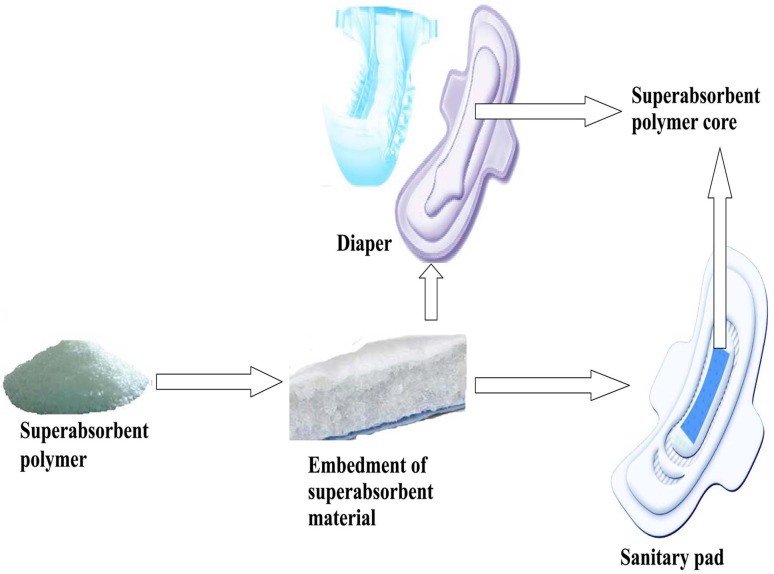
“Furthermore, SAPs currently on the market are made from synthetic polymers, such as acrylic acid (AA) or acrylamide (AAm) and/or their derivatives [18].”
Calvino, M. M., Lisuzzo, L., Cavallaro, G. P., Lazzara, G., & Milioto, S. (2021) · Emergent Materials · doi:10.1007/s42247-021-00259-6 · Cited by 8
Lo, A. Z. K., Lukman, S. K., Lai, C., Zain, N. M., & Saidin, S. (2021) · Cellulose Chemistry and Technology · doi:10.35812/cellulosechemtechnol.2021.55.48 · Cited by 8
Zhan, E., & Du, H. (2023) · Preventive Medicine · doi:10.1016/j.ypmed.2023.107524 · Cited by 8
Zidarič, T., Gradišnik, L., Frangež, T., Šoštarič, M., Korunič, E., Maver, T., & Maver, U. (2024) · International Journal of Biological Macromolecules · doi:10.1016/j.ijbiomac.2024.131958 · Cited by 8
Cellulose-based stimuli-responsive hydrogels
Palencia, M., Espinosa-Duque, A., Otálora, A., & García-Quintero, A. (2021) · Elsevier eBooks · doi:10.1016/b978-0-12-821649-1.00002-7 · Cited by 8
Cation release from different carboxymethyl cellulose hydrogels
Qu, Y., Haverkamp, R., Jakobs‐Schönwandt, D., Vázquez, J. E., Hellweg, T., & Patel, A. V. (2023) · Colloid & Polymer Science · doi:10.1007/s00396-023-05104-2 · Cited by 8
“The hydroxyl groups in the C-2 and C-5 positions of the cellulose chain can be chemically modified to form various functional groups such as primary amino groups (-NH 2 ), acetamide groups (CH 3 CONH-), or carboxy-late groups [27].”
Saha, A., & Sreedeep, S. (2024) · Indian geotechnical journal · doi:10.1007/s40098-024-00867-z · Cited by 8
Superabsorbent Hydrogels Derived from Cellulose Obtained from Post-Consumer Denim
Villalva-Cañavi, C., Jasso–Salcedo, A. B., & Lardizábal‐Gutiérrez, D. (2025) · Gels · doi:10.3390/gels11110884 · Cited by 7
“SO 3 H, along with crosslinks between polymer chains, either physical or chemical in nature [14,15].”
Recent advances in polymer gels in oil and gas drilling and production engineering: A review
Jing-bin, Y., Bai, Y., Sun, J. C., Сарсенбекулы, Б., Lv, K.-H., Chen, J.-K., & Feng, Q.-Y. (2026) · Petroleum Science · doi:10.1016/j.petsci.2026.06.022 · Cited by 7
Muganlı, Z., Bütün, İ., Gharib, G., & Koşar, A. (2024) · Energy Advances · doi:10.1039/d4ya00278d · Cited by 7
Zein-Based Materials: Effect of Nanocarbon Inclusion and Potential Applications
Marshall, T., Gravelle, A. J., Laredo, T., Rodriguez‐Uribe, A., Misra, M., Mohanti, A., Marangoni, A. G., Lim, L., & Pensini, E. (2020) · Journal of Polymers and the Environment · doi:10.1007/s10924-020-01908-3 · Cited by 7
“Biobased materials have been proposed for diverse applications, including packaging, biomedical applications [1–4], agricultural uses [5, 6], pollutant sorption and water purification [7–10], and remediation of groundwater contaminants [11–15].”
BackgroundBhuiyan, M. A. R., Wang, L., Ara, Z. A., Saha, T., & Wang, X. (2022) · Journal of Industrial Textiles · doi:10.1177/15280837221078535 · Cited by 7
Self-citationKausar, A., & Ahmad, I. (2023) · Nano-Horizons Journal of Nanosciences and Nanotechnologies · doi:10.25159/nanohorizons.49f1ef7cdb7 · Cited by 7
Bioinoculants: the agrarian avengers
Kamath, A., Shukla, A., Saiyed, T., Bhatt, S., Rathod, H., Makwana, V., Soni, D., Banerjee, S., & Patel, D. (2023) · Symbiosis · doi:10.1007/s13199-023-00953-5 · Cited by 7
“Depending on the microbial cells and coated chemicals, the texture and shape of the beads vary (Kabir et al. 2018).”
pH-Responsive Cellulose/Silk/Fe3O4 Hydrogel Microbeads Designed for Biomedical Applications
Weon, S. H., Na, Y., Han, J., Lee, J. W., Kim, H. J., Park, S., & Lee, S. H. (2024) · Gels · doi:10.3390/gels10030200 · Cited by 7
“…cells, being human epithelial keratinocytes, are well suited for assessing the biocompatibility of cellulose-based biopolymer materials when applied to the body. cytotoxicity of the cellulose and cellulose/silk composite films prepared using TBAH and TBPH was examined in HaCaT cells (Figure 10).”
BackgroundMethodFabrication of polydopamine‐modified cellulose hydrogel for controlled release of α ‐mangostin
Phan, H. L., Tran, N. C. T., Le, T. H. Y., Le, Q., Le, T., & Thach, U. D. (2024) · Biopolymers · doi:10.1002/bip.23613 · Cited by 7
Yap, J. X., Leo, C. P., Yasin, N. H. M., & Derek, C. J. C. (2021) · Chemosphere · doi:10.1016/j.chemosphere.2021.129657 · Cited by 7
Self-assembling Hydrogels Based on Natural Building Blocks
Martin, C., & Ballet, S. (2021) · Royal Society of Chemistry eBooks · doi:10.1039/9781839163975-00112 · Cited by 7
Popa, L., Ghica, M. V., Dinu‐Pîrvu, C. E., & Tudoroiu, E.-E. (2023) · IntechOpen eBooks · doi:10.5772/intechopen.108767 · Cited by 7
Cross-Linking Biopolymers for Biomedical Applications
Joseph, A. M., & George, B. (2022) · Springer eBooks · doi:10.1007/978-981-16-6603-2_42-1 · Cited by 7
Adewuyi, A., Otuechere, C. A., Adebayo, O. L., Oyeka, M., & Adewole, C. (2021) · Scientific African · doi:10.1016/j.sciaf.2021.e01025 · Cited by 8
Nafisah, N., Rodhiyah, M., Luthfianti, H. R., Waresindo, W. X., Arrosyid, B. H., Noviyanto, A., Hapidin, D. A., Edikresnha, D., & Khairurrijal, K. (2024) · Journal of Physics Conference Series · doi:10.1088/1742-6596/2734/1/012036 · Cited by 6
“Cellulose is the most abundant natural polymer in nature and is a primary component of plants and natural fibers such as cotton and linen [23].”
BackgroundGao, Z., Du, F., Fu, G., Yang, X., Wei, Y., Lai, M., Chang, D., & Ji, X. (2025) · International Journal of Biological Macromolecules · doi:10.1016/j.ijbiomac.2025.142700 · Cited by 6
Innovative breakthroughs in novel biomaterials for traumatic brain injury and cranial repair
Li, Y., Zhang, Y., Fu, Y., Lu, Y., Jiang, K., Li, L., Liu, Q., Dupuy, A., Ju, L. A., Wang, Y., et al. (2025) · Rare Metals · doi:10.1007/s12598-025-03333-8 · Cited by 6
Hydrogel Foams Containing Superabsorbent Particles for Wound Care Applications
Agote, N. B., Cianciosi, A., Ewald, A., Gröll, J., Jenkins, A. T. A., & Kettel, M. J. (2025) · ACS Applied Bio Materials · doi:10.1021/acsabm.4c01719 · Cited by 6
Brião, G. D. V., Queiroz, B. G., Ferreira, R. R., Rosa, D. S., & Frollini, E. (2025) · International Journal of Biological Macromolecules · doi:10.1016/j.ijbiomac.2025.146480 · Cited by 7
Sango-Parco, D., Zamora-Mendoza, L., Valdiviezo-Cuenca, Y., Zamora‐Ledezma, C., Dahoumane, S. A., López, F., & Alexis, F. (2025) · Bioengineering · doi:10.3390/bioengineering12080838 · Cited by 6
“These characteristics make it a key component in drug delivery studies [12], reinforcement composites [13–16], hydrogels [17–19], manufactured coatings [20], matrices [21], tablets [22], and drug films [22].”
Resina, L., Caballero, P., Guggenbiller, G., Weems, A. C., Pérez‐Madrigal, M. M., & Alemán, C. (2025) · Macromolecular Bioscience · doi:10.1002/mabi.202500247 · Cited by 6
The impact of substitution of two hydrophobic moieties on the properties of guar gum based hydrogels
Mazlan, M., Rizwan, M., Azzahari, A. D., Selvanathan, V., Sonsudin, F., & Shahabudin, N. (2020) · Pigment & Resin Technology · doi:10.1108/prt-06-2020-0063 · Cited by 6
“Great efforts are being devoted to introduce biopolymerbased hydrogels because of their abundance, renewability, biodegradability and biocompatibility (Kabir et al., 2018).”
BackgroundZeng, K., Xu, D., Gong, S., Lu, Y., Vana, P., Groth, T., & Zhang, K. (2023) · Cellulose · doi:10.1007/s10570-023-05373-8 · Cited by 6
A review article on PH- sensitive Hydrogel
Khanderao, G. J., Kubde, J. A., Hatwar, P. R., Bakal, R. L., & Karule, V. G. (2024) · GSC Biological and Pharmaceutical Sciences · doi:10.30574/gscbps.2024.29.3.0467 · Cited by 6
“…are also used in construction, electrical applications, water swelling rubbers, artificial snow, packaging, refreshing systems, enzyme and catalyst supports, sludge/coal dewatering, body water retainers, stomach bulking agents and food preservatives, among other miscellaneous applications [56] .”
Mikhailidi, A. M., Saprykina, N., Mokeev, M. V., Zinchenko, A. V., & Kotelnikova, N. E. (2020) · Cellulose Chemistry and Technology · doi:10.35812/cellulosechemtechnol.2020.54.85 · Cited by 6
Future prospective of advanced green materials
Thomas, P. A., Dillu, E., Naskar, J., Rumjit, N. P., Chau, J. H. F., Thomas, G., George, P. J., Lai, C. W., & Johan, M. R. (2021) · Elsevier eBooks · doi:10.1016/b978-0-12-820484-9.00029-5 · Cited by 6
Hassan, M. L., Abou-Elesoud, W. S., Safwat, E. M., Hassan, E. A., Fadel, S. M., & Labeeb, A. M. (2022) · Cellulose · doi:10.1007/s10570-022-04864-4 · Cited by 6
Chitosan-Based Hydrogels for Tissue Engineering
Roy, B. K., Tahmid, I., & Rashid, T. U. (2021) · Springer eBooks · doi:10.1007/978-981-16-4420-7_19 · Cited by 6
Kriete, A. S., Prudnikova, K., & Marcolongo, M. S. (2019) · Interface Focus · doi:10.1098/rsfs.2019.0013 · Cited by 6
Neira, J. Y., Boulett, A., Roa, K., Oyarzún, D. P., & Sánchez, J. (2021) · Environmental Technology & Innovation · doi:10.1016/j.eti.2021.102104 · Cited by 6
Al-Qudah, Y. H. F., Hegazy, N. R., Mahmoud, G. A., & Hegazy, E. A. (2022) · Desalination and Water Treatment · doi:10.5004/dwt.2022.28265 · Cited by 6
Ramasamy, N., Sivalingam, A., Saravanabhavan, S. S., Palani, K. N., & Natesan, B. (2023) · Carbon letters · doi:10.1007/s42823-023-00592-2 · Cited by 5
Roy, S., Chaudhuri, S., Mukherjee, P., & Nandi, S. K. (2024) · Sustainable materials and technology · doi:10.1007/978-981-99-8593-7_12 · Cited by 5
Ray, T., Das, D., Pramanik, G., Sen, S., & Sen, K. (2024) · Inorganica Chimica Acta · doi:10.1016/j.ica.2024.122010 · Cited by 5
Metadata
- Authors
- Kabir, S. M. F., Sikdar, P. P., Haque, B., Bhuiyan, M. A. R., Ali, A., & Islam, M. N.
- Affiliations
- Louisiana State University (US)
- University of Georgia (US)
- University of Chittagong (BD)
- Dhaka University of Engineering & Technology (BD)
- Corresponding author
- Kabir, S M Fijul
- Venue
- Progress in Biomaterials
- Published
- 2018-09
- Volume
- 7
- Issue
- 3
- Pages
- 153-174
- ISSN
- 2194-0509 (ISSN-L)
- 2194-0517
- PMC
- PMC6173681
- OpenAlex
- W2890014534
- Cited by
- 565
- References
- 237
- Citations by year
- 2026: 38 · 2025: 87 · 2024: 93 · 2023: 96 · 2022: 76 · 2021: 101 · 2020: 51 · 2019: 21 · 2018: 2
- FWCI
- 3.65
- Type
- journal article
- Language
- en
- Open access
- hybrid
- doi.org
- Licence
- cc-by
- creativecommons.org/licenses/by/4.0 (tdm)
- Locations
- Progress in Biomaterials (publishedVersion, cc-by)
- Europe PMC (PubMed Central) (publishedVersion, cc-by)
- PubMed Central (publishedVersion, cc-by)
- PubMed (publishedVersion)
- DOAJ (DOAJ: Directory of Open Access Journals) (submittedVersion)
- Greater South Information System
- Topics
- Physical Sciences › Materials Science › Biomaterials › Hydrogels: synthesis, properties, applications
- Physical Sciences › Materials Science › Biomaterials › Advanced Cellulose Research Studies
- Life Sciences › Agricultural and Biological Sciences › Food Science › Polysaccharides Composition and Applications
- Keywords
- cellulose hydrogels, biopolymer hydrogels, chitin, chitosan, water absorption, stimuli-responsive materials, biocompatibility, biodegradability, drug delivery, tissue engineering, wound healing, smart materials, agricultural applications, textiles, hygienic products
About these checks
Registry, retraction, Cites and statistics results are computed, not judged, with one exception: a printed reference that no index lists is read once by a model before it counts as a citation error. Claims are extracted by a model and kept only when their quote appears verbatim in the text; each cited source is then checked, with a model’s help, for whether it says what the claim relies on. Those verdicts can be wrong — read the claim’s quote and the cited source before relying on one.
Statistics and arithmetic are recomputed, not judged.
Confidence bands are shown only for fields calibrated on our annotated test set. None is calibrated yet, so no band is shown.
What counts as a claim ›How we measure confidence ›How we check this ›
Are you an author, or do you see a problem with this page? Request a review
Data sources
Bibliographic data: Semantic Scholar, OpenAlex, Crossref.
Contains information from the Semantic Scholar Academic Graph Datasets, made available under the ODC Attribution License (ODC-BY 1.0).
Semantic Scholar’s data is described in: Kinney, R., et al. (2023). The Semantic Scholar Open Data Platform. arXiv:2301.10140.
