

Pharmacokinetic Characteristics of Long-Acting Injectable Antipsychotics for Schizophrenia: An Overview
Open accessThe DOI matches its Crossref record; 119 of the 121 references it cites were found in a registry or an index; 45 of the 232 sources its claims cite were checked for support.
Abstract
The availability of long-acting injectable (LAI) antipsychotics for the treatment of schizophrenia provides clinicians with options that deliver continuous drug exposure and may improve adherence compared with daily oral antipsychotics. However, all LAI antipsychotics have unique formulations and pharmacokinetic characteristics that have implications for medication selection, administration interval, and injection site. This review outlines key differences in drug formulations and pharmacokinetics among LAI antipsychotics. A systematic search of the PubMed database was conducted to identify physical and formulation properties and pharmacokinetic data of commercially available LAI antipsychotics, including flupentixol decanoate, fluphenazine decanoate, haloperidol decanoate, zuclopenthixol decanoate, aripiprazole monohydrate, aripiprazole lauroxil, olanzapine pamoate, paliperidone palmitate, risperidone microspheres, and risperidone polymeric microspheres. Additional information was obtained from package inserts and product monographs. Relevant data on drug properties, administration details, pharmacokinetic parameters, and oral dose equivalencies of LAI antipsychotics are summarized. Based on our analysis, formulation characteristics (e.g., vehicle medium) and administration characteristics (e.g., injection site) can affect rate of absorption and adverse effects and may factor into whether oral supplementation or an additional injection is needed. Dose adjustments may be necessary based on potential drug-drug interactions, and approximate dose equivalence with oral formulations can help inform titration when switching from oral to LAI formulations. Clinicians administering LAI antipsychotics should consider these formulation and pharmacokinetic factors to maximize clinical impact and to adjust to an individual patient's needs and treatment goals.
Overview
CoChat Summary
TL;DR
This overview summarizes formulation and pharmacokinetic characteristics of commercially available long-acting injectable (LAI) antipsychotics for schizophrenia, drawing on a systematic PubMed search plus package inserts and product monographs. It emphasizes that LAI absorption, half-life, injection site, interactions, and oral dose equivalence differ substantially and should guide drug selection, dosing, and administration.
Key findings
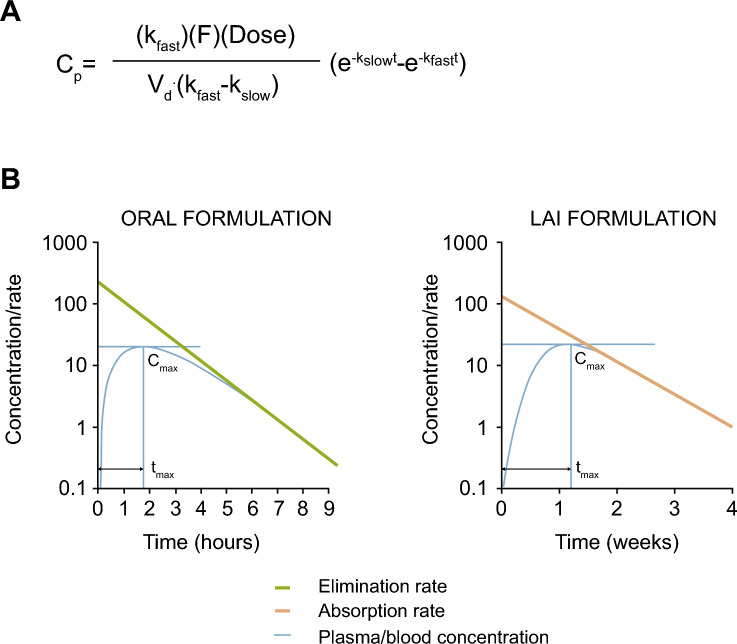
- LAI antipsychotics generally show “flip-flop” kinetics: absorption is slower than elimination, so time to steady state is driven by absorption, and steady state typically occurs after 4–5 half-lives. Reported apparent half-lives vary widely, e.g., fluphenazine decanoate 7–10 days, haloperidol decanoate 21 days, aripiprazole monohydrate 29.9–46.5 days, aripiprazole lauroxil 53.9–57.2 days, paliperidone palmitate every 3 months 84–95 days (deltoid) and 118–139 days (gluteal), risperidone microspheres 3–6 days, and risperidone polymer total active moiety 8–9 days.
- Time to peak concentration also differs by formulation and site: flupentixol decanoate 4–10 days, haloperidol decanoate 3–9 days, aripiprazole lauroxil 41 days, paliperidone palmitate once monthly 13 days, paliperidone palmitate every 3 months 30–33 days, risperidone microspheres ~30 days, and risperidone polymer 4–6 h.
- Formulation and administration factors can affect absorption and adverse effects; for example, aripiprazole monohydrate median tmax is 4 days after deltoid injection versus 5–7 days after gluteal injection, and paliperidone palmitate every 3 months has a longer apparent half-life after gluteal than deltoid injection.
- Drug–drug interactions and oral dose equivalencies are clinically relevant: CYP2D6/CYP3A4 inhibitors or inducers may require dose adjustments for several LAIs, and examples include 15–20 mg oral aripiprazole daily corresponding to 400 mg aripiprazole monohydrate every 4 weeks, and 3 mg or 4 mg oral risperidone daily corresponding to 90 mg or 120 mg risperidone polymer, respectively.
Methods
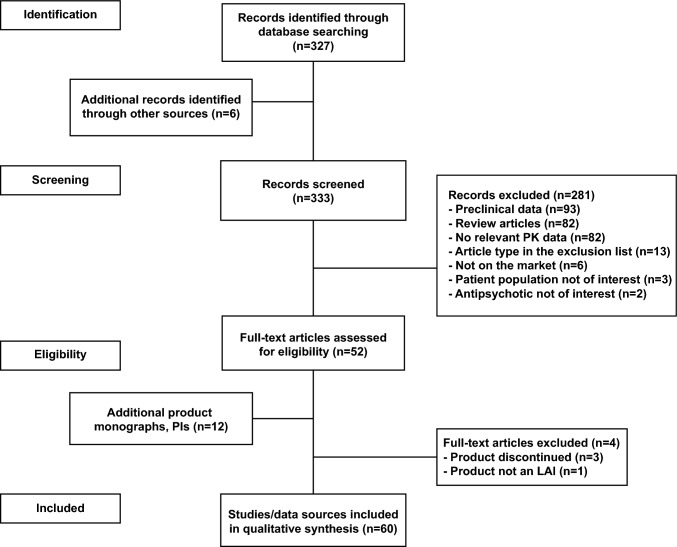
- Narrative overview with a systematic literature search of PubMed performed on 17 October 2018 using terms: (Long-acting OR depot OR injectable) AND (antipsychotic* OR neuroleptic*) AND (pharmacokinetic* OR PK), limited to English; a second search was performed on 11 September 2020 for articles published after 18 October 2018.
- The initial search returned 327 English-language articles; after manual screening, 52 abstracts with relevant LAI pharmacokinetic data were identified, plus data from 12 product package inserts and/or monographs; the second search identified three relevant abstracts.
- The review summarizes formulation properties, pharmacokinetic characteristics, administration details, and oral dose equivalencies for commercially available LAIs including flupentixol decanoate, fluphenazine decanoate, haloperidol decanoate, zuclopenthixol decanoate, aripiprazole monohydrate, aripiprazole lauroxil, olanzapine pamoate, paliperidone palmitate, risperidone microspheres, and risperidone polymeric microspheres.
Limitations
- The paper states that LAI antipsychotics have fewer available dosage strengths than oral formulations; for example, PP1M, PP3M, and aripiprazole lauroxil have five, four, and three available oral dose equivalents, respectively, whereas olanzapine pamoate and risperidone polymer have two and aripiprazole monohydrate has one.
- The paper states that long half-lives may prolong adverse effects, so tolerability should be assessed with shorter-acting preparations before longer-acting formulations are initiated; it also notes that no guidance is provided for missed doses of some first-generation LAIs and risperidone microspheres.
- The paper cautions that a comparison of aripiprazole plasma concentrations between aripiprazole monohydrate 400 mg and aripiprazole lauroxil 882 mg should be interpreted cautiously because data inputs came from different time points and different steady-state concentrations (average vs. minimum). Evident from the text: this is an overview relying largely on published studies, package inserts, and product monographs rather than a formal meta-analysis with patient-level data or risk-of-bias assessment.
Model-written summary. Check it against the paper before relying on it.
Integrity signals
Registry
Cites
Statistics
Figures
Verification
Claims the paper makes
36 Valid · 4 Not valid · 133 Not checked · 29 Own results and interpretations
The cited sources support only part of this claim — read each source’s verdict below.
In the paper
“Relapses may also lead to reduced response to previously effective antipsychotics, potentially contributing to treatment resistance [10–12].”
§ Pharmacokinetic Characteristics of Long-Acting Injectable Antipsychotics for Schizophrenia: An Overview > Introduction
What the sources say
- Partly supportedcites [10] Wiersma D, Nienhuis FJ, Slooff CJ, Giel R. Natural course of schizophrenic disorders: a 15-year followup of a Dutch incidence cohort. Schizophr Bull. 1998;24(1):75–85. 9502547 sourceExperimental — accuracy not yet measured
The Results section reports that the probability of chronicity increased with successive episodes, supporting the broader concern that relapses may be followed by deterioration. But it attributes that increase to negative symptoms, not reduced response to previously effective antipsychotics; the paper does not establish the proposed treatment-resistance mechanism. Page numbers were not available in our copy. (LLM, conf=0.83)
- Not checked — no full text of the sourcecites [11] Emsley R, Nuamah I, Hough D, Gopal S. Treatment response after relapse in a placebo-controlled maintenance trial in schizophrenia. Schizophr Res. 2012;138(1):29–34. 22446143 source
- Supportedcites [12] Takeuchi H, Siu C, Remington G, Fervaha G, Zipursky RB, Foussias G, et al. Does relapse contribute to treatment resistance? Antipsychotic response in first- vs second-episode schizophrenia. Neuropsychopharmacology. 2019;44(6):1036–42. 30514883 PMC6462044 source
The Discussion reports that patients who had responded to an antipsychotic, discontinued it, and relapsed showed reduced or delayed response when reinstated on the same drug. It links this finding to increasing treatment resistance; the claim’s cautious wording matches the paper’s interpretation. No page number is provided in our copy. (LLM, conf=0.92)
hedgedstates a possible cause- Asserted: passes — The authors put it forward as true.
- Checkable: passes — It can be checked against evidence.
- Load-bearing: unclear — It is unclear whether the paper’s conclusions depend on it.
- Based: passes — The paper gives a reason why it holds.
- Partly supported
The cited sources support only part of this claim — read each source’s verdict below.
In the paper
“Absorption from the injection site can be influenced by properties of the drug, including water solubility and the delivery vehicle, and patient factors such as body weight, subcutaneous fat, and vascularity of the site of injection [25, 34, 35].”
§ Pharmacokinetic Characteristics of Long-Acting Injectable Antipsychotics for Schizophrenia: An Overview > Introduction > Pharmacokinetics by Formulation
What the sources say
- Not matchedcites [25] Kenakin TP. A pharmacology primer: theory, applications, and methods. 3rd ed. Burlington: Elsevier Academic Press; 2009.
We searched by its title and found no matching paper.
- Partly supportedcites [34] Soliman E, Ranjan S, Xu T, Gee C, Harker A, Barrera A, et al. A narrative review of the success of intramuscular gluteal injections and its impact in psychiatry. Biodes Manuf. 2018;1(3):161–70. 30546922 PMC6267269 sourceExperimental — accuracy not yet measured
The Introduction links tissue vascularity to drug absorption, and 'Consequences of unsuccessful injections' says subcutaneous deposition can slow absorption. 'Subcutaneous fat, BMI, and gender' discusses weight, fat thickness, and low-solubility oil depots that release drug over time. The paper does not specifically identify water solubility as a factor. (LLM, conf=0.83)
- Not checked — no full text of the sourcecites [35] Zuidema J, Pieters FAJM, Duchateau GSMJE. Release and absorption rate aspects of intramuscularly injected pharmaceuticals. Int J Pharm. 1988;47(1):1–12. source
plainstates a cause- Asserted: passes — The authors put it forward as true.
- Checkable: passes — It can be checked against evidence.
- Load-bearing: unclear — It is unclear whether the paper’s conclusions depend on it.
- Based: passes — The paper gives a reason why it holds.
- Not matched
Every source the paper cites for this claim was checked and supports it.
In the paper
“Aripiprazole lauroxil, another long-acting formulation of aripiprazole, consists of the nonester prodrug N-lauroyloxymethyl aripiprazole [63].”
§ Pharmacokinetic Characteristics of Long-Acting Injectable Antipsychotics for Schizophrenia: An Overview > Second-Generation LAI Antipsychotics > Aripiprazole Lauroxil
What the sources say
- Supportedcites [63] Hard ML, Mills RJ, Sadler BM, Turncliff RZ, Citrome L. Aripiprazole lauroxil: pharmacokinetic profile of this long-acting injectable antipsychotic in persons with schizophrenia. J Clin Psychopharmacol. 2017;37(3):289–95. 28350572 PMC5400404 source
The introductory text following the Conclusions in our copy identifies aripiprazole lauroxil as a covalent nonester modification of aripiprazole forming N-lauroyloxymethyl aripiprazole. The copy does not provide a page number for this passage. (LLM, conf=0.95)
plain- Asserted: passes — The authors put it forward as true.
- Checkable: passes — It can be checked against evidence.
- Load-bearing: unclear — It is unclear whether the paper’s conclusions depend on it.
- Based: passes — The paper gives a reason why it holds.
- Supported
The cited sources support only part of this claim — read each source’s verdict below.
In the paper
“Aripiprazole concentrations achieved by aripiprazole monohydrate 400 mg once monthly are comparable to those with oral aripiprazole 15–20 mg daily [62].”
§ Pharmacokinetic Characteristics of Long-Acting Injectable Antipsychotics for Schizophrenia: An Overview > Second-Generation LAI Antipsychotics > Aripiprazole Monohydrate
What the sources say
- Partly supportedcites [62] Raoufinia A, Peters-Strickland T, Nylander AG, Baker RA, Eramo A, Jin N, et al. Aripiprazole once-monthly 400 mg: comparison of pharmacokinetics, tolerability, and safety of deltoid versus gluteal administration. Int J Neuropsychopharmacol. 2017;20(4):295–304. 28204607 PMC5409034 sourceExperimental — accuracy not yet measured
The Introduction and Discussion say that trough concentrations with once-monthly 400 mg are similar to those with oral aripiprazole 15–20 mg daily. They compare peak concentrations instead with oral doses of 20–30 mg daily, so the unqualified claim about concentrations is broader than the comparison reported. (LLM, conf=0.83)
plain- Asserted: passes — The authors put it forward as true.
- Checkable: passes — It can be checked against evidence.
- Load-bearing: unclear — It is unclear whether the paper’s conclusions depend on it.
- Based: passes — The paper gives a reason why it holds.
- Partly supported
The cited sources support only part of this claim — read each source’s verdict below.
In the paper
“Using data after tmax (41 days) estimates the elimination half-life of aripiprazole lauroxil at 53.9–57.2 days [66].”
§ Pharmacokinetic Characteristics of Long-Acting Injectable Antipsychotics for Schizophrenia: An Overview > Second-Generation LAI Antipsychotics > Aripiprazole Lauroxil
What the sources say
- Partly supportedcites [66] Hard ML, Mills RJ, Sadler BM, Wehr AY, Weiden PJ, von Moltke L. Pharmacokinetic profile of a 2-month dose regimen of aripiprazole lauroxil: a phase i study and a population pharmacokinetic model. CNS Drugs. 2017;31(7):617–24. 28597226 PMC5511303 sourceExperimental — accuracy not yet measured
The Results (Phase I Pharmacokinetics; page unavailable) report a mean elimination half-life of 53.9–57.2 days for aripiprazole after the last aripiprazole lauroxil injection. They place maximum aripiprazole concentrations at 24.4–35.2 days, not a tmax of 41 days. The paper does not say the half-life was estimated using data only after day 41, and the reported half-life is for aripiprazole rather than the prodrug. (LLM, conf=0.88)
hedgedstates a cause- Asserted: passes — The authors put it forward as true.
- Checkable: passes — It can be checked against evidence.
- Load-bearing: unclear — It is unclear whether the paper’s conclusions depend on it.
- Based: passes — The paper gives a reason why it holds.
- Partly supported
69 more claims · 9 with their cited sources checked
Create a free account to see all 202 claims and to verify the 6 references still open.
- Probably not a substantial claim. 65
- It may state two separate claims as one. 82
Self-check
Percentages, sums and reported differences re-computed from the paper’s own numbers.
Each contradiction between two passages listed here was confirmed by an independent check.
Rated minor: it would not touch a result — a value no result rests on, a p-value that stays on the same side of the significance level, or a conflict that is clerical, resolved elsewhere in the paper, or outside its own findings.
In the paper
§ Pharmacokinetic Characteristics of Long-Acting Injectable Antipsychotics for Schizophrenia: An Overview > First-Generation Long-Acting Injectable (LAI) Antipsychotics > Zuclopenthixol Decanoate
“Zuclopenthixol decanoate is meant for maintenance treatment after patients have been stabilized with an oral antipsychotic or other short-acting medications; no specific initiation regimen is recommended [59].”
§ Pharmacokinetic Characteristics of Long-Acting Injectable Antipsychotics for Schizophrenia: An Overview > Introduction > Literature Search
“Zuclopenthixol decanoate | 100–300 mg, with or without oral supplementation (in diminishing dosage) [59]”
Citations
Cites
Discovering the Neural Basis of Human Social Anxiety: A Diagnostic and Therapeutic Imperative
Charney, D. S. (2004) · American Journal of Psychiatry · doi:10.1176/appi.ajp.161.1.1 · Cited by 1,428
Lacro, J. P., Dunn, L. B., Dolder, C. R., Leckband, S. G., & Jeste, D. V. (2002) · The Journal of Clinical Psychiatry · doi:10.4088/jcp.v63n1007 · Cited by 1,383
(1997) · American Journal of Psychiatry · doi:10.1176/ajp.154.4.1 · Cited by 1,348 · cited 1×
“Antipsychotic medications are a fundamental element of treatment used to reduce intensity and frequency of symptoms [3].”
Robinson, D., Woerner, M. G., Alvir, J. M. J., Bilder, R., Goldman, R., Geisler, S., Koreen, A., Sheitman, B., Chakos, M., Mayerhoff, D., et al. (1999) · Archives of General Psychiatry · doi:10.1001/archpsyc.56.3.241 · Cited by 1,327
Kahn, R. S., Sommer, I. E., Murray, R. M., Meyer-Lindenberg, A., Weinberger, D. R., Cannon, T. D., O'Donovan, M., Correll, C. U., Kane, J. M., van Os, J., et al. (2015) · Nature Reviews Disease Primers · doi:10.1038/nrdp.2015.67 · Cited by 1,124
Self-citation(2007) · PubMed · Cited by 953
Pharmacokinetics and drug metabolism in the elderly
Klotz, U. (2009) · Drug Metabolism Reviews · doi:10.1080/03602530902722679 · Cited by 826
Tiihonen, J., Mittendorfer-Rutz, E., Majak, M., Mehtälä, J., Hoti, F., Jedenius, E., Enkusson, D., Leval, A., Sermon, J., Tanskanen, A., et al. (2017) · JAMA Psychiatry · doi:10.1001/jamapsychiatry.2017.1322 · Cited by 670
Natural Course of Schizophrenic Disorders: A 15-Year Followup of a Dutch Incidence Cohort
Wiersma, D., Nienhuis, F. J., Slooff, C. J., & Giel, R. (1998) · Schizophrenia Bulletin · doi:10.1093/oxfordjournals.schbul.a033315 · Cited by 649
Weiden, P. J., Kozma, C., Grogg, A., & Locklear, J. (2004) · Psychiatric Services · doi:10.1176/appi.ps.55.8.886 · Cited by 621
Research works printed but not linked: 1
- Gelenberg AJ. Significant greater loss of medication from the injection site when fluphenazine (Prolixin) decanoate was injected intramuscularly as contrasted with subcutaneously. J Clin Psychiatry. 1987;48(10):425. 3667545
Cited by
Items 101–197 of 197
The Role of Long-Acting Injectable Antipsychotics in the Early Treatment of Schizophrenia
Harrison, S. J., Antunes, J., Knight, K., Johnston, K., Mehawej, J., Sanchez, P., & Correll, C. U. (2026) · CNS Drugs · doi:10.1007/s40263-026-01294-9 · Cited by 3
“Currently available second-generation LAIs have variable pharmacokinetic properties and administration frequencies [55].”
Self-citationComparing two transitioning strategies to paliperidone palmitate once-every-6-months
Correll, C. U., Johnston, K. L., Turkoz, I., Kutch, M., Knight, R. K., Doring, M., & Sajatovic, M. (2024) · CNS Spectrums · doi:10.1017/s1092852924000476 · Cited by 3
“…in hospitalizations and relapses 4-9 ; (2) more consistent bioavailability, predictable pharmacokinetics and stable plasma medication levels 8,10 ; 12-14 Furthermore, compared to no antipsychotic use, LAIs reduced all-cause mortality by 53% in patients with schizophrenia, with the greatest…”
Self-citationde Filippis, R., D’Onofrio, E., Liparota, G., Scaramuzzino, A., Aguglia, A., Amerio, A., Serafini, G., & Fazio, P. D. (2025) · Expert Opinion on Pharmacotherapy · doi:10.1080/14656566.2025.2551636 · Cited by 4
“…at least 14 days of exposure to oral risperidone with adequate titration if the patient had never been exposed to oral risperidone. pharmacokinetic profiles of available LAIs and their clinical implications is essential for optimal drug selection, dosing, and administration protocol [9,116,117].”
Perlstein, I., Meyer, J. M., Kumar, S., Yue, Z., Ivaturi, V. D., Franzenburg, K. R., Suett, M., Hansen, R., Wagner, A. M., Phatak, A., et al. (2025) · Neurology and Therapy · doi:10.1007/s40120-025-00840-9 · Cited by 2
Wagner, E. M., Katyal, S., Lee, I. O., Tasnim, S., Wadia, H. E., Mortazavi, M., García-Carmona, J. A., Hasan, A., Colman, I., Taipale, H. T., et al. (2026) · The Canadian Journal of Psychiatry · doi:10.1177/07067437251412576 · Cited by 4
Self-citationBao, Q., Clarke, J. G., Curran, D. W., Romić, M. D., Goyal, N., Heimbach, T., Jain, K. M. H., Pawar, P., Ragoonanan, V., Saha, P., et al. (2026) · Journal of Controlled Release · doi:10.1016/j.jconrel.2026.114959 · Cited by 2
Sánchez‐Gistau, V., Moreno, M. J., Gómez-Lus, S., Sicras‐Mainar, A., & Crespo‐Facorro, B. (2023) · Frontiers in Psychiatry · doi:10.3389/fpsyt.2023.1207307 · Cited by 2
Miranda, J. J. F., Díaz-Fernández, S., Piorno, F. J. C., & Lopez-Munoz, F. J. (2024) · Biomedicines · doi:10.3390/biomedicines12010165 · Cited by 4
“The evidence of a relationship between PLs and clinical effectiveness and side effects is scarce [52,55,65], albeit under discussion [38,52].”
BackgroundCurrent treatments in schizophrenia
Navti, B., & Nikolić, N. (2024) · Prescriber · doi:10.1002/psb.2147 · Cited by 3
Li, R., Yang, S., Yang, G., Gu, X., Zhang, Z.-K., Wang, T., Tan, Y., & Chen, S. (2025) · Clinical and Translational Science · doi:10.1111/cts.70142 · Cited by 2
“Injections can better maintain relatively stable plasma drug concentrations, reducing the risk of adverse events, and can decrease dosing frequency, thereby improving patient compliance [30].”
Antipsychotic Polypharmacy for Treatment Resistant Schizoaffective Disorder: A Case Report
Moriarty, S. E., Parhami, P., Parikh, J., et al. (2025) · Cureus · doi:10.7759/cureus.80204 · Cited by 2
“Literature has shown peak plasma concentrations of paliperidone palmitate once monthly are achieved with a median of 13 days post-injection [8].”
Müller, M. J., & Benkert, O. (2023) · Springer eBooks · doi:10.1007/978-3-662-67685-1_3 · Cited by 2
Steiner, L., Bibi, D., Wagner, A. M., et al. (2025) · Pharmaceutics · doi:10.3390/pharmaceutics17020150 · Cited by 1
“All currently available antipsychotic LAIs are administered either via the im or sc route [13,14].”
Procyshyn, R. M., Katzman, M. A., Margolese, H. C., Agid, O., & Blier, P. (2025) · Journal of Psychopharmacology · doi:10.1177/02698811241301219 · Cited by 2
“…olanzapine pamoate, paliperidone palmitate (both PP1M and once every 3 months (PP3M)) and risperidone (intramuscular (IM) injection; no guidance has been issued for the subcutaneous injection version) (Correll et al., 2021; U.S. Food and Drug Administration, 2014, 2016a, 2016b, 2021a, 2023).”
Katamesh, A. A., Abdel‐Bar, H. M., Mahafdeh, R., Break, M. K. B., Hassoun, S. M., Subaiea, G. M., El-Naggar, M. E., Almansour, K., El-Enin, H. A. A., & Yassin, H. (2025) · Pharmaceutics · doi:10.3390/pharmaceutics17070811 · Cited by 2
“Attempts to address these issues have included oral sustained-release and long-acting injectable formulations, such as Ola pamoate, which are designed to improve patient adherence and maintain therapeutic plasma levels over extended periods [7,8].”
Perlstein, I., Meyer, J. M., Yue, Z., Ivaturi, V. D., Franzenburg, K. R., Suett, M., Hansen, R., Wagner, A. M., Phatak, A., & Singh, R. (2025) · Advances in Therapy · doi:10.1007/s12325-025-03329-x · Cited by 1
Pardossi, S., Cuomo, A., Gualtieri, G., Pinzi, M., & Fagiolini, A. M. (2025) · Pharmaceuticals · doi:10.3390/ph18101571 · Cited by 1
“As a consequence, LAIs maintain more stable plasma levels, reduce peak-to-trough variability, and mitigate abrupt drops in drug concentration that might precipitate relapse, thereby enabling more consistent receptor engagement over time [12–14].”
InfluentialShilo‐Benjamini, Y., Ahmad, W. A., Barasch, D., Lavy, E., Zilbersheid, D., Barenholz, Y., & Cern, A. (2025) · Frontiers in Pharmacology · doi:10.3389/fphar.2025.1689226 · Cited by 3
Shilo‐Benjamini, Y., Silva, P. D. S., Cern, A., Aroch, I., Ahmad, W. A., Barasch, D., Lavy, E., Barenholz, Y., & Zachut, M. (2025) · Journal of Dairy Science · doi:10.3168/jds.2025-27373 · Cited by 1
de Filippis, R., Aloi, M., Cimino, A., Carbone, E. A., Rania, M., D’Onofrio, E., Kane, J. M., Schoretsanitis, G., Segura‐Garcìa, C., & Fazio, P. D. (2026) · Therapeutic Advances in Psychopharmacology · doi:10.1177/20451253251403263 · Cited by 1
“4,40 Further supporting this, positive outcomes were observed mainly in individuals who consistently adhered to LAI treatment, while those who discontinued experienced similar but reduced benefits—sug-gesting, however, that reducing the initial risk of hospitalization represents a protective factor…”
Design, synthesis and evaluation of trofinetide prodrug based on diketopiperazine strategy
Feng, X., Dong, Y., Guo, C., Lu, J., Xu, Z., Bian, J., Peng, W., Luo, T., & Feng, J. (2026) · Bioorganic & Medicinal Chemistry · doi:10.1016/j.bmc.2026.118633 · Cited by 1
Jeong, H. W., Kim, Y. S., Kim, E., Bhang, S., Choi, J.-W., Jeong, J. H., Kang, H., & Lee, K. Y. (2026) · International Clinical Psychopharmacology · doi:10.1097/yic.0000000000000621 · Cited by 1
Self-citationA cocrystal-based long-acting injectable suspension platform enables tunable drug release
Chen, A., Lai, C., Xu, W., He, Z., Zhai, H., Rui, X., Guo, M., & Cai, T. (2026) · Journal of Controlled Release · doi:10.1016/j.jconrel.2026.114898 · Cited by 2
Chen, C., Lin, X., Yang, Y., Yan, J., Chen, J., Zheng, Y., & Li, J. (2026) · Health Science Reports · doi:10.1002/hsr2.72194 · Cited by 1
“Competitive inhibition at this pathway may increase plasma concentrations of either or both drugs, thereby potentially heightening the risk of adverse neurological reactions, including dystonia [46].”
Prodi, T., Olivola, M., Leuzzi, R., Biseo, M., Grechi, E., Girone, N., Galimberti, C., Genova, C. D., Monica, K. L., Calorio, F., et al. (2026) · International Clinical Psychopharmacology · doi:10.1097/yic.0000000000000635 · Cited by 1
“Long-acting injectable (LAI) antipsychotics are well-established pharmaceutical strategies that guarantee a more stable plasmatic concentration, with lower peak-to-through fluctuations when compared with oral equivalents (Correll et al ., 2021).”
Dawson, B. J., Frost, M. P., Budilovsky-Kelley, N. R., Fiore, G. J., Friedman, A., Kaempfer, C., & Cohen, J. M. (2026) · Journal of Substance Use and Addiction Treatment · doi:10.1016/j.josat.2026.210095 · Cited by 1
Youniss, L., Thomas, M., & Davis, E. A. K. (2021) · Mental Health Clinician · doi:10.9740/mhc.2021.09.301 · Cited by 1
“Other cases describe patients on psychiatric medications who experienced heat stroke after exposure to excessively warm ambient temperatures.7,8 After injection, the plasma concentration of haloperidol peaks in 3 to 9 days, and the half-life is about 3 weeks although it may be longer in African Americans.9,10 With NMS…”
BackgroundAmani, P., Habibpour, R., & Karami, L. (2022) · Journal of Molecular Liquids · doi:10.1016/j.molliq.2022.119787 · Cited by 2
Jeong, M. Y., Ho, M. J., Choi, M., et al. (2023) · Bulletin of the Korean Chemical Society · doi:10.1002/bkcs.12699 · Cited by 1
Guo, Z., Chen, C., Deng, S., et al. (2023) · Human Psychopharmacology Clinical and Experimental · doi:10.1002/hup.2886 · Cited by 1
The evolution of modern psychiatry: A chronicle of long-acting antipsychotics and mental illness
Iliuță, F. P., Lacău, R. M., Varlam, C. I., Mareș, A. M., Chele, G. E., & Manea, M. C. (2024) · Bulletin of Integrative Psychiatry · doi:10.36219/bpi.2024.1.06 · Cited by 1
Outcomes of long-acting injectable antipsychotics use in pregnancy: A literature review
Pejčić, A. V., Stefanović, S., Milosavljević, M. N., Janjic, V. S., Folić, M., Folic, N. D., & Milosavljevic, J. Z. (2024) · World Journal of Psychiatry · doi:10.5498/wjp.v14.i4.582 · Cited by 3
Schizophrenia and Heart Health: Are Antipsychotics a Friend or Foe?
Andor, M., Dehelean, L., Arnăutu, D.-A., Nicula, M., Nistor, D., Manea, M. M., Romoșan, A. M., & Kundnani, N. R. (2024) · Journal of Personalized Medicine · doi:10.3390/jpm14080814 · Cited by 3
Hýža, M., & Skřont, T. (2025) · Psychiatrie pro praxi · doi:10.36290/psy.2025.013 · Cited by 1
Persistent altered mental status
Cabrera, M. (2021) · Current Psychiatry · doi:10.12788/cp.0180 · Cited by 2
Schizophrenia and Related Psychoses
(2025) · Wiley eBooks · doi:10.1002/9781119870203.mpg001.pub2 · Cited by 2
Dehelean, L., Marinescu, I., Stovicek, P. O., Romoşan, A. M., Romoșan, R. S., Bálint, R., Bucatoş, B. O., Ciobanu, A. V. L., Bondrescu, M., Marinescu, D., et al. (2022) · Romanian Journal of Morphology and Embryology · doi:10.47162/rjme.62.2.16 · Cited by 2
“From a pharmacological point of view, there are no significant differences between oral antipsychotics and LAI, regarding the receptor binding profile and the mechanism of action [48].”
BackgroundStahl, S. M. (2022) · Cambridge University Press eBooks · doi:10.1017/9781009241595.009
Prescripción de antipsicóticos de depósito en la Policlínica del Hospital Vilardebó.
(2022) · Revista de Psiquiatría del uruguay · doi:10.46706/psi/86.2.3 · Cited by 1
Discontinuing a long-acting injectable antipsychotic: What to consider
Ehret, M. J. (2023) · Current Psychiatry · doi:10.12788/cp.0323 · Cited by 2
ANTIPSICÓTICOS INYECTABLES DE ACCIÓN PROLONGADA EN ESQUIZOFRENIA
Beloqui, J. J., Sánchez, M., & Basterra, V. (2023) · Boletín de información farmacoterapéutica de Navarra · doi:10.54095/bitn20233101
Haloperidol Decanoate-Induced Pancytopenia: A Case Report
Jagtiani, A., Veigne, S., Gandhi, R., & Rizvi, A. (2023) · Cureus · doi:10.7759/cureus.47402 · Cited by 1
“Steady-state levels are generally reached after the third injection or approximately three months, equivalent to four to five times the apparent half-life [8].”
BackgroundLONG-ACTING INJECTABLE ANTIPSYCHOTICS IN SCHIZOPHRENIA
Beloqui, J. J., Sánchez, M., & Basterra, V. (2023) · Boletín de información farmacoterapéutica de Navarra · doi:10.54095/bitn20233101en · Cited by 1
Stojkovic, М., Sekulić, M., Jovanović, M., Kočović, A. G., Djoković, D., Minić, N., Djordjic, M. D., Joksimović, S., Šorak, M., Stojanović, B., et al. (2023) · Frontiers in Psychiatry · doi:10.3389/fpsyt.2023.1301835
HALDOL DECANOATO: ASPECTOS DO USO DO FÁRMACO EM INDIVÍDUOS NO NORDESTE DO BRASIL
de Oliveira, C. C., da Silva, A. C. O., da Silva, F. P., et al. (2023) · Revista Interfaces Saúde Humanas e Tecnologia · doi:10.16891/2317-434x.v11.e3.a2023.pp3054-3060
Goud, S. S., Latha, T. S., Omar, M., & Reddy, R. (2023) · International Journal of Allied Medical Sciences and Clinical Research · doi:10.61096/ijamscr.v11.iss4.2023.480-486
Pharmacovigilance of Psychotropic Drugs in Children with Disability
(2024) · مجلة دراسات الطفولة · doi:10.21608/jsc.2024.353552
Clinical considerations and pitfalls in the use of depot antipsychotics
Strand, N. A. W., Nielsen, M. Ø., & Nielsen, J. (2024) · Ugeskrift for Læger · doi:10.61409/v12230776 · Cited by 1
(2024) · مجلة دراسات الطفولة · doi:10.21608/jsc.2024.353760
Bokhari, S. A., Maallah, D. A., Alramahi, G., Mansour, A. A., & Osman, A. A. (2024) · Cureus · doi:10.7759/cureus.65939 · Cited by 1
Advancements in Long-acting Injectable Therapies: Revolutionizing Cancer Treatment
Patel, V., Panjwani, D., Patel, S., Ahlawat, P., Dharamsi, A. T., Patel, L. D., & Patel, A. (2024) · Current Drug Therapy · doi:10.2174/0115748855307290240807060226
Sveučilište u Zagrebu, M. F., Benčić, M., Herceg, M., Sveučilište u Zagrebu, M. F., Klinika za psihijatriju Vrapče, Z., Draganić, P., Sveučilište u Rijeci, F. B. I. R. L., & HALMED, A. Z. L. I. M. P. (2024) · Socijalna psihijatrija · doi:10.24869/spsih.2024.164
Sanzone, E. M., Kam, O., Sanzone, K., Bai, M. Y., Rodecker, N., Shad, M. U., Varghese, S. P., Barlati, S., Kirschner, M., Kooner, P., et al. (2024) · Journal of Psychiatric Practice · doi:10.1097/pra.0000000000000807
“32 Furthermore, like their oral counterparts, LAIs also carry the risk of serious adverse events such as tardive dyskinesia, hyperprolactinemia, and cardiovascular disease.”
Bediako-Kakari, P., Monyo, M., Atoyebi, S., & Olagunju, A. (2024) · medRxiv · doi:10.1101/2024.10.22.24315924
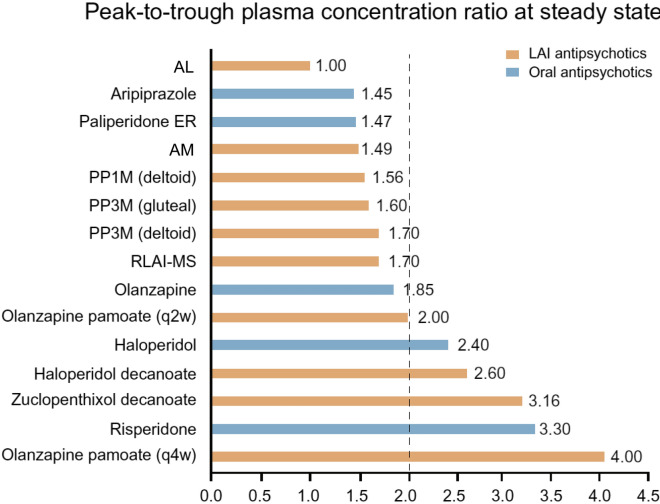
“A study by Correll, et al. 69 reported the peak-to-trough plasma concentration of oral olanzapine in comparison to its LAI once monthly formulation has an approximate 2-fold difference accounting for the disparities in PK profiles.”
BackgroundPreparation and evaluation of risperidone slow-release injectable microspheres using chitosanPreprint
Latifi, P., Jahanshahi, A., Jamalara, A., Jammanesh, A., & Alizadegan, D. (2025) · Research Square · doi:10.21203/rs.3.rs-5742734/v1
Cai, C., Zhao, P., Patel, C. A., Benson, C. J., Yunusa, I. U., Kozma, C. M., & Reeder, G. (2025) · Psychiatry Research · doi:10.1016/j.psychres.2025.116402 · Cited by 3
“…settings, as the pharmacokinetic profiles of longer-acting formulations maintain therapeutic drug levels more consistently, reducing the likelihood of break-through symptoms and the need for frequent healthcare visits (Correll et al., 2021; Sreeraj, Shivakumar, Rao, and Venkatasubramanian, 2017).”
Prescribing in the acute mental health inpatient context
Ayela-Uwangue, S., & Hemingway, S. (2025) · Journal of Prescribing Practice · doi:10.12968/jprp.2025.0022
Principles and standards for medication management of individuals with serious mental illness
Smith, T. E., & Hendrick, D. C. (2025) · Oxford University Press eBooks · doi:10.1093/med/9780198898818.003.0015
Mellin, D., Mittendorfer‐Rutz, E., de Montgomery, C. J., Cullen, A. E., & Taipale, H. T. (2025) · Social Psychiatry and Psychiatric Epidemiology · doi:10.1007/s00127-025-02887-3
Effect of LAI Antipsychotics on Relapse Frequency and Adverse Drug Events of Schizophrenia Patients
Siregar, S. P., Giyanto, Sevriana, E. S., et al. (2025) · Jurnal Psikiatri Surabaya · doi:10.20473/jps.v14i1.62938
Lan, Z., Long, Z., Jiang, H., Huang, C., & Huang, W. (2025) · Frontiers in Psychiatry · doi:10.3389/fpsyt.2025.1606320
Андреевна, Б. Л., Kostyuk, G. P., Golubev, S. A., & Beglyankin, N. I. (2025) · Psikhiatriya · doi:10.30629/2618-6667-2025-23-2-95-109
The antipsychotics functional index (AFI) in schizophrenia
Marinescu, G. C., Ifteni, P. I., Teodorescu, A., & Georgescu, R. (2025) · Frontiers in Pharmacology · doi:10.3389/fphar.2025.1591763 · Cited by 1
Oguchi, Y., & Miyake, N. (2025) · Cureus · doi:10.7759/cureus.91904
“This mode of delivery ensures treatment continuity, circumvents the need for daily oral intake, and has been shown to improve adherence and reduce relapse rates compared to oral antipsychotics [9].”
Dong, F., Wang, F., Yuan, X., Zhai, Y., Uki, M., Jiang, T., & Li, A. (2025) · BMC Psychiatry · doi:10.1186/s12888-025-07407-w
“Metabolism of aripiprazole primarily occurs through the liver via CYP2D6 and CYP3A4 [21].”
Zou, X., Yuan, M., Takeda, T., Koga, T., Tanaka, Y., & Ishii, Y. (2025) · The Journal of Toxicological Sciences · doi:10.2131/jts.50.601
Pharmacokinetic aspects of the second generation long acting injectable antipsychotics
Hýža, M., & Skřont, T. (2025) · Psychiatrie pro praxi · doi:10.36290/psy.2025.025
Santos, D. M. D., Kim, J., Devaraj, S. V., Bhandari, P., & Sonkusale, S. (2025) · Advanced Materials Technologies · doi:10.1002/admt.202500802 · Cited by 1
Liu, C., Ou, L., Tan, T., Deng, L., & Liang, J. (2025) · Acta Psychologica · doi:10.1016/j.actpsy.2025.106087
Liu, C.-F., Yuan, J.-L., Cheng, J., Lu, J., Wang, W., Zhong, S., Lu, C.-H., Li, Q., Xu, Y., Zhou, L., et al. (2025) · BMC Psychiatry · doi:10.1186/s12888-025-07707-1
“Its active ingredient, paliperidone, is the major active metabolite of risperidone [11, 12].”
Solutions to common issues in the use of LAIs
Saklad, S. R. (2025) · CNS Spectrums · doi:10.1017/s1092852925100552 · Cited by 1
“18,20 This can be due to several factors, including absorption rate, metabolism, dosing, and timing.”
InfluentialSelf-citationShilo‐Benjamini, Y., Milgram, J., Lavy, E., Quint, M., Barasch, D., Cern, A., & Barenholz, Y. (2026) · Frontiers in Veterinary Science · doi:10.3389/fvets.2025.1746266 · Cited by 1
Optimization of Psychiatric Treatment through Therapeutic Drug Monitoring
Андреевна, Б. Л., Golubev, S. A., & Sergeeva, A. K. (2026) · Psikhiatriya · doi:10.30629/2618-6667-2025-23-6-113-124
Efremov, A. (2026) · International Journal of Applied Pharmaceutics · doi:10.22159/ijap.2026v18i2.57215 · Cited by 2
Li, Y. T., Yeh, T., Chien, W. U. C., Chung, C., Yang, C.-C., & Tzeng, N. (2026) · Psychiatry Research · doi:10.1016/j.psychres.2026.117061 · Cited by 1
The Evolving Role of Long-Acting Injectable Antipsychotics
Rubio, J. M. (2026) · FOCUS The Journal of Lifelong Learning in Psychiatry · doi:10.1176/appi.focus.20250041 · Cited by 1
Özkalaycı, Ö., TAŞTEKİN, N., Küçük, E., & Uysal, F. (2026) · BMC Psychiatry · doi:10.1186/s12888-026-08086-x
Do Antipsychotics Work in People with Schizophrenia? A Review of Outcomes and Effect Sizes
Correll, C. U. (2026) · Cambridge University Press eBooks · doi:10.1017/9781009587747.008
Self-citationLi, W., Tong, J., Gao, X., Deng, H., Li, Z., Zhu, J., Liu, J., Zhang, Y., Liu, D., Zhang, X., et al. (2026) · ALPHA PSYCHIATRY · doi:10.31083/ap39454
“However, the delayed release kinetics inherent to conventional depot formulations, characterized by a post-administration lag phase in drug release, have historically limited their utility in acute-phase management [32,33].”
Genetic-Based Population Pharmacokinetic Study of Risperidone in Patients with Schizophrenia
Sun, X., Liu, T., Mou, F., Zhang, L., Wang, L., Yuan, R., Zhang, R., Ning, A., Huang, Z., & Yu, S. (2026) · Neuropharmacology and Therapy · doi:10.15212/npt-2025-0025
Citrome, L., Franzenburg, K. R., Suett, M., Tohami, O., Sharon, N. A., Jehassi, A., Harary, E., Yu, D., & Correll, C. U. (2026) · Neuropsychiatric Disease and Treatment · doi:10.2147/ndt.s534730
“32,33 38 In real-world analyses, earlier use of LAIs resulted in superior patient outcomes relative to use of oral antipsychotics.”
Self-citationCui, C., Zhou, Y., Wang, D., Gong, N., Liang, F., Gao, W., He, Z., Wu, H., Zhang, Y., Tian, Q., et al. (2026) · BMC Psychiatry · doi:10.1186/s12888-026-08108-8
“However, psychiatrists often design highly individualized treatment plans that the available LAIs cannot fully accommodate, and patients of different medical histories must undergo tolerance testing [54].”
Korany, A. G., Abdelaleem, E. A., Amin, N. H., et al. (2026) · Microchemical Journal · doi:10.1016/j.microc.2026.118625
Sioufi, M., Dri, C. E., & McIntyre, R. S. (2026) · Therapeutic Delivery · doi:10.1080/20415990.2026.2692883
Müller, M. J. (2026) · Springer eBooks · doi:10.1007/978-3-662-72452-1_3
Ma, Y., Wang, L., & Wang, Y. (2026) · Molecular Pharmaceutics · doi:10.1021/acs.molpharmaceut.6c00558
Sharma, J., Ahluwalia, I., Desai, D., Gadhvi, J., Chaudhury, S., & Patel, M. K. (2026) · Medical Journal of Dr D Y Patil Vidyapeeth · doi:10.4103/mjdrdypu.mjdrdypu_779_25
Boskabadi, S. J., Zarghami, M., Fariborzifar, A., Moosazadeh, M., & Hendouei, N. (2026) · Journal of Research in Pharmacy Practice · doi:10.4103/jrpp.jrpp_6_26
Correll, C. U., Kane, J. M., Suett, M., Franzenburg, K. R., Hansen, R., Sharon, N. A., Elgart, A., Stanilescu, A., Harary, E., & Tohami, O. (2026) · Journal of Psychiatric Research · doi:10.1016/j.jpsychires.2026.08.002
Self-citationSolmi, M., Corbeil, O., Miguelez, M., Procyshyn, R. M., Blier, P., Barakat, M., & Correll, C. U. (2026) · Journal of Clinical Medicine · doi:10.3390/jcm15166393 · Cited by 1
“However, the majority of LAIs are characterized by a delayed onset of action, and many require a loading dose or oral supplementation upon initiation to achieve therapeutic concentrations [2,21].”
InfluentialSelf-citationDunbar, A., Rakhmanina, N. Y., Unternaher, J., Anderson, P. L., & Brooks, K. M. (2026) · The Journal of Clinical Pharmacology · doi:10.1002/jcph.70249 · Cited by 1
Çift Doz Uzun Etkili Aripiprazol Enjeksiyonu Uygulanan Bipolar Hastada Akatizi Gelişimi: Olgu Sunumu
Deniz, İ. H. (2026) · Van Sağlık Bilimleri Dergisi · doi:10.52976/vansaglik.1604514
Harrsen, K., Yildirim, M., Beckham, C., Lynum, K. S. B., Atkins, N., Baser, O., Rodchenko, K., Urganus, A., Awasthi, S., & Nag, S. S. (2026) · Current Medical Research and Opinion · doi:10.1080/03007995.2026.2722697
“LAI antipsychotics facilitate improved adherence by eliminating daily dosing, maintaining stable medication exposure, and enabling regular monitoring of administration 19,20 .”
Franzenburg, K. R., Hansen, R., Suett, M., Yaari, A., Kaplan, S., Sedigh, K., Yu, D., Heres, S., & Sajatovic, M. (2026) · Psychiatry Research · doi:10.1016/j.psychres.2026.117452
Comparison of Long-Acting Injectable and Oral Antipsychotics in Bipolar Disorder
Deng, E. K., Huang, C., Yan, V. K. C., Lee, K. J., Leung, S. K., Ng, V. W. S., Castle, D. J., Chan, S. K. W., Lai, F. T. T., Nierenberg, A. A., et al. (2026) · American Journal of Psychiatry · doi:10.1176/appi.ajp.20250793 · Cited by 2
Metadata
- Authors
- Correll, C. U., Kim, E., Sliwa, J. K., Hamm, W., Gopal, S., Mathews, M., Venkatasubramanian, R., & Saklad, S. R.
- Affiliations
- Donald & Barbara Zucker School of Medicine at Hofstra/Northwell (US)
- Janssen Scientific Affairs (United States) (US)
- The University of Texas at San Antonio Health Science Center (US)
- Corresponding author
- Saklad, Stephen R.
- ORCID
- Venue
- CNS Drugs
- Published
- 2021-01
- Volume
- 35
- Issue
- 1
- Pages
- 39-59
- ISSN
- 1172-7047 (ISSN-L)
- 1179-1934
- PMC
- PMC7873121
- OpenAlex
- W3124121244
- Cited by
- 205
- References
- 121
- Citations by year
- 2026: 44 · 2025: 53 · 2024: 36 · 2023: 41 · 2022: 20 · 2021: 11
- FWCI
- 4.87
- Type
- journal article
- Language
- en
- Update notices
- correction (2024-11-26)
- Open access
- hybrid
- doi.org
- Licence
- cc-by-nc
- creativecommons.org/licenses/by-nc/4.0 (tdm)
- creativecommons.org/licenses/by-nc/4.0 (vor, 27 d)
- Locations
- CNS Drugs (publishedVersion, cc-by-nc)
- PubMed Central (publishedVersion, cc-by-nc)
- PubMed (publishedVersion)
- Funders
- Janssen Research and Development
- Topics
- Health Sciences › Medicine › Psychiatry and Mental health › Schizophrenia research and treatment
- Health Sciences › Medicine › Pediatrics, Perinatology and Child Health › Pharmaceutical studies and practices
- Life Sciences › Pharmacology, Toxicology and Pharmaceutics › Pharmacology › Pharmacogenetics and Drug Metabolism
- Keywords
- long-acting injectable antipsychotics, schizophrenia, pharmacokinetics, drug formulation, fluphenazine decanoate, haloperidol decanoate, aripiprazole, olanzapine pamoate, paliperidone palmitate, injection site, drug-drug interactions, dose equivalence, oral supplementation, medication adherence
- MeSH terms
- Administration, Oral, Delayed-Action Preparations, Dose-Response Relationship, Drug, Humans, Injections, Schizophrenia, Antipsychotic Agents
About these checks
Registry, retraction, Cites and statistics results are computed, not judged, with one exception: a printed reference that no index lists is read once by a model before it counts as a citation error. Claims are extracted by a model and kept only when their quote appears verbatim in the text; each cited source is then checked, with a model’s help, for whether it says what the claim relies on. Those verdicts can be wrong — read the claim’s quote and the cited source before relying on one.
The claim verdicts this report counts are experimental: their accuracy is not yet measured.
A language model drew the claims from the paper on 2026-10-10, under version 3 of the claim definition (model deepseek-v4.1-flash, prompt extract-v3).
A second model labelled each claim on 2026-10-10 (model jev-1.13-20260917, definition revision gold-guideline-v0.2).
Cited sources are checked with a language model’s help (gpt-6-sol).
Statistics and arithmetic are recomputed, not judged.
Confidence bands are shown only for fields calibrated on our annotated test set. None is calibrated yet, so no band is shown.
What counts as a claim ›How we measure confidence ›How we check this ›
Are you an author, or do you see a problem with this page? Request a review
Data sources
Bibliographic data: Semantic Scholar, OpenAlex, Crossref.
Contains information from the Semantic Scholar Academic Graph Datasets, made available under the ODC Attribution License (ODC-BY 1.0).
Semantic Scholar’s data is described in: Kinney, R., et al. (2023). The Semantic Scholar Open Data Platform. arXiv:2301.10140.
