

Dose–Response Relationships of Resistance Training in Healthy Old Adults: A Systematic Review and Meta-Analysis
Open accessThe DOI matches its Crossref record; 103 of the 104 references it cites were found in a registry or an index.
Abstract
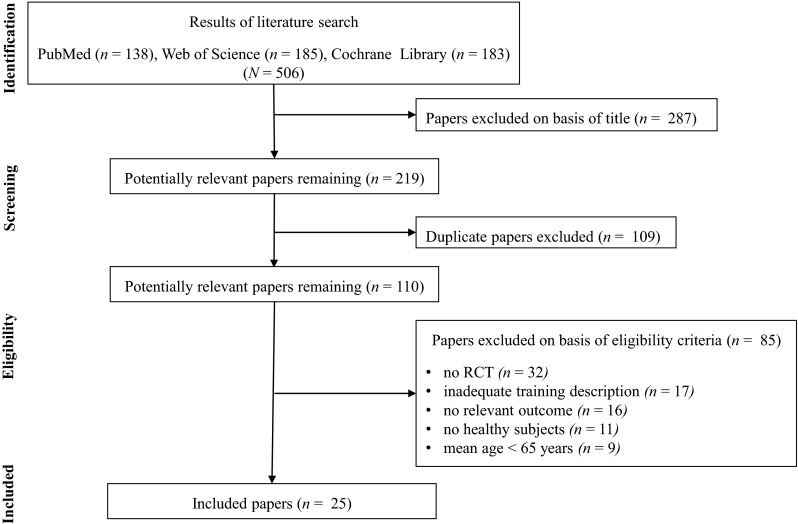
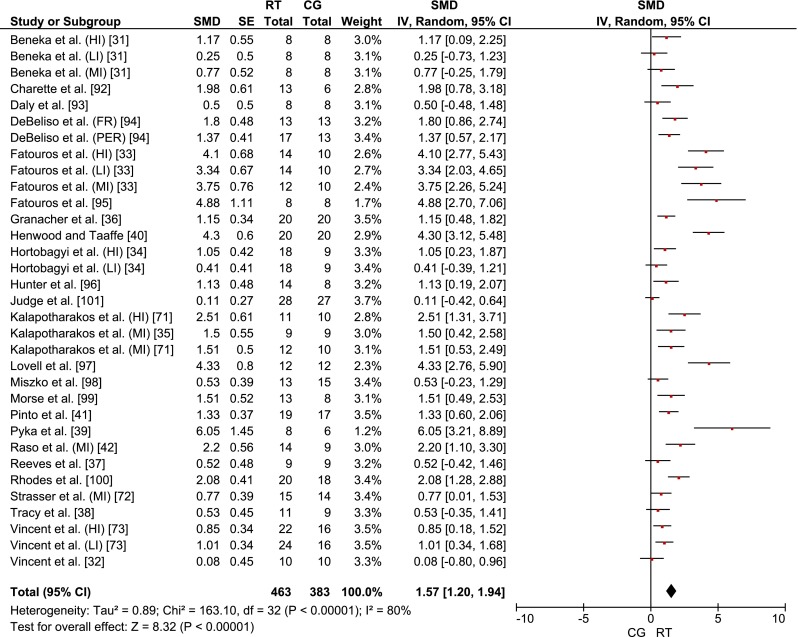
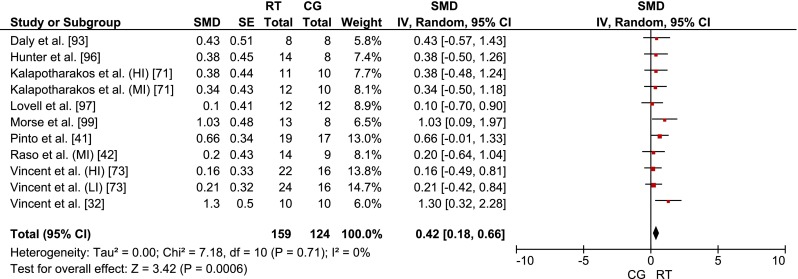
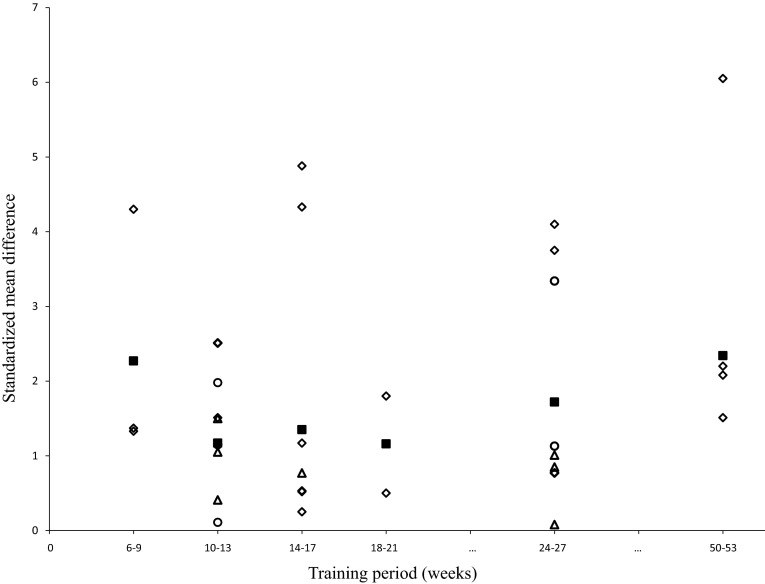
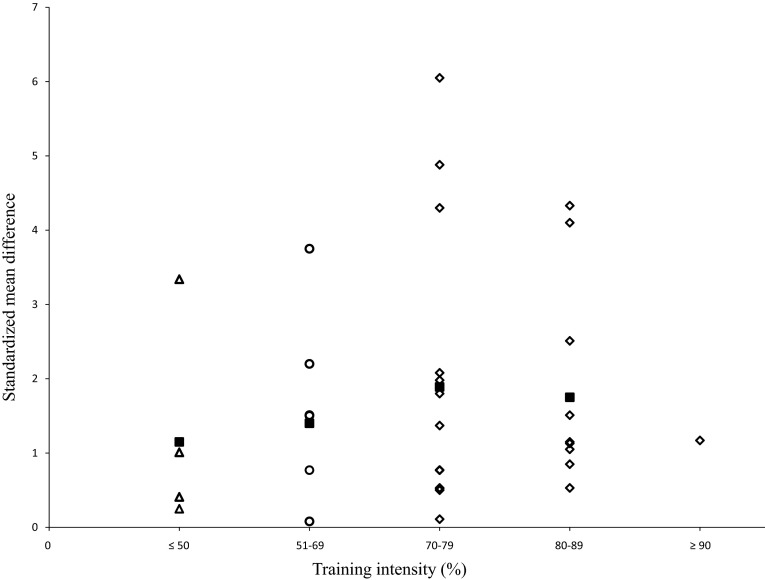
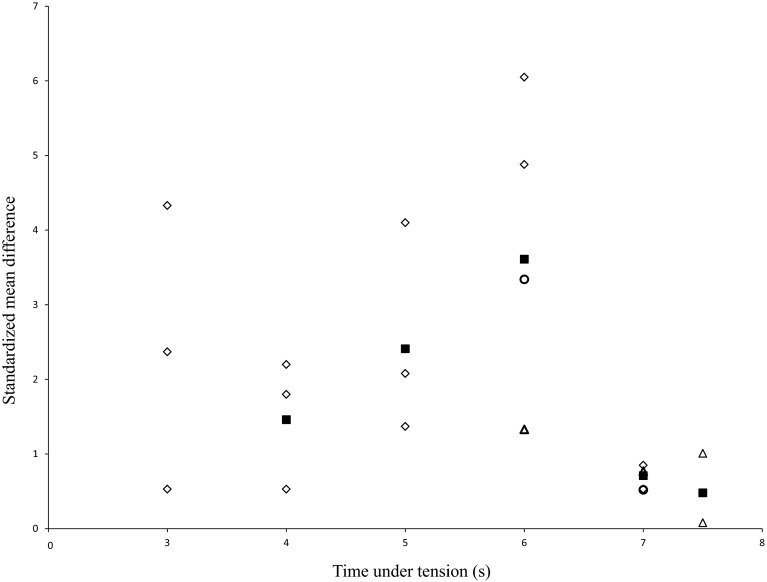
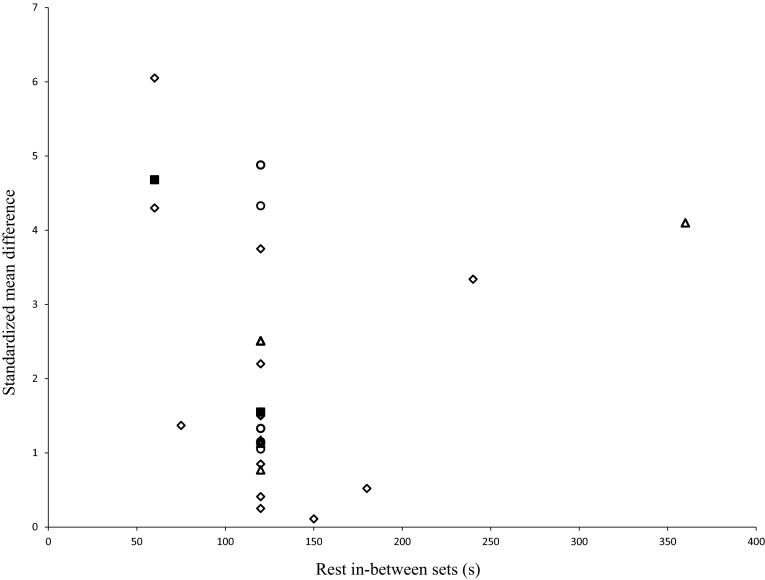
BACKGROUND: Resistance training (RT) is an intervention frequently used to improve muscle strength and morphology in old age. However, evidence-based, dose-response relationships regarding specific RT variables (e.g., training period, frequency, intensity, volume) are unclear in healthy old adults. OBJECTIVES: The aims of this systematic review and meta-analysis were to determine the general effects of RT on measures of muscle strength and morphology and to provide dose-response relationships of RT variables through an analysis of randomized controlled trials (RCTs) that could improve muscle strength and morphology in healthy old adults. DATA SOURCES: A computerized, systematic literature search was performed in the electronic databases PubMed, Web of Science, and The Cochrane Library from January 1984 up to June 2015 to identify all RCTs related to RT in healthy old adults. STUDY ELIGIBILITY CRITERIA: The initial search identified 506 studies, with a final yield of 25 studies. Only RCTs that examined the effects of RT in adults with a mean age of 65 and older were included. The 25 studies quantified at least one measure of muscle strength or morphology and sufficiently described training variables (e.g., training period, frequency, volume, intensity). STUDY APPRAISAL AND SYNTHESIS METHODS: We quantified the overall effects of RT on measures of muscle strength and morphology by computing weighted between-subject standardized mean differences (SMDbs) between intervention and control groups. We analyzed the data for the main outcomes of one-repetition maximum (1RM), maximum voluntary contraction under isometric conditions (MVC), and muscle morphology (i.e., cross-sectional area or volume or thickness of muscles) and assessed the methodological study quality by Physiotherapy Evidence Database (PEDro) scale. Heterogeneity between studies was assessed using I2 and χ2 statistics. A random effects meta-regression was calculated to explain the influence of key training variables on the effectiveness of RT in terms of muscle strength and morphology. For meta-regression, training variables were divided into the following subcategories: volume, intensity, and rest. In addition to meta-regression, dose-response relationships were calculated independently for single training variables (e.g., training frequency). RESULTS: RT improved muscle strength substantially (mean SMDbs = 1.57; 25 studies), but had small effects on measures of muscle morphology (mean SMDbs = 0.42; nine studies). Specifically, RT produced large effects in both 1RM of upper (mean SMDbs = 1.61; 11 studies) and lower (mean SMDbs = 1.76; 19 studies) extremities and a medium effect in MVC of lower (mean SMDbs = 0.76; four studies) extremities. Results of the meta-regression revealed that the variables "training period" (p = 0.04) and "intensity" (p < 0.01) as well as "total time under tension" (p < 0.01) had significant effects on muscle strength, with the largest effect sizes for the longest training periods (mean SMDbs = 2.34; 50-53 weeks), intensities of 70-79% of the 1RM (mean SMDbs = 1.89), and total time under tension of 6.0 s (mean SMDbs = 3.61). A tendency towards significance was found for rest in between sets (p = 0.06), with 60 s showing the largest effect on muscle strength (mean SMDbs = 4.68; two studies). We also determined the independent effects of the remaining training variables on muscle strength. The following independently computed training variables are most effective in improving measures of muscle strength: a training frequency of two sessions per week (mean SMDbs = 2.13), a training volume of two to three sets per exercise (mean SMDbs = 2.99), seven to nine repetitions per set (mean SMDbs = 1.98), and a rest of 4.0 s between repetitions (SMDbs = 3.72). With regard to measures of muscle morphology, the small number of identified studies allowed us to calculate meta-regression for the subcategory training volume only. No single training volume variable significantly predicted RT effects on measures of muscle morphology. Additional training variables were independently computed to detect the largest effect for the single training variable. A training period of 50-53 weeks, a training frequency of three sessions per week, a training volume of two to three sets per exercise, seven to nine repetitions per set, a training intensity from 51 to 69% of the 1RM, a total time under tension of 6.0 s, a rest of 120 s between sets, and a rest of 2.5 s between repetitions turned out to be most effective. LIMITATIONS: The current results must be interpreted with caution because of the poor overall methodological study quality (mean PEDro score 4.6 points) and the considerable large heterogeneity (I2) = 80%, χ2 = 163.1, df = 32, p < 0.01) for muscle strength. In terms of muscle morphology, our search identified nine studies only, which is why we consider our findings preliminary. While we were able to determine a dose-response relationship based on
Overview
The claims and statistics of this paper haven’t been checked yet.
Free: it reads the open-access text and checks the first 5 claims that cite a source we can check. Create a free account to check every claim.
Integrity signals
Registry
Cites
Statistics
Figures
Verification
Claims the paper makes
The claims and statistics of this paper haven’t been checked yet.
Free: it reads the open-access text and checks the first 5 claims that cite a source we can check. Create a free account to check every claim.
Claims other papers make about this one
Each is checked against this paper’s own text: does it say what the citing paper says it does?
The source backs part of the claim, not all of it — or backs it for a different population, condition or comparison.
In the citing paper
“> 3 to 4 sets of training have been reported to result in a ceiling effect with, for example, older adults [52].”
From Minimalist Training: Is Lower Dosage or Intensity Resistance Training Effective to Improve Physical Fitness? A Narrative Review (2024) · cites this paper as [52]
Experimental — accuracy not yet measuredThe cited source says what the claim attributes to it.
In the citing paper
“meta-analysis by Borde and colleagues (6) suggested that resistance exercise for older adults improves muscle strength but had small effect on muscle morphology.”
From Modulation of Neural and Muscular Adaptation Processes During Resistance Training by Fish Protein Ingestions in Older Adults (2020) · cites this paper as [6]
The check wasn’t confident either way, so it gives no verdict — never disputed.
In the citing paper
“While interesting, the inability of the group that delayed supplementation but still completed the resistance training program to experience any measurable increase in muscle cross-sectional area has led some to question the outcomes resulting from this study [5, 123].”
From International society of sports nutrition position stand: nutrient timing (2017) · cites this paper as [123]
Experimental — accuracy not yet measuredIn the citing paper
“Research indicates TRT duration has a significant effect on improvements in muscle strength [107].”
From Comparison of weightlifting, traditional resistance training and plyometrics on strength, power and speed: a systematic review with meta-analysis. (2022) · cites this paper as [107]
In the citing paper
“Fortunately, various types of exercise interventions can reverse or at least mitigate such age-related declines in health and daily life.”
From The efficacy and safety of lower-limb plyometric training in older adults: a systematic review. (2019) · cites this paper as [17]
1 more claim about this paper
Create a free account to see every claim other papers make about this one.
Self-check
Percentages, sums and reported differences re-computed from the paper’s own numbers.
The self-check needs the paper’s full text.
Citations
Cites
Liberati, A., Altman, D. G., Tetzlaff, J., Mulrow, C., Gøtzsche, P. C., Ioannidis, J. P. A., Clarke, M., Devereaux, P. J., Kleijnen, J., & Moher, D. (2009) · PLoS Medicine · doi:10.1371/journal.pmed.1000100 · Cited by 28,164 · cited 15×
“Considering that the already published meta-analyses are methodologically limited in terms of study selection criteria {inclusion of non-randomized controlled trials (RCTs) [12, 13] }, the number of included training variables (e.g., traditional variables such as training period, frequency, volume, intensity only) [14…”
BackgroundMethodInfluentialAssessing the quality of reports of randomized clinical trials: Is blinding necessary?
Jadad, A. R., Moore, R. A., Carroll, D., Jenkinson, C., Reynolds, D. J. M., Gavaghan, D. J., & McQuay, H. J. (1996) · Controlled Clinical Trials · doi:10.1016/0197-2456(95)00134-4 · Cited by 17,582
Zhang, Q., Wang, C., Zheng, M., Li, Y., Li, J., Zhang, L., Shang, X., & Yan, C. (2015) · Cerebrovascular Diseases · doi:10.1159/000369778 · Cited by 11,533
Statistical Methods for Meta-Analysis
Wasserman, S., Hedges, L. V., & Olkin, I. (1988) · Journal of Educational Statistics · doi:10.2307/1164953 · Cited by 10,326
Exercise and Physical Activity for Older Adults
Chodzko-Zajko, W. J., Proctor, D. N., Fiatarone Singh, M. A., Minson, C. T., Nigg, C. R., Salem, G. J., & Skinner, J. S. (2009) · Medicine & Science in Sports & Exercise · doi:10.1249/mss.0b013e3181a0c95c · Cited by 5,153
Reliability of the PEDro Scale for Rating Quality of Randomized Controlled Trials
Maher, C. G., Sherrington, C., Herbert, R. D., Moseley, A. M., & Elkins, M. (2003) · Physical Therapy · doi:10.1093/ptj/83.8.713 · Cited by 4,808
Dong, Y., Hao, L., Shi, Z., Wang, G., Zhang, Z., & Han, C. (2013) · Urologia Internationalis · doi:10.1159/000351405 · Cited by 4,540
Falls in older people: epidemiology, risk factors and strategies for prevention
Rubenstein, L. Z. (2006) · Age and Ageing · doi:10.1093/ageing/afl084 · Cited by 3,287
Verhagen, A. P., de Vet, H. C. W., de Bie, R. A., Kessels, A. G. H., Boers, M., Bouter, L. M., & Knipschild, P. G. (1998) · Journal of Clinical Epidemiology · doi:10.1016/s0895-4356(98)00131-0 · Cited by 2,379
Investigating and dealing with publication and other biases in meta-analysis
Sterne, J. A. C., Egger, M., & Smith, G. D. (2001) · BMJ · doi:10.1136/bmj.323.7304.101 · Cited by 2,225
Research works printed but not linked: 5
- American College of Sports M. ACSM’s guidelines for exercise testing and prescription. Baltimore: Lippincott,Williams & Wilkins; 2009.
- Deeks J Higgins J Statistical algorithms in Review Manager 5 2010 Melbourne The Cochrane Collaboration
- Cohen J Statistical power for the behavioral sciences 1988 Hillsdale Erlbaum
- Marschall F Buesch D Positionspapier für eine beanspruchungsorientierte Trainingsgestaltung im Krafttraining Schweiz Z Sportmed Sporttraumatol 2014 62 1 24 31
- Judge JO Whipple RH Wolfson LI Effects of resistive and balance exercises on isokinetic strength in older persons J Am Geriatr Soc 1994 42 9 937 946 10.1111/j.1532-5415.1994.tb06584.x 8064101 · DOI · Paper page
Cited by
Items 301–400 of 735
Optimum Dose of Resistance Exercise for Cardiovascular Health and Longevity: Is More Better?
Lee, D.-C., & Lee, I.-M. M. (2023) · Current Cardiology Reports · doi:10.1007/s11886-023-01976-6 · Cited by 15
“There are currently no randomized controlled trials that have directly tested different doses of RE duration on CVD risk factors in general populations although there are some RE trials testing different doses on muscle strength and function, mostly in older adults [26, 27].”
Peng, D., Zhang, Y., Wang, L., & Zhang, S. (2024) · Geriatric Nursing · doi:10.1016/j.gerinurse.2024.09.016 · Cited by 16
Fan, X., Yuan, Y., Bai, Y., Chen, C., Wang, J., Wang, T., Yang, Y., & Chen, K.-C. (2025) · Neurological Sciences · doi:10.1007/s10072-025-08244-1 · Cited by 16
“In previous dose–response meta-analyses, most of them use time, frequency and period as the main results to explore dose–response [16, 17], or use meta-regression to find whether dose is a potential factor affecting the outcome [18].”
Lee, J. Y., & Lee, D.-Y. (2018) · Technology and Health Care · doi:10.3233/thc-181201 · Cited by 13
“Resistance training for the lower limbs has positive effects on the muscle strength and balance [10,11].”
Liu, Y., Yang, W.-W., Fang, I.-Y., Pan, H. L.-L., Chen, W.-H., & Liu, C. (2020) · Journal of Aging and Physical Activity · doi:10.1123/japa.2019-0009 · Cited by 12
Dora, K., Suga, T., Tomoo, K., Sugimoto, T., Mok, E., Tsukamoto, H., Takada, S., Hashimoto, T., & Isaka, T. (2021) · Heliyon · doi:10.1016/j.heliyon.2021.e06261 · Cited by 15
Timmons, J. F., Hone, M., Cogan, K. E., Duffy, O., & Egan, B. (2021) · Frontiers in Sports and Active Living · doi:10.3389/fspor.2021.653962 · Cited by 15
Sadeghi, H., & Jehu, D. A. (2021) · Work · doi:10.3233/wor-211000 · Cited by 13
“While physical activity guidelines suggest 150 minutes per week of moderate-intensity physical activity [7], the minimum dose of exercise to provoke improvements in physical function, psychological health, and cognition may differ [48, 49].”
BackgroundLiberman, K., Njemini, R., Forti, L. N., Cools, W., Debacq‐Chainiaux, F., Kooijman, R., Beyer, I., & Bautmans, I. (2022) · Cells · doi:10.3390/cells11030531 · Cited by 13
“showed that training period, intensity, and total time the muscles are under tension play an important role for increasing muscle strength in older adults [40].”
BackgroundMaté‐Muñoz, J. L., Garnacho‐Castaño, M. V., Hernández-Lougedo, J., Maicas-Pérez, L., Notario-Alonso, R., Silva‐Grigoletto, M. E. D., García-Fernández, P., & Elvar, J. R. H. (2022) · Biology · doi:10.3390/biology11020336 · Cited by 11
Ohno, C., Ogawa, T., Taniguchi, T., Kinoshita, T., Fujita, Y., Nishimura, Y., Yamada, H., & Tajima, F. (2022) · British Journal of Pain · doi:10.1177/20494637221084190 · Cited by 15
Zhou, Y., Wen, K., Zhang, X., & Sun, Y. (2026) · Frontiers in Public Health · doi:10.3389/fpubh.2025.1735899 · Cited by 16
“Most studies in older adults have used training intensities ranging from 30 to 90% of one-repetition maximum (1RM) (64).”
Rubí‐Carnacea, F., Masbernat, M. A., Climent‐Sanz, C., Soler-González, J., Garcia-Escudero, M., Martínez-Navarro, O., & Valenzuela‐Pascual, F. (2023) · BMC Family Practice · doi:10.1186/s12875-023-02140-3 · Cited by 18
“By transferring this procedure to the lumbar muscles combined with the optimal resistance training parameters described by Borde et al. [17], the maximum capacity that the patient can perform with an abdominal contraction can be measured with the PBU (mmHg) by calculating 70–79% of the maximum…”
BackgroundMethodGluchowski, A., Bilsborough, H., McDermott, J., Hawley-Hague, H., & Todd, C. J. (2023) · BMC Public Health · doi:10.1186/s12889-023-17289-w · Cited by 13
Nishikawa, T., Takeda, R., Hirono, T., Okudaira, M., Ohya, T., & Watanabe, K. (2023) · Experimental Gerontology · doi:10.1016/j.exger.2023.112346 · Cited by 12
“Continuous resistance exercise can mitigate the effects of aging on the neuromuscular system (Borde et al., 2015; Cadore et al., 2014; Cadore et al., 2013; Steib et al., 2010).”
Xie, S., Yuan, Y., Wang, J., Bai, Y., Wang, T., Qiu, B., Yang, Y., & Lin, S.-C. (2025) · Scientific Reports · doi:10.1038/s41598-025-85456-7 · Cited by 15
Sex-specific response to whole-body vibration training: a randomized controlled trial
Hartard, M., Seiler, A., Spitzenpfeil, P., Engel, L., Hartard, D., Fenneni, M. A., & Saad, H. B. (2021) · Biology of Sport · doi:10.5114/biolsport.2021.102806 · Cited by 11
Gollie, J. M., Harris‐Love, M. O., Patel, S. S., Shara, N. M., & Blackman, M. R. (2021) · Frontiers in Rehabilitation Sciences · doi:10.3389/fresc.2021.734705 · Cited by 12
de Santana, D. A., Castro, A., & Cavaglieri, C. R. (2021) · Frontiers in Physiology · doi:10.3389/fphys.2021.759677 · Cited by 14
Mi, J., Zhang, L., Sun, W., Wang, Z., Yang, P., Zhang, J., & Zhang, Y. (2023) · Frontiers in Public Health · doi:10.3389/fpubh.2023.1133972 · Cited by 10
Lima, A. B., Bezerra, E. D. S., Orssatto, L. B. R., Vieira, E. D. P., Picanço, L. A. A., & dos Santos, J. O. L. (2018) · Journal of Exercise Rehabilitation · doi:10.12965/jer.1836250.125 · Cited by 12
“Among all strategies for increasing strength and improving functional ability in the elderly, resistance training has been shown to be a safe and effective intervention (Borde et al., 2015; Byrne et al., 2016; Steib et al., 2010).”
BackgroundMuscular adaptations to periodized resistance-training in older adults
Murlasits, Z., & Reed, J. (2020) · Science & Sports · doi:10.1016/j.scispo.2019.10.007 · Cited by 10
Gladin, A., Katzman, W. B., Fukuoka, Y., Parimi, N., Wong, S., & Lane, N. E. (2021) · BMC Geriatrics · doi:10.1186/s12877-021-02062-8 · Cited by 14
Hirono, T., Kunugi, S., Yoshimura, A., Ueda, S., Goto, R., Akatsu, H., & Watanabe, K. (2023) · Aging Clinical and Experimental Research · doi:10.1007/s40520-023-02370-6 · Cited by 13
Rader, E. P., Naimo, M. A., Ensey, J. S., & Baker, B. A. (2018) · Experimental Gerontology · doi:10.1016/j.exger.2018.02.009 · Cited by 10
“The notion that modulation of training frequency as optimal for adaptation at old age is consistent with the observation of compromised recovery capacity with aging thereby necessitating longer durations between training sessions (Hunter et al., 2004; Kosek et al., 2006; Borde et al., 2015).”
BackgroundInfluentialCastoldi, R. C., Ozaki, G. A. T., Garcia, T. A., Giometti, I. C., Koike, T. E., Camargo, R. C. T., dos Santos Pereira, J. D. A., Constantino, C. J. L., Louzada, M. J. Q., Camargo Filho, J. C. S., et al. (2020) · Lasers in Medical Science · doi:10.1007/s10103-019-02821-5 · Cited by 9
Hajj‐Boutros, G., Karelis, A. D., Cefis, M., Morais, J. A., Casgrain, J., Gouspillou, G., & Sonjak, V. (2023) · Frontiers in Physiology · doi:10.3389/fphys.2022.1106425 · Cited by 17
“Resistance exercise (RE) is the most often used intervention to increase muscle size (Borde et al., 2015; Benito et al., 2020).”
BackgroundMethods of physical rehabilitation of elderly people for the prevention and treatment of sarcopenia
Pleshchev, I. E., Ачкасов, Е. Е., Nikolenko, V. N., Николаевич, Ш. А., & Ivanova, I. V. (2023) · Бюллетень Восточно-Сибирского научного центра Сибирского отделения Российской академии медицинских наук · doi:10.29413/abs.2023-8.2.8 · Cited by 11
Hoppes, C. W., Anson, E. R., Carender, W. J., Marchetti, G. F., Hall, C. D., Whitney, S. L., Keinath, C. M., & Herdman, S. J. (2023) · Systematic Reviews · doi:10.1186/s13643-023-02328-9 · Cited by 9
Sharma, S., Bhadra, R., Selvam, S., & Sambashivaiah, S. (2024) · Aging Medicine · doi:10.1002/agm2.12346 · Cited by 13
“44 Other interventions in the form of hormonal and nutritional supplementation for at-risk patients have been proposed.”
BackgroundLi, Q., Huang, F., Cheng, Y., Dai, Y., Lin, Z., Lin, Z., & Zhu, P. (2024) · BMC Sports Science Medicine and Rehabilitation · doi:10.1186/s13102-024-00975-6 · Cited by 9
“Previous meta-regression included twenty-four studies illustrated that the training volume of resistance exercise had little impact on muscle morphology [31].”
BackgroundMapinduzi, J., Ndacayisaba, G., Mitchaϊ, P. M., Kossi, O., & Bonnechère, B. (2025) · Journal of Clinical Medicine · doi:10.3390/jcm14020525 · Cited by 19
“In fact, dose–response relationship is essential in the fields of rehabilitation sciences and offers the mean to explore how various doses of exercise in terms of frequency, intensity, duration, volume, and type influence health outcomes and rehabilitation benefits [50,51].”
Michel, J., Lievense, K., Norton, S., da Costa, J. A., Alphin, K. H., Bailey, L., & Miller, G. D. (2022) · Nutrients · doi:10.3390/nu14132739 · Cited by 13
“Such improvements are in line with several meta-analyses that have shown improvement to muscle quality (defined identically to the present study) [76] and lower body strength [11,16] after a progressive RT intervention.”
ResultRauzi, M. R., Mealer, M. L., Abbate, L. M., Stevens‐Lapsley, J. E., & Nearing, K. A. J. (2023) · JMIR Formative Research · doi:10.2196/46081 · Cited by 9
“Furthermore, there is a dose-response relationship between exercise and outcomes, such that longer-duration programs (ie, 8-12 wk) are associated with more robust gains compared with shorter-duration programs [34].”
BackgroundCOMbined Exercise Trial (COMET) to improve cognition in older adults: Rationale and methods
Szabo‐Reed, A. N., Clutton, J. E., White, S., Sciver, A. R. V., White, D., Morris, J. K., Martin, L. E., Lepping, R. J., Shaw, A. R., Perales‐Puchalt, J., et al. (2022) · Contemporary Clinical Trials · doi:10.1016/j.cct.2022.106805 · Cited by 9
Rodrigues, I. B., Wagler, J. B., Keller, H., Thabane, L., Weston, Z. J., Straus, S. E., Παπαϊωάννου, Α., Mourtzakis, M., Milligan, J., Isaranuwatchai, W., et al. (2022) · Health Promotion and Chronic Disease Prevention in Canada · doi:10.24095/hpcdp.42.6.02 · Cited by 11
Balachandran, A. T., Wang, Y., Szabo, F., Watts-Battey, C., Schoenfeld, B. J., Zenko, Z., & Quiles, N. N. (2023) · Experimental Gerontology · doi:10.1016/j.exger.2023.112219 · Cited by 14
“The majority of strength training studies in older adults had a duration of 12 to 26 weeks, adopted a higher frequency (3/week), resulting in a lean body mass or fat-free mass change from 0 kg to 2 kg (Borde et al., 2015; Peterson et al., 2011; Balachandran et al., 2023).”
Schoene, D., Groß, M., von Stengel, S., Kohl, M., Kladny, B., Gosch, M., Sieber, C. C., Peters, S., Kiesswetter, E., Becker, C., et al. (2023) · Osteologie/Osteology · doi:10.1055/a-2110-7105 · Cited by 11
“ein Mehrsatztraining favorisiert wird [110], zeigt ein Einsatztraining bei älteren Menschen ähnlich hohe Effekte auf Kraftparameter und funktionelle Größen bei höherer Zeiteffektivität, was Raum für andere Trainingsinhalte zulässt [111, 112].”
Backgroundde Resende–Neto, A. G., Amarante, N. M., Da, S., Mendes, N. R. S., de, S. J. M., & Silva, G. M. E. D. (2019) · International Journal of Sports and Exercise Medicine · doi:10.23937/2469-5718/1510126 · Cited by 18
Wang, H., Ma, B., Wang, G., Wang, P., Long, H., Niu, S., Dong, C., Zhang, H., Zhao, Z., Ma, Q., et al. (2023) · Journal of Geriatric Physical Therapy · doi:10.1519/jpt.0000000000000394 · Cited by 13
Gómez-Guerrero, G., Avela, J., Jussila, I., Pihlajamäki, E., Deng, F.-Y., Kidgell, D. J., Ahtiainen, J. P., & Walker, S. (2024) · European Journal of Applied Physiology · doi:10.1007/s00421-024-05443-0 · Cited by 9
“This training program closely resembles the most potent program for older adults identified in a meta-analysis (Borde et al. 2015).”
BackgroundPan, N., Ossowski, Z. M., Tong, J., Li, D., & Gao, S. (2024) · Journal of Clinical Medicine · doi:10.3390/jcm13113037 · Cited by 8
“Finally, readers need to be cautious when interpreting our findings, especially among those outcomes with small sample sizes.”
BackgroundSvinøy, O.-E., Nordbø, J. V., Pripp, A. H., Risberg, M. A., Bergland, A., Borgen, P. O., & Hilde, G. (2025) · BMC Musculoskeletal Disorders · doi:10.1186/s12891-025-08468-4 · Cited by 13
“Progression of exercise dosage through the training period is crucial for musculoskeletal and cardiovascular adaptations [54].”
Nishikawa, T., Takeda, R., Ueda, S., Igawa, K., Hirono, T., Okudaira, M., Mita, Y., Ohya, T., & Watanabe, K. (2025) · European Journal of Nutrition · doi:10.1007/s00394-025-03634-9 · Cited by 10
“Previous meta-analyses reported that high-intensity resistance training has the greatest effects on muscle strength in comparison with moderate or low-intensity training in older adults [9, 10].”
Felipe, S. G. B., Printes, C. B., Sato, D. K., & Baptista, R. R. (2025) · PeerJ · doi:10.7717/peerj.19017 · Cited by 12
“Training programs that include resistance exercises typically promote muscle strength increases even in very older adults ( Borde, Hortobágyi & Granacher, 2015 ; Straight et al., 2016 ).”
Flensted-Jensen, M., Weinreich, C. M., Kleis-Olsen, A.-S., Hansen, F., Skyggelund, N. S., Pii, J. R., Whitlock, R., Abrahamsen, M., Petersen, T. I., Karlsen, A., et al. (2025) · GeroScience · doi:10.1007/s11357-025-01839-8 · Cited by 13
“Similarly, training significantly enhanced all measures of muscle strength, which is in line with the very well-documented efficacy of resistance-type training in enhancing muscle strength in elderly individuals [49], often to a greater extent than muscle hypertrophy.”
Zhu, Y., Zhang, Y., Xiao, L., & Du, Z. (2025) · Frontiers in Psychology · doi:10.3389/fpsyg.2025.1679734 · Cited by 16
Cunha, P. M., Ribeiro, A. S., Padilha, C. S., Nunes, J. P., Schoenfeld, B. J., Cyrino, L. T., Tomeleri, C. M., Nascimento, M. A., Antunes, M., Fernandes, R. R., et al. (2020) · The Journal of Strength and Conditioning Research · doi:10.1519/jsc.0000000000003602 · Cited by 12
Exercise and the Aging Brain: Considerations for Sex Differences
Barha, C. K., & Liu-Ambrose, T. Y. L. (2018) · Brain Plasticity · doi:10.3233/bpl-1867 · Cited by 8
Neto, M. G., da Silva, T. L. T. B., & Carvalho, V. O. (2017) · Science & Sports · doi:10.1016/j.scispo.2017.03.008 · Cited by 9
Physical Activity for Fall and Fracture Prevention
Ponzano, M., Rodrigues, I. B., & Giangregorio, L. (2018) · Current Treatment Options in Rheumatology · doi:10.1007/s40674-018-0103-5 · Cited by 9
Bernard, P. L., Blain, H., Gerazime, A., Maurelli, O., Bousquet, J. J., & Ninot, G. (2018) · European Review of Aging and Physical Activity · doi:10.1186/s11556-018-0203-0 · Cited by 11
Effect of Resistance Training Intensity on Blood Pressure in Older Women
Ribeiro, A. S., Nunes, J. P., Coronado, K. E., Andrade-Lima, A., dos Santos, L., Aguiar, A. F., Schoenfeld, B. J., & Cyrino, E. S. (2020) · Journal of Aging and Physical Activity · doi:10.1123/japa.2020-0049 · Cited by 8
Effectiveness of telerehabilitation exercises in low back pain: a systematic review
ŞİMŞEK, A., & Ülger, Ö. (2025) · Irish Journal of Medical Science (1971 -) · doi:10.1007/s11845-025-04051-x · Cited by 9
“Studies with a PEDro score ≥ 6 were regarded as high quality [45, 46].”
Lixandrão, M. E., Bamman, M. M., Lavin, K. M., Longobardi, I., Telles, G. D., VECHIN, F. C., Damas, F., Drummer, D. J., McAdam, J. S., Costa, L. A. R., et al. (2025) · Journal of Applied Physiology · doi:10.1152/japplphysiol.00052.2025 · Cited by 7
The Present and Future of Sarcopenia Diagnosis and Exercise Interventions: A Narrative Review
Jang, H., Song, J.-H., Kim, J. H., Lee, H., Lee, H., Park, H., Shin, H., Kwon, Y.-E., Kim, Y., & Yim, J. (2025) · Applied Sciences · doi:10.3390/app152312760 · Cited by 9
Tan, Z., Jiang, Y., Candow, D. G., Castagna, C., Wang, X., & Zheng, H. (2026) · European Review of Aging and Physical Activity · doi:10.1186/s11556-025-00399-2 · Cited by 14
“Based on pooled evidence and established guidelines [32, 96], optimal RT prescriptions for MS and WA in sarcope-nic older adults can be defined as moderate to high intensity (60–80% 1RM), performed 2–3 times per week, with 2–3 sets of 8–12 repetitions for each major muscle group over 8–12 weeks.”
Jiang, G., & Wu, X. (2022) · BMJ Open · doi:10.1136/bmjopen-2022-062486 · Cited by 13
Sue, K., Kobayashi, Y., Ito, M., Midorikawa, M., Karasawa, S., Katai, S., & Momose, K. (2022) · Scientific Reports · doi:10.1038/s41598-022-20526-8 · Cited by 10
Mertz, K. H., Reitelseder, S., Rasmussen, M. A., Bülow, J., Højfeldt, G. W., Jensen, M., Hjulmand, M., Lindberg, J., Kramer, M. U., Bechshøft, R. L., et al. (2023) · The Journal of Strength and Conditioning Research · doi:10.1519/jsc.0000000000004517 · Cited by 8
Sarkopenie und Frailty beim älteren Rheumapatienten
Lange, U. (2018) · Zeitschrift für Rheumatologie · doi:10.1007/s00393-018-0444-3 · Cited by 7
Training Habits and Injury Rate in Masters Female Runners
Loudon, J. K., & Parkerson-Mitchell, A. (2022) · International Journal of Sports Physical Therapy · doi:10.26603/001c.32374 · Cited by 14
Wang, J., Zhu, R., Xu, X.-T., Liu, S., Li, Z., Guo, C., Tao, X.-C., Liang, Q., Charles, R., & Fang, L. (2023) · Scientific Reports · doi:10.1038/s41598-023-37924-1 · Cited by 14
Cho, Y., Yoon, T., & Park, J. (2023) · Medicine · doi:10.1097/md.0000000000035166 · Cited by 7
“Second, resistance exercise of skeletal muscles directly increases muscle thickness and strength.[28,29] According to a neural factor theory, it has been reported that repeated training of at least 4 weeks is required to increase the thickness and strength of skeletal muscles before a change can be confirmed.”
BackgroundAdaptability to eccentric exercise training is diminished with age in female mice
Baumann, C. W., Deane, C. S., Etheridge, T., Szewczyk, N. J., Willis, C. R. G., & Lowe, D. A. (2023) · Journal of Applied Physiology · doi:10.1152/japplphysiol.00428.2023 · Cited by 10
Pearson, L. T., Fox, K. T., Keenan, A., Behm, D. G., Stuart, S., Goodall, S., & Barry, G. (2024) · BMC Sports Science Medicine and Rehabilitation · doi:10.1186/s13102-024-00847-z · Cited by 10
“Borde, Hortobagyi [56] also reviewed eligible literature and included studies investigating time-under-tension (TUT), a controlled-tempo (CT) RT modality.”
BackgroundGambassi, B. B., dos Santos, C. P. C., Queiroz, C. O., Mesquita, F. O. D. S., Santos, P. R., Almeida, A. E. A. F., Schwingel, P. A., & Almeida, F. D. J. F. (2019) · Sport Sciences for Health · doi:10.1007/s11332-019-00579-5 · Cited by 9
Singh, H., Carter, S. J., Mathis, S. L., Bryan, D. R., Koceja, D. M., McCarthy, J. P., & Hunter, G. R. (2019) · Frontiers in Physiology · doi:10.3389/fphys.2019.01472 · Cited by 8
“A recent meta-analysis suggested that two exercise training sessions consisting of resistive exercises per week is most efficient for improving muscle strength in older adults (Borde et al., 2015).”
BackgroundAbe, T., Viana, R. B., Wong, V. H. Y., Bell, Z. W., Spitz, R. W., Yamada, Y., Thiebaud, R. S., & Loenneke, J. P. (2020) · JCSM Clinical Reports · doi:10.1002/crt2.11 · Cited by 8
“external load) of 70–79% of the one-repetition maximum (1RM).(8) Whether these same relationships with exercise variables exist in muscles of the tongue are less transparent.”
BackgroundKim, K. M., & Kang, H. J. (2020) · Exercise Science · doi:10.15857/ksep.2020.29.2.109 · Cited by 12
Eun, H.-B., & Baek, S. (2021) · Exercise Science · doi:10.15857/ksep.2021.30.1.52 · Cited by 7
Tian, H., Qiao, W., & Wen, X. (2025) · Journal of Nutrition · doi:10.1016/j.tjnut.2025.01.017 · Cited by 8
Zoila, F., Filannino, F. M., Panaro, M. A., Sannicandro, I., Cianciulli, A., & Porro, C. (2025) · Frontiers in Aging · doi:10.3389/fragi.2025.1493827 · Cited by 14
Hernández-Martínez, J., Vásquez-Carrasco, E., Cid-Calfucura, I., Sandoval, C., Herrera-Valenzuela, T., Núñez-Espinosa, C. A., Branco, B. H. M., & Valdés-Badilla, P. A. (2025) · Medicina · doi:10.3390/medicina61091697 · Cited by 6
“This may be attributed to the need for longer intervention durations (>18 weeks) to induce detectable changes in specific fat compartments [44,60].”
Wang, Y., He, Z., Long, C., Li, Y., Yuan, Y., & Huang, T. (2025) · Scientific Reports · doi:10.1038/s41598-025-16917-2 · Cited by 8
Groen, W. G., Wattel, E., de Groot, A. J., Meiland, F. J. M., Hertogh, C. M. P. M., & Gerrits, K. H. L. (2023) · European Geriatric Medicine · doi:10.1007/s41999-023-00819-5 · Cited by 6
“There have been some recommendations for exercise training in older adults [5–7] as well as results from meta-regression analyses resulting in “optimal” training characteristics for endurance [8] and muscle strength training [9] in older healthy adults.”
BackgroundMethodNguyen, C., Kaufman, M. W., Vallejo, A., DeParis, S., Friedlander, A. L., Frehlich, L., & Fredericson, M. (2024) · Current Sports Medicine Reports · doi:10.1249/jsr.0000000000001175 · Cited by 6
Biofeedback and Exercise Load Affect Accuracy of Tongue Strength Exercise Performance
Kamarunas, E., Murray, K. L., Drulia, T. C., Szynkiewicz, S. H., Griffin, L., & Mulheren, R. W. (2024) · Dysphagia · doi:10.1007/s00455-024-10751-w · Cited by 8
Baxter, B. A., Baross, A., Ryan, D. J., & Kay, A. D. (2024) · Aging Clinical and Experimental Research · doi:10.1007/s40520-024-02828-1 · Cited by 8
“There is wide consensus that resistance training is a highly effica - cious strategy to increase muscle strength and size in older adults [7–9], with a position statement published from the National Strength and Conditioning Association reinforcing this contention [10] and recommendations from the…”
Backgroundde Santana, D. A., Scolfaro, P. G., Marzetti, E., & Cavaglieri, C. R. (2024) · Experimental Gerontology · doi:10.1016/j.exger.2024.112639 · Cited by 11
“This result is consistent with Borde et al. (2015) but not with Peterson et al. (2011).”
InfluentialExerGeneDB: A physical exercise-regulated differential gene expression database
Pan, L., Ai, S., Shi, X., Tong, X., Spanos, M., Li, G., Crețoiu, D., Gao, J., Zhou, Q., & Xiao, J. (2025) · Journal of sport and health science/Journal of Sport and Health Science · doi:10.1016/j.jshs.2025.101027 · Cited by 9
Older Adults’ Knowledge and Perceptions of Whole Foods as an Exercise Recovery Strategy
Hayes, E. J., Granic, A., Hurst, C., Dismore, L. L., Sayer, A. A., & Stevenson, E. (2021) · Frontiers in Nutrition · doi:10.3389/fnut.2021.748882 · Cited by 7
Repeated Horizontal Jumping is a Feasible Exercise Countermeasure for Microgravity
Cleather, D. J., Price, P., & Kennett, J. E. (2022) · Microgravity Science and Technology · doi:10.1007/s12217-022-09987-8 · Cited by 5
Yang, S.-H., Chang, Q.-X., Liang, C., & Chen, J.-C. (2022) · International Journal of Environmental Research and Public Health · doi:10.3390/ijerph19159614 · Cited by 6
“As a dose-response relationship [41], the participants in the intervention group performed nearly 90 min of multi-component exercise, including flexibility, resistance and balance, contrasting to throwing and kicking ball(s) or the recreational activity in the comparative group.”
BackgroundJensen, D., Bendsen, B. B., Westmark, S., Riis, J., Krarup, A. L., Westergren, A., & Melgaard, D. (2022) · Geriatrics · doi:10.3390/geriatrics7060129 · Cited by 11
Grannell, A., Hallson, H., Gunlaugsson, B., & Jónsson, H. (2023) · Frontiers in Digital Health · doi:10.3389/fdgth.2023.1250979 · Cited by 10
“Much like cardiovascular exercise, a dose-response relationship exists between volume, load and intensity with regard to muscle-strengthening exercise (138).”
BackgroundEffect weight training on muscular hypertrophy: a systematic review
Ihsan, F., Nasrulloh, A., Nugroho, S., & Yuniana, R. (2023) · Pedagogy of Physical Culture and Sports · doi:10.15561/26649837.2023.0601 · Cited by 11
“Research by Krzysztofik et al. [28] and Borde et al. [29] found that exercise progression by adding weight and reducing the number of reps on each exercise helps achieve more significant muscle hypertrophy gains.”
BackgroundPrioritising restorative care programs in light of current age care reform
Falland, L., Henwood, T. R., Keogh, J., & Davison, K. (2024) · Australian Journal on Ageing · doi:10.1111/ajag.13265 · Cited by 7
Tagawa, K., Ra, S., Choi, Y., Yoshikawa, T., Kumagai, H., & Maeda, S. (2021) · Sport Sciences for Health · doi:10.1007/s11332-021-00748-5 · Cited by 6
Dietze-Hermosa, M., Montalvo, S., Gonzalez, M., & Dorgo, S. (2021) · Topics in Geriatric Rehabilitation · doi:10.1097/tgr.0000000000000306 · Cited by 7
Park, J. H., Lim, N.-K., & Park, H. (2022) · International Journal of Environmental Research and Public Health · doi:10.3390/ijerph19042350 · Cited by 6
“Given that a recent meta-analysis reported a dose–response relationship between training volume and muscular fitness gains [32,33], these differences in the frequency and training period of RT likely explain the significant difference in the risk of NAFLD between the groups (Low-PA+RT vs.”
BackgroundShanazari, Z., Faramarzi, M., Banitalebi, E., & Hemmati, R. (2019) · Hormone Molecular Biology and Clinical Investigation · doi:10.1515/hmbci-2018-0066 · Cited by 10
Electromyostimulation and whole-body vibration effects in elder sarcopenic patients
Chisari, E., Pavone, V., Sessa, G., Ravalli, S., & Musumeci, G. (2019) · Muscles Ligaments and Tendons Journal · doi:10.32098/mltj.03.2019.18 · Cited by 7
Qin, X., Liu, B., & García‐Ramos, A. (2025) · BMC Sports Science Medicine and Rehabilitation · doi:10.1186/s13102-025-01098-2 · Cited by 5
“Among the key variables that influence its effectiveness, training volume stands out as one of the most critical factors [4, 5].”
Machado, F. V. C., Coninx, K., Neunhäeuserer, D., Tonoli, C., Niebauer, J., Piepoli, M. F., Pedretti, R. F. E., Kouidi, E. J., Ambrosetti, M., Dendale, P., et al. (2025) · Sports Medicine · doi:10.1007/s40279-025-02353-9 · Cited by 7
“Progression should aim for four sets and increased frequency to three sessions weekly to further promote gains in muscle mass [102, 103].”
InfluentialSafons, M. P., de Lima, M. S. N., Lagoa, K. F., de Souza, G. A., Barreto, T. L. C., Oliveira, A. J. S., Ribeiro, A. L. D. A., Paz, C. C. D. S. C., Gentil, P., Bottaro, M., et al. (2021) · Journal of Aging and Physical Activity · doi:10.1123/japa.2020-0018 · Cited by 8
Exercise Prescription in Cardiac Rehabilitation
Staroń, A., Wolszakiewicz, J., & AlSulaimi, M. (2022) · MDPI eBooks · doi:10.3390/books978-3-0365-2029-2 · Cited by 11
Szynkiewicz, S. H., Drulia, T. C., Griffin, L., Mulheren, R. W., Murray, K. L., Lee, T. S., & Kamarunas, E. (2023) · American Journal of Speech-Language Pathology · doi:10.1044/2023_ajslp-23-00113 · Cited by 6
Liu, S., Zhang, S., Cheng, X., Wu, D., Chen, J., Liang, W., Qian, S., Zhang, J., & Jiang, F. (2023) · Archives of Gerontology and Geriatrics · doi:10.1016/j.archger.2023.105318 · Cited by 9
Meza-Valderrama, D., Sánchez‐Rodríguez, D., Curbelo, Y. G., Ramírez-Fuentes, C., Muñoz-Redondo, E., Morgado-Pérez, A., Agurto, N. O., Paola, F. G., & Marco, E. (2024) · Nutrients · doi:10.3390/nu16183053 · Cited by 5
“Beyond physical activity [3–8], current guidelines strongly recommend progressive resistance training for the prevention and treatment of sarcopenia [7,9].”
Background
Metadata
- Authors
- Borde, R., Hortobágyi, T., & Granacher, U.
- Affiliations
- University of Potsdam (DE)
- University Medical Center Groningen (NL)
- Corresponding author
- Borde, Ron
- Venue
- Sports Medicine
- Published
- 2015-09-29
- Volume
- 45
- Issue
- 12
- Pages
- 1693-1720
- ISSN
- 0112-1642 (ISSN-L)
- 1179-2035
- PMC
- PMC4656698
- OpenAlex
- W1840491359
- Cited by
- 737
- References
- 104
- Citations by year
- 2026: 69 · 2025: 61 · 2024: 76 · 2023: 91 · 2022: 103 · 2021: 82 · 2020: 77 · 2019: 67 · 2018: 63 · 2017: 32 · 2016: 14 · 2015: 2
- FWCI
- 6.15
- Type
- journal article
- Language
- en
- Open access
- hybrid
- doi.org
- Locations
- Sports Medicine (publishedVersion, cc-by)
- PubMed (publishedVersion)
- University of Groningen research database (University of Groningen / Centre for Information Technology) (publishedVersion)
- University of Groningen research database (University of Groningen / Centre for Information Technology) (submittedVersion)
- Funders
- Deutsche Forschungsgemeinschaft (DE) ((MU 3327/2-1))
- Topics
- Health Sciences › Medicine › Orthopedics and Sports Medicine › Sports Performance and Training
- Health Sciences › Medicine › Physiology (medical) › Nutrition and Health in Aging
- Health Sciences › Nursing › Nutrition and Dietetics › Muscle metabolism and nutrition
- Keywords
- resistance training, older adults, dose-response relationship, muscle strength, muscle morphology, training volume, exercise intensity, exercise frequency, rest periods, one-repetition maximum, cross-sectional area, healthy aging
- MeSH terms
- Aged, Aged, 80 and over, Humans, Time Factors, Muscle, Skeletal, Muscle Strength, Resistance Training
About these checks
Registry, retraction, Cites and statistics results are computed, not judged, with one exception: a printed reference that no index lists is read once by a model before it counts as a citation error. Claims are extracted by a model and kept only when their quote appears verbatim in the text; each cited source is then checked, with a model’s help, for whether it says what the claim relies on. Those verdicts can be wrong — read the claim’s quote and the cited source before relying on one.
Statistics and arithmetic are recomputed, not judged.
Confidence bands are shown only for fields calibrated on our annotated test set. None is calibrated yet, so no band is shown.
What counts as a claim ›How we measure confidence ›How we check this ›
Are you an author, or do you see a problem with this page? Request a review
Data sources
Bibliographic data: Semantic Scholar, OpenAlex, Crossref.
Contains information from the Semantic Scholar Academic Graph Datasets, made available under the ODC Attribution License (ODC-BY 1.0).
Semantic Scholar’s data is described in: Kinney, R., et al. (2023). The Semantic Scholar Open Data Platform. arXiv:2301.10140.
