

Dose–Response Relationships of Resistance Training in Healthy Old Adults: A Systematic Review and Meta-Analysis
Open accessThe DOI matches its Crossref record; 103 of the 104 references it cites were found in a registry or an index.
Abstract
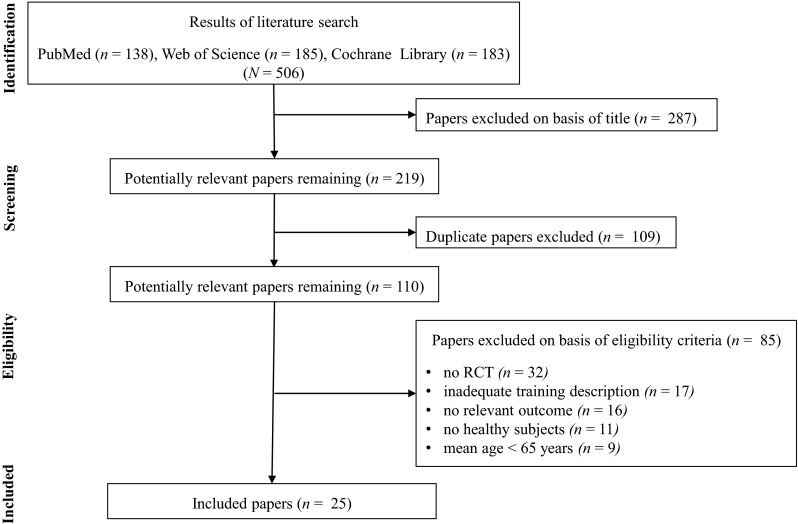
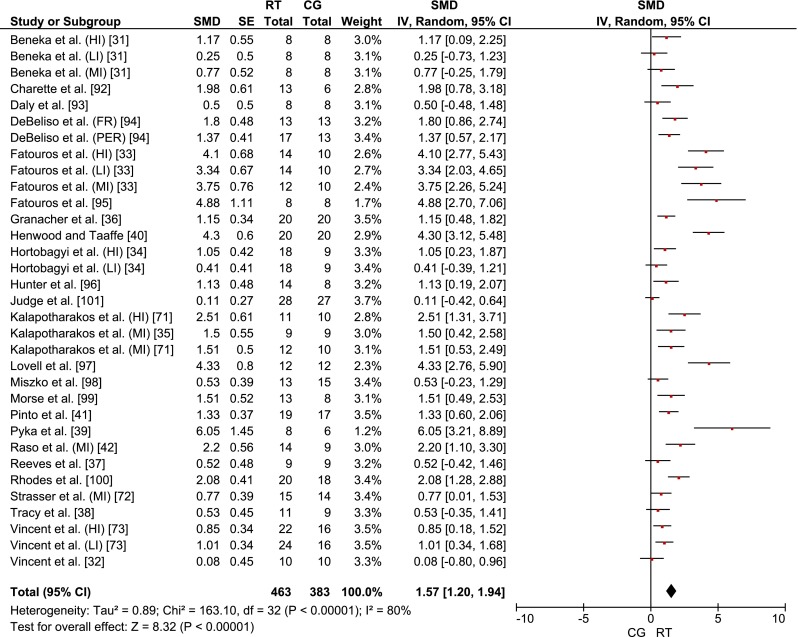
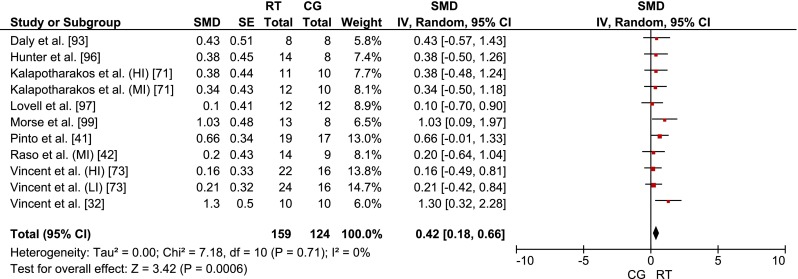
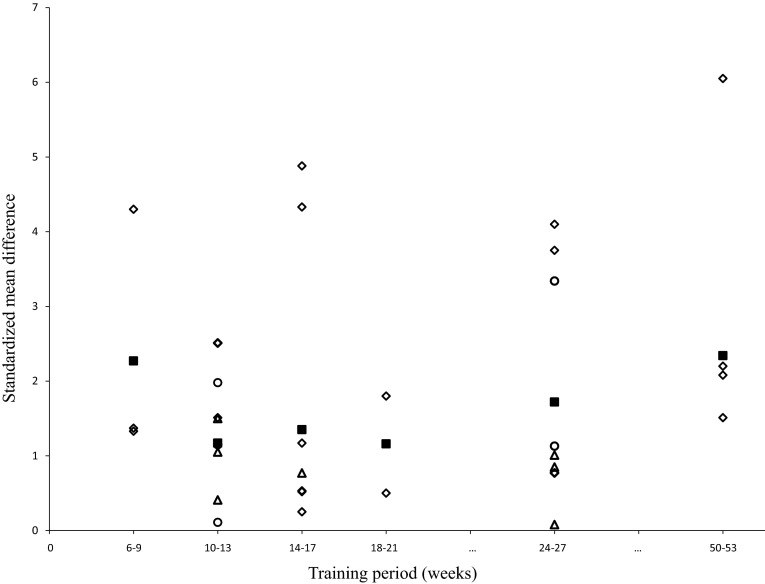
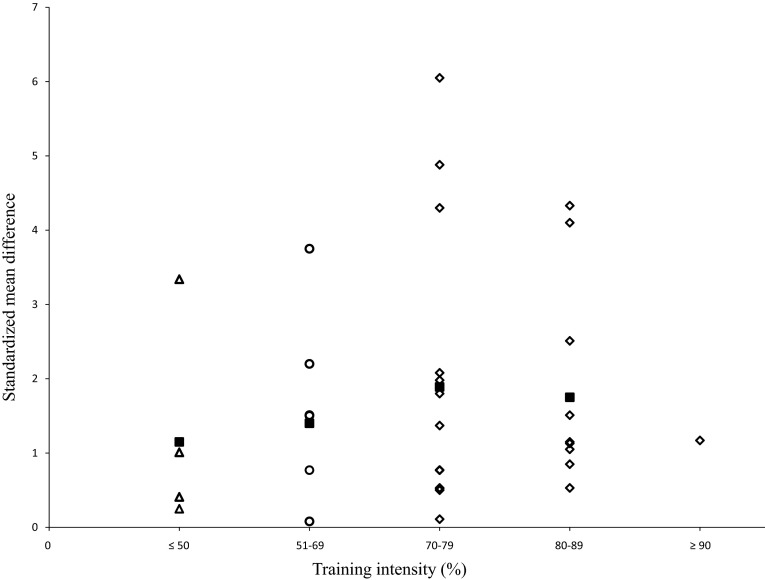
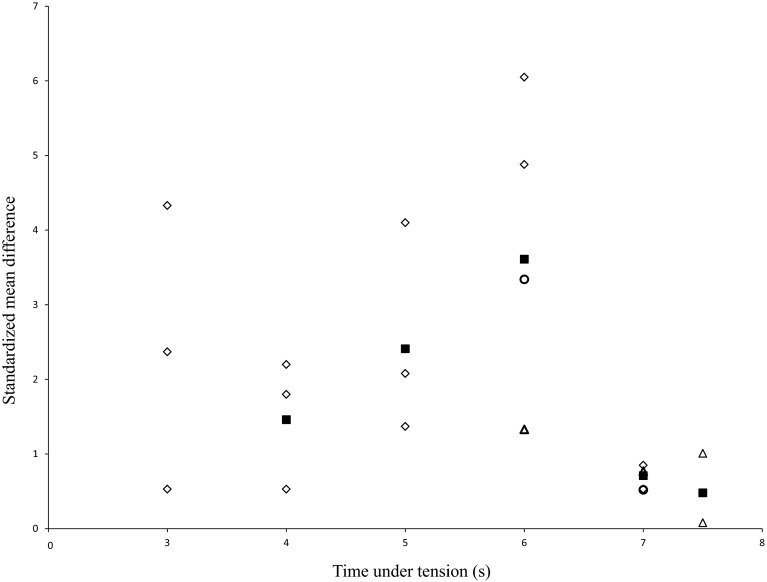
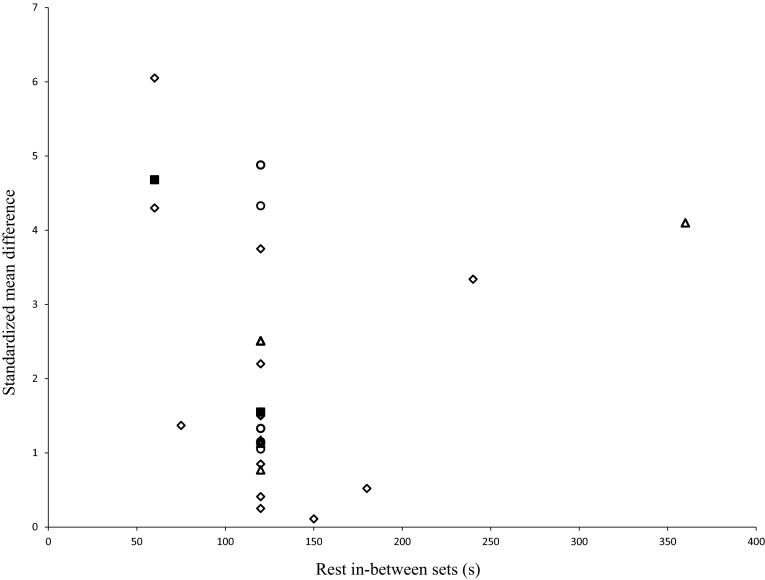
BACKGROUND: Resistance training (RT) is an intervention frequently used to improve muscle strength and morphology in old age. However, evidence-based, dose-response relationships regarding specific RT variables (e.g., training period, frequency, intensity, volume) are unclear in healthy old adults. OBJECTIVES: The aims of this systematic review and meta-analysis were to determine the general effects of RT on measures of muscle strength and morphology and to provide dose-response relationships of RT variables through an analysis of randomized controlled trials (RCTs) that could improve muscle strength and morphology in healthy old adults. DATA SOURCES: A computerized, systematic literature search was performed in the electronic databases PubMed, Web of Science, and The Cochrane Library from January 1984 up to June 2015 to identify all RCTs related to RT in healthy old adults. STUDY ELIGIBILITY CRITERIA: The initial search identified 506 studies, with a final yield of 25 studies. Only RCTs that examined the effects of RT in adults with a mean age of 65 and older were included. The 25 studies quantified at least one measure of muscle strength or morphology and sufficiently described training variables (e.g., training period, frequency, volume, intensity). STUDY APPRAISAL AND SYNTHESIS METHODS: We quantified the overall effects of RT on measures of muscle strength and morphology by computing weighted between-subject standardized mean differences (SMDbs) between intervention and control groups. We analyzed the data for the main outcomes of one-repetition maximum (1RM), maximum voluntary contraction under isometric conditions (MVC), and muscle morphology (i.e., cross-sectional area or volume or thickness of muscles) and assessed the methodological study quality by Physiotherapy Evidence Database (PEDro) scale. Heterogeneity between studies was assessed using I2 and χ2 statistics. A random effects meta-regression was calculated to explain the influence of key training variables on the effectiveness of RT in terms of muscle strength and morphology. For meta-regression, training variables were divided into the following subcategories: volume, intensity, and rest. In addition to meta-regression, dose-response relationships were calculated independently for single training variables (e.g., training frequency). RESULTS: RT improved muscle strength substantially (mean SMDbs = 1.57; 25 studies), but had small effects on measures of muscle morphology (mean SMDbs = 0.42; nine studies). Specifically, RT produced large effects in both 1RM of upper (mean SMDbs = 1.61; 11 studies) and lower (mean SMDbs = 1.76; 19 studies) extremities and a medium effect in MVC of lower (mean SMDbs = 0.76; four studies) extremities. Results of the meta-regression revealed that the variables "training period" (p = 0.04) and "intensity" (p < 0.01) as well as "total time under tension" (p < 0.01) had significant effects on muscle strength, with the largest effect sizes for the longest training periods (mean SMDbs = 2.34; 50-53 weeks), intensities of 70-79% of the 1RM (mean SMDbs = 1.89), and total time under tension of 6.0 s (mean SMDbs = 3.61). A tendency towards significance was found for rest in between sets (p = 0.06), with 60 s showing the largest effect on muscle strength (mean SMDbs = 4.68; two studies). We also determined the independent effects of the remaining training variables on muscle strength. The following independently computed training variables are most effective in improving measures of muscle strength: a training frequency of two sessions per week (mean SMDbs = 2.13), a training volume of two to three sets per exercise (mean SMDbs = 2.99), seven to nine repetitions per set (mean SMDbs = 1.98), and a rest of 4.0 s between repetitions (SMDbs = 3.72). With regard to measures of muscle morphology, the small number of identified studies allowed us to calculate meta-regression for the subcategory training volume only. No single training volume variable significantly predicted RT effects on measures of muscle morphology. Additional training variables were independently computed to detect the largest effect for the single training variable. A training period of 50-53 weeks, a training frequency of three sessions per week, a training volume of two to three sets per exercise, seven to nine repetitions per set, a training intensity from 51 to 69% of the 1RM, a total time under tension of 6.0 s, a rest of 120 s between sets, and a rest of 2.5 s between repetitions turned out to be most effective. LIMITATIONS: The current results must be interpreted with caution because of the poor overall methodological study quality (mean PEDro score 4.6 points) and the considerable large heterogeneity (I2) = 80%, χ2 = 163.1, df = 32, p < 0.01) for muscle strength. In terms of muscle morphology, our search identified nine studies only, which is why we consider our findings preliminary. While we were able to determine a dose-response relationship based on
Overview
The claims and statistics of this paper haven’t been checked yet.
Free: it reads the open-access text and checks the first 5 claims that cite a source we can check. Create a free account to check every claim.
Integrity signals
Registry
Cites
Statistics
Figures
Verification
Claims the paper makes
The claims and statistics of this paper haven’t been checked yet.
Free: it reads the open-access text and checks the first 5 claims that cite a source we can check. Create a free account to check every claim.
Claims other papers make about this one
Each is checked against this paper’s own text: does it say what the citing paper says it does?
The source backs part of the claim, not all of it — or backs it for a different population, condition or comparison.
In the citing paper
“> 3 to 4 sets of training have been reported to result in a ceiling effect with, for example, older adults [52].”
From Minimalist Training: Is Lower Dosage or Intensity Resistance Training Effective to Improve Physical Fitness? A Narrative Review (2024) · cites this paper as [52]
Experimental — accuracy not yet measuredThe cited source says what the claim attributes to it.
In the citing paper
“meta-analysis by Borde and colleagues (6) suggested that resistance exercise for older adults improves muscle strength but had small effect on muscle morphology.”
From Modulation of Neural and Muscular Adaptation Processes During Resistance Training by Fish Protein Ingestions in Older Adults (2020) · cites this paper as [6]
The check wasn’t confident either way, so it gives no verdict — never disputed.
In the citing paper
“While interesting, the inability of the group that delayed supplementation but still completed the resistance training program to experience any measurable increase in muscle cross-sectional area has led some to question the outcomes resulting from this study [5, 123].”
From International society of sports nutrition position stand: nutrient timing (2017) · cites this paper as [123]
Experimental — accuracy not yet measuredIn the citing paper
“Research indicates TRT duration has a significant effect on improvements in muscle strength [107].”
From Comparison of weightlifting, traditional resistance training and plyometrics on strength, power and speed: a systematic review with meta-analysis. (2022) · cites this paper as [107]
In the citing paper
“Fortunately, various types of exercise interventions can reverse or at least mitigate such age-related declines in health and daily life.”
From The efficacy and safety of lower-limb plyometric training in older adults: a systematic review. (2019) · cites this paper as [17]
1 more claim about this paper
Create a free account to see every claim other papers make about this one.
Self-check
Percentages, sums and reported differences re-computed from the paper’s own numbers.
The self-check needs the paper’s full text.
Citations
Cites
Liberati, A., Altman, D. G., Tetzlaff, J., Mulrow, C., Gøtzsche, P. C., Ioannidis, J. P. A., Clarke, M., Devereaux, P. J., Kleijnen, J., & Moher, D. (2009) · PLoS Medicine · doi:10.1371/journal.pmed.1000100 · Cited by 28,164 · cited 15×
“Considering that the already published meta-analyses are methodologically limited in terms of study selection criteria {inclusion of non-randomized controlled trials (RCTs) [12, 13] }, the number of included training variables (e.g., traditional variables such as training period, frequency, volume, intensity only) [14…”
BackgroundMethodInfluentialAssessing the quality of reports of randomized clinical trials: Is blinding necessary?
Jadad, A. R., Moore, R. A., Carroll, D., Jenkinson, C., Reynolds, D. J. M., Gavaghan, D. J., & McQuay, H. J. (1996) · Controlled Clinical Trials · doi:10.1016/0197-2456(95)00134-4 · Cited by 17,582
Zhang, Q., Wang, C., Zheng, M., Li, Y., Li, J., Zhang, L., Shang, X., & Yan, C. (2015) · Cerebrovascular Diseases · doi:10.1159/000369778 · Cited by 11,533
Statistical Methods for Meta-Analysis
Wasserman, S., Hedges, L. V., & Olkin, I. (1988) · Journal of Educational Statistics · doi:10.2307/1164953 · Cited by 10,326
Exercise and Physical Activity for Older Adults
Chodzko-Zajko, W. J., Proctor, D. N., Fiatarone Singh, M. A., Minson, C. T., Nigg, C. R., Salem, G. J., & Skinner, J. S. (2009) · Medicine & Science in Sports & Exercise · doi:10.1249/mss.0b013e3181a0c95c · Cited by 5,153
Reliability of the PEDro Scale for Rating Quality of Randomized Controlled Trials
Maher, C. G., Sherrington, C., Herbert, R. D., Moseley, A. M., & Elkins, M. (2003) · Physical Therapy · doi:10.1093/ptj/83.8.713 · Cited by 4,808
Dong, Y., Hao, L., Shi, Z., Wang, G., Zhang, Z., & Han, C. (2013) · Urologia Internationalis · doi:10.1159/000351405 · Cited by 4,540
Falls in older people: epidemiology, risk factors and strategies for prevention
Rubenstein, L. Z. (2006) · Age and Ageing · doi:10.1093/ageing/afl084 · Cited by 3,287
Verhagen, A. P., de Vet, H. C. W., de Bie, R. A., Kessels, A. G. H., Boers, M., Bouter, L. M., & Knipschild, P. G. (1998) · Journal of Clinical Epidemiology · doi:10.1016/s0895-4356(98)00131-0 · Cited by 2,379
Investigating and dealing with publication and other biases in meta-analysis
Sterne, J. A. C., Egger, M., & Smith, G. D. (2001) · BMJ · doi:10.1136/bmj.323.7304.101 · Cited by 2,225
Research works printed but not linked: 5
- American College of Sports M. ACSM’s guidelines for exercise testing and prescription. Baltimore: Lippincott,Williams & Wilkins; 2009.
- Deeks J Higgins J Statistical algorithms in Review Manager 5 2010 Melbourne The Cochrane Collaboration
- Cohen J Statistical power for the behavioral sciences 1988 Hillsdale Erlbaum
- Marschall F Buesch D Positionspapier für eine beanspruchungsorientierte Trainingsgestaltung im Krafttraining Schweiz Z Sportmed Sporttraumatol 2014 62 1 24 31
- Judge JO Whipple RH Wolfson LI Effects of resistive and balance exercises on isokinetic strength in older persons J Am Geriatr Soc 1994 42 9 937 946 10.1111/j.1532-5415.1994.tb06584.x 8064101 · DOI · Paper page
Cited by
Items 201–300 of 735
Atividade física para adultos: Guia de Atividade Física para a População Brasileira
Ritti‐Dias, R. M., Trapé, Á. A., Farah, B. Q., Petreça, D. R., de Lemos, E. C., de Carvalho, F. F. B., Magalhães, L. L., Maciel, M. G., Gomes, P. S. C., Manta, S. W., et al. (2021) · Revista Brasileira de Atividade Física & Saúde · doi:10.12820/rbafs.26e0215 · Cited by 42
Physical active lifestyle promotes static and dynamic balance performance in young and older adults
Sarto, F., Pizzichemi, M., Chiossi, F., Bisiacchi, P. S., Franchi, M. V., Narici, M. V., Monti, E., Paoli, A., & Marcolin, G. (2022) · Frontiers in Physiology · doi:10.3389/fphys.2022.986881 · Cited by 27
“Moreover, a dose-response relationship has been previously observed in a meta-analysis evaluating the effects of balance training on PBC (Lesinski et al., 2015a).”
BackgroundSun, R., Wan, J., Tang, J., Deng, Y., Zhang, M., Liu, C., Li, J., & Zhang, Q. (2024) · Archives of Gerontology and Geriatrics · doi:10.1016/j.archger.2024.105595 · Cited by 31
Andrade-Guimarães, A. L., Aguiar-Oliveira, M. H., Salvatori, R., Carvalho, V. O., Alvim‐Pereira, F., Daniel, C. R. A., Brasileiro, G. A. M., Santana-Ribeiro, A. A., Santos-Carvalho, H. A., Oliveira, C. R. P., et al. (2018) · Endocrine · doi:10.1007/s12020-018-1763-5 · Cited by 25
Nicotinamide riboside—A missing piece in the puzzle of exercise therapy for older adults?
Custodero, C., Saini, S. K., Shin, M., Jeon, Y. K., Christou, D. D., McDermott, M. M., Leeuwenburgh, C., Anton, S. D., & Mankowski, R. T. (2020) · Experimental Gerontology · doi:10.1016/j.exger.2020.110972 · Cited by 21
Warneke, K., Keiner, M., Hillebrecht, M., & Schiemann, S. (2022) · International Journal of Environmental Research and Public Health · doi:10.3390/ijerph191811621 · Cited by 20
“While low intensities seem to be sufficient to induce hypertrophy [7,8], a load intensity of 60–80% of the one-repetition maximum (1RM) is generally recommended as an appropriate method to achieve both MSt and muscle hypertrophy [4,9].”
MethodBaker, B. A. (2018) · Journal of Functional Morphology and Kinesiology · doi:10.3390/jfmk3020036 · Cited by 20
Effects of Different Resistance Training Loads on the Muscle Quality Index in Older Women
Ribeiro, A. S., Picoloto, A., Nunes, J. P., Bezerra, E. D. S., Schoenfeld, B. J., & Cyrino, E. S. (2020) · The Journal of Strength and Conditioning Research · doi:10.1519/jsc.0000000000003667 · Cited by 26
Bergamasco, J. G. A., da Silva, D. G., Bittencourt, D., de Oliveira, R. M., Júnior, J. C. B., Caruso, F., Godoi, D., Borghi‐Silva, A., & Libardi, C. A. (2020) · The Journal of Strength and Conditioning Research · doi:10.1519/jsc.0000000000003632 · Cited by 22
Maintenance of muscle strength following a one-year resistance training program in older adults
Gylling, A. T., Bloch‐Ibenfeldt, M., Eriksen, C. S., Ziegler, A. K., Wimmelmann, C. L., Baekgaard, M., Boraxbekk, C., Siebner, H. R., Mortensen, E. L., & Kjær, M. (2020) · Experimental Gerontology · doi:10.1016/j.exger.2020.111049 · Cited by 24
Wang, K., Zhu, Y., Wong, S. H., Chen, Y., Siu, P. M., Baker, J. S., & Sun, F. (2021) · Journal of Sports Sciences · doi:10.1080/02640414.2021.1964800 · Cited by 24
“In addition, to verify the dose–response relationships of each HIIT variable, subcategories with the effect size value within training variables were extracted (Borde et al., 2015; Lesinski et al., 2016).”
Hurst, C., & Sayer, A. A. (2022) · The Journal of the Royal College of Physicians of Edinburgh · doi:10.1177/14782715221104859 · Cited by 22
Husted, R. S., Troelsen, A., Thorborg, K., Rathleff, M. S., Husted, H., & Bandholm, T. (2018) · Trials · doi:10.1186/s13063-017-2366-9 · Cited by 20
Mann, S., Jiménez, A., Steele, J., Domone, S., Wade, M., & Beedie, C. (2018) · BMC Public Health · doi:10.1186/s12889-018-5289-9 · Cited by 26
on behalf of the STAND-Cph collaborative group, Pedersen, M. M., Petersen, J., Beyer, N., Larsen, H. G.-J., Jensen, P. S., Andersen, O., & Bandholm, T. (2019) · Trials · doi:10.1186/s13063-019-3720-x · Cited by 24
Unhjem, R., Tøien, T. H., Kvellestad, A. C. G., Øren, T. S., & Wang, E. (2020) · The Journals of Gerontology Series A · doi:10.1093/gerona/glaa160 · Cited by 24
de Jesus, F. L. A., Fukuda, T. Y., Souza, C., Guimarães, J. D. S., Aquino, L., Carvalho, G. U., Powers, C. M., & Neto, M. G. (2020) · Clinical Rehabilitation · doi:10.1177/0269215520941914 · Cited by 26
Exercise and Physical Activity for Older Adults
Avers, D. (2019) · Elsevier eBooks · doi:10.1016/b978-0-323-60912-8.00008-7 · Cited by 28
de Oliveira, T. M. D., Felício, D. C., Filho, J. E., Fonseca, D. S., Durigan, J. L. Q., & Malaguti, C. (2022) · Journal of Bodywork and Movement Therapies · doi:10.1016/j.jbmt.2022.03.010 · Cited by 19
Cvečka, J., Vajda, M., Novotná, A., Löfler, S., Hamar, D., & Krčmár, M. (2023) · International Journal of Environmental Research and Public Health · doi:10.3390/ijerph20043172 · Cited by 25
“[69] with a focus on conventional strength training in the older population.”
BackgroundCavalcante, E. F., Kassiano, W., Ribeiro, A. S., Costa, B. D. D. V., Cyrino, L. T., Cunha, P. M., Antunes, M., dos Santos, L., Tomeleri, C. M., Nabuco, H. C. G., et al. (2023) · Medicine & Science in Sports & Exercise · doi:10.1249/mss.0000000000003179 · Cited by 27
“In addition, 10–15RM may have stimulated hypertrophy of both types of fibers (32,34).”
Delaire, L., Courtay, A., Humblot, J., Aubertin‐Leheudre, M., Mourey, F., Racine, A. N., Gilbert, T., Niasse‐Sy, Z., & Bonnefoy, M. (2023) · Nutrients · doi:10.3390/nu15194100 · Cited by 37
“found consistent evidence as the longest exercise program analyzed was also the one with the greatest increase in strength [51].”
BackgroundInfluentialBezerra, E. D. S., Orssatto, L. B. R., de Moura, B. M., Willardson, J. M., Junior, R. F. S., & Moro, A. R. P. (2018) · The Journal of Strength and Conditioning Research · doi:10.1519/jsc.0000000000002752 · Cited by 22
Daly, R. M., Gianoudis, J., Ross, B. D., O’Connell, S. L., Kruger, M. C., Schollum, L. M., & Gunn, C. A. (2020) · American Journal of Clinical Nutrition · doi:10.1093/ajcn/nqaa126 · Cited by 25
Bochkezanian, V., Newton, R. U., Trajano, G. S., Vieira, A., Pulverenti, T. S., & Blazevich, A. J. (2018) · BMC Neurology · doi:10.1186/s12883-018-1020-9 · Cited by 24
Cadore, E. L., Izquierdo, M., Teodoro, J. L., Martínez‐Velilla, N., Zambom‐Ferraresi, F., Moriguchi, E. H., & Sáez de Asteasu, M. L. (2023) · Journal of Cachexia, Sarcopenia and Muscle · doi:10.1002/jcsm.13375 · Cited by 17
“20,21 However, there is a lack of evidence regarding the possible association between training load and power produced during a power training intervention with the magnitude of the changes induced by the intervention in acutely hospitalized older patients.”
BackgroundInfluence of fitness on health status among survivors of acute lymphoblastic leukemia
Wilson, C. L., Howell, C. R., Partin, R. E., Lu, L., Kaste, S. C., Mulrooney, D. A., Pui, C., Lanctot, J. Q., Srivastava, D. K., Robison, L. L., et al. (2018) · Pediatric Blood & Cancer · doi:10.1002/pbc.27286 · Cited by 20
Exercise in Octogenarians: How Much Is Too Little?
Carrick‐Ranson, G., Howden, E. J., & Levine, B. D. (2021) · Annual Review of Medicine · doi:10.1146/annurev-med-070119-115343 · Cited by 25
Effects of exercise programs on phase angle in older adults: A systematic review and meta-analysis
Martins, A. D., Fernandes, O., Oliveira, R. F. S., Bilro, V., Lopes, G. G., Rego, A. M., Parraça, J. A., Raimundo, A. M. D. M., & Brito, J. P. (2022) · Archives of Gerontology and Geriatrics · doi:10.1016/j.archger.2022.104787 · Cited by 21
Prescription of resistance training for sarcopenic older adults: Does it require specific attention?
Coelho‐Júnior, H. J., Picca, A., Calvani, R., & Marzetti, E. (2022) · Ageing Research Reviews · doi:10.1016/j.arr.2022.101720 · Cited by 20
Coelho‐Júnior, H. J., Calvani, R., Picca, A., & Marzetti, E. (2023) · Archives of Gerontology and Geriatrics · doi:10.1016/j.archger.2023.105059 · Cited by 19
Bandeira-Guimarães, M., Blanco-Rambo, E., Vieira, A. F., Sáez de Asteasu, M. L., Pinto, R. S., Izquierdo, M., & Cadore, E. L. (2023) · Sports Medicine - Open · doi:10.1186/s40798-023-00646-9 · Cited by 17
“For instance, several meta-analyses have shown that maximal strength gains are optimized when resistance training intensity progresses to loads between 70 and 80% of one-repetition maximum (1RM) [23, 24].”
BackgroundResultTraining modalities for elder sarcopenic obesity: a systematic review and network meta-analysis
Qiu, H., Zheng, W., Zhou, X., Liu, Q., & Zhao, X. (2025) · Frontiers in Nutrition · doi:10.3389/fnut.2025.1537291 · Cited by 17
“This finding is consistent with prior research that has demonstrated the efficacy of RT in enhancing muscle strength, even over relatively brief periods (93).”
Yang, Y., Chen, S., Chen, C., Hsu, C.-W., Zhou, W.-S., & Chien, K. (2021) · Journal of Aging and Physical Activity · doi:10.1123/japa.2020-0493 · Cited by 22
Otsuka, Y., Miyamoto, N., Nagai, A., Izumo, T., Nakai, M., Fukuda, M., Arimitsu, T., Yamada, Y., & Hashimoto, T. (2022) · Frontiers in Nutrition · doi:10.3389/fnut.2022.912217 · Cited by 19
How is exercise being prescribed for patients on hemodialysis? A scoping review
Ribeiro, H. S., Andrade, F. P., Leal, D. V., Oliveira, J. S., Wilund, K. R., & Viana, J. L. (2022) · Journal of Nephrology · doi:10.1007/s40620-022-01513-8 · Cited by 25
Rader, E. P., Naimo, M. A., Layner, K. N., Triscuit, A. M., Chetlin, R. D., Ensey, J. S., & Baker, B. A. (2016) · Rejuvenation Research · doi:10.1089/rej.2016.1816 · Cited by 19
“17 For each SSC, while the muscles were maximally activated, the ankle was set to 90 (cid:2) for 100 ms, rotated to 140 (cid:2) at 60 (cid:2) /s, returned to 90 (cid:2) at 60 (cid:2) /s, and deactivated 300 ms later.”
Wikman, J. M., Nistrup, A., Vorup, J., Pedersen, M. T., Melchor, P. S., Bangsbo, J., & Pfister, G. U. (2017) · AIMS Public Health · doi:10.3934/publichealth.2017.4.364 · Cited by 24
“Participation in physical activity seems to be a possible way to alleviate the physical decline that is often connected aging [11,12].”
Backgroundde Resende–Neto, A. G., do Nascimento, M. A., Sá, C. A. D., Ribeiro, A. S., DeSantana, J. M., & Silva‐Grigoletto, M. E. D. (2019) · The Journal of Sports Medicine and Physical Fitness · doi:10.23736/s0022-4707.19.09751-2 · Cited by 23
Hwang, N., Kim, M., Lee, G., Yoon, T., Park, J., & Jung, Y. (2020) · Journal of Oral Rehabilitation · doi:10.1111/joor.12944 · Cited by 17
Dupuy, E. G., Besnier, F., Gagnon, C., Vincent, T. L., Grégoire, C., Blanchette, C., Saillant, K., Bouabdallaoui, N., Iglesies‐Grau, J., Payer, M., et al. (2021) · Trials · doi:10.1186/s13063-021-05476-2 · Cited by 25
Wood, T. A., Morrison, S., & Sosnoff, J. J. (2019) · Frontiers in Medicine · doi:10.3389/fmed.2019.00053 · Cited by 19
Pavol, M. A., Bassile, C. C., Lehman, J., Harmon, E., Ferreira, N., Shinn, B., James, N. S., Callender, J., & Stein, J. M. (2018) · Topics in Stroke Rehabilitation · doi:10.1080/10749357.2018.1458462 · Cited by 17
Lyristakis, P., Wundersitz, D. W. T., Zadow, E. K., Mnatzaganian, G., & Gordon, B. A. (2022) · PLoS ONE · doi:10.1371/journal.pone.0262674 · Cited by 15
“[50] and are likely to induce different mechanisms, it is hypothesised that there will be a dose-response effect that is magnified when the interaction of each training variable is considered.”
BackgroundMethodInfluentialLeale, I., Giustino, V., Brusa, J., Barcellona, M., Barbagallo, M., Palma, A., Messina, G., Dominguez, L. J., & Battaglia, G. (2024) · Sustainability · doi:10.3390/su16083254 · Cited by 25
Granic, A., Hurst, C., Dismore, L. L., Davies, K., Stevenson, E., Sayer, A. A., & Aspray, T. (2019) · BMJ Open · doi:10.1136/bmjopen-2019-031048 · Cited by 22
Effects of Functional Strength Training on Functional Movement and Balance in Middle-Aged Adults
Güler, Ö., Tuncel, O., & Bianco, A. (2021) · Sustainability · doi:10.3390/su13031074 · Cited by 23
Fritsch, C. G., Dornelles, M. P., Teodoro, J. L., da Silva, L. X. N., Vaz, M. A., Pinto, R. S., Cadore, E. L., & Baroni, B. M. (2018) · European Journal of Applied Physiology · doi:10.1007/s00421-018-4023-8 · Cited by 18
Tucci, H. T., Figueiredo, D. S., Carvalho, R. D. P., Souza, A. C. F., Vassão, P. G., Rennó, A. C. M., & Ciol, M. A. (2019) · Lasers in Medical Science · doi:10.1007/s10103-019-02748-x · Cited by 17
de Resende–Neto, A. G., Resende, M. D. S., Andrade, B. C. O., Chaves, L. M. D. S., Brandão, L. H. A., Nogueira, A. C., Mota, M. M., DeSantana, J. M., & Silva‐Grigoletto, M. E. D. (2020) · Sport Sciences for Health · doi:10.1007/s11332-020-00675-x · Cited by 22
Lyristakis, P., Wundersitz, D. W. T., Zadow, E. K., Mnatzaganian, G., & Gordon, B. A. (2022) · doi:10.26181/21154528.v1 · Cited by 13
Rocha, J. N. D. S., Pereira-Monteiro, M. R., Vasconcelos, A. B. S., Pantoja-Cardoso, A., Aragão-Santos, J. C., & Da Silva-Grigoletto, M. E. (2024) · Archives of Gerontology and Geriatrics · doi:10.1016/j.archger.2023.105303 · Cited by 15
Znazen, H., Slimani, M., Hadadi, A., Alzahrani, T. M., Tod, D., Bragazzi, N. L., & Souissi, N. (2021) · Life · doi:10.3390/life11090931 · Cited by 21
Atividade física para idosos: Guia de Atividade Física para a População Brasileira
Coelho‐Ravagnani, C. D. F., Sandreschi, P. F., Piola, T. S., dos Santos, L., dos Santos, D. L., Mazo, G. Z., Meneguci, J., Correia, M. D. A., Benedetti, T. R. B., Germano-Soares, A. H., et al. (2021) · Revista Brasileira de Atividade Física & Saúde · doi:10.12820/rbafs.26e0216 · Cited by 71
Forsyth, F., Soh, C. L., Elks, N., Lin, H., Bailey, K., Rowbotham, S. J., Mant, J., Hartley, P., & Deaton, C. (2024) · The Journal of Frailty & Aging · doi:10.14283/jfa.2024.28 · Cited by 18
Pengelly, J., Pengelly, M., Lin, K., Royse, C. F., Karri, R., Royse, A. G., Bryant, A. L., Williams, G. P., & El‐Ansary, D. (2019) · Heart Lung and Circulation · doi:10.1016/j.hlc.2019.05.098 · Cited by 17
Júnior, G. N. D. O., de Sousa, J. D. F. R., Carneiro, M. A. S., Martins, F. M., Santagnello, S. B., & Orsatti, F. L. (2020) · European Journal of Sport Science · doi:10.1080/17461391.2020.1798511 · Cited by 18
“Particularly, two meta-analysis have reported a dose–response relationship of volume and hypertrophy in older adults (Borde et al., 2015; Peterson et al., 2011).”
BackgroundFlández, J., Gené‐Morales, J., Modena, N. A., Martin-Rivera, F., Colado, J. C., & Gargallo, P. (2020) · Summer Conferences of Sports Science · doi:10.14198/jhse.2020.15.proc4.30 · Cited by 18
“Regular physical activity, and particularly, resistance training (exercise characterized by sets of repeated muscle contractions against an external load, interspersed by rest intervals) has been widely accepted as an effective intervention to attenuate the loss of muscle mass, to improve muscle strength and muscle po…”
BackgroundRodríguez-López, C., Alcázar, J., Losa‐Reyna, J., Espinosa, N. M. M., Baltasar‐Fernandez, I., Ara, I., Csapo, R., & Alegre, L. M. (2021) · Frontiers in Physiology · doi:10.3389/fphys.2021.635094 · Cited by 17
Cheng, K. Y.-K., Bao, Z., Long, Y., Liu, C., Huang, T., Cui, C., Chow, S. K.-H., Wong, R. M. Y., & Cheung, W.-H. (2023) · Subcellular Biochemistry · doi:10.1007/978-3-031-26576-1_6 · Cited by 14
Polito, M. D., Papst, R. R., & Farinatti, P. (2021) · Journal of Sports Sciences · doi:10.1080/02640414.2021.1924978 · Cited by 14
Cornelissen, V., Hanssen, H., Hurst, C., Knaier, R., Marqués‐Sulé, E., Moholdt, T. T., Neunhäeuserer, D., Norman, K., Pedretti, R. F. E., Salzwedel, A., et al. (2025) · European Journal of Preventive Cardiology · doi:10.1093/eurjpc/zwaf432 · Cited by 17
Sherman, D. A., Rush, J. L., Glaviano, N. R., & Norte, G. E. (2024) · Musculoskeletal Science and Practice · doi:10.1016/j.msksp.2024.103204 · Cited by 18
Olsen, P. Ø., Termannsen, A., Bramming, M., Tully, M. A., & Caserotti, P. (2019) · European Review of Aging and Physical Activity · doi:10.1186/s11556-019-0230-5 · Cited by 20
Falqueto, H., dos Santos, M. R., & Manfredi, L. H. (2022) · Frontiers in Physiology · doi:10.3389/fphys.2022.838526 · Cited by 18
Silva, A. C., Pereira, M. A., Peixoto, L. M., Rosse, I. C., Ferreira‐Júnior, J. B., de Oliveira, E. C., Becker, L. K., & Coelho, D. B. (2023) · Geriatric Nursing · doi:10.1016/j.gerinurse.2023.08.015 · Cited by 16
de Oliveira, T. M. D., Felício, D. C., Filho, J. E., Durigan, J. L. Q., Fonseca, D. S., José, A., Oliveira, C. C., & Malaguti, C. (2021) · PLoS ONE · doi:10.1371/journal.pone.0245809 · Cited by 20
“Participants will be stimulated to maintain muscle tension for 6 s [31].”
MethodChen, Y., Zhong, Z., Prokopidis, K., Gue, Y. X., McDowell, G., Liu, Y., Ditchfield, C., Alobaida, M., Huang, B., & Lip, G. Y. H. (2025) · Journal of the American Heart Association · doi:10.1161/jaha.124.040099 · Cited by 16
Cruz‐Montecinos, C., Núñez‐Cortés, R., Chimeno‐Hernández, A., López‐Bueno, R., Andersen, L. L., Méndez-Rebolledo, G., Pérez‐Alenda, S., & Calatayud, J. (2023) · Haemophilia · doi:10.1111/hae.14753 · Cited by 15
Jariono, G., Nurhidayat, N., Indarto, P., Sistiasih, V. S., Nugroho, H., & Maslikah, U. (2024) · Physical Education Theory and Methodology · doi:10.17309/tmfv.2024.1.15 · Cited by 31
“Resistance training using a nonlinear periodization model significantly increases muscle strength and strength without compromising speed and agility (Borde et al., 2015; Mann et al., 2014).”
BackgroundMaranhão, D. C. M., Silva, J. D. D. A., Farah, B. Q., Beltrão, N. B., de Araújo, R. C., Cavalcante, B. R., & Pirauá, A. L. T. (2024) · Canadian Geriatrics Journal · doi:10.5770/cgj.27.705 · Cited by 20
Jiang, G., Tan, X., Zou, J., & Wu, X. (2024) · The Journal of Strength and Conditioning Research · doi:10.1519/jsc.0000000000004941 · Cited by 23
BAGHERI, N., Bagheri, R., Mesinovic, J., Ghobadi, H., Scott, D. S., Kargarfard, M., & Dutheil, F. (2024) · Medicine & Science in Sports & Exercise · doi:10.1249/mss.0000000000003592 · Cited by 20
Makizako, H., Shiratsuchi, D., Akaida, S., Tateishi, M., Maeda, K., Iijima, K., Shimada, H., Inoue, T., Yamada, M., Momosaki, R., et al. (2025) · Ageing Research Reviews · doi:10.1016/j.arr.2025.102663 · Cited by 17
“Traditional exercise modalities, including resistance training and aerobic exercise, have positive effects on muscle strength, mobility, and muscle mass, among healthy older adults (Borde et al., 2015; Gonzalez-Rocha et al., 2022; Labata-Lezaun et al., 2023; Smith et al., 2022).”
Govindasamy, K., Rao, C. R., Chandrasekaran, B., Parpa, K., & Granacher, U. (2025) · Life · doi:10.3390/life15050688 · Cited by 18
“The majority of trials identified in this scoping review indicated that RT programs have al improved muscle strength but had only minor effects on muscle morphology [52].”
Self-citationChang, J. K., Gao, Y., Fang, X., Zhao, S., Hou, Y., & Sun, Q. (2020) · BMC Geriatrics · doi:10.1186/s12877-020-1491-6 · Cited by 14
Bieler, T., Kristensen, A. L. R., Nyberg, M., Magnusson, S. P., Kjær, M., & Beyer, N. (2021) · Physiotherapy Theory and Practice · doi:10.1080/09593985.2021.1923096 · Cited by 15
“It is evident that 1RM-testing in exercise machines results in greater effects than measurement of maximal isometric strength in neutral instruments (Borde, Hortobagyi, and Granacher, 2015; Schoenfeld, Grgic, Ogborn, and Krieger, 2017) such as ours.”
BackgroundParedes, L. L.-C., Valdés-Badilla, P. A., & Guzmán-Muñoz, E. (2021) · Retos · doi:10.47197/retos.v43i0.87756 · Cited by 31
Exercise Frequency and Fracture Risk in Older Adults—How Often Is Enough?
KEMMLER, W. K., von Stengel, S., & Kohl, M. (2017) · Current Osteoporosis Reports · doi:10.1007/s11914-017-0407-7 · Cited by 13
Rader, E. P., Naimo, M. A., Ensey, J. S., & Baker, B. A. (2017) · BMC Musculoskeletal Disorders · doi:10.1186/s12891-017-1397-4 · Cited by 14
Exercise Prescription in Cardiac Rehabilitation
(2019) · Case Medical Research · doi:10.31525/ct1-nct03925493 · Cited by 12
Pushing the Limits of Strength Training
Burtscher, J., Millet, G. P., & Burtscher, M. (2022) · American Journal of Preventive Medicine · doi:10.1016/j.amepre.2022.07.018 · Cited by 13
Pearson, L. T., Behm, D. G., Goodall, S., Mason, R., Stuart, S., & Barry, G. (2022) · BMC Sports Science, Medicine and Rehabilitation · doi:10.1186/s13102-022-00526-x · Cited by 12
Hua-Rui, L., Shouliang, H., Zhengze, Y., Ning, J., Peihua, L., Zhai, Y., & Peng, F. (2025) · Frontiers in Physiology · doi:10.3389/fphys.2025.1564988 · Cited by 18
“However, some studies have shown that a given number of repetitions cannot be correlated with a specific percentage of 1 RM (Silva et al., 2014; Borde et al., 2015), the individual percentage of 1 RM is a stress rather than a strain factor.”
2026 ESC Guidelines on cardiac rehabilitation
Bäck, M., Wilhelm, M., Marcin, T., Machado, F. V. C., Sandberg, A., Buccheri, S., Conde, A. C., Czapla, M., Rosa, S. D., Gibson, I., et al. (2026) · European Heart Journal · doi:10.1093/eurheartj/ehag099 · Cited by 44
Wang, B., Davies, T. B., Way, K. L., Tran, D., Davis, G. M., Singh, M. F., & Hackett, D. A. (2023) · Archives of Gerontology and Geriatrics · doi:10.1016/j.archger.2023.104954 · Cited by 17
Minetama, M., Kawakami, M., Teraguchi, M., Enyo, Y., Nakagawa, M., Yamamoto, Y., Sakon, N., Matsuo, S., Nakatani, T., Nakagawa, R., et al. (2023) · The Spine Journal · doi:10.1016/j.spinee.2023.03.007 · Cited by 18
Stevens‐Lapsley, J. E., Derlein, D. L., Churchill, L., Falvey, J. R., Nordon‐Craft, A., Sullivan, W. J., Forster, J. E., Stutzbach, J. A., Butera, K. A., Burke, R. E., et al. (2023) · Journal of the American Geriatrics Society · doi:10.1111/jgs.18413 · Cited by 15
“Prior work indicates high-intensity approaches are efficacious for older adults.(11,36) The current findings extend this work by showing that safety does not differ between high-intensity and standard PT among older adults with multimorbidity who were recently hospitalized.”
Abel, B., Bongartz, M., Rapp, K., Roigk, P., Peiter, J., Metz, B., Finger, B., Büchele, G., Wensing, M., Roth, C., et al. (2024) · BMC Geriatrics · doi:10.1186/s12877-023-04634-2 · Cited by 16
“Even though several months of exercise are necessary to most effectively improve balance and strength [12, 13], the average length of stay in inpatient GR is limited to three weeks throughout Europe [6].”
BackgroundBaxter, B. A., Baross, A., Ryan, D. J., Tkadlec, S., & Kay, A. D. (2024) · Scientific Reports · doi:10.1038/s41598-024-59788-9 · Cited by 19
de Resende–Neto, A. G., Aragão-Santos, J. C., Andrade, B. C. O., Vasconcelos, A. B. S., Sá, C. A. D., Aidar, F. J., DeSantana, J. M., Cadore, E. L., & Silva‐Grigoletto, M. E. D. (2019) · Journal of Aging Research · doi:10.1155/2019/5315376 · Cited by 19
Delgadillo, J. D., Sundberg, C. W., Kwon, M., & Hunter, S. K. (2021) · Experimental Gerontology · doi:10.1016/j.exger.2021.111546 · Cited by 14
“Resistance exercise training, most commonly high-load resistance training (>70% 1 Repetition Maximum, 1RM), is a cornerstone in the prevention of the age-related decline in muscle mass, strength, and function (Aagaard et al., 2010; Borde et al., 2015; Fragala et al., 2019).”
Cordeiro, L. D. S., Linhares, D. G., dos Santos, A. O. B., dos Santos, L. L., de Castro, J. B. P., & Vale, R. G. D. S. (2023) · Archives of Gerontology and Geriatrics · doi:10.1016/j.archger.2023.105020 · Cited by 16
Miura, M., Hirayama, A., Oowada, S., Nishida, A., Saito, C., Yamagata, K., Ito, O., Hirayama, Y., & Kohzuki, M. (2018) · Renal Replacement Therapy · doi:10.1186/s41100-018-0174-7 · Cited by 12
Volume Reduction: Which Dose is Sufficient to Retain Resistance Training Adaptations in Older Women?
Antunes, M., Kassiano, W., Silva, A. M., Schoenfeld, B. J., Ribeiro, A. S., Costa, B. D. D. V., Cunha, P. M., Sugihara, P., Cyrino, L. T., Teixeira, D. D. C., et al. (2021) · International Journal of Sports Medicine · doi:10.1055/a-1502-6361 · Cited by 19
“adults for enhancing muscular adaptations is not yet well established [5, 8, 9].”
BackgroundSenna, G. W., Dantas, E. H. M., Scudese, E., Brandão, P. P., Lira, V. A., Baffi, M., Ribeiro, L. C. P., Junior, R. F. S., Thomas, E., & Bianco, A. (2022) · Frontiers in Physiology · doi:10.3389/fphys.2022.827847 · Cited by 16
Moreira, O. C., Oliveira, C. E. P. D., Maroto-Izquierdo, S., Cuevas, M. J., & De Paz, J. A. (2019) · Bioscience Journal · doi:10.14393/bj-v35n6a2019-42775 · Cited by 11
Debes, W., Sadaqa, M., Németh, Z., Aldardour, A., Prémusz, V., & Hock, M. (2024) · Journal of Clinical Medicine · doi:10.3390/jcm13020441 · Cited by 11
“Moreover, advances in in age and adaptation to resistance exercise that is dependent on mode and dose are worth considering [53,56].”
BackgroundSun, J., He, M. T., Chen, M., Chen, Y., Yuan, W., Song, F., Ren, L., Shen, H., Zhang, J., Shen, X., et al. (2025) · Nutrition Journal · doi:10.1186/s12937-025-01244-z · Cited by 17
“Exercise interventions constitute another cornerstone of sarcopenia management, with numerous studies demonstrating the muscle health benefits of resistance-based protocols, including improvements in muscle mass, strength, and physical function [18].”
Geneen, L. J., Kinsella, J., Zanotto, T., Naish, P., & Mercer, T. H. (2022) · Frontiers in Physiology · doi:10.3389/fphys.2022.914508 · Cited by 18
Metadata
- Authors
- Borde, R., Hortobágyi, T., & Granacher, U.
- Affiliations
- University of Potsdam (DE)
- University Medical Center Groningen (NL)
- Corresponding author
- Borde, Ron
- Venue
- Sports Medicine
- Published
- 2015-09-29
- Volume
- 45
- Issue
- 12
- Pages
- 1693-1720
- ISSN
- 0112-1642 (ISSN-L)
- 1179-2035
- PMC
- PMC4656698
- OpenAlex
- W1840491359
- Cited by
- 737
- References
- 104
- Citations by year
- 2026: 69 · 2025: 61 · 2024: 76 · 2023: 91 · 2022: 103 · 2021: 82 · 2020: 77 · 2019: 67 · 2018: 63 · 2017: 32 · 2016: 14 · 2015: 2
- FWCI
- 6.15
- Type
- journal article
- Language
- en
- Open access
- hybrid
- doi.org
- Locations
- Sports Medicine (publishedVersion, cc-by)
- PubMed (publishedVersion)
- University of Groningen research database (University of Groningen / Centre for Information Technology) (publishedVersion)
- University of Groningen research database (University of Groningen / Centre for Information Technology) (submittedVersion)
- Funders
- Deutsche Forschungsgemeinschaft (DE) ((MU 3327/2-1))
- Topics
- Health Sciences › Medicine › Orthopedics and Sports Medicine › Sports Performance and Training
- Health Sciences › Medicine › Physiology (medical) › Nutrition and Health in Aging
- Health Sciences › Nursing › Nutrition and Dietetics › Muscle metabolism and nutrition
- Keywords
- resistance training, older adults, dose-response relationship, muscle strength, muscle morphology, training volume, exercise intensity, exercise frequency, rest periods, one-repetition maximum, cross-sectional area, healthy aging
- MeSH terms
- Aged, Aged, 80 and over, Humans, Time Factors, Muscle, Skeletal, Muscle Strength, Resistance Training
About these checks
Registry, retraction, Cites and statistics results are computed, not judged, with one exception: a printed reference that no index lists is read once by a model before it counts as a citation error. Claims are extracted by a model and kept only when their quote appears verbatim in the text; each cited source is then checked, with a model’s help, for whether it says what the claim relies on. Those verdicts can be wrong — read the claim’s quote and the cited source before relying on one.
Statistics and arithmetic are recomputed, not judged.
Confidence bands are shown only for fields calibrated on our annotated test set. None is calibrated yet, so no band is shown.
What counts as a claim ›How we measure confidence ›How we check this ›
Are you an author, or do you see a problem with this page? Request a review
Data sources
Bibliographic data: Semantic Scholar, OpenAlex, Crossref.
Contains information from the Semantic Scholar Academic Graph Datasets, made available under the ODC Attribution License (ODC-BY 1.0).
Semantic Scholar’s data is described in: Kinney, R., et al. (2023). The Semantic Scholar Open Data Platform. arXiv:2301.10140.
