

Dose–Response Relationships of Resistance Training in Healthy Old Adults: A Systematic Review and Meta-Analysis
Open accessThe DOI matches its Crossref record; 103 of the 104 references it cites were found in a registry or an index.
Abstract
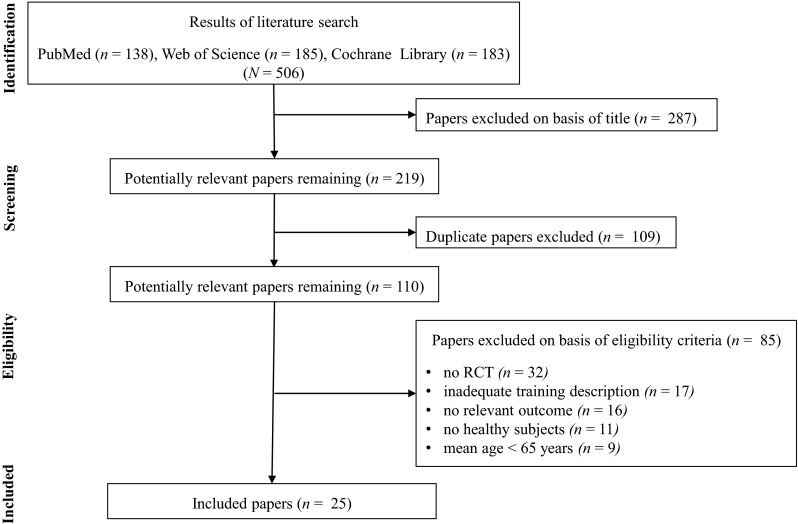
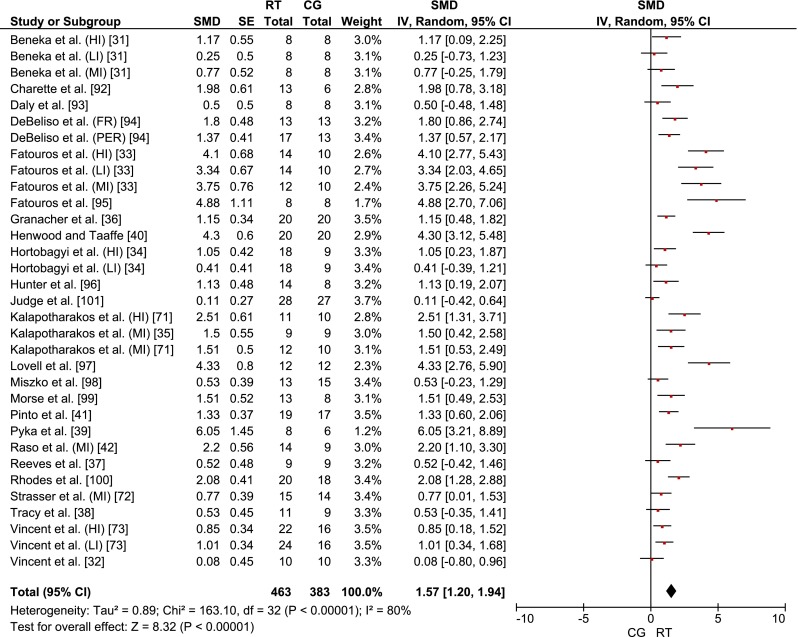
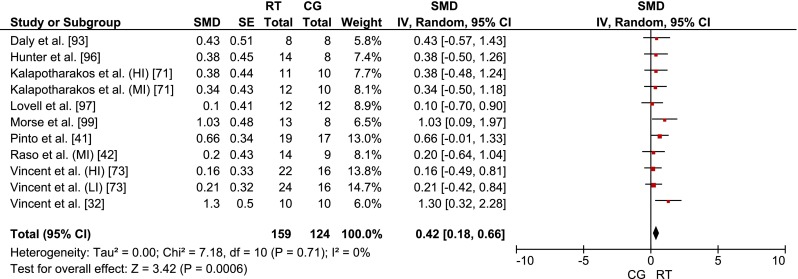
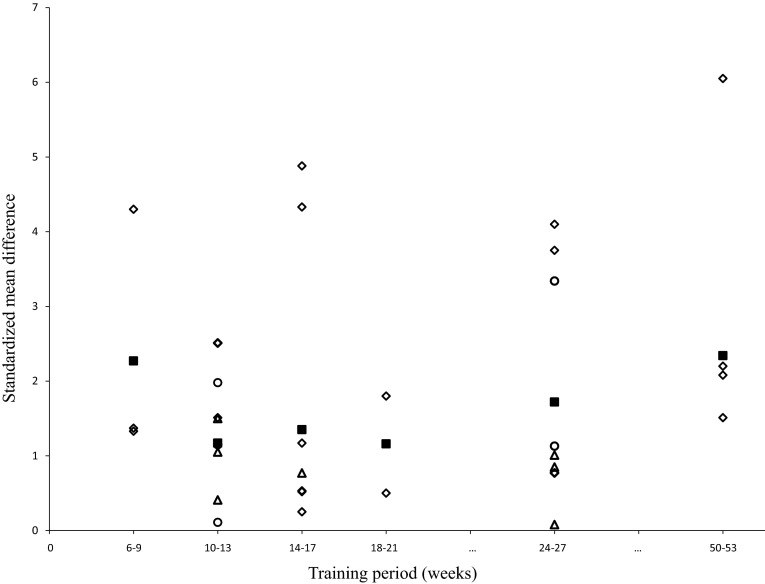
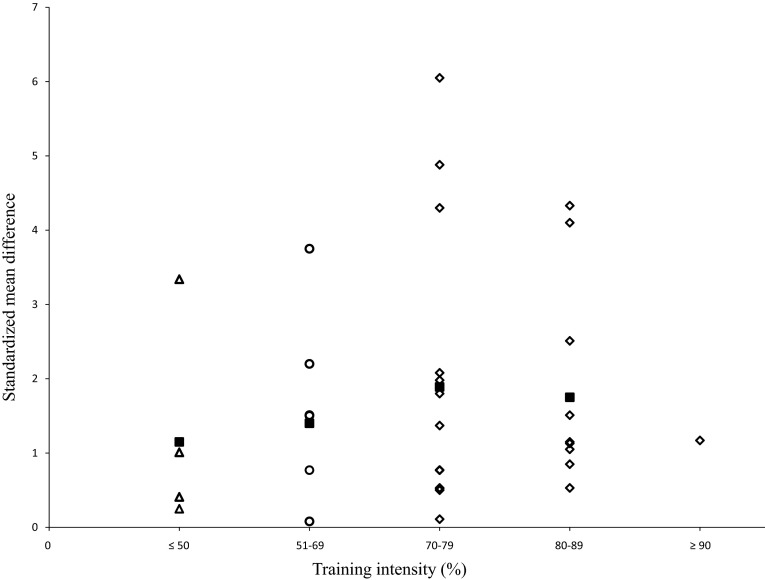
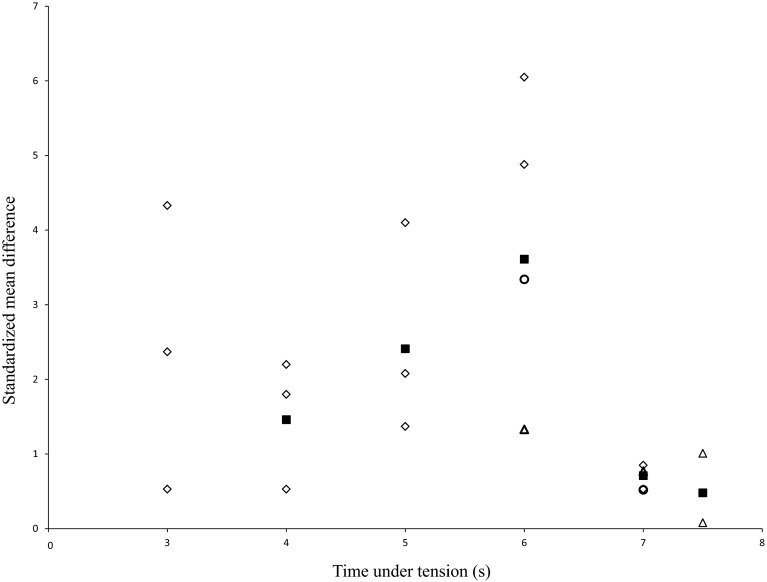
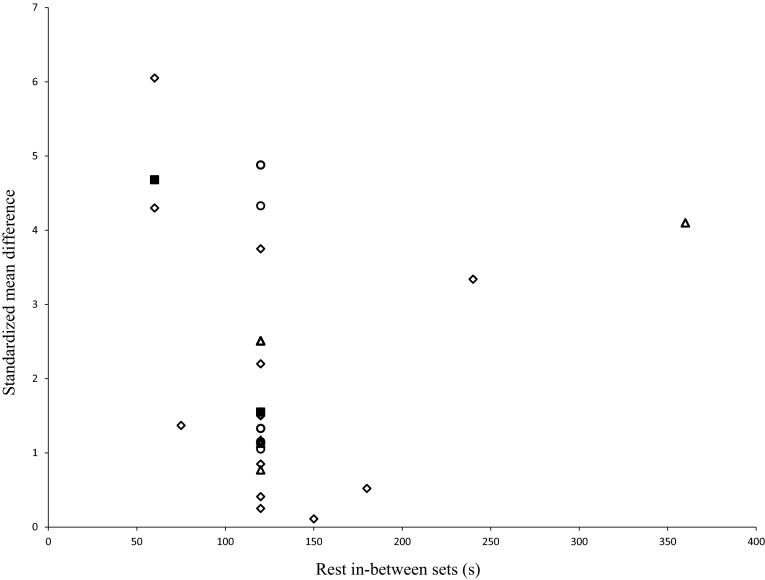
BACKGROUND: Resistance training (RT) is an intervention frequently used to improve muscle strength and morphology in old age. However, evidence-based, dose-response relationships regarding specific RT variables (e.g., training period, frequency, intensity, volume) are unclear in healthy old adults. OBJECTIVES: The aims of this systematic review and meta-analysis were to determine the general effects of RT on measures of muscle strength and morphology and to provide dose-response relationships of RT variables through an analysis of randomized controlled trials (RCTs) that could improve muscle strength and morphology in healthy old adults. DATA SOURCES: A computerized, systematic literature search was performed in the electronic databases PubMed, Web of Science, and The Cochrane Library from January 1984 up to June 2015 to identify all RCTs related to RT in healthy old adults. STUDY ELIGIBILITY CRITERIA: The initial search identified 506 studies, with a final yield of 25 studies. Only RCTs that examined the effects of RT in adults with a mean age of 65 and older were included. The 25 studies quantified at least one measure of muscle strength or morphology and sufficiently described training variables (e.g., training period, frequency, volume, intensity). STUDY APPRAISAL AND SYNTHESIS METHODS: We quantified the overall effects of RT on measures of muscle strength and morphology by computing weighted between-subject standardized mean differences (SMDbs) between intervention and control groups. We analyzed the data for the main outcomes of one-repetition maximum (1RM), maximum voluntary contraction under isometric conditions (MVC), and muscle morphology (i.e., cross-sectional area or volume or thickness of muscles) and assessed the methodological study quality by Physiotherapy Evidence Database (PEDro) scale. Heterogeneity between studies was assessed using I2 and χ2 statistics. A random effects meta-regression was calculated to explain the influence of key training variables on the effectiveness of RT in terms of muscle strength and morphology. For meta-regression, training variables were divided into the following subcategories: volume, intensity, and rest. In addition to meta-regression, dose-response relationships were calculated independently for single training variables (e.g., training frequency). RESULTS: RT improved muscle strength substantially (mean SMDbs = 1.57; 25 studies), but had small effects on measures of muscle morphology (mean SMDbs = 0.42; nine studies). Specifically, RT produced large effects in both 1RM of upper (mean SMDbs = 1.61; 11 studies) and lower (mean SMDbs = 1.76; 19 studies) extremities and a medium effect in MVC of lower (mean SMDbs = 0.76; four studies) extremities. Results of the meta-regression revealed that the variables "training period" (p = 0.04) and "intensity" (p < 0.01) as well as "total time under tension" (p < 0.01) had significant effects on muscle strength, with the largest effect sizes for the longest training periods (mean SMDbs = 2.34; 50-53 weeks), intensities of 70-79% of the 1RM (mean SMDbs = 1.89), and total time under tension of 6.0 s (mean SMDbs = 3.61). A tendency towards significance was found for rest in between sets (p = 0.06), with 60 s showing the largest effect on muscle strength (mean SMDbs = 4.68; two studies). We also determined the independent effects of the remaining training variables on muscle strength. The following independently computed training variables are most effective in improving measures of muscle strength: a training frequency of two sessions per week (mean SMDbs = 2.13), a training volume of two to three sets per exercise (mean SMDbs = 2.99), seven to nine repetitions per set (mean SMDbs = 1.98), and a rest of 4.0 s between repetitions (SMDbs = 3.72). With regard to measures of muscle morphology, the small number of identified studies allowed us to calculate meta-regression for the subcategory training volume only. No single training volume variable significantly predicted RT effects on measures of muscle morphology. Additional training variables were independently computed to detect the largest effect for the single training variable. A training period of 50-53 weeks, a training frequency of three sessions per week, a training volume of two to three sets per exercise, seven to nine repetitions per set, a training intensity from 51 to 69% of the 1RM, a total time under tension of 6.0 s, a rest of 120 s between sets, and a rest of 2.5 s between repetitions turned out to be most effective. LIMITATIONS: The current results must be interpreted with caution because of the poor overall methodological study quality (mean PEDro score 4.6 points) and the considerable large heterogeneity (I2) = 80%, χ2 = 163.1, df = 32, p < 0.01) for muscle strength. In terms of muscle morphology, our search identified nine studies only, which is why we consider our findings preliminary. While we were able to determine a dose-response relationship based on
Overview
The claims and statistics of this paper haven’t been checked yet.
Free: it reads the open-access text and checks the first 5 claims that cite a source we can check. Create a free account to check every claim.
Integrity signals
Registry
Cites
Statistics
Figures
Verification
Claims the paper makes
The claims and statistics of this paper haven’t been checked yet.
Free: it reads the open-access text and checks the first 5 claims that cite a source we can check. Create a free account to check every claim.
Claims other papers make about this one
Each is checked against this paper’s own text: does it say what the citing paper says it does?
The source backs part of the claim, not all of it — or backs it for a different population, condition or comparison.
In the citing paper
“> 3 to 4 sets of training have been reported to result in a ceiling effect with, for example, older adults [52].”
From Minimalist Training: Is Lower Dosage or Intensity Resistance Training Effective to Improve Physical Fitness? A Narrative Review (2024) · cites this paper as [52]
Experimental — accuracy not yet measuredThe cited source says what the claim attributes to it.
In the citing paper
“meta-analysis by Borde and colleagues (6) suggested that resistance exercise for older adults improves muscle strength but had small effect on muscle morphology.”
From Modulation of Neural and Muscular Adaptation Processes During Resistance Training by Fish Protein Ingestions in Older Adults (2020) · cites this paper as [6]
The check wasn’t confident either way, so it gives no verdict — never disputed.
In the citing paper
“While interesting, the inability of the group that delayed supplementation but still completed the resistance training program to experience any measurable increase in muscle cross-sectional area has led some to question the outcomes resulting from this study [5, 123].”
From International society of sports nutrition position stand: nutrient timing (2017) · cites this paper as [123]
Experimental — accuracy not yet measuredIn the citing paper
“Research indicates TRT duration has a significant effect on improvements in muscle strength [107].”
From Comparison of weightlifting, traditional resistance training and plyometrics on strength, power and speed: a systematic review with meta-analysis. (2022) · cites this paper as [107]
In the citing paper
“Fortunately, various types of exercise interventions can reverse or at least mitigate such age-related declines in health and daily life.”
From The efficacy and safety of lower-limb plyometric training in older adults: a systematic review. (2019) · cites this paper as [17]
1 more claim about this paper
Create a free account to see every claim other papers make about this one.
Self-check
Percentages, sums and reported differences re-computed from the paper’s own numbers.
The self-check needs the paper’s full text.
Citations
Cites
Liberati, A., Altman, D. G., Tetzlaff, J., Mulrow, C., Gøtzsche, P. C., Ioannidis, J. P. A., Clarke, M., Devereaux, P. J., Kleijnen, J., & Moher, D. (2009) · PLoS Medicine · doi:10.1371/journal.pmed.1000100 · Cited by 28,164 · cited 15×
“Considering that the already published meta-analyses are methodologically limited in terms of study selection criteria {inclusion of non-randomized controlled trials (RCTs) [12, 13] }, the number of included training variables (e.g., traditional variables such as training period, frequency, volume, intensity only) [14…”
BackgroundMethodInfluentialAssessing the quality of reports of randomized clinical trials: Is blinding necessary?
Jadad, A. R., Moore, R. A., Carroll, D., Jenkinson, C., Reynolds, D. J. M., Gavaghan, D. J., & McQuay, H. J. (1996) · Controlled Clinical Trials · doi:10.1016/0197-2456(95)00134-4 · Cited by 17,582
Zhang, Q., Wang, C., Zheng, M., Li, Y., Li, J., Zhang, L., Shang, X., & Yan, C. (2015) · Cerebrovascular Diseases · doi:10.1159/000369778 · Cited by 11,533
Statistical Methods for Meta-Analysis
Wasserman, S., Hedges, L. V., & Olkin, I. (1988) · Journal of Educational Statistics · doi:10.2307/1164953 · Cited by 10,326
Exercise and Physical Activity for Older Adults
Chodzko-Zajko, W. J., Proctor, D. N., Fiatarone Singh, M. A., Minson, C. T., Nigg, C. R., Salem, G. J., & Skinner, J. S. (2009) · Medicine & Science in Sports & Exercise · doi:10.1249/mss.0b013e3181a0c95c · Cited by 5,153
Reliability of the PEDro Scale for Rating Quality of Randomized Controlled Trials
Maher, C. G., Sherrington, C., Herbert, R. D., Moseley, A. M., & Elkins, M. (2003) · Physical Therapy · doi:10.1093/ptj/83.8.713 · Cited by 4,808
Dong, Y., Hao, L., Shi, Z., Wang, G., Zhang, Z., & Han, C. (2013) · Urologia Internationalis · doi:10.1159/000351405 · Cited by 4,540
Falls in older people: epidemiology, risk factors and strategies for prevention
Rubenstein, L. Z. (2006) · Age and Ageing · doi:10.1093/ageing/afl084 · Cited by 3,287
Verhagen, A. P., de Vet, H. C. W., de Bie, R. A., Kessels, A. G. H., Boers, M., Bouter, L. M., & Knipschild, P. G. (1998) · Journal of Clinical Epidemiology · doi:10.1016/s0895-4356(98)00131-0 · Cited by 2,379
Investigating and dealing with publication and other biases in meta-analysis
Sterne, J. A. C., Egger, M., & Smith, G. D. (2001) · BMJ · doi:10.1136/bmj.323.7304.101 · Cited by 2,225
Research works printed but not linked: 5
- American College of Sports M. ACSM’s guidelines for exercise testing and prescription. Baltimore: Lippincott,Williams & Wilkins; 2009.
- Deeks J Higgins J Statistical algorithms in Review Manager 5 2010 Melbourne The Cochrane Collaboration
- Cohen J Statistical power for the behavioral sciences 1988 Hillsdale Erlbaum
- Marschall F Buesch D Positionspapier für eine beanspruchungsorientierte Trainingsgestaltung im Krafttraining Schweiz Z Sportmed Sporttraumatol 2014 62 1 24 31
- Judge JO Whipple RH Wolfson LI Effects of resistive and balance exercises on isokinetic strength in older persons J Am Geriatr Soc 1994 42 9 937 946 10.1111/j.1532-5415.1994.tb06584.x 8064101 · DOI · Paper page
Cited by
Items 501–600 of 735
Cardiac Rehabilitation in Geriatric Individuals: An Update Review
Kutukcu, E. C., Topcuoğlu, C., Ar, U., & Sağlam, M. (2024) · Topics in Geriatric Rehabilitation · doi:10.1097/tgr.0000000000000448 · Cited by 2
“63 In another study performed on older women, high-volume resistance training (10-15 RM, 3 sets) led to a more significant decrease in glucose level and C-reactive protein in comparison with low-volume resistance training (10-15 RM, 1 set).”
Kalantarhormozi, M., Afshar, A., Hajeb, F., Bahreini, R., & Afshari, N. (2024) · Медицинский журнал Западного Казахстана · doi:10.18502/wkmj.v66i3.16629 · Cited by 2
“The mode of exercise should be tailored to individual capabilities, with elastic resistance bands potentially offering a safer alternative to weight machines for this population [86].”
BackgroundMadsen, M. N., Mikkelsen, L. R., Rathleff, M. S., Thorborg, K., Kallemose, T., & Bandholm, T. (2024) · BMC Musculoskeletal Disorders · doi:10.1186/s12891-024-08057-x · Cited by 4
“Based on these studies in healthy subjects (Borde et al. 2015; Ralston et al. 2017), a dose-response relationship could have been expected, although exercise responses may differ between healthy adults and adults with”
InfluentialWiedenmann, T., Held, S., Morat, T., Rappelt, L., Isenmann, E., Berndsen, E., Hopp, N.-H., & Donath, L. (2025) · Gerontology · doi:10.1159/000546346 · Cited by 10
“Their fi ndings indicate that similar to training intensity and training volume, the duration of the training period had signi fi cant effects on development of muscle strength [132].”
InfluentialThompson, L. V. (2025) · Advances in experimental medicine and biology · doi:10.1007/978-3-031-88361-3_15 · Cited by 2
Eichler, S., & Voeller, H. (2016) · Monaldi Archives for Chest Disease · doi:10.4081/monaldi.2016.758 · Cited by 2
Uher, I., Kůchelová, Z., Cimboláková, I., & Pivovarník, J. (2016) · Sport i Turystyka Środkowoeuropejskie Czasopismo Naukowe · doi:10.16926/kf.2016.15.22 · Cited by 3
Köppel, M., & Hamacher, D. (2018) · B&G Bewegungstherapie und Gesundheitssport · doi:10.1055/a-0670-5030 · Cited by 3
Tanaka, F., & Kuzuya, M. (2021) · Geriatrics and gerontology international/Geriatrics & gerontology international · doi:10.1111/ggi.14310 · Cited by 2
Rosario, M. G., Pagel, C., Miller, W., & Weber, M. D. (2022) · European Journal of Sport Sciences · doi:10.24018/ejsport.2022.1.2.12 · Cited by 3
Neto, L. S. S., dos Santos, C. A., Travassos, A., Figueiredo, A. B., Nunes, D. P., Rosa, T. D. S., Frauzino, F. C., de Santana, W. V., Sesti, L. F. C., Nunes, G. F., et al. (2022) · Rejuvenation Research · doi:10.1089/rej.2021.0029 · Cited by 4
Sevilla, A. E. C., Soriano, R. O. F., Martínez-Saravia, N. D., Amador, R. A. G., & Reyes, Y. Y. L. (2022) · Retos · doi:10.47197/retos.v47.93069 · Cited by 4
Monteiro, M. R. P., Pantoja-Cardoso, A., de Resende–Neto, A. G., Vasconcelos, A. B. S., Camargo, E. A., Gobbo, L. A., Maté‐Muñoz, J. L., Elvar, J. R. H., Behm, D. G., & Silva‐Grigoletto, M. E. D. (2023) · Frontiers in Physiology · doi:10.3389/fphys.2023.1156088 · Cited by 6
Pontes‐Silva, A., Santos‐de‐Araújo, A. D., Teixeira, B. C., Carteri, R. B., Ribeiro, G. D. S., & Lopes, A. L. (2024) · Diabetologia · doi:10.1007/s00125-024-06121-8 · Cited by 3
Füzéki, E., & Banzer, W. E. (2019) · Springer Reference Pflege, Therapie, Gesundheit · doi:10.1007/978-3-662-58314-2_32 · Cited by 2
van Dongen, E. J. I. (2019) · doi:10.18174/499122 · Cited by 3
Das richtige Mobilitätstraining für Senioren ermitteln – In drei Schritten zum richtigen Programm
Rogan, S. (2018) · physiopraxis · doi:10.1055/a-0632-9847 · Cited by 1
Strength improvement in adults healthy men
Perrotta, F., Rosa, R., & Madonna, G. (2019) · Summer Conferences of Sports Science · doi:10.14198/jhse.2019.14.proc5.17 · Cited by 1
Dyreborg, L., Raunbak, S. M., Sørensen, S. S., Melgaard, D., & Westmark, S. (2023) · ClinicoEconomics and Outcomes Research · doi:10.2147/ceor.s431380 · Cited by 1
Caetano, M. B. D., Fantinati, A. M. M., de Morais, E. R., de Oliveira, L. C., Durigan, J. L. Q., & Garcia, P. A. (2024) · Journal of Bodywork and Movement Therapies · doi:10.1016/j.jbmt.2024.03.047 · Cited by 4
Skeletal muscle adaptations following eccentric contractions are not mediated by keratin 18
Ganjayi, M. S., Frank, S. W., Krauss, T. A., York, M. L., Bloch, R. J., & Baumann, C. W. (2024) · Journal of Applied Physiology · doi:10.1152/japplphysiol.00496.2024 · Cited by 2
Kenny, M., Munteanu, S. E., & Malliaras, P. (2025) · Musculoskeletal Science and Practice · doi:10.1016/j.msksp.2025.103362 · Cited by 1
Martel‐Duguech, L., Bascuñana, H., Corredor, V. P., González-Viñuela, O., Ribé, J. V., Caparrós, T., Webb, S. M., & Valassi, E. (2025) · Endocrine · doi:10.1007/s12020-025-04331-7 · Cited by 4
“Furthermore, our program duration of 3 months aligns closely with evidence-based recommendations for achieving meaningful musculoskeletal adaptations [47].”
Moreira, H., Tuccella, C., Alves, E., Teixeira, A., Moreira, C., Oliveira, I., Bonavolontá, V., & Abrantes, C. G. (2025) · International Journal of Environmental Research and Public Health · doi:10.3390/ijerph22081216 · Cited by 3
“The literature suggests that, especially in postmenopausal women, higher training volumes and increased weekly frequency are generally more effective in promoting gains in muscle mass and strength [50].”
KEMMLER, W. K., Schoene, D., Kohl, M., Thomasius, F. E., Jakob, F. J., Kerschan‐Schindl, K., Lange, U., Becker, C., Peters, S., & von Stengel, S. (2025) · Die Orthopädie · doi:10.1007/s00132-025-04731-7 · Cited by 2
Stafuzza, J., Gonnelli, F., D’Alleva, M., Martino, M. D., Mari, L., Zaccaron, S., Floreani, M., Floreancig, A., Padovan, D., Ursella, G., et al. (2026) · International Journal of Environmental Research and Public Health · doi:10.3390/ijerph23010107 · Cited by 2
“Also, training intensity represents a key determinant of strength gains, with previous evidence indicating that the greatest improvements were typically observed at intensities of 70–80% of 1RM [33].”
Power Training for Older Women: Strategies to Improve Function, Confidence, and Fall Resistance
McMillian, J. (2025) · Strength and conditioning journal · doi:10.1519/ssc.0000000000000954 · Cited by 1
Hinman, R. S., Lawford, B. J., Campbell, P. K., McManus, F. J., Metcalf, B., Lamb, K. E., Maly, M. R., & Bennell, K. L. (2026) · Osteoarthritis and Cartilage Open · doi:10.1016/j.ocarto.2026.100754 · Cited by 1
“…exercises because different exercises can target different muscle groups and functional tasks, and because some research has suggested a graded dose – response relationship exists in healthy adults whereby strength gains and muscle hypertrophy increase with increased volume of exercise [11].”
Castoldi, R. C., Aleixo, P. H., Salomão, E. D. A., Ogura, A. Y., Caputi, R. N. M., Onaka, G. M., Maximino, M. D., Constantino, C. J. L., Martinez, P. F., & de Oliveira-Junior, S. A. (2026) · Sport Sciences for Health · doi:10.1007/s11332-026-01654-4 · Cited by 1
“The adaptations are dependent on training variables, such as volume and intensity [9].”
KEMMLER, W. K., Schoene, D., Kohl, M., Thomasius, F. E., Jakob, F., Kerschan‐Schindl, K., Lange, U., Peters, S., & von Stengel, S. (2026) · BMC Endocrine Disorders · doi:10.1186/s12902-026-02194-1 · Cited by 1
“Additionally, higher exercise intensity (functional strength training) or greater levels of challenge (balance training) are preferable for enhancing skills directly related to falls [88, 94, 139, 144].”
Huang, X., Zhang, S., Zhao, X., Lan, Y. B., An, R., Li, B., Yu, F., Sun, Y., & 万巧琴 (2026) · Journal of Alzheimer s Disease · doi:10.1177/13872877261441823 · Cited by 1
“…32 and increasing RE dose is bene fi cial for improving muscle mass and promoting the secretion of muscle-derived molecules to exert larger cognitive bene fi ts. 34 Our results also indicated that improvements in immediate recall were positively associated with RE dose in females but not in males.”
Paoli, A. (2017) · Practical issues in geriatrics · doi:10.1007/978-3-319-57406-6_5 · Cited by 1
Smith, B. K., Carter, N., Arteaga, A., Dinh, A. C., & Martin, A. D. (2018) · Journal of Acute Care Physical Therapy · doi:10.1097/jat.0000000000000081 · Cited by 1
Influence of resistance exercise on autonomic nervous system and sleep
Stanić, I., Smoljo, T., Barun, B., & Habek, M. (2018) · Medicinski podmladak · doi:10.5937/mp69-18103 · Cited by 1
“Resistance exercise can also influence ANS (12).”
BackgroundKEMMLER, W. K., & von Stengel, S. (2020) · Osteologie/Osteology · doi:10.1055/a-1179-2723 · Cited by 1
Konservative Behandlungs-Strategien patellofemoraler Beschwerden in der Physiotherapie
Rogan, S., Taeymans, J., Clijsen, R., Lutz, N., & Tscholl, P. M. (2020) · Swiss Sports & Exercise Medicine · doi:10.34045/sems/2020/5 · Cited by 1
Hartley, P., Romero‐Ortuño, R., & Deaton, C. (2021) · Journal of Frailty Sarcopenia and Falls · doi:10.22540/jfsf-06-189 · Cited by 2
Hernández‐Vicente, A., Vicente‐Rodríguez, G., Gómez‐Cabello, A., Alcazar, J., Ara, I., & Garatachea, N. (2019) · Elsevier eBooks · doi:10.1016/b978-0-12-801238-3.62169-4 · Cited by 2
Stability zone limit: a balance exercise intensity indicator for Kinect-based balance exergames
Dajime, P. F., & Zhang, Y. (2023) · International Conference on Consumer Electronics · doi:10.1109/icce56470.2023.10043545 · Cited by 2
Bridging Science and Practical Appliance in Resistance Training
Marinho, D. A., Forte, P., de Sousa, M. D. S. C., & Neiva, H. P. (2023) · IntechOpen eBooks · doi:10.5772/intechopen.104335 · Cited by 1
Geleneksel ve Drop-Set Direnç Antrenmanlarının Kas Hasarı Üzerine Etkisi
Erdemır, I., & Kayhan, R. F. (2023) · CBÜ Beden Eğitimi ve Spor Bilimleri Dergisi · doi:10.33459/cbubesbd.1250222 · Cited by 1
Strength Training, Quality of Life, and Health in Elderly
Saavedra, F. J. F. (2023) · IntechOpen eBooks · doi:10.5772/intechopen.109026 · Cited by 2
Multicomponent Physical Program: Effects on Physical Fitness of Older Women of Different Age Groups
Gonçalves, A. K., da Silva, P. C., Griebler, E. M., da Silva, W. A., Helena, D. P. S., Possamai, V. D., & Martins, V. F. (2024) · Research Quarterly for Exercise and Sport · doi:10.1080/02701367.2024.2306285 · Cited by 2
“Meta-analysis studies have attributed the gains in muscle strength observed in all age groups to the type, duration, intensity, and volume of training (Borde et al., 2015; Silva et al., 2014).”
Bieler, T., Magnusson, S. P., Kjær, M., & Eriksen, C. S. (2024) · Journal of Bodywork and Movement Therapies · doi:10.1016/j.jbmt.2024.07.004 · Cited by 2
Hayes, E. J., Hurst, C., Granic, A., Sayer, A. A., & Stevenson, E. (2024) · Geriatrics · doi:10.3390/geriatrics9050116 · Cited by 2
“…seeking the most This is similar to the exercise protocol recommended by a meta-analysis seeking the most effective RE protocol for older adults [19], and to the protocol used by the singular recovery intervention study in older adults [20], but used larger muscle groups of the lower limbs and…”
MethodSciamanna, C., Kurth, J. D., Luzier, W., Conroy, D. E., Calo, W. A., Schmitz, K. H., Silvis, M. L., Ballentine, N. H., Zhou, S., Danilovich, M., et al. (2024) · Contemporary Clinical Trials · doi:10.1016/j.cct.2024.107709 · Cited by 1
Sepúlveda‐Loyola, W., Castillo, D. V., Cárcamo, S. M., Morales, E. R., & Álvarez‐Bustos, A. (2023) · Nutrición clínica y dietética hospitalaria/Nutrición clínica, dietética hospitalaria · doi:10.12873/433sepulveda · Cited by 3
Boniface, G., Norris, M., Williamson, E. M., Gandhi, V. V., Kirtley, S., & O'Connell, N. E. (2018) · BMJ Open · doi:10.1136/bmjopen-2018-024127 · Cited by 2
Efeitos do treino com plataforma vibratória sobre a força muscular em idosas hígidas
Flores, B. D. C., Machado, G. R., Pinto, K. P., Fischer, N. C., Waechter, C. F., Cardoso, D. M., Wagner, L. E., de Albuquerque, I. M., Filho, M. B., & Paiva, D. N. (2018) · Revista Hospital Universitário Pedro Ernesto · doi:10.12957/rhupe.2018.39271 · Cited by 6
de Castro, J. B. P., Brum, R. D. D. O., Pernambuco, C. S., & Vale, R. G. D. S. (2019) · Revista de Investigación en Actividades Acuáticas · doi:10.21134/riaa.v3i5.1575 · Cited by 2
Rooks, D. (2019) · Current Physical Medicine and Rehabilitation Reports · doi:10.1007/s40141-019-00236-5 · Cited by 1
Exercise and Physical Activity Recommendations for Optimizing Musculoskeletal Health in Older Adults
Weeks, B. K., & Beck, B. R. (2019) · Elsevier eBooks · doi:10.1016/b978-0-12-801238-3.11413-8 · Cited by 1
Selection-Related Aspects of Resistance Exercises for Elderly
Ribeiro, A. S., & Afonso, C. (2019) · Journal of Health Sciences · doi:10.17921/2447-8938.2019v21n3p208-215 · Cited by 2
Sarcopenia, Currently a Hot Topic: A Narrative Review
Chai, J., & Kang, H.-J. (2021) · The Asian Journal of Kinesiology · doi:10.15758/ajk.2021.23.1.20 · Cited by 1
“© The Asian Society of Kinesiology and the Korean Academy of Kinesiology *Correspondence: HyunJoo Kang, Department of Sports Medicine, Soonchunhyang University, 22 Soonchunhyang-ro, Asan, Chungnam, 31538, Korea; Tel: +82-41-530- 1280; E-mail: violethjk@hanmail.net”
BackgroundInfluentialBackground and Management of Muscular Atrophy
Cseri, J. (2020) · IntechOpen eBooks · doi:10.5772/intechopen.90959 · Cited by 2
Delaire, L., Courtay, A., Pageaux, B., Gautier, C., Rayon, F. J., Mourey, F., Racine, A. N., Humblot, J., & Bonnefoy, M. (2023) · Gériatrie et Psychologie Neuropsychiatrie du Viellissement · doi:10.1684/pnv.2023.1084 · Cited by 3
Furtado, G. E., Souza, N. R., Ferreira, J. P., Letieri, R. V., Carvalho, H. M., Dantas, E. H. M., & Vasconcelos, S. (2015) · Egitania Sciencia · doi:10.46691/es.vi.281 · Cited by 2
Ferreira‐Júnior, J. B., Martins-Costa, H. C., & Dinardi, R. R. (2019) · Experimental Gerontology · doi:10.1016/j.exger.2019.04.004 · Cited by 1
Neil‐Sztramko, S., Teggart, K., Moore, C., Sherifali, D., Fitzpatrick‐Lewis, D., Coletta, G., Phillips, S. M., Newbold, K. B., Álvarez, E., Kuspinar, A., et al. (2021) · Research Square · doi:10.21203/rs.3.rs-578194/v2 · Cited by 2
Editor's Message: “AI”: No Guarantee of Accuracy or Integrity
(2023) · Journal of Geriatric Physical Therapy · doi:10.1519/jpt.0000000000000389 · Cited by 1
“18 In addition, Borde et al 19 summarized 25 randomized controlled trial (RCT) meta-analysis results and indicated that RT had a dose-response relationship to improve lower limb muscle strength in healthy older adults.”
BackgroundMethodResultInfluentialInduction of proteostasis pathways in a C. elegans model of exercisePreprint
Randall, L., & Lithgow, G. J. (2025) · bioRxiv (Cold Spring Harbor Laboratory) · doi:10.1101/2025.02.21.639525 · Cited by 1
“Studies in humans have found protective benefits of exercise in a roughly dose-dependent manner, with even small amounts of activity being beneficial compared to sedentism in both middle-aged and older adults (2).”
Pinho, J. P. (2016) · Digital Library of Theses and Dissertations (Universidade de São Paulo) · doi:10.11606/t.39.2016.tde-25082016-092631
Fysieke activiteit en oefenen: definities, voordelen, risico’s en normen
Cambier, D. C. G. (2017) · Bohn Stafleu van Loghum eBooks · doi:10.1007/978-90-368-1350-1_3
Oclusão Vascular e sua Aplicabilidade na Reabilitação Musculoesquelética: Uma Área Promissora
Nascimento, D. D. C. (2018) · Editora Blucher eBooks · doi:10.5151/9788580393309-07
Moreira, O. C. (2018) · Buleria (Universidad de León) · doi:10.18002/10612/8008
Nutrition and Exercise Approaches to Enhance Muscle, Mobility, and Cognition During Aging
Daly, R. M., Formica, M., Tait, J. L., & Macpherson, H. (2018) · Springer eBooks · doi:10.1007/978-3-319-98464-3_8
de Capitani, M. D. (2018) · Digital Library of Theses and Dissertations (Universidade de São Paulo) · doi:10.11606/d.39.2018.tde-19062018-094527 · Cited by 2
Manlangit, P. (2019) · Jyväskylä University Digital Archive (University of Jyväskylä)
Köppel, M., & Hamacher, D. (2019) · Erfahrungsheilkunde · doi:10.1055/a-0941-9204
Naimo, M. A. (2019) · The Research Repository @ WVU (West Virginia University) · doi:10.33915/etd.4094 · Cited by 1
“For example, a meta-analysis by Borde et al. (15) using data from 25 studies found that a training frequency of two days per week at a relatively high training intensity of 70-79% of one-repetition maximum (1RM) is most optimal for increasing muscle strength in healthy old adults.”
InfluentialWann weniger genug ist – Krafttraining im geriatrischen Setting
Camerlynck, J., Grünewald, A., Braun, T., & Thiel, C. (2019) · physiopraxis · doi:10.1055/a-1010-0198
Gollie, J. M. (2019) · Elsevier eBooks · doi:10.1016/b978-0-323-60912-8.00028-2
Gollie, J. M., Harris‐Love, M. O., Patel, S. S., & Blackman, M. R. (2019) · medRxiv · doi:10.1101/19013557
“Resistance exercise has been reported to increase both strength (+18% to 334 +33%) and RFD (+27%) in older adults (7, 39, 48).”
BackgroundStrengthening interventions for people after stroke
de Sousa, D. G. (2020) · The Sydney eScholarship Repository (The University of Sydney) · Cited by 1
Efeitos do treinamento multicomponente sobre aspectos hemodinâmicos e funcionais de mulheres idosas
de Souza, T. C. F. (2020) · doi:10.14393/ufu.di.2020.118 · Cited by 1
Ronai, P. (2020) · ACSMʼs Health & Fitness Journal · doi:10.1249/fit.0000000000000593
Debity, B., & Cseri, J. (2021) · IntechOpen eBooks · doi:10.5772/intechopen.94239
Exercise and other physical therapy interventions in the management of osteoporosis
Giangregorio, L., & Katzman, W. B. (2020) · Elsevier eBooks · doi:10.1016/b978-0-12-813073-5.00069-1 · Cited by 1
Perfil de la condición física de mujeres adultas mayores físicamente activas
Nacional, U. P., Ortega, J. A. F., Cuartas, L. A. H., & Nacional, U. P. (2020) · Revista U D C A Actualidad & Divulgación Científica · doi:10.31910/rudca.v23.n2.2020.1274 · Cited by 3
Vårbakken, K., Lorås, H. W., Nilsson, K. G., Engdal, M., & Stensdotter, A. (2020) · Research Square · doi:10.21203/rs.3.rs-114877/v1 · Cited by 1
Markewich, M. (2020) · oURspace (University of Regina) · doi:10.82465/5139
Costa, R. R., Reichert, T. L., & Kruel, L. F. M. (2021) · Estudos Interdisciplinares sobre o Envelhecimento · doi:10.22456/2316-2171.76610 · Cited by 6
Neil‐Sztramko, S., Teggart, K., Moore, C., Sherifali, D., Fitzpatrick‐Lewis, D., Coletta, G., Phillips, S. M., Newbold, K. B., Álvarez, E., Kuspinar, A., et al. (2021) · Research Square · doi:10.21203/rs.3.rs-578194/v1 · Cited by 1
Efeito do volume de treinamento de força sobre a variabilidade da hipertrofia muscular em idosos
Lixandrão, M. E. (2020) · Digital Library of Theses and Dissertations (Universidade de São Paulo) · doi:10.11606/t.39.2020.tde-13052021-150429
Kassiano, W., Costa, B. D. D. V., de Lima-Júnior, D. R. A. A., Gantois, P., Fonseca, F. D. S., & Fortes, L. D. S. (2021) · Journal of Trainology · doi:10.17338/trainology.10.2_10 · Cited by 1
Norouzi, J., Khosravi, A., Moghadam, B. H., & Gaeini, A. A. (2021) · DOAJ (DOAJ: Directory of Open Access Journals)
Therapeutic Exercise in Sarcopenia
Senda, M., Hamada, M., Katayama, Y., Ise, M., Hongo, M., & Hamasaki, H. (2021) · リハビリテーション医学 : 日本リハビリテーション医学会誌 · doi:10.2490/jjrmc.58.605
Resistance Training in Older Adults
Sañudo, B., & Rogers, M. E. (2021) · Lecture notes in bioengineering · doi:10.1007/978-3-030-81989-7_16
Skeletal muscle health in aging: a focus on mitochondria, metabolism and physical performance
Grevendonk, L. (2021) · Research Publications (Maastricht University) · doi:10.26481/dis.20211006lg
Füzéki, E., & Banzer, W. E. (2018) · Springer Reference Pflege, Therapie, Gesundheit · doi:10.1007/978-3-662-54179-1_32-1
Sue, K., Kobayashi, Y., Ito, M., Minorikawa, M., Karasawa, S., Katai, S., & Momose, K. (2022) · Research Square · doi:10.21203/rs.3.rs-1553450/v1
Implication of Exercise for Healthy Longevity in Older People
Yamada, M., & Arai, H. (2022) · Topics in Geriatric Rehabilitation · doi:10.1097/tgr.0000000000000350
Gould, R. L., Roberts, N. W., Murtagh, E., Hillsdon, M. M., & Foster, C. E. (2022) · Cochrane Database of Systematic Reviews · doi:10.1002/14651858.cd014825
CIAFIS – Congresso Internacional de Atividade Física, Nutrição e Saúde
Dantas, E. H. M., Soares, N. M. M., Aidar, F. J., Silva‐Grigoletto, M. E. D., Silva, R. J. D. S., Júnior, W. M. D. S., Cabral, B. G. D. A. T., & Carneiro, A. L. G. (2017) · Motricidade · doi:10.6063/motricidade.9790 · Cited by 1
Clinical Practice Guidelines for Sarcopenia
実, 山. (2019) · Nippon Ronen Igakkai Zasshi Japanese Journal of Geriatrics · doi:10.3143/geriatrics.56.217
Optimizing Musculoskeletal Health
Gallagher, S., & Barbe, M. F. (2022) · Wiley eBooks · doi:10.1002/9781119640172.ch15
Material Properties of Musculoskeletal and Peripheral Nerve Tissues
Gallagher, S., & Barbe, M. F. (2022) · Wiley eBooks · doi:10.1002/9781119640172.ch6
Füzéki, E., & Banzer, W. E. (2021) · Springer Reference Pflege, Therapie, Gesundheit · doi:10.1007/978-3-662-54179-1_32-2
RESISTANCE TRAINING PROGRAM ON MUSCLE STRENGTH IN POSTMENOPAUSAL WOMEN WITH OSTEOPENIA/OSTEOPOROSIS
Holubiac, I. Ș. (2020) · Știința și arta mișcării · doi:10.4316/sam.2020.0121
“Muscle mass, strength and physical function are known to decline with advancing age (Cruz-Jentof, et al., 2019), but can partly be counteracted with strength training (Borde Ron, Tibor Hortobágyi, & Urs Granacher, 2015), (Bechshøf, et al., 2017).”
Metadata
- Authors
- Borde, R., Hortobágyi, T., & Granacher, U.
- Affiliations
- University of Potsdam (DE)
- University Medical Center Groningen (NL)
- Corresponding author
- Borde, Ron
- Venue
- Sports Medicine
- Published
- 2015-09-29
- Volume
- 45
- Issue
- 12
- Pages
- 1693-1720
- ISSN
- 0112-1642 (ISSN-L)
- 1179-2035
- PMC
- PMC4656698
- OpenAlex
- W1840491359
- Cited by
- 737
- References
- 104
- Citations by year
- 2026: 69 · 2025: 61 · 2024: 76 · 2023: 91 · 2022: 103 · 2021: 82 · 2020: 77 · 2019: 67 · 2018: 63 · 2017: 32 · 2016: 14 · 2015: 2
- FWCI
- 6.15
- Type
- journal article
- Language
- en
- Open access
- hybrid
- doi.org
- Locations
- Sports Medicine (publishedVersion, cc-by)
- PubMed (publishedVersion)
- University of Groningen research database (University of Groningen / Centre for Information Technology) (publishedVersion)
- University of Groningen research database (University of Groningen / Centre for Information Technology) (submittedVersion)
- Funders
- Deutsche Forschungsgemeinschaft (DE) ((MU 3327/2-1))
- Topics
- Health Sciences › Medicine › Orthopedics and Sports Medicine › Sports Performance and Training
- Health Sciences › Medicine › Physiology (medical) › Nutrition and Health in Aging
- Health Sciences › Nursing › Nutrition and Dietetics › Muscle metabolism and nutrition
- Keywords
- resistance training, older adults, dose-response relationship, muscle strength, muscle morphology, training volume, exercise intensity, exercise frequency, rest periods, one-repetition maximum, cross-sectional area, healthy aging
- MeSH terms
- Aged, Aged, 80 and over, Humans, Time Factors, Muscle, Skeletal, Muscle Strength, Resistance Training
About these checks
Registry, retraction, Cites and statistics results are computed, not judged, with one exception: a printed reference that no index lists is read once by a model before it counts as a citation error. Claims are extracted by a model and kept only when their quote appears verbatim in the text; each cited source is then checked, with a model’s help, for whether it says what the claim relies on. Those verdicts can be wrong — read the claim’s quote and the cited source before relying on one.
Statistics and arithmetic are recomputed, not judged.
Confidence bands are shown only for fields calibrated on our annotated test set. None is calibrated yet, so no band is shown.
What counts as a claim ›How we measure confidence ›How we check this ›
Are you an author, or do you see a problem with this page? Request a review
Data sources
Bibliographic data: Semantic Scholar, OpenAlex, Crossref.
Contains information from the Semantic Scholar Academic Graph Datasets, made available under the ODC Attribution License (ODC-BY 1.0).
Semantic Scholar’s data is described in: Kinney, R., et al. (2023). The Semantic Scholar Open Data Platform. arXiv:2301.10140.
