

Fuel for the Work Required: A Theoretical Framework for Carbohydrate Periodization and the Glycogen Threshold Hypothesis
Open accessThe DOI matches its Crossref record; 59 of the 59 references it cites were found in a registry or an index; 20 of the 51 sources its claims cite were checked for support.
Abstract
Proposes a glycogen threshold framework linking muscle glycogen concentration to training capacity and metabolic adaptation.
Overview
CoChat Summary
TL;DR
This paper is a theoretical/review article proposing the “glycogen threshold hypothesis” and the broader “fuel for the work required” approach to carbohydrate periodization in endurance training. It argues that training adaptations from “train low” strategies are most apparent when sessions begin within a particular muscle glycogen range, while also stressing that athletes must still complete the required work at the intended intensity.
Key findings
- Across reviewed train-low studies, the paper reports that augmented cell signalling was seen in 73% of 11 studies, gene expression in 75% of 12 studies, and training-induced increases in oxidative enzyme activity/protein content in 78% of 9 studies.
- The paper reports that performance improvements were found in 37% of 11 studies, while 63% of 11 studies showed no change in performance.
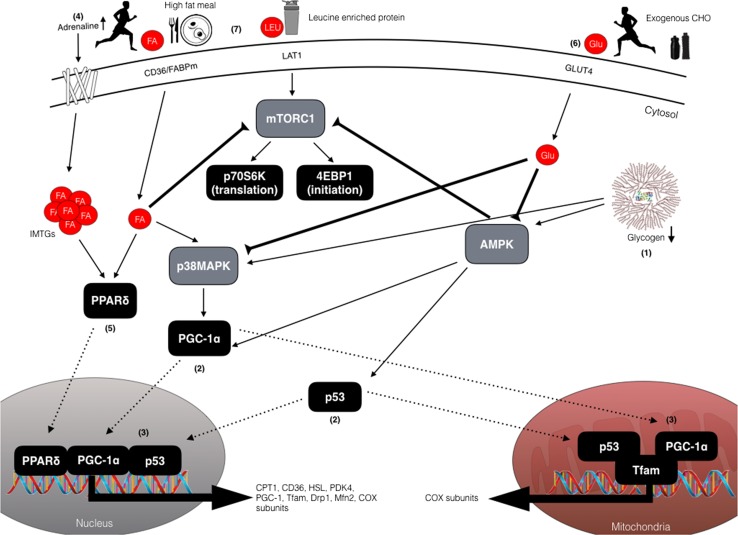
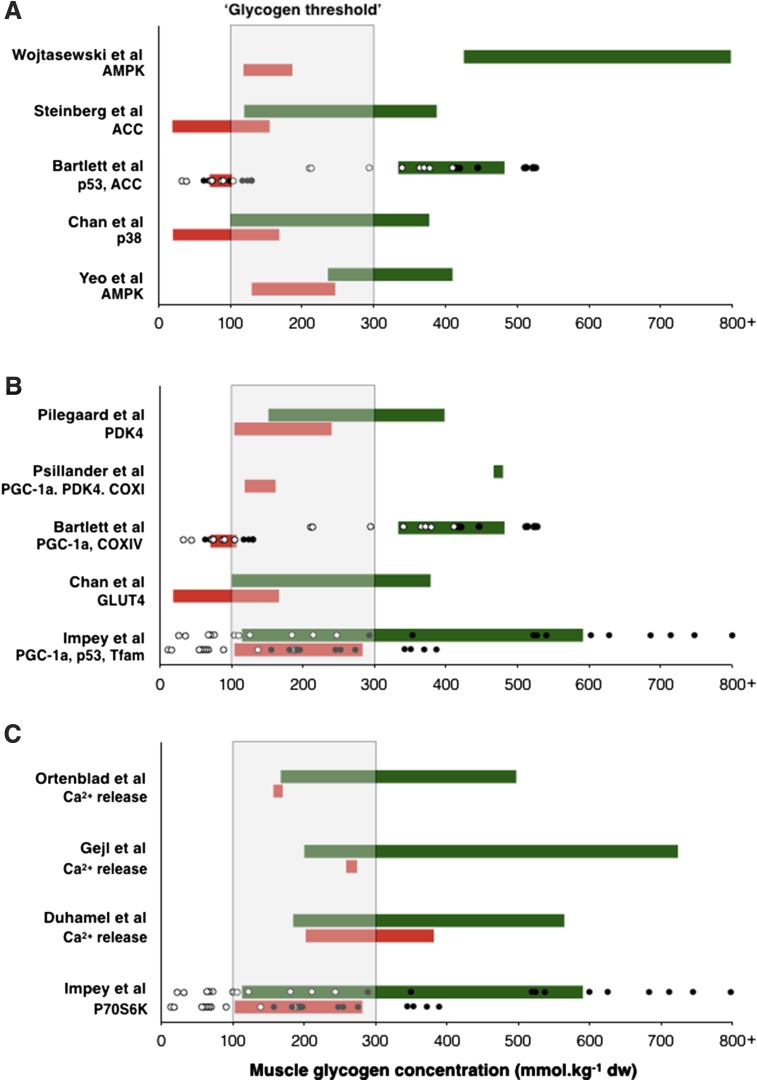
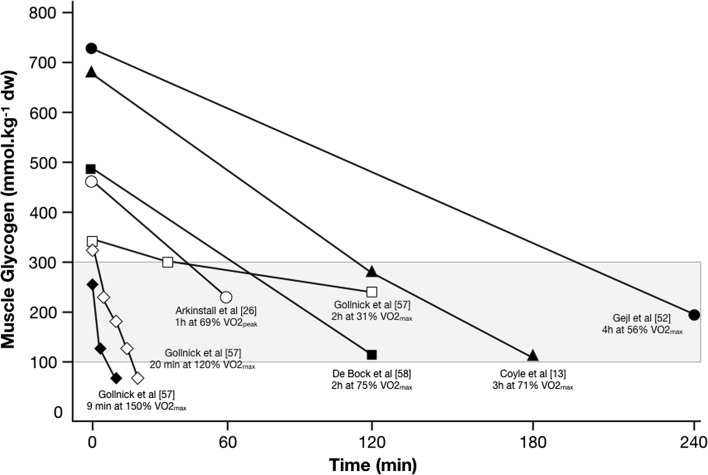
- It proposes a glycogen threshold window of about 300–100 mmol/kg dw of muscle glycogen as a range that may permit both sufficient training intensity and activation of adaptive signalling.
- In the practical example described, exercise capacity was 60 min longer in the high-glycogen trial (600 mmol/kg dw) than in the low-glycogen trial (300 mmol/kg dw), but cell signalling and post-exercise gene responses were reported as identical between trials.
Methods
- This is a theoretical framework/review, not an experimental study: the authors synthesize prior “train-low” literature and their own experimental findings to build a conceptual model.
- The paper draws on prior studies of twice-per-day training, fasted training, sleep low/train low, high-fat feeding, and related carbohydrate restriction paradigms, plus the authors’ own study comparing high vs low pre-exercise muscle glycogen.
- The analysis is narrative and comparative, using reported percentages and study outcomes from the reviewed literature to support the proposed glycogen threshold hypothesis and “fuel for the work required” framework.
Limitations
- The paper itself states that the optimal way to implement carbohydrate periodization is “not well understood” and calls for sport-specific models and long-term training studies; it also says more work is needed to show whether train-low muscle adaptations translate into meaningful performance changes.
- It notes that practical application is limited by the lack of technology to non-invasively quantify muscle glycogen and by uncertainty in the glycogen and carbohydrate cost of habitual training sessions.
- Evident from the text: much of the argument is based on small, heterogeneous studies with different protocols, and the authors acknowledge that many train-low studies lack placebo-controlled, double-blinded designs.
Model-written summary. Check it against the paper before relying on it.
Integrity signals
Registry
Cites
Statistics
Figures
Verification
Claims the paper makes
16 Valid · 2 Not valid · 20 Not checked · 22 Own results and interpretations
The cited sources support only part of this claim — read each source’s verdict below.
In the paper
“On the basis that reduced pre- [15] and post-exercise [16] muscle glycogen availability augments expression of genes regulating substrate utilization and mitochondrial biogenesis”
§ Fuel for the Work Required: A Theoretical Framework for Carbohydrate Periodization and the Glycogen Threshold Hypothesis > Carbohydrate (CHO) Restriction Enhances Cell Signalling and Gene Expression, and Modulates Components of Training Adaptation and Exercise Performance > Twice Per Day Training On the basis that reduced pre- [15] and post-exercise [16] muscle glycogen availability augments expression of genes regulating substrate utilization and mitochondrial biogenesis, initial training studies adopted a ‘training twice every second day versus once daily’ research design. In this approach, subjects complete a morning training session to reduce muscle glycogen followed by several hours of reduced CHO intake so that the second training session of the day is commenced with reduced muscle glycogen. Using this model, 3–10 weeks of ‘train low’ increases oxidative enzyme activity [9, 17–19], whole body [17, 19] and intramuscular lipid utilization [19] and improves exercise capacity [9] and performance [20]. It is difficult to ascertain if the enhanced training response is mediated by the upregulation of transcriptional responses induced by CHO restriction in recovery from the morning exercise session and/or the enhanced cell signalling responses [21–24] associated with commencing the afternoon training session with reduced muscle glycogen. In addition to low glycogen availability, there may also be compounding effects of stacking training sessions in close temporal proximity where altering the mechanical, metabolic and hormonal environment may also modulate the enhanced training response. Notwithstanding a potential reduction in absolute training intensity in the afternoon session [17], the twice per day model provides a practical framework whereby the accumulative total time with reduced muscle glycogen is increased. Depending on the length of the interval between the first and second session (i.e. recover low) and the actual duration of the second training session (i.e. train low), the accumulated low glycogen period could range from 3 to 8 h.
What the sources say
- Partly supportedcites [15] Pilegaard H Keller C Steensberg A Helge JW Pedersen BK Saltin B Neufer PD Influence of pre-exercise muscle glycogen content on exercise-induced transcriptional regulation of metabolic genes J Physiol 2002 541 261 271 10.1113/jphysiol.2002.016832 12015434 PMC2290316 sourceExperimental — accuracy not yet measured
The Abstract and Discussion report that low pre-exercise glycogen enhanced exercise-induced PDK4 transcription and PDK4 and UCP3 mRNA expression, supporting the substrate-utilization part of the claim. The copy does not show that genes regulating mitochondrial biogenesis were measured or that mitochondrial biogenesis was enhanced; searches for “mitochondrial biogenesis” and related terms found no such passage. (LLM, conf=0.88)
plainstates a cause- Asserted: passes — The authors put it forward as true.
- Checkable: passes — It can be checked against evidence.
- Load-bearing: passes — The paper’s conclusions depend on it.
- Based: passes — The paper gives a reason why it holds.
- Partly supported
Every source the paper cites for this claim was checked and supports it.
In the paper
“Indeed, consuming approximately 20 g of whey protein before and during CHO-restricted training sessions still permits mobilization of FFAs [33] and activation of the AMPK signalling axis [34], while also improving net muscle protein balance [35].”
§ Fuel for the Work Required: A Theoretical Framework for Carbohydrate Periodization and the Glycogen Threshold Hypothesis > Carbohydrate (CHO) Restriction Enhances Cell Signalling and Gene Expression, and Modulates Components of Training Adaptation and Exercise Performance > Fasted Training
What the sources say
- Supportedcites [33] Impey SG Smith D Robinson AL Owens DJ Bartlett JD Smith K Limb M Tang J Fraser WD Close GL Morton JP Leucine-enriched protein feeding does not impair exercise-induced free fatty acid availability and lipid oxidation: beneficial implications for training in carbohydrate-restricted states Amino Acids 2015 47 407 416 10.1007/s00726-014-1876-y 25471599 source
The study reports whey protein feeding before and during exercise in a carbohydrate-restricted state, with no apparent reduction in plasma free fatty acid availability. The study summary specifies 22 g before exercise and 11 g per hour during the two-hour session—approximately 20 g during exercise in total. (LLM, conf=0.92)
plain- Asserted: passes — The authors put it forward as true.
- Checkable: passes — It can be checked against evidence.
- Load-bearing: passes — The paper’s conclusions depend on it.
- Based: passes — The paper gives a reason why it holds.
- Supported
The cited sources support only part of this claim — read each source’s verdict below.
In the paper
“although responses are attenuated if trained cyclists complete a morning steady-state session (thus suggesting that both intensity and training status are important) where pre- and post-exercise glycogen content is 350 and 250 mmol/kg dw, respectively [39].”
§ Fuel for the Work Required: A Theoretical Framework for Carbohydrate Periodization and the Glycogen Threshold Hypothesis > Carbohydrate (CHO) Restriction Enhances Cell Signalling and Gene Expression, and Modulates Components of Training Adaptation and Exercise Performance > Sleep Low, Train Low In the ‘sleep low, train low’ model, participants perform an evening training session, restrict CHO during overnight recovery, and then complete a fasted training session the following morning. The accumulative total time with reduced muscle glycogen could therefore extend to 12–14 h depending on the timing and duration of the training sessions and sleep period. Acute models of ‘sleep low, train low’ (where morning exercise is commenced with glycogen < 200 mmol/kg dw) enhance the activation of AMPK, p38 mitogen-activated protein kinase (p38) and tumour protein p53 (p53) signalling [36–38], although responses are attenuated if trained cyclists complete a morning steady-state session (thus suggesting that both intensity and training status are important) where pre- and post-exercise glycogen content is 350 and 250 mmol/kg dw, respectively [39]. Using a sleep-low model similar to that used by Lane and colleagues [39], Marquet et al. [40, 41] observed that 1–3 weeks of sleep-low training in elite triathletes and cyclists improves cycling efficiency (3.1%), 20 km cycling time-trial performance (3.2%) and 10 km running performance (2.9%) compared with traditional train-high approaches. At present, the extent of CHO restriction required to elicit conditions considered best representative of ‘sleep low’ are not well-defined. However, it is noteworthy that studies demonstrating beneficial effects on cell signalling [38] and performance adaptations [40, 41] have completely restricted CHO after the evening training session and after subjects were fed a protein-only meal or beverage. Nonetheless, similar to other train-low models, the sleep-low paradigm is subject to the obvious limitations of lack of a placebo controlled, double-blinded design. Such limitations are particularly relevant where performance improvements have been observed with only three sessions of ‘sleep low, train low’ [41].
What the sources say
- Partly supportedcites [39] Lane SC Camera DM Lassiter DG Areta JL Bird SR Yeo WK Jeacocke NA Krook A Zierath JR Burke LM Hawley JA Effects of sleeping with reduced carbohydrate availability on acute training responses J Appl Physiol 2015 119 643 655 10.1152/japplphysiol.00857.2014 26112242 sourceExperimental — accuracy not yet measured
The Muscle glycogen concentration section reports that the morning steady-state ride began at 349 mmol/kg dry weight in the FASTED trial and reduced glycogen by 83 mmol/kg, giving an approximate post-ride value of 266 rather than 250. The Discussion says reduced glycogen failed to produce greater upregulation of mitochondrial-biogenesis markers, but it also reports greater upregulation of markers involved in lipid oxidation. Thus, the source supports an attenuated response for some markers, not an unqualified attenuation of responses. (LLM, conf=0.83)
plainstates a cause- Asserted: passes — The authors put it forward as true.
- Checkable: passes — It can be checked against evidence.
- Load-bearing: passes — The paper’s conclusions depend on it.
- Based: passes — The paper gives a reason why it holds.
- Partly supported
The cited sources support only part of this claim — read each source’s verdict below.
In the paper
“Marquet et al. [40, 41] observed that 1–3 weeks of sleep-low training in elite triathletes and cyclists improves cycling efficiency (3.1%), 20 km cycling time-trial performance (3.2%) and 10 km running performance (2.9%) compared with traditional train-high approaches.”
§ Fuel for the Work Required: A Theoretical Framework for Carbohydrate Periodization and the Glycogen Threshold Hypothesis > Carbohydrate (CHO) Restriction Enhances Cell Signalling and Gene Expression, and Modulates Components of Training Adaptation and Exercise Performance > Sleep Low, Train Low In the ‘sleep low, train low’ model, participants perform an evening training session, restrict CHO during overnight recovery, and then complete a fasted training session the following morning. The accumulative total time with reduced muscle glycogen could therefore extend to 12–14 h depending on the timing and duration of the training sessions and sleep period. Acute models of ‘sleep low, train low’ (where morning exercise is commenced with glycogen < 200 mmol/kg dw) enhance the activation of AMPK, p38 mitogen-activated protein kinase (p38) and tumour protein p53 (p53) signalling [36–38], although responses are attenuated if trained cyclists complete a morning steady-state session (thus suggesting that both intensity and training status are important) where pre- and post-exercise glycogen content is 350 and 250 mmol/kg dw, respectively [39]. Using a sleep-low model similar to that used by Lane and colleagues [39], Marquet et al. [40, 41] observed that 1–3 weeks of sleep-low training in elite triathletes and cyclists improves cycling efficiency (3.1%), 20 km cycling time-trial performance (3.2%) and 10 km running performance (2.9%) compared with traditional train-high approaches. At present, the extent of CHO restriction required to elicit conditions considered best representative of ‘sleep low’ are not well-defined. However, it is noteworthy that studies demonstrating beneficial effects on cell signalling [38] and performance adaptations [40, 41] have completely restricted CHO after the evening training session and after subjects were fed a protein-only meal or beverage. Nonetheless, similar to other train-low models, the sleep-low paradigm is subject to the obvious limitations of lack of a placebo controlled, double-blinded design. Such limitations are particularly relevant where performance improvements have been observed with only three sessions of ‘sleep low, train low’ [41].
What the sources say
- Partly supportedcites [40] Marquet LA Brisswalter J Louis J Tiollier E Burke LM Hawley JA Hausswirth C Enhanced endurance performance by periodization of carbohydrate intake: “Sleep low” strategy Med Sci Sports Exerc 2016 48 663 672 10.1249/MSS.0000000000000823 26741119 sourceExperimental — accuracy not yet measured
The Introduction and Training protocol describe a three-week sleep-low intervention in endurance-trained triathletes, with a high-carbohydrate control group. The Simulation of triathlon race section describes fixed-intensity cycling followed by a 10 km running time trial—not a 20 km cycling time trial—and the reported improvement is in running performance. This paper therefore does not support the attributed 3.2% cycling time-trial improvement or the inclusion of cyclists as participants. (LLM, conf=0.86)
- Partly supportedcites [41] Marquet LA Hausswirth C Molle O Hawley JA Burke LM Tiollier E Brisswalter J Periodization of carbohydrate intake: short-term effect on performance Nutrients 2016 8 755 10.3390/nu8120755 PMC5188410 27897989 sourceExperimental — accuracy not yet measured
The Results (§3.2.1; page not provided) report a 3.23% reduction in 20 km cycling time-trial time after one week of sleep-low training, with no comparable change in controls. The Study Population (§2.1) identifies the participants as endurance-trained male cyclists, not elite triathletes and cyclists. The paper mentions a separate three-week study, but this paper’s 20 km result comes from its one-week intervention. (LLM, conf=0.88)
plainstates a cause- Asserted: passes — The authors put it forward as true.
- Checkable: passes — It can be checked against evidence.
- Load-bearing: passes — The paper’s conclusions depend on it.
- Based: passes — The paper gives a reason why it holds.
- Partly supported
The cited sources support only part of this claim — read each source’s verdict below.
In the paper
“Marquet et al. [40, 41] observed that 1–3 weeks of sleep-low training in elite triathletes and cyclists improves cycling efficiency (3.1%), 20 km cycling time-trial performance (3.2%) and 10 km running performance (2.9%) compared with traditional train-high approaches.”
§ Fuel for the Work Required: A Theoretical Framework for Carbohydrate Periodization and the Glycogen Threshold Hypothesis > Carbohydrate (CHO) Restriction Enhances Cell Signalling and Gene Expression, and Modulates Components of Training Adaptation and Exercise Performance > Sleep Low, Train Low In the ‘sleep low, train low’ model, participants perform an evening training session, restrict CHO during overnight recovery, and then complete a fasted training session the following morning. The accumulative total time with reduced muscle glycogen could therefore extend to 12–14 h depending on the timing and duration of the training sessions and sleep period. Acute models of ‘sleep low, train low’ (where morning exercise is commenced with glycogen < 200 mmol/kg dw) enhance the activation of AMPK, p38 mitogen-activated protein kinase (p38) and tumour protein p53 (p53) signalling [36–38], although responses are attenuated if trained cyclists complete a morning steady-state session (thus suggesting that both intensity and training status are important) where pre- and post-exercise glycogen content is 350 and 250 mmol/kg dw, respectively [39]. Using a sleep-low model similar to that used by Lane and colleagues [39], Marquet et al. [40, 41] observed that 1–3 weeks of sleep-low training in elite triathletes and cyclists improves cycling efficiency (3.1%), 20 km cycling time-trial performance (3.2%) and 10 km running performance (2.9%) compared with traditional train-high approaches. At present, the extent of CHO restriction required to elicit conditions considered best representative of ‘sleep low’ are not well-defined. However, it is noteworthy that studies demonstrating beneficial effects on cell signalling [38] and performance adaptations [40, 41] have completely restricted CHO after the evening training session and after subjects were fed a protein-only meal or beverage. Nonetheless, similar to other train-low models, the sleep-low paradigm is subject to the obvious limitations of lack of a placebo controlled, double-blinded design. Such limitations are particularly relevant where performance improvements have been observed with only three sessions of ‘sleep low, train low’ [41].
What the sources say
- Partly supportedcites [40] Marquet LA Brisswalter J Louis J Tiollier E Burke LM Hawley JA Hausswirth C Enhanced endurance performance by periodization of carbohydrate intake: “Sleep low” strategy Med Sci Sports Exerc 2016 48 663 672 10.1249/MSS.0000000000000823 26741119 sourceExperimental — accuracy not yet measured
The Training protocol and Subjects sections describe a three-week intervention in endurance-trained triathletes, and the Discussion reports improved cycling efficiency only in the sleep-low group. The paper does not report a 3.1% improvement: its reported change in submaximal cycling delta efficiency is +11% in the sleep-low group versus +1.4% in controls. This source alone also does not establish the claim’s one-week duration or cyclist population. (LLM, conf=0.88)
- Partly supportedcites [41] Marquet LA Hausswirth C Molle O Hawley JA Burke LM Tiollier E Brisswalter J Periodization of carbohydrate intake: short-term effect on performance Nutrients 2016 8 755 10.3390/nu8120755 PMC5188410 27897989 sourceExperimental — accuracy not yet measured
The Introduction reports that a previous three-week sleep-low study improved submaximal cycling efficiency relative to a control group. It gives no 3.1% figure, however, and this paper’s one-week study of trained cyclists found no significant effect on other physiological parameters (Discussion). The cited paper therefore does not establish a 3.1% efficiency improvement across one to three weeks in elite triathletes and cyclists. (LLM, conf=0.86)
plainstates a cause- Asserted: passes — The authors put it forward as true.
- Checkable: passes — It can be checked against evidence.
- Load-bearing: passes — The paper’s conclusions depend on it.
- Based: passes — The paper gives a reason why it holds.
- Partly supported
46 more claims · 9 with their cited sources checked
Create a free account to see all 60 claims and to verify the 2 references still open.
- It may state two separate claims as one. 6
- Probably not a substantial claim. 5
Claims other papers make about this one
Each is checked against this paper’s own text: does it say what the citing paper says it does?
The cited source says what the claim attributes to it.
In the citing paper
“Training under conditions of low muscle glycogen availability has been shown to acutely augment the activation of AMP‐activated protein kinase (AMPK) and p38 mitogen‐activated protein kinase (MAPK) [80].”
From Carbohydrate Storage and Supplementation Strategies for Peak Performance in Cross-Country Skiing (2026) · cites this paper as [80]
In the citing paper
“Thus, manipulating the endogenous (glycogen stores) and exogenous (CHO intake) availability of CHO before and/or after training sessions may be used to alter exercise-induced adaptations [14].”
From Carbohydrate Availability and Physical Performance: Physiological Overview and Practical Recommendations (2019) · cites this paper as [14]
In the citing paper
“When energy demands change, sports nutrition recommendations encourage athletes to manipulate dietary intake to support daily performance and optimise adaptations to training [52], a concept known more commonly as ‘fuel for the work required’ [53].”
From Youth Athlete Development and Nutrition (2021) · cites this paper as [53]
In the citing paper
“In adult populations, carbohydrate periodisation has been shown to enhance training adaptations and optimise performance by aligning glycogen availability with exercise demands [4,112,113]”
From Dietary intake, nutrition knowledge, and behavior in youth team sport athletes: a scoping review and call to advance research and practice (2026) · cites this paper as [113]
In the citing paper
“Indeed, studies investigating molecular signaling responses after acute bouts of training with low muscle and liver glycogen stores in trained individuals provided promising results [10, 138].”
From New Horizons in Carbohydrate Research and Application for Endurance Athletes (2022) · cites this paper as [138]
2 more claims about this paper
Create a free account to see every claim other papers make about this one.
Citations
Cites
Diet, muscle glycogen and physical performance.
Bergström, J., Hermansen, L., Hultman, E., & Saltin, B. (1967) · Acta Physiologica Scandinavica · doi:10.1111/j.1748-1716.1967.tb03720.x · Cited by 1,740
Nutrition and Athletic Performance
(2016) · Medicine & Science in Sports & Exercise · doi:10.1249/mss.0000000000000852 · Cited by 1,305 · cited 1×
“Indeed, the foundation of current sport nutrition guidelines [1] were developed by Scandinavian researchers in the late 1960s with the introduction of the muscle biopsy technique [2–5] and the classical ‘super-compensation’ model of CHO loading.”
Muscle glycogen utilization during prolonged strenuous exercise when fed carbohydrate
Coyle, E. F., Coggan, A. R., Hemmert, M. K., & Ivy, J. L. (1986) · Journal of Applied Physiology · doi:10.1152/jappl.1986.61.1.165 · Cited by 1,022
Muscle Glycogen during Prolonged Severe Exercise
Hermansen, L., Hultman, E., & Saltin, B. (1967) · Acta Physiologica Scandinavica · doi:10.1111/j.1748-1716.1967.tb03719.x · Cited by 752
Gollnick, P. D., Piehl, K., & Saltin, B. (1974) · The Journal of Physiology · doi:10.1113/jphysiol.1974.sp010639 · Cited by 643
Muscle Glycogen Synthesis after Exercise : an Enhancing Factor localized to the Muscle Cells in Man
BERGSTRÖM, J., & HULTMAN, E. (1966) · Nature · doi:10.1038/210309a0 · Cited by 473
Burke, L. M., Ross, M. L., Garvican‐Lewis, L. A., Welvaert, M., Heikura, I. A., Forbes, S. G., Mirtschin, J. G., Cato, L. E., Strobel, N., Sharma, A. P., et al. (2017) · The Journal of Physiology · doi:10.1113/jp273230 · Cited by 407 · cited 2×
“[45] 22 international male race walkers 3 weeks”
BackgroundWojtaszewski, J. F. P., MacDonald, C., Nielsen, J. N., Hellsten, Y., Hardie, D. G., Kemp, B. E., Kiens, B., & Richter, E. A. (2003) · American Journal of Physiology-Endocrinology and Metabolism · doi:10.1152/ajpendo.00436.2002 · Cited by 348
Sherman, W., Costill, D., Fink, W., & Miller, J. (1981) · International Journal of Sports Medicine · doi:10.1055/s-2008-1034594 · Cited by 325 · cited 2×
“[6], the question that emerges therefore is not how much an athlete can super-compensate their glycogen stores but rather does the athlete’s diet contain enough CHO to maintain training intensity while also creating a consistent metabolic milieu that is conducive to facilitating training adaptations.”
BackgroundSkeletal muscle adaptation: training twice every second day vs. training once daily
Hansen, A. K., Fischer, C. P., Plomgaard, P., Andersen, J. L., Saltin, B., & Pedersen, B. K. (2005) · Journal of Applied Physiology · doi:10.1152/japplphysiol.00163.2004 · Cited by 286 · cited 2×
“[9] suggested that some adaptations to physical activity may require a ‘cycling’ of muscle glycogen stores, the role of glycogen availability as a training regulator has gained increased popularity among athletic circles [10].”
BackgroundMethod
Cited by
Items 101–200 of 231
Ramos, C., Cheng, A. J., Kamandulis, S., Subocius, A., Brazaitis, M., Venckūnas, T., & Chaillou, T. (2021) · European Journal of Applied Physiology · doi:10.1007/s00421-021-04594-8 · Cited by 11
Forsyth, A. K., & Mantzioris, E. (2023) · British Journal Of Nutrition · doi:10.1017/s0007114523000648 · Cited by 14
“Sports nutrition guidelines recommend that athletes ‘fuel for the work required’(12,13), with periodised nutrition plans individually tailored for athletes’ training, competition and physique goals(14).”
BackgroundPodlogar, T., Free, B., & Wallis, G. A. (2021) · European Journal of Sport Science · doi:10.1080/17461391.2020.1730447 · Cited by 11
“Recently, the concept of carbohydrate periodisation for endurance athletes has emerged whereby dietary carbohydrate intake is tailored to support the varying carbohydrate demands and goals of different types of training and competition (Burke, Hawley, Wong, & Jeukendrup, 2011; Impey et al., 2018).”
BackgroundSalagaras, B. S., MacKenzie‐Shalders, K. L., Nelson, M. J., Fraysse, F., Wycherley, T. P., Slater, G., McLellan, C., Kumar, K., & Coffey, V. G. (2021) · The Journal of Strength and Conditioning Research · doi:10.1519/jsc.0000000000003945 · Cited by 12
“Moreover, there was limited periodization of CI to provide “fuel for the work required” and intake appeared largely inadequate on higher training load days, at least compared with a periodized dietary protocol (23).”
BackgroundDíaz‐Lara, J., Reisman, E., Botella, J., Probert, B., Burke, L. M., Bishop, D. J., & Lee, M. J. (2024) · Acta Physiologica · doi:10.1111/apha.14215 · Cited by 10
Elghobashy, M. E., Richards, A. J., Malekzadeh, R., PATEL, D., Turner, L. V., Burr, J. F., Power, G. A., Laham, R., Riddell, M. C., & Cheng, A. J. (2024) · Medicine & Science in Sports & Exercise · doi:10.1249/mss.0000000000003440 · Cited by 13
Díaz‐Lara, J., Prieto-Bellver, G., Guadalupe‐Grau, A., & Bishop, D. J. (2024) · Sports Medicine · doi:10.1007/s40279-024-02119-9 · Cited by 10
“The ‘glycogen threshold hypothesis’ proposes that exercise-induced cell signaling is enhanced within a given range of absolute skeletal muscle glycogen concentrations (i.e., 100–300 mmol kg −1 ) [9].”
Was there a need for high carbohydrate content in Neanderthal diets?
Klement, R. J. (2022) · American Journal of Biological Anthropology · doi:10.1002/ajpa.24643 · Cited by 9
Impey, S. G., Hammond, K. M., Naughton, R. J., Langan‐Evans, C., Shepherd, S. O., Sharples, A. P., Cegielski, J., Smith, K., Jeromson, S., Hamilton, D. L., et al. (2018) · International Journal of Sport Nutrition and Exercise Metabolism · doi:10.1123/ijsnem.2018-0054 · Cited by 12
Self-citationNon-invasive Monitoring of Glycogen in Real-Time Using an Electromagnetic Sensor
Greene, J., Abdullah, B. M., Cullen, J. D., Korostynska, O., Louis, J. B., & Mason, A. (2018) · Smart sensors, measurement and instrumentation · doi:10.1007/978-3-319-99540-3_1 · Cited by 13
Self-citationNutrition knowledge and dietary intake of hurlers
Murphy, J. M., & O’Reilly, J. (2020) · International Journal of Sports Science & Coaching · doi:10.1177/1747954120972841 · Cited by 13
Sampson, G., Pugh, J. N., Morton, J. P., & Areta, J. L. (2021) · Sport Sciences for Health · doi:10.1007/s11332-021-00799-8 · Cited by 12
Self-citationFurber, M., Pyle, S., Roberts, M. G., & Roberts, J. (2021) · Nutrients · doi:10.3390/nu13124391 · Cited by 14
“[21] proposed a ‘glycogen threshold hypothesis’, indicating that an optimal glycogen level may be required to optimise adaptive responses to endurance exercise.”
BackgroundEvidence-based sports supplements: A redox analysis
Margaritelis, N. V., Cobley, J. N., Nastos, G. G., Παπανικολάου, Κ., Bailey, S. J., Kritsiligkou, P., & Nikolaidis, M. G. (2024) · Free Radical Biology and Medicine · doi:10.1016/j.freeradbiomed.2024.08.012 · Cited by 11
Lee, M. J.-C., Caruana, N. J., Saner, N. J., Kuang, J., Stokes, T., Mcleod, J. C., Oikawa, S. Y., Bishop, D. J., Bartlett, J. D., & Phillips, S. M. (2023) · The FASEB Journal · doi:10.1096/fj.202302024r · Cited by 13
“87”
Self-citationMaunder, E., Bradley, H., Deane, C. S., Hodgson, A. B., Jones, M., Joanisse, S., Turner, A. M., Breen, L., Philp, A., & Wallis, G. A. (2021) · Journal of Applied Physiology · doi:10.1152/japplphysiol.00811.2020 · Cited by 13
Small, S. D., & Margolis, L. M. (2021) · Advances in Nutrition · doi:10.1093/advances/nmab124 · Cited by 10
Ihsan, F., Kozina, Z. L., Sukendro, S., Nasrulloh, A., Hidayat, R. A., & Perdana, S. (2024) · Retos · doi:10.47197/retos.v57.105622 · Cited by 15
“According to a study conducted by (Impey et al., 2018), adequate fat intake is essential to meet the necessary energy requirements during post-exercise recovery.”
BackgroundRavikanti, S., Silang, K. G., Martyn, H. J., Johnson, K. O., Louis, J. B., Bampouras, T. M., Owens, D. J., JONES, A. M., Morton, J. P., & Pugh, J. N. (2025) · Journal of Applied Physiology · doi:10.1152/japplphysiol.00665.2025 · Cited by 11
Self-citationYan, X., Dunne, D. M., Impey, S. G., Cunniffe, B., Lefevre, C. E., Mazorra, R., Morton, J. P., Tod, D., Close, G. L., Murphy, R., et al. (2022) · Contemporary Clinical Trials Communications · doi:10.1016/j.conctc.2022.100899 · Cited by 9
“As a result, a “fuel for the work required” theoretical framework was developed [5].”
BackgroundSelf-citationLactate threshold training to improve longdistance running performance: A narrative review
Vijay, S. A., Sivakumar, C., Purushothaman, V. K., Muralidharan, C. K., Rajkumar, K. V., Kannan, K. R., Pradeepa, M., Sivasankar, P., Ameer, M. A., & Anand, U. K. A. (2024) · Montenegrin Journal of Sports Science and Medicine · doi:10.26773/mjssm.240303 · Cited by 21
Bennett, S. E., Tiollier, E., Brocherie, F., Owens, D. J., Morton, J. P., & Louis, J. B. (2021) · PLoS ONE · doi:10.1371/journal.pone.0260959 · Cited by 12
“As with Marquet et al. [23] and in line with the fuel for the work required paradigm [85], the present study aimed to align CHO intake with exercise demand with the purpose of augmenting training adaptation during fasted LIT sessions, extending the period of low CHO availability overnight and…”
Self-citationAllan, R., Sharples, A. P., Cocks, M. S., Drust, B., Dutton, J. J., Dugdale, H. F., Mawhinney, C., Clucas, A., Hawkins, W. C., Morton, J. P., et al. (2019) · Physiological Reports · doi:10.14814/phy2.14082 · Cited by 8
Self-citationMargolis, L. M., Wilson, M. A., Whitney, C. C., Carrigan, C. T., Murphy, N. E., Hatch‐McChesney, A., & Pasiakos, S. M. (2021) · Journal of the International Society of Sports Nutrition · doi:10.1186/s12970-021-00455-z · Cited by 9
“fat oxidation [5], this practice may compromise muscle”
BackgroundFlück, M., Vaughan, D. A., Rittweger, J., & Giraud, M. (2022) · Frontiers in Physiology · doi:10.3389/fphys.2022.933792 · Cited by 8
“Meanwhile, subjectively perceived exhaustion coincides with glycogen depletion at the local muscle level (Impey et al., 2018).”
BackgroundBaranauskas, M., Kupčiūnaitė, I., Lieponienė, J., & Stukas, R. (2023) · Foods · doi:10.3390/foods12224152 · Cited by 8
“It should also be highlighted that there is some scientific evidence referring to the potential benefits of low-carbohydrate diets in cases where liver and muscle glycogen stores in athletes have not been fully replenished as a result of exercise [68–70].”
BackgroundDunne, D. M., Lefevre, C. E., Cunniffe, B., Impey, S. G., Tod, D., Close, G. L., Morton, J. P., & Murphy, R. (2022) · Frontiers in Sports and Active Living · doi:10.3389/fspor.2022.911412 · Cited by 14
“The daily nutritional practices of an athlete can influence not only how their body adapts to a training stimulus and performs in competition, but also how their body maintains immune function and supports general health (Close et al., 2016; Impey et al., 2018; Walsh, 2019).”
BackgroundSelf-citationPrieto-Bellver, G., Díaz‐Lara, J., Bishop, D. J., Fernández‐Sáez, J., Abián‐Vicén, J., San-Millán, I., & Santos‐Concejero, J. (2024) · Nutrients · doi:10.3390/nu16020318 · Cited by 8
“In the PCHO group, the diets were divided into “low”, “medium”, and “high” days following the “fuel for the work required” methodology described by Impey et al. (2018) [17].”
BackgroundMethodInfluentialLundstrom, E. A., Souza, M. J. D., Khen, K. M., & Williams, N. I. (2025) · Journal of the International Society of Sports Nutrition · doi:10.1080/15502783.2025.2494846 · Cited by 10
Charoensap, T., Kilding, A. E., & Maunder, E. (2023) · European Journal of Applied Physiology · doi:10.1007/s00421-023-05225-0 · Cited by 7
“2012), and refuelling requirements (Impey et al. 2018).”
van Weenen, E., Banholzer, N., Föll, S., Züger, T., Fontana, F. Y., Skroče, K., HAYES, C. A., Kraus, M., Feuerriegel, S., Lehmann, V. F., et al. (2023) · Diabetes Obesity and Metabolism · doi:10.1111/dom.15147 · Cited by 8
“Second, during competition, the athletes are generally advised to follow a diet that is higher in carbohydrate content than during training, 16 because energy demands are high and it is considered metabolically more efficient when competing under high carbohydrate oxidation to optimize performance.”
BackgroundNutrition for sport and physical activity
Burke, L. M., & Manore, M. M. (2020) · Elsevier eBooks · doi:10.1016/b978-0-12-818460-8.00006-x · Cited by 12
Allan, R., Morton, J. P., Close, G. L., Drust, B., Gregson, W. A., & Sharples, A. P. (2020) · European Journal of Applied Physiology · doi:10.1007/s00421-020-04467-6 · Cited by 8
Self-citationBennett, S. E., Tiollier, E., Guibert, E., Morales‐Artacho, A. J., Lalire, P., Owens, D. J., Morton, J. P., Brocherie, F., & Louis, J. B. (2023) · Scandinavian Journal of Medicine and Science in Sports · doi:10.1111/sms.14430 · Cited by 5
Self-citationThe Physiological Requirements of and Nutritional Recommendations for Equestrian Riders
Best, R., Williams, J. M., & Pearce, J. (2023) · Nutrients · doi:10.3390/nu15234977 · Cited by 10
“Carbohydrate intake should be proportional to the competitive and preparatory load being undertaken by the athlete/rider, more recently referred to as ‘fuelling for the work required’ [100].”
BackgroundNutritional Strategies for Peak Performance: Guidelines for Athletes' Optimal Fueling and Recovery
Ceylan, H. (2023) · Health Nexus · doi:10.61838/kman.hn.1.4.11 · Cited by 13
Kelly, V. G., Oliver, L. S., Bowtell, J. L., & Jenkins, D. G. (2020) · International Journal of Sport Nutrition and Exercise Metabolism · doi:10.1123/ijsnem.2019-0321 · Cited by 8
Type 1 diabetes and pro cycling: 10 years of learning from the professionals
Scott, S. N., HAYES, C. A., Castol, R., & Fontana, F. Y. (2022) · Practical Diabetes · doi:10.1002/pdi.2382 · Cited by 7
Raleigh, C. J., Madigan, S. M., Sinnott‐O’Connor, C., Sale, C., Norton, C., & Carson, B. P. (2024) · European Journal of Sport Science · doi:10.1002/ejsc.12170 · Cited by 6
“…leaders are divided, with some stating consensus for adaptation to a low CHO diet (Noakes et al., 2014; Phinney et al., 1983; Prins et al., 2023; Volek et al., 2015), while others being more in favour of a periodised approach (Impey et al., 2018; Jeukendrup, 2017; Stellingwerff et al., 2019).”
BackgroundReposición del Glucógeno Muscular en la Recuperación del Deportista
Ordóñez, F. M., Grimaldi-Puyana, M., & Sánchez-Oliver, A. J. (2019) · SPORT TK-Revista EuroAmericana de Ciencias del Deporte · doi:10.6018/sportk.362071 · Cited by 11
“…intensos o eventos competitivos con cortos periodos de recuperación (< 8h) y como, la manipulación deliberada de su disponibilidad, puede mejorar las adaptaciones moleculares al entrenamiento (Hawley, Lundby, Cotter, & Burke, 2018; Hearris, Hammond, Fell, & Morton, 2018; Impey et al., 2018).”
BackgroundInfluentialWaterworth, S., Spencer, C. C., Porter, A. L., & Morton, J. P. (2020) · International Journal of Sport Nutrition and Exercise Metabolism · doi:10.1123/ijsnem.2019-0275 · Cited by 10
Self-citationBradshaw, L., Moreno‐Cabañas, A., Spellanzon, B., Hutchins, K., Collins, A. J., Buniam, J., der Stede, T. V., Mallinson, J. E., Tsintzas, K., Derave, W., et al. (2025) · The Journal of Physiology · doi:10.1113/jp289864 · Cited by 5
Costello, N. B., Jones, B. L., Roe, S., Blake, C., Clark, A., Chantler, S., Owen, C., Wilson, L. A., Wilson, O. J., Stavropoulos‐Kalinoglou, A., et al. (2024) · European Journal of Sport Science · doi:10.1002/ejsc.12160 · Cited by 5
“Therefore, female netball players are encouraged to periodise their energy and fluid intake on a daily basis, aligning with the demands of their training and match schedule, in accordance with the “fuel for the work required” paradigm (Impey et al., 2018).”
InfluentialTurner, O., Chessor, R. J., & Mitchell, N. (2025) · Performance Nutrition · doi:10.1186/s44410-025-00001-x · Cited by 7
“This has led to the creation of an amalgamation of targeted carbohydrate availability approaches (e.g. low, moderate, and high) throughout a microcycle [10, 26, 37], whereby glycogen is ‘cycled’ to optimise physical performance and adaptations [37].”
InfluentialBurke, L. M., Gonzalez, J. T., Areta, J. L., Kuikman, M. A., Coates, A. M., Bailey, D. M., Moran, J., & Dolan, E. (2026) · International Journal of Sport Nutrition and Exercise Metabolism · doi:10.1123/ijsnem.2025-0255 · Cited by 7
Posthumus, L. R., Driller, M. W., Darry, K., Winwood, P., Rollo, I., & Gill, N. (2022) · International Journal of Environmental Research and Public Health · doi:10.3390/ijerph192316242 · Cited by 5
“These data demonstrate evidence of carbohydrate intake periodisation based on training load [1,29,30].”
BackgroundExercise and Muscle Glycogen Metabolism
Ørtenblad, N., Nielsen, J., Morton, J. P., & Areta, J. L. (2022) · Physiology in health and disease · doi:10.1007/978-3-030-94305-9_5 · Cited by 8
Self-citationPitt, J. P., Bracken, R. M., Scott, S. N., Fontana, F. Y., Skroče, K., & McCarthy, O. M. (2022) · Journal of Sports Sciences · doi:10.1080/02640414.2022.2118944 · Cited by 4
“…strategies that focus on restricting nutritional intake such as: training when fasted before and during exercise; “train low, compete high”; and “sleep low, train low”, are prevalent to elicit maximal metabolic adaptations from training and maintain appropriate body weight (Impey et al., 2018).”
BackgroundWei, R. J., Orbeta, L., Hatamiya, N. S., & Chang, C. J. (2023) · Current Sports Medicine Reports · doi:10.1249/jsr.0000000000001085 · Cited by 7
“(30) expanded periodized nutrition principles by designing another framework for applying train-low models in a day-by-day andmeal-by-meal format, providing a practical application.”
BackgroundIrwin, N., Ó Catháin, C., Ward, C., & Kelly, D. T. (2026) · Journal of the International Society of Sports Nutrition · doi:10.1080/15502783.2026.2671431 · Cited by 4
“In adult populations, carbohydrate periodisation has been shown to enhance training adaptations and optimise performance by aligning glycogen availability with exercise demands [4,112,113], yet to the authors' knowledge no equivalent guidance exists for youth populations.”
Vicente-Salar, N., Crespo, M., Pluim, B. M., Fernández-Fernández, J., Stroia, K. A., Ellenbecker, T. S., Rivas, D. S., Coso, J. D., Moreno-Pérez, V., Hainline, B. W., et al. (2025) · International Journal of Sport Nutrition and Exercise Metabolism · doi:10.1123/ijsnem.2025-0001 · Cited by 9
Wilson, P. B. (2025) · Sports Medicine · doi:10.1007/s40279-025-02372-6 · Cited by 7
“As such, other authors have recommended a “fuel for the work required” approach, which in essence means that, “[carbohydrate] availability is adjusted in accordance with the demands of the upcoming training session(s)” [101].”
Consensus Document of the Spanish Nutrition Society (SEÑ) on Nutritional Strategies in Sports
Mielgo‐Ayuso, J., Macho‐González, A., Úbeda, N., Sánchez-Oliver, A. J., Martínez‐Ferrán, M., Fernández‐Lázaro, D., Aparicio‐Ugarriza, R., Roche, E., & González‐Gross, M. (2025) · Nutrients · doi:10.3390/nu17243862 · Cited by 4
“Carbohydrate periodization (CP) and strategies such as “train-low” or “sleep-low” are grounded in mechanistic models and intervention studies [6,9,10,18,27,87–90].”
InfluentialUCI Sports Nutrition Project: Race Nutrition for Road Cycling
Jeukendrup, A. E., Redegeld, M. I., Baltazar‐Martins, G., Whitfield, J., Burke, L. A., Mujika, I., Dolan, E., & Gonzalez, J. T. (2026) · International Journal of Sport Nutrition and Exercise Metabolism · doi:10.1123/ijsnem.2025-0239 · Cited by 7
Grivas, G. V., & Alkasasbeh, W. J. (2026) · Sports · doi:10.3390/sports14040150 · Cited by 7
“Contemporary endurance nutrition frameworks therefore emphasize individualized and periodized fueling practices that align nutrient timing with session intensity and adaptation goals, supporting both acute performance and long-term endurance sustainability [27,30].”
InfluentialA novel approach to assess dynamic treatment regimes embedded in a SMART with an ordinal outcome
Ghosh, P., Yan, X., & Chakraborty, B. (2023) · Statistics in Medicine · doi:10.1002/sim.9659 · Cited by 5
“Carbohydrate periodization, also known as fueling for the work required, is the carbohydrate availability adjusted in accordance with the demands of the specific training session to be completed (Impey et al., 2018), to optimize training performance.”
BackgroundTarry, E. K., Vestergaard, S., Petersen, E. A., Olsen, M. C., Hansen, M., Ingersen, A., Connor, T., Pilegaard, H., Dela, F., Larsen, S., et al. (2025) · Scandinavian Journal of Medicine and Science in Sports · doi:10.1111/sms.70132 · Cited by 2
“Given the degree of glycogen reduction in the present study remains just above the thresholds postulated to enhance cell signaling [71, 72], we propose that the LCHF lowered muscle glycogen to a level sufficient to increase fat oxidation in an isoenergetic state.”
King, A. J., & Hall, R. C. (2021) · British Journal Of Nutrition · doi:10.1017/s0007114521001860 · Cited by 5
“Recent evidence for withholding CHO from certain sessions, that is, periodised nutrition for endurance adaptations, shows promise(2), but athletes have historically recognised the”
BackgroundBonilla, A. H., & Córdoba-Rodríguez, D. P. (2023) · Revista de Nutrición Clínica y Metabolismo · doi:10.35454/rncm.v6n4.508 · Cited by 11
Souabni, M., Sordo, G. C. D., Maso, F., Peyrel, P., Maviel, C., Vercruyssen, F., Duché, P., & Saidi, O. (2024) · Nutrients · doi:10.3390/nu16172863 · Cited by 4
“…recommendations of “fuel for the work required”—whereby CHO availability is adjusted in accordance with the demands of the upcoming training session(s)—by ensuring key training sessions and competitions are undertaken with sufficient CHO availability so as to promote performance and recovery [39].”
BackgroundNevill, A. M., Wyon, M. A., MYERS, J. N., Harber, M. P., Arena, R. A., Myers, T., & Kaminsky, L. A. (2025) · Sports Medicine · doi:10.1007/s40279-025-02208-3 · Cited by 3
Kreutzer, A., Graybeal, A. J., Rack, P., Moss, K., Augsburger, G., Willis, J. L., Braun-Trocchio, R., & Shah, M. (2022) · Communications in Kinesiology · doi:10.51224/cik.2022.42 · Cited by 4
“In summary, recreational athletes looking to improve their cycling performance using nutrition interventions might be better served by focusing on “fueling for the work required” (67) and interspersing occasional training session with low carbohydrate availability than by trying to implement a daily diet designed to r…”
BackgroundCarbohydrate Metabolism During Exercise
Hammond, K. M., Fell, M. J., Hearris, M. A., & Morton, J. P. (2018) · Elsevier eBooks · doi:10.1016/b978-0-12-814593-7.00011-6 · Cited by 5
Self-citationGreene, J. (2021) · Liverpool John Moores University · doi:10.24377/ljmu.t.00014802 · Cited by 5
Rocha‐Rodrigues, S., Leão, C., Marinho, M., & Afonso, J. R. (2024) · The Journal of Sports Medicine and Physical Fitness · doi:10.23736/s0022-4707.24.16222-6 · Cited by 3
Craddock, J. C., Walker, G., Chapman, M., Lambert, K., & Peoples, G. E. (2025) · Nutrients · doi:10.3390/nu17030485 · Cited by 3
“Some endurance athletes intentionally limit carbohydrate intake during training, as this practice may enhance metabolic adaptations in skeletal muscle and shift substrate utilisation towards fat—an approach known as “train low, compete high”, which could also increase glycogen storage capacity [53].”
Performance and health implications of feeding athletes with wrong diet during sports competition
Ebardo, G. J. M., Peralta, E. M. E., Ebardo, G. N. M., Ebardo, A. M. M., Fadare, M. C., Ebardo, G. V. M., Fadare, S. A., & Ebardo, G. M. (2025) · Health Leadership and Quality of Life · doi:10.56294/hl2025730 · Cited by 3
Lis, D. M., & Strobel, N. (2026) · International Journal of Sport Nutrition and Exercise Metabolism · doi:10.1123/ijsnem.2025-0198 · Cited by 3
‘Academic Periodization’: Using Approaches From Elite Sport to Benefit Early Career Academics
Deighton, K., & Gonzalez, J. T. (2019) · Future Science OA · doi:10.4155/fsoa-2018-0117 · Cited by 3
Massone, P., Barbieri, M., Angelucci, A., & Aliverti, A. (2024) · IEEE International Workshop on Sport, Technology and Research (STAR) · doi:10.1109/star62027.2024.10635992 · Cited by 3
“In recent years, nutritional guidelines for sport emphasize the importance of specificity to the athlete and exercise scenario [2], [3].”
BackgroundSoegaard, C., Riis, S., Mortensen, J. F., & Hansen, M. (2024) · Current Developments in Nutrition · doi:10.1016/j.cdnut.2024.104520 · Cited by 3
“A reduced CHO availability has previously been coupled with reduced endurance work capacity [3].”
Zignoli, A., Martinez‐Gonzalez, B., Skroče, K., Lipman, D. J., Zisser, H., & Giorgi, A. (2024) · International Journal of Sport Nutrition and Exercise Metabolism · doi:10.1123/ijsnem.2024-0119 · Cited by 6
Díaz‐Lara, J., Botella, J., & Reisman, E. G. (2019) · The Journal of Physiology · doi:10.1113/jp279076 · Cited by 2
“‘Glycogen threshold hypothesis’ This hypothesis proposes that adaptations linked with CHO restriction are more evident when a certain absolute glycogen concentration in the exercising skeletal muscle has been reached; this has been suggested to be < 300 mmol kg−1 (Impey et al. 2018).”
BackgroundBrooke, N. K., & Cosío-Lima, L. (2021) · Physical Medicine and Rehabilitation Clinics of North America · doi:10.1016/j.pmr.2021.08.011 · Cited by 3
Everesting challenge attempt strategy: A case study
Cesanelli, L., Vici, G., Camilletti, D., Ceci, R., Belli, L., & Polzonetti, V. (2019) · Summer Conferences of Sports Science · doi:10.14198/jhse.2019.14.proc5.55 · Cited by 2
“Considering that central fatigue, muscle damage, hydration status, muscle glycogen and blood glucose content and availability are the main limiting factors for endurance performance, managing them with nutrition, and nutrient periodization during the athletic season could represent one of the best strategies to induce…”
BackgroundCombat Sport Nutrition: A Pragmatic Case Study in an Elite Mixed Martial Arts AthletePreprint
Matthews, J. J. (2020) · SportRxiv (OSF Preprints) · doi:10.31236/osf.io/bgnst · Cited by 3
“(Table 2) in which carbohydrates were restricted after the evening training session; and prior to the morning training session [18].”
BackgroundEditorial: From Physiological Adaptations to Endurance Performance: It Is Time to Bridge the Gap
Brocherie, F., Goto, K., Dupuy, O., Gruet, M., Vercruyssen, F., & Louis, J. B. (2021) · Frontiers in Sports and Active Living · doi:10.3389/fspor.2021.775654 · Cited by 2
“Among the ergogenic aids available to enhance athletes’ endurance performance, carbohydrate (CHO) availability before, during and after training is now accepted as a potential regulator of cell signaling pathways, training adaptations and exercise performance (Impey et al., 2018).”
BackgroundSelf-citationCarbohydrate Storage and Supplementation Strategies for Peak Performance in Cross-Country Skiing
Ørtenblad, N., Holmberg, H. ‐., Nybo, L., & Gejl, K. D. (2026) · Scandinavian Journal of Medicine & Science in Sports · doi:10.1111/sms.70242 · Cited by 1
Trivino, A. R., Romero, C. D., Martín-Olmedo, J. J., Jiménez‐Martínez, P., Alix‐Fages, C., Cwiklinska, M., Pérez, D., & Jurado‐Fasoli, L. (2024) · European Journal of Applied Physiology · doi:10.1007/s00421-024-05689-8 · Cited by 3
“A high intake of carbohydrates (CHO) is the primary factor for maintaining adequate glycogen levels (Hearris et al. 2018), both before and during physical exercise.”
The Metabolic Adaptation to Exercise Following Intensity-Specific Aerobic Training in Female Rats
Mereu, J., Sammut, M. J., Tijo, T., & Melling, C. W. J. (2025) · Medicine & Science in Sports & Exercise · doi:10.1249/mss.0000000000003846 · Cited by 1
de Mello, A. P. D. F. A. C., Andrade‐Souza, V. A., LEARSI, S. K., Tomazini, F., Ataide‐Silva, T., Kuang, J., Bertuzzi, R., Leandro, C. G., Bishop, D. J., Lima‐Silva, A. E., et al. (2025) · Brazilian Journal of Medical and Biological Research · doi:10.1590/1414-431x2025e14500 · Cited by 2
“Although there are different ‘‘ train-low ’’ approaches (11), the two most common are: 1) ‘‘ twice-a-day ’’ training, in which the fi rst exercise session reduces muscle glycogen stores and a second exercise session is performed 1 to 3 h later, with reduced initial muscle glycogen stores; and 2) ‘‘…”
Nutritional Strategies for Olympic Biathletes: A Practical Review
Gawełczyk, M., Kaszuba, M., & Petr, M. (2025) · Nutrients · doi:10.3390/nu17213385 · Cited by 1
Energy, carbohydrates and fats in clinical sports nutrition
Kozjek, A. K., Knap, K., Tonin, G., Kozjek, N. R., & Gleeson, M. (2026) · Clinical Nutrition ESPEN · doi:10.1016/j.clnesp.2025.102900 · Cited by 4
Dunlop, K. A., Lawler, N. G., Whitfield, J., McKay, A. K. A., Tee, N., ROSS, M. L. R., Reinke, S. N., Hawley, J. A., Broadhurst, D., & Burke, L. M. (2026) · Physiological Reports · doi:10.14814/phy2.70752 · Cited by 2
“The “glycogen threshold” hypothesis proposes that intramuscular glycogen must decline below a defined level before initiating adaptive signaling cascades that favor enhanced lipid mobilization and ketogenesis (Impey et al., 2018).”
Waśkiewicz, Z. (2026) · Nutrients · doi:10.3390/nu18060998 · Cited by 3
“Conscious extrapolation of data was therefore employed as an interpretative tool rather than as evidential support, allowing transparency regarding the boundaries of inference [22].”
Influential"The Basics of Carbohydrate Periodization for Athletes and Coaches"
Fernandes, H. S. (2022) · Biomedical Journal of Scientific & Technical Research · doi:10.26717/bjstr.2022.42.006789 · Cited by 1
Vlahoyiannis, A., Andreou, E. P., Aphamis, G., Felekkis, K. N., Pieri, M., Sakkas, G. K., & Giannaki, C. D. (2024) · European Journal of Nutrition · doi:10.1007/s00394-024-03540-6 · Cited by 3
“The strategic manipulation of carbohydrate availability is continuously studied for its influence on athletic performance [20, 21].”
Salokannel, M. M., Hakulinen, O., & Ahtiainen, J. P. (2022) · European Journal of Sport Science · doi:10.1080/17461391.2021.2013954 · Cited by 1
“Our results support the practical train-low concept “the fuel for the work required” to promote training adaptations (Impey et al., 2016).”
ResultTraining influence on endurance of athletes under hypoxia
Исхакович, К. Р., & Kashapov, R. R. (2022) · Journal for the Study of Sports and Athletes in Education · doi:10.1080/19357397.2022.2031587 · Cited by 2
“In this regard, there is a theoretical hypothesis that the use of a low-carbohydrate diet can improve metabolic adaptation of endurance training (Impey et al., 2018).”
A Machine Learning Approach to Predicting Muscle Glycogen Use During ExercisePreprint
Jagnesakova, D., Dunne, D. M., Areta, J. L., Lefevre, C. E., Yan, X., Mazorra, R., & Impey, S. G. (2022) · Research Square · doi:10.21203/rs.3.rs-1403596/v1 · Cited by 2
Self-citationRothschild, J. A., Morton, J. P., Stewart, T. I., Kilding, A. E., & Plews, D. J. (2022) · medRxiv · doi:10.1101/2022.06.21.22276725 · Cited by 3
“From this perspective, athletes are generally following the “fuel for the work required” framework [3].”
BackgroundSelf-citationMartin, D. (2021) · Liverpool John Moores University · doi:10.24377/ljmu.t.00010858 · Cited by 2
Influência do glicogênio muscular sobre a origem da fadiga em diferentes domínios de intensidade
Filho, C. A. K. (2020) · Digital Library of Theses and Dissertations (Universidade de São Paulo) · doi:10.11606/t.17.2020.tde-20112019-170334
Short fat-adaptation diet impact on a consecutive day of interval exercise performance
Bykowska-Derda, A., Darr, R. L., Człapka-Matyasik, M., & Horvath, P. J. (2021) · Acta Scientiarum Polonorum Technologia Alimentaria · doi:10.17306/j.afs.2021.0828 · Cited by 1
“It is likely that an athlete with low glycogen stores will not perform at his or her best capabilities (Atkinson et al., 2011; Burke et al., 2017; Impey et al., 2018).”
Peri-exercise nutrition: an innovative approach to dietary assessment in trained populations
Kozior, M. (2020) · Arrow@dit (Dublin Institute of Technology) · doi:10.34961/6072
Low carbohydrates diets and sport
Vyjídák, J. (2021) · Slovak Journal of Sport Science · doi:10.24040/sjss.2021.7.1.77-88
Algunos aspectos de la fisiopatología hipofisaria
de Cañete, J. M. S. F. (1968) · Seminario médico
Intermittent Exogenous Ketosis for Athletic Performance, Recovery, and Adaptation
Stubbs, B. J., & Hespel, P. (2022) · Oxford University Press eBooks · doi:10.1093/med/9780197501207.003.0040
The Effect of Carbohydrate Diets on Amateur Runners’ Performance
Rosa, E. S., Goston, J. L., Abreu, W. C., & da Silva, S. F. (2022) · Journal of Sports Research · doi:10.18488/90.v9i2.2993 · Cited by 1
“It was from this premise that science began to investigate the effects of CHO supplementation on performance in high intensity and moderate duration tests (Impey et al., 2018; Sale et al., 2015).”
Background
Metadata
- Authors
- Impey, S. G., Hearris, M. A., Hammond, K. M., Bartlett, J. D., Louis, J., Close, G. L., & Morton, J. P.
- Affiliations
- Liverpool John Moores University (GB)
- Victoria University (AU)
- Corresponding author
- Morton, James P.
- Venue
- Sports Medicine
- Published
- 2018-02-16
- Volume
- 48
- Issue
- 5
- Pages
- 1031-1048
- ISSN
- 0112-1642 (ISSN-L)
- 1179-2035
- PMC
- PMC5889771
- OpenAlex
- W2788949044
- Semantic Scholar
- b5798425c4f1ffdb1bdab5bc7a4ace23e666dd41
- Cited by
- 232
- References
- 59
- Citations by year
- 2026: 29 · 2025: 26 · 2024: 22 · 2023: 18 · 2022: 29 · 2021: 40 · 2020: 32 · 2019: 23 · 2018: 12
- FWCI
- 29.06
- Type
- journal article
- Language
- en
- Open access
- hybrid
- doi.org
- Licence
- cc-by
- creativecommons.org/licenses/by/4.0 (tdm)
- Locations
- Sports Medicine (publishedVersion, cc-by)
- Europe PMC (PubMed Central) (publishedVersion, other-oa)
- PubMed Central (publishedVersion, cc-by)
- PubMed (publishedVersion)
- Liverpool John Moores University (acceptedVersion)
- e-space (Manchester Metropolitan University) (acceptedVersion)
- Victoria University Research Repository (Victoria University) (submittedVersion, cc-by)
- Figshare (submittedVersion, cc-by)
- Topics
- Health Sciences › Medicine › Orthopedics and Sports Medicine › Sports Performance and Training
- Health Sciences › Nursing › Nutrition and Dietetics › Muscle metabolism and nutrition
- Health Sciences › Medicine › Physiology (medical) › Cardiovascular and exercise physiology
- Keywords
- endurance training, oxidative enzyme activity, exercise performance
- MeSH terms
- Dietary Carbohydrates, Glycogen, Humans, Physical Endurance, Sports, Exercise, Muscle, Skeletal
About these checks
Registry, retraction, Cites and statistics results are computed, not judged, with one exception: a printed reference that no index lists is read once by a model before it counts as a citation error. Claims are extracted by a model and kept only when their quote appears verbatim in the text; each cited source is then checked, with a model’s help, for whether it says what the claim relies on. Those verdicts can be wrong — read the claim’s quote and the cited source before relying on one.
The claim verdicts this report counts are experimental: their accuracy is not yet measured.
A language model drew the claims from the paper on 2026-10-11, under version 3 of the claim definition (model deepseek-v4.1-flash, prompt extract-v3).
A second model labelled each claim on 2026-10-11 (model jev-1.13-20260917, definition revision gold-guideline-v0.2).
Cited sources are checked with a language model’s help (gpt-6-sol).
Statistics and arithmetic are recomputed, not judged.
Confidence bands are shown only for fields calibrated on our annotated test set. None is calibrated yet, so no band is shown.
What counts as a claim ›How we measure confidence ›How we check this ›
Are you an author, or do you see a problem with this page? Request a review
Data sources
Bibliographic data: Semantic Scholar, OpenAlex, Crossref.
Contains information from the Semantic Scholar Academic Graph Datasets, made available under the ODC Attribution License (ODC-BY 1.0).
Semantic Scholar’s data is described in: Kinney, R., et al. (2023). The Semantic Scholar Open Data Platform. arXiv:2301.10140.
