

Context matters: revisiting the first step of the 'Sequence of Prevention' of sports injuries
Open accessThe DOI matches its Crossref record; 47 of the 47 references it cites were found in a registry or an index.
Abstract
It is possible to prevent sports injuries. Unfortunately, the demonstrated efficacy and effectiveness of injury prevention approaches are not translated into lasting real-world effects. Contemporary views in sports medicine and injury prevention suggest that sports injuries are 'complex' phenomena. If the problem we aim to prevent is complex, then the first step in the 'sequence of prevention' that defines the 'injury problem' already needs to have considered this. The purpose of this paper is to revisit the first step of the 'sequence of prevention', and to explore new perspectives that acknowledge the complexity of the sports injury problem. First, this paper provides a retrospective of the 'sequence of prevention', acknowledging contemporary views on sports injuries and their prevention. Thereafter, from the perspective of the socioecological model, we demonstrate the need for taking into account the complex nature of sports injuries in the first step. Finally, we propose an alternative approach to explore and understand injury context through qualitative research methods. A better understanding of the injury problem in context will guide more context-sensitive studies, thus providing a new perspective for sports injury prevention research.
Overview
The claims and statistics of this paper haven’t been checked yet.
Free: it reads the open-access text and checks the first 5 claims that cite a source we can check. Create a free account to check every claim.
Integrity signals
Registry
Cites
Statistics
Figures
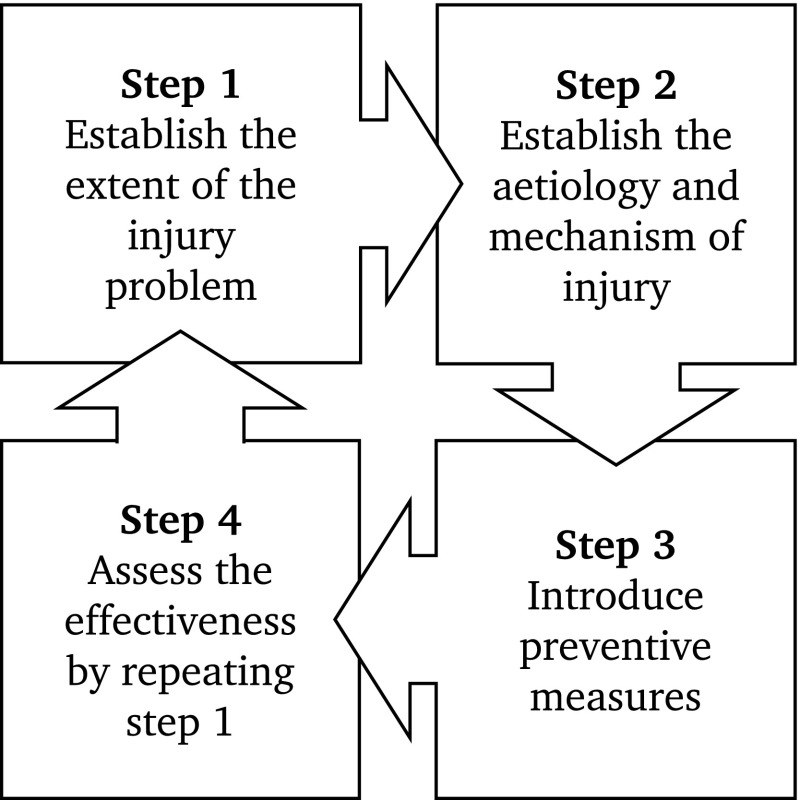
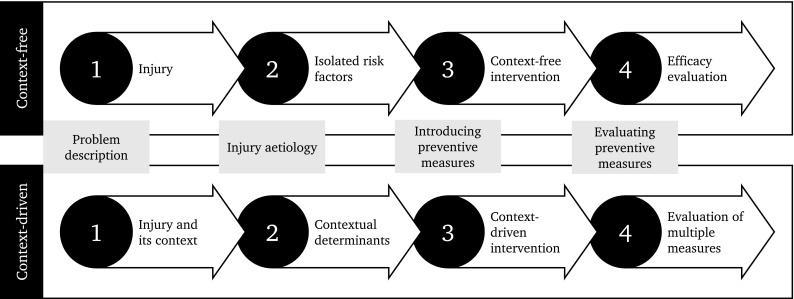
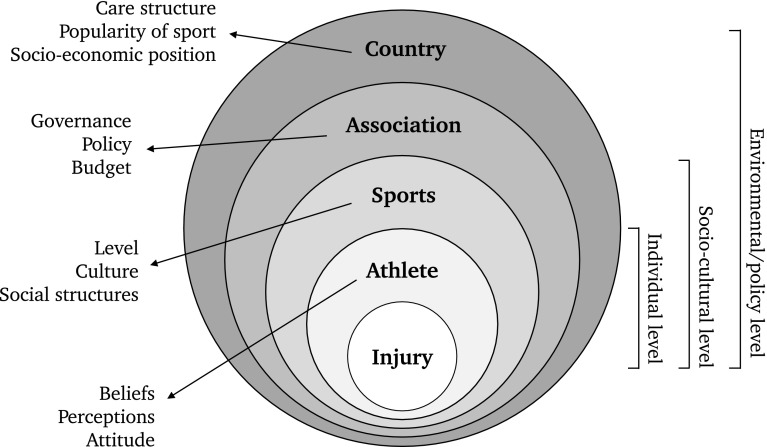
Verification
Claims the paper makes
The claims and statistics of this paper haven’t been checked yet.
Free: it reads the open-access text and checks the first 5 claims that cite a source we can check. Create a free account to check every claim.
Claims other papers make about this one
Each is checked against this paper’s own text: does it say what the citing paper says it does?
The cited source says what the claim attributes to it.
In the citing paper
“Previous authors have suggested a real need to understand the broader factors at play, 52 53 yet there has been a curious and alarming absence of gender in the conversation, given that the higher rate of ACL injury in girls and women reported in the 1990s caused an explosion of research in the area.”
From Anterior cruciate ligament injury: towards a gendered environmental approach (2021) · cites this paper as [52]
Self-check
Percentages, sums and reported differences re-computed from the paper’s own numbers.
The self-check needs the paper’s full text.
Citations
Cites
Research Design: Qualitative, Quantitative, and Mixed Methods Approaches
Creswell, J. W. (1994) · Cited by 35,500
Evaluating the public health impact of health promotion interventions: the RE-AIM framework.
Glasgow, R. E., Vogt, T. M., & Boles, S. M. (1999) · American Journal of Public Health · doi:10.2105/ajph.89.9.1322 · Cited by 7,217
Nature-nurture reconceptualized in developmental perspective: A bioecological model.
Bronfenbrenner, U., & Ceci, S. J. (1994) · Psychological Review · doi:10.1037/0033-295x.101.4.568 · Cited by 2,973 · cited 1×
“Bronfenbrenner and Ceci [29] postulated that to understand an individual’s development and behaviour, the entire ecological system in which this individual acts needs to be taken into account.”
BackgroundTwycross, A. (2004) · Nurse Researcher · doi:10.7748/nr.12.1.82.s2 · Cited by 2,031
Incidence, Severity, Aetiology and Prevention of Sports Injuries: A Review of Concepts
van Mechelen, W., Hlobil, H., & Kemper, H. C. G. (1992) · Sports Medicine · doi:10.2165/00007256-199214020-00002 · Cited by 2,015 · cited 4×
“Conflict of interest Caroline Bolling, Willem van Mechelen, Roeline Pasman and Evert Verhagen declare that they have no conflicts of interest relevant to the content of this review.”
BackgroundInfluential(2010) · Oxford University Press eBooks · doi:10.1093/acref/9780199571123.001.0001 · Cited by 1,610 · cited 1×
“In the Oxford Dictionary, ‘context’ is defined as “the interrelated conditions in which something exists or occurs” [8].”
BackgroundThe need for a complex systems model of evidence for public health
Rutter, H., Savona, N., Glonti, K., Bibby, J., Cummins, S., Finegood, D. T., Greaves, F., Harper, L., Hawe, P., Moore, L., et al. (2017) · The Lancet · doi:10.1016/s0140-6736(17)31267-9 · Cited by 1,260
Evidence-based intervention in physical activity: lessons from around the world
Heath, G. W., Parra, D. C., Sarmiento, O. L., Andersen, L. B., Owen, N., Goenka, S., Montes, F., & Brownson, R. C. (2012) · The Lancet · doi:10.1016/s0140-6736(12)60816-2 · Cited by 1,199
A new framework for research leading to sports injury prevention
Finch, C. (2006) · Journal of Science and Medicine in Sport · doi:10.1016/j.jsams.2006.02.009 · Cited by 1,071
The RE-AIM framework: a systematic review of use over time
Gaglio, B., Shoup, J. A., & Glasgow, R. E. (2013) · American Journal of Public Health · doi:10.2105/ajph.2013.301299 · Cited by 1,029
Research works printed but not linked: 1
- McGlashan AJ Enhancing the integration of specialised exercise training into coach practices to prevent lower-limb injury: using theory and exploring coaches’ salient beliefs (PhD) 2015 Ballarat Federation University Australia
Cited by
Machine learning methods in sport injury prediction and prevention: a systematic review
Van Eetvelde, H., Mendonça, L. D., Ley, C., Seil, R., & Tischer, T. (2021) · Journal of Experimental Orthopaedics · doi:10.1186/s40634-021-00346-x · Cited by 341
van Dyk, N., Behan, F. P., & Whiteley, R. (2019) · British Journal of Sports Medicine · doi:10.1136/bjsports-2018-100045 · Cited by 333
Anterior cruciate ligament injury: towards a gendered environmental approach
Parsons, J. L., Coen, S. E., & Bekker, S. (2021) · British Journal of Sports Medicine · doi:10.1136/bjsports-2020-103173 · Cited by 300
“99 100 Previous authors have suggested a real need to understand the broader factors at play, 52 53 yet there has been a curious and alarming absence of gender in the conversation, given that the higher rate of ACL injury in girls and women reported in the 1990s caused an explosion of research in…”
BackgroundBiomechanical Risk Factors Associated with Running-Related Injuries: A Systematic Review
Ceyssens, L., Vanelderen, R., Barton, C., Malliaras, P., & Dingenen, B. (2019) · Sports Medicine · doi:10.1007/s40279-019-01110-z · Cited by 261
Clarsen, B., Bahr, R., Myklebust, G., Andersson, S. H., Docking, S. I., Drew, M., Finch, C. F., Fortington, L. V., Harøy, J., Khan, K. M., et al. (2020) · British Journal of Sports Medicine · doi:10.1136/bjsports-2019-101337 · Cited by 258
Self-citationTraining Load and Its Role in Injury Prevention, Part I: Back to the Future
Impellizzeri, F. M., Menaspà, P., Coutts, A. J., Kalkhoven, J. T., & Menaspa, M. (2020) · Journal of Athletic Training · doi:10.4085/1062-6050-500-19 · Cited by 222
“Socioecological model of sports injuries proposed by Bolling et al (Sports Medicine, 2018).(42)”
MethodBolling, C. S., Barboza, S. D., van Mechelen, W., & Pasman, H. R. W. (2019) · British Journal of Sports Medicine · doi:10.1136/bjsports-2019-100773 · Cited by 173
Self-citationVerschueren, J., Tassignon, B., Pauw, K. D., Proost, M., Teugels, A., Cutsem, J. V., Roelands, B., Verhagen, E. A. L. M., & MEEUSEN, R. R. (2019) · Sports Medicine · doi:10.1007/s40279-019-01235-1 · Cited by 146
“From the perspective of on-field clinicians, our review reinforces the statement and popular belief that functional performance tests are affected by acute fatigue and can only provide a temporal snapshot of the current state of the injury risk profile [123, 124].”
BackgroundSelf-citationSports Injury Forecasting and Complexity: A Synergetic Approach
Fonseca, S. T., Souza, T. R., Verhagen, E. A. L. M., van Emmerik, R. E. A., Bittencourt, N. F. N., Mendonça, L. D. M., de Andrade, A. G. P., Resende, R. A., & Ocarino, J. M. (2020) · Sports Medicine · doi:10.1007/s40279-020-01326-4 · Cited by 126
Self-citationSports Injury Prevention is Complex: We Need to Invest in Better Processes, Not Singular Solutions
Tee, J. C., McLaren, S. J., & Jones, B. L. (2019) · Sports Medicine · doi:10.1007/s40279-019-01232-4 · Cited by 128
Édouard, P., Reurink, G., Mackey, A. L., Lieber, R. L., Pizzari, T., Järvinen, T. A. H., Gronwald, T., & Hollander, K. (2023) · Nature Reviews Disease Primers · doi:10.1038/s41572-023-00469-8 · Cited by 110
“…be achieved through the inclusion and evaluation of other physical and non-physical measures (for example, psychological 189,190 or environmental 191,192 factors), improving awareness of individuals to the specific demands and capacity required by the muscle during potentially injurious…”
BackgroundReturn to sports after ACL injury 5 years from now: 10 things we must do
Gokeler, A., Grassi, A., Hoogeslag, R. A. G., van Houten, A. H., Lehman, T., Bolling, C. S., Buckthorpe, M. W., Norte, G. E., Benjaminse, A., Heuvelmans, P., et al. (2022) · Journal of Experimental Orthopaedics · doi:10.1186/s40634-022-00514-7 · Cited by 96
“But to get to know the context, there is a need to give voice and listen to the perspectives from the main person involved in the injury rehabilitation and RTS processes [16, 17].”
Self-citationLystad, R. P., Alevras, A. J., Rudy, I. S., Soligard, T., & Engebretsen, L. (2020) · British Journal of Sports Medicine · doi:10.1136/bjsports-2020-102958 · Cited by 104
How elite athletes, coaches, and physiotherapists perceive a sports injury
Bolling, C. S., Barboza, S. D., van Mechelen, W., & Pasman, H. R. W. (2018) · Translational Sports Medicine · doi:10.1002/tsm2.53 · Cited by 96
Self-citationTraining Load and Its Role in Injury Prevention, Part 2: Conceptual and Methodologic Pitfalls
Impellizzeri, F. M., McCall, A., Ward, P., Bornn, L., & Coutts, A. J. (2020) · Journal of Athletic Training · doi:10.4085/1062-6050-501-19 · Cited by 84
“Furthermore, this emphasis on TL has caused an overreliance on a single factor among an array of factors that may contribute to overuse injuries.(19,20) For example, inappropriate proposals have been generated, such as renaming overuse injuries TL errors.”
BackgroundDo Niggles Matter? - Increased injury risk following physical complaints in football (soccer)
Whalan, M., Lovell, R. J., & Sampson, J. A. (2019) · Science and Medicine in Football · doi:10.1080/24733938.2019.1705996 · Cited by 84
“Our findings thus support research that suggests the complexity of injury should be considered when describing the injury ‘problem’ and the multifactorial aetiology of incidence (Bittencourt et al. 2016; Bolling et al. 2018).”
BackgroundResultAthlete health protection: Why qualitative research matters
Bekker, S., Bolling, C. S., Ahmed, O. H., Badenhorst, M., Carmichael, J. P., Fagher, K., Hägglund, M., Jacobsson, J., John, J. M., Litzy, K., et al. (2020) · Journal of science and medicine in sport · doi:10.1016/j.jsams.2020.06.020 · Cited by 74
Self-citationA Framework for Clinicians to Improve the Decision-Making Process in Return to Sport
Yung, K. K., Ardern, C. L., Serpiello, F. R., & Robertson, S. J. (2022) · Sports Medicine - Open · doi:10.1186/s40798-022-00440-z · Cited by 79
“Athlete There are internal and external factors influencing how an athlete may view the quality of the decision and listening to their opinions may be beneficial to inform the final decision [101].”
BackgroundÉdouard, P., Lahti, J., Nagahara, R., Samozino, P., Navarro, L., Guex, K., Rossi, J., Brughelli, M., Mendiguchía, J., & Morin, J.-B. (2021) · International Journal of Environmental Research and Public Health · doi:10.3390/ijerph18157827 · Cited by 66
“The context of hamstring injury should thus be included in the preventive approach [47], including for example, the psychological pressure (chocking) in team sports [48].”
BackgroundNationwide sports injury prevention strategies: A scoping review
Ross, A. G., Donaldson, A., & Poulos, R. G. (2020) · Scandinavian Journal of Medicine and Science in Sports · doi:10.1111/sms.13858 · Cited by 68
Benjaminse, A., & Verhagen, E. A. L. M. (2021) · Sports Medicine · doi:10.1007/s40279-021-01560-4 · Cited by 60
Self-citationEsteve, E., Clausen, M. B., Rathleff, M. S., Vicens‐Bordas, J., Casals, M., Palahí‐Alcàcer, A., Hölmich, P., & Thorborg, K. (2020) · Scandinavian Journal of Medicine and Science in Sports · doi:10.1111/sms.13615 · Cited by 66
Bruder, A. M., Donaldson, A., Mosler, A., Patterson, B., Haberfield, M. J., Mentiplay, B. F., Clifton, P., Livingstone, N., & Crossley, K. M. (2021) · Journal of sport and health science/Journal of Sport and Health Science · doi:10.1016/j.jshs.2021.09.003 · Cited by 57
Monsonís, O. B., Verhagen, E. A. L. M., Kaux, J., & Bolling, C. S. (2021) · BMJ Open Sport & Exercise Medicine · doi:10.1136/bmjsem-2021-001217 · Cited by 58
Self-citationAnalysis and design of dual-feature fusion neural network for sports injury estimation model
Meng, L., & Qiao, E. (2021) · Neural Computing and Applications · doi:10.1007/s00521-021-06151-y · Cited by 60
Load, capacity and health: critical pieces of the holistic performance puzzle
Verhagen, E. A. L. M., & Gabbett, T. J. (2018) · British Journal of Sports Medicine · doi:10.1136/bjsports-2018-099819 · Cited by 47
Self-citationWalshe, A., Daly, E., & Ryan, L. (2022) · BMJ Open Sport & Exercise Medicine · doi:10.1136/bmjsem-2022-001346 · Cited by 44
Gallagher, J., Ashley, P. F., & Needleman, I. G. (2020) · BMJ Open Sport & Exercise Medicine · doi:10.1136/bmjsem-2020-000759 · Cited by 48
Bolling, C. S., Mellette, J., Pasman, H. R. W., van Mechelen, W., & Verhagen, E. A. L. M. (2019) · BMJ Open Sport & Exercise Medicine · doi:10.1136/bmjsem-2018-000492 · Cited by 48
“7 Hence, it is important to explore the context of injuries and their associated (causal) factors first when seeking to reduce risk of injury.(8) 9 The circus environment combines artistic and athletic performance, consists of multicultural teams and mixes high-level artists with acrobats and former athletes.”
Self-citationWhy Female Athletes Injure Their ACL’s More Frequently? What can we do to mitigate their risk?
Silvers-Granelli, H. J. (2021) · International Journal of Sports Physical Therapy · doi:10.26603/001c.25467 · Cited by 44
Incidence, prevalence and nature of injuries in padel: a systematic review
Dahmen, J., Emanuel, K. S., Fontanellas, A., Verhagen, E. A. L. M., Kerkhoffs, G. M. M. J., & Pluim, B. M. (2023) · BMJ Open Sport & Exercise Medicine · doi:10.1136/bmjsem-2023-001607 · Cited by 46
Self-citationGreat Challenges Toward Sports Injury Prevention and Rehabilitation
Édouard, P., & Ford, K. R. (2020) · Frontiers in Sports and Active Living · doi:10.3389/fspor.2020.00080 · Cited by 51
Boullosa, D. A., Casado, A., Claudino, J. G., Jiménez‐Reyes, P., Ravé, G., Castaño‐Zambudio, A., Alves, A. L., de Oliveira-Junior, S. A., Dupont, G., Granacher, U., et al. (2020) · Frontiers in Physiology · doi:10.3389/fphys.2020.00995 · Cited by 47
“, 2018), medical staff together with strength and conditioning coaches should collectively develop individualized preventive and therapeutic interventions for those players who suffered injuries in the past, with special attention to the context (Bolling et al., 2018).”
BackgroundThe perception of injury risk and prevention among football players: A systematic review
Cardoso-Marinho, B., Barbosa, A., Bolling, C. S., Marques, J. P., Figueiredo, P., & Brito, J. (2022) · Frontiers in Sports and Active Living · doi:10.3389/fspor.2022.1018752 · Cited by 45
Self-citationHoran, D., Kelly, S., Hägglund, M., Blake, C. M., Roe, M., & Delahunt, E. (2023) · Sports Medicine - Open · doi:10.1186/s40798-023-00603-6 · Cited by 44
Athletic Injury Research: Frameworks, Models and the Need for Causal Knowledge
Kalkhoven, J. T. (2024) · Sports Medicine · doi:10.1007/s40279-024-02008-1 · Cited by 43
“…model for injury causation presented by Bahr and Krosshaug [36], the Edwards framework for modelling overuse injury as a mechanical fatigue phenomenon [43], the Kalkhoven framework for stress-related, strain-related and overuse athletic injury [42] and the Bolling model for contextual factors [60].”
MethodBruder, A. M., Crossley, K. M., Donaldson, A., & Mosler, A. (2021) · Brazilian Journal of Physical Therapy · doi:10.1016/j.bjpt.2021.05.003 · Cited by 39
“The SEM has been applied in injury prevention research(20) 22 and is recommended as an approach to understand facilitators and barriers to injury prevention program implementation in sports medicine.(21) The athlete’s perspectives and experiences are crucial to ensuring contextually relevant, feasible IPPs are develop…”
Method‘Body on the line’: experiences of tackle injury in women’s rugby union – a grounded theory study
Dane, K., Foley, G., & Wilson, F. (2023) · British Journal of Sports Medicine · doi:10.1136/bjsports-2022-106243 · Cited by 35
Bolling, C. S., van Rijn, R. M., Pasman, H. R. W., van Mechelen, W., & Stubbe, J. H. (2021) · Translational Sports Medicine · doi:10.1002/tsm2.226 · Cited by 34
Self-citationA deep learning approach to injury forecasting in NBA basketball
Cohan, A., Schuster, J., & Fernandez, J. (2021) · Journal of Sports Analytics · doi:10.3233/jsa-200529 · Cited by 41
Salmon, D., Badenhorst, M., Walters, S., Clacy, A., Chua, J., Register‐Mihalik, J. K., Romanchuk, J., Kerr, Z. Y., Keung, S., Sullivan, S. J., et al. (2021) · International Journal of Sports Science & Coaching · doi:10.1177/17479541211047661 · Cited by 37
“Using a pragmatic qualitative approach, this study aims to obtain a deeper understanding of these attitudes and behaviours, which in turn can assist in tailoring context-relevant injury prevention strategies.(24) The findings of this study will further inform the development and delivery of NZR’s CMP.”
MethodYouth sport injury research: a narrative review and the potential of interdisciplinarity
Hausken‐Sutter, S. E., Pringle, R., Schubring, A., Grau, S., & Barker‐Ruchti, N. (2021) · BMJ Open Sport & Exercise Medicine · doi:10.1136/bmjsem-2020-000933 · Cited by 33
“52–54 However, these approaches either miss to account for multiple and complex interactions between different ‘parts of the whole’, 7 or do not attempt to integrate disciplines across paradigms or use multiple quantitative and qualitative research methods.”
Injury Risk Prediction of Aerobics Athletes Based on Big Data and Computer Vision
Zhu, D., Zhang, H., Sun, Y., & Qi, H. (2021) · Scientific Programming · doi:10.1155/2021/5526971 · Cited by 36
Rees, H., Matthews, J. J., Persson, U. M., Delahunt, E., Boreham, C. A., & Blake, C. M. (2022) · Journal of science and medicine in sport · doi:10.1016/j.jsams.2022.07.001 · Cited by 33
Zhang, Z. X., Lai, J., Shen, L., & Krishna, L. (2024) · British Journal of Sports Medicine · doi:10.1136/bjsports-2023-107717 · Cited by 37
Tabben, M., Verhagen, E. A. L. M., Warsen, M., Chaabane, M., Schumacher, Y. O., Alkhelaifi, K. A., Hassanmirzaei, B., Bahr, R., Chamari, K., & Bolling, C. S. (2023) · BMJ Open Sport & Exercise Medicine · doi:10.1136/bmjsem-2022-001370 · Cited by 32
Self-citationImpellizzeri, F. M., Ward, P., Coutts, A. J., Bornn, L., & McCall, A. (2020) · Journal of Orthopaedic and Sports Physical Therapy · doi:10.2519/jospt.2020.9211 · Cited by 31
Gao, Y., Luo, H., Wang, X., Chen, J., Li, J., Li, Y., & Wang, Q. (2024) · Nano Energy · doi:10.1016/j.nanoen.2024.109412 · Cited by 30
Verhagen, E. A. L. M., Vriend, I. I., Gouttebarge, V., Kemler, E., de Wit, J., Zomerdijk, D., & Nauta, J. (2023) · British Journal of Sports Medicine · doi:10.1136/bjsports-2022-105425 · Cited by 30
Self-citationVerhagen, E. A. L. M., & van Nassau, F. (2019) · Best Practice & Research Clinical Rheumatology · doi:10.1016/j.berh.2019.02.011 · Cited by 30
Self-citationA systematic review of injuries in recreational field hockey: From injury problem to prevention
Cornelissen, M., Kemler, E., Verhagen, E. A. L. M., & Gouttebarge, V. (2020) · Journal of Sports Sciences · doi:10.1080/02640414.2020.1764898 · Cited by 26
Self-citationConcussion incidence and time-loss in Australian football: A systematic review
McNeel, C., Clark, G. M., Davies, C. B., Major, B. P., & Lum, J. A. G. (2019) · Journal of science and medicine in sport · doi:10.1016/j.jsams.2019.10.010 · Cited by 24
Effect of Aquatic Plyometric Training on Motor Ability in Youth Football Players
Chomani, S. H., Dzai, A. M., Khoshnaw, K. K., Joksimović, M., Lilić, A., & Mahmood, A. (2021) · Health sport rehabilitation · doi:10.34142/hsr.2021.07.01.06 · Cited by 30
“It is the strength characterized by the speed that can repeatedly overcome resistances using high kinetic speed and here it must be noted that the amount of force at that time is less than the maximum and also the amount of speed is less than the maximum even if it is very high [12].”
BackgroundMendonça, L. D. M., Schuermans, J., Denolf, S., Napier, C., Bittencourt, N. F. N., Romanuk, A., Tak, I. J. R., Thorborg, K., Bizzini, M., Ramponi, C., et al. (2022) · Physical Therapy in Sport · doi:10.1016/j.ptsp.2022.04.002 · Cited by 28
O’Connor, S., & Lacey, P. (2020) · BMJ Open Sport & Exercise Medicine · doi:10.1136/bmjsem-2019-000732 · Cited by 25
Ruffault, A., Sorg, M., Martin, S., Hanon, C., Jacquet, L., Verhagen, E. A. L. M., & Édouard, P. (2021) · British Journal of Sports Medicine · doi:10.1136/bjsports-2021-104593 · Cited by 23
Self-citationBargoria, V., Timpka, T., Jacobsson, J., Halje, K., Andersson, C., Andersson, G., & Bermon, S. (2020) · Journal of science and medicine in sport · doi:10.1016/j.jsams.2020.01.008 · Cited by 21
Rees, H., Matthews, J. J., Persson, U. M., Delahunt, E., Boreham, C. A., & Blake, C. M. (2021) · BMJ Open Sport & Exercise Medicine · doi:10.1136/bmjsem-2021-001074 · Cited by 23
“11 For example, the amateur nature of field hockey in Ireland caused a number of issues to arise, including many coaches being voluntary or semi-professional in their roles.”
InfluentialThe lived experience of sport-related concussion: A collaborative inquiry in elite sport
Seguin, C. M., & Culver, D. M. (2021) · Journal of Applied Sport Psychology · doi:10.1080/10413200.2021.1998804 · Cited by 20
“Bronfenbrenner’s EST has been suggested as a potentially beneficial lens through which to explore the experiences of injured athletes (Bolling et al., 2018), and appears ideal for viewing the often-complex lived experience of concussed athletes (Kroshus, 2019).”
BackgroundXu, D., Wu, H., Ruan, H., Yuan, C., Gao, J., & Guo, M. (2022) · International Journal of Environmental Research and Public Health · doi:10.3390/ijerph192214930 · Cited by 22
“However, individual psy‐ chosocial factors such as stress, anxiety, and high levels of life event stress [15,16] could increase injury risk, but have been less targeted in sports injury research [6].”
BackgroundBolling, C. S., Tomás, R., & Verhagen, E. A. L. M. (2024) · British Journal of Sports Medicine · doi:10.1136/bjsports-2023-106891 · Cited by 19
“Considering a socioecological approach, 16 we must acknowledge that some actions go beyond clubs and professionals on individual and interpersonal levels.”
BackgroundSelf-citationDane, K., West, S., Hendricks, S., Stodter, A., Yeomans, C., van Dyk, N., Griffin, S. A., & Wilson, F. (2024) · International Journal of Sports Science & Coaching · doi:10.1177/17479541241243180 · Cited by 18
Schoeb, T., Fröhlich, S., Frey, W. O., Verhagen, E. A. L. M., Farshad, M., & Spörri, J. (2022) · Frontiers in Physiology · doi:10.3389/fphys.2022.826212 · Cited by 20
Self-citationFagher, K., Kunorozva, L., Badenhorst, M., Derman, W. E., Kissick, J., Verhagen, E. A. L. M., Ahmed, O. H., Jederström, M., Heron, N., Khoshnood, A., et al. (2022) · BMJ Open Sport & Exercise Medicine · doi:10.1136/bmjsem-2022-001392 · Cited by 20
Self-citationBarden, C., & Thain, P. K. (2022) · Physical Therapy in Sport · doi:10.1016/j.ptsp.2022.08.005 · Cited by 17
Heading in Football: insights from stakeholders in amateur football
Parsanejad, E., McKay, M. J., Ross, A. G., Pappas, E., & Peek, K. (2023) · Science and Medicine in Football · doi:10.1080/24733938.2023.2224282 · Cited by 17
“However, understanding the implementation context and incorporation of key stakeholder experiences from early guideline development is crucial for the success of heading guidelines (Donaldson and Finch 2012; Bolling et al. 2018; Verhagen and Bolling 2018).”
BackgroundIrish Dancing Injuries and Associated Risk Factors: A Systematic Review
Póvoa, A. R., Costa, C. M., Simões, S., Azevedo, A. M., & Oliveira, R. (2023) · International Journal of Environmental Research and Public Health · doi:10.3390/ijerph20126190 · Cited by 20
Zhao, A. (2023) · Preventive Medicine · doi:10.1016/j.ypmed.2023.107660 · Cited by 19
Security Analysis of Sports Injury Medical System Based on Internet of Health Things Technology
Xia, Y., & Yun-xiang, F. (2020) · IEEE Access · doi:10.1109/access.2020.3039262 · Cited by 17
“In the data preprocessing stage, EEG needs to be filtered to remove the interference of bio-signals such as eye electricity and ECG while retaining important information [28]–[31].”
BackgroundBuchholtz, K., Lambert, M., Corten, L., & Burgess, T. L. (2021) · Sports Medicine - Open · doi:10.1186/s40798-021-00357-z · Cited by 20
Torvaldsson, K., Lindblom, H., Sonesson, S., Senorski, E. H., Stigson, H., Tamm, L., Sandberg, J., & Hägglund, M. (2023) · Knee Surgery Sports Traumatology Arthroscopy · doi:10.1007/s00167-023-07511-y · Cited by 16
“The observed variation in injury incidence and characteristics between sports and subgroups emphasises the importance of considering the contextual factors—such as environmental factors and sport and athlete characteristics— when implementing injury prevention interventions [3].”
BackgroundEpidemiology of International Match Injuries in Scottish Rugby: A Prospective Cohort Study
Bailey, S. J., Martindale, R. J. J., Engebretsen, L., Robson, J. P., & Palmer, D. (2023) · International Journal of Sports Medicine · doi:10.1055/a-2038-3452 · Cited by 17
Tobías, A., Casals, M., Sáez, M., Kamada, M., & Kim, Y. (2021) · BMJ Open Sport & Exercise Medicine · doi:10.1136/bmjsem-2021-001205 · Cited by 15
van Tonder, R., Hendricks, S., Starling, L. T., Surmon, S., Viviers, P. L., Kraak, W. J., Stokes, K., Derman, W. E., & Brown, J. C. (2023) · Journal of science and medicine in sport · doi:10.1016/j.jsams.2023.11.004 · Cited by 15
Thornton, J. S., & Richards, D. P. (2022) · British Journal of Sports Medicine · doi:10.1136/bjsports-2022-106190 · Cited by 15
Why school context matters in refugee education
Baak, M., McDonald, S., Johnson, B., & Sullivan, A. M. (2023) · Educational Research for Policy and Practice · doi:10.1007/s10671-023-09338-3 · Cited by 14
Sinnott, A. M., Chandler, M. C., Dyke, C. V., Mincberg, D. L., Pinapaka, H., Lauck, B. J., & Mihalik, J. P. (2023) · International Journal of Environmental Research and Public Health · doi:10.3390/ijerph20216991 · Cited by 14
“Intra and interpersonal contextual factors that contribute to RHIE and concussion occurrence in collision sports should be considered in future studies evaluating the efficacy of soft-shell padding.”
BackgroundWhat Contributes to Athlete Performance Health? A Concept Mapping Approach
Smyth, E. A., Donaldson, A., Drew, M. K., Menaspa, M., Cooke, J., Guevara, S. A., Purdam, C. R., Appaneal, C., Wiasak, R., & Toohey, L. A. (2022) · International Journal of Environmental Research and Public Health · doi:10.3390/ijerph20010300 · Cited by 14
“The complex multidimensional nature of athlete health is influenced by many proximal and distal factors within a socioecological framework [14].”
BackgroundLau, R., & Mukherjee, S. (2023) · Orthopaedic Journal of Sports Medicine · doi:10.1177/23259671231156199 · Cited by 20
“This is a concern, as context-specific epidemiological data are required to develop effective preventive measures with greater acceptance and adoption by end users.(8,13) This presents a need to investigate the prevalence of shoulder and elbow overuse injuries among Asian overhead youth athlete populations.”
BackgroundTaberner, M., Allen, T., O’keefe, J., Chaput, M., Grooms, D. R., & Cohen, D. D. (2025) · Journal of Orthopaedic and Sports Physical Therapy · doi:10.2519/jospt.2025.13159 · Cited by 14
ACL Injury Etiology in Its Context: A Systems Thinking, Group Model Building Approach
Tsarbou, C., Liveris, N. I., Xergia, S. A., Papageorgiou, G., Kvist, J., & Tsepis, E. (2024) · Journal of Clinical Medicine · doi:10.3390/jcm13164928 · Cited by 14
“Some qualitative research can fill the gaps in the understanding process, providing a more naturalist approach than quantitative methods, trying to find a unique assumption that can be generalized [21].”
BackgroundÅkerlund, I., Sonesson, S., Lindblom, H., Hagelin, E., Carlfjord, S., & Hägglund, M. (2024) · BMJ Open Sport & Exercise Medicine · doi:10.1136/bmjsem-2024-001953 · Cited by 14
Worldwide Sports Injury Prevention
Mendonça, L. D. M., Schuermans, J., Wezenbeek, E., & Witvrouw, E. (2021) · International Journal of Sports Physical Therapy · doi:10.26603/001c.18700 · Cited by 14
Ross, A. G., McKay, M. J., Pappas, E., Whalan, M., Parsanejad, E., & Peek, K. (2023) · International Journal of Sports Science & Coaching · doi:10.1177/17479541231174506 · Cited by 13
“Sports injury prevention is part of a complex systems phenomenon, 20,21 with contextual variation 21,22 and multiple stakeholder involvement 23 which is problematic for universally applied programs like the 11 + .”
BackgroundMonsonís, O. B., Spörri, J., Warsen, M., Bolling, C. S., Gouttebarge, V., & Verhagen, E. A. L. M. (2023) · Scandinavian Journal of Medicine and Science in Sports · doi:10.1111/sms.14533 · Cited by 13
Self-citationLiveris, N. I., Tsarbou, C., Papageorgiou, G., Tsepis, E., Fousekis, K., Kvist, J., & Xergia, S. A. (2024) · Applied Sciences · doi:10.3390/app14146316 · Cited by 14
Blauwet, C. A., Webborn, N., Kissick, J., Lexell, J. E., Stomphorst, J., de Vliet, P. V., Lazarovski, D., & Derman, W. E. (2019) · British Journal of Sports Medicine · doi:10.1136/bjsports-2018-099997 · Cited by 16
Clark, N. C. (2021) · International Journal of Sports Physical Therapy · doi:10.26603/001c.23553 · Cited by 14
Purcell, C., Duignan, C., Fullen, B. M., Ryan, S., Ward, T. E., & Caulfield, B. (2023) · British Journal of Sports Medicine · doi:10.1136/bjsports-2022-106380 · Cited by 14
Naderi, A., Rahimi, M., Zarghami, S. Y., Tranæus, U., & Calmeiro, L. (2024) · Journal of Athletic Training · doi:10.4085/1062-6050-0434.23 · Cited by 13
Wang, H., & Guo, L. (2026) · Research in Sports Medicine · doi:10.1080/15438627.2026.2720154 · Cited by 12
Peterson, B. J., Searle, A., Spink, M. J., Hawke, F., Callister, R., & Chuter, V. (2022) · PLoS ONE · doi:10.1371/journal.pone.0273401 · Cited by 13
Shaw, J. (2023) · Elsevier eBooks · doi:10.1016/b978-0-323-91259-4.02010-5 · Cited by 11
Li, L., Wei, Y., & Xiang, S. (2024) · Thermal Science and Engineering Progress · doi:10.1016/j.tsep.2024.103126 · Cited by 15
Chesson, L. J., Jones, B. L., & Backhouse, S. H. (2022) · Psychology of sport and exercise · doi:10.1016/j.psychsport.2022.102327 · Cited by 11
Tischer, T., Martens, G., Cabri, J., Thoreux, P., Tscholl, P. M., Édouard, P., Leclerc, S., Garrec, S. L., Delvaux, F. H., Croisier, J., et al. (2023) · Knee Surgery Sports Traumatology Arthroscopy · doi:10.1007/s00167-023-07416-w · Cited by 11
“This awareness building step is, however, missing in the current systemic injury prevention models [5, 8, 18, 34].”
BackgroundStakeholder insights into athlete attrition in the high-performance pathway
Guevara, S. A., Donaldson, A., Keegan, R. J., Appaneal, R. N., Smyth, E. A., Waddington, G. S., Mahony, K. E., & Drew, M. K. (2022) · Journal of science and medicine in sport · doi:10.1016/j.jsams.2022.05.011 · Cited by 11
Situations and mechanisms of non-contact knee injury in adult netball: A systematic review
Mullally, E. M., Atack, A. C., Glaister, M., & Clark, N. C. (2020) · Physical Therapy in Sport · doi:10.1016/j.ptsp.2020.12.004 · Cited by 11
Musculoskeletal injury in military specialists: a 2-year retrospective study
Hayhurst, D., Warner, M. B., Stokes, M. J., & Fallowfield, J. L. (2022) · BMJ Military Health · doi:10.1136/military-2022-002165 · Cited by 10
van Tonder, R., Brown, J. C., Surmon, S., Viviers, P. L., Kraak, W. J., Stokes, K., Hendricks, S., Derman, W. E., & Badenhorst, M. (2024) · International Journal of Sports Science & Coaching · doi:10.1177/17479541241227329 · Cited by 10
“25,26 Thus, this study aimed to investigate stakeholders ’ perceptions and beliefs regarding a law trial aimed at reducing concussion incidence in community rugby union, by exploring (i) the effectiveness and value of a lowered maximum legal tackle height in improving player welfare, (ii) the…”
Metadata
- Authors
- Bolling, C., van Mechelen, W., Pasman, H. R., & Verhagen, E.
- Affiliations
- Amsterdam Public Health (NL)
- University of Cape Town (ZA)
- Corresponding author
- Pasman, H. Roeline
- Venue
- Sports Medicine
- Published
- 2018-06-28
- Volume
- 48
- Issue
- 10
- Pages
- 2227-2234
- ISSN
- 0112-1642 (ISSN-L)
- 1179-2035
- PMC
- PMC6132444
- OpenAlex
- W2811471078
- Cited by
- 262
- References
- 47
- Citations by year
- 2026: 29 · 2025: 33 · 2024: 46 · 2023: 44 · 2022: 38 · 2021: 30 · 2020: 23 · 2019: 15 · 2018: 4
- FWCI
- 3.69
- Type
- journal article
- Language
- en
- Open access
- hybrid
- doi.org
- Licence
- cc-by
- creativecommons.org/licenses/by/4.0 (tdm)
- Locations
- Sports Medicine (publishedVersion, cc-by)
- Europe PMC (PubMed Central) (publishedVersion, other-oa)
- PubMed Central (publishedVersion, cc-by)
- PubMed (publishedVersion)
- Pure Amsterdam UMC (publishedVersion, cc-by)
- Amsterdam UMC (VU Amsterdam) - Institutional Repository (submittedVersion, other-oa)
- VUBIR (Vrije Universiteit Brussel) (submittedVersion)
- Data Archiving and Networked Services (DANS) (submittedVersion, other-oa)
- Funders
- Ministério da Ciência, Tecnologia e Inovação (202242/2015-3)
- Topics
- Health Sciences › Medicine › Orthopedics and Sports Medicine › Sports injuries and prevention
- Health Sciences › Medicine › Public Health, Environmental and Occupational Health › Injury Epidemiology and Prevention
- Social Sciences › Psychology › Developmental and Educational Psychology › Sport Psychology and Performance
- Keywords
- sports injury prevention, socio-ecological model, qualitative research
- MeSH terms
- Athletic Injuries, Humans, Sports Medicine
About these checks
Registry, retraction, Cites and statistics results are computed, not judged, with one exception: a printed reference that no index lists is read once by a model before it counts as a citation error. Claims are extracted by a model and kept only when their quote appears verbatim in the text; each cited source is then checked, with a model’s help, for whether it says what the claim relies on. Those verdicts can be wrong — read the claim’s quote and the cited source before relying on one.
Statistics and arithmetic are recomputed, not judged.
Confidence bands are shown only for fields calibrated on our annotated test set. None is calibrated yet, so no band is shown.
What counts as a claim ›How we measure confidence ›How we check this ›
Are you an author, or do you see a problem with this page? Request a review
Data sources
Bibliographic data: Semantic Scholar, OpenAlex, Crossref.
Contains information from the Semantic Scholar Academic Graph Datasets, made available under the ODC Attribution License (ODC-BY 1.0).
Semantic Scholar’s data is described in: Kinney, R., et al. (2023). The Semantic Scholar Open Data Platform. arXiv:2301.10140.
