

Effects of Interrupting Prolonged Sitting with Physical Activity Breaks on Blood Glucose, Insulin and Triacylglycerol Measures: A Systematic Review and Meta-analysis
Open accessThe DOI matches its Crossref record; 156 of the 156 references it cites were found in a registry or an index.
Abstract
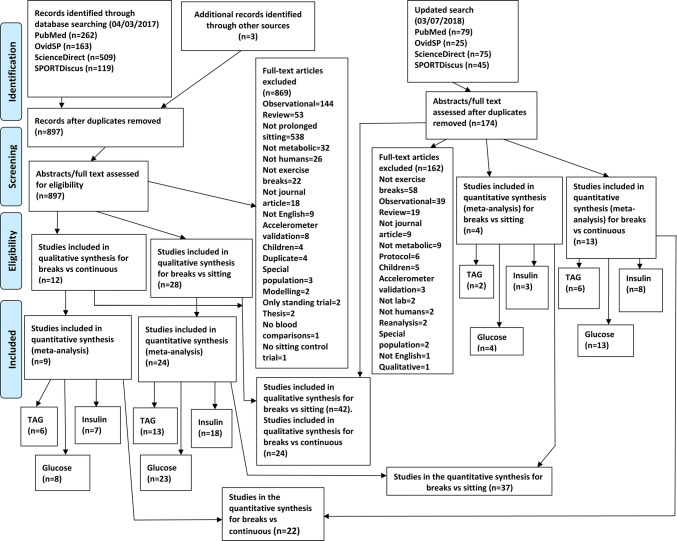
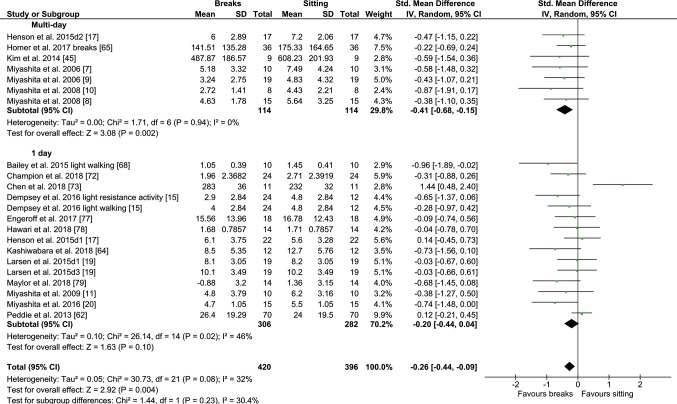
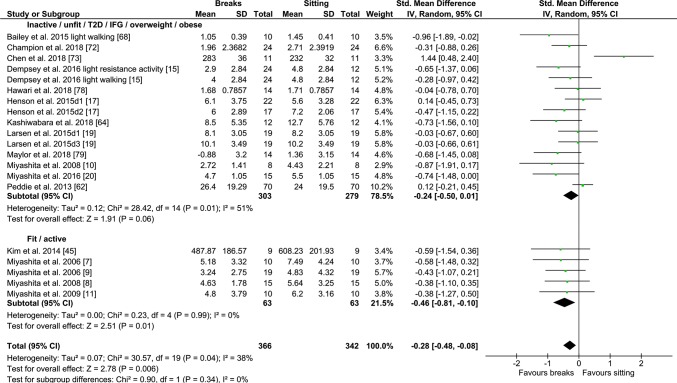
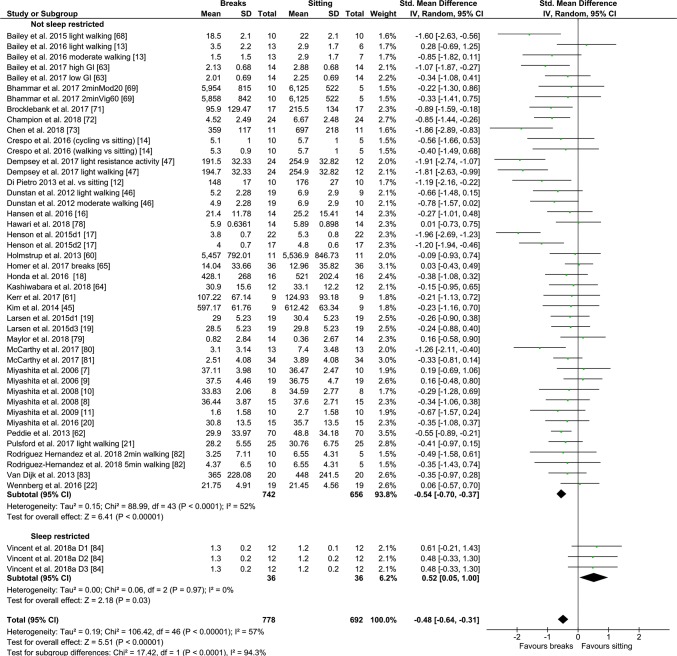
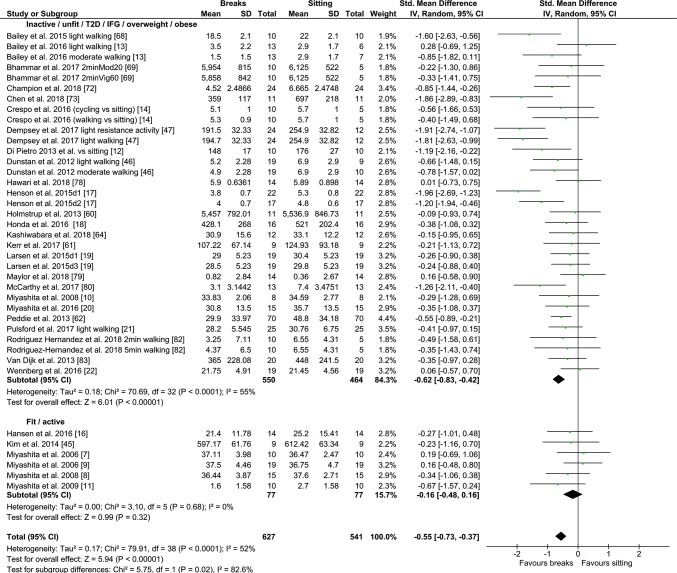
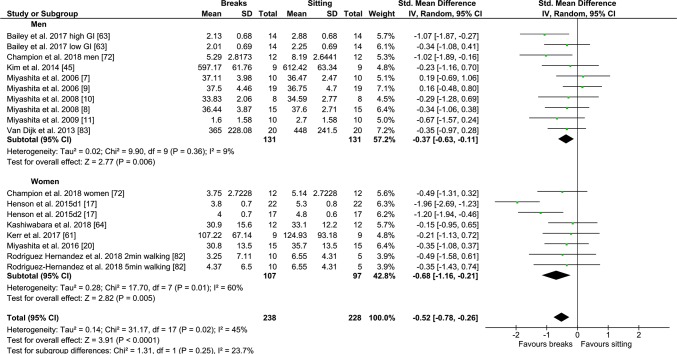
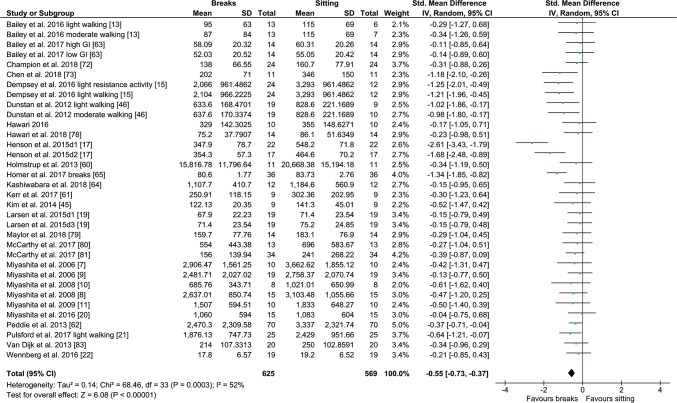
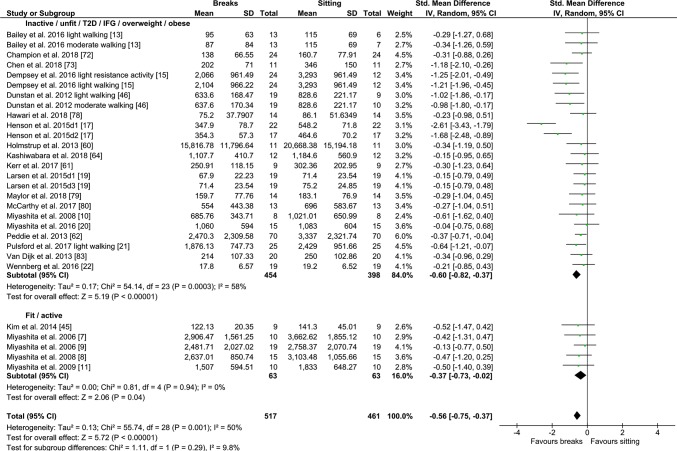
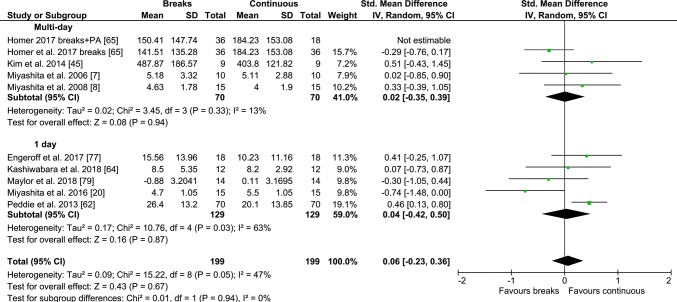
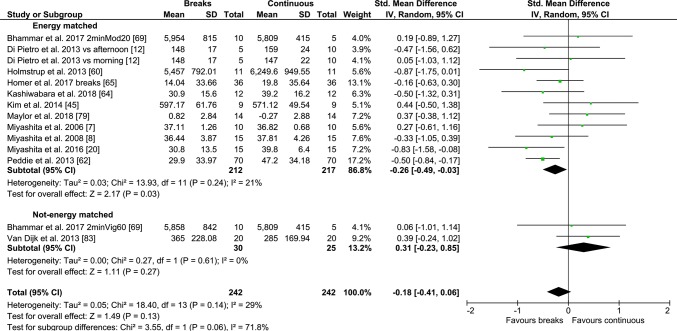
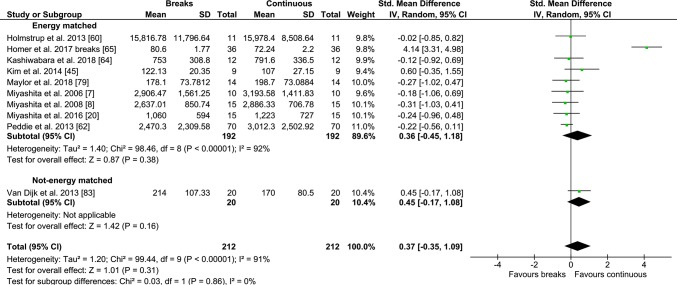
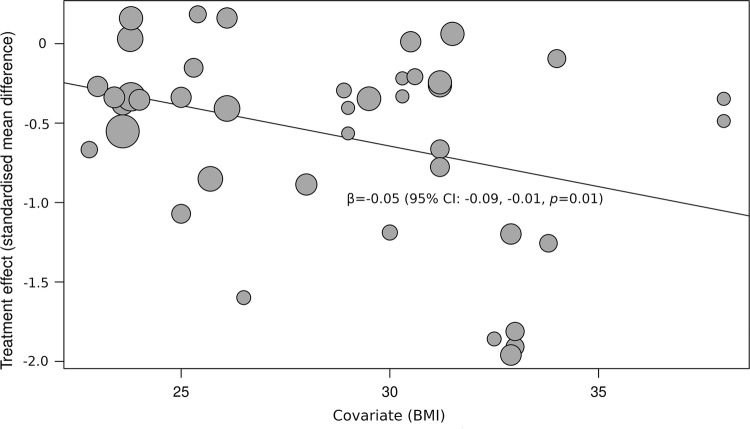
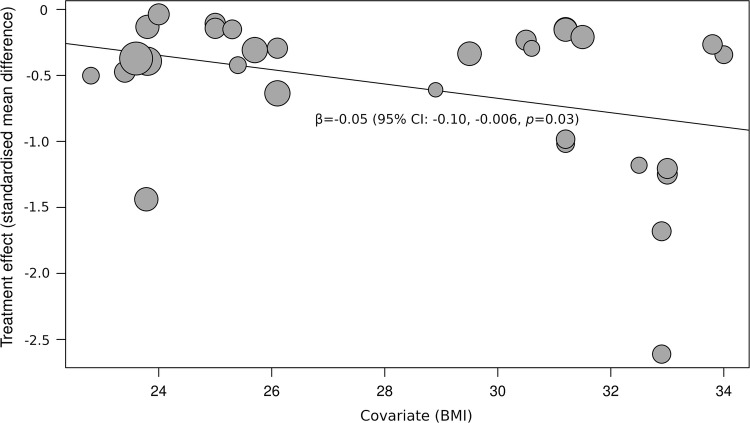
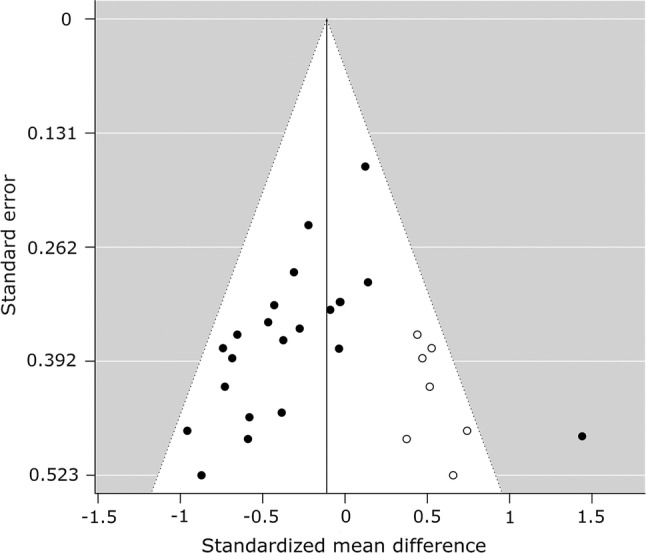
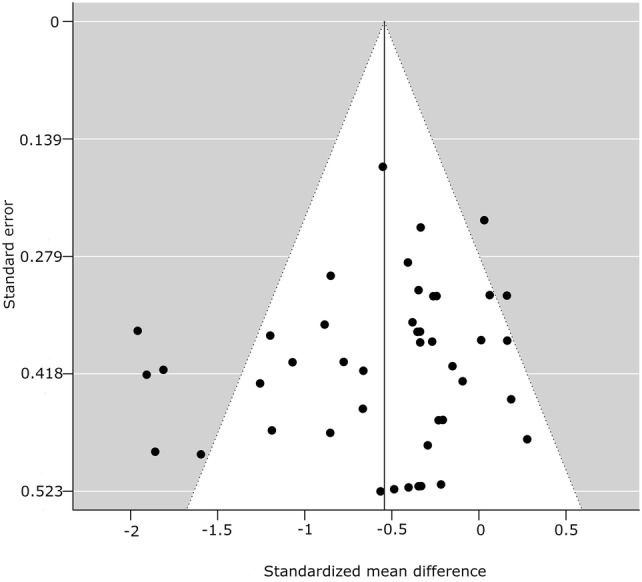
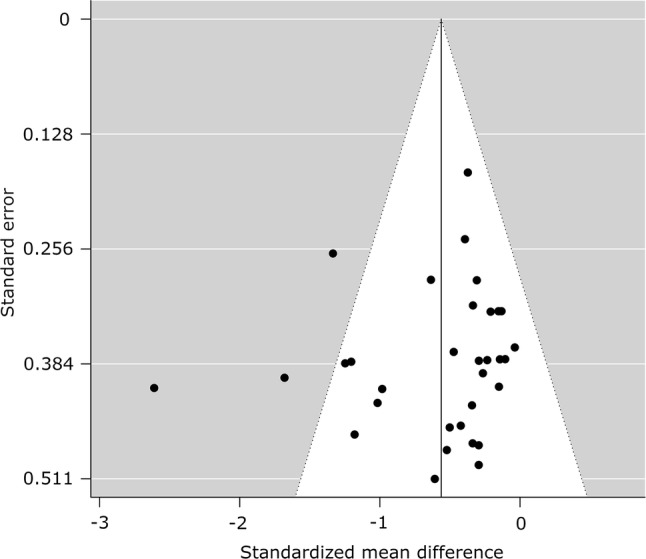
Background: Physical activity (PA) breaks in sitting time might attenuate metabolic markers relevant to the prevention of type 2 diabetes. Objectives: The primary aim of this paper was to systematically review and meta-analyse trials that compared the effects of breaking up prolonged sitting with bouts of PA throughout the day (INT) versus continuous sitting (SIT) on glucose, insulin and triacylglycerol (TAG) measures. A second aim was to compare the effects of INT versus continuous exercise (EX) on glucose, insulin and TAG measures. Methods: The review followed the Preferred Reporting Items for Systematic Reviews and Meta-analyses (PRISMA) recommendations. Eligibility criteria consisted of trials comparing INT vs. SIT or INT vs. one bout of EX before or after sitting, in participants aged 18 or above, who were classified as either metabolically healthy or impaired, but not with other major health conditions such as chronic obstructive pulmonary disease or peripheral arterial disease. Results: A total of 42 studies were included in the overall review, whereas a total of 37 studies were included in the meta-analysis. There was a standardised mean difference (SMD) of − 0.54 (95% CI − 0.70, − 0.37, p = 0.00001) in favour of INT compared to SIT for glucose. With respect to insulin, there was an SMD of − 0.56 (95% CI − 0.74, − 0.38, p = 0.00001) in favour of INT. For TAG, there was an SMD of − 0.26 (95% CI − 0.44, − 0.09, p = 0.002) in favour of INT. Body mass index (BMI) was associated with glucose responses ( β = − 0.05, 95% CI − 0.09, − 0.01, p = 0.01), and insulin ( β = − 0.05, 95% CI − 0.10, − 0.006, p = 0.03), but not TAG ( β = 0.02, 95% CI − 0.02, 0.06, p = 0.37). When energy expenditure was matched, there was an SMD of − 0.26 (95% CI − 0.50, − 0.02, p = 0.03) in favour of INT for glucose, but no statistically significant SMDs for insulin, i.e. 0.35 (95% CI − 0.37, 1.07, p = 0.35), or TAG i.e. 0.08 (95% CI − 0.22, 0.37, p = 0.62). It is worth noting that there was possible publication bias for TAG outcomes when PA breaks were compared with sitting. Conclusion: The use of PA breaks during sitting moderately attenuated post-prandial glucose, insulin, and TAG, with greater glycaemic attenuation in people with higher BMI. There was a statistically significant small advantage for PA breaks over continuous exercise for attenuating glucose measures when exercise protocols were energy matched, but no statistically significant differences for insulin and TAG. PROSPERO Registration: CRD42017080982. PROSPERO Registration: CRD42017080982.
Overview
The claims and statistics of this paper haven’t been checked yet.
Free: it reads the open-access text and checks the first 5 claims that cite a source we can check. Create a free account to check every claim.
Integrity signals
Registry
Cites
Statistics
Figures
Verification
Claims the paper makes
The claims and statistics of this paper haven’t been checked yet.
Free: it reads the open-access text and checks the first 5 claims that cite a source we can check. Create a free account to check every claim.
Claims other papers make about this one
Each is checked against this paper’s own text: does it say what the citing paper says it does?
The source backs part of the claim, not all of it — or backs it for a different population, condition or comparison.
In the citing paper
“As is the case for persons with T2D, studies have demonstrated beneficial effects of both aerobic and resistance exercise and additive benefits when both forms of exercise are combined.727,847–852”
From American Association of Clinical Endocrinology Clinical Practice Guideline: Developing a Diabetes Mellitus Comprehensive Care Plan-2022 Update. (2022) · cites this paper as [852]
Experimental — accuracy not yet measuredThe source backs part of the claim, not all of it — or backs it for a different population, condition or comparison.
In the citing paper
“In adults with T2D, the interruption of sedentary time with short, regular and frequent episodes of light-intensity physical activity such as walking or simple resistance activities attenuates the level of postprandial glucose, insulin, C-peptide and triglycerides [45], and reduces waist circumference, body mass index (BMI) [46] and blood pressure [47].”
From Impact of a primary care-based mobile health intervention to ‘sit less and move more’ on HbA1c, blood pressure, and other clinical outcomes in office employees with type 2 diabetes: A randomized controlled trial (2025) · cites this paper as [45]
Experimental — accuracy not yet measuredThe cited source says what the claim attributes to it.
In the citing paper
“Instead, PA reinforces cardiorespiratory fitness, 31 inhibits inflammatory responses, 32 and improves glucose metabolism.33”
The check wasn’t confident either way, so it gives no verdict — never disputed.
In the citing paper
“For cardiometabolic conditioning, the guidelines proposed by the ACC/AHA,728,852 AACE,286,674 ADA,199,679 European Society of Cardiology/European Association for the Study of Diabetes,431 and the American College of Sports Medicine727,853 are well aligned.”
From American Association of Clinical Endocrinology Clinical Practice Guideline: Developing a Diabetes Mellitus Comprehensive Care Plan-2022 Update. (2022) · cites this paper as [852]
Experimental — accuracy not yet measured
Self-check
Percentages, sums and reported differences re-computed from the paper’s own numbers.
The self-check needs the paper’s full text.
Citations
Cites
Statistical Power Analysis for the Behavioral Sciences
Muller, K. (1989) · Technometrics · doi:10.1080/00401706.1989.10488618 · Cited by 99,167
Statistical power analysis for the behavioral sciences
(1990) · Computers, Environment and Urban Systems · doi:10.1016/0198-9715(90)90050-4 · Cited by 65,269
Bias in meta-analysis detected by a simple, graphical test
Egger, M., Smith, G. D., Schneider, M., & Minder, C. (1997) · BMJ · doi:10.1136/bmj.315.7109.629 · Cited by 56,722 · cited 2×
“10 Publication Bias Funnel plots, Begg and Mazumdar’s rank correlation test [53], Egger’s regression test [54] and Rosenthal’s fail-safe N [55] were used to assess publication bias if more than ten studies were included in the meta-analysis [26, 56].”
MethodThe Cochrane Collaboration's tool for assessing risk of bias in randomised trials
Higgins, J. P. T., Altman, D. G., Gotzsche, P. C., Juni, P., Moher, D., Oxman, A. D., Savovic, J., Schulz, K. F., Weeks, L., Sterne, J. A. C., et al. (2011) · BMJ · doi:10.1136/bmj.d5928 · Cited by 33,817
Liberati, A., Altman, D. G., Tetzlaff, J., Mulrow, C., Gøtzsche, P. C., Ioannidis, J. P. A., Clarke, M., Devereaux, P. J., Kleijnen, J., & Moher, D. (2009) · PLoS Medicine · doi:10.1371/journal.pmed.1000100 · Cited by 28,164
Liberati, A., Altman, D. G., Tetzlaff, J., Mulrow, C., Gotzsche, P. C., Ioannidis, J. P. A., Clarke, M., Devereaux, P. J., Kleijnen, J., & Moher, D. (2009) · BMJ · doi:10.1136/bmj.b2700 · Cited by 17,648
Operating characteristics of a rank correlation test for publication bias
Begg, C. B., & Mazumdar, M. (1994) · Biometrics · doi:10.2307/2533446 · Cited by 16,955 · cited 2×
“10 Publication Bias Funnel plots, Begg and Mazumdar’s rank correlation test [53], Egger’s regression test [54] and Rosenthal’s fail-safe N [55] were used to assess publication bias if more than ten studies were included in the meta-analysis [26, 56].”
MethodDuval, S., & Tweedie, R. (2000) · Biometrics · doi:10.1111/j.0006-341x.2000.00455.x · Cited by 14,099 · cited 1×
“The trim and fill method, with L0 as the estimator [57], was used to estimate “missing” studies, if any, in the funnel plots.”
MethodShamseer, L., Moher, D., Clarke, M., Ghersi, D., Liberati, A., Petticrew, M., Shekelle, P., Stewart, L. A., & the PRISMA-P Group (2015) · BMJ · doi:10.1136/bmj.g7647 · Cited by 13,120
Sterne, J. A. C., Sutton, A. J., Ioannidis, J. P. A., Terrin, N., Jones, D. R., Lau, J., Carpenter, J., Rucker, G., Harbord, R. M., Schmid, C. H., et al. (2011) · BMJ · doi:10.1136/bmj.d4002 · Cited by 7,709 · cited 2×
“10 Publication Bias Funnel plots, Begg and Mazumdar’s rank correlation test [53], Egger’s regression test [54] and Rosenthal’s fail-safe N [55] were used to assess publication bias if more than ten studies were included in the meta-analysis [26, 56].”
BackgroundMethod
Research works printed but not linked: 1
- Frayn KN Metabolic regulation a human perspective third edition 2010 3 Oxford Wiley-Blackwell
Cited by
Items 101–200 of 325
Patel, A. K., Banga, C., & Chandrasekaran, B. (2021) · International Journal of Occupational Safety and Ergonomics · doi:10.1080/10803548.2021.1916221 · Cited by 14
Association of Standing with Cardiovascular Disease and Mortality in Adults
Gibbs, B. B., Diaz, K. M., Kowalsky, R. J., Smith, P. M., & Stoner, L. R. (2021) · Current Epidemiology Reports · doi:10.1007/s40471-021-00276-3 · Cited by 12
“of muscle fibers in the lower extremities may activate lipoprotein lipase activity and promote insulin-independent GLUT-4 translocation, thereby aiding in blood lipids and glucose regulation [41, 42].”
BackgroundAlòs, F., Colomer, M. À., Bort-Roig, J., Martin-Cantera, C., Minaya, A., Saigí, I., Sitjar-Suñer, M., & Puig-Ribera, A. (2025) · Primary Care Diabetes · doi:10.1016/j.pcd.2025.05.010 · Cited by 15
Electromyography of Sedentary Behavior: Identifying Potential for Cardiometabolic Risk Reduction
Lamberg, S., Brakenridge, C. J., Dunstan, D. W., Finni, T. J., Healy, G. N., Owen, N. G., & Pesola, A. J. (2024) · Medicine & Science in Sports & Exercise · doi:10.1249/mss.0000000000003544 · Cited by 11
“Meta-analyses of acute laboratory studies have demonstrated that physically active interruptions to sitting can mitigate postprandial increases in glucose and insulin levels (29,42).”
Wang, G., Han, B., Dai, G., Lian, Y., Hart, M. L., Rolauffs, B., Chen, H., Tang, C., & Wang, C. (2024) · Scientific Reports · doi:10.1038/s41598-024-73616-0 · Cited by 13
“PA could improve circulation of blood vessels and lower the odds of blood stagnation in the lower extremities, thereby reducing the risk of VTE 56 .”
BackgroundThe COVID-19 pandemic: The importance of physical activity among faculty members
Fröberg, A. (2020) · Journal of American College Health · doi:10.1080/07448481.2020.1817037 · Cited by 14
“switching from sitting to standing or walking around at home as this might have several health benefits.(17,18) To support maintenance of physical activity, smartphones applications and other wearable activity trackers can be used for self-monitoring and goal-setting.”
BackgroundMethnani, J., Amor, D., Yousfi, N., Bouslama, A., Omezzine, A., & Bouhlel, E. (2021) · The Journal of Sports Medicine and Physical Fitness · doi:10.23736/s0022-4707.20.11898-x · Cited by 14
Vincent, G. E., Gupta, C. C., Sprajcer, M., Vandelanotte, C., Duncan, M. J., Tucker, P., Lastella, M., Tuckwell, G. A., & Ferguson, S. A. (2020) · BMJ Open · doi:10.1136/bmjopen-2020-040613 · Cited by 11
Gouldrup, H., & Ma, T. (2020) · Journal of Sports Sciences · doi:10.1080/02640414.2020.1812196 · Cited by 15
Ma, S., Zhu, Z., & Cao, Z. (2020) · Scandinavian Journal of Medicine and Science in Sports · doi:10.1111/sms.13886 · Cited by 11
Zulfarina, M. S., Sharif, R., Mokhtar, S. A., Shuid, A. N., & Naina-Mohamed, I. (2022) · Frontiers in Pediatrics · doi:10.3389/fped.2022.899014 · Cited by 15
Hoffmann, S. W., Schierbauer, J., Zimmermann, P., Voit, T., Grothoff, A., Wachsmuth, N. B., Rössler, A., Lackner, H. K., & Moser, O. (2024) · Diabetes Obesity and Metabolism · doi:10.1111/dom.15732 · Cited by 13
Seppälä, M., Lukander, H., Wadén, J., Eriksson, M. I., Harjutsalo, V., Groop, P., Thorn, L. M., & FinnDiane Study Group (2024) · Cardiovascular Diabetology · doi:10.1186/s12933-024-02486-7 · Cited by 13
Araújo, R. H. D. O., Werneck, A. O., Barboza, L. L. S., Silva, E. C. M., & da Silva, D. R. P. (2022) · Scientific Reports · doi:10.1038/s41598-022-19305-2 · Cited by 13
Metabolic health and lifestyle medicine should be a cornerstone of future pandemic preparedness
Wood, T. R., & Johannsson, G. (2020) · Lifestyle Medicine · doi:10.1002/lim2.2 · Cited by 12
Vigorously cited: a bibliometric analysis of the 100 most cited sedentary behaviour articles
Memon, A. R., Chen, S., To, Q. G., & Vandelanotte, C. (2023) · Journal of Activity Sedentary and Sleep Behaviors · doi:10.1186/s44167-023-00022-8 · Cited by 11
Yin, M., Li, H., Zhang, B., & Li, Y. (2024) · Sports Medicine · doi:10.1007/s40279-024-02080-7 · Cited by 13
Dong, Y., Pan, Y., Zhang, X., He, Q., Chen, S., Du, L., & Yin, S.-T. (2024) · Applied Sciences · doi:10.3390/app14083201 · Cited by 12
Edwardson, C. L., Maylor, B. D., Biddle, S., Clemes, S. A., Cox, E., Davies, M. J., Dunstan, D. W., Eborall, H., Granat, M. H., Gray, L. J., et al. (2023) · Public Health Research · doi:10.3310/dnyc2141 · Cited by 17
Sedentary Behaviour: Definition, Determinants, Impacts on Health, and Current Recommendations
Marconcin, P., Zymbal, V., Gouveia, É. R., Jones, B. H., & Marques, A. (2021) · IntechOpen eBooks · doi:10.5772/intechopen.100250 · Cited by 15
van Bakel, B. M. A., de Koning, I. A., Bakker, E. A., Pop, G., Cramer, G. E., van Geuns, R., Thijssen, D. H. J., & Eijsvogels, T. M. H. (2023) · Journal of the American Heart Association · doi:10.1161/jaha.122.028700 · Cited by 11
Khalafi, M., Symonds, M. E., Ghasemi, F., Rosenkranz, S. K., Rohani, H., & Sakhaei, M. H. (2023) · Diabetes Research and Clinical Practice · doi:10.1016/j.diabres.2023.110741 · Cited by 10
Duan, T., Cao, Z., Wang, X., Min, J., Sun, T., Hong, L., & Xu, C. (2024) · The British Journal of Psychiatry · doi:10.1192/bjp.2024.227 · Cited by 8
“35 Therefore, appropriate physical activity could mitigate the risks of overweight, obesity and sleep problems, all of which were linked to depression-related mortality.”
Tailoring Exercise Prescription for Effective Diabetes Glucose Management
Lewis, C. J., Rafi, E., Dobbs, B., Barton, T., Hatipoğlu, B., & Malin, S. K. (2025) · The Journal of Clinical Endocrinology & Metabolism · doi:10.1210/clinem/dgae908 · Cited by 13
Diaz, K. M., Boudreaux, B. D., Xu, C., Sanchez, G. J., Murdock, M. E., Cruz, G. J., Jurado, A., Gonzalez, A., Chang, M. J., Scott, A., et al. (2025) · Circulation Cardiovascular Quality and Outcomes · doi:10.1161/circoutcomes.124.011644 · Cited by 10
Pindus, D. M., Selzer, A., Nayak, A., Pionke, J., & Raine, L. B. (2022) · BMJ Open · doi:10.1136/bmjopen-2020-046077 · Cited by 12
Ye, J., Yang, L., Li, Y., Yang, Y., Chen, S., Deng, S., Peng, Z., Zhou, T., Yuan, Q., & Wang, C. (2025) · BMC Public Health · doi:10.1186/s12889-025-22301-6 · Cited by 10
Bonnet, C. T., & Barela, J. Â. (2021) · Healthcare · doi:10.3390/healthcare9080995 · Cited by 12
“Prolonged sedentariness leads to the impairment of various cells, tissues, skeletal muscles, and metabolic flexibility [32], also of lipolysis and blood glucose regulation [6,34].”
BackgroundExercise to Lower Postprandial Lipemia: Why, When, What and How
Petridou, A., & Mougios, V. (2022) · International Journal of Sports Medicine · doi:10.1055/a-1810-5118 · Cited by 10
“Both metaanalyses showed that exercise snacks were more effective in lowering PPL when performed the day before the test meal [102, 103].”
BackgroundSedentary behavior and physical inactivity from a comprehensive perspective
Rey‐Brandariz, J., Rial-Vázquez, J., Varela‐Lema, L., Santiago-Pérez, M. I., Candal‐Pedreira, C., Guerra-Tort, C., Ruano‐Raviña, A., & Pérez‐Ríos, M. (2023) · Gaceta Sanitaria · doi:10.1016/j.gaceta.2023.102352 · Cited by 18
Chueh, T., Chen, Y., & Hung, T. (2024) · Physiology & Behavior · doi:10.1016/j.physbeh.2024.114744 · Cited by 7
Eswaran, T. P. M., Aerva, M. R., Chandrasekaran, B., Maiya, A. G., & Rao, C. R. (2025) · Scientific Reports · doi:10.1038/s41598-024-77827-3 · Cited by 7
“Previous systematic reviews consistently showed that periodic interruptions to the prolonged sitting postprandially are speculated to offer potential cardiometabolic health benefits by reducing postprandial glycemia and its excursions 26,27 .”
Rupp, R., Wallmann-Sperlich, B., & Bucksch, J. (2025) · BMC Public Health · doi:10.1186/s12889-025-22075-x · Cited by 13
Chang, Y., Wang, H., Zhang, X., & Liu, H. (2025) · Frontiers in Nutrition · doi:10.3389/fnut.2025.1708301 · Cited by 10
Tuominen, M., Suorsa, K., Pentti, J., Koski, P., Stenholm, S., & Leskinen, T. (2021) · Journal of Physical Activity and Health · doi:10.1123/jpah.2021-0352 · Cited by 8
“On the other hand, SED, particularly when prolonged, has been found to be negatively associated with cardiometabolic health markers.(26,27) Furthermore, a recent metaanalysis with a mean age of 55.”
BackgroundZongpa, T. C., Chandrasekaran, B., & Arumugam, A. (2020) · Muscles Ligaments and Tendons Journal · doi:10.32098/mltj.04.2020.19 · Cited by 7
“00001) with frequent breaks in sitting compared continuous/uninterrupted sitting (23).”
BackgroundAzharuddin, S., Rao, C. R., Chandrasekaran, B., & Pedersen, S. (2021) · Muscles Ligaments and Tendons Journal · doi:10.32098/mltj.04.2021.02 · Cited by 7
“For a decade now, sizable experimental trials have utilised SB interventions or LIA to interrupt or replace prolonged sitting to investigate cardiometabolic risk factors (15) such as postprandial hyperglycaemia (16), triglyceridemia (17), blood pressure (18) and anthropometric measures such as waist circumference and…”
BackgroundHeiland, E. G., Kjellenberg, K., Tarassova, O., Fernström, M., Nyberg, G., Ekblom, M., Helgadóttir, B., & Ekblom, Ö. B. (2022) · Trials · doi:10.1186/s13063-021-05972-5 · Cited by 9
The two sides of sedentary behavior
da Costa, B. G. G., Chaput, J., & da Silva, K. S. (2022) · journal of physical education · doi:10.4025/jphyseduc.v33i1.3312 · Cited by 12
ARGUELLO, D. J., Cloutier, G. J., Thorndike, A. N., Castaneda‐Sceppa, C., Griffith, J. L., & John, D. (2023) · Journal of Medical Internet Research · doi:10.2196/43018 · Cited by 9
“…importance, as recent experimental evidence shows that breaking up prolonged sitting with regular activity interruptions (ie, “sit less, move more and more often” [4]) improves lower-limb vascular function [11], blood pressure [12-14], hemodynamics [15], and glucose and insulin regulation [16].”
Zeng, G., Lin, Y., Xie, P., Lin, J., He, Y., & Wei, J.-P. (2024) · Experimental Gerontology · doi:10.1016/j.exger.2024.112557 · Cited by 8
“Also, a systematic evaluation and meta-analysis revealed that the incorporation of physical activity breaks during prolonged periods of sitting display a attenuation of post-prandial glucose, insulin, and triacylglycerol (Loh et al., 2020).”
BackgroundVanherle, J., Franssen, G. H. L. M., Ivanova, A., Eijnde, B. O., & Franssen, W. M. A. (2026) · European Journal of Preventive Cardiology · doi:10.1093/eurjpc/zwag079 · Cited by 10
Impact of active breaks on sedentary behavior and perception of productivity in office workers
Batista-Ferreira, L., Sandy, D. D., Silva, P. C. M. C., Lima, D. J. M. D. M., & Rodrigues, B. M. (2023) · Revista Brasileira de Medicina do Trabalho · doi:10.47626/1679-4435-2023-1213 · Cited by 19
“20 Kallings et al. 21 and Pedisic et al. 14 reported that active breaks restore the body and mind from the effects of periods of sitting.”
BackgroundBernal, C. M. M., Lhuisset, L., Fabre, N., Trudeau, F., & Bois, J. E. (2023) · Health Promotion International · doi:10.1093/heapro/daad140 · Cited by 8
Suorsa, K., Leskinen, T., Gupta, N., Andersen, L. L., Pasanen, J., Hettiarachchi, P., Johansson, P. J., Pentti, J., Vahtera, J., & Stenholm, S. (2024) · Medicine & Science in Sports & Exercise · doi:10.1249/mss.0000000000003415 · Cited by 8
“…acute beneficial effects of aerobic exercise (52,54), high-intensity interval training (51), resistance training (53), and breaking up prolonged SED with physical activity (55 – 60) on postprandial glucose, which may be more prone to exercise-induced changes compared with fasting glucose (61).”
BackgroundJakobsson, J., Cotgreave, I. A., Furberg, M., Arnberg, N., & Svensson, M. (2021) · Sports · doi:10.3390/sports9090121 · Cited by 10
“Collectively, it is generally accepted that PA prevents the development of hypertension [28], insulin resistance [46,241], endothelial dysfunction [28], and systemic inflammation [91,150,151].”
BackgroundMuniswamy, P., Peter, I. G., Gorhe, V., & Chandrasekaran, B. (2021) · International Journal of Occupational Safety and Ergonomics · doi:10.1080/10803548.2021.1986307 · Cited by 10
“Breaking up excessive sitting time is found to have favourable effects on cardiometabolic disease risk such as postprandial hyperglycaemia, insulinaemia and vascular functions [11,18].”
BackgroundPindus, D. M., Lloyd, K. M., Ligeza, T. S., Askow, A. T., McKenna, C., Bashir, N., Martin, H., Quiroz, F. B., Herrera, B. M., Cannavale, C., et al. (2025) · International Journal of Psychophysiology · doi:10.1016/j.ijpsycho.2025.112519 · Cited by 7
“Most previous studies employed longer (4–12 h) protocols (Loh et al., 2020).”
InfluentialLiu, J.-C., Yang, R., Feng, Z.-F., Liu, B.-Q., Yu, L., Chen, Y.-H., Li, D.-R., Zheng, W.-R., Liu, N., Gao, S., et al. (2025) · JNCI Journal of the National Cancer Institute · doi:10.1093/jnci/djaf365 · Cited by 6
Chen, Z., Cai, L., Qin, Q., Li, X., Lu, S., Sun, L., Zhang, Y., Qi, L., & Zhou, T. (2024) · Journal of Physical Activity and Health · doi:10.1123/jpah.2023-0576 · Cited by 6
Effect of physical activity breaks during prolonged sitting on vascular outcomes: A scoping review
Poovitha Shruthi, P., Chandrasekaran, B., Vaishali, K., Shivashankar, K. N., Sukumar, S., Ravichandran, S., & Kadavigere, R. (2024) · Journal of Education and Health Promotion · doi:10.4103/jehp.jehp_1773_23 · Cited by 7
Leskinen, T., Suorsa, K., Pasanen, J., Rovio, S., Niinikoski, H., Heinonen, O. J., Pulkki-Råbäck, L., Viikari, J. S. A., Rönnemaa, T., Raitakari, O. T., et al. (2025) · Occupational and Environmental Medicine · doi:10.1136/oemed-2025-110105 · Cited by 11
“However, although these short activity bouts are efficient for breaking up prolonged sitting, 7 31 32 they may not be enough to reduce total sedentary time during remote workdays.”
Horiuchi, M., & Stoner, L. R. (2022) · Blood Pressure Monitoring · doi:10.1097/mbp.0000000000000602 · Cited by 5
Rao, C. R., Chandrasekaran, B., Ravishankar, N., Rutebemberwa, E., & Okello, D. (2022) · Diabetes & Metabolic Syndrome Clinical Research & Reviews · doi:10.1016/j.dsx.2022.102663 · Cited by 6
Tallon, C. M., Nowak‐Flück, D., Rieger, M. G., GREEN, D. J., Tremblay, M. S., Ainslie, P. N., & McManus, A. M. (2023) · Experimental Physiology · doi:10.1113/ep091314 · Cited by 6
Sedentary Behaviour and Cardiovascular Disease
Stamatakis, E., Rezende, L. F. M., & Rey-López, J. P. (2023) · Springer series on epidemiology and public health · doi:10.1007/978-3-031-41881-5_8 · Cited by 8
Self-citationEffects of acute and chronic stair-climbing exercise on metabolic health: A systematic review
Hong, J.-Y., Li, Y.-J., Metcalfe, R. S., & Chen, Y.-C. (2024) · Journal of Sports Sciences · doi:10.1080/02640414.2024.2345414 · Cited by 5
“…demonstrated a ~ 15–25% decrease in postprandial TAGs following running and cycling between 30 and 110 min at 40–75% ⋁ O 2max (Peddie et al., 2012) and small reduction in postprandial TAGs when breaking sitting with short bouts of physical activity compared to prolonged sitting (Loh et al., 2020).”
BackgroundRosenberg, D. E., Greenwood-Hickman, M. A., Zhou, J., Cook, A. J., Mettert, K. D., Cooper, J., Arterburn, D. E., Green, B. B., Walsh‐Bailey, C., Kerr, J., et al. (2021) · Contemporary Clinical Trials · doi:10.1016/j.cct.2021.106593 · Cited by 5
Optimal exercise dose for glycemic control in prediabetes across different exercise types
Yan, R., Li, Y., Jia, S., He, J., Lin, G., Huang, W., Sun, J., & Li, D. (2025) · iScience · doi:10.1016/j.isci.2025.113980 · Cited by 4
“47 Our findings add quantitative evidence to this body of work.”
Ylinen, V. P., Sjöros, T., Laine, S., Garthwaite, T., Norha, J., Vähä‐Ypyä, H., Löyttyniemi, E., Houttu, N., Laitinen, K., Kalliokoski, K. K., et al. (2024) · Scientific Reports · doi:10.1038/s41598-024-75579-8 · Cited by 8
“However, PA has been associated with favorable blood lipid concentrations in cross-sectional settings 20,21 and replacing SB with PA may have acute favorable effects on blood lipids 12,22 .”
BackgroundDoré, A., Kalo, K., Schwab, L., Reichel, J. L., Eisenbarth, L., Strepp, T., Jacob, R., Enders, K., Letzel, S., Simon, P. D., et al. (2023) · Frontiers in Public Health · doi:10.3389/fpubh.2023.1108154 · Cited by 8
Hiemstra, M. S., Dillon-Rossiter, K., Bartmann, N., Prapavessis, H., Rollo, S., & Mitchell, M. (2023) · Translational Behavioral Medicine · doi:10.1093/tbm/ibad047 · Cited by 4
Biddle, G. J. H., Henson, J. J., Davies, M. J., Dunstan, D. W., Khunti, K., King, J. A., Rowlands, A. V., Edwardson, C. L., & Yates, T. E. (2025) · Journal of Sports Sciences · doi:10.1080/02640414.2024.2447660 · Cited by 4
“…hours) have consistently demonstrated beneficial effects to postprandial glucose and insulin of regularly breaking prolonged sitting with short bouts of light-intensity movement (Benatti & Ried-Larsen, 2015; Buffey et al., 2022; Chastin et al., 2019; Dempsey et al., 2016; Loh et al., 2019, 2020).”
Les bénéfices de la pratique d’une activité physique pour la santé
Duclos, M. (2021) · La Revue de l Infirmière · doi:10.1016/j.revinf.2021.08.006 · Cited by 10
The views of GPs about using sit–stand desks: an observational study
Biddle, G. J. H., Thomas, N. P. B., Edwardson, C. L., Clemes, S. A., & Daley, A. (2022) · BJGP Open · doi:10.3399/bjgpo.2021.0203 · Cited by 4
Poovitha Shruthi, P., Obhuli Chandran, M., Chandrasekaran, B., Vaishali, K., Sukumar, S., & Kadavigere, R. (2022) · F1000Research · doi:10.12688/f1000research.110911.1 · Cited by 4
Thrower, A., Quinn, T. D., Jones, M. A., Whitaker, K. M., & Gibbs, B. B. (2023) · PLoS ONE · doi:10.1371/journal.pone.0296285 · Cited by 4
Prolonged Sitting Induces Elevated Blood Pressure in Healthy Young Men: A Randomized Crossover Trial
Tamiya, H., Hoshiai, M., Abe, T., Watanabe, H., Fujii, Y., & Tsubaki, A. (2024) · Cureus · doi:10.7759/cureus.55224 · Cited by 12
“Additionally, two previous reviews have noted that the effect of blood pressure was excluded from meta-analyses because a few studies have investigated the effects of sedentary interruptions and evaluated their effects on blood pressure [8-10].”
BackgroundNeutralizing a Springboard for Inflammation: Physical Activity to Control the Immune Network
Kallen, V., Scherder, R. J., Cramer, M. J., Stam, J. V., Johnson, B. D., & Scherder, E. (2021) · Healthcare · doi:10.3390/healthcare9091196 · Cited by 4
“An effect that seemed to be even more significant with higher BMI and appeared to be stronger following regular ‘breaks’, as compared to a single, extended, light-to-moderate exercise session [26].”
BackgroundAk, Y., Güzel, Y., Akyel, S., Tatar, Ö. D., Karabulut, E., & Karaca, A. (2025) · Journal of clinical lipidology · doi:10.1016/j.jacl.2025.03.007 · Cited by 3
Etumusei, J., Carracedo, J. M., & McClean, S. I. (2025) · SN Computer Science · doi:10.1007/s42979-025-03895-5 · Cited by 5
“PAB duration can be defined as the human activity that persists in a sustained time interval or the length of time an individual participates in a single bout [9].”
Yin, M., Zheng, H., Han, B., Wu, B., Qing, Y., Deng, H., Xu, K., Liu, H., Tao, M., Li, Y., et al. (2025) · Advanced Exercise and Health Science · doi:10.1016/j.aehs.2025.11.004 · Cited by 3
Pan, J., Gao, Z., Zhou, Z., Chen, D., Li, F., Baker, J. S., & Gu, Y. (2025) · Gait & Posture · doi:10.1016/j.gaitpost.2025.110083 · Cited by 3
Martone, D., Iuliano, E., & Padulo, J. (2026) · Obesities · doi:10.3390/obesities6020023 · Cited by 3
“Systematic reviews and meta-analyses in adult populations have demonstrated that inter-rupting prolonged sitting with brief activity bouts improves postprandial glucose, insulin, and triglyceride responses [19,48].”
Gong, J., Tan, L., Wang, Y., Yan, J., & Li, Y. (2026) · Complementary Therapies in Medicine · doi:10.1016/j.ctim.2026.103416 · Cited by 3
Chang, C. R., Sabag, A., & François, M. E. (2025) · Journal of Applied Physiology · doi:10.1152/japplphysiol.00484.2024 · Cited by 5
Gao, W., Deng, Z., Cai, X., Zhang, D., Xiao, H., & Zhang, X. (2023) · Frontiers in Endocrinology · doi:10.3389/fendo.2023.1102670 · Cited by 4
Chua, T. B. K., Wong, J. X. W., Khng, K. H., & Chia, M. (2023) · ACPES Journal of Physical Education Sport and Health (AJPESH) · doi:10.15294/ajpesh.v3i1.70400 · Cited by 3
“For instance, prolonged sitting might attenuate the benefits of physical activity while interrupting prolonged sitting with physical activity contributed to better cardiovascular and metabolic health (Loh et al., 2020).”
BackgroundSharma, B., Obeid, J., DeMatteo, C. A., Noseworthy, M. D., & Timmons, B. W. (2023) · Pediatric Exercise Science · doi:10.1123/pes.2023-0016 · Cited by 3
A Scoping Review of Acute Sedentary Behaviour Studies of People with Spinal Cord Injury
Adams, N. T., Tong, B., Buren, R., Ponzano, M., Jun, J., & Ginis, K. A. M. (2024) · International Journal of Environmental Research and Public Health · doi:10.3390/ijerph21101380 · Cited by 5
“Acute studies have shown that a single bout of sitting or SB, without any PA interruption, can result in short-term cardiometabolic burden (acute hypertension, arterial stiffness, glucose, insulin, triglycerides) and reduced cognitive performance [11,19–21].”
BackgroundZhang, Y., Zha, Z., Tian, C., Huang, D., Shen, T., Liu, J., & Wang, S. (2026) · Preventive Medicine · doi:10.1016/j.ypmed.2026.108517 · Cited by 2
Interrupting sedentary behaviour in the workplace through active breaks: a protocol study
Massini, M. S., Senesi, G., Pinelli, E., Zinno, R., Pinelli, S., Balducci, C., & Bragonzoni, L. (2026) · BMJ Open Sport & Exercise Medicine · doi:10.1136/bmjsem-2026-003226 · Cited by 2
Jurková, K., Větrovský, T., Novak, J., Kühnová, J., Pfeiferová, M., Král, N., USSHER, M. H., Maes, I., Dyck, D. V., Elavsky, S., et al. (2026) · BMC Public Health · doi:10.1186/s12889-026-26668-y · Cited by 2
Francisco, R., Nunes, C. L., Breda, J., Jesus, F., Lukaski, H. C., Sardinha, L. B., & Silva, A. M. (2022) · Biology · doi:10.3390/biology11060899 · Cited by 2
“Moreover, a recent systematic review with metaanalysis [15] concluded that interrupting sitting time with small periods of physical activity attenuated post-prandial glucose and insulin concentrations, particularly for individuals with higher body mass index (BMI) values.”
BackgroundMiao, J., Liao, W., & Xie, B. (2023) · International Journal of Mental Health Promotion · doi:10.32604/ijmhp.2023.030671 · Cited by 2
You, C., & Cui, Y. (2024) · Theoretical and Natural Science · doi:10.54254/2753-8818/29/20240801 · Cited by 6
Physical activity in type 2 diabetes mellitus: a review
Burooj, A. (2024) · European Journal of Translational and Clinical Medicine · doi:10.31373/ejtcm/183641 · Cited by 3
“Patients who are unable to stick to an exercise regimen due to functionality or motivational issues may benefit from a “sit-less” intervention that has been shown to reduce insulin resistance in patients significantly [32].”
BackgroundMiller, E. M., O’Rourke, N., Jeffrey, M. P., Green-Johnson, J. M., & Dogra, S. (2024) · PLoS ONE · doi:10.1371/journal.pone.0308838 · Cited by 3
Workplace active breaks for university workers: the UNIFIT pilot study protocol
Massini, M. S., Pinelli, E., Masini, A., Zinno, R., Dallolio, L., & Bragonzoni, L. (2024) · BMJ Open Sport & Exercise Medicine · doi:10.1136/bmjsem-2024-002184 · Cited by 4
Alòs, F., Puig-Ribera, A. M., Bort‐Roig, J., Chirveches-Pérez, E., Berenguera, A., Martín-Cantera, C., & Colomer, M. À. (2025) · Primary care diabetes · doi:10.1016/j.pcd.2025.03.001 · Cited by 2
How to Reduce Sedentary Behavior at All Life Domains
Torres, O. L., Lobo, P., Baigún, V., & Roia, G. F. D. (2021) · IntechOpen eBooks · doi:10.5772/intechopen.97040 · Cited by 10
So, B., & Kwon, K. H. (2022) · Postgraduate Medicine · doi:10.1080/00325481.2022.2134693 · Cited by 4
Physiological Responses to Sedentary Behaviour
Pinto, A. J., Bergouignan, A., & Dempsey, P. C. (2023) · Springer series on epidemiology and public health · doi:10.1007/978-3-031-41881-5_5 · Cited by 3
Too Much Sitting: A Serious 21st Century Health Risk
Eanes, L. S. (2021) · Orthopaedic Nursing · doi:10.1097/nor.0000000000000770 · Cited by 2
Personalizing Activity Recommendations for Individuals with Type 2 Diabetes
Knaga, J., & Buresh, R. J. (2022) · ACSMʼs Health & Fitness Journal · doi:10.1249/fit.0000000000000817 · Cited by 1
Zhang, Y., Han, H., Lv, J., & Chu, L. (2022) · Endocrine Journal · doi:10.1507/endocrj.ej22-0431 · Cited by 1
Padilha, C. S., Antunes, B. M., Jiménez‐Maldonado, A., St-Pierre, D. H., & Lira, F. S. (2023) · Current Pharmaceutical Design · doi:10.2174/0113816128244442231018070639 · Cited by 1
Sedentary Behaviour, Diabetes and the Metabolic Syndrome
Henson, J. J., Edwardson, C. L., Dempsey, P. C., Davies, M. J., & Yates, T. E. (2023) · Springer series on epidemiology and public health · doi:10.1007/978-3-031-41881-5_7 · Cited by 3
Sarttila, K., Kuusela, M., Pohjola, V., Lundqvist, A., Hautala, A. J., Pesola, A. J., & Lahti, J. M. T. (2024) · Public Health · doi:10.1016/j.puhe.2024.05.016 · Cited by 2
Joint effects of sleep behaviors and physical activity on brain structure and cognitive function
Fang, Y., Cheng, C., Ning, D., Yao, Y., Ran, L., He, Y., Huang, H., Yao, D., Huang, Y., Pan, D., et al. (2025) · Fundamental Research · doi:10.1016/j.fmre.2025.03.022 · Cited by 1
Metadata
- Authors
- Loh, R., Stamatakis, E., Folkerts, D., Allgrove, J. E., & Moir, H. J.
- Affiliations
- Kingston University London (GB)
- The University of Sydney (AU)
- Corresponding author
- Loh, Roland
- Moir, Hannah J.
- Venue
- Sports Medicine
- Published
- 2019-09-24
- Volume
- 50
- Issue
- 2
- Pages
- 295-330
- ISSN
- 0112-1642 (ISSN-L)
- 1179-2035
- PMC
- PMC6985064
- OpenAlex
- W2975931332
- Cited by
- 326
- References
- 156
- Citations by year
- 2026: 38 · 2025: 40 · 2024: 60 · 2023: 52 · 2022: 50 · 2021: 51 · 2020: 32 · 2019: 1
- FWCI
- 3.94
- Type
- journal article
- Language
- en
- Open access
- hybrid
- doi.org
- Licence
- cc-by
- creativecommons.org/licenses/by/4.0 (tdm)
- creativecommons.org/licenses/by/4.0 (vor)
- Locations
- Sports Medicine (publishedVersion, cc-by)
- Europe PMC (PubMed Central) (publishedVersion, cc-by)
- PubMed Central (publishedVersion, cc-by)
- PubMed (publishedVersion)
- Research Repository (Kingston University London) (acceptedVersion)
- Funders
- Kingston University
- University of Sydney
- Topics
- Health Sciences › Medicine › Public Health, Environmental and Occupational Health › Physical Activity and Health
- Health Sciences › Medicine › Endocrinology, Diabetes and Metabolism › Diabetes, Cardiovascular Risks, and Lipoproteins
- Social Sciences › Human Factors and Ergonomics › Ergonomics and Musculoskeletal Disorders
- Keywords
- prolonged sitting, physical activity breaks, sedentary behavior, blood glucose, insulin, triglycerides, type 2 diabetes prevention, body mass index, energy expenditure, metabolic biomarkers, metabolic health, metabolic dysfunction, glycemic control, insulin sensitivity, dyslipidemia, diabetes risk factors
- MeSH terms
- Sitting Position, Blood Glucose, Diabetes Mellitus, Type 2, Humans, Insulin, Triglycerides, Exercise, Postprandial Period, Sedentary Behavior
About these checks
Registry, retraction, Cites and statistics results are computed, not judged, with one exception: a printed reference that no index lists is read once by a model before it counts as a citation error. Claims are extracted by a model and kept only when their quote appears verbatim in the text; each cited source is then checked, with a model’s help, for whether it says what the claim relies on. Those verdicts can be wrong — read the claim’s quote and the cited source before relying on one.
Statistics and arithmetic are recomputed, not judged.
Confidence bands are shown only for fields calibrated on our annotated test set. None is calibrated yet, so no band is shown.
What counts as a claim ›How we measure confidence ›How we check this ›
Are you an author, or do you see a problem with this page? Request a review
Data sources
Bibliographic data: Semantic Scholar, OpenAlex, Crossref.
Contains information from the Semantic Scholar Academic Graph Datasets, made available under the ODC Attribution License (ODC-BY 1.0).
Semantic Scholar’s data is described in: Kinney, R., et al. (2023). The Semantic Scholar Open Data Platform. arXiv:2301.10140.
