

Effects of Interrupting Prolonged Sitting with Physical Activity Breaks on Blood Glucose, Insulin and Triacylglycerol Measures: A Systematic Review and Meta-analysis
Open accessThe DOI matches its Crossref record; 156 of the 156 references it cites were found in a registry or an index.
Abstract
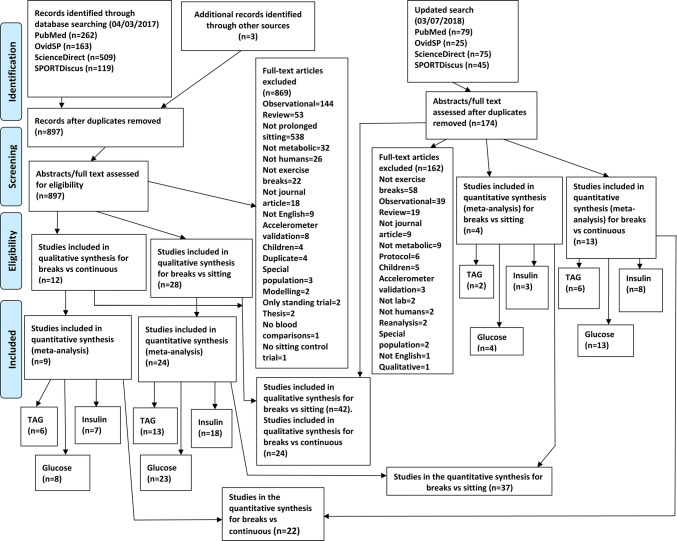
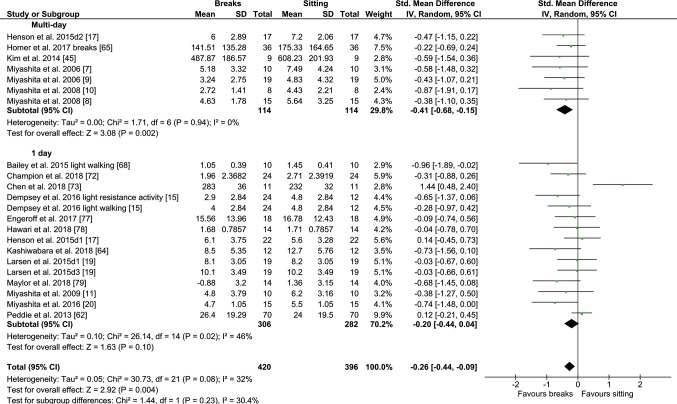
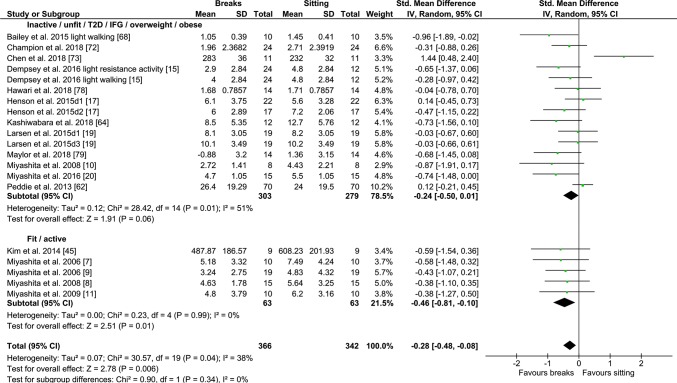
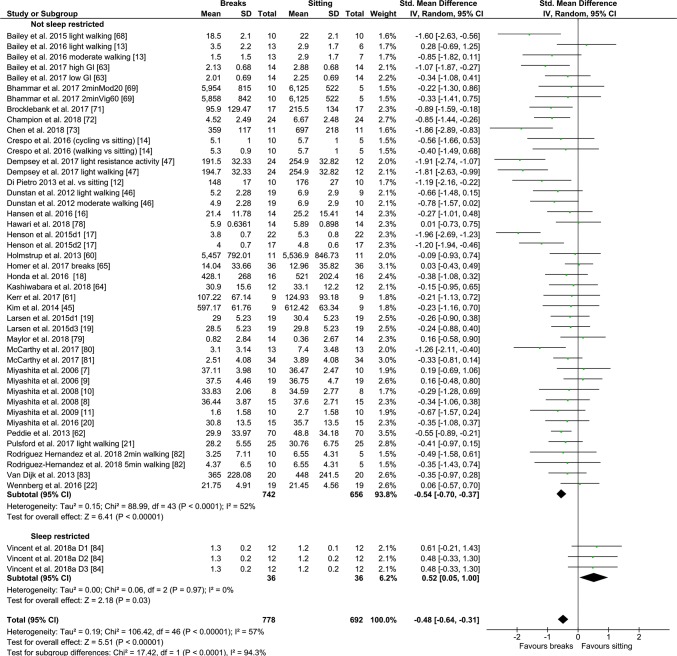
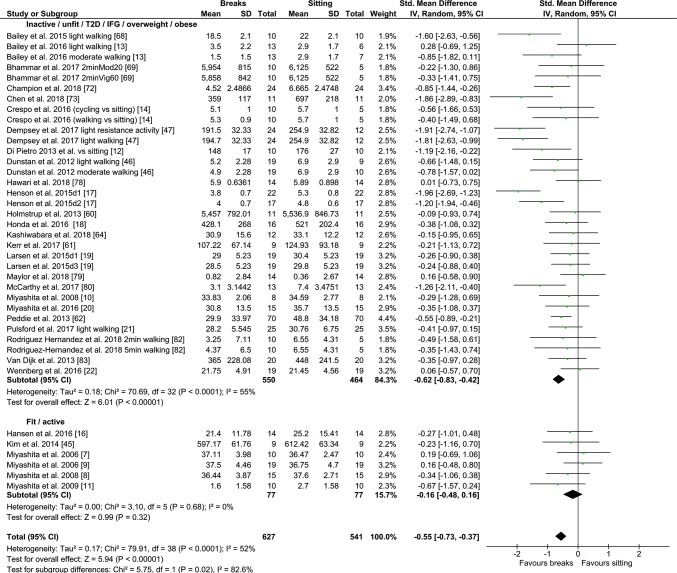
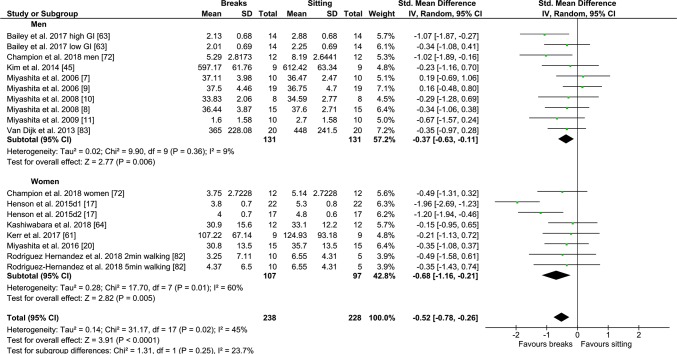
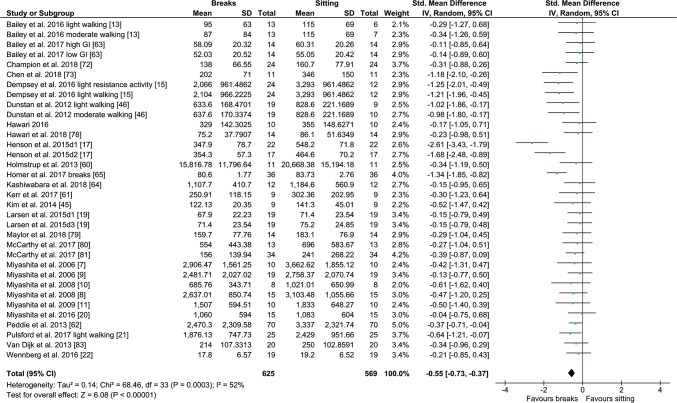
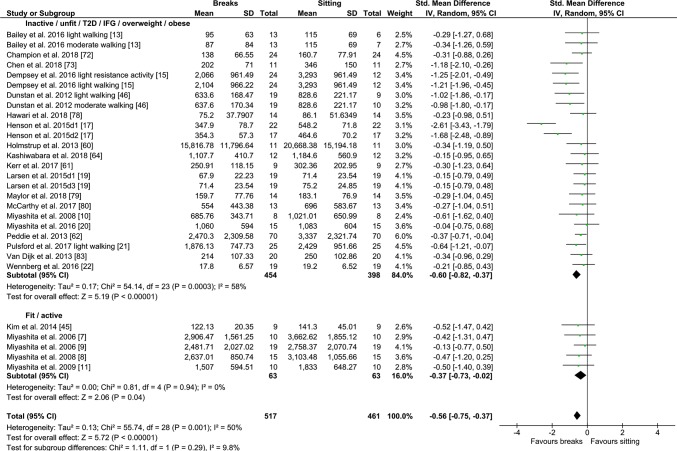
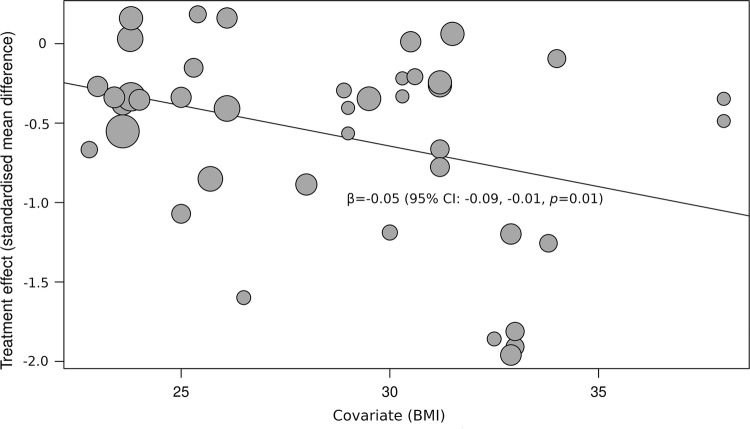
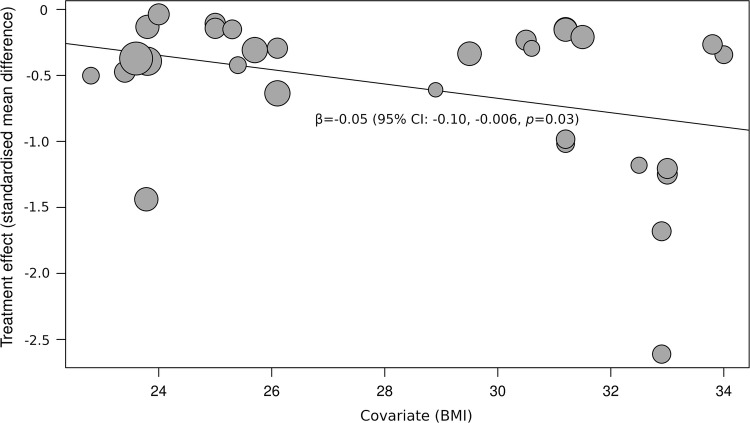
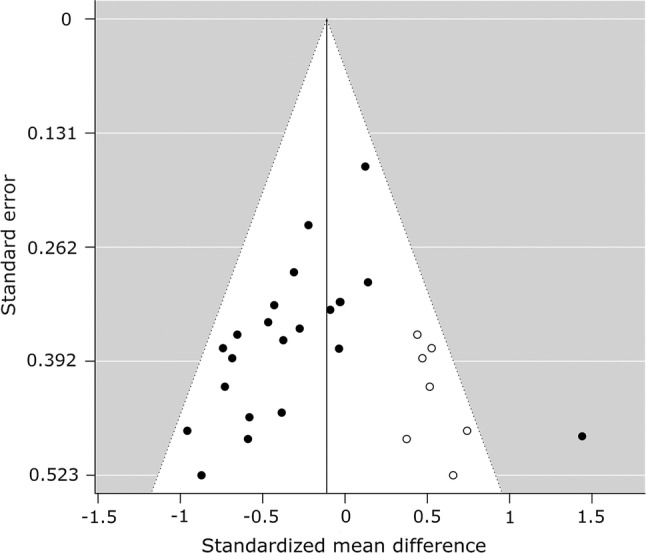
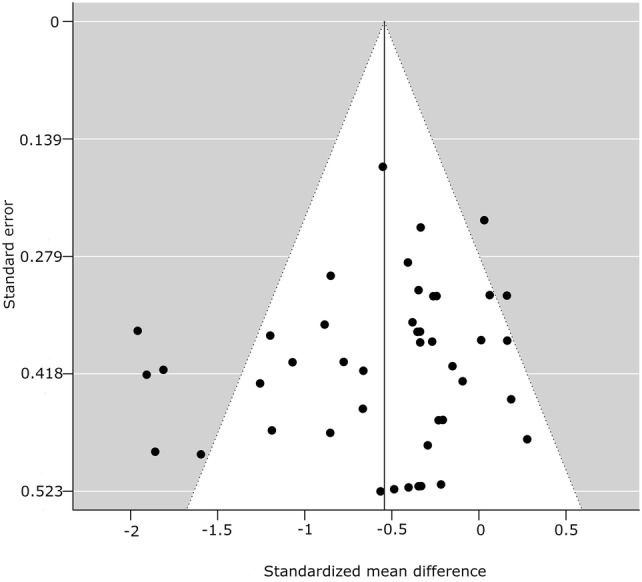
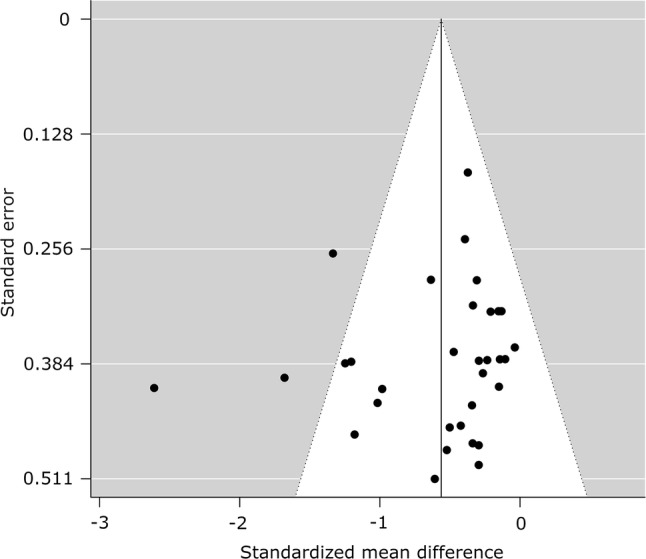
Background: Physical activity (PA) breaks in sitting time might attenuate metabolic markers relevant to the prevention of type 2 diabetes. Objectives: The primary aim of this paper was to systematically review and meta-analyse trials that compared the effects of breaking up prolonged sitting with bouts of PA throughout the day (INT) versus continuous sitting (SIT) on glucose, insulin and triacylglycerol (TAG) measures. A second aim was to compare the effects of INT versus continuous exercise (EX) on glucose, insulin and TAG measures. Methods: The review followed the Preferred Reporting Items for Systematic Reviews and Meta-analyses (PRISMA) recommendations. Eligibility criteria consisted of trials comparing INT vs. SIT or INT vs. one bout of EX before or after sitting, in participants aged 18 or above, who were classified as either metabolically healthy or impaired, but not with other major health conditions such as chronic obstructive pulmonary disease or peripheral arterial disease. Results: A total of 42 studies were included in the overall review, whereas a total of 37 studies were included in the meta-analysis. There was a standardised mean difference (SMD) of − 0.54 (95% CI − 0.70, − 0.37, p = 0.00001) in favour of INT compared to SIT for glucose. With respect to insulin, there was an SMD of − 0.56 (95% CI − 0.74, − 0.38, p = 0.00001) in favour of INT. For TAG, there was an SMD of − 0.26 (95% CI − 0.44, − 0.09, p = 0.002) in favour of INT. Body mass index (BMI) was associated with glucose responses ( β = − 0.05, 95% CI − 0.09, − 0.01, p = 0.01), and insulin ( β = − 0.05, 95% CI − 0.10, − 0.006, p = 0.03), but not TAG ( β = 0.02, 95% CI − 0.02, 0.06, p = 0.37). When energy expenditure was matched, there was an SMD of − 0.26 (95% CI − 0.50, − 0.02, p = 0.03) in favour of INT for glucose, but no statistically significant SMDs for insulin, i.e. 0.35 (95% CI − 0.37, 1.07, p = 0.35), or TAG i.e. 0.08 (95% CI − 0.22, 0.37, p = 0.62). It is worth noting that there was possible publication bias for TAG outcomes when PA breaks were compared with sitting. Conclusion: The use of PA breaks during sitting moderately attenuated post-prandial glucose, insulin, and TAG, with greater glycaemic attenuation in people with higher BMI. There was a statistically significant small advantage for PA breaks over continuous exercise for attenuating glucose measures when exercise protocols were energy matched, but no statistically significant differences for insulin and TAG. PROSPERO Registration: CRD42017080982. PROSPERO Registration: CRD42017080982.
Overview
The claims and statistics of this paper haven’t been checked yet.
Free: it reads the open-access text and checks the first 5 claims that cite a source we can check. Create a free account to check every claim.
Integrity signals
Registry
Cites
Statistics
Figures
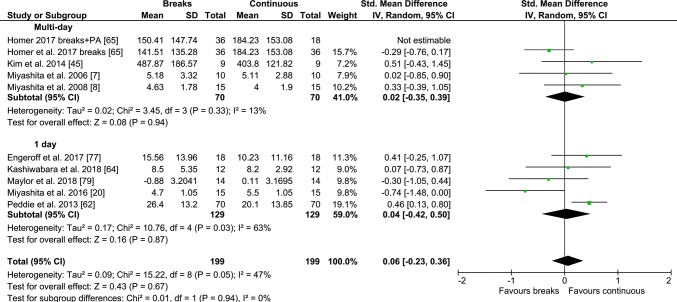
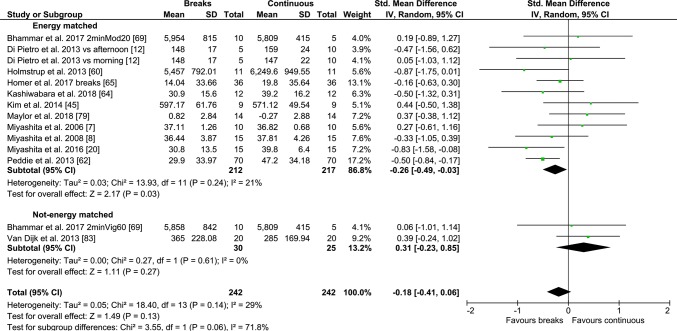
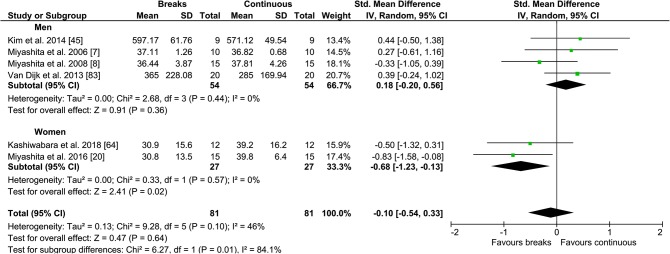
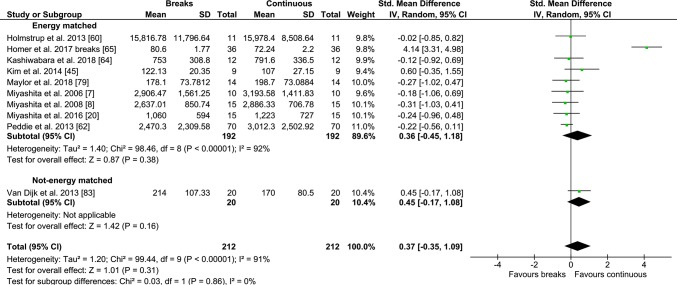
Verification
Claims the paper makes
The claims and statistics of this paper haven’t been checked yet.
Free: it reads the open-access text and checks the first 5 claims that cite a source we can check. Create a free account to check every claim.
Claims other papers make about this one
Each is checked against this paper’s own text: does it say what the citing paper says it does?
The source backs part of the claim, not all of it — or backs it for a different population, condition or comparison.
In the citing paper
“As is the case for persons with T2D, studies have demonstrated beneficial effects of both aerobic and resistance exercise and additive benefits when both forms of exercise are combined.727,847–852”
From American Association of Clinical Endocrinology Clinical Practice Guideline: Developing a Diabetes Mellitus Comprehensive Care Plan-2022 Update. (2022) · cites this paper as [852]
Experimental — accuracy not yet measuredThe source backs part of the claim, not all of it — or backs it for a different population, condition or comparison.
In the citing paper
“In adults with T2D, the interruption of sedentary time with short, regular and frequent episodes of light-intensity physical activity such as walking or simple resistance activities attenuates the level of postprandial glucose, insulin, C-peptide and triglycerides [45], and reduces waist circumference, body mass index (BMI) [46] and blood pressure [47].”
From Impact of a primary care-based mobile health intervention to ‘sit less and move more’ on HbA1c, blood pressure, and other clinical outcomes in office employees with type 2 diabetes: A randomized controlled trial (2025) · cites this paper as [45]
Experimental — accuracy not yet measuredThe cited source says what the claim attributes to it.
In the citing paper
“Instead, PA reinforces cardiorespiratory fitness, 31 inhibits inflammatory responses, 32 and improves glucose metabolism.33”
The check wasn’t confident either way, so it gives no verdict — never disputed.
In the citing paper
“For cardiometabolic conditioning, the guidelines proposed by the ACC/AHA,728,852 AACE,286,674 ADA,199,679 European Society of Cardiology/European Association for the Study of Diabetes,431 and the American College of Sports Medicine727,853 are well aligned.”
From American Association of Clinical Endocrinology Clinical Practice Guideline: Developing a Diabetes Mellitus Comprehensive Care Plan-2022 Update. (2022) · cites this paper as [852]
Experimental — accuracy not yet measured
Self-check
Percentages, sums and reported differences re-computed from the paper’s own numbers.
The self-check needs the paper’s full text.
Citations
Cites
Statistical Power Analysis for the Behavioral Sciences
Muller, K. (1989) · Technometrics · doi:10.1080/00401706.1989.10488618 · Cited by 99,167
Statistical power analysis for the behavioral sciences
(1990) · Computers, Environment and Urban Systems · doi:10.1016/0198-9715(90)90050-4 · Cited by 65,269
Bias in meta-analysis detected by a simple, graphical test
Egger, M., Smith, G. D., Schneider, M., & Minder, C. (1997) · BMJ · doi:10.1136/bmj.315.7109.629 · Cited by 56,722 · cited 2×
“10 Publication Bias Funnel plots, Begg and Mazumdar’s rank correlation test [53], Egger’s regression test [54] and Rosenthal’s fail-safe N [55] were used to assess publication bias if more than ten studies were included in the meta-analysis [26, 56].”
MethodThe Cochrane Collaboration's tool for assessing risk of bias in randomised trials
Higgins, J. P. T., Altman, D. G., Gotzsche, P. C., Juni, P., Moher, D., Oxman, A. D., Savovic, J., Schulz, K. F., Weeks, L., Sterne, J. A. C., et al. (2011) · BMJ · doi:10.1136/bmj.d5928 · Cited by 33,817
Liberati, A., Altman, D. G., Tetzlaff, J., Mulrow, C., Gøtzsche, P. C., Ioannidis, J. P. A., Clarke, M., Devereaux, P. J., Kleijnen, J., & Moher, D. (2009) · PLoS Medicine · doi:10.1371/journal.pmed.1000100 · Cited by 28,164
Liberati, A., Altman, D. G., Tetzlaff, J., Mulrow, C., Gotzsche, P. C., Ioannidis, J. P. A., Clarke, M., Devereaux, P. J., Kleijnen, J., & Moher, D. (2009) · BMJ · doi:10.1136/bmj.b2700 · Cited by 17,648
Operating characteristics of a rank correlation test for publication bias
Begg, C. B., & Mazumdar, M. (1994) · Biometrics · doi:10.2307/2533446 · Cited by 16,955 · cited 2×
“10 Publication Bias Funnel plots, Begg and Mazumdar’s rank correlation test [53], Egger’s regression test [54] and Rosenthal’s fail-safe N [55] were used to assess publication bias if more than ten studies were included in the meta-analysis [26, 56].”
MethodDuval, S., & Tweedie, R. (2000) · Biometrics · doi:10.1111/j.0006-341x.2000.00455.x · Cited by 14,099 · cited 1×
“The trim and fill method, with L0 as the estimator [57], was used to estimate “missing” studies, if any, in the funnel plots.”
MethodShamseer, L., Moher, D., Clarke, M., Ghersi, D., Liberati, A., Petticrew, M., Shekelle, P., Stewart, L. A., & the PRISMA-P Group (2015) · BMJ · doi:10.1136/bmj.g7647 · Cited by 13,120
Sterne, J. A. C., Sutton, A. J., Ioannidis, J. P. A., Terrin, N., Jones, D. R., Lau, J., Carpenter, J., Rucker, G., Harbord, R. M., Schmid, C. H., et al. (2011) · BMJ · doi:10.1136/bmj.d4002 · Cited by 7,709 · cited 2×
“10 Publication Bias Funnel plots, Begg and Mazumdar’s rank correlation test [53], Egger’s regression test [54] and Rosenthal’s fail-safe N [55] were used to assess publication bias if more than ten studies were included in the meta-analysis [26, 56].”
BackgroundMethod(1992) · Applied Ergonomics · doi:10.1016/0003-6870(92)90338-v · Cited by 7,112
(2007) · Circulation · doi:10.1161/circulationaha.107.185649 · Cited by 6,545 · cited 1×
“1 Rationale Increasing physical activity (PA) [1] and both decreasing and interrupting “sedentary behaviour” are emphasised in public health guidelines [2].”
BackgroundSedentary Behavior Research Network (SBRN)—Terminology Consensus Project process and outcome
on behalf of SBRN Terminology Consensus Project Participants, Tremblay, M. S., Aubert, S., Barnes, J. D., Saunders, T. J., Carson, V., Latimer-Cheung, A. E., Chastin, S. F. M., Altenburg, T. M., & Chinapaw, M. J. M. (2017) · International Journal of Behavioral Nutrition and Physical Activity · doi:10.1186/s12966-017-0525-8 · Cited by 3,793 · cited 1×
“5 metabolic equivalents (METs) [3, 4], such as sitting in the office.”
BackgroundHow should meta‐regression analyses be undertaken and interpreted?
Thompson, S. G., & Higgins, J. P. T. (2002) · Statistics in Medicine · doi:10.1002/sim.1187 · Cited by 3,026 · cited 1×
“No meta-regression was performed for insulin and TAG measures due to the small number of studies [85, 86].”
BackgroundPhysical activity/exercise and diabetes: A position statement of the American Diabetes Association
Colberg, S. R., Sigal, R. J., Yardley, J. E., Riddell, M. C., Dunstan, D. W., Dempsey, P. C., Horton, E. S., Castorino, K., & Tate, D. F. (2016) · Diabetes Care · doi:10.2337/dc16-1728 · Cited by 2,991 · cited 1×
“Accumulating brief bouts of PA between bouts of sitting throughout the day in a “whole day” approach [131] might be a feasible alternative for a considerable part of the population who do not exercise, a hypothesis that is supported by the results of the current meta-analysis, which found that there was a small advant…”
ResultBiswas, A., Oh, P. I., Faulkner, G. E., Bajaj, R. R., Silver, M. A., Mitchell, M. S., & Alter, D. A. (2015) · Annals of Internal Medicine · doi:10.7326/m14-1651 · Cited by 2,726 · cited 2×
“Recent prospective studies of total sitting time and incident type 2 diabetes, in contrast to crosssectional studies of sedentary time and breaks measured by self-report [117], found little evidence for an association [118], or associations, between sitting behaviour or time and incident type 2 diabetes, but were limi…”
BackgroundResultEkelund, U., Steene-Johannessen, J., Brown, W. J., Fagerland, M. W., Owen, N., Powell, K. E., Bauman, A., & Lee, I.-M. (2016) · The Lancet · doi:10.1016/s0140-6736(16)30370-1 · Cited by 2,648
Nordestgaard, B. G., Benn, M., Schnohr, P., & Tybjærg-Hansen, A. (2007) · JAMA · doi:10.1001/jama.298.3.299 · Cited by 2,058
Sex and Gender Differences in Risk, Pathophysiology and Complications of Type 2 Diabetes Mellitus
Kautzky-Willer, A., Harreiter, J., & Pacini, G. (2016) · Endocrine Reviews · doi:10.1210/er.2015-1137 · Cited by 2,043
Letter to the Editor: Standardized use of the terms “sedentary” and “sedentary behaviours”
Networ, S. B. R. (2012) · Applied Physiology, Nutrition, and Metabolism · doi:10.1139/h2012-024 · Cited by 1,873
The case of the misleading funnel plot
Lau, J., Ioannidis, J. P. A., Terrin, N., Schmid, C. H., & Olkin, I. (2006) · BMJ · doi:10.1136/bmj.333.7568.597 · Cited by 1,766 · cited 1×
“4 Publication Bias Since visual inspection of funnel plots is subjective and can lead to incorrect interpretations, even by medical researchers [155], a variety of methods were used to assess publication bias [53, 54, 156].”
MethodAtherogenesis: a postprandial phenomenon.
Zilversmit, D. B. (1979) · Circulation · doi:10.1161/01.cir.60.3.473 · Cited by 1,701
Fasting compared with nonfasting triglycerides and risk of cardiovascular events in women
Bansal, S., Buring, J. E., Rifai, N., Mora, S., Sacks, F. M., & Ridker, P. M. (2007) · JAMA · doi:10.1001/jama.298.3.309 · Cited by 1,619
Healy, G. N., Dunstan, D. W., Salmon, J., Cerin, E., Shaw, J. E., Zimmet, P. Z., & Owen, N. (2008) · Diabetes Care · doi:10.2337/dc07-2046 · Cited by 1,465 · cited 1×
“Cross-sectional studies of breaks that report device-measured sedentary time and breaks also present an unclear picture, with Actigraph measured breaks being inversely associated with some metabolic markers [124, 125].”
BackgroundSedentary time and cardio-metabolic biomarkers in US adults: NHANES 2003–06
Healy, G. N., Matthews, C. E., Dunstan, D. W., Winkler, E. A. H., & Owen, N. (2011) · European Heart Journal · doi:10.1093/eurheartj/ehq451 · Cited by 1,368 · cited 1×
“Cross-sectional studies of breaks that report device-measured sedentary time and breaks also present an unclear picture, with Actigraph measured breaks being inversely associated with some metabolic markers [124, 125].”
BackgroundBreaking Up Prolonged Sitting Reduces Postprandial Glucose and Insulin Responses
Dunstan, D. W., Kingwell, B. A., Larsen, R., Healy, G. N., Cerin, E., Hamilton, M. T., Shaw, J. E., Bertovic, D. A., Zimmet, P. Z., Salmon, J., et al. (2012) · Diabetes Care · doi:10.2337/dc11-1931 · Cited by 1,203 · cited 10×
““Sedentary” was defined as not working in a non-sedentary job [46], exceeding 5 h of sitting time per day [15, 22, 47], or any study that defined participants as sedentary.”
BackgroundMethodResultInfluentialField, A. P., & Gillett, R. (2010) · British Journal of Mathematical and Statistical Psychology · doi:10.1348/000711010x502733 · Cited by 1,162 · cited 1×
“Statistical adjustment of SMD for publication bias was performed in SPSS version 23 (IBM Corporation, Armonk, NY, USA) and R, using the macros developed by Field and Gillett [59].”
MethodCauter, E. V., Mestrez, F., Sturis, J., & Polonsky, K. S. (1992) · Diabetes · doi:10.2337/diab.41.3.368 · Cited by 890
Batacan, R. B., Duncan, M. J., Dalbo, V. J., Tucker, P. S., & Fenning, A. S. (2017) · British Journal of Sports Medicine · doi:10.1136/bjsports-2015-095841 · Cited by 799 · cited 2×
“09) in overweight or obese people [90].”
BackgroundMetabolomics and Metabolic Diseases: Where Do We Stand?
Newgard, C. B. (2017) · Cell Metabolism · doi:10.1016/j.cmet.2016.09.018 · Cited by 750 · cited 1×
“Additionally, only a few studies have assessed lipoproteins [77, 79], adipose tissue gene expression [73], molecular signalling involved in glucose metabolism [152], or used new metabolomics methods [153] to assess lipidomics [154], and none have assessed branched-chain amino acids [153].”
BackgroundCauter, E. V., Mestrez, F., Sturis, J., et al. (1992) · Diabetes · doi:10.2337/diabetes.41.3.368 · Cited by 643
Jelleyman, C., Yates, T., O'Donovan, G., Gray, L. J., King, J. A., Khunti, K., & Davies, M. J. (2015) · Obesity Reviews · doi:10.1111/obr.12317 · Cited by 588 · cited 2×
“Future research should attempt to explore the effects of very light intensity breaks, such as fidgeting [133–135], that can be performed at a low enough intensity, or very short duration HIIT [89, 90, 136, 137] breaks in sitting which constitute, “exercise snacks” [138], so as to address concerns about productivity, i…”
BackgroundLangsted, A., Freiberg, J. J., & Nordestgaard, B. G. (2008) · Circulation · doi:10.1161/circulationaha.108.804146 · Cited by 588
Meta-evaluation of meta-analysis: ten appraisal questions for biologists
Nakagawa, S., Noble, D. W. A., Senior, A. M., & Lagisz, M. (2017) · BMC Biology · doi:10.1186/s12915-017-0357-7 · Cited by 579 · cited 1×
“Continuous outcomes were analysed using SMD to account for different measurement scales [37], tAUC or iAUC over different time scales.”
MethodNonfasting triglycerides and risk of ischemic stroke in the general population
Freiberg, J. J. (2008) · JAMA · doi:10.1001/jama.2008.621 · Cited by 542
Diaz, K. M., Howard, V. J., Hutto, B., Colabianchi, N., Vena, J. E., Safford, M. M., Blair, S. N., & Hooker, S. P. (2017) · Annals of Internal Medicine · doi:10.7326/m17-0212 · Cited by 530 · cited 2×
“To our knowledge, only one prospective epidemiological study to date has found an association between longer sedentary behaviour bouts, synonymous with infrequent sedentary breaks, and mortality risk [123].”
BackgroundExercise-stimulated glucose uptake — regulation and implications for glycaemic control
Sylow, L., Kleinert, M., Richter, E. A., & Jensen, T. E. (2017) · Nature Reviews Endocrinology · doi:10.1038/nrendo.2016.162 · Cited by 498 · cited 2×
“This discrepancy between their findings and ours might again be due to the younger and healthier participants in their analyses, as transport, uptake and metabolism of glucose might be greater in the insulin sensitive compared to the insulin resistant [44].”
BackgroundResultTerrin, N., Schmid, C. H., & Lau, J. (2005) · Journal of Clinical Epidemiology · doi:10.1016/j.jclinepi.2005.01.006 · Cited by 492 · cited 1×
“4 Publication Bias Since visual inspection of funnel plots is subjective and can lead to incorrect interpretations, even by medical researchers [155], a variety of methods were used to assess publication bias [53, 54, 156].”
MethodPalmer, J. P., Fleming, G. A., Greenbaum, C. J., Herold, K. C., Jansa, L. D., Kolb, H., Lachin, J. M., Polonsky, K. S., Pozzilli, P., Skyler, J. S., et al. (2004) · Diabetes · doi:10.2337/diabetes.53.1.250 · Cited by 491
Publication Bias in Research Synthesis: Sensitivity Analysis Using A Priori Weight Functions.
Vevea, J. L., & Woods, C. M. (2005) · Psychological Methods · doi:10.1037/1082-989x.10.4.428 · Cited by 461 · cited 2×
“The Vevea and Woods [58] method estimated that the SMD for TAG measures comparing PA breaks with sitting would be reduced from − 0.”
MethodPeddie, M. C., Bone, J. L., Rehrer, N. J., Skeaff, C. M., Gray, A. R., & Perry, T. L. (2013) · The American Journal of Clinical Nutrition · doi:10.3945/ajcn.112.051763 · Cited by 431 · cited 8×
“All studies included in the meta-analysis, except one [77], were randomised, but only a few reported the randomisation methods clearly [17, 19, 21, 22, 46, 47, 62].”
BackgroundMethodResultInfluentialDempsey, P. C., Larsen, R. N., Sethi, P., Sacre, J. W., Straznicky, N. E., Cohen, N. D., Cerin, E., Lambert, G. W., Owen, N., Kingwell, B. A., et al. (2016) · Diabetes Care · doi:10.2337/dc15-2336 · Cited by 405 · cited 9×
“Participants ranged from those with type 2 diabetes [15, 47, 60] to those who were healthy and had relatively high levels of CRF [7, 8, 45].”
BackgroundMethodInfluentialAfshin, A., Peñalvo, J. L., Del Gobbo, L., Silva, J., Michaelson, M., O'Flaherty, M., Capewell, S., Spiegelman, D., Danaei, G., & Mozaffarian, D. (2017) · PLOS ONE · doi:10.1371/journal.pone.0172277 · Cited by 404 · cited 1×
“Search terms were collated into four broad categories, based on the PICOT (population, intervention, comparison, outcome, time) format [26, 27]: setting (“sedentary behaviour”), intervention (“physical activity”), intervention type/comparison (“breaks”), outcomes (“glucose”) [28].”
BackgroundMeta‐analysis of the relationship between breaks in sedentary behavior and cardiometabolic health
Chastin, S. F. M., Egerton, T., Leask, C., & Stamatakis, E. (2015) · Obesity · doi:10.1002/oby.21180 · Cited by 363 · cited 5×
“A systematic review and meta-analysis of cross-sectional observational and laboratory-based experimental studies on the effects of breaks in SB [6] concluded that walking-based light-intensity physical activity (LIPA) and moderate intensity physical activity (MPA) breaks resulted in significant reductions in post-pran…”
BackgroundResultInfluentialSelf-citationPolonsky, K. S., Licinio-Paixao, J., Given, B. D., Pugh, W., Rue, P., Galloway, J., Karrison, T., & Frank, B. (1986) · Journal of Clinical Investigation · doi:10.1172/jci112308 · Cited by 359
Bailey, D. P., & Locke, C. D. (2015) · Journal of Science and Medicine in Sport · doi:10.1016/j.jsams.2014.03.008 · Cited by 355 · cited 2×
“Similarly, a previous meta-analysis [6] of 5 studies [46, 60, 62, 68, 83] reported PA breaks resulted in lower glucose measures than sitting.”
BackgroundResultEvidence of Health Risks Associated with Prolonged Standing at Work and Intervention Effectiveness
Waters, T. R., & Dick, R. B. (2015) · Rehabilitation Nursing · doi:10.1002/rnj.166 · Cited by 348
Duvivier, B. M. F. M., Schaper, N. C., Bremers, M. A., van Crombrugge, G., Menheere, P. P. C. A., Kars, M., & Savelberg, H. H. C. M. (2013) · PLoS ONE · doi:10.1371/journal.pone.0055542 · Cited by 327 · cited 1×
“A free-living protocol over 1 day [70] or 4 days [74, 75] was also used.”
MethodCavalot, F., Pagliarino, A., Valle, M., Di Martino, L., Bonomo, K., Massucco, P., Anfossi, G., & Trovati, M. (2011) · Diabetes Care · doi:10.2337/dc10-2414 · Cited by 322 · cited 1×
“Hyperglycaemic spikes are more strongly associated with, and might be more predictive of cardiovascular complications, risk and all-cause mortality than fasting plasma glucose or HbA1c levels [102] and should be targeted [103] since HbA1c is an integrative measure of blood glucose and post-prandial hyperglycaemia occu…”
BackgroundChurchward‐Venne, T. A., Burd, N. A., Mitchell, C. J., West, D. W. D., Philp, A., Marcotte, G. R., Baker, S. K., Baar, K., & Phillips, S. M. (2012) · The Journal of Physiology · doi:10.1113/jphysiol.2012.228833 · Cited by 314
The Effects of Breaking up Prolonged Sitting Time: A Review of Experimental Studies
BENATTI, F. B., & RIED-LARSEN, M. (2015) · Medicine & Science in Sports & Exercise · doi:10.1249/mss.0000000000000654 · Cited by 311 · cited 1×
“[23] but no meta-analysis was performed.”
van der Berg, J. D., Stehouwer, C. D. A., Bosma, H., van der Velde, J. H. P. M., Willems, P. J. B., Savelberg, H. H. C. M., Schram, M. T., Sep, S. J. S., van der Kallen, C. J. H., Henry, R. M. A., et al. (2016) · Diabetologia · doi:10.1007/s00125-015-3861-8 · Cited by 299 · cited 1×
“However, there was little evidence for an association between sedentary breaks, quantified by a thigh worn ActivPAL inclinometer, and diabetes or metabolic syndrome [126].”
BackgroundBlood Glucose Area Under the Curve: Methodological Aspects
Floch, J.-P. L., Escuyer, P., Baudin, E., Baudon, D., & Perlemuter, L. (1990) · Diabetes Care · doi:10.2337/diacare.13.2.172 · Cited by 296
What is your research question? An introduction to the PICOT format for clinicians.
(2012) · Europe PMC (PubMed Central) · Cited by 295
Lundsgaard, A.-M., & Kiens, B. (2014) · Frontiers in Endocrinology · doi:10.3389/fendo.2014.00195 · Cited by 289
Henson, J., Davies, M. J., Bodicoat, D. H., Edwardson, C. L., Gill, J. M. R., Stensel, D. J., Tolfrey, K., Dunstan, D. W., Khunti, K., & Yates, T. (2016) · Diabetes Care · doi:10.2337/dc15-1240 · Cited by 270 · cited 4×
“5 Risk of Bias Other than a few studies [15, 17, 21, 46, 47] most did not utilise or report any form of blinding.”
BackgroundInfluentialKatsagoni, C. N., Georgoulis, M., Papatheodoridis, G. V., Panagiotakos, D. B., & Kontogianni, M. D. (2017) · Metabolism · doi:10.1016/j.metabol.2016.12.006 · Cited by 270 · cited 1×
“15), respectively [91], compared to normal care.”
Jefferis, B. J., Parsons, T. J., Sartini, C., Ash, S., Lennon, L. T., Papacosta, O., Morris, R. W., Wannamethee, S. G., Lee, I.-M., & Whincup, P. H. (2019) · British Journal of Sports Medicine · doi:10.1136/bjsports-2017-098733 · Cited by 244 · cited 1×
“Breaks were not associated with all-cause mortality over 5 years of follow up in older men [122].”
BackgroundWolever, T. M. S. (2004) · British Journal of Nutrition · doi:10.1079/bjn20031054 · Cited by 242
Mansoubi, M., Pearson, N., Clemes, S. A., Biddle, S. J., Bodicoat, D. H., Tolfrey, K., Edwardson, C. L., & Yates, T. (2015) · BMC Public Health · doi:10.1186/s12889-015-1851-x · Cited by 240 · cited 2×
“The only intervention used to interrupt sitting was standing, as standing may have minimal impact on EE compared to sitting activities [29, 30].”
BackgroundCassidy, S., Thoma, C., Houghton, D., & Trenell, M. I. (2017) · Diabetologia · doi:10.1007/s00125-016-4106-1 · Cited by 239 · cited 1×
“Future research should attempt to explore the effects of very light intensity breaks, such as fidgeting [133–135], that can be performed at a low enough intensity, or very short duration HIIT [89, 90, 136, 137] breaks in sitting which constitute, “exercise snacks” [138], so as to address concerns about productivity, i…”
BackgroundDuvivier, B. M. F. M., Schaper, N. C., Hesselink, M. K. C., van Kan, L., Stienen, N., Winkens, B., Koster, A., & Savelberg, H. H. C. M. (2017) · Diabetologia · doi:10.1007/s00125-016-4161-7 · Cited by 212 · cited 1×
“A free-living protocol over 1 day [70] or 4 days [74, 75] was also used.”
MethodGarcía‐Hermoso, A., Cerrillo‐Urbina, A. J., Herrera‐Valenzuela, T., Cristi‐Montero, C., Saavedra, J. M., & Martínez‐Vizcaíno, V. (2016) · Obesity Reviews · doi:10.1111/obr.12395 · Cited by 211 · cited 1×
“Future research should attempt to explore the effects of very light intensity breaks, such as fidgeting [133–135], that can be performed at a low enough intensity, or very short duration HIIT [89, 90, 136, 137] breaks in sitting which constitute, “exercise snacks” [138], so as to address concerns about productivity, i…”
BackgroundFrancois, M. E., Baldi, J. C., Manning, P. J., Lucas, S. J. E., Hawley, J. A., Williams, M. J. A., & Cotter, J. D. (2014) · Diabetologia · doi:10.1007/s00125-014-3244-6 · Cited by 204 · cited 1×
“Future research should attempt to explore the effects of very light intensity breaks, such as fidgeting [133–135], that can be performed at a low enough intensity, or very short duration HIIT [89, 90, 136, 137] breaks in sitting which constitute, “exercise snacks” [138], so as to address concerns about productivity, i…”
BackgroundStamatakis, E., Lee, I. M., Bennie, J., Freeston, J., Hamer, M., O’Donovan, G., Ding, D., Bauman, A., & Mavros, Y. (2018) · American Journal of Epidemiology · doi:10.1093/aje/kwx345 · Cited by 198
Self-citationCooper, A. R., Sebire, S., Montgomery, A. A., Peters, T. J., Sharp, D. J., Jackson, N., Fitzsimons, K., Dayan, C. M., & Andrews, R. C. (2012) · Diabetologia · doi:10.1007/s00125-011-2408-x · Cited by 195 · cited 1×
“Baseline breaks, independent of total sitting time, did not predict any metabolic outcomes at 6-month follow-up [121].”
BackgroundSaunders, T. J., Atkinson, H. F., Burr, J., MacEwen, B., Skeaff, C. M., & Peddie, M. C. (2018) · Sports Medicine · doi:10.1007/s40279-018-0963-8 · Cited by 192 · cited 5×
“[93] because participants in their meta-analysis were healthier and younger.”
BackgroundResultInfluentialReitelseder, S., Agergaard, J., Doessing, S., Helmark, I. C., Lund, P., Kristensen, N. B., Frystyk, J., Flyvbjerg, A., Schjerling, P., van Hall, G., et al. (2011) · American Journal of Physiology-Endocrinology and Metabolism · doi:10.1152/ajpendo.00513.2010 · Cited by 190
Acute effects of breaking up prolonged sitting on fatigue and cognition: a pilot study
Wennberg, P., Boraxbekk, C.-J., Wheeler, M., Howard, B., Dempsey, P. C., Lambert, G., Eikelis, N., Larsen, R., Sethi, P., Occleston, J., et al. (2016) · BMJ Open · doi:10.1136/bmjopen-2015-009630 · Cited by 184 · cited 6×
““Sedentary” was defined as not working in a non-sedentary job [46], exceeding 5 h of sitting time per day [15, 22, 47], or any study that defined participants as sedentary.”
BackgroundMethodInfluentialTeno, S., Uto, Y., Nagashima, H., Endoh, Y., Iwamoto, Y., Omori, Y., & Takizawa, T. (2000) · Diabetes Care · doi:10.2337/diacare.23.9.1401 · Cited by 175
Bellettiere, J., Winkler, E. A. H., Chastin, S. F. M., Kerr, J., Owen, N., Dunstan, D. W., & Healy, G. N. (2017) · PLOS ONE · doi:10.1371/journal.pone.0180119 · Cited by 169 · cited 2×
““Physically active” was defined as either exceeding the recommended 150 min of moderate to vigorous physical activity (MVPA) per week, or reported as “recreationally active” [7, 8, 45].”
BackgroundBreaking-up Sedentary Time Is Associated With Physical Function in Older Adults
Sardinha, L. B., Santos, D. A., Silva, A. M., Baptista, F., & Owen, N. (2015) · The Journals of Gerontology Series A: Biological Sciences and Medical Sciences · doi:10.1093/gerona/glu193 · Cited by 167
van Dijk, J.-W., Venema, M., van Mechelen, W., Stehouwer, C. D. A., Hartgens, F., & van Loon, L. J. C. (2013) · Diabetes Care · doi:10.2337/dc12-2620 · Cited by 152 · cited 6×
“Interstitial glucose data via continuous glucose monitoring system (CGMS), if available, were extracted for the meta-analysis as a first preference over post-prandial measures of venous or capillary blood glucose, as continuous glucose data, as opposed to the snapshot nature of venous or capillary blood draw, provides…”
BackgroundMethodResultInfluentialDempsey, P. C., Blankenship, J. M., Larsen, R. N., Sacre, J. W., Sethi, P., Straznicky, N. E., Cohen, N. D., Cerin, E., Lambert, G. W., Owen, N. G., et al. (2016) · Diabetologia · doi:10.1007/s00125-016-4169-z · Cited by 148 · cited 11×
“Participants ranged from those with type 2 diabetes [15, 47, 60] to those who were healthy and had relatively high levels of CRF [7, 8, 45].”
BackgroundMethodInfluentialCoenen, P., Parry, S. P., Willenberg, L., Shi, J. W., Romero, L., Blackwood, D., Healy, G. N., Dunstan, D. W., & Straker, L. M. (2017) · Gait & Posture · doi:10.1016/j.gaitpost.2017.08.024 · Cited by 148
Acute hyperglycaemia: a ‘new’ risk factor during myocardial infarction
Ceriello, A. (2005) · European Heart Journal · doi:10.1093/eurheartj/ehi049 · Cited by 145 · cited 1×
“Hyperglycaemic spikes are more strongly associated with, and might be more predictive of cardiovascular complications, risk and all-cause mortality than fasting plasma glucose or HbA1c levels [102] and should be targeted [103] since HbA1c is an integrative measure of blood glucose and post-prandial hyperglycaemia occu…”
BackgroundHay, L. C., Wilmshurst, E. G., & Fulcher, G. (2003) · Diabetes Technology & Therapeutics · doi:10.1089/152091503763816427 · Cited by 143 · cited 1×
“Post-prandial and nocturnal hyperglycaemic excursions might be an early and undetected aspect of an insulin-resistant state [101].”
BackgroundBonora, E., Corrao, G., Bagnardi, V., Ceriello, A., Comaschi, M., Montanari, P., & Meigs, J. B. (2006) · Diabetologia · doi:10.1007/s00125-006-0203-x · Cited by 141 · cited 1×
“Hyperglycaemic spikes are more strongly associated with, and might be more predictive of cardiovascular complications, risk and all-cause mortality than fasting plasma glucose or HbA1c levels [102] and should be targeted [103] since HbA1c is an integrative measure of blood glucose and post-prandial hyperglycaemia occu…”
BackgroundDiPietro, L., Gribok, A., Stevens, M. S., Hamm, L. F., & Rumpler, W. (2013) · Diabetes Care · doi:10.2337/dc13-0084 · Cited by 139 · cited 3×
“If a later publication reported a new measure of, for example glucose, obtained from the same experimental conditions as a prior publication, CGMS glucose was used as the first preference, if available.”
MethodBasal and 24-h C-peptide and insulin secretion rate in normal man
Kruszynska, Y. T., Home, P., Hanning, I., & Alberti, K. G. M. M. (1987) · Diabetologia · doi:10.1007/bf01788901 · Cited by 131
Miyashita, M., Burns, S. F., & Stensel, D. J. (2008) · The American Journal of Clinical Nutrition · doi:10.3945/ajcn.2008.26493 · Cited by 126 · cited 11×
“Participants ranged from those with type 2 diabetes [15, 47, 60] to those who were healthy and had relatively high levels of CRF [7, 8, 45].”
BackgroundMethodInfluentialBergouignan, A., Latouche, C., Heywood, S., Grace, M. S., Reddy-Luthmoodoo, M., Natoli, A. K., Owen, N., Dunstan, D. W., & Kingwell, B. A. (2016) · Scientific Reports · doi:10.1038/srep32044 · Cited by 121 · cited 1×
“Additionally, only a few studies have assessed lipoproteins [77, 79], adipose tissue gene expression [73], molecular signalling involved in glucose metabolism [152], or used new metabolomics methods [153] to assess lipidomics [154], and none have assessed branched-chain amino acids [153].”
Background(2004) · Diabetes · doi:10.2337/diabetes.53.7.1934 · Cited by 120
Hayashi, T., Boyko, E. J., Sato, K. K., McNeely, M. J., Leonetti, D. L., Kahn, S. E., & Fujimoto, W. Y. (2013) · Diabetes Care · doi:10.2337/dc12-0246 · Cited by 116 · cited 1×
“Similarly, post-load insulin levels during a glucose tolerance test predict the development of type 2 diabetes [107], as insulin release is pulsatile, resulting in oscillating ultradian periodicity [108, 109].”
BackgroundShahim, B., De Bacquer, D., De Backer, G., Gyberg, V., Kotseva, K., Mellbin, L., Schnell, O., Tuomilehto, J., Wood, D., & Rydén, L. (2017) · Diabetes Care · doi:10.2337/dc17-0245 · Cited by 114 · cited 1×
“Notably, post-load glucose-predicted cardiovascular mortality and diabetes, whereas neither fasting glucose nor HbA1c did [105].”
BackgroundDe Cocker, K., Veldeman, C., De Bacquer, D., Braeckman, L., Owen, N., Cardon, G., & De Bourdeaudhuij, I. (2015) · International Journal of Behavioral Nutrition and Physical Activity · doi:10.1186/s12966-015-0177-5 · Cited by 110 · cited 1×
“Future research should attempt to explore the effects of very light intensity breaks, such as fidgeting [133–135], that can be performed at a low enough intensity, or very short duration HIIT [89, 90, 136, 137] breaks in sitting which constitute, “exercise snacks” [138], so as to address concerns about productivity, i…”
BackgroundExercise and postprandial lipemia: effect of continuous compared with intermittent activity patterns
Miyashita, M., Burns, S. F., & Stensel, D. J. (2006) · American Journal of Clinical Nutrition · doi:10.1093/ajcn/83.1.24 · Cited by 109 · cited 11×
“Participants ranged from those with type 2 diabetes [15, 47, 60] to those who were healthy and had relatively high levels of CRF [7, 8, 45].”
BackgroundMethodInfluentialBooster Breaks in the workplace: participants' perspectives on health-promoting work breaks
Taylor, W. C., King, K. E., Shegog, R., Paxton, R. J., Evans-Hudnall, G. L., Rempel, D. M., Chen, V., & Yancey, A. K. (2013) · Health Education Research · doi:10.1093/her/cyt001 · Cited by 100 · cited 1×
“Future research should attempt to explore the effects of very light intensity breaks, such as fidgeting [133–135], that can be performed at a low enough intensity, or very short duration HIIT [89, 90, 136, 137] breaks in sitting which constitute, “exercise snacks” [138], so as to address concerns about productivity, i…”
BackgroundPulsford, R. M., Blackwell, J., Hillsdon, M., & Kos, K. (2017) · Journal of Science and Medicine in Sport · doi:10.1016/j.jsams.2016.08.012 · Cited by 100 · cited 5×
“All studies included in the meta-analysis, except one [77], were randomised, but only a few reported the randomisation methods clearly [17, 19, 21, 22, 46, 47, 62].”
BackgroundInfluentialAltenburg, T. M., Rotteveel, J., Dunstan, D. W., Salmon, J., & Chinapaw, M. J. M. (2013) · Journal of Applied Physiology · doi:10.1152/japplphysiol.00662.2013 · Cited by 99
High Oxidative Capacity Due to Chronic Exercise Training Attenuates Lipid-Induced Insulin Resistance
Phielix, E., Meex, R., Ouwens, D. M., Sparks, L., Hoeks, J., Schaart, G., Moonen-Kornips, E., Hesselink, M. K. C., & Schrauwen, P. (2012) · Diabetes · doi:10.2337/db11-1832 · Cited by 99 · cited 1×
“Moreover, trained [42, 43] or insulin sensitive [41] participants demonstrate a greater response to a glucose or lipid challenge.”
BackgroundHolmstrup, M., Fairchild, T., Keslacy, S., Weinstock, R., & Kanaley, J. (2014) · Metabolism · doi:10.1016/j.metabol.2013.12.006 · Cited by 98 · cited 7×
“Participants ranged from those with type 2 diabetes [15, 47, 60] to those who were healthy and had relatively high levels of CRF [7, 8, 45].”
BackgroundMethodResultInfluentialEffect of prior exercise on postprandial lipemia: an updated quantitative review
Freese, E. C., Gist, N. H., & Cureton, K. J. (2014) · Journal of Applied Physiology · doi:10.1152/japplphysiol.00623.2013 · Cited by 97 · cited 1×
“Since all but one of these meta-analyses [92] were not laboratory based and evaluated acute or longer-term protocols and adherence to the exercise protocols was less easy to confirm, they should be compared with our findings only generally and cautiously.”
ResultCarstensen, M., Thomsen, C., & Hermansen, K. (2003) · Metabolism · doi:10.1016/s0026-0495(03)00155-0 · Cited by 89
Duvivier, B. M. F. M., Schaper, N. C., Koster, A., van Kan, L., Peters, H. P. F., Adam, J. J., Giesbrecht, T., Kornips, E., Hulsbosch, M., Willems, P., et al. (2017) · Frontiers in Physiology · doi:10.3389/fphys.2017.00353 · Cited by 89
Vernikos-Danellis, J., Ludwig, D. A., Ertl, A. C., Wade, C. E., KEIL, L. C., & O'Hara, D. (1996) · PubMed · Cited by 87
Larsen, R. N., Kingwell, B. A., Robinson, C., Hammond, L., Cerin, E., Shaw, J. E., Healy, G. N., Hamilton, M. T., Owen, N., & Dunstan, D. W. (2015) · Clinical Science · doi:10.1042/cs20140790 · Cited by 86 · cited 2×
“Additionally, with the exception of a few studies [15, 17, 19, 46, 47, 62], most did not report how any possible missing data were handled.”
BackgroundSaunders, T. J., Chaput, J., Goldfield, G. S., Colley, R. C., Kenny, G. P., Doucet, É., & Tremblay, M. S. (2013) · Metabolism · doi:10.1016/j.metabol.2013.05.010 · Cited by 84
Devries, M. C., Samjoo, I. A., Hamadeh, M. J., McCready, C., Raha, S., Watt, M. J., Steinberg, G. R., & Tarnopolsky, M. A. (2013) · The Journal of Clinical Endocrinology & Metabolism · doi:10.1210/jc.2013-2044 · Cited by 82 · cited 1×
“Endurance training might alter lipid metabolite levels, composition and localisation, and thus muscle lipid metabolism and insulin sensitivity [41, 141].”
BackgroundBelcher, B. R., Berrigan, D., Papachristopoulou, A., Brady, S. M., Bernstein, S. B., Brychta, R. J., Hattenbach, J. D., Tigner, I. L., Courville, A. B., Drinkard, B. E., et al. (2015) · The Journal of Clinical Endocrinology & Metabolism · doi:10.1210/jc.2015-2803 · Cited by 81
Pai, L.-W., Li, T.-C., Hwu, Y.-J., Chang, S.-C., Chen, L.-L., & Chang, P.-Y. (2016) · Diabetes Research and Clinical Practice · doi:10.1016/j.diabres.2016.01.011 · Cited by 80 · cited 1×
“37) compared with no exercise on glycaemic control, as indicated by glycated haemoglobin (HbA1c) [88].”
BackgroundBreaks in Sitting Time: Effects on Continuously Monitored Glucose and Blood Pressure
BHAMMAR, D. M., SAWYER, B. J., TUCKER, W. J., & GAESSER, G. A. (2017) · Medicine & Science in Sports & Exercise · doi:10.1249/mss.0000000000001315 · Cited by 78 · cited 3×
“Additionally, only 1 experimental study [69] has investigated the effects of the patterning of PA breaks, reporting no differences between PA breaks performed every 20 or 60 min.”
BackgroundPulsatility of insulin release – a clinically important phenomenon
Hellman, B. (2009) · Upsala Journal of Medical Sciences · doi:10.3109/03009730903366075 · Cited by 77
Peddie, M. C., Rehrer, N. J., & Perry, T. L. (2012) · Progress in Lipid Research · doi:10.1016/j.plipres.2011.11.002 · Cited by 75 · cited 2×
“The small effect of breaks on TAG could be due to the delayed effects of exercise on lipids [39, 40].”
BackgroundMethodHomer, A. R., Fenemor, S. P., Perry, T., Rehrer, N. J., Cameron, C., Skeaff, C. M., & Peddie, M. C. (2017) · Journal of clinical lipidology · doi:10.1016/j.jacl.2017.06.007 · Cited by 73 · cited 1×
“Most studies utilised one day designs, but some utilised multi-day designs [7, 8, 45, 65].”
Effects of Moderate- and Intermittent Low-Intensity Exercise on Postprandial Lipemia
Kim, I.-Y., Park, S., Trombold, J. R., & Coyle, E. F. (2014) · Medicine & Science in Sports & Exercise · doi:10.1249/mss.0000000000000324 · Cited by 71 · cited 11×
“Participants ranged from those with type 2 diabetes [15, 47, 60] to those who were healthy and had relatively high levels of CRF [7, 8, 45].”
BackgroundMethodInfluentialBailey, D. P., Broom, D. R., Chrismas, B. C. R., Taylor, L. K., Flynn, E., & Hough, J. (2015) · Applied Physiology, Nutrition, and Metabolism · doi:10.1139/apnm-2015-0462 · Cited by 70 · cited 2×
“We found a small body of evidence suggesting that sex might mediate glucose responses [13, 15, 47, 69] (Figs.”
BackgroundOn high-frequency insulin oscillations
Schmitz, O., Rungby, J., Edge, L., & Juhl, C. B. (2008) · Ageing Research Reviews · doi:10.1016/j.arr.2008.04.002 · Cited by 66 · cited 1×
“Similarly, post-load insulin levels during a glucose tolerance test predict the development of type 2 diabetes [107], as insulin release is pulsatile, resulting in oscillating ultradian periodicity [108, 109].”
BackgroundThe Latest on the Effect of Prior Exercise on Postprandial Lipaemia
Maraki, M. I., & Sidossis, L. S. (2013) · Sports Medicine · doi:10.1007/s40279-013-0046-9 · Cited by 65 · cited 2×
“The small effect of breaks on TAG could be due to the delayed effects of exercise on lipids [39, 40].”
BackgroundMethodMiyashita, M. (2008) · International Journal of Obesity · doi:10.1038/ijo.2008.73 · Cited by 64 · cited 1×
“Furthermore, blood was drawn, for example, just before PA breaks [46, 47] or in rested, sedentary conditions, 1 day after PA breaks [7, 8], every 10 min [16], once every 2 h [10, 20] or assessed via CGMS [12, 14, 15, 22, 71, 82, 83].”
MethodKerr, J., Crist, K., Vital, D. G., Dillon, L. W., Aden, S. A., Trivedi, M., Castellanos, L. R., Godbole, S. V., Li, H., Allison, M., et al. (2017) · PLoS ONE · doi:10.1371/journal.pone.0188544 · Cited by 62 · cited 1×
“The number of participants in studies ranged from 9 [45, 61] to 70 [62].”
BackgroundHulman, A., Vistisen, D., Glümer, C., Bergman, M., Witte, D. R., & Færch, K. (2018) · Diabetologia · doi:10.1007/s00125-017-4468-z · Cited by 60 · cited 1×
“Additionally, elevated 30 min post-load glycaemia is associated with increased risk of type 2 diabetes and all-cause mortality, independent of both fasting and 2 h post-load glucose [106].”
BackgroundInterrupting Sitting Time with Regular Walks Attenuates Postprandial Triglycerides
Miyashita, M., Edamoto, K., Kidokoro, T., Yanaoka, T., Kashiwabara, K., Takahashi, M., & Burns, S. F. (2015) · International Journal of Sports Medicine · doi:10.1055/s-0035-1559791 · Cited by 59 · cited 8×
“Additionally, participants were fed one meal [46, 77] two meals [20], three meals [62] or six small meals [77].”
BackgroundMethodInfluentialRegulation of Physiological and Metabolic Function of Muscle by Female Sex Steroids
SPANGENBURG, E. E., GEIGER, P. C., LEINWAND, L. A., & LOWE, D. A. (2012) · Medicine & Science in Sports & Exercise · doi:10.1249/mss.0b013e31825871fa · Cited by 58 · cited 1×
“Subgroup analysis was also performed for sex, as sex might affect metabolic responses to exercise, feeding, and metabolic health [48–51], possibly due to the effects of sex hormones such as oestrogen [52].”
BackgroundChurchward-Venne, T. A., Cotie, L. M., MacDonald, M. J., Mitchell, C. J., Prior, T., Baker, S. K., & Phillips, S. M. (2014) · American Journal of Physiology-Endocrinology and Metabolism · doi:10.1152/ajpendo.00096.2014 · Cited by 58
Effects of Standing and Light-Intensity Walking and Cycling on 24-h Glucose
CRESPO, N. C., MULLANE, S. L., ZEIGLER, Z. S., BUMAN, M. P., & GAESSER, G. A. (2016) · Medicine & Science in Sports & Exercise · doi:10.1249/mss.0000000000001062 · Cited by 58 · cited 5×
“Interstitial glucose data via continuous glucose monitoring system (CGMS), if available, were extracted for the meta-analysis as a first preference over post-prandial measures of venous or capillary blood glucose, as continuous glucose data, as opposed to the snapshot nature of venous or capillary blood draw, provides…”
BackgroundMethodInfluentialÅsvold, B. O., Midthjell, K., Krokstad, S., Rangul, V., & Bauman, A. E. (2017) · Diabetologia · doi:10.1007/s00125-016-4193-z · Cited by 58 · cited 1×
“Recent prospective studies of total sitting time and incident type 2 diabetes, in contrast to crosssectional studies of sedentary time and breaks measured by self-report [117], found little evidence for an association [118], or associations, between sitting behaviour or time and incident type 2 diabetes, but were limi…”
ResultPeak-time determination of post-meal glucose excursions in insulin-treated diabetic patients
Daenen, S., Sola‐Gazagnes, A., M’Bemba, J., Dorange-Breillard, C., Defer, F., Elgrably, F., Larger, É., & Slama, G. (2010) · Diabetes & Metabolism · doi:10.1016/j.diabet.2009.12.002 · Cited by 56 · cited 1×
“The post-prandial [99] state is the more common metabolic state during non-sleeping hours for many people in modern society, who consume three large meals a day in addition to snacks and drinks [100].”
BackgroundSex and Gender: Critical Variables in Pre-Clinical and Clinical Medical Research
Morselli, E., Frank, A. P., Santos, R. D. S., de Fátima, L. A., Palmer, B. F., & Clegg, D. J. (2016) · Cell Metabolism · doi:10.1016/j.cmet.2016.07.017 · Cited by 56
Grace, M. S., Dempsey, P. C., Sethi, P., Mundra, P. A., Mellett, N. A., Weir, J. M., Owen, N., Dunstan, D. W., Meikle, P. J., & Kingwell, B. A. (2017) · The Journal of Clinical Endocrinology & Metabolism · doi:10.1210/jc.2016-3926 · Cited by 54
Fletcher, E. A., Salmon, J., McNaughton, S. A., Orellana, L., Wadley, G. D., Bruce, C., Dempsey, P. C., Lacy, K. E., & Dunstan, D. W. (2018) · Journal of Science and Medicine in Sport · doi:10.1016/j.jsams.2017.06.002 · Cited by 52
Fitness Moderates Glycemic Responses to Sitting and Light Activity Breaks
MCCARTHY, M., EDWARDSON, C. L., DAVIES, M. J., HENSON, J., BODICOAT, D. H., KHUNTI, K., DUNSTAN, D. W., KING, J. A., & YATES, T. (2017) · Medicine & Science in Sports & Exercise · doi:10.1249/mss.0000000000001338 · Cited by 52 · cited 4×
“People who were overweight [71] or had lower CRF [81] experienced greater attenuation in post-prandial glucose.”
BackgroundInfluentialSexual Dimorphism in the Effects of Exercise on Metabolism of Lipids to Support Resting Metabolism
Henderson, G. C. (2014) · Frontiers in Endocrinology · doi:10.3389/fendo.2014.00162 · Cited by 50
Honda, H., Igaki, M., Hatanaka, Y., Komatsu, M., Tanaka, S.-I., Miki, T., Suzuki, T., Takaishi, T., & Hayashi, T. (2016) · BMJ Open Diabetes Research & Care · doi:10.1136/bmjdrc-2016-000232 · Cited by 50
Periprandial regulation of lipid metabolism in insulin-treated diabetes mellitus
Frayn, K. N., Coppack, S. W., Humphreys, S. M., Clark, M. L., & Evans, R. D. (1993) · Metabolism · doi:10.1016/0026-0495(93)90110-a · Cited by 48 · cited 1×
“Thus, results could have been affected by differing blood draw protocols [99, 147].”
BackgroundAdipose Tissue Responses to Breaking Sitting in Men and Women with Central Adiposity
Chen, Y., Betts, J. A., Walhin, J., & Thompson, D. (2018) · Medicine & Science in Sports & Exercise · doi:10.1249/mss.0000000000001654 · Cited by 44 · cited 2×
“min−1 [7, 8, 45], whereas studies involving sedentary or metabolically unhealthy people appeared to find in favour of INT for glycaemia [20, 60, 62, 73] or continuous for lipaemia [62].”
BackgroundVincent, G. E., Jay, S. M., Sargent, C., Kovac, K., Vandelanotte, C., Ridgers, N. D., & Ferguson, S. A. (2017) · Neurobiology of Sleep and Circadian Rhythms · doi:10.1016/j.nbscr.2017.09.001 · Cited by 43
Champion, R. B., Smith, L. R., Smith, J., Hirlav, B., Maylor, B. D., White, S. L., & Bailey, D. P. (2018) · Journal of Sports Sciences · doi:10.1080/02640414.2018.1464744 · Cited by 43 · cited 1×
“Conversely, 2 studies [46, 72] reported no sex interactions for any outcomes when sitting was interrupted by light or moderate walking.”
BackgroundMoberg, M., Apró, W., Ohlsson, I., Pontén, M., Villanueva, A., Ekblom, B., & Blomstrand, E. (2014) · Applied Physiology, Nutrition, and Metabolism · doi:10.1139/apnm-2013-0244 · Cited by 42
Chair-based fidgeting and energy expenditure
Koepp, G. A., Moore, G. K., & Levine, J. A. (2016) · BMJ Open Sport & Exercise Medicine · doi:10.1136/bmjsem-2016-000152 · Cited by 41
Bailey, D. P., Maylor, B. D., Orton, C. J., & Zakrzewski-Fruer, J. K. (2017) · European Journal of Applied Physiology · doi:10.1007/s00421-017-3610-4 · Cited by 41 · cited 1×
“[63] reported that the GI of the breakfast meal and PA breaks both independently affected post-prandial glucose excursions, with little evidence that there were additive effects from combining PA breaks with a low GI meal.”
BackgroundMcCarthy, M., Edwardson, C. L., Davies, M. J., Henson, J., Rowlands, A., King, J. A., Bodicoat, D. H., Khunti, K., & Yates, T. (2017) · Diabetes, Obesity and Metabolism · doi:10.1111/dom.13016 · Cited by 41
Postprandial Triacylglycerol in Adolescent Boys: A Case for Moderate Exercise
Tolfrey, K., DOGGETT, A., Boyd, C., Pinner, S., Sharples, A. P., & Barrett, L. A. (2008) · Medicine & Science in Sports & Exercise · doi:10.1249/mss.0b013e31816770fe · Cited by 40
Sitting Time, Fidgeting, and All-Cause Mortality in the UK Women’s Cohort Study
Hagger-Johnson, G., Gow, A. J., Burley, V., Greenwood, D., & Cade, J. E. (2016) · American Journal of Preventive Medicine · doi:10.1016/j.amepre.2015.06.025 · Cited by 39
Petersen, C. B., Bauman, A. E., & Tolstrup, J. S. (2016) · British Journal of Sports Medicine · doi:10.1136/bjsports-2015-095648 · Cited by 38 · cited 1×
“Recent prospective studies of total sitting time and incident type 2 diabetes, in contrast to crosssectional studies of sedentary time and breaks measured by self-report [117], found little evidence for an association [118], or associations, between sitting behaviour or time and incident type 2 diabetes, but were limi…”
ResultMaylor, B. D., Zakrzewski-Fruer, J. K., Orton, C. J., & Bailey, D. P. (2018) · Journal of science and medicine in sport · doi:10.1016/j.jsams.2018.05.022 · Cited by 38 · cited 2×
“Additionally, only a few studies have assessed lipoproteins [77, 79], adipose tissue gene expression [73], molecular signalling involved in glucose metabolism [152], or used new metabolomics methods [153] to assess lipidomics [154], and none have assessed branched-chain amino acids [153].”
BackgroundBreaking up sedentary time, physical activity and lipoprotein metabolism
Engeroff, T., Füzéki, E., Vogt, L., & Banzer, W. E. (2017) · Journal of science and medicine in sport · doi:10.1016/j.jsams.2016.11.018 · Cited by 37 · cited 7×
“Additionally, participants were fed one meal [46, 77] two meals [20], three meals [62] or six small meals [77].”
BackgroundMethodInfluentialFüzéki, E., Vogt, L., & Banzer, W. (2017) · Das Gesundheitswesen · doi:10.1055/s-0042-123700 · Cited by 35
Metabolic and cardiovascular responses to liquid and solid test meals
Habas, E. M., & Macdonald, I. A. (1998) · British Journal Of Nutrition · doi:10.1079/bjn19980041 · Cited by 34 · cited 1×
“Liquid meals might lower the magnitude of post-prandial excursions [142], thus the results might be affected by whether liquid or solid meals were used.”
BackgroundBrocklebank, L. A., Andrews, R. C., Page, A. S., Falconer, C., Leary, S. D., & Cooper, A. R. (2017) · Journal of Physical Activity and Health · doi:10.1123/jpah.2016-0366 · Cited by 34
Effect of energy expenditure on postprandial triacylglycerol in adolescent boys
Tolfrey, K., Bentley, C., Goad, M., Varley‐Campbell, J., Willis, S., & Barrett, L. A. (2011) · European Journal of Applied Physiology · doi:10.1007/s00421-011-1936-x · Cited by 33
Miyashita, M., Burns, S. F., & Stensel, D. J. (2009) · International Journal of Sport Nutrition and Exercise Metabolism · doi:10.1123/ijsnem.19.6.569 · Cited by 33 · cited 1×
“Some used 2 day laboratory designs [7, 8, 11, 45], whereas others used 1 day [20, 60, 62, 77].”
MethodIozzo, P., Takala, T., Oikonen, V., Bergman, J., Grönroos, T. J., Ferrannini, E., Nuutila, P., & Knuuti, J. M. (2004) · Diabetes Care · doi:10.2337/diacare.27.9.2172 · Cited by 32 · cited 1×
“Moreover, trained [42, 43] or insulin sensitive [41] participants demonstrate a greater response to a glucose or lipid challenge.”
BackgroundHeterogeneity of muscle activity during sedentary behavior
Pesola, A. J., Laukkanen, A., Tikkanen, O., & Finni, T. J. (2016) · Applied Physiology, Nutrition, and Metabolism · doi:10.1139/apnm-2016-0170 · Cited by 31 · cited 1×
“Conversely, leg muscle activity was higher in overweight adults during standing [31].”
BackgroundDifferent Patterns of Walking and Postprandial Triglycerides in Older Women
Kashiwabara, K., Kidokoro, T., Yanaoka, T., Burns, S. F., Stensel, D. J., & Miyashita, M. (2017) · Medicine & Science in Sports & Exercise · doi:10.1249/mss.0000000000001413 · Cited by 30
Blankenship, J. M., Granados, K., & Braun, B. (2014) · Applied Physiology, Nutrition, and Metabolism · doi:10.1139/apnm-2014-0157 · Cited by 27
Training status diverges muscle diacylglycerol accumulation during free fatty acid elevation
Chow, L. S., Mashek, D. G., Austin, E., Eberly, L. E., Persson, X.-M., Mashek, M. T., Seaquist, E. R., & Jensen, M. D. (2014) · American Journal of Physiology-Endocrinology and Metabolism · doi:10.1152/ajpendo.00166.2014 · Cited by 26 · cited 2×
“Moreover, trained [42, 43] or insulin sensitive [41] participants demonstrate a greater response to a glucose or lipid challenge.”
BackgroundStamatakis, E., Pulsford, R. M., Brunner, E. J., Britton, A. R., Bauman, A. E., Biddle, S., & Hillsdon, M. M. (2017) · British Journal of Sports Medicine · doi:10.1136/bjsports-2016-096723 · Cited by 26 · cited 1×
“Recent prospective studies of total sitting time and incident type 2 diabetes, in contrast to crosssectional studies of sedentary time and breaks measured by self-report [117], found little evidence for an association [118], or associations, between sitting behaviour or time and incident type 2 diabetes, but were limi…”
ResultSelf-citationEffects of breaking up sedentary time with “chair squats” on postprandial metabolism
HAWARI, N. S. A., Wilson, J., & Gill, J. M. R. (2018) · Journal of Sports Sciences · doi:10.1080/02640414.2018.1500856 · Cited by 23 · cited 1×
“[78] have examined metabolic responses to simple resistance activities (SRAs) as a means to interrupt sitting.”
BackgroundHansen, R., Andersen, J., Vinther, A. S., Pielmeier, U., & Larsen, R. G. (2016) · International Journal of Sports Medicine · doi:10.1055/s-0042-113466 · Cited by 22
An Under-the-Table Leg-Movement Apparatus and Changes in Energy Expenditure
Koepp, G. A., Moore, G., & Levine, J. A. (2017) · Frontiers in Physiology · doi:10.3389/fphys.2017.00318 · Cited by 21
Miles-Chan, J. L., Fares, E.-J., Berkachy, R., Jacquet, P., Isacco, L., Schütz, Y., Montani, J., & Dulloo, A. G. (2017) · European Journal of Applied Physiology · doi:10.1007/s00421-017-3563-7 · Cited by 19 · cited 2×
“The only intervention used to interrupt sitting was standing, as standing may have minimal impact on EE compared to sitting activities [29, 30].”
BackgroundMiyashita, M., Burns, S. F., & Stensel, D. J. (2006) · Journal of Physical Activity and Health · doi:10.1123/jpah.3.1.112 · Cited by 18
Multiple Short Bouts of Walking Activity Attenuate Glucose Response in Obese Women
Rodríguez-Hernández, M. G., Martin, J. S., Pascoe, D. D., Roberts, M. D., & Wadsworth, D. W. (2018) · Journal of Physical Activity and Health · doi:10.1123/jpah.2017-0251 · Cited by 17 · cited 4×
“Notably, PA breaks reduced postprandial iAUC up to 2 h after a meal, but not up to 4 h after [82], suggesting that meal timing in relation to blood draw schedule can significantly affect results.”
BackgroundMethodInfluentialA random effects meta-analysis model with Box-Cox transformation
Yamaguchi, Y., Maruo, K., Partlett, C., & Riley, R. D. (2017) · BMC Medical Research Methodology · doi:10.1186/s12874-017-0376-7 · Cited by 13 · cited 1×
“(80) was omitted from the metaanalysis, but included in the narrative summary (Table 1) as data were skewed, and might have violated the underlying assumptions of normality of data distribution [33, 66] for the statistical models used in the meta-analyses.”
MethodVincent, G. E., Jay, S. M., Sargent, C., Kovac, K., Lastella, M., Vandelanotte, C., Ridgers, N. D., & Ferguson, S. A. (2018) · Chronobiology International · doi:10.1080/07420528.2018.1466789 · Cited by 11
Research works printed but not linked: 1
- Frayn KN Metabolic regulation a human perspective third edition 2010 3 Oxford Wiley-Blackwell
Cited by
KANALEY, J. A., COLBERG, S. R., CORCORAN, M. H., MALIN, S. K., RODRIGUEZ, N. R., CRESPO, C. J., KIRWAN, J. P., & ZIERATH, J. R. (2022) · Medicine & Science in Sports & Exercise · doi:10.1249/mss.0000000000002800 · Cited by 931
Blonde, L., Umpierrez, G. E., Reddy, S. S., McGill, J. B., Berga, S. L., Bush, M., Chandrasekaran, S., DeFronzo, R. A., Einhorn, D., Galindo, R. J., et al. (2022) · Endocrine Practice · doi:10.1016/j.eprac.2022.08.002 · Cited by 507
Physiology of sedentary behavior
Pinto, A. J., Bergouignan, A., Dempsey, P. C., Roschel, H., Owen, N., Gualano, B., & Dunstan, D. W. (2023) · Physiological Reviews · doi:10.1152/physrev.00022.2022 · Cited by 358
Suzuki, Y., Maeda, N., Hirado, D., Shirakawa, T., & Urabe, Y. (2020) · International Journal of Environmental Research and Public Health · doi:10.3390/ijerph17186591 · Cited by 368
“For example, one way is to take a break from sitting with two-minute walks every 20–30 min at home [30].”
BackgroundSit less and move more for cardiovascular health: emerging insights and opportunities
Dunstan, D. W., Dogra, S., Carter, S. E., & Owen, N. (2021) · Nature Reviews Cardiology · doi:10.1038/s41569-021-00547-y · Cited by 333
Metadata
- Authors
- Loh, R., Stamatakis, E., Folkerts, D., Allgrove, J. E., & Moir, H. J.
- Affiliations
- Kingston University London (GB)
- The University of Sydney (AU)
- Corresponding author
- Loh, Roland
- Moir, Hannah J.
- Venue
- Sports Medicine
- Published
- 2019-09-24
- Volume
- 50
- Issue
- 2
- Pages
- 295-330
- ISSN
- 0112-1642 (ISSN-L)
- 1179-2035
- PMC
- PMC6985064
- OpenAlex
- W2975931332
- Cited by
- 326
- References
- 156
- Citations by year
- 2026: 38 · 2025: 40 · 2024: 60 · 2023: 52 · 2022: 50 · 2021: 51 · 2020: 32 · 2019: 1
- FWCI
- 3.94
- Type
- journal article
- Language
- en
- Open access
- hybrid
- doi.org
- Licence
- cc-by
- creativecommons.org/licenses/by/4.0 (tdm)
- creativecommons.org/licenses/by/4.0 (vor)
- Locations
- Sports Medicine (publishedVersion, cc-by)
- Europe PMC (PubMed Central) (publishedVersion, cc-by)
- PubMed Central (publishedVersion, cc-by)
- PubMed (publishedVersion)
- Research Repository (Kingston University London) (acceptedVersion)
- Funders
- Kingston University
- University of Sydney
- Topics
- Health Sciences › Medicine › Public Health, Environmental and Occupational Health › Physical Activity and Health
- Health Sciences › Medicine › Endocrinology, Diabetes and Metabolism › Diabetes, Cardiovascular Risks, and Lipoproteins
- Social Sciences › Human Factors and Ergonomics › Ergonomics and Musculoskeletal Disorders
- Keywords
- prolonged sitting, physical activity breaks, sedentary behavior, blood glucose, insulin, triglycerides, type 2 diabetes prevention, body mass index, energy expenditure, metabolic biomarkers, metabolic health, metabolic dysfunction, glycemic control, insulin sensitivity, dyslipidemia, diabetes risk factors
- MeSH terms
- Sitting Position, Blood Glucose, Diabetes Mellitus, Type 2, Humans, Insulin, Triglycerides, Exercise, Postprandial Period, Sedentary Behavior
About these checks
Registry, retraction, Cites and statistics results are computed, not judged, with one exception: a printed reference that no index lists is read once by a model before it counts as a citation error. Claims are extracted by a model and kept only when their quote appears verbatim in the text; each cited source is then checked, with a model’s help, for whether it says what the claim relies on. Those verdicts can be wrong — read the claim’s quote and the cited source before relying on one.
Statistics and arithmetic are recomputed, not judged.
Confidence bands are shown only for fields calibrated on our annotated test set. None is calibrated yet, so no band is shown.
What counts as a claim ›How we measure confidence ›How we check this ›
Are you an author, or do you see a problem with this page? Request a review
Data sources
Bibliographic data: Semantic Scholar, OpenAlex, Crossref.
Contains information from the Semantic Scholar Academic Graph Datasets, made available under the ODC Attribution License (ODC-BY 1.0).
Semantic Scholar’s data is described in: Kinney, R., et al. (2023). The Semantic Scholar Open Data Platform. arXiv:2301.10140.
