

Review of organic and inorganic pollutants removal by biochar and biochar-based composites
Open accessThe DOI matches its Crossref record; 213 of the 213 references it cites were found in a registry or an index; 2 of the 139 sources its claims cite were checked for support.
Abstract
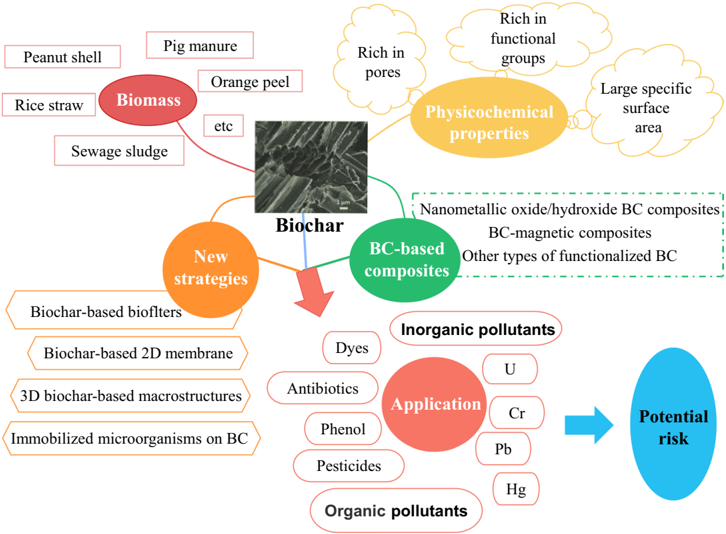
Abstract Biochar (BC) has exhibited a great potential to remove water contaminants due to its wide availability of raw materials, high surface area, developed pore structure, and low cost. However, the application of BC for water remediation has many limitations. Driven by the intense desire of overcoming unfavorable factors, a growing number of researchers have carried out to produce BC-based composite materials, which not only improved the physicochemical properties of BC, but also obtained a new composite material which combined the advantages of BC and other materials.
Overview
CoChat Summary
## TL;DR
This review summarizes how biochar and biochar-based composites are prepared, what physicochemical properties matter, and how they remove inorganic and organic pollutants from water and soil. It concludes that composite materials generally outperform pristine biochar, but stability, biological toxicity, and field validation remain major concerns.
## Key findings
- Pristine biochar showed pollutant removal capacities that the review reports as ranging from 7 × 10^-3 to 161.9 mg/g for inorganic pollutants and 10.4 to 610.1 mg/g for organic pollutants.
- Biochar-based composites improved removal performance: the review reports inorganic pollutant Qmax of 31 to 904 mg/g and that organic pollutant removal by composites was “more than 90%.”
- Examples given include MnO2-biochar removing 100% U(VI) with qmax = 904 mg/g; TiO2-biochar raising Reactive Blue 69 removal from 63.8% to 98.1%; and ZnO-modified biochar achieving 95% photodegradation efficiency after 5 cycles for phenol.
- For specific contaminants, the review reports Cr(VI) removal by pristine biochar through electrostatic attraction, reduction, and complexation, and gives examples such as BC450 removing almost 100% Cd(II) within 1 h and BC700 reducing soil soluble Cr by 93%.
## Methods
- This is a narrative review of prior studies on biochar and biochar-based composite materials, organized around preparation methods, physicochemical properties, contaminant removal performance, and adsorption/removal mechanisms.
- The review draws on published studies and summarizes them in tables (e.g., Tables 1–9), covering biochar preparation conditions, biochar/composite types, and reported adsorption capacities or removal rates.
- Main analysis is comparative synthesis of reported results across contaminant classes: heavy metals/inorganic pollutants and organic pollutants (dyes, phenols, antibiotics, pesticides), plus discussion of potential risks.
## Limitations
- The paper explicitly states that stability and biological toxicity of biochar-based composite materials still need attention and further study.
- It states that field trials are lacking and that most studies are laboratory-based, so laboratory conclusions may not translate directly to field conditions.
- It also states that the mechanisms are still inconclusive and that the relationships among biomass, preparation methods, and material properties are not clear enough.
- Evident from the text: the review is largely qualitative and literature-synthesizing, so it does not present a single controlled experimental dataset of its own.
Model-written summary. Check it against the paper before relying on it.
Integrity signals
Registry
Cites
Statistics
Figures
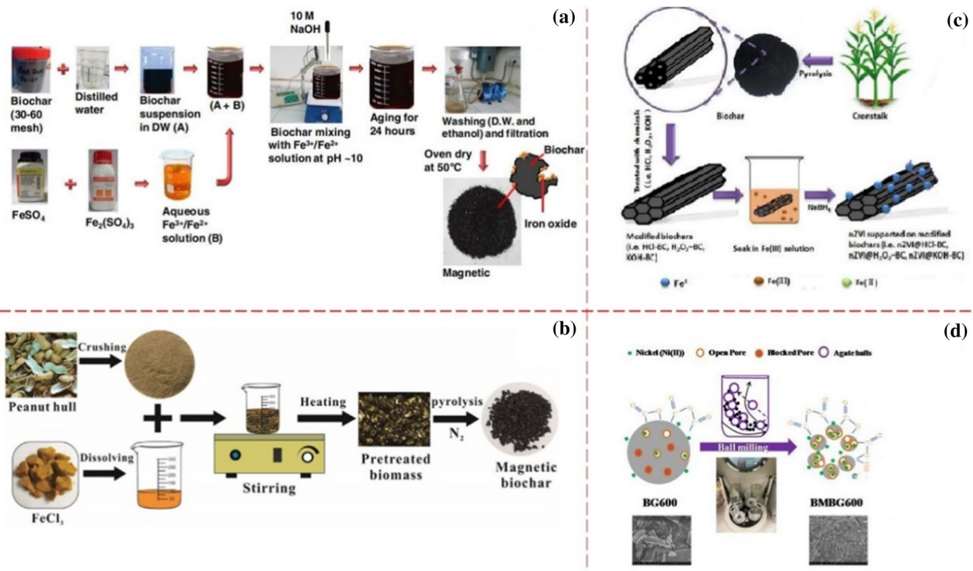
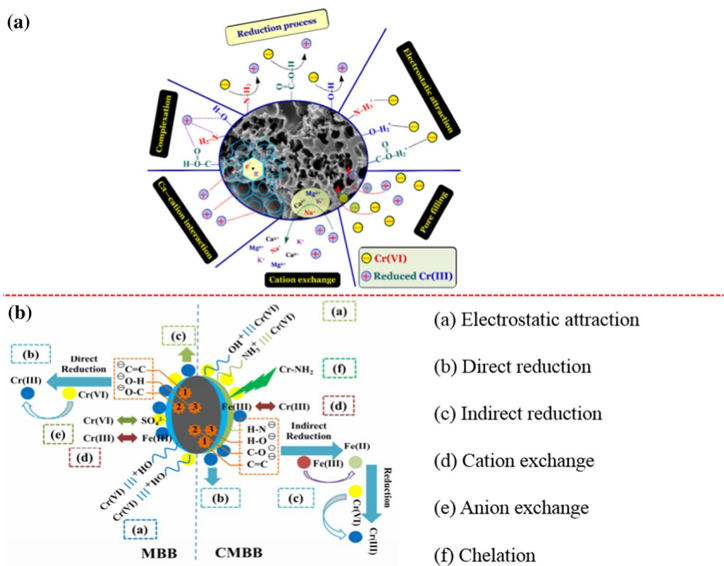
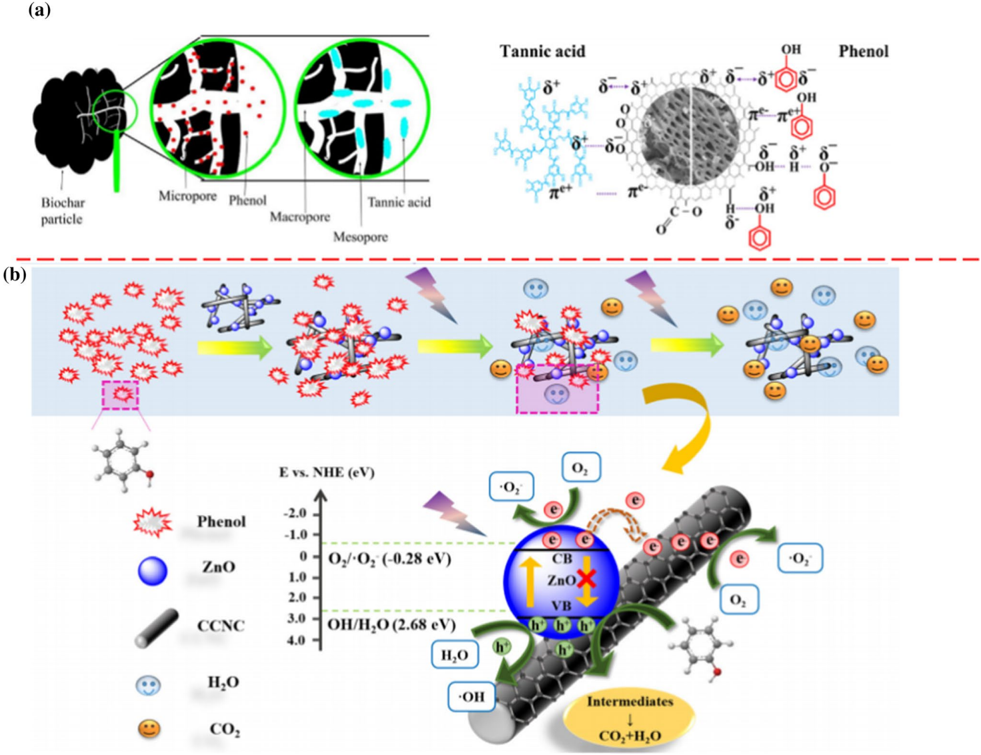
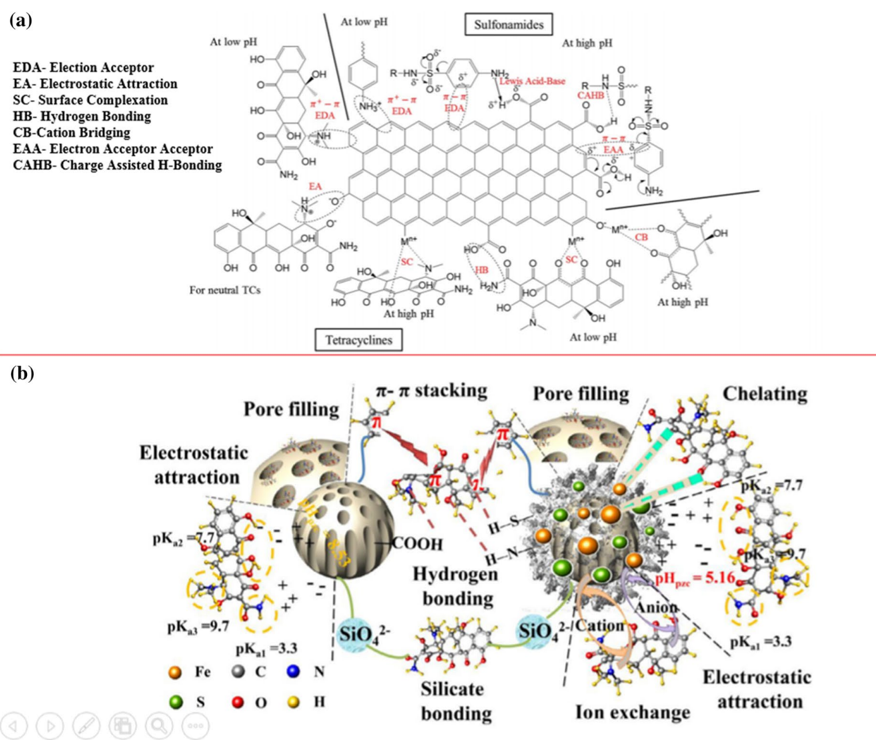

Verification
Claims the paper makes
2 Valid · 5 Not valid · 120 Not checked · 44 Own results and interpretations
In the paper
“Gao etal. (2020) co-pyrolyzed the mixture of rape straw and KH 2PO4 to prepare BC and the BC displayed a high immobilization capacity to heavy metals (Pb, Cu, and Cd).”
What the sources say
- Not matchedcites Gao etal. (2020)
An author–year citation the paper’s reference list doesn’t settle. We don’t search these by name.
plainstates an association- Asserted: passes — The authors put it forward as true.
- Checkable: passes — It can be checked against evidence.
- Load-bearing: unclear — It is unclear whether the paper’s conclusions depend on it.
- Based: passes — The paper gives a reason why it holds.
- Not matched
A result the paper states — it cites no source for it, so there is none to check. The quote shows it is in the paper.
In the paper
“The Q max of inorganic pollutants removal by BC-based composites ranged from 31 to 904mg/g.”
plain- Asserted: passes — The authors put it forward as true.
- Checkable: passes — It can be checked against evidence.
- Load-bearing: unclear — It is unclear whether the paper’s conclusions depend on it.
- Based: passes — The paper gives a reason why it holds.
A result the paper states — it cites no source for it, so there is none to check. The quote shows it is in the paper.
In the paper
“BC450 (produced at 450°C) showed a good removal efficiency (almost 100% Cd(II) from the aqueous solution within 1h).”
plainstates a cause- Asserted: passes — The authors put it forward as true.
- Checkable: passes — It can be checked against evidence.
- Load-bearing: unclear — It is unclear whether the paper’s conclusions depend on it.
- Based: passes — The paper gives a reason why it holds.
A result the paper states — it cites no source for it, so there is none to check. The quote shows it is in the paper.
In the paper
“the Q max of organic pollutant removal by the pristine BC ranged from 10.4 to 610.1mg/g”
plain- Asserted: passes — The authors put it forward as true.
- Checkable: passes — It can be checked against evidence.
- Load-bearing: unclear — It is unclear whether the paper’s conclusions depend on it.
- Based: passes — The paper gives a reason why it holds.
In the paper
“Wahab etal. (2013) reported that the melanoma cancer cells produced reactive oxygen species (ROS) and apoptosis after contact with nZnO.”
What the sources say
- Not matchedcites Wahab etal. (2013)
An author–year citation the paper’s reference list doesn’t settle. We don’t search these by name.
plainstates a cause- Asserted: passes — The authors put it forward as true.
- Checkable: passes — It can be checked against evidence.
- Load-bearing: unclear — It is unclear whether the paper’s conclusions depend on it.
- Based: passes — The paper gives a reason why it holds.
- Not matched
58 more claims
Create a free account to see all 171 claims and every source verdict.
- Probably not a substantial claim. 30
- It may state two separate claims as one. 88
- The quote only partly states this claim. 3
Self-check
Percentages, sums and reported differences re-computed from the paper’s own numbers.
Self-check results appear here once an independent check has confirmed them.
Cited works that were retracted
Works this paper cites that were later retracted, from the retraction notices publishers deposit. Major when the notice came out before this paper was published.
A note, not an issue: for example, a cited work that was retracted only after this paper was published, which its authors could not have known.
In the paper
“El-Naggar A, Lee MH, Hur J, Lee HY, Igalavithana AD, Shaheen SM, Ryu C, Rinklebe J, Tsang DCW, Ok YS (2019b) Biochar-induced metal immobilization and soil biogeochemical process: an integrated mechanistic approach. Sci Total Environ 698:134112”
Cited work 10.1016/j.scitotenv.2019.134112 · retracted 2026-08-26 · notice 10.1016/j.scitotenv.2026.182256 · this paper published 2021-07-07
Citations
Cites
1 retracted
El-Naggar, A., Lee, M.-H., Hur, J., Lee, Y. H., Igalavithana, A. D., Shaheen, S. M., Ryu, C., Rinklebe, J., Tsang, D. C. W., & Ok, Y. S. (2020) · Science of The Total Environment · doi:10.1016/j.scitotenv.2019.134112 · Cited by 191
RetractedBiochar effects on soil biota – A review
Lehmann, J., Rillig, M. C., Thies, J., Masiello, C. A., Hockaday, W. C., & Crowley, D. (2011) · Soil Biology and Biochemistry · doi:10.1016/j.soilbio.2011.04.022 · Cited by 5,074 · cited 1×
“1 3 the volatilization during pyrolysis and releasing of alkali salt during pyrolysis (Lehmann et al. 2011).”
BackgroundApplication of biochar for the removal of pollutants from aqueous solutions
Tan, X., Liu, Y., Zeng, G., Wang, X., Hu, X., Gu, Y., & Yang, Z. (2015) · Chemosphere · doi:10.1016/j.chemosphere.2014.12.058 · Cited by 2,081 · cited 1×
“Because of the large specific surface area, rich porous structure, abundant surface functional groups, and high mineral content, BC has been applied in various fields including energy production, water contaminants treatment, and other fields (Tan et al. 2015).”
BackgroundSelf-citationGlobal Water Pollution and Human Health
Schwarzenbach, R. P., Egli, T., Hofstetter, T. B., von Gunten, U., & Wehrli, B. (2010) · Annual Review of Environment and Resources · doi:10.1146/annurev-environ-100809-125342 · Cited by 2,076 · cited 1×
“…biomass with high moisture (sewage sludges, manures) or achieved by mixing water and biomass (rich in cellulose, lignin) to produce water-soluble organic matter and carbon-rich solid products under moderate temperatures (150–350 °C) and autogenous pressures (Sevilla and Fuerteshe 2009; Gascó et al.”
BackgroundThe production of carbon materials by hydrothermal carbonization of cellulose
Sevilla, M., & Fuertes, A. B. (2009) · Carbon · doi:10.1016/j.carbon.2009.04.026 · Cited by 2,021
Funke, A., & Ziegler, F. (2010) · Biofuels Bioproducts and Biorefining · doi:10.1002/bbb.198 · Cited by 2,001 · cited 1×
“However, under alkaline conditions, organic acids increased, while sugars decreased, and high pH resulted in a higher H/C ratio of the hydrochar (Funke and Ziegler 2010).”
BackgroundXia, T., Kovochich, M., Brant, J., Hotze, M., Sempf, J., Oberley, T., Sioutas, C., Yeh, J. I., Wiesner, M. R., & Nel, A. E. (2006) · Nano Letters · doi:10.1021/nl061025k · Cited by 1,918
Mechanisms of metal sorption by biochars: Biochar characteristics and modifications
Li, H., Dong, X., da Silva, E. B., de Oliveira, L. M., Chen, Y., & Ma, L. Q. (2017) · Chemosphere · doi:10.1016/j.chemosphere.2017.03.072 · Cited by 1,822
Comparative eco-toxicity of nanoscale TiO2, SiO2, and ZnO water suspensions
Adams, L. K., Lyon, D. Y., & Alvarez, P. J. J. (2006) · Water Research · doi:10.1016/j.watres.2006.08.004 · Cited by 1,543
Islam, M. S., Ahmed, M. K., Raknuzzaman, M., Habibullah -Al- Mamun, M., & Islam, M. K. (2015) · Ecological Indicators · doi:10.1016/j.ecolind.2014.08.016 · Cited by 1,454
Research works printed but not linked: 1
- NS1. J Environ Sci Health Part A Toxic/hazard Subst Environ Eng 38:1857-1866
Cited by
Items 101–200 of 654
Zhang, K., Cen, R., Moavia, H., Shen, Y., Ebihara, A., Wang, G., Yang, T., Sakrabani, R., Singh, K., Feng, Y., et al. (2024) · Chemical Engineering Journal · doi:10.1016/j.cej.2024.152310 · Cited by 59
The interplay between bisphenol A and algae – A review
Azizullah, A., Khan, S., Gao, G., & Gao, K. (2022) · Journal of King Saud University - Science · doi:10.1016/j.jksus.2022.102050 · Cited by 50
Yao, A., Hua, D., Hong, Y., Pan, J., Cheng, X., Tan, K. B., & Zhan, G. (2022) · ACS Applied Nano Materials · doi:10.1021/acsanm.2c04492 · Cited by 49
Hu, Q., Wang, Y., Gao, X., et al. (2023) · Journal of Hazardous Materials · doi:10.1016/j.jhazmat.2023.130744 · Cited by 50
Cheng, X., Deng, J., Li, X., Wei, X., Shao, Y., & Zhao, Y. (2021) · Chemosphere · doi:10.1016/j.chemosphere.2021.131966 · Cited by 51
Review on biochar as an adsorbent material for removal of dyes from waterbodies
Dwivedi, S., & Dey, S. (2022) · International Journal of Environmental Science and Technology · doi:10.1007/s13762-022-04364-9 · Cited by 55
Ultrasonic Activated Biochar and Its Removal of Harmful Substances in Environment
Wang, J., Li, W., Zhao, Z., Musoke, F. S. N., & Wu, X. (2022) · Microorganisms · doi:10.3390/microorganisms10081593 · Cited by 60
“Thus, the traditional influencing factors of pyrolysis mainly include carbonization temperature and carbonization time, which have been investigated [42].”
BackgroundKarunaratne, T. N., Rodrigo, P. M., Oguntuyi, D. O., Mlsna, T., Zhang, J., & Zhang, X. (2023) · Journal of Bioresources and Bioproducts · doi:10.1016/j.jobab.2023.06.003 · Cited by 57
Yuan, J., Wang, C., Tang, Z., Chu, T., Zheng, C., Han, Q., Chen, H., & Tan, Y. (2024) · Arabian Journal of Chemistry · doi:10.1016/j.arabjc.2024.105606 · Cited by 54
Chen, A., Cheng, M., Huang, D., Zhang, G., Wang, W., Du, L., Wang, G., Liu, H., Chen, Y., Xiao, W., et al. (2024) · Renewable and Sustainable Energy Reviews · doi:10.1016/j.rser.2024.114520 · Cited by 54
Liu, J., Lu, B., Poulain, A. J., Zhang, R., Zhang, T., Feng, X., & Meng, B. (2021) · Environmental Pollution · doi:10.1016/j.envpol.2021.118321 · Cited by 51
Rahman, M. A., Lamb, D., Rahman, M. M., Bahar, M. M., & Sanderson, P. (2022) · ACS Omega · doi:10.1021/acsomega.1c04129 · Cited by 50
Singh, P. K., Rawat, S., Jain, N., Bhatnagar, A., Bhattacharya, P., & Maiti, A. (2023) · Journal of environmental chemical engineering · doi:10.1016/j.jece.2023.110635 · Cited by 52
Using machine learning to predict the efficiency of biochar in pesticide remediation
Nighojkar, A., Pandey, S., Naebe, M., Kandasubramanian, B., Soboyejo, W. O., Plappally, A. K., & Wang, X. (2023) · npj Sustainable Agriculture · doi:10.1038/s44264-023-00001-1 · Cited by 53
Self-citationMazarji, M., Bayero, M. T., Minkina, T., Sushkova, S., Манджиева, С. С., Tereshchenko, A. A., Timofeeva, A., Bauer, T. V., Burachevskaya, M., Kızılkaya, R., et al. (2021) · Sustainability · doi:10.3390/su132413825 · Cited by 52
Adsorption of contaminants from aqueous solutions by modified biochar: a review
Yu, F., Pan, J., Zhang, X., Bai, X., & Ma, J. (2022) · Environmental Chemistry · doi:10.1071/en22014 · Cited by 51
Zeng, Y., Li, T., Ding, Y., Fang, G., Wang, X., Ye, B., Ge, L., Gao, J., Wang, Y., & Zhou, D. (2022) · Biochar · doi:10.1007/s42773-022-00188-5 · Cited by 47
“This probably was attributed to the large amounts of reductive organic matters in deep soil (Liang et al. 2021), which could consume free radicals from the activation of PS, and thus inhibit the decay of contaminants.”
BackgroundSelf-citationValizadeh, K., Bateni, A., Sojoodi, N., et al. (2022) · Scientific Reports · doi:10.1038/s41598-022-26652-7 · Cited by 47
“The FTIR spectra of inulin (1) Removal (%) = C0 − Ce C0 × 100”
BackgroundLương, H. V. T., Le, T. P., Le, T. L. T., Dang, H. G., & Quyên, T. T. B. (2024) · Heliyon · doi:10.1016/j.heliyon.2024.e28648 · Cited by 61
“This insignificant efficiency within a very long time adsorption was attributed to saturation of surface active sites [64].”
BackgroundMn-modified bamboo biochar improves soil quality and immobilizes heavy metals in contaminated soils
Su, J., Guo, Z., Zhang, M., Xie, Y., Shi, R., Huang, X., Tuo, Y., He, X., & Xiang, P. (2024) · Environmental Technology & Innovation · doi:10.1016/j.eti.2024.103630 · Cited by 56
Lamberti, E., Viscusi, G., Kiani, A., Boumezough, Y., Acocella, M. R., & Gorrasi, G. (2024) · Biomass and Bioenergy · doi:10.1016/j.biombioe.2024.107247 · Cited by 52
Gu, H., Liu, Q., Sun, G., et al. (2021) · Chemical Engineering Journal · doi:10.1016/j.cej.2021.132742 · Cited by 46
Full-Lignin-Based adsorbent for removal of Cr(VI) from waste water
Li, W. H., Chai, L., Du, B., Chen, X., & Sun, R. (2022) · Separation and Purification Technology · doi:10.1016/j.seppur.2022.122644 · Cited by 51
Biochar-supported microbial systems: a strategy for remediation of persistent organic pollutants
Wu, H., Huo, Y., Qi, F., Zhang, Y., Li, R., & Qiao, M. (2025) · Biochar · doi:10.1007/s42773-025-00506-7 · Cited by 64
“Kah et al. (2017) noted that certain ionizable organic compounds, such as phenols and amines, exhibit higher adsorption at low pH values because biochar surfaces become positively charged, forming stronger electrostatic attractions with anionic pollutants (Kah et al. 2017; Liang et al. 2021).”
Study on the Adsorption Performance of Casein/Graphene Oxide Aerogel for Methylene Blue
Xu, W., Li, Y., Wang, H., et al. (2021) · ACS Omega · doi:10.1021/acsomega.1c04938 · Cited by 44
An, X., Xu, X., Guo, W., Chen, Z., Miao, Z., Yuan, J., & Wu, Z. (2023) · Journal of Environmental Management · doi:10.1016/j.jenvman.2023.118489 · Cited by 45
Vidakis, N., Kalderis, D., Petousis, M., Maravelakis, E., Mountakis, N., Bolanakis, N., & Papadakis, V. M. (2023) · Biochar · doi:10.1007/s42773-023-00238-6 · Cited by 46
Qu, J., Bi, F., Li, S., Feng, Z., Li, Y., Zhang, G., Wang, L., Wang, Y., & Zhang, Y. (2022) · Bioresource Technology · doi:10.1016/j.biortech.2022.127819 · Cited by 42
Biosorption of aqueous Pb(II) by H3PO4-activated biochar prepared from palm kernel shells (PKS)
Dechapanya, W., & Khamwichit, A. (2023) · Heliyon · doi:10.1016/j.heliyon.2023.e17250 · Cited by 55
Gu, G., Yang, S., Li, N., Peng, C., Li, Y., & Tao, E. (2024) · Environmental Pollution · doi:10.1016/j.envpol.2024.124898 · Cited by 43
Liu, J., Ouyang, Q., Wang, L., et al. (2021) · Journal of Hazardous Materials · doi:10.1016/j.jhazmat.2021.127594 · Cited by 43
Bio-based 3D dendritic silica nanosphere: A green superior adsorbent
Soltani, R., Nazari, M., Marjani, A., et al. (2021) · Journal of Cleaner Production · doi:10.1016/j.jclepro.2021.130204 · Cited by 42
Superior organic dye removal by CoCr2O4 nanoparticles: Adsorption kinetics and isotherm
Ngoc, P. K., Mac, T. K., Nguyễn, H. T., Viet, D. T., Thành, T. Đ., Vinh, P. V., Phan, T. B., Duong, A. T., & Das, R. (2022) · Journal of Science Advanced Materials and Devices · doi:10.1016/j.jsamd.2022.100438 · Cited by 45
Otieno, A. O., Home, P. G., Raude, J. M., Murunga, S. I., & Gachanja, A. N. (2022) · Heliyon · doi:10.1016/j.heliyon.2022.e10272 · Cited by 57
“Pyrolysis which involves heating biomass material under inert atmosphere to yield a carbon-rich solid product called biochar which are energy carriers (Liang et al., 2021; Mishra and Mohanty, 2018), is considered a relatively inexpensive and simple technique operating at a relatively lower temperature of up to 500 C a…”
Zhang, L., Wu, Y., Zhu, Z., Zhu, Y., Dong, Y., Liang, M., & Deng, H. (2024) · Biochar · doi:10.1007/s42773-023-00298-8 · Cited by 46
“Moreover, the biological method is a time-consuming process, which is often accompanied by the generation of secondary pollutants that are costly to treat (Ines et al. 1998; Ovez et al. 2006; Ghafari et al. 2008; Liang et al. 2021a, b).”
Biochar: a potential and green adsorbent for antibiotics removal from aqueous solution
Mei, Y., Zhuang, S., & Wang, J. (2024) · Reviews in Environmental Science and Bio/Technology · doi:10.1007/s11157-024-09711-5 · Cited by 51
“…the adsorption effectiveness for removing antibiotics is still unstable, so further modification of biochar is required (Cheng et al. 2021; Krasucka et al. 2021; Liang et al. 2021; Monisha et al. 2021; Patel et al. 2022; Qiu et al. 2022; Ajala et al. 2023; Du et al. 2023; Hama Aziz et al. 2024b).”
Maksoud, M. I. A. A., Sami, N. M., Hassan, H. S., Bekhit, M., & Ashour, A. (2021) · Journal of Colloid and Interface Science · doi:10.1016/j.jcis.2021.08.166 · Cited by 41
Zhu, H., Zhu, E., Xie, Y., Liu, D.-N., Yang, H., Shi, Z., Xiong, C., & Yang, Q. (2022) · Carbohydrate Polymers · doi:10.1016/j.carbpol.2022.119947 · Cited by 45
Biochar aerogel-based electrocatalyst towards efficient oxygen evolution in acidic media
Hui, B., Chen, H., Zhou, C., Cai, L., Zhang, K., Quan, F., & Yang, D. (2022) · Biochar · doi:10.1007/s42773-022-00163-0 · Cited by 40
Nidheesh, P. V., Kumar, M., Venkateshwaran, G., Ambika, S., Bhaskar, S., Vinay, V., & Ghosh, P. (2024) · Chemosphere · doi:10.1016/j.chemosphere.2024.141566 · Cited by 48
Wang, C., Xing, Y., Lei, Y., Xia, Y., Zhang, C., Zhang, R., Wang, S., Chen, P., Zhu, S., Li, J., et al. (2021) · Colloids and Surfaces A Physicochemical and Engineering Aspects · doi:10.1016/j.colsurfa.2021.127719 · Cited by 40
Yao, B. W., Chen, X., Zhou, K., Luo, Z., Li, P., Yang, Z., & Zhou, Y. (2022) · Biochar · doi:10.1007/s42773-022-00158-x · Cited by 41
Gao, Y., Chen, Y., Song, T., Su, R., & Luo, J. (2022) · Separation and Purification Technology · doi:10.1016/j.seppur.2022.121857 · Cited by 41
Zhuo, Q., Liang, Y., Hu, Y., Shi, M., Zhao, C., & Zhang, S. (2023) · Carbon Research · doi:10.1007/s44246-023-00066-0 · Cited by 39
“Biochar is a carbon-rich and porous material generated through pyrolysis at temperatures ranging from 300 to 900 °C under oxygen-deficient conditions (Liang et al. 2021).”
BackgroundHuang, X., Niu, X., Zhang, D., Li, X., Li, H., Wang, Z., Lin, Z., & Fu, M. (2022) · Journal of Environmental Management · doi:10.1016/j.jenvman.2022.115771 · Cited by 43
Bocșa, M., Pintea, S., Lung, I., Opriș, O., Stegarescu, A., Humayun, M., Bououdina, M., Soran, M.-L., & Bellucci, S. (2023) · Separations · doi:10.3390/separations10100533 · Cited by 48
“Similar conclusions are drawn from the analysis carried out by Nobaharan et al. [86].”
Tan, Y., Wang, J., Zhan, L., Yang, H., & Gong, Y. (2024) · Scientific Reports · doi:10.1038/s41598-024-55520-9 · Cited by 67
Khoshmanesh, M., Sanati, A. M., Shahcheragh, S., Farjadfard, S., Bonyadi, Z., & Ramavandi, B. (2024) · Arabian Journal of Chemistry · doi:10.1016/j.arabjc.2024.105737 · Cited by 41
Catalytic resource recovery for transformation of the wastewater industry
Ren, W., Zhang, Q., Chen, J., Xiao, X., Duan, X., Luo, X., & Wang, S. (2025) · Nature Water · doi:10.1038/s44221-025-00530-8 · Cited by 54
Wang, Y., Chen, J., Guan, M., & Qiu, H. (2021) · Langmuir · doi:10.1021/acs.langmuir.1c02275 · Cited by 39
Ezzat, M. N., & Ali, Z. T. A. (2022) · Sustainable materials and technologies · doi:10.1016/j.susmat.2022.e00404 · Cited by 41
Shen, H., Chen, L., Zhou, C., Du, J., Lu, C., Yang, H., Tan, L., Zeng, X., & Dong, L. (2022) · Separation and Purification Technology · doi:10.1016/j.seppur.2022.120883 · Cited by 40
Tyagi, U., & Anand, N. (2023) · BioEnergy Research · doi:10.1007/s12155-022-10560-9 · Cited by 46
Wu, L., Wang, W., Zhang, S., Mo, D., & Li, X. (2021) · ACS Omega · doi:10.1021/acsomega.1c04950 · Cited by 40
“7,8 However, tetracycline has a stable aromatic structure and functional groups; a large amount of tetracycline remains in the aquatic environment due to low removal e ffi ciency in natural conditions.”
Kamboj, V., & Tiwari, D. P. (2022) · Biomass Conversion and Biorefinery · doi:10.1007/s13399-022-02702-y · Cited by 39
“…area, such as zeolites, graphene oxide, silica, purified carbon nanotubes, metal oxides, agricultural biomass, biochar-based composite materials [6], functionalized straw [7], functionalized corn starch [8], amphoteric β-cyclodextrin-based adsorbent [9, 10], clay mineral aggregates [11], and…”
Removal of neonicotinoid insecticides from water in various treatment processes: A review
Yao, B. W., & Zhou, Y. (2024) · Critical Reviews in Environmental Science and Technology · doi:10.1080/10643389.2024.2309845 · Cited by 40
“For instance, biochar prepared using animal manure trend to be rich in ash contents (Liang et al., 2021).”
BackgroundLi, Y., Zhu, Y., Liu, J., Fan, W., Cao, Y., Huo, Y., & Wei, J. (2025) · Biochar · doi:10.1007/s42773-024-00387-2 · Cited by 45
“Because of the high N, P, and mineral contents of nonwoody biochar, this type of biochar has high ash and moisture contents and a low calorific value and bulk density (Liang et al. 2021).”
Bano, A., Aziz, M. K., Prasad, B., Ravi, R., Shah, M. P., Lins, P. V. D. S., Meili, L., & Prasad, K. S. (2025) · Environmental Chemistry and Ecotoxicology · doi:10.1016/j.enceco.2025.01.004 · Cited by 49
“In addition to inorganic impurities, biochar can also remove harmful organic chemicals such as dyes, drugs, pesticides, oils, polyphenolic compounds, polycyclic aromatics, and POPs [82,95].”
Khalesi, S., Fahimirad, B., Rajabi, M., Baigenzhenov, O., & Hosseini–Bandegharaei, A. (2022) · Journal of Dispersion Science and Technology · doi:10.1080/01932691.2022.2059507 · Cited by 36
Wang, N., Liu, Q., Xie, B., Huang, X., & Xiao, D. (2022) · Separation and Purification Technology · doi:10.1016/j.seppur.2022.122164 · Cited by 36
Rout, D. R., & Jena, H. M. (2021) · Separation and Purification Technology · doi:10.1016/j.seppur.2021.119630 · Cited by 62
Estrada-Almeida, A. G., Castrejón-Godínez, M. L., Mussali-Galante, P., Tovar‐Sánchez, E., & Rodríguez, A. (2024) · Journal of Xenobiotics · doi:10.3390/jox14040082 · Cited by 49
da Silva, P. M. M., Camparotto, N. G., Neves, T. F., Mastelaro, V. R., Nunes, B., Picone, C. S. F., & Prediger, P. (2021) · Environmental Nanotechnology Monitoring & Management · doi:10.1016/j.enmm.2021.100584 · Cited by 43
Zhang, X., Liu, S., Wang, M., Ma, X., Sun, X., Liu, X., Wang, L., & Wang, W. (2022) · Fuel · doi:10.1016/j.fuel.2022.125110 · Cited by 36
Lima, J. Z., Ogura, A. P., da Silva, L. C. M., Raimondi, I. M., Rodrigues, V. G. S., Espíndola, E. L. G., & Marques, J. P. (2022) · Journal of environmental chemical engineering · doi:10.1016/j.jece.2022.108192 · Cited by 39
Ayοdhya, D. (2022) · Materials Chemistry Frontiers · doi:10.1039/d2qm00431c · Cited by 37
Bao, J., Li, J., Jiang, L., Mei, W., Song, M., Huang, D., Luo, C., & Zhang, G. (2022) · Journal of Hazardous Materials · doi:10.1016/j.jhazmat.2022.129466 · Cited by 37
Wani, A. A., Khan, A. M., Manea, Y. K., & Singh, M. (2022) · Journal of Water Process Engineering · doi:10.1016/j.jwpe.2022.103340 · Cited by 38
Ahlawat, W., Dilbaghi, N., Kumar, R., Singhal, N. K., Kaushik, A. K., & Kumar, S. (2023) · Journal of environmental chemical engineering · doi:10.1016/j.jece.2023.110268 · Cited by 37
Azan, N. A. A. M., Sagadevan, S., Mohamed, A. R., Azazi, A. H. N., Suah, F. B. M., Kobayashi, T., Adnan, R., & Kaus, N. H. M. (2022) · Catalysts · doi:10.3390/catal12101269 · Cited by 40
“Chitosan changes the physiochemical properties of biochar and im‐ proves its impact on water quality [22].”
BackgroundMahmoud, M. E., El‐Sharkawy, R. M., Allam, E. A., Nabil, G. M., Louka, F. R. Y., Salam, M. A., & Elsayed, S. M. (2023) · Journal of Water Process Engineering · doi:10.1016/j.jwpe.2023.104625 · Cited by 41
Zhang, H., Liu, W.-H., Liu, C., Ping, S., Zeng, Y.-P., Gao, Y., Wang, H., & Zeng, R. J. (2023) · Journal of Cleaner Production · doi:10.1016/j.jclepro.2023.139642 · Cited by 33
Cai, Y., Yang, J., Ran, Z., Bu, F., Xu, C., Shaaban, M., & Peng, Q.-A. (2024) · Chemosphere · doi:10.1016/j.chemosphere.2024.141739 · Cited by 33
Biochar Production and Its Potential Application for Biocomposite Materials: A Comprehensive Review
Florian, G. F., Ragoubi, M., Leblanc, N., Taouk, B., & Abdelouahed, L. (2024) · Journal of Composites Science · doi:10.3390/jcs8060220 · Cited by 43
“Due to its multiple and adaptable properties, biochar is increasingly being studied and tested for a wide range of applications, such as soil remediation [58,59], CO 2 capture [60,61], and the removal of organic [62,63], inorganic [64,65], and gaseous [66,67] pollutants.”
BackgroundYe, L., Gao, G., Li, F., Sun, Y., Yang, S., Qin, Q., Wang, J., Bai, N., Xue, Y., & Sun, L. (2025) · Journal of environmental chemical engineering · doi:10.1016/j.jece.2025.116179 · Cited by 44
Zhu, Y., Wang, L., You, Y., Cheng, Y., Ma, J., & Chen, F. (2022) · Chemosphere · doi:10.1016/j.chemosphere.2022.134811 · Cited by 37
Mandal, R. R., Bashir, Z., Mandal, J. R., & Raj, D. (2024) · Environmental Monitoring and Assessment · doi:10.1007/s10661-024-12680-5 · Cited by 33
“It is known for its effectiveness in removing both carbon-based and inorganic contaminants from wastewater, making it a versatile and sustainable adsorbent (Liang et al., 2021).”
Zhao, Y., Zhang, X., Liu, W., et al. (2024) · Journal of environmental chemical engineering · doi:10.1016/j.jece.2024.112040 · Cited by 33
Recent advances in metal oxide-biochar composites for water and soil remediation: A review
Dzoujo, H. T., Shikuku, V. O., Tomé, S., Simo, A. C. N., Ngeno, E. C., Getenga, Z. M., Etoh, M., & Dina, D. D. J. (2024) · Hybrid Advances · doi:10.1016/j.hybadv.2024.100292 · Cited by 41
Wei, J., Bi, J., Zhang, L., Han, D., & Gong, J. (2021) · Separation and Purification Technology · doi:10.1016/j.seppur.2021.119975 · Cited by 31
Enhanced Chlortetracycline Removal by Iron Oxide-Modified Coffee Grounds Biochar
Wang, Y., Tian, Q., Yang, G., Li, X., Du, W., Leong, Y. K., & Chang, J. (2022) · Chemosphere · doi:10.1016/j.chemosphere.2022.134654 · Cited by 37
Application of covalent organic frameworks in environmental pollution management
Cai, Y., Ling, Q., Yi, Y., Chen, Z., Yang, H. Y., Hu, B., Liang, L., & Wang, X. (2022) · Applied Catalysis A General · doi:10.1016/j.apcata.2022.118733 · Cited by 33
Self-citationOmidi, M. H., Azqhandi, M. H. A., & Ghalami‐Choobar, B. (2022) · Chemosphere · doi:10.1016/j.chemosphere.2022.136007 · Cited by 34
Isaac, R., & Siddiqui, S. (2022) · Journal of Hazardous Materials Advances · doi:10.1016/j.hazadv.2022.100162 · Cited by 40
Lu, H., Zhu, F., Xu, H., et al. (2023) · Colloids and Surfaces A Physicochemical and Engineering Aspects · doi:10.1016/j.colsurfa.2023.132094 · Cited by 33
Jia, J., Sun, Y., Liu, Z., Liu, Z., Huo, L., Kang, K., Zhao, Y., Zhao, L., Xie, T., Cao, M., et al. (2023) · Biochar · doi:10.1007/s42773-023-00293-z · Cited by 40
“Various activation methods have been employed to enhance the physicochemical properties of carbon materials (Liang et al. 2021; Liu et al. 2023).”
Zhao, Y., Wang, C., Han, Q., Fang, Z., Gao, Y., Chen, H., Li, J., Yang, X. Y., Chen, J., & Wang, H. (2025) · Processes · doi:10.3390/pr13030664 · Cited by 42
Iron-biochar production from oily sludge pyrolysis and its application for organic dyes removal
Liu, Y., Jiang, Z., Fu, J., Ao, W., Siyal, A. A., Zhou, C., Liu, C., Dai, J., Yu, M., Zhang, Y., et al. (2022) · Chemosphere · doi:10.1016/j.chemosphere.2022.134803 · Cited by 32
Cui, X., Yang, Z., Zhang, X., Liu, W., Zou, B., & Liao, W. (2022) · Applied Surface Science · doi:10.1016/j.apsusc.2022.154027 · Cited by 32
Three dimensional BC/rGA aerogel: preparation, characterization, and adsorption of Cr(VI)
Che, N., Liu, N., Li, Y., Li, C., Liu, Y., & Li, C. (2022) · Biochar · doi:10.1007/s42773-022-00191-w · Cited by 32
“However, as a powder adsorbent, the application of BC or BC-based composites inevitably releases particles into water and the general separation method from solution is filtration or centrifugation, by which it is difficult to separate and recycle biochar from the solution and might cause further biological toxicity a…”
BackgroundWang, Y., Li, J., Xu, L., Xu, Q., Wu, D., Ai, Y., Li, D., Liu, W., Qu, J., Wang, L., et al. (2023) · Journal of environmental chemical engineering · doi:10.1016/j.jece.2023.111115 · Cited by 31
Saravanakumar, A., Sudha, M. R., Chen, W., & Vijayakumar, P. (2024) · Journal of the Taiwan Institute of Chemical Engineers · doi:10.1016/j.jtice.2024.105437 · Cited by 34
Production of Algae-Derived Biochar and Its Application in Pollutants Adsorption—A Mini Review
Li, L., Wang, J., Sun, W., Peng, X., & Qi, X. (2025) · Separations · doi:10.3390/separations12020032 · Cited by 40
Shaheen, S. M., Ullah, H., Wu, Y., Mosa, A. A., Fang, Y., Shi, Y., Liu, J., Kumar, M., Zhang, H., Zhang, B., et al. (2025) · Biochar · doi:10.1007/s42773-024-00407-1 · Cited by 42
“This could be achieved by loading compounds containing elements like Fe, Mn, Al, silicon (Si), and P onto BC, thereby boosting its remediation capabilities (Royer-Lavallée et al. 2020; Liang et al. 2021a, b).”
Sebestyén, T. T., & Grande, C. A. (2022) · Cleaner Engineering and Technology · doi:10.1016/j.clet.2022.100443 · Cited by 37
Dai, L., Chen, Y., Liu, L., Sun, P., Liu, J., Wang, B.-Y., & Yang, S. (2022) · The Science of The Total Environment · doi:10.1016/j.scitotenv.2022.153905 · Cited by 30
Asu, S. P., Sompalli, N. K., Kuppusamy, S., et al. (2022) · Materials Today Sustainability · doi:10.1016/j.mtsust.2022.100189 · Cited by 31
Remediation of pesticides contaminated water using biowastes-derived carbon rich biochar
Eissa, F., Alsherbeny, S., El-Sawi, S., Slaný, M., Lee, S. S., Shaheen, S. M., & Jamil, T. S. (2023) · Chemosphere · doi:10.1016/j.chemosphere.2023.139819 · Cited by 36
Abou-Hadid, A. F., Elbehairy, U., Elmalih, M. M., et al. (2023) · Biomass Conversion and Biorefinery · doi:10.1007/s13399-023-04057-4 · Cited by 30
“Radioactive nuclides and hazard elements, for instance cadmium and radioactive species, are characterized by non-biodegradable, high persistence, and bioac-cumulation; therefore, they dramatically affect the aquatic food chain [2–4].”
Aziz, S. S., Anbreen, S., Iftikhar, I., Fatima, T., Iftikhar, A., & Ali, L. (2024) · Frontiers in Environmental Science · doi:10.3389/fenvs.2024.1353267 · Cited by 39
Metadata
- Authors
- Liang, L., Xi, F., Tan, W., Meng, X., Hu, B., & Wang, X.
- Affiliations
- Shaoxing University (CN)
- Corresponding author
- Hu, Baowei
- Wang, Xiangke
- Venue
- Biochar
- Published
- 2021-07-07
- Volume
- 3
- Issue
- 3
- Pages
- 255-281
- ISSN
- 2524-7867 (ISSN-L)
- 2524-7972
- OpenAlex
- W3177766267
- Cited by
- 662
- References
- 211
- Citations by year
- 2026: 83 · 2025: 104 · 2024: 124 · 2023: 122 · 2022: 172 · 2021: 57
- FWCI
- 35.30
- Type
- journal article
- Language
- en
- Open access
- hybrid
- doi.org
- Licence
- cc-by
- creativecommons.org/licenses/by/4.0 (tdm)
- creativecommons.org/licenses/by/4.0 (vor)
- Locations
- Biochar (publishedVersion, cc-by)
- Funders
- National Natural Science Foundation of China (41807468)
- Natural Science Foundation of Zhejiang Province (LY18E080018)
- Key Laboratory of Jiangsu Province for Chemical Pollution Control and Resources Reuse (PCRRF18021)
- Topics
- Physical Sciences › Environmental Science › Water Science and Technology › Adsorption and biosorption for pollutant removal
- Physical Sciences › Environmental Science › Environmental Engineering › Environmental remediation with nanomaterials
- Physical Sciences › Environmental Science › Water Science and Technology › Environmental and Analytical Chemistry Studies
- Keywords
- water pollutant removal, organic pollutants, inorganic contaminants, adsorption mechanism, water remediation, biochar physicochemical properties, biochar stability, biotoxicity
About these checks
Registry, retraction, Cites and statistics results are computed, not judged, with one exception: a printed reference that no index lists is read once by a model before it counts as a citation error. Claims are extracted by a model and kept only when their quote appears verbatim in the text; each cited source is then checked, with a model’s help, for whether it says what the claim relies on. Those verdicts can be wrong — read the claim’s quote and the cited source before relying on one.
The claim verdicts this report counts are experimental: their accuracy is not yet measured.
A language model drew the claims from the paper on 2026-10-10, under version 3 of the claim definition (model deepseek-v4.1-flash, prompt extract-v3).
A second model labelled each claim on 2026-10-10 (model jev-1.13-20260917, definition revision gold-guideline-v0.2).
Statistics and arithmetic are recomputed, not judged.
Confidence bands are shown only for fields calibrated on our annotated test set. None is calibrated yet, so no band is shown.
What counts as a claim ›How we measure confidence ›How we check this ›
Are you an author, or do you see a problem with this page? Request a review
Data sources
Bibliographic data: Semantic Scholar, OpenAlex, Crossref.
Contains information from the Semantic Scholar Academic Graph Datasets, made available under the ODC Attribution License (ODC-BY 1.0).
Semantic Scholar’s data is described in: Kinney, R., et al. (2023). The Semantic Scholar Open Data Platform. arXiv:2301.10140.
