

Review of organic and inorganic pollutants removal by biochar and biochar-based composites
Open accessThe DOI matches its Crossref record; 213 of the 213 references it cites were found in a registry or an index; 2 of the 139 sources its claims cite were checked for support.
Abstract
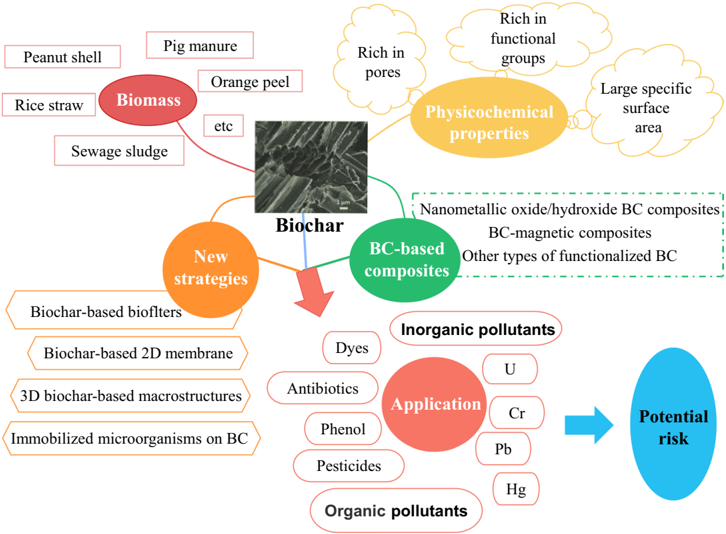
Abstract Biochar (BC) has exhibited a great potential to remove water contaminants due to its wide availability of raw materials, high surface area, developed pore structure, and low cost. However, the application of BC for water remediation has many limitations. Driven by the intense desire of overcoming unfavorable factors, a growing number of researchers have carried out to produce BC-based composite materials, which not only improved the physicochemical properties of BC, but also obtained a new composite material which combined the advantages of BC and other materials.
Overview
CoChat Summary
## TL;DR
This review summarizes how biochar and biochar-based composites are prepared, what physicochemical properties matter, and how they remove inorganic and organic pollutants from water and soil. It concludes that composite materials generally outperform pristine biochar, but stability, biological toxicity, and field validation remain major concerns.
## Key findings
- Pristine biochar showed pollutant removal capacities that the review reports as ranging from 7 × 10^-3 to 161.9 mg/g for inorganic pollutants and 10.4 to 610.1 mg/g for organic pollutants.
- Biochar-based composites improved removal performance: the review reports inorganic pollutant Qmax of 31 to 904 mg/g and that organic pollutant removal by composites was “more than 90%.”
- Examples given include MnO2-biochar removing 100% U(VI) with qmax = 904 mg/g; TiO2-biochar raising Reactive Blue 69 removal from 63.8% to 98.1%; and ZnO-modified biochar achieving 95% photodegradation efficiency after 5 cycles for phenol.
- For specific contaminants, the review reports Cr(VI) removal by pristine biochar through electrostatic attraction, reduction, and complexation, and gives examples such as BC450 removing almost 100% Cd(II) within 1 h and BC700 reducing soil soluble Cr by 93%.
## Methods
- This is a narrative review of prior studies on biochar and biochar-based composite materials, organized around preparation methods, physicochemical properties, contaminant removal performance, and adsorption/removal mechanisms.
- The review draws on published studies and summarizes them in tables (e.g., Tables 1–9), covering biochar preparation conditions, biochar/composite types, and reported adsorption capacities or removal rates.
- Main analysis is comparative synthesis of reported results across contaminant classes: heavy metals/inorganic pollutants and organic pollutants (dyes, phenols, antibiotics, pesticides), plus discussion of potential risks.
## Limitations
- The paper explicitly states that stability and biological toxicity of biochar-based composite materials still need attention and further study.
- It states that field trials are lacking and that most studies are laboratory-based, so laboratory conclusions may not translate directly to field conditions.
- It also states that the mechanisms are still inconclusive and that the relationships among biomass, preparation methods, and material properties are not clear enough.
- Evident from the text: the review is largely qualitative and literature-synthesizing, so it does not present a single controlled experimental dataset of its own.
Model-written summary. Check it against the paper before relying on it.
Integrity signals
Registry
Cites
Statistics
Figures

Verification
Claims the paper makes
2 Valid · 5 Not valid · 120 Not checked · 44 Own results and interpretations
In the paper
“Gao etal. (2020) co-pyrolyzed the mixture of rape straw and KH 2PO4 to prepare BC and the BC displayed a high immobilization capacity to heavy metals (Pb, Cu, and Cd).”
What the sources say
- Not matchedcites Gao etal. (2020)
An author–year citation the paper’s reference list doesn’t settle. We don’t search these by name.
plainstates an association- Asserted: passes — The authors put it forward as true.
- Checkable: passes — It can be checked against evidence.
- Load-bearing: unclear — It is unclear whether the paper’s conclusions depend on it.
- Based: passes — The paper gives a reason why it holds.
- Not matched
A result the paper states — it cites no source for it, so there is none to check. The quote shows it is in the paper.
In the paper
“The Q max of inorganic pollutants removal by BC-based composites ranged from 31 to 904mg/g.”
plain- Asserted: passes — The authors put it forward as true.
- Checkable: passes — It can be checked against evidence.
- Load-bearing: unclear — It is unclear whether the paper’s conclusions depend on it.
- Based: passes — The paper gives a reason why it holds.
A result the paper states — it cites no source for it, so there is none to check. The quote shows it is in the paper.
In the paper
“BC450 (produced at 450°C) showed a good removal efficiency (almost 100% Cd(II) from the aqueous solution within 1h).”
plainstates a cause- Asserted: passes — The authors put it forward as true.
- Checkable: passes — It can be checked against evidence.
- Load-bearing: unclear — It is unclear whether the paper’s conclusions depend on it.
- Based: passes — The paper gives a reason why it holds.
A result the paper states — it cites no source for it, so there is none to check. The quote shows it is in the paper.
In the paper
“the Q max of organic pollutant removal by the pristine BC ranged from 10.4 to 610.1mg/g”
plain- Asserted: passes — The authors put it forward as true.
- Checkable: passes — It can be checked against evidence.
- Load-bearing: unclear — It is unclear whether the paper’s conclusions depend on it.
- Based: passes — The paper gives a reason why it holds.
In the paper
“Wahab etal. (2013) reported that the melanoma cancer cells produced reactive oxygen species (ROS) and apoptosis after contact with nZnO.”
What the sources say
- Not matchedcites Wahab etal. (2013)
An author–year citation the paper’s reference list doesn’t settle. We don’t search these by name.
plainstates a cause- Asserted: passes — The authors put it forward as true.
- Checkable: passes — It can be checked against evidence.
- Load-bearing: unclear — It is unclear whether the paper’s conclusions depend on it.
- Based: passes — The paper gives a reason why it holds.
- Not matched
58 more claims
Create a free account to see all 171 claims and every source verdict.
- Probably not a substantial claim. 30
- It may state two separate claims as one. 88
- The quote only partly states this claim. 3
Self-check
Percentages, sums and reported differences re-computed from the paper’s own numbers.
Self-check results appear here once an independent check has confirmed them.
Cited works that were retracted
Works this paper cites that were later retracted, from the retraction notices publishers deposit. Major when the notice came out before this paper was published.
A note, not an issue: for example, a cited work that was retracted only after this paper was published, which its authors could not have known.
In the paper
“El-Naggar A, Lee MH, Hur J, Lee HY, Igalavithana AD, Shaheen SM, Ryu C, Rinklebe J, Tsang DCW, Ok YS (2019b) Biochar-induced metal immobilization and soil biogeochemical process: an integrated mechanistic approach. Sci Total Environ 698:134112”
Cited work 10.1016/j.scitotenv.2019.134112 · retracted 2026-08-26 · notice 10.1016/j.scitotenv.2026.182256 · this paper published 2021-07-07
Citations
Cites
1 retracted
El-Naggar, A., Lee, M.-H., Hur, J., Lee, Y. H., Igalavithana, A. D., Shaheen, S. M., Ryu, C., Rinklebe, J., Tsang, D. C. W., & Ok, Y. S. (2020) · Science of The Total Environment · doi:10.1016/j.scitotenv.2019.134112 · Cited by 191
RetractedBiochar effects on soil biota – A review
Lehmann, J., Rillig, M. C., Thies, J., Masiello, C. A., Hockaday, W. C., & Crowley, D. (2011) · Soil Biology and Biochemistry · doi:10.1016/j.soilbio.2011.04.022 · Cited by 5,074 · cited 1×
“1 3 the volatilization during pyrolysis and releasing of alkali salt during pyrolysis (Lehmann et al. 2011).”
BackgroundApplication of biochar for the removal of pollutants from aqueous solutions
Tan, X., Liu, Y., Zeng, G., Wang, X., Hu, X., Gu, Y., & Yang, Z. (2015) · Chemosphere · doi:10.1016/j.chemosphere.2014.12.058 · Cited by 2,081 · cited 1×
“Because of the large specific surface area, rich porous structure, abundant surface functional groups, and high mineral content, BC has been applied in various fields including energy production, water contaminants treatment, and other fields (Tan et al. 2015).”
BackgroundSelf-citationGlobal Water Pollution and Human Health
Schwarzenbach, R. P., Egli, T., Hofstetter, T. B., von Gunten, U., & Wehrli, B. (2010) · Annual Review of Environment and Resources · doi:10.1146/annurev-environ-100809-125342 · Cited by 2,076 · cited 1×
“…biomass with high moisture (sewage sludges, manures) or achieved by mixing water and biomass (rich in cellulose, lignin) to produce water-soluble organic matter and carbon-rich solid products under moderate temperatures (150–350 °C) and autogenous pressures (Sevilla and Fuerteshe 2009; Gascó et al.”
BackgroundThe production of carbon materials by hydrothermal carbonization of cellulose
Sevilla, M., & Fuertes, A. B. (2009) · Carbon · doi:10.1016/j.carbon.2009.04.026 · Cited by 2,021
Funke, A., & Ziegler, F. (2010) · Biofuels Bioproducts and Biorefining · doi:10.1002/bbb.198 · Cited by 2,001 · cited 1×
“However, under alkaline conditions, organic acids increased, while sugars decreased, and high pH resulted in a higher H/C ratio of the hydrochar (Funke and Ziegler 2010).”
BackgroundXia, T., Kovochich, M., Brant, J., Hotze, M., Sempf, J., Oberley, T., Sioutas, C., Yeh, J. I., Wiesner, M. R., & Nel, A. E. (2006) · Nano Letters · doi:10.1021/nl061025k · Cited by 1,918
Mechanisms of metal sorption by biochars: Biochar characteristics and modifications
Li, H., Dong, X., da Silva, E. B., de Oliveira, L. M., Chen, Y., & Ma, L. Q. (2017) · Chemosphere · doi:10.1016/j.chemosphere.2017.03.072 · Cited by 1,822
Comparative eco-toxicity of nanoscale TiO2, SiO2, and ZnO water suspensions
Adams, L. K., Lyon, D. Y., & Alvarez, P. J. J. (2006) · Water Research · doi:10.1016/j.watres.2006.08.004 · Cited by 1,543
Islam, M. S., Ahmed, M. K., Raknuzzaman, M., Habibullah -Al- Mamun, M., & Islam, M. K. (2015) · Ecological Indicators · doi:10.1016/j.ecolind.2014.08.016 · Cited by 1,454
A review of biochar as a low-cost adsorbent for aqueous heavy metal removal
Inyang, M. I., Gao, B., Yao, Y., Xue, Y., Zimmerman, A., Mosa, A., Pullammanappallil, P., Ok, Y. S., & Cao, X. (2016) · Critical Reviews in Environmental Science and Technology · doi:10.1080/10643389.2015.1096880 · Cited by 1,397
Wang, T., Zhai, Y., Zhu, Y., Li, C., & Zeng, G. (2018) · Renewable and Sustainable Energy Reviews · doi:10.1016/j.rser.2018.03.071 · Cited by 1,365 · cited 3×
“HTC is a thermochemical conversion technique that can be directly applied to biomass with high moisture (sewage sludges, manures) or achieved by mixing water and biomass (rich in cellulose, lignin) to produce water-soluble organic matter and carbon-rich solid products under moderate temperatures (150–350 °C) and autog…”
BackgroundAhmad, M., Lee, S. S., Dou, X., Mohan, D., Sung, J.-K., Yang, J. E., & Ok, Y. S. (2012) · Bioresource Technology · doi:10.1016/j.biortech.2012.05.042 · Cited by 1,357
Production and utilization of biochar: A review
Cha, J. S., Park, S. H., Jung, S.-C., Ryu, C., Jeon, J.-K., Shin, M.-C., & Park, Y.-K. (2016) · Journal of Industrial and Engineering Chemistry · doi:10.1016/j.jiec.2016.06.002 · Cited by 1,293 · cited 2×
“For instance, Chakraborty et al. (2018) removed ibuprofen from aqueous solutions by steam-activated BC.”
BackgroundMethodDairy-Manure Derived Biochar Effectively Sorbs Lead and Atrazine
Cao, X., Ma, L., Gao, B., & Harris, W. (2009) · Environmental Science & Technology · doi:10.1021/es803092k · Cited by 1,251 · cited 1×
“0 – Slow pyrolysis Pb2+ and atrazine Cao et al. (2008)”
BackgroundProperties of dairy-manure-derived biochar pertinent to its potential use in remediation
Cao, X., & Harris, W. (2010) · Bioresource Technology · doi:10.1016/j.biortech.2010.02.052 · Cited by 1,173 · cited 1×
“%) which can be ascribed to the high content of minerals in biomass (such as quartzite, calcite) (Shinogi and Kanri 2003; Cao and Harris 2010).”
BackgroundRelative distribution of Pb2+ sorption mechanisms by sludge-derived biochar
Lu, H., Zhang, W., Yang, Y., Huang, X., Wang, S., & Qiu, R. (2012) · Water Research · doi:10.1016/j.watres.2011.11.058 · Cited by 1,102
A novel magnetic biochar efficiently sorbs organic pollutants and phosphate
Chen, B., Chen, Z., & Lv, S. (2011) · Bioresource Technology · doi:10.1016/j.biortech.2010.08.067 · Cited by 1,026 · cited 1×
“Municipal sludge 500–900 – – Fast pyrolysis Cd2+ Chen et al. (2014)”
Al-Wabel, M. I., Al-Omran, A., El-Naggar, A. H., Nadeem, M., & Usman, A. R. A. (2013) · Bioresource Technology · doi:10.1016/j.biortech.2012.12.165 · Cited by 1,026
Biochar: A synthesis of its agronomic impact beyond carbon sequestration
Spokas, K. A., Cantrell, K. B., Novak, J. M., Archer, D. W., Ippolito, J. A., Collins, H. P., Boateng, A. A., Lima, I. M., Lamb, M. C., McAloon, A. J., et al. (2012) · Journal of Environmental Quality · doi:10.2134/jeq2011.0069 · Cited by 1,014
Ronsse, F., van Hecke, S., Dickinson, D., & Prins, W. (2013) · GCB Bioenergy · doi:10.1111/gcbb.12018 · Cited by 1,000
Sun, Y., Gao, B., Yao, Y., Fang, J., Zhang, M., Zhou, Y., Chen, H., & Yang, L. (2014) · Chemical Engineering Journal · doi:10.1016/j.cej.2013.10.081 · Cited by 854 · cited 1×
“Derived from the same biomass, hydrochar has a more aliphatic structure, lower carbon contents, and higher oxygen contents, and it has a more aromatic structure and higher thermal stability (Sun et al. 2014).”
BackgroundInfluence of Pyrolysis Temperature on Biochar Property and Function as a Heavy Metal Sorbent in Soil
Uchimiya, M., Wartelle, L. H., Klasson, K. T., Fortier, C. A., & Lima, I. M. (2011) · Journal of Agricultural and Food Chemistry · doi:10.1021/jf104206c · Cited by 854 · cited 1×
“0 – Slow pyrolysis Ni2+, Cu2+, Pb2+, Cd2+ Uchimiya et al. (2011)”
Effect of pyrolysis temperature, heating rate, and residence time on rapeseed stem derived biochar
Zhao, B., O'Connor, D., Zhang, J., Peng, T., Shen, Z., Tsang, D. C. W., & Hou, D. (2018) · Journal of Cleaner Production · doi:10.1016/j.jclepro.2017.11.013 · Cited by 843
Chen, T., Zhang, Y., Wang, H., Lu, W., Zhou, Z., Zhang, Y., & Ren, L. (2014) · Bioresource Technology · doi:10.1016/j.biortech.2014.04.048 · Cited by 797 · cited 1×
“For instance, Cope et al. (2014) used evaporation to modify BC by iron oxide to remove arsenic from water; the surface area and adsorption capacity of arsenate were 2.”
MethodDechnik, J., Gascon, J., Doonan, C. J., Janiak, C., & Sumby, C. J. (2017) · Angewandte Chemie International Edition · doi:10.1002/anie.201701109 · Cited by 796
Xue, Y., Gao, B., Yao, Y., Inyang, M., Zhang, M., Zimmerman, A. R., & Ro, K. S. (2012) · Chemical Engineering Journal · doi:10.1016/j.cej.2012.06.116 · Cited by 784 · cited 1×
“1 3 activation and modification to improve the specific surface area, pore structure, and surface functional groups (Zhang et al. 2015; Xue et al. 2012).”
BackgroundAngın, D. (2013) · Bioresource Technology · doi:10.1016/j.biortech.2012.10.150 · Cited by 733 · cited 3×
“For instance, Angin (2013) pyrolyzed the safflower seed press cake with different heating rates at 400 °C, and the yield decreased from 34.18 to 29.70% with the increase of heating rate.”
BackgroundInfluentialBio-oil and bio-char production from corn cobs and stover by fast pyrolysis
Mullen, C. A., Boateng, A. A., Goldberg, N. M., Lima, I. M., Laird, D. A., & Hicks, K. B. (2010) · Biomass and Bioenergy · doi:10.1016/j.biombioe.2009.09.012 · Cited by 717
Removal of arsenic by magnetic biochar prepared from pinewood and natural hematite
Wang, S., Gao, B., Zimmerman, A. R., Li, Y., Ma, L., Harris, W. G., & Migliaccio, K. W. (2015) · Bioresource Technology · doi:10.1016/j.biortech.2014.10.104 · Cited by 713
Kookana, R. S., Sarmah, A. K., Van Zwieten, L., Krull, E., & Singh, B. (2011) · Advances in agronomy · doi:10.1016/b978-0-12-385538-1.00003-2 · Cited by 712 · cited 1×
“Besides, BC-treated soil may change the pH value, which will have an impact on organisms (El-Naggar et al. 2018; Kookana et al. 2011).”
BackgroundFan, S., Wang, Y., Wang, Z., Tang, J., Tang, J., & Li, X. (2017) · Journal of Environmental Chemical Engineering · doi:10.1016/j.jece.2016.12.019 · Cited by 699
Liang, H., Guan, Q., Chen, L., Zhu, Z., Zhang, W., & Yu, S. (2012) · Angewandte Chemie International Edition · doi:10.1002/anie.201200710 · Cited by 673
Chen, B., & Chen, Z. (2009) · Chemosphere · doi:10.1016/j.chemosphere.2009.02.004 · Cited by 654 · cited 1×
“Orange peel 150–700 – – Slow pyrolysis Naphthalene and 1–naphthol Chen and Chen (2009)”
BackgroundLiu, P., Liu, W.-J., Jiang, H., Chen, J.-J., Li, W.-W., & Yu, H.-Q. (2012) · Bioresource Technology · doi:10.1016/j.biortech.2012.06.085 · Cited by 643
Lian, F., & Xing, B. (2017) · Environmental Science & Technology · doi:10.1021/acs.est.7b02528 · Cited by 641 · cited 1×
“2020; Lian and XIng 2017; Zhang et al.”
Dong, H., Deng, J., Xie, Y., Zhang, C., Jiang, Z., Cheng, Y., Hou, K., & Zeng, G. (2017) · Journal of Hazardous Materials · doi:10.1016/j.jhazmat.2017.03.002 · Cited by 638 · cited 1×
“Method of preparing magnetic biochar: The reduction method c (Dong et al. 2017).”
MethodQuantifying the Total and Bioavailable Polycyclic Aromatic Hydrocarbons and Dioxins in Biochars
Hale, S. E., Lehmann, J., Rutherford, D., Zimmerman, A. R., Bachmann, R. T., Shitumbanuma, V., O’Toole, A., Sundqvist, K. L., Arp, H. P. H., & Cornelissen, G. (2012) · Environmental Science & Technology · doi:10.1021/es203984k · Cited by 634
Characteristics and mechanisms of hexavalent chromium removal by biochar from sugar beet tailing
Dong, X., Ma, L. Q., & Li, Y. (2011) · Journal of Hazardous Materials · doi:10.1016/j.jhazmat.2011.04.008 · Cited by 613
Peiris, C., Gunatilake, S. R., Mlsna, T. E., Mohan, D., & Vithanage, M. (2017) · Bioresource Technology · doi:10.1016/j.biortech.2017.07.150 · Cited by 604
Liu, X., Pang, H., Liu, X., Li, Q., Zhang, N., Mao, L., Qiu, M., Hu, B., Yang, H., & Wang, X. (2021) · The Innovation · doi:10.1016/j.xinn.2021.100076 · Cited by 603
Self-citationCadmium and lead remediation using magnetic oak wood and oak bark fast pyrolysis bio-chars
Mohan, D., Kumar, H., Sarswat, A., Alexandre-Franco, M., & Pittman, C. U. (2014) · Chemical Engineering Journal · doi:10.1016/j.cej.2013.09.057 · Cited by 587 · cited 1×
“Oak 400, 450 – – Fast pyrolysis Cd2+ and Pb2+ Mohan et al. (2013)”
Adsorption of phenol by bentonite
Banat, F. A., Al-Bashir, B., Al-Asheh, S., & Hayajneh, O. (2000) · Environmental Pollution · doi:10.1016/s0269-7491(99)00173-6 · Cited by 565 · cited 2×
“Nanometallic oxide/hydroxide BC composites can be divided into three types in preparation processes, including bioaccumulation of target elements, pretreatment biomass by metal salts, and insertion of metal oxide nanoparticles after pyrolysis (Banat et al. 2000; Huang et al. 2019).”
BackgroundRecent developments of doped g-C3N4 photocatalysts for the degradation of organic pollutants
Liu, X., Ma, R., Zhuang, L., Hu, B., Chen, J., Liu, X., & Wang, X. (2021) · Critical Reviews in Environmental Science and Technology · doi:10.1080/10643389.2020.1734433 · Cited by 565
Self-citationRecent advances on preparation and environmental applications of MOF-derived carbons in catalysis
Hao, M., Qiu, M., Yang, H., Hu, B., & Wang, X. (2021) · Science of The Total Environment · doi:10.1016/j.scitotenv.2020.143333 · Cited by 534
Self-citationBioreactors for treatment of VOCs and odours – A review
Mudliar, S., Giri, B., Padoley, K., Satpute, D., Dixit, R., Bhatt, P., Pandey, R., Juwarkar, A., & Vaidya, A. (2010) · Journal of Environmental Management · doi:10.1016/j.jenvman.2010.01.006 · Cited by 532
Lyu, H., Gao, B., He, F., Zimmerman, A. R., Ding, C., Huang, H., & Tang, J. (2018) · Environmental Pollution · doi:10.1016/j.envpol.2017.10.037 · Cited by 528
Characteristics and applications of biochar for environmental remediation: a review
Xie, T., Reddy, K. R., Wang, C., Yargicoglu, E., & Spokas, K. (2015) · Critical Reviews in Environmental Science and Technology · doi:10.1080/10643389.2014.924180 · Cited by 527
Liang, J., Li, X., Yu, Z., Zeng, G., Luo, Y., Jiang, L., Yang, Z., Qian, Y., & Wu, H. (2017) · ACS Sustainable Chemistry & Engineering · doi:10.1021/acssuschemeng.7b00434 · Cited by 517
Phosphate and ammonium sorption capacity of biochar and hydrochar from different wastes
Takaya, C. A., Fletcher, L. A., Singh, S., Anyikude, K. U., & Ross, A. B. (2016) · Chemosphere · doi:10.1016/j.chemosphere.2015.11.052 · Cited by 505 · cited 1×
“In addition, the plant biomass has a large content of carbon and oxygen elements which can produce various functional groups (–COOH, –C–O–R, -C–OH) on the surface of BC; these groups can serve as additional active sites to improve the removal efficiency (Takaya et al. 2016).”
BackgroundAn overview of the effect of pyrolysis process parameters on biochar stability
Leng, L., & Huang, H. (2018) · Bioresource Technology · doi:10.1016/j.biortech.2018.09.030 · Cited by 503 · cited 3×
“(2016) suggested that the residence time showed little effect on the yields at a high temperature, which is consistent with Leng and Huang (2018) and Zhao et al.”
BackgroundResultParshetti, G. K., Kent Hoekman, S., & Balasubramanian, R. (2013) · Bioresource Technology · doi:10.1016/j.biortech.2012.09.042 · Cited by 476
Characterization of Biochars Produced from Cornstovers for Soil Amendment
Lee, J. W., Kidder, M., Evans, B. R., Paik, S., Buchanan III, A. C., Garten, C. T., & Brown, R. C. (2010) · Environmental Science & Technology · doi:10.1021/es101337x · Cited by 473 · cited 1×
“Moreover, higher pyrolysis temperature can remove labile materials, form a larger number of relatively small pores, and increase the total pore volume of BC (Zhao et al. 2018; Lee et al. 2010).”
BackgroundSorption properties of greenwaste biochar for two triazine pesticides
Zheng, W., Guo, M., Chow, T., Bennett, D. N., & Rajagopalan, N. (2010) · Journal of Hazardous Materials · doi:10.1016/j.jhazmat.2010.04.103 · Cited by 466
Removal of arsenic, methylene blue, and phosphate by biochar/AlOOH nanocomposite
Zhang, M., & Gao, B. (2013) · Chemical Engineering Journal · doi:10.1016/j.cej.2013.04.077 · Cited by 453
Liao, S., Pan, B., Li, H., Zhang, D., & Xing, B. (2014) · Environmental Science & Technology · doi:10.1021/es404250a · Cited by 452
Ma, Y., Liu, W.-J., Zhang, N., Li, Y.-S., Jiang, H., & Sheng, G.-P. (2014) · Bioresource Technology · doi:10.1016/j.biortech.2014.07.014 · Cited by 451 · cited 1×
“Nonetheless, there are still some limitations of the pristine BC to selectively adsorb high concentration contaminants (Ma et al. 2014).”
BackgroundInvestigating the mechanisms of biochar’s removal of lead from solution
Wang, Z., Liu, G., Zheng, H., Li, F., Ngo, H. H., Guo, W., Liu, C., Chen, L., & Xing, B. (2015) · Bioresource Technology · doi:10.1016/j.biortech.2014.11.077 · Cited by 450
Han, Y., Cao, X., Ouyang, X., Sohi, S. P., & Chen, J. (2016) · Chemosphere · doi:10.1016/j.chemosphere.2015.11.050 · Cited by 447
Jin, H., Capareda, S., Chang, Z., Gao, J., Xu, Y., & Zhang, J. (2014) · Bioresource Technology · doi:10.1016/j.biortech.2014.06.103 · Cited by 437
El-Naggar, A., El-Naggar, A. H., Shaheen, S. M., Sarkar, B., Chang, S. X., Tsang, D. C. W., Rinklebe, J., & Ok, Y. S. (2019) · Journal of Environmental Management · doi:10.1016/j.jenvman.2019.02.044 · Cited by 437
Shan, D., Deng, S., Zhao, T., Wang, B., Wang, Y., Huang, J., Yu, G., Winglee, J., & Wiesner, M. R. (2016) · Journal of Hazardous Materials · doi:10.1016/j.jhazmat.2015.11.047 · Cited by 428
Zhu, D., & Pignatello, J. J. (2005) · Environmental Science & Technology · doi:10.1021/es0491376 · Cited by 425 · cited 1×
“The increasing aromaticity of TBC by phosphoric acid treatment can enhance hydrophobic interactions and π-π interactions, which contributed to increase adsorption coefficient (Zhu and Pignatello 2005).”
BackgroundZhang, P., Sun, H., Yu, L., & Sun, T. (2013) · Journal of Hazardous Materials · doi:10.1016/j.jhazmat.2012.11.046 · Cited by 420
Zeng, Z., Ye, S., Wu, H., Xiao, R., Zeng, G., Liang, J., Zhang, C., Yu, J., Fang, Y., & Song, B. (2019) · Science of The Total Environment · doi:10.1016/j.scitotenv.2018.08.108 · Cited by 411
Huang, Q., Song, S., Chen, Z., Hu, B., Chen, J., & Wang, X. (2019) · Biochar · doi:10.1007/s42773-019-00006-5 · Cited by 400 · cited 2×
“Nanometallic oxide/hydroxide BC composites can be divided into three types in preparation processes, including bioaccumulation of target elements, pretreatment biomass by metal salts, and insertion of metal oxide nanoparticles after pyrolysis (Banat et al. 2000; Huang et al. 2019).”
BackgroundSelf-citationZhou, Q., Liao, B., Lin, L., Qiu, W., & Song, Z. (2018) · Science of The Total Environment · doi:10.1016/j.scitotenv.2017.09.220 · Cited by 397 · cited 1×
“The increasing aromaticity of TBC by phosphoric acid treatment can enhance hydrophobic interactions and π-π interactions, which contributed to increase adsorption coefficient (Zhu and Pignatello 2005).”
BackgroundHydrothermal carbonization of microalgae
Heilmann, S. M., Davis, H. T., Jader, L. R., Lefebvre, P. A., Sadowsky, M. J., Schendel, F. J., von Keitz, M. G., & Valentas, K. J. (2010) · Biomass and Bioenergy · doi:10.1016/j.biombioe.2010.01.032 · Cited by 396
Thines, K. R., Abdullah, E. C., Mubarak, N. M., & Ruthiraan, M. (2017) · Renewable and Sustainable Energy Reviews · doi:10.1016/j.rser.2016.09.057 · Cited by 391 · cited 16×
“Ball milling MBC samples possessed higher external and internal specific surface area and acidic surface functional groups, which exhibited extraordinary adsorption capacity in removing Ni(II) from aqueous solutions (Lyu et al.”
MethodInfluentialTan, G., Sun, W., Xu, Y., Wang, H., & Xu, N. (2016) · Bioresource Technology · doi:10.1016/j.biortech.2016.03.147 · Cited by 388
Efficient elimination of organic and inorganic pollutants by biochar and biochar-based materials
Hu, B., Ai, Y., Jin, J., Hayat, T., Alsaedi, A., Zhuang, L., & Wang, X. (2020) · Biochar · doi:10.1007/s42773-020-00044-4 · Cited by 388 · cited 1×
“Recenrly, BC has become a new sorbent for its superior properties, such as eco-friendliness, abundant in functional groups and inorganic mineral species, containing micro and/or meso-porous structures and high adsorption capacity, which were widely employed to remove the contaminants from wastewater (Shaheen et al. 20…”
BackgroundSelf-citationDevi, P., & Saroha, A. K. (2014) · Bioresource Technology · doi:10.1016/j.biortech.2014.03.093 · Cited by 381 · cited 1×
“The concentration of PAH in ordinary BC was 0.07–4 μg/g, and reached 17–27 μg/g when prepared from paper mill sludge and wood, which was much higher than the ordinary value (Devi and Saroha 2014b; Keiluweit et al.”
BackgroundInfluentialA novel TiO2/biochar composite catalysts for photocatalytic degradation of methyl orange
Lu, L., Shan, R., Shi, Y., Wang, S., & Yuan, H. (2019) · Chemosphere · doi:10.1016/j.chemosphere.2019.01.132 · Cited by 380
Essandoh, M., Kunwar, B., Pittman, C. U., Mohan, D., & Mlsna, T. (2015) · Chemical Engineering Journal · doi:10.1016/j.cej.2014.12.006 · Cited by 377
Song, Z., Lian, F., Yu, Z., Zhu, L., Xing, B., & Qiu, W. (2014) · Chemical Engineering Journal · doi:10.1016/j.cej.2013.12.061 · Cited by 374
Bismuth oxychloride-based materials for the removal of organic pollutants in wastewater
Yao, L., Yang, H., Chen, Z., Qiu, M., Hu, B., & Wang, X. (2021) · Chemosphere · doi:10.1016/j.chemosphere.2020.128576 · Cited by 374
Self-citationWang, S., & Wang, J. (2019) · Chemical Engineering Journal · doi:10.1016/j.cej.2018.09.062 · Cited by 370
Nanosized zinc oxide particles induce neural stem cell apoptosis
Deng, X., Luan, Q., Chen, W., Wang, Y., Wu, M., Zhang, H., & Jiao, Z. (2009) · Nanotechnology · doi:10.1088/0957-4484/20/11/115101 · Cited by 368 · cited 1×
“Likewise, nZnO will cause dramatic damage to neural stem cells when the concentration rises higher than 12 ppm after 24 h exposure, which may be attributed to the dissolved Zn2+ in the cultivation environment or inside cells (Deng et al. 2009).”
BackgroundZhou, L., Liu, Y., Liu, S., Yin, Y., Zeng, G., Tan, X., Hu, X., Hu, X., Jiang, L., Ding, Y., et al. (2016) · Bioresource Technology · doi:10.1016/j.biortech.2016.06.102 · Cited by 365
Kumar, S., Loganathan, V. A., Gupta, R. B., & Barnett, M. O. (2011) · Journal of Environmental Management · doi:10.1016/j.jenvman.2011.05.013 · Cited by 354 · cited 1×
“BC derived from plant biomass with lignin and cellulose could form porous structures which were beneficial to removing contaminants by pore-filling effect (Kumar et al. 2011).”
BackgroundReza, M. T., Rottler, E., Herklotz, L., & Wirth, B. (2015) · Bioresource Technology · doi:10.1016/j.biortech.2015.02.024 · Cited by 350
Steam and KOH activation of biochar: Experimental and modeling studies
Azargohar, R., & Dalai, A. K. (2008) · Microporous and Mesoporous Materials · doi:10.1016/j.micromeso.2007.06.047 · Cited by 345 · cited 3×
“Moreover, Azargohar and Dalai (2008) reported that 1 3 the specific surface area of steam-activated BC increased with the increase of steam temperature.”
BackgroundInfluentialEffectiveness and mechanisms of dye adsorption on a straw-based biochar
Qiu, Y., Zheng, Z., Zhou, Z., & Sheng, G. D. (2009) · Bioresource Technology · doi:10.1016/j.biortech.2009.05.054 · Cited by 342
Returning biochar to fields: A review
Tan, Z., Lin, C. S. K., Ji, X., & Rainey, T. J. (2017) · Applied Soil Ecology · doi:10.1016/j.apsoil.2017.03.017 · Cited by 332
Preparation and Modification of Biochar Materials and their Application in Soil Remediation
Yang, X., Zhang, S., Ju, M., & Liu, L. (2019) · Applied Sciences · doi:10.3390/app9071365 · Cited by 330 · cited 1×
“Carbonization processes mainly included pyrolysis, hydrothermal carbonization (HTC), and gasification, which can affect yields, ash content, specific surface area, pH value, surface functional groups, and pore size of BC (Yang et al. 2019).”
BackgroundTang, J., Lv, H., Gong, Y., & Huang, Y. (2015) · Bioresource Technology · doi:10.1016/j.biortech.2015.07.047 · Cited by 324
Granular biochar compared with activated carbon for wastewater treatment and resource recovery
Huggins, T. M., Haeger, A., Biffinger, J. C., & Ren, Z. J. (2016) · Water Research · doi:10.1016/j.watres.2016.02.059 · Cited by 319
Zhou, J. L., Zhang, Z. L., Banks, E., Grover, D., & Jiang, J. Q. (2009) · Journal of Hazardous Materials · doi:10.1016/j.jhazmat.2008.11.070 · Cited by 312
Removal of emerging contaminants of concern by alternative adsorbents
Rossner, A., Snyder, S. A., & Knappe, D. R. U. (2009) · Water Research · doi:10.1016/j.watres.2009.06.009 · Cited by 311
Synthesis of magnetic biochar composites for enhanced uranium(VI) adsorption
Li, M., Liu, H., Chen, T., Dong, C., & Sun, Y. (2019) · Science of The Total Environment · doi:10.1016/j.scitotenv.2018.09.259 · Cited by 308
Effect of production temperature on lead removal mechanisms by rice straw biochars
Shen, Z., Hou, D., Jin, F., Shi, J., Fan, X., Tsang, D. C. W., & Alessi, D. S. (2019) · Science of The Total Environment · doi:10.1016/j.scitotenv.2018.11.282 · Cited by 306 · cited 2×
“Recent studies showed that the pH of BC from animal manure pyrolysis is higher than that from plants (Shinogi and Kanri 2003).”
BackgroundGomez-Eyles, J. L., Sizmur, T., Collins, C. D., & Hodson, M. E. (2011) · Environmental Pollution · doi:10.1016/j.envpol.2010.09.037 · Cited by 299
Keiluweit, M., Kleber, M., Sparrow, M. A., Simoneit, B. R. T., & Prahl, F. G. (2012) · Environmental Science & Technology · doi:10.1021/es302125k · Cited by 296
Biochars and hydrochars prepared by pyrolysis and hydrothermal carbonisation of pig manure
Gascó, G., Paz-Ferreiro, J., Álvarez, M. L., Saa, A., & Méndez, A. (2018) · Waste Management · doi:10.1016/j.wasman.2018.08.015 · Cited by 294 · cited 1×
“HTC is a thermochemical conversion technique that can be directly applied to biomass with high moisture (sewage sludges, manures) or achieved by mixing water and biomass (rich in cellulose, lignin) to produce water-soluble organic matter and carbon-rich solid products under moderate temperatures (150–350 °C) and autog…”
BackgroundMohanty, P., Nanda, S., Pant, K. K., Naik, S., Kozinski, J. A., & Dalai, A. K. (2013) · Journal of Analytical and Applied Pyrolysis · doi:10.1016/j.jaap.2013.05.022 · Cited by 286 · cited 1×
“Moreover, Rafique et al. (2019) found that compared with the control soil, BC stemming from jujube leaves and manure waste pyrolyzed at 700 °C showed the highest reductive efficiency of soil soluble Cr (93%) and the concentrations of leachates were reduced by 59%.”
BackgroundKookana, R. S. (2010) · Soil Research · doi:10.1071/sr10007 · Cited by 280 · cited 1×
“Likewise, BC has strong adsorption of pesticides, which will decrease the bioavailability and efficiency in the soil (Kookana 2010; Jonker et al.”
BackgroundKomkiene, J., & Baltrenaite, E. (2016) · International Journal of Environmental Science and Technology · doi:10.1007/s13762-015-0873-3 · Cited by 273 · cited 2×
“For instance, Lawrinenko et al. (2017) pretreated the biomass with iron and aluminum trichloride then obtained BC by slow pyrolysis.”
BackgroundMethodShinogi, Y., & Kanri, Y. (2003) · Bioresource Technology · doi:10.1016/s0960-8524(03)00147-0 · Cited by 271
Contribution to characterisation of biochar to estimate the labile fraction of carbon
Calvelo Pereira, R., Kaal, J., Camps Arbestain, M., Pardo Lorenzo, R., Aitkenhead, W., Hedley, M., Macías, F., Hindmarsh, J., & Maciá-Agulló, J. A. (2011) · Organic Geochemistry · doi:10.1016/j.orggeochem.2011.09.002 · Cited by 271 · cited 1×
“However, a lower heating rate may be benefit to the stability of BC and generated more aromatic structures than the higher heating rate (Leng and Huang 2018; Pereira et al. 2011).”
BackgroundDevi, P., & Saroha, A. K. (2014) · Bioresource Technology · doi:10.1016/j.biortech.2014.07.062 · Cited by 262 · cited 1×
“The concentration of PAH in ordinary BC was 0.07–4 μg/g, and reached 17–27 μg/g when prepared from paper mill sludge and wood, which was much higher than the ordinary value (Devi and Saroha 2014b; Keiluweit et al.”
BackgroundInfluentialBraadbaart, F., & Poole, I. (2008) · Journal of Archaeological Science · doi:10.1016/j.jas.2008.03.016 · Cited by 260 · cited 1×
“High temperature mainly affected the specific surface area and internal structure of BC, but had little 1 3 effect on the yields (Braadbaart and Poole 2008).”
BackgroundAbdul, G., Zhu, X., & Chen, B. (2017) · Chemical Engineering Journal · doi:10.1016/j.cej.2017.02.074 · Cited by 256 · cited 3×
“For instance, Angin (2013) pyrolyzed the safflower seed press cake with different heating rates at 400 °C, and the yield decreased from 34.”
BackgroundInfluentialLuo, J., Li, X., Ge, C., Müller, K., Yu, H., Huang, P., Li, J., Tsang, D. C. W., Bolan, N. S., Rinklebe, J., et al. (2018) · Bioresource Technology · doi:10.1016/j.biortech.2018.05.022 · Cited by 255
El-Naggar, A., Shaheen, S. M., Ok, Y. S., & Rinklebe, J. (2018) · Science of The Total Environment · doi:10.1016/j.scitotenv.2017.12.190 · Cited by 251 · cited 1×
“Besides, BC-treated soil may change the pH value, which will have an impact on organisms (El-Naggar et al. 2018; Kookana et al. 2011).”
BackgroundLiu, J., Zhou, B., Zhang, H., Ma, J., Mu, B., & Zhang, W. (2019) · Bioresource Technology · doi:10.1016/j.biortech.2019.122152 · Cited by 250
Plenty of room for carbon on the ground: Potential applications of biochar for stormwater treatment
Mohanty, S. K., Valenca, R., Berger, A. W., Yu, I. K. M., Xiong, X., Saunders, T. M., & Tsang, D. C. W. (2018) · Science of The Total Environment · doi:10.1016/j.scitotenv.2018.01.037 · Cited by 249
A method for screening the relative long‐term stability of biochar
Cross, A., & Sohi, S. P. (2013) · GCB Bioenergy · doi:10.1111/gcbb.12035 · Cited by 247 · cited 2×
“But, when the heating rate was in the range of 5–20 °C, other properties (such as pore volume, H/C, O/C ratio, and fixed carbon) were little affected (Cross and Sohi 2013).”
BackgroundShakya, A., & Agarwal, T. (2019) · Journal of Molecular Liquids · doi:10.1016/j.molliq.2019.111497 · Cited by 247 · cited 1×
“Pineapple peel Pyrolysis of biomass pretreated with FeCl3 ZVI and γ-Fe2O3 Cr(VI) Shakya and Agarwal (2019)”
MethodChaukura, N., Murimba, E. C., & Gwenzi, W. (2017) · Applied Water Science · doi:10.1007/s13201-016-0392-5 · Cited by 245 · cited 3×
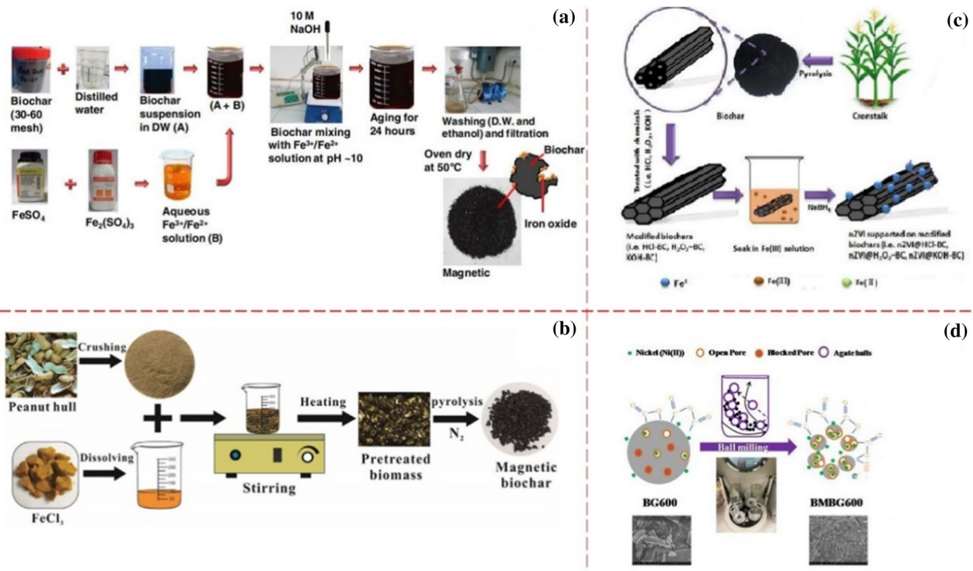
“The impregnation method immerses biomass powder in the Fe3+/Fe2+ salt solution or co-precipitate the Fe3+/Fe2+ by chemicals before pyrolysis or microwave heating (Chaukura et al. 2017). In this way, a novel MBC derived from a peanut hull was made by Han et al. (2016) (see Fig. 1b). The obtained MBC had a potential for…”
MethodInfluentialGholami, P., Dinpazhoh, L., Khataee, A., & Orooji, Y. (2019) · Ultrasonics Sonochemistry · doi:10.1016/j.ultsonch.2019.03.001 · Cited by 240
Mohammed, N. A. S., Abu-Zurayk, R. A., Hamadneh, I., & Al-Dujaili, A. H. (2018) · Journal of Environmental Management · doi:10.1016/j.jenvman.2018.08.033 · Cited by 235
Vithanage, M., Mayakaduwa, S. S., Herath, I., Ok, Y. S., & Mohan, D. (2016) · Chemosphere · doi:10.1016/j.chemosphere.2015.11.002 · Cited by 233
Zhang, H., Xiao, R., Li, R., Ali, A., Chen, A., & Zhang, Z. (2020) · Chemosphere · doi:10.1016/j.chemosphere.2020.127694 · Cited by 233
Lu, L., Yu, W., Wang, Y., Zhang, K., Zhu, X., Zhang, Y., Wu, Y., Ullah, H., Xiao, X., & Chen, B. (2020) · Biochar · doi:10.1007/s42773-020-00041-7 · Cited by 229 · cited 1×
“ronment which may cause biological toxicity and damage human health (Lu et al. 2020; Lian and XIng 2017; Zhang et al. 2019b).”
BackgroundChen, B., Yuan, M., & Qian, L. (2012) · Journal of Soils and Sediments · doi:10.1007/s11368-012-0554-5 · Cited by 221
Rajapaksha, A. U., Alam, M. S., Chen, N., Alessi, D. S., Igalavithana, A. D., Tsang, D. C. W., & Ok, Y. S. (2018) · Science of The Total Environment · doi:10.1016/j.scitotenv.2017.12.195 · Cited by 221
Sun, J., He, F., Pan, Y., & Zhang, Z. (2017) · Acta Agriculturae Scandinavica, Section B — Soil & Plant Science · doi:10.1080/09064710.2016.1214745 · Cited by 220
Taha, S. M., Amer, M. E., Elmarsafy, A. E., & Elkady, M. Y. (2014) · Journal of Environmental Chemical Engineering · doi:10.1016/j.jece.2014.09.001 · Cited by 217
Magnetic Biochar Decorated with ZnS Nanocrytals for Pb (II) Removal
Yan, L., Kong, L., Qu, Z., Li, L., & Shen, G. (2015) · ACS Sustainable Chemistry & Engineering · doi:10.1021/sc500619r · Cited by 217
Zhang, M.-M., Liu, Y.-G., Li, T.-T., Xu, W.-H., Zheng, B.-H., Tan, X.-F., Wang, H., Guo, Y.-M., Guo, F.-Y., & Wang, S.-F. (2015) · RSC Advances · doi:10.1039/c5ra02388b · Cited by 215 · cited 1×
“1 3 activation and modification to improve the specific surface area, pore structure, and surface functional groups (Zhang et al. 2015; Xue et al. 2012).”
BackgroundEffect of pyrolysis temperature on potential toxicity of biochar if applied to the environment
Lyu, H., He, Y., Tang, J., Hecker, M., Liu, Q., Jones, P. D., Codling, G., & Giesy, J. P. (2016) · Environmental Pollution · doi:10.1016/j.envpol.2016.08.014 · Cited by 208
Huang, D., Wang, X., Zhang, C., Zeng, G., Peng, Z., Zhou, J., Cheng, M., Wang, R., Hu, Z., & Qin, X. (2017) · Chemosphere · doi:10.1016/j.chemosphere.2017.07.154 · Cited by 208
Self-citationZhang, M., Song, L., Jiang, H., Li, S., Shao, Y., Yang, J., & Li, J. (2017) · Journal of Materials Chemistry A · doi:10.1039/c6ta10513k · Cited by 202
Enhanced removal of Cr(VI) by silicon rich biochar-supported nanoscale zero-valent iron
Qian, L., Shang, X., Zhang, B., Zhang, W., Su, A., Chen, Y., Ouyang, D., Han, L., Yan, J., & Chen, M. (2019) · Chemosphere · doi:10.1016/j.chemosphere.2018.10.030 · Cited by 200
Removal of methylene blue from aqueous solution by cattle manure-derived low temperature biochar
Zhu, Y., Yi, B., Yuan, Q., Wu, Y., Wang, M., & Yan, S. (2018) · RSC Advances · doi:10.1039/c8ra03018a · Cited by 196
Choi, Y.-K., & Kan, E. (2019) · Chemosphere · doi:10.1016/j.chemosphere.2018.11.151 · Cited by 194
High-efficiency removal of Pb(II) and humate by a CeO2–MoS2 hybrid magnetic biochar
Li, R., Deng, H., Zhang, X., Wang, J. J., Awasthi, M. K., Wang, Q., Xiao, R., Zhou, B., Du, J., & Zhang, Z. (2019) · Bioresource Technology · doi:10.1016/j.biortech.2018.10.053 · Cited by 194
Fan, J., Chen, X., Xu, Z., Xu, X., Zhao, L., Qiu, H., & Cao, X. (2020) · Journal of Hazardous Materials · doi:10.1016/j.jhazmat.2020.122901 · Cited by 193
Gao, R., Hu, H., Fu, Q., Li, Z., Xing, Z., Ali, U., Zhu, J., & Liu, Y. (2020) · Science of The Total Environment · doi:10.1016/j.scitotenv.2020.139119 · Cited by 193
Pi, L., Jiang, R., Zhou, W., Zhu, H., Xiao, W., Wang, D., & Mao, X. (2015) · Applied Surface Science · doi:10.1016/j.apsusc.2015.08.176 · Cited by 189
Van Vinh, N., Zafar, M., Behera, S. K., & Park, H.-S. (2015) · International Journal of Environmental Science and Technology · doi:10.1007/s13762-014-0507-1 · Cited by 184
Jung, K.-W., Lee, S. Y., & Lee, Y. J. (2018) · Bioresource Technology · doi:10.1016/j.biortech.2018.04.003 · Cited by 180 · cited 1×
“pinnatifida root The biomass pretreated with MgCl2 and FeCl3 was processed by hydrothermal carbonization and the pH was adjusted to 10 with NaOH solution MnFe2O4 Pb(II), Cu(II), and Cd(II) Jung et al. (2018)”
MethodLisowski, P., Colmenares, J. C., Mašek, O., Lisowski, W., Lisovytskiy, D., Kamińska, A., & Łomot, D. (2017) · ACS Sustainable Chemistry & Engineering · doi:10.1021/acssuschemeng.7b01251 · Cited by 179
Comparison of the characteristics and mechanisms of Hg(II) sorption by biochars and activated carbon
Xu, X., Schierz, A., Xu, N., & Cao, X. (2016) · Journal of Colloid and Interface Science · doi:10.1016/j.jcis.2015.10.003 · Cited by 179
Use of magnetic biochars for the immobilization of heavy metals in a multi-contaminated soil
Lu, H. P., Li, Z. A., Gascó, G., Méndez, A., Shen, Y., & Paz-Ferreiro, J. (2018) · Science of The Total Environment · doi:10.1016/j.scitotenv.2017.12.056 · Cited by 178
Partovinia, A., & Rasekh, B. (2018) · Critical Reviews in Environmental Science and Technology · doi:10.1080/10643389.2018.1439652 · Cited by 176 · cited 1×
“The mechanisms of immobilization of microbial cells to BC include attachment or adsorption on a solid surface, encapsulated within a porous matrix and aggregation by flocculation and crosslinking (Partovinia and Rasekh 2018).”
BackgroundSonocatalytic degradation of an anthraquinone dye using TiO2-biochar nanocomposite
Khataee, A., Kayan, B., Gholami, P., Kalderis, D., & Akay, S. (2017) · Ultrasonics Sonochemistry · doi:10.1016/j.ultsonch.2017.04.018 · Cited by 171
Liu, H., Wei, Y., Luo, J., Li, T., Wang, D., Luo, S., & Crittenden, J. C. (2019) · Chemical Engineering Journal · doi:10.1016/j.cej.2019.03.007 · Cited by 169
Park, J. H., Ok, Y. S., Kim, S. H., Cho, J. S., Heo, J. S., Delaune, R. D., & Seo, D. C. (2015) · Environmental Geochemistry and Health · doi:10.1007/s10653-015-9709-9 · Cited by 166
Environmental impact of the production of graphene oxide and reduced graphene oxide
Serrano‐Luján, L., Víctor-Román, S., Toledo, C., Sanahuja‐Parejo, O., Mansour, A. E., Abad, J. A., Amassian, A., Benito, A. M., Maser, W. K., & Urbina, A. (2019) · SN Applied Sciences · doi:10.1007/s42452-019-0193-1 · Cited by 166
Acta Agriculturae Scandinavica.
Lantbruksakademien., N. J. F. A. K. (1950) · Acta Agriculturae Scandinavica · Cited by 166
Lead sorptive removal using magnetic and nonmagnetic fast pyrolysis energy cane biochars
Mohan, D., Singh, P., Sarswat, A., Steele, P. H., & Pittman, C. U. (2015) · Journal of Colloid and Interface Science · doi:10.1016/j.jcis.2014.12.030 · Cited by 162 · cited 1×
“After that, add NaOH solution dropwise while stirring at room temperature, then precipitation occurred (Mohan et al. 2015).”
BackgroundRinklebe, J., Shaheen, S. M., El-Naggar, A., Wang, H., Du Laing, G., Alessi, D. S., & Sik Ok, Y. (2020) · Environment International · doi:10.1016/j.envint.2020.105754 · Cited by 162
Li, C., Zhang, L., Gao, Y., & Li, A. (2018) · Waste Management · doi:10.1016/j.wasman.2018.08.035 · Cited by 160
Liu, Y., Sohi, S. P., Liu, S., Guan, J., Zhou, J., & Chen, J. (2019) · Journal of Environmental Management · doi:10.1016/j.jenvman.2019.01.045 · Cited by 159
A novel manganese-oxide/biochar composite for efficient removal of lead(II) from aqueous solutions
Wang, M., Sheng, G., & Qiu, Y. (2014) · International Journal of Environmental Science and Technology · doi:10.1007/s13762-014-0538-7 · Cited by 158
Chakraborty, P., Banerjee, S., Kumar, S., Sadhukhan, S., & Halder, G. (2018) · Process Safety and Environmental Protection · doi:10.1016/j.psep.2018.06.015 · Cited by 156
Wang, Z., Liu, K., Xie, L., Zhu, H., Ji, S., & Shu, X. (2019) · Journal of Analytical and Applied Pyrolysis · doi:10.1016/j.jaap.2019.104659 · Cited by 151
de Nicolás, A. P., Berenguer, R., & Esteve‐Núñez, A. (2019) · Carbon · doi:10.1016/j.carbon.2019.02.038 · Cited by 141
Köchermann, J., Görsch, K., Wirth, B., Mühlenberg, J., & Klemm, M. (2018) · Journal of Environmental Chemical Engineering · doi:10.1016/j.jece.2018.07.053 · Cited by 139
Invasive plant-derived biochar inhibits sulfamethazine uptake by lettuce in soil
Rajapaksha, A. U., Vithanage, M., Lim, J. E., Ahmed, M. B. M., Zhang, M., Lee, S. S., & Ok, Y. S. (2014) · Chemosphere · doi:10.1016/j.chemosphere.2014.04.040 · Cited by 138
Wang, J., Liao, Z., Ifthikar, J., Shi, L., Chen, Z., & Chen, Z. (2017) · RSC Advances · doi:10.1039/c7ra01425b · Cited by 138
Removal of trichloroethylene by biochar supported nanoscale zero-valent iron in aqueous solution
Dong, H., Zhang, C., Hou, K., Cheng, Y., Deng, J., Jiang, Z., Tang, L., & Zeng, G. (2017) · Separation and Purification Technology · doi:10.1016/j.seppur.2017.07.033 · Cited by 138
Liu, Z., & Zhang, F.-S. (2010) · Desalination · doi:10.1016/j.desal.2010.09.013 · Cited by 134 · cited 1×
“Moreover, BC’s feedstocks are stem from solid waste, agricultural biomass, animal litters, and the preparation does not need activation, which means BC has a great potential in environmental remediation (Liu and Zhang 2011).”
BackgroundLawal, A. A., Hassan, M. A., Ahmad Farid, M. A., Tengku Yasim-Anuar, T. A., Samsudin, M. H., Mohd Yusoff, M. Z., Zakaria, M. R., Mokhtar, M. N., & Shirai, Y. (2021) · Environmental Pollution · doi:10.1016/j.envpol.2020.116197 · Cited by 133
Jonker, M. T. O., Hoenderboom, A. M., & Koelmans, A. A. (2004) · Environmental Toxicology and Chemistry · doi:10.1897/03-351 · Cited by 132
Functionalized biochar-supported magnetic MnFe2O4 nanocomposite for the removal of Pb(ii) and Cd(ii)
Zhang, L., Guo, J., Huang, X., Wang, W., Sun, P., Li, Y., & Han, J. (2019) · RSC Advances · doi:10.1039/c8ra09061k · Cited by 130
Arsenate adsorption onto iron oxide amended rice husk char
Cope, C. O., Webster, D. S., & Sabatini, D. A. (2014) · The Science of The Total Environment · doi:10.1016/j.scitotenv.2013.12.120 · Cited by 130
Xu, C., Zhao, J., Yang, W., He, L., Wei, W., Tan, X., Wang, J., & Lin, A. (2020) · Environmental Pollution · doi:10.1016/j.envpol.2020.114133 · Cited by 129
Vo, A. T., Nguyen, V. P., Ouakouak, A., Nieva, A. D., Doma, B. T., Tran, H. N., & Chao, H. (2019) · Water · doi:10.3390/w11061164 · Cited by 127
Li, N., Yin, M., Tsang, D. C. W., Yang, S., Liu, J., Li, X., Song, G., & Wang, J. (2019) · The Science of The Total Environment · doi:10.1016/j.scitotenv.2019.134115 · Cited by 124
Sewu, D. D., Boakye, P., Jung, H., & Woo, S. H. (2017) · Bioresource Technology · doi:10.1016/j.biortech.2017.08.103 · Cited by 123
Preparation of novel CeO2-biochar nanocomposite for sonocatalytic degradation of a textile dye
Khataee, A., Gholami, P., Kalderis, D., Pachatouridou, E., & Konsolakis, M. (2017) · Ultrasonics Sonochemistry · doi:10.1016/j.ultsonch.2017.10.013 · Cited by 121
Sorption, degradation and bioavailability of oxyfluorfen in biochar-amended soils
Wu, C., Liu, X., Wu, X., Dong, F., Xu, J., & Zheng, Y. (2019) · Science of The Total Environment · doi:10.1016/j.scitotenv.2018.12.059 · Cited by 118
Biochar accelerates the removal of tetracyclines and their intermediates by altering soil properties
Yue, Y., Shen, C., & Ge, Y. (2019) · Journal of Hazardous Materials · doi:10.1016/j.jhazmat.2019.120821 · Cited by 112
Faheem, F., Yu, H., Liu, J., Shen, J., Sun, X., Li, J., & Wang, L. (2016) · Journal of the Taiwan Institute of Chemical Engineers · doi:10.1016/j.jtice.2016.07.010 · Cited by 110
Dawood, S., Sen, T. K., & Phan, C. (2016) · Desalination and Water Treatment · doi:10.1080/19443994.2016.1188732 · Cited by 110
ZnO Nanoparticles Induce Oxidative Stress in Cloudman S91 Melanoma Cancer Cells
Wahab, R., Dwivedi, S., Umar, A., et al. (2013) · Journal of Biomedical Nanotechnology · doi:10.1166/jbn.2013.1593 · Cited by 109
Li, H., Qiu, Y.-F., Wang, X., Yang, J. W., Yu, Y., Chen, Y., & Liu, Y. (2016) · Chemosphere · doi:10.1016/j.chemosphere.2016.11.117 · Cited by 108
Self-citationZhang, Q., Saleem, M., & Wang, C. (2019) · Science of The Total Environment · doi:10.1016/j.scitotenv.2019.03.364 · Cited by 108
Magnetic palm kernel biochar potential route for phenol removal from wastewater
Hairuddin, M. N., Mubarak, N. M., Khalid, M., Abdullah, E. C., Walvekar, R., & Karri, R. R. (2019) · Environmental Science and Pollution Research · doi:10.1007/s11356-019-06524-w · Cited by 104
Biomass-Derived Porous Carbonaceous Aerogel as Sorbent for Oil-Spill Remediation
Wang, Z., Jin, P., Wang, M., et al. (2016) · ACS Applied Materials & Interfaces · doi:10.1021/acsami.6b11648 · Cited by 100
Removal of tetracycline from aqueous solution by biochar derived from rice straw
Fan, S., Wang, Y., Li, Y., Wang, Z., Xie, Z., & Tang, J. (2018) · Environmental Science and Pollution Research · doi:10.1007/s11356-018-2976-0 · Cited by 100
Toxicity of sulfide-modified nanoscale zero-valent iron to Escherichia coli in aqueous solutions
Cheng, Y., Dong, H., Lu, Y., et al. (2018) · Chemosphere · doi:10.1016/j.chemosphere.2018.12.159 · Cited by 96
Shang, M.-R., Liu, Y.-G., Liu, S.-B., Zeng, G.-M., Tan, X.-F., Jiang, L.-H., Huang, X.-X., Ding, Y., Guo, Y.-M., & Wang, S.-F. (2016) · RSC Advances · doi:10.1039/c6ra07151a · Cited by 95
Highly efficient removal of Cr(VI) and Cu(II) by biochar derived from Artemisia argyi stem
Song, J., He, Q., Hu, X., Zhang, W., Wang, C., Chen, R., Wang, H., & Mosa, A. A. (2019) · Environmental Science and Pollution Research · doi:10.1007/s11356-019-04863-2 · Cited by 95
Biochar supported sulfide-modified nanoscale zero-valent iron for the reduction of nitrobenzene
Zhang, D., Li, Y., Tong, S., Jiang, X., Wang, L., Sun, X., Li, J., Liu, X., & Shen, J. (2018) · RSC Advances · doi:10.1039/c8ra04314k · Cited by 95
Aluminum and iron biomass pretreatment impacts on biochar anion exchange capacity
Lawrinenko, M., Jing, D., Banik, C., & Laird, D. A. (2017) · Carbon · doi:10.1016/j.carbon.2017.03.056 · Cited by 92
Thang, P. Q., Jitae, K., Giang, B. L., Viet, N. M., & Huong, P. T. (2019) · Journal of Environmental Management · doi:10.1016/j.jenvman.2019.109556 · Cited by 92
Production of Biochar from Food Waste and its Application for Phenol Removal from Aqueous Solution
Lee, C.-G., Hong, S.-H., Hong, S.-G., Choi, J.-W., & Park, S.-J. (2019) · Water, Air, & Soil Pollution · doi:10.1007/s11270-019-4125-x · Cited by 91
Houde, M., Muir, D. C. G., Kidd, K. A., Guildford, S., Drouillard, K., Evans, M. S., Wang, X., Whittle, D. M., Haffner, D., & Kling, H. (2008) · Environmental Toxicology and Chemistry · doi:10.1897/08-071.1 · Cited by 90
Self-citationRelease dynamics of As, Co, and Mo in a biochar treated soil under pre-definite redox conditions
El-Naggar, A., Shaheen, S. M., Hseu, Z.-Y., Wang, S.-L., Ok, Y. S., & Rinklebe, J. (2019) · Science of The Total Environment · doi:10.1016/j.scitotenv.2018.12.026 · Cited by 89
Uptake and transformation of metals and metalloids by microbial mats and their use in bioremediation
Bender, J. A., Lee, R. F., & Phillips, P. (1995) · Journal of Industrial Microbiology & Biotechnology · doi:10.1007/bf01569892 · Cited by 86 · cited 1×
“) (Bender et al. 1995) and organic pollutants (dyes, antibiotics, etc.”
Liang, H., Guan, Q., Chen, L., Zhu, Z., Zhang, W., & Yu, S. (2012) · Angewandte Chemie · doi:10.1002/ange.201200710 · Cited by 84
Oxidative acid treatment and characterization of new biocarbon from sustainable Miscanthus biomass
Anstey, A., Vivekanandhan, S., Rodriguez‐Uribe, A., Misra, M., & Mohanty, A. K. (2016) · The Science of The Total Environment · doi:10.1016/j.scitotenv.2016.01.015 · Cited by 81
Oxygen-rich biochar from torrefaction: A versatile adsorbent for water pollution control
Li, L., Yang, M., Lu, Q., Zhu, W., Ma, H., & Dai, L. (2019) · Bioresource Technology · doi:10.1016/j.biortech.2019.122142 · Cited by 80
Zhang, Y., Zhao, G., Xuan, Y., Gan, L., & Pan, M. (2021) · Cellulose · doi:10.1007/s10570-020-03581-0 · Cited by 80
Ghaffar, A., Zhu, X., & Chen, B. (2017) · Environmental Pollution · doi:10.1016/j.envpol.2017.09.099 · Cited by 78
Wang, Y.-Y., Lu, H.-H., Liu, Y.-X., & Yang, S.-M. (2016) · RSC Advances · doi:10.1039/c6ra15532d · Cited by 73
Ali, N., Khan, S., Yao, H., & Wang, J. (2019) · Chemosphere · doi:10.1016/j.chemosphere.2019.02.163 · Cited by 72
Wang, H., Chen, P., Zhu, Y., Cen, K., & Sun, G. (2019) · Environmental Science and Pollution Research · doi:10.1007/s11356-019-04315-x · Cited by 69
Cytotoxicity of Biochar: A Workplace Safety Concern?
Sigmund, G., Huber, D., Bucheli, T. D., Baumann, M., Borth, N., Guebitz, G. M., & Hofmann, T. (2017) · Environmental Science & Technology Letters · doi:10.1021/acs.estlett.7b00267 · Cited by 68
Quan, G., Sun, W., Yan, J., & Lan, Y. (2014) · Water Air & Soil Pollution · doi:10.1007/s11270-014-2195-3 · Cited by 64
He, J., Song, Y., & Chen, J. P. (2017) · Chemosphere · doi:10.1016/j.chemosphere.2017.07.028 · Cited by 64
Zhang, K., Mao, J., & Chen, B. (2019) · Environmental Pollution · doi:10.1016/j.envpol.2019.113017 · Cited by 61
Li, L., Wang, Y., Xu, J., Flora, J. R. V., Hoque, S., & Berge, N. D. (2018) · Bioresource Technology · doi:10.1016/j.biortech.2018.04.066 · Cited by 57
U(VI) adsorption by biochar fiber–MnO2 composites
Ioannou, K. A., Hadjiyiannis, P., Liatsou, I., & Pashalidis, I. (2019) · Journal of Radioanalytical and Nuclear Chemistry · doi:10.1007/s10967-019-06479-9 · Cited by 57
Quantitative mechanisms of cadmium adsorption on rice straw- and swine manure-derived biochars
Deng, Y., Huang, S., Laird, D. A., Wang, X., & Dong, C. (2018) · Environmental Science and Pollution Research · doi:10.1007/s11356-018-2991-1 · Cited by 52
Self-citationRafique, M. I., Usman, A. R. A., Ahmad, M., Sallam, A. S., & Al-Wabel, M. I. (2019) · Journal of Soils and Sediments · doi:10.1007/s11368-019-02399-z · Cited by 47
改良した3産業副産物を使用して,Cd,PbおよびCu汚染農地土壌の浄化
Peng, Y., & Lin, S. (2014) · Water Air & Soil Pollution · Cited by 44
Research works printed but not linked: 1
- NS1. J Environ Sci Health Part A Toxic/hazard Subst Environ Eng 38:1857-1866
Cited by
Biochar for the removal of contaminants from soil and water: a review
Qiu, M., Liu, L., Ling, Q., Cai, Y., Yu, S., Wang, S., Fu, D., Hu, B., & Wang, X. (2022) · Biochar · doi:10.1007/s42773-022-00146-1 · Cited by 690
Self-citationRecent advances in metal-organic framework membranes for water treatment: A review
Yu, S., Pang, H., Huang, S., Tang, H., Wang, S., Qiu, M., Chen, Z., Yang, H., Song, G., Fu, D., et al. (2021) · Science of The Total Environment · doi:10.1016/j.scitotenv.2021.149662 · Cited by 682
Self-citationModified biochar: synthesis and mechanism for removal of environmental heavy metals
Liu, Z., Xu, Z., Xu, L., Buyong, F., Chay, T. C., Li, Z., Cai, Y., Hu, B., Zhu, Y., & Wang, X. (2022) · Carbon Research · doi:10.1007/s44246-022-00007-3 · Cited by 426
Self-citationBilal, M., Ihsanullah, I., Younas, M., & Ul Hassan Shah, M. (2021) · Separation and Purification Technology · doi:10.1016/j.seppur.2021.119510 · Cited by 361
Lu, Y., Cai, Y., Zhang, S., Zhuang, L., Hu, B., Wang, S., Chen, J., & Wang, X. (2022) · Biochar · doi:10.1007/s42773-022-00173-y · Cited by 312
Self-citation
Metadata
- Authors
- Liang, L., Xi, F., Tan, W., Meng, X., Hu, B., & Wang, X.
- Affiliations
- Shaoxing University (CN)
- Corresponding author
- Hu, Baowei
- Wang, Xiangke
- Venue
- Biochar
- Published
- 2021-07-07
- Volume
- 3
- Issue
- 3
- Pages
- 255-281
- ISSN
- 2524-7867 (ISSN-L)
- 2524-7972
- OpenAlex
- W3177766267
- Cited by
- 662
- References
- 211
- Citations by year
- 2026: 83 · 2025: 104 · 2024: 124 · 2023: 122 · 2022: 172 · 2021: 57
- FWCI
- 35.30
- Type
- journal article
- Language
- en
- Open access
- hybrid
- doi.org
- Licence
- cc-by
- creativecommons.org/licenses/by/4.0 (tdm)
- creativecommons.org/licenses/by/4.0 (vor)
- Locations
- Biochar (publishedVersion, cc-by)
- Funders
- National Natural Science Foundation of China (41807468)
- Natural Science Foundation of Zhejiang Province (LY18E080018)
- Key Laboratory of Jiangsu Province for Chemical Pollution Control and Resources Reuse (PCRRF18021)
- Topics
- Physical Sciences › Environmental Science › Water Science and Technology › Adsorption and biosorption for pollutant removal
- Physical Sciences › Environmental Science › Environmental Engineering › Environmental remediation with nanomaterials
- Physical Sciences › Environmental Science › Water Science and Technology › Environmental and Analytical Chemistry Studies
- Keywords
- water pollutant removal, organic pollutants, inorganic contaminants, adsorption mechanism, water remediation, biochar physicochemical properties, biochar stability, biotoxicity
About these checks
Registry, retraction, Cites and statistics results are computed, not judged, with one exception: a printed reference that no index lists is read once by a model before it counts as a citation error. Claims are extracted by a model and kept only when their quote appears verbatim in the text; each cited source is then checked, with a model’s help, for whether it says what the claim relies on. Those verdicts can be wrong — read the claim’s quote and the cited source before relying on one.
The claim verdicts this report counts are experimental: their accuracy is not yet measured.
A language model drew the claims from the paper on 2026-10-10, under version 3 of the claim definition (model deepseek-v4.1-flash, prompt extract-v3).
A second model labelled each claim on 2026-10-10 (model jev-1.13-20260917, definition revision gold-guideline-v0.2).
Statistics and arithmetic are recomputed, not judged.
Confidence bands are shown only for fields calibrated on our annotated test set. None is calibrated yet, so no band is shown.
What counts as a claim ›How we measure confidence ›How we check this ›
Are you an author, or do you see a problem with this page? Request a review
Data sources
Bibliographic data: Semantic Scholar, OpenAlex, Crossref.
Contains information from the Semantic Scholar Academic Graph Datasets, made available under the ODC Attribution License (ODC-BY 1.0).
Semantic Scholar’s data is described in: Kinney, R., et al. (2023). The Semantic Scholar Open Data Platform. arXiv:2301.10140.
