

Review of organic and inorganic pollutants removal by biochar and biochar-based composites
Open accessThe DOI matches its Crossref record; 213 of the 213 references it cites were found in a registry or an index; 2 of the 139 sources its claims cite were checked for support.
Abstract
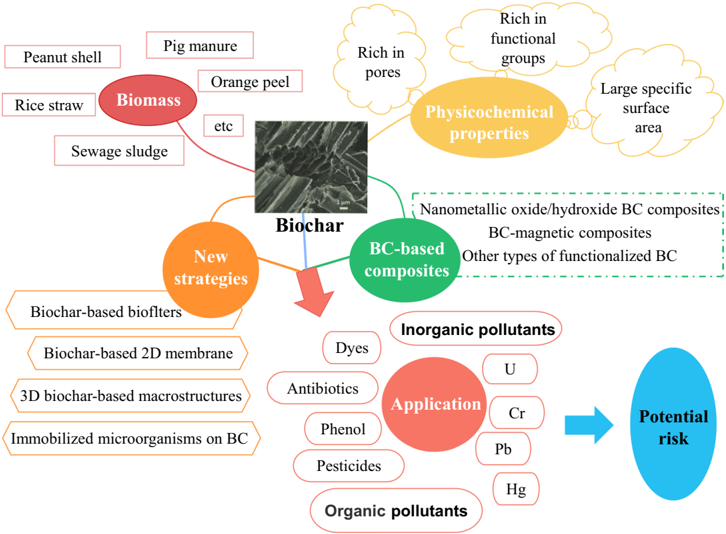
Abstract Biochar (BC) has exhibited a great potential to remove water contaminants due to its wide availability of raw materials, high surface area, developed pore structure, and low cost. However, the application of BC for water remediation has many limitations. Driven by the intense desire of overcoming unfavorable factors, a growing number of researchers have carried out to produce BC-based composite materials, which not only improved the physicochemical properties of BC, but also obtained a new composite material which combined the advantages of BC and other materials.
Overview
CoChat Summary
## TL;DR
This review summarizes how biochar and biochar-based composites are prepared, what physicochemical properties matter, and how they remove inorganic and organic pollutants from water and soil. It concludes that composite materials generally outperform pristine biochar, but stability, biological toxicity, and field validation remain major concerns.
## Key findings
- Pristine biochar showed pollutant removal capacities that the review reports as ranging from 7 × 10^-3 to 161.9 mg/g for inorganic pollutants and 10.4 to 610.1 mg/g for organic pollutants.
- Biochar-based composites improved removal performance: the review reports inorganic pollutant Qmax of 31 to 904 mg/g and that organic pollutant removal by composites was “more than 90%.”
- Examples given include MnO2-biochar removing 100% U(VI) with qmax = 904 mg/g; TiO2-biochar raising Reactive Blue 69 removal from 63.8% to 98.1%; and ZnO-modified biochar achieving 95% photodegradation efficiency after 5 cycles for phenol.
- For specific contaminants, the review reports Cr(VI) removal by pristine biochar through electrostatic attraction, reduction, and complexation, and gives examples such as BC450 removing almost 100% Cd(II) within 1 h and BC700 reducing soil soluble Cr by 93%.
## Methods
- This is a narrative review of prior studies on biochar and biochar-based composite materials, organized around preparation methods, physicochemical properties, contaminant removal performance, and adsorption/removal mechanisms.
- The review draws on published studies and summarizes them in tables (e.g., Tables 1–9), covering biochar preparation conditions, biochar/composite types, and reported adsorption capacities or removal rates.
- Main analysis is comparative synthesis of reported results across contaminant classes: heavy metals/inorganic pollutants and organic pollutants (dyes, phenols, antibiotics, pesticides), plus discussion of potential risks.
## Limitations
- The paper explicitly states that stability and biological toxicity of biochar-based composite materials still need attention and further study.
- It states that field trials are lacking and that most studies are laboratory-based, so laboratory conclusions may not translate directly to field conditions.
- It also states that the mechanisms are still inconclusive and that the relationships among biomass, preparation methods, and material properties are not clear enough.
- Evident from the text: the review is largely qualitative and literature-synthesizing, so it does not present a single controlled experimental dataset of its own.
Model-written summary. Check it against the paper before relying on it.
Integrity signals
Registry
Cites
Statistics
Figures
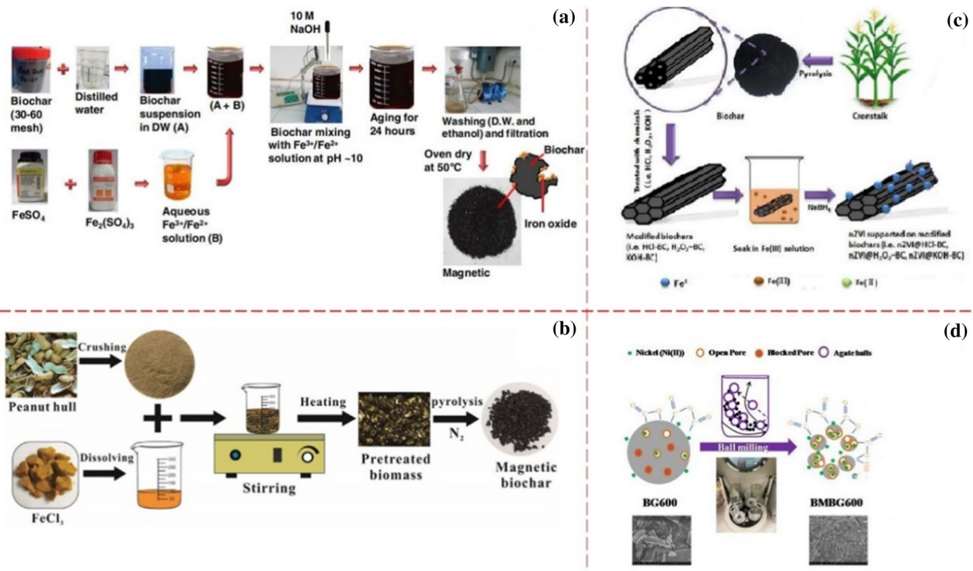
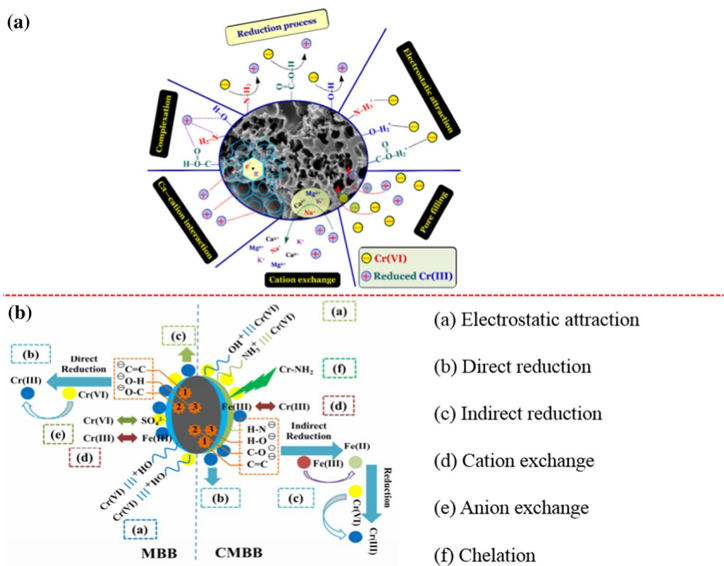
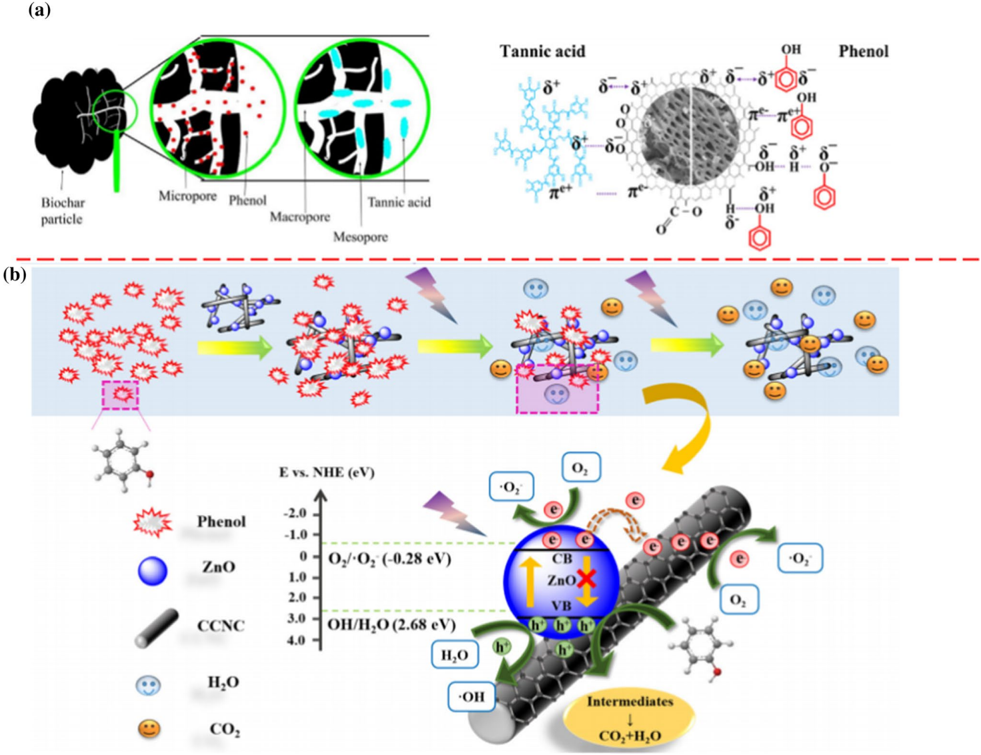
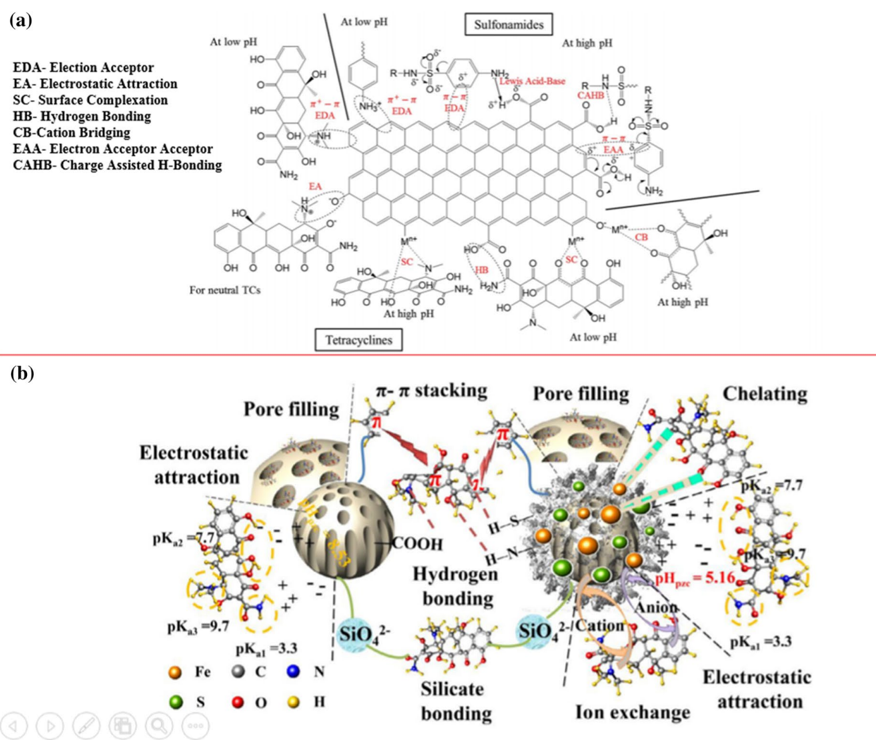

Verification
Claims the paper makes
2 Valid · 5 Not valid · 120 Not checked · 44 Own results and interpretations
In the paper
“Gao etal. (2020) co-pyrolyzed the mixture of rape straw and KH 2PO4 to prepare BC and the BC displayed a high immobilization capacity to heavy metals (Pb, Cu, and Cd).”
What the sources say
- Not matchedcites Gao etal. (2020)
An author–year citation the paper’s reference list doesn’t settle. We don’t search these by name.
plainstates an association- Asserted: passes — The authors put it forward as true.
- Checkable: passes — It can be checked against evidence.
- Load-bearing: unclear — It is unclear whether the paper’s conclusions depend on it.
- Based: passes — The paper gives a reason why it holds.
- Not matched
A result the paper states — it cites no source for it, so there is none to check. The quote shows it is in the paper.
In the paper
“The Q max of inorganic pollutants removal by BC-based composites ranged from 31 to 904mg/g.”
plain- Asserted: passes — The authors put it forward as true.
- Checkable: passes — It can be checked against evidence.
- Load-bearing: unclear — It is unclear whether the paper’s conclusions depend on it.
- Based: passes — The paper gives a reason why it holds.
A result the paper states — it cites no source for it, so there is none to check. The quote shows it is in the paper.
In the paper
“BC450 (produced at 450°C) showed a good removal efficiency (almost 100% Cd(II) from the aqueous solution within 1h).”
plainstates a cause- Asserted: passes — The authors put it forward as true.
- Checkable: passes — It can be checked against evidence.
- Load-bearing: unclear — It is unclear whether the paper’s conclusions depend on it.
- Based: passes — The paper gives a reason why it holds.
A result the paper states — it cites no source for it, so there is none to check. The quote shows it is in the paper.
In the paper
“the Q max of organic pollutant removal by the pristine BC ranged from 10.4 to 610.1mg/g”
plain- Asserted: passes — The authors put it forward as true.
- Checkable: passes — It can be checked against evidence.
- Load-bearing: unclear — It is unclear whether the paper’s conclusions depend on it.
- Based: passes — The paper gives a reason why it holds.
In the paper
“Wahab etal. (2013) reported that the melanoma cancer cells produced reactive oxygen species (ROS) and apoptosis after contact with nZnO.”
What the sources say
- Not matchedcites Wahab etal. (2013)
An author–year citation the paper’s reference list doesn’t settle. We don’t search these by name.
plainstates a cause- Asserted: passes — The authors put it forward as true.
- Checkable: passes — It can be checked against evidence.
- Load-bearing: unclear — It is unclear whether the paper’s conclusions depend on it.
- Based: passes — The paper gives a reason why it holds.
- Not matched
58 more claims
Create a free account to see all 171 claims and every source verdict.
- Probably not a substantial claim. 30
- It may state two separate claims as one. 88
- The quote only partly states this claim. 3
Self-check
Percentages, sums and reported differences re-computed from the paper’s own numbers.
Self-check results appear here once an independent check has confirmed them.
Cited works that were retracted
Works this paper cites that were later retracted, from the retraction notices publishers deposit. Major when the notice came out before this paper was published.
A note, not an issue: for example, a cited work that was retracted only after this paper was published, which its authors could not have known.
In the paper
“El-Naggar A, Lee MH, Hur J, Lee HY, Igalavithana AD, Shaheen SM, Ryu C, Rinklebe J, Tsang DCW, Ok YS (2019b) Biochar-induced metal immobilization and soil biogeochemical process: an integrated mechanistic approach. Sci Total Environ 698:134112”
Cited work 10.1016/j.scitotenv.2019.134112 · retracted 2026-08-26 · notice 10.1016/j.scitotenv.2026.182256 · this paper published 2021-07-07
Citations
Cites
1 retracted
El-Naggar, A., Lee, M.-H., Hur, J., Lee, Y. H., Igalavithana, A. D., Shaheen, S. M., Ryu, C., Rinklebe, J., Tsang, D. C. W., & Ok, Y. S. (2020) · Science of The Total Environment · doi:10.1016/j.scitotenv.2019.134112 · Cited by 191
RetractedBiochar effects on soil biota – A review
Lehmann, J., Rillig, M. C., Thies, J., Masiello, C. A., Hockaday, W. C., & Crowley, D. (2011) · Soil Biology and Biochemistry · doi:10.1016/j.soilbio.2011.04.022 · Cited by 5,074 · cited 1×
“1 3 the volatilization during pyrolysis and releasing of alkali salt during pyrolysis (Lehmann et al. 2011).”
BackgroundApplication of biochar for the removal of pollutants from aqueous solutions
Tan, X., Liu, Y., Zeng, G., Wang, X., Hu, X., Gu, Y., & Yang, Z. (2015) · Chemosphere · doi:10.1016/j.chemosphere.2014.12.058 · Cited by 2,081 · cited 1×
“Because of the large specific surface area, rich porous structure, abundant surface functional groups, and high mineral content, BC has been applied in various fields including energy production, water contaminants treatment, and other fields (Tan et al. 2015).”
BackgroundSelf-citationGlobal Water Pollution and Human Health
Schwarzenbach, R. P., Egli, T., Hofstetter, T. B., von Gunten, U., & Wehrli, B. (2010) · Annual Review of Environment and Resources · doi:10.1146/annurev-environ-100809-125342 · Cited by 2,076 · cited 1×
“…biomass with high moisture (sewage sludges, manures) or achieved by mixing water and biomass (rich in cellulose, lignin) to produce water-soluble organic matter and carbon-rich solid products under moderate temperatures (150–350 °C) and autogenous pressures (Sevilla and Fuerteshe 2009; Gascó et al.”
BackgroundThe production of carbon materials by hydrothermal carbonization of cellulose
Sevilla, M., & Fuertes, A. B. (2009) · Carbon · doi:10.1016/j.carbon.2009.04.026 · Cited by 2,021
Funke, A., & Ziegler, F. (2010) · Biofuels Bioproducts and Biorefining · doi:10.1002/bbb.198 · Cited by 2,001 · cited 1×
“However, under alkaline conditions, organic acids increased, while sugars decreased, and high pH resulted in a higher H/C ratio of the hydrochar (Funke and Ziegler 2010).”
BackgroundXia, T., Kovochich, M., Brant, J., Hotze, M., Sempf, J., Oberley, T., Sioutas, C., Yeh, J. I., Wiesner, M. R., & Nel, A. E. (2006) · Nano Letters · doi:10.1021/nl061025k · Cited by 1,918
Mechanisms of metal sorption by biochars: Biochar characteristics and modifications
Li, H., Dong, X., da Silva, E. B., de Oliveira, L. M., Chen, Y., & Ma, L. Q. (2017) · Chemosphere · doi:10.1016/j.chemosphere.2017.03.072 · Cited by 1,822
Comparative eco-toxicity of nanoscale TiO2, SiO2, and ZnO water suspensions
Adams, L. K., Lyon, D. Y., & Alvarez, P. J. J. (2006) · Water Research · doi:10.1016/j.watres.2006.08.004 · Cited by 1,543
Islam, M. S., Ahmed, M. K., Raknuzzaman, M., Habibullah -Al- Mamun, M., & Islam, M. K. (2015) · Ecological Indicators · doi:10.1016/j.ecolind.2014.08.016 · Cited by 1,454
Research works printed but not linked: 1
- NS1. J Environ Sci Health Part A Toxic/hazard Subst Environ Eng 38:1857-1866
Cited by
Items 501–600 of 654
Efficient uranium capture from water with date palm seed biomass: green remediation
Al-Anber, M. A., Almazaydeh, H., Al-Momani, I. F., et al. (2025) · Environmental Science and Pollution Research · doi:10.1007/s11356-025-36259-w · Cited by 3
“The biochar surface was rich in hydroxyl and carboxyl groups, crucial in U(VI) ion chelation (Liang et al. 2021).”
Biochar-derived nanocomposites for electrochemical estimation of heavy metals and organic pollutants
Bughani, A., Mehtab, S., Palariya, D., Maheshwari, J., & Zaidi, M. G. H. (2025) · Elsevier eBooks · doi:10.1016/b978-0-443-33014-8.00004-1 · Cited by 3
Preparation of CSS‐BC/g‐C 3 N 4 Composite and Its Adsorption Study on Methylene Blue
Ma, C., Liao, H., Deng, Q., Yang, F., & Qin, T. (2025) · ChemistrySelect · doi:10.1002/slct.202500142 · Cited by 5
Relevance of membrane biological reactor in heavy metals recovery: Diminutive review
Mengesha, A. B., & Sahu, O. (2021) · Environmental Quality Management · doi:10.1002/tqem.21805 · Cited by 3
Valentín-Reyes, J., García-González, A., & Garcia-Reyes, R. B. (2022) · Separation Science and Technology · doi:10.1080/01496395.2022.2026386 · Cited by 3
Activating peroxymonosulfate using carbon from cyanobacteria as support for zero-valent iron
Chen, J., Zhu, L., Cao, S., et al. (2022) · Environmental Science and Pollution Research · doi:10.1007/s11356-022-20516-3 · Cited by 3
Comparison of Two Different Biosorbents for Heavy Metal Removal
Dhina, F. K. B., Nassrallah, N., & Choukchou‐Braham, A. (2022) · Chemical Engineering & Technology · doi:10.1002/ceat.202200130 · Cited by 3
Main Green Nanomaterials for Water Remediation
Romeh, A. A. (2023) · Springer eBooks · doi:10.1007/978-3-031-30558-0_8 · Cited by 5
Alzurfi, S. K. L., & Mushtaq, K. J. (2023) · Al-Kufa University Journal for Biology · doi:10.36320/ajb/v15.i2.12531 · Cited by 3
Prelac, M., Major, N., Cvitan, D., Anđelini, D., Repajić, M., Ćurko, J., Kovačević, T. K., Ban, S. G., Užila, Z., Ban, D., et al. (2023) · Antioxidants · doi:10.3390/antiox13010001 · Cited by 4
Haq, S., Raja, A. W., Rehman, S. U., et al. (2024) · Materials Research Express · doi:10.1088/2053-1591/ad832a · Cited by 3
Lim, H., & Park, G. (2025) · Journal of Environmental Science International · doi:10.5322/jesi.2025.34.6.333 · Cited by 4
Hu, H., Shen, Z., Tang, C., Mu, W., Wang, M., Li, S., Pan, X., Liu, H., & Wang, B. (2025) · Journal of Environmental Sciences · doi:10.1016/j.jes.2025.09.007 · Cited by 3
Sokołowski, A., Dybowski, M. P., Qin, C., Kończak, M., Oleszczuk, P., Gao, Y., & Czech, B. (2025) · Food Chemistry · doi:10.1016/j.foodchem.2025.146456 · Cited by 4
Influence of Milling Conditions on Fecal Sludge-Based Biochar
Basika, E., Komakech, A. J., Kizito, S., Lee, R. D., & Schwarzböck, T. (2025) · Biomass · doi:10.3390/biomass5040074 · Cited by 2
“The field of composite materials has witnessed a remarkable surge in interest and advancements, with researchers exploring innovative applications across various domains, including medicine, environmental remediation, water treatment, and the food industry, to mention but a few [1–6].”
Li, J., Yang, B., Yin, Z., Sun, F., Wang, X., & Zhang, Y. (2025) · Biochar X · doi:10.48130/bchax-0025-0013 · Cited by 3
Self-citationBiochar towards soil carbon neutrality: a critical review
Hussain, M. M., Zhou, G., Yang, W. Q., Liu, L., Zhao, C., Yi, H., & Wang, S. (2026) · Biochar X · doi:10.48130/bchax-0026-0004 · Cited by 4
Katibi, K. K., Azis, R. S., Shitu, I. G., et al. (2026) · Environmental Chemistry and Ecotoxicology · doi:10.1016/j.enceco.2026.02.006 · Cited by 2
Seman, A., Badreddine, D., Ansari, A., Addi, E. H. A., Assabbane, A., Cherkaοui, O., Badreddine, M., & Legrouri, A. (2026) · Chemistry Africa · doi:10.1007/s42250-025-01561-0 · Cited by 2
“…Adsorption · Azo dye · Density functional theory · Kinetics · Layered double hydroxide · Thermodynamics wastewater, including biochar-based solids [ 17 ], metal-organic frameworks [18, 19 ], modified silica aerogel [ 20], zeolites [4, 21], clay-based composites [22], and nano-metal oxides hybrid…”
Tan, Y., Liu, Y., Chu, T., Wang, C., Gu, Y., Chen, C., Fu, W., Yuan, J., Chen, H., & Peng, C. (2026) · Biochar X · doi:10.48130/bchax-0026-0006 · Cited by 3
Zhu, H., Ullah, S., Xu, Y., Salam, M., Celletti, S., Iqbal, N., Raza, M. M., Hussain, B., & Vasudhevan, P. (2026) · Applied Soil Ecology · doi:10.1016/j.apsoil.2026.106960 · Cited by 2
“Chemical binding, on the other hand, occurs through weak interactions, such as hydrogen bonding and van der Waals forces (Liang et al., 2021).”
Waqas, M., Nizami, A., Arikan, O. A., Beyazlı, D., Temiz, A., Nawab, J., Naqvi, M., & Rehan, M. (2026) · Environmental Research · doi:10.1016/j.envres.2026.125209 · Cited by 3
Suter, E. K., & Masindi, V. (2026) · Discover Environment · doi:10.1007/s44274-026-00977-w · Cited by 3
Rapid Reduction and Recovery of Au(III) in Water by Hollow Polym‐phenylenediamine Nanospheres
Feng, Z., Yang, L., Zhu, C., et al. (2022) · ChemistrySelect · doi:10.1002/slct.202200840 · Cited by 2
Modified TiO2 Nanomaterials as Photocatalysts for Environmental Applications
Ariyanti, D., Purbasari, A., Lesdantina, D., Wicaksana, F., & Gao, W. (2023) · Advances in environmental engineering and green technologies book series · doi:10.4018/978-1-6684-5629-3.ch006 · Cited by 2
Zhou, Z., Shu, T., Su, L., et al. (2023) · Spectrochimica Acta Part A Molecular and Biomolecular Spectroscopy · doi:10.1016/j.saa.2023.123690 · Cited by 2
Narayanan, M., & Aloufi, A. S. (2024) · Biomass Conversion and Biorefinery · doi:10.1007/s13399-024-05569-3 · Cited by 3
“Biochar-based nanotechnology has excellent adsorption abilities for various kinds of contaminants in a range of polluted environments [55].”
Zirari, M., Aouji, M., Hmouni, D., & Mejdoub, N. E. (2024) · Water Practice & Technology · doi:10.2166/wpt.2024.217 · Cited by 2
Zhao, K., Wang, S., Shang, J., & Liu, C. (2024) · Journal of Hazardous Materials · doi:10.1016/j.jhazmat.2024.135984 · Cited by 2
Phosphorus adsorption after the incubation of clay soil with different doses of biochar
de Lima, A. M., Chaves, L. H. G., Fernandes, J. D., Filho, A. F. M., Corrêa, É. B., Duarte, M. D. S. B., & Kubo, G. T. M. (2024) · Ciência e Agrotecnologia · doi:10.1590/1413-7054202448016724 · Cited by 2
“Biochar is a carbon-rich and porous material obtained by thermal decomposition at 300–900 °C under oxygen-deficient conditions (Liang et al., 2021).”
Shafiezadeh, F., Javid, A., Zhiani, R., & Allameh, S. (2024) · RSC Advances · doi:10.1039/d4ra05285d · Cited by 2
Green solid-state synthesis of Cu 4 O 3 /biochar composites with high antimicrobial activity
Sun, K., Yang, W., Shen, Y., Wang, Z., Wang, Y., Chen, H., & Liu, Y. (2025) · Green Chemistry · doi:10.1039/d4gc04616a · Cited by 2
Yesil, E. S., Ozturk, P. H., Öztürk, E., & Kitiş, M. (2025) · Chemosphere · doi:10.1016/j.chemosphere.2025.144264 · Cited by 5
Zhang, X., Nan, H., Liu, G., Show, P. L., & Wang, C. (2025) · Journal of Central South University · doi:10.1007/s11771-025-5861-2 · Cited by 3
“Pb(II) is considered as a hazardous metal because it is bioaccumulative, non-degradable, and extremely harmful to plant growth and human health [131, 132].”
A critical review on pyrolysis and integration strategies for medical plastic waste
Subbiah, G., Yadav, N. K., Thakur, K., Ballal, S., & Priya, K. K. (2025) · International Journal of Chemical Reactor Engineering · doi:10.1515/ijcre-2025-0026 · Cited by 2
Das, T., Baishya, S., Baroi, S., Devi, P., Ray, P., Saikia, R., & Dutta, R. K. (2025) · Journal of Water Process Engineering · doi:10.1016/j.jwpe.2025.109167 · Cited by 3
Mishra, P., Singh, K., & Pandey, G. (2022) · ChemistrySelect · doi:10.1002/slct.202202856 · Cited by 2
Facile Functionalization of Charcoal by a Green Approach
Kiani, A., Valvano, G., & Acocella, M. R. (2023) · Crystals · doi:10.3390/cryst13030476 · Cited by 2
Flores-Chaparro, C. E., Nieto-Delgado, C., & Rangel-Mendez, J. R. (2023) · Elsevier eBooks · doi:10.1016/b978-0-323-99916-8.00006-7 · Cited by 3
Biochar-Based Nanocomposites for Separation of Inorganic Contaminants from the Environment
Mahour, S., & Srivastava, S. (2023) · Advances in Science, Technology & Innovation/Advances in science, technology & innovation · doi:10.1007/978-3-031-28873-9_6 · Cited by 5
Sun, Z., Chen, Z., Chen, Y., Tai, X., Wang, S., Lei, J., Wang, Q., Fan, F., Ma, B., & Wang, X. (2026) · Biochar · doi:10.1007/s42773-026-00621-z · Cited by 4
“Liang et al. (2021) summarized and compared different methods for the synthesis and modification of biochar and biochar-based porous composites.”
Self-citationYu, C. (2022) · Desalination and Water Treatment · doi:10.5004/dwt.2022.28294 · Cited by 1
“Therefore, the pristine biochar may need further modification treatment to improve the adsorption performance [17,21].”
BackgroundBiochar technology for sustainable environment
Gupta, V., & Kapoor, R. T. (2023) · Elsevier eBooks · doi:10.1016/b978-0-443-14013-6.00007-x · Cited by 1
Nutrient Erosion and Hypoxia of Aquatic Ecosystems
Blanco, H., & Lal, R. (2023) · Springer eBooks · doi:10.1007/978-3-031-30341-8_16 · Cited by 1
Mercury absorption using rice husk charcoal inoculated with five resistant bacteria
Efadeswarni, Akhadi, D. H., Suyanti, S., Herlina, S., Amandita, F. Y., Suryati, T., Andriyani, R., Gafur, N. A., Apriyana, A. Y., Zulaikha, S., et al. (2024) · IOP Conference Series Earth and Environmental Science · doi:10.1088/1755-1315/1388/1/012017 · Cited by 3
Wang, W., Yu, Q., & Zhao, L. (2024) · Water Air & Soil Pollution · doi:10.1007/s11270-024-07661-w · Cited by 2
“Biochar is one kind of carbon-based materials, which is produced by pyrolysis of straw, peel, sew-age sludge, and other biomasses (Liang et al., 2021; Wang et al., 2022; Xie et al., 2022).”
Hidayat, E., Sarbani, N. M. M., Samitsu, S., Irawan, A., Yonemura, S., Mitoma, Y., & Harada, H. (2025) · Elsevier eBooks · doi:10.1016/b978-0-443-29877-6.00026-3 · Cited by 1
BIOREMEDIATION OF WATER POLLUTANTS FROM WASTEWATER
Umar, S. A., Dhakar, R., Saidu, M., Sulaiman, M., Wudil, A. A., Shitu, A. S., Abdullahi, A. R., Muhammad, S. S., Teli, P. K., & Aliyu, U. A. (2025) · FUDMA Journal of Sciences · doi:10.33003/fjs-2025-0901-2988 · Cited by 3
Kumar, A., Kumari, P., Solanki, M. K., & Prasad, M. N. V. (2025) · Elsevier eBooks · doi:10.1016/b978-0-443-29855-4.00002-3 · Cited by 2
Seman, A., Badreddine, D., Salim, A., Harrad, M. A., Piard, J., Addi, E. H. A., Assabbane, A., Badreddine, M., & Legrouri, A. (2025) · International Journal of Environmental Research · doi:10.1007/s41742-025-00757-z · Cited by 2
“Several materials are very performant in the removal of organic and inorganic pollutants from water like biochar-based composites (Liang et al. 2021), Natural Clays (Srini-vasan 2011), porous geopolymers (Bouna et al. 2024), Carbon-based materials (Mehdi Sabzehmeidani et al. 2021).”
Sustainable Adaptive Engineered Biochar for Multifaceted Geoenvironmental Applications
Reddy, K. R., & Nagaraja, B. (2025) · Lecture notes in civil engineering · doi:10.1007/978-981-96-2714-1_1 · Cited by 1
Role of Biochar in Remediation of Soil Pollutants
Younis, M., Nadeem, H. M., Khalid, S., Bibi, I., Tariq, T. Z., Murtaza, B., Niazi, N. K., & Shahid, M. A. R. (2025) · Sustainable landscape planning and natural resources management · doi:10.1007/978-3-031-73154-9_13 · Cited by 1
Sharma, D., & Kaushal, J. (2025) · Nanotechnology for Environmental Engineering · doi:10.1007/s41204-025-00470-4 · Cited by 1
“There are research articles that have been assessed for the removal of contaminants in water, such as heavy metals, dyes, and inorganic and organic pol - lutants, as shown in Table 1 and have proved to be promis - ing solutions for the remediation of water contaminants [ 25 , 26 ].”
Vilela, G. F., Garcia, J., Bazzana, M. J. F., dos Santos, P. V. S., Magriotis, Z. M., Thomasi, S. S., Okumura, L. L., Bufalo, T. C. E., & Saczk, A. A. (2025) · Electroanalysis · doi:10.1002/elan.70061 · Cited by 2
Ma, J., Yin, J., You, Y., & Sun, X. (2025) · Colloids and Surfaces A Physicochemical and Engineering Aspects · doi:10.1016/j.colsurfa.2025.139146 · Cited by 2
Zhang, X., Bai, J., Xiao, Y., et al. (2025) · Applied Soil Ecology · doi:10.1016/j.apsoil.2025.106657 · Cited by 1
Zehouani, I., Mandi, L., Barkaoui, S. E., Sbahi, S., & Ouazzani, N. (2025) · International Journal of Environmental Science and Technology · doi:10.1007/s13762-025-06815-5 · Cited by 4
“Biochar derived from different feedstocks, such as citrus and filao waste, has shown excellent adsorption capabilities for phenol and other organic pollutants (Zhang et al. 2018; Liang et al. 2021; Lawal et al. 2021).”
Ahmad, T., Gul, S., Mehmood, T., Zinck, P., Liu, F., van Hullebusch, E. D., Luo, Y., Lü, H., & Licheng, P. (2025) · Separation and Purification Technology · doi:10.1016/j.seppur.2025.136660 · Cited by 5
Zhang, Q., Wu, X. W., Xiong, R., Wu, B., Yv, C., Li, Q., Wang, L., Zhang, Z., Yang, X., & Li, S. (2026) · Journal of environmental chemical engineering · doi:10.1016/j.jece.2026.121036 · Cited by 4
Chang, H., Zang, S., & Wang, H. (2026) · Sustainability · doi:10.3390/su18052385 · Cited by 1
Setianingsih, T., & Ewies, E. F. (2026) · Journal of Composites Science · doi:10.3390/jcs10030153 · Cited by 2
Venegas, C. J., Marin, D., Gonzalez-Dominguez, J. M., Sierra‐Rosales, P., Correa‐Puerta, J., del Campo, V., & Escalona, N. (2026) · Journal of Analytical and Applied Pyrolysis · doi:10.1016/j.jaap.2026.107764 · Cited by 1
Tzachristas, A., Natsi, P. D., Politi, P., Mourgkogiannis, N., Manariotis, I. D., & Karapanagioti, H. K. (2026) · Processes · doi:10.3390/pr14061012 · Cited by 2
Akhter, P., Al‐Haj, L., Hussain, M., Saleem, A., & Zia, A. (2026) · Biomass Conversion and Biorefinery · doi:10.1007/s13399-026-07131-9 · Cited by 4
Liao, J., Li, D., Haoran, Y. U. A. N., Guo, H., ZHANG, Y., & Zhao, X. (2026) · Process Safety and Environmental Protection · doi:10.1016/j.psep.2026.108897 · Cited by 2
Фролова, Л., Butyrina, T. E., Прокопенко, Н., et al. (2026) · IOP Conference Series Earth and Environmental Science · doi:10.1088/1755-1315/1630/1/012061 · Cited by 1
“For example, the properties of composites are described: Me/biochar composites, clay–biochar composites, layered double hydroxides-biochar composites, microorganism–biochar composites [17-21].”
Abbasi, N., Azar, P. A., Tehrani, M. S., et al. (2023) · Current Analytical Chemistry · doi:10.2174/1573411019666230427093802 · Cited by 1
Biochar-Assisted Remediation of Contaminated Land: Prospects and Challenges
Basumatary, T., & Sarma, H. (2023) · Springer eBooks · doi:10.1007/978-981-99-4221-3_11 · Cited by 2
Carbon Based Polymer Composites in Water Treatment and Filtration
Yeasmin, S., & Bose, S. (2023) · BENTHAM SCIENCE PUBLISHERS eBooks · doi:10.2174/9789815196689123010012 · Cited by 1
Wang, X., Meng, L., An, X., & Lian, B. (2024) · The Science of The Total Environment · doi:10.1016/j.scitotenv.2024.177545 · Cited by 1
Self-citationRemoval of contaminants in drinking water using biochars
Offiong, N. O., Ore, O. T., Aderibigbe, D. O., Bayode, A. A., Dabo, O. S., & Akeremale, O. K. (2025) · Elsevier eBooks · doi:10.1016/b978-0-323-99889-5.00010-4 · Cited by 2
Ghassemi‐Golezani, K., & Solhi-Khajehmarjan, R. (2025) · International Journal of Phytoremediation · doi:10.1080/15226514.2025.2497899 · Cited by 1
“It is a nontoxic biomaterial that increases soil fertility, nanoparticle mobility and stability, and ion availability, and also decreasing ion leaching (Liang et al. 2021).”
Zulfqar, A., Niazi, N. K., Saqib, Z. A., Shahid, M., Hussain, K., & He, Z. L. (2025) · Frontiers in Environmental Science · doi:10.3389/fenvs.2025.1558255 · Cited by 5
Carbon Adsorbents: A Remedy for Environmental Contaminants
Choudhary, N., Yadav, S., & Paital, A. R. (2025) · Springer eBooks · doi:10.1007/978-3-031-90613-8_8 · Cited by 1
Maiyo, A. K., Kibet, J. K., & Kengara, F. O. (2022) · Bulletin of the National Research Centre/Bulletin of the National Research Center · doi:10.1186/s42269-022-00715-1 · Cited by 2
“Biochar has high specific surface area, developed pore structure, abundant surface functionalities and of low cost compared to inorganic catalysts (Liang et al. 2021; Tan et al. 2015).”
BackgroundGupta, D. A. (2022) · ChemistrySelect · doi:10.1002/slct.202201262 · Cited by 1
Çelik, S. (2023) · ChemistrySelect · doi:10.1002/slct.202203253 · Cited by 1
Alternative waste management: composting and biochar conversion for metal remediation
Yuniwati, E. D., Novitasari, D. R., & Kamran, A. (2023) · Revenue Journal Management and Entrepreneurship · doi:10.61650/rjme.v1i1.310 · Cited by 6
“These studies collectively underscore the importance of innovative waste management strategies, such as the conversion of oil palm biomass to biochar and compost, to address environmental and economic challenges while promoting sustainable agricultural practices.”
Zhu, L. S., Zheng, W., Xie, H., et al. (2023) · Research Square · doi:10.21203/rs.3.rs-2412840/v1 · Cited by 1
Wang, C., Qiao, J., Yuan, J., et al. (2024) · SSRN Electronic Journal · doi:10.2139/ssrn.4771622 · Cited by 1
Budiman, F., Tan, W. K., Kawamura, G., et al. (2021) · Research Square · doi:10.21203/rs.3.rs-598647/v1
Self-citationLi, X., Gan, T., Zhang, J., et al. (2022) · SSRN Electronic Journal · doi:10.2139/ssrn.4137058
Effects of loading metal ions on antibiotics adsorption by clay-sulfonated solid acid
Deng, H., Kuang, Q., Li, W., Yan, S.-Y., Song, D.-Y., Abbas, T., Lu, Z.-S., & Liu, W. (2022) · Desalination and Water Treatment · doi:10.5004/dwt.2022.28952
Mercury Contamination and Spill-Over at Human-Wildlife-Environment Interface
Tamale, A., Okello, J., & Sente, C. (2023) · Environmental sciences · doi:10.5772/intechopen.109492
Zhao, S., Zhang, Q., Zhang, C., & Huang, Q. (2023) · SSRN Electronic Journal · doi:10.2139/ssrn.4530564
Ago, K. A., Kitte, S. A., Tufa, A. G., et al. (2023) · SSRN Electronic Journal · doi:10.2139/ssrn.4563985
Cui, T., Zhang, Y., Tian, M., et al. (2023) · SSRN Electronic Journal · doi:10.2139/ssrn.4648412
Abdus, S. M. (2023) · SAARC Journal of Agriculture · doi:10.3329/sja.v21i2.66205
“As a soil amendment, biochar has been applied to remediate organic and inorganic contaminants (Liang et al., 2021), alleviate the adverse effects of environmental stresses (Khan et al., 2021 ) , enhanced soil water-holding capacity (Ndede et al., 2022) and improve crop yields (Knoblauch et al.,…”
BackgroundUllah, S., Ali, I., Jiang, L., & Yang, M. (2024) · Elsevier eBooks · doi:10.1016/b978-0-443-21562-9.00014-1 · Cited by 1
Zhou, Q., Chen, H., Liu, G., & Wang, X. (2024) · Preprints.org · doi:10.20944/preprints202404.1848.v1 · Cited by 1
Self-citationNtinkam, C. A. S., Manga, J. D., & Kede, C. M. (2024) · SSRN Electronic Journal · doi:10.2139/ssrn.4865873
Exploration of Metal Organic Framework (MOF) as Adsorbent in Treatment of Wastewater
Chauhan, V., Mittal, C., & Rao, G. B. D. (2024) · Journal of Molecular and Engineering Materials · doi:10.1142/s2251237324400264
Zhang, J., Wu, L., Zhu, Y., Jia, S., Zhang, Y., Xu, F., Kelly, A. L., & Liu, W. (2024) · SSRN Electronic Journal · doi:10.2139/ssrn.5016784
Biochar-Based Composites for Removal of Heavy Metal Ions
Rind, I. K., Memon, N., Sarı, A., Tüzen, M., & Saleh, T. A. (2025) · Composites science and technology · doi:10.1007/978-981-96-1479-0_5 · Cited by 3
Sun, A., Liang, J., Zhou, H., Coulon, F., Hou, Y., & Cai, C. (2025) · Journal of Environmental Sciences · doi:10.1016/j.jes.2025.05.026
Biochar in wastewater remediation: A brief review of characteristics and preparation materials
Pavićević, K., Jovašević, D., Rajković, M., Jelić, I., Janković, M., & Šljivić-Ivanović, M. Z. (2025) · International Mineral Processing and Recycling Conference (IMPRC) · doi:10.5937/imprc25441p
Liu, X., Ge, S., Zhang, L., et al. (2025) · International Journal of Environmental Research · doi:10.1007/s41742-025-00795-7
“The presence of functional groups on biochar facilitates the “hexavalent chromium to trivalent chromium” conversion, while the co-precipitation and complexation between these functional groups and heavy metals also facilitate heavy metal adsorption (Liang et al. 2021; Nguyen et al. 2023).”
Zhu, L. S., Zhou, H., Guan, J., & Wang, F. (2025) · Energy Sources Part A Recovery Utilization and Environmental Effects · doi:10.1080/15567036.2025.2512223
“Through further research on biomass material selection, preparation methods, and adsorption properties, it is conducive to the preparation of low-cost, high-performance, green and environmentally friendly biochar adsorbent (Liang et al. 2021; Pan et al. 2021).”
Wu, M., Li, J., Li, J., et al. (2025) · Journal of environmental chemical engineering · doi:10.1016/j.jece.2025.117413
Metadata
- Authors
- Liang, L., Xi, F., Tan, W., Meng, X., Hu, B., & Wang, X.
- Affiliations
- Shaoxing University (CN)
- Corresponding author
- Hu, Baowei
- Wang, Xiangke
- Venue
- Biochar
- Published
- 2021-07-07
- Volume
- 3
- Issue
- 3
- Pages
- 255-281
- ISSN
- 2524-7867 (ISSN-L)
- 2524-7972
- OpenAlex
- W3177766267
- Cited by
- 662
- References
- 211
- Citations by year
- 2026: 83 · 2025: 104 · 2024: 124 · 2023: 122 · 2022: 172 · 2021: 57
- FWCI
- 35.30
- Type
- journal article
- Language
- en
- Open access
- hybrid
- doi.org
- Licence
- cc-by
- creativecommons.org/licenses/by/4.0 (tdm)
- creativecommons.org/licenses/by/4.0 (vor)
- Locations
- Biochar (publishedVersion, cc-by)
- Funders
- National Natural Science Foundation of China (41807468)
- Natural Science Foundation of Zhejiang Province (LY18E080018)
- Key Laboratory of Jiangsu Province for Chemical Pollution Control and Resources Reuse (PCRRF18021)
- Topics
- Physical Sciences › Environmental Science › Water Science and Technology › Adsorption and biosorption for pollutant removal
- Physical Sciences › Environmental Science › Environmental Engineering › Environmental remediation with nanomaterials
- Physical Sciences › Environmental Science › Water Science and Technology › Environmental and Analytical Chemistry Studies
- Keywords
- water pollutant removal, organic pollutants, inorganic contaminants, adsorption mechanism, water remediation, biochar physicochemical properties, biochar stability, biotoxicity
About these checks
Registry, retraction, Cites and statistics results are computed, not judged, with one exception: a printed reference that no index lists is read once by a model before it counts as a citation error. Claims are extracted by a model and kept only when their quote appears verbatim in the text; each cited source is then checked, with a model’s help, for whether it says what the claim relies on. Those verdicts can be wrong — read the claim’s quote and the cited source before relying on one.
The claim verdicts this report counts are experimental: their accuracy is not yet measured.
A language model drew the claims from the paper on 2026-10-10, under version 3 of the claim definition (model deepseek-v4.1-flash, prompt extract-v3).
A second model labelled each claim on 2026-10-10 (model jev-1.13-20260917, definition revision gold-guideline-v0.2).
Statistics and arithmetic are recomputed, not judged.
Confidence bands are shown only for fields calibrated on our annotated test set. None is calibrated yet, so no band is shown.
What counts as a claim ›How we measure confidence ›How we check this ›
Are you an author, or do you see a problem with this page? Request a review
Data sources
Bibliographic data: Semantic Scholar, OpenAlex, Crossref.
Contains information from the Semantic Scholar Academic Graph Datasets, made available under the ODC Attribution License (ODC-BY 1.0).
Semantic Scholar’s data is described in: Kinney, R., et al. (2023). The Semantic Scholar Open Data Platform. arXiv:2301.10140.
