

Review of organic and inorganic pollutants removal by biochar and biochar-based composites
Open accessThe DOI matches its Crossref record; 213 of the 213 references it cites were found in a registry or an index; 2 of the 139 sources its claims cite were checked for support.
Abstract
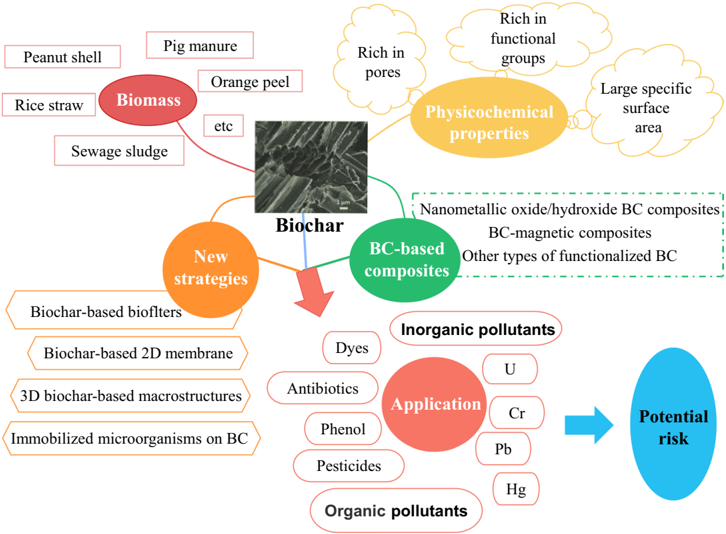
Abstract Biochar (BC) has exhibited a great potential to remove water contaminants due to its wide availability of raw materials, high surface area, developed pore structure, and low cost. However, the application of BC for water remediation has many limitations. Driven by the intense desire of overcoming unfavorable factors, a growing number of researchers have carried out to produce BC-based composite materials, which not only improved the physicochemical properties of BC, but also obtained a new composite material which combined the advantages of BC and other materials.
Overview
CoChat Summary
## TL;DR
This review summarizes how biochar and biochar-based composites are prepared, what physicochemical properties matter, and how they remove inorganic and organic pollutants from water and soil. It concludes that composite materials generally outperform pristine biochar, but stability, biological toxicity, and field validation remain major concerns.
## Key findings
- Pristine biochar showed pollutant removal capacities that the review reports as ranging from 7 × 10^-3 to 161.9 mg/g for inorganic pollutants and 10.4 to 610.1 mg/g for organic pollutants.
- Biochar-based composites improved removal performance: the review reports inorganic pollutant Qmax of 31 to 904 mg/g and that organic pollutant removal by composites was “more than 90%.”
- Examples given include MnO2-biochar removing 100% U(VI) with qmax = 904 mg/g; TiO2-biochar raising Reactive Blue 69 removal from 63.8% to 98.1%; and ZnO-modified biochar achieving 95% photodegradation efficiency after 5 cycles for phenol.
- For specific contaminants, the review reports Cr(VI) removal by pristine biochar through electrostatic attraction, reduction, and complexation, and gives examples such as BC450 removing almost 100% Cd(II) within 1 h and BC700 reducing soil soluble Cr by 93%.
## Methods
- This is a narrative review of prior studies on biochar and biochar-based composite materials, organized around preparation methods, physicochemical properties, contaminant removal performance, and adsorption/removal mechanisms.
- The review draws on published studies and summarizes them in tables (e.g., Tables 1–9), covering biochar preparation conditions, biochar/composite types, and reported adsorption capacities or removal rates.
- Main analysis is comparative synthesis of reported results across contaminant classes: heavy metals/inorganic pollutants and organic pollutants (dyes, phenols, antibiotics, pesticides), plus discussion of potential risks.
## Limitations
- The paper explicitly states that stability and biological toxicity of biochar-based composite materials still need attention and further study.
- It states that field trials are lacking and that most studies are laboratory-based, so laboratory conclusions may not translate directly to field conditions.
- It also states that the mechanisms are still inconclusive and that the relationships among biomass, preparation methods, and material properties are not clear enough.
- Evident from the text: the review is largely qualitative and literature-synthesizing, so it does not present a single controlled experimental dataset of its own.
Model-written summary. Check it against the paper before relying on it.
Integrity signals
Registry
Cites
Statistics
Figures
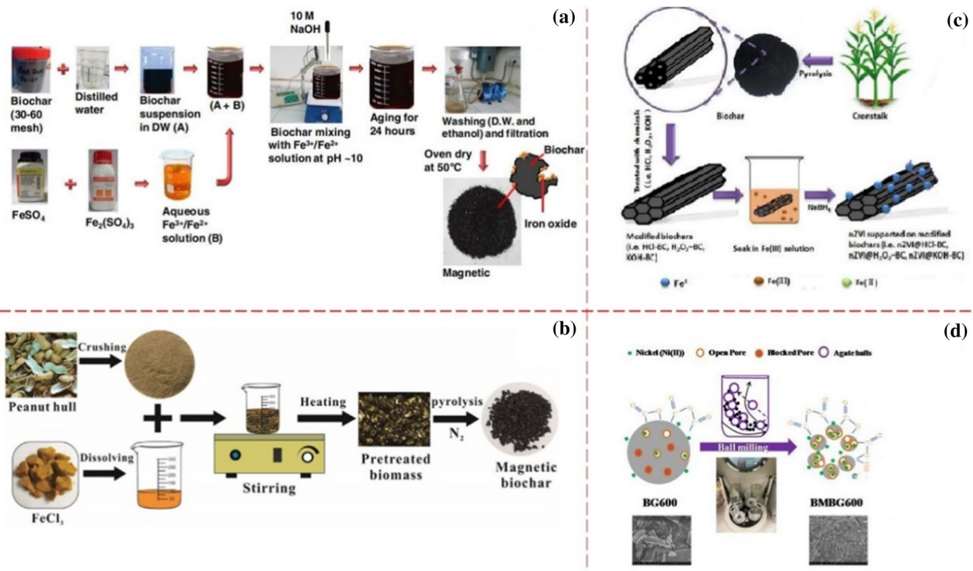
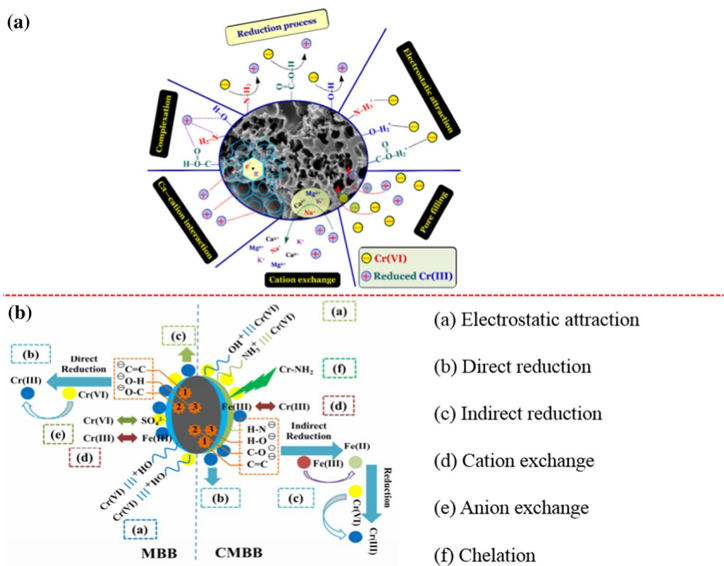
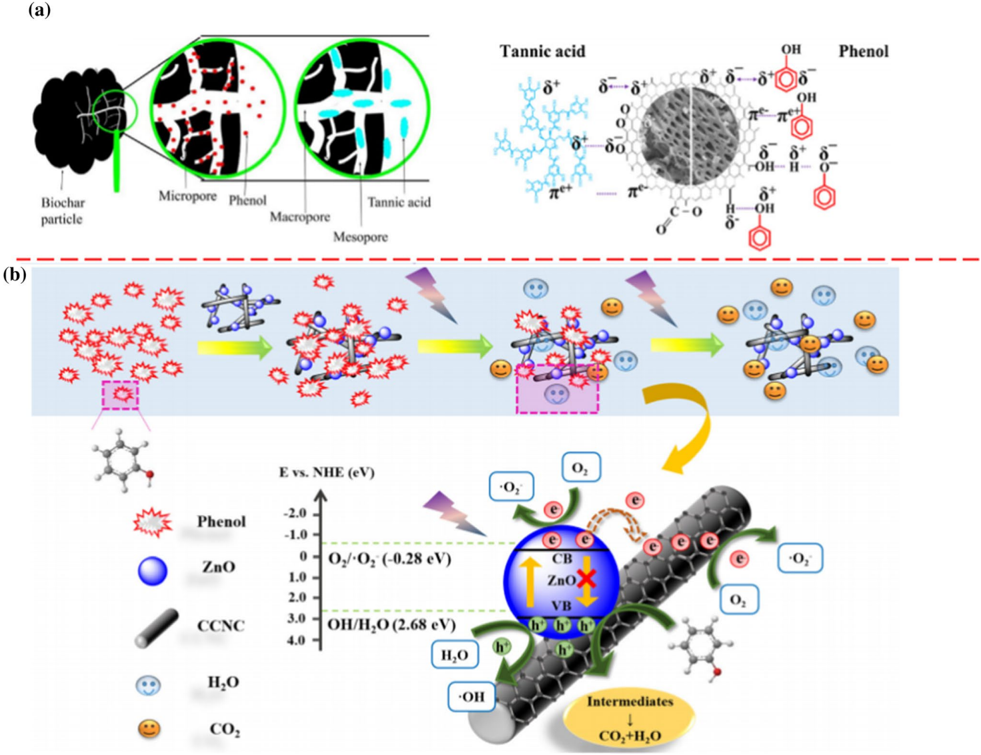
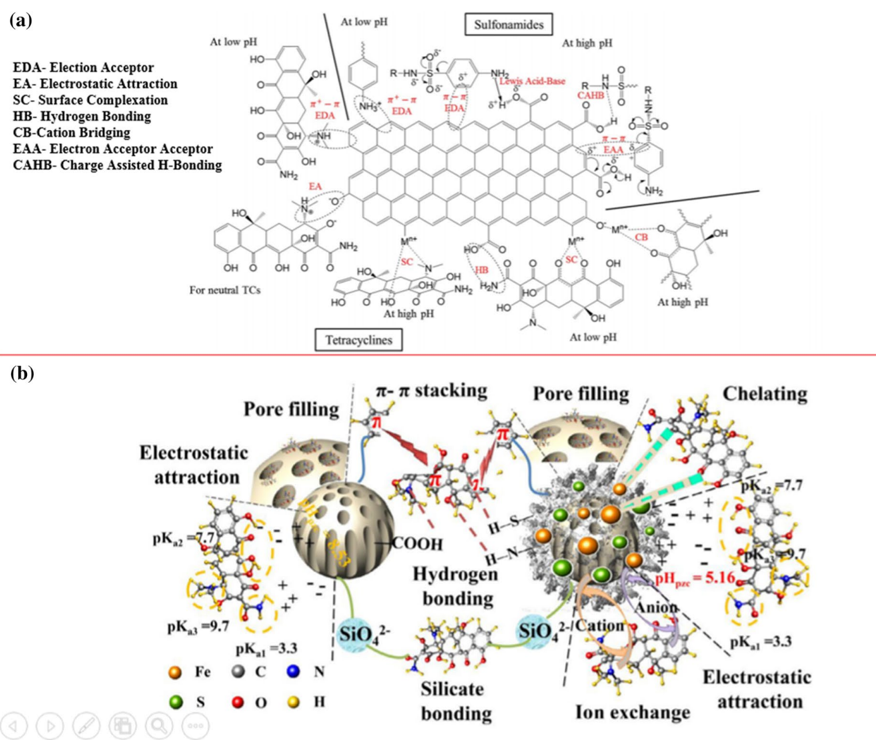

Verification
Claims the paper makes
2 Valid · 5 Not valid · 120 Not checked · 44 Own results and interpretations
In the paper
“Gao etal. (2020) co-pyrolyzed the mixture of rape straw and KH 2PO4 to prepare BC and the BC displayed a high immobilization capacity to heavy metals (Pb, Cu, and Cd).”
What the sources say
- Not matchedcites Gao etal. (2020)
An author–year citation the paper’s reference list doesn’t settle. We don’t search these by name.
plainstates an association- Asserted: passes — The authors put it forward as true.
- Checkable: passes — It can be checked against evidence.
- Load-bearing: unclear — It is unclear whether the paper’s conclusions depend on it.
- Based: passes — The paper gives a reason why it holds.
- Not matched
A result the paper states — it cites no source for it, so there is none to check. The quote shows it is in the paper.
In the paper
“The Q max of inorganic pollutants removal by BC-based composites ranged from 31 to 904mg/g.”
plain- Asserted: passes — The authors put it forward as true.
- Checkable: passes — It can be checked against evidence.
- Load-bearing: unclear — It is unclear whether the paper’s conclusions depend on it.
- Based: passes — The paper gives a reason why it holds.
A result the paper states — it cites no source for it, so there is none to check. The quote shows it is in the paper.
In the paper
“BC450 (produced at 450°C) showed a good removal efficiency (almost 100% Cd(II) from the aqueous solution within 1h).”
plainstates a cause- Asserted: passes — The authors put it forward as true.
- Checkable: passes — It can be checked against evidence.
- Load-bearing: unclear — It is unclear whether the paper’s conclusions depend on it.
- Based: passes — The paper gives a reason why it holds.
A result the paper states — it cites no source for it, so there is none to check. The quote shows it is in the paper.
In the paper
“the Q max of organic pollutant removal by the pristine BC ranged from 10.4 to 610.1mg/g”
plain- Asserted: passes — The authors put it forward as true.
- Checkable: passes — It can be checked against evidence.
- Load-bearing: unclear — It is unclear whether the paper’s conclusions depend on it.
- Based: passes — The paper gives a reason why it holds.
In the paper
“Wahab etal. (2013) reported that the melanoma cancer cells produced reactive oxygen species (ROS) and apoptosis after contact with nZnO.”
What the sources say
- Not matchedcites Wahab etal. (2013)
An author–year citation the paper’s reference list doesn’t settle. We don’t search these by name.
plainstates a cause- Asserted: passes — The authors put it forward as true.
- Checkable: passes — It can be checked against evidence.
- Load-bearing: unclear — It is unclear whether the paper’s conclusions depend on it.
- Based: passes — The paper gives a reason why it holds.
- Not matched
58 more claims
Create a free account to see all 171 claims and every source verdict.
- Probably not a substantial claim. 30
- It may state two separate claims as one. 88
- The quote only partly states this claim. 3
Self-check
Percentages, sums and reported differences re-computed from the paper’s own numbers.
Self-check results appear here once an independent check has confirmed them.
Cited works that were retracted
Works this paper cites that were later retracted, from the retraction notices publishers deposit. Major when the notice came out before this paper was published.
A note, not an issue: for example, a cited work that was retracted only after this paper was published, which its authors could not have known.
In the paper
“El-Naggar A, Lee MH, Hur J, Lee HY, Igalavithana AD, Shaheen SM, Ryu C, Rinklebe J, Tsang DCW, Ok YS (2019b) Biochar-induced metal immobilization and soil biogeochemical process: an integrated mechanistic approach. Sci Total Environ 698:134112”
Cited work 10.1016/j.scitotenv.2019.134112 · retracted 2026-08-26 · notice 10.1016/j.scitotenv.2026.182256 · this paper published 2021-07-07
Citations
Cites
1 retracted
El-Naggar, A., Lee, M.-H., Hur, J., Lee, Y. H., Igalavithana, A. D., Shaheen, S. M., Ryu, C., Rinklebe, J., Tsang, D. C. W., & Ok, Y. S. (2020) · Science of The Total Environment · doi:10.1016/j.scitotenv.2019.134112 · Cited by 191
RetractedBiochar effects on soil biota – A review
Lehmann, J., Rillig, M. C., Thies, J., Masiello, C. A., Hockaday, W. C., & Crowley, D. (2011) · Soil Biology and Biochemistry · doi:10.1016/j.soilbio.2011.04.022 · Cited by 5,074 · cited 1×
“1 3 the volatilization during pyrolysis and releasing of alkali salt during pyrolysis (Lehmann et al. 2011).”
BackgroundApplication of biochar for the removal of pollutants from aqueous solutions
Tan, X., Liu, Y., Zeng, G., Wang, X., Hu, X., Gu, Y., & Yang, Z. (2015) · Chemosphere · doi:10.1016/j.chemosphere.2014.12.058 · Cited by 2,081 · cited 1×
“Because of the large specific surface area, rich porous structure, abundant surface functional groups, and high mineral content, BC has been applied in various fields including energy production, water contaminants treatment, and other fields (Tan et al. 2015).”
BackgroundSelf-citationGlobal Water Pollution and Human Health
Schwarzenbach, R. P., Egli, T., Hofstetter, T. B., von Gunten, U., & Wehrli, B. (2010) · Annual Review of Environment and Resources · doi:10.1146/annurev-environ-100809-125342 · Cited by 2,076 · cited 1×
“…biomass with high moisture (sewage sludges, manures) or achieved by mixing water and biomass (rich in cellulose, lignin) to produce water-soluble organic matter and carbon-rich solid products under moderate temperatures (150–350 °C) and autogenous pressures (Sevilla and Fuerteshe 2009; Gascó et al.”
BackgroundThe production of carbon materials by hydrothermal carbonization of cellulose
Sevilla, M., & Fuertes, A. B. (2009) · Carbon · doi:10.1016/j.carbon.2009.04.026 · Cited by 2,021
Funke, A., & Ziegler, F. (2010) · Biofuels Bioproducts and Biorefining · doi:10.1002/bbb.198 · Cited by 2,001 · cited 1×
“However, under alkaline conditions, organic acids increased, while sugars decreased, and high pH resulted in a higher H/C ratio of the hydrochar (Funke and Ziegler 2010).”
BackgroundXia, T., Kovochich, M., Brant, J., Hotze, M., Sempf, J., Oberley, T., Sioutas, C., Yeh, J. I., Wiesner, M. R., & Nel, A. E. (2006) · Nano Letters · doi:10.1021/nl061025k · Cited by 1,918
Mechanisms of metal sorption by biochars: Biochar characteristics and modifications
Li, H., Dong, X., da Silva, E. B., de Oliveira, L. M., Chen, Y., & Ma, L. Q. (2017) · Chemosphere · doi:10.1016/j.chemosphere.2017.03.072 · Cited by 1,822
Comparative eco-toxicity of nanoscale TiO2, SiO2, and ZnO water suspensions
Adams, L. K., Lyon, D. Y., & Alvarez, P. J. J. (2006) · Water Research · doi:10.1016/j.watres.2006.08.004 · Cited by 1,543
Islam, M. S., Ahmed, M. K., Raknuzzaman, M., Habibullah -Al- Mamun, M., & Islam, M. K. (2015) · Ecological Indicators · doi:10.1016/j.ecolind.2014.08.016 · Cited by 1,454
Research works printed but not linked: 1
- NS1. J Environ Sci Health Part A Toxic/hazard Subst Environ Eng 38:1857-1866
Cited by
Items 401–500 of 654
Xie, Y. H., Chen, H., Liao, J., & Zhang, Y. (2022) · Biomass Conversion and Biorefinery · doi:10.1007/s13399-022-03183-9 · Cited by 9
“Due to its unique physical and chemical properties, biochar has been widely used in various fields, including climate change mitigation, photocatalysis, agriculture remediation, and energy production [14–16].”
Impact of biochar produced at different pyrolysis conditions on heavy metal contaminated soil
Chaudhary, H., & Rao, K. S. (2024) · Environmental Geochemistry and Health · doi:10.1007/s10653-024-02092-2 · Cited by 9
“(Hu et al., 2020; Liang et al., 2021).”
Liu, Y., Li, B., Tang, H., Tang, H., Ping, Z., Wang, W., Gao, M.-T., Dai, C., Liu, N., Hu, J., et al. (2024) · Journal of Environmental Management · doi:10.1016/j.jenvman.2024.123226 · Cited by 8
Chen, W., Chen, K., Surmpalli, R. Y., Zhang, T. C., Ou, J., & Kao, C. (2021) · Water Environment Research · doi:10.1002/wer.1673 · Cited by 7
“, ethanol, glucose, and lactate) could be applied for producing acetic acid and hydrogen to improve the efficiency of TCE dechlorination (Blanford et al., 2018; Liang et al., 2021; Luo et al., 2019; Sheu et al., 2018; Yao et al., 2021).”
BackgroundOgata, F., Uematsu, Y., Nagai, N., et al. (2022) · Bioresource Technology Reports · doi:10.1016/j.biteb.2022.101238 · Cited by 8
Biochar production using a Flexible Counter Flow Multi-Baffle (F-COMB) reactor
Rani, I. T., Wijaya, B. A., Lee, S., Kim, S., Choi, H., Chun, D., Im, H., Kim, S., Lim, J., Yoo, J., et al. (2024) · Journal of Cleaner Production · doi:10.1016/j.jclepro.2024.142875 · Cited by 8
Pharmaceutical waste management using functional materials for environmental remediation
Pandey, S., Jaiswal, R., Ahmad, S., Ali, A., Jaiswal, R., Yadav, R., Yadav, R., Ahsan, R., Dwivedi, T., & Sonali, S. (2025) · Sustainable Chemistry One World · doi:10.1016/j.scowo.2025.100068 · Cited by 8
Ge, Y., Ying, K., Yu, G., Ali, M. U., Idris, A. M., Shahab, A., & Ullah, H. (2025) · Frontiers in Soil Science · doi:10.3389/fsoil.2025.1623083 · Cited by 15
Islam, M. A., Nazal, M. K., Alhussain, N. A., Akinpelu, A. A., Billah, R. E. K., & Bahsis, L. (2025) · Journal of Molecular Structure · doi:10.1016/j.molstruc.2025.143265 · Cited by 10
Wang, M., Zhang, D., Chen, M., et al. (2025) · Microchemical Journal · doi:10.1016/j.microc.2025.114533 · Cited by 7
Huang, X., Li, C., Xie, G., et al. (2025) · Separation and Purification Technology · doi:10.1016/j.seppur.2025.135452 · Cited by 7
Özen, M. B., Salamat, Q., Güy, N., & Soylak, M. (2025) · Journal of Food Composition and Analysis · doi:10.1016/j.jfca.2025.108461 · Cited by 11
Ji, W., Wu, C., Ren, M., Jin, H., Lou, Y., Wu, Z., Li, Z., Fan, X., & Tabassum, S. (2025) · Separation and Purification Technology · doi:10.1016/j.seppur.2025.135749 · Cited by 9
Industrial Applications of Activated Carbon
Sajid, M. (2023) · Royal Society of Chemistry eBooks · doi:10.1039/bk9781839169861-00023 · Cited by 9
Adesoyin, A. E., MacCarthy, D. S., & Adiku, S. G. K. (2023) · Scientific African · doi:10.1016/j.sciaf.2023.e01784 · Cited by 13
Biochar-Based Nanocomposites for the Removal of Organic Environmental Contaminants
Kumar, A., Dabodiya, T. S., & Ramamoorthy, D. (2023) · Advances in Science, Technology & Innovation/Advances in science, technology & innovation · doi:10.1007/978-3-031-28873-9_7 · Cited by 8
Fedeli, R., Celletti, S., Alexandrov, D. V., Nafikova, E., & Loppi, S. (2024) · Environmental Science and Pollution Research · doi:10.1007/s11356-024-34732-6 · Cited by 9
“Furthermore, its role in sequestering both hydrocarbons and heavy metals has been extensively studied (Qiu et al. 2022; Liang et al. 2021; Li et al. 2021).”
BACTERIAL CELLULOSE-BASED COMPOSITES: RECENT TRENDS IN PRODUCTION METHODS AND APPLICATIONS
Singh, G., Gauba, P., & Mathur, G. (2024) · Cellulose Chemistry and Technology · doi:10.35812/cellulosechemtechnol.2024.58.72 · Cited by 8
Wang, Q., Wang, Y., Liang, Z., Ding, F., Liang, B., Wen, S., Lu, Y., & Su, C. (2024) · Journal of Environmental Management · doi:10.1016/j.jenvman.2024.123513 · Cited by 13
Biochar-based technology in water and wastewater treatment
Bayuo, J., Alayande, A. B., Mtei, K., & Rwiza, M. J. (2025) · Elsevier eBooks · doi:10.1016/b978-0-443-23662-4.00012-3 · Cited by 10
Soni, S., Teli, S., Teli, P., et al. (2025) · Nanoscale Advances · doi:10.1039/d4na00891j · Cited by 7
“Additionally, we introduced sonication and blue light activation to further enhance the reaction [Table 2; entries 13 – 22].”
Ding, R., Xu, L., Huang, C., et al. (2021) · ACS Omega · doi:10.1021/acsomega.1c04048 · Cited by 7
Cottorello-Fonsêca, M., Júnior, C. A. M., Dias, D. D. S., Silva, J. P. D., Lamarca, R. S., Ribeiro, C. A., Pires, L. O., & Gomes, P. C. F. D. L. (2022) · Eclética Química · doi:10.26850/1678-4618eqj.v47.2.2022.p82-96 · Cited by 9
Yuan, X., Wei, Z., Zhang, Z., & Liu, H. (2022) · Journal of Inorganic and Organometallic Polymers and Materials · doi:10.1007/s10904-022-02339-4 · Cited by 7
Shi, Y., Cheng, X., Wan, D., Zhang, Z., Chen, Z., Han, X., & Zhou, Q. (2022) · Inorganic Chemistry Communications · doi:10.1016/j.inoche.2022.109588 · Cited by 8
Liu, Q., Wang, J., Yao, C.-X., Yang, L., Zhao, L., Guo, L., Liu, J., & Wang, S. (2023) · Journal of Agricultural and Food Chemistry · doi:10.1021/acs.jafc.2c06838 · Cited by 7
Nguyen, H. H., Nguyen, H. M., Tran‐Thuy, T., Nguyen, L.-P., Lam, H. H., & Nguyen, D. V. (2023) · RASAYAN Journal of Chemistry · doi:10.31788/rjc.2023.1638383 · Cited by 7
Lungkadee, T., Katongtung, T., Pokkanta, P.-R., Onsree, T., Jaroenkhasemmeesuk, C., & Tippayawong, N. (2024) · AIMS energy · doi:10.3934/energy.2024014 · Cited by 11
“A review focused on the preparation methods and physicochemical properties of biochar/biochar-based composites, along with their performance in removing contaminants from wastewater, was conducted [79].”
Liu, C., Yan, X., Chen, Y. J., Zhou, Y. Y., Wu, H., Wang, H., Zhang, H.-X., Yang, J.-M., & Yoon, K.-B. (2023) · Materials Today Sustainability · doi:10.1016/j.mtsust.2023.100540 · Cited by 6
Zomorodbakhsh, S., Gonzalez, A. C. S., Cruz, I. G., Piccirillo, G., Maria, T. M. R., Marques, I. S., Peixoto, A. F., Gil, J. M., Ferreira, F., & Carrilho, R. M. B. (2024) · Advanced Sustainable Systems · doi:10.1002/adsu.202400431 · Cited by 7
Cao, M., Zhang, H., & Wei, X. (2024) · Chemical Engineering Journal · doi:10.1016/j.cej.2024.158046 · Cited by 7
Rodríguez-Ramírez, C. A., Coin, F., Vergara-Rubio, A., et al. (2025) · Chemosphere · doi:10.1016/j.chemosphere.2025.144102 · Cited by 6
Hou, Y., Zhang, Y., Li, L., Li, X., Zhu, C., Han, J., Ji, R., Song, Y., Zhang, Y., Zhou, D., et al. (2025) · Journal of environmental chemical engineering · doi:10.1016/j.jece.2025.116786 · Cited by 6
Oh, J., Han, Y. S., Lim, G., Bhatia, S. K., Kim, Y., Lee, S. H., Kim, J., & Yang, Y.-H. (2025) · Bioresource Technology · doi:10.1016/j.biortech.2025.133204 · Cited by 7
Zaidi, S., Arif, Y., Mir, A. R., Hayat, S., & Kaya, C. (2025) · Journal of soil science and plant nutrition · doi:10.1007/s42729-025-02797-y · Cited by 9
“Moisture in BC refers to the water content and volatile matter structure and surface area (Liang et al. 2021).”
Hasnain, M., Hira, I., Zainab, R., Ali, F., Fitzgerald, M. A., & Abideen, Z. (2026) · Environmental Geochemistry and Health · doi:10.1007/s10653-026-03019-9 · Cited by 11
“The adsorption and release behavior of toxic organic and inorganic contaminants by biochar are controlled by interplay between its surface chemistry and pore architecture, both of which vary with feedstock type, pyrolysis temperature and activation process (Liang et al., 2021).”
Biochar-graphene hybrid adsorbents for organic pollutant removal: Mechanisms and perspectives
Hu, H., Ke, B., Li, W., Wen, H., Yang, X., Lin, Y., Long, H., & Wang, G. (2026) · Materials Today Chemistry · doi:10.1016/j.mtchem.2026.103631 · Cited by 16
Geçgel, C., Yabalak, E., & Turabık, M. (2024) · Journal of Environmental Management · doi:10.1016/j.jenvman.2024.121333 · Cited by 7
Santos, A. S. G. G., Orge, C. A., Pereira, M. F. R., & Soares, O. S. G. P. (2024) · Catalysts · doi:10.3390/catal14120947 · Cited by 6
“The main disadvantage of this process is the accumulation of pollutants on the material surface, which requires further treatment [188,213,214].”
Zhu, X., Li, Z., Gu, T., 王瑞英, Yu, J., Zhu, W., Jiang, L., Huang, Y., Li, B., & Dong, Z. (2025) · Journal of environmental chemical engineering · doi:10.1016/j.jece.2025.116616 · Cited by 11
Akar, T., Atılgan, M. K., Çelik, S., Sayın, F., & Akar, S. T. (2022) · Biomass Conversion and Biorefinery · doi:10.1007/s13399-022-02672-1 · Cited by 6
“In this case, the possibility of secondary contamination from long-term usage of biochar should be carefully assessed [22].”
Zhu, M. Y., Zhang, L., Xu, J. M., & He, Y. (2022) · The Science of The Total Environment · doi:10.1016/j.scitotenv.2022.159346 · Cited by 7
Zhang, Z., Li, B., & Zhou, X. (2023) · Journal of Water Process Engineering · doi:10.1016/j.jwpe.2023.104002 · Cited by 6
Ghadami, F., Valian, M., Atoof, F., et al. (2023) · Journal of Industrial and Engineering Chemistry · doi:10.1016/j.jiec.2023.08.027 · Cited by 6
Enhancement of adsorption capabilities by surface functionalization
Söğüt, E. G., & Gülcan, M. (2023) · Elsevier eBooks · doi:10.1016/b978-0-443-18456-7.00004-3 · Cited by 6
Role of Alkyl Chain Length in Surfactant-Induced Precipitation of Reactive Brilliant Blue KN-R
Liu, H., Chang, Y., Li, Y., et al. (2024) · Molecules · doi:10.3390/molecules29030619 · Cited by 6
Tran, P. T., Truong, T. T. A., Le, H. V. M., et al. (2024) · Bioresource Technology Reports · doi:10.1016/j.biteb.2024.101953 · Cited by 6
Mocová, K. A., Petrová, Š., Pohořelý, M., Martinec, M., & Tourinho, P. S. (2022) · Environmental Science and Pollution Research · doi:10.1007/s11356-021-18289-2 · Cited by 5
Choi, N., Park, C., Lee, S., et al. (2025) · Separation and Purification Technology · doi:10.1016/j.seppur.2025.134898 · Cited by 6
Tong, W. K., Dai, C., Hu, J., Yue, M. R., Liu, Y. D., Li, B., Zou, J. J., Wang, J., Tang, H., Gao, M., et al. (2025) · Chemical Engineering Journal · doi:10.1016/j.cej.2025.162242 · Cited by 6
Yue, S., Li, W., Qin, F., Dong, M., Weng, G., Ali, H. M., Weng, J., & Mehmood, S. (2025) · BMC Biotechnology · doi:10.1186/s12896-025-01010-3 · Cited by 5
“Its high surface area, functional groups, and redox properties make it effective for heavy metal adsorption and immobilization [23–25].”
Imafidon, O., Akpojivi, V. O., Okosun, J. Z., & Ediagbonya, T. F. (2025) · Journal of Water Process Engineering · doi:10.1016/j.jwpe.2025.108566 · Cited by 7
Khan, N. A., Nuhu, U. H., Jagaba, A. H., Lawal, D. U., Baig, N., Abdulazeez, I., Salhi, B., Abbas, Y., Zahid, U., & Aljundi, I. H. (2025) · Desalination · doi:10.1016/j.desal.2025.119816 · Cited by 10
Song, K., Zhao, X., Lai, S., Xiong, H., Kang, Z., Li, Y., Zhu, Z., Yang, Z., & Han, L. (2026) · Separation and Purification Technology · doi:10.1016/j.seppur.2026.137085 · Cited by 7
Adsorption of hexavalent chromium from aqueous solution by polyamidoamine dendrimer polycondensate
Chang-hua, Z., Zhao, J., & Zhao, M. (2022) · Research on Chemical Intermediates · doi:10.1007/s11164-022-04789-4 · Cited by 4
Han, J., Liu, R., Wang, H., Qiu, M., & Hu, B. (2022) · Desalination and Water Treatment · doi:10.5004/dwt.2022.28617 · Cited by 5
Self-citationNtinkam, C. A. S., Manga, J. D., & Kede, C. M. (2025) · Materials Advances · doi:10.1039/d4ma00714j · Cited by 6
Yu, D., Liao, Q., Xu, W., Huang, J., Ding, S., Li, X., Guan, H., & Huang, Y. (2024) · Desalination and Water Treatment · doi:10.1016/j.dwt.2024.100871 · Cited by 5
Najem, T., Ayoub, G. M., Salam, D. A., & Zayyat, R. M. (2024) · Environmental Science and Pollution Research · doi:10.1007/s11356-024-35416-x · Cited by 8
“Furthermore, this material needs to undergo further testing using actual wastewater to check on its removal efficiency of specific dioxins in the presence of other contaminants (Liang et al. 2021).”
Ullah, I., Baig, S. A., Zaheer, H., Shams, D. F., Bibi, H., Khan, W., Xu, X., & Danish, M. (2024) · Water Air & Soil Pollution · doi:10.1007/s11270-024-07697-y · Cited by 6
“In agreement, biochar has been reported as a cost-effective remediation substrate for eliminating pollutants in contaminated water as compared to other adsorbents (Liang et al., 2021).”
Singh, J., Bhattu, M., Brar, S. K., & Jadeja, R. B. (2025) · Waste and Biomass Valorization · doi:10.1007/s12649-025-02959-0 · Cited by 8
“Along with these parameters, the production of ecofriendly and cost effective alternatives has become an important concern due to the combined pressures of social development and environmental conservation [73].”
Choi, J.-S., Lim, S.-H., Jung, S.-R., et al. (2022) · Journal of Environmental Management · doi:10.1016/j.jenvman.2022.115403 · Cited by 5
Sorption treatment of water from chromium using biochar material
Сергеев, В. В., Balandinsky, D., Romanov, G., & Rukin, G. (2023) · Arab Journal of Basic and Applied Sciences · doi:10.1080/25765299.2023.2207407 · Cited by 6
“In recent years, there has been increased interest in the use of biochar as a sorbent (Chen, Meng, Han, Lan, & Zhang, 2019; Qiu et al., 2022; Liang et al., 2021).”
BackgroundGraphene and Its Composites for Water and Wastewater Treatment
Arumugham, T., Hai, A., Rambabu, K., Bharath, G., Hasan, S. W., & BANAT, F. A. (2023) · Materials horizons · doi:10.1007/978-981-99-4382-1_2 · Cited by 6
Yuan, Y., Xia, H., Guo, W., Huang, B., Chen, Y., Qiu, M., Wang, Y., & Hu, B. (2023) · Environmental Science and Pollution Research · doi:10.1007/s11356-023-30961-3 · Cited by 6
Self-citationHaruna, M. S., Scholartica, C. E., Tijani, J. O., Mustapha, S., Oladapo, B. H., Abdulkareem, A. S., & Gwadabe, N. K. (2024) · Nano-Structures & Nano-Objects · doi:10.1016/j.nanoso.2024.101101 · Cited by 6
Narkhede, S., Phillips, E., Singhai, A., Dadsena, A., Sahu, R., Arfin, T., Shakya, A., & Parkhey, P. (2024) · ACS symposium series · doi:10.1021/bk-2024-1479.ch005 · Cited by 6
Sahu, U. K., Mandal, S., Sahu, S., et al. (2022) · Journal of Environmental Engineering and Landscape Management · doi:10.3846/jeelm.2022.16749 · Cited by 5
Mechanism of recombinant bacteria adsorb UO22+ under culture condition
Shu, Y., Li, S., Xie, J., Guo, K., Cheng, C., Chen, L., Peng, G., & Xiao, F. (2021) · Enzyme and Microbial Technology · doi:10.1016/j.enzmictec.2021.109920 · Cited by 5
Licona-Aguilar, Á. I., Torres-Huerta, A. M., Domínguez-Crespo, M. A., et al. (2022) · Data in Brief · doi:10.1016/j.dib.2022.108410 · Cited by 5
Xi, F., Bai, C., Zhao, J., Xie, K., Ma, J., Liang, L., & Hou, A. (2026) · Langmuir · doi:10.1021/acs.langmuir.6c00084 · Cited by 4
Self-citationAbkenar, S. D., & Hosseini, M. (2024) · ACS symposium series · doi:10.1021/bk-2024-1465.ch011 · Cited by 5
Functional Nanoparticle-Coated Biochar (FNs-BC)-Based Composites and Their Applications
Omar, R. A., Chuhan, D., Ashfaq, M., & Talreja, N. (2025) · Composites science and technology · doi:10.1007/978-981-96-1479-0_4 · Cited by 6
Prussian Blue Modified Biochar: Preparation and Adsorption of Ammonia Nitrogen from Sewage
Yefan, Y. U., Xu, L., Ni, Z., Shi, D., & Chen, M. (2022) · Journal of Inorganic Materials · doi:10.15541/jim20220432 · Cited by 4
Preparation of magnetic core-shell Ce-doped zirconia and its As(III) adsorption properties
Ming-han, D. U., Yang, H., Fu, W., Hu, Y.-L., Tao, H., Fan, J., Liu, Y., Yu-fan, C. H. E. N., Na-er, D. I. L. I., & Xiao-qing, L. I. U. (2022) · Transactions of Nonferrous Metals Society of China · doi:10.1016/s1003-6326(22)66085-0 · Cited by 4
Adsorption of lead and tetracycline in aqueous solution by magnetic biomimetic bone composite
Ji, Z., Zhang, Y., Yan, H., et al. (2023) · Polymer Bulletin · doi:10.1007/s00289-023-04715-7 · Cited by 4
“The previously reported adsorbents include biochar, carbon nanotubes, metal oxides, zeolites, bentonite, metal–organic framework (MOF) materials, and so forth [15–17].”
Mahmoud, M. E., Nabil, G. M., Tharwat, R. M., & Abdelfattah, A. M. (2023) · Alexandria Journal of Science and Technology · doi:10.21608/ajst.2023.216152.1013 · Cited by 4
“One of the most impacting contaminants to water pollution is mainly correlated to dyes and coloring materials [22].”
BackgroundRevolutionizing Sulfur Polymerization with a Biogenic Catalyst Approach
Mousavi, M., Hou, K., Kazemi, M., Li, C., & Fini, E. H. (2024) · Advanced Sustainable Systems · doi:10.1002/adsu.202400322 · Cited by 4
Xu, D., Liao, D., Xie, B., et al. (2024) · Surfaces and Interfaces · doi:10.1016/j.surfin.2024.105604 · Cited by 4
Mengistu, A. M., Gebeyehu, A. W., & Alemayehu, E. (2025) · Water Practice & Technology · doi:10.2166/wpt.2025.055 · Cited by 7
Ji, M., & Sang, W. (2022) · Elsevier eBooks · doi:10.1016/b978-0-323-85343-9.00017-3 · Cited by 4
Arsenic and Cadmium Toxicity in Plants: Mitigation and Remediation Strategies
Upadhyaya, G., Mondal, S., & Roychoudhury, A. (2023) · Emerging contaminants and associated treatment technologies · doi:10.1007/978-3-031-22269-6_10 · Cited by 9
Biochar-mediated removal of various pollutants from the environment
Jeyaraj, S. G., Hemavarshini, S., Shree, G. G. K., & Aravind, J. (2024) · Physical Sciences Reviews · doi:10.1515/psr-2023-0043 · Cited by 6
Biochar regulates the functions of keystone taxa to reduce p-coumaric acid accumulation in soil
Zhu, X., Jia, M., Zi, D., Zhou, P., Du, Y., Wang, N., Dai, H., Wang, G., & Bai, Y. (2024) · Frontiers in Microbiology · doi:10.3389/fmicb.2024.1458185 · Cited by 3
Sorption Studies of Biochar-Based Composites for Removal of Organic Contaminants
Umaru, K. I., Terungwa, J. I., & Umaru, I. J. (2025) · Composites science and technology · doi:10.1007/978-981-96-1479-0_10 · Cited by 4
Galaburda, M. V., Chrzanowska, A., Sternik, D., et al. (2025) · International Journal of Molecular Sciences · doi:10.3390/ijms26104770 · Cited by 3
“Biochars, produced by the thermal decomposition of biomass (e.g., wood, agricultural waste) at 300–800 ◦ C, have attracted attention as low-cost, sustainable sorbents for organic compounds and often show comparable performance to commercial activated carbons [12–14].”
Modelling an amorphous biochar structure using classical molecular dynamics simulations
Yakandawala, S. A., Gunatilake, S. R., Nardelli, M. B., Gunawardena, S., & Liyanage, L. (2025) · Pure and Applied Chemistry · doi:10.1515/pac-2024-0327 · Cited by 3
Bai, M., Guo, W., Zhang, Y., Yang, R., & Li, W. (2025) · RSC Advances · doi:10.1039/d5ra04594k · Cited by 3
Nouacer, I., Chekhoum, Y. S., Nouacer, A., Benalia, M., Djedid, M., & Tounsi, A. (2025) · Journal of Nanoparticle Research · doi:10.1007/s11051-025-06470-4 · Cited by 7
“Their structural inertness and morphological stability provide resistance under varied environmental circumstances, while their intrinsic antibacterial activity enhances their use in water treatment and disinfection operations [58–60].”
Khitous, M., & Trari, M. (2026) · Journal of the Indian Chemical Society · doi:10.1016/j.jics.2026.102443 · Cited by 5
Madhusudan, P., Lee, W.-H., & Kim, J.-O. (2026) · Environmental Research · doi:10.1016/j.envres.2026.123869 · Cited by 3
Pătrinoiu, G., Ianculescu, A. C., Calderón-Moreno, J. M., Musuc, A. M., Cucos, A., Neațu, F., Avramescu, S. M., Florea, M., & Ioniță, P. (2026) · Colloids and Surfaces A Physicochemical and Engineering Aspects · doi:10.1016/j.colsurfa.2026.140154 · Cited by 3
Zhu, H., Wang, Q., Wu, Z. W., et al. (2026) · Environmental Science & Technology · doi:10.1021/acs.est.6c01006 · Cited by 3
Liao, J., Nan, T., Li, D., Yuan, H., Guo, H., ZHANG, Y., Wang, Y. C., & Du, M. (2026) · Journal of Soils and Sediments · doi:10.1007/s11368-026-04395-6 · Cited by 4
“These observations corroborate the work of Liang et al. (2021), who reported that accessible pore structures and surface chemistry are critical determinants of biochar adsorption performance.”
Ah-Ya, M. K., Ahmad, N., Puasa, S. W., Zulkupli, N. A., Rahim, N. N. A. R. A., & Ghani, F. S. A. (2022) · Desalination and Water Treatment · doi:10.5004/dwt.2022.28248 · Cited by 2
“pollution, which consequently threatens the environment and human health due to the increase of anthropogenic activities [3,4].”
BackgroundPreparation of Nano-Metal-Oxide Incorporated Biochar for Remediation of Water Pollution
Arar, Ö. (2023) · Current Nanomaterials · doi:10.2174/2405461508666230512160837 · Cited by 5
Biochar production methods vis-a-vis aquaculture applications: a strategy for sustainable paradigm
Yadav, N. K., Singh, S. K., Patel, A. B., Meitei, M. M., Meena, D. K., Yadav, M. K., Lal, J., & Choudhary, B. K. (2023) · Elsevier eBooks · doi:10.1016/b978-0-323-99145-2.00010-0 · Cited by 8
Murtaza, G., Ahmed, Z., Usman, M., Bawazeer, S., Basuliman, A., Iqbal, R., Rizwan, M. S., Shoaib, M., Ullah, Z., Akram, M., et al. (2024) · Global NEST Journal · doi:10.30955/gnj.005435 · Cited by 6
“In contrast to activated carbon, BC has emerged as an affordable remediation substrate for removing environmental pollutants in natural and wastewater (Liang et al .”
BackgroundPerkebunan Sagu berbasis Kearifan Lokal dalam Mengelola dan Mewujudkan Pertanian Sagu Berkelanjutan
Dahliani, L. (2024) · Tabela Jurnal Pertanian Berkelanjutan · doi:10.56211/tabela.v2i1.441 · Cited by 7
“Budaya plastik, yang merupakan bagian penting dari pengetahuan lokal masyarakat (Hu, 2020), harus diperhatikan meskipun tanaman sagu yang bergantung pada kelembapan terancam (Liang, 2021).”
BackgroundWystalska, K., Kowalczyk, M., Kamizela, T., Worwąg, M., & Zabochnicka-Świątek, M. (2024) · Materials · doi:10.3390/ma17112646 · Cited by 4
“17 , 2646 As indicated by [71], these products demonstrate high e ffi ciency in removing pollutants, but the potential risks re-lated to their stability and toxicity require further research.”
Background
Metadata
- Authors
- Liang, L., Xi, F., Tan, W., Meng, X., Hu, B., & Wang, X.
- Affiliations
- Shaoxing University (CN)
- Corresponding author
- Hu, Baowei
- Wang, Xiangke
- Venue
- Biochar
- Published
- 2021-07-07
- Volume
- 3
- Issue
- 3
- Pages
- 255-281
- ISSN
- 2524-7867 (ISSN-L)
- 2524-7972
- OpenAlex
- W3177766267
- Cited by
- 662
- References
- 211
- Citations by year
- 2026: 83 · 2025: 104 · 2024: 124 · 2023: 122 · 2022: 172 · 2021: 57
- FWCI
- 35.30
- Type
- journal article
- Language
- en
- Open access
- hybrid
- doi.org
- Licence
- cc-by
- creativecommons.org/licenses/by/4.0 (tdm)
- creativecommons.org/licenses/by/4.0 (vor)
- Locations
- Biochar (publishedVersion, cc-by)
- Funders
- National Natural Science Foundation of China (41807468)
- Natural Science Foundation of Zhejiang Province (LY18E080018)
- Key Laboratory of Jiangsu Province for Chemical Pollution Control and Resources Reuse (PCRRF18021)
- Topics
- Physical Sciences › Environmental Science › Water Science and Technology › Adsorption and biosorption for pollutant removal
- Physical Sciences › Environmental Science › Environmental Engineering › Environmental remediation with nanomaterials
- Physical Sciences › Environmental Science › Water Science and Technology › Environmental and Analytical Chemistry Studies
- Keywords
- water pollutant removal, organic pollutants, inorganic contaminants, adsorption mechanism, water remediation, biochar physicochemical properties, biochar stability, biotoxicity
About these checks
Registry, retraction, Cites and statistics results are computed, not judged, with one exception: a printed reference that no index lists is read once by a model before it counts as a citation error. Claims are extracted by a model and kept only when their quote appears verbatim in the text; each cited source is then checked, with a model’s help, for whether it says what the claim relies on. Those verdicts can be wrong — read the claim’s quote and the cited source before relying on one.
The claim verdicts this report counts are experimental: their accuracy is not yet measured.
A language model drew the claims from the paper on 2026-10-10, under version 3 of the claim definition (model deepseek-v4.1-flash, prompt extract-v3).
A second model labelled each claim on 2026-10-10 (model jev-1.13-20260917, definition revision gold-guideline-v0.2).
Statistics and arithmetic are recomputed, not judged.
Confidence bands are shown only for fields calibrated on our annotated test set. None is calibrated yet, so no band is shown.
What counts as a claim ›How we measure confidence ›How we check this ›
Are you an author, or do you see a problem with this page? Request a review
Data sources
Bibliographic data: Semantic Scholar, OpenAlex, Crossref.
Contains information from the Semantic Scholar Academic Graph Datasets, made available under the ODC Attribution License (ODC-BY 1.0).
Semantic Scholar’s data is described in: Kinney, R., et al. (2023). The Semantic Scholar Open Data Platform. arXiv:2301.10140.
