

Review of organic and inorganic pollutants removal by biochar and biochar-based composites
Open accessThe DOI matches its Crossref record; 213 of the 213 references it cites were found in a registry or an index; 2 of the 139 sources its claims cite were checked for support.
Abstract
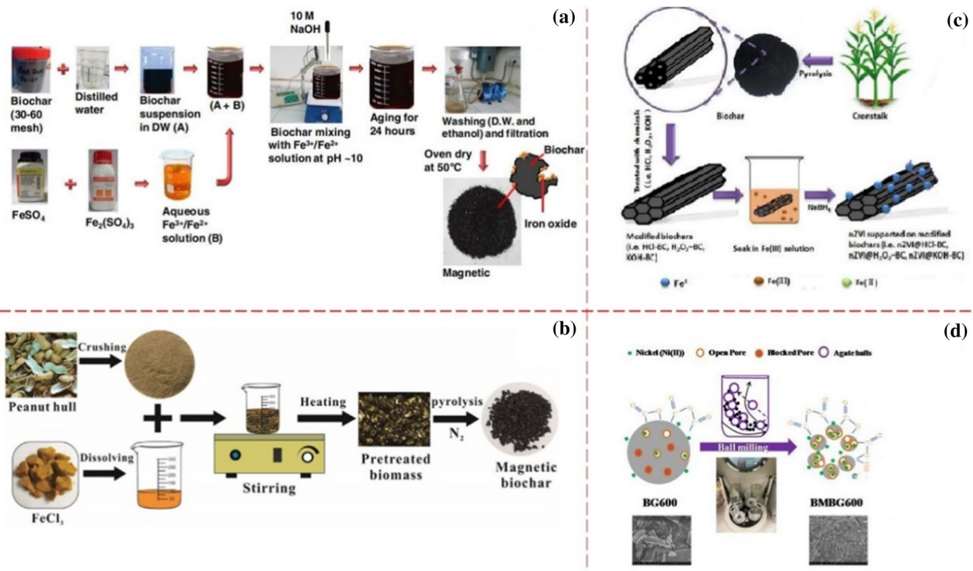
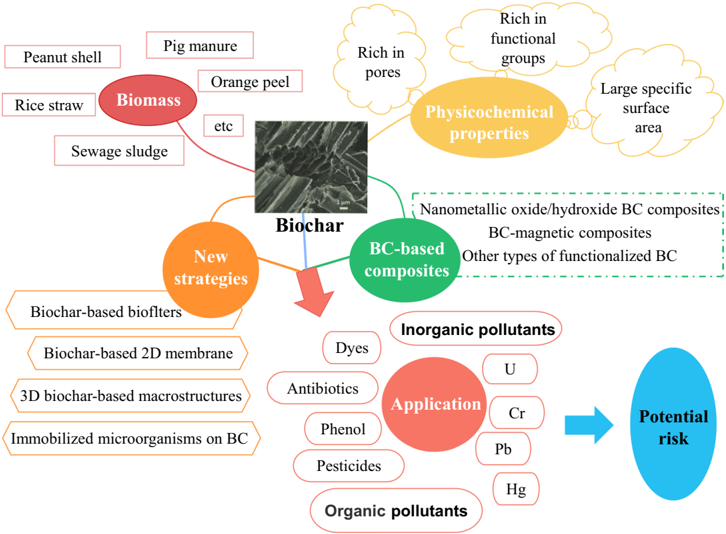
Abstract Biochar (BC) has exhibited a great potential to remove water contaminants due to its wide availability of raw materials, high surface area, developed pore structure, and low cost. However, the application of BC for water remediation has many limitations. Driven by the intense desire of overcoming unfavorable factors, a growing number of researchers have carried out to produce BC-based composite materials, which not only improved the physicochemical properties of BC, but also obtained a new composite material which combined the advantages of BC and other materials.
Overview
CoChat Summary
## TL;DR
This review summarizes how biochar and biochar-based composites are prepared, what physicochemical properties matter, and how they remove inorganic and organic pollutants from water and soil. It concludes that composite materials generally outperform pristine biochar, but stability, biological toxicity, and field validation remain major concerns.
## Key findings
- Pristine biochar showed pollutant removal capacities that the review reports as ranging from 7 × 10^-3 to 161.9 mg/g for inorganic pollutants and 10.4 to 610.1 mg/g for organic pollutants.
- Biochar-based composites improved removal performance: the review reports inorganic pollutant Qmax of 31 to 904 mg/g and that organic pollutant removal by composites was “more than 90%.”
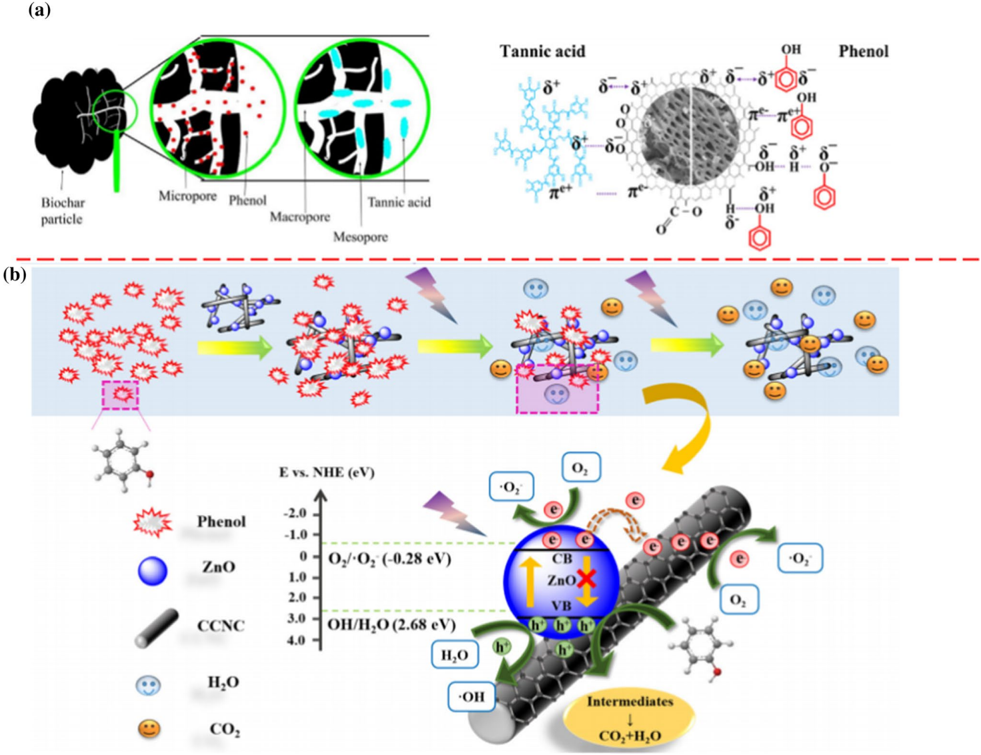
- Examples given include MnO2-biochar removing 100% U(VI) with qmax = 904 mg/g; TiO2-biochar raising Reactive Blue 69 removal from 63.8% to 98.1%; and ZnO-modified biochar achieving 95% photodegradation efficiency after 5 cycles for phenol.
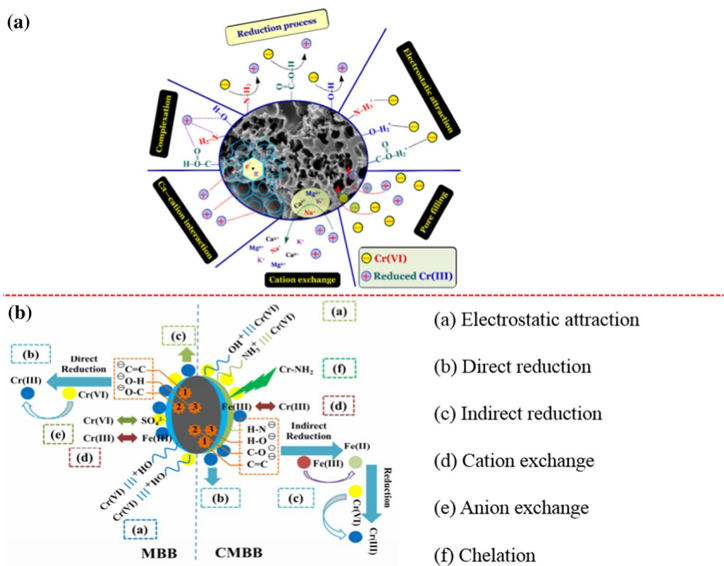
- For specific contaminants, the review reports Cr(VI) removal by pristine biochar through electrostatic attraction, reduction, and complexation, and gives examples such as BC450 removing almost 100% Cd(II) within 1 h and BC700 reducing soil soluble Cr by 93%.
## Methods
- This is a narrative review of prior studies on biochar and biochar-based composite materials, organized around preparation methods, physicochemical properties, contaminant removal performance, and adsorption/removal mechanisms.
- The review draws on published studies and summarizes them in tables (e.g., Tables 1–9), covering biochar preparation conditions, biochar/composite types, and reported adsorption capacities or removal rates.
- Main analysis is comparative synthesis of reported results across contaminant classes: heavy metals/inorganic pollutants and organic pollutants (dyes, phenols, antibiotics, pesticides), plus discussion of potential risks.
## Limitations
- The paper explicitly states that stability and biological toxicity of biochar-based composite materials still need attention and further study.
- It states that field trials are lacking and that most studies are laboratory-based, so laboratory conclusions may not translate directly to field conditions.
- It also states that the mechanisms are still inconclusive and that the relationships among biomass, preparation methods, and material properties are not clear enough.
- Evident from the text: the review is largely qualitative and literature-synthesizing, so it does not present a single controlled experimental dataset of its own.
Model-written summary. Check it against the paper before relying on it.
Integrity signals
Registry
Cites
Statistics
Figures

Verification
Claims the paper makes
2 Valid · 5 Not valid · 120 Not checked · 44 Own results and interpretations
In the paper
“Gao etal. (2020) co-pyrolyzed the mixture of rape straw and KH 2PO4 to prepare BC and the BC displayed a high immobilization capacity to heavy metals (Pb, Cu, and Cd).”
What the sources say
- Not matchedcites Gao etal. (2020)
An author–year citation the paper’s reference list doesn’t settle. We don’t search these by name.
plainstates an association- Asserted: passes — The authors put it forward as true.
- Checkable: passes — It can be checked against evidence.
- Load-bearing: unclear — It is unclear whether the paper’s conclusions depend on it.
- Based: passes — The paper gives a reason why it holds.
- Not matched
A result the paper states — it cites no source for it, so there is none to check. The quote shows it is in the paper.
In the paper
“The Q max of inorganic pollutants removal by BC-based composites ranged from 31 to 904mg/g.”
plain- Asserted: passes — The authors put it forward as true.
- Checkable: passes — It can be checked against evidence.
- Load-bearing: unclear — It is unclear whether the paper’s conclusions depend on it.
- Based: passes — The paper gives a reason why it holds.
A result the paper states — it cites no source for it, so there is none to check. The quote shows it is in the paper.
In the paper
“BC450 (produced at 450°C) showed a good removal efficiency (almost 100% Cd(II) from the aqueous solution within 1h).”
plainstates a cause- Asserted: passes — The authors put it forward as true.
- Checkable: passes — It can be checked against evidence.
- Load-bearing: unclear — It is unclear whether the paper’s conclusions depend on it.
- Based: passes — The paper gives a reason why it holds.
A result the paper states — it cites no source for it, so there is none to check. The quote shows it is in the paper.
In the paper
“the Q max of organic pollutant removal by the pristine BC ranged from 10.4 to 610.1mg/g”
plain- Asserted: passes — The authors put it forward as true.
- Checkable: passes — It can be checked against evidence.
- Load-bearing: unclear — It is unclear whether the paper’s conclusions depend on it.
- Based: passes — The paper gives a reason why it holds.
In the paper
“Wahab etal. (2013) reported that the melanoma cancer cells produced reactive oxygen species (ROS) and apoptosis after contact with nZnO.”
What the sources say
- Not matchedcites Wahab etal. (2013)
An author–year citation the paper’s reference list doesn’t settle. We don’t search these by name.
plainstates a cause- Asserted: passes — The authors put it forward as true.
- Checkable: passes — It can be checked against evidence.
- Load-bearing: unclear — It is unclear whether the paper’s conclusions depend on it.
- Based: passes — The paper gives a reason why it holds.
- Not matched
58 more claims
Create a free account to see all 171 claims and every source verdict.
- Probably not a substantial claim. 30
- It may state two separate claims as one. 88
- The quote only partly states this claim. 3
Self-check
Percentages, sums and reported differences re-computed from the paper’s own numbers.
Self-check results appear here once an independent check has confirmed them.
Cited works that were retracted
Works this paper cites that were later retracted, from the retraction notices publishers deposit. Major when the notice came out before this paper was published.
A note, not an issue: for example, a cited work that was retracted only after this paper was published, which its authors could not have known.
In the paper
“El-Naggar A, Lee MH, Hur J, Lee HY, Igalavithana AD, Shaheen SM, Ryu C, Rinklebe J, Tsang DCW, Ok YS (2019b) Biochar-induced metal immobilization and soil biogeochemical process: an integrated mechanistic approach. Sci Total Environ 698:134112”
Cited work 10.1016/j.scitotenv.2019.134112 · retracted 2026-08-26 · notice 10.1016/j.scitotenv.2026.182256 · this paper published 2021-07-07
Citations
Cites
1 retracted
El-Naggar, A., Lee, M.-H., Hur, J., Lee, Y. H., Igalavithana, A. D., Shaheen, S. M., Ryu, C., Rinklebe, J., Tsang, D. C. W., & Ok, Y. S. (2020) · Science of The Total Environment · doi:10.1016/j.scitotenv.2019.134112 · Cited by 191
RetractedBiochar effects on soil biota – A review
Lehmann, J., Rillig, M. C., Thies, J., Masiello, C. A., Hockaday, W. C., & Crowley, D. (2011) · Soil Biology and Biochemistry · doi:10.1016/j.soilbio.2011.04.022 · Cited by 5,074 · cited 1×
“1 3 the volatilization during pyrolysis and releasing of alkali salt during pyrolysis (Lehmann et al. 2011).”
BackgroundApplication of biochar for the removal of pollutants from aqueous solutions
Tan, X., Liu, Y., Zeng, G., Wang, X., Hu, X., Gu, Y., & Yang, Z. (2015) · Chemosphere · doi:10.1016/j.chemosphere.2014.12.058 · Cited by 2,081 · cited 1×
“Because of the large specific surface area, rich porous structure, abundant surface functional groups, and high mineral content, BC has been applied in various fields including energy production, water contaminants treatment, and other fields (Tan et al. 2015).”
BackgroundSelf-citationGlobal Water Pollution and Human Health
Schwarzenbach, R. P., Egli, T., Hofstetter, T. B., von Gunten, U., & Wehrli, B. (2010) · Annual Review of Environment and Resources · doi:10.1146/annurev-environ-100809-125342 · Cited by 2,076 · cited 1×
“…biomass with high moisture (sewage sludges, manures) or achieved by mixing water and biomass (rich in cellulose, lignin) to produce water-soluble organic matter and carbon-rich solid products under moderate temperatures (150–350 °C) and autogenous pressures (Sevilla and Fuerteshe 2009; Gascó et al.”
BackgroundThe production of carbon materials by hydrothermal carbonization of cellulose
Sevilla, M., & Fuertes, A. B. (2009) · Carbon · doi:10.1016/j.carbon.2009.04.026 · Cited by 2,021
Funke, A., & Ziegler, F. (2010) · Biofuels Bioproducts and Biorefining · doi:10.1002/bbb.198 · Cited by 2,001 · cited 1×
“However, under alkaline conditions, organic acids increased, while sugars decreased, and high pH resulted in a higher H/C ratio of the hydrochar (Funke and Ziegler 2010).”
BackgroundXia, T., Kovochich, M., Brant, J., Hotze, M., Sempf, J., Oberley, T., Sioutas, C., Yeh, J. I., Wiesner, M. R., & Nel, A. E. (2006) · Nano Letters · doi:10.1021/nl061025k · Cited by 1,918
Mechanisms of metal sorption by biochars: Biochar characteristics and modifications
Li, H., Dong, X., da Silva, E. B., de Oliveira, L. M., Chen, Y., & Ma, L. Q. (2017) · Chemosphere · doi:10.1016/j.chemosphere.2017.03.072 · Cited by 1,822
Comparative eco-toxicity of nanoscale TiO2, SiO2, and ZnO water suspensions
Adams, L. K., Lyon, D. Y., & Alvarez, P. J. J. (2006) · Water Research · doi:10.1016/j.watres.2006.08.004 · Cited by 1,543
Islam, M. S., Ahmed, M. K., Raknuzzaman, M., Habibullah -Al- Mamun, M., & Islam, M. K. (2015) · Ecological Indicators · doi:10.1016/j.ecolind.2014.08.016 · Cited by 1,454
Research works printed but not linked: 1
- NS1. J Environ Sci Health Part A Toxic/hazard Subst Environ Eng 38:1857-1866
Cited by
Items 301–400 of 654
Kamali, N., Ghasemi, J. B., Ziarani, G. M., et al. (2022) · Chinese Journal of Chemical Engineering · doi:10.1016/j.cjche.2022.01.023 · Cited by 16
Jian, T., Li, G., Wang, H., et al. (2022) · Chinese Journal of Chemical Engineering · doi:10.1016/j.cjche.2021.12.029 · Cited by 16
Cui, Z., Xu, G., Örmeci, B., & Hao, J. (2022) · Environmental Pollution · doi:10.1016/j.envpol.2022.120508 · Cited by 16
Bhardwaj, A., Nag, S., Hussain, K., Arora, M., Pandey, P., & Babu, J. N. (2022) · Water Air & Soil Pollution · doi:10.1007/s11270-022-05940-y · Cited by 16
“Biochar is a biomass-derived biosorbent which has gained massive attention for environmental remediation (Singh et al., 2015; Das et al., 2020; Liang et al., 2021).”
BackgroundAungthitipan, P., Janthakhot, A., Tansomrot, P., Wongcharee, S., Hongthong, S., Kreetachat, T., Imman, S., & Dechapanya, W. (2025) · South African Journal of Chemical Engineering · doi:10.1016/j.sajce.2025.05.002 · Cited by 26
Khalid, W., Cheng, C. K., Liu, P., Tang, J., Liu, X., Ali, A., Shahab, A., & Wang, X. (2022) · Chemosphere · doi:10.1016/j.chemosphere.2022.135233 · Cited by 17
Self-citationSafe Production Strategies for Soil-Covered Cultivation of Morel in Heavy Metal-Contaminated Soils
Li, X., Fu, T., Li, H., Zhang, B., Li, W., Zhang, B., Wang, X., Wang, J., Chen, Q., He, X., et al. (2023) · Journal of Fungi · doi:10.3390/jof9070765 · Cited by 17
Self-citationAgro-waste based biomass residues valorization for effective adsorption of heavy metal
Das, S. K. (2024) · Environmental Monitoring and Assessment · doi:10.1007/s10661-024-13258-x · Cited by 20
“Because of its numerous surface functional groups, high specific surface area, cation exchange capacity, and porous structure, biochar is a perfect adsorbent for eliminating pollutants from wastewater (Liang et al., 2021).”
Fe@Fe2O3-loaded biochar as an efficient heterogeneous Fenton catalyst for organic pollutants removal
Chen, D., Zheng, Z., Zhang, F., Ke, R., Sun, N., Wang, Y., & Wang, Y. (2022) · Water Science & Technology · doi:10.2166/wst.2022.152 · Cited by 14
Thabet, R. H., Fouad, M. K., Sherbiny, S. A. E., & Tony, M. A. (2022) · Applied Water Science · doi:10.1007/s13201-022-01739-8 · Cited by 18
Qiao, H., Qiao, Y., Sun, C., Ma, X., Shang, J., Li, X., Li, F., & Zheng, H. (2022) · Frontiers of Environmental Science & Engineering · doi:10.1007/s11783-023-1672-6 · Cited by 14
Song, X. M., Zhang, J., Chen, Y., Liu, Y., Zhao, J.-H., & Wang, F. (2023) · Separation and Purification Technology · doi:10.1016/j.seppur.2023.123644 · Cited by 12
Kalantar, S., Bemani, A., Sayadi, M. H., et al. (2023) · Environmental Science and Pollution Research · doi:10.1007/s11356-023-29024-4 · Cited by 14
Wang, S., Chen, Y., Ge, S., Liu, Z., & Meng, J. (2023) · Environmental Science and Pollution Research · doi:10.1007/s11356-023-30900-2 · Cited by 20
“Recently, BC-based 2D membrane (combine the BC with polymeric matrix) and 3D BC-based macrostructure (a hierarchical porous-structured carbonaceous hydrogel or aerogel) have been made to address that it is not easy to separate BC from water (Liang et al. 2021).”
Deivayanai, V. C., Thamarai, P., Kamalesh, R., Shaji, A., Yaashikaa, P. R., & Saravanan, A. (2024) · Nano-Structures & Nano-Objects · doi:10.1016/j.nanoso.2024.101307 · Cited by 17
Conversion of Waste Corn Biomass to Activated Bio-Char for Applications in Wastewater Treatment
Karami, S., Papari, S., & Berruti, F. (2022) · Frontiers in Materials · doi:10.3389/fmats.2022.839421 · Cited by 14
“Increased water pollution due to population and industrial growth is becoming one of the main global issues (Liang et al., 2021).”
BackgroundMishra, P., Singh, K., Dixit, U., Agarwal, A., & Bhat, R. A. (2022) · Journal of the Indian Chemical Society · doi:10.1016/j.jics.2022.100528 · Cited by 17
Ahmad, A., Zahra, M., Alam, F. E., Ali, S., Pervaiz, M. A., Saeed, Z., Younas, U., Mushtaq, M. U., Rajendran, S., & Luque, R. (2022) · Fuel · doi:10.1016/j.fuel.2022.126930 · Cited by 15
RetractedNano‐Bioremediation via Biochar, Zeolite Nanocomposites for Water Quality Enhancement: A Review
Raut, S. S., Sharma, A., & Mishra, A. (2025) · Water Environment Research · doi:10.1002/wer.70151 · Cited by 16
“Polar compounds with additional π-systems find attraction in π-systems (Liang et al. 2021).”
InfluentialJiang, J.-J., Ma, X., Zhou, J., Batol, A., Gou, H., & Zhang, W. (2025) · RSC Sustainability · doi:10.1039/d5su00439j · Cited by 21
Wang, L., Yang, J., Li, X., Zhang, L., ZWIETEN, L. V., Ondřej, M., Joseph, S., Zhang, K., & Yu, K. (2026) · Biochar · doi:10.1007/s42773-026-00569-0 · Cited by 16
“…applications, current research focuses on fabricating engineered biochars and biochar composites to improve performance in areas such as contaminant adsorption/retention, nutrient delivery, C storage, and ecosystem health improvement (Liang et al. 2021; Mandal et al. 2021; Wang et al. 2022c).”
Facet-Dependent Atomic Distances Shape Vanadate Adsorption Complexes on Hematite Nanocrystals
Zheng, C., Zhong, W., Li, Y., et al. (2023) · Langmuir · doi:10.1021/acs.langmuir.2c02192 · Cited by 13
Bacteria-loaded biochar for the immobilization of cadmium in an alkaline-polluted soil
Yan, Z., Wang, Z., Si, G., Chen, G., Feng, T., Liu, C., & Chen, J. (2023) · Environmental Science and Pollution Research · doi:10.1007/s11356-023-31299-6 · Cited by 16
“Previous studies have demonstrated that variations in pH are closely associated with the availability of Cd in soil (Rees et al. 2014; Guo et al. 2021; Liang et al. 2021).”
Cui, T., Zhang, Y., Tian, M., Yan, Y., Zhang, G., Zhang, T., Zhao, J., & Jiang, J. (2024) · Diamond and Related Materials · doi:10.1016/j.diamond.2024.111028 · Cited by 14
Xia, S., Liu, A., Hu, Y. J., Li, W., Li, X., & Hou, J. (2025) · Journal of the Taiwan Institute of Chemical Engineers · doi:10.1016/j.jtice.2025.106063 · Cited by 15
Preethi, R., V, & Singh, S. (2022) · Journal of Environmental Management · doi:10.1016/j.jenvman.2022.116831 · Cited by 13
Li, Y., Muhammad, R., Saba, B., Xia, H., Wang, X., Wang, J., & Jiang, C. (2023) · Environmental Research · doi:10.1016/j.envres.2023.116217 · Cited by 15
Self-citationZhang, W., Du, C., Zhang, N., Zheng, Z., & Tie, J. (2022) · Journal of the Indian Chemical Society · doi:10.1016/j.jics.2022.100517 · Cited by 13
Potential role of biochar in water treatment
Gupta, P., & Gupta, N. (2022) · Desalination and Water Treatment · doi:10.5004/dwt.2022.28136 · Cited by 13
Enhanced Reactive Brilliant Blue Removal Using Chitosan–Biochar Hydrogel Beads
Zhao, Y., Song, Y., Li, R., Lu, F., Yang, Y., Huang, Q., Deng, D., Wu, M., & Li, Y. (2023) · Molecules · doi:10.3390/molecules28166137 · Cited by 16
“However, adsorption has emerged as an economical and effective technology for dye removal from water due to its high efficiency, ease of operation, and reusability [9,10].”
BackgroundFseha, Y. H., Shaheen, J. F., & Sızırıcı, B. (2023) · Journal of Analytical and Applied Pyrolysis · doi:10.1016/j.jaap.2023.106237 · Cited by 15
Simetić, T., Nikić, J., Kuč, M., Tamindžija, D., Tubić, A., Agbaba, J. R., & Jazić, J. M. (2024) · Processes · doi:10.3390/pr12061156 · Cited by 12
Shamila, S. K., Udumann, S. S., Dissanayaka, N. S., Rajaratnam, K., & Atapattu, A. J. (2024) · Crops · doi:10.3390/crops4020017 · Cited by 14
“Additionally, research has proven that the application of biochar to agricultural fields helps improve airflow through the soil, increases the total pore space available, and leads to an overall enhancement in soil quality and health [12–14].”
BackgroundWei, C., Jiang, F., Cao, Q., et al. (2024) · Langmuir · doi:10.1021/acs.langmuir.4c00387 · Cited by 12
Bobde, P., Pandey, J. K., Kumar, R., Sharma, A. K., Pal, S., & Wadhwa, S. (2024) · New Journal of Chemistry · doi:10.1039/d4nj02064b · Cited by 14
Kumar, A., Yadav, K. D., & Kumar, S. (2025) · Bioresource Technology Reports · doi:10.1016/j.biteb.2025.102222 · Cited by 20
Paz-Tal, O., Mizrahi, A., Lerner, N., et al. (2021) · Journal of Water Process Engineering · doi:10.1016/j.jwpe.2021.102448 · Cited by 12
High Sorption and Selective Extraction of Actinides from Aqueous Solutions
Bao, L., Cai, Y., Liu, Z., Li, B., Bian, Q., Hu, B., & Wang, X. (2021) · Molecules · doi:10.3390/molecules26237101 · Cited by 12
Self-citationHu, Y., Zhan, Y., Wei, C., Chen, F., Cheng, J., Shen, Y., Zhou, Z., Wang, L., & Liang, Y. (2023) · The Science of The Total Environment · doi:10.1016/j.scitotenv.2023.161621 · Cited by 11
Lebbihi, R., Haddad, L., M’nassri, S., Daoudi, H., & Majdoub, R. (2023) · Biomass Conversion and Biorefinery · doi:10.1007/s13399-023-04436-x · Cited by 14
“However, BC has limitations, and researchers have started to produce BC-based composites to improve its physicochemical properties and contaminant removal performance [33].”
Adsorption of uranium by diethylenetriamine functionalized magnetic mesoporous silica
Amesh, P., Venkatesan, K. A., Suneesh, A. S., et al. (2021) · Environmental Nanotechnology Monitoring & Management · doi:10.1016/j.enmm.2021.100583 · Cited by 12
Biosorption of uranium from aqueous solutions by Azolla sp. and Limnobium laevigatum
de Araujo, L. G., Vieira, L. C., Canevesi, R. L. S., da Silva, E. A., Watanabe, T., Ferreira, R. V. D. P., & Marumo, J. T. (2022) · Environmental Science and Pollution Research · doi:10.1007/s11356-022-19128-8 · Cited by 14
Advances in sorption and filtration materials for oil-water separation: A review
Hou, S., Huang, Z., Toyoda, M., Kang, F., Yang, Y., & Inagaki, M. (2026) · Separation and Purification Technology · doi:10.1016/j.seppur.2026.137368 · Cited by 11
Prediction of organophosphorus pesticide adsorption by biochar using ensemble learning algorithms
Nighojkar, A., Nagpal, J., Soboyejo, W. O., et al. (2023) · Environmental Monitoring and Assessment · doi:10.1007/s10661-023-11599-7 · Cited by 11
“…investigations for pesticide remediation from aqueous environments using various biochar systems have been used to validate scientific hypotheses via traditional regression models and conventional neural network–trained models, not the latest machine learning algorithms (Liang et al., 2021).”
MethodKiani, A., Lamberti, E., Viscusi, G., Giudicianni, P., Grottola, C. M., Ragucci, R., Gorrasi, G., & Acocella, M. R. (2023) · Materials Advances · doi:10.1039/d3ma00804e · Cited by 11
Latif, J., Chen, N., Saleem, A., Li, K., Qin, J., Yang, H., & Jia, H. (2024) · Carbon Research · doi:10.1007/s44246-024-00125-0 · Cited by 13
“The porous structure, high surface area, and catalytic ability of biochar provide abundant sorption sites and facilitate chemical reactions, rendering biochar effective in pollutant sequestration, soil remediation, and diverse catalytic processes (Liang et al. 2021).”
You, W., Fan, G., Zhou, J., Lin, R., Cao, X., Song, Y., Luo, J., Zou, J., Hong, Z., Xu, K., et al. (2024) · Water · doi:10.3390/w16121754 · Cited by 11
“Biochar has been frequently utilized in the environmental remediation field because of its various positive attributes, including eco-friendliness, simple preparation, and relatively low cost [20,21].”
BackgroundFeng, Y., Xie, T., & Li, F. (2024) · The Science of The Total Environment · doi:10.1016/j.scitotenv.2024.174385 · Cited by 13
Zhang, Q., Sang, X., Zhang, Z., Hu, X., Wang, L., Li, Q., Wu, B., Li, S., & Yang, X. (2024) · Separation and Purification Technology · doi:10.1016/j.seppur.2024.129103 · Cited by 11
Zhang, C.-Z., Shen, Q., Niu, M., & Ni, M.-R. (2021) · Industrial & Engineering Chemistry Research · doi:10.1021/acs.iecr.1c03253 · Cited by 11
Graphene oxide-Fe3O4 nanocomposite used as aniline adsorbent with a wide pH range
Zhang, Z., Yang, R., Zheng, Y., Bai, H., Shi, J., Zhang, J., Zhou, X., Cai, M., Fan, S., & Li, C. (2021) · Colloid & Polymer Science · doi:10.1007/s00396-021-04926-2 · Cited by 12
“For example, the preparation of biochar and biochar-based composites was used to remove phenol contaminants, antibiotic contaminants, dye contaminants, and pesticide contaminants [17].”
Cui, H., Cheng, J., Shen, L., Zheng, X., Zhou, J., & Zhou, J. (2023) · Ecotoxicology and Environmental Safety · doi:10.1016/j.ecoenv.2023.114820 · Cited by 13
Yan, Y., Liu, Z., Cao, J., & Fang, J. Q. (2025) · Waste Management · doi:10.1016/j.wasman.2025.115240 · Cited by 11
Karre, A. V., & Cai, T. (2023) · Frontiers in Chemical Engineering · doi:10.3389/fceng.2023.1186878 · Cited by 12
“For example, biochar can help to improve the biological activity of the membrane, which can enhance the removal of other organic pollutants and pathogens from water (Lu et al., 2020; Liang et al., 2021).”
BackgroundResearch on biochar remediation of heavy metal contaminated soil based on CiteSpace visual analysis
Deng, S., Lu, X., Chen, X., Lei, K., Zhu, T., Zhang, Y., & Yu, B. (2024) · Clean Technologies and Environmental Policy · doi:10.1007/s10098-024-02767-5 · Cited by 13
“In conclusion, biochar-based nanocomposites have shown great potential as a new type of passivation agent (Liang et al. 2021).”
Ago, K. A., Gure, A., Kitte, S. A., Kochito, J., & Balcha, Y. B. (2024) · Journal of Environmental Science and Health Part B · doi:10.1080/03601234.2024.2336572 · Cited by 10
“[20] Moreover, biochar has demonstrated notable success in adsorbing pesticides, [21] U(VI) ions in aqueous solution [22] as well as lead and polychlorinated biphenyls from various environmental samples.”
BackgroundDada, A. O., Inyinbor, A. A., Atunwa, B. T., Gonuguntla, S., Bello, O. S., Adekola, F. A., & Pal, U. (2024) · Biotechnology Reports · doi:10.1016/j.btre.2024.e00860 · Cited by 16
“To solve these existing issues, agro-residues (carbon-rich agrowaste materials) can be utilized suitable for adsorbent production by the pyrolysis of wastes under oxygen-limited conditions [44,45].”
Liang, D. H., Zeng, G., Lei, X., & Sun, D. (2024) · Toxics · doi:10.3390/toxics12110814 · Cited by 11
Abdallah, M. A., Abidli, I., Lemine, O. M., Bououdina, M., Zougagh, M., Latrous, L., & Megriche, A. (2024) · Food and Bioprocess Technology · doi:10.1007/s11947-024-03728-y · Cited by 10
“…an environmentally friendly material with excellent pollutant removal efficiency, making it a promising candidate for environmental protection (Ago et al., 2024; Bensghaier et al., 2023a, 2023b; Burbano et al., 2023; Chahinez et al., 2020; Liang, 2021; Sun et al., 2023; Wijitkosum & Sriburi, 2023).”
Dotti, A., Guagliano, M., di Castelferretto, V. F., Scotti, R., Pedrazzi, S., Puglia, M., Orrù, R. V. A., Cristiani, C., Finocchio, E., Peressut, A. B., et al. (2025) · Molecules · doi:10.3390/molecules30091997 · Cited by 13
“However, the practical application of biochar in wastewater treatment is currently limited [32] due to its low density and small particle size, which hinder its separation from water [33].”
Sharma, R., & Lee, H. (2022) · Journal of Macromolecular Science Part A · doi:10.1080/10601325.2022.2054348 · Cited by 10
Marine Pollution - Recent Developments
Mancuso, M., Abbas, M., Bottari, T., & Abdelhafez, A. A. (2022) · Environmental sciences · doi:10.5772/intechopen.100945 · Cited by 12
Harimisa, G. E., Jusoh, N. W. C., Tan, L. S., & Ghafar, N. A. (2023) · Chemical Engineering Research and Design · doi:10.1016/j.cherd.2023.09.008 · Cited by 12
Hu, X. G., Qu, Y., Yao, L., Zhang, Z., Tan, G., & Bai, C. (2024) · Environmental Science and Pollution Research · doi:10.1007/s11356-023-31770-4 · Cited by 10
“Adsorption, advanced oxidation processes, electro-chemical degradation, and bioremediation were extensively utilized for the removal of antibiotics and heavy metals from wastewater (Liang et al. 2021).”
Catalytic innovations: Improving wastewater treatment and hydrogen generation technologies
Khan, M. S. J., Sidek, L. M., Kamal, T., Khan, S. B., Basri, H. B., Zawawi, M. H., & Ahmed, A. N. (2024) · Journal of Environmental Management · doi:10.1016/j.jenvman.2024.120228 · Cited by 11
Low-cost materials to face soil and water pollution
Núñez‐Delgado, A., Álvarez‐Rodríguez, E., Fernández‐Sanjurjo, M. J., Arias‐Estévez, M., Fernández‐Calviño, D., López‐Ramón, M. V., & Sánchez‐Polo, M. (2023) · Current Opinion in Environmental Science & Health · doi:10.1016/j.coesh.2023.100453 · Cited by 10
Lingamdinne, L. P., Angaru, G. K. R., Jeon, Y., Lee, S., Koduru, J. R., Yang, J., & Chang, Y. (2023) · New Journal of Chemistry · doi:10.1039/d3nj01416a · Cited by 10
Preparation of biochar and its adsorbing performance evaluation in the petroleum hydrocarbon
Deng, L., Wu, C., Fu, L., Wang, Y., An, Q., Liu, G., & Wan, C. (2022) · Biomass Conversion and Biorefinery · doi:10.1007/s13399-022-03439-4 · Cited by 9
“Increasing the pyrolysis temperature can significantly reduce the release of PAHs [46].”
Kumar, A., Singh, E., & Lo, S. (2024) · Chemosphere · doi:10.1016/j.chemosphere.2024.142268 · Cited by 9
Yan, B., Li, X., Wang, X., Yang, P., Lu, H. B., & Zhang, X. (2024) · Molecules · doi:10.3390/molecules29163875 · Cited by 10
“1 O 2 can be generated by the recombination of · O 2 − and the reaction of · O 2 − with · OH (Equations (6)–(14)) [51].”
BackgroundSelf-citationLv, Y., Hu, N., Yang, S., Li, Q., Ye, Y., Tang, R., & Wang, H. (2024) · Materials Today Communications · doi:10.1016/j.mtcomm.2024.110522 · Cited by 15
Yoon, K., Kwon, G., Kim, E., Lee, H., Lee, D.-J., & Song, H. (2024) · Chemosphere · doi:10.1016/j.chemosphere.2024.143493 · Cited by 9
Role of biochar as support material for photo catalytic operation: A review
Dhiman, P., Dhiman, M., Sharma, A., Thakur, M., Gautam, S., & Kumar, A. (2024) · Sustainable Chemistry for the Environment · doi:10.1016/j.scenv.2024.100174 · Cited by 11
CO2-enhanced cadmium removal by MgO-loaded biochar: A precipitation-dominated mechanism
Shang, H., Li, Y., Yesto, S. J. K., Sanginova, O., Feng, Y., Xu, Y., & Yu, Y. (2024) · Journal of environmental chemical engineering · doi:10.1016/j.jece.2024.114997 · Cited by 11
Ayeneshet, B., & Temesgen, T. (2025) · Advances in Agriculture · doi:10.1155/aia/9911760 · Cited by 14
Harnessing magnetic nanoparticles for cleaner water: A green technology perspective
Bhogal, S., & Sharma, R. (2025) · Sustainable Chemistry One World · doi:10.1016/j.scowo.2025.100083 · Cited by 11
Chenniappan, T., Yuvarajan, D., Channappagoudra, M., Bhanot, D., Upadhye, V. J., Choudhury, S., & Shukla, K. K. (2025) · Results in Chemistry · doi:10.1016/j.rechem.2025.102639 · Cited by 15
Li, J., Wang, Y., Xie, H., Zhao, W., Zhang, L., & Li, J. (2021) · Bioprocess and Biosystems Engineering · doi:10.1007/s00449-021-02645-0 · Cited by 10
Voronina, A. V., Bajtimirova, M. O., & Семенищев, В. С. (2022) · Journal of Radioanalytical and Nuclear Chemistry · doi:10.1007/s10967-021-08176-y · Cited by 7
Role of Nitrate in the Production of Iron-Modified Hydrochar for Arsenic Removal
Zhang, Y., Chen, D., Xing, Y., Liu, B., Zhou, Y., & Lu, P. (2024) · Water Air & Soil Pollution · doi:10.1007/s11270-024-07023-6 · Cited by 10
“According to previous research, hydrothermal car-bonization (HTC) is a type of thermochemical conversion technology that directly synthesizes solid carbon in a liquid medium at moderate temperature and autogenic pressure (Li et al., 2022; Liang et al., 2021).”
Bambal, A., Jugade, R., Khapre, M. A., & Saravanan, D. (2024) · Next Sustainability · doi:10.1016/j.nxsust.2024.100064 · Cited by 16
de Faria, J. M., Muniz, L. A., Netto, J. F. Z., et al. (2021) · Colloids and Surfaces A Physicochemical and Engineering Aspects · doi:10.1016/j.colsurfa.2021.127738 · Cited by 9
Olchowski, R., Giannakoudakis, D. A., Anastopoulos, I. P., Barczak, M., Zięba, E., Dobrowolski, R., & Dobrzyńska, J. (2021) · Environmental Nanotechnology Monitoring & Management · doi:10.1016/j.enmm.2021.100607 · Cited by 9
Chen, C., Luo, M., Chen, F., Huang, C., Zhu, C., & Wu, H. (2022) · Journal of Polymers and the Environment · doi:10.1007/s10924-022-02375-8 · Cited by 9
Budiman, F., Tan, W. K., Kawamura, G., Muto, H., Matsuda, A., Razak, K. A., & Lockman, Z. (2021) · ACS Omega · doi:10.1021/acsomega.1c04280 · Cited by 10
Self-citationChandrapal, R. R., Raveena, J., Bakiyaraj, G., Bharathkumar, S., Ganesh, V., Archana, J., & NAVANEETHAN, M. (2023) · Journal of materials research/Pratt's guide to venture capital sources · doi:10.1557/s43578-023-01087-6 · Cited by 10
“Similarly, the usage of biochar-based composites, which improves the enhancement in degradation of pollutants but still concentration in biological toxicity and stability, has to be noted [8, 9].”
BackgroundLi, X., Jiang, Y., Ma, X., Wang, B., Wang, Y., & Wang, F. (2022) · Soil and Sediment Contamination An International Journal · doi:10.1080/15320383.2022.2101613 · Cited by 8
Shitu, I. G., Katibi, K. K., Tafida, R. A., Iya, S. G. D., Alotaibi, K. M., Babani, S., Amusa, A. A., Elbidi, M., Katibi, M. T., & Mallik, S. (2024) · Clean Technologies and Environmental Policy · doi:10.1007/s10098-024-03041-4 · Cited by 9
Xu, D., Zheng, Y., Xie, B., Zhang, Y., Tong, Z., Sun, J., Sun, L., Zhou, G., & Liao, D. (2024) · Analytica Chimica Acta · doi:10.1016/j.aca.2024.343391 · Cited by 10
Sadat, Z., Eivazzadeh‐Keihan, R., Kashtiaray, A., & Maleki, A. R. (2024) · Journal of environmental chemical engineering · doi:10.1016/j.jece.2024.114875 · Cited by 8
Rahul, Vaid, V., Nandal, K., Sharma, R. K., Joshi, V., Saini, P., Devanshi, Jindal, R., & Kaur, K. (2024) · Journal of Sol-Gel Science and Technology · doi:10.1007/s10971-024-06651-y · Cited by 11
“These contaminants can be broadly categorized into organic and inorganic pollutants, each with its own set of harmful effects [3].”
Zhang, J., Wu, L., Zhu, Y., Jia, S., Zhang, Y., Xu, F., Kelly, A., & Liu, W. (2025) · Separation and Purification Technology · doi:10.1016/j.seppur.2024.131403 · Cited by 7
Lalmalsawmdawngliani, Ralte, L., Lalhriatpuia, C., Tiwari, D., & Kim, D.-J. (2025) · Journal of environmental chemical engineering · doi:10.1016/j.jece.2025.115357 · Cited by 9
Quiton, K. G. N., Baltazar, S. P. V., Nguyen, T.-B., Chen, C., & Dong, C. (2025) · Separation and Purification Technology · doi:10.1016/j.seppur.2025.134473 · Cited by 10
Wang, Z., Xiang, Q., Zhang, D., Xue, A., Fang, Y., & Hu, S. (2026) · Ecotoxicology and Environmental Safety · doi:10.1016/j.ecoenv.2026.119793 · Cited by 10
The development of a novel FM nanoadsorbent for heavy metal remediation in polluted water
Khairiah, K., Frida, E., Sebayang, K., Sinuhaji, P., Humaidi, S., & Fudholi, A. (2021) · South African Journal of Chemical Engineering · doi:10.1016/j.sajce.2021.11.006 · Cited by 10
Lazarević, M., Putnik, P., & Merkulov, D. Š. (2022) · Food and Energy Security · doi:10.1002/fes3.368 · Cited by 8
Microwave adsorption of lead from water using lanthanum iron sulfide nanocomposite
Abdelwahab, M. S., & Mahmoud, M. E. (2022) · Materials Chemistry and Physics · doi:10.1016/j.matchemphys.2022.126370 · Cited by 8
Thabet, R. H., Fouad, M. K., Sherbiny, S. A. E., & Tony, M. A. (2022) · Environmental Science Water Research & Technology · doi:10.1039/d2ew00339b · Cited by 11
Fe–C-based materials: synthesis modulation for the remediation of environmental pollutants—a review
Vega, R., Rong, R., Dai, M., Ali, I., Naz, I., & Peng, C. (2022) · Environmental Science and Pollution Research · doi:10.1007/s11356-022-21849-9 · Cited by 7
Metadata
- Authors
- Liang, L., Xi, F., Tan, W., Meng, X., Hu, B., & Wang, X.
- Affiliations
- Shaoxing University (CN)
- Corresponding author
- Hu, Baowei
- Wang, Xiangke
- Venue
- Biochar
- Published
- 2021-07-07
- Volume
- 3
- Issue
- 3
- Pages
- 255-281
- ISSN
- 2524-7867 (ISSN-L)
- 2524-7972
- OpenAlex
- W3177766267
- Cited by
- 662
- References
- 211
- Citations by year
- 2026: 83 · 2025: 104 · 2024: 124 · 2023: 122 · 2022: 172 · 2021: 57
- FWCI
- 35.30
- Type
- journal article
- Language
- en
- Open access
- hybrid
- doi.org
- Licence
- cc-by
- creativecommons.org/licenses/by/4.0 (tdm)
- creativecommons.org/licenses/by/4.0 (vor)
- Locations
- Biochar (publishedVersion, cc-by)
- Funders
- National Natural Science Foundation of China (41807468)
- Natural Science Foundation of Zhejiang Province (LY18E080018)
- Key Laboratory of Jiangsu Province for Chemical Pollution Control and Resources Reuse (PCRRF18021)
- Topics
- Physical Sciences › Environmental Science › Water Science and Technology › Adsorption and biosorption for pollutant removal
- Physical Sciences › Environmental Science › Environmental Engineering › Environmental remediation with nanomaterials
- Physical Sciences › Environmental Science › Water Science and Technology › Environmental and Analytical Chemistry Studies
- Keywords
- water pollutant removal, organic pollutants, inorganic contaminants, adsorption mechanism, water remediation, biochar physicochemical properties, biochar stability, biotoxicity
About these checks
Registry, retraction, Cites and statistics results are computed, not judged, with one exception: a printed reference that no index lists is read once by a model before it counts as a citation error. Claims are extracted by a model and kept only when their quote appears verbatim in the text; each cited source is then checked, with a model’s help, for whether it says what the claim relies on. Those verdicts can be wrong — read the claim’s quote and the cited source before relying on one.
The claim verdicts this report counts are experimental: their accuracy is not yet measured.
A language model drew the claims from the paper on 2026-10-10, under version 3 of the claim definition (model deepseek-v4.1-flash, prompt extract-v3).
A second model labelled each claim on 2026-10-10 (model jev-1.13-20260917, definition revision gold-guideline-v0.2).
Statistics and arithmetic are recomputed, not judged.
Confidence bands are shown only for fields calibrated on our annotated test set. None is calibrated yet, so no band is shown.
What counts as a claim ›How we measure confidence ›How we check this ›
Are you an author, or do you see a problem with this page? Request a review
Data sources
Bibliographic data: Semantic Scholar, OpenAlex, Crossref.
Contains information from the Semantic Scholar Academic Graph Datasets, made available under the ODC Attribution License (ODC-BY 1.0).
Semantic Scholar’s data is described in: Kinney, R., et al. (2023). The Semantic Scholar Open Data Platform. arXiv:2301.10140.
