

The DOI matches its Crossref record; 54 of the 59 references it cites were found in a registry or an index.
Structural and enzyme kinetic studies of retrograded starch: Inhibition of α-amylase and consequences for intestinal digestion of starch
Open accessAbstract
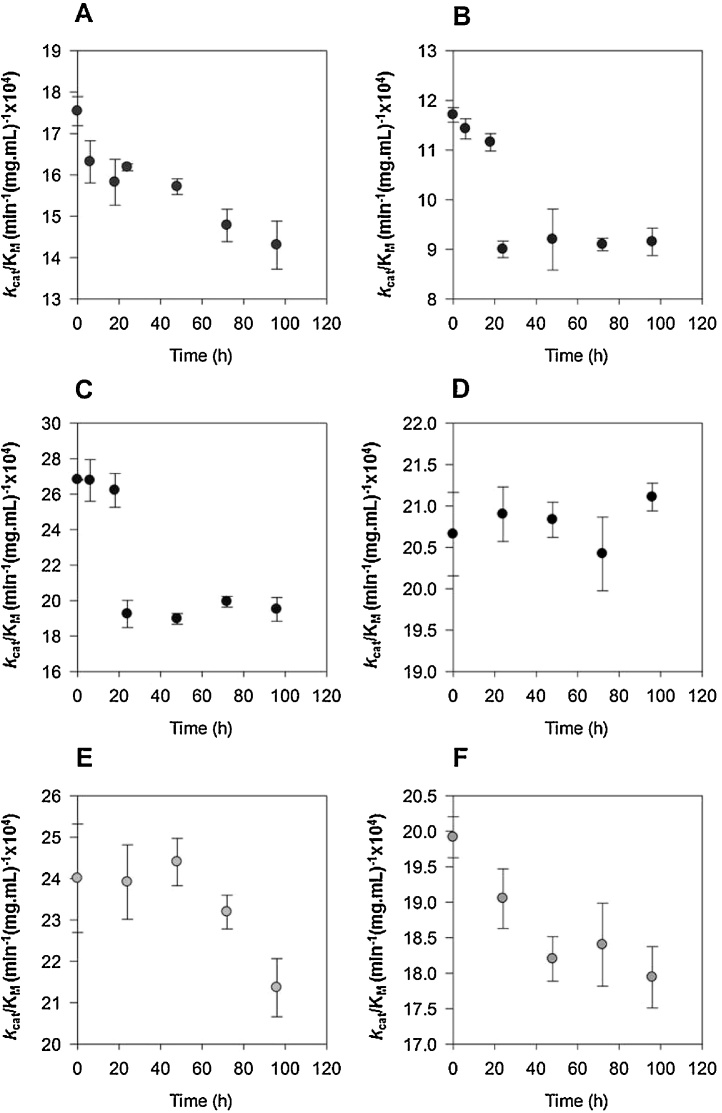
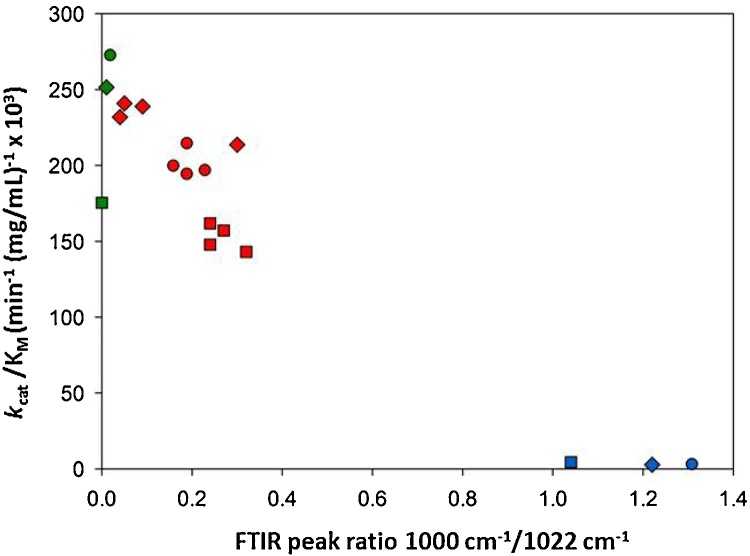
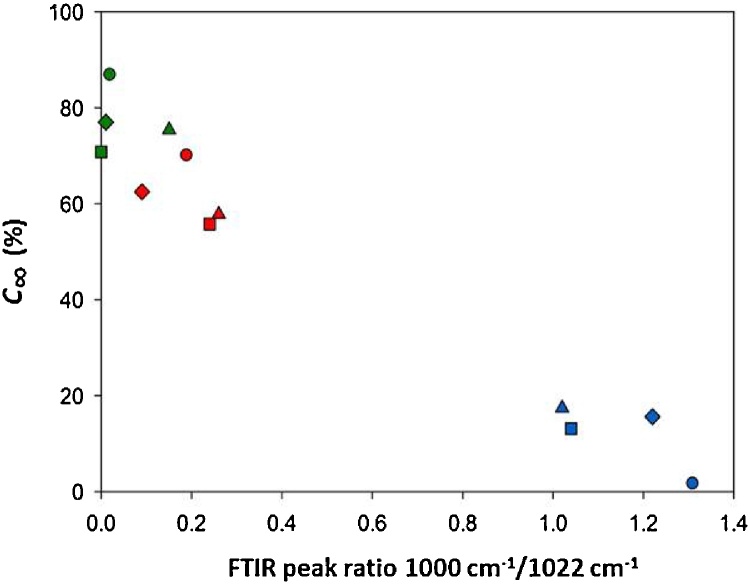
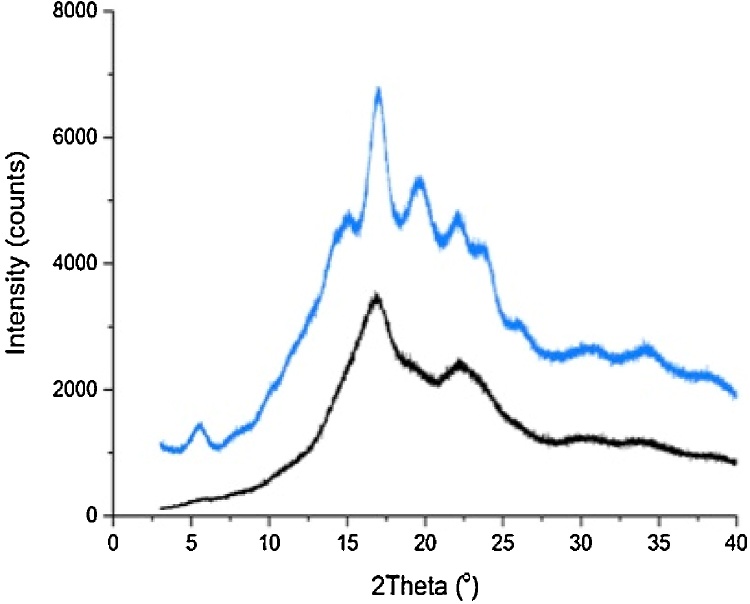
Retrograded starch is known to be resistant to digestion. We used enzyme kinetic experiments to examine how retrogradation of starch affects amylolysis catalysed by porcine pancreatic amylase. Parallel studies employing differential scanning calorimetry, infra red spectroscopy, X-ray diffraction and NMR spectroscopy were performed to monitor changes in supramolecular structure of gelatinised starch as it becomes retrograded. The total digestible starch and the catalytic efficiency of amylase were both decreased with increasing evidence of retrogradation. A purified sample of retrograded high amylose starch inhibited amylase directly. These new findings demonstrate that amylase binds to retrograded starch. Therefore consumption of retrograded starch may not only be beneficial to health through depletion of total digestible starch, and therefore the metabolisable energy, but may also slow the rate of intestinal digestion through direct inhibition of α-amylase. Such physiological effects have important implications for the prevention and management of type 2 diabetes and cardiovascular disease.
Overview
The claims and statistics of this paper haven’t been checked yet.
Run the check — free, no account needed. It reads the open-access text and checks the sources it cites.
Integrity signals
Registry
Cites
Statistics
Figures
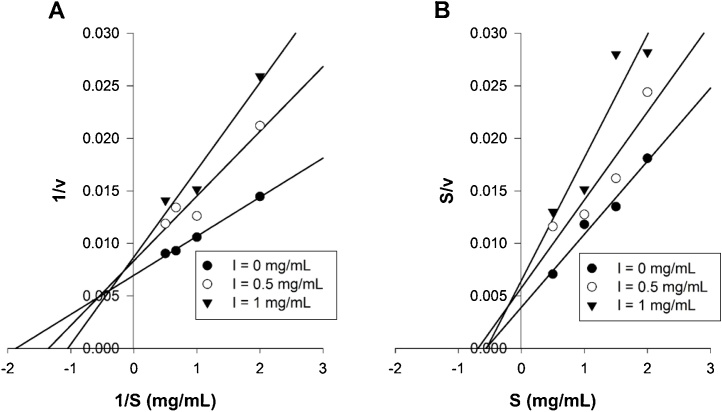
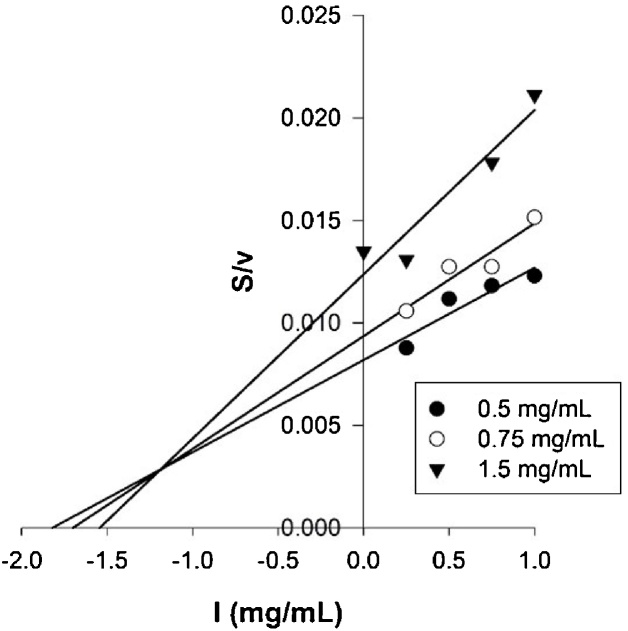
Verification
Claims the paper makes
The claims and statistics of this paper haven’t been checked yet.
Run the check — free, no account needed. It reads the open-access text and checks the sources it cites.
Claims other papers make about this one
Each is checked against this paper’s own text: does it say what the citing paper says it does?
The cited source says what the claim attributes to it.
In the citing paper
“Type 3 resistant starch (RS3) forms when gelatinized starch is cooled, a process that promotes retrogradation and increases crystalline, enzyme-resistant structures of amylose and amylopectin [8,9,10,11,12].”
From Does Resistant Starch Formed by Cooling Pasta Decrease the Postprandial Glycemic Response in Type 1 Diabetes? A Randomized Single-Blind Crossover Study (2026) · cites this paper as [11]
Self-check
Percentages, sums and reported differences re-computed from the paper’s own numbers.
The self-check needs the paper’s full text.
Citations
Cites
A starch hydrolysis procedure to estimate glycemic index
Goñi, I., García‐Alonso, A., & Saura-Calixto, F. D. (1997) · Nutrition Research · doi:10.1016/s0271-5317(97)00010-9 · Cited by 2,135
Fundamentals of Enzyme Kinetics
Cornish-Bowden, A. J. (1979) · Elsevier eBooks · doi:10.1016/c2013-0-04130-8 · Cited by 2,079
Sajilata, M. G., Singhal, R. S., & Kulkarni, P. R. (2006) · Comprehensive Reviews in Food Science and Food Safety · doi:10.1111/j.1541-4337.2006.tb00076.x · Cited by 1,660
Potential beneficial effects of butyrate in intestinal and extraintestinal diseases
Canani, R. B. (2011) · World Journal of Gastroenterology · doi:10.3748/wjg.v17.i12.1519 · Cited by 1,381
Organisation of the external region of the starch granule as determined by infrared spectroscopy
Sevenou, O., Hill, S. E., Farhat, I. A., & Mitchell, J. R. (2002) · International Journal of Biological Macromolecules · doi:10.1016/s0141-8130(02)00067-3 · Cited by 866
Glycemic index: overview of implications in health and disease,,,
Jenkins, D. J., Kendall, C. W., Augustin, L. S., Franceschi, S., Hamidi, M., Marchie, A., Jenkins, A. L., & Axelsen, M. (2002) · The American Journal of Clinical Nutrition · doi:10.1093/ajcn/76.1.266s · Cited by 827
Fundamentals of enzyme kinetics
(1996) · Choice Reviews Online · doi:10.5860/choice.33-4507 · Cited by 658
Hydrothermal Modifications of Granular Starch, with Retention of the Granular Structure: A Review
Jacobs, H., & Delcour, J. A. (1998) · Journal of Agricultural and Food Chemistry · doi:10.1021/jf980169k · Cited by 589
Resistant starch—a review of the physical properties and biological impact of RS3
Haralampu, S. G. (2000) · Carbohydrate Polymers · doi:10.1016/s0144-8617(99)00147-2 · Cited by 552
Digestion of the polysaccharides of some cereal foods in the human small intestine
Englyst, H. N., & Cummings, J. H. (1985) · American Journal of Clinical Nutrition · doi:10.1093/ajcn/42.5.778 · Cited by 543
Research works printed but not linked: 4
- Daramola, 2006, Investigation on modification of cassava starch using active components of ginger roots, African Journal of Biotechnology, 5, 917
- Eerlingen, 1993, Enzyme resistant starch. I. Quantitative and qualitative influence of incubation time and temperature of autoclaved starch on resistant starch formation, Cereal Chemistry, 70, 339
- Sievert, 1989, Enzyme resistant starch I: Characterization and evaluation by enzymatic: thermoanalytical and microscope methods, Cereal Chemistry, 66, 342
- Sievert, 1991, Enzyme resistant starch III. X-ray diffraction of autoclaved amylomaize VII starch and enzyme-resistant starch residues, Cereal Chemistry, 68
Cited by
Sorted by citations
Dietary polyphenols modulate starch digestion and glycaemic level: a review
Sun, L., & Miao, M. (2019) · Critical Reviews in Food Science and Nutrition · doi:10.1080/10408398.2018.1544883 · Cited by 435
Gong, B., Cheng, L., Gilbert, R. G., & Li, C. (2019) · Food Hydrocolloids · doi:10.1016/j.foodhyd.2019.06.003 · Cited by 270
Proença, C., Ribeiro, D., Freitas, M., & Fernandes, E. G. R. (2021) · Critical Reviews in Food Science and Nutrition · doi:10.1080/10408398.2020.1862755 · Cited by 252
Martínez, M. M., Li, C., Okoniewska, M., Mukherjee, I., Vellucci, D., & Hamaker, B. R. (2018) · Carbohydrate Polymers · doi:10.1016/j.carbpol.2018.06.021 · Cited by 233
Parameterizing starch chain-length distributions for structure-property relations
Li, C., Wu, A. C., Yu, W., Hu, Y., Li, E., Zhang, C., & Liu, Q. (2020) · Carbohydrate Polymers · doi:10.1016/j.carbpol.2020.116390 · Cited by 200
Metadata
- Authors
- Patel, H., Royall, P. G., Gaisford, S., Williams, G. R., Edwards, C. H., Warren, F. J., Flanagan, B. M., Ellis, P. R., & Butterworth, P. J.
- Affiliations
- King's College London (GB)
- UCL School of Pharmacy (GB)
- The University of Queensland (AU)
- Corresponding author
- Butterworth, Peter J.
- ORCID
- Venue
- Carbohydrate Polymers
- Publisher
- Elsevier BV
- Published
- 2017-05
- Volume
- 164
- Pages
- 154-161
- ISSN
- 0144-8617 (ISSN-L)
- PMC
- PMC5374268
- OpenAlex
- W2573838612
- Cited by
- 154
- References
- 59
- Citations by year
- 2026: 14 · 2025: 18 · 2024: 18 · 2023: 16 · 2022: 19 · 2021: 26 · 2020: 19 · 2019: 12 · 2018: 6 · 2017: 6
- FWCI
- 9.78
- Type
- journal article
- Language
- en
- Open access
- hybrid
- doi.org
- Locations
- Carbohydrate Polymers (publishedVersion, cc-by)
- PubMed Central (publishedVersion, cc-by)
- PubMed (publishedVersion)
- Research Portal (King's College London) (submittedVersion, cc-by)
- UCL Discovery (University College London) (submittedVersion)
- Funders
- BBSRC (BB/H004866/1)
- Topics
- Health Sciences › Nursing › Nutrition and Dietetics › Food composition and properties
- Life Sciences › Agricultural and Biological Sciences › Food Science › Proteins in Food Systems
- Life Sciences › Agricultural and Biological Sciences › Food Science › Polysaccharides Composition and Applications
- Keywords
- retrograded starch, starch retrogradation, α-amylase inhibition, starch digestibility, high-amylose starch, type 2 diabetes prevention, cardiovascular disease prevention
- MeSH terms
- alpha-Amylases, Amylose, Animals, Digestion, Kinetics, Starch, Swine
About these checks
Registry, retraction, Cites and statistics results are computed, not judged, with one exception: a printed reference that no index lists is read once by a model before it counts as a citation error. Claims are extracted by a model and kept only when their quote appears verbatim in the text; each cited source is then checked, with a model’s help, for whether it says what the claim relies on. Those verdicts can be wrong — read the claim’s quote and the cited source before relying on one.
Statistics and arithmetic are recomputed, not judged.
Confidence bands are shown only for fields calibrated on our annotated test set. None is calibrated yet, so no band is shown.
What counts as a claim ›How we measure confidence ›How we check this ›
Are you an author, or do you see a problem with this page? Request a review
