

The DOI matches its Crossref record; 48 of the 48 references it cites were found in a registry or an index.
Obesogenic memory can confer long-term increases in adipose tissue but not liver inflammation and insulin resistance after weight loss
Open accessAbstract
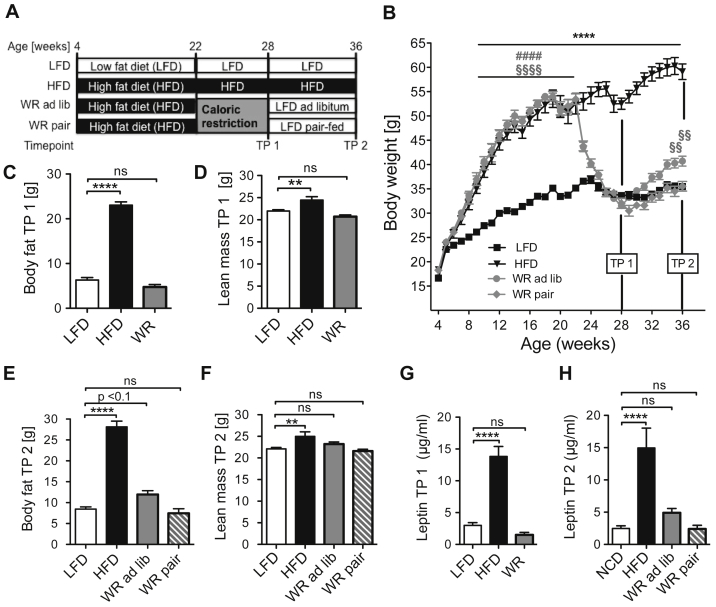
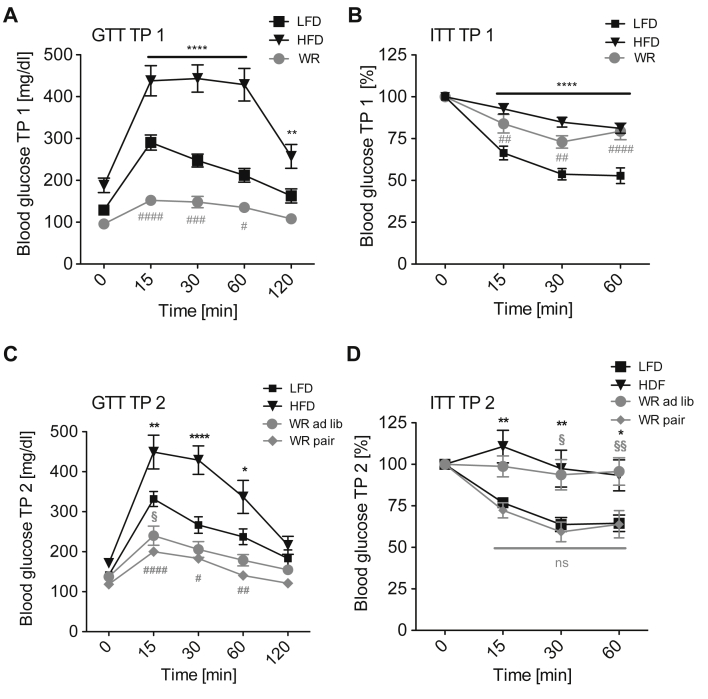
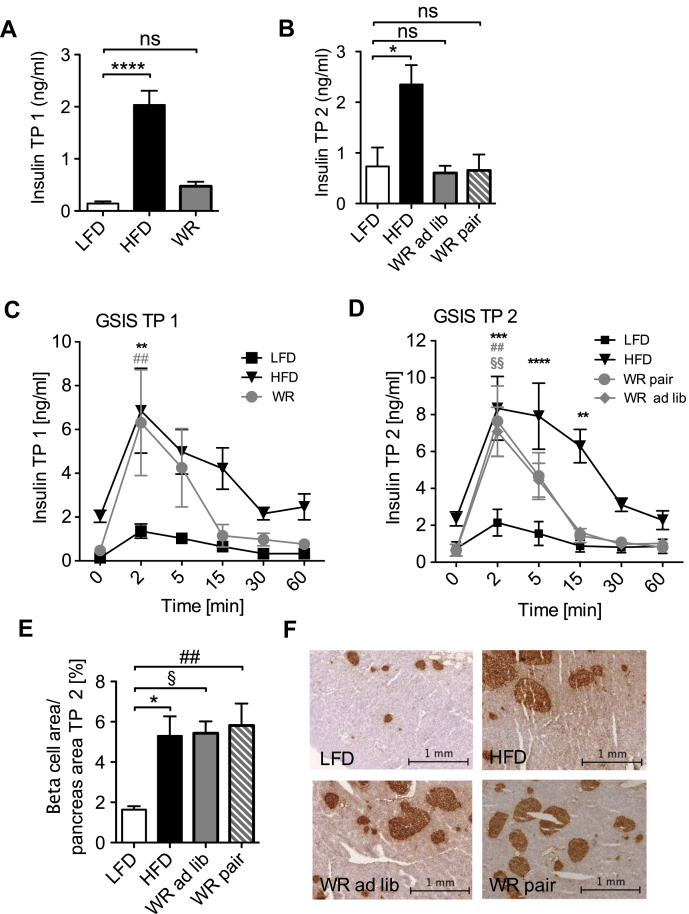
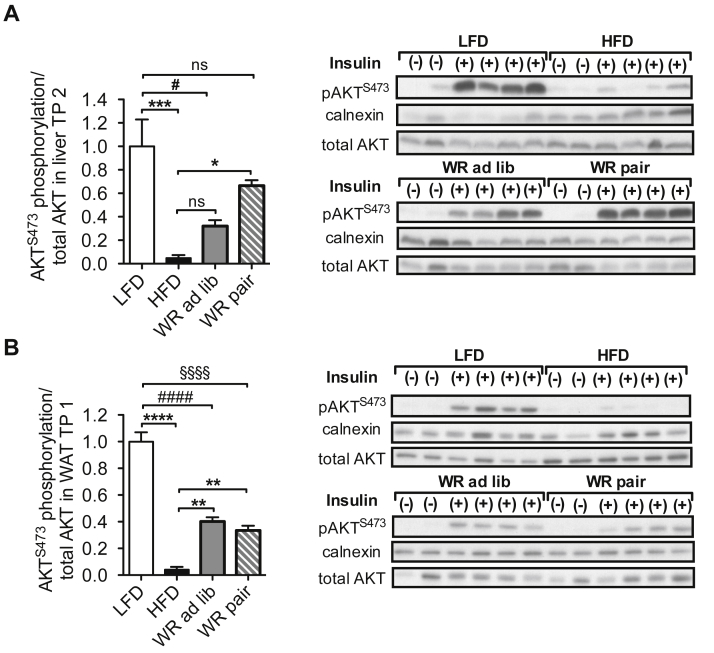
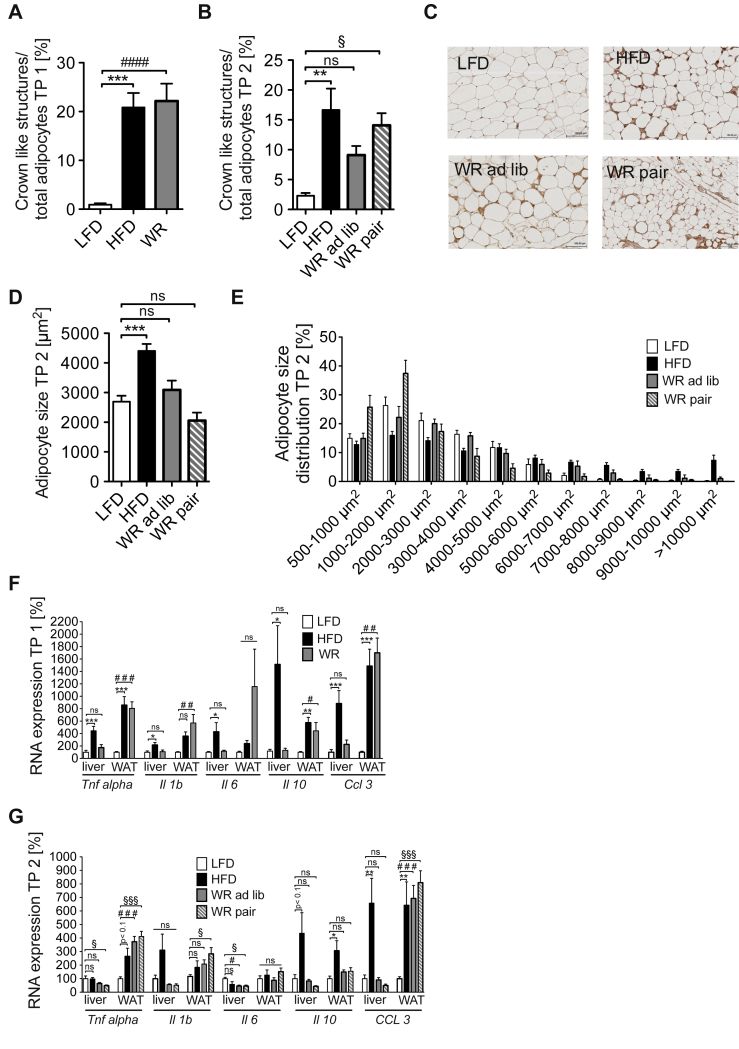
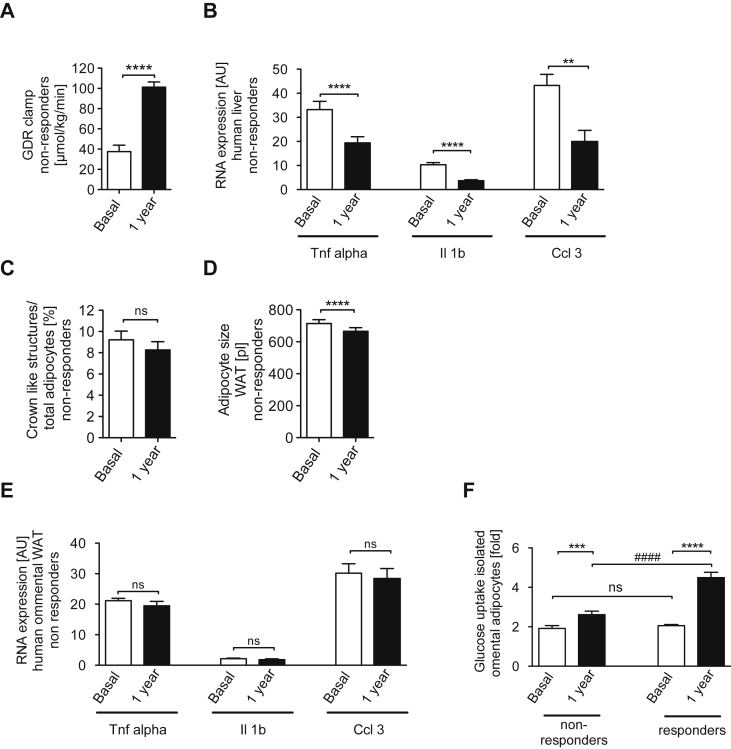
OBJECTIVE: Obesity represents a major risk factor for the development of type 2 diabetes mellitus, atherosclerosis and certain cancer entities. Treatment of obesity is hindered by the long-term maintenance of initially reduced body weight, and it remains unclear whether all pathologies associated with obesity are fully reversible even upon successfully maintained weight loss. METHODS: We compared high fat diet-fed, weight reduced and lean mice in terms of body weight development, adipose tissue and liver insulin sensitivity as well as inflammatory gene expression. Moreover, we assessed similar parameters in a human cohort before and after bariatric surgery. RESULTS: Compared to lean animals, mice that demonstrated successful weight reduction showed increased weight gain following exposure to ad libitum control diet. However, pair-feeding weight-reduced mice with lean controls efficiently stabilized body weight, indicating that hyperphagia was the predominant cause for the observed weight regain. Additionally, whereas glucose tolerance improved rapidly after weight loss, systemic insulin resistance was retained and ameliorated only upon prolonged pair-feeding. Weight loss enhanced insulin action and resolved pro-inflammatory gene expression exclusively in the liver, whereas visceral adipose tissue displayed no significant improvement of metabolic and inflammatory parameters compared to obese mice. Similarly, bariatric surgery in humans (n = 55) resulted in massive weight reduction, improved hepatic inflammation and systemic glucose homeostasis, while adipose tissue inflammation remained unaffected and adipocyte-autonomous insulin action only exhibit minor improvements in a subgroup of patients (42%). CONCLUSIONS: These results demonstrate that although sustained weight loss improves systemic glucose homeostasis, primarily through improved inflammation and insulin action in liver, a remarkable obesogenic memory can confer long-term increases in adipose tissue inflammation and insulin resistance in mice as well as in a significant subpopulation of obese patients.
Overview
The claims and statistics of this paper haven’t been checked yet.
Run the check — free, no account needed. It reads the open-access text and checks the sources it cites.
Integrity signals
Registry
Cites
Statistics
Figures
Verification
Claims the paper makes
The claims and statistics of this paper haven’t been checked yet.
Run the check — free, no account needed. It reads the open-access text and checks the sources it cites.
Claims other papers make about this one
Each is checked against this paper’s own text: does it say what the citing paper says it does?
In the citing paper
“Moreover, others have shown that 12 months after bariatric surgery, AT inflammation remained elevated in approximately 40% of patients (117).”
From The ominous triad of adipose tissue dysfunction: inflammation, fibrosis, and impaired angiogenesis. (2017) · cites this paper as [117]
Self-check
Percentages, sums and reported differences re-computed from the paper’s own numbers.
The self-check needs the paper’s full text.
Citations
Cites
Tuomilehto, J., Lindström, J., Eriksson, J. G., Valle, T. T., Hämäläinen, H., Ilanne-Parikka, P., Keinänen-Kiukaanniemi, S., Laakso, M., Louheranta, A., Rastas, M., et al. (2001) · New England Journal of Medicine · doi:10.1056/nejm200105033441801 · Cited by 10,873
Xu, H., Barnes, G. T., Yang, Q., Tan, G., Yang, D., Chou, C. J., Sole, J., Nichols, A., Ross, J. S., Tartaglia, L. A., et al. (2003) · Journal of Clinical Investigation · doi:10.1172/jci200319451 · Cited by 6,760
Mechanisms linking obesity to insulin resistance and type 2 diabetes
Kahn, S. E., Hull, R. L., & Utzschneider, K. M. (2006) · Nature · doi:10.1038/nature05482 · Cited by 5,448
Finucane, M. M., Stevens, G. A., Cowan, M. J., Danaei, G., Lin, J. K., Paciorek, C. J., Singh, G. M., Gutierrez, H. R., Lu, Y., Bahalim, A. N., et al. (2011) · The Lancet · doi:10.1016/s0140-6736(10)62037-5 · Cited by 4,050 · cited 1×
“Obesity is a major health problem with increasing prevalence around the world [1,2].”
BackgroundCardiovascular effects of intensive lifestyle intervention in type 2 diabetes
The Look AHEAD Research Group (2013) · New England Journal of Medicine · doi:10.1056/nejmoa1212914 · Cited by 2,908
Weight Loss with a Low-Carbohydrate, Mediterranean, or Low-Fat Diet
Shai, I., Schwarzfuchs, D., Henkin, Y., Shahar, D. R., Witkow, S., Greenberg, I., Golan, R., Fraser, D., Bolotin, A., Vardi, H., et al. (2008) · New England Journal of Medicine · doi:10.1056/nejmoa0708681 · Cited by 2,143
Self-citationChanges in Energy Expenditure Resulting from Altered Body Weight
Leibel, R. L., Rosenbaum, M., & Hirsch, J. (1995) · New England Journal of Medicine · doi:10.1056/nejm199503093321001 · Cited by 2,012
Comparison of Weight-Loss Diets with Different Compositions of Fat, Protein, and Carbohydrates
Sacks, F. M., Bray, G. A., Carey, V. J., Smith, S. R., Ryan, D. H., Anton, S. D., McManus, K., Champagne, C. M., Bishop, L. M., Laranjo, N., et al. (2009) · New England Journal of Medicine · doi:10.1056/nejmoa0804748 · Cited by 1,966 · cited 1×
“composition is used during caloric restriction, as long as weight reduction can be achieved [10,11].”
BackgroundIKK-β links inflammation to obesity-induced insulin resistance
Arkan, M. C., Hevener, A. L., Greten, F. R., Maeda, S., Li, Z.-W., Long, J. M., Wynshaw-Boris, A., Poli, G., Olefsky, J., & Karin, M. (2005) · Nature Medicine · doi:10.1038/nm1185 · Cited by 1,773
Cause-Specific Excess Deaths Associated With Underweight, Overweight, and Obesity
Flegal, K. M., Graubard, B. I., Williamson, D. F., & Gail, M. H. (2007) · JAMA · doi:10.1001/jama.298.17.2028 · Cited by 1,542 · cited 1×
“The increased mortality can mainly be attributed to obesityassociated diseases such as type 2 diabetes mellitus (T2DM), cardiovascular disease, and some types of cancer [4].”
Background
Cited by
Sorted by citations
Adipose tissue inflammation and metabolic dysfunction in obesity
Kawai, T., Autieri, M. V., & Scalia, R. (2021) · American Journal of Physiology-Cell Physiology · doi:10.1152/ajpcell.00379.2020 · Cited by 1,947
Adipose tissue dysfunction as determinant of obesity-associated metabolic complications
Longo, M., Zatterale, F., Naderi, J., Parrillo, L., Formisano, P., Raciti, G. A., Beguinot, F., & Miele, C. (2019) · International Journal of Molecular Sciences · doi:10.3390/ijms20092358 · Cited by 1,575
“A sustained weight loss has been shown to ameliorate systemic glucose homeostasis by improving inflammation and insulin action in the liver [101].”
BackgroundAdapting to obesity with adipose tissue inflammation
Reilly, S. M., & Saltiel, A. R. (2017) · Nature Reviews Endocrinology · doi:10.1038/nrendo.2017.90 · Cited by 1,204
Western Diet and the Immune System: An Inflammatory Connection
Christ, A., Lauterbach, M., & Latz, E. (2019) · Immunity · doi:10.1016/j.immuni.2019.09.020 · Cited by 907
The ominous triad of adipose tissue dysfunction: inflammation, fibrosis, and impaired angiogenesis.
Crewe, C., An, Y. A., & Scherer, P. E. (2017) · Journal of Clinical Investigation · doi:10.1172/jci88883 · Cited by 732
“Moreover, others have shown that 12 months after bariatric surgery, AT inflammation remained elevated in approximately 40% of patients (117).”
Korbecki, J., & Bajdak-Rusinek, K. (2019) · Inflammation Research · doi:10.1007/s00011-019-01273-5 · Cited by 558
Ertunc, M. E., & Hotamışlıgil, G. S. (2016) · Journal of Lipid Research · doi:10.1194/jlr.r066514 · Cited by 500
Contribution of Adipose Tissue Inflammation to the Development of Type 2 Diabetes Mellitus
Burhans, M. S., Hagman, D. K., Kuzma, J. N., Schmidt, K. A., & Kratz, M. (2018) · Comprehensive physiology · doi:10.1002/cphy.c170040 · Cited by 461
Karczewski, J., Śledzińska, E., Baturo, A., Jończyk, I., Maleszko, A., Maleszko, A., Samborski, P., Krasińska, B., & Dobrowolska, A. (2018) · European Cytokine Network · doi:10.1684/ecn.2018.0415 · Cited by 321
“Upon weight loss, inflammaion in the liver is resolved; however, adipose tissue seems o have an obesogenic memory and retains its inflammaory state despite weight loss [110].”
BackgroundAdipose tissue retains an epigenetic memory of obesity after weight loss
Hinte, L. C., Castellano‐Castillo, D., Ghosh, A., Melrose, K., Gasser, E., Noé, F., Massier, L., Dong, H., Sun, W., Hoffmann, A., et al. (2024) · Nature · doi:10.1038/s41586-024-08165-7 · Cited by 320
“Following an initial sleeve gastrectomy (T0), a laparoscopic RYGB was made in the second step (T1) 16 .”
Self-citationDeciphering the cellular interplays underlying obesity-induced adipose tissue fibrosis
Marcelin, G., Silveira, A. L. M., Martins, L. B., Ferreira, A. V. M., & Clément, K. (2019) · Journal of Clinical Investigation · doi:10.1172/jci129192 · Cited by 291
“Other studies have confirmed these findings and suggest that adipose tissue inflammation could be of importance in this process, as leukocyte and macrophage infiltration remained after loss of fat mass (134, 135) and could then sustain the lack of fibrosis resolution.”
ResultAdipose tissue inflammation: a cause or consequence of obesity-related insulin resistance?
Blüher, M. (2016) · Clinical Science · doi:10.1042/cs20160005 · Cited by 273
Self-citationMacrophage function in adipose tissue homeostasis and metabolic inflammation
Chavakis, T., Alexaki, V. I., & Ferrante, A. W. (2023) · Nature Immunology · doi:10.1038/s41590-023-01479-0 · Cited by 279
“Specifically, some studies have shown obesogenic memory leading to sustained AT inflammation in previously obese mice despite subsequent weight loss 115,116 .”
BackgroundHeterogeneity of adipose tissue in development and metabolic function
Schöttl, T., Kapser-Fischer, I., & Ussar, S. (2018) · Journal of Experimental Biology · doi:10.1242/jeb.162958 · Cited by 228
“, 2017), macrophage infiltration and secretion of pro-inflammatory cytokines (Schmitz et al., 2016; Zamarron et al., 2017), whereas there is little difference between the psWATof obese mice and that of lean mice.”
BackgroundMacrophage function in obesity-induced inflammation and insulin resistance
Lauterbach, M., & Wunderlich, F. T. (2017) · Pflügers Archiv - European Journal of Physiology · doi:10.1007/s00424-017-1955-5 · Cited by 216
“Of note, caloric restriction-induced weight loss including improvements in systemic insulin sensitivity and whole body glucose metabolism ameliorated metaflammation in the liver but not in adipose tissue suggesting that long-lived ATMs maintain WAT inflammation [95].”
BackgroundMechanisms of weight regain after weight loss — the role of adipose tissue
van Baak, M. A., & Mariman, E. C. M. (2019) · Nature Reviews Endocrinology · doi:10.1038/s41574-018-0148-4 · Cited by 203
Adipose tissue at single-cell resolution
Maniyadath, B., Zhang, Q., Gupta, R. K., & Mandrup, S. (2023) · Cell Metabolism · doi:10.1016/j.cmet.2023.02.002 · Cited by 218
Adipose Tissue Fibrosis in Obesity: Etiology and Challenges
Marcelin, G., Gautier, E. L., & Clément, K. (2021) · Annual Review of Physiology · doi:10.1146/annurev-physiol-060721-092930 · Cited by 201
Blüher, M. (2025) · Diabetes Obesity and Metabolism · doi:10.1111/dom.16263 · Cited by 247
“53 Recently, two patterns of human unexplained phenotypic variation in obesity have been proposed by a multi-dimensional analysis of monozygotic phenotypically discordant twins.”
Self-citationMacrophage Proliferation Sustains Adipose Tissue Inflammation in Formerly Obese Mice
Zamarron, B. F., Mergian, T. A., Cho, K. W., Martinez-Santibañez, G., Luan, D., Singer, K., DelProposto, J. L., Geletka, L. M., Muir, L. A., & Lumeng, C. N.-K. (2016) · Diabetes · doi:10.2337/db16-0500 · Cited by 159
“We observed a persistent decrease in systemic and AT insulin sensitivity in WL mice; this was associated with architectural changes, more ATM content, and fibrosis, in agreement with other recent studies (6,17,21).”
BackgroundResultInfluentialInnate Immune Cells in the Adipose Tissue in Health and Metabolic Disease
Michailidou, Z., Gomez-Salazar, M. A., & Alexaki, V. I. (2021) · Journal of Innate Immunity · doi:10.1159/000515117 · Cited by 143
Adipose tissue macrophages: Unique polarization and bioenergetics in obesity
Caslin, H. L., Bhanot, M., Bolus, W. R., & Hasty, A. H. (2020) · Immunological Reviews · doi:10.1111/imr.12853 · Cited by 127
Obesity causes selective and long-lasting desensitization of AgRP neurons to dietary fat
Beutler, L. R., Corpuz, T. V., Ahn, J. S., Kosar, S., Song, W., Chen, Y., & Knight, Z. A. (2020) · eLife · doi:10.7554/elife.55909 · Cited by 113
“In mice, diet-induced obesity can be reversed by restricting animals’ caloric intake, but these formerly obese animals remain sensitized to accelerated weight gain when returned to ad libitum chow or HFD (Briggs et al., 2013; Schmitz et al., 2016).”
BackgroundXu, L., Yan, X., Zhao, Y., Song, J., Liu, B., Yu, S., Fu, J., Liu, Y., & Su, J. (2022) · International Journal of Molecular Sciences · doi:10.3390/ijms23169252 · Cited by 109
Obesity-induced and weight-loss-induced physiological factors affecting weight regain
van Baak, M. A., & Mariman, E. C. M. (2023) · Nature Reviews Endocrinology · doi:10.1038/s41574-023-00887-4 · Cited by 113
“These observations support the concept that obesity followed by weight loss establishes an ‘obesogenic memory’, also referred to as an ‘obesity memory’ 15 ; that is, a combination of factors originating during obesity and subsequent weight loss, which confers a risk of returning to the obese state.”
BackgroundCD4+ T cells memorize obesity and promote weight regain
Zou, J., Lai, B., Zheng, M., Chen, Q., Jiang, S., Song, A., Huang, Z., Shi, P., Tu, X., Wang, D., et al. (2017) · Cellular and Molecular Immunology · doi:10.1038/cmi.2017.36 · Cited by 84
A history of obesity leaves an inflammatory fingerprint in liver and adipose tissue
Kapser-Fischer, I., Irmler, M., Meyer, C., Sachs, S., Neff, F., de Angelis, M. H., Beckers, J., Tschöp, M., Hofmann, S. M., & Ussar, S. (2017) · International Journal of Obesity · doi:10.1038/ijo.2017.224 · Cited by 83
Silveira, É. A., Vaseghi, G., Santos, A. S. E. A. D. C., Kliemann, N., Masoudkabir, F., Noll, M. A., Mohammadifard, N., Sarrafzadegan, N., & de Oliveira, C. M. (2020) · International Journal of Molecular Sciences · doi:10.3390/ijms21239042 · Cited by 84
“Excessive caloric intake results in a dynamic response of adipose tissue via adipocyte hypertrophy and hyperplasia [18].”
BackgroundMartelli, D., & Brooks, V. L. (2023) · International Journal of Molecular Sciences · doi:10.3390/ijms24032684 · Cited by 79
Langhardt, J., Flehmig, G., Klöting, N., Lehmann, S., Ebert, T., Kern, M., Schön, M. R., Gärtner, D., Lohmann, T., Dreßler, M., et al. (2018) · Obesity Facts · doi:10.1159/000494295 · Cited by 71
Self-citationHedjazifar, S., Shahidi, R. K., Hammarstedt, A., Bonnet, L., CHURCH, C. D., Boucher, J., Blüher, M., & Smith, U. (2019) · Diabetes · doi:10.2337/db19-0701 · Cited by 73
“Two-step bariatric surgery intervention was a cohort of 55 individuals withmorbid obesity who underwent a twostep bariatric surgery approach with a sleeve gastrectomy as a first step and, after 126 2months, a Roux-en-Y gastric bypass surgery as the second step as previously reported (8).”
MethodSelf-citationThe TWEAK/Fn14/CD163 axis—implications for metabolic disease
Ratajczak, W., Atkinson, S. D., & Kelly, C. (2021) · Reviews in Endocrine and Metabolic Disorders · doi:10.1007/s11154-021-09688-4 · Cited by 69
Xing, S., Liu, R., Zhao, G., Liu, L., Groenen, M. A. M., Madsen, O., Zheng, M., Yang, X., Crooijmans, R. P. M. A., & Wen, J. (2020) · Frontiers in Genetics · doi:10.3389/fgene.2020.01009 · Cited by 65
Epigenetics of Hepatic Insulin Resistance
Maude, H., Sanchez-Cabanillas, C., & Cebola, I. (2021) · Frontiers in Endocrinology · doi:10.3389/fendo.2021.681356 · Cited by 64
Trained Immunity: Linking Obesity and Cardiovascular Disease across the Life-Course?
Bekkering, S., Saner, C. C. S., Riksen, N. P., Netea, M. G., Sabin, M. A., Saffery, R., Stienstra, R., & Burgner, D. P. (2020) · Trends in Endocrinology and Metabolism · doi:10.1016/j.tem.2020.01.008 · Cited by 60
Orphan GPR116 mediates the insulin sensitizing effects of the hepatokine FNDC4 in adipose tissue
Georgiadi, A., Lopez‐Salazar, V., El‐Merahbi, R., Karikari, R. A., Ma, X., Mourão, A., Klepac, K., Bühler, L., Alfaro, A. J., Kaczmarek, I., et al. (2021) · Nature Communications · doi:10.1038/s41467-021-22579-1 · Cited by 59
Self-citationInnate immune memory in cardiometabolic disease
Bahrar, H., Bekkering, S., Stienstra, R., Netea, M. G., & Riksen, N. P. (2023) · Cardiovascular Research · doi:10.1093/cvr/cvad030 · Cited by 53
“106,107 This so-called ‘ obesogenic memory ’ is characterized by an increase in pro-in fl ammatory macrophages that fail to normalize in number and phenotype after weight loss.”
BackgroundAutologous Human Immunocompetent White Adipose Tissue‐on‐Chip
Rogal, J., Roosz, J., Teufel, C., Cipriano, M., Xu, R. F., Eisler, W., Weiß, M., Schenke‐Layland, K., & Loskill, P. (2022) · Advanced Science · doi:10.1002/advs.202104451 · Cited by 55
Hoffmann, A., Meir, A. Y., Hagemann, T., Czechowski, P., Müller, L., Engelmann, B., Haange, S., Rolle-Kampczyk, U. E., Tsaban, G., Zelicha, H., et al. (2023) · Metabolism · doi:10.1016/j.metabol.2023.155594 · Cited by 52
Self-citationObesogenic Memory Maintains Adipose Tissue Inflammation and Insulin Resistance
Blaszczak, A. M., Bernier, M., Wright, V. P., Gebhardt, G., Anandani, K., Liu, J., Jalilvand, A., Bergin, S. M., Wysocki, V. H., Somogyi, Á., et al. (2020) · Immunometabolism · doi:10.20900/immunometab20200023 · Cited by 49
“Another study showed increased crown-like structures and increased AT inflammatory gene expression despite a return of weight, body fat, and adipocyte size to control chow levels; residual liver and adipose IR was still present, but specific AT immune cell contributions were not explored [32].”
Understanding Adipose Tissue Dysfunction
Blüher, M. (2024) · Journal of Obesity & Metabolic Syndrome · doi:10.7570/jomes24013 · Cited by 55
Self-citationAdipose Tissue Inflammation Is Not Related to Adipose Insulin Resistance in Humans
Ycaza, A. E. E. D., Søndergaard, E., Morgan-Bathke, M. E., Lytle, K. A., Delivanis, D. A., Ramos, P. A., Leon, B. G. C., & Jensen, M. D. (2021) · Diabetes · doi:10.2337/db21-0609 · Cited by 45
Chhabra, K. H., Adams, J. M., Jones, G. L., Yamashita, M., Schlapschy, M., Skerra, A., Rubinstein, M., & Low, M. J. (2016) · Molecular Metabolism · doi:10.1016/j.molmet.2016.07.012 · Cited by 42
Barrea, L., Muscogiuri, G., Aprano, S., Vetrani, C., de Alteriis, G., Varcamonti, L., Verde, L., Colao, A., & Savastano, S. (2022) · International Journal of Obesity · doi:10.1038/s41366-022-01152-w · Cited by 46
“Furthermore, since persistent inflammation has been recognized as one of the factors involved in the weight regain [44], monitoring PhA changes during early active-phase VLCKD could prove a simple predictor of persistent inflammatory and individual weight-loss rate during the ketogenic phases.”
BackgroundCastro‐Barquero, S., Casas, R. M., Rimm, E. B., Tresserra‐Rimbau, A., Romaguera, D., Martínez, J. A., Salas‐Salvadó, J., Martínez‐González, M. Á., Vidal, J., Ruiz‐Canela, M., et al. (2022) · Molecular Nutrition & Food Research · doi:10.1002/mnfr.202200264 · Cited by 45
González-Franquesa, A., Gama-Pérez, P., Kulis, M., Szczepanowska, K., Dahdah, N., Moreno-Gomez, S., Latorre, A., Fernandez‐Ruiz, R., Aguilar‐Mogas, A., Hoffman, A., et al. (2022) · Redox Biology · doi:10.1016/j.redox.2022.102353 · Cited by 48
“visceral WAT phenotype after weight loss remains critical for the irreversibility of certain aspects of the phenotype [13,45].”
BackgroundMethodResultInfluentialSelf-citationShirakawa, K., Endo, J., Katsumata, Y., Yamamoto, T., Kataoka, M., Isobe, S., Yoshida, N., Fukuda, K., & Sano, M. (2017) · PLoS ONE · doi:10.1371/journal.pone.0186303 · Cited by 34
Zhou, Q., Wang, Y., Lu, Z., Wang, B., Li, L., You, M., Wang, L., Cao, T., Zhao, Y., Li, Q., et al. (2023) · Obesity · doi:10.1002/oby.23707 · Cited by 35
“unveiled persistent macrophage-dominated inflammation in AT even after prolonged weight loss [33, 34], which was shown to further contribute to the persistent AT dysfunction and high risks of metabolic”
BackgroundReinisch, I., Michenthaler, H., Sulaj, A., Moyschewitz, E., Krstić, J., Galhuber, M., Xu, R., Riahi, Z., Wang, T., Vujić, N., et al. (2024) · Nature Communications · doi:10.1038/s41467-024-45724-y · Cited by 35
“AT biopsies were obtained from 135 individuals (37 men, 98 women, age 16 – 70) with morbid obesity in the context of a two-step bariatric surgery approach 11 , which in most cases included a sleeve gastrectomy as the fi rst step and laparoscopic Roux-en-Y gastric bypass as second step.”
Self-citationDallio, M., Romeo, M., Gravina, A. G., Masarone, M., Larussa, T., Abenavoli, L., Persico, M., Loguercio, C., & Federico, A. (2021) · Nutrients · doi:10.3390/nu13051679 · Cited by 32
“lack of metabolism homeostasis recovering in case of weight loss, demonstrating also a stable, high cardiovascular risk [199,200].”
BackgroundTrained Immunity and Cardiometabolic Disease
Mitroulis, I., Hajishengallis, G., & Chavakis, T. (2020) · Arteriosclerosis Thrombosis and Vascular Biology · doi:10.1161/atvbaha.120.314215 · Cited by 31
Sbierski‐Kind, J., Mai, K., Kath, J., Jurisch, A., Streitz, M., Kuchenbecker, L., Babel, N., Nienen, M., Jürchott, K., Spranger, L., et al. (2020) · The Journal of Immunology · doi:10.4049/jimmunol.2000108 · Cited by 28
“tion persisted up to 12 mo of follow-up in humans undergoing bariatric surgery (64, 65).”
BackgroundAdipose Tissue Biology and Effect of Weight Loss in Women With Lipedema
Cifarelli, V., Smith, G. I., González-Nieves, S., Samovski, D., Palacios, H. H., Yoshino, J., Stein, R. I., Fuchs, A. G., Wright, T. F., & Klein, S. (2024) · Diabetes · doi:10.2337/db24-0890 · Cited by 27
Infectious and lifestyle modifiers of immunity and host resilience
Bajpai, G., & Nahrendorf, M. (2021) · Immunity · doi:10.1016/j.immuni.2021.05.011 · Cited by 27
Sougiannis, A. T., VanderVeen, B. N., Cranford, T. L., Enos, R. T., Velázquez, K. T., McDonald, S. J., Bader, J. E., Chatzistamou, I., Fan, D., & Murphy, E. A. (2020) · Journal of Applied Physiology · doi:10.1152/japplphysiol.00356.2020 · Cited by 25
Zamarron, B. F., Porsche, C. E., Luan, D., Lucas, H. R., Mergian, T. A., Martinez-Santibañez, G., Cho, K. W., DelProposto, J. L., Geletka, L. M., Muir, L. A., et al. (2020) · Obesity · doi:10.1002/oby.22788 · Cited by 23
“Observations of maintained inflammation and insulin resistance are seen in both mice and humans after weight loss (20-21,24-26,32) and is consistent with the genetic evidence that limited peripheral nutrient storage in adipose tissue contributes to diabetes (33).”
BackgroundMacrophages Mediate Increased CD8 T Cell Inflammation During Weight Loss in Formerly Obese Mice
Surendar, J., Indulekha, K., Frohberger, S. J., Koschel, M., Hoerauf, A. M., & Hübner, M. P. (2020) · Frontiers in Endocrinology · doi:10.3389/fendo.2020.00257 · Cited by 23
“(4) have shown that despite improving glucose tolerance, weight loss could not successfully ameliorate adipose tissue inflammation and improve insulin sensitivity.”
BackgroundEffect of Marked Weight Loss on Adipose Tissue Biology in People With Obesity and Type 2 Diabetes
Samovski, D., Smith, G. I., Palacios, H. H., Pietka, T., Fuchs, A. G., Patti, G. J., Nawaz, A., Kahn, C. R., & Klein, S. (2025) · Diabetes Care · doi:10.2337/dc24-2739 · Cited by 23
Adipocytes control food intake and weight regain via Vacuolar-type H+ ATPase
Zapata, R. C., Carretero, M., Reis, F. C. G., Chaudry, B. S., Ofrecio, J. M., Zhang, D., Šášik, R., Ciaraldi, T. P., Petrascheck, M., & Osborn, O. (2022) · Nature Communications · doi:10.1038/s41467-022-32764-5 · Cited by 22
Sucrose overconsumption impairs AgRP neuron dynamics and promotes palatable food intake
Lorch, C. M., Hayes, N. W., Xia, J. L., Fleps, S. W., McMorrow, H. E., Province, H. S., Frydman, J. A., Parker, J. G., & Beutler, L. R. (2024) · Cell Reports · doi:10.1016/j.celrep.2024.113675 · Cited by 20
“32,33,37,38 39–41 Obesity causes macronutrient-independent attenuation of chow intake and AgRP neuron responses to chow presentation HFD-induced obesity congruently blunts AgRP neural responses to chow presentation and chow consumption following a fast.”
BackgroundDynamic chromatin architecture of the porcine adipose tissues with weight gain and loss
Jin, L. G., Wang, D., Zhang, J., Liu, P., Wang, Y., Yu, L., Liu, C., Han, Z., Long, K., Li, D., et al. (2023) · Nature Communications · doi:10.1038/s41467-023-39191-0 · Cited by 21
Tissue-specific inflammation and insulin sensitivity in subjects with obesity
Oussaada, S. M., Kiliçarslan, M., de Weijer, B. A., Gilijamse, P. W., Şekercan, A., Virtue, S., Janssen, I. M. C., van de Laar, A. W. J. M., Demirkıran, A., van Wagensveld, B. A., et al. (2024) · Diabetes Research and Clinical Practice · doi:10.1016/j.diabres.2024.111663 · Cited by 21
Goldstein, N., Kezerle, Y., Gepner, Y., Haim, Y., Pecht, T., Gazit, R., Polischuk, V., Liberty, I. F., Kirshtein, B., Shaco‐Levy, R., et al. (2020) · Cells · doi:10.3390/cells9061508 · Cited by 19
“This challenges the efforts to establish clear contributions of specific cell types to obesity-associated metabolic deterioration, even for adipose tissue macrophages [3] (also recently reviewed in [4,5]).”
BackgroundMethodSelf-citationGálvez, I., Navarro, M. D. C., Martín-Cordero, L., Otero, E., Hinchado, M. D., & Ortega, E. (2022) · Nutrients · doi:10.3390/nu14030612 · Cited by 21
“Schmitz and colleagues demonstrated that weight loss resolved pro-inflammatory gene expression exclusively in the liver, whereas visceral adipose tissue displayed no significant improvement of metabolic and inflammatory markers in comparison to obese mice [130].”
Backgroundde León‐Guerrero, S. D., Salazar‐León, J., Meza‐Sosa, K. F., Valle‐García, D., Aguilar‐León, D., Pedraza‐Alva, G., & Pérez‐Martínez, L. (2022) · Disease Models & Mechanisms · doi:10.1242/dmm.048936 · Cited by 20
la Cruz-Color, L. D., Domı́nguez-Rosales, J. A., Maldonado‐González, M., Ruiz‐Madrigal, B., Sánchez-Muñoz, M. P., Zaragoza-Guerra, V. A., Espinoza-Padilla, V. H., Ruelas-Cinco, E. D. C., Ramírez-Meza, S. M., Torres-Baranda, J. R., et al. (2024) · International Journal of Molecular Sciences · doi:10.3390/ijms25126420 · Cited by 18
“However, there is still a lack of knowledge on the progression of MASLD to MASH and the possibility of these liver diseases developing into a metabolic disorder [54,66] or remission of MASLD [67].”
BackgroundYin, H., Yuan, F., Jiao, F., Niu, Y., Jiang, X., Deng, J., Guo, Y., Chen, S., Zhai, Q., Hu, C., et al. (2021) · Diabetes · doi:10.2337/db21-0336 · Cited by 15
Zhou, Q., Wang, Y., Lu, Z., He, C., Li, L., You, M., Wang, L., Cao, T., Zhao, Y. X., Li, Q., et al. (2023) · Cellular Signalling · doi:10.1016/j.cellsig.2023.110606 · Cited by 15
Loft, A., Rydbirk, R., Gammelmark, E., Hauwaert, E. L. V., Wernberg, C. W., Møller, A. F., Dam, T. V., Hassan, M. N., Maniyadath, B., Nielsen, R., et al. (2026) · Nature Metabolism · doi:10.1038/s42255-025-01433-4 · Cited by 17
“…weight loss has been reported to either decrease 12 , increase 13,14 or have no effect 15–17 on AT inflammation; however, overall, it seems that the beneficial systemic changes, such as increased insulin sensitivity and decreased systemic inflammation, precede reversal of AT inflammation 15,18,19 .”
Physical Inactivity and Chronic Disease
García-Pérez-de-Sevilla, G., & Pinto, B. S.-P. (2022) · Nutrition Today · doi:10.1097/nt.0000000000000556 · Cited by 15
Bernecker, M., Lin, A., Feuchtinger, A., Molenaar, A., Schriever, S. C., & Pfluger, P. T. (2025) · Journal of Translational Medicine · doi:10.1186/s12967-024-06039-0 · Cited by 14
“Murine models of dietary weight loss thereby revealed a persistent inflammatory signature in both liver and adipose tissues, suggesting an obesogenic memory that may promote weight regain [17–19].”
Revisiting the role of IL-27 in obesity-related metabolic diseases: safeguard or perturbation?
An, J., Fu, D., Chen, X., Guan, C., Li, L., Bai, J., & Lv, H. (2025) · Frontiers in Immunology · doi:10.3389/fimmu.2024.1498288 · Cited by 11
Edillor, C. R., Parks, B. W., Mehrabian, M., Lusis, A. J., & Pellegrini, M. A. (2019) · Frontiers in Endocrinology · doi:10.3389/fendo.2019.00882 · Cited by 11
“It has been hypothesized that thesemethylation changesmay be involved in a “memory” mechanism of weight-regain or persistent accelerated epigenetic aging after weight loss (22).”
BackgroundPost-Dieting Weight Gain: The role of Persistent Microbiome Changes
Thaiss, C. A., Shapiro, H., & Elinav, E. (2017) · Future Microbiology · doi:10.2217/fmb-2017-0045 · Cited by 11
Altered expression of inflammation-associated genes in the hypothalamus of obesity mouse models
Park, J. H., Yoo, Y., Han, J., & Park, Y. J. (2018) · Nutrition Research · doi:10.1016/j.nutres.2018.06.006 · Cited by 11
Lipid-associated macrophages and metabolic inflammatory diseases
Zheng, Y., Tu, D., Dong, C., Zhao, H., & Wang, H. (2026) · Cell Insight · doi:10.1016/j.cellin.2026.100312 · Cited by 12
“…the lipid-regulatory function of LAMs (Jaitin et al., 2019); inhibiting p53 can reduce abnormal LAM accumulation and improve weight loss outcomes (Schmitz et al., 2016); targeting CD36 can block the formation of foam cell-like phenotypes in LAMs and maintain the thermogenic properties of brown…”
Schenk, S., Ravussin, Y., Lacroix, A., Quansah, D. Y., & Puder, J. J. (2024) · Nutrients · doi:10.3390/nu16040560 · Cited by 10
“Moreover, adipocytes can retain a transcriptional memory of obesity that persists even after weight loss [39].”
BackgroundChen, S., Fu, J., Yan, J., Zhao, R., Qian, C., Yisimayili, Z., & Wu, J. (2025) · American Journal of Physiology-Endocrinology and Metabolism · doi:10.1152/ajpendo.00071.2025 · Cited by 10
The role of immune cells in obesogenic memory
Sun, M., Zheng, S. Y., Gao, X., & Lin, Z. (2020) · Cellular and Molecular Immunology · doi:10.1038/s41423-020-0448-1 · Cited by 10
Mechanisms of Lipid‐Associated Macrophage Accrual in Metabolically Stressed Adipose Tissue
Reinisch, I., Enzenhofer, S., & Prokesch, A. (2025) · BioEssays · doi:10.1002/bies.202400203 · Cited by 11
“Additionally, following bariatric surgery, AT often retains its inflammatory state, as if “remembering” the obese condition despite ongoing weight loss [20].”
Interactions Between the Neuroendocrine System and T Lymphocytes in Diabetes
Andreone, L., Gimeno, M. L., & Perone, M. J. (2018) · Frontiers in Endocrinology · doi:10.3389/fendo.2018.00229 · Cited by 9
“Interestingly, recent evidences in mice and human suggested that the adipose tissue inflammation associated with obesity, in particular the T cell imbalance, and the impairment in insulin sensitivity, persist even after weight reduction (124, 125).”
BackgroundRodrigues, M. O. M., Evangelista-Silva, P. H., Neves, N. N., Moreno, L. G., Santos, C. S., Rocha, K. L. S., Ottone, V. O., Batista-da-Silva, B., Dias‐Peixoto, M. F., Magalhães, F. D. C., et al. (2020) · Applied Physiology, Nutrition, and Metabolism · doi:10.1139/apnm-2020-0220 · Cited by 11
“Other authors suggested that weight loss does not completely resolve obesity-induced ATM activation, which may have an obesogenic memory, contributing to persistent adipose tissue damage (Kosteli et al. 2010; Schmitz et al. 2016).”
BackgroundEmiliano, A. B., Lopatinsky, N. R., Kraljević, M., Higuchi, S., He, Y., Haeusler, R. A., & Schwartz, G. J. (2022) · American Journal of Physiology-Endocrinology and Metabolism · doi:10.1152/ajpendo.00017.2022 · Cited by 9
Identification of adipose tissue transcriptomic memory of anorexia nervosa
Zapata, R. C., Nasamran, C. A., Chilin-Fuentes, D., Dulawa, S. C., & Osborn, O. (2023) · Molecular Medicine · doi:10.1186/s10020-023-00705-7 · Cited by 9
“We and others have reported significant adipose tissue gene expression changes induced by either obesity or caloric restriction-induced weight loss, that persist after restoration of a normal body weight (Hernandez-Carretero et al. 2018; Zapata et al. 2022; Schmitz et al. 2016; Hahn et al. 2019).”
BackgroundRemission of type 2 diabetes: position statement of the Italian society of diabetes (SID)
Capoccia, D., Leonetti, F., Natali, A., Tricò, D., Perrini, S., Sbraccia, P., Guglielmi, V., & On behalf of the Italian Society of Diabetes (SID) (2024) · Acta Diabetologica · doi:10.1007/s00592-024-02317-x · Cited by 10
“…both cellular and humoral, characterizing obesity, remains unchanged even after weight loss [131–134], determining the so-called “inflammatory memory” of obesity [135], to which the immunometabolic and epigenetic reprogramming of bone marrow myeloid precursors may also contribute [133, 136, 137].”
BackgroundKoufakis, T., Kokkinos, A. D., & le Roux, C. W. (2026) · Diabetes Obesity and Metabolism · doi:10.1111/dom.70723 · Cited by 9
“…‘obesogenic memory’, whereby prior exposure to excess energy storage induces persistent cellular and molecular adaptations—including alterations in adipocyte biology, inflammatory signalling and epigenetic regulation—that favour the re-establishment of higher adiposity following weight loss [20].”
Ishaq, A., Dufour, D., Cameron, K., von Zglinicki, T., & Saretzki, G. C. (2018) · Experimental Gerontology · doi:10.1016/j.exger.2018.10.008 · Cited by 10
“, 2012), similar to other studies in C57BL/ 6 male mice (Selman and Hempenstall, 2012; Schmitz et al., 2016).”
IMPACT OF BARIATRIC SURGERY ON THE INFLAMMATORY STATE BASED ON CPR VALUE
Migliore, R., Gentile, J. K. D. A., Franca, F. T., Kappáz, G. T., de Souza, P. M. S. B., & Assef, J. C. (2018) · ABCD Arquivos Brasileiros de Cirurgia Digestiva (São Paulo) · doi:10.1590/0102-672020180001e1402 · Cited by 8
How does bariatric surgery remodel adipose tissue?
Lecoutre, S., Rebière, C., Marcelin, G., & Clément, K. (2024) · Annales d Endocrinologie · doi:10.1016/j.ando.2024.05.008 · Cited by 8
Weiner, J., Dommel, S., Gebhardt, C., Hanschkow, M., Popkova, Y., Krause, K., Klöting, N., Blüher, M., Schiller, J., & Heiker, J. T. (2023) · Frontiers in Nutrition · doi:10.3389/fnut.2023.1275160 · Cited by 7
Self-citationGLP-1–Mediated Targeting of Inflammation Corrects Obesogenic Memory in Male Mice
Leon, S., Benoit, J., Clark, S., Zizzari, P., Yang, B. S., Dugail, I., Merabtene, F., Clément, K., Eygret, L., Dupuy, N., et al. (2025) · Diabetes · doi:10.2337/db24-1071 · Cited by 7
CD9 regulates macrophage-mediated remodeling of adipose tissue in obesity
Chini, J., DeMarco, N., Mitchell, D. V., McCright, S. J., Shen, K. M., Pandey, D., Clement, R. L., Miller, J., Jain, R., Taylor, D. M., et al. (2026) · JCI Insight · doi:10.1172/jci.insight.193837 · Cited by 7
Lee, H.-J., Jin, B.-Y., Park, M.-R., Kim, N. H., Seo, K. S., Jeong, Y. T., Wada, T., Lee, J., Choi, S.-H., & Kim, D. H. (2023) · Life Sciences · doi:10.1016/j.lfs.2023.122101 · Cited by 5
Identification of Lipid Droplet-Associated Genes in Breast Cancer Patients
Doğan, Ş., Leopold, J., Hoffmann, D. T., Kubitschke, H., Blauth, E., Ficorella, C., Zschau, A., Schiller, J., & Käs, J. A. (2024) · Lipidology · doi:10.3390/lipidology1010005 · Cited by 5
Lee, E. S., Guo, T., Srivastava, R. K., Shabbir, A., & Ibáñez, C. F. (2022) · Journal of Biological Chemistry · doi:10.1016/j.jbc.2022.102716 · Cited by 5
“A recent study found that pair-feeding mice that underwent diet-induced weight reduction with lean control animals efficiently stabilized body weight, indicating that hyperphagia may also be an important contributor to weight regain after a diet change (26).”
BackgroundQi, L., He, Y., Sviercovich, A., Mei, X., Chen, E. H., Xia, Y., Conboy, M. J., Conboy, I. M., & Stahl, A. (2026) · Nature Biomedical Engineering · doi:10.1038/s41551-026-01618-6 · Cited by 4
“These phenomena bear similarities to the obe-sogenic memory observed in human WAT that leaves the tissue prone to long-term inflammation and insulin resistance even after obesity is reduced 66–68 .”
Li, Q., Cheng, W., Zhang, L., Ran, S., Yu, H., Zhou, W., Wang, Y., Lin, J., Liu, Y., Hong, X., et al. (2026) · Diabetology & Metabolic Syndrome · doi:10.1186/s13098-026-02116-0 · Cited by 4
“In the state of energy surplus, the expansion of adipose tissue can occur through two primary mechanisms: adipocyte hyperplasia and hypertrophy [2, 3].”
Why weight loss is only half the battle: The epigenetic memory of adipose tissue
Chew, V. (2025) · Journal of Hepatology · doi:10.1016/j.jhep.2024.12.011 · Cited by 4
Blüher, M. (2019) · Der Diabetologe · doi:10.1007/s11428-019-0450-3 · Cited by 4
Self-citationHajri, T., Ewing, D. R., Talishinskiy, T., Amianda, E. A., Eid, S. R., & Schmidt, H. J. (2021) · Journal of Nutrition · doi:10.1093/jn/nxab167 · Cited by 4
Metadata
- Authors
- Schmitz, J., Evers, N., Awazawa, M., Nicholls, H. T., Brönneke, H. S., Dietrich, A., Mauer, J., Blüher, M., & Brüning, J. C.
- Affiliations
- University of Cologne (DE)
- Leipzig University (DE)
- Corresponding author
- Brüning, J.C.
- Venue
- Molecular Metabolism
- Publisher
- Elsevier BV
- Published
- 2016-05
- Volume
- 5
- Issue
- 5
- Pages
- 328-339
- ISSN
- 2212-8778 (ISSN-L)
- PMC
- PMC4837291
- OpenAlex
- W2239531983
- Cited by
- 148
- References
- 48
- Citations by year
- 2026: 22 · 2025: 17 · 2024: 17 · 2023: 16 · 2022: 13 · 2021: 14 · 2020: 15 · 2019: 12 · 2018: 8 · 2017: 10 · 2016: 4
- FWCI
- 10.62
- Type
- journal article
- Language
- en
- Open access
- gold
- doi.org
- Licence
- Locations
- Molecular Metabolism (publishedVersion, cc-by-nc-nd)
- Europe PMC (PubMed Central) (publishedVersion, cc-by-nc-nd)
- PubMed Central (publishedVersion, cc-by-nc-nd)
- PubMed (publishedVersion)
- Kölner Universitäts PublikationsServer (Universität zu Köln) (publishedVersion)
- DOAJ (DOAJ: Directory of Open Access Journals) (submittedVersion, cc-by-sa)
- MPG.PuRe (Max Planck Society) (submittedVersion)
- Topics
- Health Sciences › Medicine › Endocrinology, Diabetes and Metabolism › Adipokines, Inflammation, and Metabolic Diseases
- Health Sciences › Medicine › Surgery › Bariatric Surgery and Outcomes
- Health Sciences › Medicine › Physiology (medical) › Adipose Tissue and Metabolism
- Keywords
- weight regain, weight loss, insulin resistance, liver inflammation, adipose tissue inflammation, hyperphagia, pair feeding, bariatric surgery, glucose homeostasis, type 2 diabetes, visceral adipose tissue, high-fat diet
About these checks
Registry, retraction, Cites and statistics results are computed, not judged, with one exception: a printed reference that no index lists is read once by a model before it counts as a citation error. Claims are extracted by a model and kept only when their quote appears verbatim in the text; each cited source is then checked, with a model’s help, for whether it says what the claim relies on. Those verdicts can be wrong — read the claim’s quote and the cited source before relying on one.
Statistics and arithmetic are recomputed, not judged.
Confidence bands are shown only for fields calibrated on our annotated test set. None is calibrated yet, so no band is shown.
What counts as a claim ›How we measure confidence ›How we check this ›
Are you an author, or do you see a problem with this page? Request a review
