

The DOI matches its Crossref record; 48 of the 48 references it cites were found in a registry or an index.
Obesogenic memory can confer long-term increases in adipose tissue but not liver inflammation and insulin resistance after weight loss
Open accessAbstract
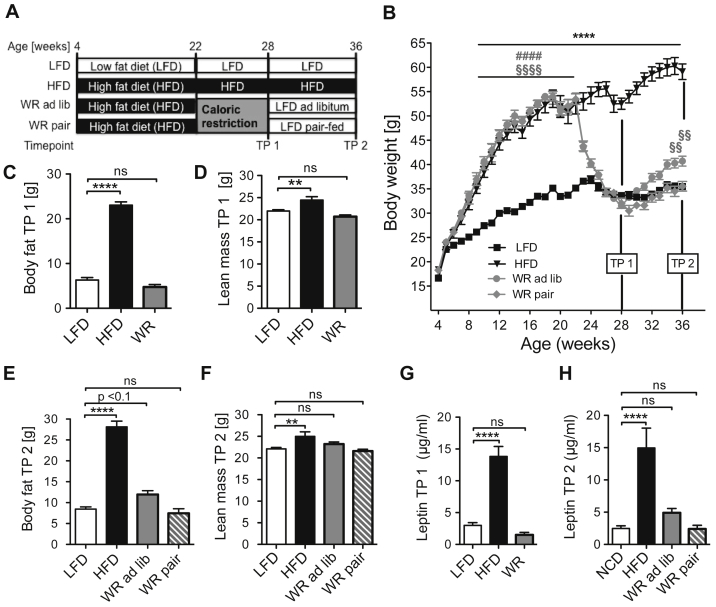
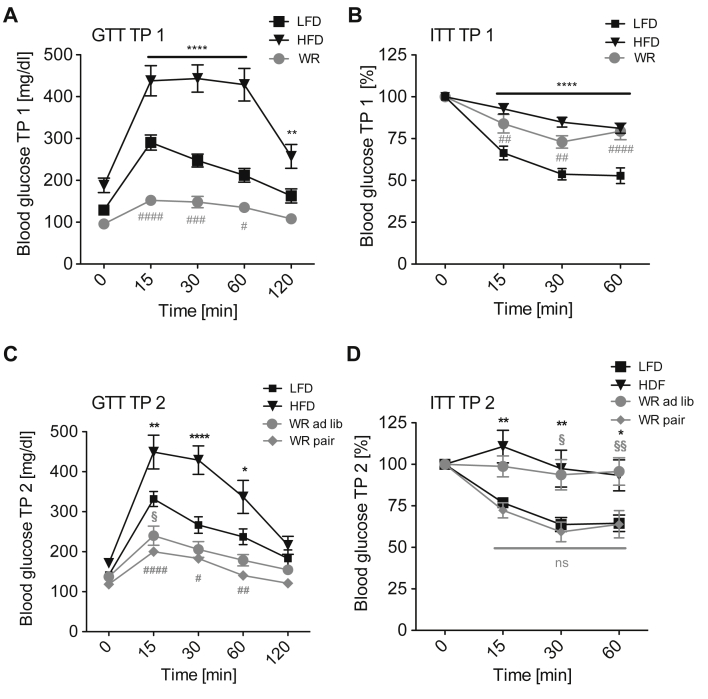
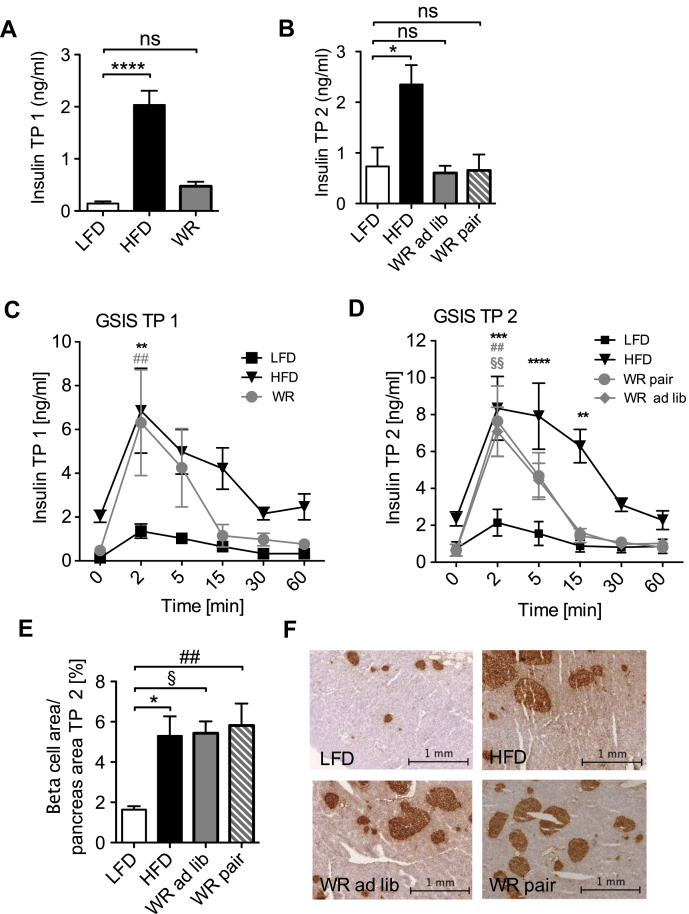
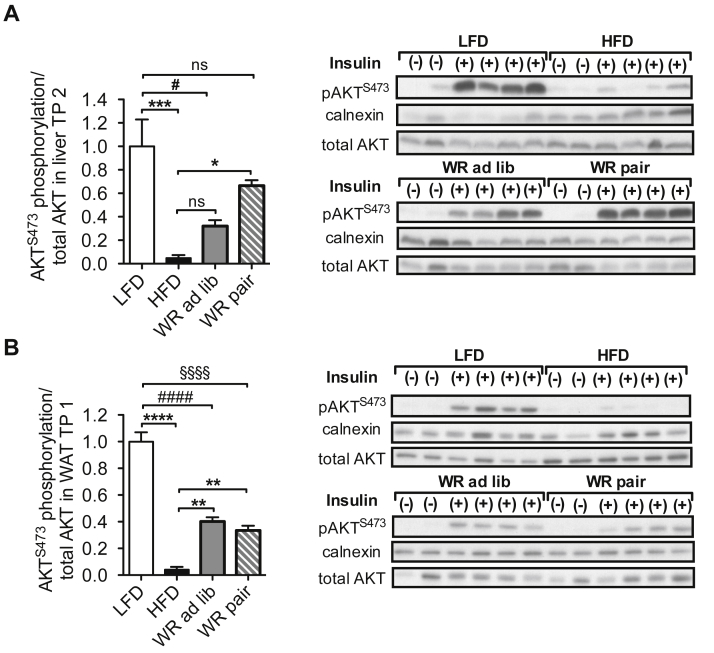
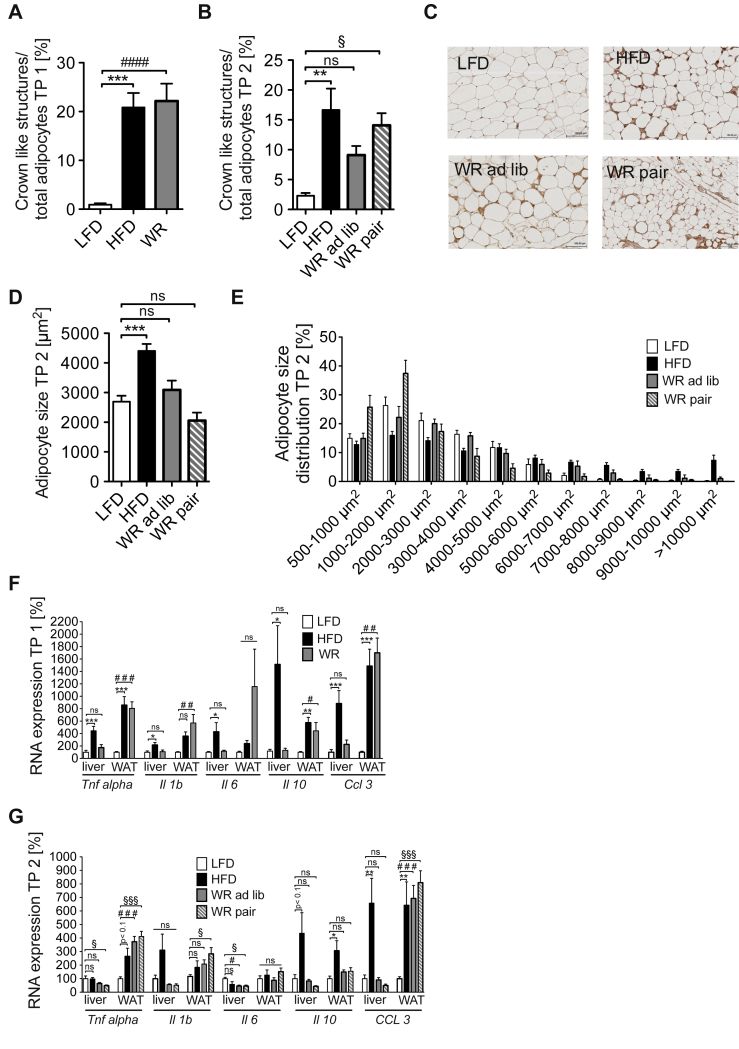
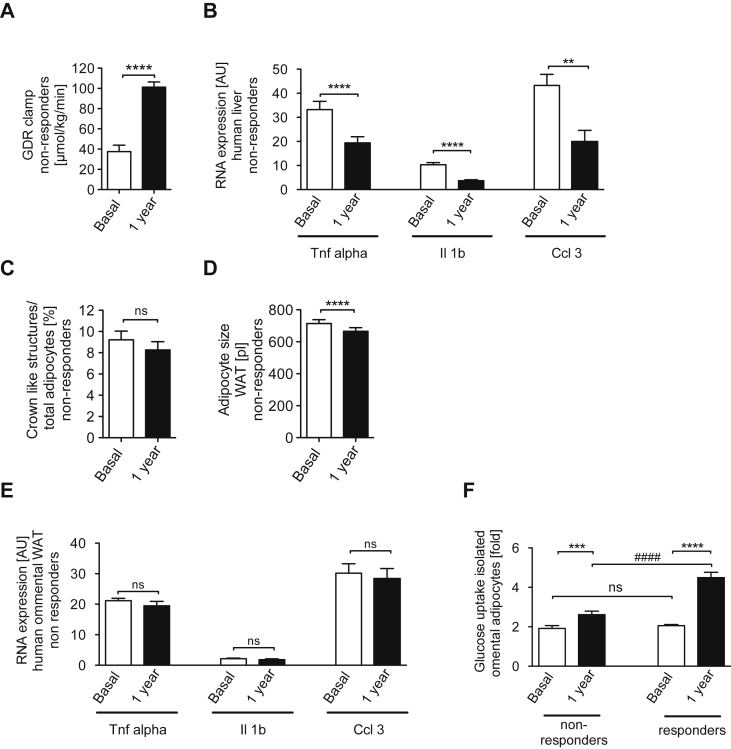
OBJECTIVE: Obesity represents a major risk factor for the development of type 2 diabetes mellitus, atherosclerosis and certain cancer entities. Treatment of obesity is hindered by the long-term maintenance of initially reduced body weight, and it remains unclear whether all pathologies associated with obesity are fully reversible even upon successfully maintained weight loss. METHODS: We compared high fat diet-fed, weight reduced and lean mice in terms of body weight development, adipose tissue and liver insulin sensitivity as well as inflammatory gene expression. Moreover, we assessed similar parameters in a human cohort before and after bariatric surgery. RESULTS: Compared to lean animals, mice that demonstrated successful weight reduction showed increased weight gain following exposure to ad libitum control diet. However, pair-feeding weight-reduced mice with lean controls efficiently stabilized body weight, indicating that hyperphagia was the predominant cause for the observed weight regain. Additionally, whereas glucose tolerance improved rapidly after weight loss, systemic insulin resistance was retained and ameliorated only upon prolonged pair-feeding. Weight loss enhanced insulin action and resolved pro-inflammatory gene expression exclusively in the liver, whereas visceral adipose tissue displayed no significant improvement of metabolic and inflammatory parameters compared to obese mice. Similarly, bariatric surgery in humans (n = 55) resulted in massive weight reduction, improved hepatic inflammation and systemic glucose homeostasis, while adipose tissue inflammation remained unaffected and adipocyte-autonomous insulin action only exhibit minor improvements in a subgroup of patients (42%). CONCLUSIONS: These results demonstrate that although sustained weight loss improves systemic glucose homeostasis, primarily through improved inflammation and insulin action in liver, a remarkable obesogenic memory can confer long-term increases in adipose tissue inflammation and insulin resistance in mice as well as in a significant subpopulation of obese patients.
Overview
The claims and statistics of this paper haven’t been checked yet.
Run the check — free, no account needed. It reads the open-access text and checks the sources it cites.
Integrity signals
Registry
Cites
Statistics
Figures
Verification
Claims the paper makes
The claims and statistics of this paper haven’t been checked yet.
Run the check — free, no account needed. It reads the open-access text and checks the sources it cites.
Claims other papers make about this one
Each is checked against this paper’s own text: does it say what the citing paper says it does?
In the citing paper
“Moreover, others have shown that 12 months after bariatric surgery, AT inflammation remained elevated in approximately 40% of patients (117).”
From The ominous triad of adipose tissue dysfunction: inflammation, fibrosis, and impaired angiogenesis. (2017) · cites this paper as [117]
Self-check
Percentages, sums and reported differences re-computed from the paper’s own numbers.
The self-check needs the paper’s full text.
Citations
Cites
Tuomilehto, J., Lindström, J., Eriksson, J. G., Valle, T. T., Hämäläinen, H., Ilanne-Parikka, P., Keinänen-Kiukaanniemi, S., Laakso, M., Louheranta, A., Rastas, M., et al. (2001) · New England Journal of Medicine · doi:10.1056/nejm200105033441801 · Cited by 10,873
Xu, H., Barnes, G. T., Yang, Q., Tan, G., Yang, D., Chou, C. J., Sole, J., Nichols, A., Ross, J. S., Tartaglia, L. A., et al. (2003) · Journal of Clinical Investigation · doi:10.1172/jci200319451 · Cited by 6,760
Mechanisms linking obesity to insulin resistance and type 2 diabetes
Kahn, S. E., Hull, R. L., & Utzschneider, K. M. (2006) · Nature · doi:10.1038/nature05482 · Cited by 5,448
Finucane, M. M., Stevens, G. A., Cowan, M. J., Danaei, G., Lin, J. K., Paciorek, C. J., Singh, G. M., Gutierrez, H. R., Lu, Y., Bahalim, A. N., et al. (2011) · The Lancet · doi:10.1016/s0140-6736(10)62037-5 · Cited by 4,050 · cited 1×
“Obesity is a major health problem with increasing prevalence around the world [1,2].”
BackgroundCardiovascular effects of intensive lifestyle intervention in type 2 diabetes
The Look AHEAD Research Group (2013) · New England Journal of Medicine · doi:10.1056/nejmoa1212914 · Cited by 2,908
Weight Loss with a Low-Carbohydrate, Mediterranean, or Low-Fat Diet
Shai, I., Schwarzfuchs, D., Henkin, Y., Shahar, D. R., Witkow, S., Greenberg, I., Golan, R., Fraser, D., Bolotin, A., Vardi, H., et al. (2008) · New England Journal of Medicine · doi:10.1056/nejmoa0708681 · Cited by 2,143
Self-citationChanges in Energy Expenditure Resulting from Altered Body Weight
Leibel, R. L., Rosenbaum, M., & Hirsch, J. (1995) · New England Journal of Medicine · doi:10.1056/nejm199503093321001 · Cited by 2,012
Comparison of Weight-Loss Diets with Different Compositions of Fat, Protein, and Carbohydrates
Sacks, F. M., Bray, G. A., Carey, V. J., Smith, S. R., Ryan, D. H., Anton, S. D., McManus, K., Champagne, C. M., Bishop, L. M., Laranjo, N., et al. (2009) · New England Journal of Medicine · doi:10.1056/nejmoa0804748 · Cited by 1,966 · cited 1×
“composition is used during caloric restriction, as long as weight reduction can be achieved [10,11].”
BackgroundIKK-β links inflammation to obesity-induced insulin resistance
Arkan, M. C., Hevener, A. L., Greten, F. R., Maeda, S., Li, Z.-W., Long, J. M., Wynshaw-Boris, A., Poli, G., Olefsky, J., & Karin, M. (2005) · Nature Medicine · doi:10.1038/nm1185 · Cited by 1,773
Cause-Specific Excess Deaths Associated With Underweight, Overweight, and Obesity
Flegal, K. M., Graubard, B. I., Williamson, D. F., & Gail, M. H. (2007) · JAMA · doi:10.1001/jama.298.17.2028 · Cited by 1,542 · cited 1×
“The increased mortality can mainly be attributed to obesityassociated diseases such as type 2 diabetes mellitus (T2DM), cardiovascular disease, and some types of cancer [4].”
BackgroundS UCCESSFUL W EIGHT L OSS M AINTENANCE
Wing, R. R., & Hill, J. O. (2001) · Annual Review of Nutrition · doi:10.1146/annurev.nutr.21.1.323 · Cited by 1,382 · cited 1×
“Moreover, although weight loss programs can result in an average body weight reduction of 10% [13], the majority of patients regain their body weight quickly [14,15], once again placing them at high risk to develop obesity-associated diseases.”
BackgroundDanaei, G., Finucane, M. M., Lin, J. K., Singh, G. M., Paciorek, C. J., Cowan, M. J., Farzadfar, F., Stevens, G. A., Lim, S. S., Riley, L. M., et al. (2011) · The Lancet · doi:10.1016/s0140-6736(10)62036-3 · Cited by 1,239
Cancello, R., Henegar, C., Viguerie, N., Taleb, S., Poitou, C., Rouault, C., Coupaye, M., Pelloux, V., Hugol, D., Bouillot, J.-L., et al. (2005) · Diabetes · doi:10.2337/diabetes.54.8.2277 · Cited by 1,164
National, regional, and global trends in adult overweight and obesity prevalences
Stevens, G. A., Singh, G. M., Lu, Y., Danaei, G., Lin, J. K., Finucane, M. M., Bahalim, A. N., McIntire, R. K., Gutierrez, H. R., Cowan, M. J., et al. (2012) · Population Health Metrics · doi:10.1186/1478-7954-10-22 · Cited by 967 · cited 1×
“Obesity is a major health problem with increasing prevalence around the world [1,2].”
BackgroundExercise for overweight or obesity
Shaw, K. A., Gennat, H. C., O'Rourke, P., & Del Mar, C. (2006) · Cochrane Database of Systematic Reviews · doi:10.1002/14651858.cd003817.pub3 · Cited by 950
Stevens, V. J., Obarzanek, E., Cook, N. R., Lee, I.-M., Appel, L. J., Smith West, D., Milas, N. C., Mattfeldt-Beman, M., Belden, L., Bragg, C., et al. (2001) · Annals of Internal Medicine · doi:10.7326/0003-4819-134-1-200101020-00007 · Cited by 886
Klöting, N., Fasshauer, M., Dietrich, A., Kovacs, P., Schön, M. R., Kern, M., Stumvoll, M., & Blüher, M. (2010) · American Journal of Physiology-Endocrinology and Metabolism · doi:10.1152/ajpendo.00586.2009 · Cited by 856
Self-citationMauer, J., Chaurasia, B., Goldau, J., Vogt, M. C., Ruud, J., Nguyen, K. D., Theurich, S., Hausen, A. C., Schmitz, J., Brönneke, H. S., et al. (2014) · Nature Immunology · doi:10.1038/ni.2865 · Cited by 727
Self-citationTurpin-Nolan, S. M., Nicholls, H. T., Willmes, D. M., Mourier, A., Brodesser, S., Wunderlich, C. M., Mauer, J., Xu, E., Hammerschmidt, P., Brönneke, H. S., et al. (2014) · Cell Metabolism · doi:10.1016/j.cmet.2014.08.002 · Cited by 713 · cited 1×
“Indirect calorimetry Indirect calorimetry was performed for 120 h using an open-circuit, indirect calorimetry system including spontaneous activity by beam breaking (PhenoMaster System, TSE systems) as previously described [24].”
MethodSelf-citationAdolescent BMI Trajectory and Risk of Diabetes versus Coronary Disease
Tirosh, A., Shai, I., Afek, A. B., Dubnov‐Raz, G., Ayalon, N., Gordon, B., Derazne, E., Tzur, D., Shamis, A., Vinker, S., et al. (2011) · New England Journal of Medicine · doi:10.1056/nejmoa1006992 · Cited by 705 · cited 1×
“showed that an increased BMI in adolescents displays a risk for coronary heart disease independent of the BMI present before diagnosis [36].”
BackgroundShaping Gene Expression in Activated and Resting Primary Macrophages by IL-10
Lang, R., Patel, D. H., Morris, J. J., Rutschman, R., & Murray, P. J. (2002) · The Journal of Immunology · doi:10.4049/jimmunol.169.5.2253 · Cited by 621 · cited 1×
“Immunohistochemistry Immunohistochemistry of AT was performed as previously described [3,27,28] with an antibody directed against F4/80 (#ab6640, Abcam).”
MethodBray, G. A., & Bouchard, C. (1997) · CRC Press eBooks · Cited by 618
Handbook of Obesity Treatment.
(2003) · The Journal of Nervous and Mental Disease · doi:10.1097/00005053-200306000-00024 · Cited by 546
Rosenbaum, M., Hirsch, J., Gallagher, D. A., & Leibel, R. L. (2008) · The American Journal of Clinical Nutrition · doi:10.1093/ajcn/88.4.906 · Cited by 444
Holte, J., Bergh, T., Berne, C., Wide, L., & Lithell, H. (1995) · The Journal of Clinical Endocrinology & Metabolism · doi:10.1210/jcem.80.9.7673399 · Cited by 435 · cited 1×
“This is consistent with the detection of robust b-cell hyperplasia in human obesity [37] and the notion of increased insulin release after weight loss in some human weight loss studies [38,39].”
Resultβ-Cell Mass and Turnover in Humans
Saisho, Y., Butler, A. E., Manesso, E., Elashoff, D. A., Rizza, R. A., & Butler, P. C. (2012) · Diabetes Care · doi:10.2337/dc12-0421 · Cited by 422
LeBlanc, E. S., O’Connor, E., Whitlock, E. P., Patnode, C. D., & Kapka, T. J. (2011) · Annals of Internal Medicine · doi:10.7326/0003-4819-155-7-201110040-00006 · Cited by 409
Vogt, M. C., Paeger, L., Heß, S., Steculorum, S. M., Awazawa, M., Hampel, B., Neupert, S., Nicholls, H. T., Mauer, J., Hausen, A. C., et al. (2014) · Cell · doi:10.1016/j.cell.2014.01.008 · Cited by 374 · cited 1×
“Insulin peroxidase staining of the pancreas was performed as described earlier [29] using an anti-insulin antibody (DAKO A0564).”
MethodSelf-citationObesity-induced overexpression of miR-802 impairs glucose metabolism through silencing of Hnf1b
Kornfeld, J., Baitzel, C., Könner, A. C., Nicholls, H. T., Vogt, M. C., Herrmanns, K., Scheja, L., Haumaître, C., Wolf, A. M., Knippschild, U., et al. (2013) · Nature · doi:10.1038/nature11793 · Cited by 347 · cited 1×
“As demonstrated previously [30], HFD feeding almost completely abolished insulin-”
BackgroundSelf-citationMeta-analysis of resting metabolic rate in formerly obese subjects
Astrup, A., Gøtzsche, P. C., van de Werken, K., Ranneries, C., Toubro, S., Raben, A., & Buemann, B. (1999) · The American Journal of Clinical Nutrition · doi:10.1093/ajcn/69.6.1117 · Cited by 296
Moschen, A. R., Molnar, C., Geiger, S., Graziadei, I., Ebenbichler, C. F., Weiss, H., Kaser, S., Kaser, A., & Tilg, H. (2010) · Gut · doi:10.1136/gut.2010.214577 · Cited by 269
Thorogood, A., Mottillo, S., Shimony, A., Filion, K. B., Joseph, L., Genest, J., Pilote, L., Poirier, P., Schiffrin, E. L., & Eisenberg, M. J. (2011) · The American Journal of Medicine · doi:10.1016/j.amjmed.2011.02.037 · Cited by 255 · cited 1×
“However, physical exercise alone, without concomitant dietary changes, promotes only modest weight reduction [8,9], and, importantly, only few patients successfully manage to include exercise into their daily schedule.”
BackgroundWunderlich, F. T., Ströhle, P., Könner, A. C., Gruber, S., Tovar, S., Brönneke, H. S., Juntti-Berggren, L., Li, L.-S., van Rooijen, N., Libert, C., et al. (2010) · Cell Metabolism · doi:10.1016/j.cmet.2010.06.011 · Cited by 229
Self-citationBiological mechanisms that promote weight regain following weight loss in obese humans
Ochner, C. N., M.S, D. M. B., Lee, C. D., & Pi-Sunyer, X. (2013) · Physiology & Behavior · doi:10.1016/j.physbeh.2013.07.009 · Cited by 196 · cited 1×
“Keywords Obesity; Weight loss; Weight regain; Insulin resistance; Metabolic inflammation”
BackgroundEnhanced metabolic efficiency contributes to weight regain after weight loss in obesity-prone rats
MacLean, P. S., HIGGINS, J. A., Johnson, G. C., Fleming‐Elder, B. K., Donahoo, W. T., Melanson, E. L., & Hill, J. O. (2004) · American Journal of Physiology-Regulatory, Integrative and Comparative Physiology · doi:10.1152/ajpregu.00463.2004 · Cited by 162
Weight loss, weight maintenance, and adaptive thermogenesis
Camps, S. G., Verhoef, S. P. M., & Westerterp, K. R. (2013) · American Journal of Clinical Nutrition · doi:10.3945/ajcn.112.050310 · Cited by 148
Kannt, A., Pfenninger, A., Teichert, L., Tönjes, A., Dietrich, A., Schön, M. R., Klöting, N., & Blüher, M. (2015) · Diabetologia · doi:10.1007/s00125-014-3490-7 · Cited by 118 · cited 1×
“For the entire cohort, general inclusion and exclusion criteria as well as measurement of anthropometric and laboratory parameters have been reported recently [25].”
Self-citationMauer, J., Chaurasia, B., Plum, L., Quast, T., Hampel, B., Blüher, M., Kolanus, W., Kahn, C. R., & Brüning, J. C. (2010) · PLoS Genetics · doi:10.1371/journal.pgen.1000938 · Cited by 111 · cited 1×
“Immunohistochemistry Immunohistochemistry of AT was performed as previously described [3,27,28] with an antibody directed against F4/80 (#ab6640, Abcam).”
MethodSelf-citationMacLean, P. S., HIGGINS, J. A., Johnson, G. C., Fleming‐Elder, B. K., Peters, J. C., & Hill, J. O. (2004) · American Journal of Physiology-Regulatory, Integrative and Comparative Physiology · doi:10.1152/ajpregu.00010.2004 · Cited by 100 · cited 1×
“Studies that used obesity-prone rats or embryonic glutamate injections to induce obesity fail to distinguish between the direct effects of weight reduction in obesity and changes of the animalmodel itself [22,23].”
BackgroundWeyer, C., Hanson, K. A., Bogardus, C., & Pratley, R. E. (2000) · Diabetologia · doi:10.1007/s001250050005 · Cited by 91
Pardina, E., Ferrer, R., Baena‐Fustegueras, J. A., Déniz, J. R., Lecube, A., Fort, J. M., Vargas, V., Catalán, R., & Peinado‐Onsurbe, J. (2011) · Obesity Surgery · doi:10.1007/s11695-011-0546-3 · Cited by 69
Schwartz, A., Kuk, J. L., Lamothe, G., & Doucet, É. (2012) · Obesity · doi:10.1038/oby.2012.34 · Cited by 46 · cited 1×
“However, whether this decrease is more than what can be explained by the changes in body composition remains controversial [20].”
BackgroundCaloric Restriction Chronically Impairs Metabolic Programming in Mice
Kirchner, H., Hofmann, S. M., Fischer‐Rosinsky, A., Hembree, J., Abplanalp, W. A., Ottaway, N., Donelan, E. M., Krishna, R., Woods, S. C., Müller, T. D., et al. (2012) · Diabetes · doi:10.2337/db11-1621 · Cited by 45 · cited 1×
“com report of improved glucose tolerance in fat mass matched and caloric restricted mice [41].”
BackgroundTrachta, P., Dostálová, I., Haluzíková, D., Kasalicky, M., Kaválková, P., Drápalová, J., Urbanová, M., Lacinová, Z., Mráz, M., & Haluzı́k, M. (2013) · Molecular and Cellular Endocrinology · doi:10.1016/j.mce.2013.11.013 · Cited by 40
Quercioli, A., Burger, F., Thomas, A., Lauer, E., da Silva, A. R., Mach, F., Vuilleumier, N., Bobbioni-Harsch, E., Golay, A., Montecucco, F., et al. (2014) · Thrombosis and Haemostasis · doi:10.1160/th14-06-0506 · Cited by 35
Lakhdar, N., Denguezli, M., Zaouali, M., Zbidi, A., Tabka, Z., & Bouassida, A. (2013) · Inflammation · doi:10.1007/s10753-013-9661-8 · Cited by 25
Vahl, T., Aulinger, B. A., Smith, E. P., Drazen, D. L., Ulrich-Lai, Y., Seeley, R., Woods, S. C., & D'Alessio, D. (2014) · American Journal of Physiology. Endocrinology and Metabolism · doi:10.1152/ajpendo.00339.2014 · Cited by 10 · cited 1×
“It has been previously demonstrated that meal feeding affects glucose-stimulated insulin secretion [40].”
BackgroundLakhdar, N., Denguezli, M., Zaouali, M., Zbidi, A., Tabka, Z., & Bouassida, A. (2015) · Pediatric Rheumatology · doi:10.1186/1546-0096-13-s1-p194 · Cited by 4
Cited by
Sorted by citations
Adipose tissue inflammation and metabolic dysfunction in obesity
Kawai, T., Autieri, M. V., & Scalia, R. (2021) · American Journal of Physiology-Cell Physiology · doi:10.1152/ajpcell.00379.2020 · Cited by 1,947
Adipose tissue dysfunction as determinant of obesity-associated metabolic complications
Longo, M., Zatterale, F., Naderi, J., Parrillo, L., Formisano, P., Raciti, G. A., Beguinot, F., & Miele, C. (2019) · International Journal of Molecular Sciences · doi:10.3390/ijms20092358 · Cited by 1,575
“A sustained weight loss has been shown to ameliorate systemic glucose homeostasis by improving inflammation and insulin action in the liver [101].”
BackgroundAdapting to obesity with adipose tissue inflammation
Reilly, S. M., & Saltiel, A. R. (2017) · Nature Reviews Endocrinology · doi:10.1038/nrendo.2017.90 · Cited by 1,204
Western Diet and the Immune System: An Inflammatory Connection
Christ, A., Lauterbach, M., & Latz, E. (2019) · Immunity · doi:10.1016/j.immuni.2019.09.020 · Cited by 907
The ominous triad of adipose tissue dysfunction: inflammation, fibrosis, and impaired angiogenesis.
Crewe, C., An, Y. A., & Scherer, P. E. (2017) · Journal of Clinical Investigation · doi:10.1172/jci88883 · Cited by 732
“Moreover, others have shown that 12 months after bariatric surgery, AT inflammation remained elevated in approximately 40% of patients (117).”
Metadata
- Authors
- Schmitz, J., Evers, N., Awazawa, M., Nicholls, H. T., Brönneke, H. S., Dietrich, A., Mauer, J., Blüher, M., & Brüning, J. C.
- Affiliations
- University of Cologne (DE)
- Leipzig University (DE)
- Corresponding author
- Brüning, J.C.
- Venue
- Molecular Metabolism
- Publisher
- Elsevier BV
- Published
- 2016-05
- Volume
- 5
- Issue
- 5
- Pages
- 328-339
- ISSN
- 2212-8778 (ISSN-L)
- PMC
- PMC4837291
- OpenAlex
- W2239531983
- Cited by
- 148
- References
- 48
- Citations by year
- 2026: 22 · 2025: 17 · 2024: 17 · 2023: 16 · 2022: 13 · 2021: 14 · 2020: 15 · 2019: 12 · 2018: 8 · 2017: 10 · 2016: 4
- FWCI
- 10.62
- Type
- journal article
- Language
- en
- Open access
- gold
- doi.org
- Licence
- Locations
- Molecular Metabolism (publishedVersion, cc-by-nc-nd)
- Europe PMC (PubMed Central) (publishedVersion, cc-by-nc-nd)
- PubMed Central (publishedVersion, cc-by-nc-nd)
- PubMed (publishedVersion)
- Kölner Universitäts PublikationsServer (Universität zu Köln) (publishedVersion)
- DOAJ (DOAJ: Directory of Open Access Journals) (submittedVersion, cc-by-sa)
- MPG.PuRe (Max Planck Society) (submittedVersion)
- Topics
- Health Sciences › Medicine › Endocrinology, Diabetes and Metabolism › Adipokines, Inflammation, and Metabolic Diseases
- Health Sciences › Medicine › Surgery › Bariatric Surgery and Outcomes
- Health Sciences › Medicine › Physiology (medical) › Adipose Tissue and Metabolism
- Keywords
- weight regain, weight loss, insulin resistance, liver inflammation, adipose tissue inflammation, hyperphagia, pair feeding, bariatric surgery, glucose homeostasis, type 2 diabetes, visceral adipose tissue, high-fat diet
About these checks
Registry, retraction, Cites and statistics results are computed, not judged, with one exception: a printed reference that no index lists is read once by a model before it counts as a citation error. Claims are extracted by a model and kept only when their quote appears verbatim in the text; each cited source is then checked, with a model’s help, for whether it says what the claim relies on. Those verdicts can be wrong — read the claim’s quote and the cited source before relying on one.
Statistics and arithmetic are recomputed, not judged.
Confidence bands are shown only for fields calibrated on our annotated test set. None is calibrated yet, so no band is shown.
What counts as a claim ›How we measure confidence ›How we check this ›
Are you an author, or do you see a problem with this page? Request a review
