

The DOI matches its Crossref record; 55 of the 56 references it cites were found in a registry or an index.
CD36 promotes de novo lipogenesis in hepatocytes through INSIG2-dependent SREBP1 processing
Open accessAbstract
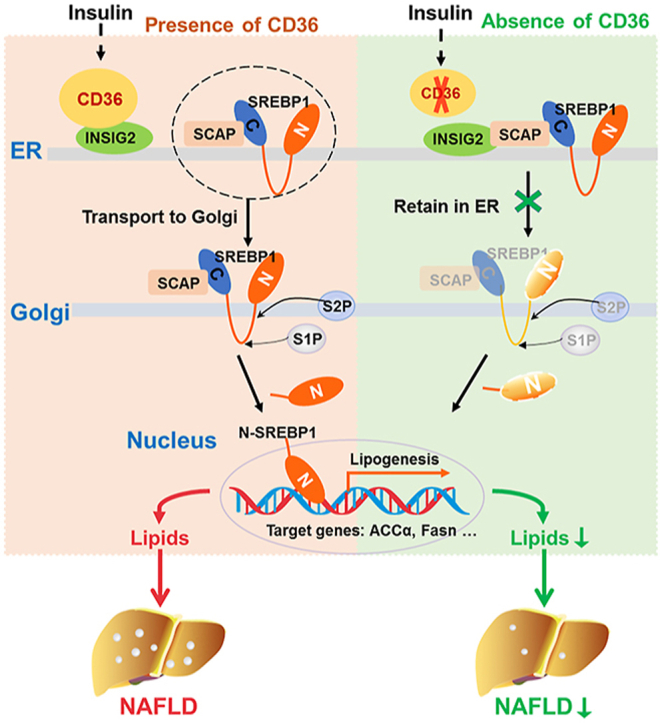
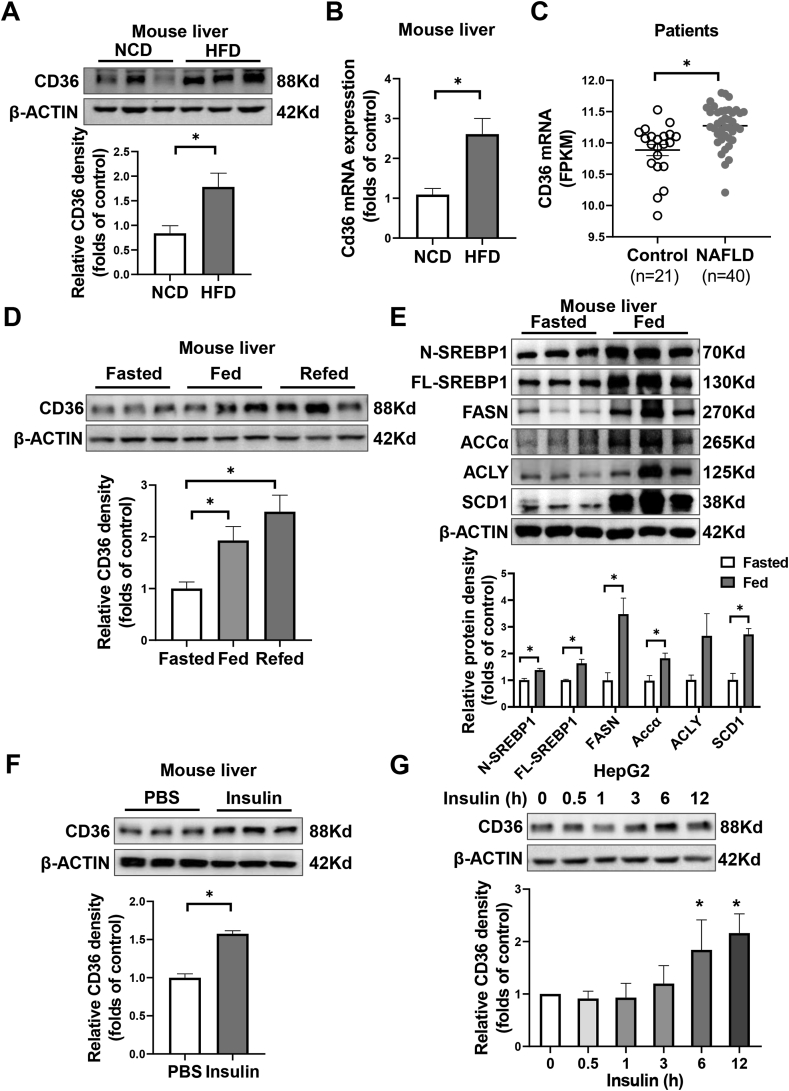
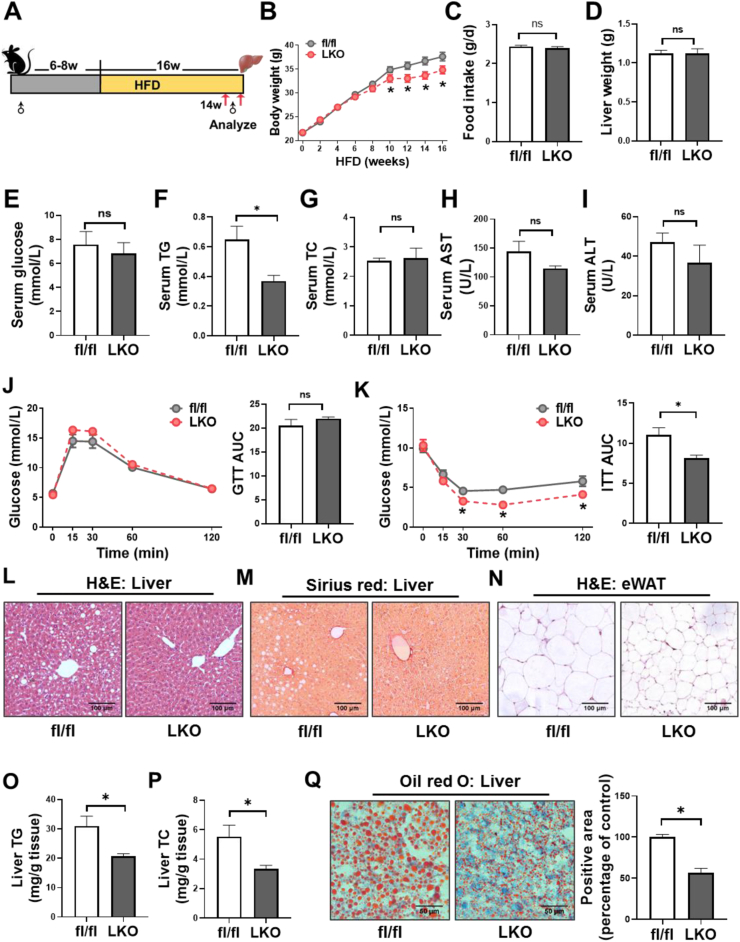
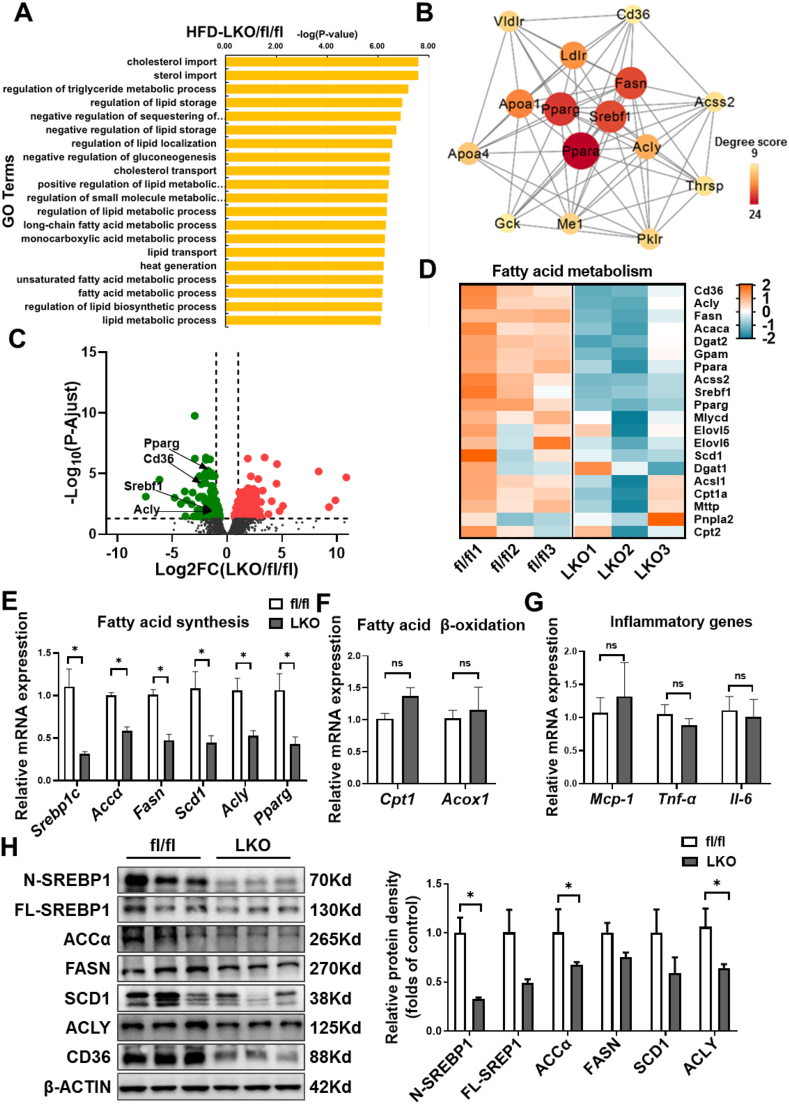
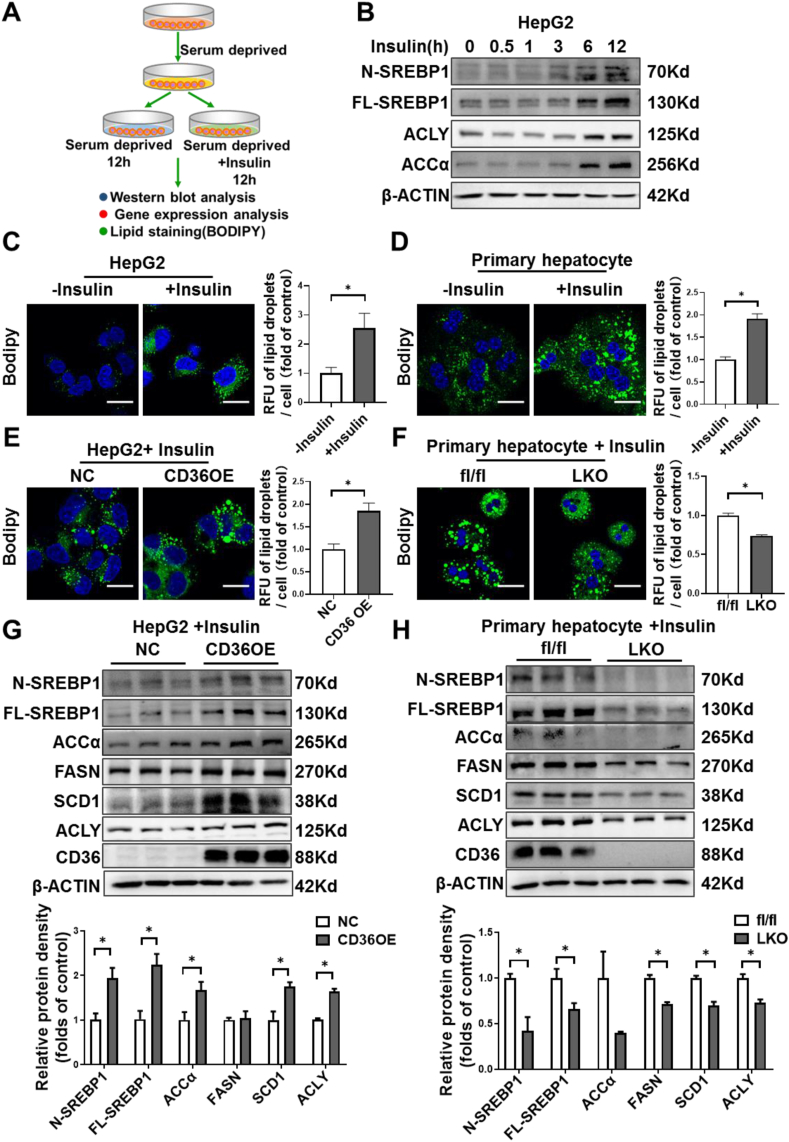
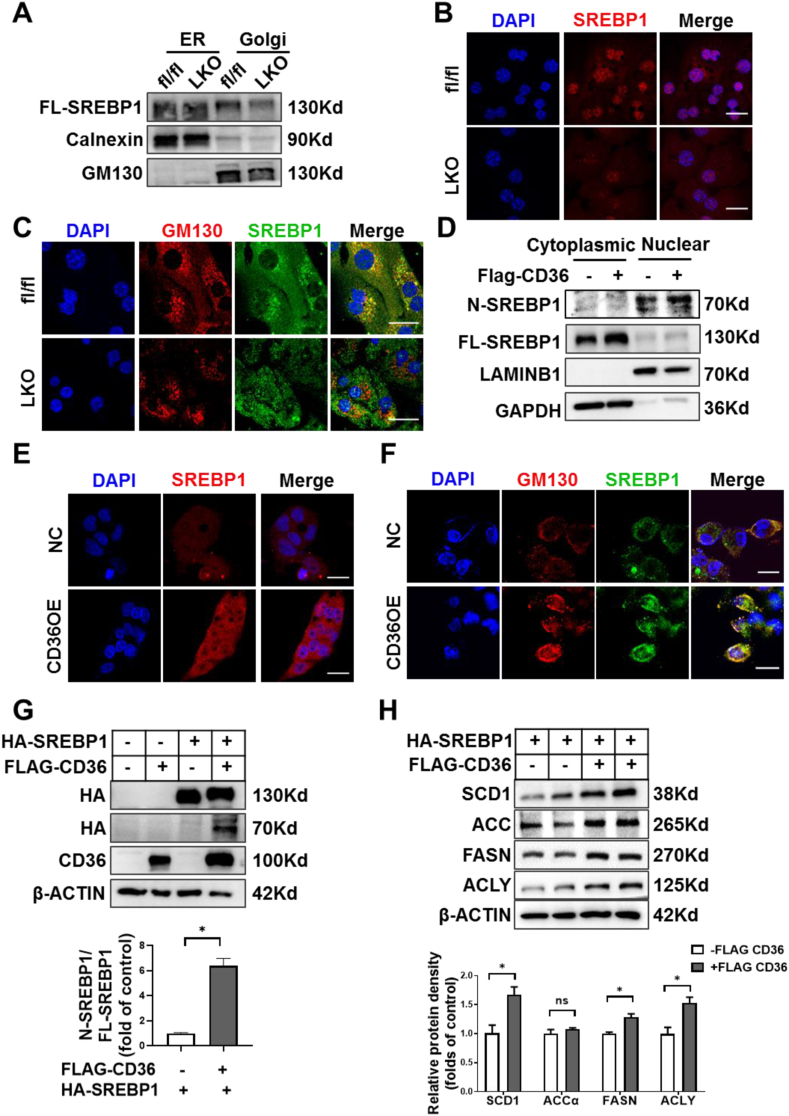
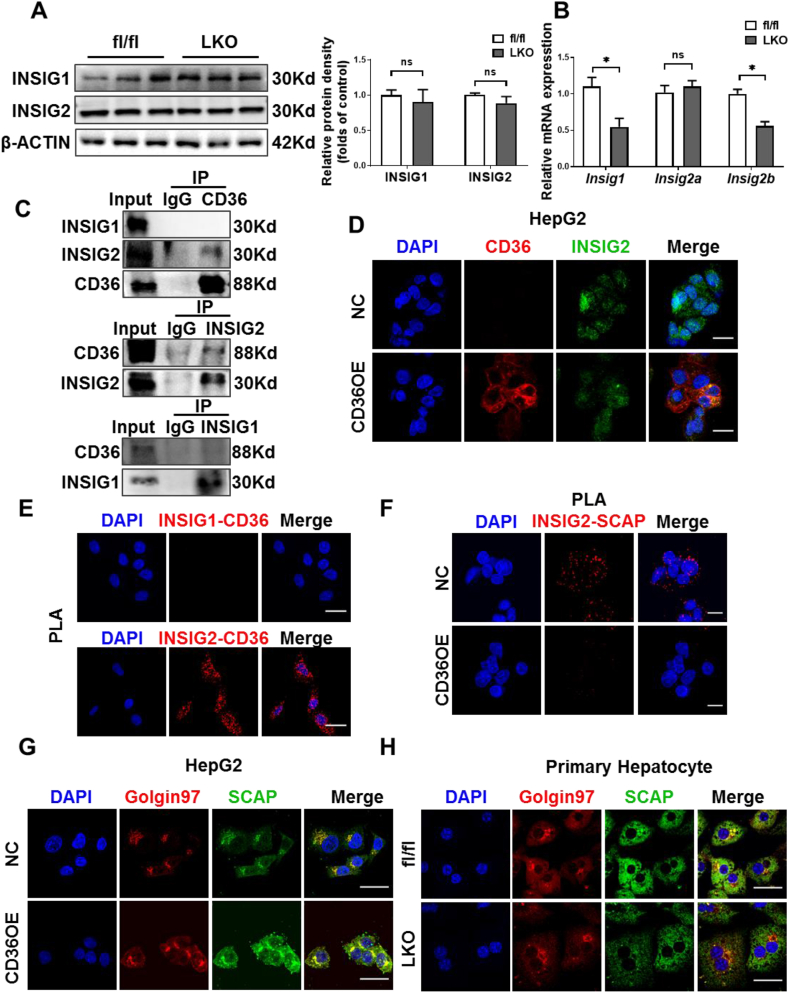
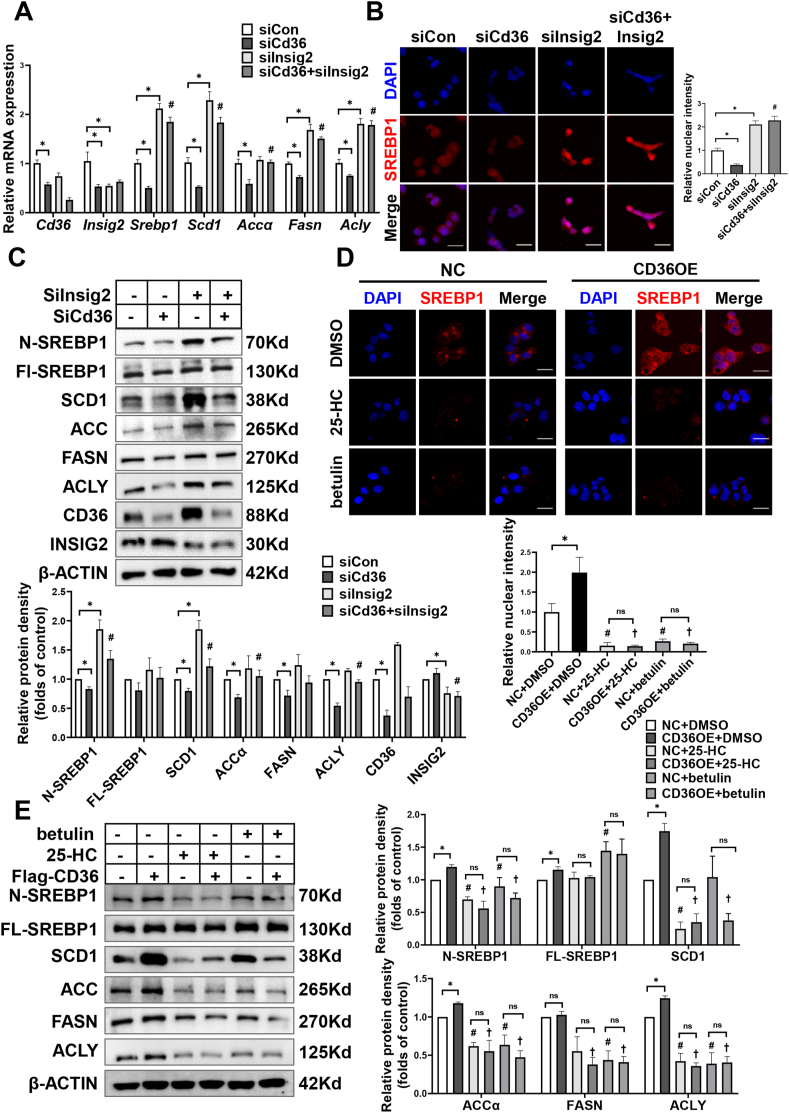
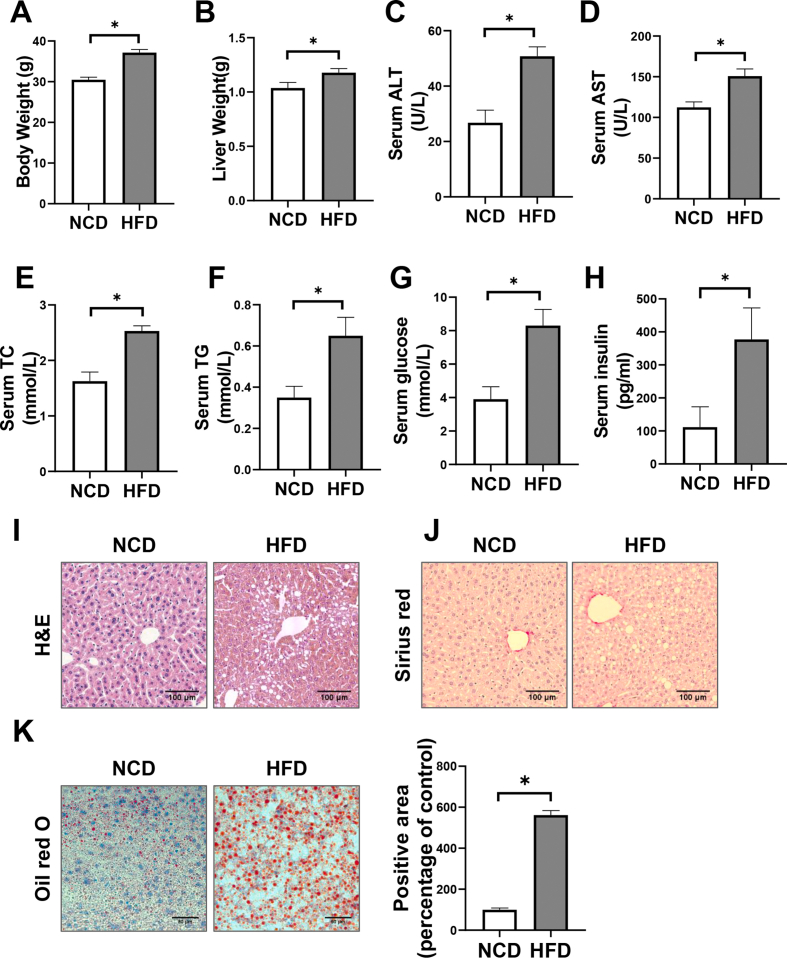
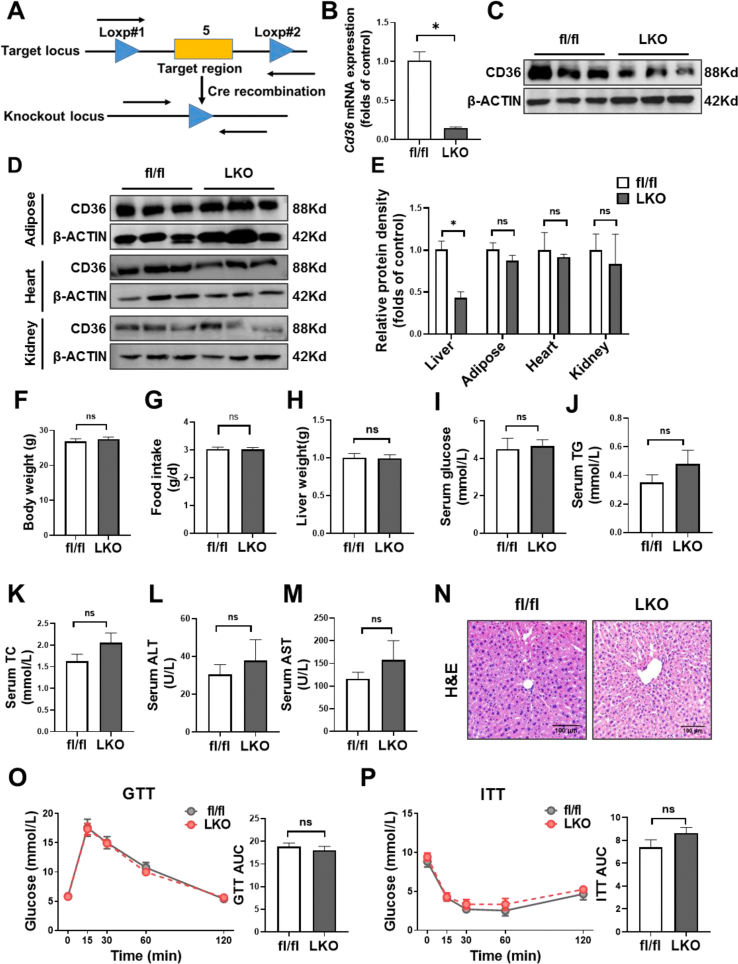
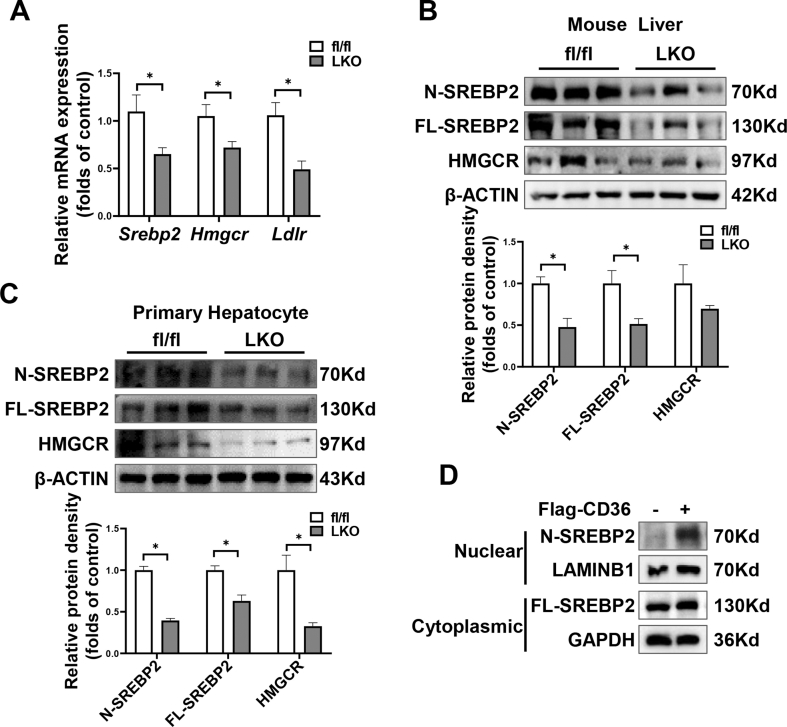
OBJECTIVE: Enhanced de novo lipogenesis (DNL) in hepatocytes is a major contributor to nonalcoholic fatty liver disease (NAFLD). Fatty acid translocase (FAT/CD36) is involved in the pathogenesis of NAFLD through facilitating free fatty acids uptake. Here, we explored the effects of CD36 on DNL and elucidated the underlying mechanisms. METHODS: We generated hepatocyte-specific CD36 knockout (CD36LKO) mice to study in vivo effects of CD36 on DNL under high-fat diet (HFD). Lipid deposition and DNL were analyzed in primary hepatocytes isolated from CD36LKO mice or HepG2 cells with CD36 overexpression. RNA sequence, co-immunoprecipitation, and proximity ligation assay were carried out to determine its role in regulating DNL. RESULTS: Hepatic CD36 expression was upregulated in NAFLD mice and patients, and CD36LKO mice exhibited attenuated HFD-induced hepatic steatosis and insulin resistance. We identified hepatocyte CD36 as a key regulator for DNL in the liver. Sterol regulatory element-binding protein 1 (SREBP1) and its downstream lipogenic enzymes such as FASN, ACCα, and ACLY were significantly downregulated in the liver of HFD-fed CD36LKO mice, whereas overexpression CD36 stimulated insulin-mediated DNL and lipid droplet formation in vitro. Mechanistically, CD36 was activated by insulin and formed a complex with insulin-induced gene-2 (INSIG2) that disrupts the interaction between SREBP cleavage-activating protein (SCAP) and INSIG2, thereby leading to the translocation of SREBP1 from ER to Golgi for processing. Furthermore, treatment with 25-hydroxycholesterol or betulin molecules shown to enhance SCAP-INSIG interaction, reversed the effects of CD36 on SREBP1 cleavage. CONCLUSIONS: Our findings identify a previously unsuspected role of CD36 in the regulation of hepatic lipogenic program through mediating SREBP1 processing by INSIG2, providing additional evidence for targeting CD36 in NAFLD.
Overview
The claims and statistics of this paper haven’t been checked yet.
Run the check — free, no account needed. It reads the open-access text and checks the sources it cites.
Integrity signals
Registry
Cites
Statistics
Figures
Verification
Claims the paper makes
The claims and statistics of this paper haven’t been checked yet.
Run the check — free, no account needed. It reads the open-access text and checks the sources it cites.
Claims other papers make about this one
Each is checked against this paper’s own text: does it say what the citing paper says it does?
The source backs part of the claim, not all of it — or backs it for a different population, condition or comparison.
In the citing paper
“which may influence metabolic dysfunction associated steatotic liver disease (MASLD)48”
From Spatial transcriptomics of healthy and fibrotic human liver at single-cell resolution (2025) · cites this paper as [48]
Experimental — accuracy not yet measured
Self-check
Percentages, sums and reported differences re-computed from the paper’s own numbers.
The self-check needs the paper’s full text.
Citations
Cites
Mechanisms of NAFLD development and therapeutic strategies
Friedman, S. L., Neuschwander-Tetri, B. A., Rinella, M., & Sanyal, A. J. (2018) · Nature Medicine · doi:10.1038/s41591-018-0104-9 · Cited by 4,354
Donnelly, K. L., Smith, C. I., Schwarzenberg, S. J., Jessurun, J., Boldt, M. D., & Parks, E. J. (2005) · Journal of Clinical Investigation · doi:10.1172/jci23621 · Cited by 3,604
Mechanisms and disease consequences of nonalcoholic fatty liver disease
Loomba, R., Friedman, S. L., & Shulman, G. I. (2021) · Cell · doi:10.1016/j.cell.2021.04.015 · Cited by 2,002
Protein Sensors for Membrane Sterols
Goldstein, J. L., DeBose-Boyd, R. A., & Brown, M. S. (2006) · Cell · doi:10.1016/j.cell.2005.12.022 · Cited by 1,517
SREBP-regulated lipid metabolism: convergent physiology - divergent pathophysiology
Shimano, H., & Sato, R. (2017) · Nature Reviews Endocrinology · doi:10.1038/nrendo.2017.91 · Cited by 1,174
Lambert, J. E., Ramos–Roman, M. A., Browning, J. D., & Parks, E. J. (2014) · Gastroenterology · doi:10.1053/j.gastro.2013.11.049 · Cited by 1,069 · cited 1×
“Human isotope-labeling studies demonstrated a threefold increase of DNL contributed to hepatic TG accumulation in patients with NAFLD than those without [5].”
BackgroundGlatz, J. F. C., Luiken, J. J. F. P., & Bonen, A. (2010) · Physiological Reviews · doi:10.1152/physrev.00003.2009 · Cited by 776
A Null Mutation in Murine CD36 Reveals an Important Role in Fatty Acid and Lipoprotein Metabolism
Febbraio, M., Abumrad, N. A., Hajjar, D. P., Sharma, K., Cheng, W., Pearce, S. F. A., & Silverstein, R. L. (1999) · Journal of Biological Chemistry · doi:10.1074/jbc.274.27.19055 · Cited by 769
Role of Dietary Fructose and Hepatic De Novo Lipogenesis in Fatty Liver Disease
Softic, S., Cohen, D. E., & Kahn, C. R. (2016) · Digestive Diseases and Sciences · doi:10.1007/s10620-016-4054-0 · Cited by 709
Hyperlipidemic Effects of Dietary Saturated Fats Mediated through PGC-1β Coactivation of SREBP
Lin, J. D., Yang, R., Tarr, P. T., Wu, P., Handschin, C., Li, S., Yang, W., Pei, L., Uldry, M., Tontonoz, P., et al. (2005) · Cell · doi:10.1016/j.cell.2004.11.043 · Cited by 626
Regulation of sterol regulatory element binding proteins in livers of fasted and refed mice
Horton, J. D., Bashmakov, Y., Shimomura, I., & Shimano, H. (1998) · Proceedings of the National Academy of Sciences · doi:10.1073/pnas.95.11.5987 · Cited by 577
Re-evaluation of fatty acid metabolism-related gene expression in nonalcoholic fatty liver disease
Kohjima, M., Enjoji, M., Higuchi, N., Kato, M., Kotoh, K., Yoshimoto, T., Fujino, T., Yada, M., Yada, R., Harada, N., et al. (2007) · International Journal of Molecular Medicine · doi:10.3892/ijmm.20.3.351 · Cited by 551
Increased Hepatic CD36 Expression Contributes to Dyslipidemia Associated With Diet-Induced Obesity
Koonen, D. P. Y., Jacobs, R. L., Febbraio, M., Young, M. E., Soltys, C.-L. M., Ong, H., Vance, D. E., & Dyck, J. R. B. (2007) · Diabetes · doi:10.2337/db07-0907 · Cited by 527
Retrospective on Cholesterol Homeostasis: The Central Role of Scap
Brown, M. S., Radhakrishnan, A., & Goldstein, J. L. (2018) · Annual Review of Biochemistry · doi:10.1146/annurev-biochem-062917-011852 · Cited by 477
Wilson, C. G., Tran, J. L., Erion, D. M., Vera, N. B., Febbraio, M., & Weiss, E. J. (2015) · Endocrinology · doi:10.1210/en.2015-1866 · Cited by 473
Adams, C. M., Reitz, J., Brabander, J. K. D., Feramisco, J. D., Li, L., Brown, M. S., & Goldstein, J. L. (2004) · Journal of Biological Chemistry · doi:10.1074/jbc.m410302200 · Cited by 463
Miquilena-Colina, M. E., Lima‐Cabello, E., Sánchez‐Campos, S., García‐Mediavilla, M. V., Fernández‐Bermejo, M., Lozano-Rodríguez, T., Vargas‐Castrillón, J., Buqué, X., Ochoa, B., Aspichueta, P., et al. (2011) · Gut · doi:10.1136/gut.2010.222844 · Cited by 461
Unsaturated Fatty Acids Down-regulate SREBP Isoforms 1a and 1c by Two Mechanisms in HEK-293 Cells
Hannah, V. C., Ou, J., Luong, A., Goldstein, J. L., & Brown, M. S. (2001) · Journal of Biological Chemistry · doi:10.1074/jbc.m007273200 · Cited by 448
Cellular fatty acid uptake: a pathway under construction
Su, X., & Abumrad, N. A. (2009) · Trends in Endocrinology and Metabolism · doi:10.1016/j.tem.2008.11.001 · Cited by 416
Fructose Consumption, Lipogenesis, and Non-Alcoholic Fatty Liver Disease
ter Horst, K. W., & Serlie, M. J. M. (2017) · Nutrients · doi:10.3390/nu9090981 · Cited by 379
CD36 tango in cancer: signaling pathways and functions
Wang, J., & Li, Y. (2019) · Theranostics · doi:10.7150/thno.36037 · Cited by 369
Self-citationTang, J.-J., Li, J.-G., Qi, W., Qiu, W.-W., Li, P.-S., Li, B.-L., & Song, B.-L. (2011) · Cell Metabolism · doi:10.1016/j.cmet.2010.12.004 · Cited by 365
The gluconeogenic enzyme PCK1 phosphorylates INSIG1/2 for lipogenesis
Xu, D., Wang, Z., Xia, Y., Shao, F., Xia, W., Wei, Y., Li, X., Qian, X., Lee, J.-H., Du, L., et al. (2020) · Nature · doi:10.1038/s41586-020-2183-2 · Cited by 360
Divergent effects of glucose and fructose on hepatic lipogenesis and insulin signaling
Softic, S., Gupta, M. K., Wang, G.-X., Fujisaka, S., O'Neill, B. T., Rao, T. N., Willoughby, J. L. S., Harbison, C. E., Fitzgerald, K. J., Ilkayeva, O., et al. (2017) · Journal of Clinical Investigation · doi:10.1172/jci94585 · Cited by 353
Zhao, L., Zhang, C., Luo, X., Wang, P., Zhou, W., Zhong, S., Xie, Y., Jiang, Y., Yang, P., Tang, R., et al. (2018) · Journal of Hepatology · doi:10.1016/j.jhep.2018.04.006 · Cited by 327
Self-citationGlucose-Mediated N-glycosylation of SCAP Is Essential for SREBP-1 Activation and Tumor Growth
Cheng, C., Ru, P., Geng, F., Liu, J., Yoo, J. Y., Wu, X., Cheng, X., Euthine, V., Hu, P., Guo, J. Y., et al. (2015) · Cancer Cell · doi:10.1016/j.ccell.2015.09.021 · Cited by 321
CD36 in chronic kidney disease: novel insights and therapeutic opportunities
Yang, X., Okamura, D. M., Lu, X., Chen, Y., Moorhead, J. F., Varghese, Z., & Ruan, X. Z. (2017) · Nature Reviews Nephrology · doi:10.1038/nrneph.2017.126 · Cited by 269
Self-citationEndothelial cell CD36 optimizes tissue fatty acid uptake
Son, N.-H., Basu, D., Samovski, D., Pietka, T., Peche, V. S., Willecke, F., Fang, X., Yu, S., Scerbo, D. A., Chang, H. R., et al. (2018) · Journal of Clinical Investigation · doi:10.1172/jci99315 · Cited by 265
Promoter Analysis of the Mouse Sterol Regulatory Element-binding Protein-1c Gene
Amemiya-Kudo, M., Shimano, H., Yoshikawa, T., Yahagi, N., Hasty, A. H., Okazaki, H., Tamura, Y., Shionoiri, F., Iizuka, Y., Ohashi, K., et al. (2000) · Journal of Biological Chemistry · doi:10.1074/jbc.m005353200 · Cited by 226
Insig required for sterol-mediated inhibition of Scap/SREBP binding to COPII proteins in vitro
Sun, L.-P., Li, L., Goldstein, J. L., & Brown, M. S. (2005) · Journal of Biological Chemistry · doi:10.1074/jbc.m504041200 · Cited by 223
Regulation of AMPK Activation by CD36 Links Fatty Acid Uptake to β-Oxidation
Samovski, D., Sun, J., Pietka, T., Gross, R. W., Eckel, R. H., Su, X., Stahl, P. D., & Abumrad, N. A. (2014) · Diabetes · doi:10.2337/db14-0582 · Cited by 218
Nohturfft, A., DeBose-Boyd, R. A., Scheek, S., Goldstein, J. L., & Brown, M. S. (1999) · Proceedings of the National Academy of Sciences · doi:10.1073/pnas.96.20.11235 · Cited by 212
Progress and challenges in the prevention and control of nonalcoholic fatty liver disease
Cai, J., Zhang, X., & Li, H. (2018) · Medicinal Research Reviews · doi:10.1002/med.21515 · Cited by 161
Pathophysiology of Human Genetic CD36 Deficiency
Hirano, K. (2003) · Trends in Cardiovascular Medicine · doi:10.1016/s1050-1738(03)00026-4 · Cited by 158
Han, Y., Hu, Z., Cui, A., Liu, Z., Ma, F., Xue, Y., Liu, Y., Zhang, F., Zhao, Z., Yu, Y., et al. (2019) · Nature Communications · doi:10.1038/s41467-019-08585-4 · Cited by 153
Self-citationLi, Y., Yang, P., Zhao, L., Chen, Y., Zhang, X., Zeng, S., Li, W., Varghese, Z., Moorhead, J. F., Chen, Y., et al. (2019) · Journal of Lipid Research · doi:10.1194/jlr.m090969 · Cited by 147
Self-citationYamashita, S., Hirano, K., Kuwasako, T., et al. (2006) · Molecular and Cellular Biochemistry · doi:10.1007/s11010-005-9031-4 · Cited by 146
Free Fatty Acid Uptake in Humans With CD36 Deficiency
Hames, K. C., Vella, A., Kemp, B. J., & Jensen, M. D. (2014) · Diabetes · doi:10.2337/db14-0369 · Cited by 132
Xu, J., Cho, H., O'Malley, S. W., Clarke, S. D., & Park, J. H. Y. (2002) · Journal of Nutrition · doi:10.1093/jn/132.11.3333 · Cited by 127
The SCAP/SREBP Pathway: A Mediator of Hepatic Steatosis
Moon, Y.-A. (2017) · Endocrinology and Metabolism · doi:10.3803/enm.2017.32.1.6 · Cited by 123
Insulin-induced gene: A new regulator in lipid metabolism
Dong, X., & Tang, S.-Q. (2010) · Peptides · doi:10.1016/j.peptides.2010.07.020 · Cited by 120
Nassir, F., Okunade, A. L., Brunt, E. M., & Abumrad, N. A. (2013) · Journal of Lipid Research · doi:10.1194/jlr.m037812 · Cited by 105
Hellard, S. L., Theisen, F., Haberhausen, M., Raeder, M. B., Fernø, J., Gebhardt, S., Hinney, A., Remschmidt, H., Krieg, J. C., Mehler‐Wex, C., et al. (2008) · Molecular Psychiatry · doi:10.1038/sj.mp.4002133 · Cited by 105
Curtis, B. R., Ali, S., Glazier, A. M., et al. (2002) · Transfusion · doi:10.1046/j.1537-2995.2002.00176.x · Cited by 96
Insulin Sensitivity and Lipid Metabolism in Human CD36 Deficiency
Furuhashi, M., Ura, N., Nakata, T., & Shimamoto, K. (2003) · Diabetes Care · doi:10.2337/diacare.26.2.471 · Cited by 84
CD36-deficient mice are resistant to alcohol- and high-carbohydrate-induced hepatic steatosis
Clugston, R. D., Yuen, J. J., Hu, Y., Abumrad, N. A., Berk, P. D., Goldberg, I. J., Blaner, W. S., & Huang, L. (2013) · Journal of Lipid Research · doi:10.1194/jlr.m041863 · Cited by 82
CD36 deficiency is frequent and can cause platelet immunization in Africans
Lee, K., Godeau, B., Fromont, P., Plonquet, A., Debili, N., Bachir, D., Reviron, D., Gourin, J., Fernández, E., Galactéros, F., et al. (1999) · Transfusion · doi:10.1046/j.1537-2995.1999.39080873.x · Cited by 79
Bai, J., Xia, M., Xue, Y., Ma, F., Cui, A., Sun, Y., Han, Y., Xu, X., Zhang, F., Hu, Z., et al. (2020) · EBioMedicine · doi:10.1016/j.ebiom.2020.102849 · Cited by 62
Self-citationZhong, S., Zhao, L., Wang, Y., Zhang, C., Liu, J., Wang, P., Zhou, W., Yang, P., Varghese, Z., Moorhead, J. F., et al. (2016) · Antioxidants and Redox Signaling · doi:10.1089/ars.2016.6808 · Cited by 54
Self-citationWang, H., Zhao, M., Sud, N., Christian, P., Shen, J., Song, Y., Pashaj, A., Zhang, K., Carr, T. P., & Su, Q. (2016) · Scientific Reports · doi:10.1038/srep32246 · Cited by 53
Cideb controls sterol‐regulated ER export of SREBP/SCAP by promoting cargo loading at ER exit sites
Su, L., Zhou, L., Chen, F., Wang, H., Qian, H., Sheng, Y., Zhu, Y., Yu, H. J., Gong, X., Cai, L., et al. (2019) · The EMBO Journal · doi:10.15252/embj.2018100156 · Cited by 48
Circulating sCD36 levels in patients with non-alcoholic fatty liver disease and controls
Heebøll, S., Poulsen, M. K., Ørnstrup, M. J., Kjær, T. N., Pedersen, S. B., Nielsen, S., Grønbæk, H., & Handberg, A. (2016) · International Journal of Obesity · doi:10.1038/ijo.2016.223 · Cited by 34
Nakakuki, M., Kawano, H., Notsu, T., Imada, K., Mizuguchi, K., & Shimano, H. (2014) · The Journal of Biochemistry · doi:10.1093/jb/mvu019 · Cited by 34
Loss of CD36 impairs hepatic insulin signaling by enhancing the interaction of PTP1B with IR
Yang, P., Zeng, H., Tan, W., Luo, X., Zheng, E., Zhao, L., Li, W., Ruan, X. Z., Chen, Y., & Chen, Y. (2020) · The FASEB Journal · doi:10.1096/fj.201902777rr · Cited by 23
Self-citationSzopa, M., Meirhaeghe, A., Luan, J., Moreno, L. A., González‐Gross, M., Vidal‐Puig, A., Cooper, C. C., Hagen, R., Amouyel, P., Wareham, N. J., et al. (2010) · American Journal of Clinical Nutrition · doi:10.3945/ajcn.2010.29422 · Cited by 12
Research works printed but not linked: 1
- Zhang, 2020, The CC genotype of insulin-induced gene 2 rs7566605 is a protective factor of hypercholesteremia susceptible to mild cognitive impairment, especially to the executive function of patients with type 2 diabetes mellitus, BioMed Research International, 2020
Cited by
Sorted by citations
CD36-mediated metabolic crosstalk between tumor cells and macrophages affects liver metastasis
Yang, P., Qin, H., Li, Y., Xiao, A., Zheng, E., Zeng, H., Su, C., Luo, X., Lu, Q., Liao, M., et al. (2022) · Nature Communications · doi:10.1038/s41467-022-33349-y · Cited by 346
Self-citationChen, Y., Du, X., Kuppa, A., Feitosa, M. F., Bielak, L. F., O’Connell, J. R., Musani, S. K., Guo, X., Kahali, B., Chen, V. L., et al. (2023) · Nature Genetics · doi:10.1038/s41588-023-01497-6 · Cited by 215
Self-citationCD36 favours fat sensing and transport to govern lipid metabolism
Li, Y., Huang, X., Yang, G., Xu, K., Yin, Y., Brecchia, G., & Yin, J. (2022) · Progress in Lipid Research · doi:10.1016/j.plipres.2022.101193 · Cited by 151
Self-citationSpatial transcriptomics of healthy and fibrotic human liver at single-cell resolution
Watson, B. R., Paul, B., Rahman, R. U., Amir-Zilberstein, L., Segerstolpe, Å., Epstein, E. T., Murphy, S., Geistlinger, L., Lee, T., Shih, A., et al. (2025) · Nature Communications · doi:10.1038/s41467-024-55325-4 · Cited by 123
The implications of FASN in immune cell biology and related diseases
Xiao, Y., Yang, Y., Xiong, H., & Dong, G. (2024) · Cell Death and Disease · doi:10.1038/s41419-024-06463-6 · Cited by 94
Metadata
- Authors
- Zeng, H., Qin, H., Liao, M., Zheng, E., Luo, X., Xiao, A., Li, Y., Chen, L., Wei, L., Zhao, L., Ruan, X. Z., Yang, P., & Chen, Y.
- Affiliations
- Second Affiliated Hospital of Chongqing Medical University (CN)
- The Royal Free Hospital (GB)
- Corresponding author
- Yang, Ping
- Chen, Yaxi
- Venue
- Molecular Metabolism
- Publisher
- Elsevier BV
- Published
- 2022-03
- Volume
- 57
- Pages
- 101428
- ISSN
- 2212-8778 (ISSN-L)
- PMC
- PMC8810570
- OpenAlex
- W4200530196
- Semantic Scholar
- 9eab22cddc8a889e5bc861e52f4c9cca8b021238
- Cited by
- 211
- References
- 56
- Citations by year
- 2026: 35 · 2025: 68 · 2024: 61 · 2023: 35 · 2022: 12
- FWCI
- 19.45
- Type
- journal article
- Language
- en
- Open access
- gold
- doi.org
- Licence
- Locations
- Molecular Metabolism (publishedVersion, cc-by-nc-nd)
- PubMed Central (publishedVersion, cc-by-nc-nd)
- PubMed (publishedVersion)
- DOAJ (DOAJ: Directory of Open Access Journals) (submittedVersion, cc-by-sa)
- Funders
- National Natural Science Foundation of China (20190120, 2018YFC1312700, 81873569, 32030054, cstc2020jcyj, D20028)
- Chongqing Medical University (D20028)
- Chongqing Research Program of Basic Research and Frontier Technology (cstc2020jcyj-msxmX0205)
- Higher Education Discipline Innovation Project (D20028)
- Topics
- Health Sciences › Medicine › Hepatology › Liver Disease Diagnosis and Treatment
- Life Sciences › Biochemistry, Genetics and Molecular Biology › Cancer Research › Cancer, Lipids, and Metabolism
- Life Sciences › Biochemistry, Genetics and Molecular Biology › Biochemistry › Lipid metabolism and biosynthesis
- Keywords
- CD36, de novo lipogenesis, hepatocytes, non-alcoholic fatty liver disease, INSIG2, SREBP1, SCAP, insulin signaling, hepatic steatosis, insulin resistance, lipid droplet formation, 25-hydroxycholesterol, betulin, free fatty acid uptake, high-fat diet
- MeSH terms
- Animals, Humans, Membrane Proteins, CD36 Antigens, Hepatocytes, Intracellular Signaling Peptides and Proteins, Lipogenesis, Mice, Sterol Regulatory Element Binding Protein 1, Non-alcoholic Fatty Liver Disease
About these checks
Registry, retraction, Cites and statistics results are computed, not judged, with one exception: a printed reference that no index lists is read once by a model before it counts as a citation error. Claims are extracted by a model and kept only when their quote appears verbatim in the text; each cited source is then checked, with a model’s help, for whether it says what the claim relies on. Those verdicts can be wrong — read the claim’s quote and the cited source before relying on one.
Statistics and arithmetic are recomputed, not judged.
Confidence bands are shown only for fields calibrated on our annotated test set. None is calibrated yet, so no band is shown.
What counts as a claim ›How we measure confidence ›How we check this ›
Are you an author, or do you see a problem with this page? Request a review
