

The DOI matches its Crossref record; 79 of the 79 references it cites were found in a registry or an index.
A supramodal role of the basal ganglia in memory and motor inhibition: Meta-analytic evidence
Open accessAbstract
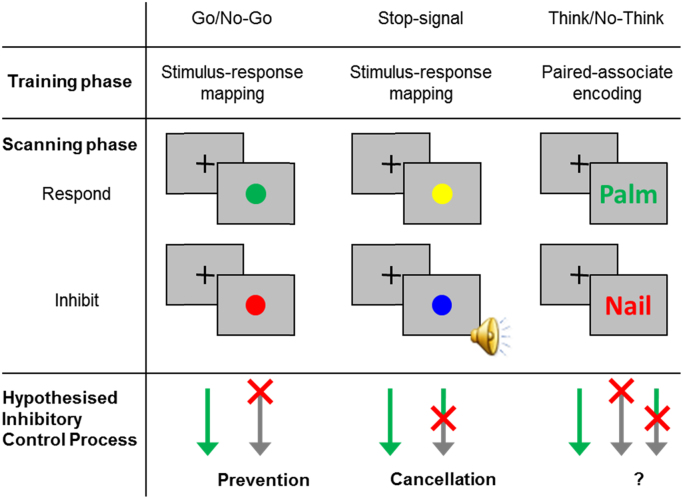
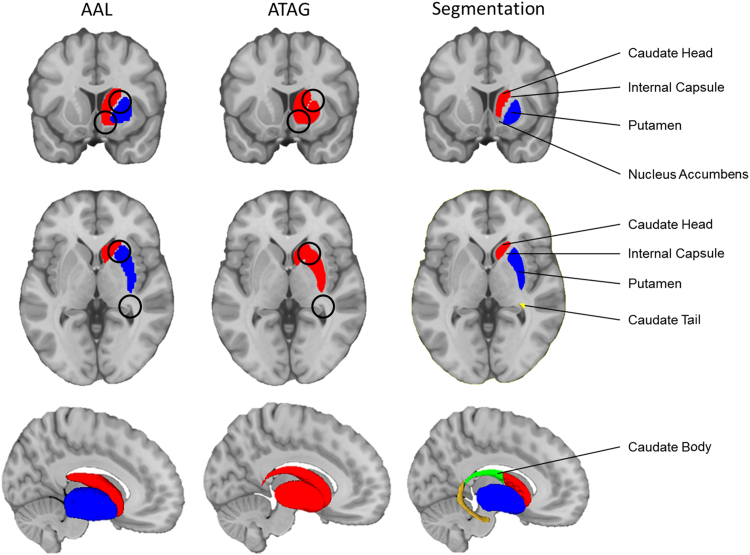
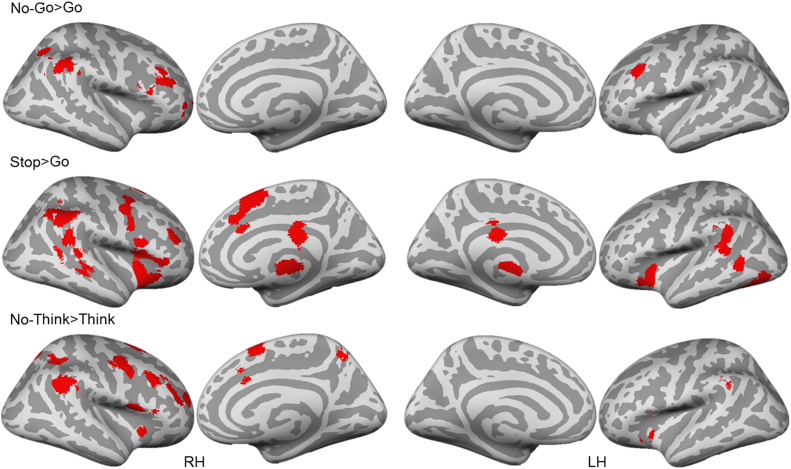
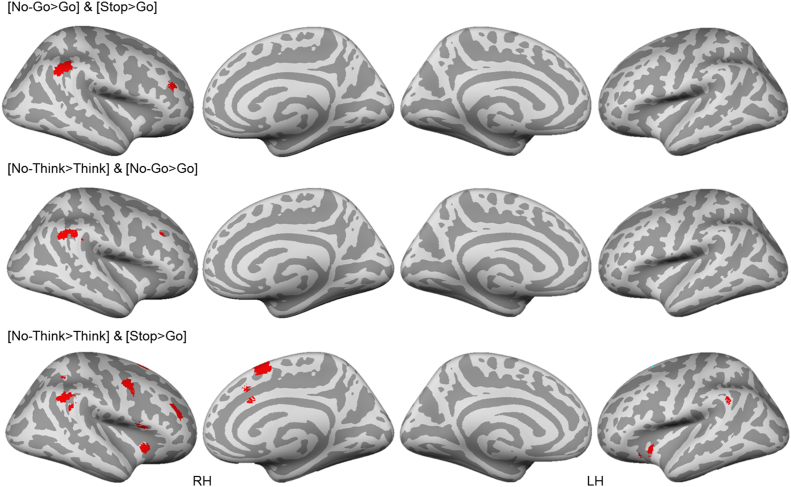
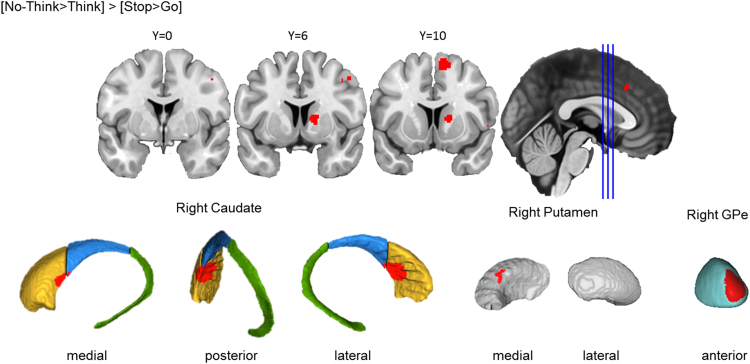
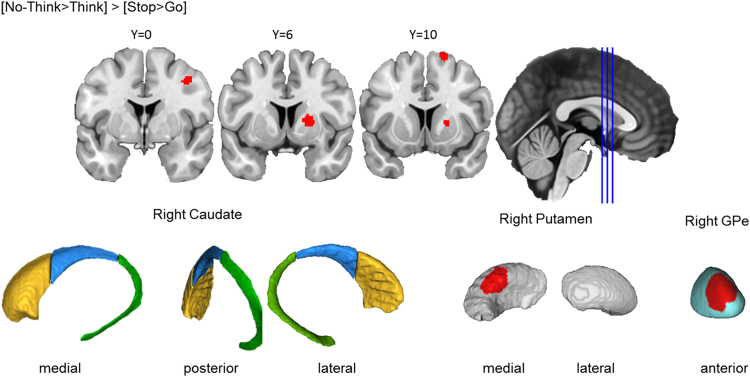
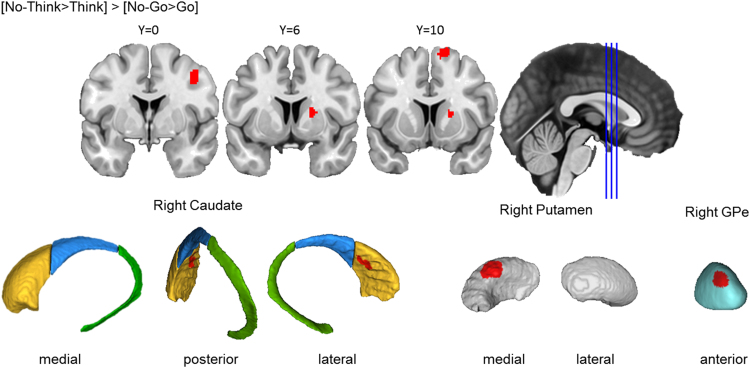
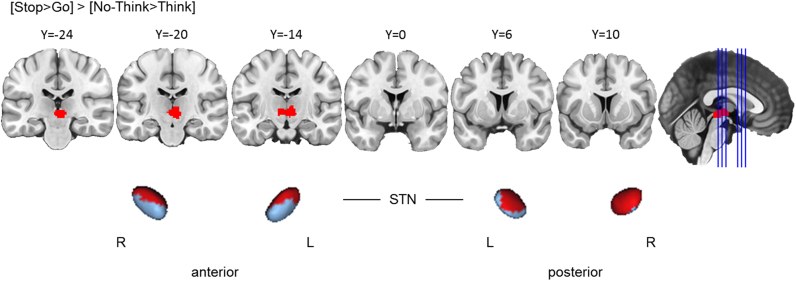
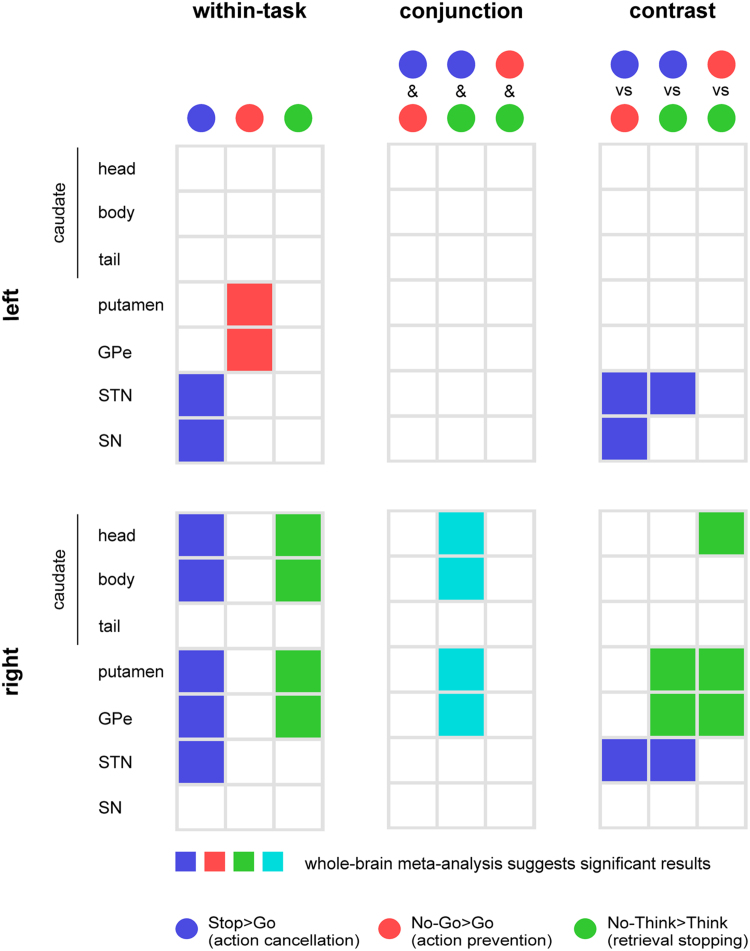
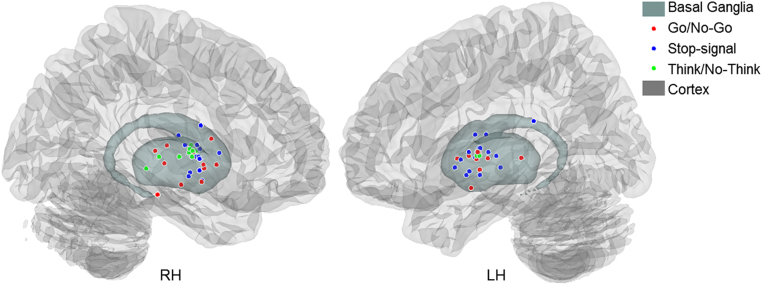
The ability to stop actions and thoughts is essential for goal-directed behaviour. Neuroimaging research has revealed that stopping actions and thoughts engage similar cortical mechanisms, including the ventro- and dorso-lateral prefrontal cortex. However, whether and how these abilities require similar subcortical mechanisms remains unexplored. Specifically of interest are the basal ganglia, subcortical structures long-known for their motor functions, but less so for their role in cognition. To investigate the potential common mechanisms in the basal ganglia underlying action and thought stopping, we conducted meta-analyses using fMRI data from the Go/No-Go, Stop-signal, and Think/No-Think tasks. All three tasks require active stopping of prepotent actions or thoughts. To localise basal ganglia activations, we performed high-resolution manual segmentations of striatal subregions. We found that all three tasks recovered clusters in the basal ganglia, although the specific localisation of these clusters differed. Although the Go/No-Go and Stop-signal tasks are often interchangeably used for measuring action stopping, their cluster locations in the basal ganglia did not significantly overlap. These different localised clusters suggest that the Go/No-Go and Stop-signal tasks may recruit distinct basal ganglia stopping processes, and therefore should not be treated equivalently. More importantly, the basal ganglia cluster recovered from the Think/No-Think task largely co-localised with that from the Stop-signal task, but not the Go/No-Go task, possibly indicating that the Think/No-Think and Stop-signal tasks share a common striatal circuitry involved in the cancellation of unwanted thoughts and actions. The greater similarity of the Think/No-Think task to the Stop-Signal rather than Go/No-Go task also was echoed at the cortical level, which revealed highly overlapping and largely right lateralized set of regions including the anterior DLPFC, VLPFC, Pre-SMA and ACC. Overall, we provide novel evidence suggesting not only that the basal ganglia are critical for thought stopping, but also that they are involved in specific stopping subprocesses that can be engaged by tasks in different domains. These findings raise the possibility that the basal ganglia may be part of a supramodal network responsible for stopping unwanted processes more broadly.
Overview
The claims and statistics of this paper haven’t been checked yet.
Run the check — free, no account needed. It reads the open-access text and checks the sources it cites.
Integrity signals
Registry
Cites
Statistics
Figures
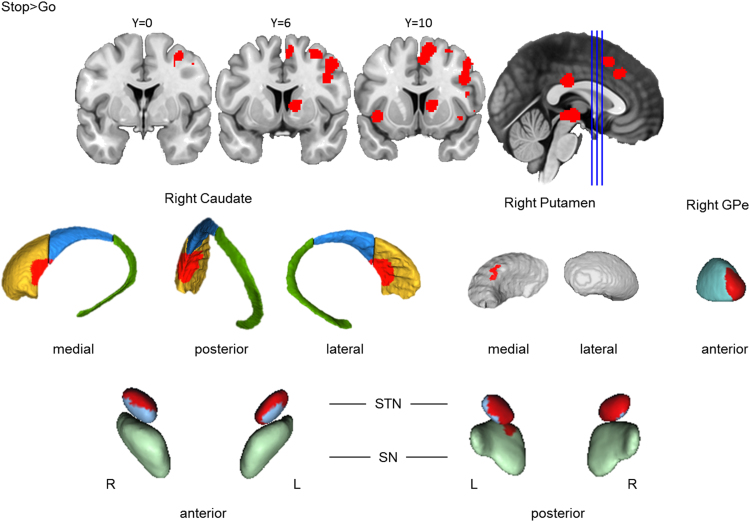
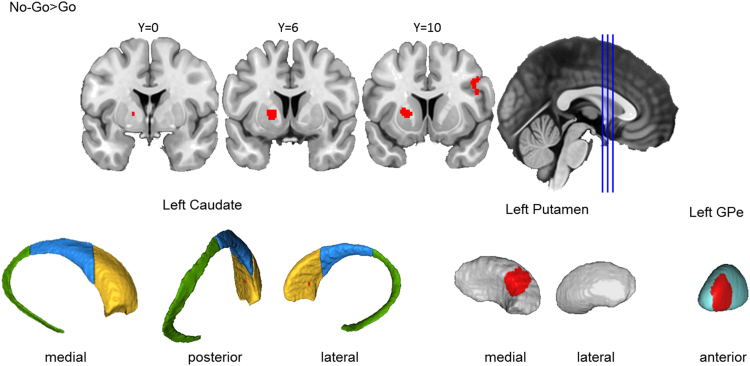
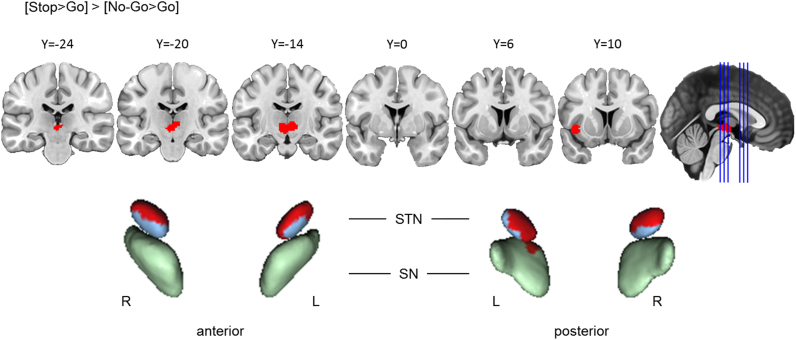
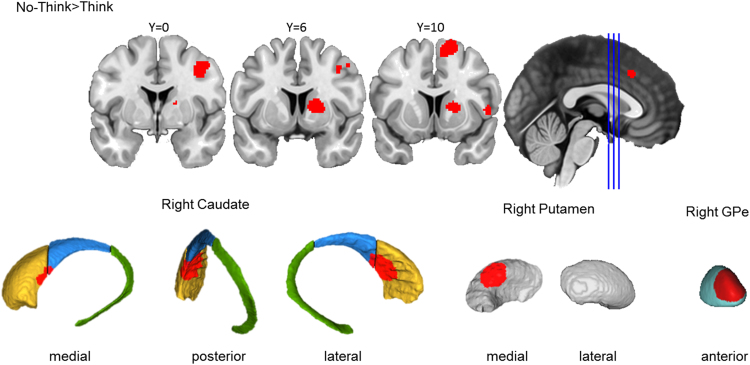
Verification
Claims the paper makes
The claims and statistics of this paper haven’t been checked yet.
Run the check — free, no account needed. It reads the open-access text and checks the sources it cites.
Claims other papers make about this one
Each is checked against this paper’s own text: does it say what the citing paper says it does?
The check wasn’t confident either way, so it gives no verdict — never disputed.
In the citing paper
“while reduced activity in the anterior cingulate cortex, hippocampus, and amygdala support their role in generating predictive errors (Guo et al., 2018; Heckers, 2001; Laurens et al., 2003).”
From Predictive coding in neuropsychiatric disorders: a systematic transdiagnostic review. (2025) · cites this paper as Guo et al., 2018
Experimental — accuracy not yet measured
Self-check
Percentages, sums and reported differences re-computed from the paper’s own numbers.
The self-check needs the paper’s full text.
Citations
Cites
Tzourio-Mazoyer, N., Landeau, B., Papathanassiou, D., Crivello, F., Etard, O., Delcroix, N., Mazoyer, B., & Joliot, M. (2002) · NeuroImage · doi:10.1006/nimg.2001.0978 · Cited by 16,319
Yushkevich, P. A., Piven, J., Hazlett, H. C., Smith, R. G., Ho, S., Gee, J. C., & Gerig, G. (2006) · NeuroImage · doi:10.1016/j.neuroimage.2006.01.015 · Cited by 8,868
Parallel organization of functionally segregated circuits linking basal ganglia and cortex
Alexander, G. E., DeLong, M. R., & Strick, P. L. (1986) · Annual Review of Neuroscience · doi:10.1146/annurev.ne.09.030186.002041 · Cited by 8,527
Functional architecture of basal ganglia circuits: neural substrates of parallel processing
Alexander, G. E., & Crutcher, M. D. (1990) · Trends in Neurosciences · doi:10.1016/0166-2236(90)90107-l · Cited by 4,131
The reward circuit: linking primate anatomy and human imaging
Haber, S. N., & Knutson, B. (2010) · Neuropsychopharmacology · doi:10.1038/npp.2009.129 · Cited by 3,718
Henry, M. A. (1995) · The Journal of the American Dental Association · doi:10.14219/jada.archive.1995.0108 · Cited by 3,454
Unbiased average age-appropriate atlases for pediatric studies
Fonov, V., Evans, A. C., Botteron, K., Almli, C. R., McKinstry, R. C., & Collins, D. L. (2011) · NeuroImage · doi:10.1016/j.neuroimage.2010.07.033 · Cited by 2,290
Unbiased nonlinear average age-appropriate brain templates from birth to adulthood
Fonov, V., Evans, A., McKinstry, R. C., Almli, C. R., & Collins, D. L. (2009) · NeuroImage · doi:10.1016/s1053-8119(09)70884-5 · Cited by 2,257
Inhibition and the right inferior frontal cortex: one decade on
Aron, A. R., Robbins, T. W., & Poldrack, R. A. (2014) · Trends in Cognitive Sciences · doi:10.1016/j.tics.2013.12.003 · Cited by 2,166
Nigg, J. T. (2000) · Psychological Bulletin · doi:10.1037/0033-2909.126.2.220 · Cited by 1,941 · cited 1×
“The Go/No-Go and Stop-signal tasks are often treated equivalently in the literature (Nigg, 2000; Zheng et al., 2008), although this might not be the case for reasons we will discuss shortly.”
Research works printed but not linked: 2
- Levitt, 2002, An MRI study of caudate nucleus and lateral ventricle volume in first episode schizophrenia and affective psychosis, Biol. Psychiatry, 51, 59S
- Rodriguez, 2003, Path analysis of cortical-subcortical interactions in category learning with fMRI, Soc. Neurosci. Abstr., 400, 28
Cited by
Sorted by citations
Active Forgetting: Adaptation of Memory by Prefrontal Control
Anderson, M. C., & Hulbert, J. C. (2021) · Annual Review of Psychology · doi:10.1146/annurev-psych-072720-094140 · Cited by 279
Self-citationMemory Control: A Fundamental Mechanism of Emotion Regulation
Engen, H. G., & Anderson, M. C. (2018) · Trends in Cognitive Sciences · doi:10.1016/j.tics.2018.07.015 · Cited by 216
Self-citationDifferences in unity: The go/no-go and stop signal tasks rely on different mechanisms
Raud, L., Westerhausen, R., Dooley, N., & Huster, R. J. (2020) · NeuroImage · doi:10.1016/j.neuroimage.2020.116582 · Cited by 199
Janiri, D., Moser, D. A., Doucet, G. E., Luber, M. J., Rasgon, A., Lee, W. H., Murrough, J. W., Sani, G., Eickhoff, S. B., & Frangou, S. (2020) · JAMA Psychiatry · doi:10.1001/jamapsychiatry.2019.3351 · Cited by 173
Towards real-world generalizability of a circuit for action-stopping
Hannah, R., & Aron, A. R. (2021) · Nature reviews. Neuroscience · doi:10.1038/s41583-021-00485-1 · Cited by 139
Castiglione, A., Wagner, J., Anderson, M. C., & Aron, A. R. (2019) · Cerebral Cortex · doi:10.1093/cercor/bhz017 · Cited by 133
Self-citationApšvalka, D., Ferreira, C. S., Schmitz, T. W., Rowe, J. B., & Anderson, M. C. (2022) · Nature Communications · doi:10.1038/s41467-021-27926-w · Cited by 121
Self-citationRubia, K., Criaud, M., Wulff, M., Alegria, A., Brinson, H., Barker, G., Stahl, D., & Giampietro, V. (2019) · NeuroImage · doi:10.1016/j.neuroimage.2018.11.055 · Cited by 111
Anderson, M. C., & Floresco, S. B. (2022) · Neuropsychopharmacology · doi:10.1038/s41386-021-01131-1 · Cited by 105
Self-citationNeural Mechanisms of Domain-general Inhibitory Control
Wessel, J. R., & Anderson, M. C. (2023) · Trends in Cognitive Sciences · doi:10.1016/j.tics.2023.09.008 · Cited by 117
Self-citationRodríguez-Nieto, G., Seer, C., Sidlauskaite, J., Vleugels, L., Van Roy, A., Hardwick, R., & Swinnen, S. (2022) · NeuroImage · doi:10.1016/j.neuroimage.2022.119665 · Cited by 89
Hulbert, J. C., & Anderson, M. C. (2018) · Journal of Experimental Psychology General · doi:10.1037/xge0000461 · Cited by 92
Self-citationDugre, J. R., Raduà, J., Carignan-Allard, M., Dumais, A., Rubia, K., & Potvin, S. (2020) · Neuroscience & Biobehavioral Reviews · doi:10.1016/j.neubiorev.2020.09.013 · Cited by 75
Are metaphors embodied? The neural evidence
Desai, R. H. (2021) · Psychological Research · doi:10.1007/s00426-021-01604-4 · Cited by 71
Losing Control: Sleep Deprivation Impairs the Suppression of Unwanted Thoughts
Harrington, M. O., Ashton, J. E., Sankarasubramanian, S., Anderson, M. C., & Cairney, S. A. (2020) · Clinical Psychological Science · doi:10.1177/2167702620951511 · Cited by 71
Self-citationHirjak, D., Meyer-Lindenberg, A., Fritze, S., Sambataro, F., Kubera, K. M., & Wolf, R. C. (2018) · Neuroscience & Biobehavioral Reviews · doi:10.1016/j.neubiorev.2018.09.009 · Cited by 60
Anterior Cingulate Cortex Signals the Need to Control Intrusive Thoughts during Motivated Forgetting
Crespo‐García, M., Wang, Y., Jiang, M., Anderson, M. C., & Lei, X. (2022) · Journal of Neuroscience · doi:10.1523/jneurosci.1711-21.2022 · Cited by 52
Self-citationSubregional prefrontal cortex recruitment as a function of inhibitory demand: an fMRI metanalysis
Gavazzi, G., Giovannelli, F., Noferini, C., Cincotta, M., Cavaliere, C., Salvatore, M., Mascalchi, M., & Viggiano, M. P. (2023) · Neuroscience & Biobehavioral Reviews · doi:10.1016/j.neubiorev.2023.105285 · Cited by 51
Isherwood, S. J., Keuken, M. C., Bazin, P., & Forstmann, B. U. (2021) · Neuroscience & Biobehavioral Reviews · doi:10.1016/j.neubiorev.2021.07.021 · Cited by 53
Obsessive compulsive disorder and response inhibition: Meta-analysis of the stop-signal task.
Mar, K. D., Townes, P., Pechlivanoglou, P., Arnold, P. D., & Schachar, R. J. (2021) · Journal of Psychopathology and Clinical Science · doi:10.1037/abn0000732 · Cited by 58
Neural correlates of impulsivity in bipolar disorder: A systematic review and clinical implications
Chan, C. C., Alter, S., Hazlett, E. A., Shafritz, K. M., Yehuda, R., Goodman, M. S., Haznedar, M. M., & Szeszko, P. R. (2023) · Neuroscience & Biobehavioral Reviews · doi:10.1016/j.neubiorev.2023.105109 · Cited by 46
Brain mechanisms underlying the inhibitory control of thought
Anderson, M. C., Crespo‐García, M., & Subbulakshmi, S. (2025) · Nature reviews. Neuroscience · doi:10.1038/s41583-025-00929-y · Cited by 52
Self-citationEverything you ever wanted to know about the Think/No-Think task, but forgot to ask
Nardo, D., & Anderson, M. C. (2024) · Behavior Research Methods · doi:10.3758/s13428-024-02349-9 · Cited by 39
Self-citationMeta‐analytic evidence for a joint neural mechanism underlying response inhibition and state anger
Puiu, A. A., Wudarczyk, O. A., Kohls, G., Bzdok, D., Herpertz‐Dahlmann, B., & Konrad, K. (2020) · Human Brain Mapping · doi:10.1002/hbm.25004 · Cited by 41
Leisman, G., & Melillo, R. J. (2022) · Frontiers in Neuroanatomy · doi:10.3389/fnana.2022.936025 · Cited by 41
Amplified engagement of prefrontal cortex during control of voluntary action in Tourette syndrome
Rae, C. L., Parkinson, J., Betka, S., Praag, C. D. G., Bouyagoub, S., Polyanska, L., Larsson, D. E. O., Harrison, N. A., Garfinkel, S. N., & Critchley, H. (2020) · Brain Communications · doi:10.1093/braincomms/fcaa199 · Cited by 38
Brain organoids: building higher-order complexity and neural circuitry models
Maisumu, G., Willerth, S. M., Nestor, M. W., Waldau, B., Schülke, S., Nardi, F. V., Ahmed, O., Zhou, Y., Durens, M., Liang, B., et al. (2025) · Trends in biotechnology · doi:10.1016/j.tibtech.2025.02.009 · Cited by 40
Control of response interference: caudate nucleus contributes to selective inhibition
Schmidt, C. C., Timpert, D. C., Arend, I. C., Vossel, S., Fink, G. R., Henik, A., & Weiss, P. H. (2020) · Scientific Reports · doi:10.1038/s41598-020-77744-1 · Cited by 37
Zhuang, L., Wang, J., Xiong, B., Bian, C., Lei, H. C., Bayley, P. J., & Qin, S. (2021) · Nature Human Behaviour · doi:10.1038/s41562-021-01188-4 · Cited by 38
Cheng, S. Y., Qiu, X., Li, S., Mo, L., Xu, F., & Zhang, D. (2022) · Frontiers in Human Neuroscience · doi:10.3389/fnhum.2022.928077 · Cited by 33
Liu, W., Peeters, N., Fernández, G., & Kohn, N. (2020) · Social Cognitive and Affective Neuroscience · doi:10.1093/scan/nsaa073 · Cited by 35
Sundby, K. K., Jana, S., & Aron, A. R. (2020) · Journal of Neurophysiology · doi:10.1152/jn.00459.2020 · Cited by 32
Speidell, A. P., Abid, N. B., & Yano, H. (2023) · Biomedicines · doi:10.3390/biomedicines11082275 · Cited by 33
Wang, C., Wang, Y., Lau, W. K. W., Wei, X., Feng, X., Zhang, C., Liu, Y., Huang, R., & Zhang, R. (2021) · Depression and Anxiety · doi:10.1002/da.23195 · Cited by 31
Shi, J., Wang, J., Lang, J., Zhang, Z., Bi, Y., Liu, R., Jiang, S., & Hou, L. (2020) · Biology of Sport · doi:10.5114/biolsport.2020.96855 · Cited by 31
Inhibition as a Cause of Forgetting
Marsh, L. C., & Anderson, M. C. (2024) · Oxford University Press eBooks · doi:10.1093/oxfordhb/9780190917982.013.41 · Cited by 28
Self-citationSubcortical Shape Abnormalities in Bulimia Nervosa
Berner, L. A., Wang, Z., Stefan, M., Lee, S., Huo, Z., Cyr, M., & Marsh, R. (2019) · Biological Psychiatry Cognitive Neuroscience and Neuroimaging · doi:10.1016/j.bpsc.2018.12.011 · Cited by 25
Predictive coding in neuropsychiatric disorders: a systematic transdiagnostic review.
Qela, B., Damiani, S., De Santis, S., Groppi, F., Pichiecchio, A., Asteggiano, C., Brondino, N., Monteleone, A. M., Grassi, L., Politi, P., et al. (2025) · Neuroscience & Biobehavioral Reviews · doi:10.1016/j.neubiorev.2025.106020 · Cited by 26
“…to impulsivity and inflexibility (Dalley et al., 2008; Sakagami and Pan, 2007; Trempler et al., 2017), while reduced activity in the anterior cingulate cortex, hippocampus, and amygdala support their role in generating predictive errors (Guo et al., 2018; Heckers, 2001; Laurens et al., 2003).”
Lam, S.-L., Criaud, M., Alegría, A. A., Barker, G. J., Giampietro, V., & Rubia, K. (2020) · NeuroImage Clinical · doi:10.1016/j.nicl.2020.102291 · Cited by 26
Janiri, D., Moser, D. A., Doucet, G. E., Luber, M. J., Rasgon, A., Lee, W. H., Murrough, J. W., Sani, G., Eickhoff, S. B., & Frangou, S. (2021) · FOCUS The Journal of Lifelong Learning in Psychiatry · doi:10.1176/appi.focus.19206 · Cited by 28
Madsen, K. S., Johansen, L. B., Thompson, W. K., Siebner, H. R., Jernigan, T. L., & Baaré, W. F. C. (2020) · NeuroImage · doi:10.1016/j.neuroimage.2020.117105 · Cited by 23
The Role of Conjunctive Representations in Stopping Actions
Kikumoto, A., Sameshima, T., & Mayr, U. (2022) · Psychological Science · doi:10.1177/09567976211034505 · Cited by 28
Sacheli, L. M., Tomasetig, G., Musco, M. A., Pizzi, S., Bottini, G., Pizzamiglio, L., & Paulesu, E. (2022) · Neuroscience & Biobehavioral Reviews · doi:10.1016/j.neubiorev.2022.104768 · Cited by 26
Suppression-induced forgetting diminishes following a delay of either sleep or wake
Davidson, P., Hellerstedt, R., Jönsson, P., & Johansson, M. (2019) · Journal of Cognitive Psychology · doi:10.1080/20445911.2019.1705311 · Cited by 20
Roye, S., Castagna, P. J., Calamia, M. R., Vito, A. N. D., Lee, T., & Greening, S. G. (2020) · Neuropsychologia · doi:10.1016/j.neuropsychologia.2020.107418 · Cited by 21
Electrophysiological evidence of an attentional bias in crossmodal inhibition of return
Pierce, A. M., McDonald, J. J., & Green, J. J. (2018) · Neuropsychologia · doi:10.1016/j.neuropsychologia.2018.04.007 · Cited by 18
Zhang, R., Yang, X., Yang, R., Xu, Z., Sui, N., & Gao, X. (2020) · Appetite · doi:10.1016/j.appet.2020.104660 · Cited by 21
Wang, X., Blain, S. D., Wei, D., Yang, W., Yang, J., Zhuang, K., He, L., DeYoung, C. G., & Qiu, J. (2020) · Brain and Cognition · doi:10.1016/j.bandc.2020.105631 · Cited by 17
Unwanted Memory Intrusions Recruit Broad Motor Suppression
Castiglione, A., & Aron, A. R. (2020) · Journal of Cognitive Neuroscience · doi:10.1162/jocn_a_01642 · Cited by 17
Yan, Y., Hulbert, J. C., Zhuang, K., Liu, W., Wei, D., Qiu, J., Anderson, M. C., & Yang, W. (2022) · Cerebral Cortex · doi:10.1093/cercor/bhac336 · Cited by 16
Self-citationCultural Differences in Inhibitory Control: An ALE Meta-Analysis
Gavazzi, G., Noferini, C., Benedetti, V., Cotugno, M., Giovannelli, F., Caldara, R., Mascalchi, M., & Viggiano, M. P. (2023) · Brain Sciences · doi:10.3390/brainsci13060907 · Cited by 17
Neuropsychological Functioning in Primary Dystonia: Updated and Expanded Multidomain Meta‐Analysis
Aita, S. L., Bene, V. A. D., Marotta, D. A., Pizer, J. H., Hawley, N. A., Niccolai, L. M., Walker, H. C., Gerstenecker, A. T., Martin, R. C., Clay, O. J., et al. (2022) · Movement Disorders · doi:10.1002/mds.29022 · Cited by 15
Plasticity of human resilience mechanisms
Leone, G., Casanave, H., Postel, C., Fraisse, F., Vallée, T., Sayette, V. D. L., Dayan, J., Peschanski, D., Eustache, F., & Gagnepain, P. (2025) · Science Advances · doi:10.1126/sciadv.adq8336 · Cited by 17
Schroeter, M. L., Eickhoff, S. B., & Engel, A. (2020) · Cortex · doi:10.1016/j.cortex.2020.03.010 · Cited by 12
Probing the neural dynamics of mnemonic representations after the initial consolidation
Liu, W., Kohn, N., & Fernández, G. (2020) · NeuroImage · doi:10.1016/j.neuroimage.2020.117213 · Cited by 16
The cingulate oculomotor cortex
Ruehl, R. M., Ophey, L., Ertl, M., & zu Eulenburg, P. (2021) · Cortex · doi:10.1016/j.cortex.2021.02.017 · Cited by 14
The influence of mental fatigue on the face and word encoding activations
Batouli, S. A. H., Alemi, R., Delshad, H. K., & Oghabian, M. A. (2019) · Clinical Neurology and Neurosurgery · doi:10.1016/j.clineuro.2019.105626 · Cited by 15
The human subthalamic nucleus transiently inhibits active attentional processes
Soh, C., Hervault, M., Chalkley, N. H., Moore, C. M., Rohl, A., Zhang, Q., Uc, E. Y., Greenlee, J. D. W., & Wessel, J. R. (2024) · Brain · doi:10.1093/brain/awae068 · Cited by 13
Thought control in daily working life: How the ability to stop thoughts protects self‐esteem
Göbel, K., & Niessen, C. (2021) · Applied Cognitive Psychology · doi:10.1002/acp.3830 · Cited by 11
Elevated representational similarity of voluntary action and inhibition in Tourette syndrome
Rae, C. L., Raykov, P., Ambridge, E. M., Colling, L. J., van Praag, C. G., Bouyagoub, S., Polanski, L., Larsson, D. E. O., & Critchley, H. (2023) · Brain Communications · doi:10.1093/braincomms/fcad224 · Cited by 10
Caudate Functional Connectivity Associated With Weight Change in Adolescents
Nakamura, Y., Ozawa, S., & Koike, S. (2020) · Frontiers in Human Neuroscience · doi:10.3389/fnhum.2020.587763 · Cited by 11
Standke, I., Trempler, I., Dannlowski, U., Schubotz, R. I., & Lencer, R. (2021) · NeuroImage: Clinical · doi:10.1016/j.nicl.2021.102855 · Cited by 11
Attentional capture mediates the emergence and suppression of intrusive memories
Legrand, N., Etard, O., Viader, F., Clochon, P., Doidy, F., Eustache, F., & Gagnepain, P. (2022) · iScience · doi:10.1016/j.isci.2022.105516 · Cited by 14
Hunt, K. J., Knight, L. K., & Depue, B. E. (2023) · BMC Neuroscience · doi:10.1186/s12868-023-00812-5 · Cited by 12
Cortical and subcortical contributions to non-motor inhibitory control: an fMRI study
Pan, X., & Wang, Z. (2023) · Cerebral Cortex · doi:10.1093/cercor/bhad336 · Cited by 12
Seo, J., Lee, J., & Min, B. (2024) · NeuroImage · doi:10.1016/j.neuroimage.2024.120612 · Cited by 10
Souter, N. E., de Freitas, A., Zhang, M., Shao, X., Alam, T. R. G., Engen, H. G., Smallwood, J., Krieger‐Redwood, K., & Jefferies, E. (2024) · Human Brain Mapping · doi:10.1002/hbm.26703 · Cited by 10
Neural correlates and plasticity of explicit emotion regulation following the experience of trauma
Konrad, A. C., Miu, A. C., Trautmann, S., & Kanske, P. (2025) · Frontiers in Behavioral Neuroscience · doi:10.3389/fnbeh.2025.1523035 · Cited by 10
Boerwinkle, V. L., Manjón, I., Sussman, B. L., McGary, A. K., Mirea, L., Gillette, K. D., Broman-Fulks, J., Cediel, E. G., Arhin, M., Hunter, S. E., et al. (2023) · Pediatric Neurology · doi:10.1016/j.pediatrneurol.2023.12.003 · Cited by 10
Bundt, C., & Huster, R. J. (2024) · Neuropsychologia · doi:10.1016/j.neuropsychologia.2024.108799 · Cited by 9
Non-linear Functional Brain Co-activations in Short-Term Memory Distortion Tasks
Ceglarek, A., Ochab, J. K., Cifré, I., Fąfrowicz, M., Sikora-Wachowicz, B., Lewandowska, K., Bohaterewicz, B., Marek, T., & Chialvo, D. R. (2021) · Frontiers in Neuroscience · doi:10.3389/fnins.2021.778242 · Cited by 10
Palmer, L. R. J., Sumanapala, D. K., Mareschal, D., Dumontheil, I., & the UnLocke Team (2025) · Journal of Cognitive Neuroscience · doi:10.1162/jocn_a_02303 · Cited by 10
Opening new vistas on obsessive-compulsive disorder with the observing response task
Pickenhan, L., & Milton, A. L. (2024) · Cognitive Affective & Behavioral Neuroscience · doi:10.3758/s13415-023-01153-w · Cited by 10
Morris, A., Ravishankar, M., Pivetta, L., Chowdury, A., Falco, D., Damoiseaux, J. S., Rosenberg, D. R., Bressler, S. L., & Diwadkar, V. A. (2018) · Brain Topography · doi:10.1007/s10548-018-0664-5 · Cited by 8
Suppression-induced forgetting of motor sequences
Schmidt, M., Anderson, M. C., & Tempel, T. (2022) · Cognition · doi:10.1016/j.cognition.2022.105292 · Cited by 10
Self-citationLosing control: sleep deprivation impairs the suppression of unwanted thoughts
Harrington, M. O., Ashton, J. E., Sankarasubramanian, S., Anderson, M. C., & Cairney, S. A. (2019) · Sleep Medicine · doi:10.1101/813121 · Cited by 7
Self-citationLiu, W., Kohn, N., & Fernández, G. (2021) · Journal of Cognitive Neuroscience · doi:10.1162/jocn_a_01779 · Cited by 7
Right inferior frontal cortex and preSMA in response inhibition: An investigation based on PTC model
Wu, L., Jiang, M., Zhao, M., Hu, X., Wang, J., Zhang, K., Jia, K., Ren, F., & Gao, F. (2025) · NeuroImage · doi:10.1016/j.neuroimage.2025.121004 · Cited by 5
Prefrontally mediated inhibition of memory systems in dissociative amnesia
Marsh, L. C., Apšvalka, D., Kikuchi, H., Abe, N., Kawaguchi, J., Kopelman, M. D., & Anderson, M. C. (2024) · Psychological Medicine · doi:10.1017/s0033291724003040 · Cited by 6
Self-citationBounoua, N., Stumps, A. D., Church, L. D., Spielberg, J. M., & Sadeh, N. (2025) · Human Brain Mapping · doi:10.1002/hbm.70137 · Cited by 12
Palmer, L. R. J., Mareschal, D., & Dumontheil, I. (2025) · Neuropsychologia · doi:10.1016/j.neuropsychologia.2025.109166 · Cited by 6
Lin, L., Chen, Y., Fan, Z., Xiong, W., Wang, X., Ji, H., Li, J., & Zhuang, J. (2025) · Human Brain Mapping · doi:10.1002/hbm.70235 · Cited by 5
Electroencephalographic Correlates of Obsessive-Compulsive Disorder
de Souza, A. M. F. L. P. (2021) · Current topics in behavioral neurosciences · doi:10.1007/7854_2020_200 · Cited by 7
Mattioni, L., Spada, M. M., Ferri, F., & Sestieri, C. (2023) · Scientific Reports · doi:10.1038/s41598-023-46713-9 · Cited by 6
The Effects of Multilingualism on Brain Structure, Language Control and Language Processing
Yee, J., DeLuca, V., & Pliatsikas, C. (2023) · Cambridge University Press eBooks · doi:10.1017/9781108957823.023 · Cited by 5
Control of memory retrieval alters memory-based eye movements.
Kulkarni, M., Nickel, A. E., Minor, G. N., & Hannula, D. E. (2023) · Journal of Experimental Psychology Learning Memory and Cognition · doi:10.1037/xlm0001321 · Cited by 4
Dovrolis, N., Nikou, M., Gkrouzoudi, A., Dimitriadis, N., & Maroulakou, I. G. (2022) · Biomolecules · doi:10.3390/biom12020263 · Cited by 4
The Role of Conjunctive Representations in Regulating ActionsPreprint
Kikumoto, A., & Mayr, U. (2020) · bioRxiv (Cold Spring Harbor Laboratory) · doi:10.1101/2020.04.30.070227 · Cited by 3
Liu, W., Kohn, N., & Fernández, G. (2020) · bioRxiv (Cold Spring Harbor Laboratory) · doi:10.1101/2020.07.04.188235 · Cited by 4
Sebastian, A., Forstmann, B. U., & Matzke, D. (2025) · Imaging Neuroscience · doi:10.1162/imag_a_00454 · Cited by 3
Lin, L., Sun, J., Xiong, W., Zhao, J., Chen, Y., Li, M., Li, X., Jiao, R., Zhou, Z., Ji, H., et al. (2025) · NeuroImage · doi:10.1016/j.neuroimage.2025.121646 · Cited by 3
Common brain areas in spatial navigation and visuo-spatial planning: A meta-analysis
Pepe, S., von Gal, A., Fabiani, G., & Piccardi, L. (2025) · Neuroscience & Biobehavioral Reviews · doi:10.1016/j.neubiorev.2025.106295 · Cited by 6
Liu, J., Kanno, S., Iseki, C., Kawakami, N., Kakinuma, K., Katsuse, K., Matsubara, S., Ota, S., Endo, K., Takanami, K., et al. (2025) · Fluids and Barriers of the CNS · doi:10.1186/s12987-025-00718-w · Cited by 3
TRANSFERABLE INHIBITION OF DIRECT SUPPRESSION: EVIDENCE FROM A DOT-PROBE TASK
Nishiyama, S., & Saito, S. (2021) · PSYCHOLOGIA · doi:10.2117/psysoc.2020-a112 · Cited by 3
Liu, W., Peeters, N., Fernández, G., & Kohn, N. (2019) · bioRxiv (Cold Spring Harbor Laboratory) · doi:10.1101/708552 · Cited by 4
Brain Mechanisms Underlying the Inhibitory Control of ThoughtPreprint
Anderson, M. C., Crespo‐García, M., & Subbulakshmi, S. (2024) · doi:10.31234/osf.io/4wcnb · Cited by 3
Self-citationVitkova, V., Ristori, D., Cheron, G. A., Bazan, A., & Cebolla, A. M. (2024) · Scientific Reports · doi:10.1038/s41598-024-60378-y · Cited by 2
Barakat, N., Brunelin, J., Cailhol, L., Saint-Amant, A., Paoletti, L. M., Poulet, E., Neige, C., & Vallet, W. (2025) · Psychological Medicine · doi:10.1017/s0033291725102195 · Cited by 2
Hierarchical neurocognitive model of externalizing and internalizing comorbidity
Xie, C., Xiang, S., Zheng, Y., Shen, C., Li, Y., Cheng, W., Vaidya, N., Zhang, Z., Robinson, L., Winterer, J. M., et al. (2026) · Nature Mental Health · doi:10.1038/s44220-025-00577-2 · Cited by 2
Kwag, E., & Zijlstra, W. (2026) · Scientific Reports · doi:10.1038/s41598-026-44189-x · Cited by 2
Metadata
- Authors
- Guo, Y., Schmitz, T. W., Mur, M., Ferreira, C. S., & Anderson, M. C.
- Affiliations
- MRC Cognition and Brain Sciences Unit (GB)
- University of Birmingham (GB)
- Corresponding author
- Guo, Yuhua
- Venue
- Neuropsychologia
- Publisher
- Elsevier BV
- Published
- 2018-01
- Volume
- 108
- Pages
- 117-134
- ISSN
- 0028-3932 (ISSN-L)
- PMC
- PMC5759998
- OpenAlex
- W2774718880
- Cited by
- 133
- References
- 79
- Citations by year
- 2026: 9 · 2025: 24 · 2024: 17 · 2023: 12 · 2022: 15 · 2021: 16 · 2020: 24 · 2019: 8 · 2018: 7
- FWCI
- 1.19
- Type
- journal article
- Language
- en
- Open access
- hybrid
- doi.org
- Locations
- Neuropsychologia (publishedVersion, cc-by)
- Europe PMC (PubMed Central) (publishedVersion, cc-by)
- PubMed Central (publishedVersion, cc-by)
- PubMed (publishedVersion)
- Scholarship@Western (Western University) (publishedVersion, cc-by)
- Scholarship@Western (Western University) (submittedVersion, cc-by)
- University of Birmingham Research Portal (University of Birmingham) (submittedVersion, cc-by)
- Funders
- UK Medical Research Council (MC-A060-5PR00)
- Topics
- Life Sciences › Neuroscience › Cognitive Neuroscience › Neural and Behavioral Psychology Studies
- Life Sciences › Neuroscience › Cellular and Molecular Neuroscience › Neurotransmitter Receptor Influence on Behavior
- Health Sciences › Medicine › Clinical Neurology › Deep Brain Stimulation and Movement Disorders
- Keywords
- basal ganglia, action stopping, thought stopping, motor inhibition, go/no-go task, stop-signal task, Think/No-Think task, striatal subregions, prefrontal cortex, ventrolateral prefrontal cortex, anterior cingulate cortex, supplementary motor area, intrusive thoughts
- MeSH terms
- Basal Ganglia, Humans, Inhibition, Psychological, Magnetic Resonance Imaging, Memory, Motor Activity, Psychomotor Performance, Executive Function
About these checks
Registry, retraction, Cites and statistics results are computed, not judged, with one exception: a printed reference that no index lists is read once by a model before it counts as a citation error. Claims are extracted by a model and kept only when their quote appears verbatim in the text; each cited source is then checked, with a model’s help, for whether it says what the claim relies on. Those verdicts can be wrong — read the claim’s quote and the cited source before relying on one.
Statistics and arithmetic are recomputed, not judged.
Confidence bands are shown only for fields calibrated on our annotated test set. None is calibrated yet, so no band is shown.
What counts as a claim ›How we measure confidence ›How we check this ›
Are you an author, or do you see a problem with this page? Request a review
