

Intraneuronal Aβ42 Accumulation in Human Brain
Open accessThe DOI matches its Crossref record; 29 of the 29 references it cites were found in a registry or an index.
Abstract
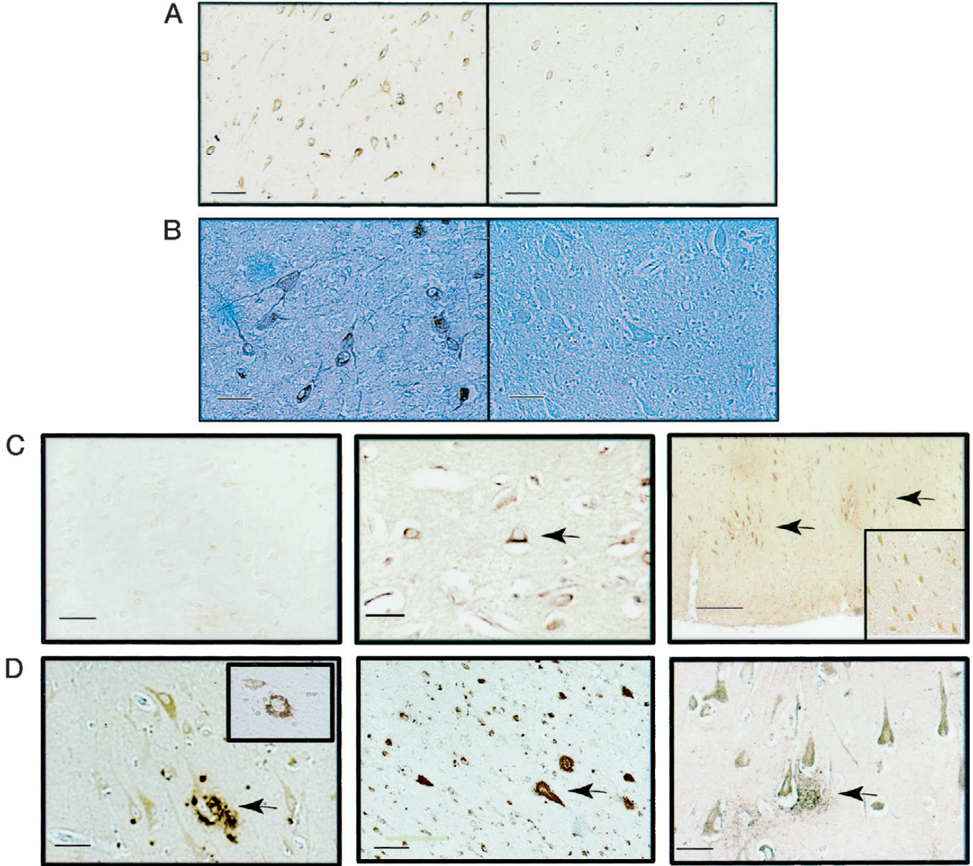
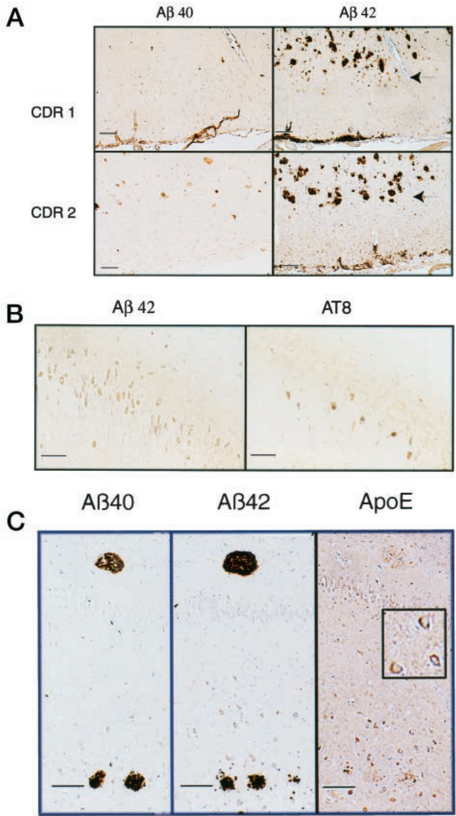
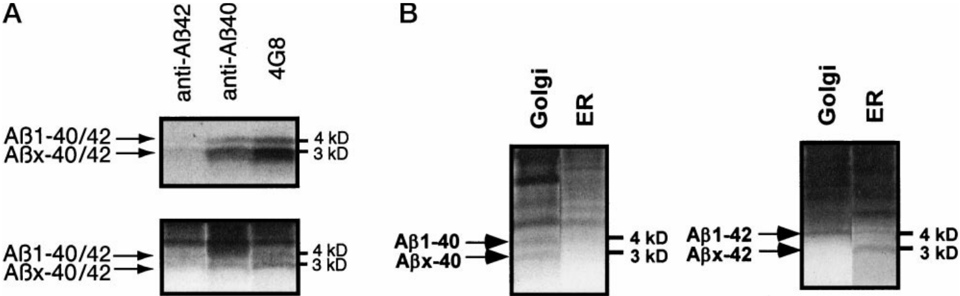
Alzheimer's disease (AD) is characterized by the deposition of senile plaques (SPs) and neurofibrillary tangles (NFTs) in vulnerable brain regions. SPs are composed of aggregated beta-amyloid (Abeta) 40/42(43) peptides. Evidence implicates a central role for Abeta in the pathophysiology of AD. Mutations in betaAPP and presenilin 1 (PS1) lead to elevated secretion of Abeta, especially the more amyloidogenic Abeta42. Immunohistochemical studies have also emphasized the importance of Abeta42 in initiating plaque pathology. Cell biological studies have demonstrated that Abeta is generated intracellularly. Recently, endogenous Abeta42 staining was demonstrated within cultured neurons by confocal immunofluorescence microscopy and within neurons of PS1 mutant transgenic mice. A central question about the role of Abeta in disease concerns whether extracellular Abeta deposition or intracellular Abeta accumulation initiates the disease process. Here we report that human neurons in AD-vulnerable brain regions specifically accumulate gamma-cleaved Abeta42 and suggest that this intraneuronal Abeta42 immunoreactivity appears to precede both NFT and Abeta plaque deposition. This study suggests that intracellular Abeta42 accumulation is an early event in neuronal dysfunction and that preventing intraneuronal Abeta42 aggregation may be an important therapeutic direction for the treatment of AD.
Overview
The claims and statistics of this paper haven’t been checked yet.
Free: it reads the open-access text and checks the first 5 claims that cite a source we can check. Create a free account to check every claim.
Integrity signals
Registry
Cites
Statistics
Figures
Verification
Claims the paper makes
The claims and statistics of this paper haven’t been checked yet.
Free: it reads the open-access text and checks the first 5 claims that cite a source we can check. Create a free account to check every claim.
Claims other papers make about this one
Each is checked against this paper’s own text: does it say what the citing paper says it does?
The source backs part of the claim, not all of it — or backs it for a different population, condition or comparison.
In the citing paper
“Additionally, it has been shown that intraneuronal Aβ accumulation in specific AD-vulnerable neurons precedes the formation of extracellular Aβ plaques both in AD patients [41, 78] and mouse models [22, 87, 110].”
From Senescence-related impairment of autophagy induces toxic intraneuronal amyloid-β accumulation in a mouse model of amyloid pathology (2023) · cites this paper as [41]
Experimental — accuracy not yet measuredThe source backs part of the claim, not all of it — or backs it for a different population, condition or comparison.
In the citing paper
“Two publications appeared in January 2000 on the intraneuronal accumulation of particularly Aβ42 by light microscopy within neurons of human brain.”
From Intraneuronal β-amyloid accumulation and synapse pathology in Alzheimer’s disease (2010) · cites this paper as [60]
Experimental — accuracy not yet measuredThe source backs part of the claim, not all of it — or backs it for a different population, condition or comparison.
In the citing paper
“N-terminal Aβ1-x/βCTF-specific antibodies also fail to label N-truncated Aβ42 peptides that appear to be particularly important in AD [60, 98, 157, 158, 206].”
From Intraneuronal β-amyloid accumulation and synapse pathology in Alzheimer’s disease (2010) · cites this paper as [60]
Experimental — accuracy not yet measuredThe source backs part of the claim, not all of it — or backs it for a different population, condition or comparison.
In the citing paper
“Specifically, immuno-histochemical data support that neuron cell bodies with early intraneuronal Aβ42 accumulation are those that go on to develop NFTs [60, 140], while their terminal fields are sites of early plaque pathology.”
From Intraneuronal β-amyloid accumulation and synapse pathology in Alzheimer’s disease (2010) · cites this paper as [60]
Experimental — accuracy not yet measuredThe source backs part of the claim, not all of it — or backs it for a different population, condition or comparison.
In the citing paper
“This aligns with work from multiple laboratories showing that plaque formation depends on neuronal Aβ [45–48]”
From Selective suppression of oligodendrocyte-derived amyloid beta rescues neuronal dysfunction in Alzheimer’s disease (2024) · cites this paper as [48]
Experimental — accuracy not yet measured
13 more claims about this paper
Create a free account to see every claim other papers make about this one.
Self-check
Percentages, sums and reported differences re-computed from the paper’s own numbers.
The self-check needs the paper’s full text.
Citations
Cites
Iwatsubo, T., Odaka, A., Suzuki, N., Mizusawa, H., Nukina, N., & Ihara, Y. (1994) · Neuron · doi:10.1016/0896-6273(94)90458-8 · Cited by 1,774
Borchelt, D. R., Thinakaran, G., Eckman, C. B., Lee, M. K., Davenport, F., Ratovitsky, T., Prada, C.-M., Kim, G., Seekins, S., Yager, D., et al. (1996) · Neuron · doi:10.1016/s0896-6273(00)80230-5 · Cited by 1,478
Plaque-independent disruption of neural circuits in Alzheimer’s disease mouse models
Hsia, A. Y., Masliah, E., McConlogue, L., Yu, G.-Q., Tatsuno, G., Hu, K., Kholodenko, D., Malenka, R. C., Nicoll, R. A., & Mucke, L. (1999) · Proceedings of the National Academy of Sciences · doi:10.1073/pnas.96.6.3228 · Cited by 1,123
Masters, C. L., Multhaup, G., Simms, G., Pottgiesser, J., Martins, R. N., & Beyreuther, K. (1985) · The EMBO Journal · doi:10.1002/j.1460-2075.1985.tb04000.x · Cited by 1,042
The cell biology of β-amyloid precursor protein and presenilin in Alzheimer's disease
Selkoe, D. (1998) · Trends in Cell Biology · doi:10.1016/s0962-8924(98)01363-4 · Cited by 862
Lack of apolipoprotein E dramatically reduces amyloid β-peptide deposition
Bales, K. R., Verina, T., Dodel, R. C., Du, Y., Altstiel, L., Bender, M., Hyslop, P., Johnstone, E. M., Little, S. P., Cummins, D. J., et al. (1997) · Nature Genetics · doi:10.1038/ng1197-263 · Cited by 830
Distinct sites of intracellular production for Alzheimer's disease Aβ40/42 amyloid peptides
Hartmann, T., Bieger, S. C., Brühl, B., Tienari, P. J., Ida, N., Allsop, D., Roberts, G. W., Masters, C. L., Dotti, C. G., Unsicker, K., et al. (1997) · Nature Medicine · doi:10.1038/nm0997-1016 · Cited by 709
Perforant pathway changes and the memory impairment of Alzheimer's disease
Hyman, B. T., Van Hoesen, G. W., Kromer, L. J., & Damasio, A. R. (1986) · Annals of Neurology · doi:10.1002/ana.410200406 · Cited by 672
Moechars, D., Dewachter, I., Lorent, K., Reversé, D., Baekelandt, V., Naidu, A., Tesseur, I., Spittaels, K., Haute, C. V. D., Checler, F., et al. (1999) · Journal of Biological Chemistry · doi:10.1074/jbc.274.10.6483 · Cited by 668
Self-citationSaido, T. C., Iwatsubo, T., Mann, D. M. A., Shimada, H., Ihara, Y., & Kawashima, S. (1995) · Neuron · doi:10.1016/0896-6273(95)90301-1 · Cited by 587
Cited by
Items 401–500 of 999
Is γ-secretase a beneficial inactivating enzyme of the toxic APP C-terminal fragment C99?
Checler, F., Afram, E., Pardossi-Piquard, R., & Lauritzen, I. (2021) · Journal of Biological Chemistry · doi:10.1016/j.jbc.2021.100489 · Cited by 59
Self-citationThe immune system, amyloid‐β peptide, and Alzheimer's disease
Weksler, M. E., Gouras, G., Relkin, N. R., & Szabo, P. (2005) · Immunological Reviews · doi:10.1111/j.0105-2896.2005.00264.x · Cited by 60
Self-citationTime-Dependent DNA Condensation Induced by Amyloid β-Peptide
Yu, H., Ren, J., & Qu, X. (2007) · Biophysical Journal · doi:10.1529/biophysj.106.093559 · Cited by 60
“Previous results indicate that intracellular accumulation of Ab rather than extracellular deposition of Ab induce apoptosis (43, 44).”
ResultNeuritic Plaques — Gateways to Understanding Alzheimer’s Disease
Tsering, W., & Prokop, S. (2024) · Molecular Neurobiology · doi:10.1007/s12035-023-03736-7 · Cited by 59
Implications of heparan sulfate and heparanase in neuroinflammation
Zhang, X., Wang, B., & Li, J.-P. (2014) · Matrix Biology · doi:10.1016/j.matbio.2013.12.009 · Cited by 59
“Intraneuronal accumulation of Aβ is likely the first step of a fatal cascade (Gouras et al., 2000;Wirths et al., 2004).”
BackgroundTakahashi, R. H., Capetillo-Zarate, E., Lin, M. T., Milner, T. A., & Gouras, G. K. (2013) · PLoS ONE · doi:10.1371/journal.pone.0051965 · Cited by 48
Self-citationSignificance of intracellular Ab42 accumulation in alzheimer's disease
Tabira, T. (2002) · Frontiers in Bioscience · doi:10.2741/tabira · Cited by 59
Linker Histone H1 Binds to Disease Associated Amyloid-like Fibrils
Duce, J. A., Smith, D. P., Blake, R. E., Crouch, P. J., Li, Q., Masters, C. L., & Trounce, I. A. (2006) · Journal of Molecular Biology · doi:10.1016/j.jmb.2006.06.038 · Cited by 71
Mohajeri, M. H., Saini, K., Schultz, J. G., Wollmer, M. A., Hock, C., & Nitsch, R. M. (2002) · Journal of Biological Chemistry · doi:10.1074/jbc.m203193200 · Cited by 59
Balducci, C., Mehdawy, B., Mare, L., Giuliani, A., Lorenzini, L., Sivilia, S., Giardino, L., Calzà, L., Lanzillotta, A., Sarnico, I., et al. (2011) · Journal of Alzheimer s Disease · doi:10.3233/jad-2011-101839 · Cited by 62
Alzheimer Amyloid Peptide Aβ42 Regulates Gene Expression of Transcription and Growth Factors
Barucker, C., Sommer, A., Beckmann, G., Eravci, M., Harmeier, A., Schipke, C. G., Brockschnieder, D., Dyrks, T., Althoff, V., Fraser, P. E., et al. (2015) · Journal of Alzheimer's Disease · doi:10.3233/jad-141902 · Cited by 58
“Intraneuronal A accumulation in brains of AD patients, in animal models, and in cultured cells has suggested a pathophysiological role for intracellular A 40 and A 42 [10–12].”
Mitochondria, Cognitive Impairment, and Alzheimer's Disease
Mancuso, M., Calsolaro, V., Orsucci, D., Carlesi, C., Choub, A., Piazza, S., & Siciliano, G. (2009) · International Journal of Alzheimer s Disease · doi:10.4061/2009/951548 · Cited by 67
“Several lines of evidence suggest that Aβ exerts its toxicity intracellularly [29, 30], pointing to a role of the mitochondrion in this process [31].”
BackgroundPharmacological exploration of traditional plants for the treatment of neurodegenerative disorders
Wahid, M., Ali, A., Saqib, F., Aleem, A., Bibi, S., Afzal, K., Ali, A., Baig, A., Khan, S. A., & Asad, M. H. H. B. (2020) · Phytotherapy Research · doi:10.1002/ptr.6742 · Cited by 65
“The most common and potential pathogenic process in various neurodegenerative disorders are aggregation and accumulation of misfolded proteins (Figure 1; Gouras et al., 2000; Iqbal, Liu, Gong, Alonso, & Grundke-Iqbal, 2009).”
BackgroundIijima, K., & Iijima‐Ando, K. (2008) · Journal of Alzheimer s Disease · doi:10.3233/jad-2008-15402 · Cited by 73
“In contrast, intraneuronal accumulation of Aβ42 has also been detected in AD brains [49,104] and may con-”
Vattemi, G. N. A., Nogalska, A., Engel, W. K., D’Agostino, C., Checler, F., & Askanas, V. (2009) · Acta Neuropathologica · doi:10.1007/s00401-009-0511-6 · Cited by 64
“In AD brain, intraneuronal accumulation of A 42 also seems to precede formation of neuroWbrillary tangles and A plaque deposition [15–17], and blocking of A 42”
BackgroundSelf-citationYoon, E. J., Park, H., Kim, G.-Y., Cho, H., Choi, J.-H., Park, H.-Y., Jang, J.-Y., Rhim, H., & Kang, S. (2009) · Experimental & Molecular Medicine · doi:10.3858/emm.2009.41.9.067 · Cited by 66
“Recent reports have demonstrated an intraneuronal accumulation and deposit of amyloid beta (Aβ) in AD-vulnerable brain regions and in brain regions of transgenic mice expressing familial AD (FAD) proteins (Tienari et al., 1997; Gouras et al., 2000; Kienlen-Campard et al., 2002; Wirths et al., 2004).”
BackgroundSynaptic vesicle cycle and amyloid β: Biting the hand that feeds
Ovsepian, S. V., O'Leary, V. B., Zaborszky, L., Ntziachristos, V., & Dolly, J. O. (2018) · Alzheimer's & Dementia · doi:10.1016/j.jalz.2018.01.011 · Cited by 57
Quan, Q., Qian, Y., Li, X., & Li, M. (2019) · Frontiers in Aging Neuroscience · doi:10.3389/fnagi.2019.00178 · Cited by 63
“Intracellular Aβ accumulation appears to be an early event in AD because it precedes the deposition of both neurofibrillary tangles and senile plaques (Gouras et al., 2000; LaFerla et al., 2007; Welikovitch et al., 2018).”
BackgroundTomiyama, T., & Shimada, H. (2020) · International Journal of Molecular Sciences · doi:10.3390/ijms21041413 · Cited by 65
Zou, W., Song, Y., Li, Y., Du, Y., Zhang, X., & Fu, J. (2017) · Molecular Neurobiology · doi:10.1007/s12035-016-0351-z · Cited by 59
Synapses, synaptic activity and intraneuronal Aβ in Alzheimer’s disease
Tampellini, D. (2010) · Frontiers in Aging Neuroscience · doi:10.3389/fnagi.2010.00013 · Cited by 54
Rebeck, G. W., Hoe, H.-S., & Moussa, C. E.-H. (2010) · Journal of Biological Chemistry · doi:10.1074/jbc.m109.083915 · Cited by 54
Harwell, C. S., & Coleman, M. P. (2016) · Molecular Neurodegeneration · doi:10.1186/s13024-016-0110-7 · Cited by 54
“As both aspects of pathology are present in sporadic human AD [58, 71, 72] understanding the mechanisms of each could assist in developing effective therapeutic interventions.”
Mutations in amyloid precursor protein affect its interactions with presenilin/γ-secretase
Herl, L., Thomas, A. V., Lill, C. M., Banks, M., Deng, A., Jones, P. B., Spoelgen, R., Hyman, B. T., & Berezovska, O. (2009) · Molecular and Cellular Neuroscience · doi:10.1016/j.mcn.2009.02.008 · Cited by 54
“…of evidence suggest that intraneuronal accumulation of Aβ precedes the accumulation and deposition of extracellular Aβ, and thus is likely an early cause of synaptic dysfunction and neuronal cell death (Gouras et al., 2000; Cuello, 2005; Oddo et al., 2006; Li et al., 2007; Bayer et al., 2008).”
BackgroundAoki, M., Volkmann, I., Tjernberg, L. O., Winblad, B., & Bogdanovic, N. (2008) · NeuroReport · doi:10.1097/wnr.0b013e328302c858 · Cited by 53
Murakami, K. (2014) · Bioscience, Biotechnology, and Biochemistry · doi:10.1080/09168451.2014.940275 · Cited by 53
Necroptosis and Alzheimer’s Disease: Pathogenic Mechanisms and Therapeutic Opportunities
Zhang, R., Song, Y., & Su, X. (2022) · Journal of Alzheimer s Disease · doi:10.3233/jad-220809 · Cited by 56
“A is deposited in the brain decades before the manifestation of clinical symptoms and induces senile plaque formation at a later stage [44, 45], thereby facilitating neuronal cell death and dementia [46].”
BackgroundAmyloid-β peptide-induced cytotoxicity and mitochondrial dysfunction in yeast
Chen, X., & Petranović, D. (2015) · FEMS Yeast Research · doi:10.1093/femsyr/fov061 · Cited by 65
“intracellular multivesicular bodies (Gouras et al. 2000) and it is possible that Aβ leaking from these vesicles could reach the mitochondria.”
BackgroundInfluentialGeorge, E., & Reddy, P. H. (2019) · Journal of Alzheimer s Disease · doi:10.3233/jad-190232 · Cited by 61
Enhanced generation of intracellular Aβ42 amyloid peptide by mutation of presenilins PS1 and PS2
Takeda, K., Araki, W., & Tabira, T. (2004) · European Journal of Neuroscience · doi:10.1111/j.0953-816x.2003.03135.x · Cited by 53
Wang, L., Kang, H., Li, Y., Shui, Y., Yamamoto, R., Sugai, T., & Kato, N. (2015) · Neuropharmacology · doi:10.1016/j.neuropharm.2014.12.033 · Cited by 53
“Not just soluble Ab1e42 in the extracellular space or CSF, but also its intracellular accumulation is among the early pathological events in AD (Oddo et al., 2003; Gouras et al., 2000).”
Weinreb, O., Mandel, S. A., Bar‐Am, O., & Amit, T. (2011) · Journal of Neural Transmission · doi:10.1007/s00702-011-0597-6 · Cited by 54
Cho, G. M., Lee, S., Park, J. H., Kim, M. J., Park, K.-J., Choi, B. T., Shin, Y., Kim, N. G., & Shin, H. K. (2018) · The Journals of Gerontology Series A · doi:10.1093/gerona/gly240 · Cited by 64
Nanomedicine in Alzheimer's disease: Amyloid beta targeting strategy
Tosi, G., Pederzoli, F., Belletti, D., Vandelli, M. A., Forni, F., Duskey, J. T., & Ruozi, B. (2019) · Progress in brain research · doi:10.1016/bs.pbr.2019.03.001 · Cited by 56
The Arctic mutation interferes with processing of the amyloid precursor protein
Stenh, C., Nilsberth, C., Hammarb??ck, J., Engvall, B., N??slund, J., & Lannfelt, L. (2002) · NeuroReport · doi:10.1097/00001756-200210280-00005 · Cited by 52
Dorszewska, J., Kempisty, B., Jaroszewska-Kolecka, J., Różycka, A., Florczak, J., Lianeri, M., Jagodziński, P. P., & Kozubski, W. (2009) · DNA and Cell Biology · doi:10.1089/dna.2009.0926 · Cited by 52
Drosophila Models of Proteinopathies: the Little Fly that Could
Rincón-Limas, D. E., Jensen, K., & Fernández-Fúnez, P. (2012) · Current Pharmaceutical Design · doi:10.2174/138161212799315894 · Cited by 54
Contribution of syndecans to cellular internalization and fibrillation of amyloid-β(1–42)
Letoha, T., Hudák, A., Kúsz, E., Pettkó‐Szandtner, A., Domonkos, I., Jósvay, K., Hofmann‐Apitius, M., & Szilák, L. (2019) · Scientific Reports · doi:10.1038/s41598-018-37476-9 · Cited by 60
Carrotta, R., Carlo, M. D., Manno, M., Montana, G., Picone, P., Romancino, D. P., & Biagio, P. L. S. (2006) · The FASEB Journal · doi:10.1096/fj.06-5716fje · Cited by 54
“In neuronal cells it has been demonstrated that apoptosis is induced by the intracellular component of A42 (8, 10 ), and we cannot exclude the possibility that a similar process occurred in some cells of the embryos.”
BackgroundSakamoto, T., Saito, H., Ishii, K., Takahashi, H., Tanabe, S., & Ogasawara, Y. (2006) · FEBS Letters · doi:10.1016/j.febslet.2006.10.075 · Cited by 51
Monoclonal Antibody Against the Turn of the 42-Residue Amyloid β-Protein at Positions 22 and 23
Murakami, K., Horikoshi-Sakuraba, Y., Murata, N., Noda, Y., Masuda, Y., Kinoshita, N., Hatsuta, H., Murayama, S., Shirasawa, T., Shimizu, T., et al. (2010) · ACS Chemical Neuroscience · doi:10.1021/cn100072e · Cited by 50
Bigl, M., Apelt, J., Eschrich, K., & Schliebs, R. (2003) · Journal of Neural Transmission · doi:10.1007/s00702-002-0772-x · Cited by 57
“Recently, accumulation of -amyloid (1–42) within neurons has been suggested to represent an early pathological step in the cascade of events leading to Alzheimer’s disease (Gouras et al., 2000).”
BackgroundD'Andrea, M. R., Reiser, P. A., Polkovitch, D. A., Gumula, N. A., Branchide, B., Hertzog, B. M., Schmidheiser, D., Belkowski, S., Gastard, M. C., & Andrade-Gordon, P. (2003) · Neuroscience Letters · doi:10.1016/s0304-3940(03)00252-0 · Cited by 50
Barykin, E. P., Petrushanko, I. Y., Kozin, S. A., Telegin, G. B., Чернов, А. С., Lopina, O. D., Radko, S. P., Mitkevich, V. A., & Makarov, A. А. (2018) · Frontiers in Molecular Neuroscience · doi:10.3389/fnmol.2018.00302 · Cited by 52
“We investigated the effect of Ser8 phosphorylation on the pathogenic properties of the Aβ species Aβ42, which is more prone to aggregation than Aβ40 and seems to trigger the disease in a number of models (Jarrett et al., 1993; Johnson-Wood et al., 1997; Gouras et al., 2000).”
BackgroundNeuronal spreading and plaque induction of intracellular Aβ and its disruption of Aβ homeostasis
Roos, T. T., Garcia, M. G., Martinsson, I., Mabrouk, R., Israelsson, B., Deierborg, T., Kobro‐Flatmoen, A., Tanila, H., & Gouras, G. K. (2021) · Acta Neuropathologica · doi:10.1007/s00401-021-02345-9 · Cited by 56
Self-citationWang, H.-Y., Bakshi, K. P., Shen, C., Frankfurt, M., Trocmé, C., & Morain, P. (2009) · Biological Psychiatry · doi:10.1016/j.biopsych.2009.09.031 · Cited by 55
Autophagy of amyloid beta-protein in differentiated neuroblastoma cells exposed to oxidative stress
Zheng, L. P., Roberg, K. B., Jerhammar, F., Marcusson, J. O., & Terman, A. (2005) · Neuroscience Letters · doi:10.1016/j.neulet.2005.10.035 · Cited by 53
“A, the accumulation of which is believed to precede A deposition in senile plaques [9, 12 ,28].”
BackgroundTate, B. A., & Mathews, P. M. (2006) · Science of Aging Knowledge Environment · doi:10.1126/sageke.2006.10.re2 · Cited by 48
Chakrabortee, S., Liu, Y., Zhang, L., Matthews, H. R., Zhang, H., Pan, N., Cheng, C., Guan, S., Guo, D., Huang, Z., et al. (2012) · Biochemical Journal · doi:10.1042/bj20111661 · Cited by 53
Amyloid-β impairs development of neuronal progenitor cells by oxidative mechanisms
Mazur‐Kolecka, B., Golabek, A. A., Nowicki, K., Flory, M. J., & Frackowiak, J. (2005) · Neurobiology of Aging · doi:10.1016/j.neurobiolaging.2005.07.006 · Cited by 52
Christensen, D. Z., Bayer, T. A., & Wirths, O. (2009) · Brain Research · doi:10.1016/j.brainres.2009.09.014 · Cited by 47
Walia, V., Kaushik, D., Mittal, V., Kumar, K., Verma, R., Parashar, J., Akter, R., Rahman, M. H., Bhatia, S., Al-Harrasi, A., et al. (2022) · Molecular Neurobiology · doi:10.1007/s12035-021-02617-1 · Cited by 47
“It has been reported that the AD patients are characterized by increased level and activity of ROS [272] due to the deposition of Aβ [273], activation of microglia cells [274], neuronal mitochondrial dysfunctioning [275], disturbance in the redox metal metabolic pathway [63, 64, 276], and the deficiencies of neurotran…”
BackgroundRole of Intracellular Amyloid β as Pathway Modulator, Biomarker, and Therapy Target
Villarejo, L. G., Bachmann, L., Marks, D., Brachthäuser, M., Geidies, A., & Müller, T. (2022) · International Journal of Molecular Sciences · doi:10.3390/ijms23094656 · Cited by 55
Lee, L. L., Ha, H., Chang, Y., & DeLisa, M. P. (2009) · Protein Science · doi:10.1002/pro.33 · Cited by 52
Increased Aβ Production Leads to Intracellular Accumulation of Aβ in Flotillin-1-Positive Endosomes
Rajendran, L., Knobloch, M., Geiger, K. D., Dienel, S., Nitsch, R., Simons, K., & Konietzko, U. (2007) · Neurodegenerative Diseases · doi:10.1159/000101841 · Cited by 47
“The occurrence of intracellular Aβ accumulation has recently been shown by several groups in different transgenic mouse models and in postmortem tissue of Alzheimer’s disease (AD) patients [”
BackgroundTransgenic BACE expression in mouse neurons accelerates amyloid plaque pathology
Mohajeri, M. H., Saini, K., & Nitsch, R. M. (2004) · Journal of Neural Transmission · doi:10.1007/s00702-003-0057-z · Cited by 57
“It is well known that Ab production is intracellular (Cook et al., 1997) and its intraneuronal accumulation precedes plaque formation in AD brains (Gouras et al., 2000), as well as in a transgenic mouse model of amyloidosis (Wirths et al., 2001).”
BackgroundHigh intracellular concentrations of amyloid‐beta block nuclear translocation of phosphorylated CREB
Arvanitis, D. N., Ducatenzeiler, A., Ou, J.-N., Grodstein, E. I., Andrews, S. D., Tendulkar, S. R., Ribeiro‐da‐Silva, A., Szyf, M., & Cuello, A. C. (2007) · Journal of Neurochemistry · doi:10.1111/j.1471-4159.2007.04704.x · Cited by 56
“Abnormal accumulation of Ab has been identified as an early aspect of the neuropathology of AD and of DS (Gouras et al. 2000; Mori et al. 2002).”
BackgroundJakobsen, J. E., Johansen, M. G., Schmidt, M., Liu, Y., Li, R., Callesen, H., Melnikova, M., Habekost, M., Matrone, C., Bouter, Y., et al. (2016) · Journal of Alzheimer’s Disease · doi:10.3233/jad-160408 · Cited by 46
Down syndrome, beta-amyloid and neuroimaging
Head, E., Helman, A. M., Powell, D., & Schmitt, F. A. (2018) · Free Radical Biology and Medicine · doi:10.1016/j.freeradbiomed.2017.09.013 · Cited by 47
A mathematical model for the effects of amyloid beta on intracellular calcium
Latulippe, J., Lotito, D., & Murby, D. (2018) · PLoS ONE · doi:10.1371/journal.pone.0202503 · Cited by 48
Novel tricyclic pyrone compounds prevent intracellular APP C99-induced cell death
Jin, L., Hua, D. H., Shie, F., Maezawa, I., Sopher, B. L., & Martin, G. M. (2002) · Journal of Molecular Neuroscience · doi:10.1007/s12031-002-0011-9 · Cited by 50
Vrijsen, S., Vrancx, C., Vecchio, M. D., Swinnen, J. V., Agostinis, P., Winderickx, J., Vangheluwe, P., & Annaert, W. G. (2022) · Frontiers in Neuroscience · doi:10.3389/fnins.2022.900338 · Cited by 58
“This correlates with the aberrant accumulation of intracellular Aβ42 (Gouras et al., 2000) as well as of APP-CTFs (Woodruff et al.”
BackgroundInfluentialIron in Alzheimer’s Disease: From Physiology to Disease Disabilities
Pal, A., Cerchiaro, G., Rani, I., Ventriglia, M., Rongioletti, M. C. A., Longobardi, A., & Squitti, R. (2022) · Biomolecules · doi:10.3390/biom12091248 · Cited by 53
Stereo-seq of the prefrontal cortex in aging and Alzheimer’s disease
Gong, Y., Haeri, M., Zhang, X., Li, Y., Liu, A., Wu, D., Zhang, Q., Jazwinski, S. M., Zhou, X., Wang, X., et al. (2025) · Nature Communications · doi:10.1038/s41467-024-54715-y · Cited by 60
Drug Access to the Central Nervous System in Alzheimer’s Disease: Preclinical and Clinical Insights
Mehta, D. C., Short, J. L., Hilmer, S. N., & Nicolazzo, J. A. (2014) · Pharmaceutical Research · doi:10.1007/s11095-014-1522-0 · Cited by 51
Characteristic developmental expression of amyloid β40, 42 and 43 in patients with Down syndrome
Hirayama, A., Horikoshi, Y., Maeda, M., Ito, M., & Takashima, S. (2003) · Brain and Development · doi:10.1016/s0387-7604(02)00209-7 · Cited by 48
Kuwajima, M., Špaček, J., & Harris, K. M. (2012) · Neuroscience · doi:10.1016/j.neuroscience.2012.04.061 · Cited by 49
“These observations appear to be consistent with the idea that intraneuronal aggregation of Ab (Gouras et al., 2000; D'Andrea et al., 2001; Kimura et al., 2005; Ohyagi, 2008) may result in the disruption of intracellular transport and abnormal accumulation of mitochondria, leading to compromised…”
Yang, W., Ma, K., Chen, X. L., Shi, L., Bu, G., Hu, X. D., Han, H., Liu, Y., & Qian, Y. (2014) · Neuroscience · doi:10.1016/j.neuroscience.2014.08.013 · Cited by 49
Ling, D., Magallanes, M., & Salvaterra, P. M. (2014) · ASN Neuro · doi:10.1042/an20130044 · Cited by 44
“Our results are also broadly in accordance with AD as well as some mammalian AD models where neurons preferentially produce Aβ1–40 from APP proteolysis (Hartmann et al., 1997), but paradoxically accumulate higher levels of intraneuronal Aβ1–42 (Gouras et al., 2000, 2005; Laferla et al., 2007).”
ResultGan, S. Y., Wong, L.-Z., Wong, J. W., & Tan, E. L. (2018) · International Journal of Biological Macromolecules · doi:10.1016/j.ijbiomac.2018.10.021 · Cited by 47
The Bri2 and Bri3 BRICHOS Domains Interact Differently with Aβ 42 and Alzheimer Amyloid Plaques
Dolfe, L., Tambaro, S., Tigro, H., del Campo, M., Hoozemans, J. J. M., Wiehager, B., Graff, C., Winblad, B. G., Ankarcrona, M., Kaldmäe, M., et al. (2018) · Journal of Alzheimer s Disease Reports · doi:10.3233/adr-170051 · Cited by 47
Curcumin protects against intracellular amyloid toxicity in rat primary neurons.
Ye, J., & Zhang, Y. (2012) · Europe PMC (PubMed Central) · Cited by 57
Age‐related changes of intracellular Aβ in cynomolgus monkey brains
Kimura, N., Yanagisawa, K., Terao, K., Ono, F., Sakakibara, I., Ishii, Y., Kyuwa, S., & Yoshikawa, Y. (2005) · Neuropathology and Applied Neurobiology · doi:10.1111/j.1365-2990.2004.00624.x · Cited by 44
BACE1 and BACE2 in pathologic and normal human muscle
Vattemi, G. N. A., Engel, W. K., McFerrin, J., Pastorino, L., Buxbaum, J. D., & Askanas, V. (2003) · Experimental Neurology · doi:10.1016/s0014-4886(02)00025-0 · Cited by 47
Self-citationSakai, K., Senda, T., Hata, R., Kuroda, M., Hasegawa, M., Kato, M., Abe, M., Kawaguchi, K., Nakai, S., Hiki, Y., et al. (2016) · Journal of Alzheimer’s Disease · doi:10.3233/jad-151139 · Cited by 43
Suelves, N., Saleki, S., Ibrahim, T., Palomares, D., Moonen, S., Koper, M. J., Vrancx, C., Vadukul, D. M., Papadopoulos, N., Viceconte, N., et al. (2023) · Acta Neuropathologica Communications · doi:10.1186/s40478-023-01578-x · Cited by 43
Rönnbäck, A., Sagelius, H., Bergstedt, K. D., Näslund, J., Westermark, G. T., Winblad, B., & Graff, C. (2012) · Neurobiology of Aging · doi:10.1016/j.neurobiolaging.2011.07.012 · Cited by 43
“Intraneuronal A has also been eported in brain material from patients with AD, mild ognitive impairment (MCI), and Down syndrome (Aoki et l., 2008; Christensen et al., 2010; Gouras et al., 2000; ashimoto et al., 2010).”
BackgroundSelf-citationFernandez-Vizarra, P., Lopez-Franco, O., Mallavia, B., Higuera-Matas, A., Lopez-Parra, V., Ortiz-Munoz, G., Ambrosio, E., Egido, J., Almeida, O. F. X., & Gomez-Guerrero, C. (2012) · Brain · doi:10.1093/brain/aws195 · Cited by 42
“(Gouras et al., 2000; Gyure et al., 2001; Fernandez-Vizarra et al., 2004).”
Examination of potential mechanisms of amyloid-induced defects in neuronal transport
Shah, S. B., Nolan, R., Davis, E., Stokin, G. B., Niesman, I., Canto, I., Glabe, C., & Goldstein, L. S. B. (2009) · Neurobiology of Disease · doi:10.1016/j.nbd.2009.05.016 · Cited by 43
“, Greenbaum et al. (2000), Dixit and Cyr (2003), Tour et al.”
BackgroundA dopamine metabolite stabilizes neurotoxic amyloid-β oligomers
Cataldi, R., Chia, S., Pisani, K., Ruggeri, F. S., Xu, C. K., Šneideris, T., Perni, M., Sarwat, S., Joshi, P., Kumita, J. R., et al. (2021) · Communications Biology · doi:10.1038/s42003-020-01490-3 · Cited by 47
Nitric Oxide Links Mitochondrial Fission to Alzheimer’s Disease
Westermann, B. (2009) · Science Signaling · doi:10.1126/scisignal.269pe29 · Cited by 47
Tang, W., Tam, J. H. K., Seah, C., Chiu, J., Tyrer, A., Cregan, S. P., Meakin, S. O., & Pasternak, S. H. (2015) · Molecular Brain · doi:10.1186/s13041-015-0129-7 · Cited by 42
“plaques [81, 82].”
Utility of Autoantibodies as Biomarkers for Diagnosis and Staging of Neurodegenerative Diseases
DeMarshall, C. A., Sarkar, A., Nagele, E. P., Goldwaser, E. L., Godsey, G. A., Acharya, N. K., & Nagele, R. G. (2015) · International review of neurobiology · doi:10.1016/bs.irn.2015.05.005 · Cited by 49
Yang, J., Zhang, R., Shi, C., Mao, C., Yang, Z., Suo, Z., Torp, R., & Xu, Y. (2017) · Journal of Alzheimer’s Disease · doi:10.3233/jad-160957 · Cited by 42
Aβ Seeding as a Tool to Study Cerebral Amyloidosis and Associated Pathology
Friesen, M., & Meyer‐Luehmann, M. (2019) · Frontiers in Molecular Neuroscience · doi:10.3389/fnmol.2019.00233 · Cited by 44
“Furthermore, the occurrence of intraneuronal Aβ in mice, as well as human brains, supports the hypothesis of neuronal involvement in Aβ pathology dissemination (Gouras et al., 2000; LaFerla et al., 2007).”
BackgroundAlzheimer’s Disease and Protein Kinases
Engin, A. B., & Engin, A. (2021) · Advances in experimental medicine and biology · doi:10.1007/978-3-030-49844-3_11 · Cited by 49
The Inside-Out Amyloid Hypothesis and Synapse Pathology in Alzheimer's Disease
Gouras, G. K., Willén, K., & Faideau, M. (2014) · Neurodegenerative Diseases · doi:10.1159/000354776 · Cited by 42
Self-citationDorszewska, J., Florczak, J., Różycka, A., Jaroszewska-Kolecka, J., Trzeciak, W. H., & Kozubski, W. P. (2005) · DNA and Cell Biology · doi:10.1089/dna.2005.24.786 · Cited by 46
Localization of β-Secretase Memapsin 2 in the Brain of Alzheimer's Patients and Normal Aged Controls
Sun, A., Koelsch, G., Tang, J., & Bing, G. (2002) · Experimental Neurology · doi:10.1006/exnr.2002.7875 · Cited by 44
Jyoti, A., Plano, A., Riedel, G., & Platt, B. (2015) · Neurobiology of Aging · doi:10.1016/j.neurobiolaging.2015.07.001 · Cited by 52
“In support of this, soluble Ab accumulation has also been proposed to play the key role human AD pathogenesis (Gouras et al., 2000; Lesné et al., 2006, 2013).”
Impaired β-Amyloid Secretion in Alzheimer's Disease Pathogenesis
Tampellini, D., Rahman, N., Lin, M. T., Capetillo-Zarate, E., & Gouras, G. K. (2011) · The Journal of Neuroscience · doi:10.1523/jneurosci.2986-11.2011 · Cited by 41
“…evidence for early intraneuronal A accumulation with AD pathogenesis, as reported in human AD, Down syndrome, and in AD-transgenic rodents (Gouras et al., 2000; D’Andrea et al., 2001; Wirths et al., 2001; Takahashi et al., 2002; Oddo et al., 2003; Cataldo et al., 2004; Echeverria et al.,…”
BackgroundSelf-citationTomi, M., Zhao, Y., Thamotharan, S., Shin, B.-C., & Devaskar, S. U. (2013) · Brain Research · doi:10.1016/j.brainres.2012.11.050 · Cited by 41
“Amyloid Ab42 is first elevated in the brain of patients with AD (Gouras et al., 2000; Iwatsubo et al., 1994), implying that abnormal accumulation of amyloid Ab42 is a critical early stage in AD neuropathology.”
BackgroundAlzheimer’s Pathogenesis and Its Link to the Mitochondrion
Simoncini, C., Orsucci, D., Caldarazzo Ienco, E., Siciliano, G., Bonuccelli, U., & Mancuso, M. (2015) · Oxidative Medicine and Cellular Longevity · doi:10.1155/2015/803942 · Cited by 41
Independent Effects of Intra- and Extracellular Aβ on Learning-Related Gene Expression
Wegenast‐Braun, B. M., Maisch, A. F., Eicke, D., Radde, R., Herzig, M. C., Staufenbiel, M., Jucker, M., & Calhoun, M. E. (2009) · American Journal Of Pathology · doi:10.2353/ajpath.2009.090044 · Cited by 44
Pérez, J. L. M., Carrero, I., Gonzalo, P., Arévalo‐Serrano, J., Anquela, J. M. S., Ortega, F. J., Rodríguez, M. J., & Gonzalo‐Ruiz, A. (2009) · Experimental Neurology · doi:10.1016/j.expneurol.2009.10.013 · Cited by 48
γ-Secretase Cleavage Site Specificity Differs for Intracellular and Secretory Amyloid β
Grimm, H. S., Beher, D., Lichtenthaler, S. F., Shearman, M. S., Beyreuther, K., & Hartmann, T. (2003) · Journal of Biological Chemistry · doi:10.1074/jbc.m210380200 · Cited by 41
Insulin Signaling in Sporadic Alzheimer’s Disease
Liao, F., & Xu, H. (2009) · Science Signaling · doi:10.1126/scisignal.274pe36 · Cited by 47
Self-citationDietary Lipids in the Aetiology of Alzheimer???s Disease: Implications for Therapy
Cooper, J. L. (2003) · Drugs & Aging · doi:10.2165/00002512-200320060-00001 · Cited by 44
Vercauteren, F., Clerens, S., Roy, L., Hamel, N., Arckens, L., Vandesande, F., Alhonen, L. I., Jänne, J., Szyf, M., & Cuello, A. C. (2004) · Molecular Brain Research · doi:10.1016/j.molbrainres.2004.10.012 · Cited by 45
Herman, A. M., Khandelwal, P. J., Rebeck, G. W., & Moussa, C. E.-H. (2012) · Experimental Neurology · doi:10.1016/j.expneurol.2012.02.011 · Cited by 40
Metadata
- Authors
- Gouras, G. K., Tsai, J., Naslund, J., Vincent, B., Edgar, M., Checler, F., Greenfield, J. P., Haroutunian, V., Buxbaum, J. D., Xu, H., Greengard, P., & Relkin, N. R.
- Affiliations
- Cornell University (US)
- Rockefeller University (US)
- Icahn School of Medicine at Mount Sinai (US)
- Corresponding author
- Gouras, Gunnar K.
- ORCID
- Venue
- The American Journal of Pathology
- Publisher
- Elsevier BV
- Published
- 2000-01
- Volume
- 156
- Issue
- 1
- Pages
- 15-20
- ISSN
- 0002-9440 (ISSN-L)
- PMC
- PMC1868613
- OpenAlex
- W2048975745
- Semantic Scholar
- 03a83b99a0eb1f384bfdb5f49c84e51b2317fcb6
- Cited by
- 991
- References
- 29
- Citations by year
- 2026: 16 · 2025: 30 · 2024: 26 · 2023: 25 · 2022: 37 · 2021: 32 · 2020: 43 · 2019: 39 · 2018: 34 · 2017: 37 · 2016: 26 · 2015: 46 · 2014: 33 · 2013: 39 · 2012: 43
- FWCI
- 24.26
- Type
- journal article
- Language
- en
- Open access
- hybrid
- doi.org
- Licence
- cc-by-nc-nd
- www.elsevier.com/tdm/userlicense/1.0/ (tdm)
- www.elsevier.com/legal/tdmrep-license (tdm)
- creativecommons.org/licenses/by-nc-nd/4.0/ (vor, 4375 d)
- Locations
- American Journal Of Pathology (publishedVersion, cc-by-nc-nd)
- Europe PMC (PubMed Central) (publishedVersion)
- PubMed Central (publishedVersion)
- PubMed (publishedVersion)
- HAL (submittedVersion)
- Lund University Publications (Lund University) (submittedVersion)
- Funders
- Alzheimer's Association
- American Health Assistance Foundation
- U.S. Public Health Service (AG09464, AG05138, NS02037)
- Ellison Medical Foundation
- Topics
- Life Sciences › Neuroscience › Cellular and Molecular Neuroscience › Alzheimer's disease research and treatments
- Health Sciences › Medicine › Psychiatry and Mental health › Dementia and Cognitive Impairment Research
- Life Sciences › Neuroscience › Neurology › Neuroinflammation and Neurodegeneration Mechanisms
- Keywords
- Alzheimer's disease, amyloid-beta 42, amyloid plaques, neurofibrillary tangles, presenilin 1 mutations, amyloid precursor protein, pathogenesis
- MeSH terms
- Adult, Aged, Aged, 80 and over, Brain, Cadaver, Cognition Disorders, Dementia, Down Syndrome, Humans, Immunohistochemistry, Infant, Middle Aged, Neurons, Peptide Fragments, Reference Values, Amyloid beta-Peptides, Neurofibrillary Tangles, Plaque, Amyloid
About these checks
Registry, retraction, Cites and statistics results are computed, not judged, with one exception: a printed reference that no index lists is read once by a model before it counts as a citation error. Claims are extracted by a model and kept only when their quote appears verbatim in the text; each cited source is then checked, with a model’s help, for whether it says what the claim relies on. Those verdicts can be wrong — read the claim’s quote and the cited source before relying on one.
Statistics and arithmetic are recomputed, not judged.
Confidence bands are shown only for fields calibrated on our annotated test set. None is calibrated yet, so no band is shown.
What counts as a claim ›How we measure confidence ›How we check this ›
Are you an author, or do you see a problem with this page? Request a review
Data sources
Bibliographic data: Semantic Scholar, OpenAlex, Crossref.
Contains information from the Semantic Scholar Academic Graph Datasets, made available under the ODC Attribution License (ODC-BY 1.0).
Semantic Scholar’s data is described in: Kinney, R., et al. (2023). The Semantic Scholar Open Data Platform. arXiv:2301.10140.
