

Intraneuronal Aβ42 Accumulation in Human Brain
Open accessThe DOI matches its Crossref record; 29 of the 29 references it cites were found in a registry or an index.
Abstract
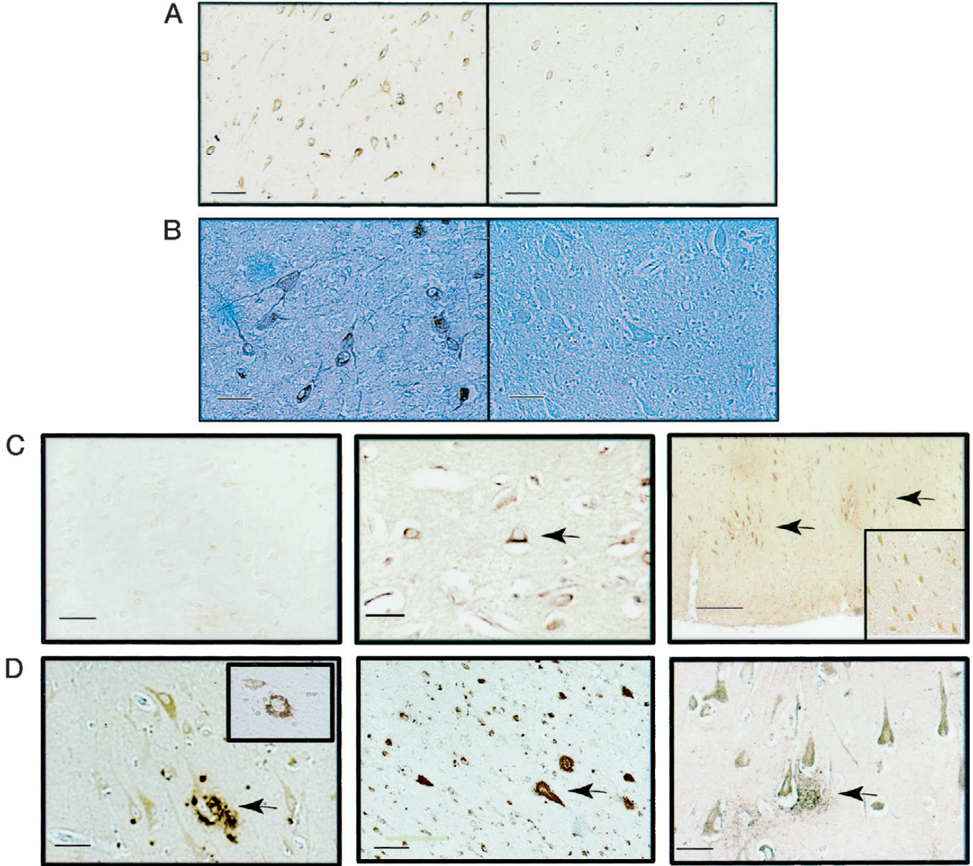
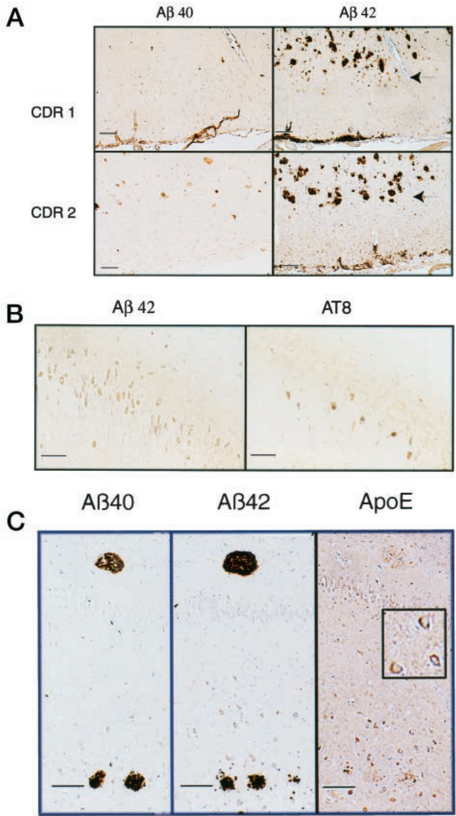
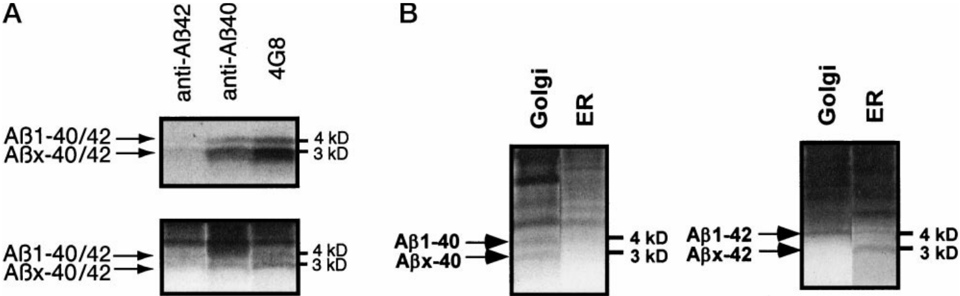
Alzheimer's disease (AD) is characterized by the deposition of senile plaques (SPs) and neurofibrillary tangles (NFTs) in vulnerable brain regions. SPs are composed of aggregated beta-amyloid (Abeta) 40/42(43) peptides. Evidence implicates a central role for Abeta in the pathophysiology of AD. Mutations in betaAPP and presenilin 1 (PS1) lead to elevated secretion of Abeta, especially the more amyloidogenic Abeta42. Immunohistochemical studies have also emphasized the importance of Abeta42 in initiating plaque pathology. Cell biological studies have demonstrated that Abeta is generated intracellularly. Recently, endogenous Abeta42 staining was demonstrated within cultured neurons by confocal immunofluorescence microscopy and within neurons of PS1 mutant transgenic mice. A central question about the role of Abeta in disease concerns whether extracellular Abeta deposition or intracellular Abeta accumulation initiates the disease process. Here we report that human neurons in AD-vulnerable brain regions specifically accumulate gamma-cleaved Abeta42 and suggest that this intraneuronal Abeta42 immunoreactivity appears to precede both NFT and Abeta plaque deposition. This study suggests that intracellular Abeta42 accumulation is an early event in neuronal dysfunction and that preventing intraneuronal Abeta42 aggregation may be an important therapeutic direction for the treatment of AD.
Overview
The claims and statistics of this paper haven’t been checked yet.
Free: it reads the open-access text and checks the first 5 claims that cite a source we can check. Create a free account to check every claim.
Integrity signals
Registry
Cites
Statistics
Figures
Verification
Claims the paper makes
The claims and statistics of this paper haven’t been checked yet.
Free: it reads the open-access text and checks the first 5 claims that cite a source we can check. Create a free account to check every claim.
Claims other papers make about this one
Each is checked against this paper’s own text: does it say what the citing paper says it does?
The source backs part of the claim, not all of it — or backs it for a different population, condition or comparison.
In the citing paper
“Additionally, it has been shown that intraneuronal Aβ accumulation in specific AD-vulnerable neurons precedes the formation of extracellular Aβ plaques both in AD patients [41, 78] and mouse models [22, 87, 110].”
From Senescence-related impairment of autophagy induces toxic intraneuronal amyloid-β accumulation in a mouse model of amyloid pathology (2023) · cites this paper as [41]
Experimental — accuracy not yet measuredThe source backs part of the claim, not all of it — or backs it for a different population, condition or comparison.
In the citing paper
“Two publications appeared in January 2000 on the intraneuronal accumulation of particularly Aβ42 by light microscopy within neurons of human brain.”
From Intraneuronal β-amyloid accumulation and synapse pathology in Alzheimer’s disease (2010) · cites this paper as [60]
Experimental — accuracy not yet measuredThe source backs part of the claim, not all of it — or backs it for a different population, condition or comparison.
In the citing paper
“N-terminal Aβ1-x/βCTF-specific antibodies also fail to label N-truncated Aβ42 peptides that appear to be particularly important in AD [60, 98, 157, 158, 206].”
From Intraneuronal β-amyloid accumulation and synapse pathology in Alzheimer’s disease (2010) · cites this paper as [60]
Experimental — accuracy not yet measuredThe source backs part of the claim, not all of it — or backs it for a different population, condition or comparison.
In the citing paper
“Specifically, immuno-histochemical data support that neuron cell bodies with early intraneuronal Aβ42 accumulation are those that go on to develop NFTs [60, 140], while their terminal fields are sites of early plaque pathology.”
From Intraneuronal β-amyloid accumulation and synapse pathology in Alzheimer’s disease (2010) · cites this paper as [60]
Experimental — accuracy not yet measuredThe source backs part of the claim, not all of it — or backs it for a different population, condition or comparison.
In the citing paper
“This aligns with work from multiple laboratories showing that plaque formation depends on neuronal Aβ [45–48]”
From Selective suppression of oligodendrocyte-derived amyloid beta rescues neuronal dysfunction in Alzheimer’s disease (2024) · cites this paper as [48]
Experimental — accuracy not yet measured
13 more claims about this paper
Create a free account to see every claim other papers make about this one.
Self-check
Percentages, sums and reported differences re-computed from the paper’s own numbers.
The self-check needs the paper’s full text.
Citations
Cites
Iwatsubo, T., Odaka, A., Suzuki, N., Mizusawa, H., Nukina, N., & Ihara, Y. (1994) · Neuron · doi:10.1016/0896-6273(94)90458-8 · Cited by 1,774
Borchelt, D. R., Thinakaran, G., Eckman, C. B., Lee, M. K., Davenport, F., Ratovitsky, T., Prada, C.-M., Kim, G., Seekins, S., Yager, D., et al. (1996) · Neuron · doi:10.1016/s0896-6273(00)80230-5 · Cited by 1,478
Plaque-independent disruption of neural circuits in Alzheimer’s disease mouse models
Hsia, A. Y., Masliah, E., McConlogue, L., Yu, G.-Q., Tatsuno, G., Hu, K., Kholodenko, D., Malenka, R. C., Nicoll, R. A., & Mucke, L. (1999) · Proceedings of the National Academy of Sciences · doi:10.1073/pnas.96.6.3228 · Cited by 1,123
Masters, C. L., Multhaup, G., Simms, G., Pottgiesser, J., Martins, R. N., & Beyreuther, K. (1985) · The EMBO Journal · doi:10.1002/j.1460-2075.1985.tb04000.x · Cited by 1,042
The cell biology of β-amyloid precursor protein and presenilin in Alzheimer's disease
Selkoe, D. (1998) · Trends in Cell Biology · doi:10.1016/s0962-8924(98)01363-4 · Cited by 862
Lack of apolipoprotein E dramatically reduces amyloid β-peptide deposition
Bales, K. R., Verina, T., Dodel, R. C., Du, Y., Altstiel, L., Bender, M., Hyslop, P., Johnstone, E. M., Little, S. P., Cummins, D. J., et al. (1997) · Nature Genetics · doi:10.1038/ng1197-263 · Cited by 830
Distinct sites of intracellular production for Alzheimer's disease Aβ40/42 amyloid peptides
Hartmann, T., Bieger, S. C., Brühl, B., Tienari, P. J., Ida, N., Allsop, D., Roberts, G. W., Masters, C. L., Dotti, C. G., Unsicker, K., et al. (1997) · Nature Medicine · doi:10.1038/nm0997-1016 · Cited by 709
Perforant pathway changes and the memory impairment of Alzheimer's disease
Hyman, B. T., Van Hoesen, G. W., Kromer, L. J., & Damasio, A. R. (1986) · Annals of Neurology · doi:10.1002/ana.410200406 · Cited by 672
Moechars, D., Dewachter, I., Lorent, K., Reversé, D., Baekelandt, V., Naidu, A., Tesseur, I., Spittaels, K., Haute, C. V. D., Checler, F., et al. (1999) · Journal of Biological Chemistry · doi:10.1074/jbc.274.10.6483 · Cited by 668
Self-citationSaido, T. C., Iwatsubo, T., Mann, D. M. A., Shimada, H., Ihara, Y., & Kawashima, S. (1995) · Neuron · doi:10.1016/0896-6273(95)90301-1 · Cited by 587
Cited by
Items 101–200 of 999
Wu, Z., Ni, J., Liu, Y., Teeling, J. L., Takayama, F., Collcutt, A., Ibbett, P., & Nakanishi, H. (2017) · Brain, Behavior, and Immunity · doi:10.1016/j.bbi.2017.06.002 · Cited by 238
“…phenotypes in the brain, as the intracellular accumulation of Ab, particularly Ab1–42, which precedes amyloid deposits in AD (Cataldo et al., 2004; Gouras et al., 2000; Sheng et al., 2003), and the chronic burden of intracellular Ab is toxic to degenerated neurons (Billings et al., 2005; Sheng…”
BackgroundAnalyzing dendritic spine pathology in Alzheimer’s disease: Problems and opportunities
Dorostkar, M. M., Zou, C., Blazquez-Llorca, L., & Herms, J. (2015) · Acta Neuropathologica · doi:10.1007/s00401-015-1449-5 · Cited by 235
The Development of Amyloid β Protein Deposits in the Aged Brain
Thal, D. R., Capetillo-Zarate, E., Del Tredici, K., & Braak, H. (2006) · Science of Aging Knowledge Environment · doi:10.1126/sageke.2006.6.re1 · Cited by 234
Cha, M.-Y., Han, S.-H., Son, S. M., Hong, H.-S., Choi, Y.-J., Byun, J., & Mook-Jung, I. (2012) · PLoS ONE · doi:10.1371/journal.pone.0034929 · Cited by 231
“Moreover, several lines of evidence show that Ab is generated intracellularly in AD-related human brain regions, with the toxicity of intracellular Ab preceding toxicity by senile plaque and neurofibrillary tangles [11].”
BackgroundAlzheimer's Disease-Like Pathology Induced by Amyloid-β Oligomers in Nonhuman Primates
Forny-Germano, L., Lyra e Silva, N. M., Batista, A. F., Brito-Moreira, J., Gralle, M., Boehnke, S. E., Coe, B. C., Lablans, A., Marques, S. A., Martinez, A. M. B., et al. (2014) · The Journal of Neuroscience · doi:10.1523/jneurosci.1353-14.2014 · Cited by 233
“…classically described to deposit extracellularly, emerging evidence from transgenic mice and human patients indicates that this peptide can also accumulate intraneuronally and this may contribute to disease progression (Gouras et al., 2000; LaFerla et al., 2007) and onset of cognitive dysfunction.”
BackgroundMancuso, C., & Santangelo, R. (2018) · Pharmacological Research · doi:10.1016/j.phrs.2017.12.009 · Cited by 232
Giménez-Llort, L., Blázquez, G., Cañete, T., Johansson, B., Oddo, S., Tobeña, A., LaFerla, F. M., & Fernández-Teruel, A. (2007) · Neuroscience & Biobehavioral Reviews · doi:10.1016/j.neubiorev.2006.07.007 · Cited by 231
“, 2000) and also within hippocampal pyramidal neurons of individuals with clinical diagnoses ranging from MCI to severe cognitive impairments (Gouras et al., 2000).”
BackgroundBossers, K., Wirz, K. T. S., Meerhoff, G. F., Essing, A. H. W., van Dongen, J. W., Houba, P., Kruse, C. G., Verhaagen, J., & Swaab, D. F. (2010) · Brain · doi:10.1093/brain/awq258 · Cited by 230
“By performing immunohistochemical stainings in sections of the same samples that were used for the microarray experiment using the well-characterized 4G8 antibody which is known to recognize intra- and extracellular Ab (both as a free peptide and as part of APP) (Aho et al., 2010; Christensen et al., 2010; Gouras et a…”
MethodResultDisruption of fast axonal transport is a pathogenic mechanism for intraneuronal amyloid beta
Pigino, G., Morfini, G., Atagi, Y., Deshpande, A., Yu, C., Jungbauer, L., LaDu, M., Busciglio, J., & Brady, S. (2009) · Proceedings of the National Academy of Sciences · doi:10.1073/pnas.0901229106 · Cited by 227
Aleardi, A. M., Benard, G., Augereau, O., Malgat, M., Talbot, J. C., Mazat, J. P., Letellier, T., Dachary-Prigent, J., Solaini, G. C., & Rossignol, R. (2005) · Journal of Bioenergetics and Biomembranes · doi:10.1007/s10863-005-6631-3 · Cited by 224
Intracellular Mechanisms of Amyloid Accumulation and Pathogenesis in Alzheimer's Disease
Glabe, C. (2001) · Journal of Molecular Neuroscience · doi:10.1385/jmn:17:2:137 · Cited by 222
“These lysosomes or granules also stain with antibodies against Aβ (Gouras et al., 2000; D’Andrea et al., 2001).”
Toxicity of Amyloid β Peptide: Tales of Calcium, Mitochondria, and Oxidative Stress
Canevari, L., Abramov, A. Y., & Duchen, M. R. (2004) · Neurochemical Research · doi:10.1023/b:nere.0000014834.06405.af · Cited by 222
“Intraneuronal A accumulation has been directly observed (37,38) in both human brain tissue and transgenic mice models and has been associated with synaptic pathology and dysfunction (39,40).”
BackgroundDendritic Spine Pathology in Neurodegenerative Diseases
Herms, J., & Dorostkar, M. M. (2016) · Annual Review of Pathology: Mechanisms of Disease · doi:10.1146/annurev-pathol-012615-044216 · Cited by 201
Olfactory epithelium amyloid‐β and paired helical filament‐tau pathology in Alzheimer disease
Arnold, S. E., Lee, E. B., Moberg, P. J., Stutzbach, L., Kazi, H., Han, L., Lee, V. M. Y., & Trojanowski, J. Q. (2010) · Annals of Neurology · doi:10.1002/ana.21910 · Cited by 215
Mitochondrial Dysfunction: a Potential Therapeutic Target to Treat Alzheimer’s Disease
Rai, S. N., Singh, C., Singh, A., Singh, M. P., & Singh, B. K. (2020) · Molecular Neurobiology · doi:10.1007/s12035-020-01945-y · Cited by 212
Alzheimer disease and Down syndrome: factors in pathogenesis
Lott, I. T., & Head, E. (2005) · Neurobiology of Aging · doi:10.1016/j.neurobiolaging.2004.08.005 · Cited by 212
Jin, L.-W., Maezawa, I., Vincent, I., & Bird, T. (2004) · The American Journal of Pathology · doi:10.1016/s0002-9440(10)63185-9 · Cited by 212
Interaction of intracellular β amyloid peptide with chaperone proteins
Fonte, V., Kapulkin, W. J., Taft, A., Fluet, A., Friedman, D., & Link, C. D. (2002) · Proceedings of the National Academy of Sciences · doi:10.1073/pnas.152313999 · Cited by 211
Trinchese, F., Fa’, M., Liu, S., Zhang, H., Hidalgo, A., Schmidt, S. D., Yamaguchi, H., Yoshii, N., Mathews, P. M., Nixon, R. A., et al. (2008) · Journal of Clinical Investigation · doi:10.1172/jci34254 · Cited by 208
Naert, G., & Rivest, S. (2011) · The Journal of Neuroscience · doi:10.1523/jneurosci.0299-11.2011 · Cited by 207
“These data confirm previous studies showing intraneuronal A accumulation in different mouse models of AD (Billings et al., 2005; Cruz et al., 2006; Oakley et al., 2006; Knobloch et al., 2007) and in postmortem brain tissues from AD patients (Gouras et al., 2000, 2005).”
ResultNeuronal amyloid-β accumulation within cholinergic basal forebrain in ageing and Alzheimer’s disease
Baker-Nigh, A., Vahedi, S., Davis, E. G., Weintraub, S., Bigio, E. H., Klein, W. L., & Geula, C. (2015) · Brain · doi:10.1093/brain/awv024 · Cited by 205
Co-Localization of Amyloid Beta and Tau Pathology in Alzheimer's Disease Synaptosomes
Fein, J. A., Sokolow, S., Miller, C. A., Vinters, H. V., Yang, F., Cole, G. M., & Gylys, K. H. (2008) · The American Journal of Pathology · doi:10.2353/ajpath.2008.070829 · Cited by 204
Dual roles for autophagy: Degradation and secretion of Alzheimer's disease Aβ peptide
Nilsson, P., & Saido, T. C. (2014) · BioEssays · doi:10.1002/bies.201400002 · Cited by 202
The Role of Caspase Cleavage of Tau in Alzheimer Disease Neuropathology
Cotman, C. W., Poon, W. W., Rissman, R. A., & Blurton-Jones, M. (2005) · Journal of Neuropathology & Experimental Neurology · doi:10.1093/jnen/64.2.104 · Cited by 199
p25/Cyclin-Dependent Kinase 5 Induces Production and Intraneuronal Accumulation of Amyloid β In Vivo
Cruz, J. C., Kim, D., Moy, L. Y., Dobbin, M. M., Sun, X., Bronson, R. T., & Tsai, L.-H. (2006) · The Journal of Neuroscience · doi:10.1523/jneurosci.3133-06.2006 · Cited by 198
“More recently, intracellular A 42 has been detected in ADvulnerable regions in human brains (Gouras et al., 2000) and Tg animal models of AD (Oddo et al., 2003; Casas et al., 2004; Billings et al., 2005) and has been 4 aggregates were also immunoreactive toward NF-H (smaller immunogold particles)…”
BackgroundKienlen-Campard, P., Miolet, S., Tasiaux, B., & Octave, J.-N. (2002) · Journal of Biological Chemistry · doi:10.1074/jbc.m200887200 · Cited by 187
Research update: Alpha7 nicotinic acetylcholine receptor mechanisms in Alzheimer's disease
Parri, H. R., Hernandez, C. M., & Dineley, K. T. (2011) · Biochemical Pharmacology · doi:10.1016/j.bcp.2011.06.039 · Cited by 187
Singh, S. K., Srivastav, S., Yadav, A. K., Srikrishna, S., & Perry, G. (2016) · Oxidative Medicine and Cellular Longevity · doi:10.1155/2016/7361613 · Cited by 186
Insulin-Degrading Enzyme in the Fight against Alzheimer's Disease
Kurochkin, I. V., Guarnera, E., & Berezovsky, I. N. (2018) · Trends in Pharmacological Sciences · doi:10.1016/j.tips.2017.10.008 · Cited by 185
The Insulin/Akt Signaling Pathway Is Targeted by Intracellular β-Amyloid
Lee, H.-K., Kumar, P., Fu, Q., Rosen, K. M., & Querfurth, H. W. (2009) · Molecular Biology of the Cell · doi:10.1091/mbc.e08-07-0777 · Cited by 185
α7 Nicotinic Acetylcholine Receptors Mediate β-Amyloid Peptide-induced Tau Protein Phosphorylation
Wang, H.-Y., Li, W., Benedetti, N. J., & Lee, D. H. S. (2003) · Journal of Biological Chemistry · doi:10.1074/jbc.m212532200 · Cited by 185
Role of Mitochondrial Amyloid-β in Alzheimer's Disease
Chen, J. X., & Yan, S. S. (2010) · Journal of Alzheimer's Disease · doi:10.3233/jad-2010-100357 · Cited by 183
Kim, J.-H., Anwyl, R., Suh, Y.-H., Djamgoz, M. B. A., & Rowan, M. J. (2001) · The Journal of Neuroscience · doi:10.1523/jneurosci.21-04-01327.2001 · Cited by 182
Khandelwal, P. J., Herman, A. M., Hoe, H.-S., Rebeck, G. W., & Moussa, C. E. H. (2011) · Human Molecular Genetics · doi:10.1093/hmg/ddr091 · Cited by 182
Heredia, L., Helguera, P., de Olmos, S., Kedikian, G., Sola Vigo, F., LaFerla, F., Staufenbiel, M., de Olmos, J., Busciglio, J., Caceres, A., et al. (2006) · Journal of Neuroscience · doi:10.1523/jneurosci.5567-05.2006 · Cited by 182
Glycation exacerbates the neuronal toxicity of β-amyloid
Li, X.-H., Du, L.-L., Cheng, X.-S., Jiang, X., Zhang, Y., Lv, B.-L., Liu, R., Wang, J.-Z., & Zhou, X.-W. (2013) · Cell Death & Disease · doi:10.1038/cddis.2013.180 · Cited by 177
Mechanisms of Pathogenic Tau and Aβ Protein Spreading in Alzheimer’s Disease
d‘Errico, P., & Meyer-Luehmann, M. (2020) · Frontiers in Aging Neuroscience · doi:10.3389/fnagi.2020.00265 · Cited by 175
“However, even though the cell-to-cell passage of Aβ represents a plausible hypothesis, substantiated by the fact that the protein is found inside neurons (Wertkin et al., 1993; Turner et al., 1996; Gouras et al., 2000; LaFerla et al., 2007), there is no conclusive evidence for active transport of Aβ along neurons.”
BackgroundStefani, M. (2012) · Progress in Neurobiology · doi:10.1016/j.pneurobio.2012.03.002 · Cited by 177
Aβ Toxicity in Alzheimer's Disease
Cavallucci, V., D’Amelio, M., & Cecconi, F. (2012) · Molecular Neurobiology · doi:10.1007/s12035-012-8251-3 · Cited by 177
“plaque formation [94], suggesting that intracellular Aβ42 accumulation is an early event in neuronal dysfunction.”
Wirths, O., Breyhan, H., Cynis, H., Schilling, S., Demuth, H.-U., & Bayer, T. A. (2009) · Acta Neuropathologica · doi:10.1007/s00401-009-0557-5 · Cited by 174
“There is an interesting coincidence of considerable amounts of Ab3(pE) and massive neuron loss in the APP/PS1KI mouse model [1, 8]. An emerging role of intracellular Ab accumulation has been previously shown in human AD [13, 17 ].”
BackgroundHoyer, S. (2004) · Advances in Experimental Medicine and Biology · doi:10.1007/978-1-4419-8969-7_8 · Cited by 174
Bayer, T. A., Wirths, O., Majtényi, K., Hartmann, T., Multhaup, G., Beyreuther, K., & Czech, C. (2001) · Brain Pathology · doi:10.1111/j.1750-3639.2001.tb00376.x · Cited by 173
Membrane Trafficking Pathways in Alzheimer's Disease
Rajendran, L., & Annaert, W. (2012) · Traffic · doi:10.1111/j.1600-0854.2012.01332.x · Cited by 171
Vitamin C Status and Cognitive Function: A Systematic Review
Travica, N., Ried, K., Sali, A., Scholey, A., Hudson, I., & Pipingas, A. (2017) · Nutrients · doi:10.3390/nu9090960 · Cited by 170
“The mechanisms of free radical production hypothesized for AD include: activated microglia surrounding senile plaques [104], neuronal mitochondrial dysfunction [105], intraneuronal amyloid accumulation [106] and presence of redox active metals [107].”
BackgroundCodeposition of Cystatin C with Amyloid-β Protein in the Brain of Alzheimer Disease Patients
Levy, E., Sastre, M., Kumar, A., Gallo, G., Piccardo, P., Ghetti, B., & Tagliavini, F. (2001) · Journal of Neuropathology & Experimental Neurology · doi:10.1093/jnen/60.1.94 · Cited by 170
“It has been recently reported that, in AD, neurons accumulate Abx-42 independently from the presence or absence of neurofibrillary tangles (40).”
BackgroundAskanas (2006) · doi:10.1212/01.wnl.0000192128.13875.1e · Cited by 168
Endosomal traffic jams represent a pathogenic hub and therapeutic target in Alzheimer’s disease
Small, S. A., Simoes-Spassov, S., Mayeux, R., & Petsko, G. A. (2017) · Trends in Neurosciences · doi:10.1016/j.tins.2017.08.003 · Cited by 168
Tau and Aβ42 protein in CSF of patients with frontotemporal degeneration
Riemenschneider, M., Wagenpfeil, S., Diehl, J., Lautenschlager, N., Theml, T., Heldmann, B., Drzezga, A., Jahn, T., Förstl, H., & Kurz, A. (2002) · Neurology · doi:10.1212/wnl.58.11.1622 · Cited by 168
Lipopolysaccharide-Induced Memory Impairment in Rats: a Model of Alzheimer’s Disease
ZAKARIA, R., WAN YAACOB, W. M. H., OTHMAN, Z., LONG, I., AHMAD, A. H., & AL-RAHBI, B. (2017) · Physiological Research · doi:10.33549/physiolres.933480 · Cited by 167
“Aβ1-42, has been shown to precede the formation of extracellular amyloid deposits in subjects with AD and trisomy 21 (Gouras et al. 2000), in brains of young Tg mice (8-month-old) harboring APP with three FAD-linked mutations (KM670/671NL, E693Q, and V7171) and the PS1 mutation M146L (Wirths et al.…”
BackgroundBayer, T. A., & Wirths, O. (2014) · Acta Neuropathologica · doi:10.1007/s00401-014-1287-x · Cited by 165
“Besides plaque-associated Aβ, intraneuronal Aβ can be N-truncated in AD brain [27].”
Role of Vitamin E in the Treatment of Alzheimer’s Disease: Evidence from Animal Models
Gugliandolo, A., Bramanti, P., & Mazzon, E. (2017) · International Journal of Molecular Sciences · doi:10.3390/ijms18122504 · Cited by 164
JNK activation is associated with intracellular β-amyloid accumulation
Shoji, M., Iwakami, N., Takeuchi, S., Waragai, M., Suzuki, M., Kanazawa, I., Lippa, C. F., Ono, S., & Okazawa, H. (2000) · Molecular Brain Research · doi:10.1016/s0169-328x(00)00245-x · Cited by 166
Subcellular Topography of Neuronal Aβ Peptide in APPxPS1 Transgenic Mice
Langui, D., Girardot, N., El Hachimi, K. H., Allinquant, B., Blanchard, V., Pradier, L., & Duyckaerts, C. (2004) · The American Journal of Pathology · doi:10.1016/s0002-9440(10)63405-0 · Cited by 165
Mandel, S., Amit, T., Bar-Am, O., & Youdim, M. B. H. (2007) · Progress in Neurobiology · doi:10.1016/j.pneurobio.2007.06.001 · Cited by 164
Intraneuronal Aβ detection in 5xFAD mice by a new Aβ-specific antibody
Youmans, K. L., Tai, L. M., Kanekiyo, T., Stine Jr, W. B., Michon, S.-C., Nwabuisi-Heath, E., Manelli, A. M., Fu, Y., Riordan, S., Eimer, W. A., et al. (2012) · Molecular Neurodegeneration · doi:10.1186/1750-1326-7-8 · Cited by 164
“The potential toxic assemblies of the peptide include soluble Ab [1], oligomeric Ab [2], intraneuronal Ab [3] and specific plaque morphology [4].”
BackgroundAlzheimer disease therapy: Can the amyloid cascade be halted?
Golde, T. E. (2003) · Journal of Clinical Investigation · doi:10.1172/jci17527 · Cited by 164
Tampellini, D., Capetillo-Zarate, E., Dumont, M., Huang, Z., Yu, F., Lin, M. T., & Gouras, G. K. (2010) · The Journal of Neuroscience · doi:10.1523/jneurosci.3383-10.2010 · Cited by 161
“Accumulation of intraneuronal Aβ immunoreactivity precedes the appearance of plaques (Gouras et al., 2000; Wirths et al., 2001; Oddo et al., 2003), and the emergence of intraneuronal Aβ correlated with the onset of synaptic, pathological, physiological and behavioral abnormalities in AD transgenic models (Runz et al.”
BackgroundSelf-citationLocalization and Processing of the Amyloid-β Protein Precursor in Mitochondria-Associated Membranes
Del Prete, D., Suski, J. M., Oulès, B., Debayle, D., Gay, A. S., Lacas-Gervais, S., Bussiere, R., Bauer, C., Pinton, P., Paterlini-Bréchot, P., et al. (2016) · Journal of Alzheimer's Disease · doi:10.3233/jad-160953 · Cited by 159
Self-citationMittal, G., Carswell, H., Brett, R., Currie, S., & Kumar, M. N. V. R. (2011) · Journal of Controlled Release · doi:10.1016/j.jconrel.2010.11.013 · Cited by 158
Fonte, V., Kipp, D. R., Yerg, J., Merin, D., Forrestal, M., Wagner, E., Roberts, C. M., & Link, C. D. (2008) · Journal of Biological Chemistry · doi:10.1074/jbc.m703339200 · Cited by 157
Aβ Oligomer-Induced Synapse Degeneration in Alzheimer’s Disease
Wilcox, K. C., Lacor, P. N., Pitt, J., & Klein, W. L. (2011) · Cellular and Molecular Neurobiology · doi:10.1007/s10571-011-9691-4 · Cited by 155
“Intracellular Ab, though not necessarily oligomers, is observed in AD brains (Gouras et al. 2000) and there is evidence of intracellular Ab generation (reviewed in LaFerla et al.”
Functional and morphological impact of ER stress on mitochondria
Vannuvel, K., Renard, P., Raes, M., & Arnould, T. (2013) · Journal of Cellular Physiology · doi:10.1002/jcp.24360 · Cited by 154
“Senile plaques are extracellular deposits consisting of a dense core of fibrillous 40–42 amino acids long peptides, the amyloid b (Ab) peptides, surrounded by dystrophic neurites and microglia (Iwatsubo, 1998; Gouras et al., 2000).”
BackgroundThe Toxicity of Amyloid ß Oligomers
Zhao, L. N., Long, H. W., Mu, Y., & Chew, L. Y. (2012) · International Journal of Molecular Sciences · doi:10.3390/ijms13067303 · Cited by 152
“tangles formation [54], which may or may not [55] result in a series of pathological alterations like cognitive impairment, selective neuron loss, and axonopathy [56].”
BackgroundAlifragis, P., & Marsh, J. (2018) · Neural Regeneration Research · doi:10.4103/1673-5374.230276 · Cited by 153
“Subsequently, it became clear that the intraneuronal accumulation of Aβ peptides preceded NFT or plaque formation and was closely linked to the pathogenesis of AD (Hartmann, 1999; Wilson et al., 1999; Gouras et al., 2000).”
BackgroundProtein quality control in Alzheimer's disease by the ubiquitin proteasome system
de Vrij, F. M. S., Fischer, D. F., VANLEEUWEN, F., & Hol, E. M. (2004) · Progress in Neurobiology · doi:10.1016/j.pneurobio.2004.10.001 · Cited by 172
Co-occurrence of Alzheimer's disease β-amyloid and tau pathologies at synapses
Takahashi, R. H., Capetillo-Zarate, E., Lin, M. T., Milner, T. A., & Gouras, G. K. (2010) · Neurobiology of Aging · doi:10.1016/j.neurobiolaging.2008.07.021 · Cited by 150
“In human brains with early AD changes or Down syndrome, intraneuronal Aβ42 accumulation in CA1 pyramidal cell bodies preceded hyperphosphorylation of tau (Gouras et al., 2000; Gyure et al., 2001).”
BackgroundSelf-citationNF‐κB pathway: a target for preventing β‐amyloid (Aβ)‐induced neuronal damage and Aβ42 production
Valerio, A., Boroni, F., Benarese, M., Sarnico, I., Ghisi, V., Bresciani, L. G., Ferrario, M., Borsani, G., Spano, P., & Pizzi, M. (2006) · European Journal of Neuroscience · doi:10.1111/j.1460-9568.2006.04722.x · Cited by 148
“A matter of controversy is whether the pathological cascade is initiated by intraneuronal accumulation of Ab or by augmented Ab levels in the extracellular space (Gouras et al., 2000; Kienlen-Campard et al., 2002; Selkoe, 2002b; Meyer-Luehmann et al., 2003; Oddo et al., 2003).”
BackgroundTHE GENETICS AND MOLECULAR PATHOLOGY OF ALZHEIMER'S DISEASE
Selkoe, D. J. (2000) · Neurologic Clinics · doi:10.1016/s0733-8619(05)70232-2 · Cited by 163
D'Andrea, M., & Nagele, R. (2006) · Current Pharmaceutical Design · doi:10.2174/138161206775474224 · Cited by 146
Impaired Cu/Zn-SOD activity contributes to increased oxidative damage in APP transgenic mice
Schuessel, K., Schäfer, S., Bayer, T. A., Czech, C., Pradier, L., Müller-Spahn, F., Müller, W. E., & Eckert, A. (2005) · Neurobiology of Disease · doi:10.1016/j.nbd.2004.09.003 · Cited by 146
CHIP and HSPs interact with β-APP in a proteasome-dependent manner and influence Aβ metabolism
Kumar, P., Ambasta, R. K., Veereshwarayya, V., Rosen, K. M., Kosik, K. S., Band, H., Mestril, R., Patterson, C., & Querfurth, H. W. (2007) · Human Molecular Genetics · doi:10.1093/hmg/ddm030 · Cited by 145
Alzheimer's APP mangles mitochondria
Lin, M. T., & Beal, M. F. (2006) · Nature Medicine · doi:10.1038/nm1106-1241 · Cited by 143
Vascular Aspects of Cognitive Impairment and Dementia
Wiesmann, M., Kiliaan, A. J., & Claassen, J. A. (2013) · Journal of Cerebral Blood Flow & Metabolism · doi:10.1038/jcbfm.2013.159 · Cited by 143
Pierrot, N., Ghisdal, P., Caumont, A., & Octave, J. (2004) · Journal of Neurochemistry · doi:10.1046/j.1471-4159.2003.02227.x · Cited by 143
“…intracellular calcium on extracellular Ab production has been studied in non-neuronal cells (Querfurth and Selkoe 1994; Querfurth et al. 1997), there are no data about the influence of calcium on the production of intraneuronal Ab, an early event in neuronal dysfunction in AD (Gouras et al. 2000).”
BackgroundRichard, B. C., Kurdakova, A., Baches, S., Bayer, T. A., Weggen, S., & Wirths, O. (2015) · Journal of Alzheimer’s Disease · doi:10.3233/jad-143120 · Cited by 142
“There is accumulating evidence that intracellular A accumulations represent an early step in the course of AD [13–15] and that it plays a crucial role in neuron loss in AD transgenic mouse models [16–18].”
BackgroundLonskaya, I., Hebron, M. L., Desforges, N. M., Franjie, A., & Moussa, C. E. ‐. (2013) · EMBO Molecular Medicine · doi:10.1002/emmm.201302771 · Cited by 140
“…to yield C ‐ terminal APP fragments (CTFs), and amyloid peptides A b 1 – 40 and A b 1 – 42 (Cook et al, 1997; Green fi eld et al, 1999; Skovronsky et al, 1998; Xu et al, 1997) that give rise to extracellular plaques (D ’ Andrea et al, 2001; Gouras et al, 2000; Li et al, 2007; Oddo et al, 2003).”
Aβ-induced formation of autophagosomes is mediated by RAGE-CaMKKβ-AMPK signaling
Son, S. M., Jung, E. S., Shin, H. J., Byun, J., & Mook‐Jung, I. (2011) · Neurobiology of Aging · doi:10.1016/j.neurobiolaging.2011.09.039 · Cited by 152
Askanas, V., Engel, W. K., & Nogalska, A. (2009) · Brain Pathology · doi:10.1111/j.1750-3639.2009.00290.x · Cited by 141
Esbjörner, E. K., Chan, F., Rees, E., Erdelyi, M., Luheshi, L. M., Bertoncini, C. W., Kaminski, C. F., Dobson, C. M., & Kaminski Schierle, G. S. (2014) · Chemistry & Biology · doi:10.1016/j.chembiol.2014.03.014 · Cited by 140
Therapeutic effect of exogenous hsp70 in mouse models of Alzheimer’s disease
Bobkova, N. V., Garbuz, D. G., Nesterova, I., Medvinskaya, N., Samokhin, A., Alexandrova, I., Yashin, V., Karpov, V., Kukharsky, M. S., Ninkina, N. N., et al. (2013) · Journal of Alzheimer's Disease · doi:10.3233/jad-130779 · Cited by 138
“Thus it was demonstrated that intracellular accumulation of A is an early event in neuronal dysfunction [38] and cytosolic A has been shown to be highly cytotoxic to primary neurons [39].”
Zhang, Y. (2004) · Journal of Neuroscience · doi:10.1523/jneurosci.0913-04.2004 · Cited by 138
“In AD, the accumulation of iA 1– 42 precedes amyloid plaque formation (Gouras et al., 2000; D’Andrea et al., 2001).”
BackgroundInfluentialBiochemistry and Molecular Biology of Amyloid β‐Protein and the Mechanism of Alzheimer's Disease
(2008) · Handbook of Clinical Neurology · doi:10.1016/s0072-9752(07)01223-7 · Cited by 137
Demuro, A., & Parker, I. (2013) · The Journal of Neuroscience · doi:10.1523/jneurosci.4367-12.2013 · Cited by 137
“…A are further likely to contribute in the pathogenesis of AD because intracellular A accumulation has been shown to precede extracellular deposits (Gouras et al., 2000), and the endoplasmic reticulum (ER) of neurons has been identified as the specific site of intracellular A production (Hartmann…”
BackgroundThe role of intracellular zinc release in aging, oxidative stress, and Alzheimer’s disease
McCord, M. C., & Aizenman, E. (2014) · Frontiers in Aging Neuroscience · doi:10.3389/fnagi.2014.00077 · Cited by 136
“Aβ was originally identified as solely localizing extracellularly; however, other studies have shown that Aβ is also found in the cytoplasm of neurons (Turner et al., 1996; Wild-Bode et al., 1997; Gouras et al., 2000).”
BackgroundThe amyloid plaque proteome in early onset Alzheimer’s disease and Down syndrome
Drummond, E., Kavanagh, T., Pires, G., Marta-Ariza, M., Kanshin, E., Nayak, S., Faustin, A., Berdah, V., Ueberheide, B., & Wisniewski, T. (2022) · Acta Neuropathologica Communications · doi:10.1186/s40478-022-01356-1 · Cited by 137
Inflammation occurs early during the Aβ deposition process in TgCRND8 mice
Dudal, S., Krzywkowski, P., Paquette, J., Morissette, C., Lacombe, D., Tremblay, P., & Gervais, F. (2004) · Neurobiology of Aging · doi:10.1016/j.neurobiolaging.2003.08.008 · Cited by 159
Alzheimer's disease: Effects of β-amyloid on mitochondria
Tillement, L., Lecanu, L., & Papadopoulos, V. (2011) · Mitochondrion · doi:10.1016/j.mito.2010.08.009 · Cited by 136
Diminished perisomatic GABAergic terminals on cortical neurons adjacent to amyloid plaques
Garcia-Marin, V. (2009) · Frontiers in Neuroanatomy · doi:10.3389/neuro.05.028.2009 · Cited by 136
Neuronal RNA oxidation is a prominent feature of familial Alzheimer's disease
Nunomura, A., Chiba, S., Lippa, C. F., Cras, P. P., Kalaria, R. N., Takeda, A., Honda, K., Smith, M. A., & Perry, G. L. (2004) · Neurobiology of Disease · doi:10.1016/j.nbd.2004.06.003 · Cited by 136
“Further investigations on the relationship between intraneuronally accumulated A (Gouras et al., 2000) and oxidative stress markers are necessary to elucidate whether intraneuronal A peptide has pro- or antioxidant property.”
BackgroundYang, L.-B., Li, R., Meri, S., Rogers, J., & Shen, Y. (2000) · The Journal of Neuroscience · doi:10.1523/jneurosci.20-20-07505.2000 · Cited by 136
“(4) Recent reports indicate that Ab may form and aggregate intracellularly ( Gouras et al., 2000 ) and that the endogenous intracellular Ab in the AD brain might be enough to downregulate CD59 expression.”
BackgroundExtracellular amyloid formation and associated pathology in neural grafts
Meyer-Luehmann, M., Stalder, M., Herzig, M. C., Kaeser, S. A., Kohler, E., Pfeifer, M., Boncristiano, S., Mathews, P. M., Mercken, M., Abramowski, D., et al. (2003) · Nature Neuroscience · doi:10.1038/nn1022 · Cited by 116
Thal, D. R., Griffin, W. S. T., & Braak, H. (2008) · Journal of Cellular and Molecular Medicine · doi:10.1111/j.1582-4934.2008.00411.x · Cited by 134
“To date it is obvious that A is produced by neurons [75, 76] and that it can accumulate within neurons [75].”
BackgroundCole, S. L., Grudzien, A., Manhart, I. O., Kelly, B. L., Oakley, H., & Vassar, R. (2005) · Journal of Biological Chemistry · doi:10.1074/jbc.m413895200 · Cited by 134
Trisomy of human chromosome 21 enhances amyloid-β deposition independently of an extra copy of APP
Wiseman, F. K., Pulford, L. J., Barkus, C., Liao, F., Portelius, E., Webb, R., Chávez-Gutiérrez, L., Cleverley, K., Noy, S., Sheppard, O., et al. (2018) · Brain · doi:10.1093/brain/awy159 · Cited by 133
“The first site of amyloid-b accumulation in people with Down syndrome is within the cell (Gouras et al., 2000; Gyure et al., 2001; Mori et al., 2002; Hirayama et al., 2003) in the endo- lysosomal system (Cataldo et al., 2000, 2004).”
BackgroundSiman, R., Reaume, A. G., Savage, M. J., Trusko, S., Lin, Y.-G., Scott, R. W., & Flood, D. G. (2000) · The Journal of Neuroscience · doi:10.1523/jneurosci.20-23-08717.2000 · Cited by 133
“…the progression of AD, but are also consistent with reports that nonfibrillar oligomers of Ab (Lambert et al., 1998; Hartley et al., 1999), and insoluble Ab42 accumulating within vulnerable neurons (LaFerla et al., 1997; Skovronsky et al., 1998; Gouras et al., 2000) could trigger neurodegeneration.”
Secretase Targets for Alzheimer's Disease: Identification and Therapeutic Potential
Wolfe, M. S. (2001) · Journal of Medicinal Chemistry · doi:10.1021/jm0004897 · Cited by 133
Alzheimer's Disease: cholesterol, membrane rafts, isoprenoids and statins
Reid, P. C., Urano, Y., Kodama, T., & Hamakubo, T. (2007) · Journal of Cellular and Molecular Medicine · doi:10.1111/j.1582-4934.2007.00054.x · Cited by 131
“Not all A is released extracellularly, as recent evidence suggests that intraneuronal A is also toxic and appears to play a significant role in the perturbation of cognitive function [7–9].”
BackgroundAxonopathy in an APP/PS1 transgenic mouse model of Alzheimer’s disease
Wirths, O., Weis, J., Szczygielski, J., Multhaup, G., & Bayer, T. A. (2006) · Acta Neuropathologica · doi:10.1007/s00401-006-0041-4 · Cited by 130
“Intracellular Ab accumulation has been described earlier in AD patients [ 8 ], as well as in a variety of transgenic AD models [7, 13, 32].”
BackgroundPathophysiology of Alzheimer's Disease
Imbimbo, B. P., Lombard, J., & Pomara, N. (2005) · Neuroimaging Clinics of North America · doi:10.1016/j.nic.2005.09.009 · Cited by 156
Santana, S., Recuero, M., Bullido, M. J., Valdivieso, F., & Aldudo, J. (2011) · Neurobiology of Aging · doi:10.1016/j.neurobiolaging.2010.12.010 · Cited by 141
“These results are in line with the fact that most intraneuronal A ends at residue 42 and not at residue 40 (Gouras et al., 2000; Takahashi et al., 2002).”
Result
Metadata
- Authors
- Gouras, G. K., Tsai, J., Naslund, J., Vincent, B., Edgar, M., Checler, F., Greenfield, J. P., Haroutunian, V., Buxbaum, J. D., Xu, H., Greengard, P., & Relkin, N. R.
- Affiliations
- Cornell University (US)
- Rockefeller University (US)
- Icahn School of Medicine at Mount Sinai (US)
- Corresponding author
- Gouras, Gunnar K.
- ORCID
- Venue
- The American Journal of Pathology
- Publisher
- Elsevier BV
- Published
- 2000-01
- Volume
- 156
- Issue
- 1
- Pages
- 15-20
- ISSN
- 0002-9440 (ISSN-L)
- PMC
- PMC1868613
- OpenAlex
- W2048975745
- Semantic Scholar
- 03a83b99a0eb1f384bfdb5f49c84e51b2317fcb6
- Cited by
- 991
- References
- 29
- Citations by year
- 2026: 16 · 2025: 30 · 2024: 26 · 2023: 25 · 2022: 37 · 2021: 32 · 2020: 43 · 2019: 39 · 2018: 34 · 2017: 37 · 2016: 26 · 2015: 46 · 2014: 33 · 2013: 39 · 2012: 43
- FWCI
- 24.26
- Type
- journal article
- Language
- en
- Open access
- hybrid
- doi.org
- Licence
- cc-by-nc-nd
- www.elsevier.com/tdm/userlicense/1.0/ (tdm)
- www.elsevier.com/legal/tdmrep-license (tdm)
- creativecommons.org/licenses/by-nc-nd/4.0/ (vor, 4375 d)
- Locations
- American Journal Of Pathology (publishedVersion, cc-by-nc-nd)
- Europe PMC (PubMed Central) (publishedVersion)
- PubMed Central (publishedVersion)
- PubMed (publishedVersion)
- HAL (submittedVersion)
- Lund University Publications (Lund University) (submittedVersion)
- Funders
- Alzheimer's Association
- American Health Assistance Foundation
- U.S. Public Health Service (AG09464, AG05138, NS02037)
- Ellison Medical Foundation
- Topics
- Life Sciences › Neuroscience › Cellular and Molecular Neuroscience › Alzheimer's disease research and treatments
- Health Sciences › Medicine › Psychiatry and Mental health › Dementia and Cognitive Impairment Research
- Life Sciences › Neuroscience › Neurology › Neuroinflammation and Neurodegeneration Mechanisms
- Keywords
- Alzheimer's disease, amyloid-beta 42, amyloid plaques, neurofibrillary tangles, presenilin 1 mutations, amyloid precursor protein, pathogenesis
- MeSH terms
- Adult, Aged, Aged, 80 and over, Brain, Cadaver, Cognition Disorders, Dementia, Down Syndrome, Humans, Immunohistochemistry, Infant, Middle Aged, Neurons, Peptide Fragments, Reference Values, Amyloid beta-Peptides, Neurofibrillary Tangles, Plaque, Amyloid
About these checks
Registry, retraction, Cites and statistics results are computed, not judged, with one exception: a printed reference that no index lists is read once by a model before it counts as a citation error. Claims are extracted by a model and kept only when their quote appears verbatim in the text; each cited source is then checked, with a model’s help, for whether it says what the claim relies on. Those verdicts can be wrong — read the claim’s quote and the cited source before relying on one.
Statistics and arithmetic are recomputed, not judged.
Confidence bands are shown only for fields calibrated on our annotated test set. None is calibrated yet, so no band is shown.
What counts as a claim ›How we measure confidence ›How we check this ›
Are you an author, or do you see a problem with this page? Request a review
Data sources
Bibliographic data: Semantic Scholar, OpenAlex, Crossref.
Contains information from the Semantic Scholar Academic Graph Datasets, made available under the ODC Attribution License (ODC-BY 1.0).
Semantic Scholar’s data is described in: Kinney, R., et al. (2023). The Semantic Scholar Open Data Platform. arXiv:2301.10140.
