

Risk of HIV transmission through condomless sex in serodifferent gay couples with the HIV-positive partner taking suppressive antiretroviral therapy (PARTNER): final results of a multicentre, prospective, observational study.
Open accessThe DOI matches its Crossref record; 35 of the 35 references it cites were found in a registry or an index.
Abstract
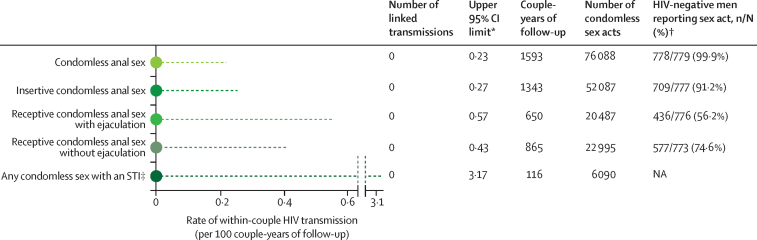
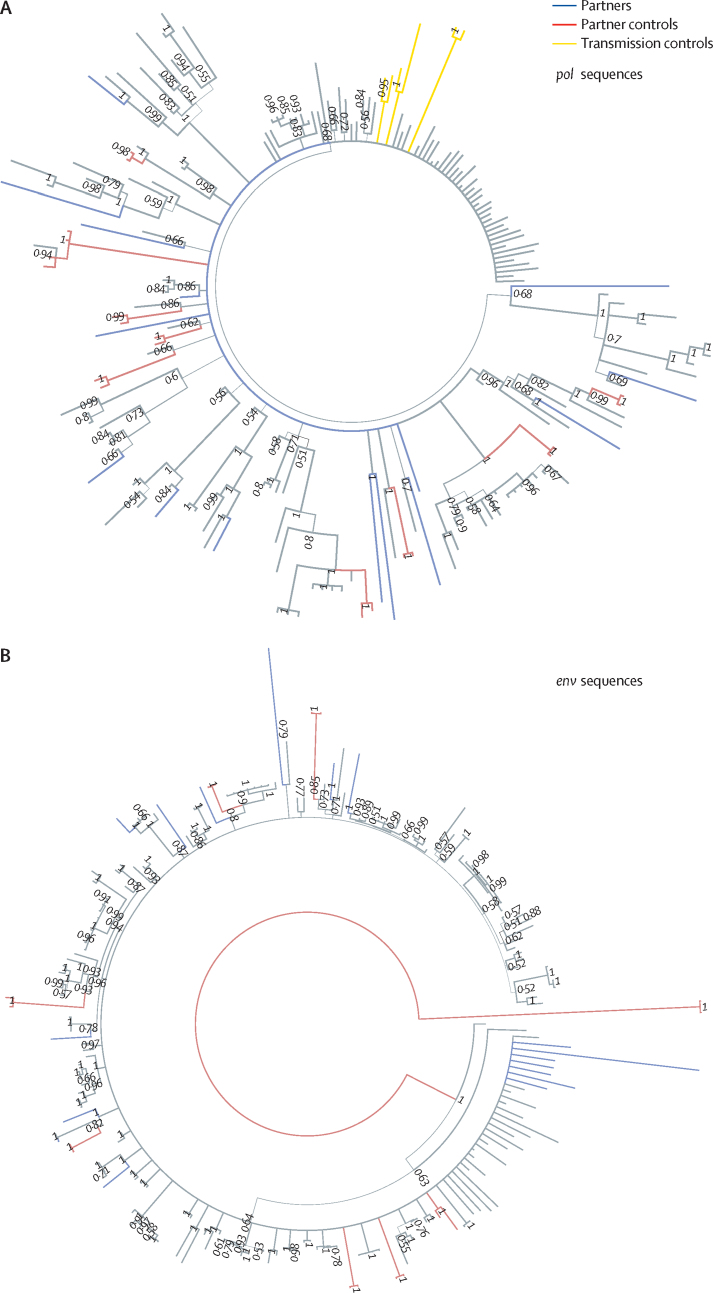
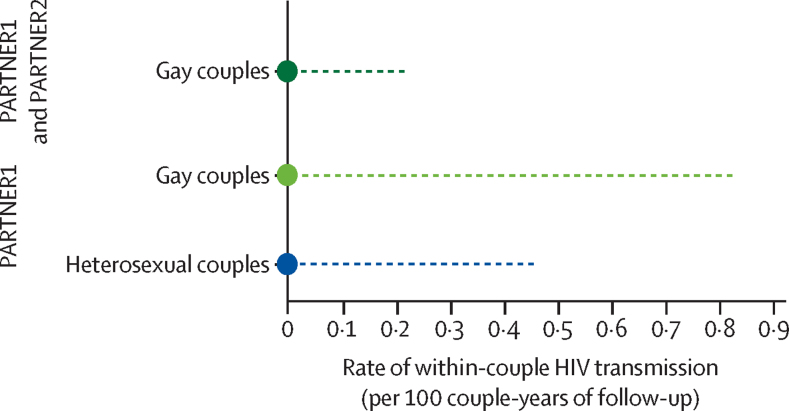
BACKGROUND: The level of evidence for HIV transmission risk through condomless sex in serodifferent gay couples with the HIV-positive partner taking virally suppressive antiretroviral therapy (ART) is limited compared with the evidence available for transmission risk in heterosexual couples. The aim of the second phase of the PARTNER study (PARTNER2) was to provide precise estimates of transmission risk in gay serodifferent partnerships. METHODS: The PARTNER study was a prospective observational study done at 75 sites in 14 European countries. The first phase of the study (PARTNER1; Sept 15, 2010, to May 31, 2014) recruited and followed up both heterosexual and gay serodifferent couples (HIV-positive partner taking suppressive ART) who reported condomless sex, whereas the PARTNER2 extension (to April 30, 2018) recruited and followed up gay couples only. At study visits, data collection included sexual behaviour questionnaires, HIV testing (HIV-negative partner), and HIV-1 viral load testing (HIV-positive partner). If a seroconversion occurred in the HIV-negative partner, anonymised phylogenetic analysis was done to compare HIV-1 pol and env sequences in both partners to identify linked transmissions. Couple-years of follow-up were eligible for inclusion if condomless sex was reported, use of pre-exposure prophylaxis or post-exposure prophylaxis was not reported by the HIV-negative partner, and the HIV-positive partner was virally suppressed (plasma HIV-1 RNA <200 copies per mL) at the most recent visit (within the past year). Incidence rate of HIV transmission was calculated as the number of phylogenetically linked HIV infections that occurred during eligible couple-years of follow-up divided by eligible couple-years of follow-up. Two-sided 95% CIs for the incidence rate of transmission were calculated using exact Poisson methods. FINDINGS: Between Sept 15, 2010, and July 31, 2017, 972 gay couples were enrolled, of which 782 provided 1593 eligible couple-years of follow-up with a median follow-up of 2·0 years (IQR 1·1-3·5). At baseline, median age for HIV-positive partners was 40 years (IQR 33-46) and couples reported condomless sex for a median of 1·0 years (IQR 0·4-2·9). During eligible couple-years of follow-up, couples reported condomless anal sex a total of 76 088 times. 288 (37%) of 777 HIV-negative men reported condomless sex with other partners. 15 new HIV infections occurred during eligible couple-years of follow-up, but none were phylogenetically linked within-couple transmissions, resulting in an HIV transmission rate of zero (upper 95% CI 0·23 per 100 couple-years of follow-up). INTERPRETATION: Our results provide a similar level of evidence on viral suppression and HIV transmission risk for gay men to that previously generated for heterosexual couples and suggest that the risk of HIV transmission in gay couples through condomless sex when HIV viral load is suppressed is effectively zero. Our findings support the message of the U=U (undetectable equals untransmittable) campaign, and the benefits of early testing and treatment for HIV. FUNDING: National Institute for Health Research.
Overview
The claims and statistics of this paper haven’t been checked yet.
Free: it reads the open-access text and checks the first 5 claims that cite a source we can check. Create a free account to check every claim.
Integrity signals
Registry
Cites
Statistics
Figures
Verification
Claims the paper makes
The claims and statistics of this paper haven’t been checked yet.
Free: it reads the open-access text and checks the first 5 claims that cite a source we can check. Create a free account to check every claim.
Claims other papers make about this one
Each is checked against this paper’s own text: does it say what the citing paper says it does?
The source backs part of the claim, not all of it — or backs it for a different population, condition or comparison.
In the citing paper
“Effective ART that suppresses HIV replication to undetectable levels reduces morbidity, provides a near-normal lifespan, and prevents sexual transmission of HIV to others (95–97,410–412).”
From Sexually Transmitted Infections Treatment Guidelines, 2021 (2021) · cites this paper as [97]
Experimental — accuracy not yet measuredThe cited source says what the claim attributes to it.
In the citing paper
“Additional studies of HIV mixed-status couples, heterosexual and MSM couples (PARTNER study), and MSM couples (Opposites Attract and PARTNERS2 studies) reported that patients with HIV taking ART who maintain an undetectable viral load demonstrate no risk for transmitting HIV to their HIV-negative sex partners (95–97).”
From Sexually Transmitted Infections Treatment Guidelines, 2021 (2021) · cites this paper as [97]
The cited source says what the claim attributes to it.
In the citing paper
“Persons with HIV infection who achieve and maintain a viral load suppressed to <200 copies/mL with ART have effectively no risk for sexually transmitting HIV (95–97,421).”
From Sexually Transmitted Infections Treatment Guidelines, 2021 (2021) · cites this paper as [97]
Self-check
Percentages, sums and reported differences re-computed from the paper’s own numbers.
The self-check needs the paper’s full text.
Citations
Cites
Prevention of HIV-1 infection with early antiretroviral therapy.
Cohen, M. S., Chen, Y. Q., McCauley, M., Gamble, T., Hosseinipour, M. C., Kumarasamy, N., Hakim, J. G., Kumwenda, J., Grinsztejn, B., Pilotto, J. H. S., et al. (2011) · New England Journal of Medicine · doi:10.1056/nejmoa1105243 · Cited by 6,873
Viral Load and Heterosexual Transmission of Human Immunodeficiency Virus Type 1
Quinn, T. C., Wawer, M. J., Sewankambo, N., Serwadda, D., Li, C., Wabwire-Mangen, F., Meehan, M. O., Lutalo, T., & Gray, R. H. (2000) · New England Journal of Medicine · doi:10.1056/nejm200003303421303 · Cited by 3,020
Antiretroviral therapy for the prevention of HIV-1 transmission.
Cohen, M. S., Chen, Y. Q., McCauley, M., Gamble, T., Hosseinipour, M. C., Kumarasamy, N., Hakim, J. G., Kumwenda, J., Grinsztejn, B., Pilotto, J. H. S., et al. (2016) · New England Journal of Medicine · doi:10.1056/nejmoa1600693 · Cited by 1,700
Rodger, A. J., Cambiano, V., Bruun, T., Vernazza, P., Collins, S., van Lunzen, J., Corbelli, G. M., Estrada, V., Geretti, A. M., Beloukas, A., et al. (2016) · JAMA · doi:10.1001/jama.2016.5148 · Cited by 1,431
Self-citationAttia, S., Egger, M., Müller, M., Zwahlen, M., & Low, N. (2009) · AIDS · doi:10.1097/qad.0b013e32832b7dca · Cited by 1,001
Donnell, D., Baeten, J. M., Kiarie, J., Thomas, K. K., Stevens, W., Cohen, C. R., McIntyre, J., Lingappa, J. R., & Celum, C. (2010) · The Lancet · doi:10.1016/s0140-6736(10)60705-2 · Cited by 952
Baggaley, R. F., White, R. G., & Boily, M.-C. (2010) · International Journal of Epidemiology · doi:10.1093/ije/dyq057 · Cited by 713
Bavinton, B. R., Pinto, A. N., Phanuphak, N., Grinsztejn, B., Prestage, G. P., Zablotska-Manos, I. B., Jin, F., Fairley, C. K., Moore, R., Roth, N., et al. (2018) · The Lancet HIV · doi:10.1016/s2352-3018(18)30132-2 · Cited by 524
Effectiveness of Highly Active Antiretroviral Therapy in Reducing Heterosexual Transmission of HIV
Castilla, J., del Romero, J., Hernando, V., Marincovich, B., García, S., & Rodríguez, C. (2005) · JAIDS Journal of Acquired Immune Deficiency Syndromes · doi:10.1097/01.qai.0000157389.78374.45 · Cited by 384
Genital HIV-1 RNA Predicts Risk of Heterosexual HIV-1 Transmission
Baeten, J. M., Kahle, E., Lingappa, J. R., Coombs, R. W., Delany-Moretlwe, S., Nakku-Joloba, E., Mugo, N. R., Wald, A., Corey, L., Donnell, D., et al. (2011) · Science Translational Medicine · doi:10.1126/scitranslmed.3001888 · Cited by 293
Research works printed but not linked: 2
- Rodger A, Bruun T, Cambiano V, et al. HIV transmission risk through condomless sex if HIV positive partner on suppressive ART: PARTNER Study. 21st Conference on Retroviruses and Opportunistic Infections (CROI); Boston, MA, USA; March 3–6, 2014. Abstract 153LB.
- Landovitz RJ, Tran TT, Cohn SE, et al. Perception of infectiousness in HIV-infected persons after initiating ART: ACTG A5257. 23rd Conference on Retroviruses and Opportunistic Infections (CROI); Boston, MA, USA; Feb 22–25, 2016. Abstract 55.
Cited by
Items 901–998 of 998
Sucupira, M. C. A., Schechter, M., Filho, A. C., Ferreira, F., Inocêncio, L. A., de Souza, D. F., & Diaz, R. S. (2024) · AIDS Research and Human Retroviruses · doi:10.1089/aid.2024.0055
Effect of Mental Health Care Visits on HIV Care Outcomes
Bussard, M. E., Ashraf, S., & Summers, N. A. (2024) · AIDS and Behavior · doi:10.1007/s10461-024-04542-5
Medina-Marino, A., Sibanda, N., Putt, M., Davey, D. J., Smith, P. J., Thirumurthy, H., Bekker, L., & Buttenheim, A. M. (2024) · PLoS ONE · doi:10.1371/journal.pone.0309905 · Cited by 1
Specialty pharmacy services compared with community-based pharmacy services on HIV viral load
Pedersen, L. L., Fulco, P. P., Pryor, R. J., & Bearman, G. M. (2024) · Journal of the American Pharmacists Association · doi:10.1016/j.japh.2024.102307
Barros, C. R. D. S., Matsuda, E. M., da Rocha, A. B. M., Lopes, G. I. S. L., Campos, N. C., Brígido, L. F. D. M., Bassichetto, K. C., & Veras, M. A. D. S. M. (2024) · Epidemiologia e Serviços de Saúde · doi:10.1590/s2237-96222024v33e2024412.especial.pt
López, T. D. J. C., & López, E. D. (2024) · Latin American Journal of Clinical Sciences and Medical Technology · doi:10.34141/ljcs2544689
Li, G., Ma, J., Yu, H., Tsahouridis, O., Lou, Y., He, X., Funaki, M., Mathur, P., Kottilil, S., Zheng, P., et al. (2024) · bioRxiv (Cold Spring Harbor Laboratory) · doi:10.1101/2024.12.16.628615
Eaton, E., Martorell, C. T., Sawyer, J., Schreibman, T., Felzien, G., Jimenez, J. M., Chadha, C. A., Carter, J., Napolitan, C., Simone, L., et al. (2025) · HIV Research & Clinical Practice · doi:10.1080/25787489.2025.2455814
“Given conclusive evidence that people with sustained viral suppression cannot transmit HIV sexually, closing gaps in HIV care engagement is essential to improve individual lives and end the HIV epidemic [7–8].”
Werner, R. N., Vader, I., Abunijela, S., Bickel, M., Biel, A., Boesecke, C., Branke, L., Bremer, V., Brockmeyer, N. H., Buder, S. C., et al. (2025) · JDDG Journal der Deutschen Dermatologischen Gesellschaft · doi:10.1111/ddg.15617_g · Cited by 1
Self-citationPalliative Care for People with HIV
Harding, R., Namisango, E., & Peeler, A. (2024) · Springer eBooks · doi:10.1007/978-3-031-48991-4_126
Makangila, G., Merico, F., & Hillis, S. (2025) · medRxiv · doi:10.1101/2025.04.05.25325299
Ahmat, S. I., Ali, H. M., Hien, Y. E., Adawaye, C., Doungous, D. M., Tabsoba, F., Moussa, S. H., Mahamat, Z. M., Savadogo, A., & Traoré, Y. (2025) · Advances in Infectious Diseases · doi:10.4236/aid.2025.152020 · Cited by 1
Adeboye, N. O., Julius, O., Bashiru, K. A., & Adedotun, A. F. (2025) · Scientific African · doi:10.1016/j.sciaf.2025.e02760
Research Progress on the Impact of HAART on Laboratory Indicators of HIV/AIDS Patients
赵, 妮. (2025) · Advances in Clinical Medicine · doi:10.12677/acm.2025.1551430
Edwards, K. A., Long, D., Jones, K. F., Durr, A. L., Farel, C. E., Liebschutz, J. M., Bair, M. J., Agil, D., Napravnik, S., Browne, L., et al. (2025) · JAIDS Journal of Acquired Immune Deficiency Syndromes · doi:10.1097/qai.0000000000003706
Steup, F. L., Gültzow, T., Jonas, K. J., & Zimmermann, H. M. L. (2025) · Psychology and Health · doi:10.1080/08870446.2025.2519115
“U = U is a slogan and principle that relates to the fact that people with HIV (PWHIV) whose HIV viral load is suppressed cannot transmit the virus to their partners without HIV (Attia et al., 2009; Cohen et al., 2016; Rodger et al., 2019).”
Horsburgh, B. A., Abayasingam, A., Jenkins, F., Li, H., Foster, C. S. P., Lloyd, A. R., Coin, L., Rawlinson, W. D., Kelleher, A. D., van Hal, S. J., et al. (2025) · Scientific Reports · doi:10.1038/s41598-025-03190-6
Teruya, K. (2025) · Japanese Journal of Transfusion and Cell Therapy · doi:10.3925/jjtc.71.505
Hausman, J., Kennedy, V. L., Shapiro, H. M., & Loutfy, M. R. (2025) · AIDS Care · doi:10.1080/09540121.2025.2534529
“Before the scienti fi c advancements elucidated by the PARTNERS and HPTN 052 studies (Eshleman et al., 2017; Rodger et al., 2019) that lead to the proclamation that U = U, Canadian guidelines recommended Medically Assisted Conception (MAC) as the preferred method of conception for individuals living…”
Vieira, J. A. P., Moreno‐Fornés, S., Díaz, Y., Bruguera, A., Llibre, J. M., Knobel, H., Chivite, I., Miró, J. M., Domingo, P., Suanzes, P., et al. (2025) · AIDS Care · doi:10.1080/09540121.2025.2534111
HIV Care and Prevention: Special Populations
Silva, C. J., Arrington‐Sanders, R., Goldstein, Z. G., Imbert, E., Hickey, M. D., Asupoto, O., Wurcel, A. G., Davids, A., Carvalho, A., García, D., et al. (2025) · Oxford University Press eBooks · doi:10.1093/med/9780197812631.003.0010
HIV Incidence Could Rise by 68% in 11 States if Ryan White Ends: A Simulation StudyPreprint
Schnure, M., Forster, R. E., Jones, J. L., Lesko, C. R., Batey, D. S., Butler, I., Ward, D., Musgrove, K., Althoff, K. N., Jain, M. K., et al. (2025) · medRxiv · doi:10.1101/2025.07.31.25332525
Human Immunodeficiency Virus Types 1 and 2: Virology, Host Response, Treatment, and Prevention
Tang, J. ‘., Goepfert, P., & Kaslow, R. A. (2025) · Springer eBooks · doi:10.1007/978-1-4939-9544-8_66-1 · Cited by 1
Borchmann, O. B., Weis, N. M., Hansen, A. E., Storgaard, M., Chandanabhumma, P. P., & Moseholm, E. (2025) · AIDS Care · doi:10.1080/09540121.2025.2570406
“…therapy (ART) has drastically improved the prognosis of people with HIV (Eves et al., 2024; Trickey et al., 2024; Tusch et al., 2024), and it is well documented that when viral suppression is achieved on ART, HIV cannot be transmitted sexually (Rodger et al., 2016; Rodger et al., 2019).”
Xi, M., Bullock, S. L., Mendelsohn, J., Moravan, V., Burchell, A. N., Tan, D. H. S., Lebouché, B., Routy, J., Daftary, A., Thompson, T., et al. (2025) · PLoS ONE · doi:10.1371/journal.pone.0332926 · Cited by 2
Bisangamo, C. K., Jeanne, Z. L., Florentin, A. K., & El-Nimr, N. (2025) · medRxiv · doi:10.1101/2025.10.14.25338035
Brief Report: Availability of Substance Use Services at US HIV Care Facilities by Urbanicity
Iqbal, K., Crim, S. M., Tie, Y., Cholli, P. A., O’Shea, J., Weiser, J. K., & Dasgupta, S. (2025) · JAIDS Journal of Acquired Immune Deficiency Syndromes · doi:10.1097/qai.0000000000003789
Social Representations of Nursing Students About the Sexuality of People Living With HIV
Bessa, M. M., de Freitas, R. J. M., de Araújo, J. L., Dantas, S. L. D. C., Fernandes, S. F., Marques, A. D. B., de Lima, M. V. C., & de Oliveira, S. K. P. (2025) · American Journal of Sexuality Education · doi:10.1080/15546128.2025.2581293
Naar, S., Rainer, C., Cockern, S. N., King, L., Morgan, J., & Hightow‐Weidman, L. (2025) · Journal of the International Association of Providers of AIDS Care (JIAPAC) · doi:10.1177/23259582251391273
Eichenberger, A. L., Moshi, L., Okuma, J. O., Vanobberghen, F. M., Sambuta, A., Kitau, O., Matoy, L., Senkoro, E., Kimera, N., Mbaruku, M., et al. (2025) · AIDS and Behavior · doi:10.1007/s10461-025-04957-8
“The 200 copies/ml cut-off was based on studies indicating no risk for HIV transmission through unprotected sex for viral loads below this level [22, 23].”
Stojanovski, K., Ogarrio, K., Kubat, E., King, E. J., Theall, K. P., & Geronimus, A. T. (2025) · Journal of Epidemiology & Community Health · doi:10.1136/jech-2025-224002 · Cited by 2
Djiadeu, P., Begum, H., Haavaldsrud, M., Busa, G., Dansoh, J., Nguyen, P. V., Ekmekjian, T., Fleurant, A., Gadient, S., & Archibald, C. P. (2025) · AIDS and Behavior · doi:10.1007/s10461-025-04976-5
“Over - all, there were 6 observational studies (5 prospective [10 , 16 , 17, 21, 22 ] and 1 retrospective [23]) and 3 randomized 3 and Fig.”
Diagnostic testing as a public health intervention: challenges and opportunities
Nelson, K., Brown, T. S., & Kissler, S. M. (2025) · Future Virology · doi:10.1080/17460794.2025.2603143
Whittaker, R., Case, K. K., Nilsen, Ø. J., Blystad, H., Cowan, S. A., Kløvstad, H., & van Sighem, A. (2020) · Figshare · doi:10.6084/m9.figshare.12577061
Busang, J., Zuma, T., Herbst, C., Okesola, N., Chimbindi, N., Dreyer, J., Mtshali, N., Smit, T., Ngubane, S., Hlongwane, S., et al. (2023) · Figshare · doi:10.6084/m9.figshare.23962007
Msosa, T. C., Swai, I. U., Boer, M. S., Ngowi, K. M., de Wit, T. F. R., Aarnoutse, R., & Nliwasa, M. (2023) · Figshare · doi:10.6084/m9.figshare.23962093
Moran, L., Koester, K. A., Tourneau, N. L., Coffey, S., Moore, K., Broussard, J., Crouch, P.-C., VanderZanden, L., Schneider, J. A., Lynch, E., et al. (2023) · Figshare · doi:10.6084/m9.figshare.23689482
Moran, L., Koester, K. A., Tourneau, N. L., Coffey, S., Moore, K., Broussard, J., Crouch, P.-C., VanderZanden, L., Schneider, J. A., Lynch, E., et al. (2023) · Figshare · doi:10.6084/m9.figshare.23689479
Bogers, S., Nieuwkerk, P. T., van Dijk, N., van der Loeff, M. S., Geerlings, S. E., & van Bergen, J. E. A. M. (2023) · Figshare · doi:10.6084/m9.figshare.24225204
Moran, L., Koester, K. A., Tourneau, N. L., Coffey, S., Moore, K., Broussard, J., Crouch, P.-C., VanderZanden, L., Schneider, J. A., Lynch, E., et al. (2023) · Figshare · doi:10.6084/m9.figshare.23689485
Whittaker, R., Case, K. K., Nilsen, Ø. J., Blystad, H., Cowan, S. A., Kløvstad, H., & van Sighem, A. (2020) · Figshare · doi:10.6084/m9.figshare.12577055
Kasadha, B., Hinton, L., Tariq, S., Nyatsanza, F., Namiba, A., Freeman‐Romilly, N., & Rai, T. (2024) · Figshare · doi:10.6084/m9.figshare.26507206
Public Health Applications of Infectious Disease Molecular Epidemiology—So What?
Shahmanesh, M., & Bailey, H. (2025) · Springer eBooks · doi:10.1007/978-3-031-76448-6_8
Brázia, J., Wang, B., Meireles, P., Valdano, E., & Teixeira, A. S. (2025) · Research Square · doi:10.21203/rs.3.rs-8226143/v1 · Cited by 1
Yang, F., & Väisänen, H. (2025) · China Population and Development Studies · doi:10.1007/s42379-025-00208-4 · Cited by 1
“Following TasP discovery, several cohort studies demonstrated consistent results, including the PARTNER 2 study (Rodger et al., 2019) conducted in 14 European countries among serodiscordant gay male couples, and the “Opposites Attract” observational cohort study conducted among similar key…”
Lim, T., Mcdwyer, P., Zachry, W., Christoph, M. J., & Weinberg, A. R. (2026) · AIDS and Behavior · doi:10.1007/s10461-025-05021-1
Duut, F. Y., Nfoke, S. P., Ayamga, E., Kwayaja, N., Senoo, D. K. J., Salifu, R. S., Anyorigiya, T., Agongo, G., Abugri, J., & Dassah, S. (2026) · Research Square · doi:10.21203/rs.3.rs-8603324/v1
Pravosud, V., Ballard, A. M., Holloway, I. W., Solis, J., & Young, A. M. (2026) · The Journal of Sex Research · doi:10.1080/00224499.2026.2620017
“Condomless anal sex (CAS) can put men who have sex with men (MSM) at higher risk for HIV transmission (Patel et al., 2014), especially in the absence of biomedical HIV prevention strategies (Patel et al., 2014; Rodger et al., 2019).”
Al‐Hayani, A., Carrillo-Acosta, I., Cabello-Úbeda, A., Algar-Arevalo, C., Prieto-Pérez, L., Álvarez-Álvarez, B., Téllez-Pérez, R., Castaño-Núñez, Á. L., Sanchez-Martin, J., Fuensalida-Novo, G., et al. (2026) · BMC Infectious Diseases · doi:10.1186/s12879-026-12849-y · Cited by 1
“…(early immunological recovery and potential reduction in AIDS and non-AIDS events) [4, 9, 11] and collective (decrease in transmission with earlier virologic suppression) [5, 7, 10, 22, 23]— support this strategy, particularly as our data confirm its safety even without prior baseline data.”
Xi, M., Dumicho, A. Y., Tan, D. H. S., Masucci, L., Burchell, A. N., Zwerling, A. A., Ma, H., Zhang, W., OHTN Cohort Study Team, Mishra, S., et al. (2026) · medRxiv · doi:10.64898/2026.02.18.26346556
Diagnosis, indicator diseases and monitoring of HIV (including resistance testing)
Robertson, R., & Barber, T. (2026) · Medicine · doi:10.1016/j.mpmed.2026.01.002
Zhou, K., Wang, X., Zhou, D., Dai, L., & Tang, W. (2026) · Scientific Reports · doi:10.1038/s41598-026-43075-w
“Patient follow-up visits were conducted at baseline, and at weeks 4, 8, 12, 24, 36, 48, and 96.”
Tookes, H., Copeland, C., Mordi, U., Jarrett, J., Martins, R., Connolly, M. P., & Sullivan, P. S. (2026) · Journal of health economics and outcomes research · doi:10.36469/001c.159112
Global stability analysis of a fuzzy HIV–TB co-infection model with environmental TB transmission
Luambano, D. D., Stephano, M. A., & Mayengo, M. M. (2026) · Scientific African · doi:10.1016/j.sciaf.2026.e03334
Joint modelling of left- and interval-censored viral load for couples in Mozambique
Juga, A. J. C., Hens, N., Osman, N. B., & Aerts, M. (2026) · PLoS ONE · doi:10.1371/journal.pone.0345307
Tenuta, M., Bravo, M., Olson, A., Saney, C. L., Weinfurter, J. T., Ben‐Akiva, E., Bhange, D., Cottrell, C. A., Vosler, L. J., Weisgrau, K. L., et al. (2026) · Gene Therapy · doi:10.1038/s41434-026-00610-8
“By suppressing viral replication to undetectable levels, ART prevents transmission [2] and restores immune function [3, 4].”
Untransmittable but unequal? Sexual wellbeing disparities in the context of PrEP and U=U
Norman, T. L., Meléndez‐Torres, G. J., Murphy, D., Bourne, A. H., Sombrea, D. P., & Power, J. (2026) · Sexual Health · doi:10.1071/sh25159
Boadi, P. A., & Dzramado, V. L. (2026) · PLOS Global Public Health · doi:10.1371/journal.pgph.0006017 · Cited by 1
“U = U indicates that PLWHA who achieve and maintain undetectable viral loads through consistent ART adherence cannot sexually transmit HIV to partners [40,41].”
Raccagni, A. R., Lolatto, R., Capra, N., Loi, G., Canetti, D., Siribelli, A., Lucente, M. F., Moro, M., Napoli, D. D., Lazzarin, A., et al. (2026) · HIV Medicine · doi:10.1111/hiv.70242
“Prompt initiation of anti-retroviral therapy (ART) preserves immune function, prevents AIDS-defining events and enables sustained viral suppression [6 – 8].”
Challenges facing long-acting PrEP implementation in large populations
Sun, C., & Liao, Y. (2026) · Emerging Microbes & Infections · doi:10.1080/22221751.2026.2663619
“…of long-acting antiviral prophylaxis drugs, exemplified by the twice-yearly injectable capsid inhibitor lenacapavir [1,2], marks a remarkable advance in HIV prevention, which addresses the adherence issue that has limited the real-world use of daily oral pre-exposure prophylaxis (PrEP) [3,4].”
Jones, J. C., Costa, M., Sagaon‐Teyssier, L., Sow, A., Béniguel, L., Mechlia, M. B., Assoumou, L., Ghosn, J., Costagliola, D. G., Manda, V., et al. (2026) · AIDS and Behavior · doi:10.1007/s10461-026-05131-4 · Cited by 1
HIV transmission cannot be stopped without equity
Pool, E. R. M., Thompson, M., Gibbs, J., Shahmanesh, M., & Sultan, B. (2026) · BMJ · doi:10.1136/bmj.s775
Molina, J. (2026) · Bulletin de l Académie Nationale de Médecine · doi:10.1016/j.banm.2025.12.032
MACEDO, N. F., BAGGIO, G. L., de Oliveira, J. C., Buccio, I. P., da Silva, N. D. G., Ventura, T. M. O., Carvalho, T. S., Souza, P. H. C., Rosa, E. A. R., Lima, A. D. P., et al. (2026) · Archives of Oral Biology · doi:10.1016/j.archoralbio.2026.106624
Akimkin, V. G., Алексеевна, К. А., & Евгеньевич, К. Д. (2026) · Journal of microbiology epidemiology immunobiology · doi:10.36233/0372-9311-834
Wang, H., Jonas, K. J., & van de Vijver, D. A. M. C. (2026) · JAIDS Journal of Acquired Immune Deficiency Syndromes · doi:10.1097/qai.0000000000003882 · Cited by 3
“2,22 Given an established sexual preference based on the PrEP use status so-called PrEP sorting, 28 MSM who use PrEP would prefer to have sex with men who also use PrEP, and vice versa.”
Stakeholders' perspectives on HIV prevention in the Czech Republic: a qualitative study
Szépe, V., Rödlová, S., Zlámal, M., & Tichopád, A. (2026) · Frontiers in Public Health · doi:10.3389/fpubh.2026.1764708
“This is consistent with the “Undetectable = Untransmittable” (U = U) principle, a global campaign ruled by Centre for Disease Control and Prevention (CDC) that emphasizes that individuals on effective ART are unable to sexually transmit the virus (11).”
Zhou, Q., Sun, H., Armstrong, H. L., Peng, W., Shen, Y., Wu, W., Wang, R., & Li, X. (2026) · International Journal of Sexual Health · doi:10.1080/19317611.2026.2680183
Pan, C., Luo, C., & 李爱仙 (2026) · Frontiers in Public Health · doi:10.3389/fpubh.2026.1870907
Danesh, A., Ngo, T. P., & Santos, G. (2026) · Journal of Psychoactive Drugs · doi:10.1080/02791072.2026.2673839
Costa, G. G., Luz, P. M., Oliveira, V. D. G., Grinsztejn, B. G. J., Veloso, V. G., & Torres, T. S. (2026) · AIDS and Behavior · doi:10.1007/s10461-026-05213-3
Cost-effectiveness of emergency department opt-out testing for HIV in England: a modelling study
Walker, J. G., Baggaley, R. F., Myring, G., Irvine, M. A., Asgharzadeh, A., Laurence, Y. V., Bell, E., Schoemig, V., Cross, E., Allison, S., et al. (2026) · The Lancet HIV · doi:10.1016/s2352-3018(26)00109-8
Human immunodeficiency virus and acquired immunodeficiency syndrome in women
Jones, J. L., & Scully, E. P. (2026) · Elsevier eBooks · doi:10.1016/b978-0-443-45863-7.00045-7
Kayi, Y. D. G., Boumba, A. L. M., Loubano-Voumbi, G., Nsadi, A. C. I., Pouki, F. S., Batchy, A. A., Tounga, A. J., Babangida, A., & Moukassa, D. (2026) · Advances in Infectious Diseases · doi:10.4236/aid.2026.162031
Albornoz, W. (2026) · The Open AIDS Journal · doi:10.2174/0118746136425299260709055248
Singh, K. (2026) · Culture Health & Sexuality · doi:10.1080/13691058.2026.2697936
HIV update for the non-HIV specialist and general physician
Ringshall, M., & Vera, J. H. (2026) · Clinical Medicine · doi:10.1016/j.clinme.2026.100628 · Cited by 2
Breastfeeding in Women Living With HIV in the ART Era: Toward Risk-Adapted Clinical Care
Azzi, A., Assaad, N. E., Haddad, F., Lebbos, J., & Choucair, J. (2026) · Journal of the International Association of Providers of AIDS Care (JIAPAC) · doi:10.1177/23259582261471868
“29,30 Importantly, although the principle of “Undetectable = Untransmittable” (U = U) is well established for sexual HIV transmission, equivalent certainty has not been demonstrated for breastfeeding-associated transmission.”
Freeman‐Romilly, N., Kasadha, B., Tariq, S., Namiba, A., Nyatsanza, F., Phillips, N., & Rai, T. (2026) · Frontiers in Reproductive Health · doi:10.3389/frph.2026.1902552
Tarekegn, T. K., Mekonnen, H., Melaku, B., Asgai, A. S., & Lidetu, T. (2026) · Journal of the International Association of Providers of AIDS Care (JIAPAC) · doi:10.1177/23259582261475556
Waters, L. J., Lord, E., Mackie, N., Ashby, J., Babu, C., Barber, T., Dhairyawan, R., Freedman, A., Gaddie, J., Gilleece, Y. C., et al. (2026) · International Journal of STD & AIDS · doi:10.1177/09564624261453171 · Cited by 1
“49 In the unusual situation in which someone is unable or unwilling to take ART, or has a detectable viral load but wishes to conceive with an informed consenting partner, risk reduction advice may be given, including timed condomless sexual intercourse, sperm washing (where available) and the use…”
Yuan, D., Liu, Y., Liu, S., Peng, N., Zhu, X., Qian, Q., Wang, B., & Yin, Y. (2026) · Frontiers in Immunology · doi:10.3389/fimmu.2026.1846559
HIV-related knowledge, attitude and practice of nurses towards people living with HIV in Singapore
Shen, C. T., Wong, Y. Q., Fan, E. A., Renganathan, K., Kumar, P. A., & Acharyya, S. (2026) · Discover Public Health · doi:10.1186/s12982-026-02630-6
“The concept of “Undetectable = Untrans-mittable” (U = U) explains that individuals with HIV, who maintain an undetectable HIV viral load through ART adherence, cannot transmit HIV to others [33].”
Holt, M., STORER, D. L., Bavinton, B. R., Broady, T. R., Chan, C., Gordon, T., Mao, L., Reid-Moore, T., Smith, A. K. J., Vujcich, D., et al. (2026) · AIDS and Behavior · doi:10.1007/s10461-026-05278-0
Tahtasakal, C. A., Gerdan, G., Demirbaş, N. D., & Sevgi, D. Y. (2026) · International Journal of Sexual Health · doi:10.1080/19317611.2026.2716277
“…HPTN 052, PARTNER, PARTNER2, and Opposites Attract, all of which consistently demonstrated that no sexual transmission occurs within serodifferent couples when viral load is suppressed by effective antiretroviral therapy (Bavinton et al., 2018; Cohen et al., 2016; Rodger et al., 2016, 2019).”
Bortolani, L., Santinelli, L., Lazzaro, A., Ridolfi, M., Alessi, F., Altavilla, E., Bleve, V., Martino, L. D., Falletta, A., Romano, F., et al. (2026) · Public Health · doi:10.1016/j.puhe.2026.106451
Occupational HIV monitoring should match standard of care
Kneale, M. (2026) · The Lancet HIV · doi:10.1016/s2352-3018(26)00200-6
Singh, K. (2026) · Social Science & Medicine · doi:10.1016/j.socscimed.2026.119768
Meijer, S., Holt, M., Bavinton, B. R., Broady, T. R., Calabrese, S. K., Gray, J., Kalwicz, D. A., Yu, S., Gordon, T., Molyneux, A., et al. (2026) · Sexuality Research and Social Policy · doi:10.1007/s13178-026-01410-w
Topolska, I., & Szczęśniak-Sięga, B. M. (2026) · International Journal of Molecular Sciences · doi:10.3390/ijms27177800
“Infection occurs through various routes of transmission, and the host immune response plays a key role in controlling infection; however, some viruses are capable of evading host defense mechanisms [9–11].”
Social sciences at the centre of HIV stigma reduction
Ortega, C., & Tomicic, A. (2026) · The Lancet HIV · doi:10.1016/s2352-3018(26)00223-7
The “Porto Alegre HIV Charter”: Confronting the HIV epidemic in Rio Grande do Sul, Southern Brazil
Vieceli, T., Riche, C. V. W., Buffon, V. R., Hernandes, C. P., Falci, D. R., Junqueira, G., Ikeda, M. L. R., Volkweis, M. R., Diaz, R. S., Pasqualotto, A. C., et al. (2026) · The Brazilian Journal of Infectious Diseases · doi:10.1016/j.bjid.2026.105965
“…(U = U; I = I, Indetect ´ avel = Intrans-missíve l) is now beyond serious dispute: people on suppressive therapy with an undetectable viral load do not transmit HIV sexually, as demonstrated by the PARTNER and HPTN 052 studies 20,21 and formally endorsed in Brazil ’ s national messaging.”
HIV self-testing and the global diagnostic gap: Addressing a decade of missed opportunity
Granich, R., Gupta, S., Munyangaju, I., & Ruffner, M. (2026) · PLoS Medicine · doi:10.1371/journal.pmed.1005241
“Self-testing carries a behavioural prevention benefit from knowledge of status alone, a clinical benefit from earlier treatment initiation, and a transmission benefit from earlier viral suppression [6–9].”
Geng, F., Lu, Y., Santostefano, C. M., Lu, X., Lee, Y., Dow, P. M., Shireman, T. I., & Galárraga, O. (2026) · Journal of General Internal Medicine · doi:10.1007/s11606-026-10794-9
Diagnostic and Therapeutic Perspectives on Persistent HIV-1 Low-Level Viremia
Kang, C. K., & Li, J. Z. (2026) · Infection and Chemotherapy · doi:10.3947/ic.2026.0076
“While the most robust evidence supporting U=U applies to viral loads 200 copies/mL, this reassurance now extends to viremia between 200 and 1,000 copies/mL, as recent evidence indicates that sexual transmission risk remains negligible at these levels [4, 59].”
Metadata
- Authors
- Rodger, A. J., Cambiano, V., Bruun, T., Vernazza, P., Collins, S., Degen, O., Corbelli, G. M., Estrada, V., Geretti, A. M., Beloukas, A., Raben, D., Coll, P., Antinori, A., Nwokolo, N., Rieger, A., Prins, J. M., Blaxhult, A., Weber, R., Van Eeden, A., Brockmeyer, N. H., Clarke, A., del Romero Guerrero, J., Raffi, F., Bogner, J. R., Wandeler, G., Gerstoft, J., Gutiérrez, F., Brinkman, K., Kitchen, M., Ostergaard, L., Leon, A., Ristola, M., Jessen, H., Stellbrink, H.-J., Phillips, A. N., Lundgren, J., Coll, P., Cobarsi, P., Nieto, A., Meulbroek, M., Carrillo, A., Saz, J., Guerrero, J. D. R., García, M. V., Gutiérrez, F., Masiá, M., Robledano, C., Leon, A., Leal, L., Redondo, E. G., Estrada, V. P., Marquez, R., Sandoval, R., Viciana, P., Espinosa, N., Lopez-Cortes, L., Podzamczer, D., Tiraboschi, J., Morenilla, S., Antela, A., Losada, E., Nwokolo, N., Sewell, J., Clarke, A., Kirk, S., Knott, A., Rodger, A. J., Fernandez, T., Gompels, M., Jennings, L., Ward, L., Fox, J., Lwanga, J., Lee, M., Gilson, R., Leen, C., Morris, S., Clutterbuck, D., Brady, M., Asboe, D., Fedele, S., Fidler, S., Brockmeyer, N., Potthoff, A., Skaletz-Rorowski, A., Bogner, J., Seybold, U., Roider, J., Jessen, H., Jessen, A., Ruzicic, S., Stellbrink, H.-J., Kümmerle, T., Lehmann, C., Degen, O., Bartel, S., Hüfner, A., Rockstroh, J., Mohrmann, K., Boesecke, C., Krznaric, I., Ingiliz, P., Weber, R., Grube, C., Braun, D., Günthard, H., Wandeler, G., Furrer, H., Rauch, A., Vernazza, P., Schmid, P., Rasi, M., Borso, D., Stratmann, M., Caviezel, O., Stoeckle, M., Battegay, M., Tarr, P., Christinet, V., Jouinot, F., Isambert, C., Bernasconi, E., Bernasconi, B., Gerstoft, J., Jensen, L. P., Bayer, A. A., Ostergaard, L., Yehdego, Y., Bach, A., Handberg, P., Kronborg, G., Pedersen, S. S., Bülow, N., Ramskover, B., Ristola, M., Debnam, O., Sutinen, J., Blaxhult, A., Ask, R., Hildingsson-Lundh, B., Westling, K., Frisen, E.-M., Cortney, G., O'Dea, S., De Wit, S., Necsoi, C., Vandekerckhove, L., Goffard, J.-C., Henrard, S., Prins, J., Nobel, H.-H., Weijsenfeld, A., Van Eeden, A., Elsenburg, L., Brinkman, K., Vos, D., Hoijenga, I., Gisolf, E., Van Bentum, P., Verhagen, D., Raffi, F., Billaud, E., Ohayon, M., Gosset, D., Fior, A., Pialoux, G., Thibaut, P., Chas, J., Leclercq, V., Pechenot, V., Coquelin, V., Pradier, C., Breaud, S., Touzeau-Romer, V., Rieger, A., Kitchen - Maria Geit, M., Sarcletti, M., Gisinger, M., Oellinger, A., Antinori, A., Menichetti, S., Bini, T., Mussini, C., Meschiari, M., Di Biagio, A., Taramasso, L., Celesia, B. M., Gussio, M., & Janeiro, N.
- Affiliations
- University College London (GB)
- University of Copenhagen (DK)
- University of Liverpool (GB)
- Innsbruck Medical University (AT)
- Infektionsmedizinisches Centrum Hamburg (DE)
- LMU Klinikum (DE)
- Inserm (FR)
- University of Bern (CH)
- Istituto Nazionale per le Malattie Infettive Lazzaro Spallanzani (IT)
- ORCID
- Cambiano, Valentina
- Collins, Simon
- Corbelli, Giulio Maria
- Beloukas, Apostolos
- Raben, Dorthe
- Kitchen, Maria
- Phillips, Andrew N
- Lundgren, Jens
- Saz, Jorge
- Masiá, Mar
- Leal, Lorna
- Tiraboschi, Juan
- Antela, Antonio
- Losada, Elena
- Sewell, Janey
- Fernandez, Thomas
- Gompels, Mark
- Fox, Julie
- Lee, Ming
- Gilson, Richard
- Leen, Clifford
- Clutterbuck, Dan
- Brady, Michael
- Asboe, David
- Fidler, Sarah
- Potthoff, Anja
- Seybold, Ulrich
- Roider, Julia
- Lehmann, Clara
- Rockstroh, Jürgen
- Boesecke, Christoph
- Krznaric, Ivanka
- Ingiliz, Patrick
- Braun, Dominique
- Günthard, Huldrych
- Furrer, Hansjakob
- Rauch, Andri
- Schmid, Patrick
- Stoeckle, Marcel
- Battegay, Manuel
- Tarr, Philip
- Bernasconi, Enos
- Kronborg, Gitte
- Westling, Katarina
- Vandekerckhove, Linos
- Goffard, Jean-Christophe
- Henrard, Sophie
- Weijsenfeld, Annouschka
- Elsenburg, Loek
- Gisolf, Elisabeth
- Verhagen, Dominique
- Chas, Julie
- Pradier, Christian
- Gisinger, Martin
- Mussini, Cristina
- Meschiari, Marianna
- Taramasso, Lucia
- Celesia, Benedetto M.
- Venue
- The Lancet
- Publisher
- Elsevier BV
- Published
- 2019-06
- Volume
- 393
- Issue
- 10189
- Pages
- 2428-2438
- ISSN
- 0099-5355 (ISSN-L)
- 0140-6736
- PMC
- PMC6584382
- OpenAlex
- W2943039121
- Semantic Scholar
- dd8a22d372911ab5c0669c09eefcfffaddbd6e1c
- Cited by
- 1,023
- References
- 35
- Citations by year
- 2026: 87 · 2025: 122 · 2024: 126 · 2023: 153 · 2022: 153 · 2021: 144 · 2020: 168 · 2019: 68
- FWCI
- 102.10
- Type
- journal article
- Language
- en
- Open access
- hybrid
- doi.org
- Licence
- cc-by-nc-nd
- www.elsevier.com/tdm/userlicense/1.0/ (tdm)
- www.elsevier.com/legal/tdmrep-license (tdm)
- creativecommons.org/licenses/by-nc-nd/4.0/ (vor)
- Locations
- The Lancet (publishedVersion, cc-by-nc-nd)
- PubMed Central (publishedVersion, cc-by-nc-nd)
- PubMed (publishedVersion)
- Kölner Universitäts PublikationsServer (Universität zu Köln) (publishedVersion)
- Research at the University of Copenhagen (University of Copenhagen) (publishedVersion, cc-by-nc-nd)
- Ghent University Academic Bibliography (Ghent University) (submittedVersion, cc-by-nc-nd)
- Työväentutkimus Vuosikirja (submittedVersion, cc-by-nc-nd)
- IRIS UNIMORE (University of Modena and Reggio Emilia) (submittedVersion, cc-by)
- Data Archiving and Networked Services (DANS) (submittedVersion)
- Archivio Istituzionale della Ricerca (Universita Degli Studi Di Milano) (submittedVersion, other-oa)
- Cineca Institutional Research Information System (Tor Vergata University) (submittedVersion, other-oa)
- BORIS (University Library Bern) (submittedVersion, cc-by-nc-nd)
- UCL Discovery (University College London) (submittedVersion)
- CINECA IRIS Institutial Research Information System (University of Genoa) (submittedVersion, other-oa)
- Pure Amsterdam UMC (submittedVersion, cc-by-nc-nd)
- Edinburgh Research Explorer (University of Edinburgh) (submittedVersion, cc-by-nc-nd)
- RUNA. Repositorio Institucional del Sergas (Servicio Gallego de Salud (SERGAS)) (submittedVersion, cc-by-nc-nd)
- Spiral (Imperial College London) (submittedVersion, other-oa)
- Zurich Open Repository and Archive (University of Zurich) (submittedVersion)
- Data Archiving and Networked Services (DANS) (submittedVersion, other-oa)
- Open Access CRIS of the University of Bern
- Funders
- Danmarks Grundforskningsfond (126)
- Gilead Sciences
- Augustinus Fonden
- National Institute for Health and Care Research
- A.P. Møller og Hustru Chastine Mc-Kinney Møllers Fond til almene Formaal
- Research for Patient Benefit Programme (PB-PG-1013-32069)
- British HIV Association
- Topics
- Health Sciences › Medicine › Infectious Diseases › HIV/AIDS Research and Interventions
- Life Sciences › Immunology and Microbiology › Virology › HIV Research and Treatment
- Health Sciences › Medicine › Epidemiology › HIV, Drug Use, Sexual Risk
- Keywords
- HIV transmission, gay men, unprotected sex, antiretroviral therapy, viral suppression, HIV-1, transmission risk, phylogenetic analysis, seroconversion, HIV prevention, HIV-negative partners, HIV-positive partners, sexual behavior, pre-exposure prophylaxis, post-exposure prophylaxis, HIV-1 drug resistance, HIV-1 subtype C, HIV-1 subtype D, HIV-1 subtype E, HIV-1 subtype F, HIV-1 subtype G
- MeSH terms
- Adult, HIV Seropositivity, Humans, Male, Middle Aged, Prospective Studies, Sexual Partners, Condoms, Homosexuality, Male, Anti-HIV Agents, Viral Load, Antiretroviral Therapy, Highly Active, Unsafe Sex
About these checks
Registry, retraction, Cites and statistics results are computed, not judged, with one exception: a printed reference that no index lists is read once by a model before it counts as a citation error. Claims are extracted by a model and kept only when their quote appears verbatim in the text; each cited source is then checked, with a model’s help, for whether it says what the claim relies on. Those verdicts can be wrong — read the claim’s quote and the cited source before relying on one.
Statistics and arithmetic are recomputed, not judged.
Confidence bands are shown only for fields calibrated on our annotated test set. None is calibrated yet, so no band is shown.
What counts as a claim ›How we measure confidence ›How we check this ›
Are you an author, or do you see a problem with this page? Request a review
Data sources
Bibliographic data: Semantic Scholar, OpenAlex, Crossref.
Contains information from the Semantic Scholar Academic Graph Datasets, made available under the ODC Attribution License (ODC-BY 1.0).
Semantic Scholar’s data is described in: Kinney, R., et al. (2023). The Semantic Scholar Open Data Platform. arXiv:2301.10140.
