

Risk of HIV transmission through condomless sex in serodifferent gay couples with the HIV-positive partner taking suppressive antiretroviral therapy (PARTNER): final results of a multicentre, prospective, observational study.
Open accessThe DOI matches its Crossref record; 35 of the 35 references it cites were found in a registry or an index.
Abstract
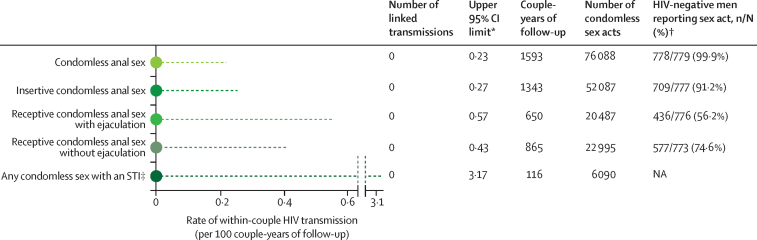
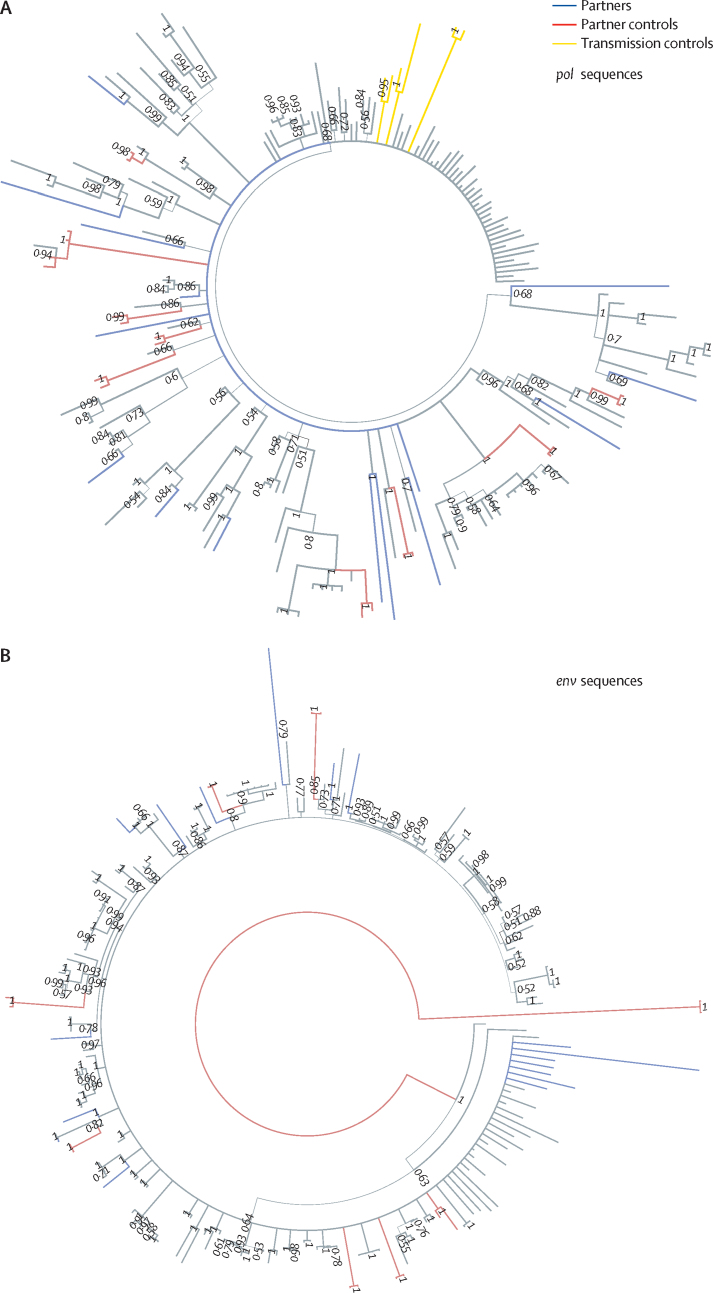
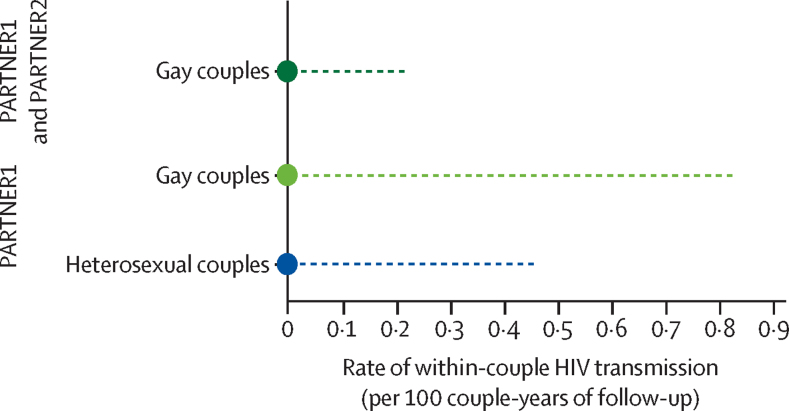
BACKGROUND: The level of evidence for HIV transmission risk through condomless sex in serodifferent gay couples with the HIV-positive partner taking virally suppressive antiretroviral therapy (ART) is limited compared with the evidence available for transmission risk in heterosexual couples. The aim of the second phase of the PARTNER study (PARTNER2) was to provide precise estimates of transmission risk in gay serodifferent partnerships. METHODS: The PARTNER study was a prospective observational study done at 75 sites in 14 European countries. The first phase of the study (PARTNER1; Sept 15, 2010, to May 31, 2014) recruited and followed up both heterosexual and gay serodifferent couples (HIV-positive partner taking suppressive ART) who reported condomless sex, whereas the PARTNER2 extension (to April 30, 2018) recruited and followed up gay couples only. At study visits, data collection included sexual behaviour questionnaires, HIV testing (HIV-negative partner), and HIV-1 viral load testing (HIV-positive partner). If a seroconversion occurred in the HIV-negative partner, anonymised phylogenetic analysis was done to compare HIV-1 pol and env sequences in both partners to identify linked transmissions. Couple-years of follow-up were eligible for inclusion if condomless sex was reported, use of pre-exposure prophylaxis or post-exposure prophylaxis was not reported by the HIV-negative partner, and the HIV-positive partner was virally suppressed (plasma HIV-1 RNA <200 copies per mL) at the most recent visit (within the past year). Incidence rate of HIV transmission was calculated as the number of phylogenetically linked HIV infections that occurred during eligible couple-years of follow-up divided by eligible couple-years of follow-up. Two-sided 95% CIs for the incidence rate of transmission were calculated using exact Poisson methods. FINDINGS: Between Sept 15, 2010, and July 31, 2017, 972 gay couples were enrolled, of which 782 provided 1593 eligible couple-years of follow-up with a median follow-up of 2·0 years (IQR 1·1-3·5). At baseline, median age for HIV-positive partners was 40 years (IQR 33-46) and couples reported condomless sex for a median of 1·0 years (IQR 0·4-2·9). During eligible couple-years of follow-up, couples reported condomless anal sex a total of 76 088 times. 288 (37%) of 777 HIV-negative men reported condomless sex with other partners. 15 new HIV infections occurred during eligible couple-years of follow-up, but none were phylogenetically linked within-couple transmissions, resulting in an HIV transmission rate of zero (upper 95% CI 0·23 per 100 couple-years of follow-up). INTERPRETATION: Our results provide a similar level of evidence on viral suppression and HIV transmission risk for gay men to that previously generated for heterosexual couples and suggest that the risk of HIV transmission in gay couples through condomless sex when HIV viral load is suppressed is effectively zero. Our findings support the message of the U=U (undetectable equals untransmittable) campaign, and the benefits of early testing and treatment for HIV. FUNDING: National Institute for Health Research.
Overview
The claims and statistics of this paper haven’t been checked yet.
Free: it reads the open-access text and checks the first 5 claims that cite a source we can check. Create a free account to check every claim.
Integrity signals
Registry
Cites
Statistics
Figures
Verification
Claims the paper makes
The claims and statistics of this paper haven’t been checked yet.
Free: it reads the open-access text and checks the first 5 claims that cite a source we can check. Create a free account to check every claim.
Claims other papers make about this one
Each is checked against this paper’s own text: does it say what the citing paper says it does?
The source backs part of the claim, not all of it — or backs it for a different population, condition or comparison.
In the citing paper
“Effective ART that suppresses HIV replication to undetectable levels reduces morbidity, provides a near-normal lifespan, and prevents sexual transmission of HIV to others (95–97,410–412).”
From Sexually Transmitted Infections Treatment Guidelines, 2021 (2021) · cites this paper as [97]
Experimental — accuracy not yet measuredThe cited source says what the claim attributes to it.
In the citing paper
“Additional studies of HIV mixed-status couples, heterosexual and MSM couples (PARTNER study), and MSM couples (Opposites Attract and PARTNERS2 studies) reported that patients with HIV taking ART who maintain an undetectable viral load demonstrate no risk for transmitting HIV to their HIV-negative sex partners (95–97).”
From Sexually Transmitted Infections Treatment Guidelines, 2021 (2021) · cites this paper as [97]
The cited source says what the claim attributes to it.
In the citing paper
“Persons with HIV infection who achieve and maintain a viral load suppressed to <200 copies/mL with ART have effectively no risk for sexually transmitting HIV (95–97,421).”
From Sexually Transmitted Infections Treatment Guidelines, 2021 (2021) · cites this paper as [97]
Self-check
Percentages, sums and reported differences re-computed from the paper’s own numbers.
The self-check needs the paper’s full text.
Citations
Cites
Prevention of HIV-1 infection with early antiretroviral therapy.
Cohen, M. S., Chen, Y. Q., McCauley, M., Gamble, T., Hosseinipour, M. C., Kumarasamy, N., Hakim, J. G., Kumwenda, J., Grinsztejn, B., Pilotto, J. H. S., et al. (2011) · New England Journal of Medicine · doi:10.1056/nejmoa1105243 · Cited by 6,873
Viral Load and Heterosexual Transmission of Human Immunodeficiency Virus Type 1
Quinn, T. C., Wawer, M. J., Sewankambo, N., Serwadda, D., Li, C., Wabwire-Mangen, F., Meehan, M. O., Lutalo, T., & Gray, R. H. (2000) · New England Journal of Medicine · doi:10.1056/nejm200003303421303 · Cited by 3,020
Antiretroviral therapy for the prevention of HIV-1 transmission.
Cohen, M. S., Chen, Y. Q., McCauley, M., Gamble, T., Hosseinipour, M. C., Kumarasamy, N., Hakim, J. G., Kumwenda, J., Grinsztejn, B., Pilotto, J. H. S., et al. (2016) · New England Journal of Medicine · doi:10.1056/nejmoa1600693 · Cited by 1,700
Rodger, A. J., Cambiano, V., Bruun, T., Vernazza, P., Collins, S., van Lunzen, J., Corbelli, G. M., Estrada, V., Geretti, A. M., Beloukas, A., et al. (2016) · JAMA · doi:10.1001/jama.2016.5148 · Cited by 1,431
Self-citationAttia, S., Egger, M., Müller, M., Zwahlen, M., & Low, N. (2009) · AIDS · doi:10.1097/qad.0b013e32832b7dca · Cited by 1,001
Donnell, D., Baeten, J. M., Kiarie, J., Thomas, K. K., Stevens, W., Cohen, C. R., McIntyre, J., Lingappa, J. R., & Celum, C. (2010) · The Lancet · doi:10.1016/s0140-6736(10)60705-2 · Cited by 952
Baggaley, R. F., White, R. G., & Boily, M.-C. (2010) · International Journal of Epidemiology · doi:10.1093/ije/dyq057 · Cited by 713
Bavinton, B. R., Pinto, A. N., Phanuphak, N., Grinsztejn, B., Prestage, G. P., Zablotska-Manos, I. B., Jin, F., Fairley, C. K., Moore, R., Roth, N., et al. (2018) · The Lancet HIV · doi:10.1016/s2352-3018(18)30132-2 · Cited by 524
Effectiveness of Highly Active Antiretroviral Therapy in Reducing Heterosexual Transmission of HIV
Castilla, J., del Romero, J., Hernando, V., Marincovich, B., García, S., & Rodríguez, C. (2005) · JAIDS Journal of Acquired Immune Deficiency Syndromes · doi:10.1097/01.qai.0000157389.78374.45 · Cited by 384
Genital HIV-1 RNA Predicts Risk of Heterosexual HIV-1 Transmission
Baeten, J. M., Kahle, E., Lingappa, J. R., Coombs, R. W., Delany-Moretlwe, S., Nakku-Joloba, E., Mugo, N. R., Wald, A., Corey, L., Donnell, D., et al. (2011) · Science Translational Medicine · doi:10.1126/scitranslmed.3001888 · Cited by 293
Research works printed but not linked: 2
- Rodger A, Bruun T, Cambiano V, et al. HIV transmission risk through condomless sex if HIV positive partner on suppressive ART: PARTNER Study. 21st Conference on Retroviruses and Opportunistic Infections (CROI); Boston, MA, USA; March 3–6, 2014. Abstract 153LB.
- Landovitz RJ, Tran TT, Cohn SE, et al. Perception of infectiousness in HIV-infected persons after initiating ART: ACTG A5257. 23rd Conference on Retroviruses and Opportunistic Infections (CROI); Boston, MA, USA; Feb 22–25, 2016. Abstract 55.
Cited by
Items 301–400 of 998
HIV testing in COVID-19 pandemic and beyond in Japan
Oka, S. (2021) · Global Health & Medicine · doi:10.35772/ghm.2021.01103 · Cited by 10
“For maximum reduction in the number of new cases of HIV infection with a goal of "Ending the HIV Epidemic", we have to identify all HIV infected people who are not yet diagnosed, start antiretroviral therapy (ART) as early as possible, and ensure that the viral loads are maintained below the detection levels, based on…”
BackgroundSong, J., Yang, G., Kamara, M. N., Sun, W., Guan, Q., Barrie, U., Jiba, D. F., Jalloh, A. T., Liu, M., Tamba, F. K., et al. (2023) · Virology Journal · doi:10.1186/s12985-023-02245-2 · Cited by 9
“…regular condomless anal sex by HIV-positive partner with viral loads 200 copies/mL, and their HIV negative partner reported zero transmission of HIV, reinforcing the message of ‘unde-tectable equals untransmittable (U = U)’ and emphasizes the benefits of early HIV diagnosis and treatment [25].”
BackgroundQuee, F. A., Slot, E., van Leeuwen, I., Brands, R., Franssen, E. J. F., Hogema, B. M., Zaaijer, H. L., & van de Laar, T. J. W. (2024) · Transfusion · doi:10.1111/trf.17941 · Cited by 10
“16,17 Allowing MSM to donate blood could increase the number of donors using PrEP, and thereby increase the HIV transmission risk for recipients.”
Drivers and Facilitators of HIV-Related Stigma in Healthcare Settings in Ireland
Vaughan, E., & Költő, A. (2024) · AIDS and Behavior · doi:10.1007/s10461-024-04489-7 · Cited by 15
Reducing HIV incidence and mortality: two sides of the same coin in the approach to ending AIDS
Jarvis, J. N., Ehrenkranz, P. D., Lawrence, D. S., Keene, C., Reid, M. J. A., Katz, I. T., Shodell, D., Casas, C. P., Mupeli, K., Sivile, S., et al. (2025) · The Lancet HIV · doi:10.1016/s2352-3018(25)00265-6 · Cited by 9
Ramírez‐Ortiz, D., Sheehan, D. M., Ibañez, G. E., Ibrahimou, B., Rosa, M. R. D. L., & Cano, M. Á. (2020) · AIDS Care · doi:10.1080/09540121.2020.1736259 · Cited by 12
“Early treatment with antiretroviral drugs is critical as it significantly decreases the risk of HIV transmission, reduces HIV-related morbidity, and improves survival (Antiretroviral Therapy Cohort Collaboration, 2017; Rodger et al., 2019).”
BackgroundAIDS at 40th: The progress of HIV treatment in Japan
Oka, S. (2022) · Global Health & Medicine · doi:10.35772/ghm.2021.01120 · Cited by 10
“The result was similar with HPTN 052, strongly indicating that when viral load is suppressed, HIV transmission risk is suppressed to zero (56).”
ResultCosta, J. D. O., Lau, S., Medland, N., Gibbons, S., Schaffer, A. L., & Pearson, S. (2022) · British Journal of Clinical Pharmacology · doi:10.1111/bcp.15614 · Cited by 10
“8 Amiodarone Elvitegravir/c Ritonavir 3 (3) 9 Apixaban Elvitegravir/c Ritonavir Atazanavir 3 (3) 10 Domperidone Elvitegravir/c Ritonavir Atazanavir 3 (3) Close monitor/adjustment 558 (100) 1 Oxycodone Elvitegravir/c (47) Ritonavir (14), Darunavir/c (5), Atazanavir/c (3) Efavirenz (12), Atazanavir (6), Etravirine (3) N…”
BackgroundInfluentialAttitudes Towards Treatment as Prevention Among PrEP-Experienced Gay and Bisexual Men in Australia
Dowell‐Day, A., Dobbins, T., Chan, C., Fraser, D., Holt, M., Vaccher, S. J., Clifton, B., Zablotska, I., Grulich, A. E., & Bavinton, B. R. (2023) · AIDS and Behavior · doi:10.1007/s10461-023-04019-x · Cited by 11
“The effectiveness of TasP in GBM was demonstrated in two international cohort studies, reporting their results from 2016 [2, 4].”
BackgroundShimizu, K., Nishiura, H., & Imamura, A. (2019) · Journal of Clinical Medicine · doi:10.3390/jcm8060804 · Cited by 10
Maloney, K. M., Beer, L., Tie, Y., & Dasgupta, S. (2019) · AIDS and Behavior · doi:10.1007/s10461-019-02761-9 · Cited by 9
da Silva, L. A. V., Duarte, F. M., & Lima, M. (2020) · Sexualidad Salud y Sociedad (Rio de Janeiro) · doi:10.1590/1984-6487.sess.2020.34.03.a · Cited by 15
da Silva, L. A. V., Duarte, F. M., & Lima, M. (2020) · Physis Revista de Saúde Coletiva · doi:10.1590/s0103-73312020300105 · Cited by 18
Al‐khouja, A., Shieh, E. C., Fuchs, E. J., Marzinke, M. A., Bakshi, R. P., Hummert, P., Ham, A. S., Buckheit, K. W., Breakey, J., Weld, E. D., et al. (2021) · AIDS Research and Human Retroviruses · doi:10.1089/aid.2020.0188 · Cited by 10
Torres, T. S., Harrison, L. J., Rosa, A. M. L., Zheng, L., Cardoso, S. W., Ulaya, G., Akoojee, N., Kadam, D., Collier, A. C., Hughes, M. D., et al. (2021) · AIDS Care · doi:10.1080/09540121.2021.1874275 · Cited by 11
BASHH 2018 UK national audit of HIV partner notification
Bull, L., Apea, V., Wiggins, H., Davies, S., Saxon, C., Hughes, A., Curtis, H., Sullivan, A. K., & on behalf of the members of the British Society for Sexual Health and HIV National Audit Group (2021) · International Journal of STD & AIDS · doi:10.1177/0956462421990281 · Cited by 9
HIV-associated lymphoma—advances in clinical management
Khwaja, J., Burns, J. E., Ahmed, N., & Cwynarski, K. (2021) · Annals of Lymphoma · doi:10.21037/aol-21-16 · Cited by 10
“As such, commencing ART as close to diagnosis as possible, irrespective of CD4+ T-cell count, is standard practice (11,12).”
BackgroundVITO, A. D., Botta, A., Berruti, M., Castelli, V., Lai, V., Cassol, C., Lanari, A., Stella, G., Shallvari, A., Bezenchek, A., et al. (2022) · Journal of Personalized Medicine · doi:10.3390/jpm12020188 · Cited by 9
“The treatment not only prevents the development of AIDS-defining pathologies but also reduces chronic inflammation and individual infectivity, thus reducing the risk of new infections [3,4].”
BackgroundYamamoto, N., Koizumi, Y., Tsuzuki, S., Ejima, K., Takano, M., Iwami, S., Mizushima, D., & Oka, S. (2021) · Scientific Reports · doi:10.1038/s41598-022-07116-4 · Cited by 12
ter Haar, A. M., Fieten, A., den Hof, M. V., Malekzadeh, A., Laan, E. T. M., Oostrom, K. J., & Pajkrt, D. (2022) · Sexual Medicine · doi:10.1016/j.esxm.2022.100578 · Cited by 13
“Both these 2 aspects have been downsized and therefore have little impact on young people, due to treatment optimization in the past decades and the finding of the fact that HIV cannot be transmitted through sex when the viral load is undetectable (Undetectable = Untransmittable (U = U) concept).(62)”
BackgroundHamusonde, K., Nicca, D., Günthard, H. F., Stöckle, M., Darling, K., Calmy, A., Bernasconi, E., Haerry, D., Schmid, P., Kouyos, R. D., et al. (2022) · The Journal of Infectious Diseases · doi:10.1093/infdis/jiac459 · Cited by 9
“The SHCS (www.shcs.ch) is an ongoing, nationally representative cohort study of PWH. Clinical, behavioral, and laboratory data are collected at study registration and biannually thereafter [7].”
InfluentialSelf-citationThe Rapid interaction: a qualitative study of provider approaches to implementing Rapid ART
Moran, L., Koester, K. A., Tourneau, N. L., Coffey, S., Moore, K., Broussard, J., Crouch, P.-C., VanderZanden, L., Schneider, J. A., Lynch, E., et al. (2023) · Implementation Science Communications · doi:10.1186/s43058-023-00464-w · Cited by 10
“Early ART initiation protects patients diagnosed during early acute HIV infection from irreparable harm to their immune system [11, 21, 22], can play an important role in transmission prevention [2, 12, 23], and can be life-saving for patients with untreated advanced disease [1, 13].”
U=U is a blessing: but only for patients with access to HIV treatment: an essay by Tamás Bereczky
Bereczky, T. (2019) · BMJ · doi:10.1136/bmj.l5554 · Cited by 9
Demedicalizing the Ethics of PrEP as HIV Prevention: The Social Effects on MSM
Montess, M. (2020) · Public Health Ethics · doi:10.1093/phe/phaa016 · Cited by 11
Wen, Z., Shi, M., & Sun, C. (2024) · Viruses · doi:10.3390/v16091368 · Cited by 10
Ooi, C., Lewis, D. A., & Newman, C. E. (2022) · Perspectives on Sexual and Reproductive Health · doi:10.1363/psrh.12204 · Cited by 8
Richterman, A. G., O’Brien, C., Ghadimi, F., Sumners, E., Ford, A., Houston, N., Tate, S., Aitcheson, N., Nkwihoreze, H., Jemmott, J. B., et al. (2024) · AIDS Care · doi:10.1080/09540121.2024.2372715 · Cited by 9
“…antiretroviral therapy prevents HIV transmission between sero-discordant sexual partners(Bavinton et al., 2018; Cohen et al., 2016; Rodger et al., 2016; Rodger et al., 2019), leading to a global “ Undetectable equals Untransmittable ” (U = U) campaign (Campaign, 2016, 2020; Eisinger et al., 2019).”
Exploring experiences of ageing in older adults living with HIV in Sweden: a qualitative study
Sundler, A. J., Lund, M., van Dulmen, S., & Lalloo, E. C. (2024) · International Journal of Qualitative Studies on Health and Well-Being · doi:10.1080/17482631.2024.2393752 · Cited by 10
“Without detectable virus levels, there is no risk of transmitting HIV sexually, described as HIV being “undetectable” = “untransmittable” (U=U) (Cambiano et al., 2019).”
BackgroundBernal, A. N., Krist, L. C., Stutterheim, S. E., Englebert, S., Rinkleff, K., Beer, D. P. D., Moutschen, M. P., Jonas, K. J., & Zimmermann, H. M. L. (2025) · AIDS Care · doi:10.1080/09540121.2024.2446697 · Cited by 9
“Especially heterosexual participants displayed low knowledge levels about HIV, PrEP, and the concept of undetectable viral load (Rodger et al., 2019) (individual level), leading to a low-risk perception of behaviors like unprotected sex (quote A.13), ultimately hindering prevention and testing…”
Barriers and facilitators of adherence to long-term antiretroviral treatment in Kampala, Uganda
Okoboi, S., Mujugira, A., Nekesa, N., Castelnuovo, B., Lippman, S. A., & King, R. L. (2025) · PLOS Global Public Health · doi:10.1371/journal.pgph.0004121 · Cited by 11
Biomedical Interventions for HIV Prevention and Control: Beyond Vaccination
Liao, Y., Wen, Z., Shi, M., Zou, H., & Sun, C. (2025) · Viruses · doi:10.3390/v17060756 · Cited by 13
“Despite these advances, adherence challenges with daily oral PrEP, as observed in trials such as VOICE and KPNC, underscored the need for more user-friendly options [94,95].”
The changing landscape of HIV epidemiology and management
Hamilton, W. L., & Aliyu, S. H. (2025) · Clinical Medicine · doi:10.1016/j.clinme.2025.100520 · Cited by 12
“14 , 15 This fact is the basis of the public health message that ‘un-detectable = untransmittable’, or ‘U = U’.”
Meulbroek, M., Dalmau-Bueno, A., Saz, J., Marazzi, G., Pérez-Tejera, F., Coll, J., Taboada, H., & Pujol, F. (2020) · International Journal of STD & AIDS · doi:10.1177/0956462420932424 · Cited by 8
Self-citationArmstrong, E., Coleman, T. A., Lewis, N. M., Coulombe, S., Wilson, C., Woodford, M. R., Cameron, R., Davis, C. E., & Travers, R. (2020) · The Canadian Journal of Human Sexuality · doi:10.3138/cjhs.2019-0054 · Cited by 8
Changes in the profile of newly HIV-diagnosed men who have sex with men, Madrid, 2014 to 2019
Ayerdi, O., Garcia, M. V., López, T. P., Clavo, P., Martín, J. B., Lejarraga, C., Fuentes, M. E., Utrilla, M. R., Pérez, V. E., del Romero, J., et al. (2021) · Eurosurveillance · doi:10.2807/1560-7917.es.2021.26.47.2001501 · Cited by 10
“Several studies have confirmed that seropositive patients with undetectable viral load under ART did not transmit the infection to their sexual partners [6,7].”
BackgroundAl‐Hayani, A., Cabello, A., Tamarit, M. D. P., Rodríguez-Alonso, B., Carrillo-Acosta, I., Álvarez-Álvarez, B., Prieto-Pérez, L., Quintela, L. F., Fuensalida-Novo, G., Téllez, R., et al. (2022) · Journal of Antimicrobial Chemotherapy · doi:10.1093/jac/dkac079 · Cited by 8
Fokam, J., Chenwi, C. A., Takou, D., Santoro, M. M., Tala, V., Teto, G., Beloumou, G. A., Semengue, E. N. J., Dambaya, B., Djupsa, S. C. N., et al. (2023) · Viruses · doi:10.3390/v15081683 · Cited by 8
Leeies, M., Collister, D., Christie, E. A., Doucette, K. E., Hrymak, C. S., Lee, T.-H. “., Sutha, K., & Ho, J. (2023) · American Journal of Transplantation · doi:10.1016/j.ajt.2023.08.027 · Cited by 9
HIV infection detection using CRISPR/Cas systems: Present and future prospects
Deng, B., & Xue, J. (2023) · Computational and Structural Biotechnology Journal · doi:10.1016/j.csbj.2023.09.005 · Cited by 11
“The scientific validity of this conclusion has also been demonstrated in a number of relevant clinical trials, such as the PARTNER study and the HPTN 052 trial, both of which found that virologically-suppressed carriers (plasma HIV-1 RNA ≤ 200 copies/mL) are incapable of sexually transmitting the virus, making it clea…”
ResultRai, T., Kasadha, B., Tariq, S., Keating, S., Hinton, L., Namiba, A., & Pope, C. J. (2023) · Women s Studies International Forum · doi:10.1016/j.wsif.2023.102834 · Cited by 10
Kalwicz, D. A., Rao, S., Modrakovic, D. X., Zea, M. C., Dovidio, J. F., Eaton, L. A., Holt, M., MacGibbon, J., Zaheer, M. A., Garner, A., et al. (2024) · AIDS and Behavior · doi:10.1007/s10461-023-04241-7 · Cited by 10
“While these findings provide some information on HIV-negative SMM’s openness to various serodiffer-ent partnering scenarios, it remains unclear whether these results would be similar with US SMM, particularly given the evidence for U = U that has accumulated since the original study [16, 18].”
Monforte, A. D., Tavelli, A., Cozzi‐Lepri, A., Castagna, A., Passerini, S., Francisci, D., Saracino, A., Maggiolo, F., Lapadula, G., Girardi, E., et al. (2019) · Journal of Antimicrobial Chemotherapy · doi:10.1093/jac/dkz512 · Cited by 8
Self-citationCarter, A., Patterson, S., Kestler, M., de Pokomandy, A., Hankins, C. A., Gormley, B., Nicholson, V., Lee, M., Wang, L., Greene, S., et al. (2020) · Sexuality Research and Social Policy · doi:10.1007/s13178-020-00432-2 · Cited by 8
Self-citationMcCree, D. H., Beer, L., Geter, A., Tie, Y., & Bradley, E. L. P. (2020) · AIDS and Behavior · doi:10.1007/s10461-020-02805-5 · Cited by 9
Tattsbridge, J., Wiskin, C., de Wildt, G., Llavall, A. C., & Ramal-Asayag, C. (2020) · BMC Public Health · doi:10.1186/s12889-020-08745-y · Cited by 8
“Antiretroviral therapy (ART) has been shown to prevent HIV transmission through condomless sex when HIV viral load is undetectable, achieved by strict adherence [10].”
BackgroundEisinger, R. W., & Fauci, A. S. (2020) · China CDC Weekly · doi:10.46234/ccdcw2020.163 · Cited by 9
Katou, S., Vogel, T., Morgul, H. M., Eichelmann, A.-K., Becker, F., Slepecka, P., Boehmer, K., Reichelt, D., Reuter, S., Pascher, A., et al. (2020) · Transplantation Proceedings · doi:10.1016/j.transproceed.2020.07.008 · Cited by 8
Nduaguba, S. O., Ford, K. H., Wilson, J. P., Lawson, K. A., & Cook, R. L. (2020) · International Journal of STD & AIDS · doi:10.1177/0956462420947567 · Cited by 12
Conan, N., Badawi, M., Chihana, M. L., Wanjala, S., Kingwara, L., Mambula, C., Ngugi, C. N., Okomo, G. O., Opollo, V. S., Salumu, L., et al. (2021) · Tropical Medicine & International Health · doi:10.1111/tmi.13688 · Cited by 8
Gilbertson, A., Tucker, J. D., Dubé, K., Dijkstra, M., & Rennie, S. (2021) · BMC Medical Ethics · doi:10.1186/s12910-021-00716-1 · Cited by 8
“There is no risk of sexual transmission of HIV while a person is undetectable for HIV under suppressive cART [161, 162].”
BackgroundHIV serostatus disclosure to sexual partner: a survey among women in Tehran, Iran
Pashaei, Z., Oskouie, F. H., Moradi‐Lakeh, M., Jahanfar, S., & Haghani, S. (2022) · European journal of medical research · doi:10.1186/s40001-022-00663-6 · Cited by 12
“People living with HIV (PLHIV) who have undetectable viral load do not transmit HIV infection to their partners [31].”
BackgroundChoy, C. Y., Wong, C. S., Kumar, P. A., Olszyna, D. P., Teh, Y. E., Chien, M. F. J., Kurup, A., Koh, Y. L., Ho, L. P., Law, H. L., et al. (2022) · Singapore Medical Journal · doi:10.11622/smedj.2021174 · Cited by 8
“(4) Tenofovir-containing regimens: (a) TDF-containing regimens should be avoided in individuals whose CrCl is below 60mL/min.”
BackgroundRoth, G., Walker, E. R., Talley, C. L., & Hussen, S. A. (2022) · Culture Health & Sexuality · doi:10.1080/13691058.2022.2086708 · Cited by 9
Transcriptome-wide association study of HIV-1 acquisition identifies HERC1 as a susceptibility gene
Duarte, R. R. R., Pain, O., O’Brien, R. L. F., Nixon, D. F., & Powell, T. R. (2022) · iScience · doi:10.1016/j.isci.2022.104854 · Cited by 10
Personalizing prevention: Advances in pharmacotherapy for HIV prevention
Brizzi, M. B., Sherman, E. M., Green, S. B., Nowicki, D. N., Drwiega, E. N., Nicol, M. R., Chastain, D. B., Sahloff, E. G., Truong, W. R., Cluck, D. B., et al. (2023) · Pharmacotherapy The Journal of Human Pharmacology and Drug Therapy · doi:10.1002/phar.2796 · Cited by 9
Humanise and demedicalise Undetectable=Untransmittable in Thailand
Phanuphak, N., Siriphan, J., Kumpitak, A., Suwanpattana, N., & Benjarattanaporn, P. (2023) · Sexual Health · doi:10.1071/sh23060 · Cited by 9
Ending of the HIV Epidemic: A Plan for America
Sokoloff, B. (2023) · Oxford University Press eBooks · doi:10.1093/med/9780197679098.003.0001 · Cited by 7
Islatravir: evaluation of clinical development for HIV and HBV
Gillespie, S. W., Reddy, A. S., Burris, D. M., Naqvi, S. H., Byrareddy, S. N., Lorson, C. L., & Singh, K. D. (2024) · Expert Opinion on Investigational Drugs · doi:10.1080/13543784.2024.2305130 · Cited by 9
Moges, N. A., Adesina, O. A., Okunlola, M. A., Berhane, Y., & Akinyemi, J. O. (2020) · HIV/AIDS - Research and Palliative Care · doi:10.2147/hiv.s267215 · Cited by 12
“as prevention(21,41) that reported undetectable viral load is effectively zero of HIV transmission.(42,43) Therefore, it is time to redefine the risky sexual practices among HIV patients on ART in line with the current findings stating that persons living with HIV who achieve sustained viral suppression with ART can a…”
ResultSebastião, C. S., Morais, J. F. M., & Brito, M. (2021) · Tropical Medicine and Infectious Disease · doi:10.3390/tropicalmed6010029 · Cited by 9
“Access to ART is important for reducing mortality and prevents HIV transmission [14,15].”
BackgroundSkerritt, L., de Pokomandy, A., O’Brien, N., Sourial, N., Burchell, A. N., Bartlett, G., Schuster, T., Rouleau, D., Proulx‐Boucher, K., Pick, N., et al. (2021) · Sexual and Reproductive Health Matters · doi:10.1080/26410397.2021.1932702 · Cited by 9
Abdullahi, A., García-Díaz, A., Fopoussi, O. M., Beloukas, A. I., Defo, V. F., Kouanfack, C., Torimiro, J. N. E., & Geretti, A. M. (2023) · Journal of Antimicrobial Chemotherapy · doi:10.1093/jac/dkad386 · Cited by 8
Self-citationJongen, V. W., Daans, C. G., van Sighem, A., van der Loeff, M. F. S., Hage, K., Welling, C., von Vaupel‐Klein, A., den Heijer, M., Peters, E. J. G., van der Valk, M., et al. (2024) · Journal of the International AIDS Society · doi:10.1002/jia2.26317 · Cited by 8
Duong, K. N. C., Schmutz, H. W., Ben‐Umeh, K. C., Duru, E. E., Rose, N., Trom, C., Chaiyakunapruk, N., & Willis, C. (2024) · AIDS · doi:10.1097/qad.0000000000004046 · Cited by 10
Miltz, A. R., Sewell, J., Nakagawa, F., Rein, S. M., Sherr, L., Rodger, A., Phillips, A. N., van Luenen, S., Garnefski, N., Kraaij, V., et al. (2025) · Journal of the International AIDS Society · doi:10.1002/jia2.26424 · Cited by 14
Self-citationThe global burden, trends, and inequalities of HIV/AIDS: a multicountry observational analysis
Cheng, H., Tong, Z., Han, R., Yang, G., Gao, M., Cui, F., & Yuan, R. (2025) · BMC Infectious Diseases · doi:10.1186/s12879-025-11683-y · Cited by 13
“Moreover, This may be related to the decline in HIV/AIDS health funding, the spread of HIV among men who have sex with men (MSM), and the transmission of drug-resistant HIV strains in these regions [21, 22].”
Haag, K., Tariq, S., Dhairyawan, R., Sabin, C. A., Okhai, H., Gilson, R. J. C., Burns, F. M., & Sherr, L. (2022) · Menopause The Journal of The North American Menopause Society · doi:10.1097/gme.0000000000001931 · Cited by 7
“Poor adherence and self-care could ultimately lead to higher rates of HIV-related morbidity and poorer quality of life,(17,18) as well as increasing the risk of onward transmission if someone is not virologically suppressed on ART.(19) Deriving classes with similar profiles of mental health, ie, groupings of women suf…”
BackgroundInfluentialSelf-citationTratamento como prevenção na perspectiva de pessoas vivendo com HIV/aids
Lioi, F. M., Sousa, L. R. M., Elias, H. C., Gerin, L., Gir, E., & Reis, R. K. (2023) · Acta Paulista de Enfermagem · doi:10.37689/acta-ape/2023ao012323 · Cited by 41
Sweitzer, S., Giegold, M., Chen, Y., Farber, E. W., Sumitani, J., Henderson, A., Easley, K. A., Armstrong, W. S., Colasanti, J. A., Ammirati, R. J., et al. (2023) · AIDS Patient Care and STDs · doi:10.1089/apc.2023.0061 · Cited by 7
Kayuni, S. A., Abdullahi, A., Alharbi, M., Makaula, P., Lampiao, F., Juziwelo, L. T., LaCourse, E. J., Kumwenda, J. J., Leutscher, P. D. C., Geretti, A. M., et al. (2023) · Scientific Reports · doi:10.1038/s41598-023-40756-8 · Cited by 12
Self-citationAvallone, F., Engler, K., Cox, J., Hickson, F. C. I., & Lebouché, B. (2024) · AIDS and Behavior · doi:10.1007/s10461-023-04237-3 · Cited by 9
Msosa, T. C., Kabaghe, A. N., Twabi, H. H., Mpinganjira, S., Mzumara, W., Boer, M. S., Aarnoutse, R. E., de Wit, T. F. R., Chipungu, G. A., Ngowi, K. M., et al. (2025) · AIDS and Behavior · doi:10.1007/s10461-025-04662-6 · Cited by 8
“We also estimated the prevalence of viral suppression at a cut-off of 200 copies/ml as there is strong evidence of zero transmission risk through homosexual or heterosexual sexual intercourse [11, 12].”
HIV 101: fundamentals of antiretroviral therapy.
Saag, M. S. (2019) · PubMed · Cited by 6
The Impact of Pre-exposure Prophylaxis for Human Immunodeficiency Virus on Gonorrhea Prevalence
Pharaon, J., & Bauch, C. T. (2020) · Bulletin of Mathematical Biology · doi:10.1007/s11538-020-00762-7 · Cited by 8
“A more recent study of HIV transmission among serodiscordant couples has shown 0 cases of transmission when PrEP was administered as recommended (Rodger et al. 2019).”
BackgroundPersson, A., Smith, A. K. J., Wallace, J. E., valentine, K., Bryant, J., Hamilton, M., & Newman, C. E. (2020) · Health An Interdisciplinary Journal for the Social Study of Health Illness and Medicine · doi:10.1177/1363459320946469 · Cited by 7
“…the gamut of indiscriminately supercontagious in the early epidemic (Brandt, 1986; Eisenberg, 1986) to today’s framing of HIV as untransmittable when clinically undetectable in a person’s blood, thanks to gamechanging advances in HIV medical science (Cohen et al., 2011; Rodger et al., 2019).”
BackgroundGo Where the Virus Is: An HIV Micro-epidemic Control Approach to Stop HIV Transmission
Cassell, M. M., Wilcher, R., Ramautarsing, R. A., Phanuphak, N., & Mastro, T. D. (2020) · Global Health Science and Practice · doi:10.9745/ghsp-d-19-00418 · Cited by 8
Steinbock, C., Chung, R., Lee, J. E., Leung, S.-Y. J., Kolesar, C., & Tesoriero, J. M. (2021) · Journal of Public Health Management and Practice · doi:10.1097/phh.0000000000001360 · Cited by 8
“In fact, persons with an undetectable viral load cannot transmit HIV sexually.(6,7) To achieve and maintain viral suppression, it is essential to engage people with HIV at every step along the HIV continuum of care (also known as the HIV treatment cascade(8)), from diagnosis to ultimate viral suppression.”
BackgroundLeblanc, J., Côté, J., Auger, P., Rouleau, G., Bastide, T., Piquet, H., Fromentin, H., Jegou, C., Duchêne, G., Verbrugghe, R., et al. (2021) · Nursing Research · doi:10.1097/nnr.0000000000000524 · Cited by 9
Decrease in late presentation for HIV care in Kinshasa, DRC, 2006–2020
Mayasi, N., Nani‐Tuma, H. S., Mambimbi, M. M., Mashi, M. L., Bepouka, B. I., Kitetele, F. N., Maes, N., Moutschen, M. P., & Darcis, G. (2021) · AIDS Research and Therapy · doi:10.1186/s12981-021-00366-8 · Cited by 10
“ART radically decreases the morbidity and mortality of human immunodeficiency virus (HIV)-infected individuals and drastically reduces the risk of HIV transmission [1, 2].”
BackgroundCafaro, A., & Ensoli, B. (2022) · Expert Review of Vaccines · doi:10.1080/14760584.2022.2089119 · Cited by 7
“In fact, ART reduces HIV-1 replication to undetectable levels in the blood and tissues of PLWH, blocking progression to AIDS and preventing virus transmission [2].”
BackgroundLewis, M. A., Harshbarger, C. L., Bann, C., Marconi, V. C., Somboonwit, C., DallaPiazza, M., Swaminathan, S., Burrus, O., Galindo, C. A., Borkowf, C. B., et al. (2022) · JAIDS Journal of Acquired Immune Deficiency Syndromes · doi:10.1097/qai.0000000000003045 · Cited by 8
“24 The intervention consists of 7 core components: (1) participant-reported tailoring questions, which included 4 demographic questions, delivered by a video nurse, used to tailor and route a participant through the intervention, and 17 questions delivered by a video doctor, interspersed throughout the intervention to…”
BackgroundBlenkinsop, A., Monod, M., van Sighem, A., Pantazis, N., Bezemer, D., de Coul, E. O., van de Laar, T. J. W., Fraser, C., Prins, M., Reiss, P., et al. (2022) · eLife · doi:10.7554/elife.76487 · Cited by 7
Chen, J., Chen, H., Li, J., Luo, L., Kang, R., Liang, S., Zhu, Q., Lu, H., Zhu, J., Shen, Z., et al. (2022) · Frontiers in Microbiology · doi:10.3389/fmicb.2022.962477 · Cited by 7
Labarile, M., Loosli, T., Zeeb, M., Kusejko, K., Huber, M., Hirsch, H. H., Perreau, M., Ramette, A., Yerly, S., Cavassini, M. L., et al. (2022) · The Journal of Infectious Diseases · doi:10.1093/infdis/jiac457 · Cited by 9
Self-citationAcceptance Rate and Reasons for Rejection of Long Acting Injectable Antiretrovirals
Feihel, D., Spier, D., Stevens, T., Stefanov, D. G., & Ahmadi, L. (2022) · AIDS and Behavior · doi:10.1007/s10461-022-03964-3 · Cited by 9
“The PARTNER trial showed that, of 782 serodifferent couples and 1593 eligible couple-years of follow-up with a median follow-up of 2 years, 15 new HIV infections occurred during eligible couple-years of follow-up, but none were phylogenetically linked to within-couple transmissions, resulting in an HIV transmission ra…”
MethodChayama, K. L., McNeil, R., Shoveller, J., Small, W., & Knight, R. (2020) · Implementation Science Communications · doi:10.1186/s43058-020-00044-2 · Cited by 8
Kutscha, F., Gaskins, M. D., Sammons, M. K., Nast, A., & Werner, R. N. (2020) · Frontiers in Public Health · doi:10.3389/fpubh.2020.00298 · Cited by 8
John, S. A., Petroll, A. E., Walsh, J. L., Quinn, K. G., Patel, V. V., & Grov, C. (2020) · JAIDS Journal of Acquired Immune Deficiency Syndromes · doi:10.1097/qai.0000000000002459 · Cited by 9
“The 5 recruitment venues were (1) HIV and sexual health clinic waiting rooms in New York City, (2) online men-for-men sexual networking and porn websites, (3) men-for-men geosocial networking apps through mobile devices, (4) social media through Facebook, and (5) field-based recruitment using tablet survey devices in…”
BackgroundMaté, T., Hoyos, J., Guerras, J. M., Agustí, C., Chanos, S., Kuske, M., Fuertes, R., Stefanescu, R., Pulido, J., Sordo, L., et al. (2020) · Journal of Medical Internet Research · doi:10.2196/21268 · Cited by 8
Pralat, R., Burns, F. M., Anderson, J., & Barber, T. (2020) · Sociology of Health & Illness · doi:10.1111/1467-9566.13218 · Cited by 7
“…HIV 2017).2 This marks a shift from the recognition that having an undetectable viral load significantly reduces the risk of transmission – a dominant view among medical experts until 2017 – to the current acknowledgement that there is effectively zero risk of transmission (Rodger et al. 2019).”
BackgroundUpdated Australian guidance for health care providers about “undetectable = untransmittable” for HIV
McMahon, J. H., Allan, B., Grace, D., & Holas, N. (2021) · The Medical Journal of Australia · doi:10.5694/mja2.51211 · Cited by 7
Ghosn, J., Assoumou, L., Lascoux‐Combe, C., Peytavin, G., Amat, K. K. A., Gabassi, A., Lê, M., Nzalakanda, R., Valin, N., Landman, R., et al. (2021) · The Journal of Infectious Diseases · doi:10.1093/infdis/jiab336 · Cited by 7
Healthcare Experiences and Needs of Older Adults Living With HIV: A Qualitative Study
Lund, M., Sundler, A. J., & Lalloo, E. C. (2024) · Journal of Clinical Nursing · doi:10.1111/jocn.17538 · Cited by 12
Chenwi, C. A., Mundo, R. A. N., Nka, A. D., Semengue, E. N. J., Beloumou, G. A., Ka’e, A. C., Pabo, W., Takou, D., Abba, A., Djupsa, S. C. N., et al. (2024) · Journal of the International Association of Providers of AIDS Care (JIAPAC) · doi:10.1177/23259582241306484 · Cited by 6
Matimbwa, H., Lolo, S. A., Matoy, L., Ndaki, R., Ngahyoma, S., Mollel, H. A., Luoga, E., Vanobberghen, F. M., Vianney, J., Idindili, B., et al. (2025) · HIV/AIDS - Research and Palliative Care · doi:10.2147/hiv.s492673 · Cited by 11
Vieira, V., Herbert, N. G., Cromhout, G., Adland, E., & Goulder, P. (2022) · Frontiers in Immunology · doi:10.3389/fimmu.2022.886562 · Cited by 7
Lee, M. J., Godakandaarachi, P., Collins, S., Racz, M., Sharp, A., Fidler, S. J., & Fox, J. M. (2023) · Journal of Virus Eradication · doi:10.1016/j.jve.2023.100360 · Cited by 6
“U) campaigns and studies which has unequivocally shown zero risk of HIV-1 transmission when viral loads remain undetectable 200 copies/mL, 26 – 28 this may have contributed to the increased willingness to undertake ATI studies with higher thresholds for restarting ART in this study.”
BackgroundSelf-citationRisk of sexual transmission of HIV in the context of viral load suppression
Djiadeu, P., Begum, H., Sabourin, S., Gadient, S., Archibald, C. P., LeBlanc, M., Chittle, A. D., Fleurant, A., & Cox, J. (2023) · Canada Communicable Disease Report · doi:10.14745/ccdr.v49i1112a01 · Cited by 9
“The RoB was evaluated as moderate for the article by Bavinton et al. , (17) and low for Rodger et al. , (18) (Table A3), while the certainty of evidence on this question for both studies was evaluated as high (Table A5).”
BackgroundMethodResultInfluentialHong, H., Shi, X., Liu, Y., Feng, W., Fang, T., Tang, C., & Xu, G. (2024) · JMIR Public Health and Surveillance · doi:10.2196/52366 · Cited by 8
“Treatment as a prevention strategy has been proven highly effective in reducing the risk of HIV transmission [1-3].”
Hage, K., Boyd, A. C., de Coul, E. O., Sarink, D., Hoornenborg, E., & Prins, M. (2024) · Sexually Transmitted Infections · doi:10.1136/sextrans-2024-056169 · Cited by 8
Metadata
- Authors
- Rodger, A. J., Cambiano, V., Bruun, T., Vernazza, P., Collins, S., Degen, O., Corbelli, G. M., Estrada, V., Geretti, A. M., Beloukas, A., Raben, D., Coll, P., Antinori, A., Nwokolo, N., Rieger, A., Prins, J. M., Blaxhult, A., Weber, R., Van Eeden, A., Brockmeyer, N. H., Clarke, A., del Romero Guerrero, J., Raffi, F., Bogner, J. R., Wandeler, G., Gerstoft, J., Gutiérrez, F., Brinkman, K., Kitchen, M., Ostergaard, L., Leon, A., Ristola, M., Jessen, H., Stellbrink, H.-J., Phillips, A. N., Lundgren, J., Coll, P., Cobarsi, P., Nieto, A., Meulbroek, M., Carrillo, A., Saz, J., Guerrero, J. D. R., García, M. V., Gutiérrez, F., Masiá, M., Robledano, C., Leon, A., Leal, L., Redondo, E. G., Estrada, V. P., Marquez, R., Sandoval, R., Viciana, P., Espinosa, N., Lopez-Cortes, L., Podzamczer, D., Tiraboschi, J., Morenilla, S., Antela, A., Losada, E., Nwokolo, N., Sewell, J., Clarke, A., Kirk, S., Knott, A., Rodger, A. J., Fernandez, T., Gompels, M., Jennings, L., Ward, L., Fox, J., Lwanga, J., Lee, M., Gilson, R., Leen, C., Morris, S., Clutterbuck, D., Brady, M., Asboe, D., Fedele, S., Fidler, S., Brockmeyer, N., Potthoff, A., Skaletz-Rorowski, A., Bogner, J., Seybold, U., Roider, J., Jessen, H., Jessen, A., Ruzicic, S., Stellbrink, H.-J., Kümmerle, T., Lehmann, C., Degen, O., Bartel, S., Hüfner, A., Rockstroh, J., Mohrmann, K., Boesecke, C., Krznaric, I., Ingiliz, P., Weber, R., Grube, C., Braun, D., Günthard, H., Wandeler, G., Furrer, H., Rauch, A., Vernazza, P., Schmid, P., Rasi, M., Borso, D., Stratmann, M., Caviezel, O., Stoeckle, M., Battegay, M., Tarr, P., Christinet, V., Jouinot, F., Isambert, C., Bernasconi, E., Bernasconi, B., Gerstoft, J., Jensen, L. P., Bayer, A. A., Ostergaard, L., Yehdego, Y., Bach, A., Handberg, P., Kronborg, G., Pedersen, S. S., Bülow, N., Ramskover, B., Ristola, M., Debnam, O., Sutinen, J., Blaxhult, A., Ask, R., Hildingsson-Lundh, B., Westling, K., Frisen, E.-M., Cortney, G., O'Dea, S., De Wit, S., Necsoi, C., Vandekerckhove, L., Goffard, J.-C., Henrard, S., Prins, J., Nobel, H.-H., Weijsenfeld, A., Van Eeden, A., Elsenburg, L., Brinkman, K., Vos, D., Hoijenga, I., Gisolf, E., Van Bentum, P., Verhagen, D., Raffi, F., Billaud, E., Ohayon, M., Gosset, D., Fior, A., Pialoux, G., Thibaut, P., Chas, J., Leclercq, V., Pechenot, V., Coquelin, V., Pradier, C., Breaud, S., Touzeau-Romer, V., Rieger, A., Kitchen - Maria Geit, M., Sarcletti, M., Gisinger, M., Oellinger, A., Antinori, A., Menichetti, S., Bini, T., Mussini, C., Meschiari, M., Di Biagio, A., Taramasso, L., Celesia, B. M., Gussio, M., & Janeiro, N.
- Affiliations
- University College London (GB)
- University of Copenhagen (DK)
- University of Liverpool (GB)
- Innsbruck Medical University (AT)
- Infektionsmedizinisches Centrum Hamburg (DE)
- LMU Klinikum (DE)
- Inserm (FR)
- University of Bern (CH)
- Istituto Nazionale per le Malattie Infettive Lazzaro Spallanzani (IT)
- ORCID
- Cambiano, Valentina
- Collins, Simon
- Corbelli, Giulio Maria
- Beloukas, Apostolos
- Raben, Dorthe
- Kitchen, Maria
- Phillips, Andrew N
- Lundgren, Jens
- Saz, Jorge
- Masiá, Mar
- Leal, Lorna
- Tiraboschi, Juan
- Antela, Antonio
- Losada, Elena
- Sewell, Janey
- Fernandez, Thomas
- Gompels, Mark
- Fox, Julie
- Lee, Ming
- Gilson, Richard
- Leen, Clifford
- Clutterbuck, Dan
- Brady, Michael
- Asboe, David
- Fidler, Sarah
- Potthoff, Anja
- Seybold, Ulrich
- Roider, Julia
- Lehmann, Clara
- Rockstroh, Jürgen
- Boesecke, Christoph
- Krznaric, Ivanka
- Ingiliz, Patrick
- Braun, Dominique
- Günthard, Huldrych
- Furrer, Hansjakob
- Rauch, Andri
- Schmid, Patrick
- Stoeckle, Marcel
- Battegay, Manuel
- Tarr, Philip
- Bernasconi, Enos
- Kronborg, Gitte
- Westling, Katarina
- Vandekerckhove, Linos
- Goffard, Jean-Christophe
- Henrard, Sophie
- Weijsenfeld, Annouschka
- Elsenburg, Loek
- Gisolf, Elisabeth
- Verhagen, Dominique
- Chas, Julie
- Pradier, Christian
- Gisinger, Martin
- Mussini, Cristina
- Meschiari, Marianna
- Taramasso, Lucia
- Celesia, Benedetto M.
- Venue
- The Lancet
- Publisher
- Elsevier BV
- Published
- 2019-06
- Volume
- 393
- Issue
- 10189
- Pages
- 2428-2438
- ISSN
- 0099-5355 (ISSN-L)
- 0140-6736
- PMC
- PMC6584382
- OpenAlex
- W2943039121
- Semantic Scholar
- dd8a22d372911ab5c0669c09eefcfffaddbd6e1c
- Cited by
- 1,023
- References
- 35
- Citations by year
- 2026: 87 · 2025: 122 · 2024: 126 · 2023: 153 · 2022: 153 · 2021: 144 · 2020: 168 · 2019: 68
- FWCI
- 102.10
- Type
- journal article
- Language
- en
- Open access
- hybrid
- doi.org
- Licence
- cc-by-nc-nd
- www.elsevier.com/tdm/userlicense/1.0/ (tdm)
- www.elsevier.com/legal/tdmrep-license (tdm)
- creativecommons.org/licenses/by-nc-nd/4.0/ (vor)
- Locations
- The Lancet (publishedVersion, cc-by-nc-nd)
- PubMed Central (publishedVersion, cc-by-nc-nd)
- PubMed (publishedVersion)
- Kölner Universitäts PublikationsServer (Universität zu Köln) (publishedVersion)
- Research at the University of Copenhagen (University of Copenhagen) (publishedVersion, cc-by-nc-nd)
- Ghent University Academic Bibliography (Ghent University) (submittedVersion, cc-by-nc-nd)
- Työväentutkimus Vuosikirja (submittedVersion, cc-by-nc-nd)
- IRIS UNIMORE (University of Modena and Reggio Emilia) (submittedVersion, cc-by)
- Data Archiving and Networked Services (DANS) (submittedVersion)
- Archivio Istituzionale della Ricerca (Universita Degli Studi Di Milano) (submittedVersion, other-oa)
- Cineca Institutional Research Information System (Tor Vergata University) (submittedVersion, other-oa)
- BORIS (University Library Bern) (submittedVersion, cc-by-nc-nd)
- UCL Discovery (University College London) (submittedVersion)
- CINECA IRIS Institutial Research Information System (University of Genoa) (submittedVersion, other-oa)
- Pure Amsterdam UMC (submittedVersion, cc-by-nc-nd)
- Edinburgh Research Explorer (University of Edinburgh) (submittedVersion, cc-by-nc-nd)
- RUNA. Repositorio Institucional del Sergas (Servicio Gallego de Salud (SERGAS)) (submittedVersion, cc-by-nc-nd)
- Spiral (Imperial College London) (submittedVersion, other-oa)
- Zurich Open Repository and Archive (University of Zurich) (submittedVersion)
- Data Archiving and Networked Services (DANS) (submittedVersion, other-oa)
- Open Access CRIS of the University of Bern
- Funders
- Danmarks Grundforskningsfond (126)
- Gilead Sciences
- Augustinus Fonden
- National Institute for Health and Care Research
- A.P. Møller og Hustru Chastine Mc-Kinney Møllers Fond til almene Formaal
- Research for Patient Benefit Programme (PB-PG-1013-32069)
- British HIV Association
- Topics
- Health Sciences › Medicine › Infectious Diseases › HIV/AIDS Research and Interventions
- Life Sciences › Immunology and Microbiology › Virology › HIV Research and Treatment
- Health Sciences › Medicine › Epidemiology › HIV, Drug Use, Sexual Risk
- Keywords
- HIV transmission, gay men, unprotected sex, antiretroviral therapy, viral suppression, HIV-1, transmission risk, phylogenetic analysis, seroconversion, HIV prevention, HIV-negative partners, HIV-positive partners, sexual behavior, pre-exposure prophylaxis, post-exposure prophylaxis, HIV-1 drug resistance, HIV-1 subtype C, HIV-1 subtype D, HIV-1 subtype E, HIV-1 subtype F, HIV-1 subtype G
- MeSH terms
- Adult, HIV Seropositivity, Humans, Male, Middle Aged, Prospective Studies, Sexual Partners, Condoms, Homosexuality, Male, Anti-HIV Agents, Viral Load, Antiretroviral Therapy, Highly Active, Unsafe Sex
About these checks
Registry, retraction, Cites and statistics results are computed, not judged, with one exception: a printed reference that no index lists is read once by a model before it counts as a citation error. Claims are extracted by a model and kept only when their quote appears verbatim in the text; each cited source is then checked, with a model’s help, for whether it says what the claim relies on. Those verdicts can be wrong — read the claim’s quote and the cited source before relying on one.
Statistics and arithmetic are recomputed, not judged.
Confidence bands are shown only for fields calibrated on our annotated test set. None is calibrated yet, so no band is shown.
What counts as a claim ›How we measure confidence ›How we check this ›
Are you an author, or do you see a problem with this page? Request a review
Data sources
Bibliographic data: Semantic Scholar, OpenAlex, Crossref.
Contains information from the Semantic Scholar Academic Graph Datasets, made available under the ODC Attribution License (ODC-BY 1.0).
Semantic Scholar’s data is described in: Kinney, R., et al. (2023). The Semantic Scholar Open Data Platform. arXiv:2301.10140.
